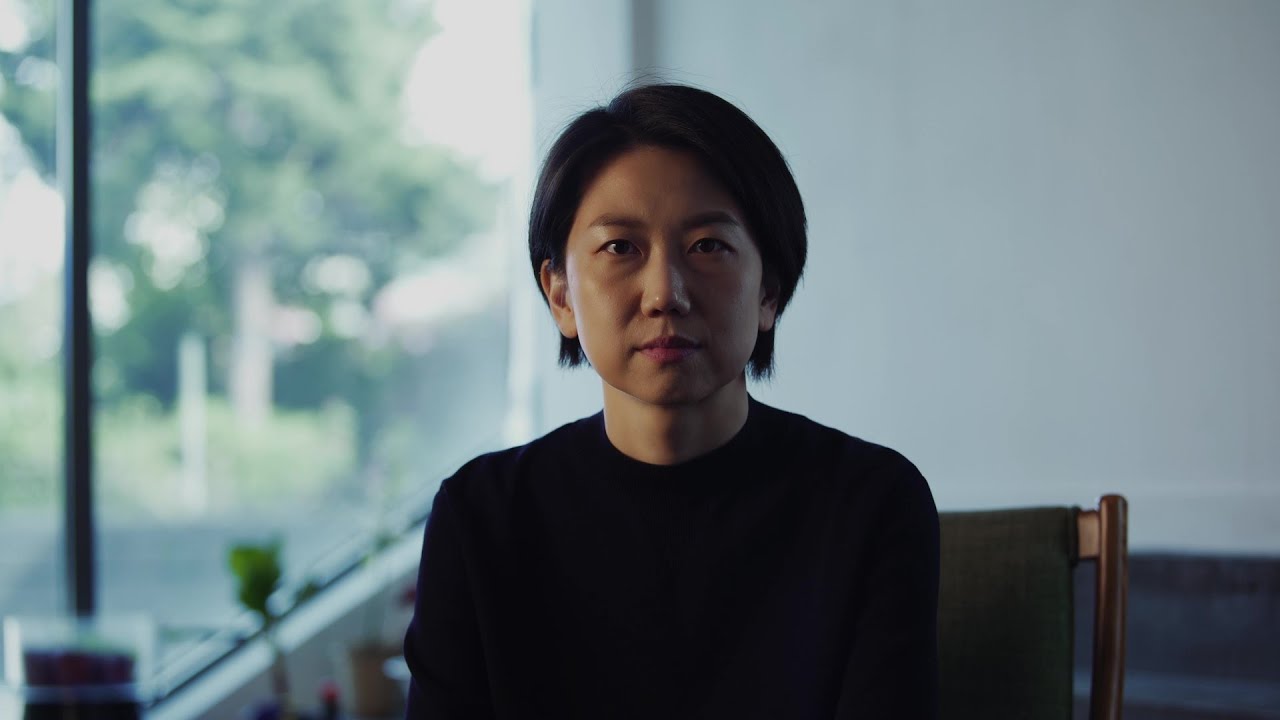
Minae Kim received her BFA and MFA in Sculpture from Seoul National University. She later earned an MFA in Sculpture from the Royal College of Art in the UK and a DPhil in Fine Art from Ruskin School of Art, University of Oxford. Currently, she serves as a professor in the Sculpture Department at Seoul National University, where she mentors the next generation of Korean artists.
Since 2012, the Museum of Modern and Contemporary Art (MMCA) and
SBS Cultural Foundation have co-sponsored the annual Korea Artist Prize,
providing support to outstanding visual artists who are using innovative
aesthetics to address the most compelling social issues of our time. Each year,
four artists/teams are awarded funding for their artistic productions, which
are then exhibited at MMCA. Now in its ninth year, the Korea Artist Prize has
assumed a leading role in promoting new discourse and direction in Korean art,
and thus continues to garnering more attention and acclaim with each passing
year.
At the end of 2019, four finalists were chosen for the 《Korea Artist Prize 2020》:
Minae Kim, Seulgi Lee, Jung Yoonsuk, and Heeseung Chung. These four artists
were selected for sponsorship after being recommended and screened by a panel
of curators and other art experts, both domestic and international. Known for
twisting the familiar structures of life in her sculptures and installations, Minae
Kim presents a new work that uses the physical space of the museum to raise
doubts about the conventional conditions of art and exhibitions. Based in
France since the 1990s, Seulgi Lee produces sculptures, installations, and
videos with an emphasis on formal aesthetics. In her new installation, Lee
incorporates elements of traditional architecture and folk art to transform the
exhibition space. While both Minae Kim and Seulgi Lee utilize formal aesthetics
to transform our recognition and experience of the museum's space, Jung Yoonsuk
and Heeseung Chung provide the opportunity and conditions for deep
contemplation on life and humanity. In his video installation, artist and film
director Jung Yoonsuk explores "what humanity is" today through the
stories and choices of individuals responding to our changing times. Finally, Heeseung
Chung combines her primary media of photography with text and music in a dual
installation that infuses the exhibition space with the concerns of life and
art that she shares with fellow artists.
Seulgi Lee, DONG
DONG DARI GORI, 2020, Door, water, play, song ©MMCA
Based in France, Seulgi Lee continuously explores
her interest in ordinary objects, everyday language, and natural forms through
sculptures and installations with an emphasis on formal aesthetics. She
especially enjoys being inspired by folk traditions and collaborating with master
artisans of folk crafts, such as Korean quilters in Tongyeong and traditional
basket weavers in Mexico.
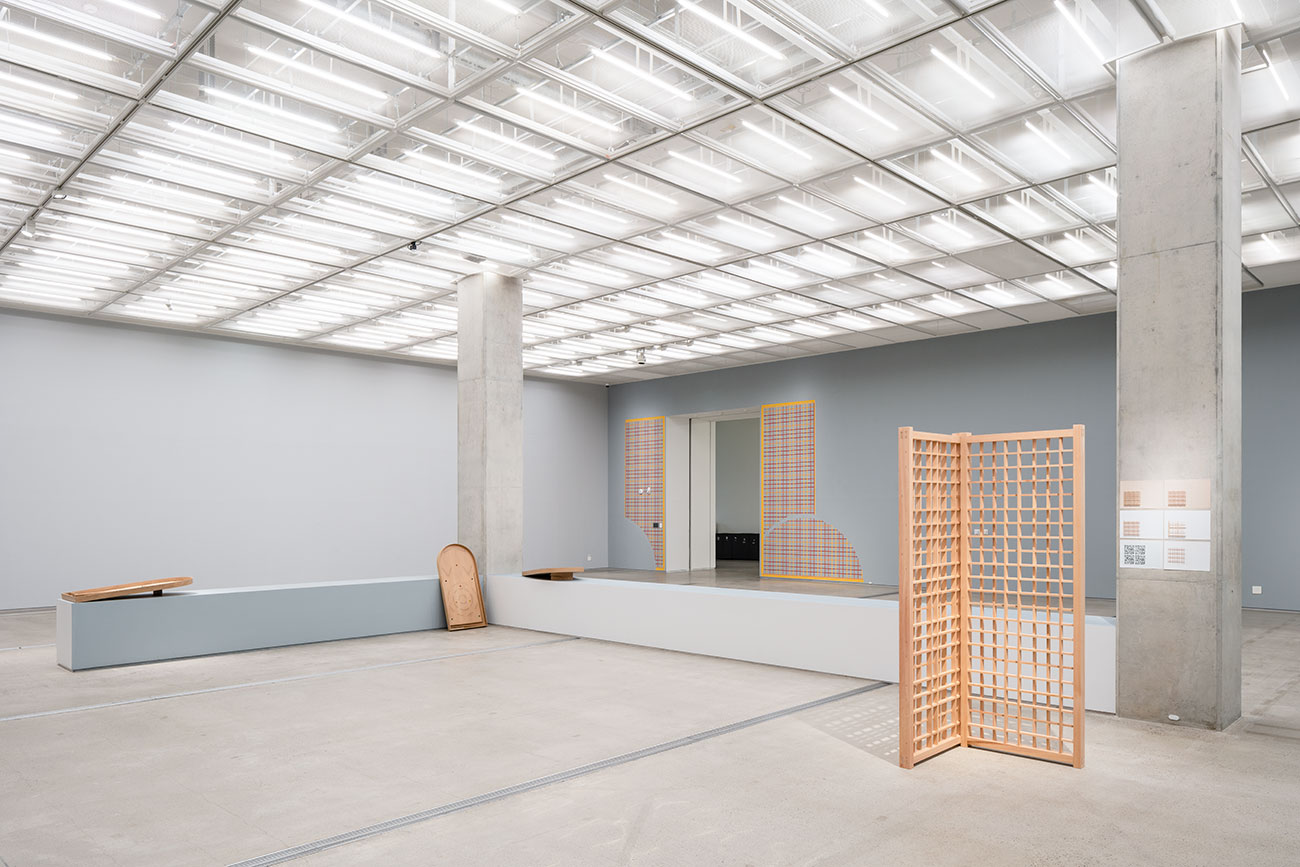
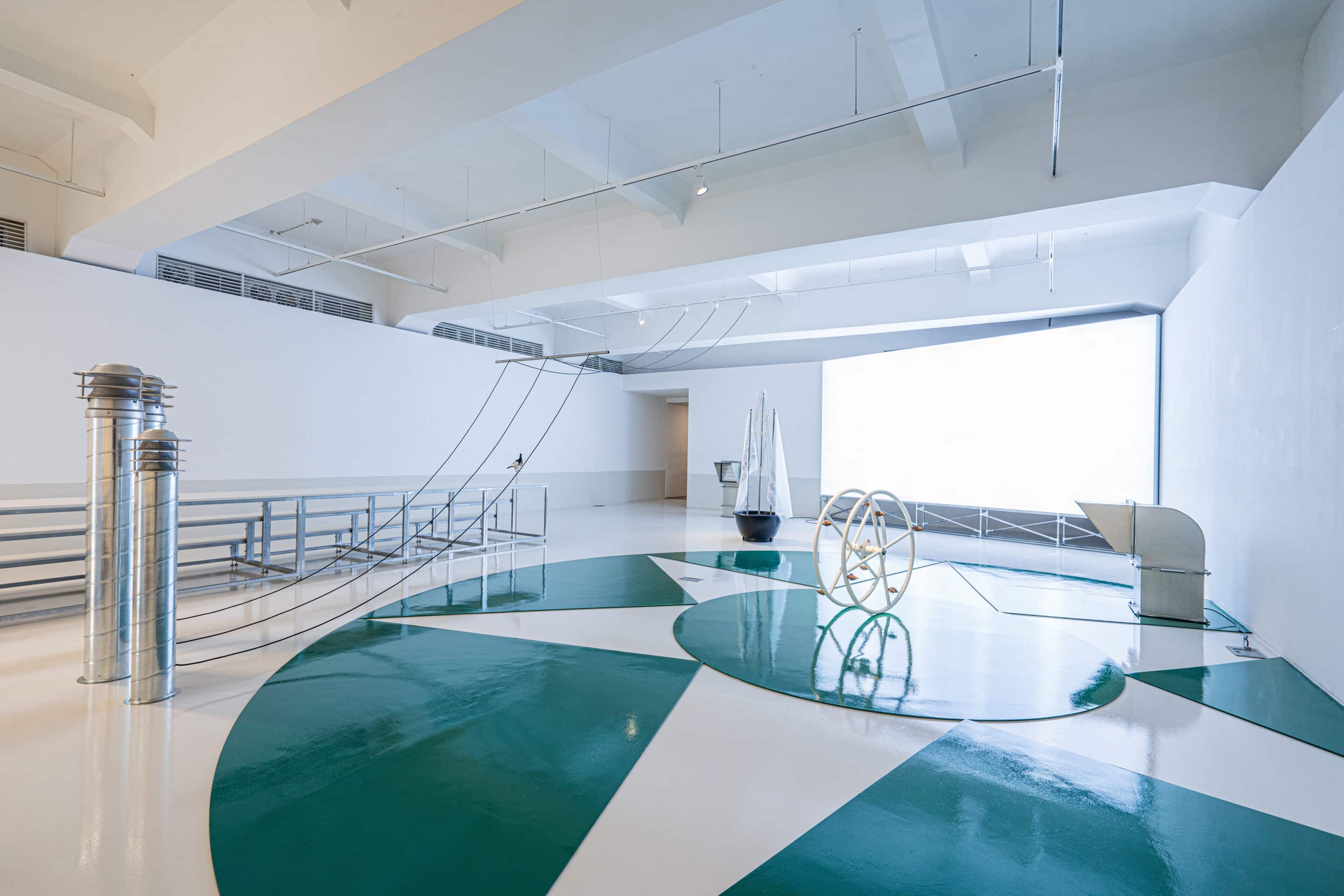
For this exhibition, Lee presents her new work DONG
DONG DARI GORI, in which she transforms the exhibition space using
traditional Korean windows. Visitors are greeted at the door by the moon, which
filled Korean traditional homes with magic whenever it passed by the wooden
frames of paper doors and windows. Hanging in the space are glass containers
holding water from different rivers around the world, sent by the artist's friends
who are saddened and frustrated by their inability to meet due to COVID-19. A
playful spirit is aroused through the addition of Korean folk songs and
traditional French games. Made in collaboration with an architect and experts
in traditional wooden frames and glass, this work exemplifies Lee's prolonged
contemplation on the captivating forms of human-made objects, which reveal the
mysteries of the fundamental relationship between people and nature.
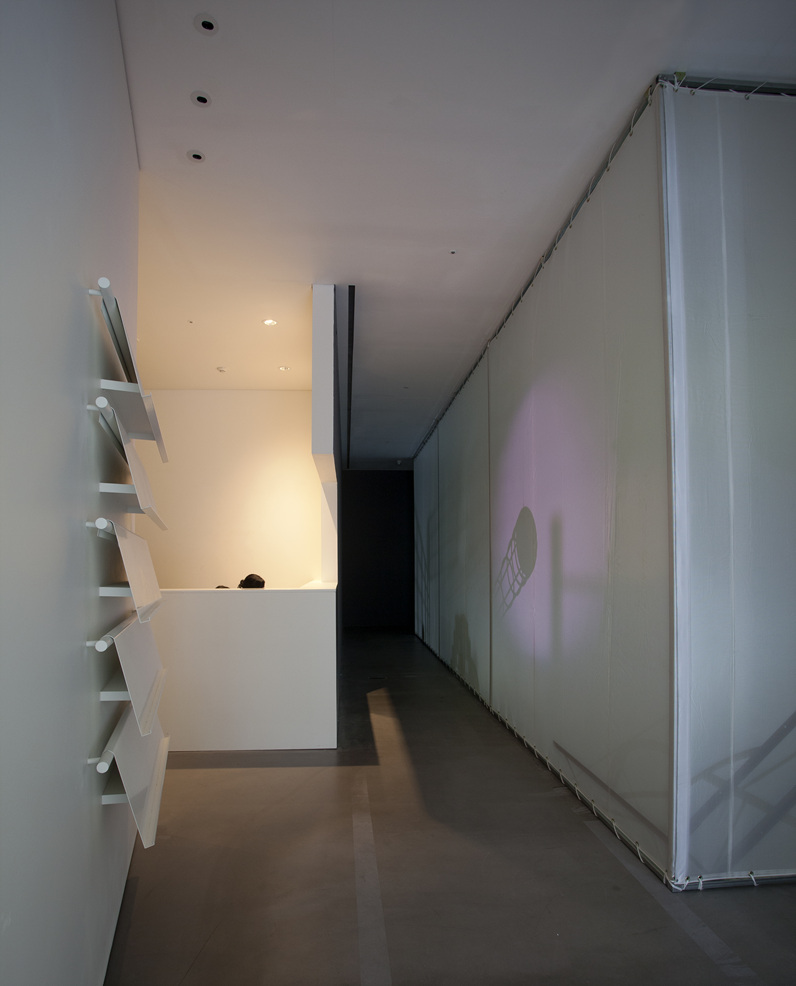
Minae
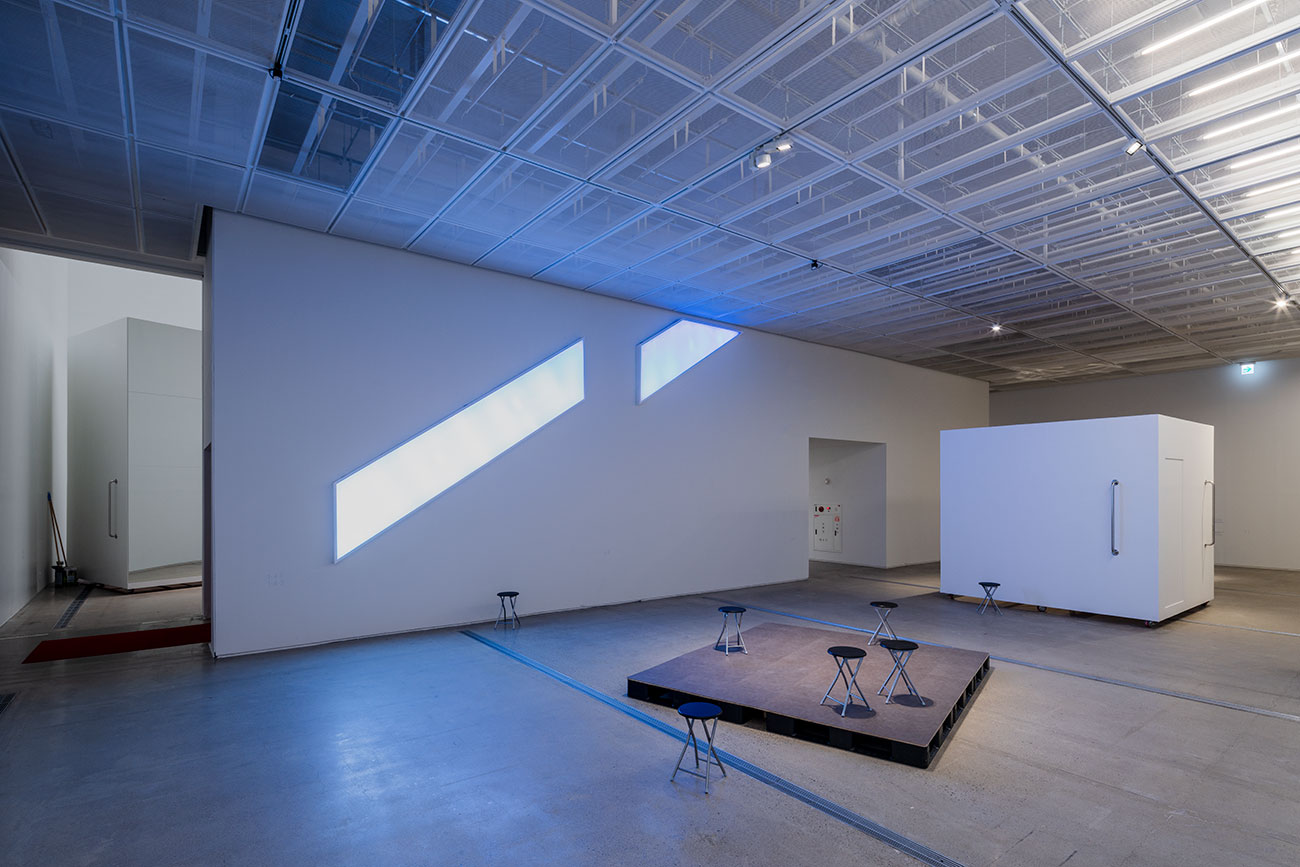
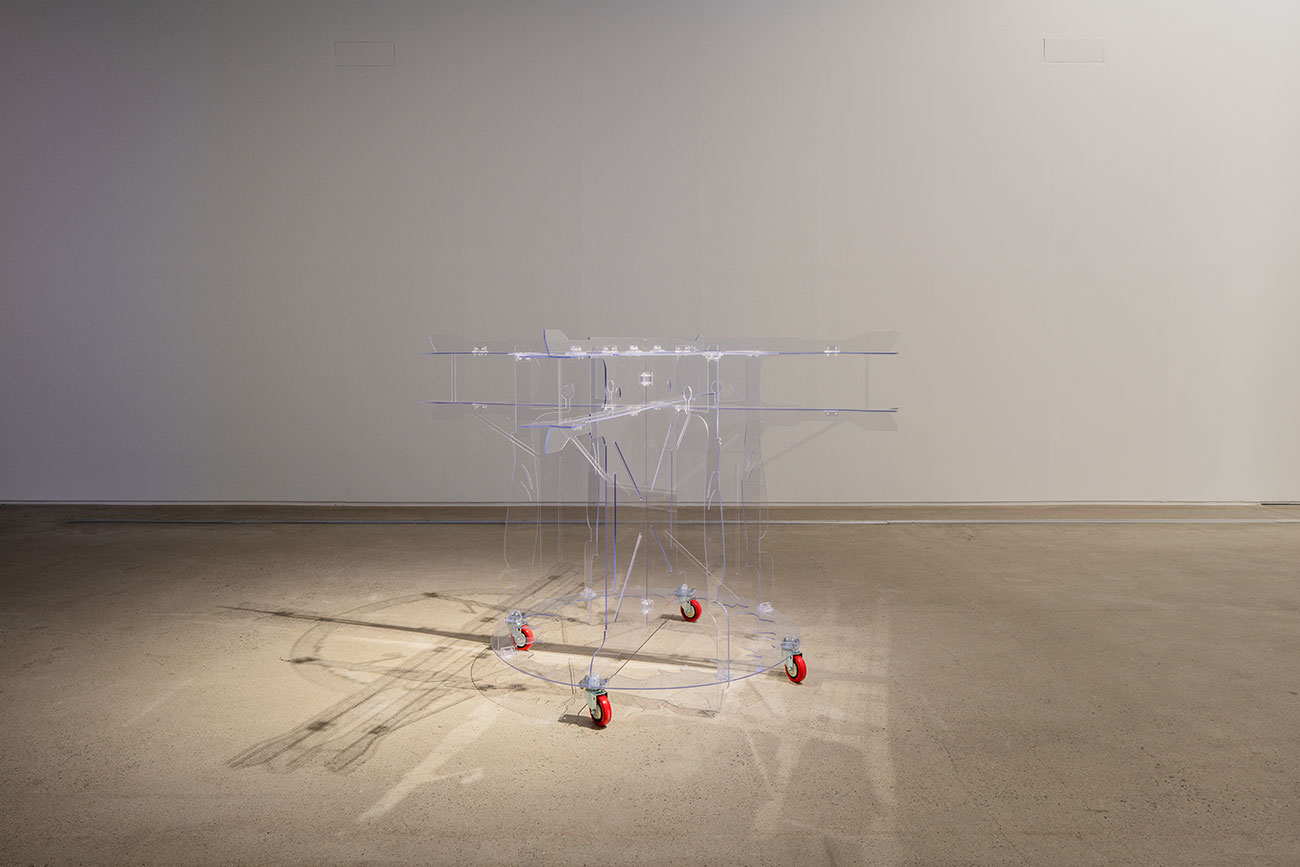
Kim, 1.안녕하세요 2.Hello, 2020, Mixed-media
sculpture and installation ©MMCA
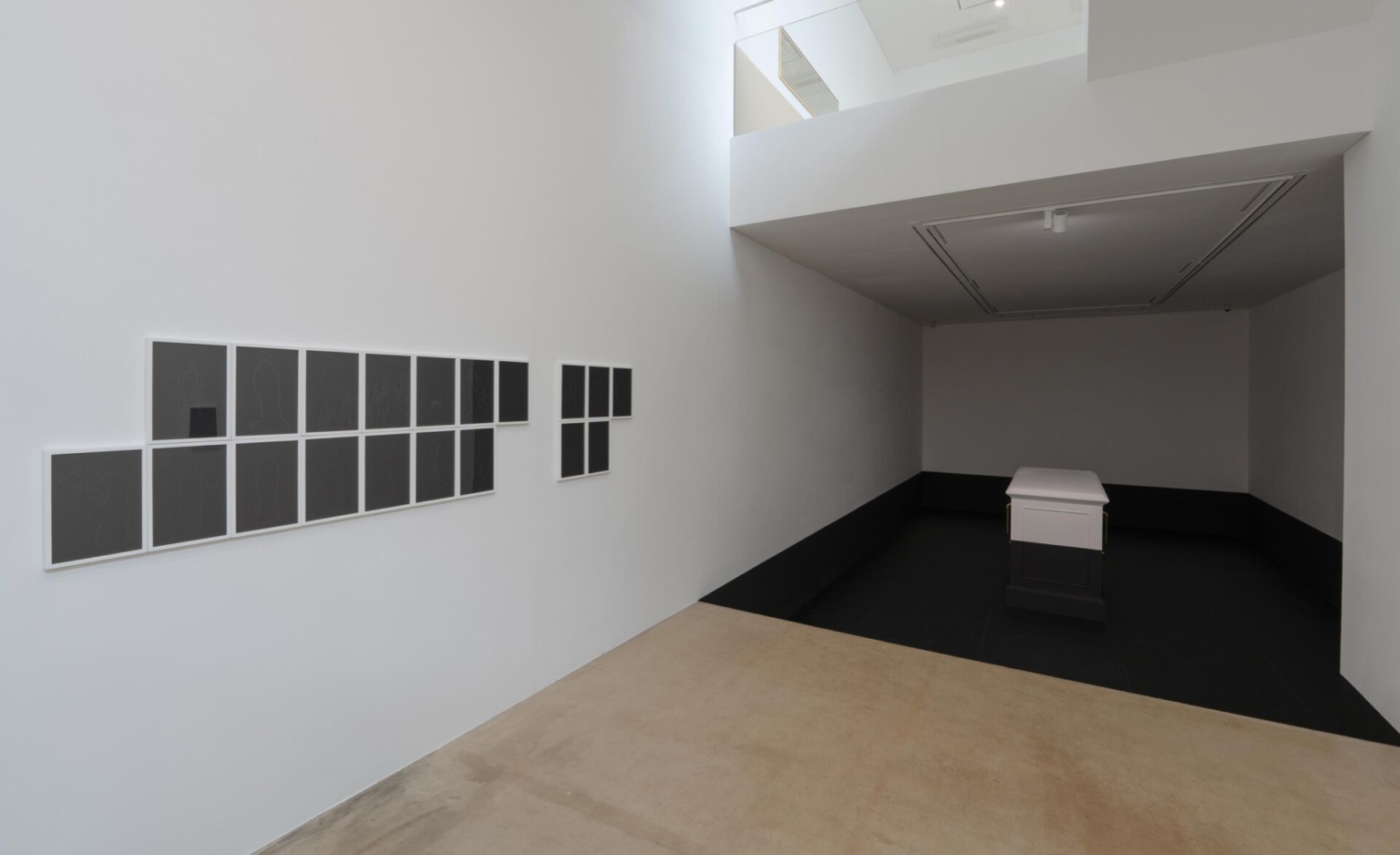
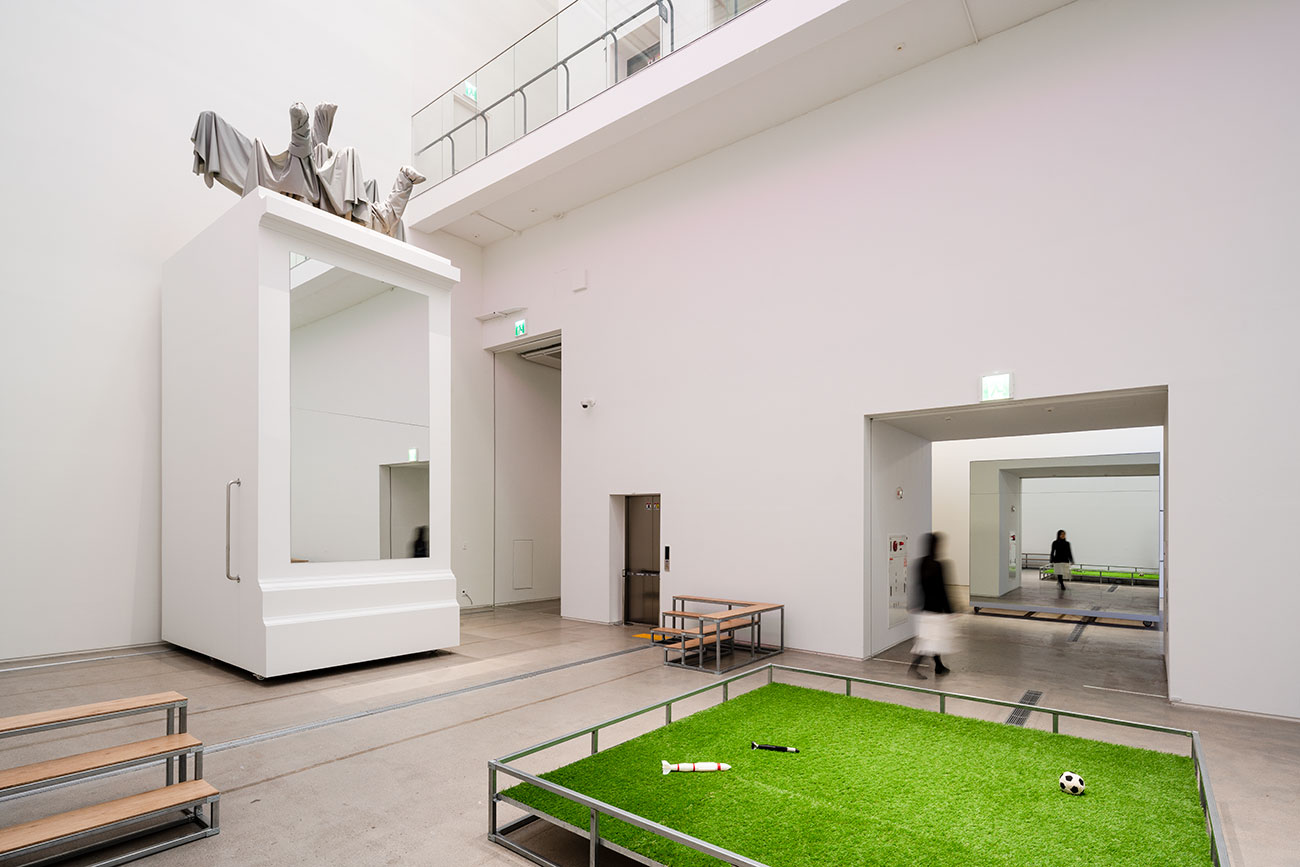
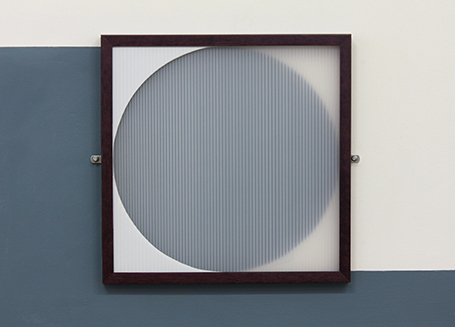
Minae Kim has produced sculptures to reveal the inherent
contradictions faced by individuals within a society and site-specific
installations that intervene with the architectural space to distort
conventional frames or social structures that we often take for granted. Her
works raise compelling questions about the meaning and consummation of art,
particularly within the specific physical space and institutional environment
of a museum or gallery.
Minae
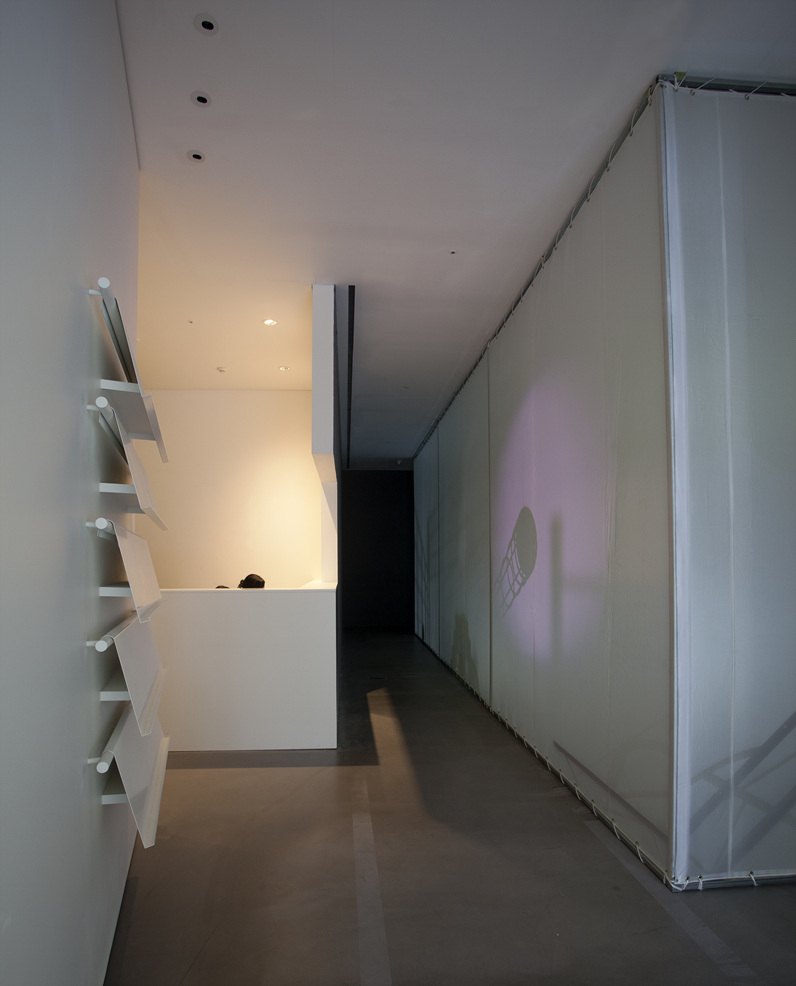
Kim, 1.안녕하세요 2.Hello, 2020, Mixed-media
sculpture and installation ©MMCA
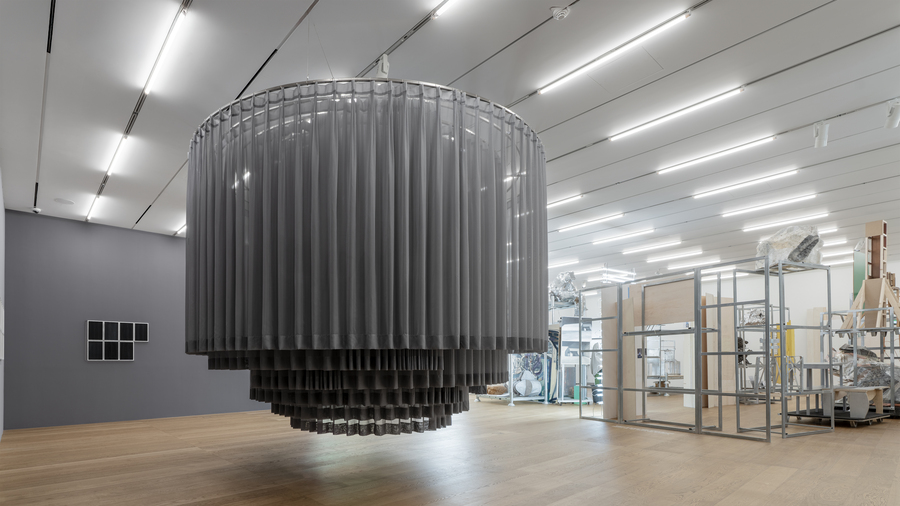
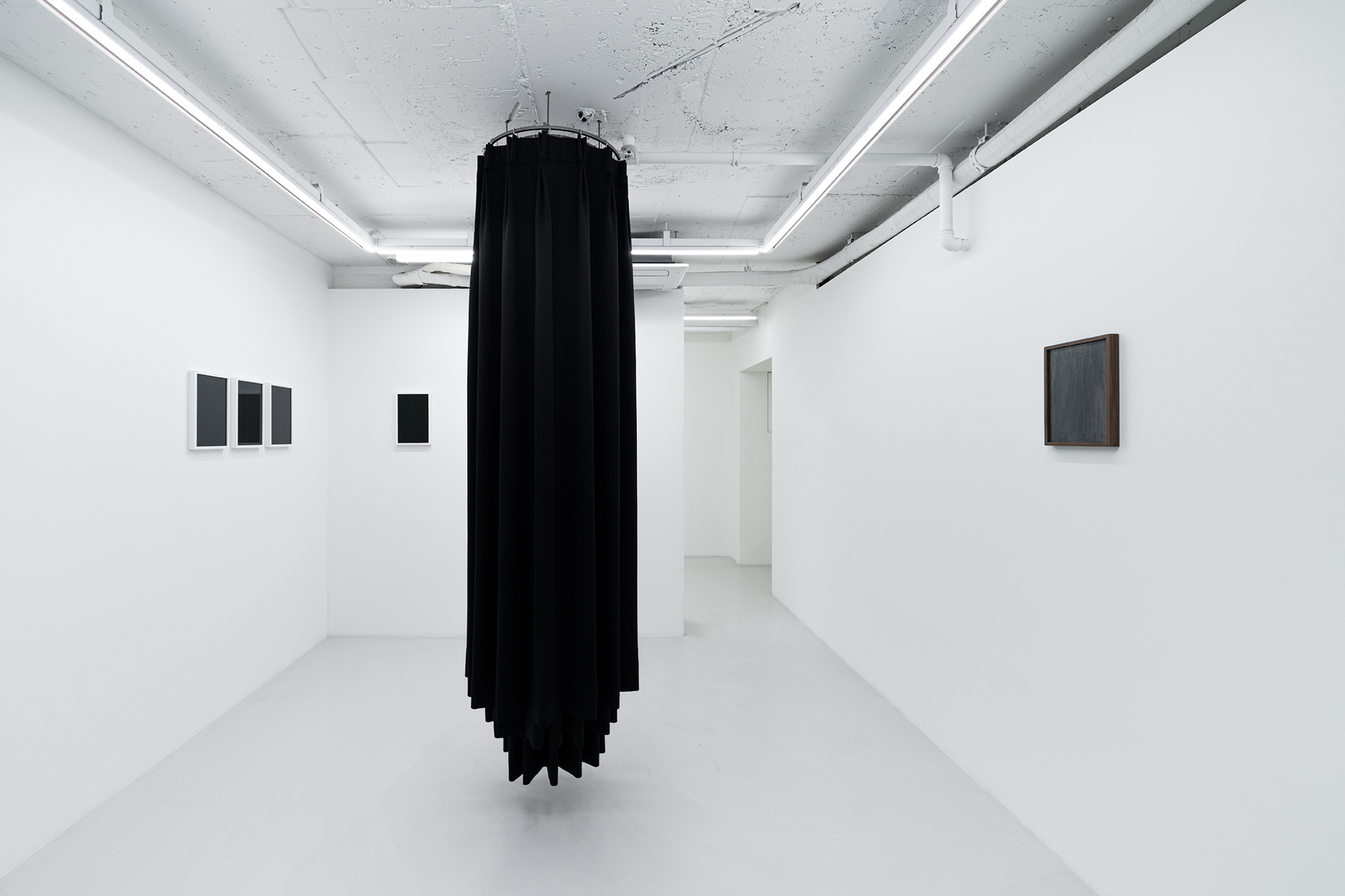
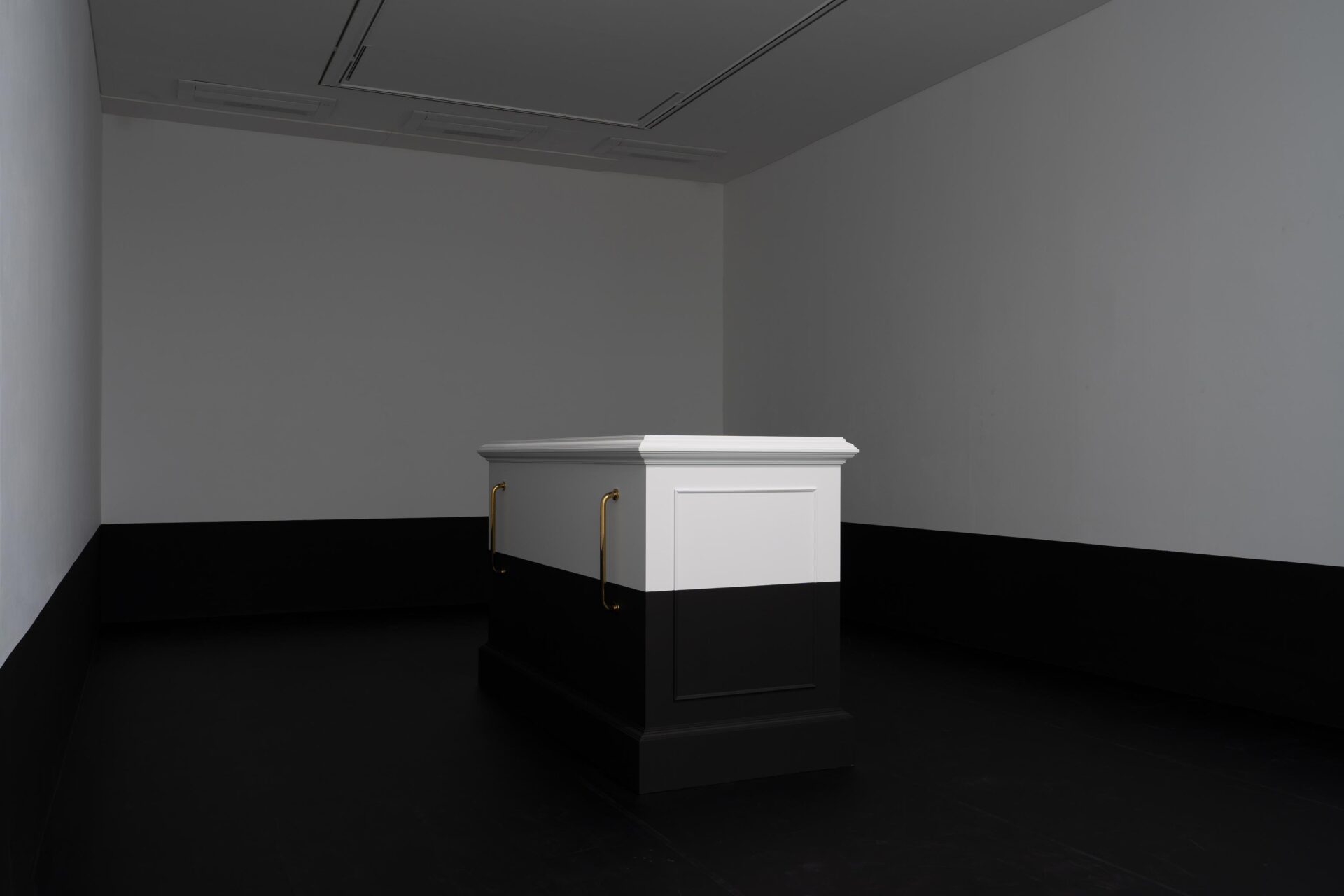
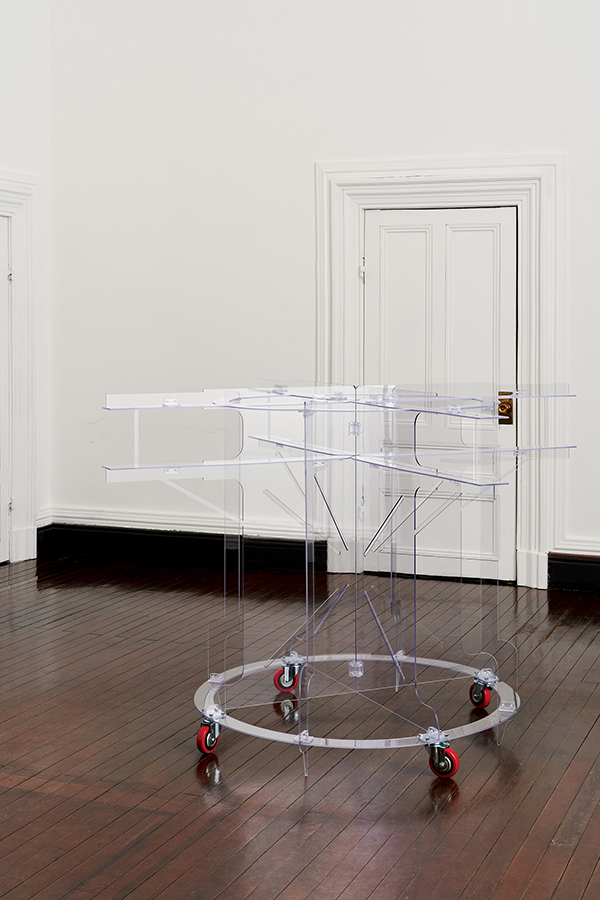
For her new installation 1.안녕하세요 2. Hello, Kim highlights the unique architectural structure of Gallery 2 with a collection of sculptures and structures that arbitrarily cooperate with or confront one another, interacting like a chain reaction to produce an absurd situational play. "Overlooked" spaces, which often go unnoticed despite their physical presence, are shifted to the forefront to play a leading role in the work. As they respond to such spaces, the sculptures arouse elements from Kim's past exhibitions, which thus serve as a type of historical reference. Eliminating all boundaries between the space and the structures, Kim forces us to question whether a sculpture can exist apart from its environment, thus extending her inquiry into the fundamental nature of sculpture and art.
Heeseung Chung, Dancing
Together in Sinking Ship, 2020, Photography and text installation
©MMCA
Working primarily with
photography, Heeseung Chung explores the possibilities and
limitations that arise through the process of turning objects into imagery.
Working with objects, bodies, and spaces, she seeks to maximize the raw
materiality and presence of the medium, while also using text to divulge the
inherent flaws of communication tools such as image and language.
For this exhibition, Heeseung
Chung uses her own communications with colleagues to transmit her thoughts and
concerns about life as an artist, while also exploring the process of
communication itself. Separate in form but united in content, Dancing
Together on a Sinking Ship (photography) and Poetry
for Alcoholics and Angels (text) function as a single
installation. Chung's diverse interactions with twenty-four fellow artists are
transformed into portrait photographs, images of objects from the artists'
daily lives, and short fragments of conversations that she had with them while
producing this work. Further enhanced with music, this concrete yet ambiguous
collection of images and text conveys the powerful fear and devotion of those
who choose life as an artist, while reminding us that art is just as absurd and
impermanent as life.
Working as a visual artist and
film director, Yoonsuk Jung specializes in documentary films that
delve into the hidden side of specific social events in order to explore the
relationship between the individual and the state and to reveal the ambivalence
of human existence. In Non-Fiction Diary (2013),
for example, he examined the 1990s murders committed by the Jijonpa gang,
while Bamseom Pirates, Seoul Inferno (2016)
chronicled the lives and activities of the eponymous punk rock band.
Yoonsuk Jung presents Tomorrow,
which combines a feature film with photography and video installations. Forming
the main axis of the exhibition, the film Tomorrow is
a documentary about people who produce, consume, or use surrogate human forms.
The first half of the film takes place in a factory in China that produces sex
dolls, while the second half travels to Japan to tell the stories of Senji
Nakajima, who lives with several sex dolls, and Michihito Matsuda, who promotes
the use of A.I. robots as a political alternative. Although both Senji and
Matsuda were initially driven by their disappointment and distrust in people,
their methods of resolution could not have been more different. Revealing the
grotesque landscape of the present and the possible future, the film uses the
lives and choices of individuals to question "what humanity is" in
this era of rapid change.