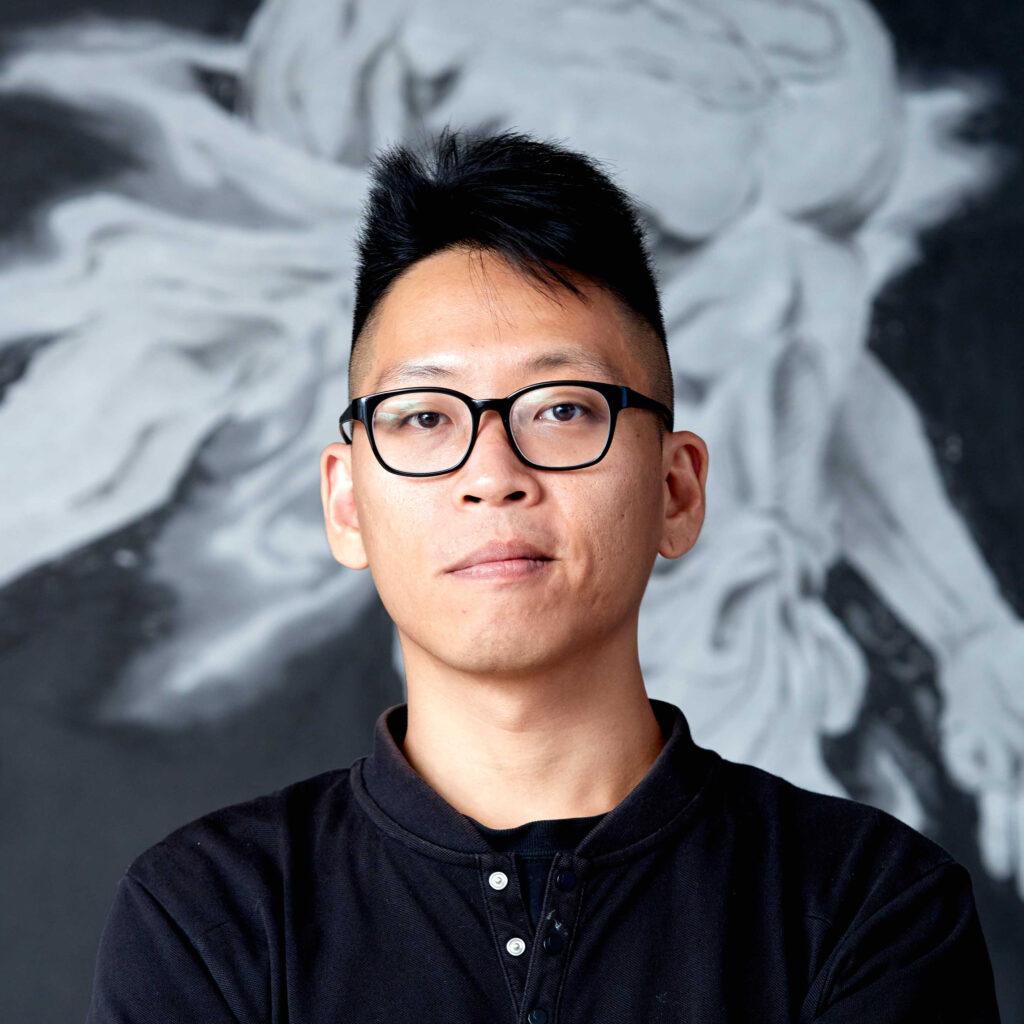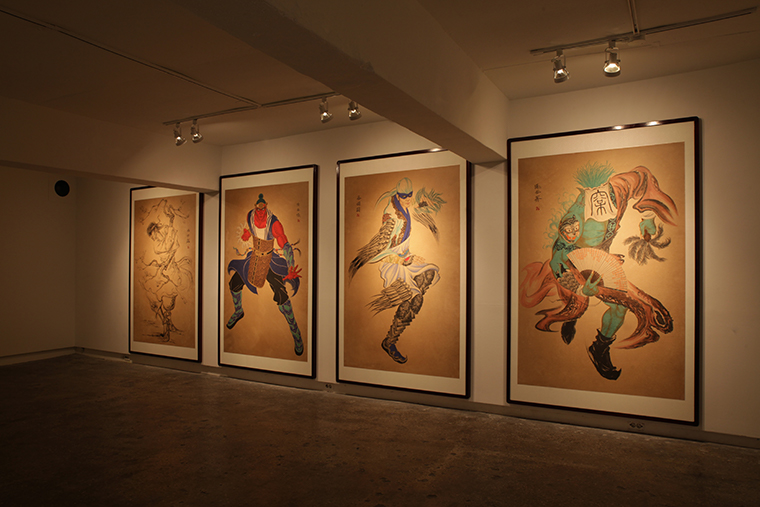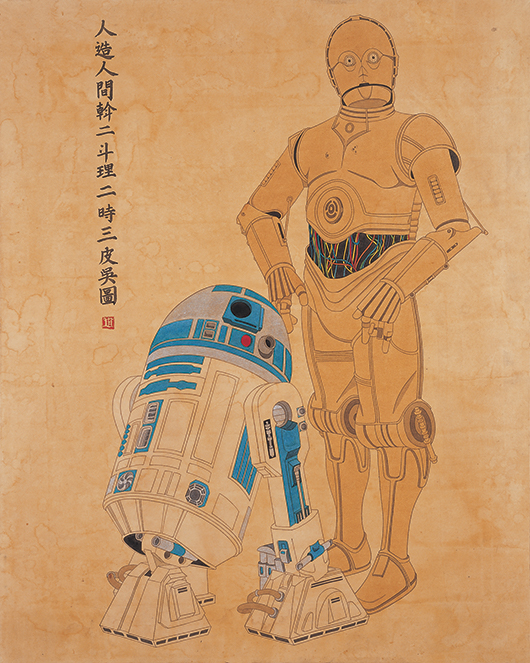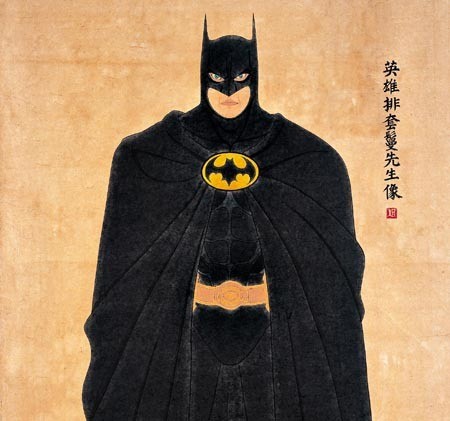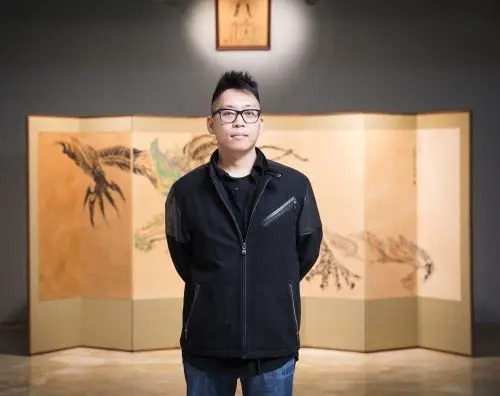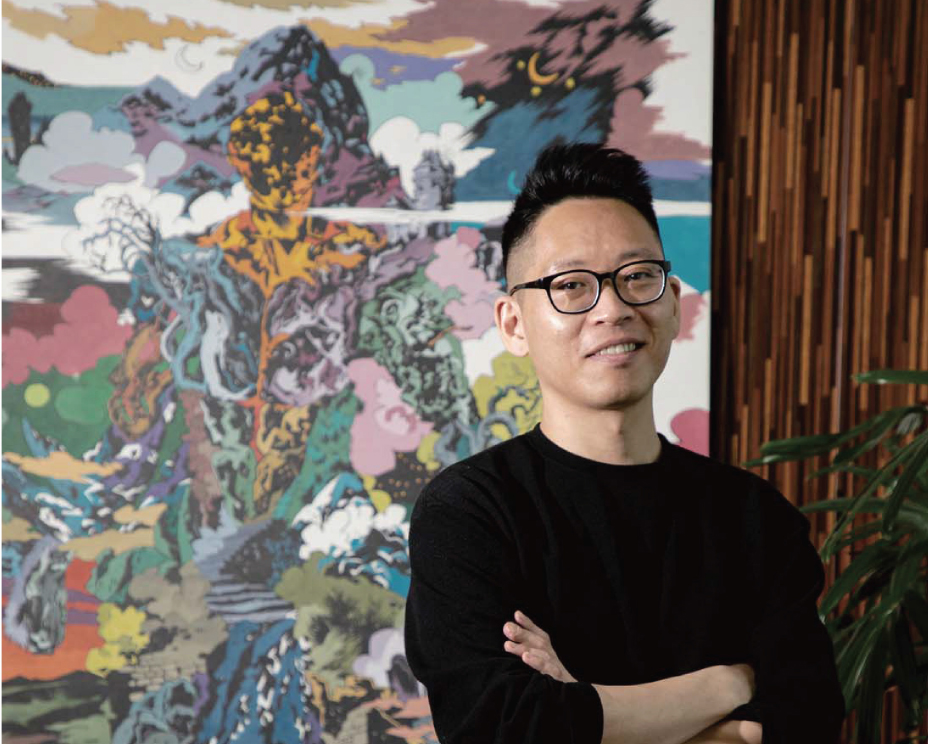

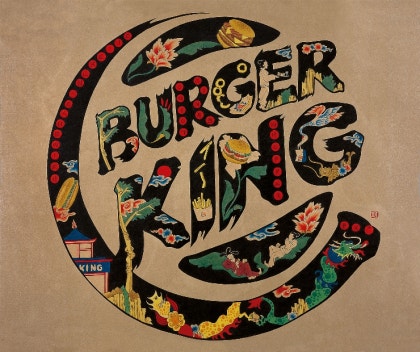
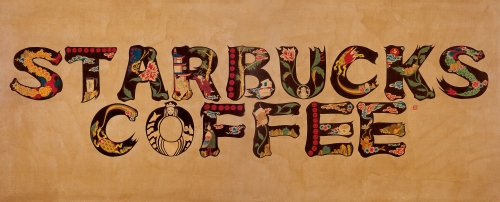
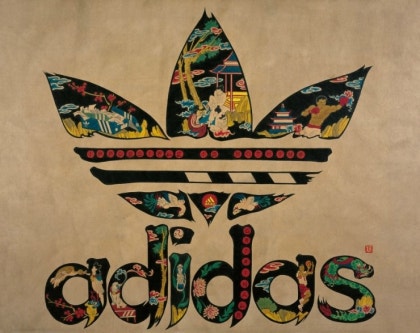
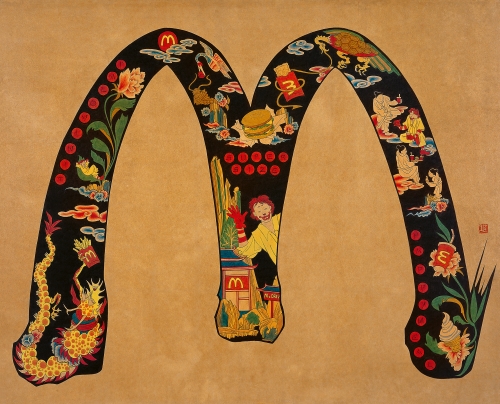
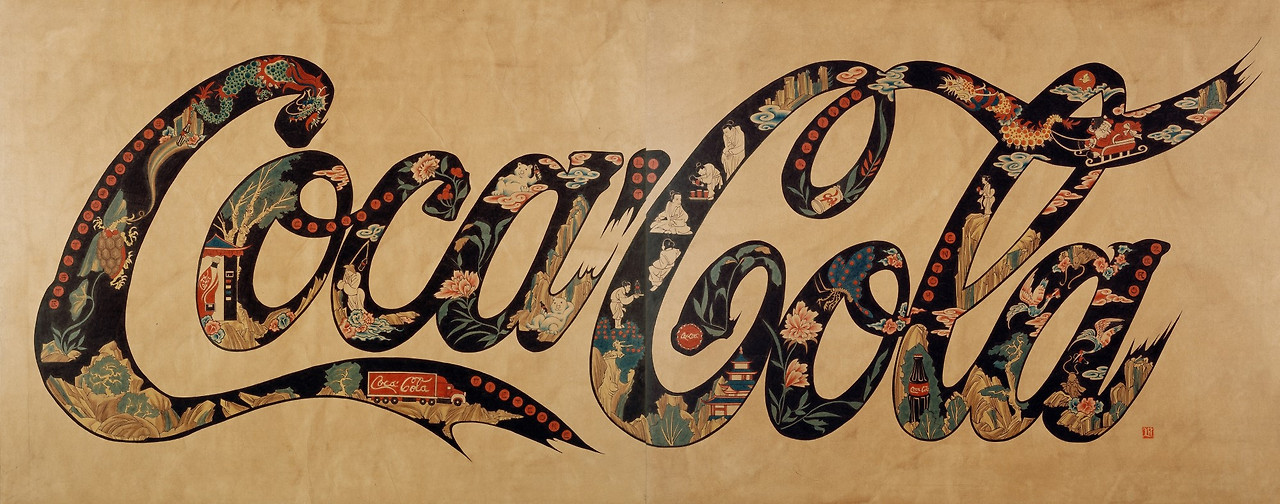
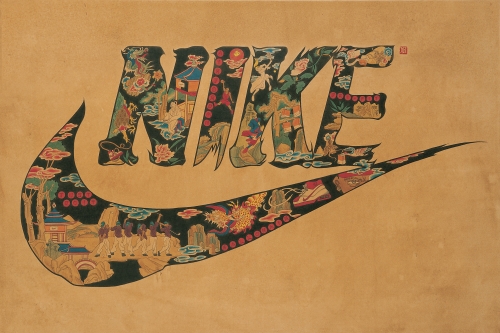
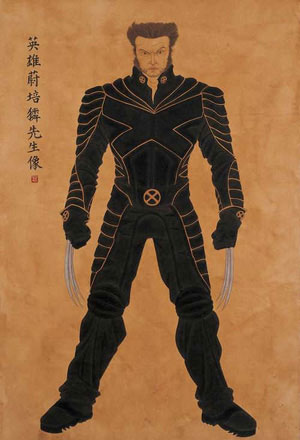
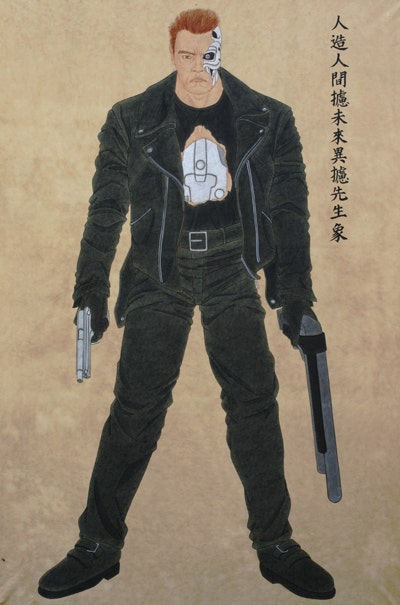
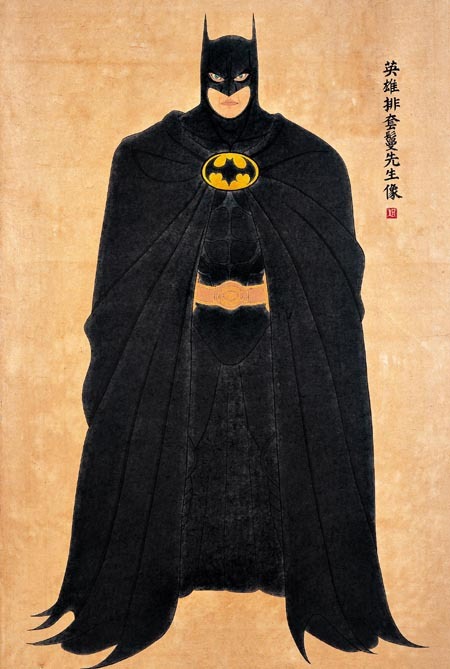
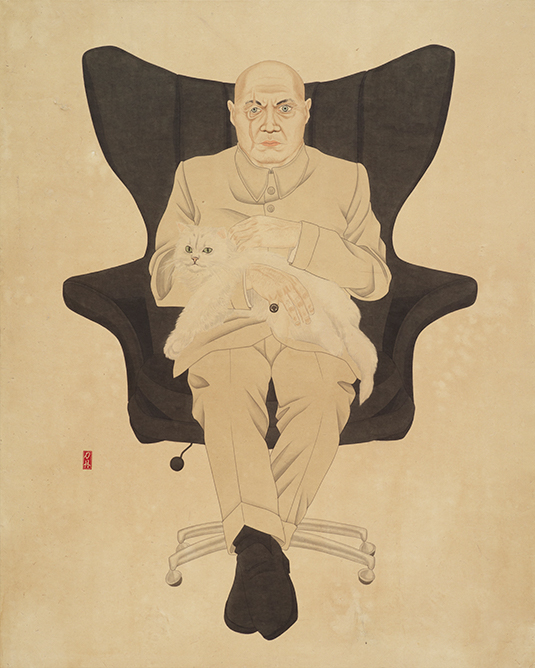
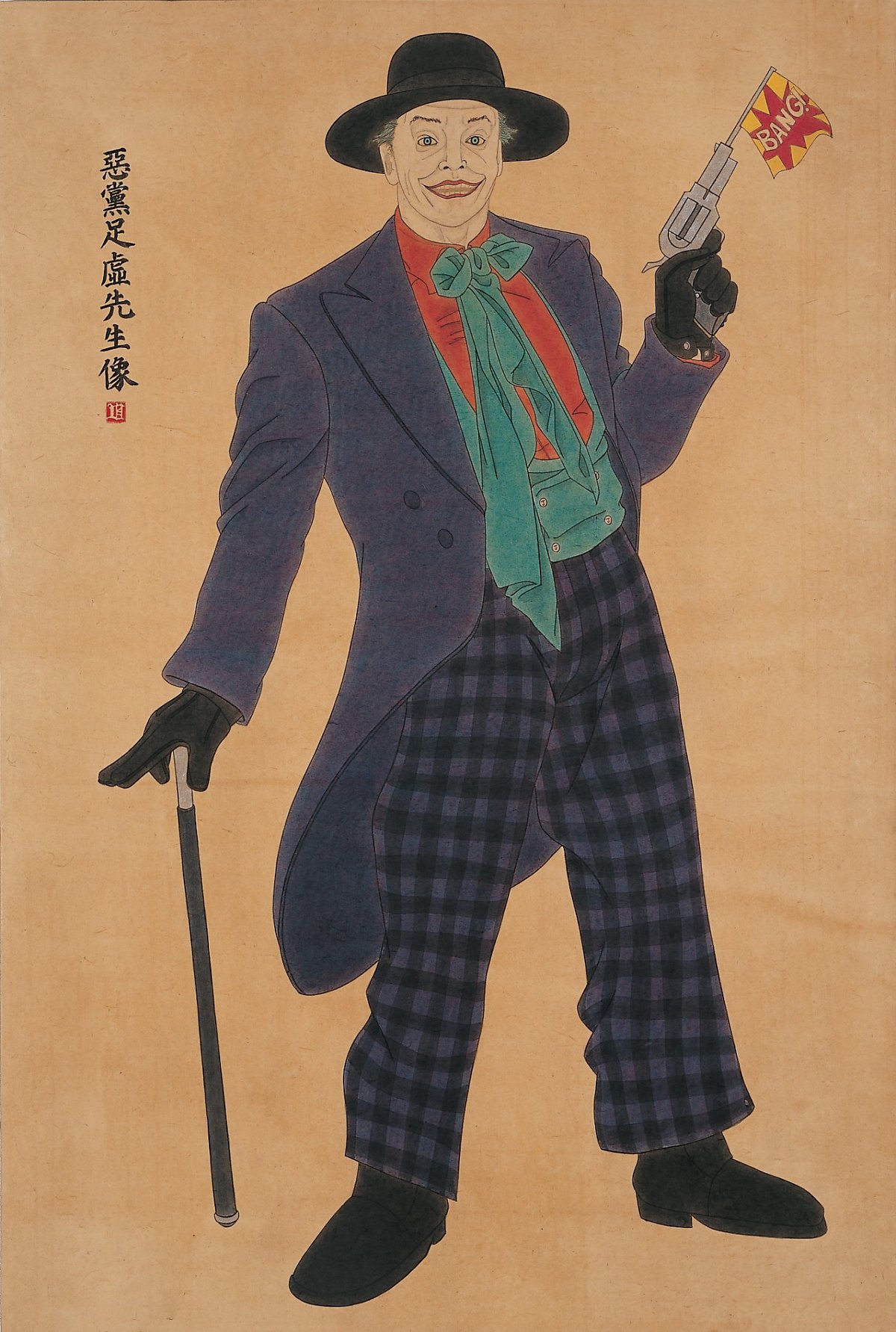
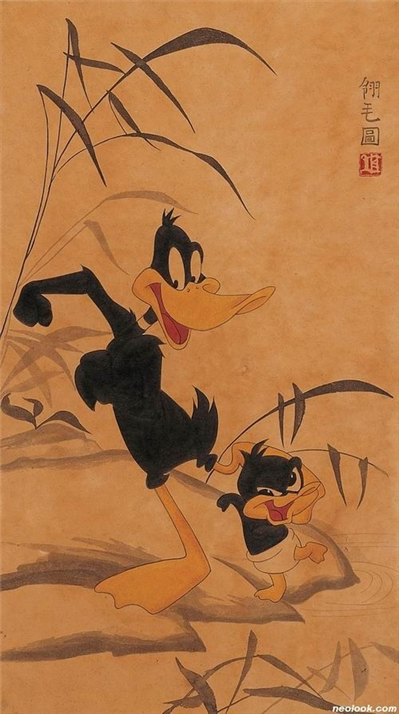
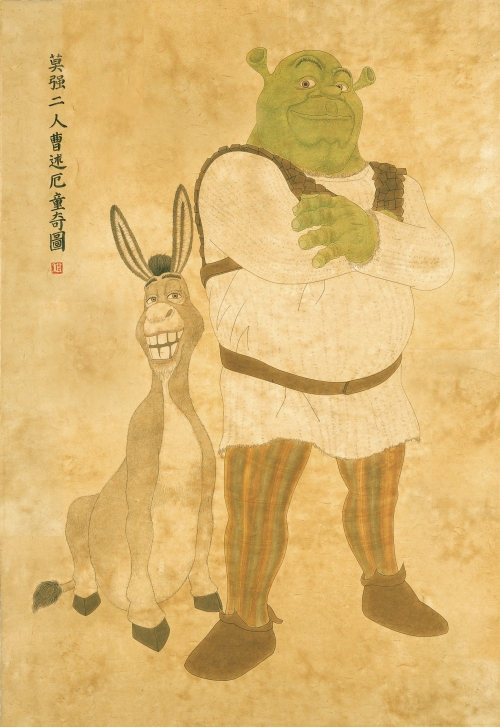
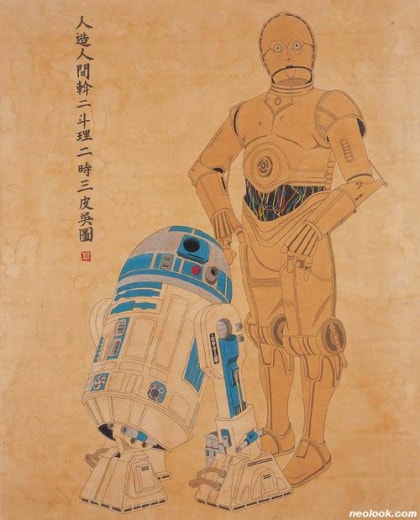
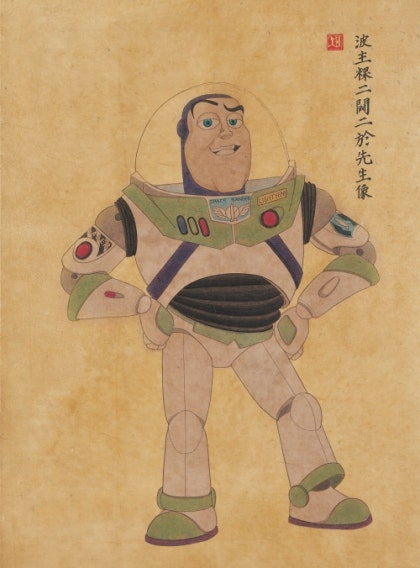
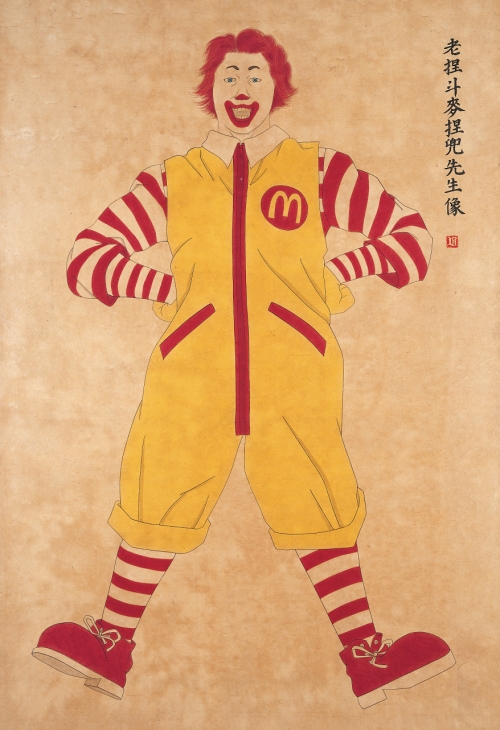
Son Donghyun graduated from the Department of Eastern Painting at Seoul National University (2005) and completed a master’s course at its graduate school (2014). He has been working as an exclusive artist at Gallery 2 since 2007.
Installation
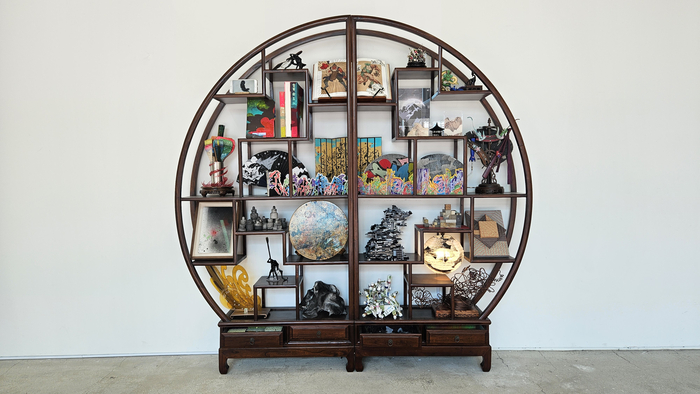
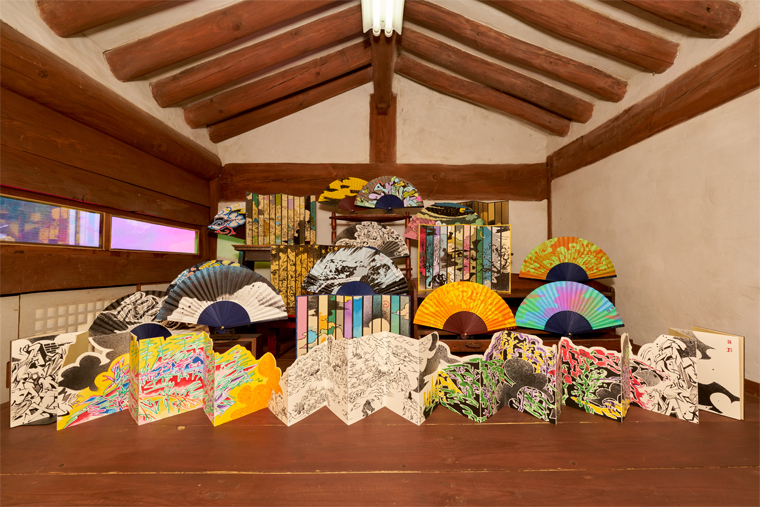
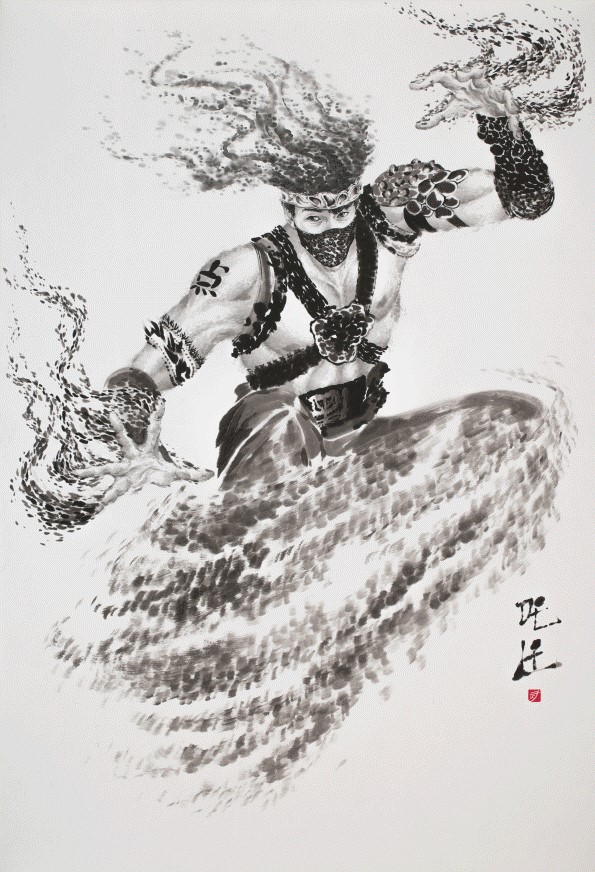
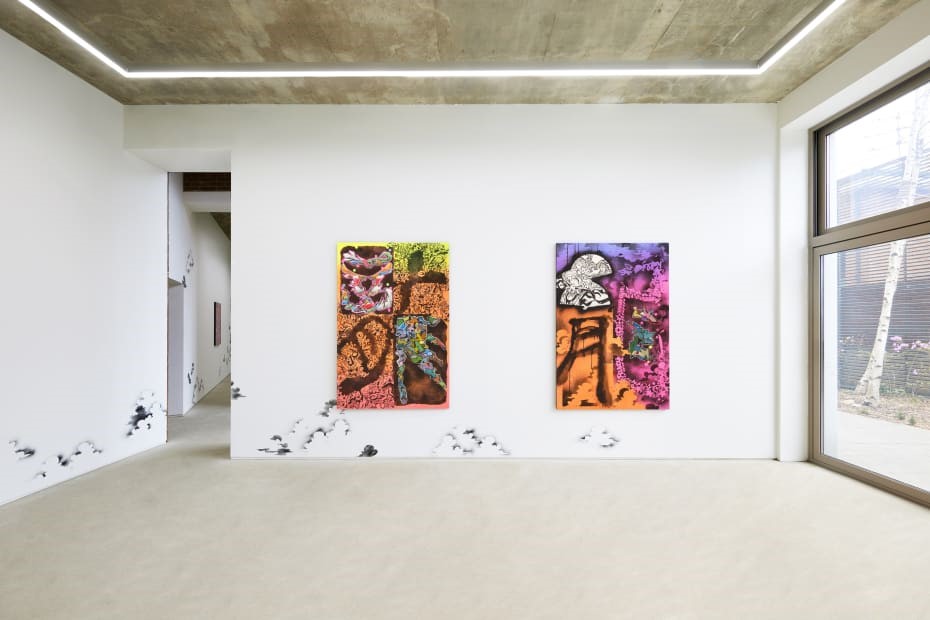
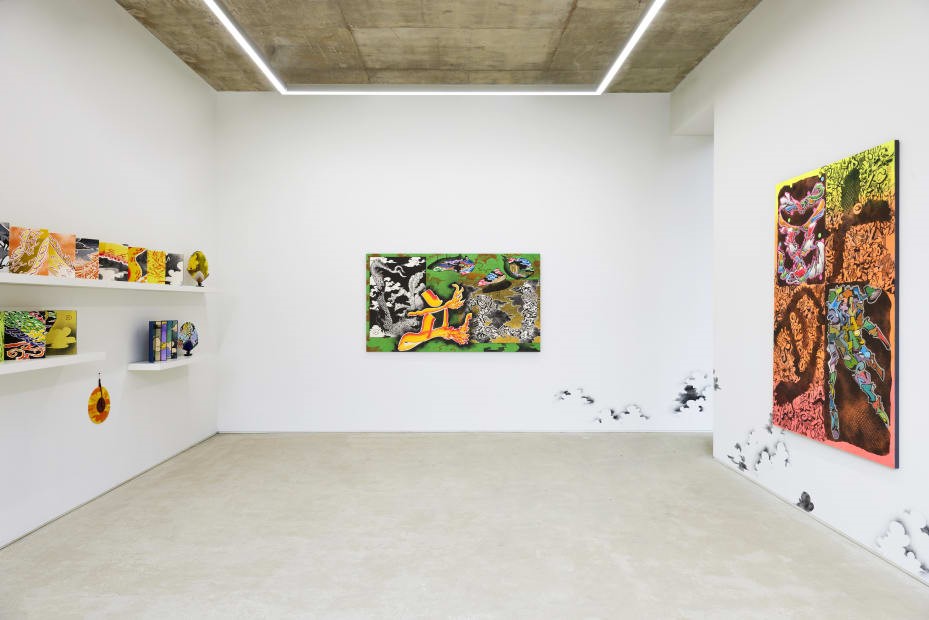
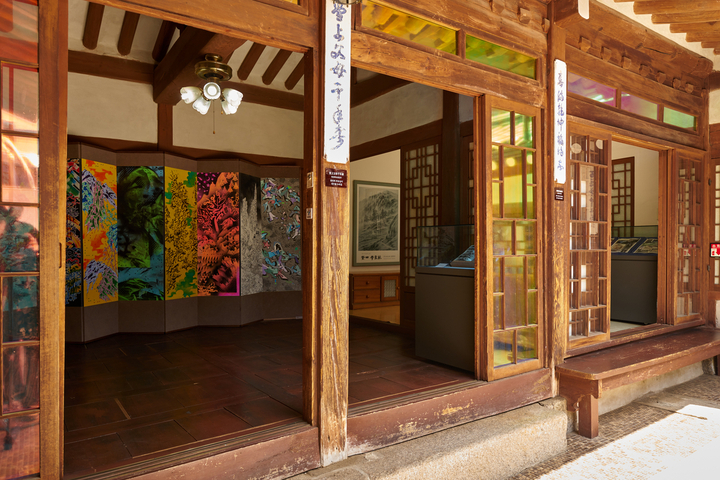
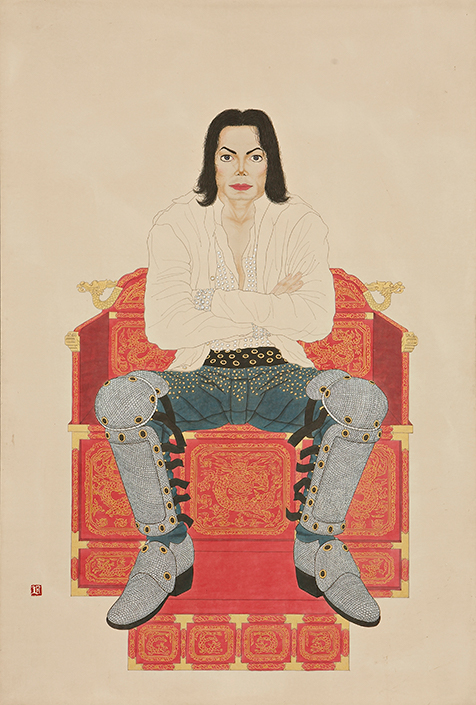
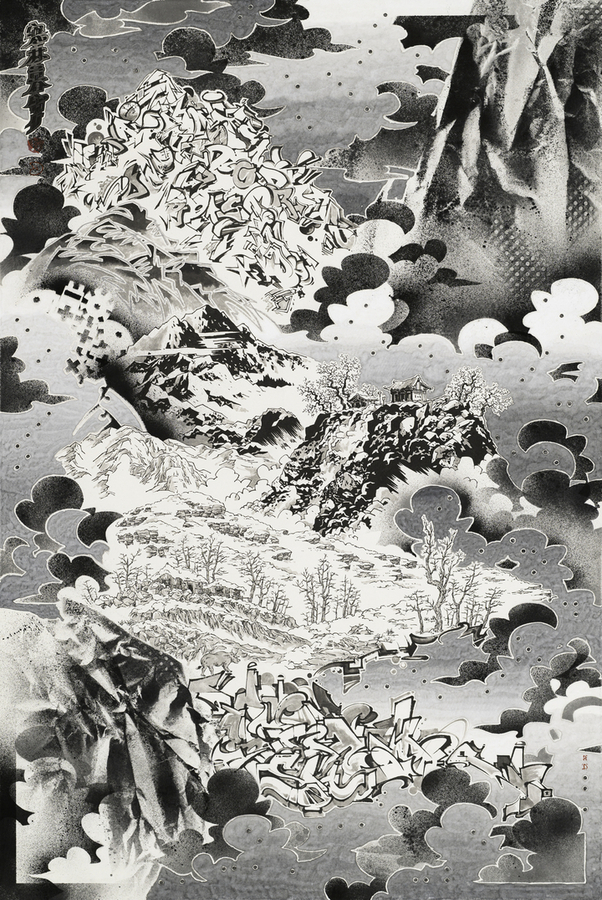
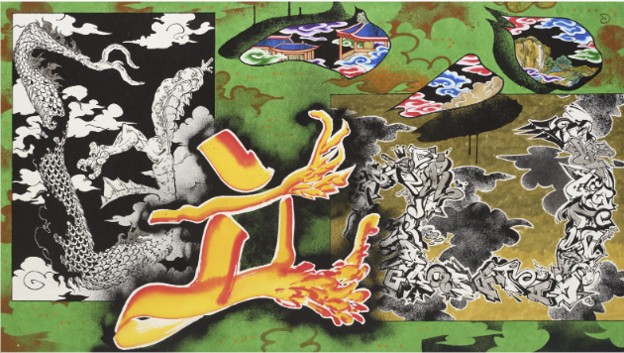
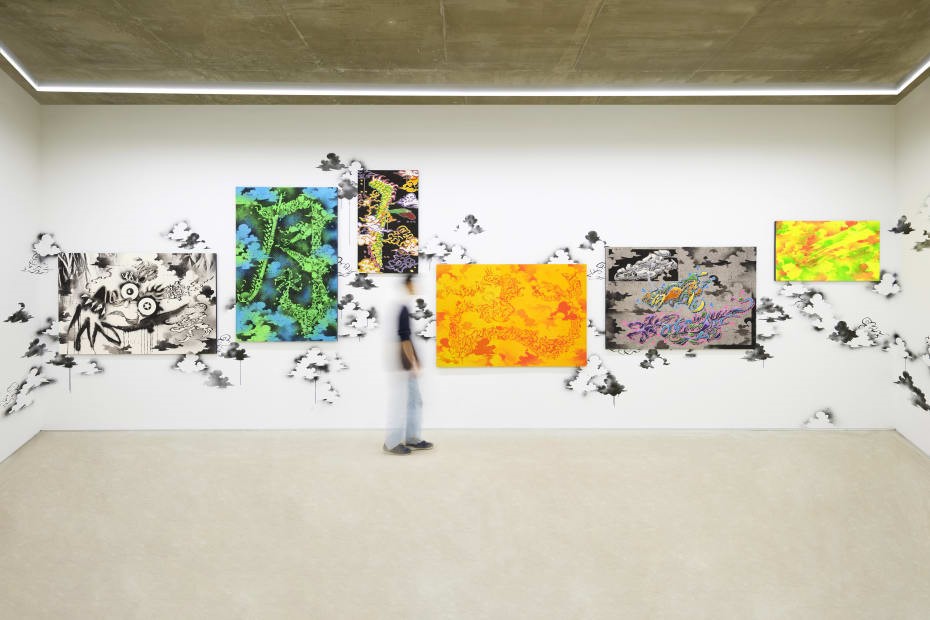
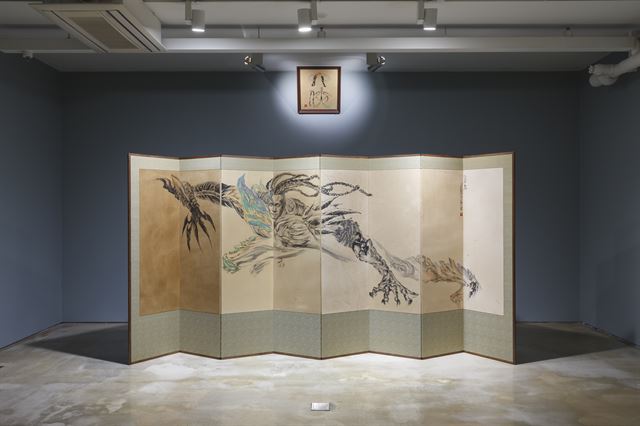
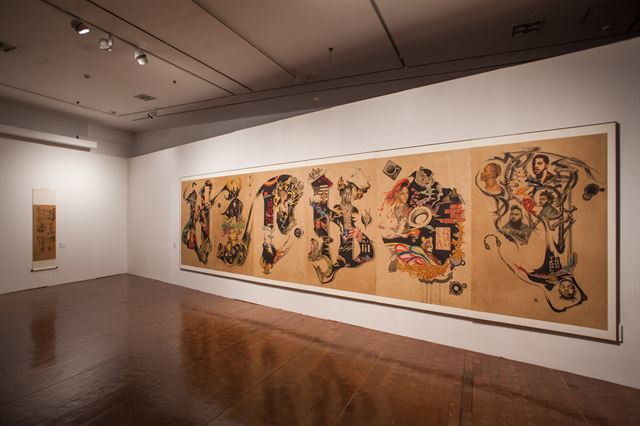
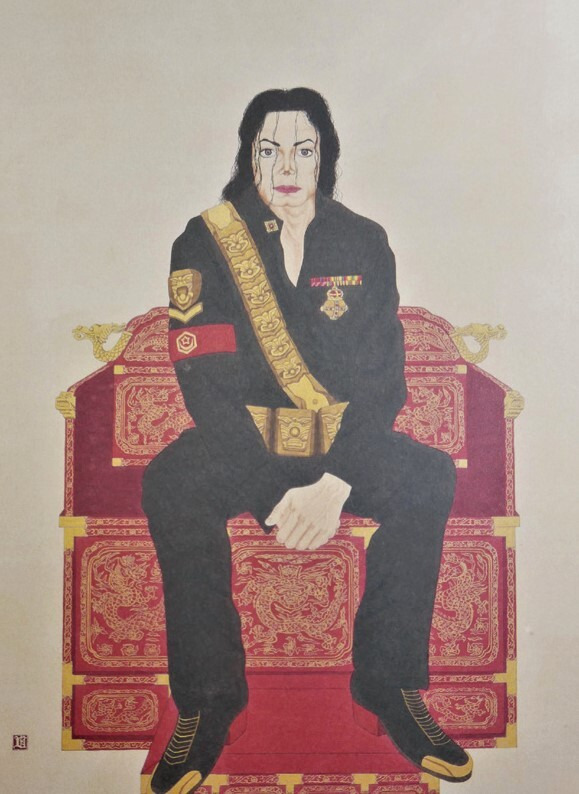
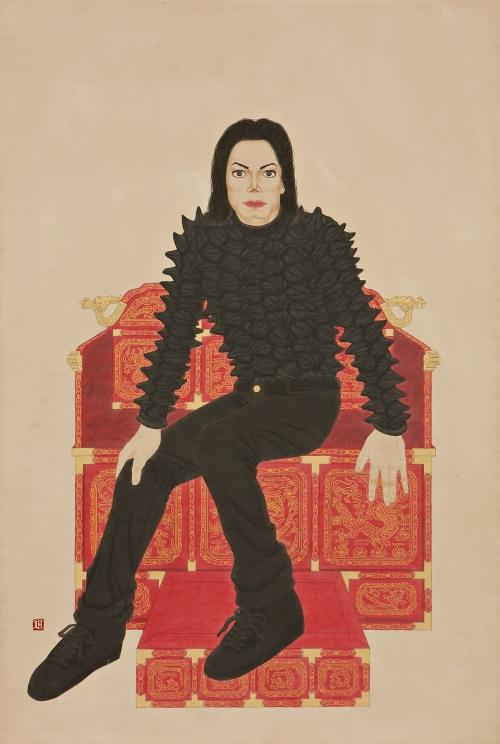
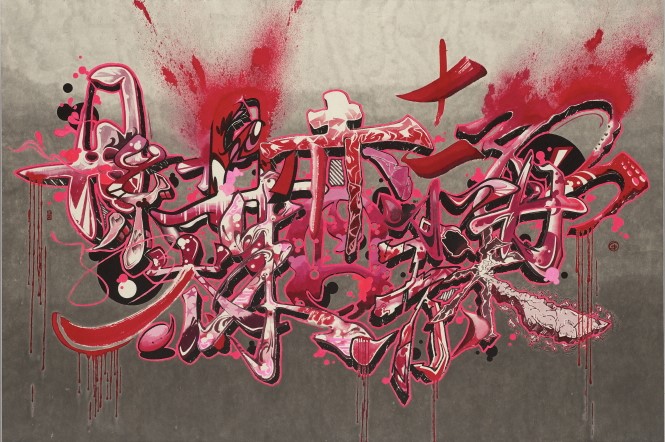
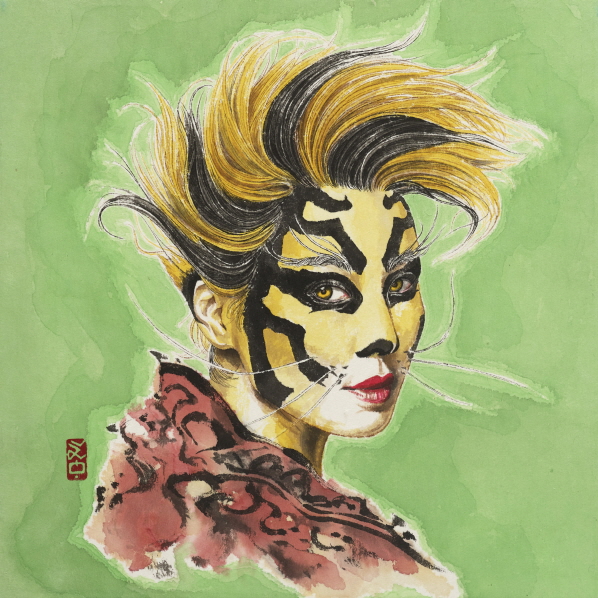
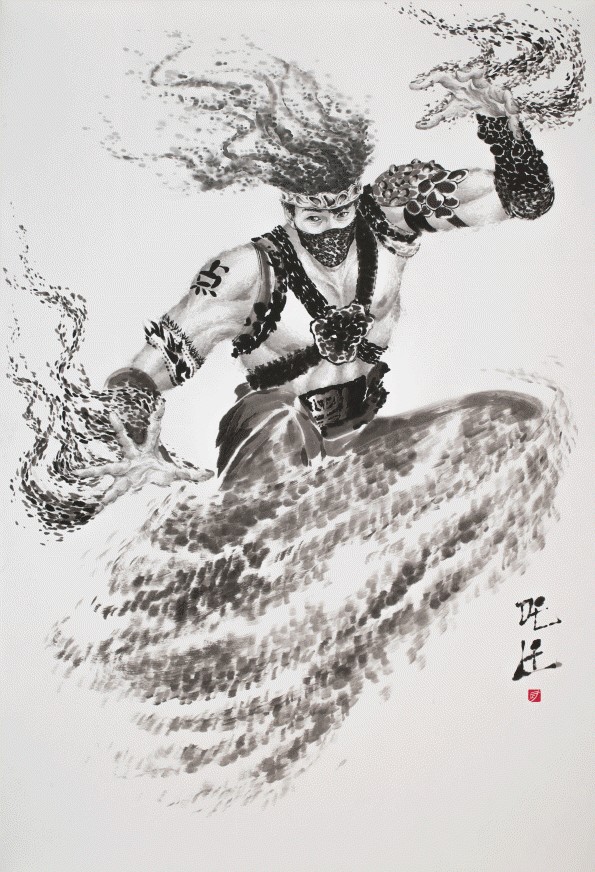
view of “Yong Ryong” at Gallery 2Donghyun Son’s solo exhibition Yong Ryong presents paintings that discover the structure of space in the form of the dragon (龍), a comprehensive reading of how the its constituent radicals unfold on paper. By combining the methodology of Korean painting with images from popular culture, Donghyun Son has been exploring procedural spaces that painting can occupy today. Previous to this exhibition, these spaces existed across styles of traditional sansuhwa (山水畵: idealized brush-and-ink paintings of mountains with a body of water in the foreground) character portraits, and East Asian ink-wash paintings of cartoon, brand logos, and other popular images. For this exhibition, the space has shifted to munjado (文字圖: calligraphic character-painting) of the SinoKorean character Ryong (龍: the dragon of the Orient), singularly analyzed and deconstructed in the various radicals as the character appears in the jajeon (字典: dictionary of chinese characters), imaginatively expositing into painterly spaces.
Installation
view of “Yong Ryong” at Gallery 2The image of the dragon has been invoked across the world from the East to the West, in numerous symbolic forms. The dragon is a symbol in the sense that it is conjured with certain recurring proto characteristics across records and literature in the distant past to aspects of popular culture, including novels, comics, and movies in the present. In East Asia, dragons often symbolized the noble status of royalty. In those agricultural societies, dragons were deities with power over meteorological conditions. In the iconic Japanese manga series Dragon Ball, the dragon is a mystical god-like figure with supernatural wish-granting powers. In the West, dragons were more often understood as sinister beings, villainous scaled kidnappers of princesses and infamous hoarders of gold and other treasures. With many shades in-between, the dragon has taken on various associations and variegated meanings depending on when and where its narrative unfolded. Auspicious or treacherous, one character was true about the dragon, wherever its narrative unfurled and uncoiled itself: the dragon was a fantastic being. Even among the Twelve Spirit Generals of the Buddhist calendar, the dragon was the only fictive, fabled creature.
Installation
view of “Yong Ryong” at Gallery 2Donghyun
Son scrutinizes the calligraphic form of 龍 through the imagined and
evident manifestation made tangible across centuries and borders. Son is
informed by the Seoyae-Jajeon (書藝字典-Dictionary of
Calligraphic Styles) and Jeongak-Jajeon (篆刻字典-Dictionary
of Seal Carving) which are collections of calligraphic characters left by past
masters. Both references’ table of contents show an
organization scheme based on the characters’ busu (部首-constituent radicals), each presented with varied styles such as
the jeonseo (篆書-seal script), yaeseo (隸書-clerical script) , haeseo (楷書-regular
script), haengseo(行書-running-cursive script), and
choseo (草書-cursive script). The dictionaries are not
concerned with etymologies or semantics and only with the typographies of the
character-form. Following the references, Donghyun Son dismantles the dragon
into constituent radicals, each with idiosyncratic patterns of entrance,
under-overturns, ovals, ascending movements, and ink flow. The constituent
parts are reimagined into a whole character that contains all its components.
In the case of the character 龍 for dragon in this
exhibition, radicals of lib (立-to stand) and weol (月-the moon) are separately composed upon separate papers canvases,
but with multiple typographical styles on a single sheet.
Installation
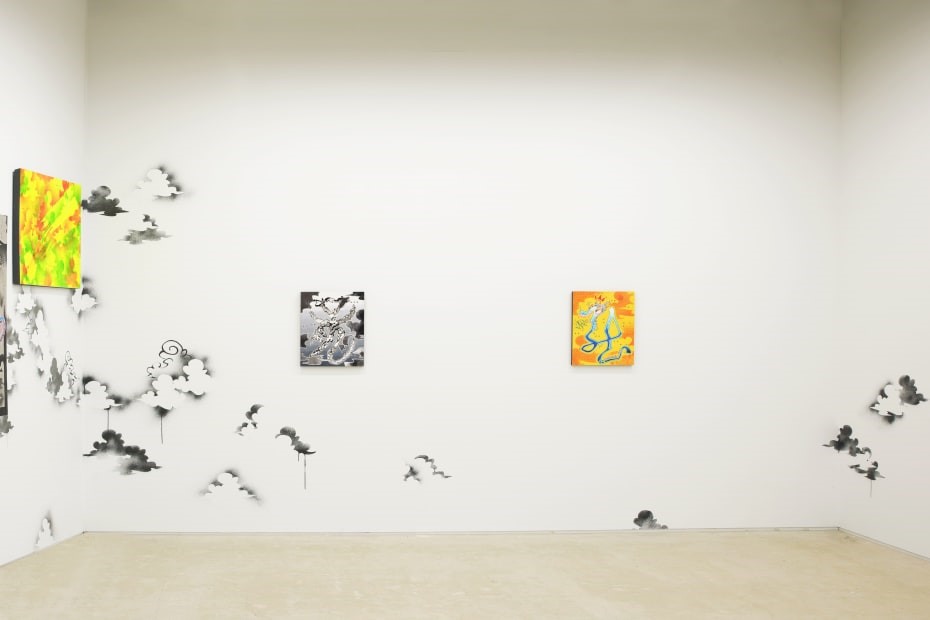
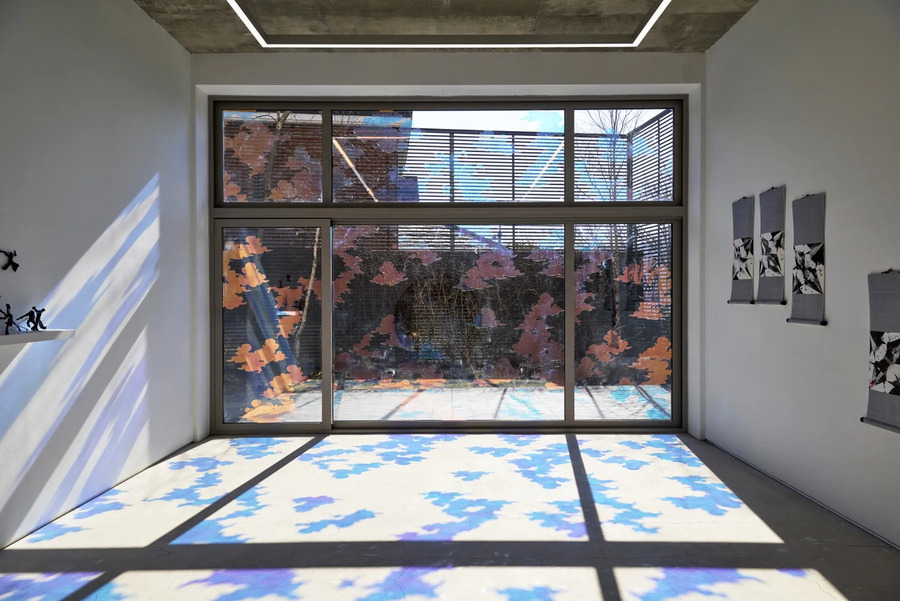
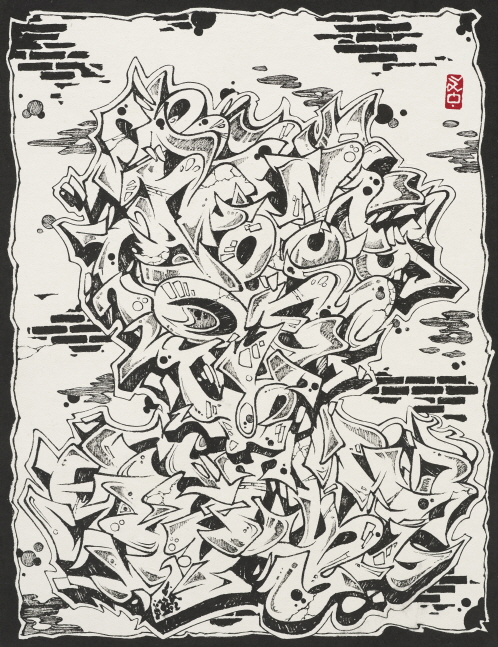
view of “Yong Ryong” at Gallery 2龍 as a calligraphic form somewhat mirrors the artist’s calligraphic methodology which is to understand the character’s spatial essence through deconstruction, scattering, and reunification. The yong-ryong (龍) character denotes a fictive idea, but the character itself is compound of essences—radicals—that denote real and tangible things. As the character is a composite of radicals, each with their own space-meanings, the character is possibly also a composite of spaces. Some spaces are thin, narrow, broad, or even deep. Furthermore, the artist’s choice of modern materials such as acrylic and other inks, used with traditional sumuk (水墨) ink-wash techniques, English typographic graffiti methods, and mundane object-stencils add a complex layer that demarks and unites the space. The image of the dragon, captured in logographical form of the calligraphic 龍, attached from head to tail in radical-form, as well as the woon (雲-cloud) on the nearby walls and fans populate the space as enriching, complementary elements to the space.
Installation
view of “Yong Ryong” at Gallery 2The
question posed by Donghyun Son is not about the dragon’s representation, but about the appropriate viewing of the character’s complex structure and history. The logographic-ideographic hints
of 龍 give insight to the given meaning of the dragon
and morphological process, an archival aspect that contains meaningful
diachronic change in perspective and form. This process of change and
adaptation mirrors Son’s own artistic practice of exploring the meaning of
Korean painting, his primary medium, in the contemporary horizon. And in the
way East Asian cultures understood the possibility of the fantastical dragon
and manifested it through radicals and characters, perhaps there is another
layer of metaphor between Donghyun Son’s dragon and the chimeral history of
Korean painting that has hardly known a day of calm since the earliest of its
days.