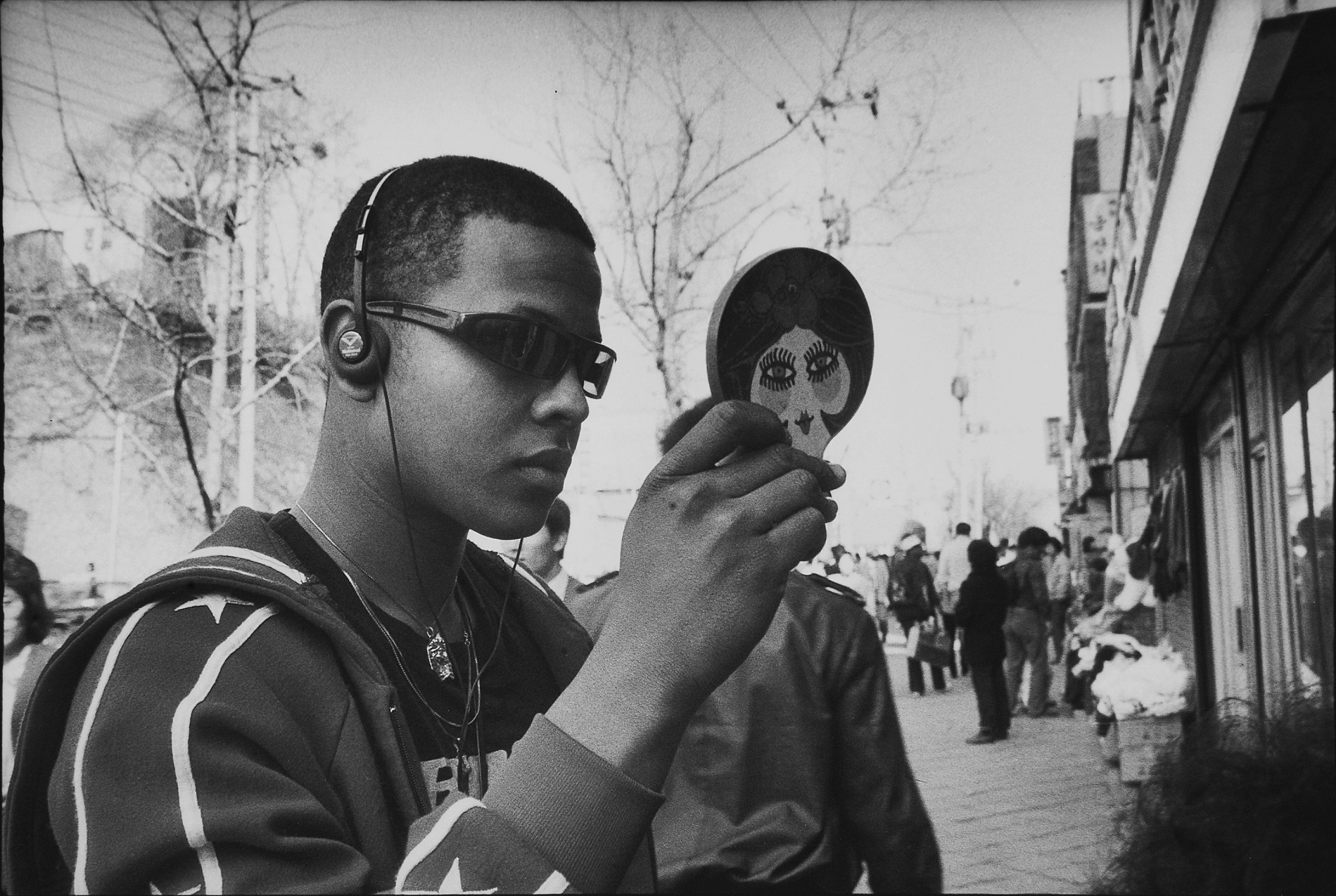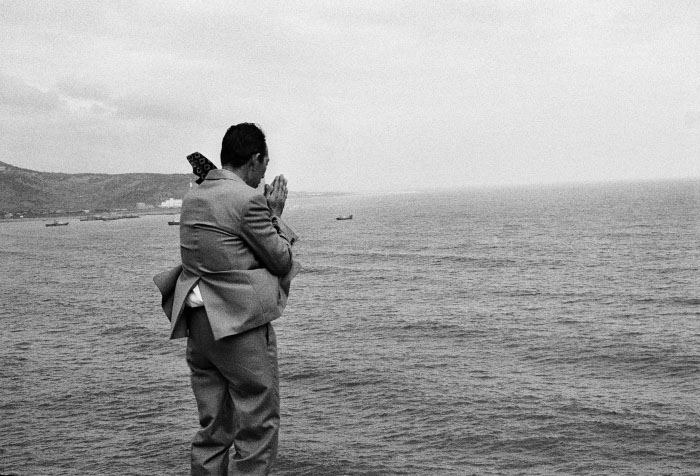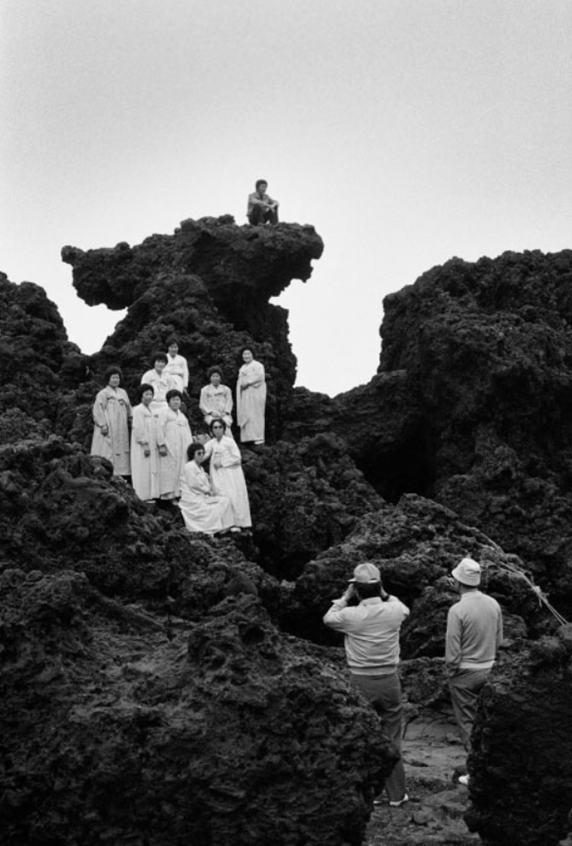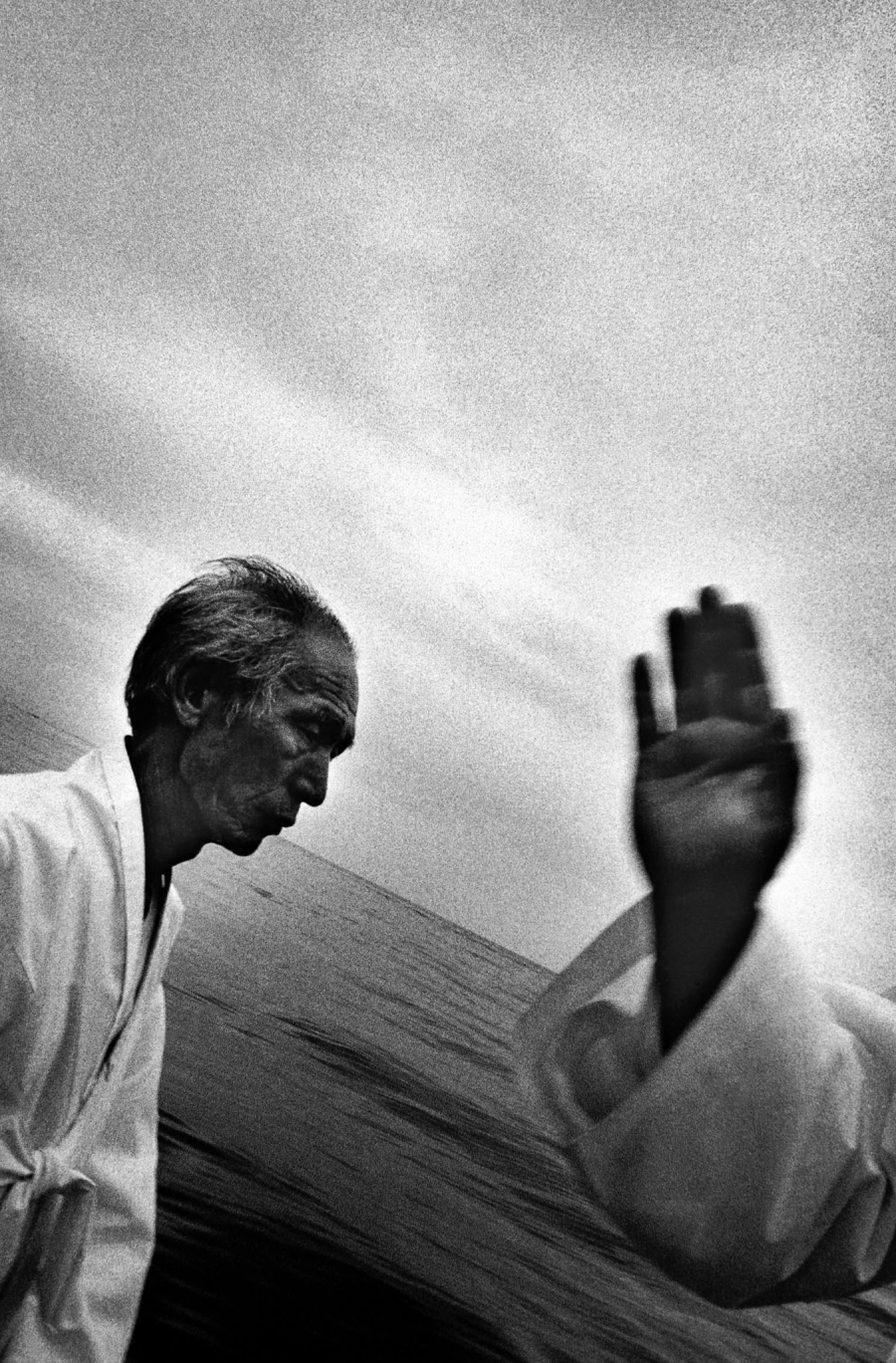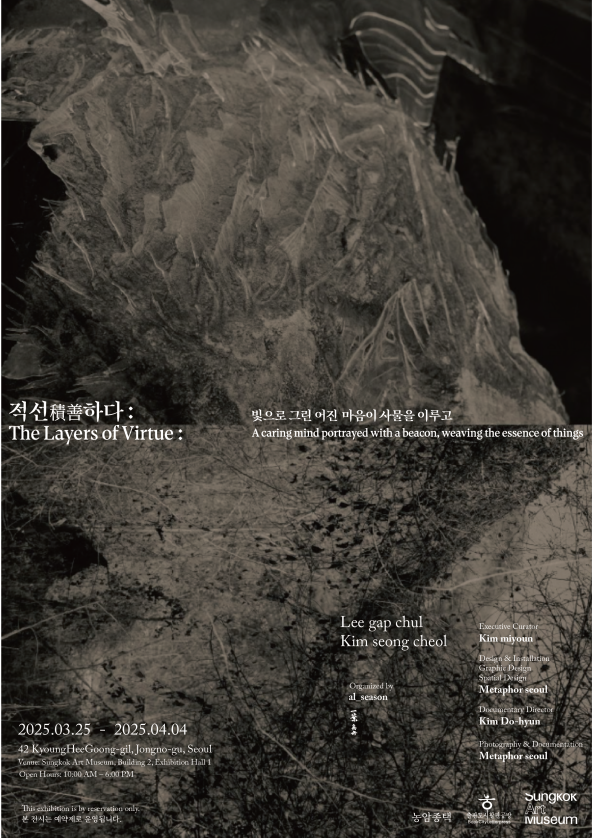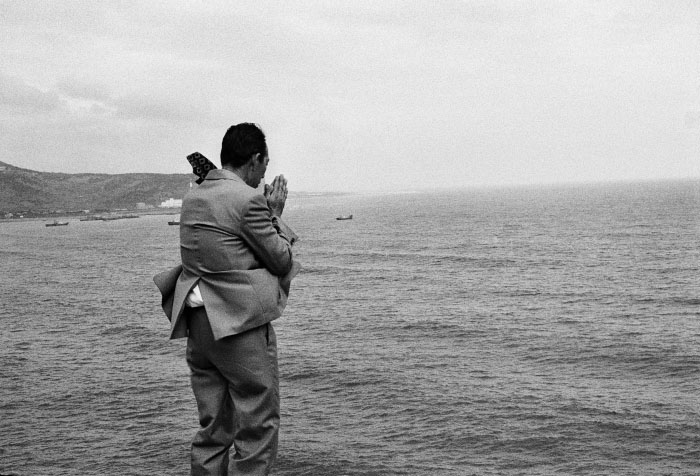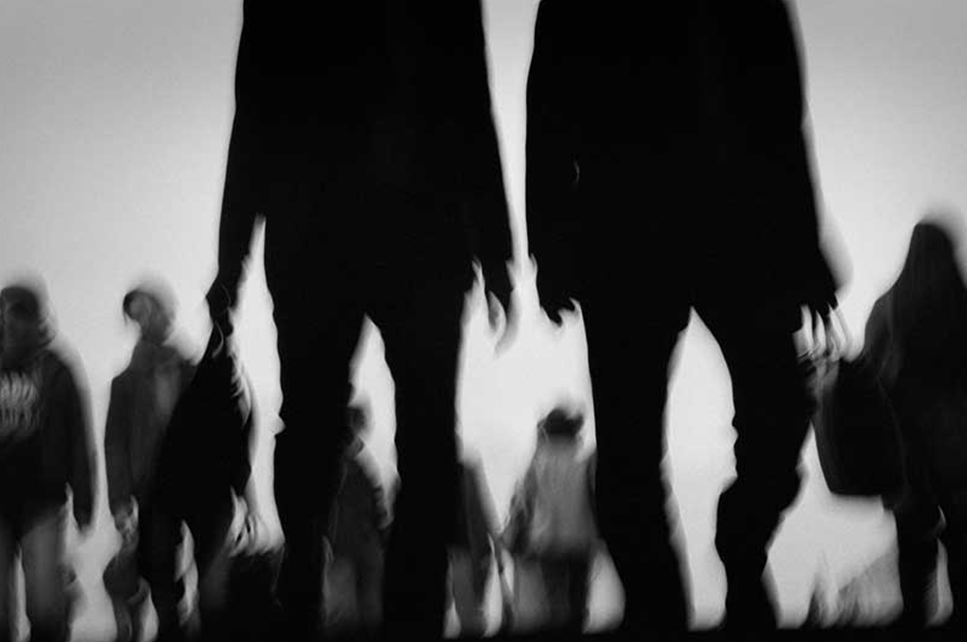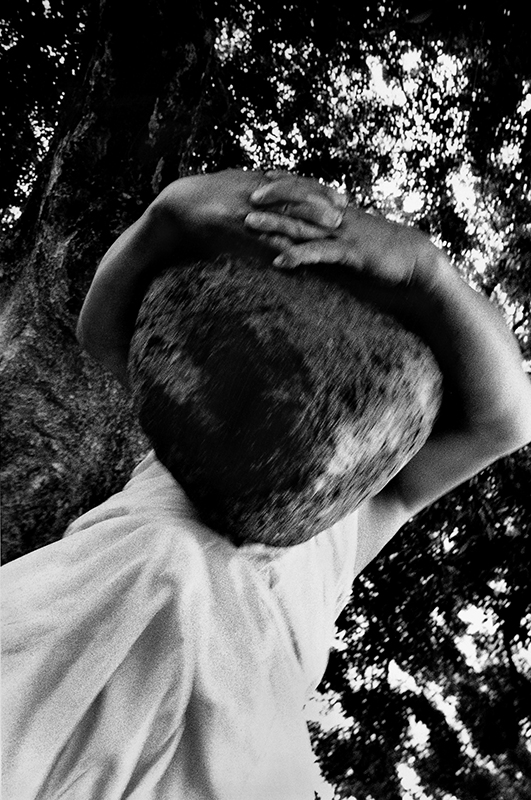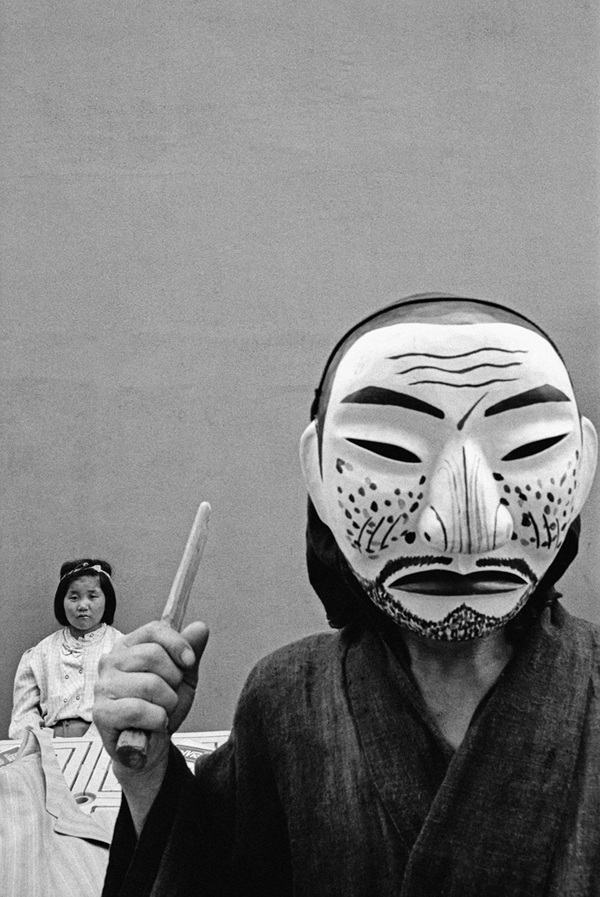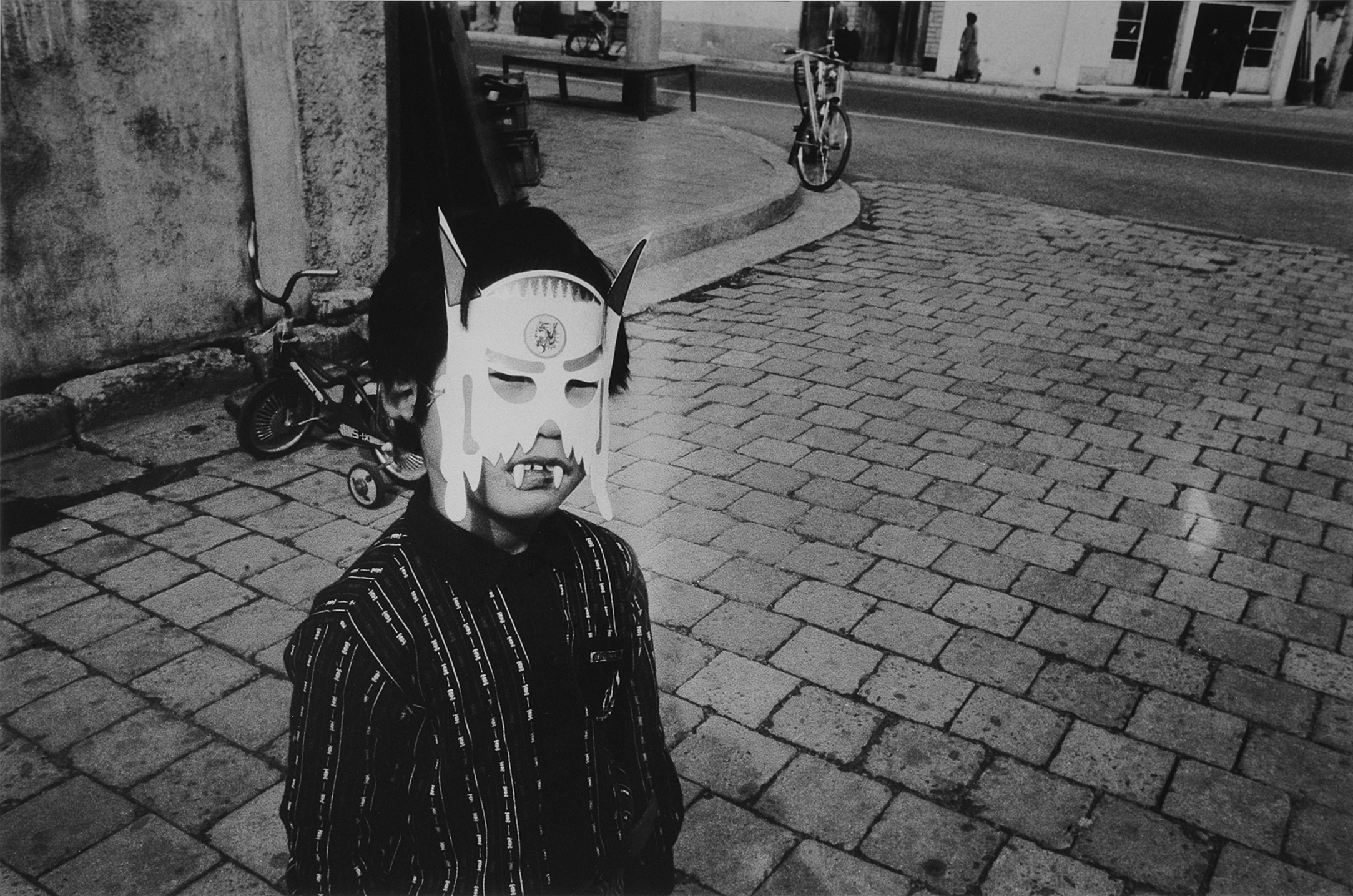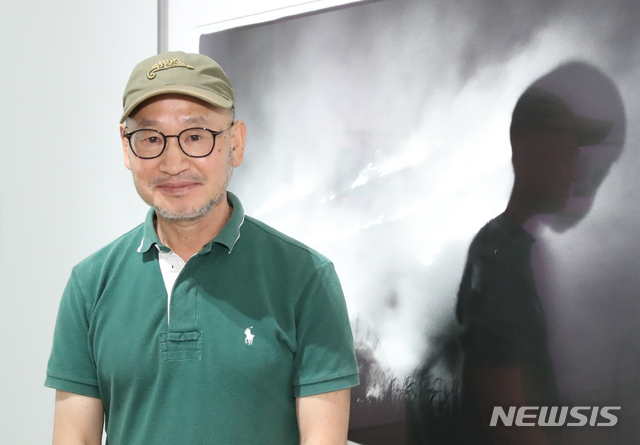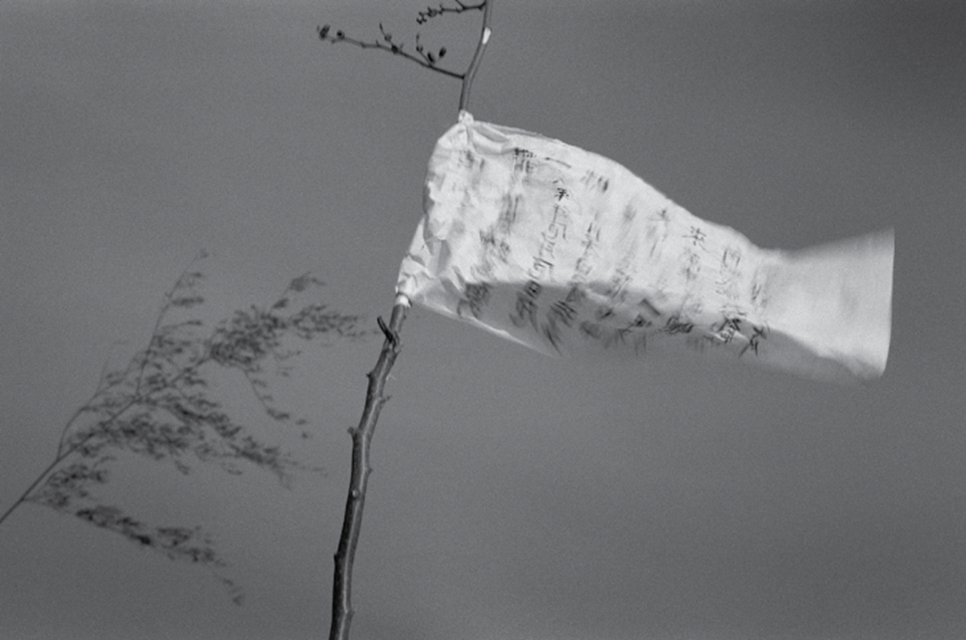
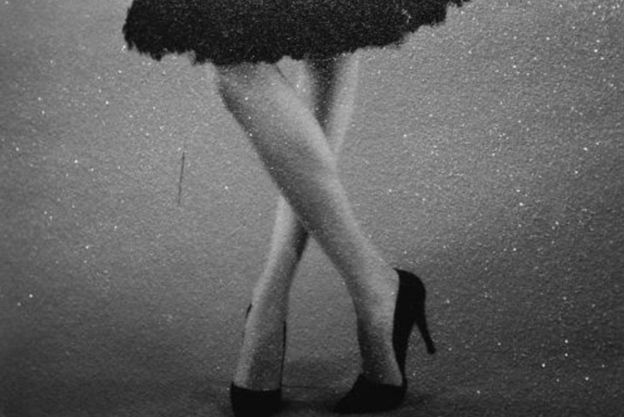
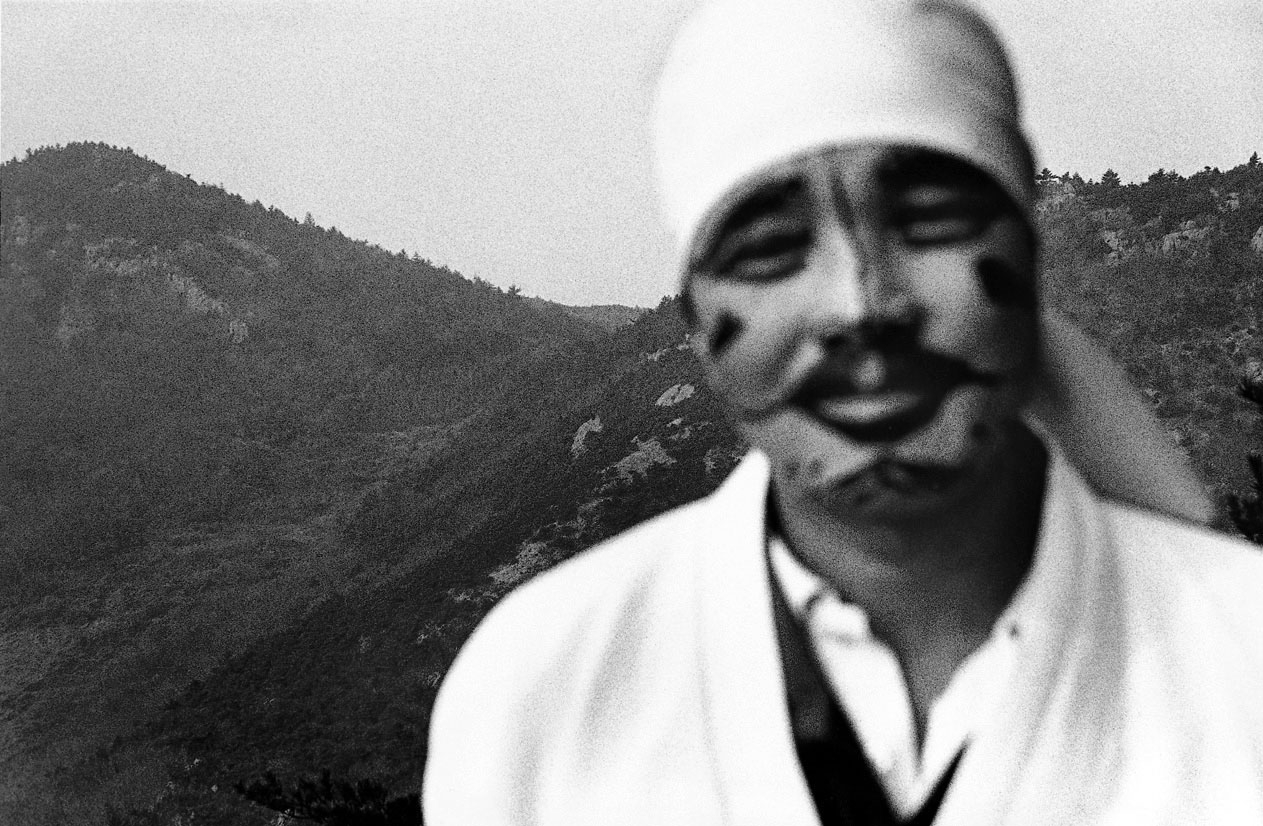
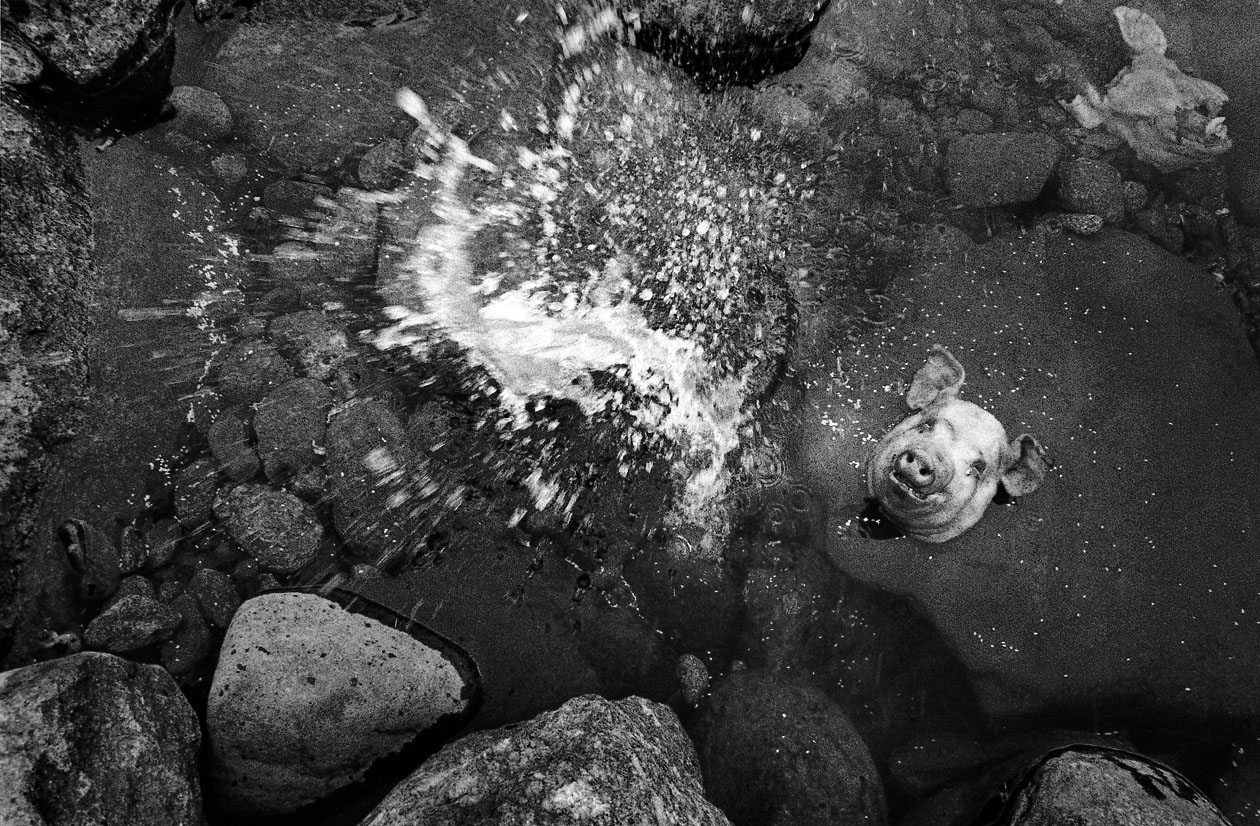
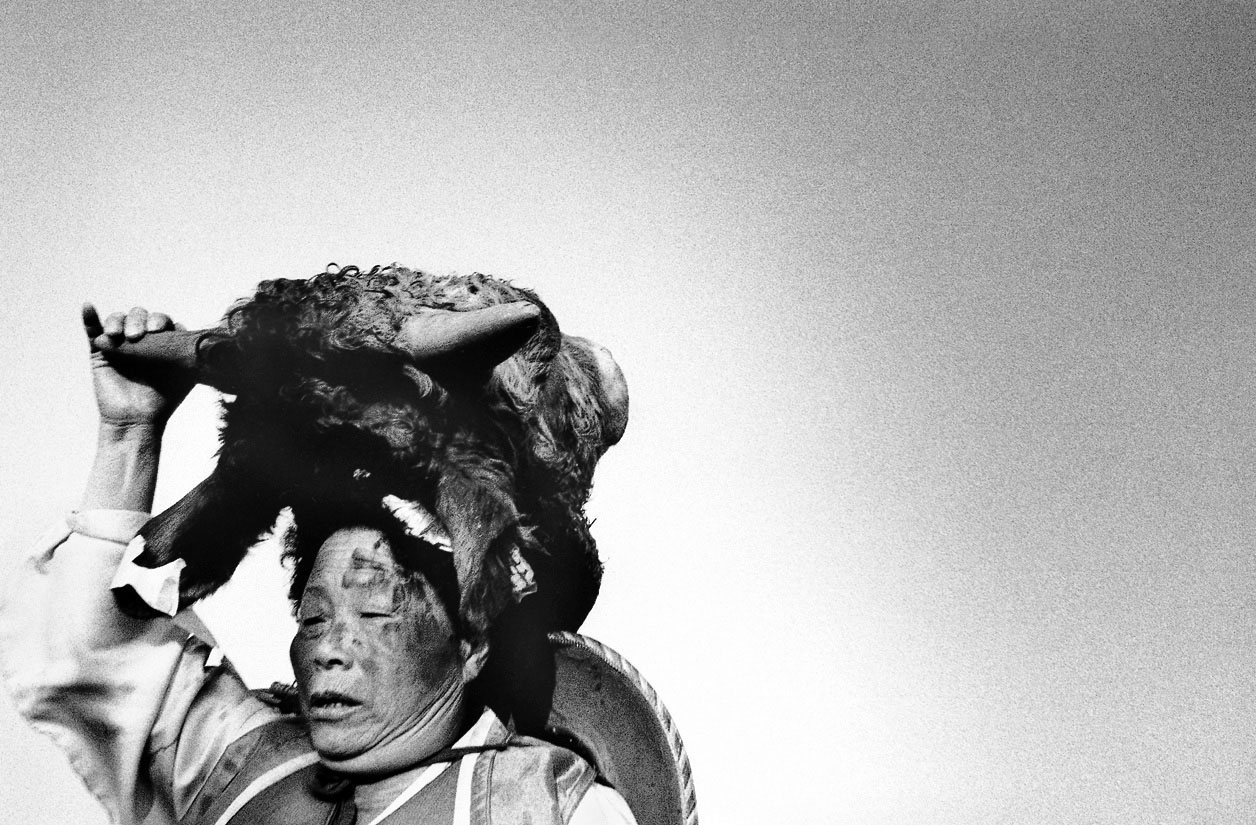
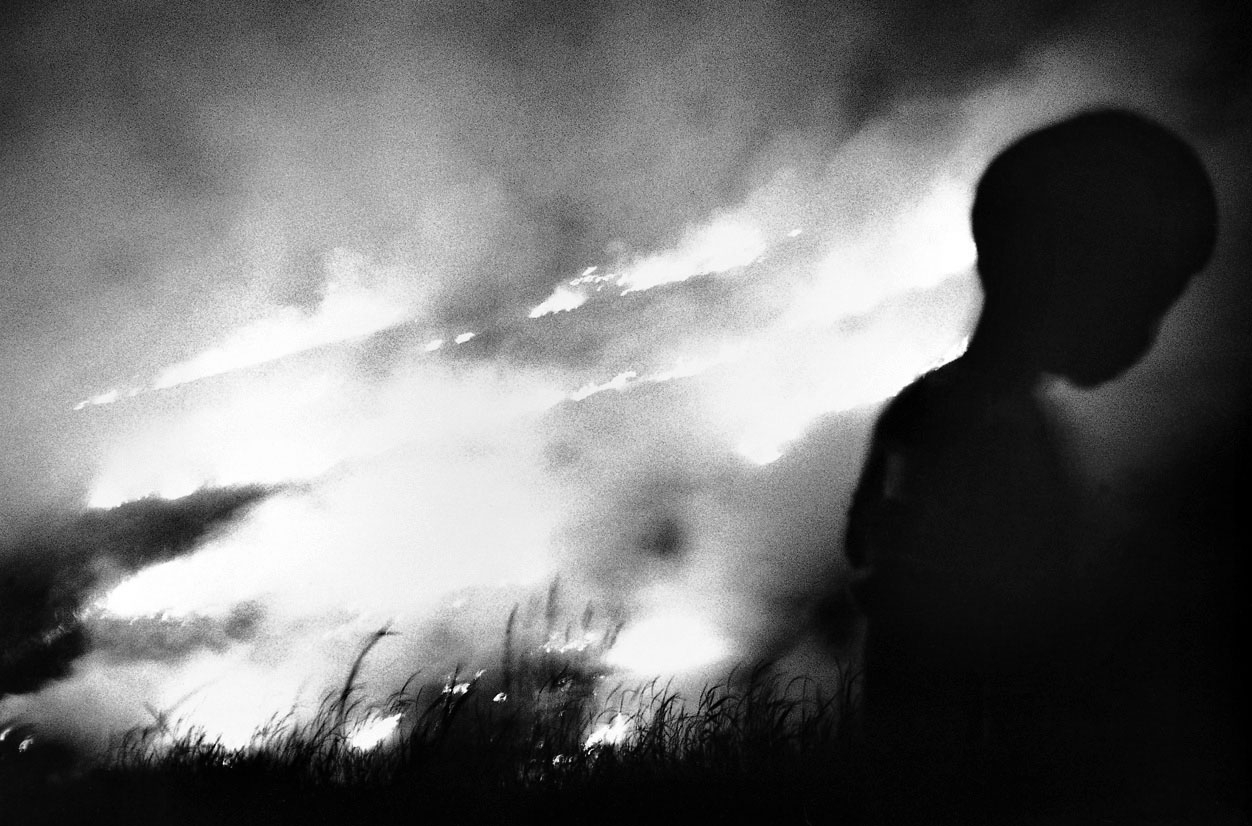
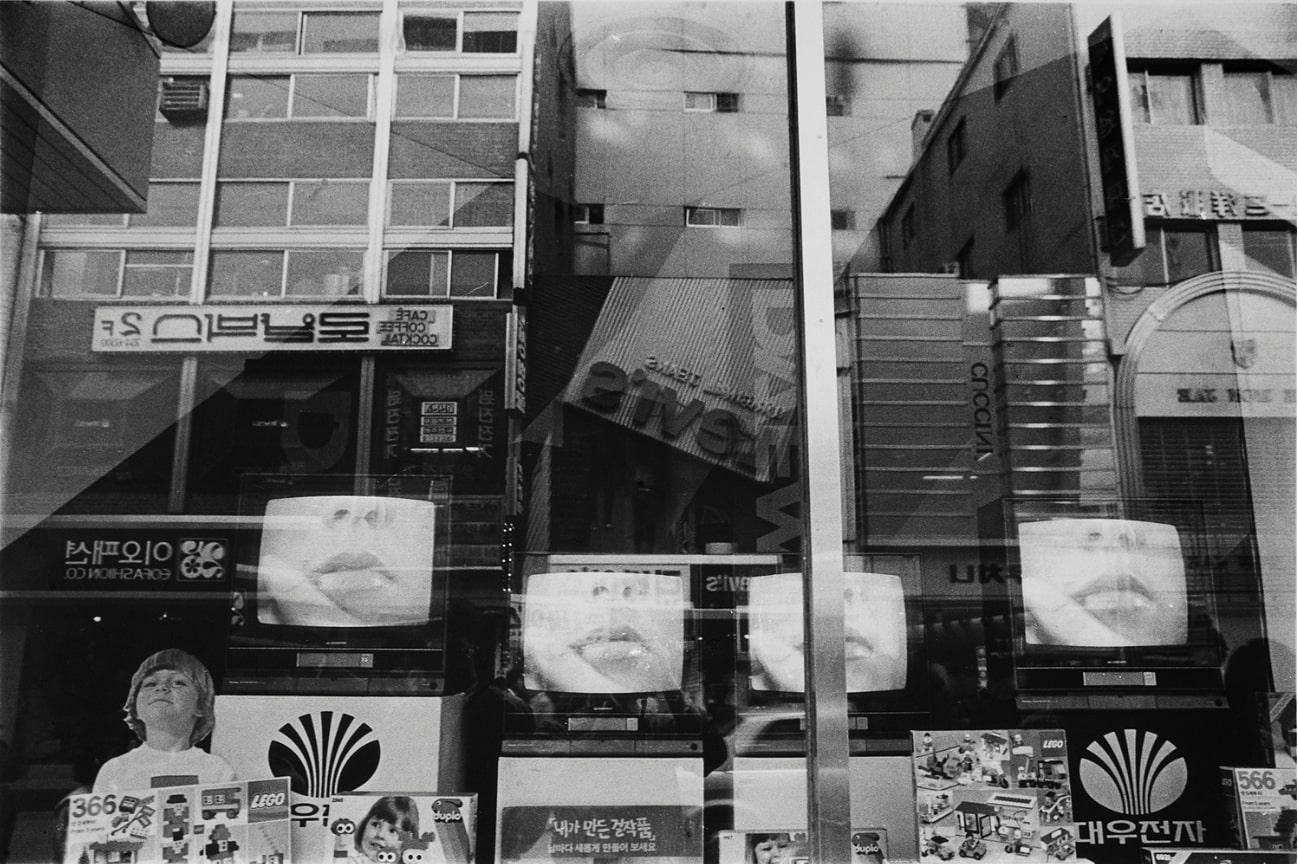
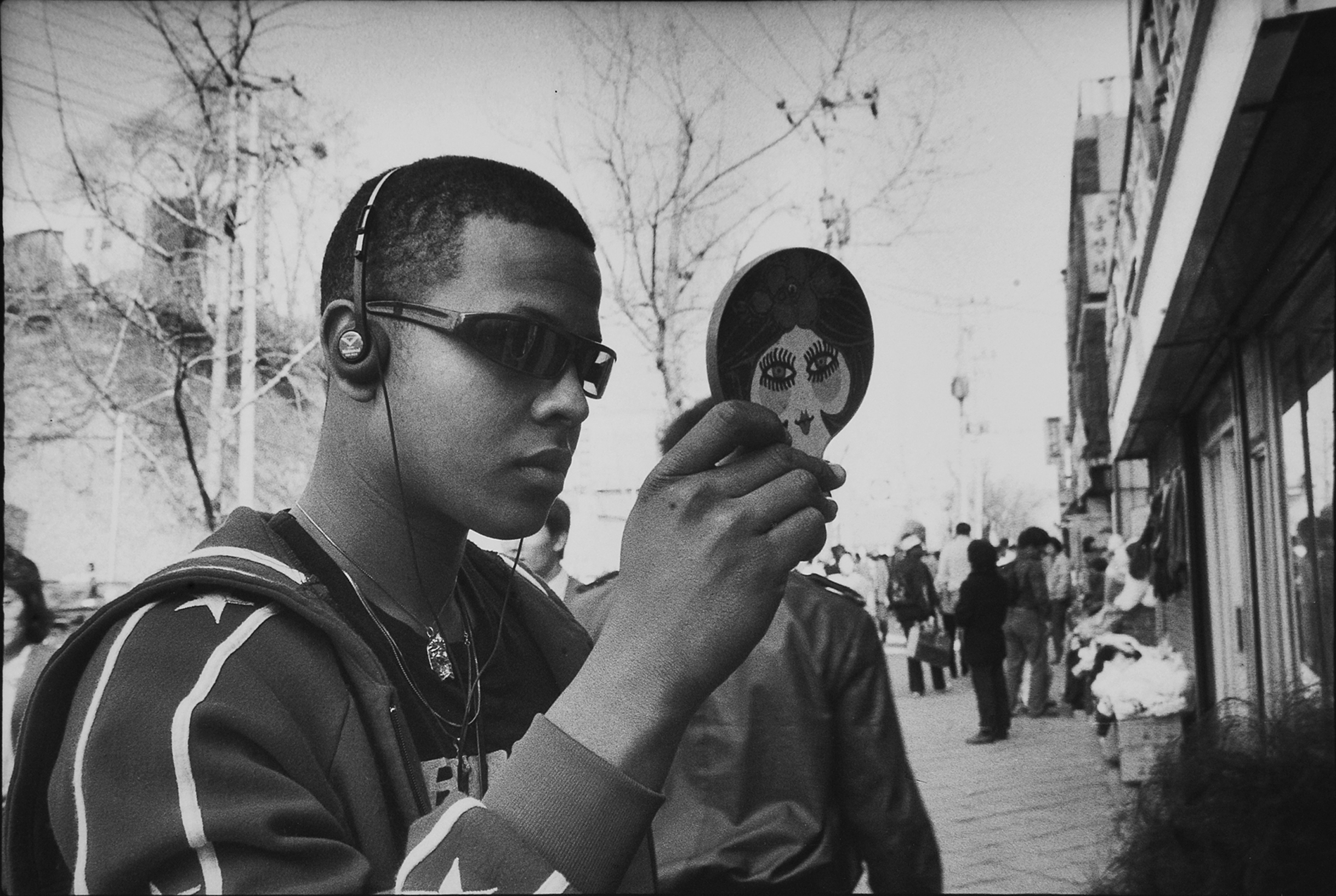
Lee Gapchul, Jeju 8 ©Lee Gapchul

In the 1980s, Jeju was undergoing a period of drastic transformation as it was reborn as a “tourist city.” The number of visitors entering the island, which stood at 300,000 in the 1970s, surged to approximately 720,000 by 1981. In 1994, the entire island was designated a special tourism zone, and by the 2000s, the number of annual visitors to Jeju exceeded ten million.

As time passed—both brief and long—Jeju underwent numerous changes under the name of tourism and development. These changes are still “ongoing.”

Narrow footpaths became wide roads, and once-quiet villages filled with cafés. Roads continue to be built across the island without pause; trees are felled, and soil is filled with concrete. While Jeju’s sea remains blue and beautiful, what lies beneath the surface has changed. Both people and nature are being altered inexorably by the winds of change.

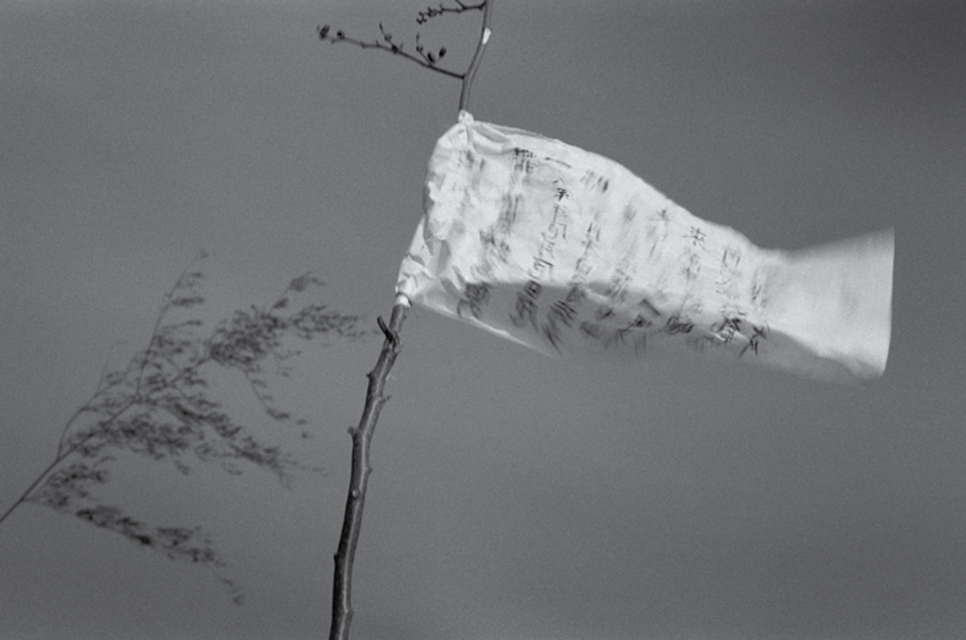
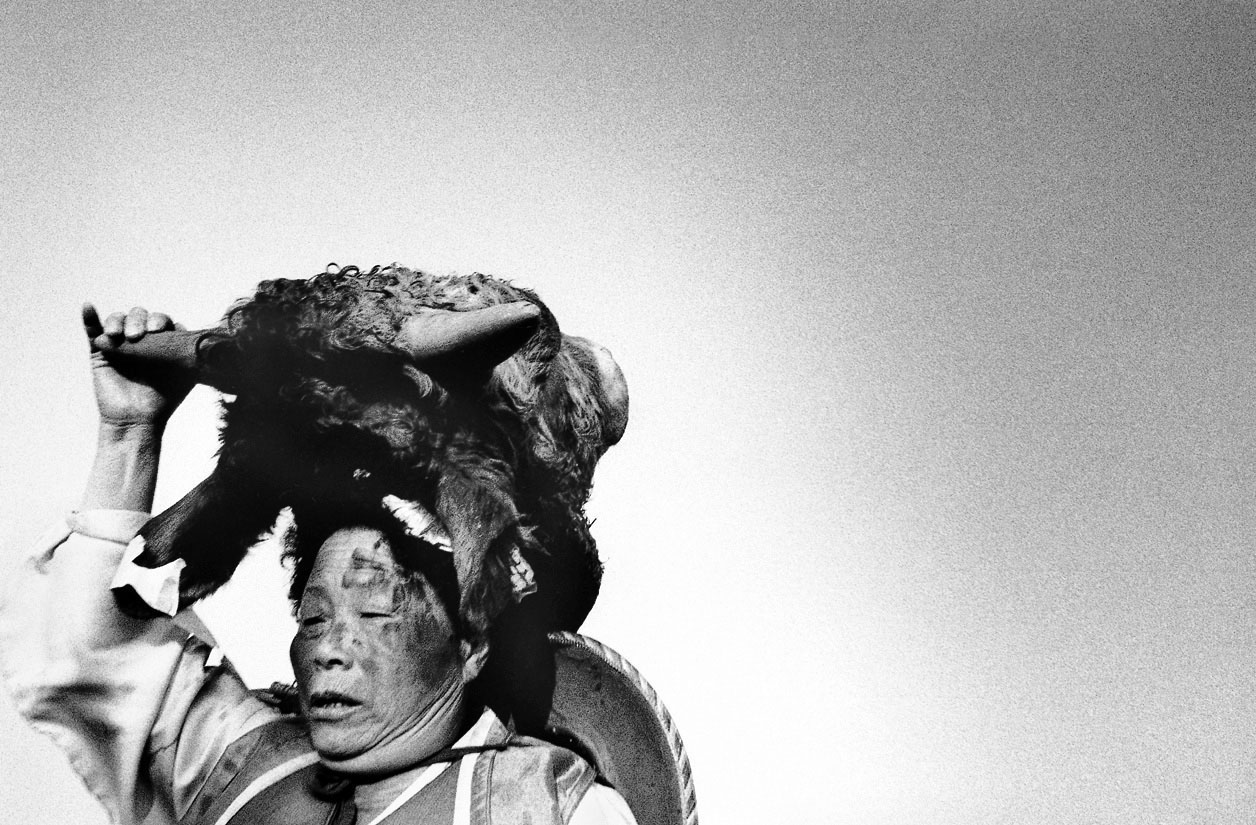
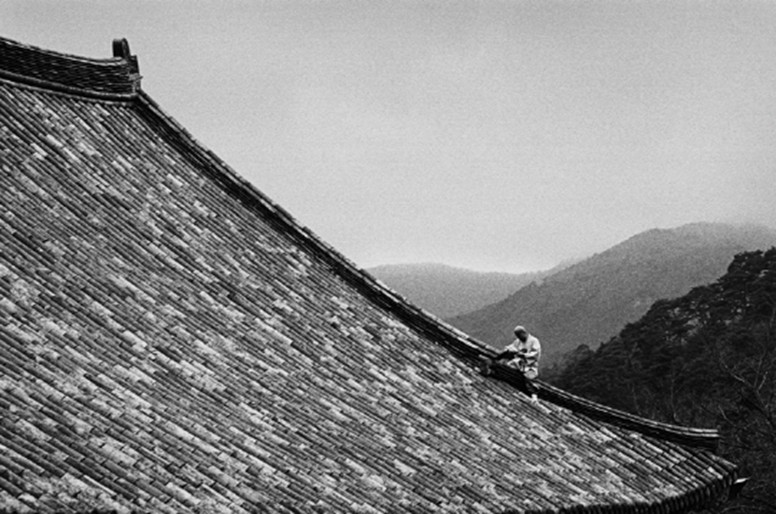
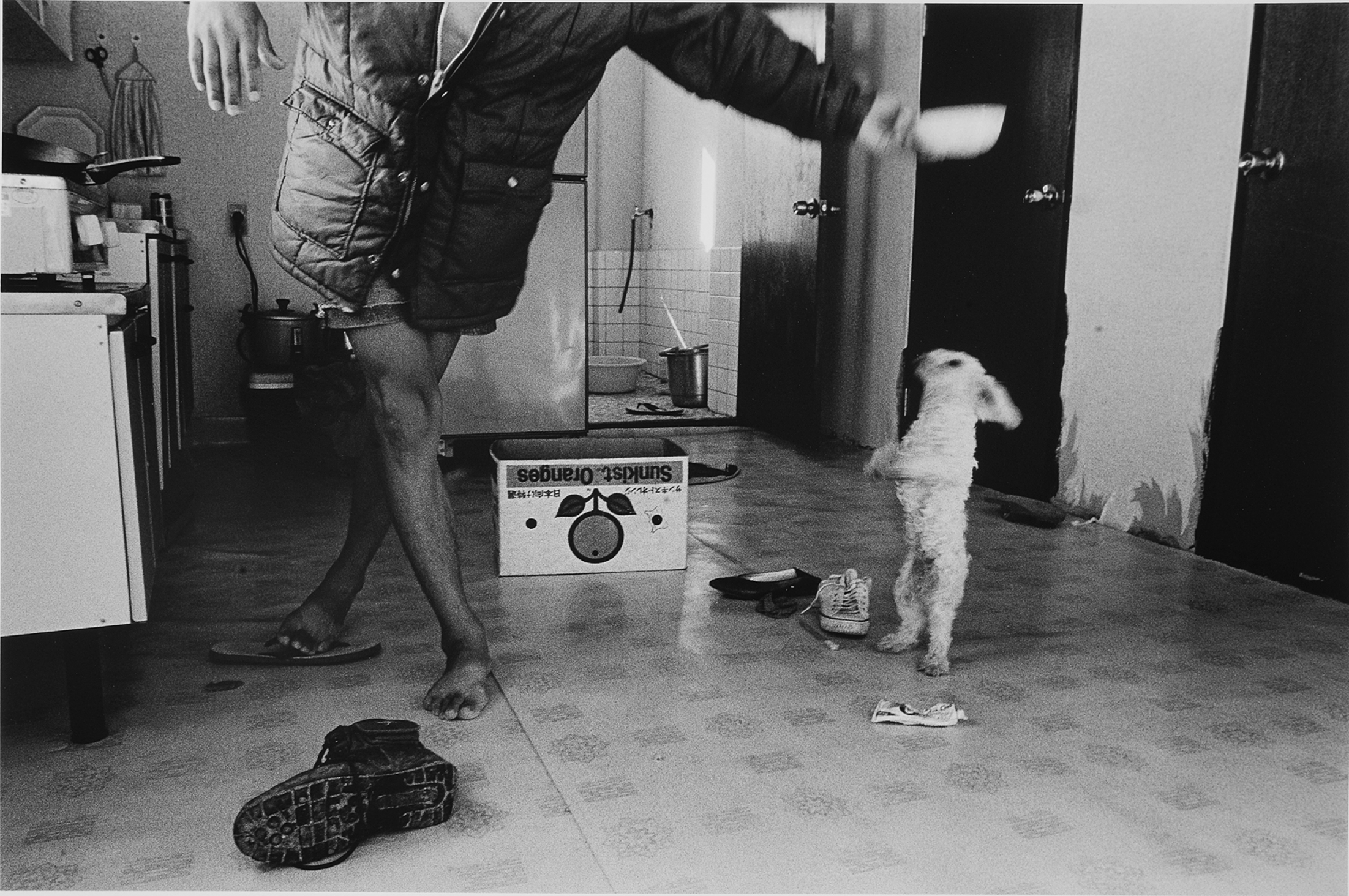
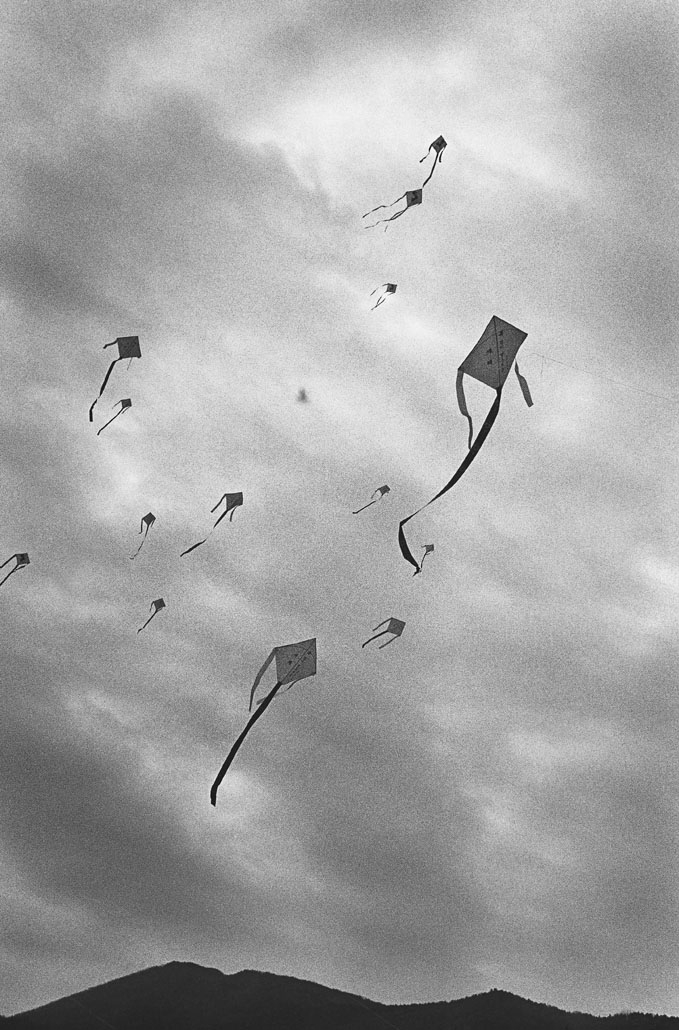
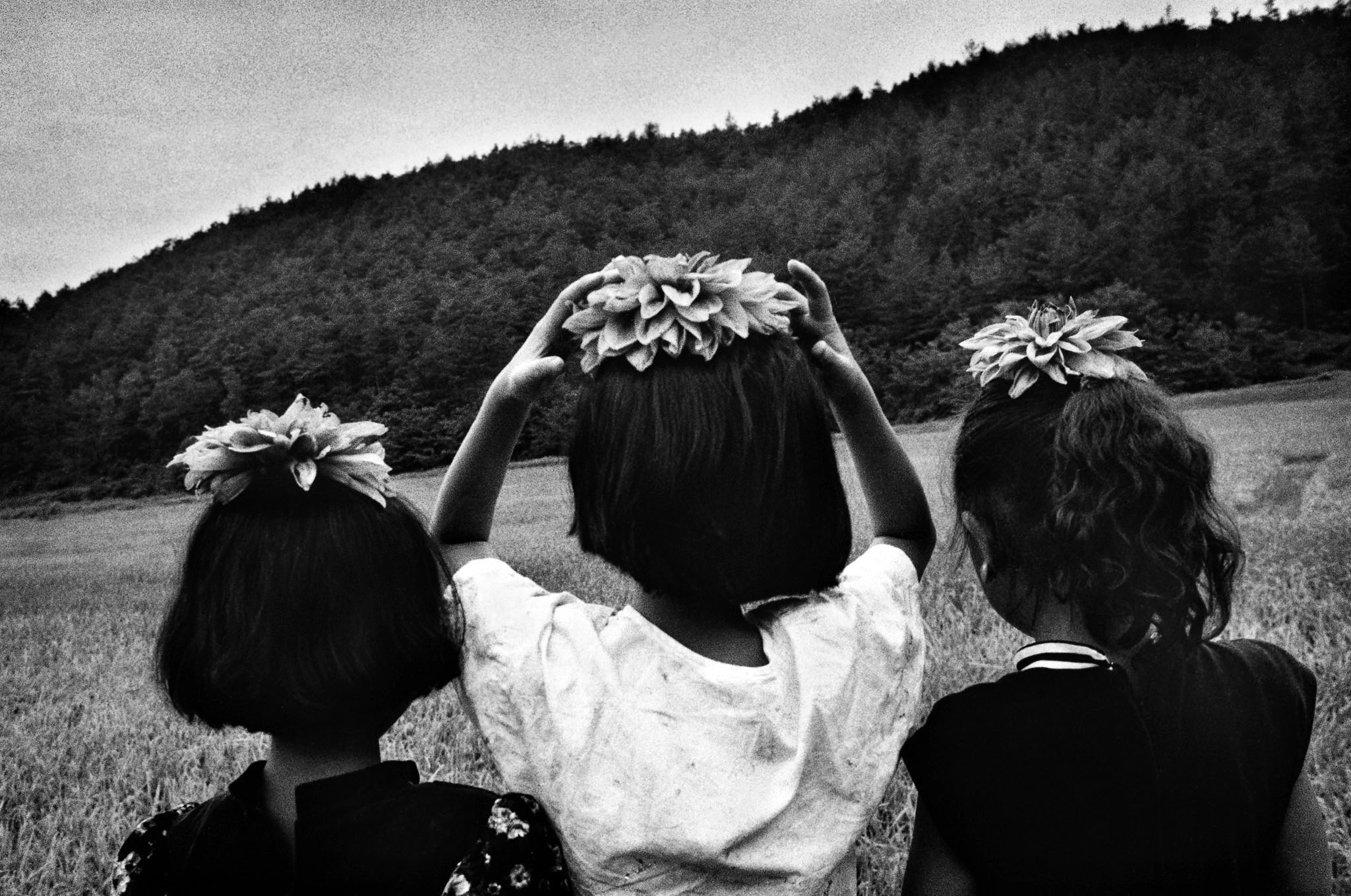
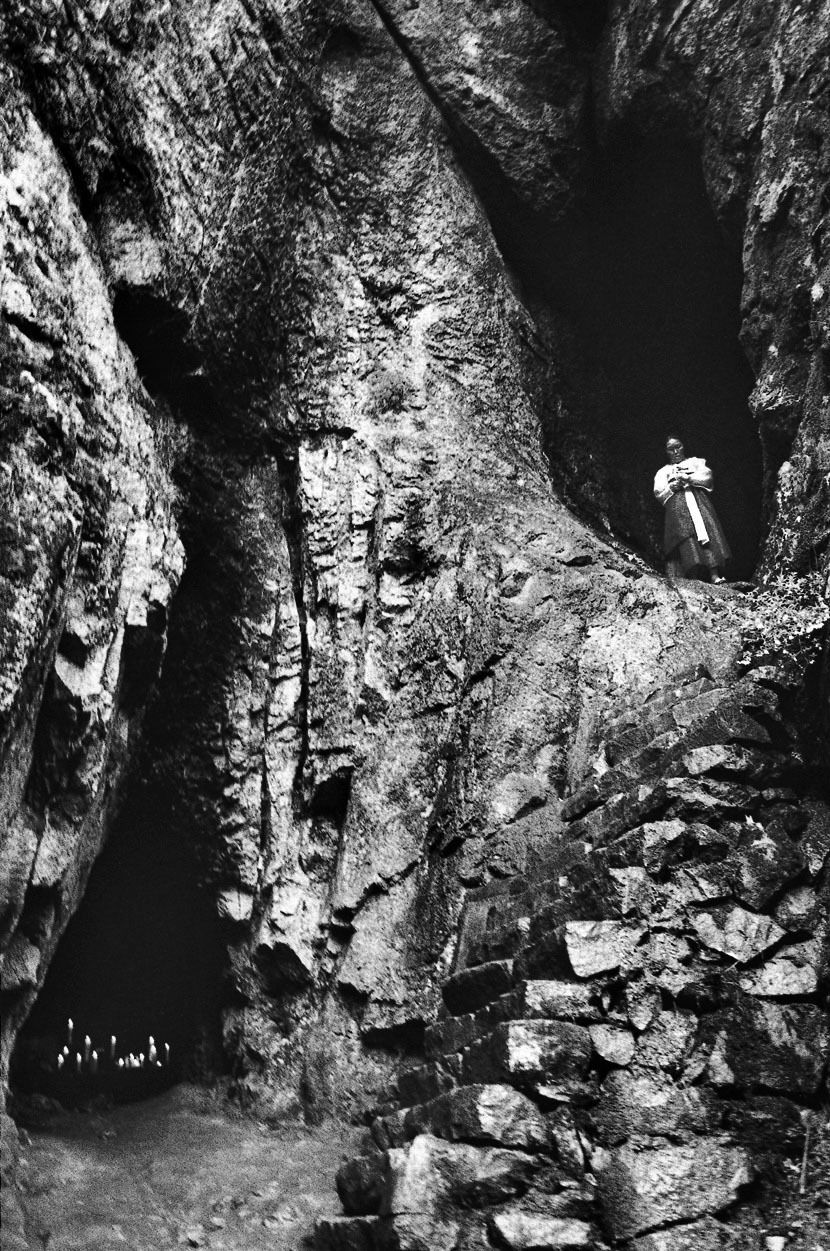
Lee Gapchul’s early ‘Jeju’ series, photographed between 1979 and 1985, was first presented to the public through the exhibition 《Landscape of Wind, Jeju_1980》 in 2015, held to commemorate the publication of ‘Jeju_1980’. These works reveal the beginnings of the artist’s distinctive photographic language that would later define his practice. His characteristic expressiveness and tonal sensibility render Jeju’s landscapes of the time strange and mysterious.

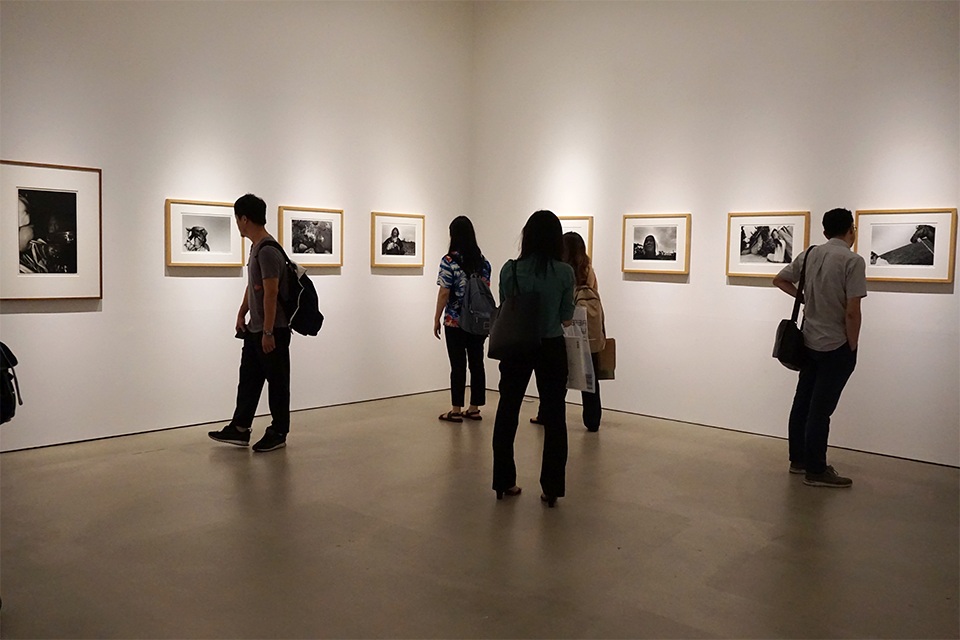
The 42 photographs returning to Jeju are exhibited as original gelatin silver prints. Landscapes of Jeju from more than forty years ago have returned to the island as crystallizations of photographic aesthetics. Among them, nine works are previously unpublished, lending particular significance to this exhibition.


The past Jeju has returned to Jeju.
We invite viewers to “look again” and consider what message these landscapes convey to us today.


Lee Gapchul, Jeju 8 © Lee Gapchul

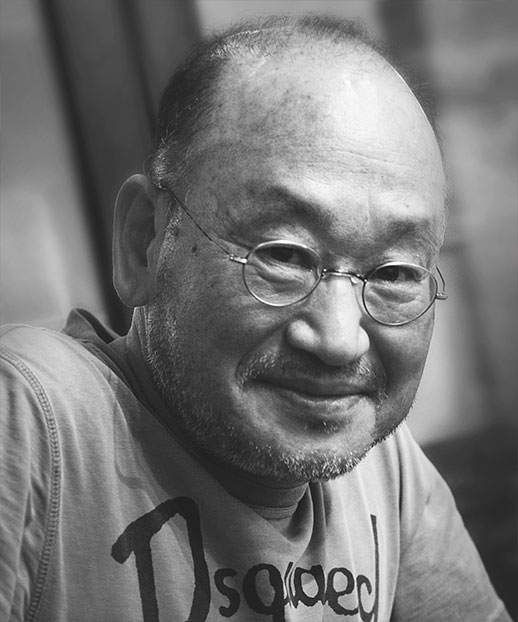
Artist’s Note (Lee Gapchul)

Landscape of Wind, Jeju Nineteen Eighty


Jeju Island is clean and mysterious, yet the scent of its land is so different from that of the mainland that it lacks the familiar ache in my chest that I feel when standing on our land. The island felt even more unfamiliar because it was inhabited less by natives living their daily lives and more by tourists escaping from everyday routines.

What drew me most powerfully, however, was the wind. There was an abundance of wind on the island. Jeju exists as a single mass where stone and wind intertwine, like waves endlessly embracing coastal rocks. Winds blowing from the distant sea passed through the porous stone walls of Jeju and moved inland. Each time, flowers trembled, and people’s tightly fastened garments loosened and fluttered.

Just as Jeju’s distinctive thatched roofs—bound with ropes like nets—strain to withstand the wind, the wind existed everywhere on the island as a counterforce that pulled and resisted within people’s lives. I loved that tension. I walked within the wind, sometimes resisting it, sometimes flowing along with it.

These photographs are landscapes of wind as I saw them more than forty years ago.

A single butterfly circled a stone wall path lined with blooming rapeseed flowers, the head of a horse in a wide grassland, and the hindquarters of a cow grazing on an oreum, before drifting away, fluttering between sky and earth along the wind.

References