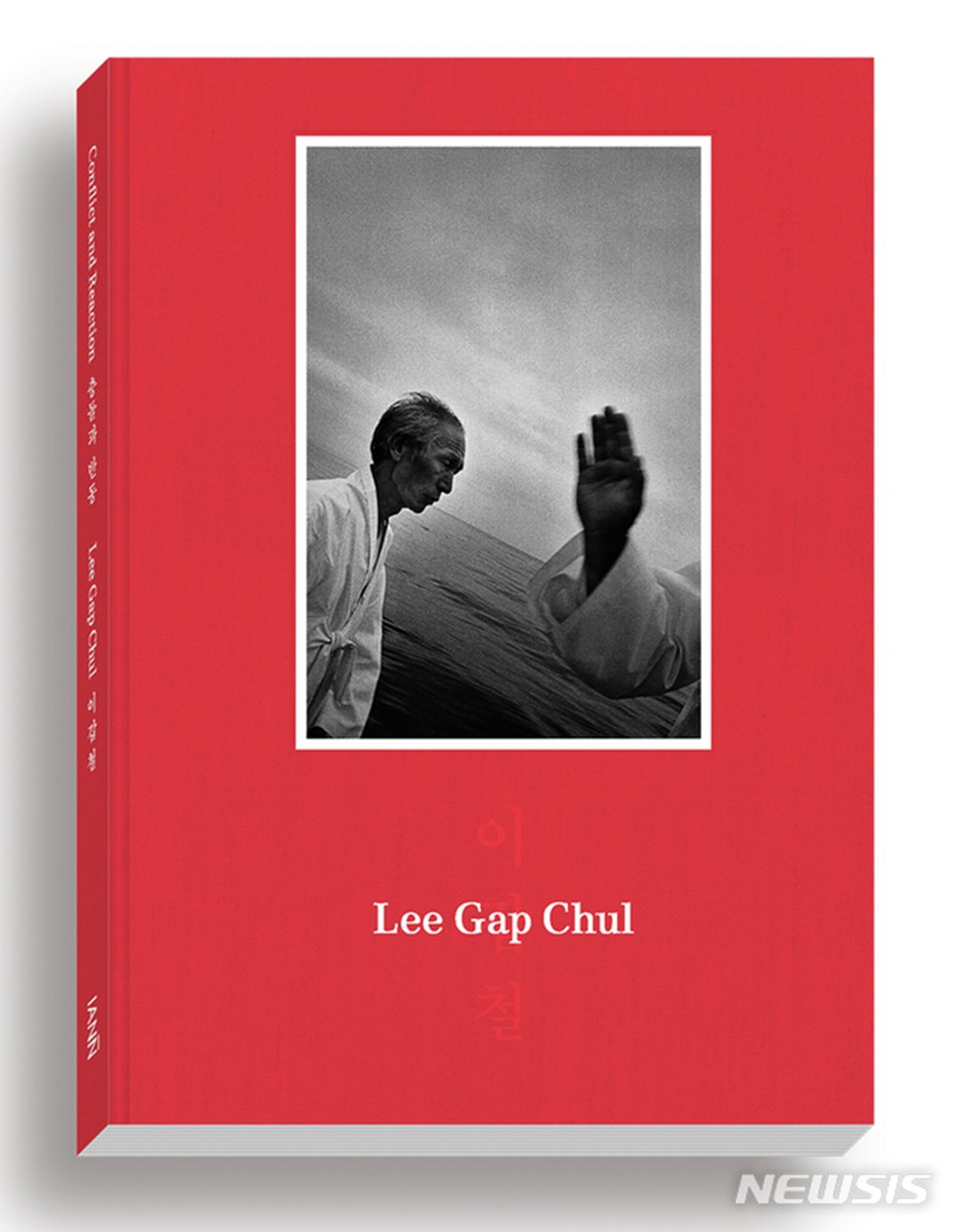
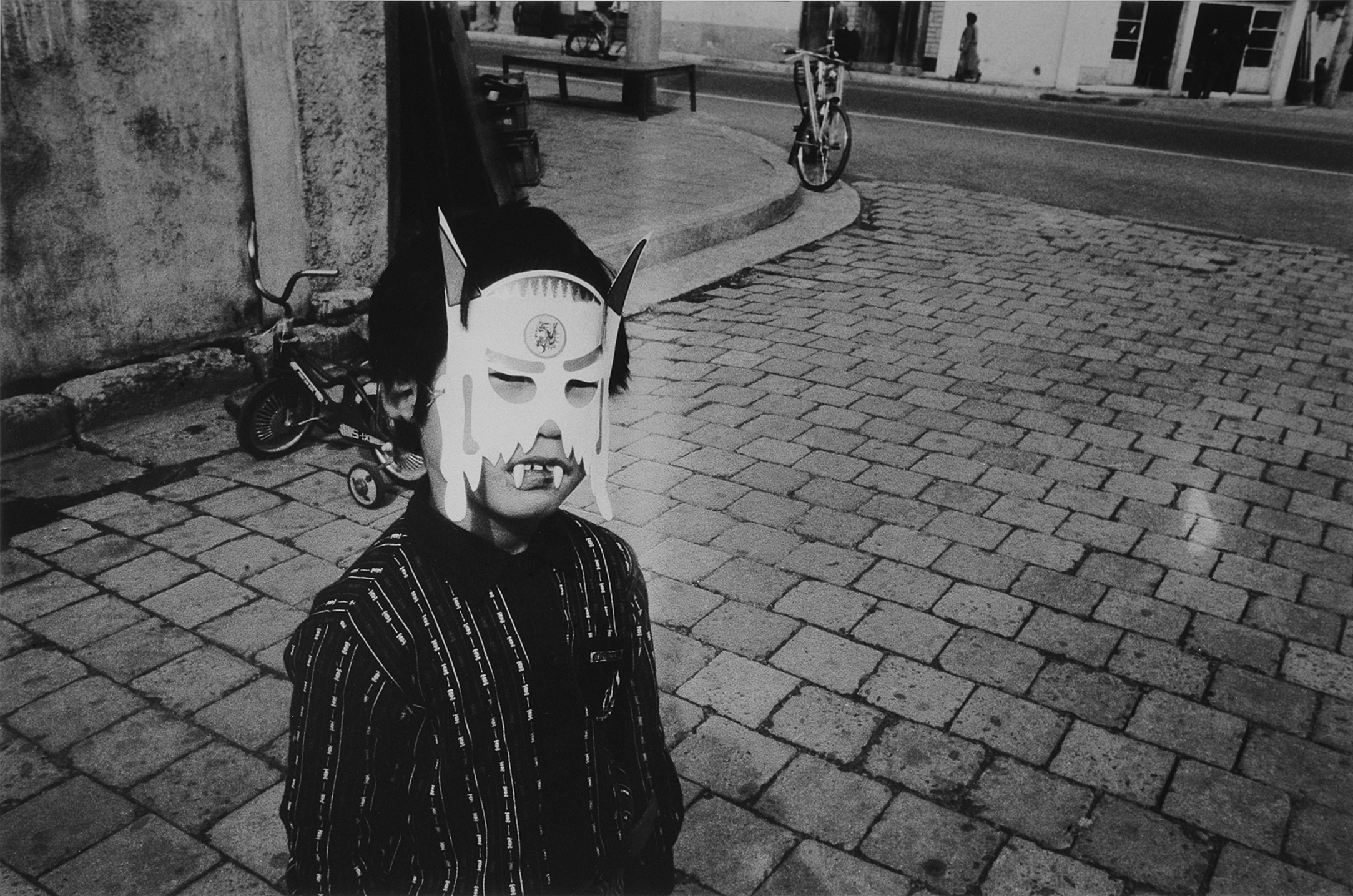
The revised edition
includes 14 additional works that were not featured in the original 2002
publication, bringing the total to over 80 photographs. It contains the
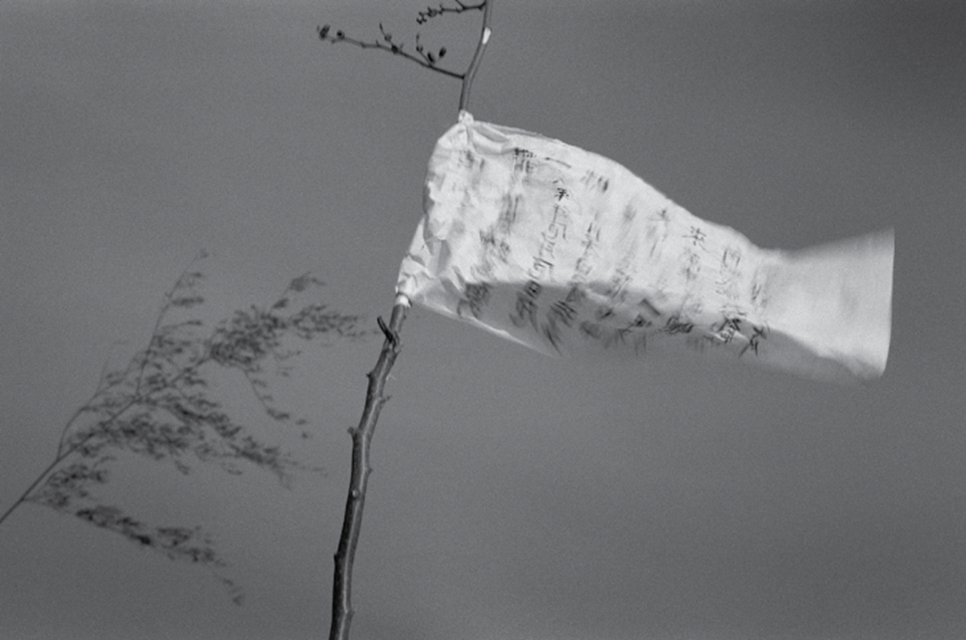
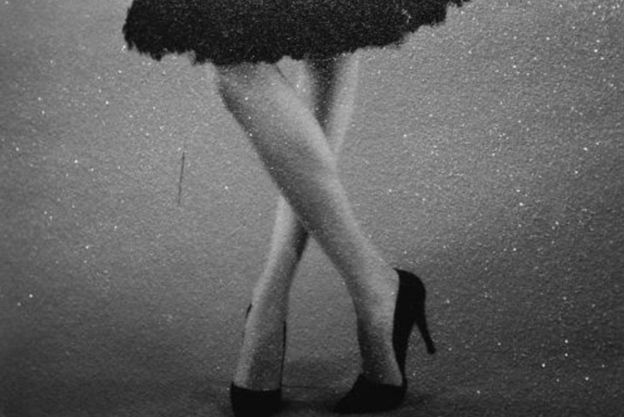
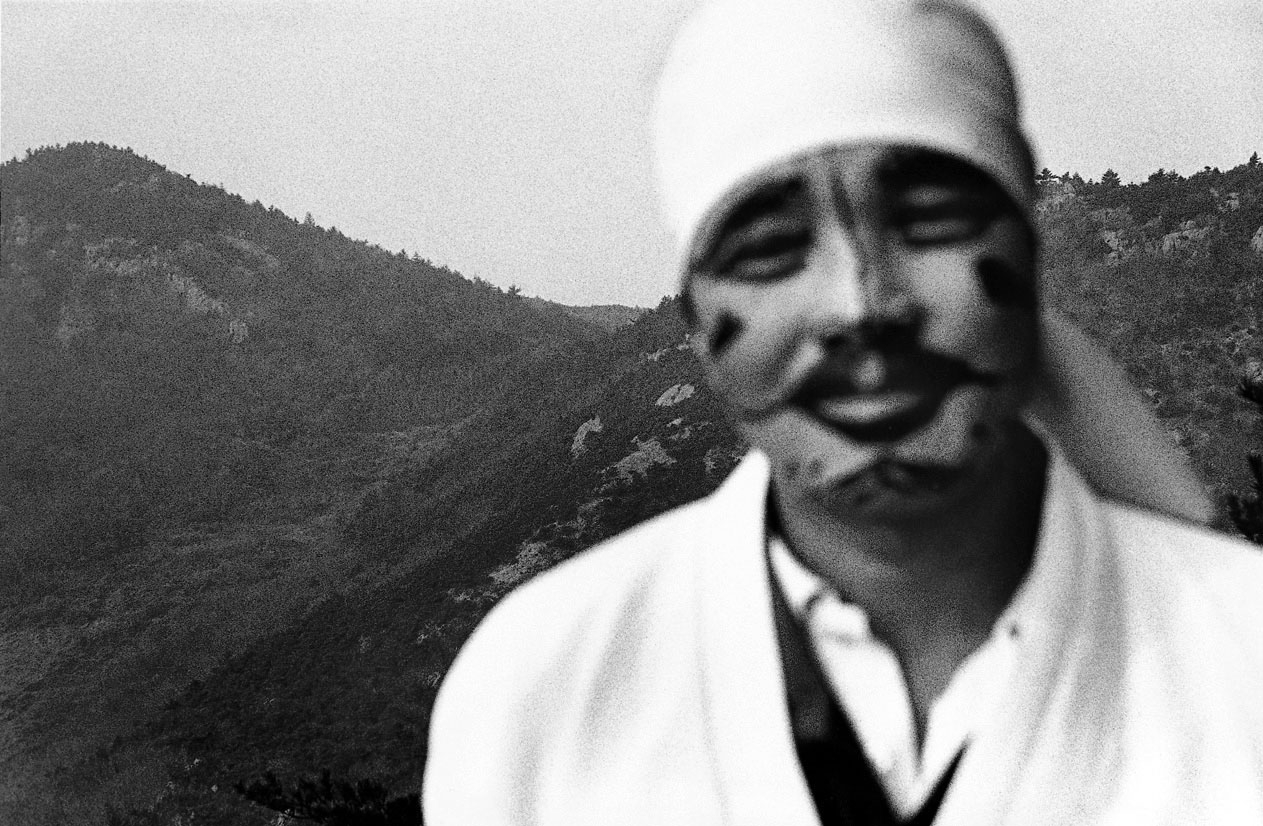
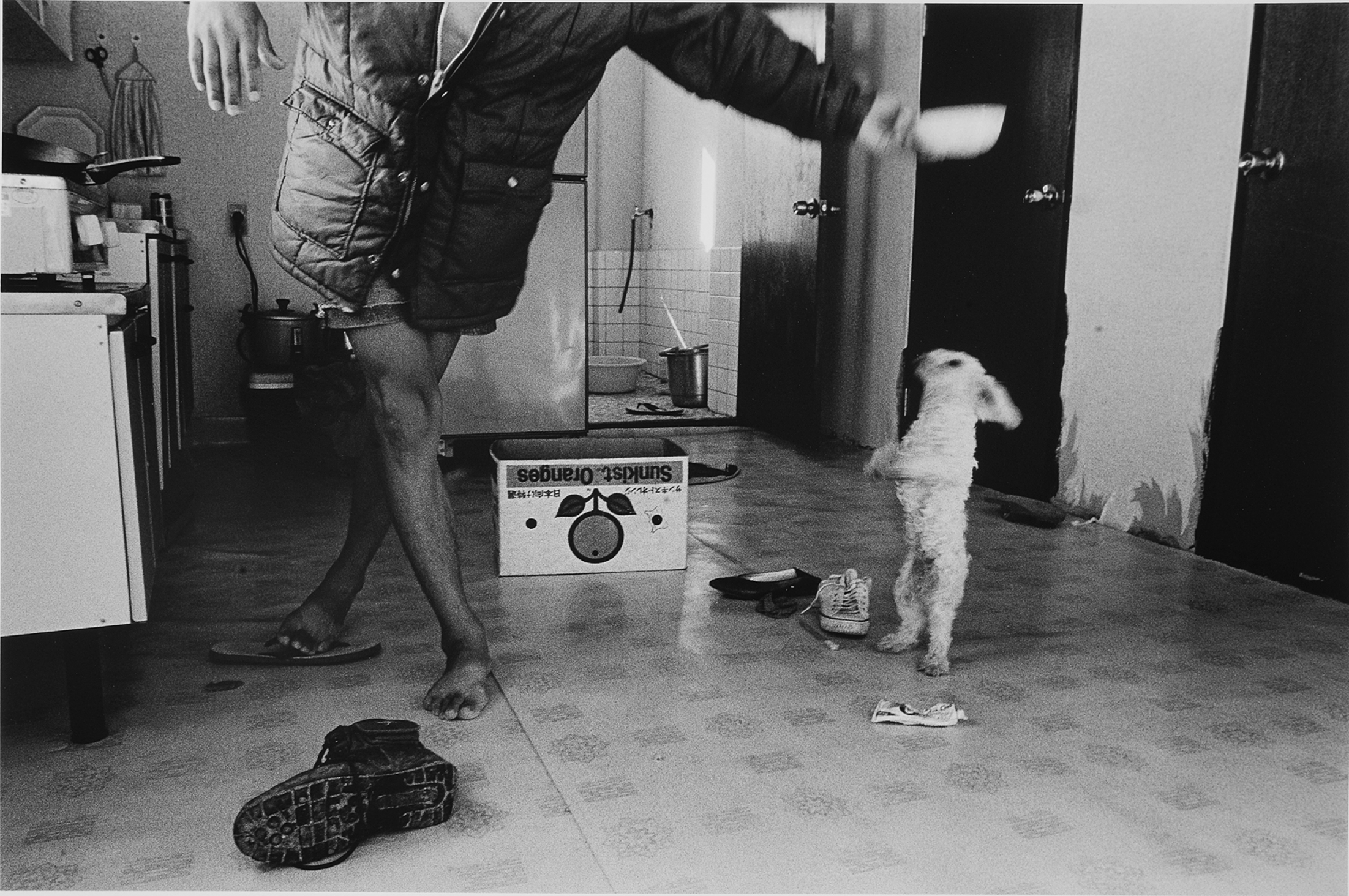
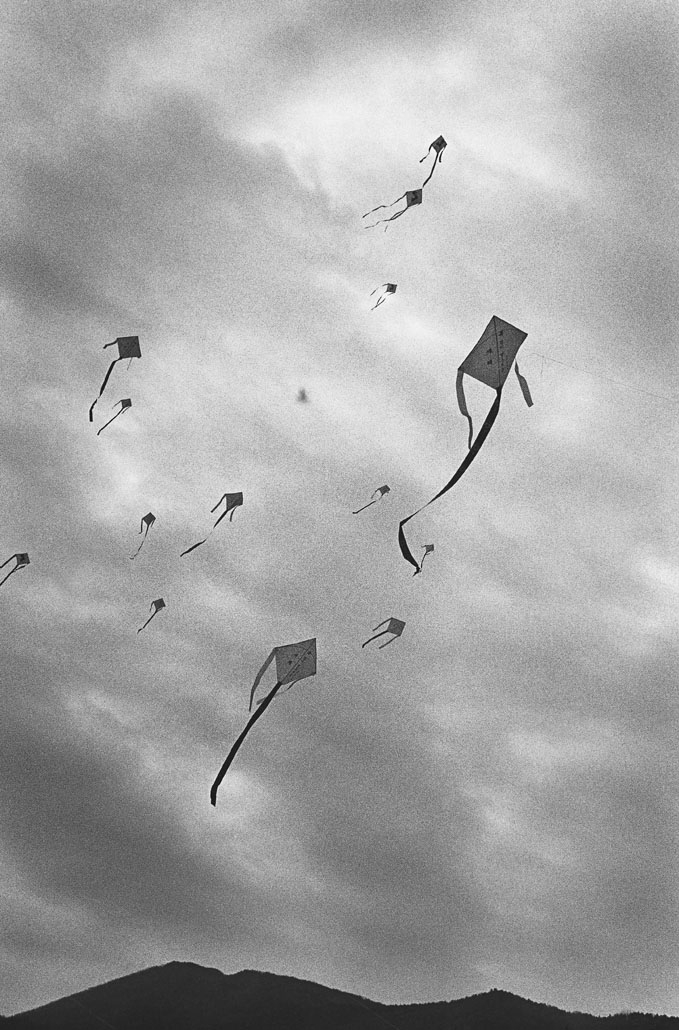
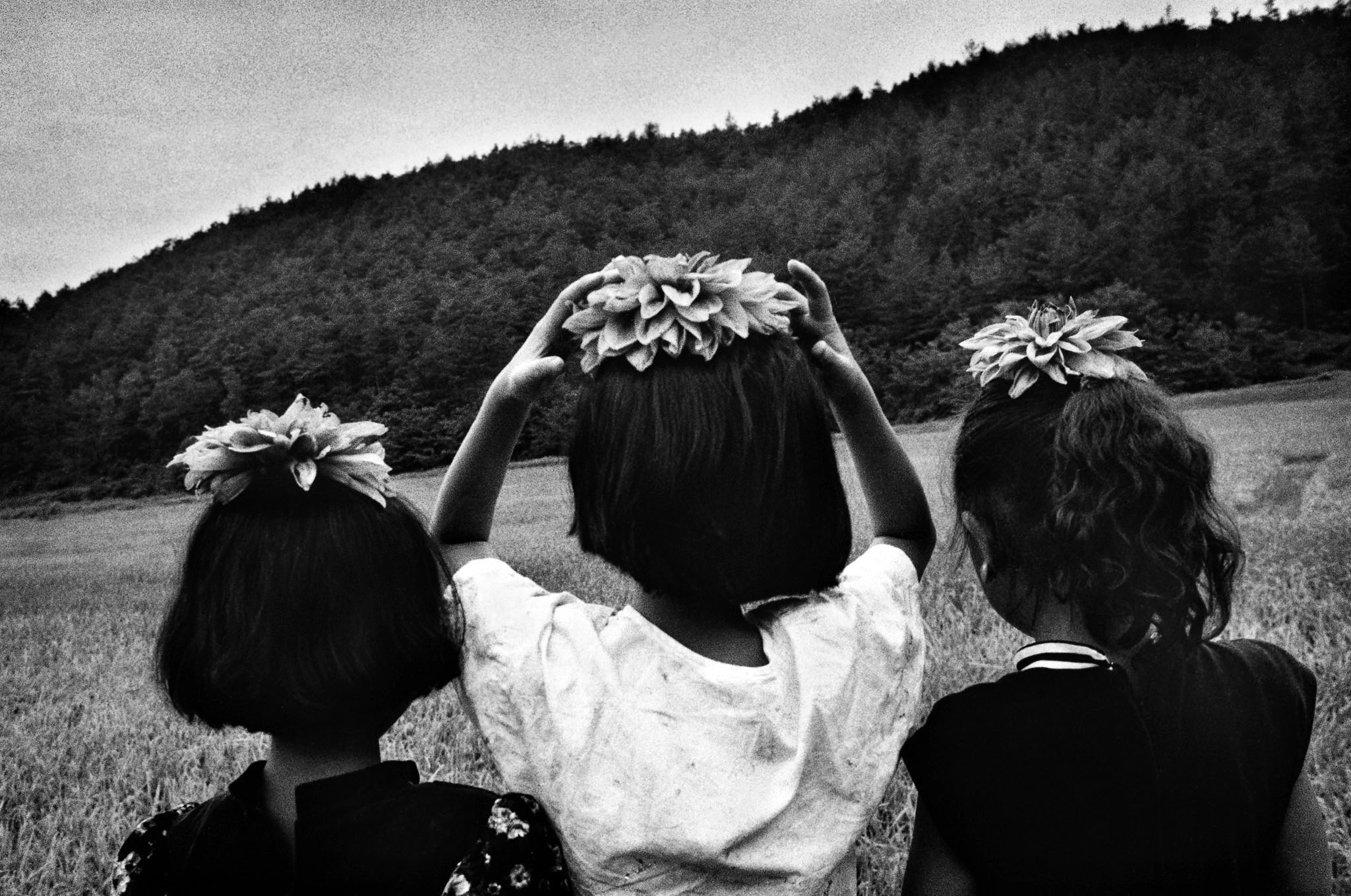
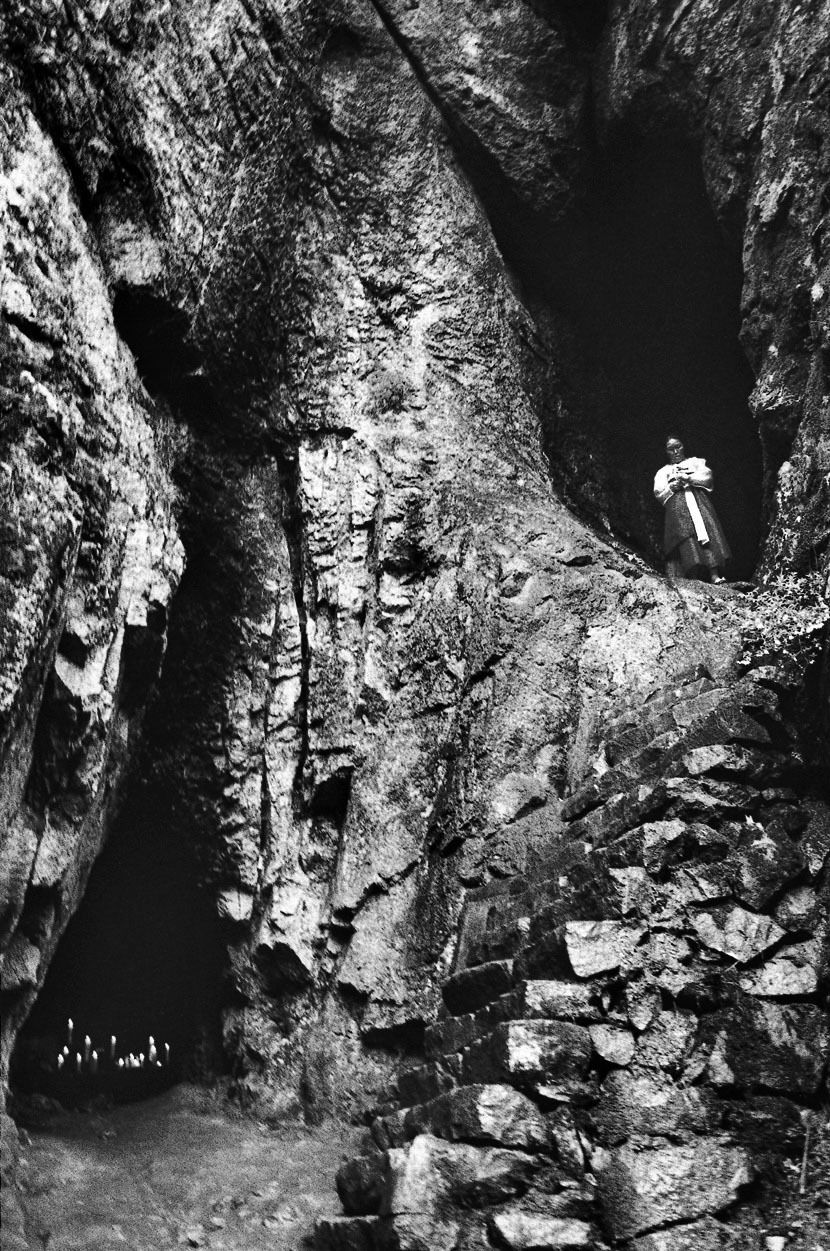
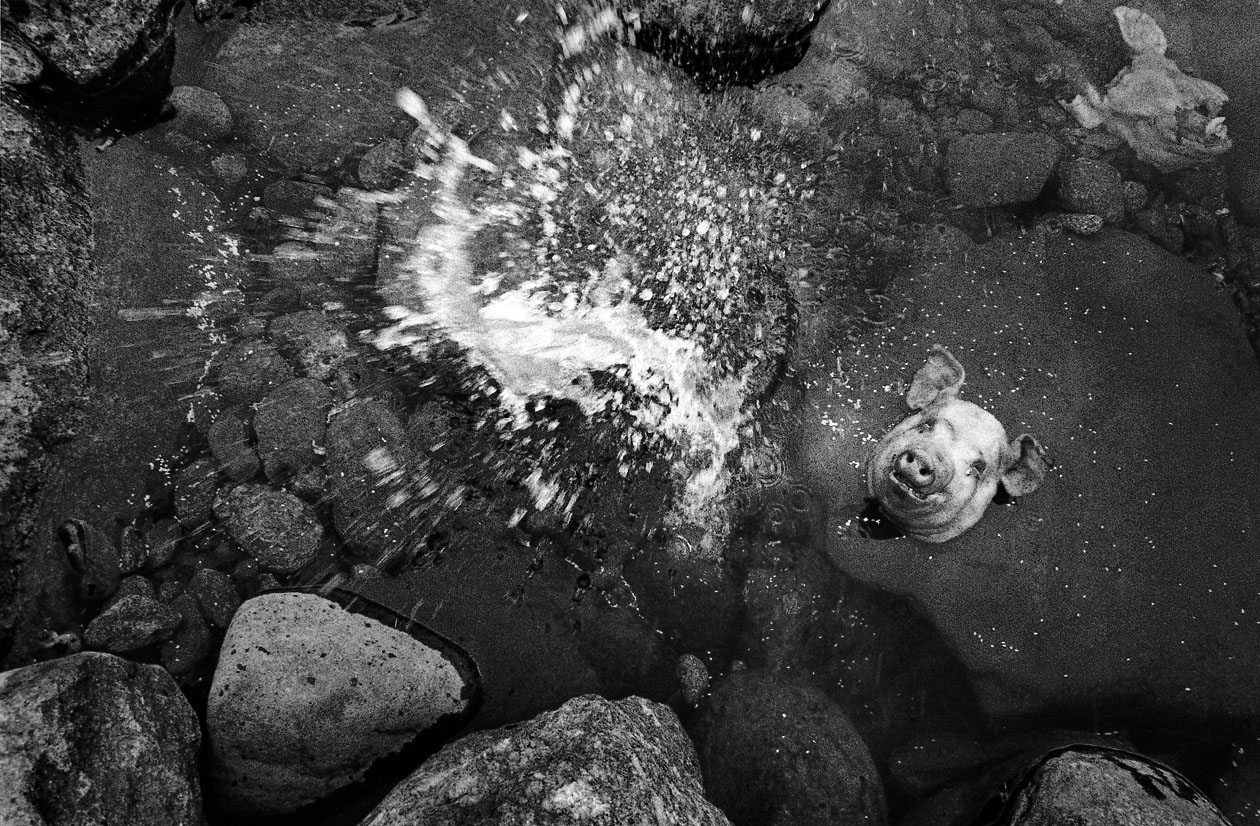
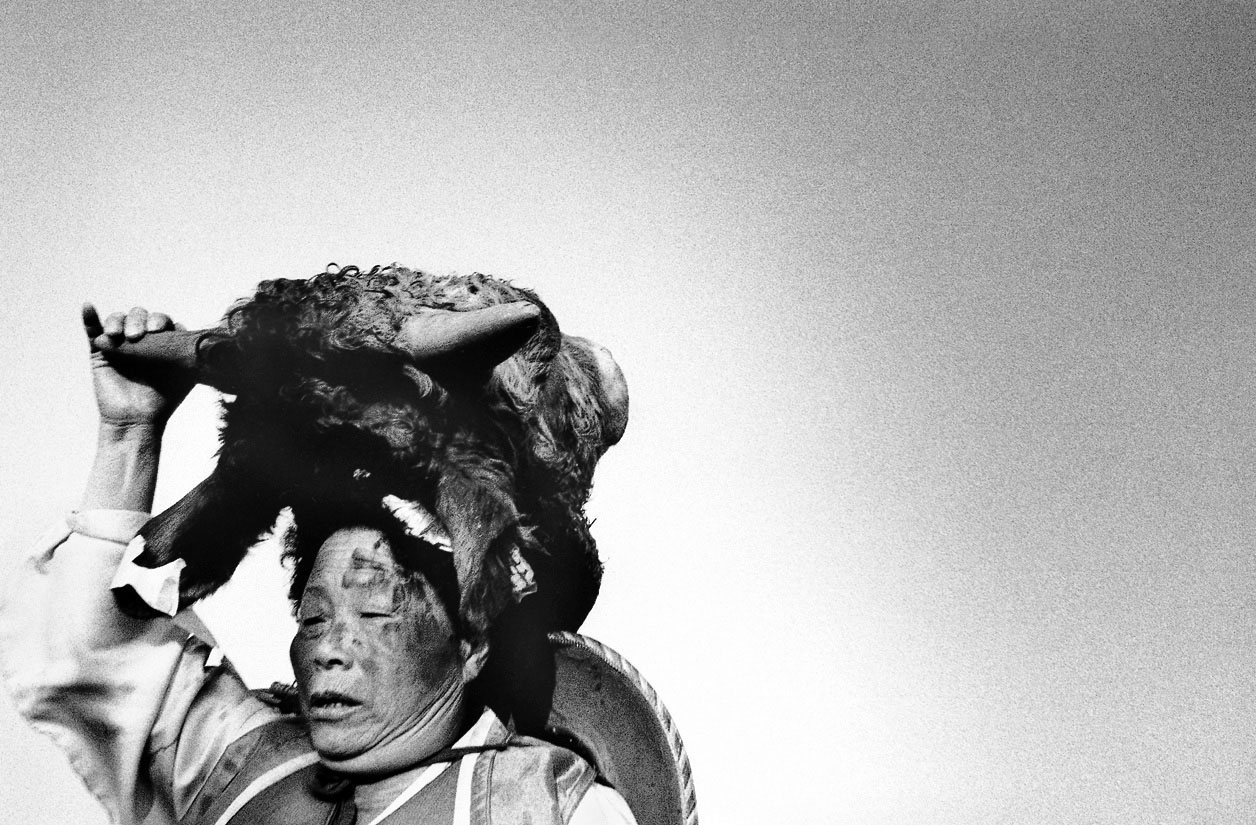
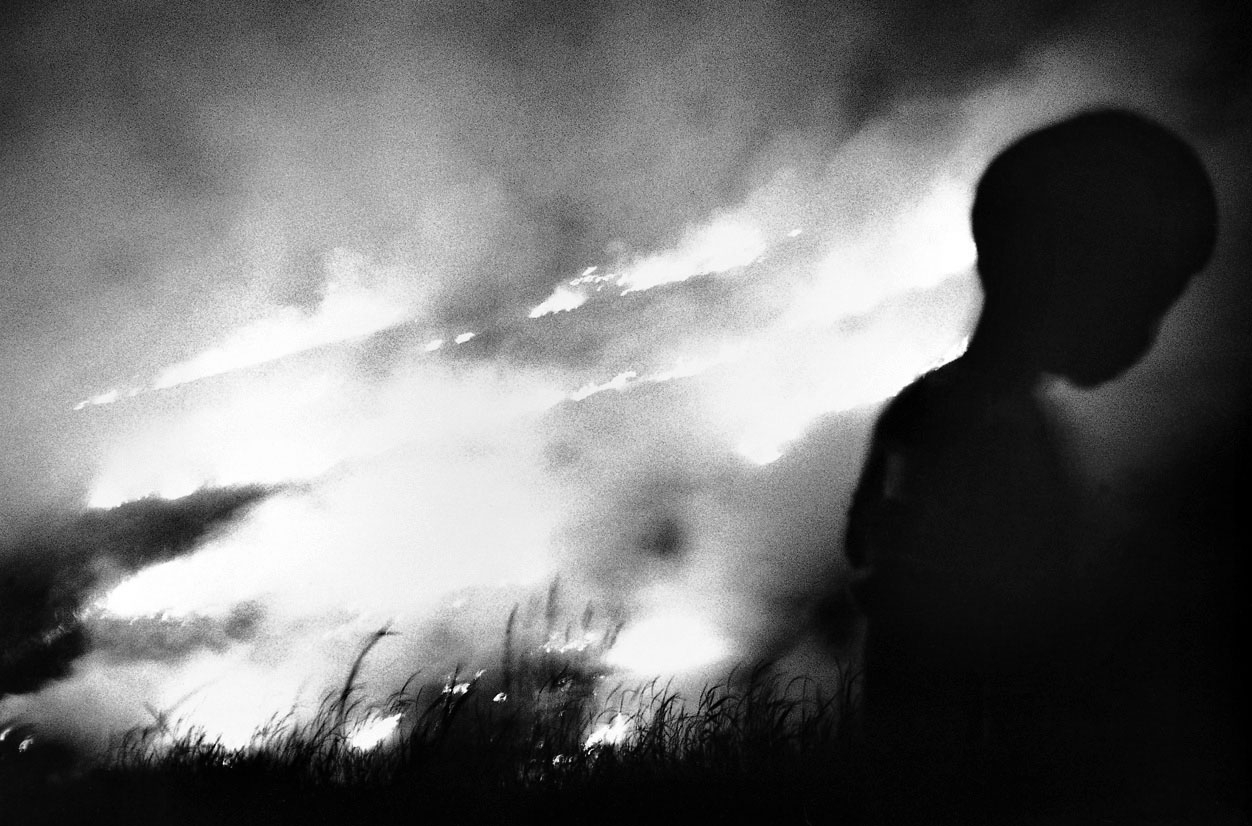
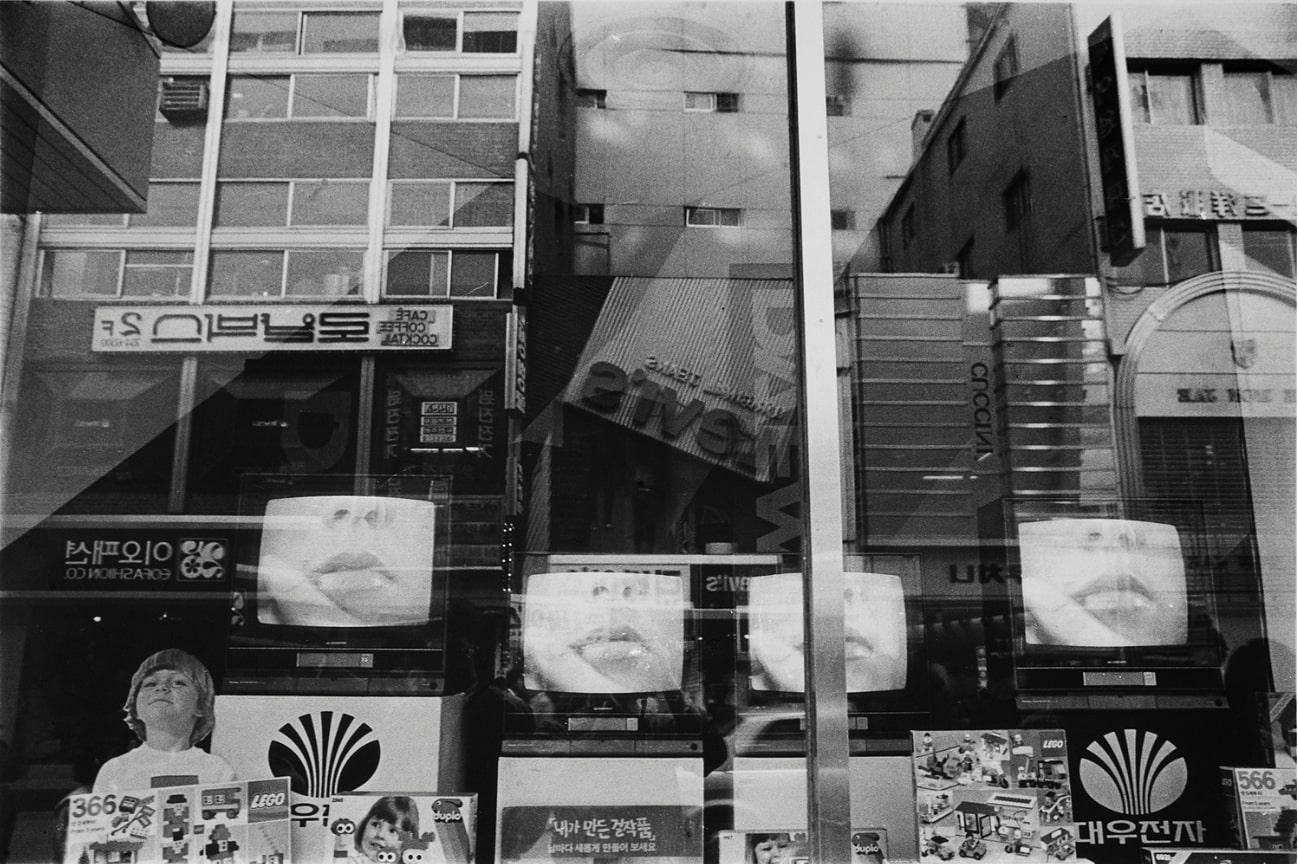
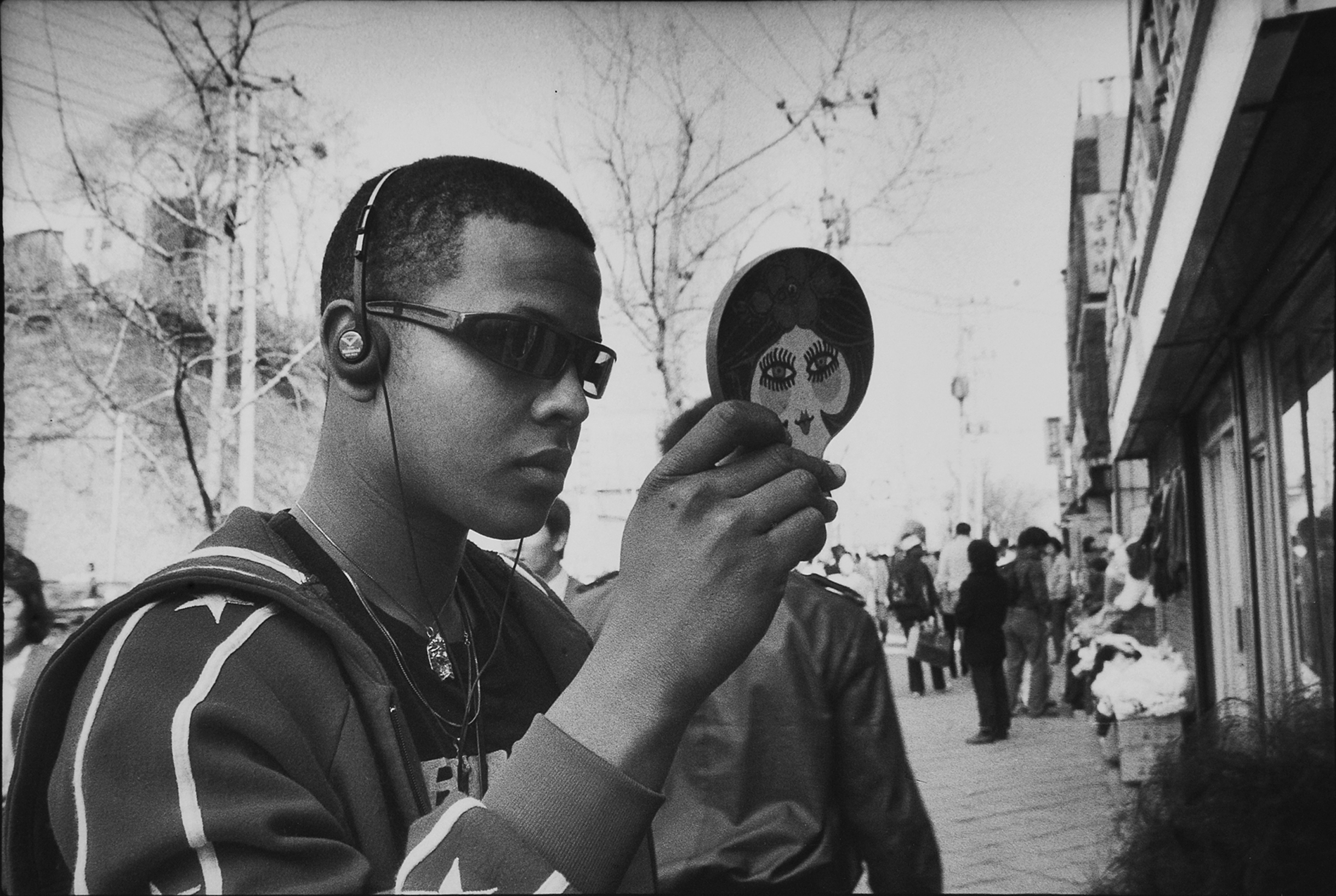
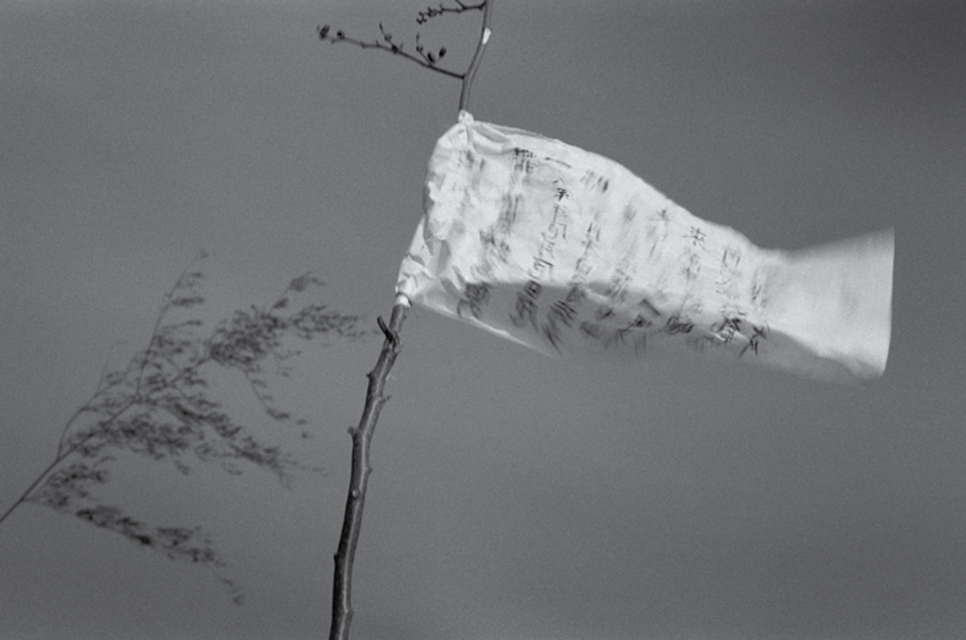
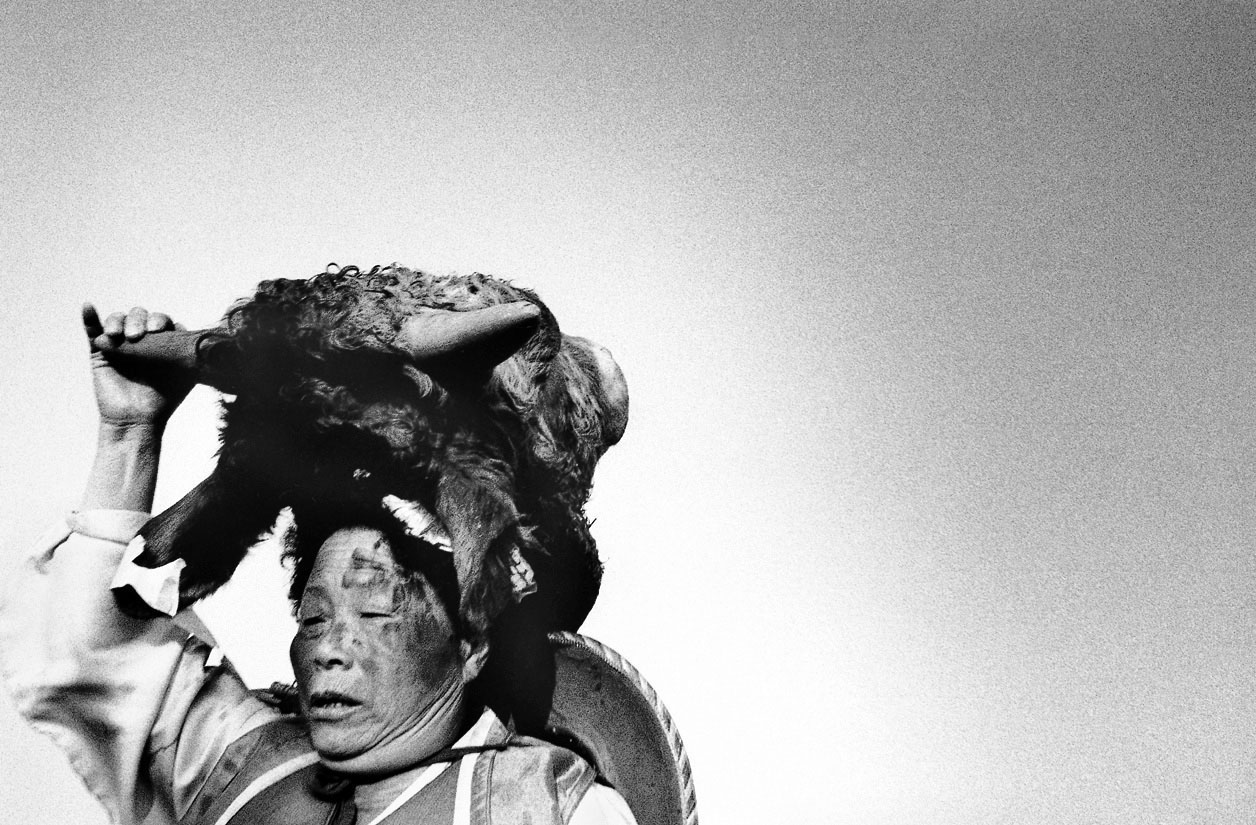
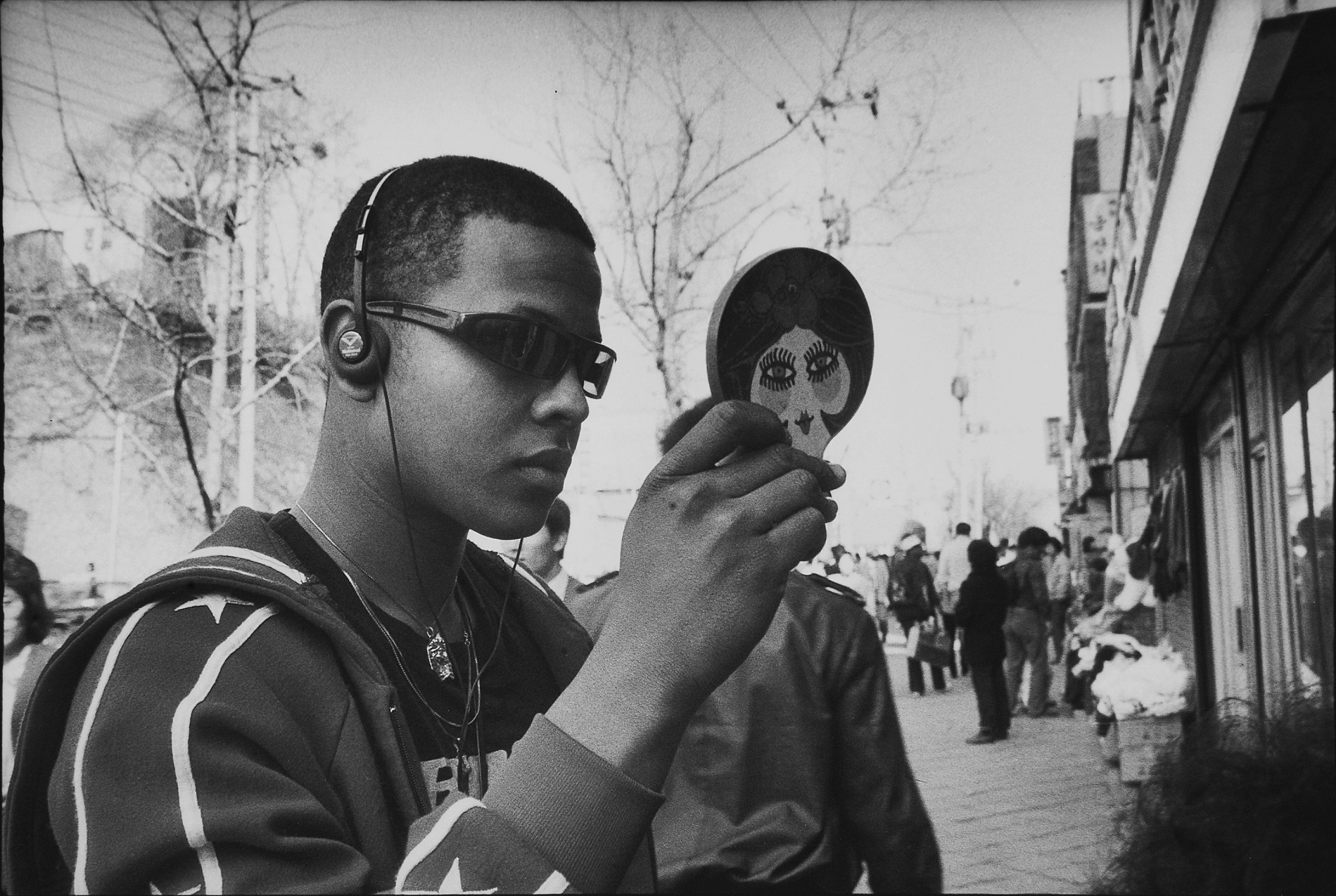
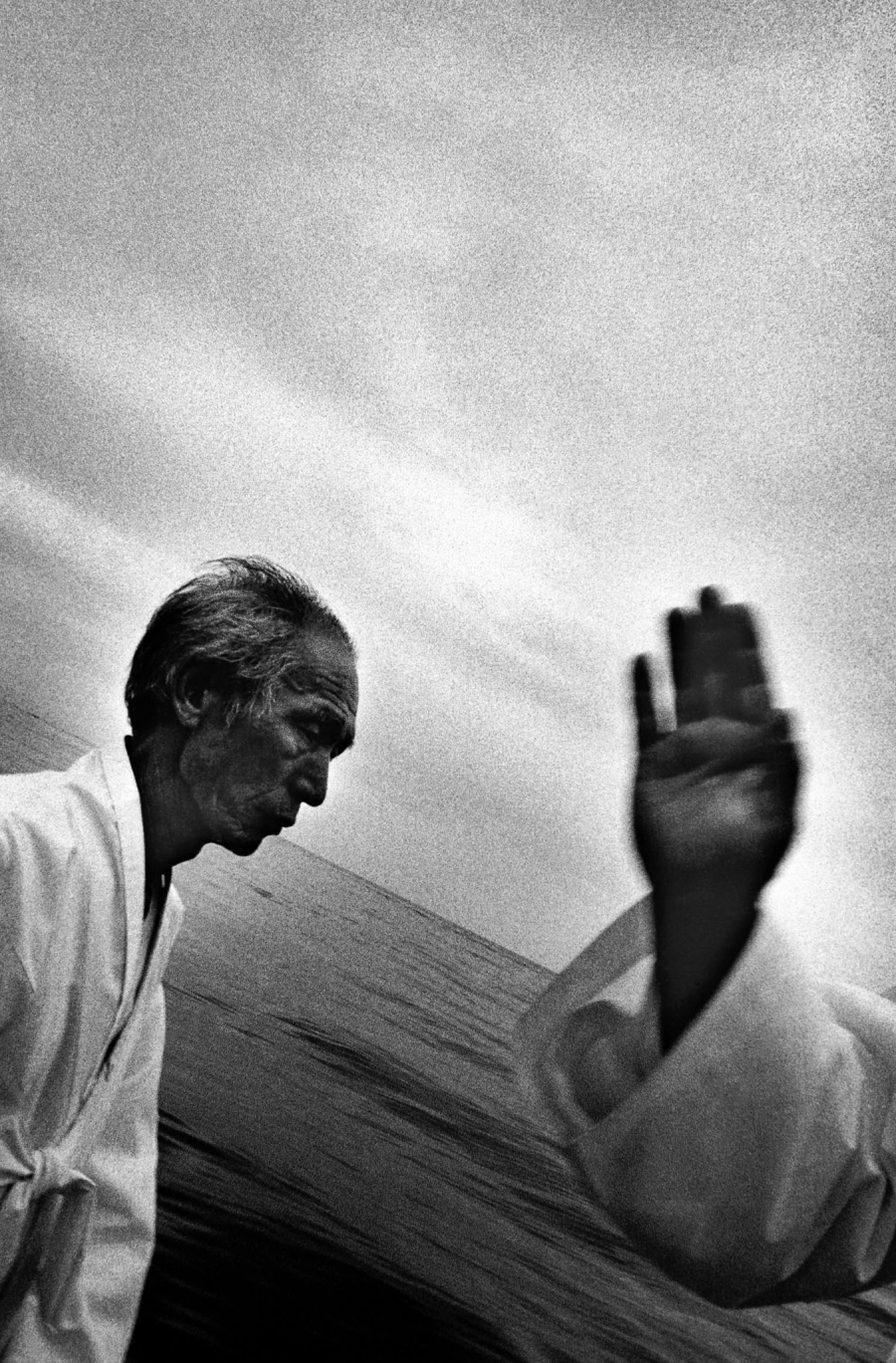
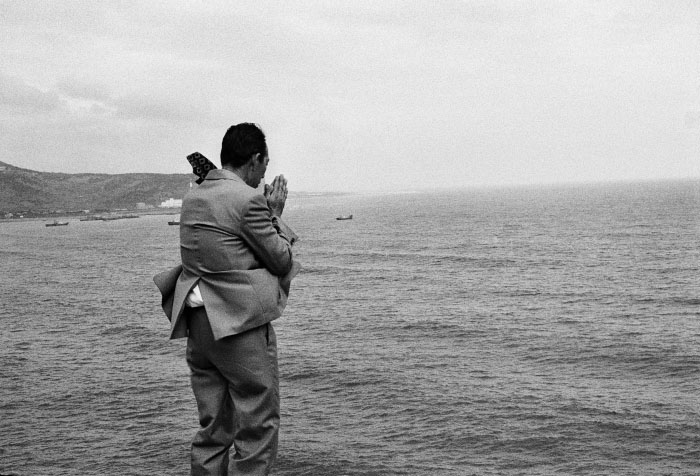
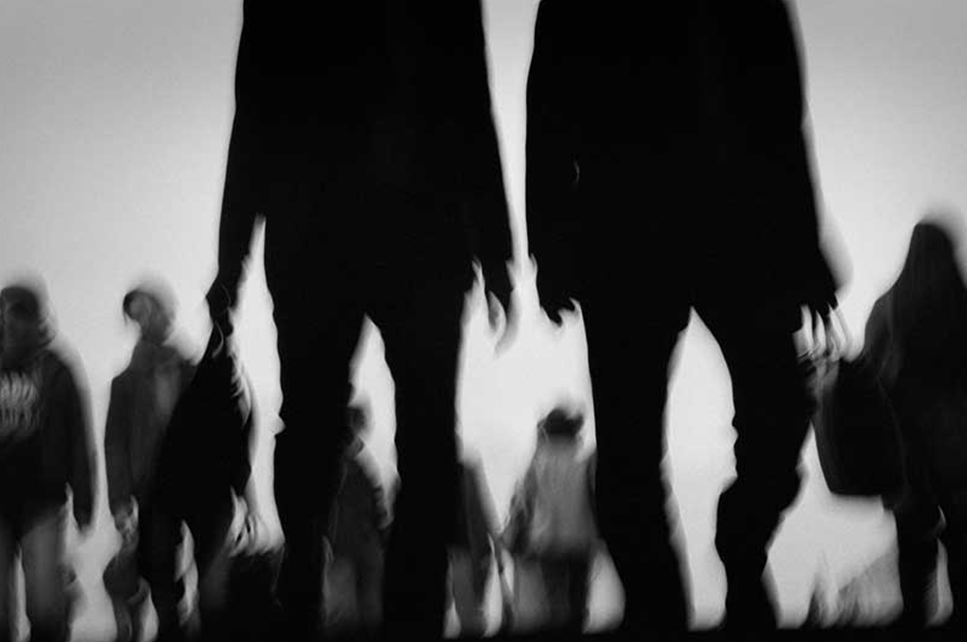
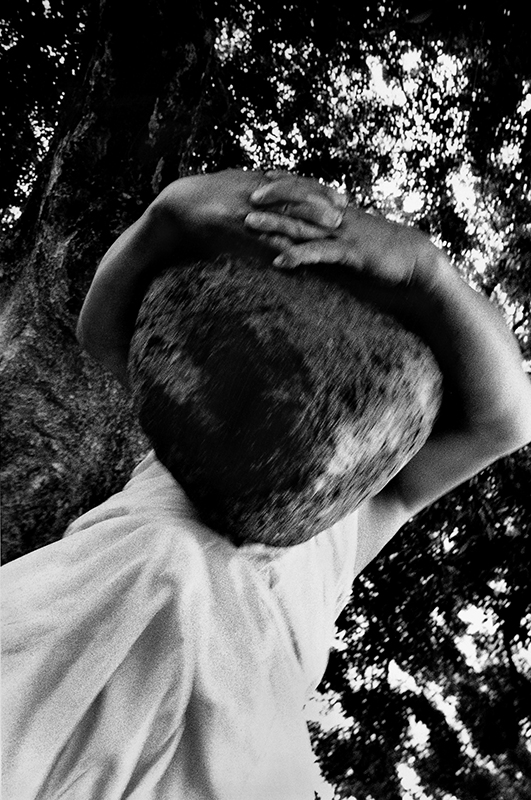
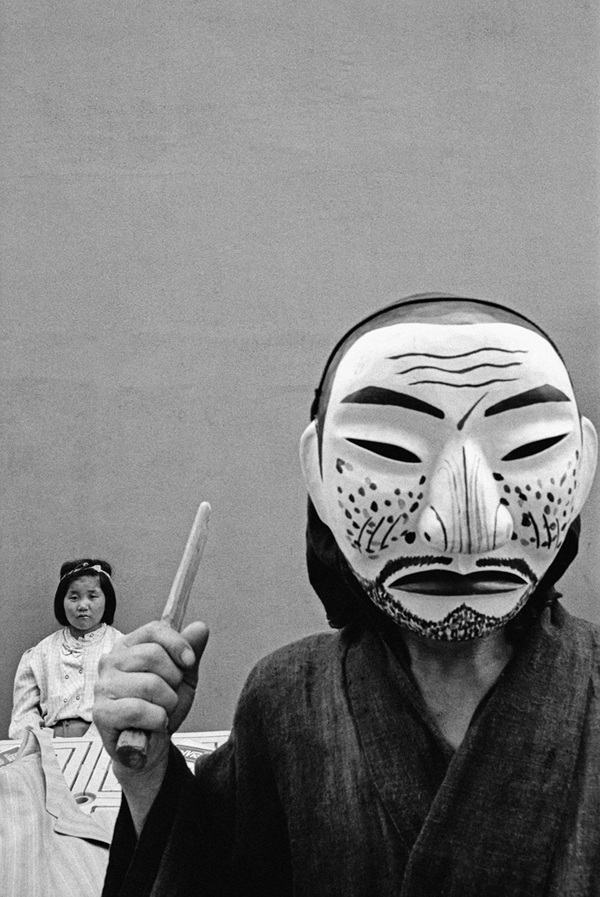
complete Conflict and Reaction series, regarded as the artist’s
representative body of work. To commemorate the publication, the 《Conflict
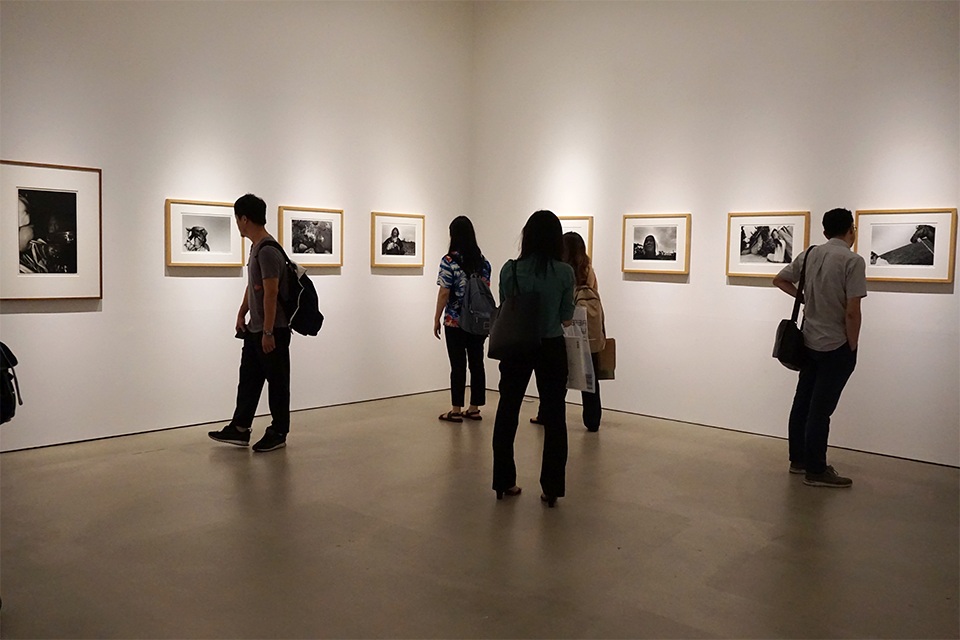
and Reaction》 photo exhibition also opened at The
Reference in Hyoja-dong, Jongno-gu, Seoul. The exhibition is centered on works
from the Space22 collection. The photobook, scheduled for release in early August,
is also available at the venue.
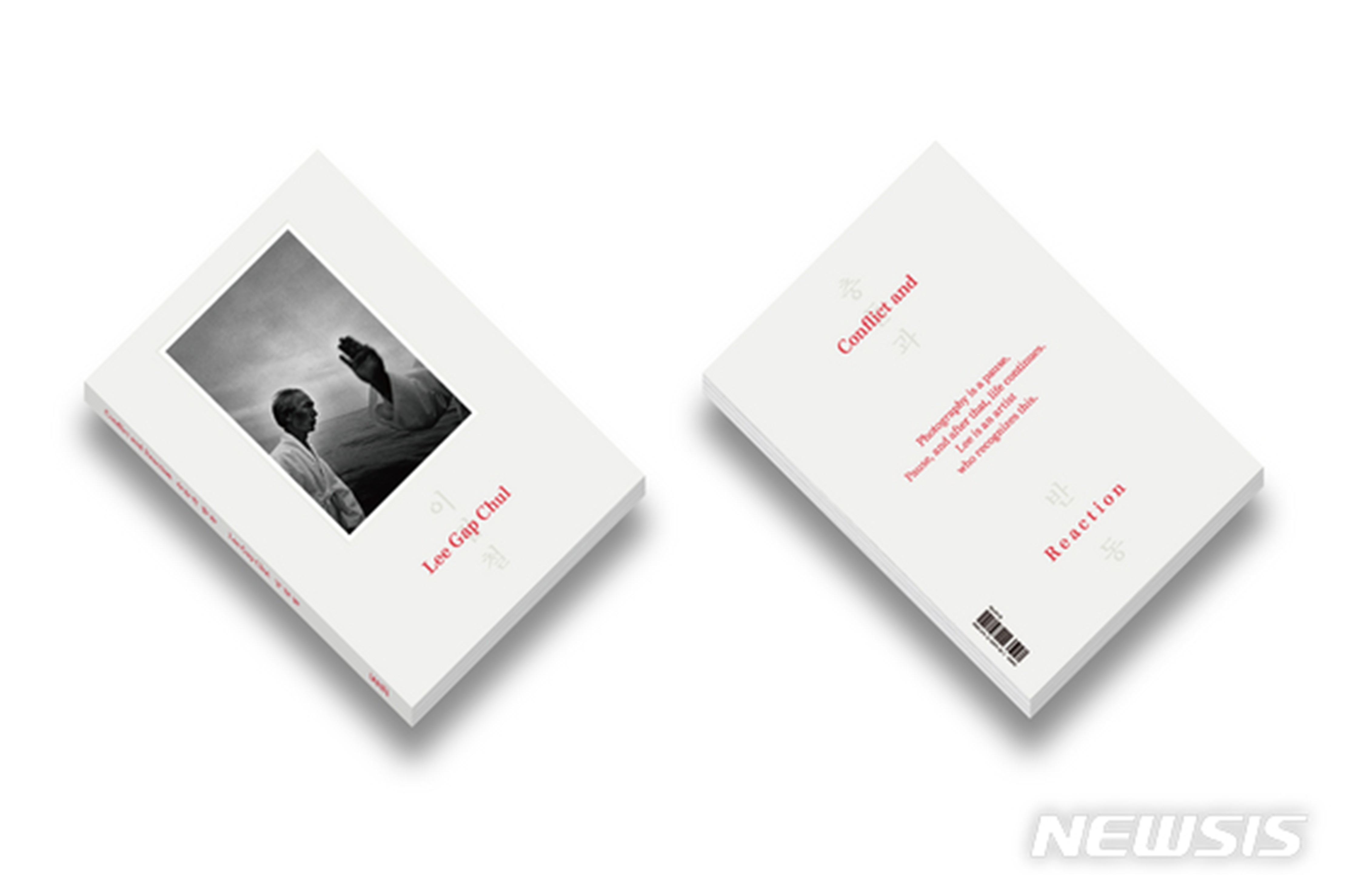
The book was
produced in two versions: a Special Edition and a Standard Edition. Limited to
100 copies, the Special Edition consists of a red hardcover photobook and one
original signed print by the artist, presented in a boxed set. The included
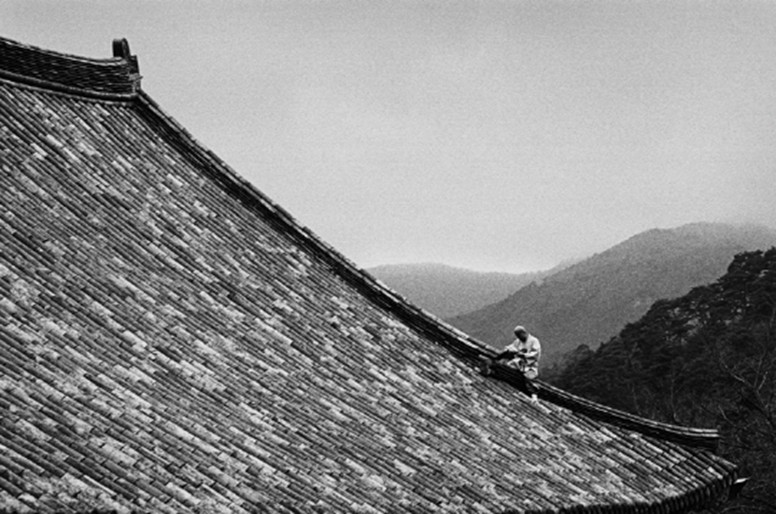
work, Dreaming of Liberation 2, is a gelatin silver
print personally made by the artist. It was photographed in 1993 at Haeinsa
Temple in Hapcheon, on the day of the cremation ceremony of Venerable
Seongcheol. The image captures a monk quietly meditating atop a rooftop, making
it an exceptionally rare and significant photograph. This work foreshadows
Lee’s later period, in which his photography deepens and becomes more
restrained, layering subtle resonance through refined visual language.
Lee Gapchul also
worked as an exclusive photographer for the French agency VU from 2005 to 2015.
After concluding his 2002 《Conflict and Reaction》 exhibition at the Kumho Museum of Art, he participated in an
exhibition of ten Korean contemporary photographers in Montpellier, southern
France. At the time, a junior colleague studying in Paris remarked that the
work was “too valuable to simply be sent back” and recommended it to French
photography critic Christian Caujolle—leading to positive outcomes.
“Just as people
eat, breathe, and live their lives, my photography is the same. Times continue
to change, and as time passes, the work deepens, expands, and moves forward. I
decided to remake the book properly, so that even a book that remains rooted in
2002 would not fall short in comparison to the printing and binding standards
of more advanced countries.”
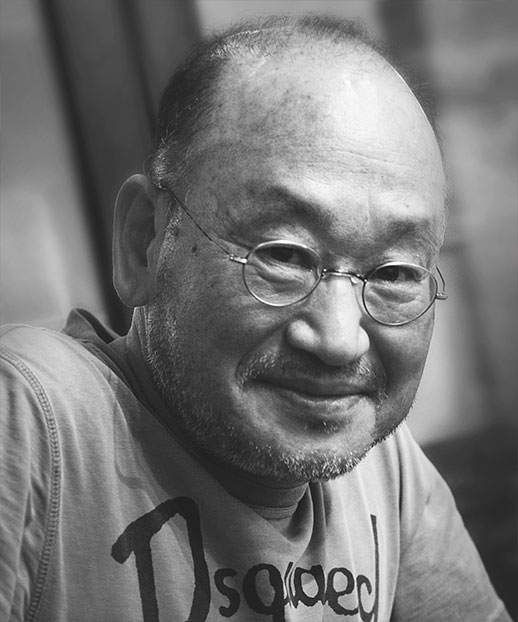
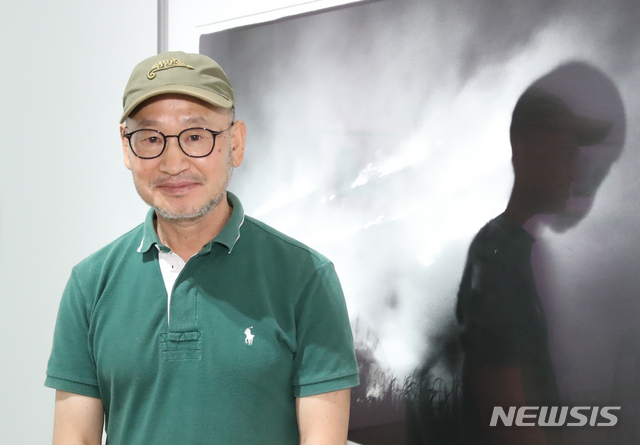
Lee was born in
Hapcheon, Gyeongsangnam-do, and grew up in Jinju. He graduated from the
Department of Photography at Shingu College in 1984. His solo exhibitions
include 《Land of Others》 (Gyeongin Art Gallery,
1988), 《Conflict and Reaction》 (Kumho Museum of Art, 2002), and 《Energy, Gi (Energy, 氣)》 (Hanmi Museum of Photography, 2007). He has also participated
in international exhibitions such as 《Photofest
2000》 (Houston, USA, 2000), 《Paris Photo》 (France, 2005), and 《Imaging Korea: People, Land, and Beyond Time》 (Germany and other venues, 2016), establishing an active
global presence.
The exhibition runs
through August 11. The book is published by Space22 and Ian Books, and the
exhibition is organized by Space22 and The Reference.
192 pages. Standard Edition: 60,000 KRW. Special Edition: 500,000 KRW. The
Standard Edition is available at online and offline bookstores, while the
Special Edition can be purchased at The Reference.