
Solo Exhibitions (Brief)
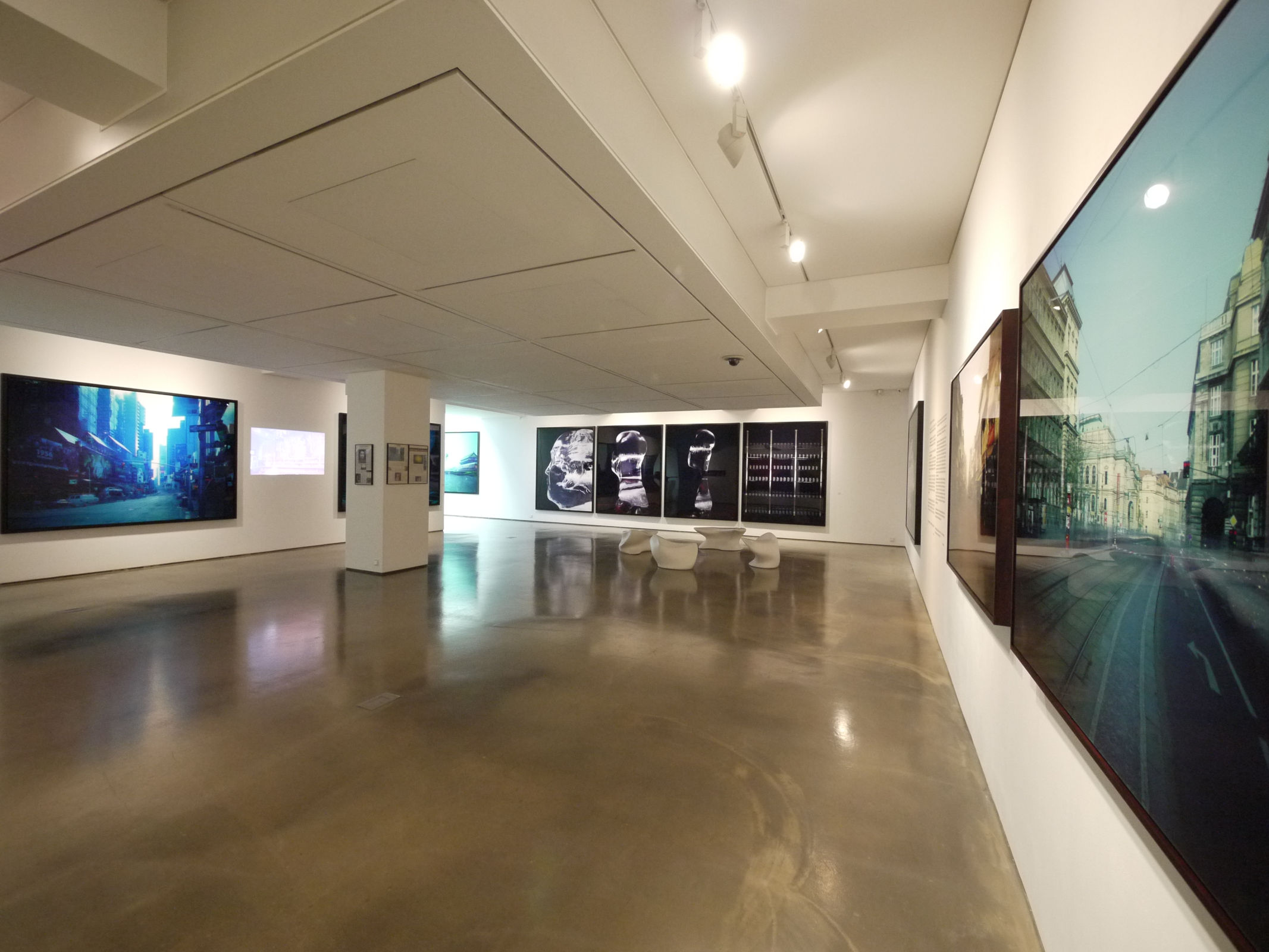
Atta Kim was invited to participate in
the 53rd Venice Biennale in 2009, had a solo exhibition at the Rodin Gallery,
Leeum Museum of Art in 2008, and was the first Asian to have a solo exhibition
at the International Center for Photography in New York in 2006.
Group Exhibitions (Brief)
Atta
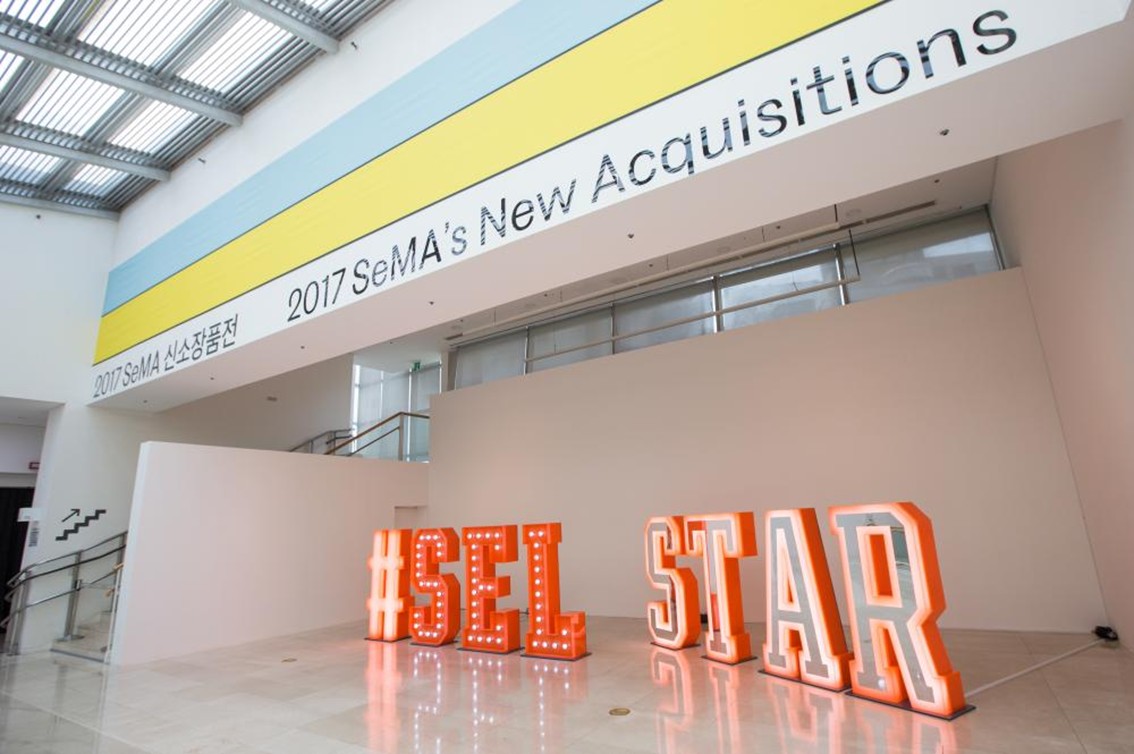
Kim has presented his work in numerous group exhibitions, including 《SeMA New
Acquisitions: Sky, Earth, People》 (Seoul Museum of Art,
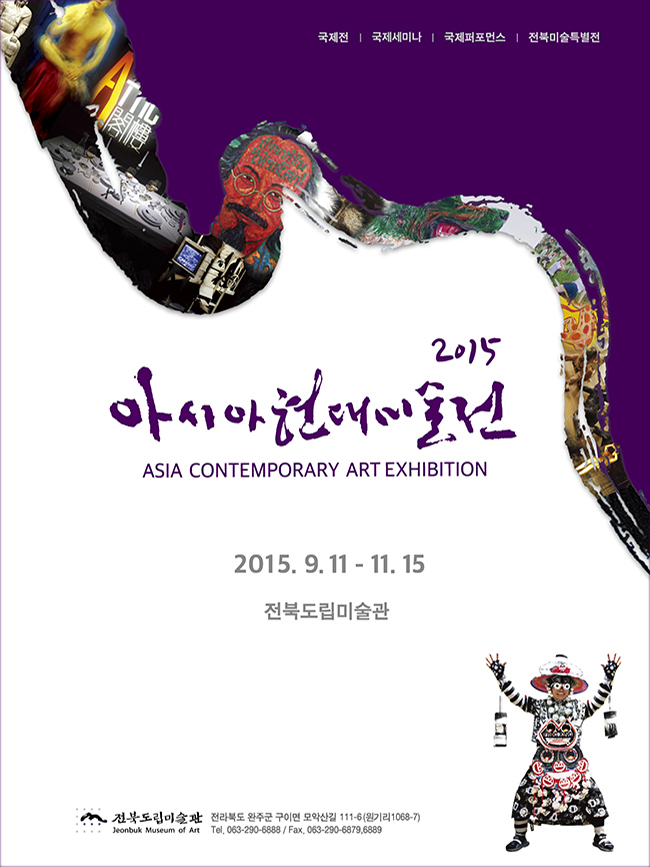
Seosomun Main Branch, Seoul, 2017), 《Asia
Contemporary Art Exhibition 2015》 (Jeonbuk Museum of
Art, Jeonju, 2015), 《Uproarious, Heated, Inundated》 (National Museum of Modern and Contemporary Art, Seoul,
2017), 《FAÇADE BUSAN》
(Busan Museum of Art, Busan, 2013), and 《HAEIN ART
PROJECT 2011》 (Haeinsa Temple, Hapcheon, 2011), among
many others. In 2002, he also participated as the representative artist of the
Korean Pavilion at the 25th Bienal de São Paulo.
Awards
(Selected)
Kim has
received numerous major awards, including the Artist of the Year Award
(Photography Art History, Korea, 1997), the International Photo Prize (1st
Hanam International Photo Festival, Hanam, Korea, 2002), the Lee
Myoungdong Photo Prize (Seoul, Korea, 2003), the 6th Dong-gang Photo Prize
(Gangwon-do, Korea, 2007), and the 6th Ha Chong-Hyun Art Award (Seoul,
Korea, 2008).
He
was also selected as one of the “World’s 100 Leading
Photographers” by Phaidon Press (UK, 2002), and in 2008 was
named one of the “10 Artists Not to Be Forgotten Even 100 Years from
Now” in a special feature curated by The Chosun Ilbo.
Collections
(Selected)
Kim’s works are in the collections of many
museums in Korea and abroad, including The Los Angeles County Museum of Art
USA, Hood Museum at Dartmouth College USA, New Britain Museum of American Art
USA, Museum of Fine Arts, Houston USA, National Museum of Modern and
Contemporary Art Korea, Leeum Museum of Art, Seoul Museum of Art, Busan Museum
of Art, Daelim Museum, and Art Sonje Center.