Exhibitions
《RE-ATTA Part I: On-Air Project》, 2014.01.09 – 2014.02.15, 313 Art Project
January 09, 2014
313 Art Project
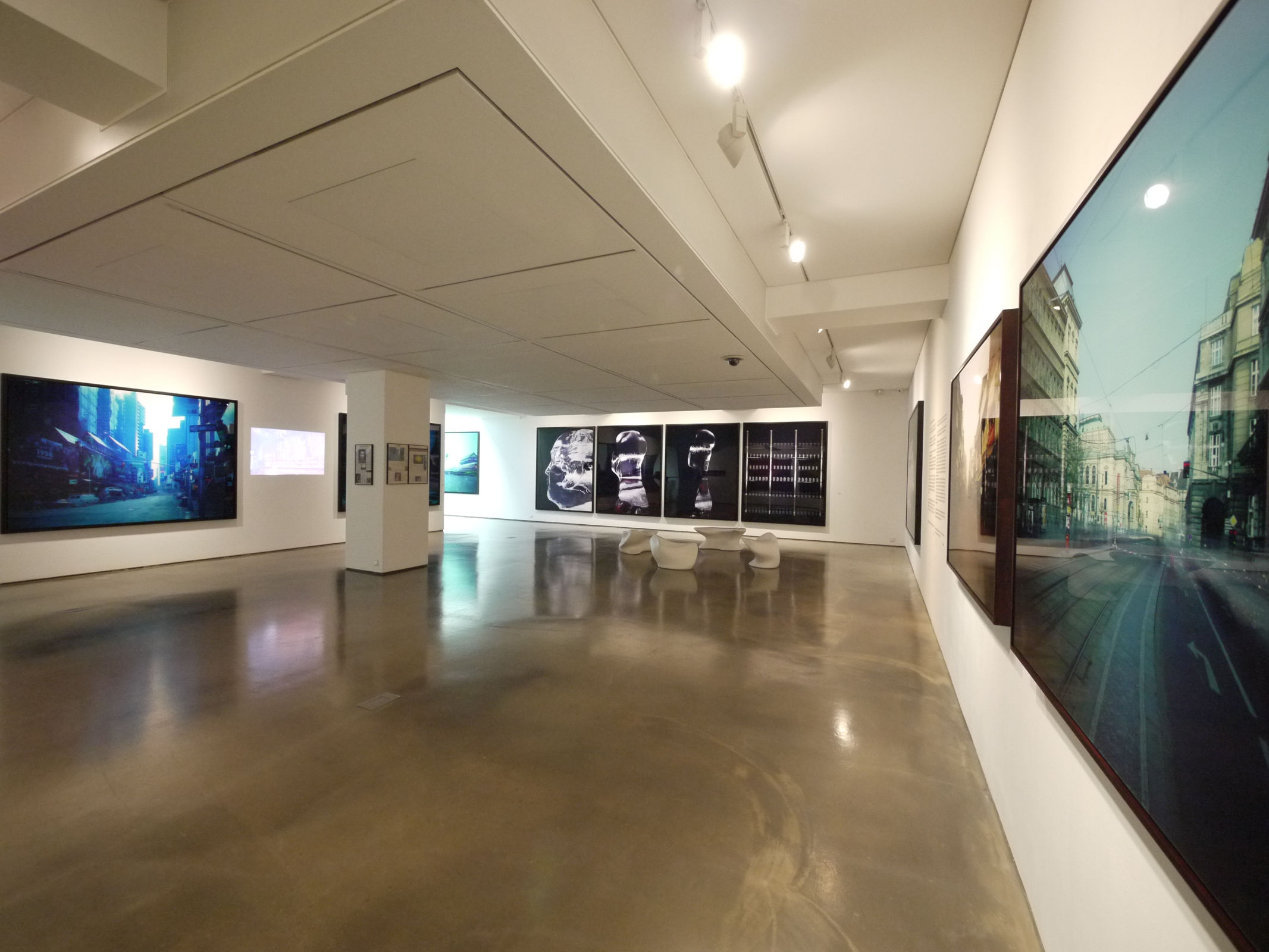
Installation
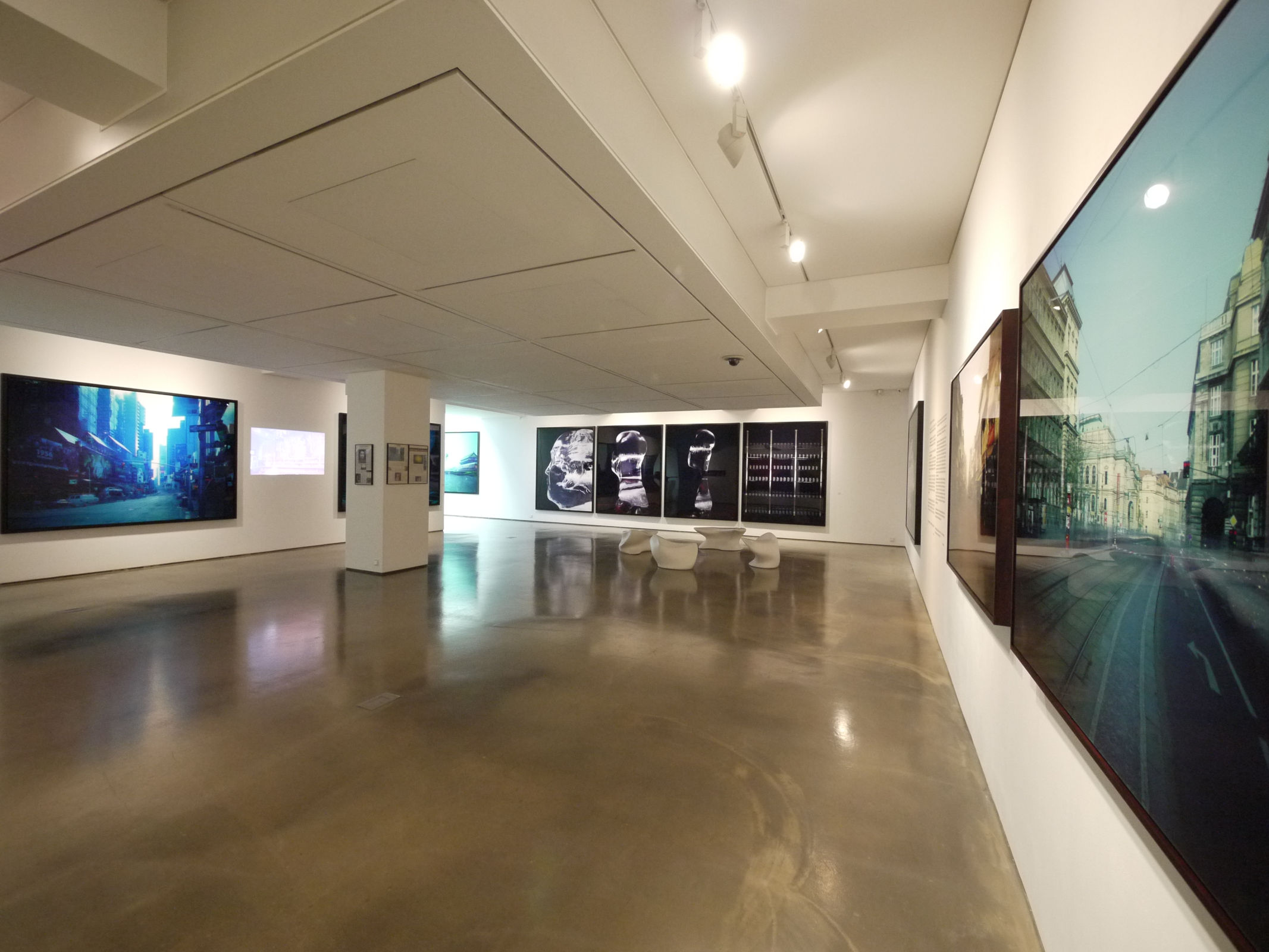
view of 《RE-ATTA Part I: On-Air Project》 © 313 Art Project
“His
patience and concentration while working on a project reminds me that of an
ascetic. He devoted every single drop of his energy on what he is working on…
one after another, ‘Deconstruction’ Series, ‘Museum’ Series, ‘ON-AIR project’,
and the ‘Drawing of Nature project’. He dedicates himself as if he would die if
he didn’t, and when it’s done, he has burnt up all his energy and emptied
himself into the work. Whoever watches him is stunned and moved by his
extraordinary focus.” — Ju-hyang Lee, Professor of Philosophy at Suwon
University
313
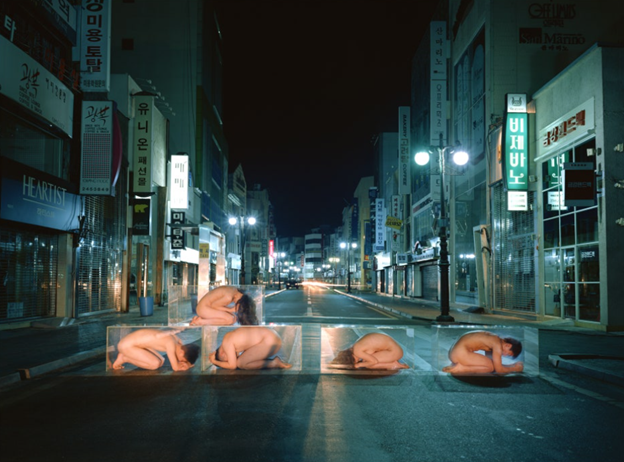
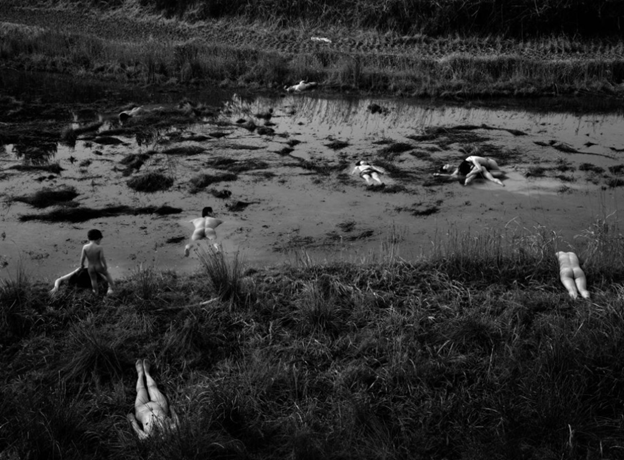
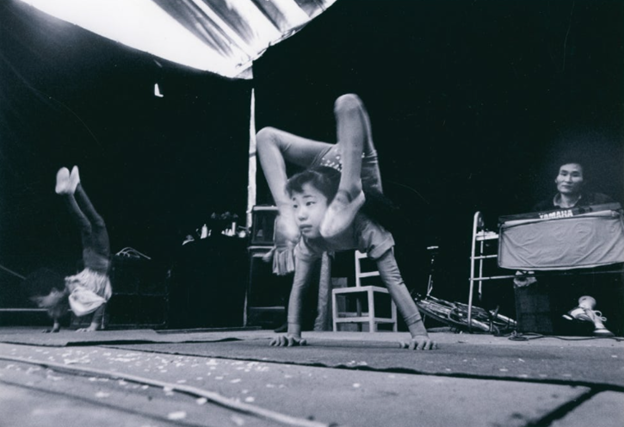
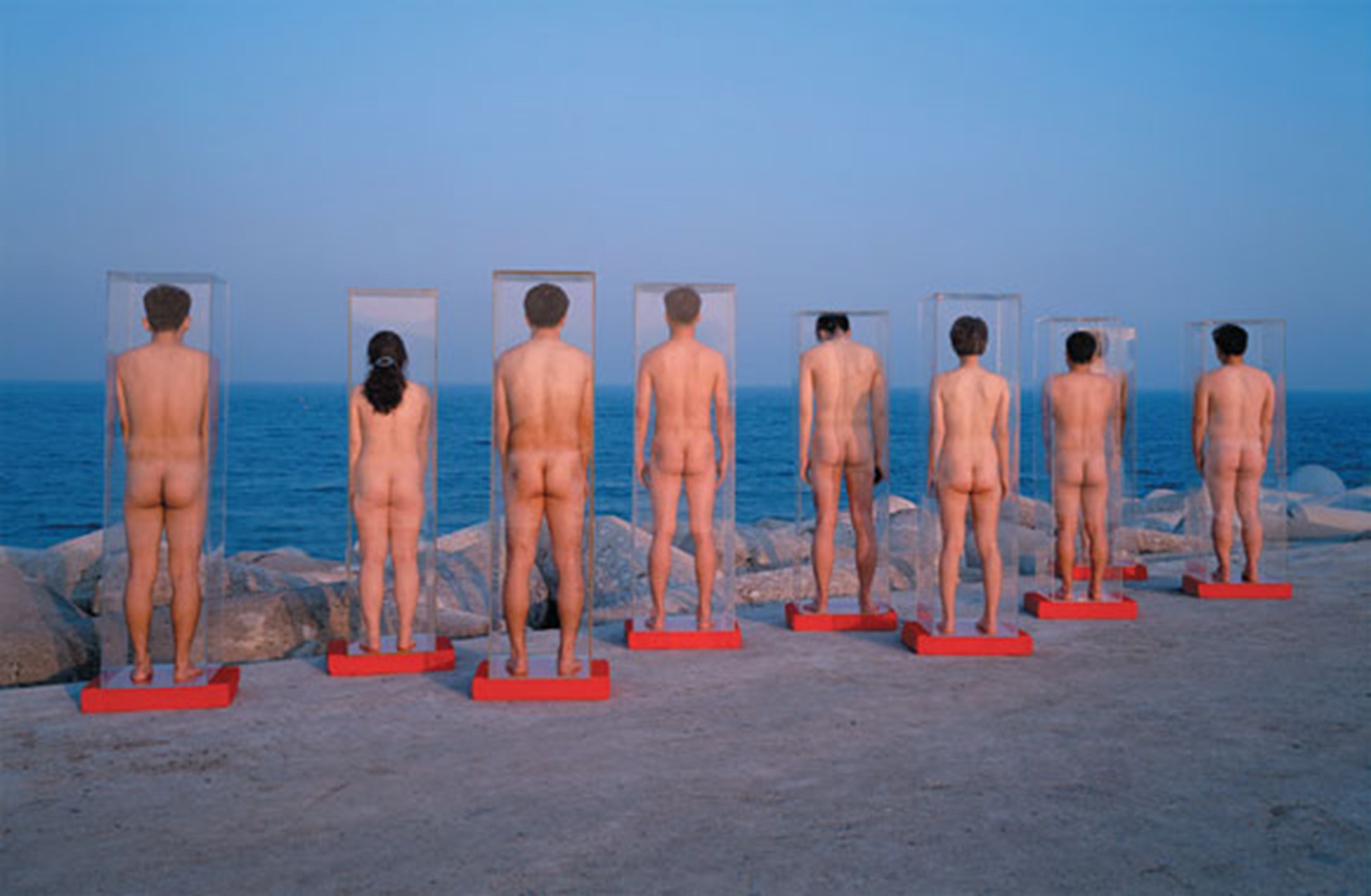
ART PROJECT is thrilled to present internationally renowned Korean artist Atta
Kim’s solo exhibition 《RE-ATTA Part I:
On-Air Project》. To shed new light on Kim’s unique and
earnest artistic practice, the exhibition will be divided into three parts and
shown over the next two years. In 《RE-ATTA Part I:
On-Air Project》, ‘Eighthours’ Series, ‘Indala’ Series
and ‘Monologue of Ice’ Series will be on view.
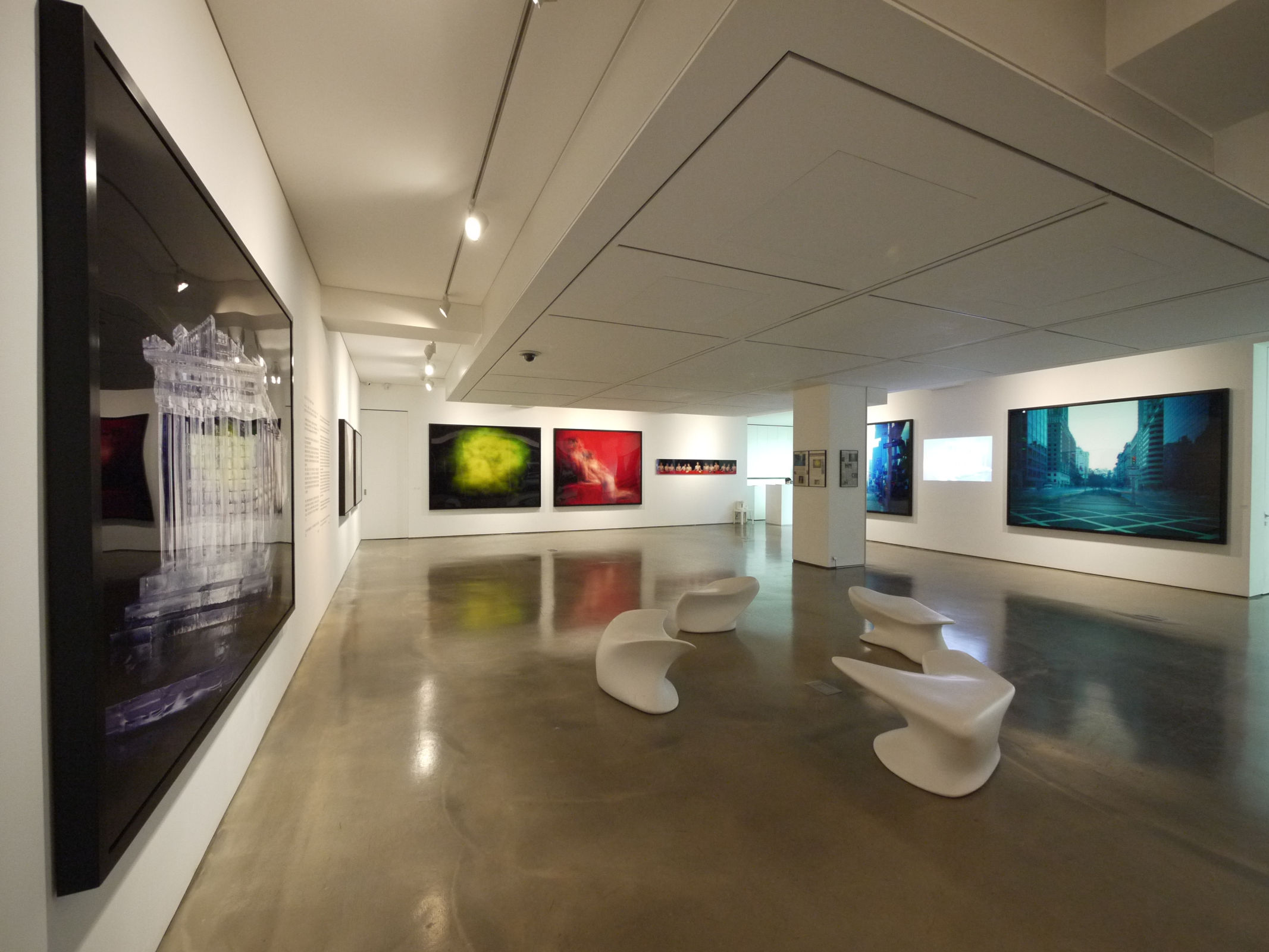
Installation
view of 《RE-ATTA Part I: On-Air Project》 © 313 Art Project
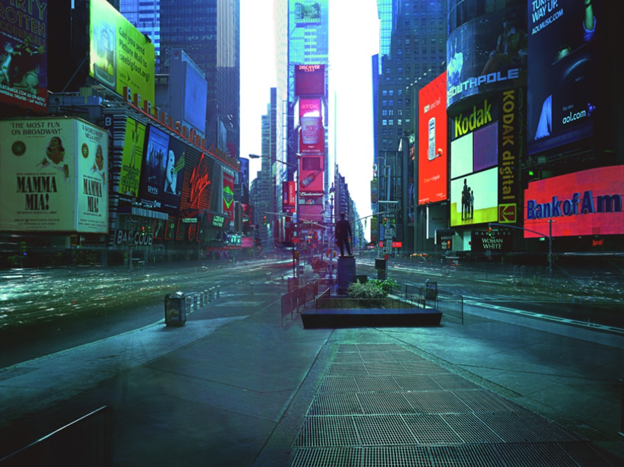
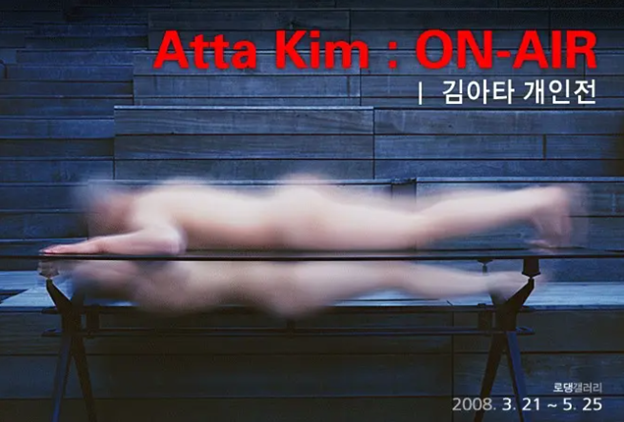
‘Eight
hours’ Series are photographs of cities around the world such as New York,
Beijing, and Mumbai shot over eight hours. The faster an object moves, the
faster it disappears and the fainter it appears. Joo Hyang Lee, a professor of
philosophy at Suwon University, says, “Atta kim has deconstructed living
objects. All entities are destined to disappear. Atta Kim’s camera clearly
points out that living things disappear.”
In
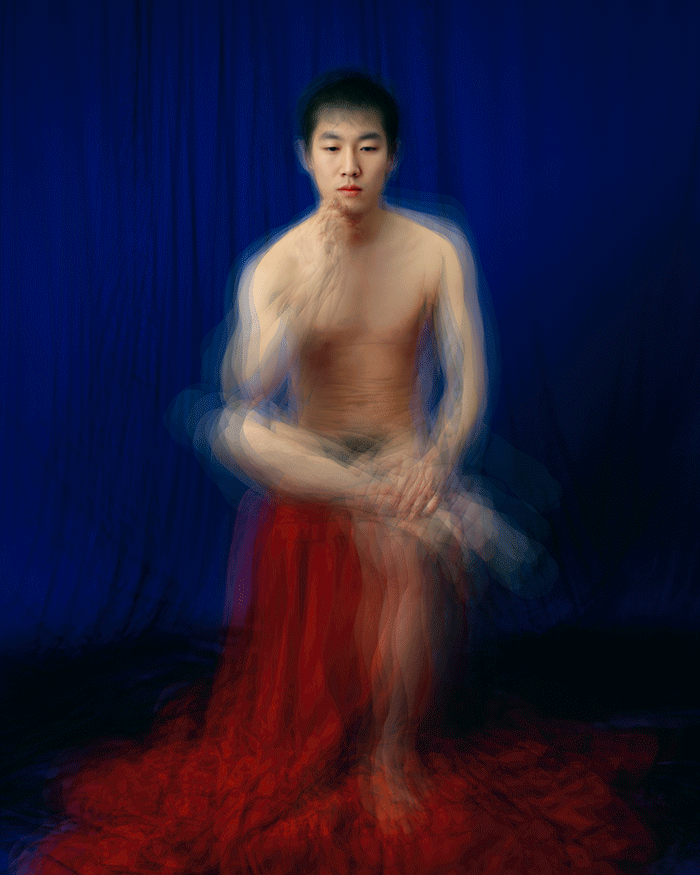
‘Indala Series’, Atta Kim superimposed thousands or tens of thousands of images
to create an unexpected outcome epitomizing his own belief system. Kim invented
an amalgam of India and mandala, Indala, referring Buddhist concept “Indra’s
Net” symbolizing a universe in which everything exists in infinite and repeated
relations. The subject matters in this series are varied: the magnified
characters that he collected from Eastern sutras such as the Analects of
Confucius or Lao-tzu; paintings from the Western masters; or major cities
around the world.
The final product is a result of multilayered photographs of
the recognizable objects or specific locations, but the impression of the work
is more like that of monochrome paintings where nothing becomes identifiable.
For example, 10,000 images of New York are digitally superimposed onto one
single image, and the final product does not seem to show anything but gray
monotone. However, 10,000 images are physically embedded in this photograph,
and it contains tremendous information of the city and its components.
In
Tao-te-ching of Laotzu, 5290 characters from the book are superimposed on top
of each other and morphed into an abstract painting. “Tao Te Ching, which
contains all the principles of the world, became a cotton candy,” Kim explains,
“I was finally released from the burden of its weight.” Kim repeated the
process with 15,817 characters of Analects of Confucius and 260 words of
Pranjna Paramita HrdayaSutra. Each of the superimposed images is seemingly
disappearing yet the intrinsic value of each layer is maintained and
interrelated.
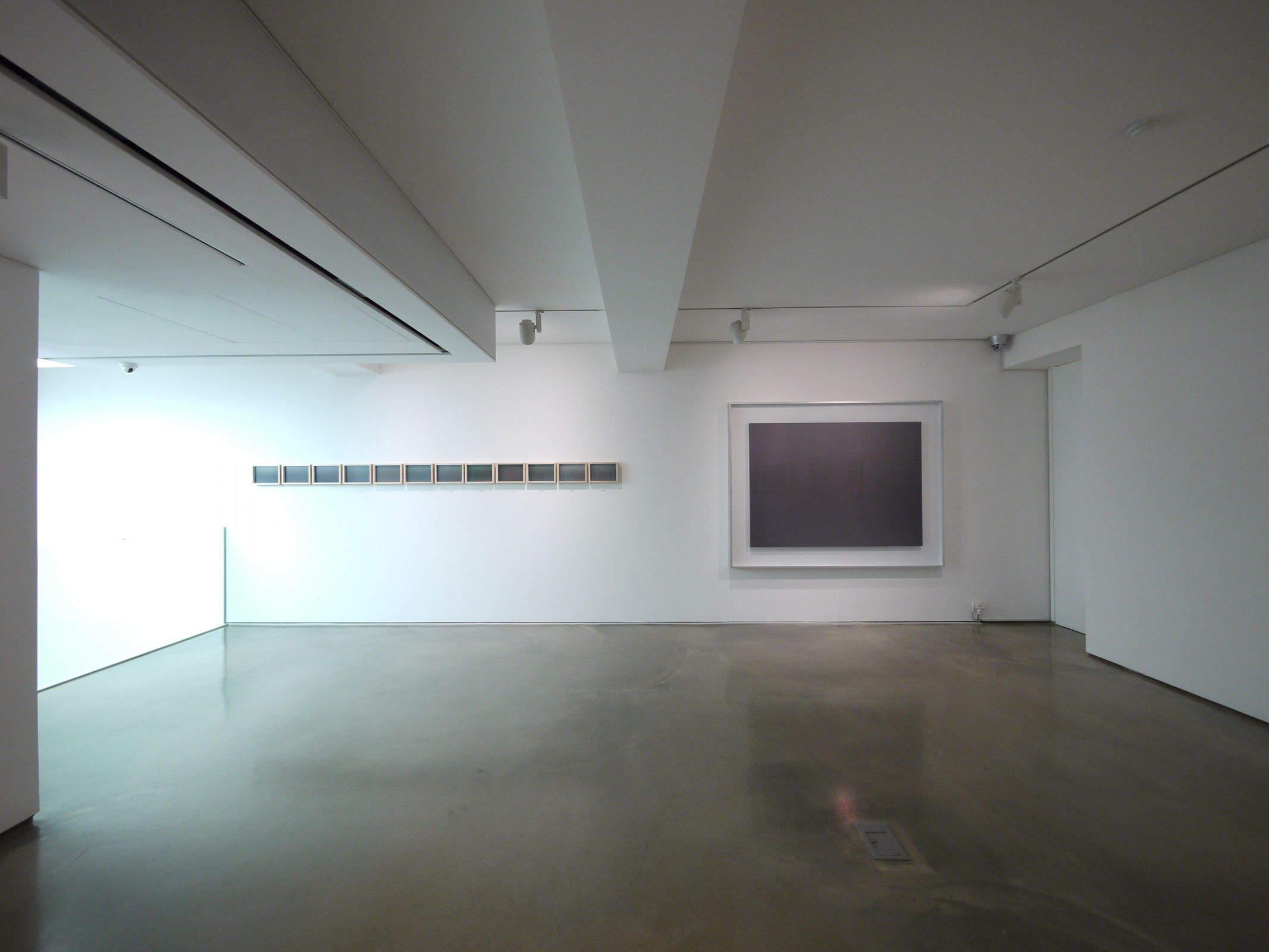
Installation
view of 《RE-ATTA Part I: On-Air Project》 © 313 Art Project
In
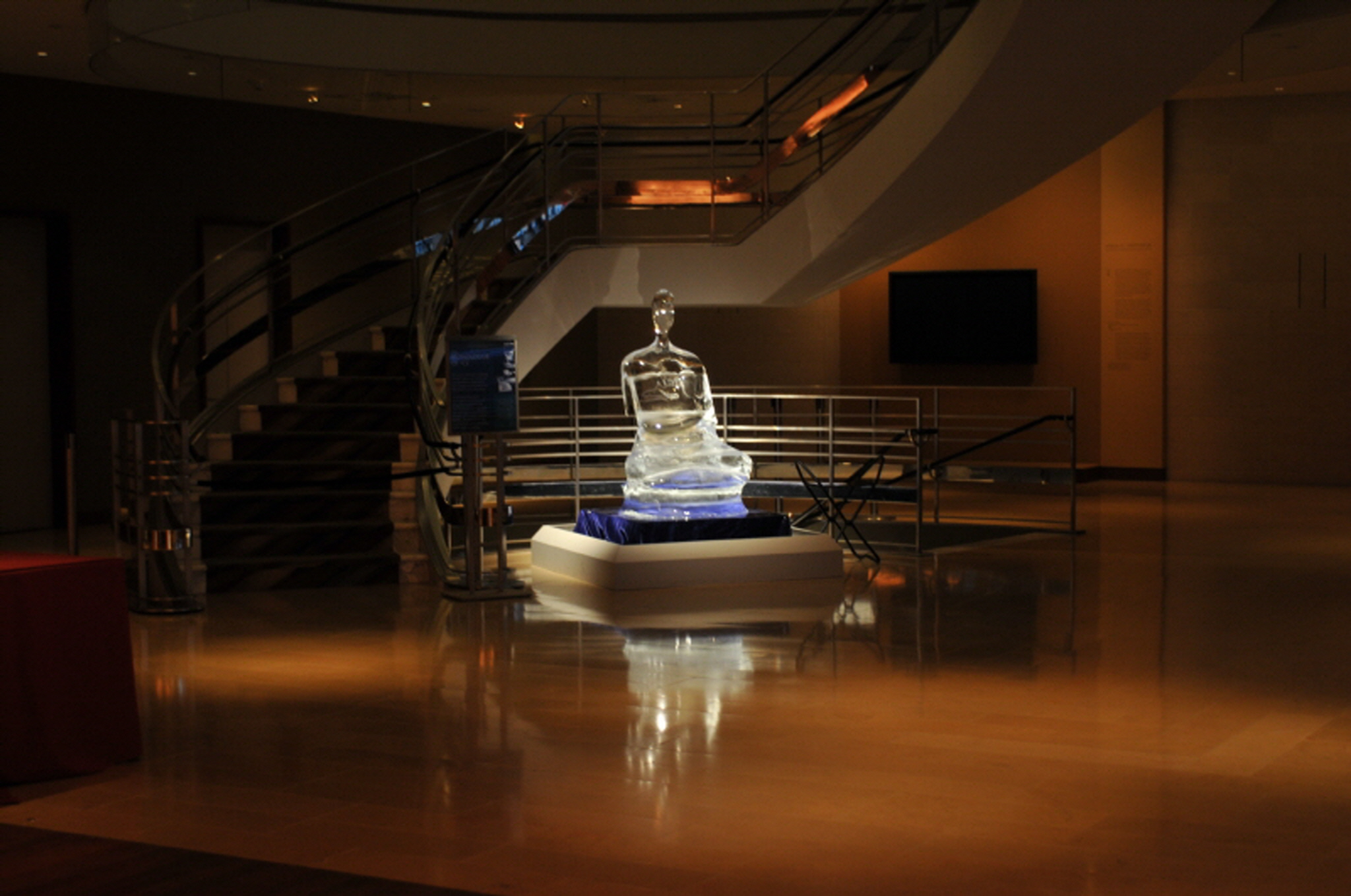
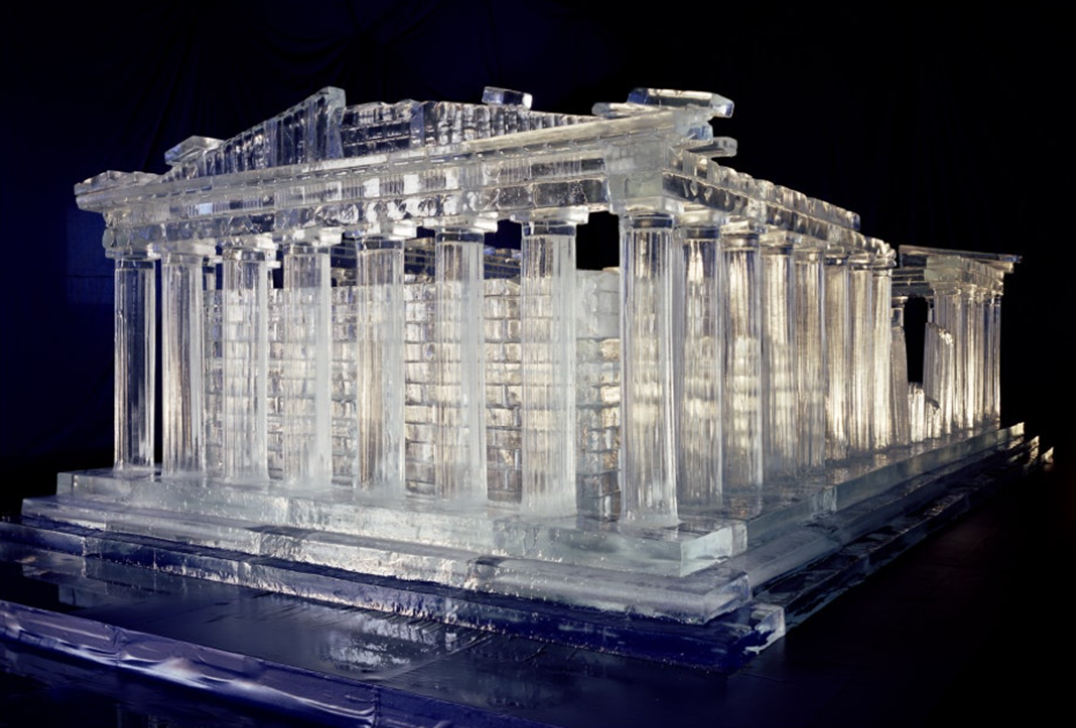
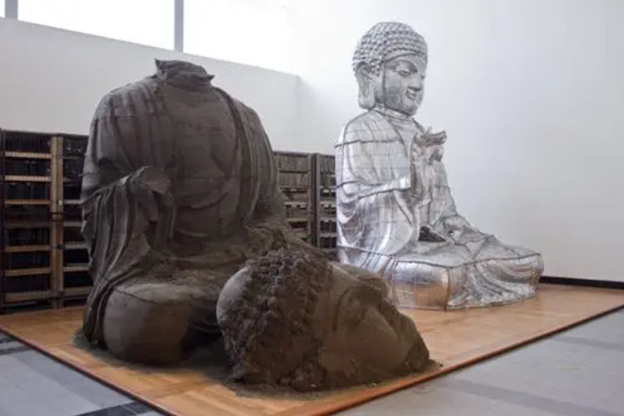
his another acclaimed series, ‘Monologue of Ice’, Kim created ice sculptures of
historical monuments that are symbols of eternity. The Temple of Parthenon and
historical figures such as Buddha, Terracotta warriors, Mao Zedong are
recreated with ice blocks. Over the course of three months, he made a model of
The Temple of the Parthenon in Athens 1/15 of its actual size. And then for one
month he observed and captured the melting process of the ice sculpture.Observing the process of water becoming ice then water again, the viewers are
moved by the grandeur of a simple law of nature. Through methods such as these
he conveys the idea that, “All beings perish, and no being can escape the law
of the universe.”
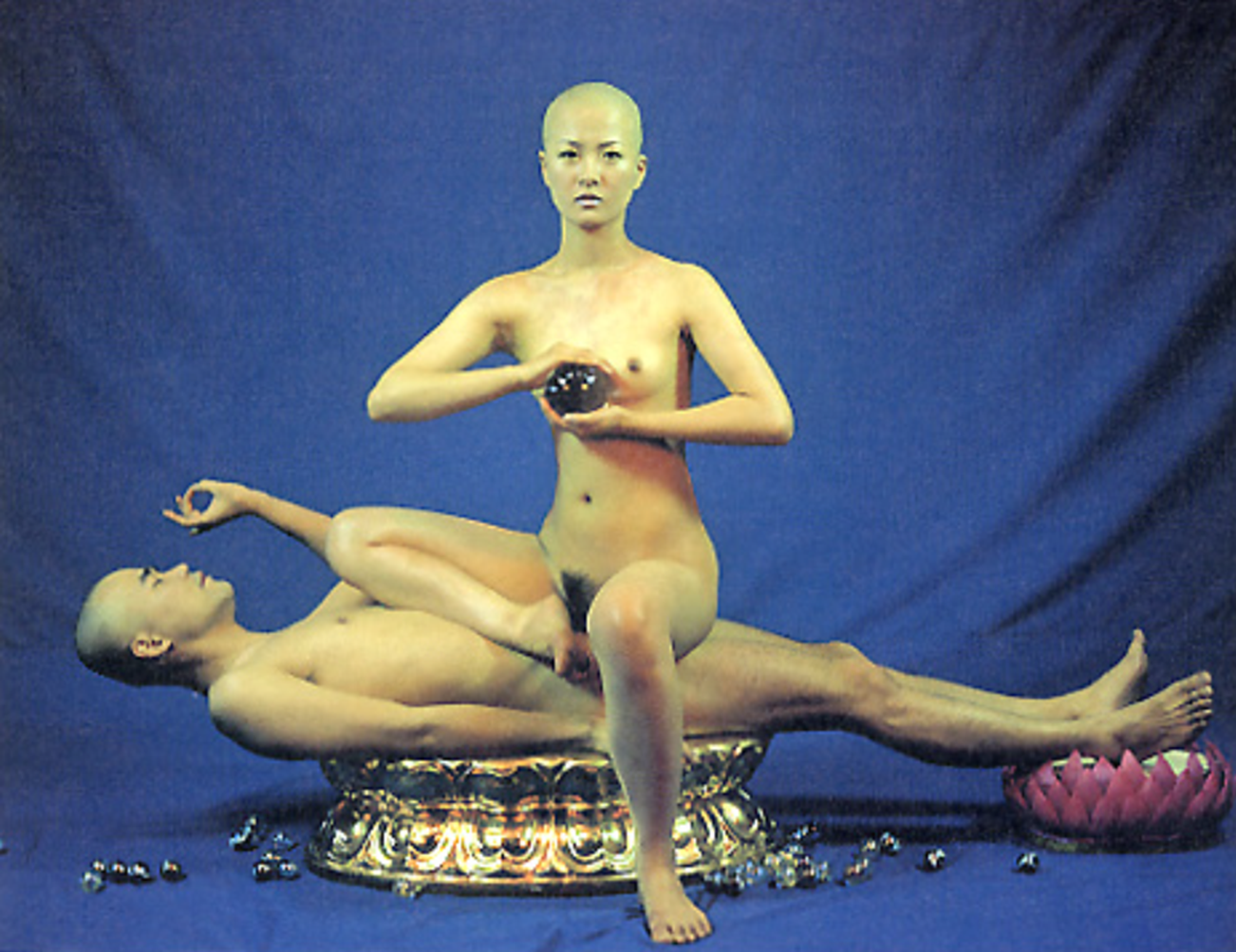
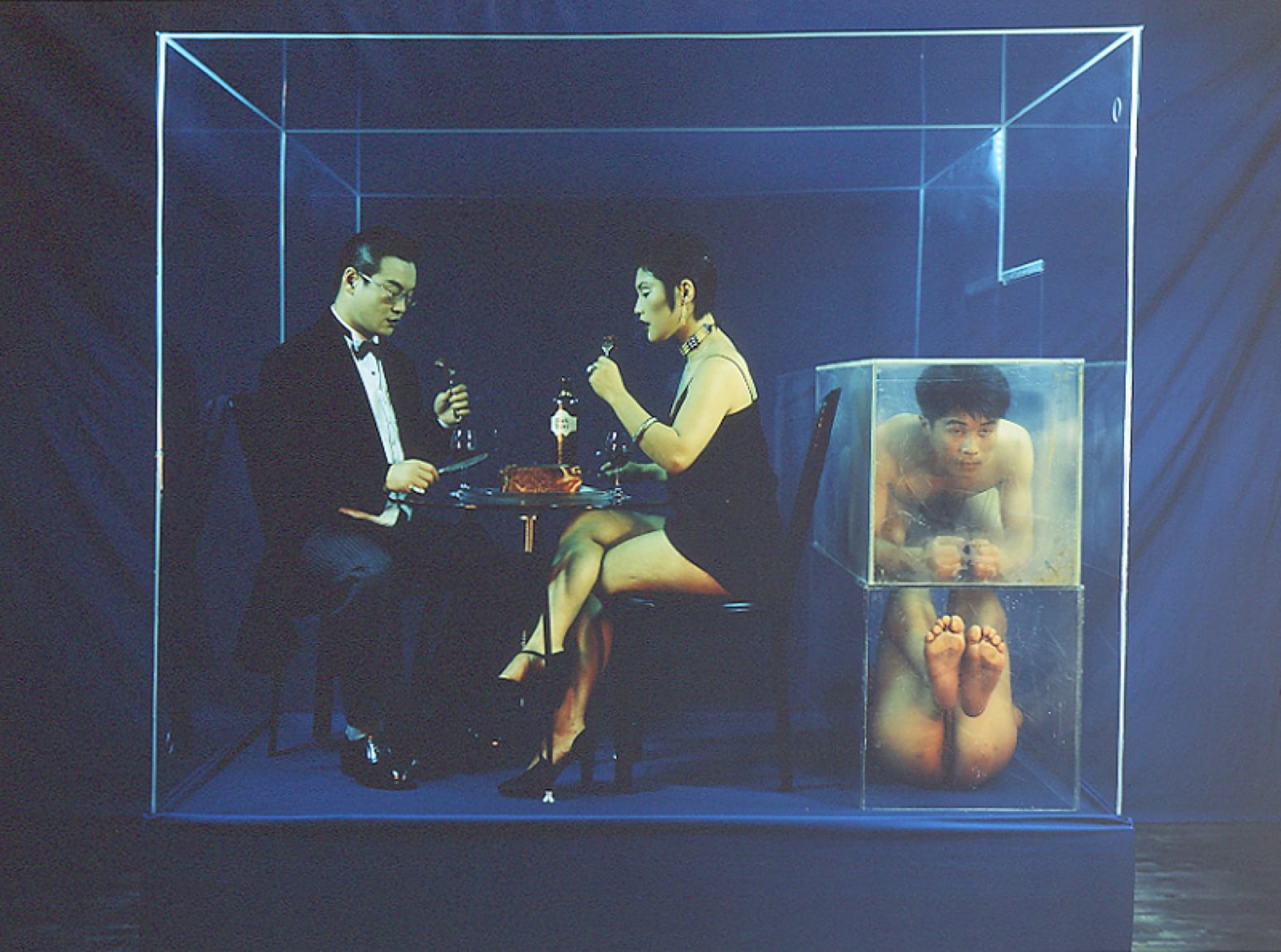
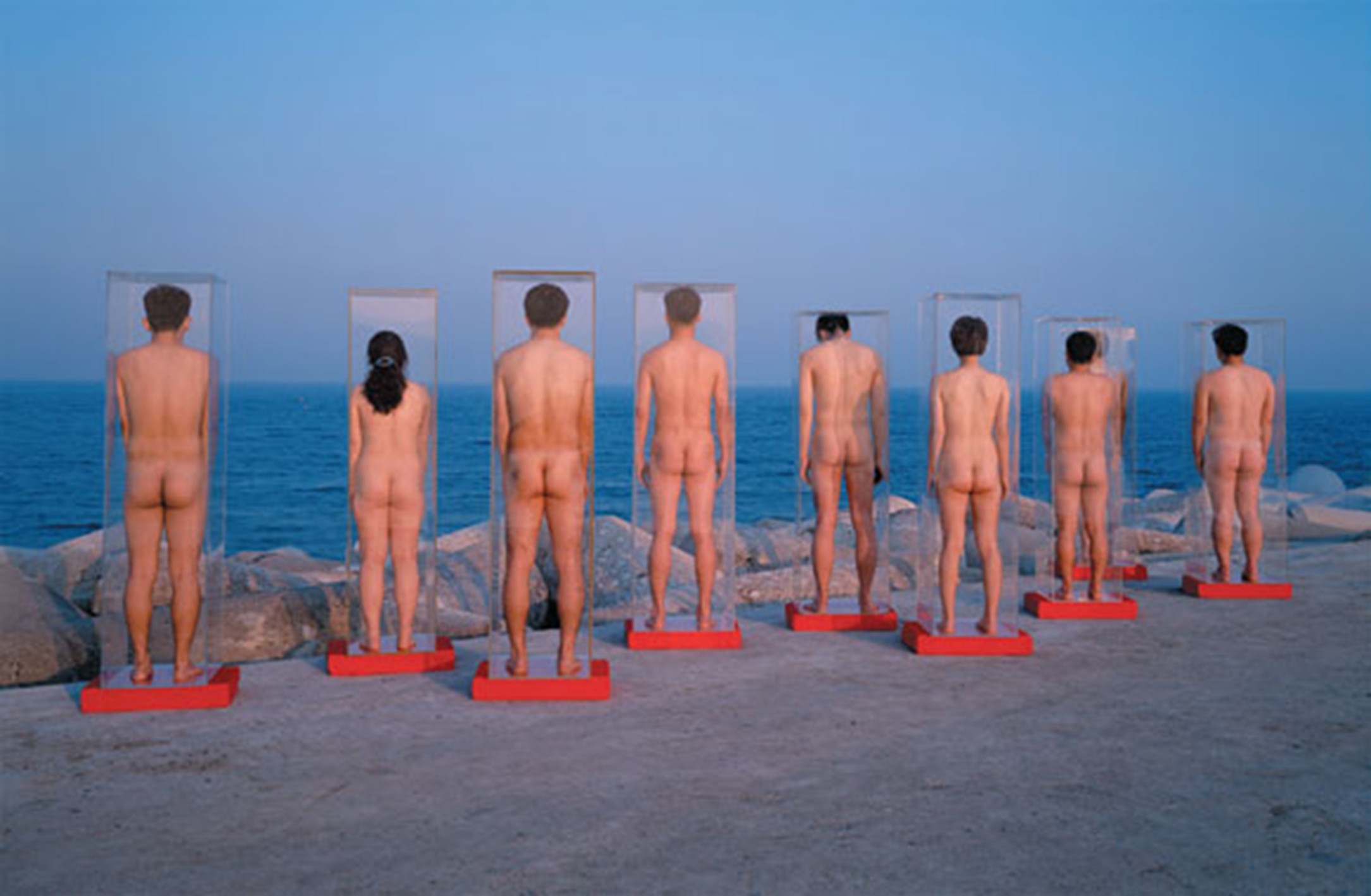
《RE-ATTA Part I: On-Air Project》 will show
forty works of various sizes from ‘On-Air Project’. This is the first time
showing most of the works from the project at one place. He had a celebratory
solo exhibition at International Center of Photography in 2006. He was the
first Asian artist to do so. He was also invited to the Venice Biennale for a
special solo exhibition in 2008. This exhibition will mark his first solo
exhibition in six years since his last show at Rodin Gallery in Seoul
(currently Plateau Samsung Museum of Art).