A
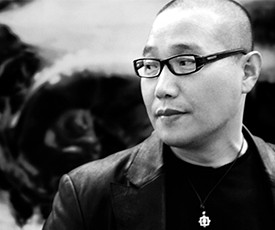
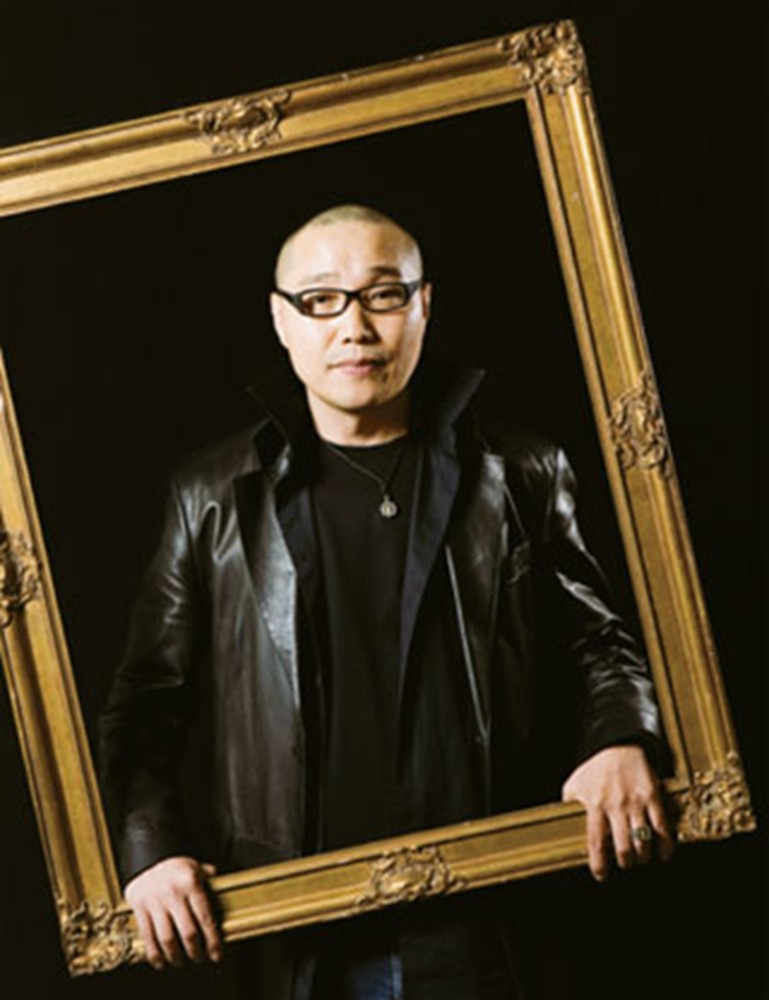
massive lift draped in red fabric slowly rises. Atta Kim appears, dressed in
his trademark black Chinese-collar suit.
Professor
Lee Juhyang of Suwon University bows toward him. Another woman asks, “Who are
you?” One person runs alongside him, while another watches the scene blankly.
Moments
later, amid the cheers of the audience who had been holding their breath, ten
thousand photographs are scattered into the air. Printed on traditional Korean
hanji paper, the images glide softly before falling into the canal and drifting
along the waterways. In the early summer heat, and with crowds gathered from
around the world to witness the performance, the fervor of Venice intensified
even further.
This
was the opening scene of photographer Atta Kim’s special exhibition, held at
Palazzo Zenobio in Venice at 1:00 p.m. on June 5, 2009.
Held
in conjunction with the 53rd Venice Biennale, the special exhibition unfolded
over a full six months, through November, presenting fifteen years of Atta
Kim’s artistic journey. His participation in this special exhibition marked a
significant event in the history of Korean art.
Unlike the main Biennale
exhibitions, where each country presents its official representatives, the
special exhibitions are determined through intense international competition
among artists, making the invitation particularly meaningful. Although there
had been an exhibition by Lee Ufan, a Korean artist based in Japan, in 2005,
that exhibition was proposed by Japan. Atta Kim thus became the first artist to
participate in this special exhibition as an official representative of Korea.
The
ten thousand photographs used in the opening performance were selected from
images Atta Kim had taken throughout Rome. Rome—a city regarded as the origin
of Western civilization and as possessing eternal preservation value—was
dispersed into the air through his performance. This provocative act condensed
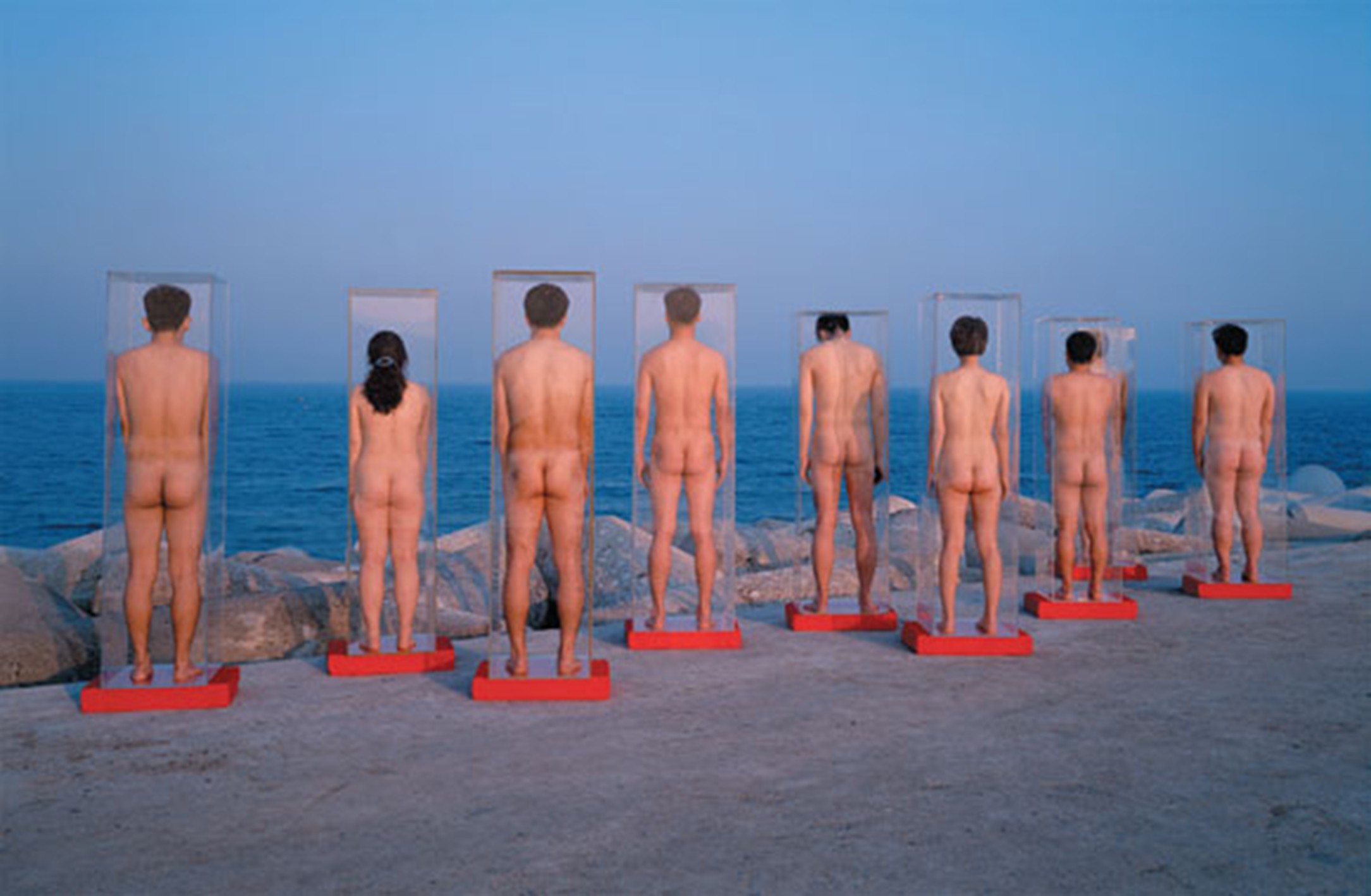
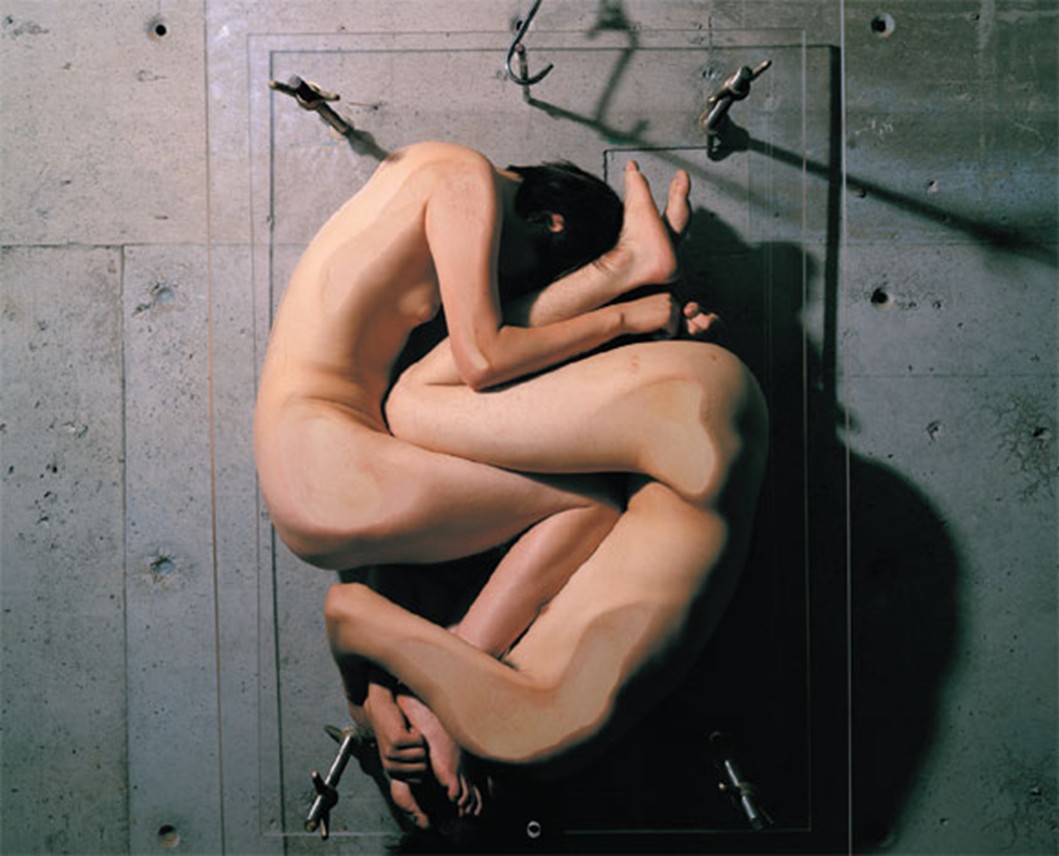
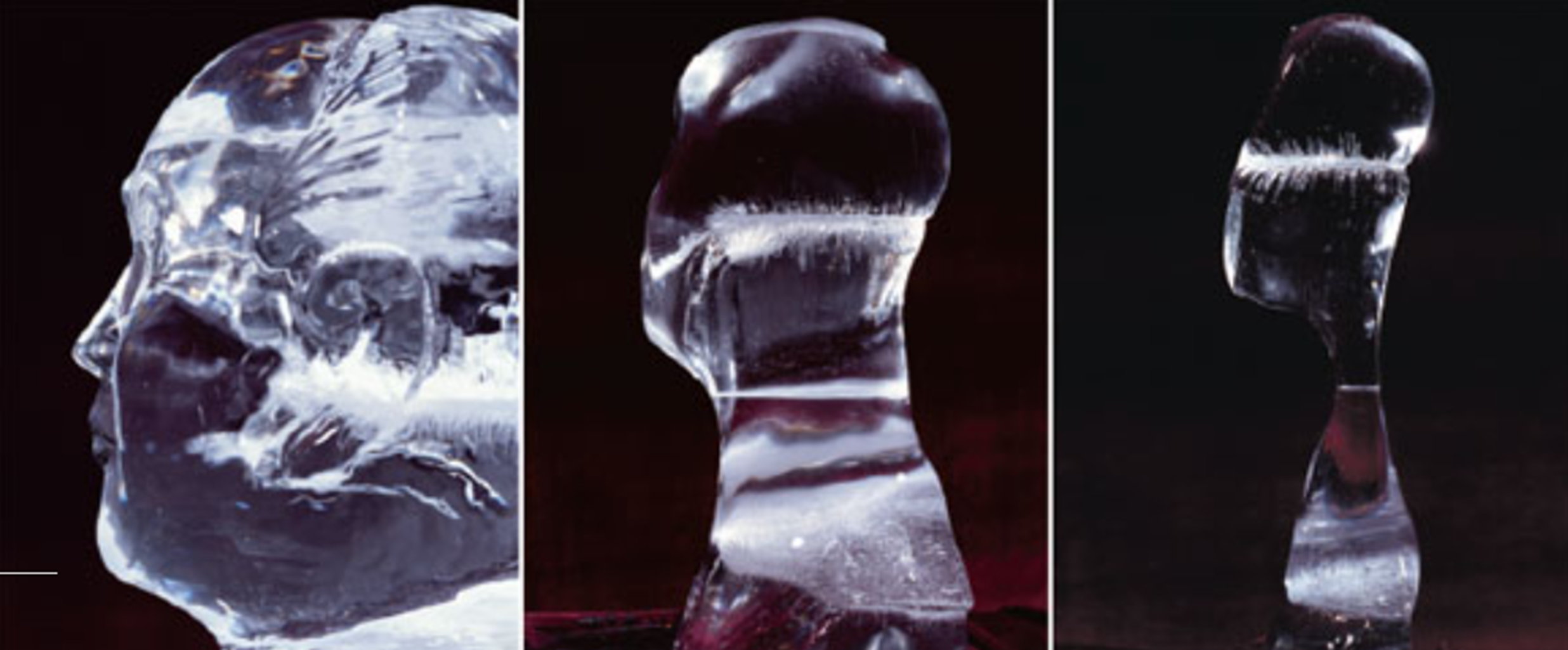
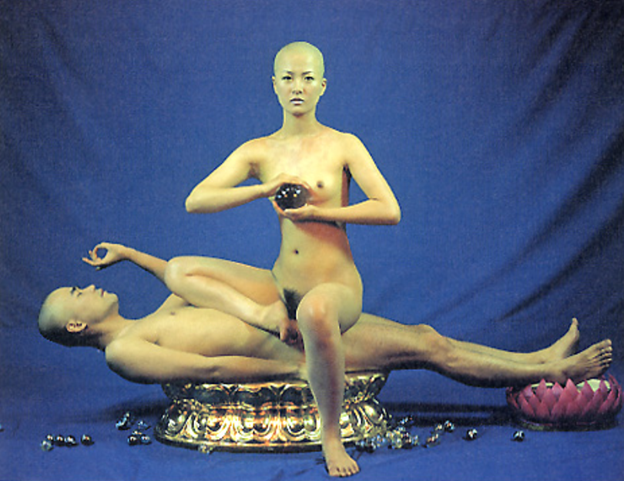
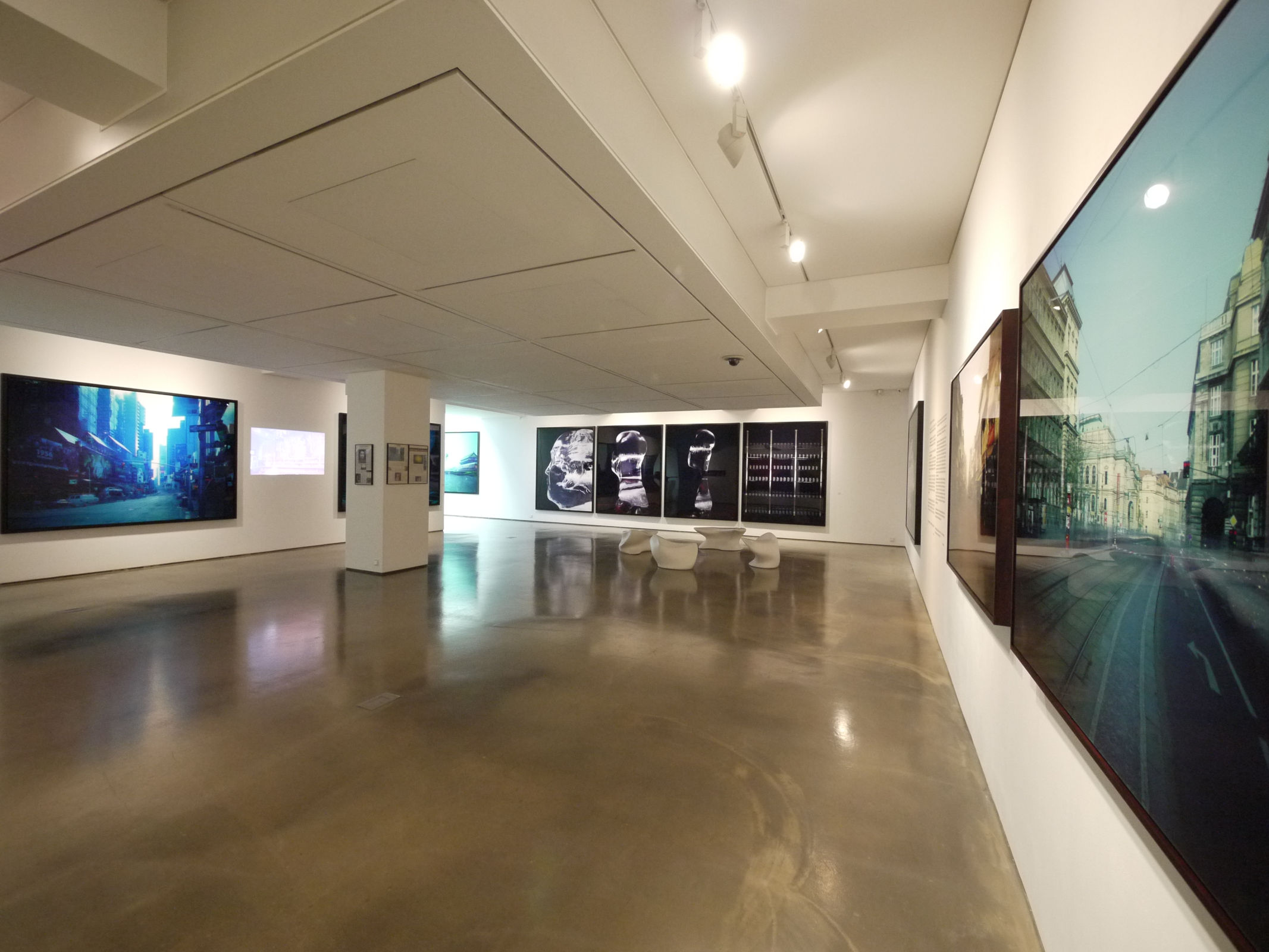
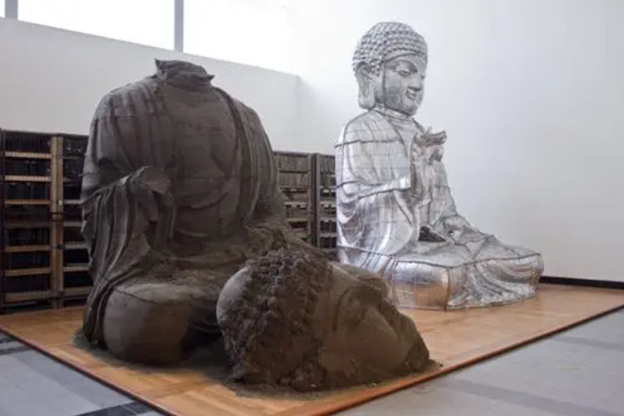
the essence of his artistic world. Filling the vast exhibition hall of Palazzo
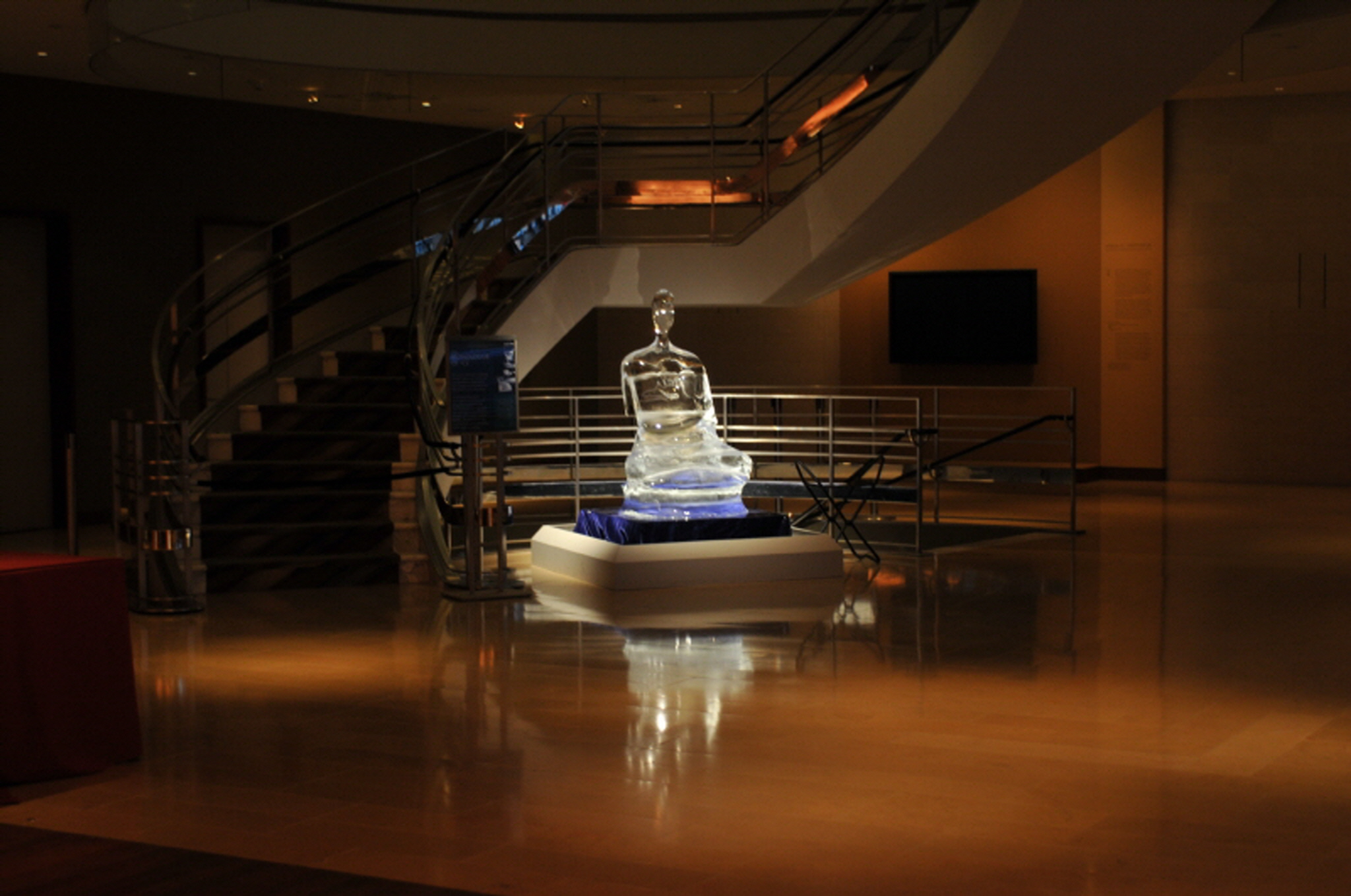
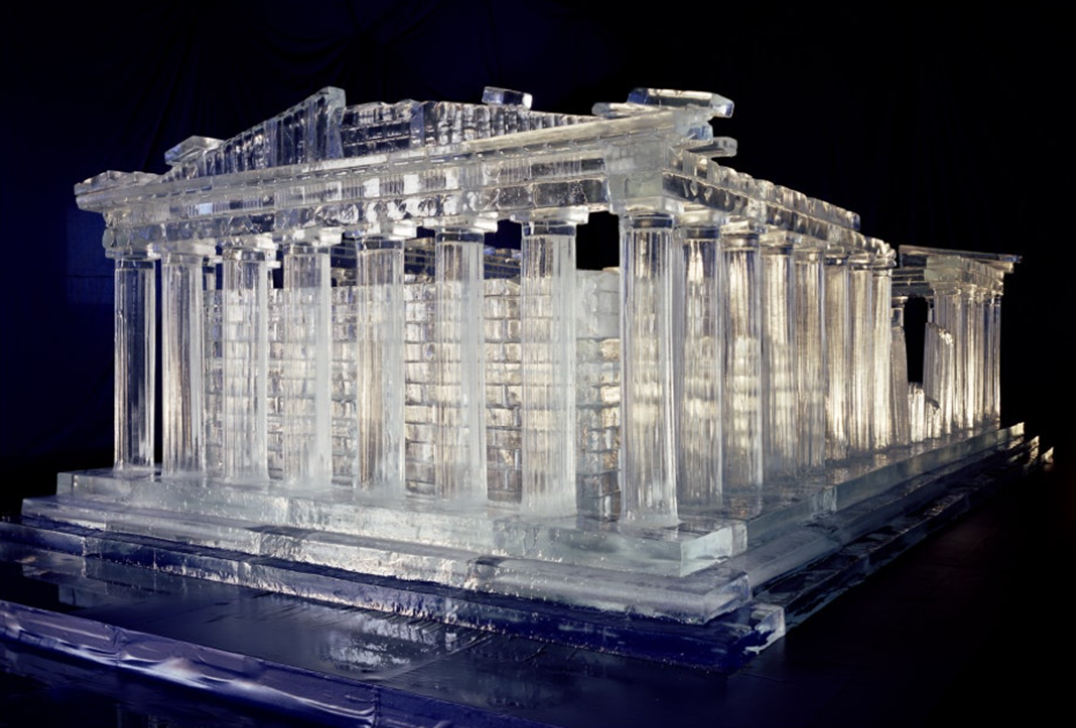
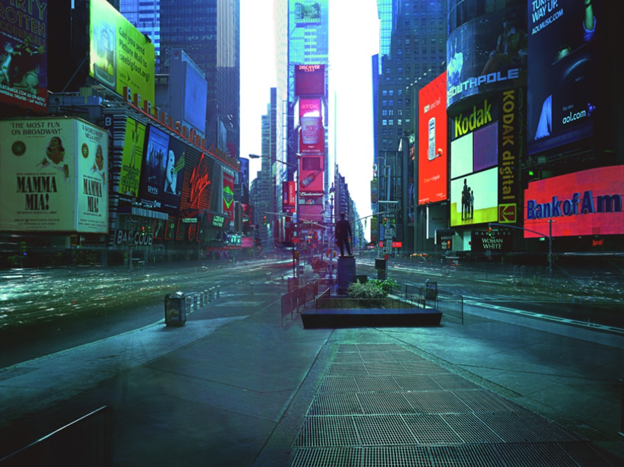
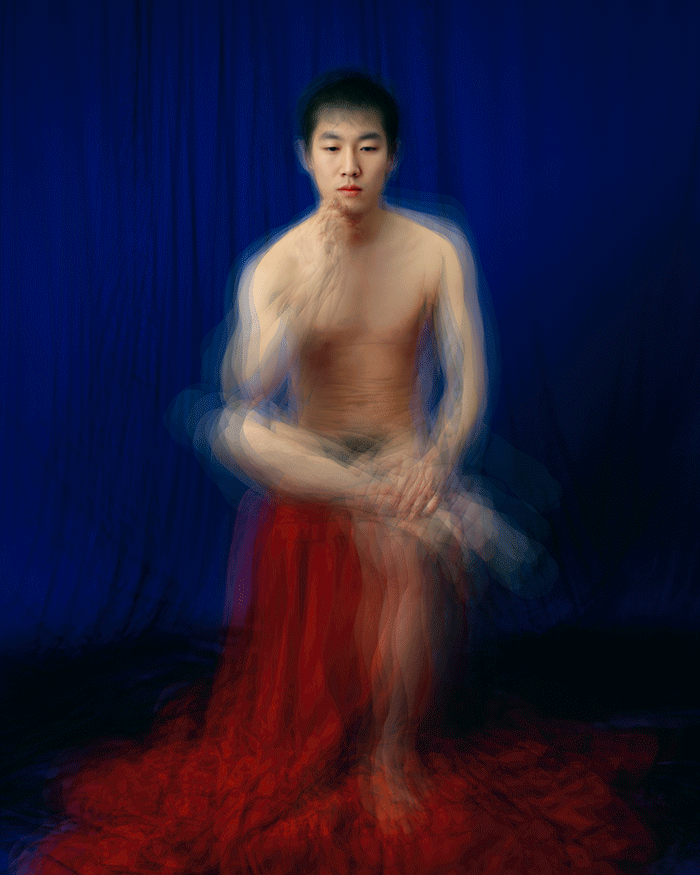
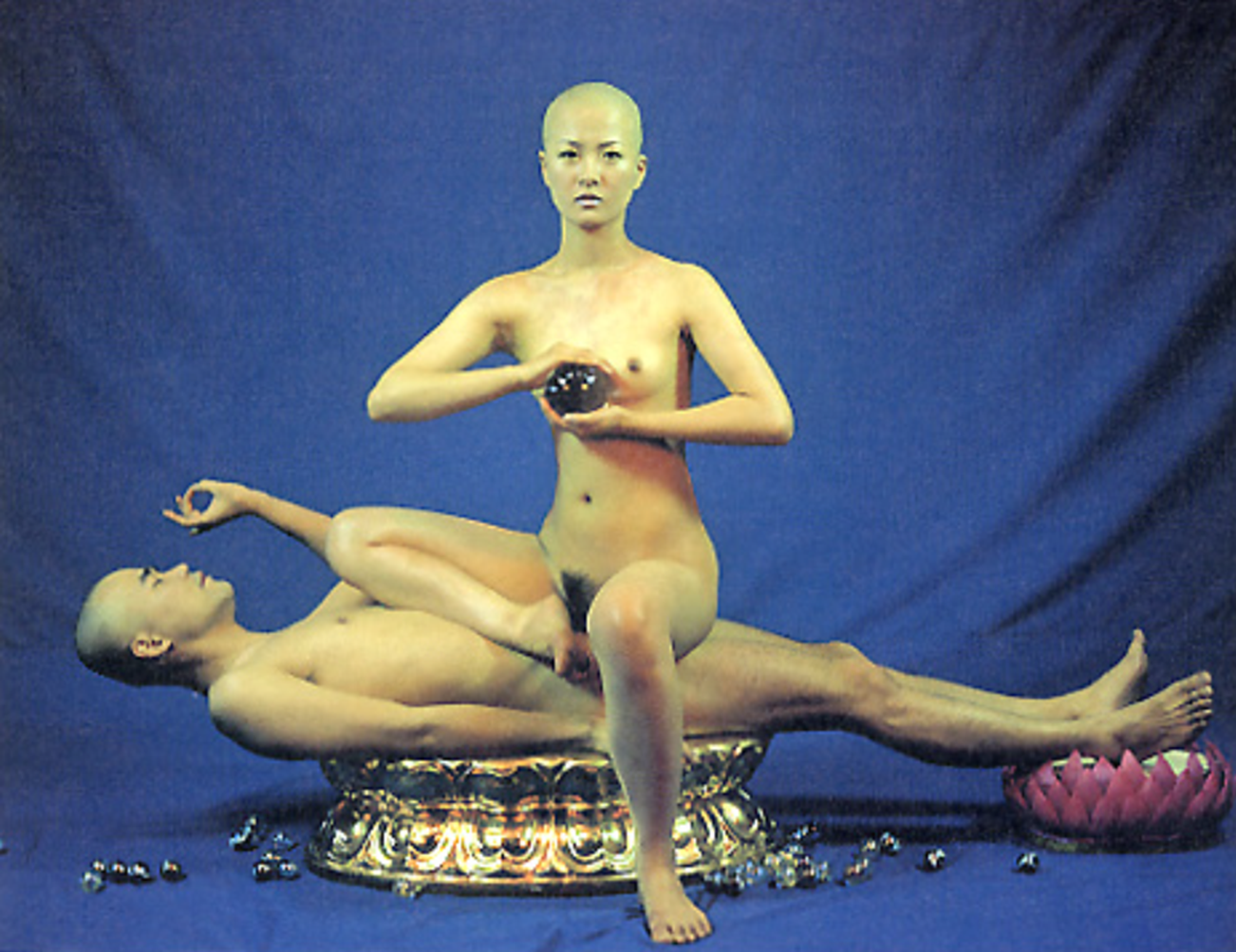
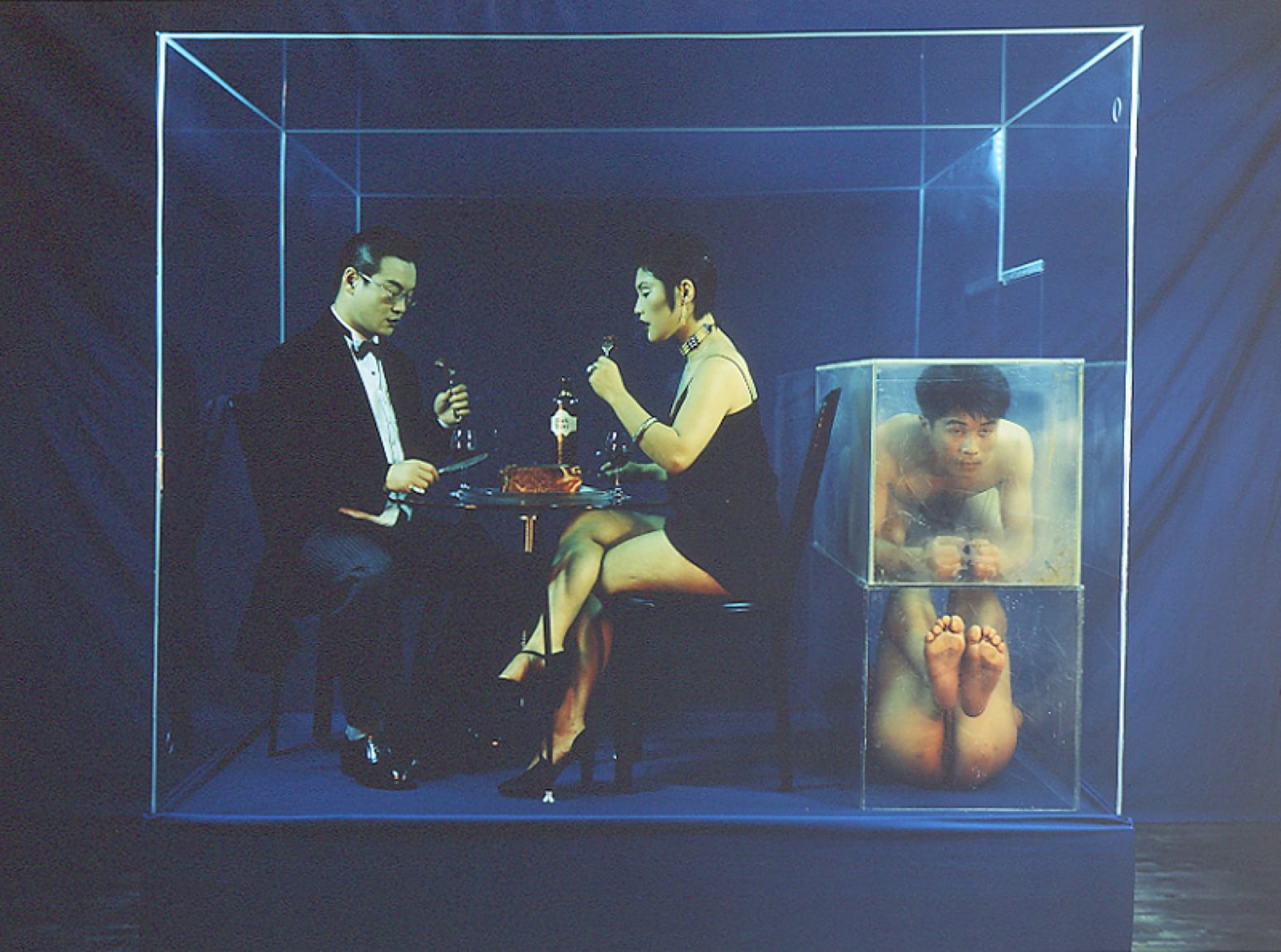
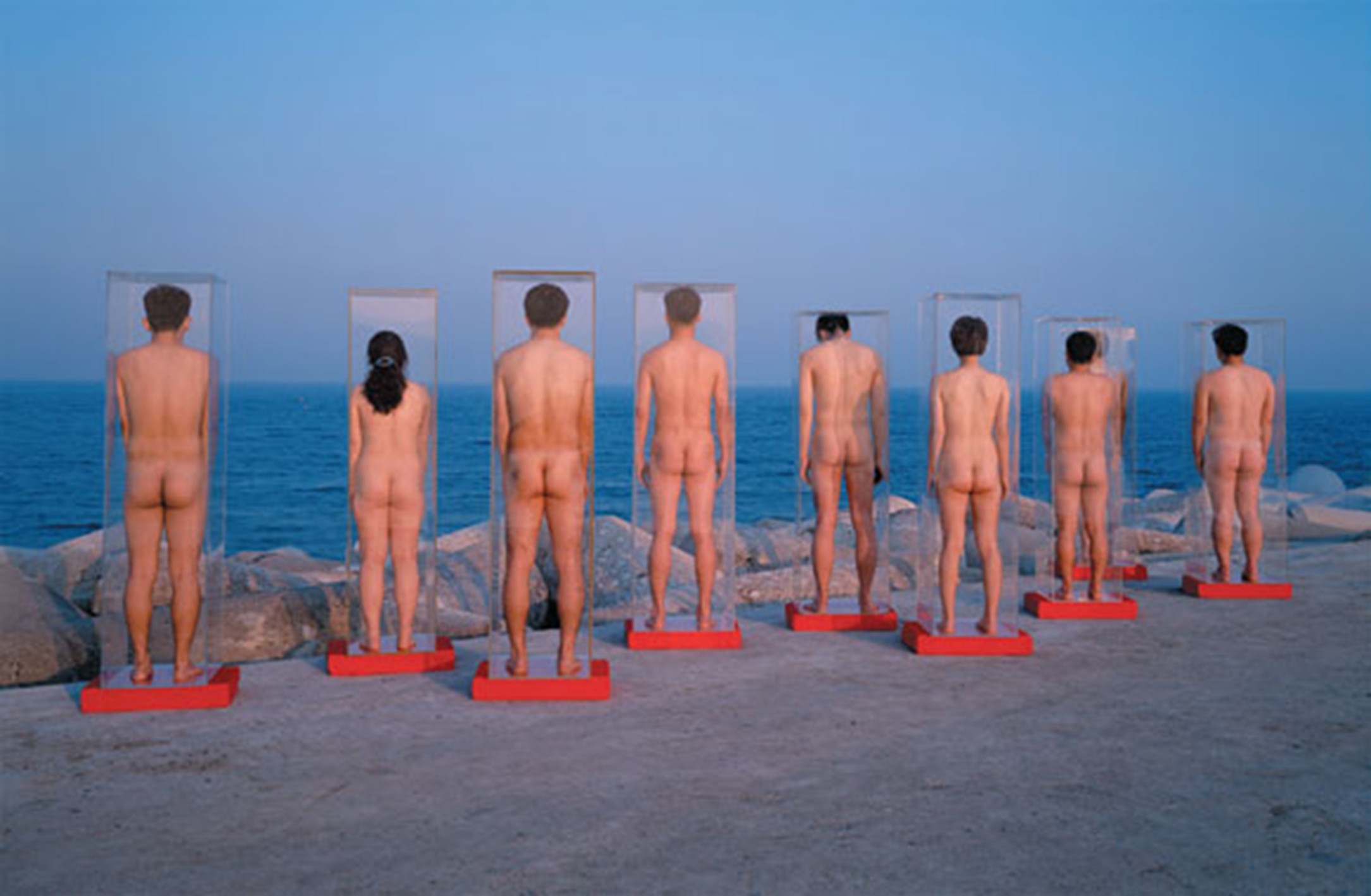
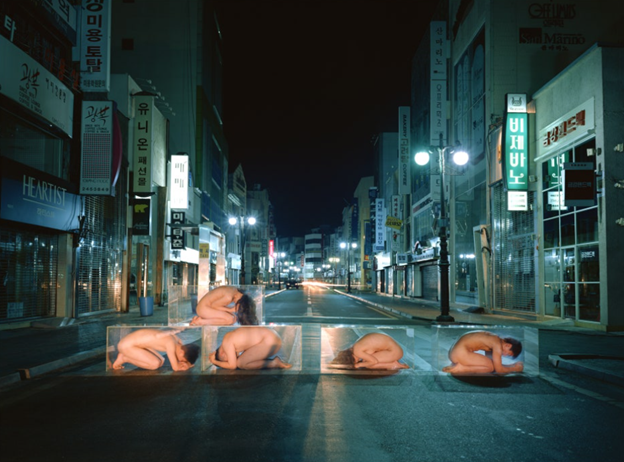
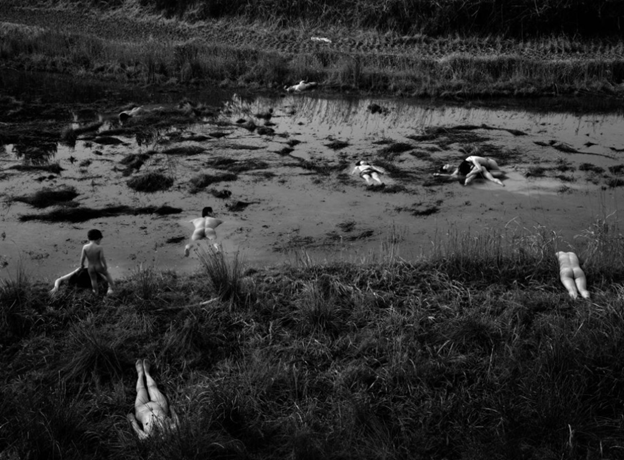
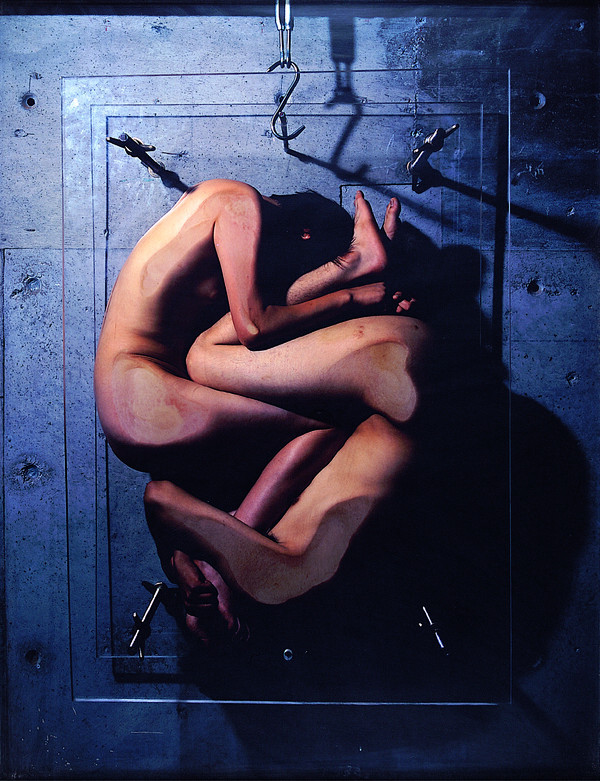
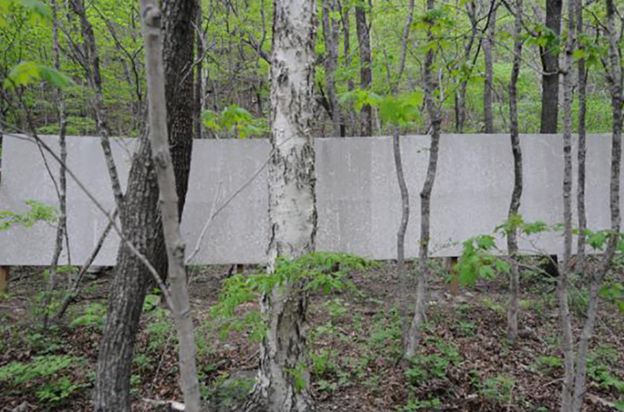
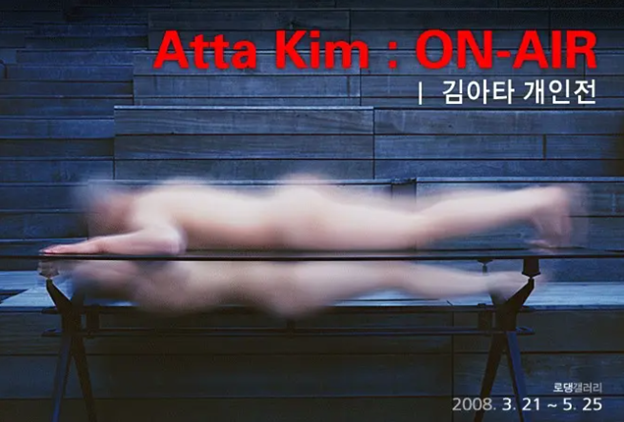
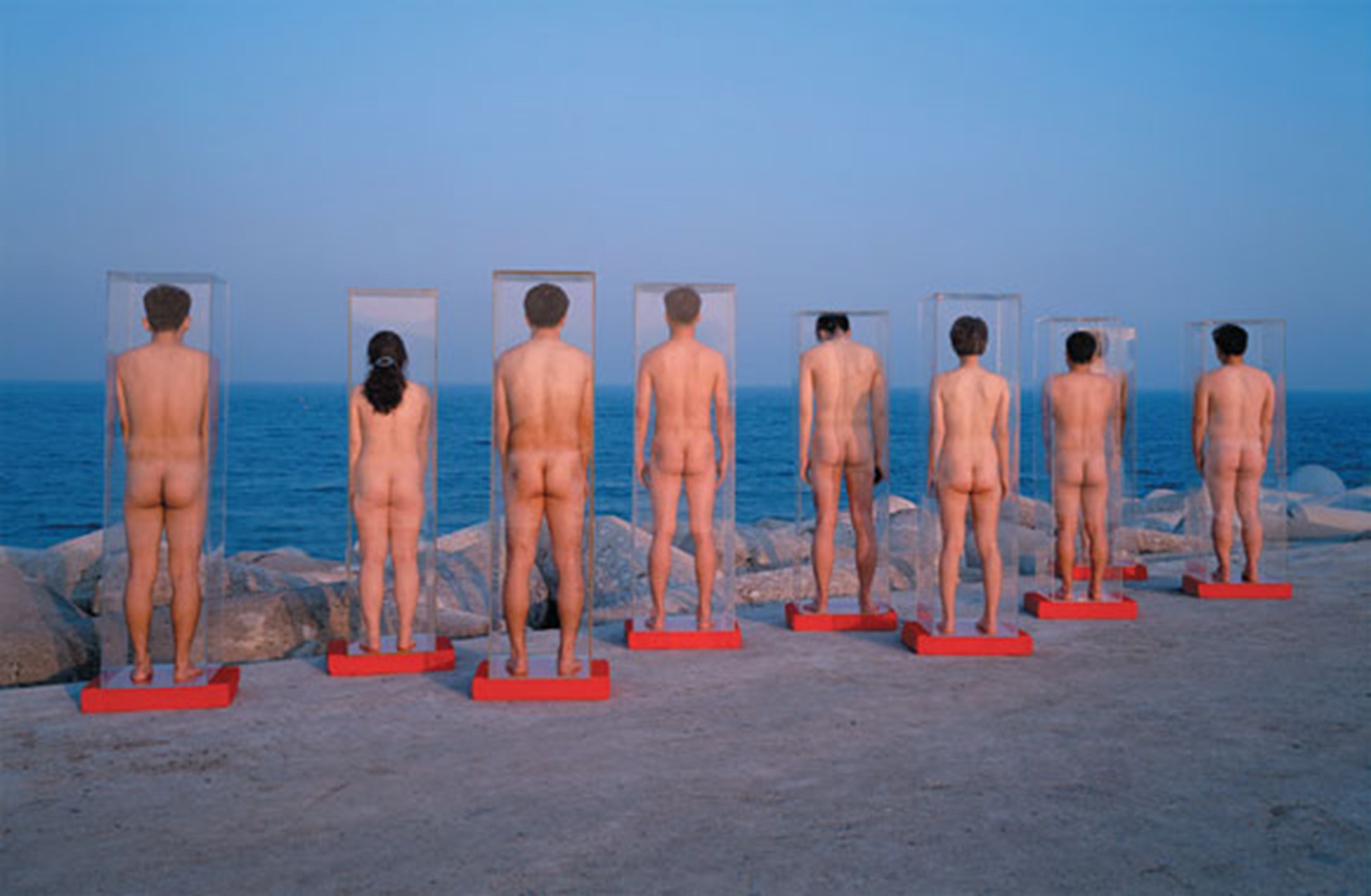
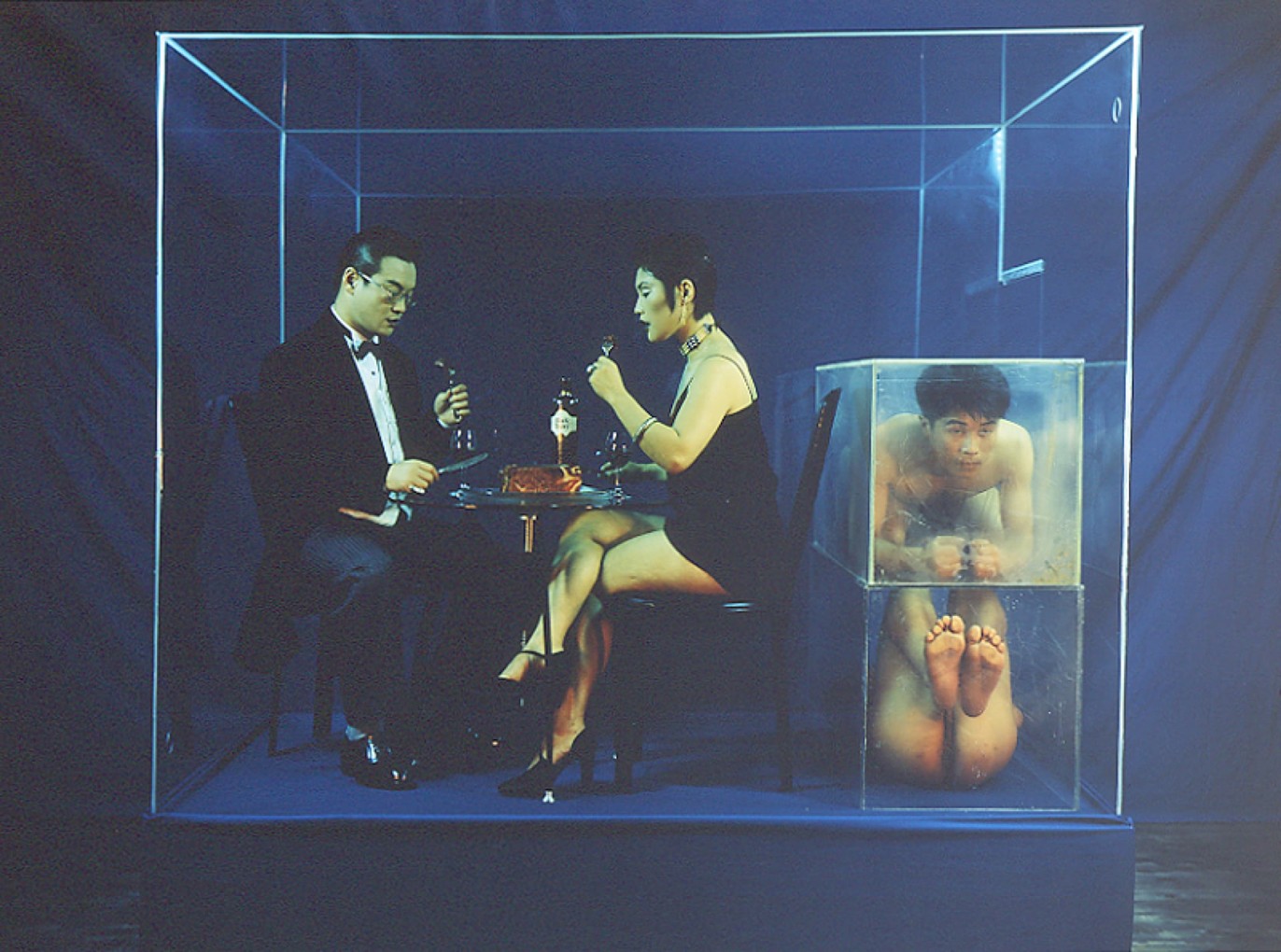
Zenobio were works from 'Deconstruction'(1991–1995), 'Museum
Project'(1995–2001), and 'ON-AIR Project'(2002–2009), which once again evoked
awe and admiration.
The installation alone took over two weeks to complete.
Viewed closely, his artistic universe unfolds with remarkable logic, as though
guided by a long-prepared script. Indeed, Atta Kim possesses the power of deep
contemplation—the tenacious ability to translate lucid philosophical thought
into art that can be seen and felt. This, above all else, is what made him a
world-class artist.
“It
feels comfortable, like laying down a burden I had been carrying,” Atta Kim
remarked immediately after successfully completing the opening event.
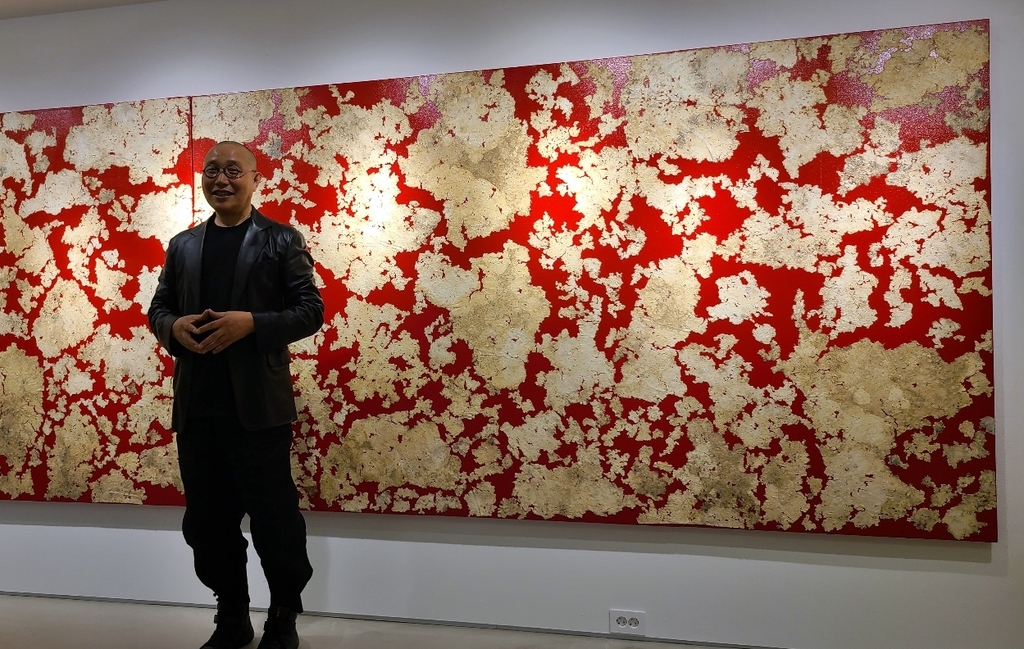
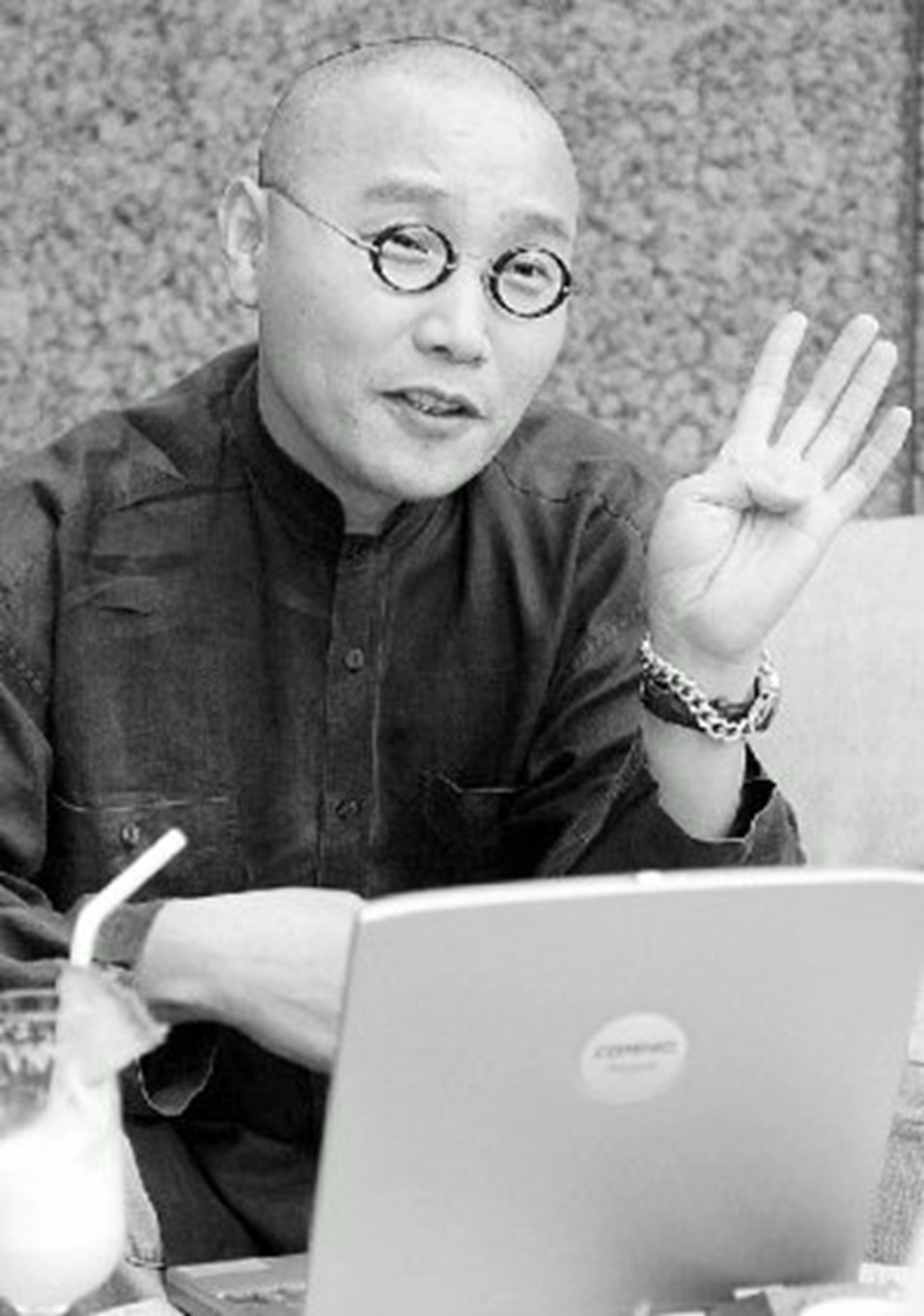
He
is physically imposing—185 centimeters tall. His laughter is hearty, his stride
large, his thoughts expansive. Even when seated quietly, he exudes a powerful
charisma rarely encountered in ordinary people. Yet his smile is gentle and
benevolent, as though embracing the entire world. During a brief return to
Korea amid his extensive international activities, I visited his studio in
Pyeongchang-dong. He extended his hand energetically and greeted me with a firm
handshake.
Originally
an engineering student with a greater interest in literature and philosophy,
Atta Kim began working with a camera in the 1980s. His father, an elementary
school teacher, initially could not accept his son’s choice. After ten long
years of wandering, father and son were finally reconciled. Kim recalls, “My
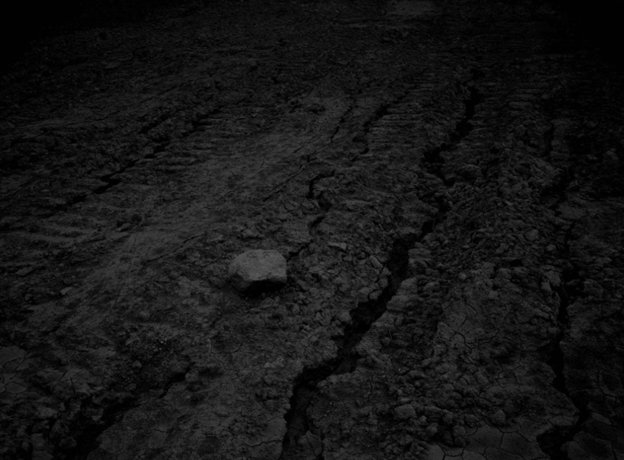
father taught me to pay attention to ordinary, seemingly insignificant
things—stones by the roadside or mayflies that live for a day.
He was my
greatest spiritual anchor.” For Kim, the most important issue has always been
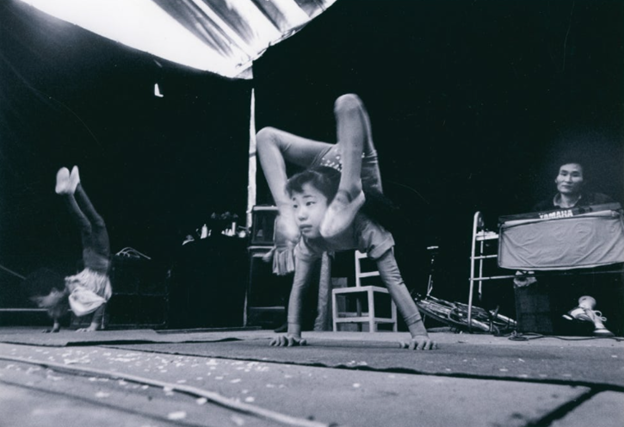
the human “spirit.” In search of it, he traveled across the country
photographing miners, atomic bomb victims, psychiatric patients, and many
others. It was also during this period that he began photographing figures
designated as Human Cultural Heritage holders.
Even a small reproduction of his
portrait of Kim Geum-hwa, Korea’s foremost shaman, radiates an intense
spiritual force. While persuading her to allow the photograph, Kim declared, “I
must see the spirit with my eyes and touch it with my hands.” Everything he has
done since has been the fulfillment of that youthful declaration.