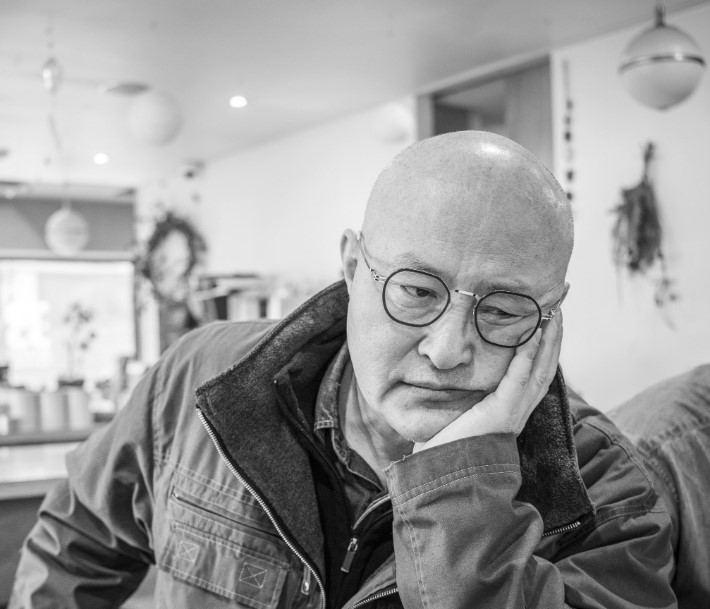
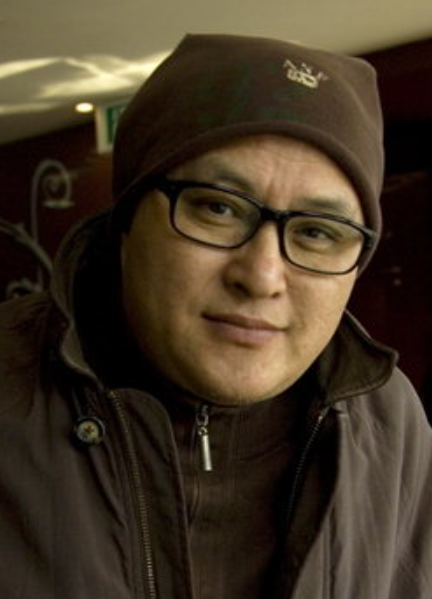
Kang
Hong-Goo’s practice begins with revealing the hidden side of reality that we
believe we are seeing through photography—that is, the social and political
conditions that are naturally consumed and passed over in everyday life. He has
used photography not as a simple recording medium, but as a tool that prompts
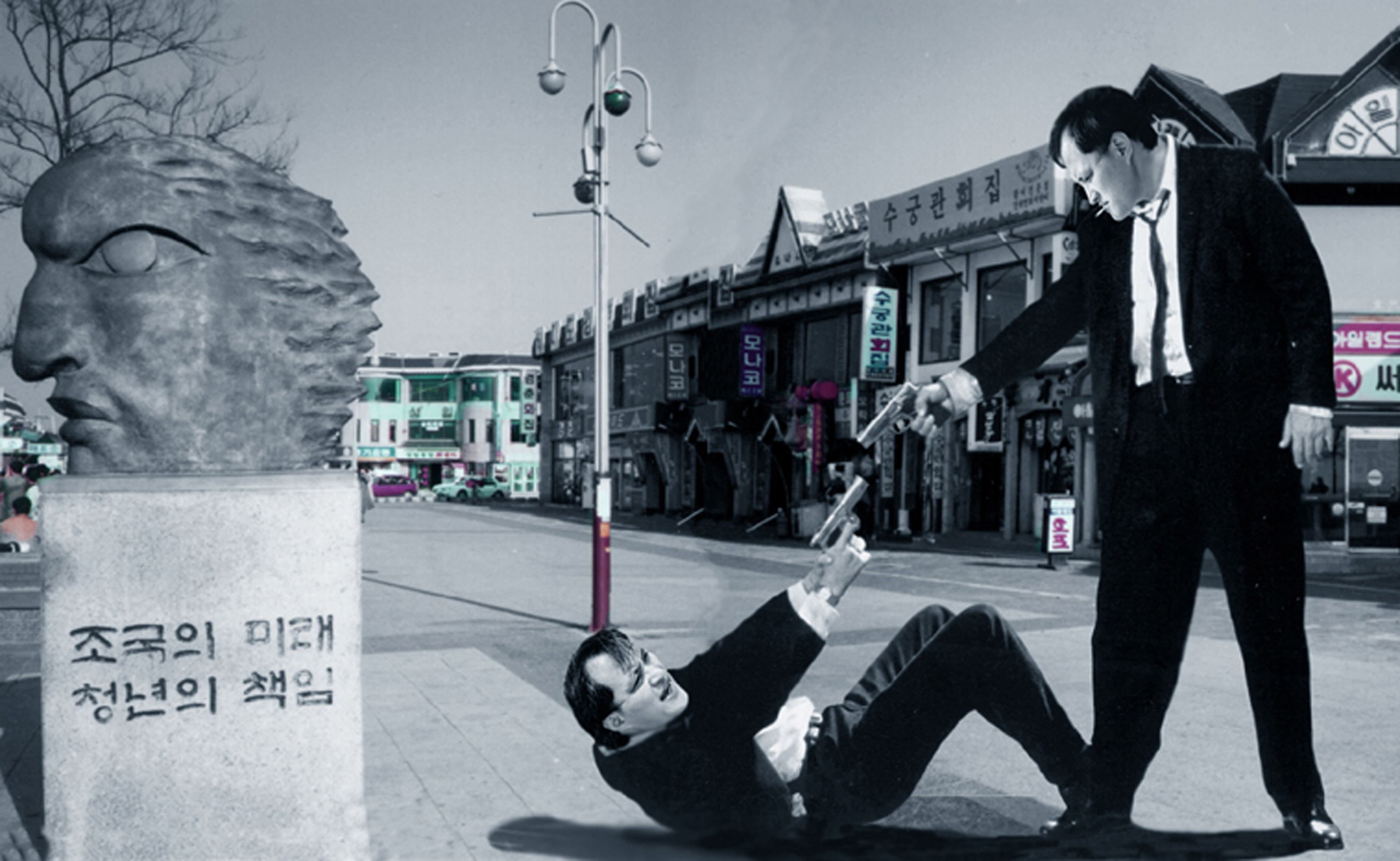
us to doubt a reality already manipulated and constructed. From the mid-1990s
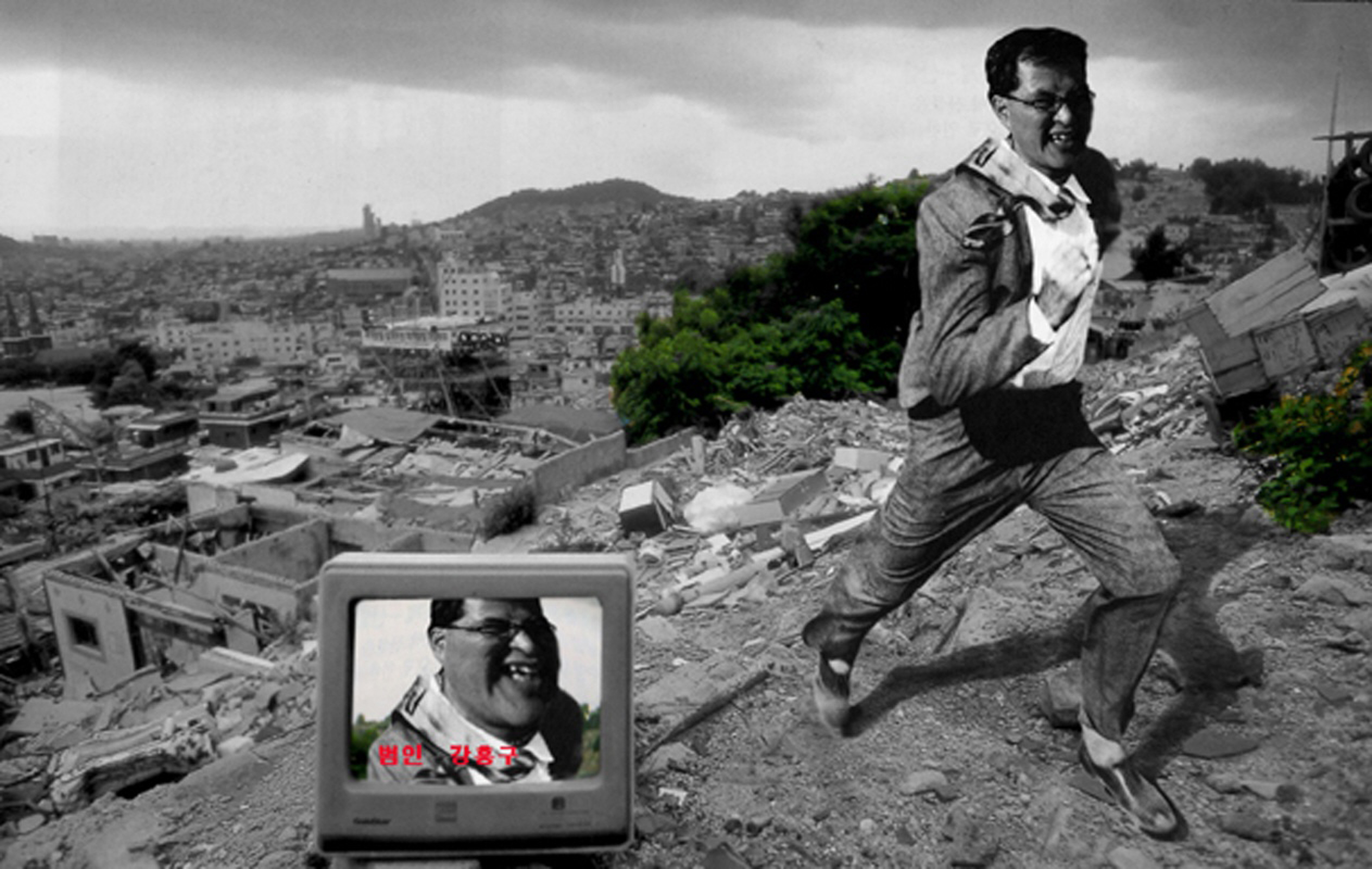
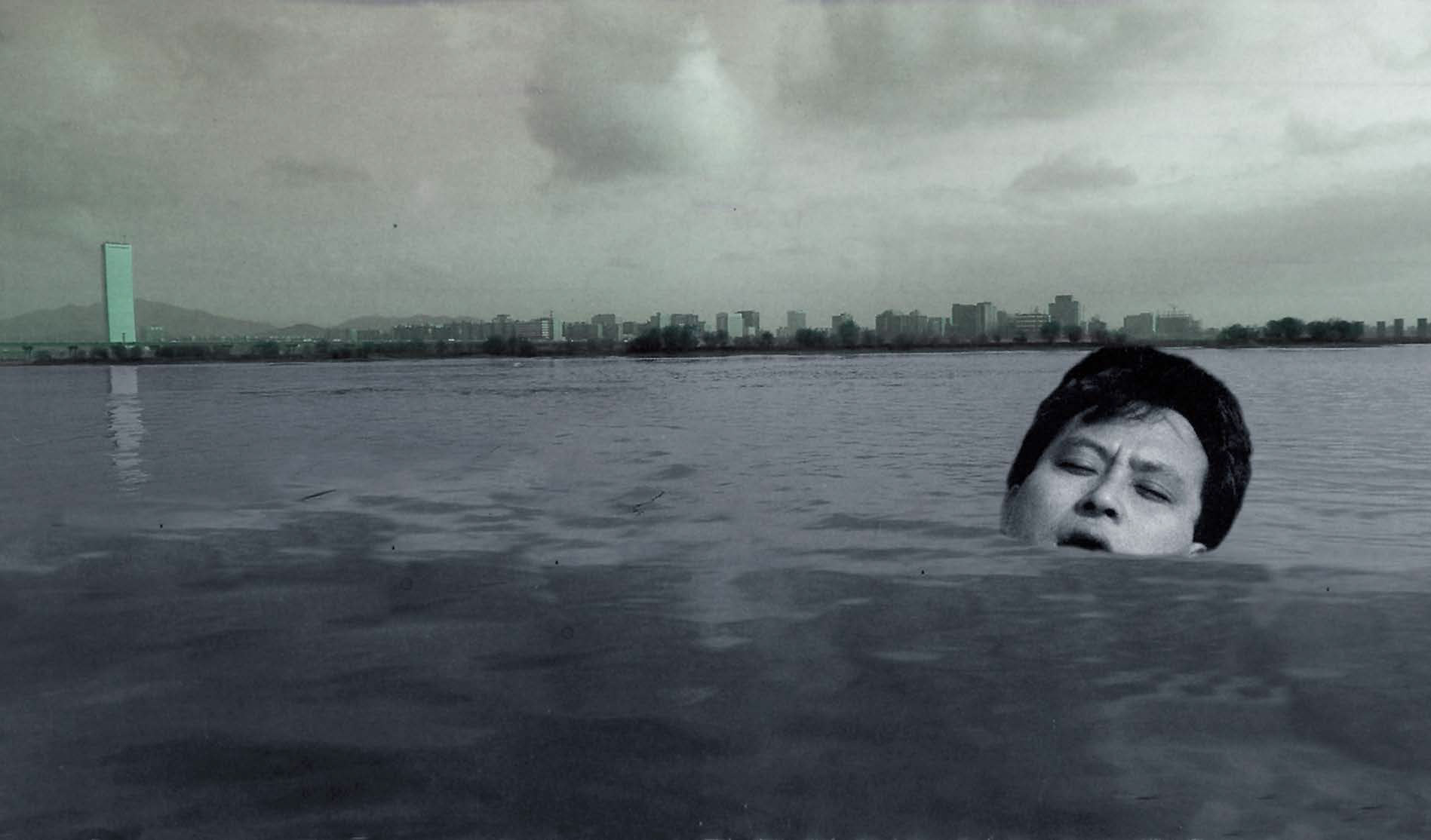
composite-photo series ‘Who Am I’ (1996–1997) and ‘Fugitive’ (1996), the artist
questioned how images conceal or distort desire, power, and historical memory.
‘Fugitive,’ in particular, originated in a personal sense of indebtedness to
the May 18 Gwangju Democratic Uprising, visualizing the helplessness and
impulse to flee that an individual feels in the face of historical violence.
Kang’s
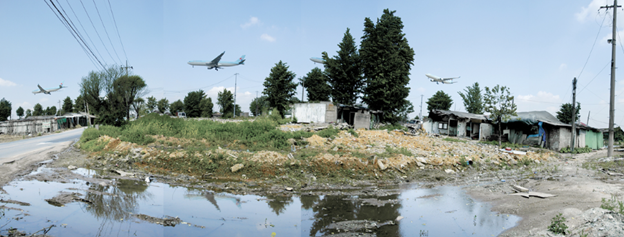
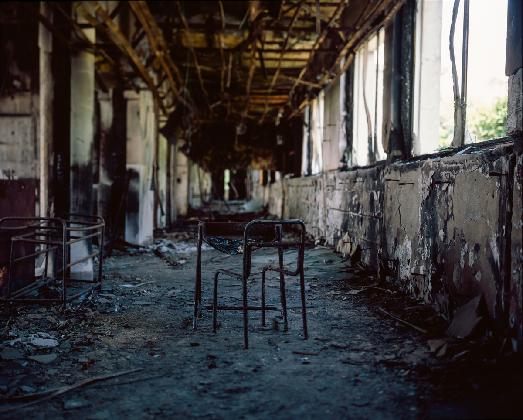
focus subsequently expanded from questions of personal identity to space and
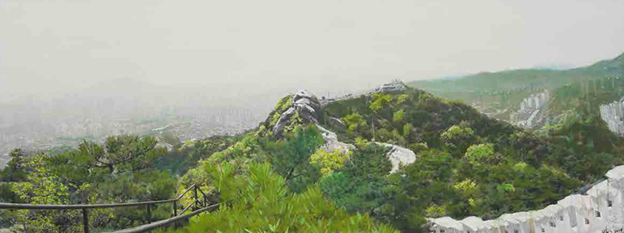
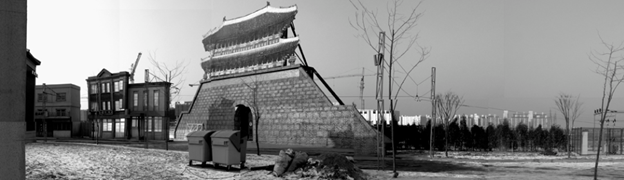
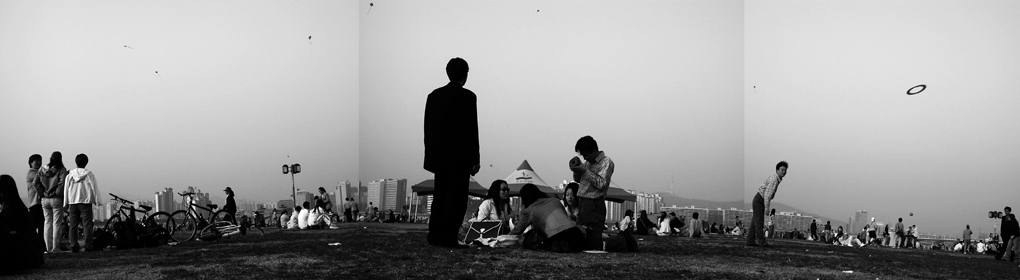
everyday life within social structures. ‘Greenbelt’ (1999–2000), ‘Landscape of
Oshoeri’ (early 2000s), and ‘Drama Set’ (2002) capture the contradictions of
spaces produced by systems of development, regulation, and media production. In
these works, Kang exposes the gap between institutional language and actual
landscapes—such as greenbelts rendered desolate under the pretext of
“preservation,” or drama sets where the boundary between reality and fiction
collapses. Rather than simple oppositions, he presents relationships between
city and nature, reality and representation as states of disjunction.
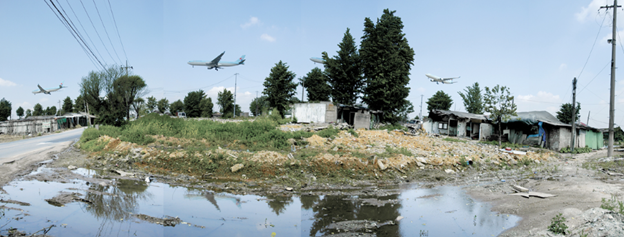
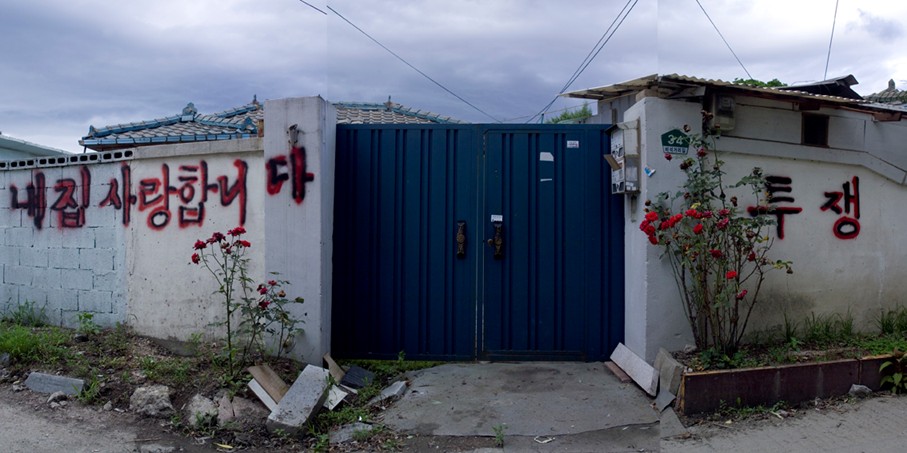
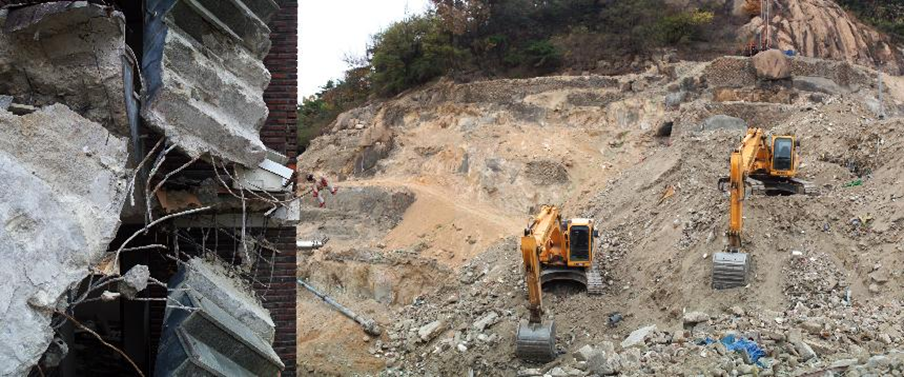
From the
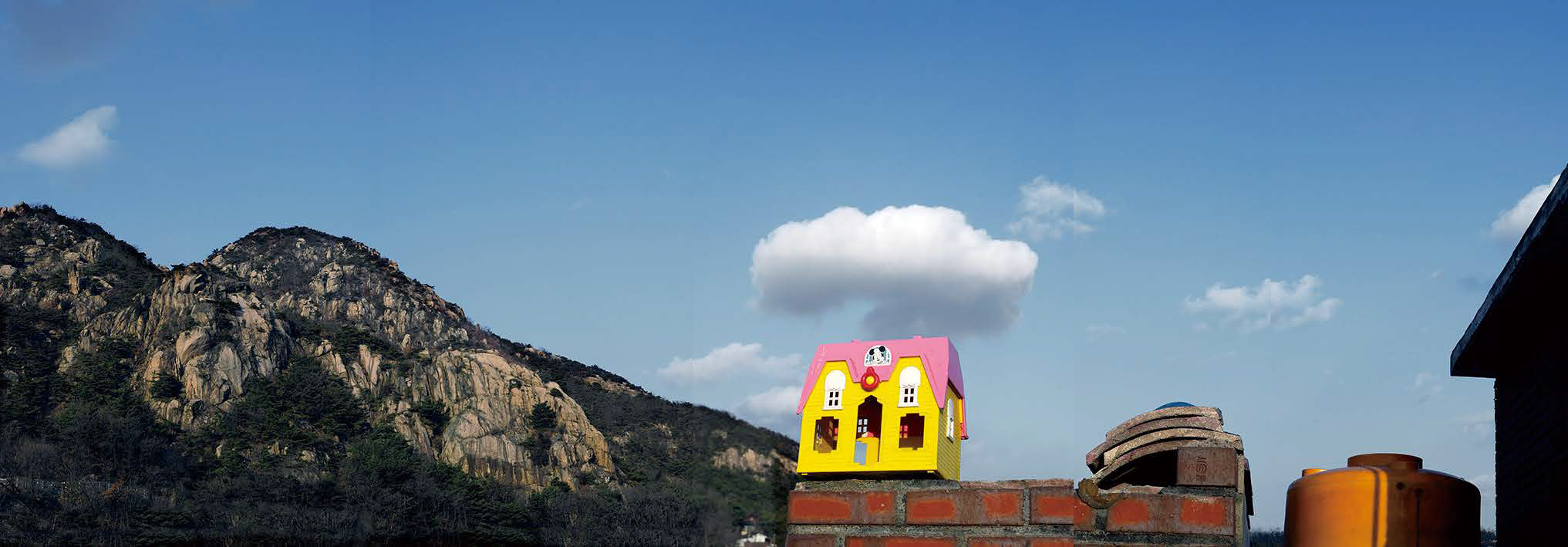
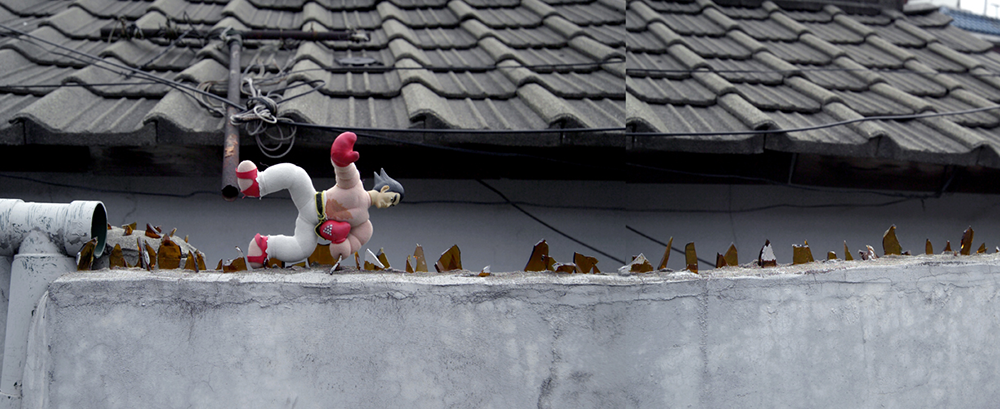
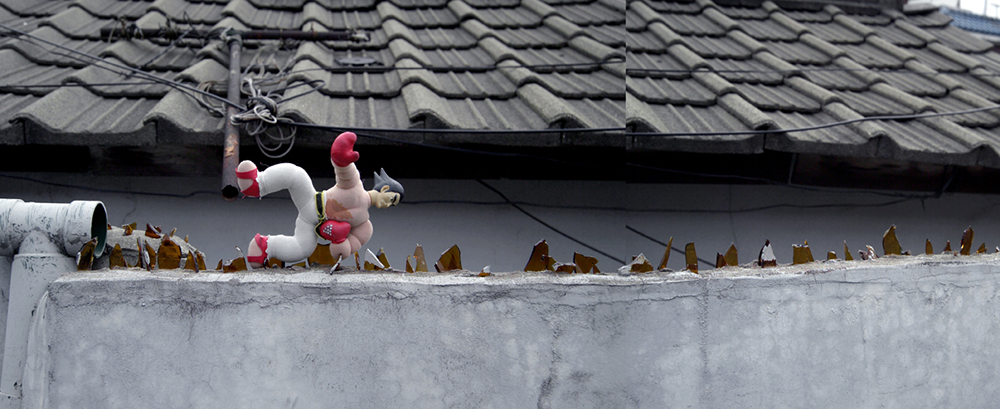
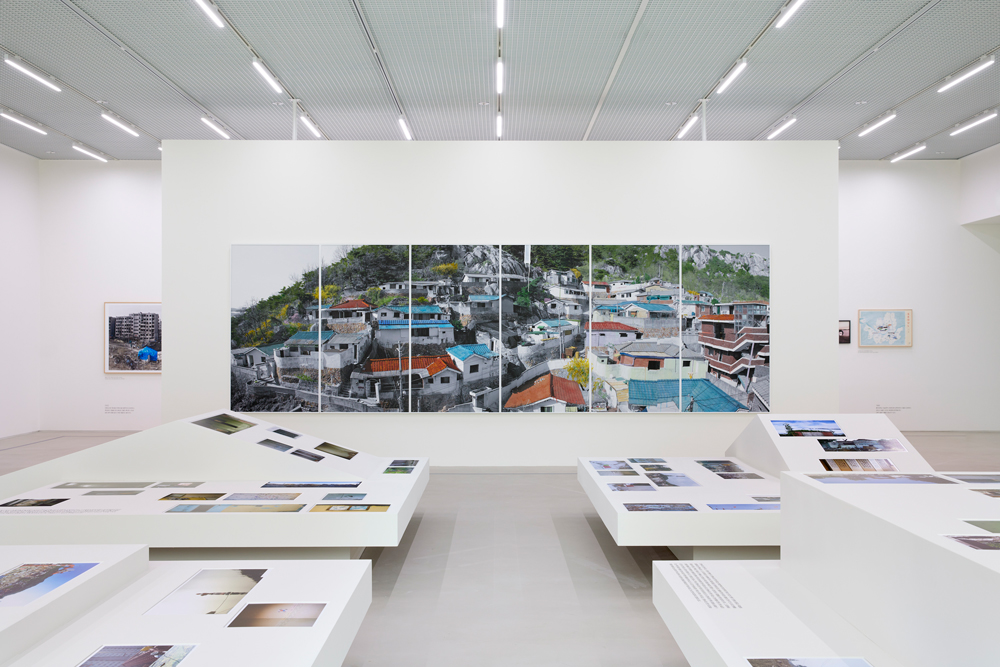
mid-2000s onward, urban redevelopment series form the core axis of Kang’s
practice. ‘Mickey’s House’ (2005–2006), ‘Trainee’ (2005–2006), and the
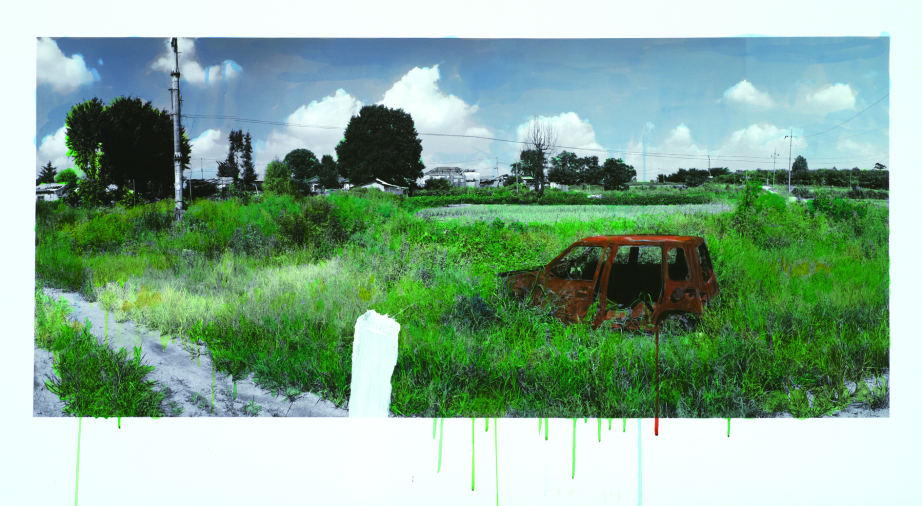
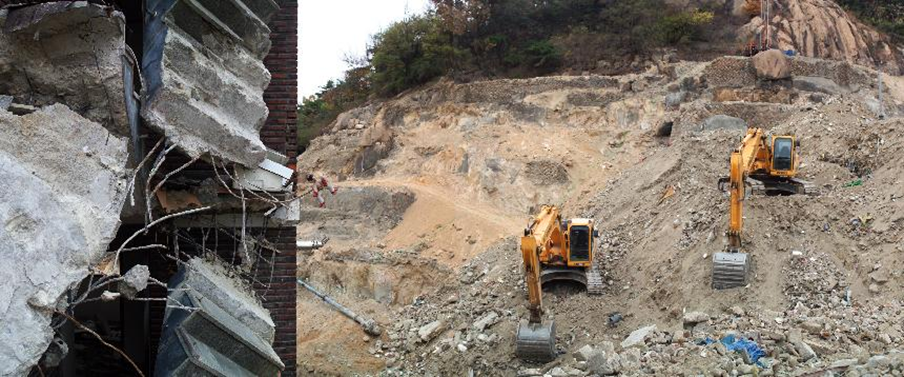
long-term project ‘Chronicle of Eunpyeong New Town’ (2001–2015) trace villages
and traces of life erased by redevelopment. Going beyond straightforward
documentation, these works reveal the violence normalized in the name of
development and the memories excluded in the process, destabilizing the
assumption that photography simply presents “facts.”
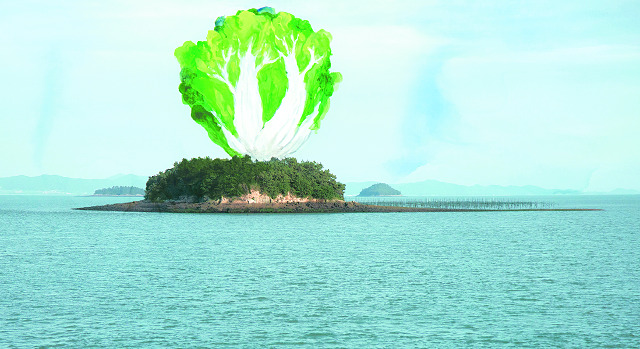
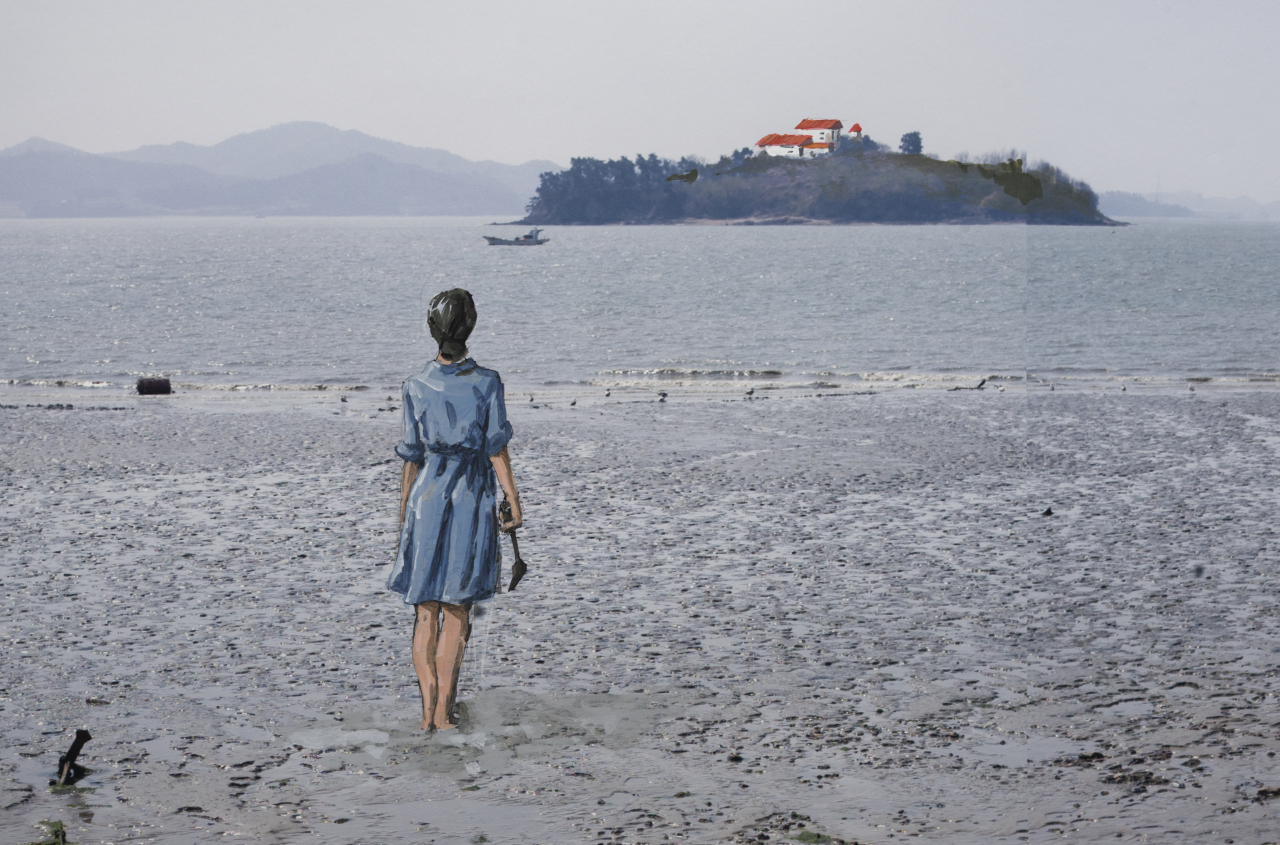
In the
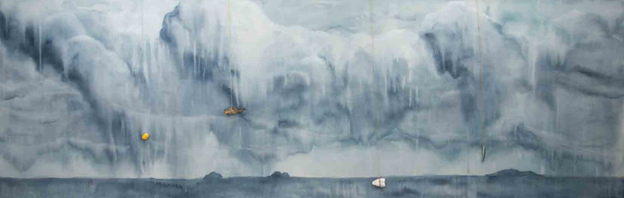
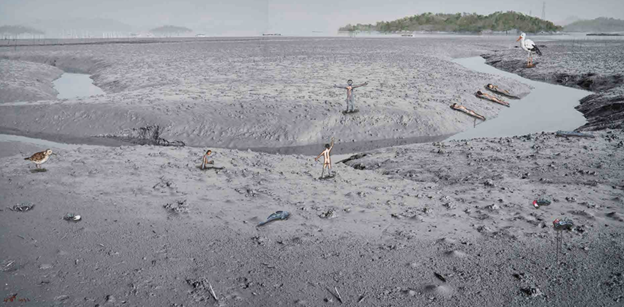
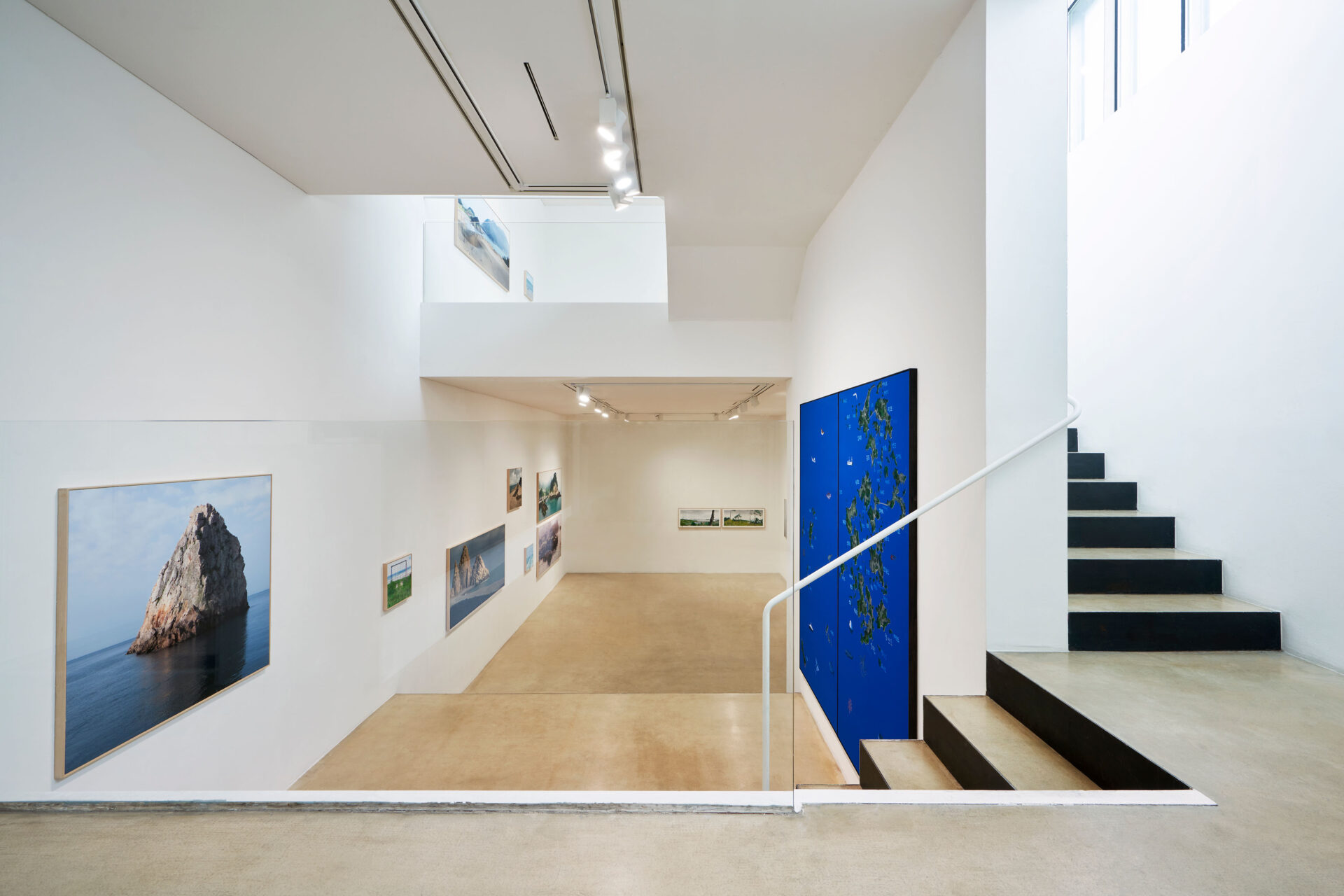
more recent ‘Shinan Sea’ (2005–2022) and ‘Clouds, Sea’ (2023– ) series, Kang
turns his gaze back to his hometown of Shinan. While addressing island
landscapes transformed by development and tourism, these works extend concerns
accumulated in the urban redevelopment series by combining them with personal
memory. Here, landscape no longer functions solely as an object of social
critique, but as a site where memory and the present, insider and outsider
perspectives, overlap.