Where
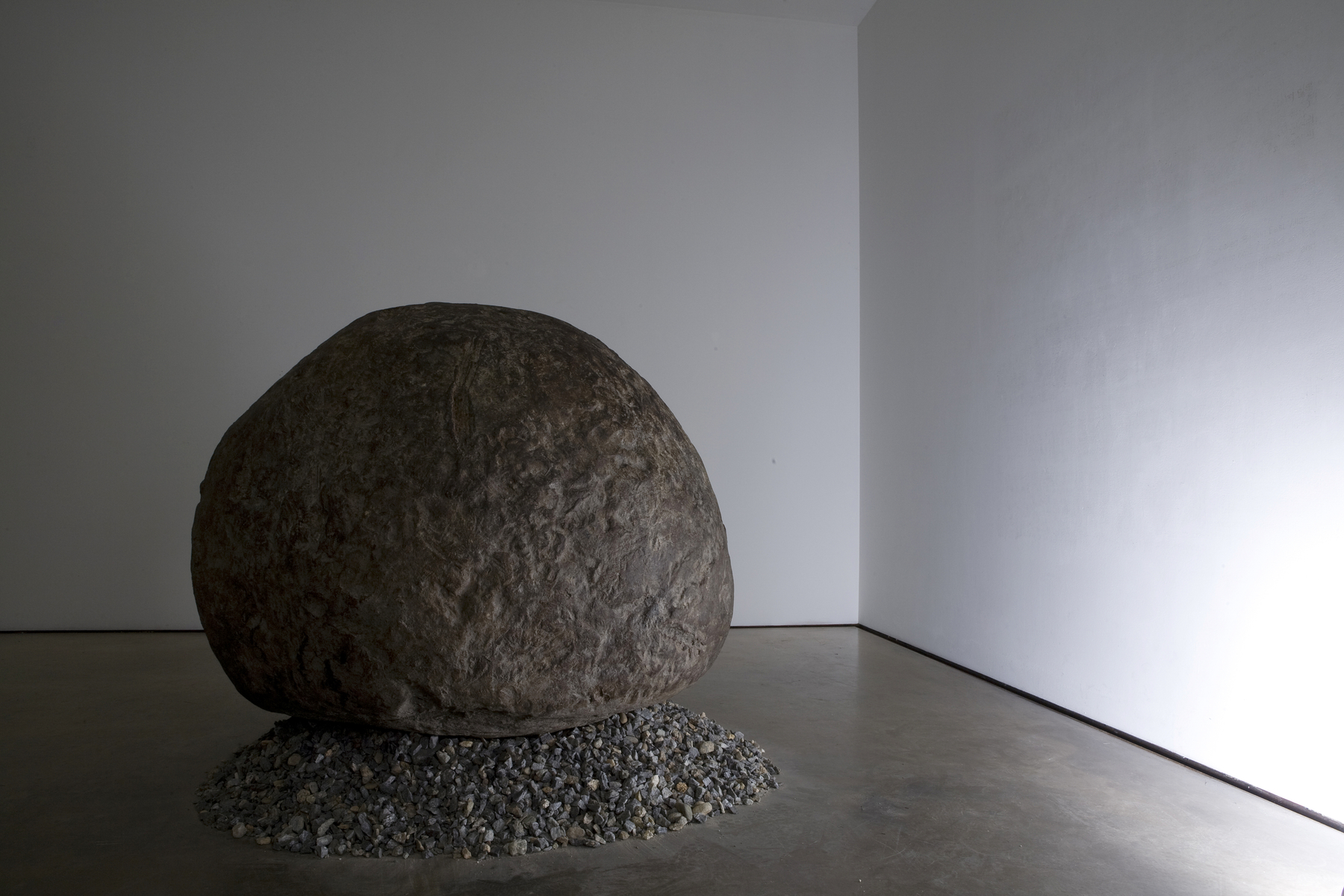
do a black sphere brutally made of 16 tons of cast iron and less than 1 gram of
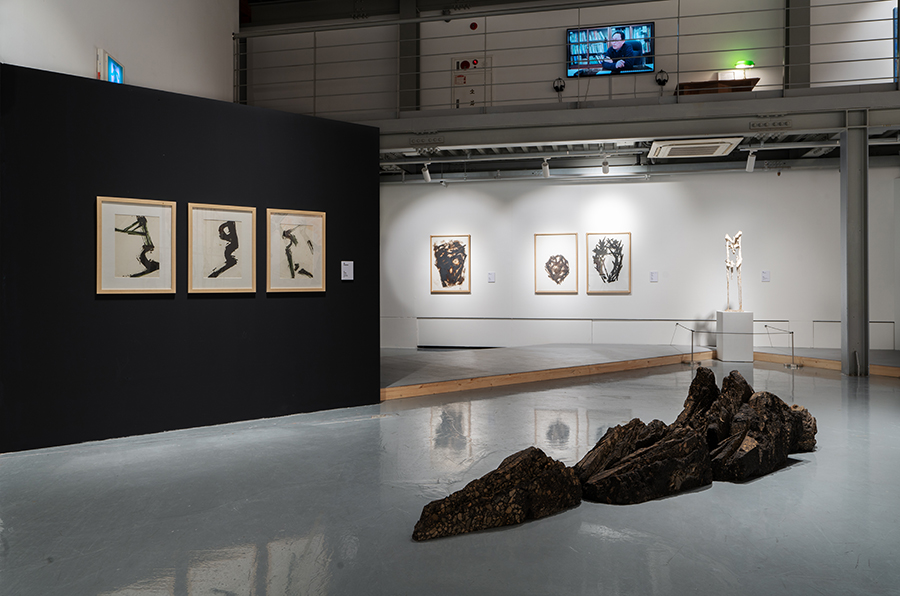
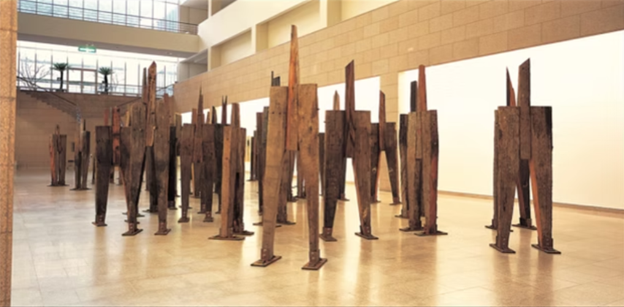
coal tar solution meet? Where do an old railroad sleeper—its entire body
cracked open and its crevices soaked with thick black grease—and a pitch-black
lump of coal, so dense that there is not even space to stick a needle, find a
point of contact? Is it because all of them outwardly reveal their powerful
material properties more strongly than other mundane objects?
Or is it because,
from the standpoint of the person encountering them, they appear as masses,
densities, volumes, colors, and forms that differ from one another yet are
equally intense and stimulating in terms of perceptual force? Depending on
one’s perspective, many relationships can be imagined. But in the case of the
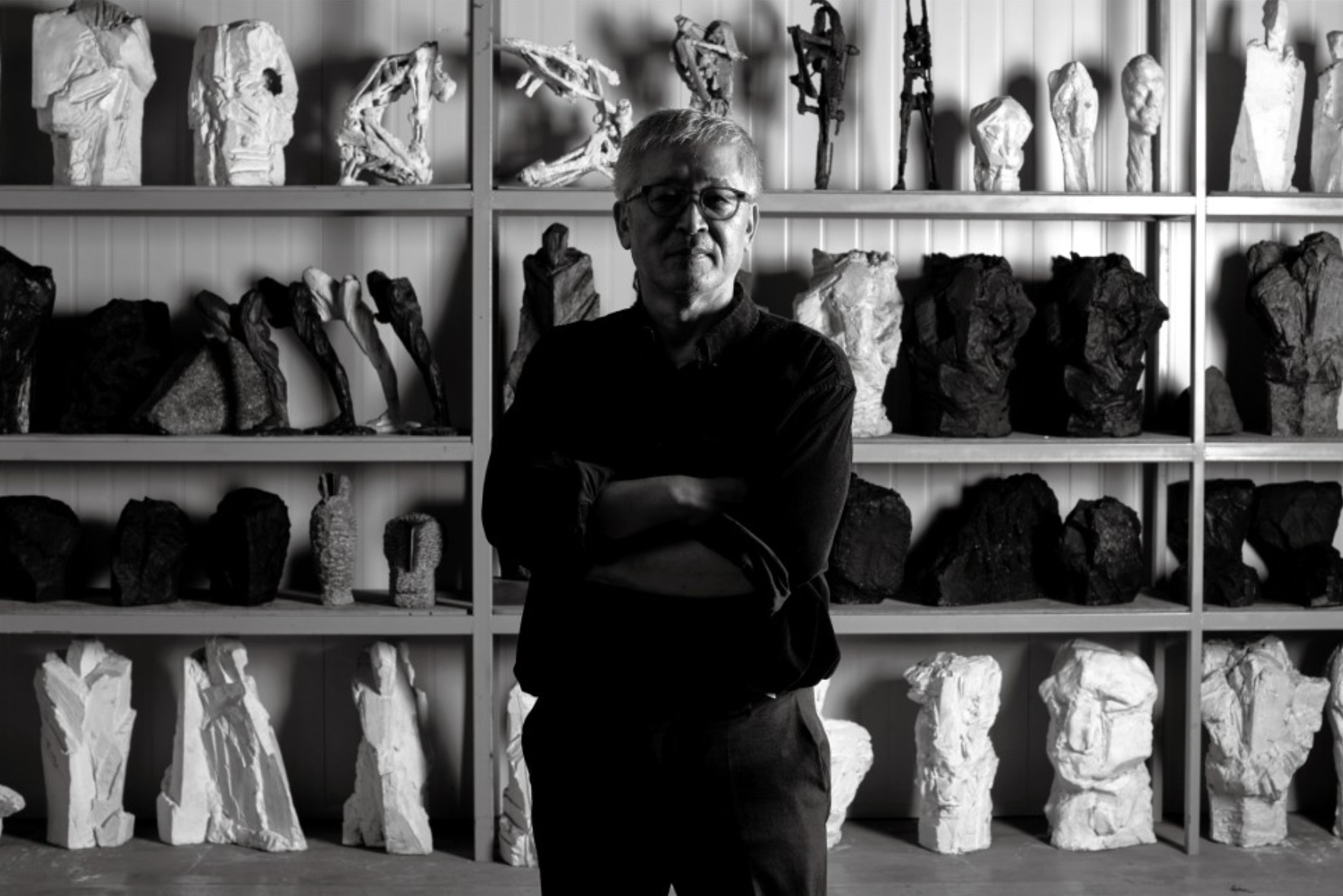
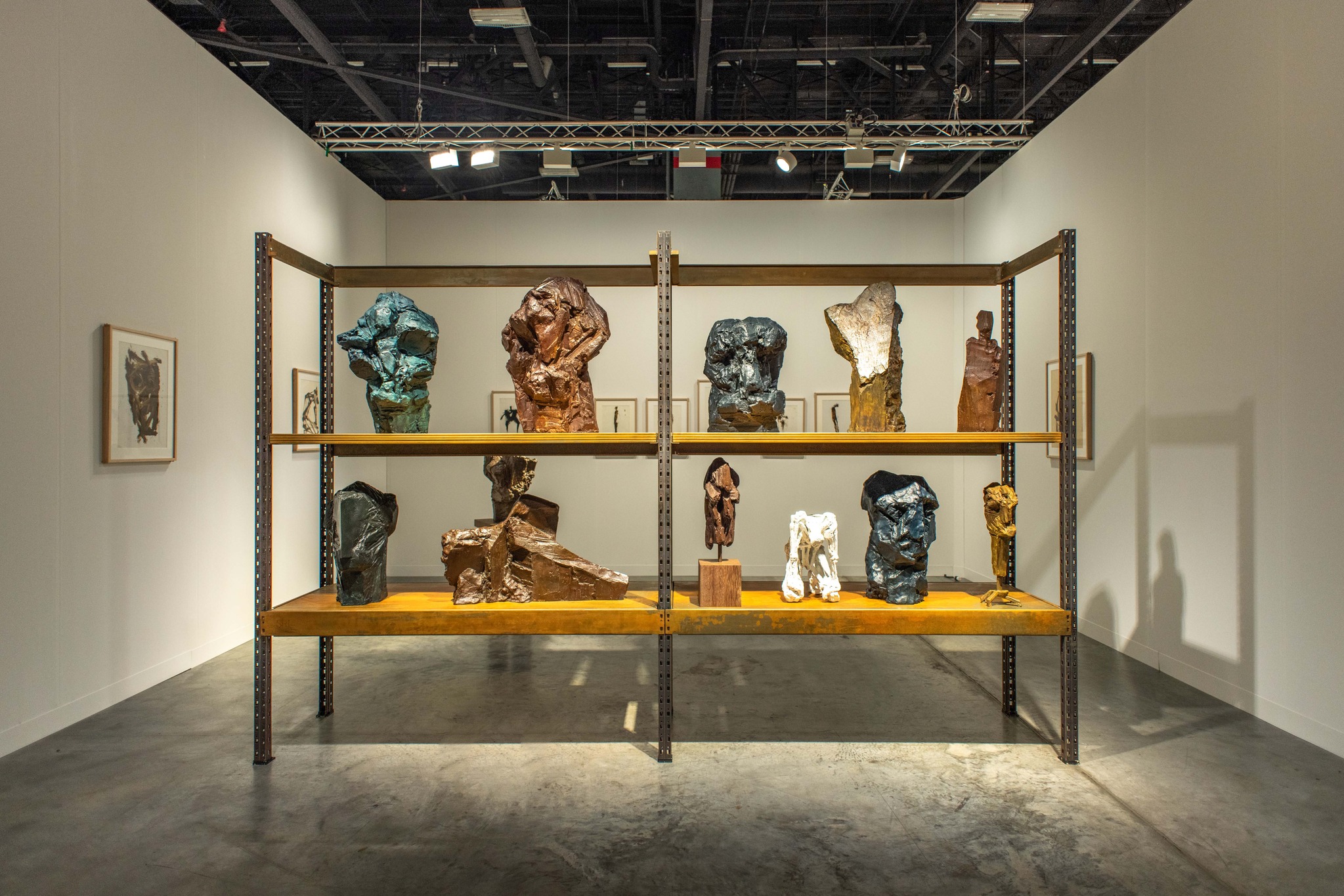
artist Chung Hyun, they meet on the horizon of sculpture. And these
materials—laden with excess intensity and expressiveness—form points of contact
in Chung Hyun’s creative world as motifs (signifiers) that visualize the
fundamental and real artistic theme (signified) of the “human.”
Yet
I do not try to see the human body in his sculptures. Nor do I try to see the
human face in his drawings. As a viewer, I do not wish to weaken the
overwhelming material presence his works emit, the visual expressiveness that
renders language tenuous, or the power of installation that induces a literal
encounter with the viewer, by reducing them to human meaning or narrative
context.
For instance, I do not wish to analogize the process by which a
so-called “crusher ball”—used by a major domestic steel company—was dropped
vertically from a height of 25 meters for over ten years to purify impurities
in iron, being exhausted from 16 tons to 8 tons, with the history of human
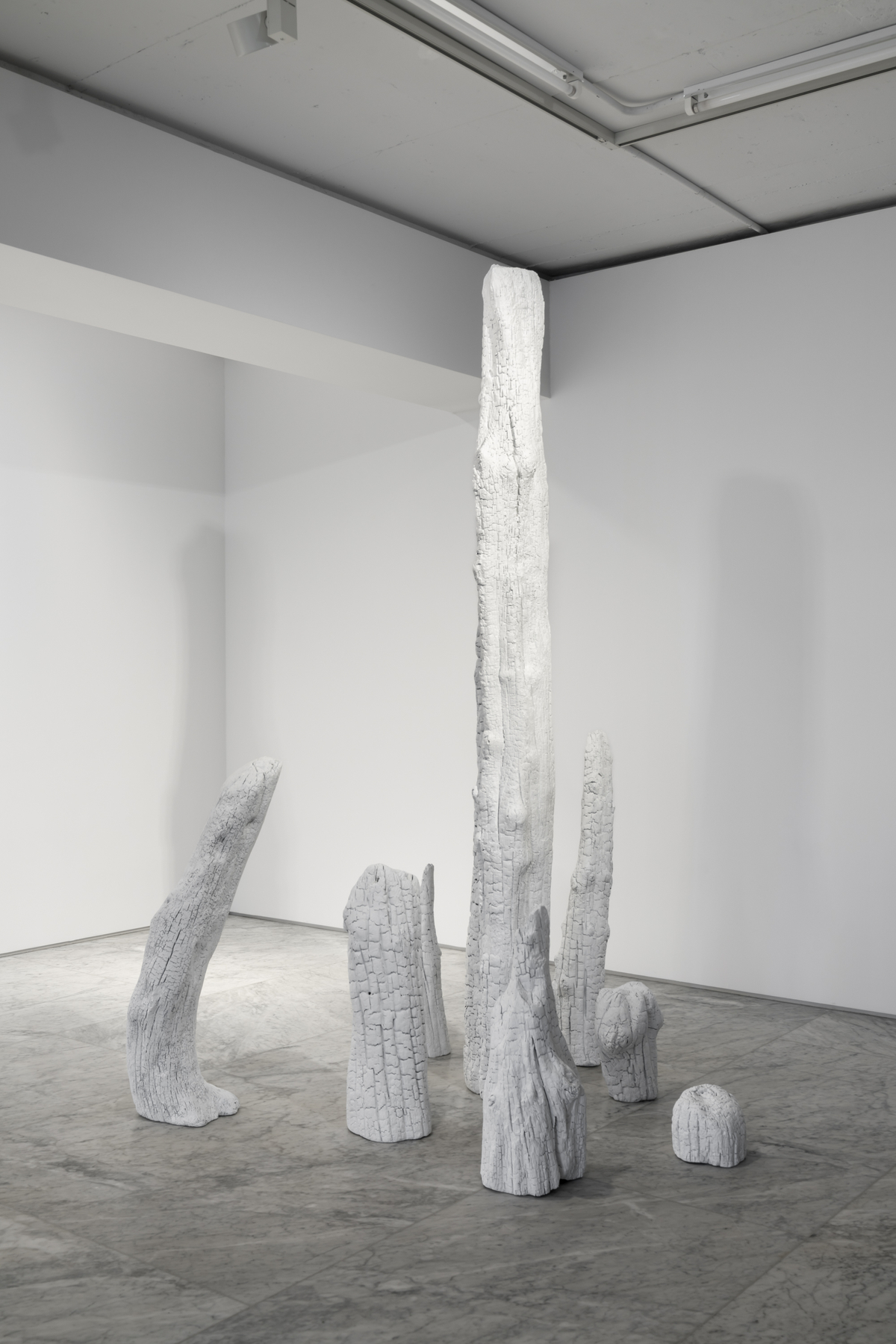
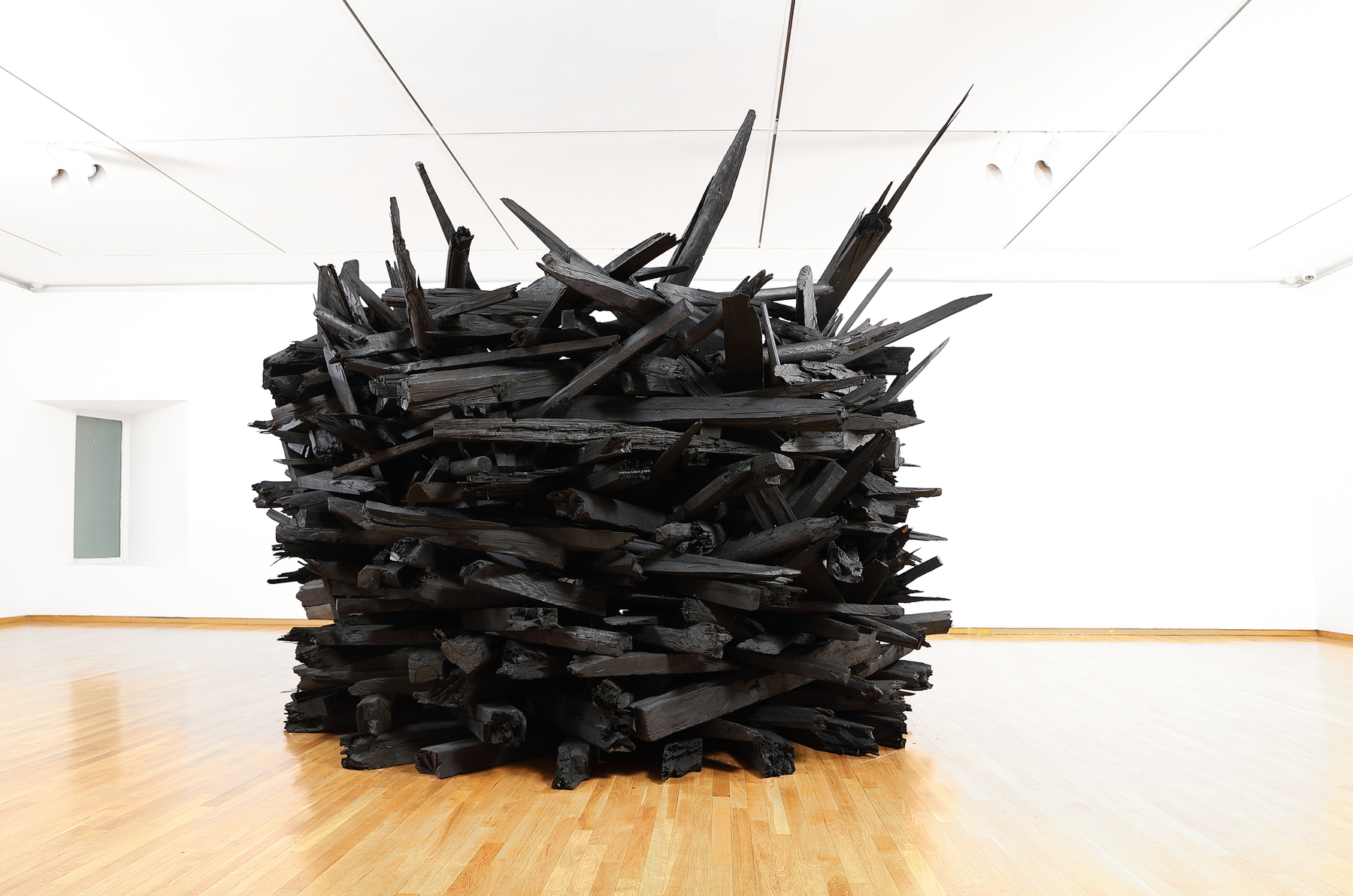
trials and tribulations. Nor do I wish to interpret railroad sleepers that have
borne the full weight of passing trains for decades as ontological metaphors
for human destiny crushed by the weight of life, or to liken tangled, dark-red
rusted rebars to the bitterness and hardship of human existence. Such
interpretations, after all, easily lapse into sentimentalism and end up
offering only clichéd consolation.
However,
regardless of my critical inclination—or even prior to such a level—the artist
may well have created his works out of a deep affection for humanity from the
outset. Alternatively, he may have grounded the value of his work in
face-to-face encounters and communion between humans and human forms. This is
because the artist once said the following: “I try to draw closer to the
desperate, moment-by-moment states of human existence in this age of
obsession—moments that are pierced through, torn apart, and distorted.”
This
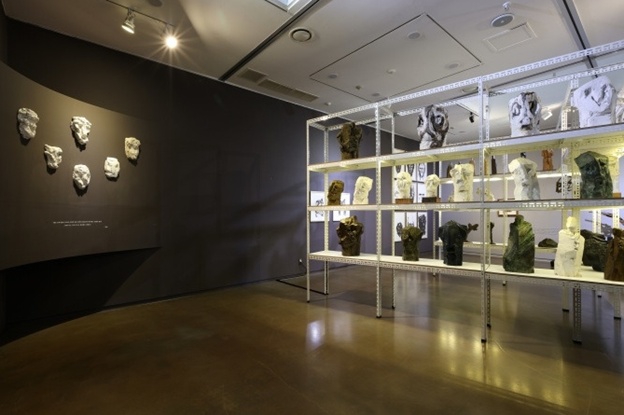
sentence, excerpted from a text Chung Hyun contributed to Monthly
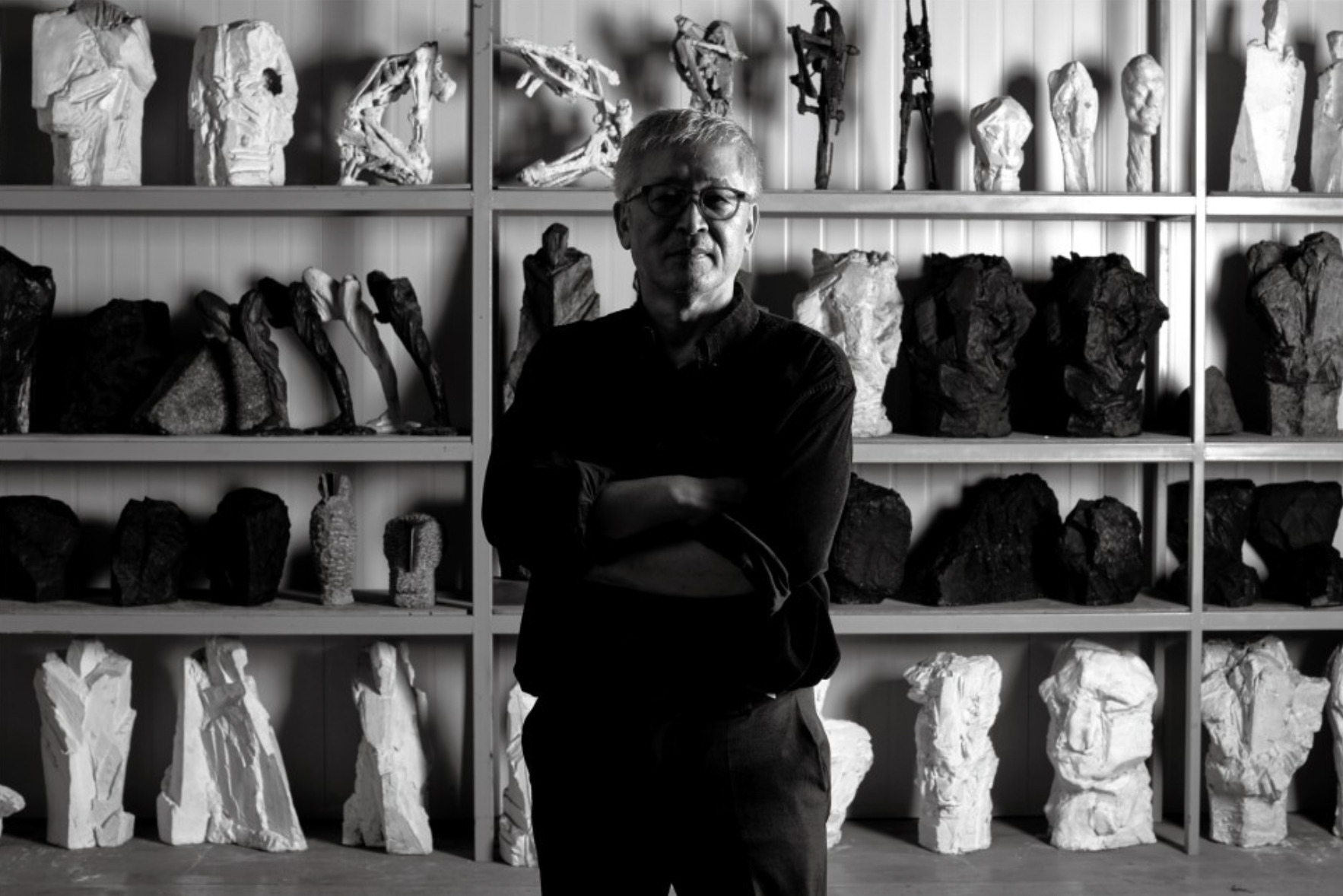
Art in 1992, seems to reveal what the sculptor sought to visualize through
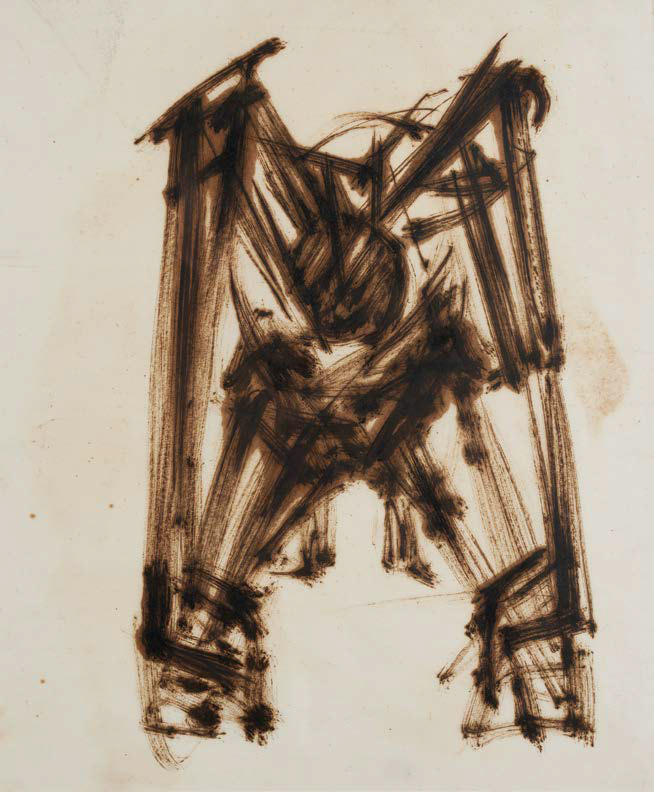
tactile modes of expression: beating heavy lumps of clay with wooden beams,
chiseling rigid chunks of coal bit by bit, and smearing sticky coal tar across
paper. What he aimed to visualize, and where he sought to arrive, appears
unambiguous in context: to rhetorically render human existential suffering in
visual terms, and through that, to achieve a humanistic art. Thus, I—who tried
to avoid the human in his art out of fear of slipping into cloying
sentimentalism—was mistaken.
Precise Projection of Material and Human
But
is it because Chung Hyun’s sculptures metaphorize the human that we find them
compelling? Are they moving because they soothe the viewer’s humanistic
sensibilities? Even if both are true, are they sufficient? Until now, both the
artist himself and many commentators have almost without exception discovered
values oriented toward humanity in his work, or conversely defined his
aesthetic world through humanistic values. Yet there is an aspect of Chung
Hyun’s sculpture—one that cannot be concealed or diminished—that seems
impossible to illuminate through such circular reasoning or domesticated
humanism.
I believe this is because the objecthood of things
themselves, performance itself, and the order of
things themselves constitute one of the absolute properties crystallizing
Chung Hyun’s art. These are objects that cannot be captured within an
anthropocentric web of meaning. How could we humanly appropriate the
qualitative state of asphalt concrete used for paving roads, the magnitude of
pressure exerted on railway sleepers, or the temporality and ecology of metals
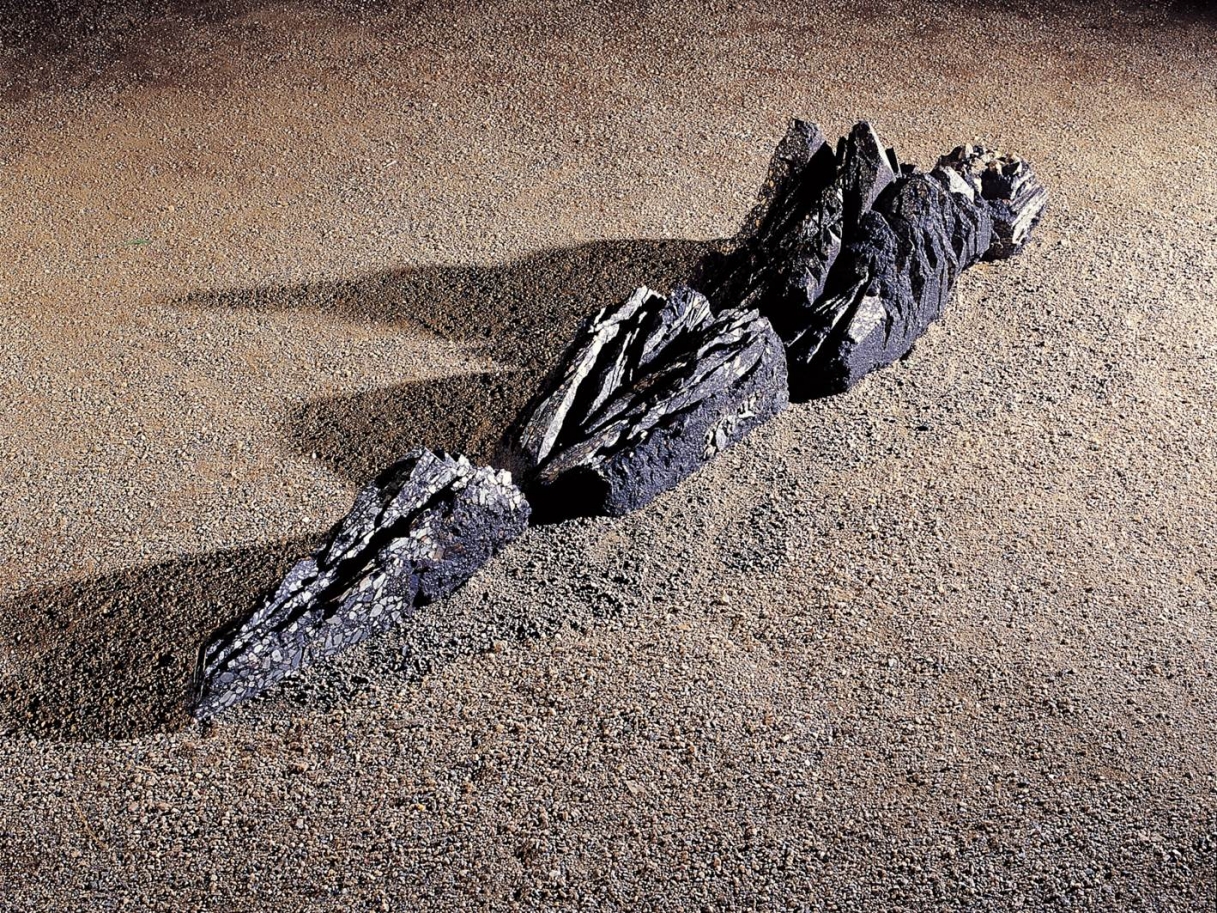
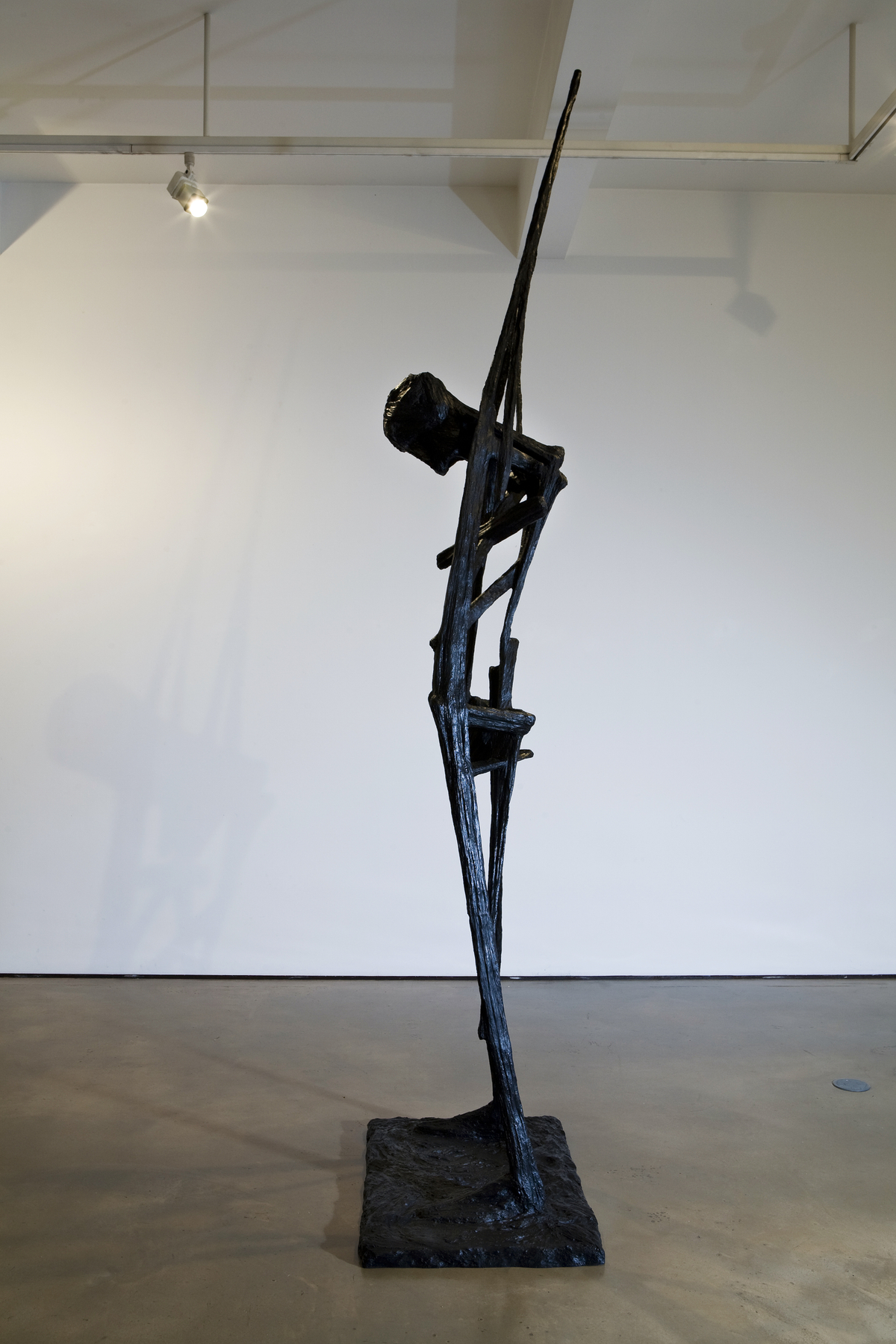
that rust, decay, and erupt in red lesions? Even if, through the intervention
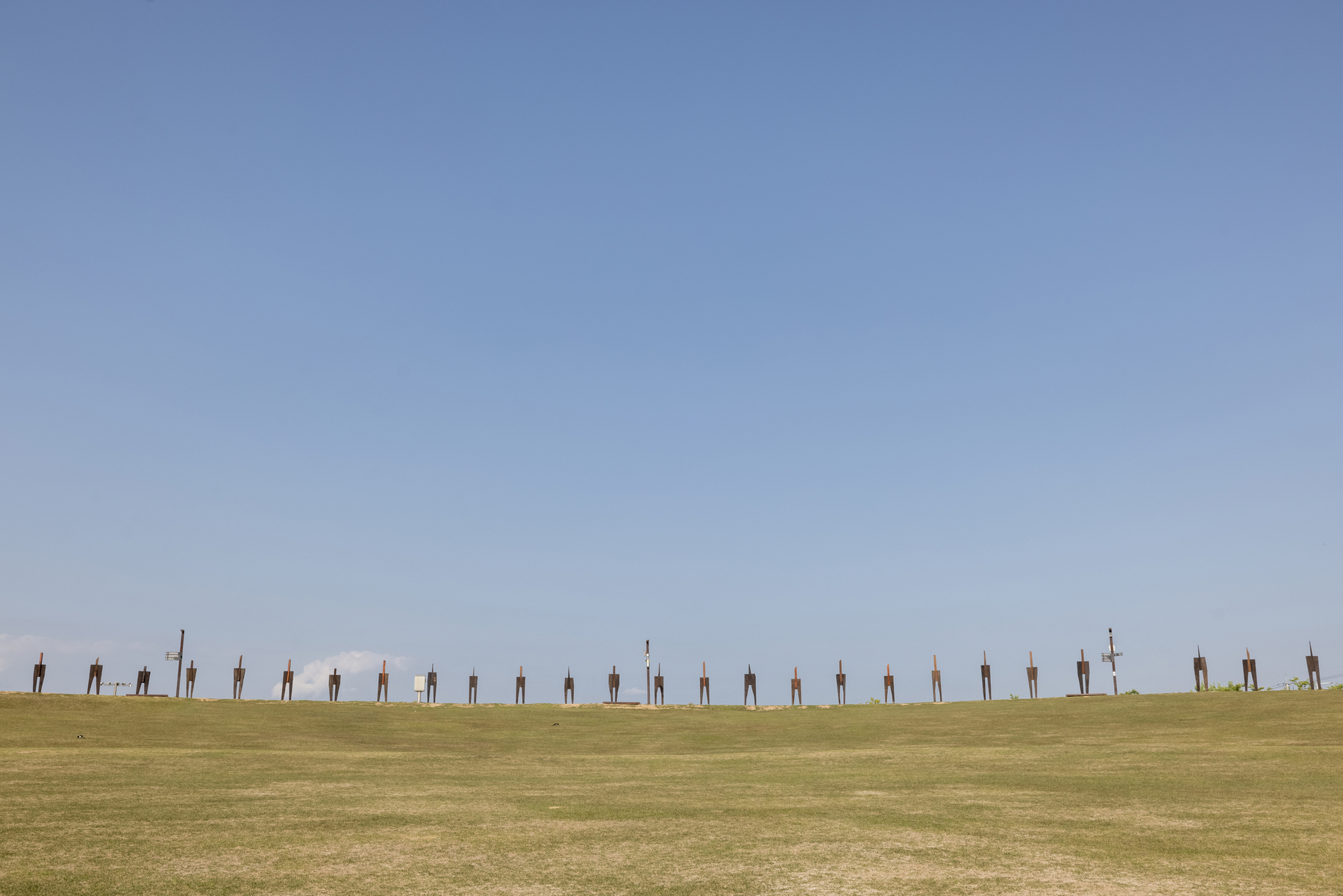
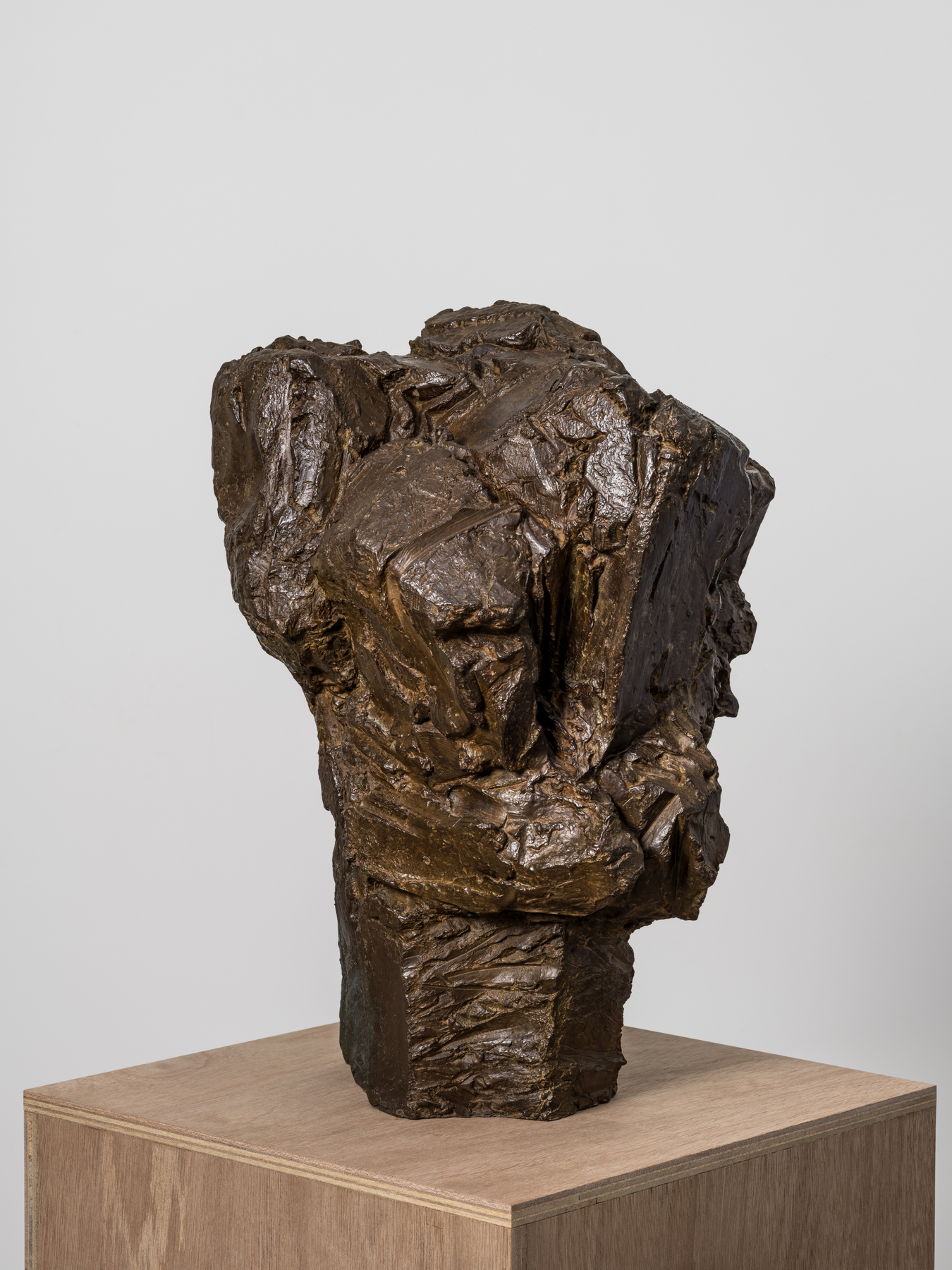
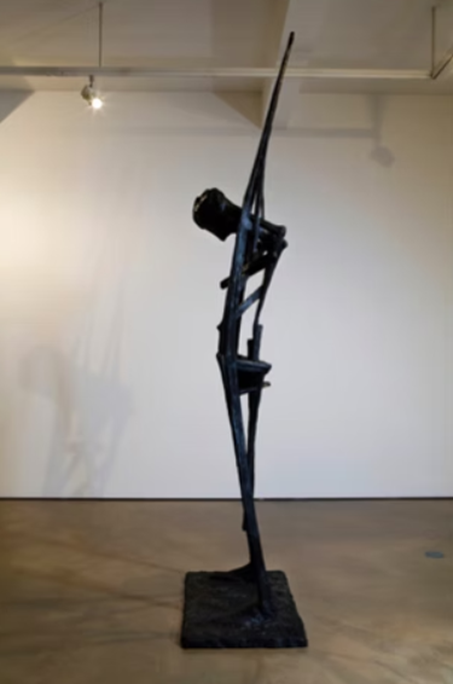
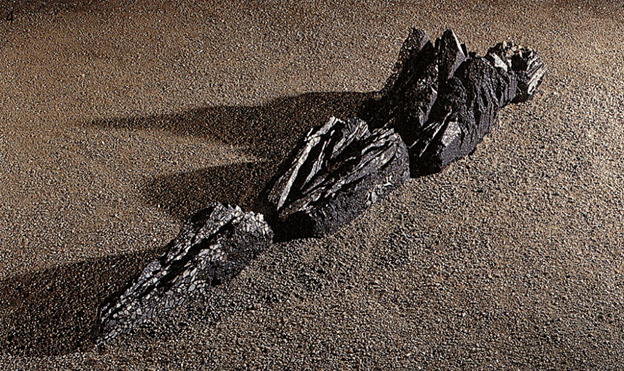
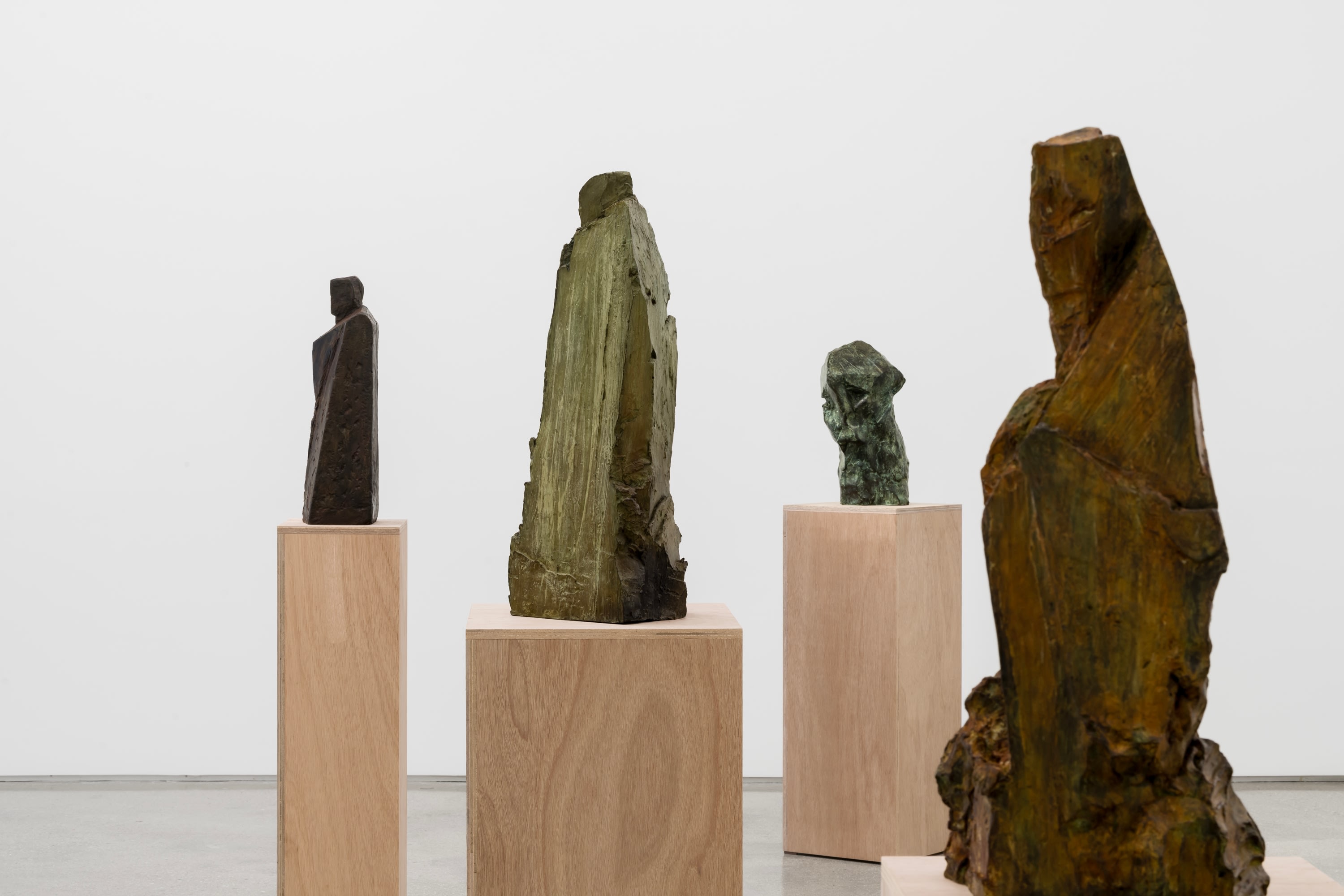
of an artist named Chung Hyun, such materials become sculptures reminiscent of
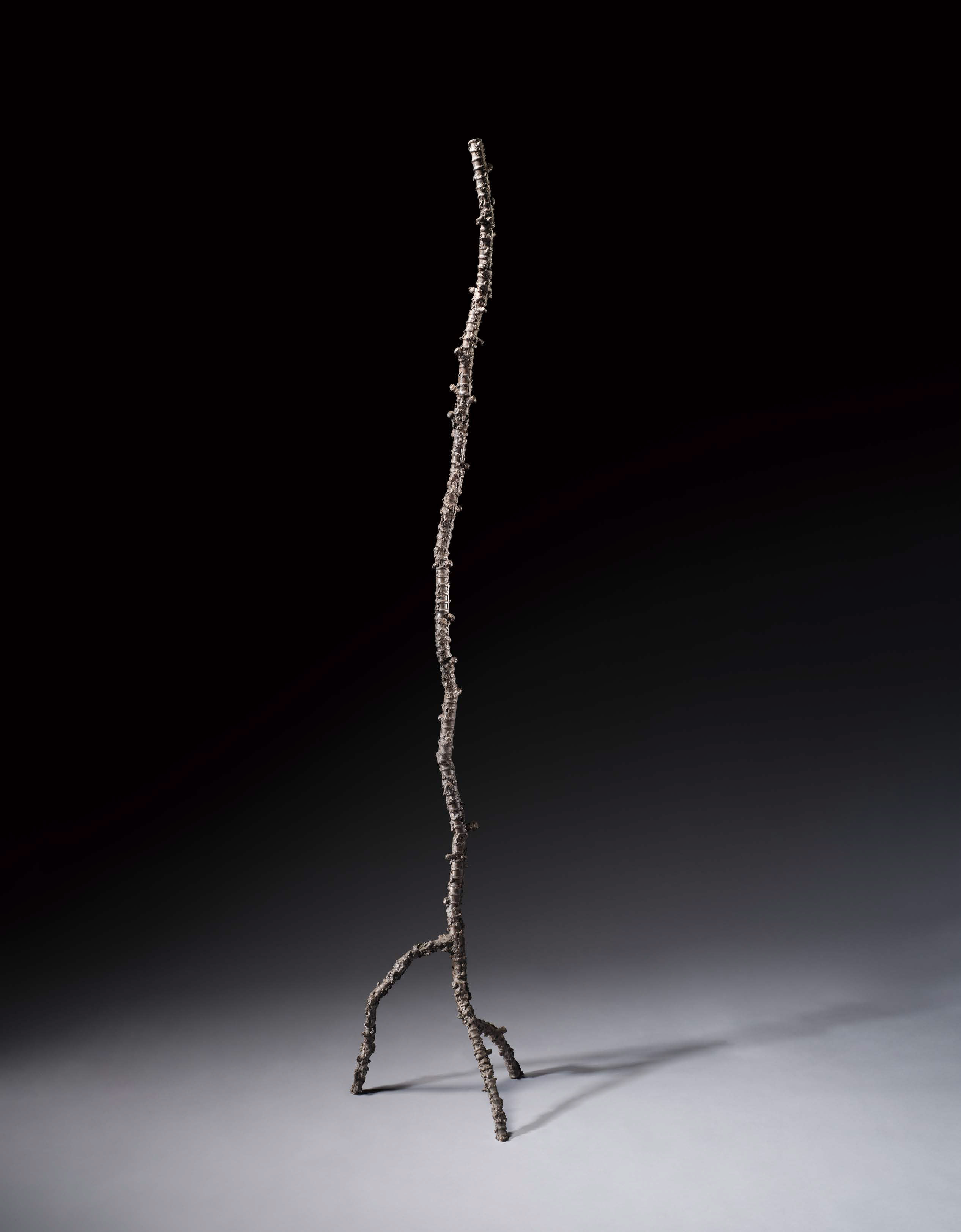
a mountain-like reclining human body, installations that evoke groups of humans
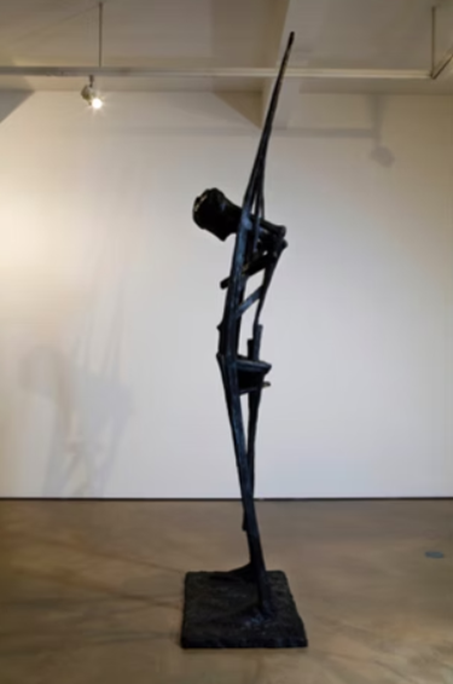
standing firmly on the earth, or even figures recalling Giacometti’s emaciated
standing men.
Of
course, such discussion must be balanced by examining how the artist’s work has
unfolded over time. In 2006, the National Museum of Modern and Contemporary
Art, Korea selected Chung Hyun as Artist of the Year, held a solo exhibition,
and published a catalogue. In her essay, curator Park Su-jin explained his
artistic trajectory as follows: “From the late 1980s through the 1990s, the
dynamism of the human body formed the core of expression. From the mid-1990s
onward, materials and tools became central, revealing chance elements in the
production process. Particularly in the late 1990s, materiality itself became
increasingly emphasized.” I agree with this periodization. Yet considering the
artist’s recent works as of 2014, the core of this transformation can be
articulated more precisely.
In
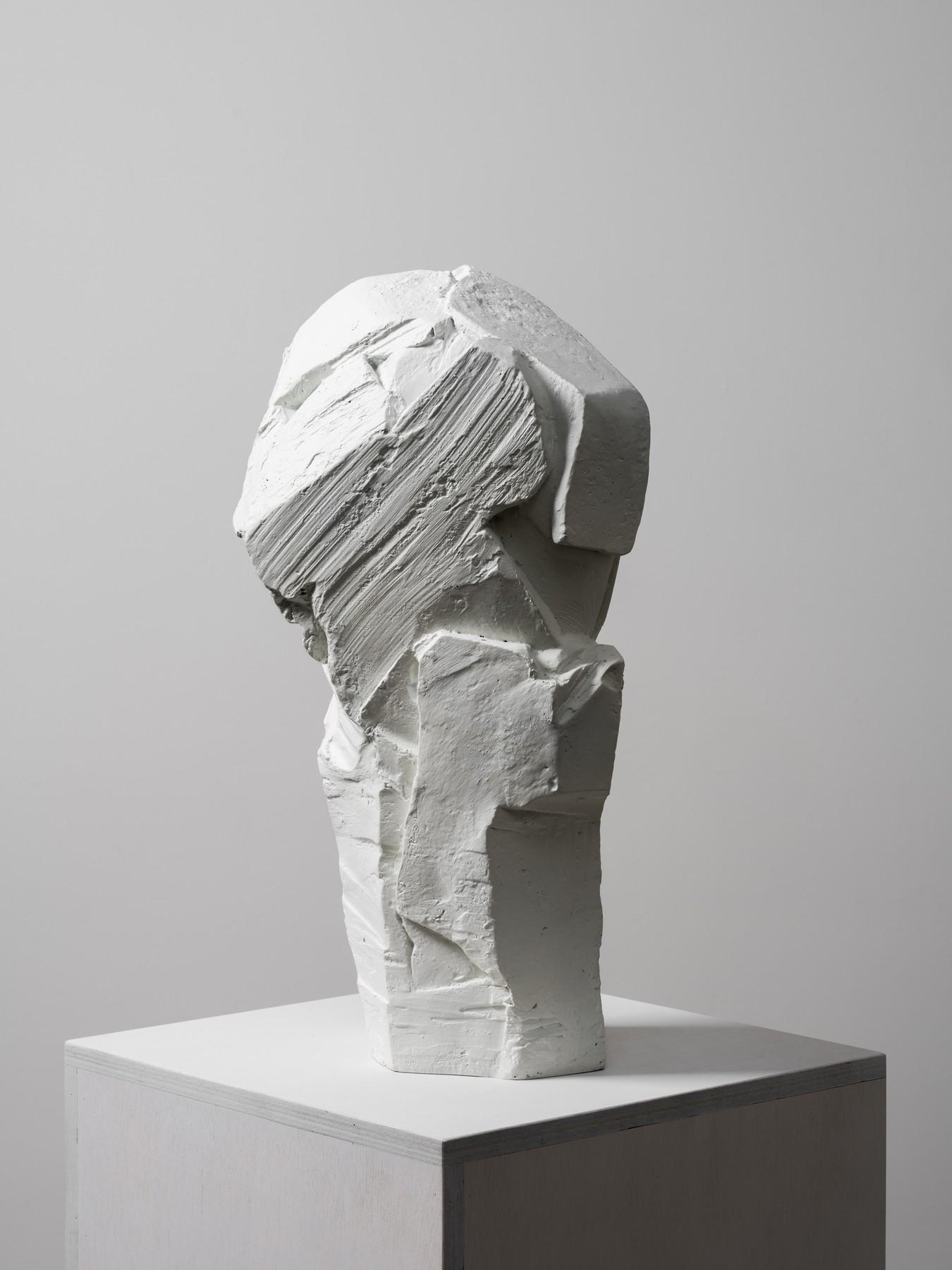
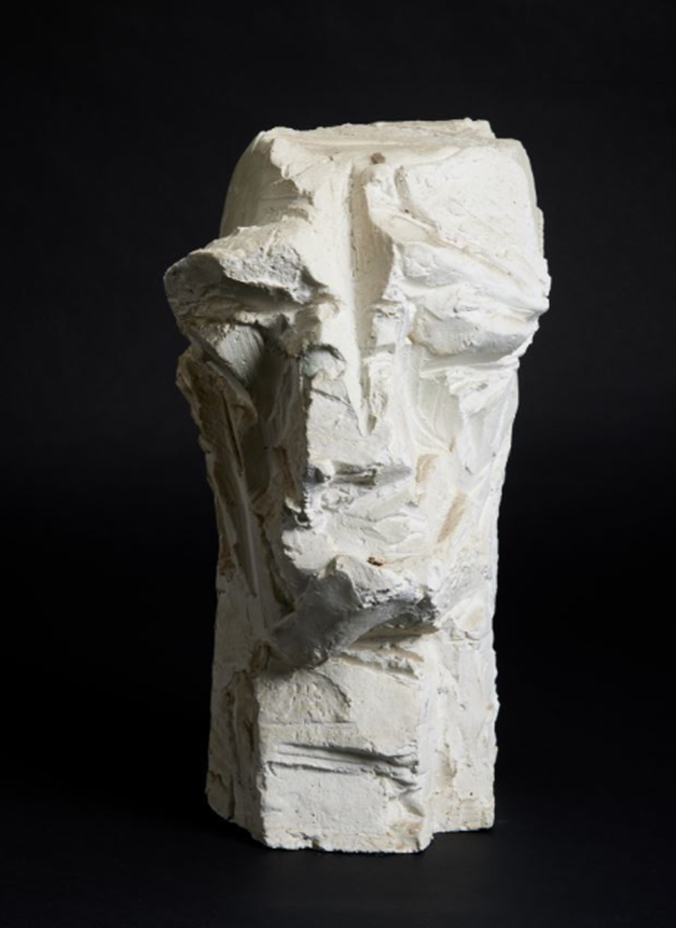
short, during his early period—when he focused on human figures constructed by
coating manila hemp armatures with plaster and coloring them with coal
tar—Chung Hyun indeed governed materials under the name of art in order to
shape the human form. Gradually, however, he transitioned toward allowing his
artistic intention and expressive mode to echo the inherent
properties of materials and the contingent, variable external conditions
surrounding them. That is, he moved from subordinating materials to his sculptural
objectives—crafting forms that resembled humans visually or symbolically—to
responding, like reverberation, to the characteristics emitted by materials
themselves and their surrounding contexts.
Arguably,
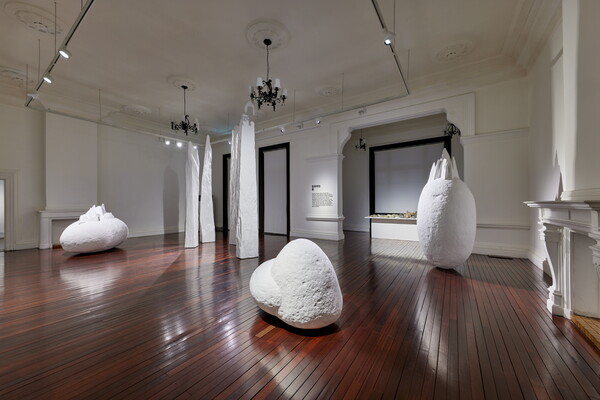
with the work ‘8-Ton Crusher Ball’ presented in his 17th solo
exhibition, Chung Hyun’s sculpture approaches an almost complete form of art
that presents things as things—objects that can only be experienced in their
given existence and order. This is an art that affirms a material’s inherent
properties, appearance, and the total history it has endured in its entirety,
prior to any anthropomorphic appropriation or human-centered interpretation. Is
such art non-human? Is the human absent from it? No. Just as human figures are
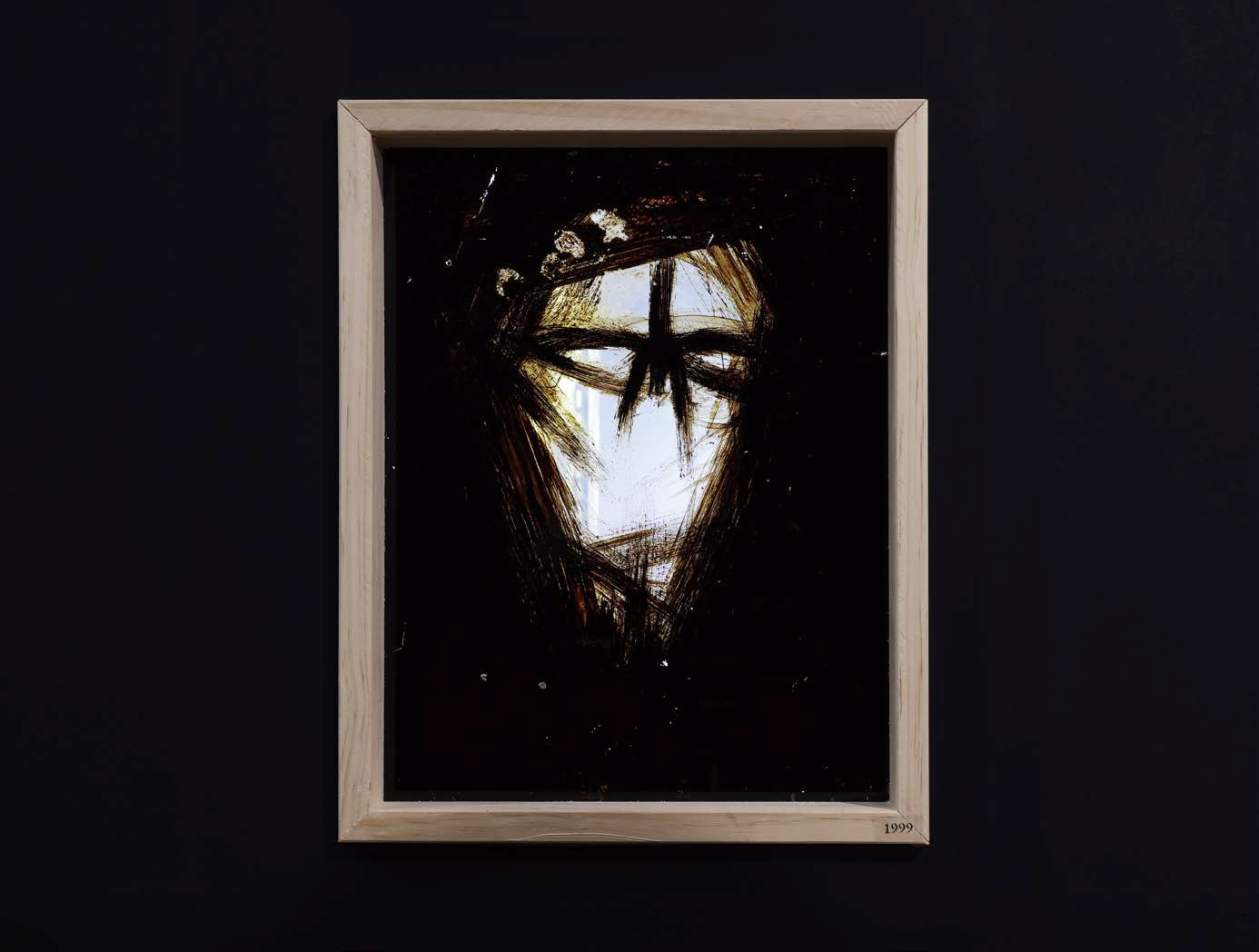
implicit in his sculptures of the 1980s and 1990s, and intense human faces are
evoked in his recent drawings, the human remains a fundamental axis embedded in
his recent sculptures—even in works that are, materially speaking, nothing but
matter itself. What has changed is the mode of relation.
Where
earlier works sought creative significance in dissolving materiality to
symbolize, express, and abstract the human, the current works aim for an
immediate and literal human resonance in response to material. The
first human in this resonance is the artist himself—the one who encounters the
material and discovers the possibility of art within it. But once such
material, as a kind of “found object,” is presented as an artwork, any viewer
can become that human.
Confronting
the massive black crusher ball—with its immense size and weight, its solidity,
and yet its smoothness and austerity honed over long years like a pebble shaped
by a river—the viewer’s nervous system responds to the object’s objecthood,
forming a particular image. We may be tempted to say that this image is freely
imagined according to the viewer’s subjective interpretation, but this is not
entirely true.
A
massive cast-iron sphere, physically worn down through countless aerial drops
over ten years, evokes in viewers both an unapproachable dignity and an
indescribably condensed pain. This is not because viewers imaginatively assign
meaning to it (though we tend to believe so), but because they are
responding—often unconsciously—to the object’s present qualitative and physical
condition. The grounds of this judgment do not lie in the viewer’s subjectivity
or psychology, but emerge from the object’s material state, manifesting in the
viewer’s perception and consciousness. For this reason, I propose applying the
term echography to some of Chung Hyun’s sculptures.
Echography,
in medicine, refers to diagnostic methods such as ultrasound imaging—techniques
that reveal internal bodily conditions invisible to the naked eye through
echo-graphs generated by high-frequency waves, as in prenatal ultrasound
images. Jacques Derrida introduced this concept into philosophical debate to
analyze interactions between humans and television. Similarly, I infer that an
echographic process first operates between Chung Hyun and the materials of
reality he attends to, and further between the aesthetic experience of
potential viewers and the materials presented as matter itself.
When the artist
speaks of a half-eroded crusher ball, dismantled sleepers, or broken rebar
joints as “beautifully endured trials,” that beauty is not anthropomorphized;
it is the qualitative and formal state of matter projected onto the eyes and
skin of a human named Chung Hyun These materials appear before us temporarily,
yet they exist as they are through their own histories. Even when we think we
are judging them as such, it is in fact they that cause us to feel and think in
this way. By reversing and complicating the subject–object relation of beauty,
Chung Hyun’s recent works invite a critical framework in which the “human” is
newly rendered through another echography of perception.