Incheon
locals can frequently spot giant containers or trucks loaded with industrial
materials while driving or taking a walk since Incheon is a trade port with an
airport and railroads. When a truck passes, the ground quietly sinks, albeit to
a microscopic degree, and non-subjects including the sounds coming from the
truck-machines, dust, the smell of diesel, and the forms, smells and creaking
noises of the loaded materials (raw lumber, scrap metal, and export-bound cars)
are quickly perceived in one lump. One usually looks past them as brief
surprises or fear of having had their safety threatened, but if they ponder it
again they will be stunned by how even sentiments connected to the sensations
of different parts of the body are vividly revealed.
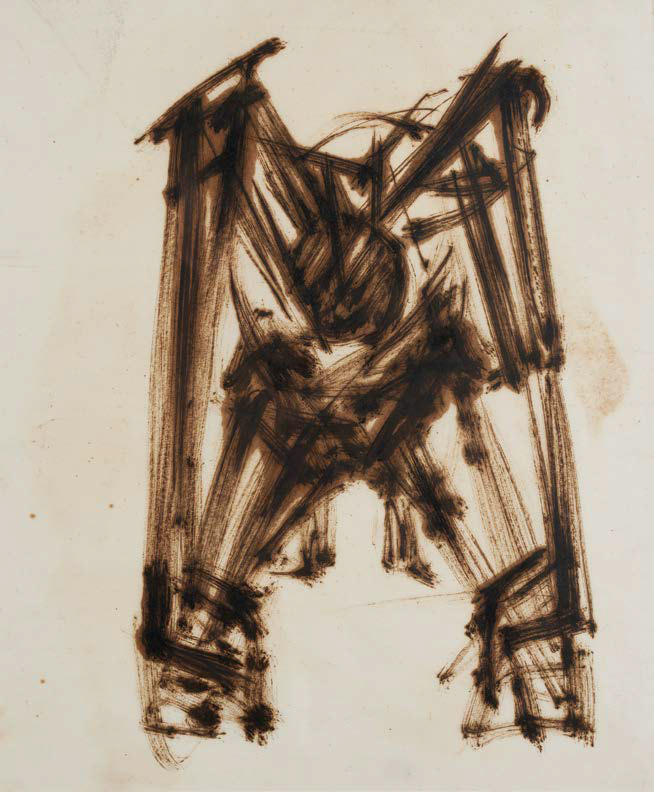
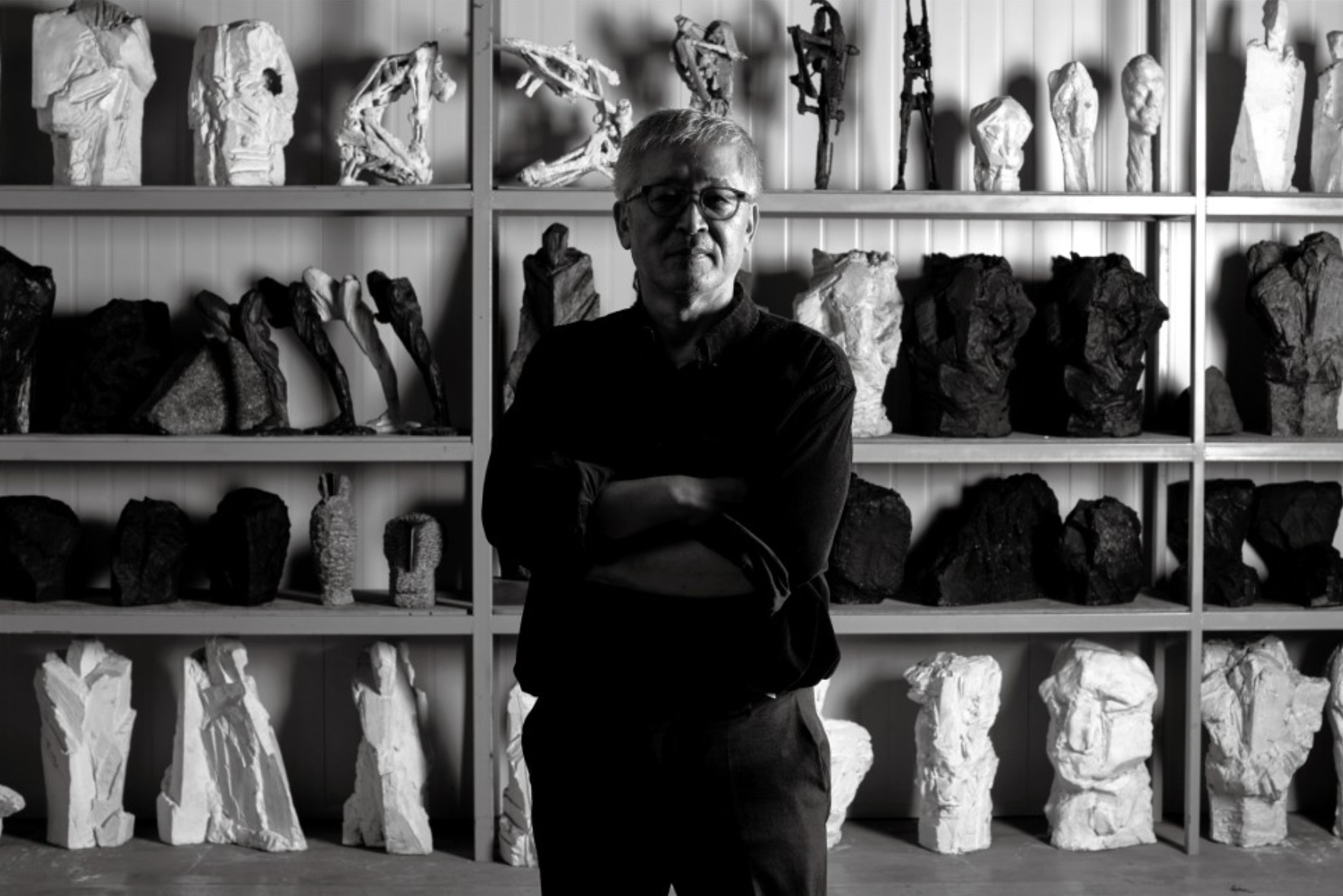
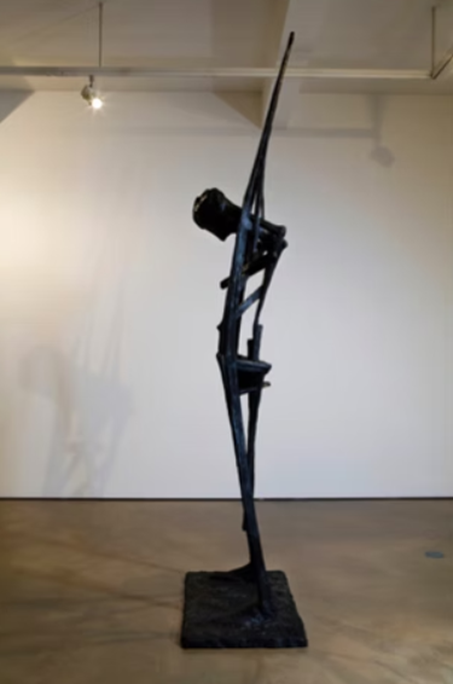
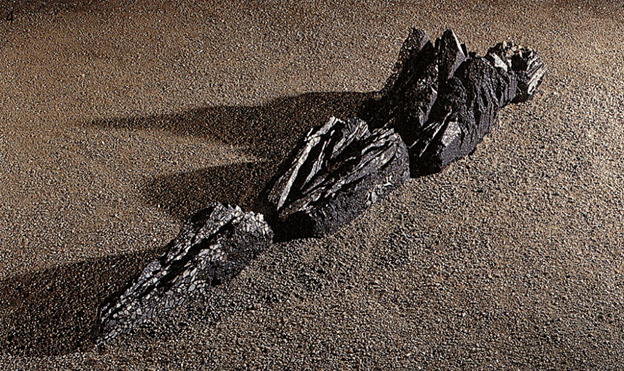
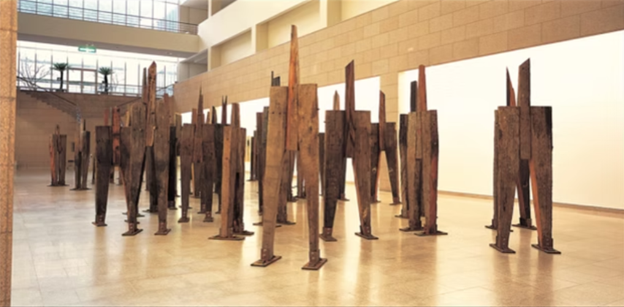
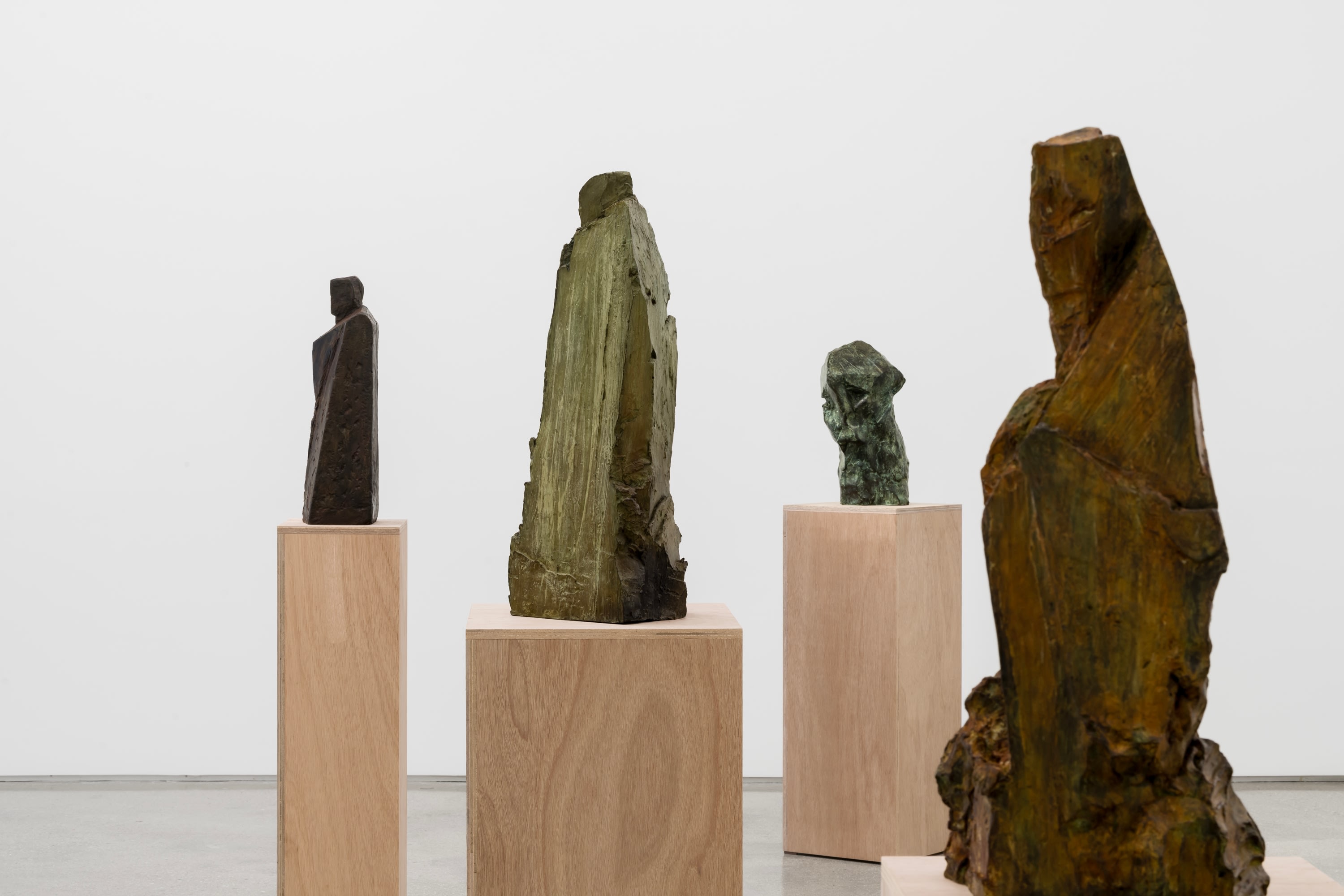
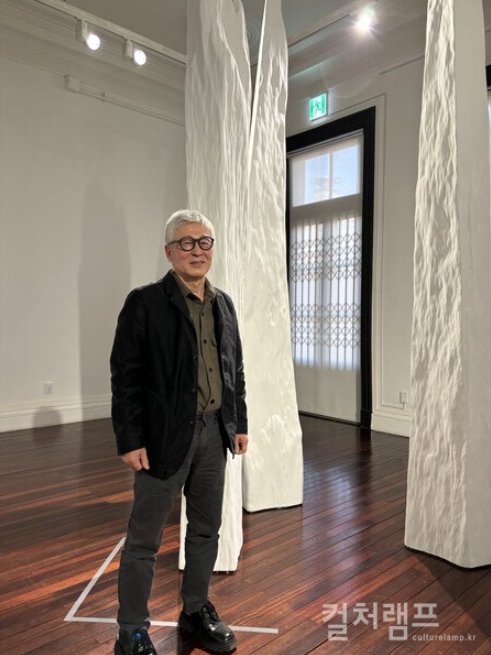
The
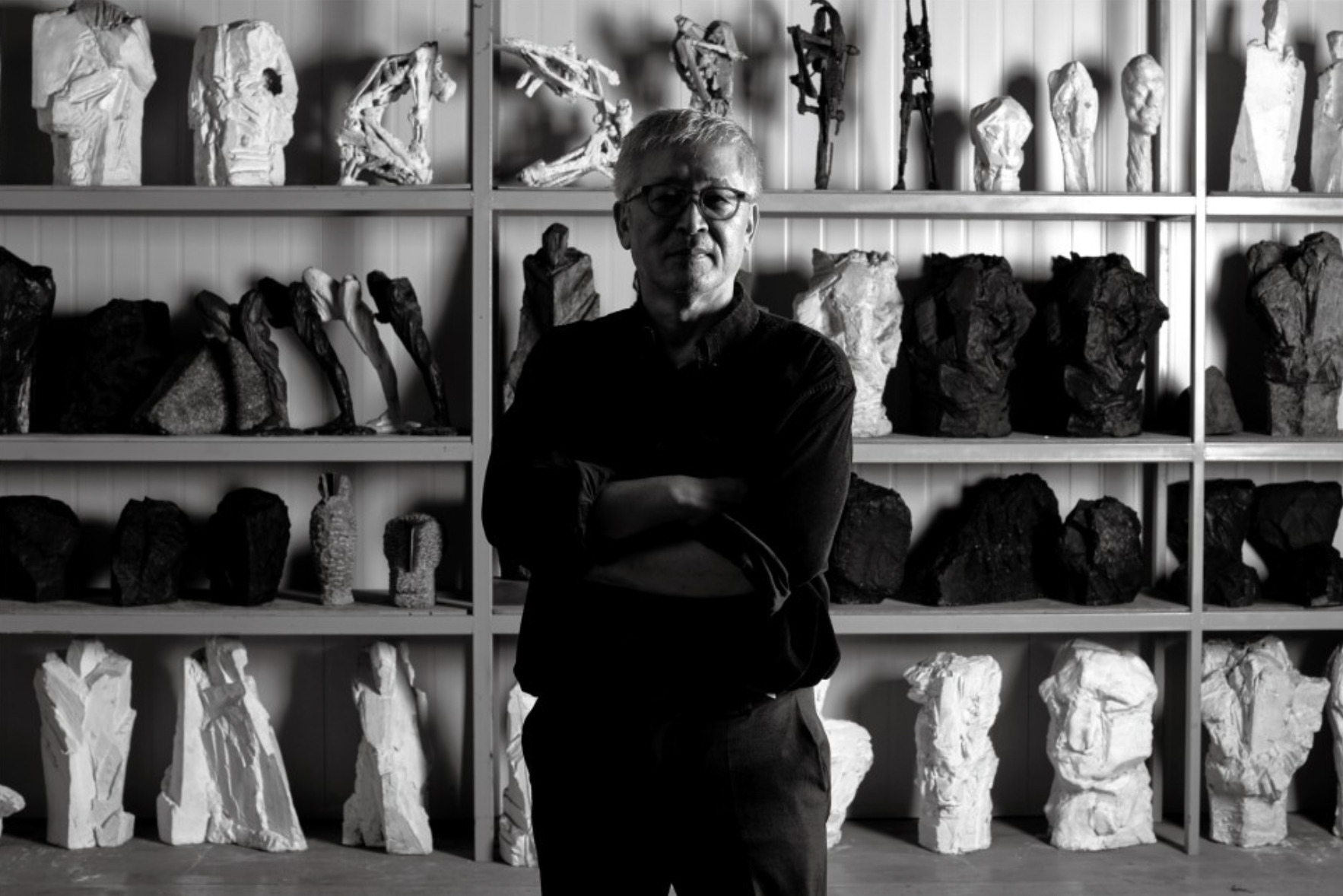
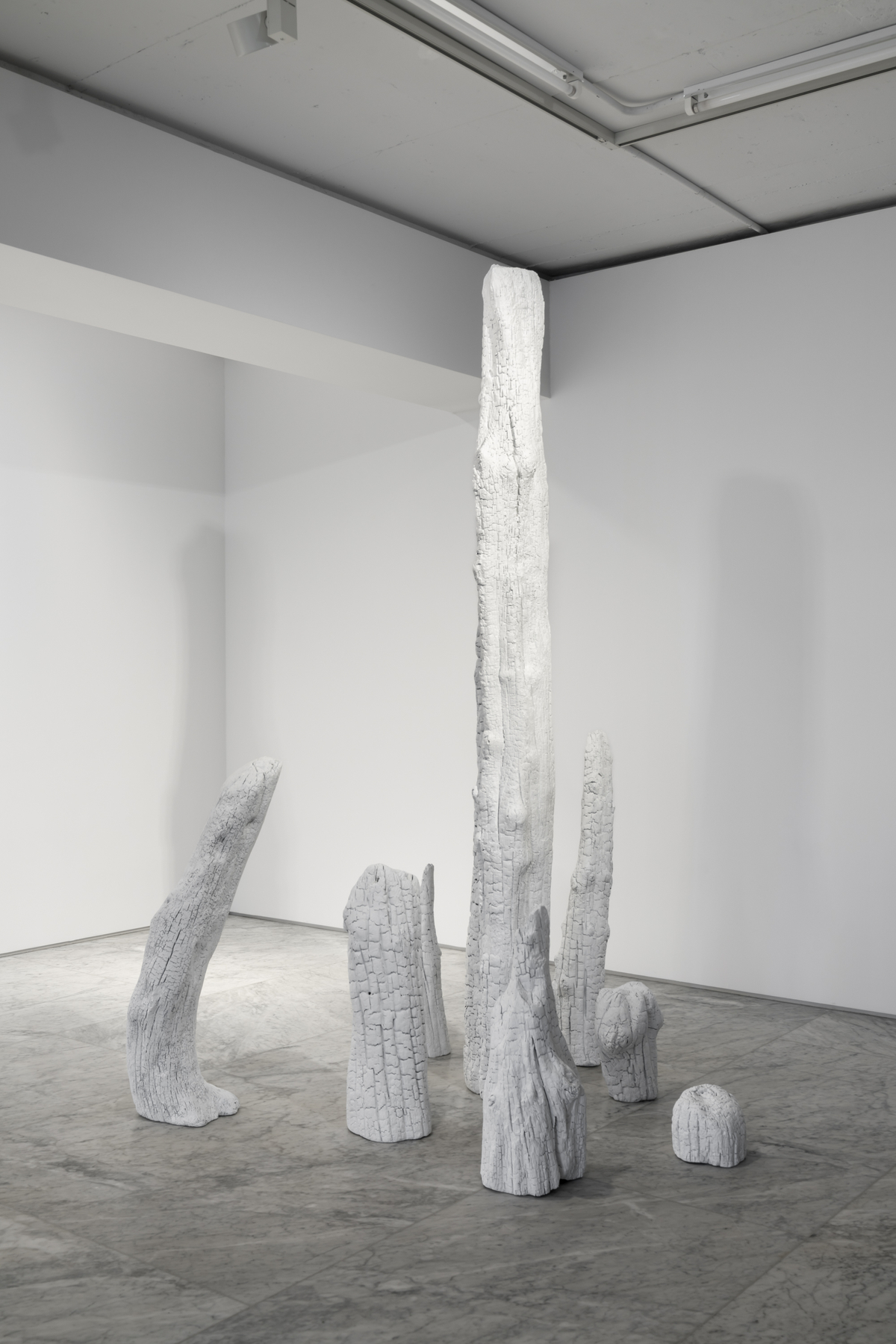
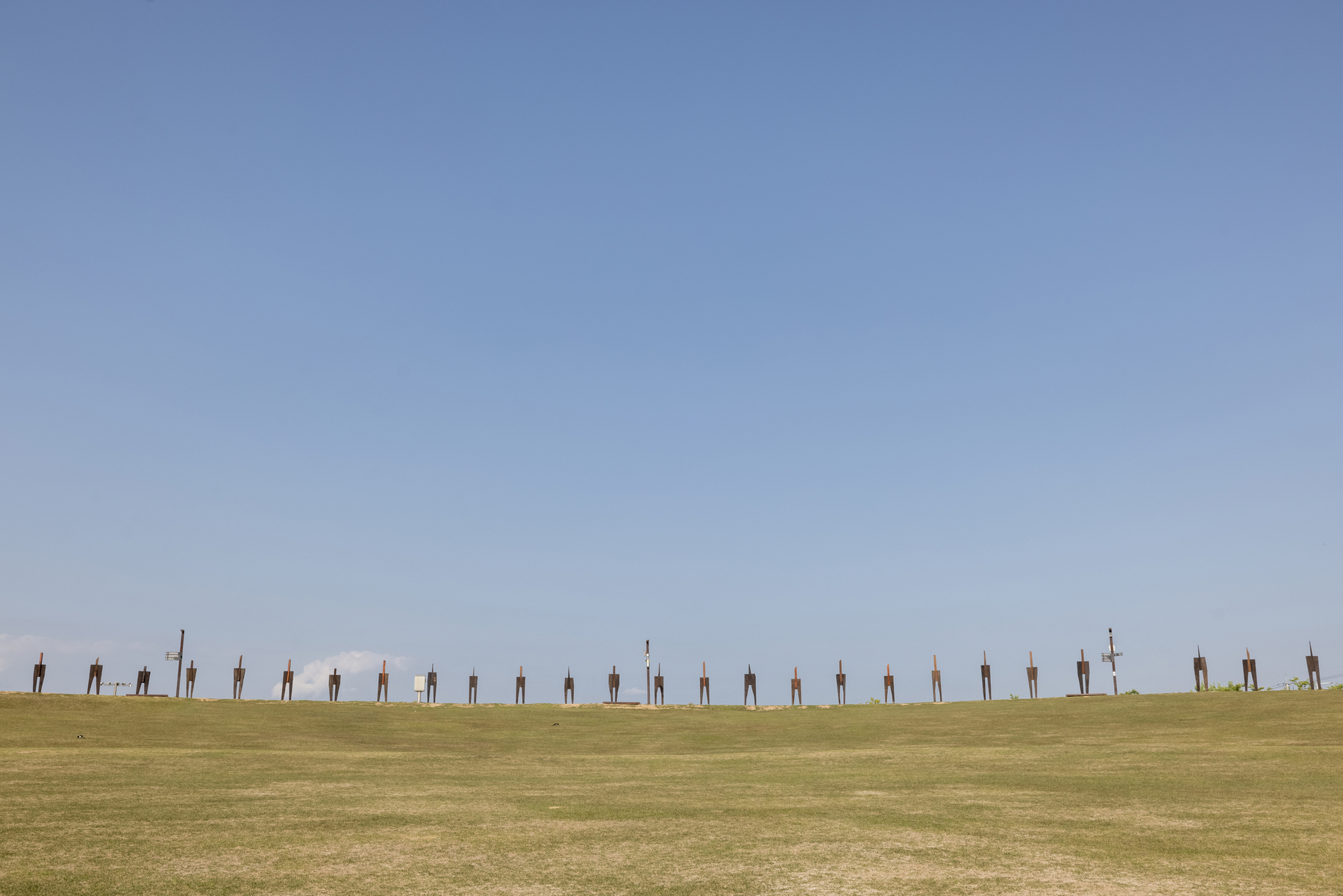
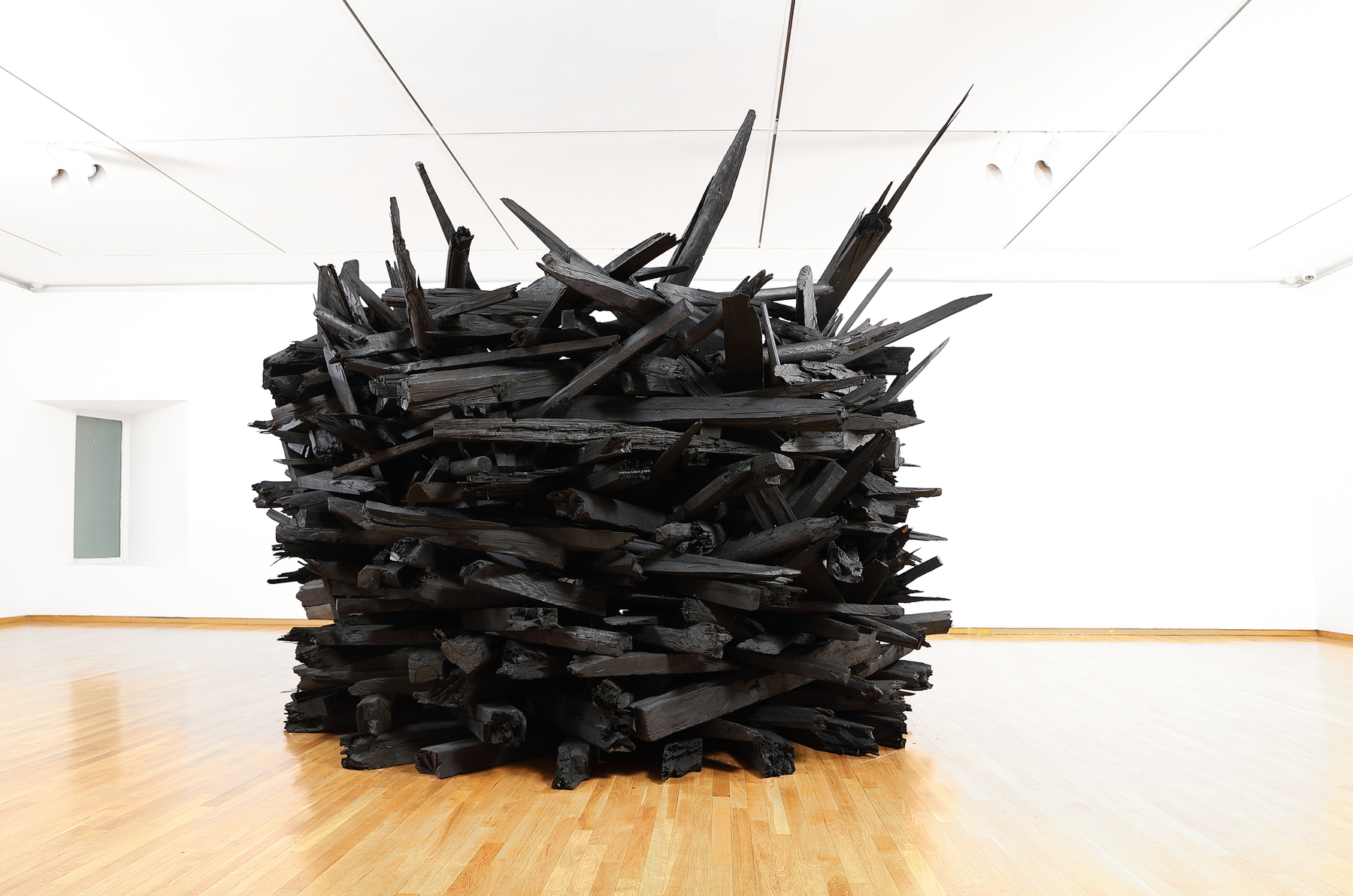
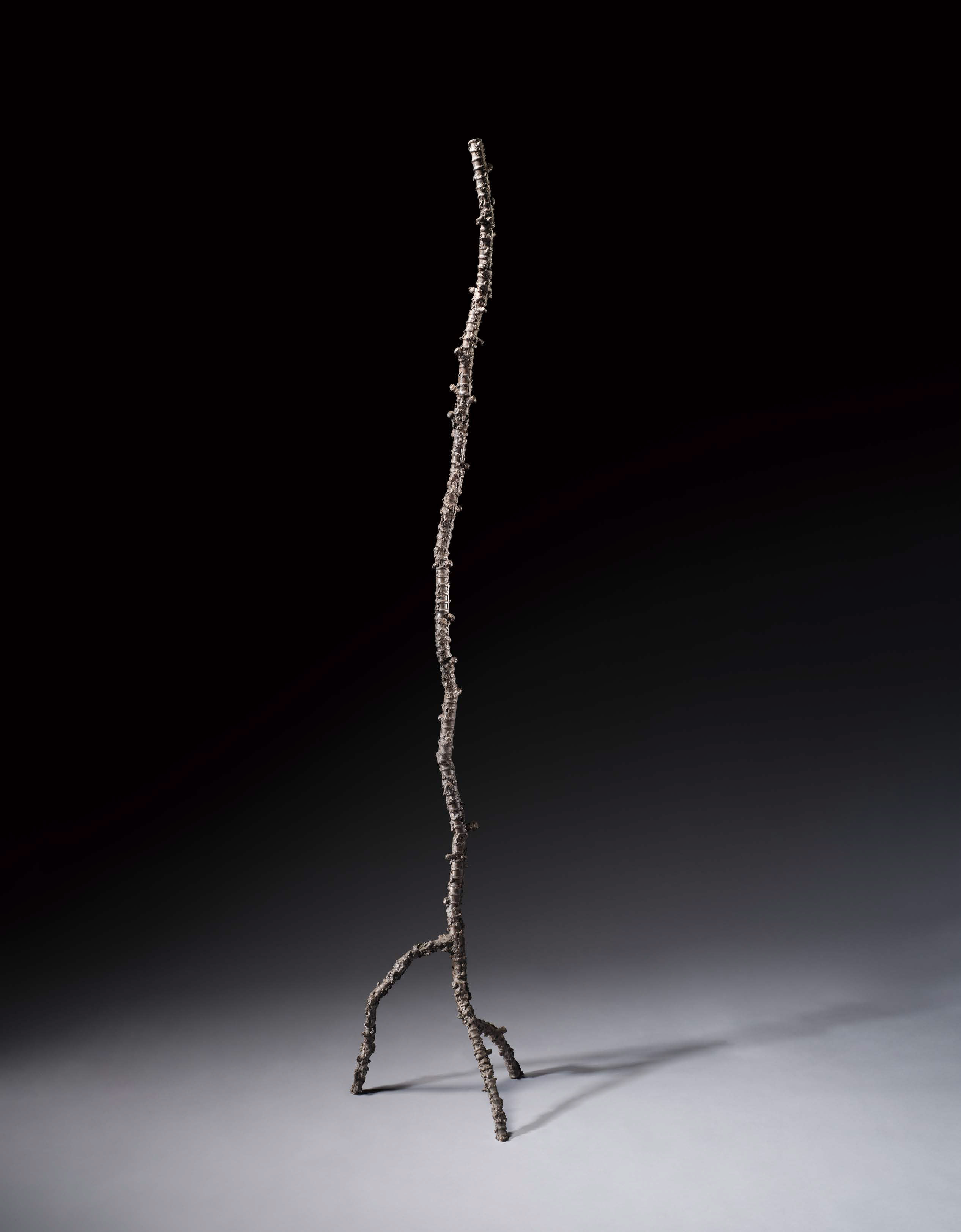
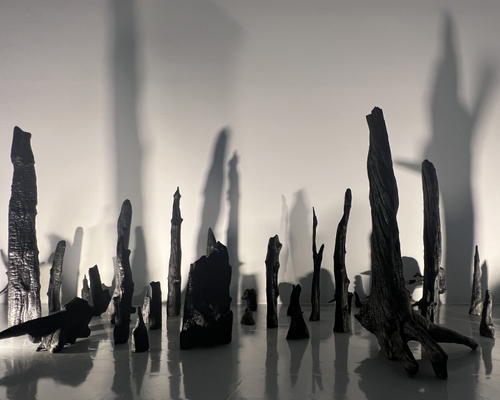
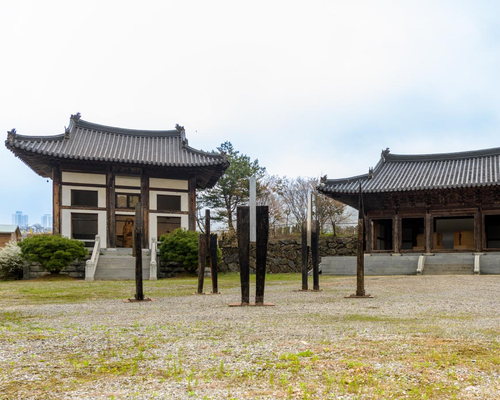
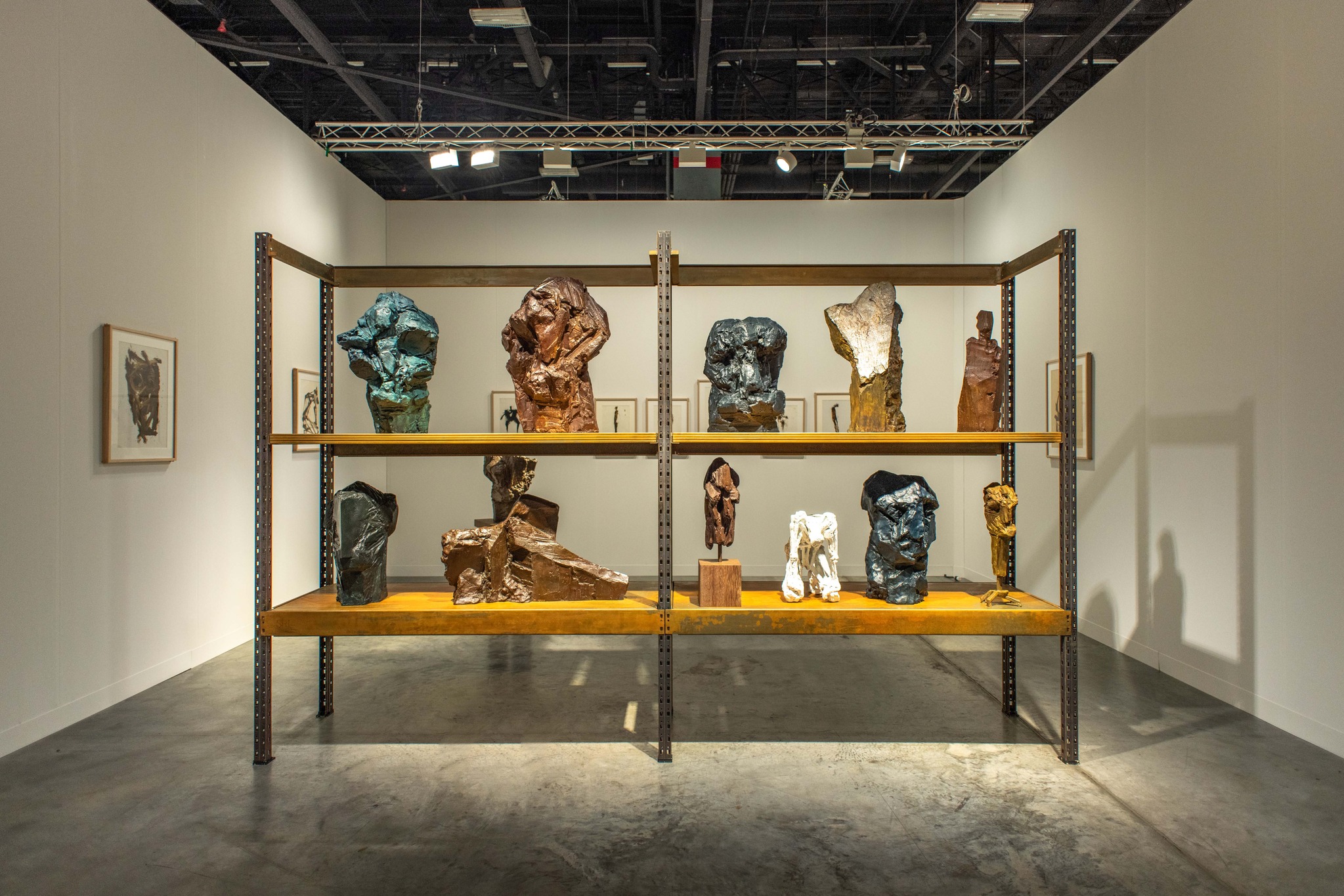
artist Jung Hyun's discarded crosstie work includes whole sensibilities and
sentiments from such memories of what he ordinarily felt by the railroad as a
child. The artist, who discovered the depth of experience and sentiments in the
traces of the scrapped crossties that have gone through a process of severe
hardships, creates art revealing and elevating the value of lowly and
invisible, trivial things.
Viewers imagine and think about life's process
within past time held by entities with exhausted economic use value, as well as
the strange, dark and lonely emotions given by dry and rough visual forms they
face first. The space and time of the moment one meets the non-subjects that
have the depth of experience require the dimension in which time and space
complexly cross the time of several subjects and non-subjects, and not the
everyday dimension of meeting art for cultural enjoyment and as a hobby.
The
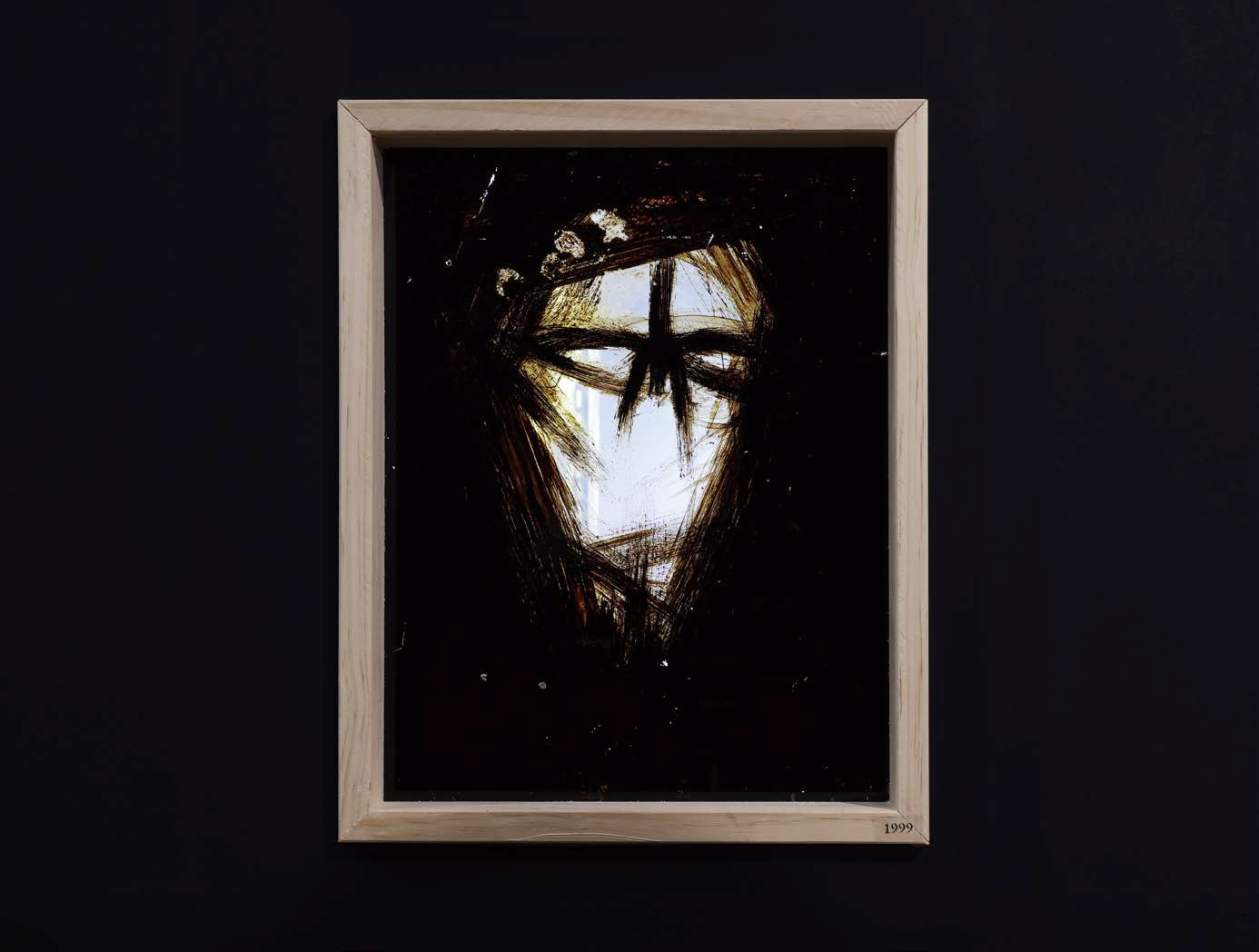
artist discovered the essence in removed crossties he saw in his youth, and he
discovered depth in auditory organs that were dark and dim due to old age. He
began to form an awareness of the individual and society through Eunyul mask
dances he saw in college, and he realized the valuable meaning in-season
freshness provides through fish including large-eyed herrings and gobies. While
these four things are related to the place of the area the artist grew up in,
the artist does not represent local subject matter and historicism through the
idea of the hometown or criticize the local area's absence and deficiencies
through the idea of a world of demons. Instead, he focused more on
contemplating the quintessences of humanity as a subject in the world and life
and on organizing his life as an artist.
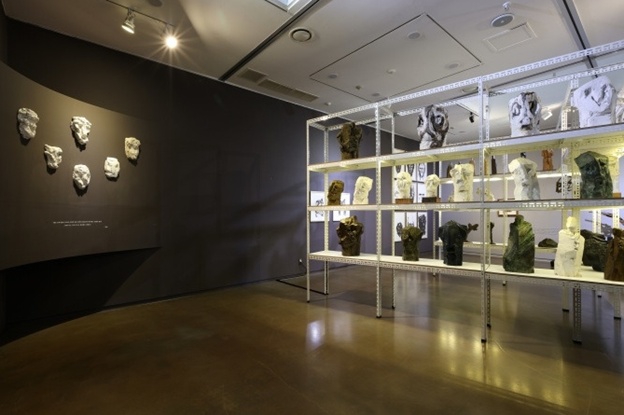
When
thinking of the Otherness of junked crossties, auditory organs, the Eunyul mask
dance, and fish; one can peer into a relationship capable of leaving behind
human vs. non-human, place vs. non-place, subject vs. non-subject, nature vs.
culture, and object vs. organism human-centered dualist worldviews. The artist
having focused on humanity's essence and depth is for a praxis for a world
based on understandings and interpretations between entities that existed in
unstratified and relational attitudes but were invisible, rather than being the
essence of human beings as subjects in a world centered on people and capital.
It is work including the time and space for a place accompanying the moments
and processes in which non-subjects hidden by people and capital, such as
objects, space, culture, and organisms, reveal their valuable essences.
Art's
role and significance as a medium of bright and good appreciation and
experiences are being increasingly emphasized in arts and culture education and
life culture. In such a situation, the role of art pursuing an essence is
heavy, dark, difficult and foreign. Nonetheless, the meaning of art with slow
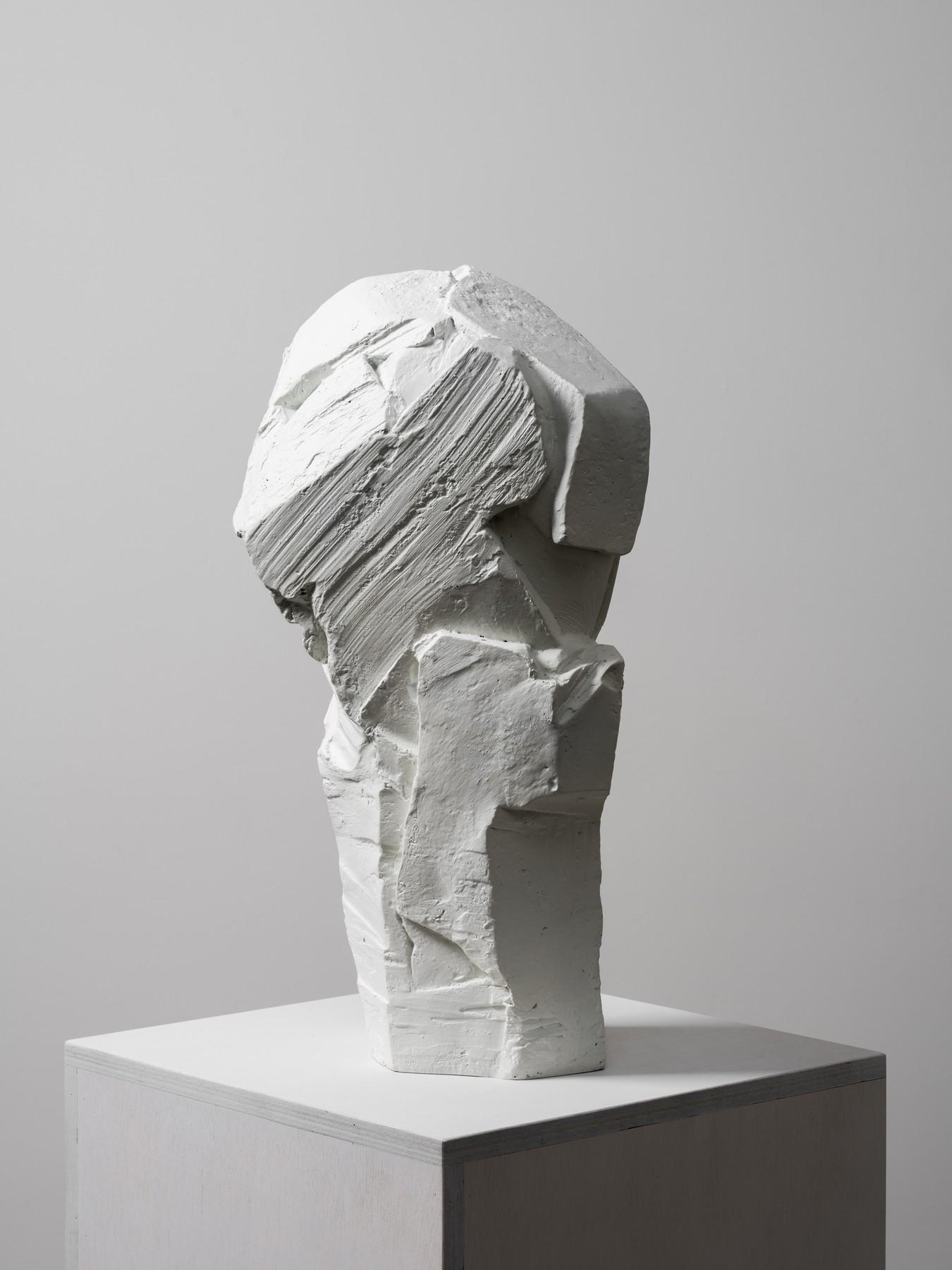
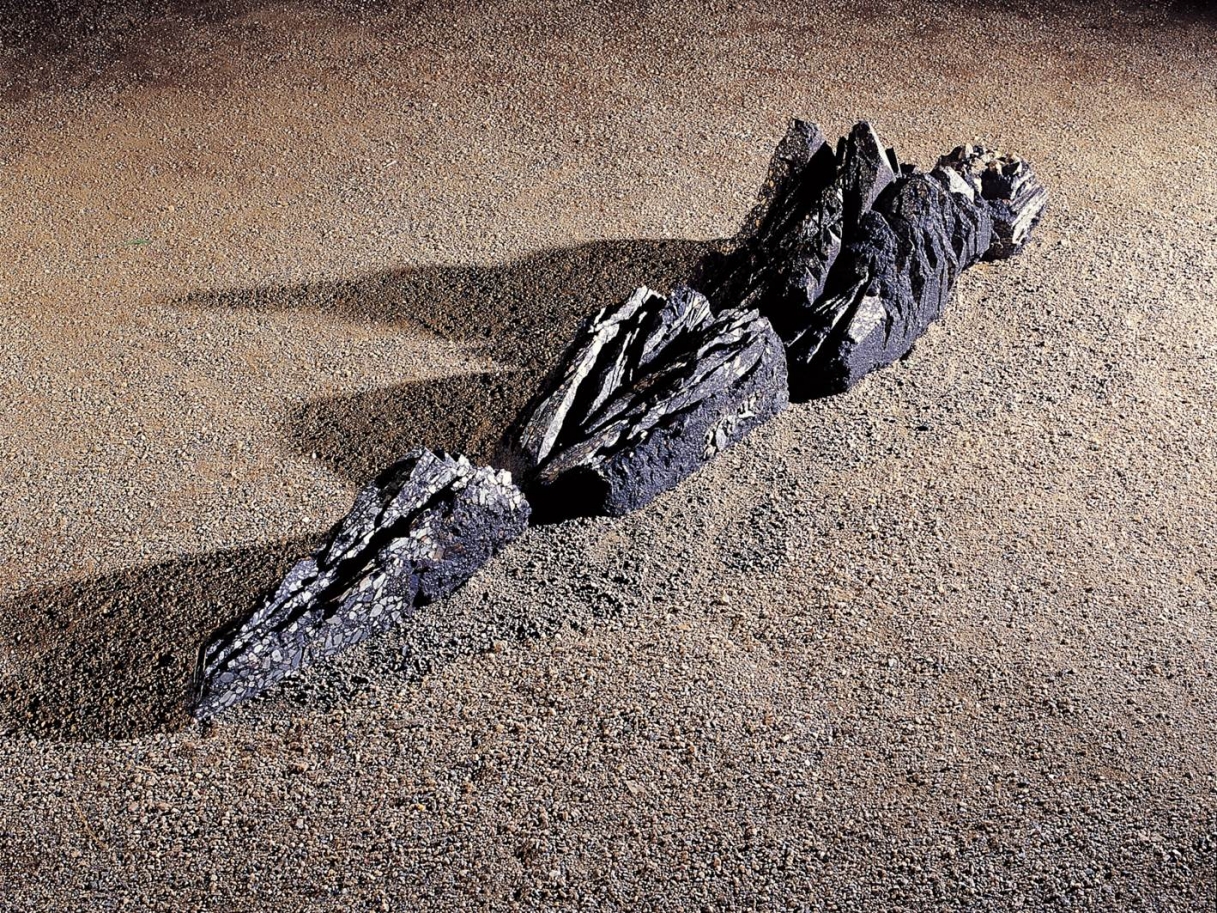
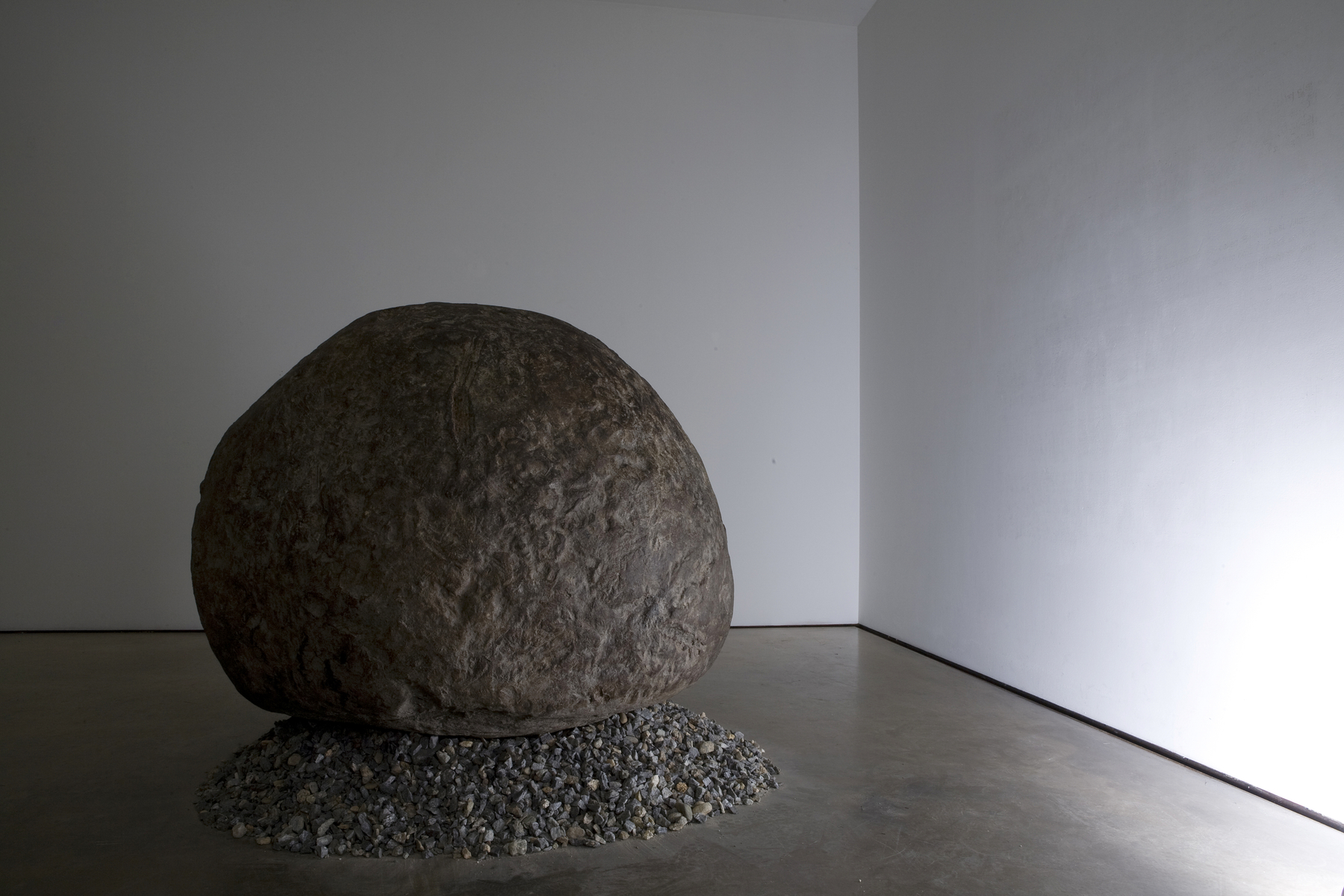
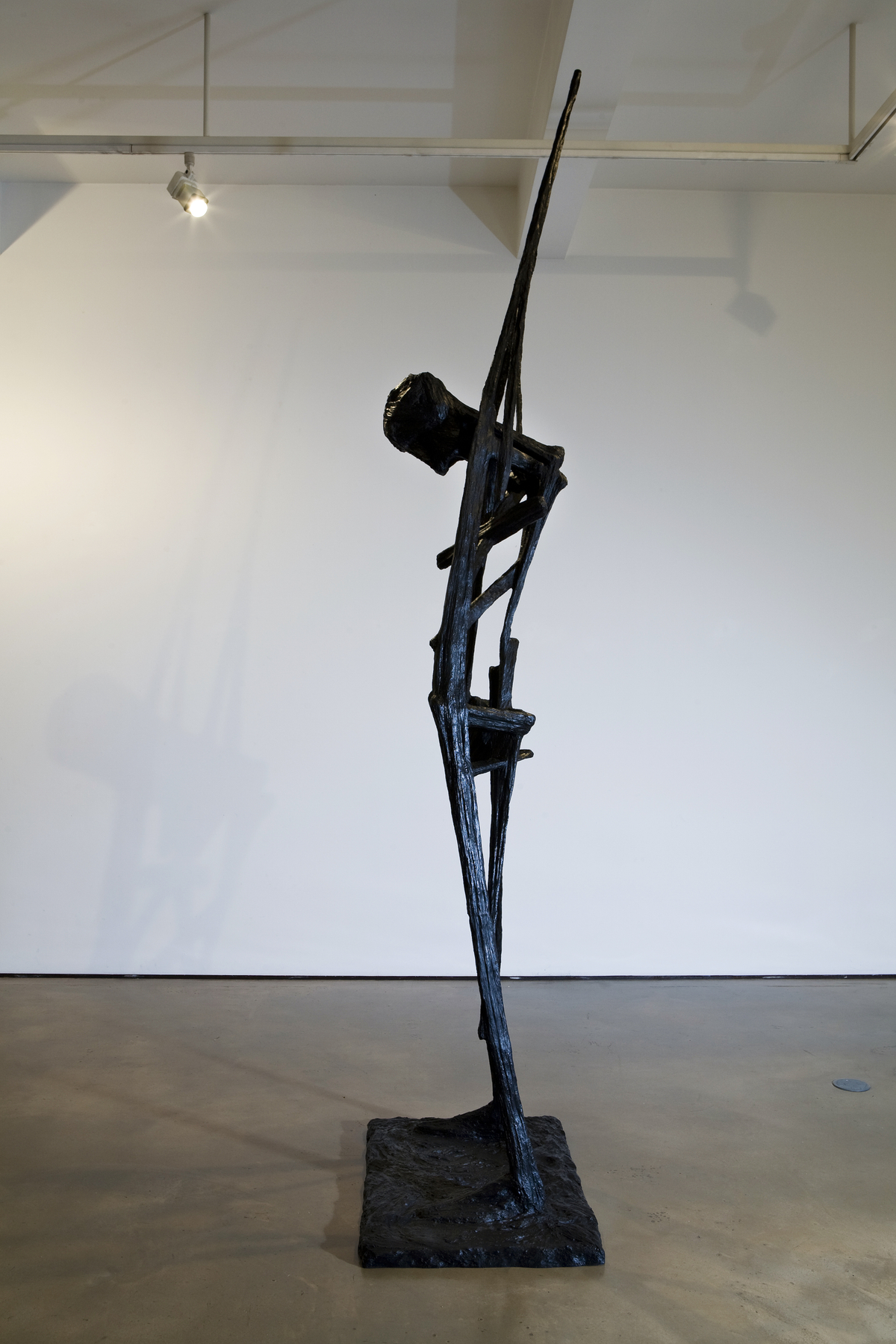
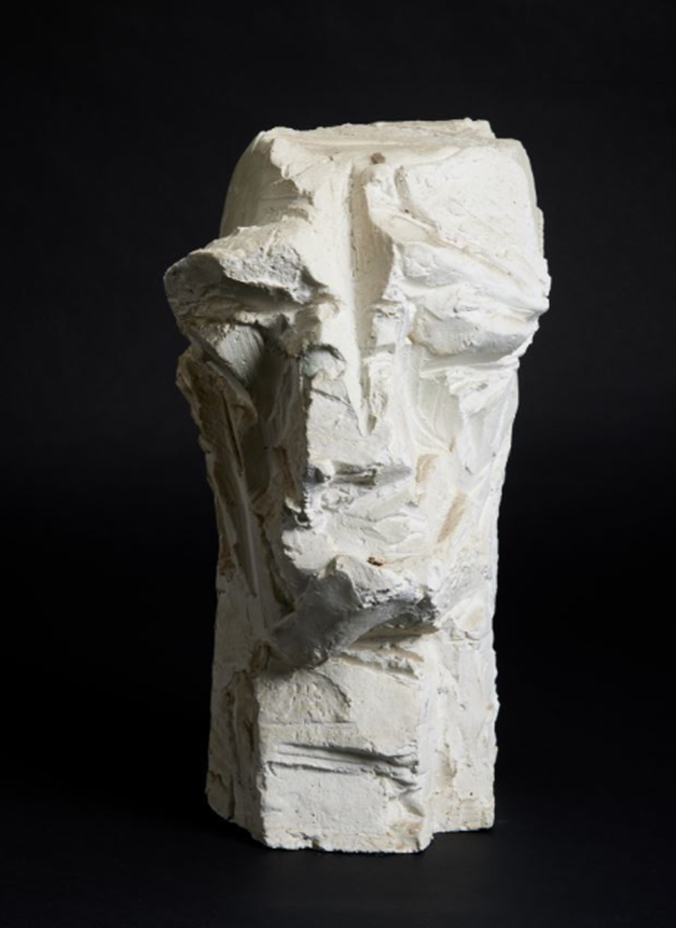
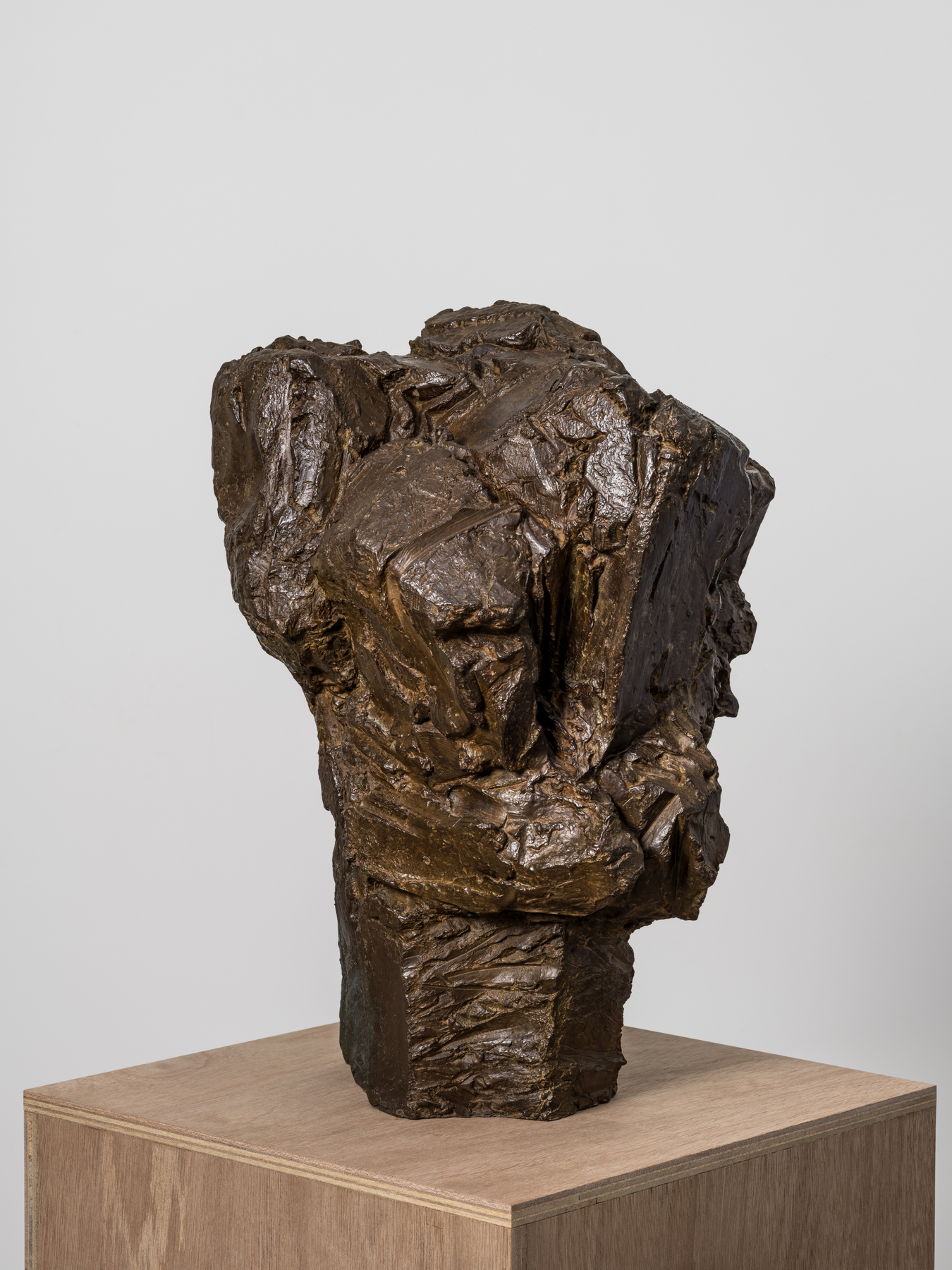
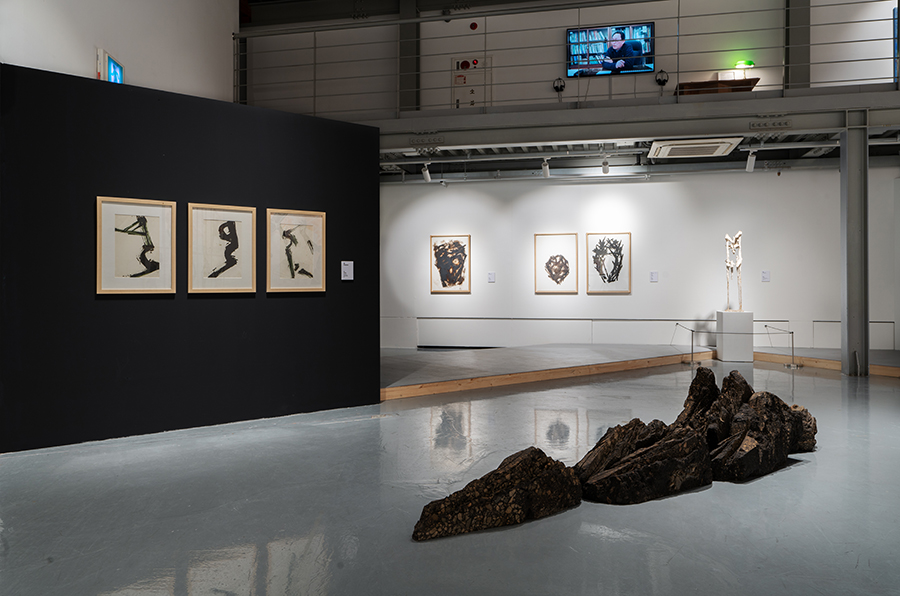
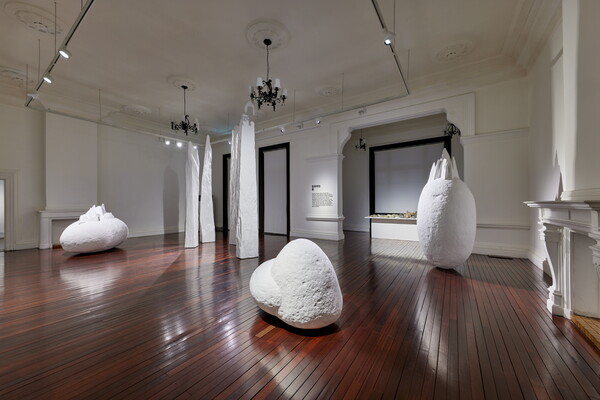
time and spaces of different directions is not light. The artist's installation
work represents dramatically emotional sculpture of old and deep non-subjects.
One can intuitively feel the inherent sensibilities revealed by the objects
without explanations of their localness or historicity, and they can know it
through the objects' practical expressions. Also, it is actual as an expression
of time holding time. It is an ontological revolution in transition from a
space-centered perspective emphasizing localness and the place to the other
axis of temporality.
People
form deep relationships to the place-qualities of the spaces they grow up and
live in as they form their individual worldviews and sensibilities. However, it
is not easy to sensitively and delicately reorganize an area's place-qualities
as an artist. When we use the words local art or local artist, we limit their
meaning to areas as physical spaces and place-qualities and historicity as the
subject matter or subjects of art and activities. I discover a locality as a
different localness pursuing the valuable essence through a complex and
delicate temporality non-subjects hold and recomposing it with reflection on
the human and capital centered world, from an unstratified and relational,
diverse cultural anthropological perspective; rather than forming close
relationships with any human-centered localness, place-qualities or
historicity; in the artist Jung Hyun's work.