Solo Exhibitions (Brief)
Bahc Yiso began his career in New York, holding his first solo
exhibition 《Speak American》 at the
Bronx Museum of the Arts in 1990. During this period, drawing on his
experiences as an immigrant and cultural minority in American society, he
produced critically engaged works addressing language, identity, and
institutional structures, expanding his presence within and beyond the U.S. art
scene.
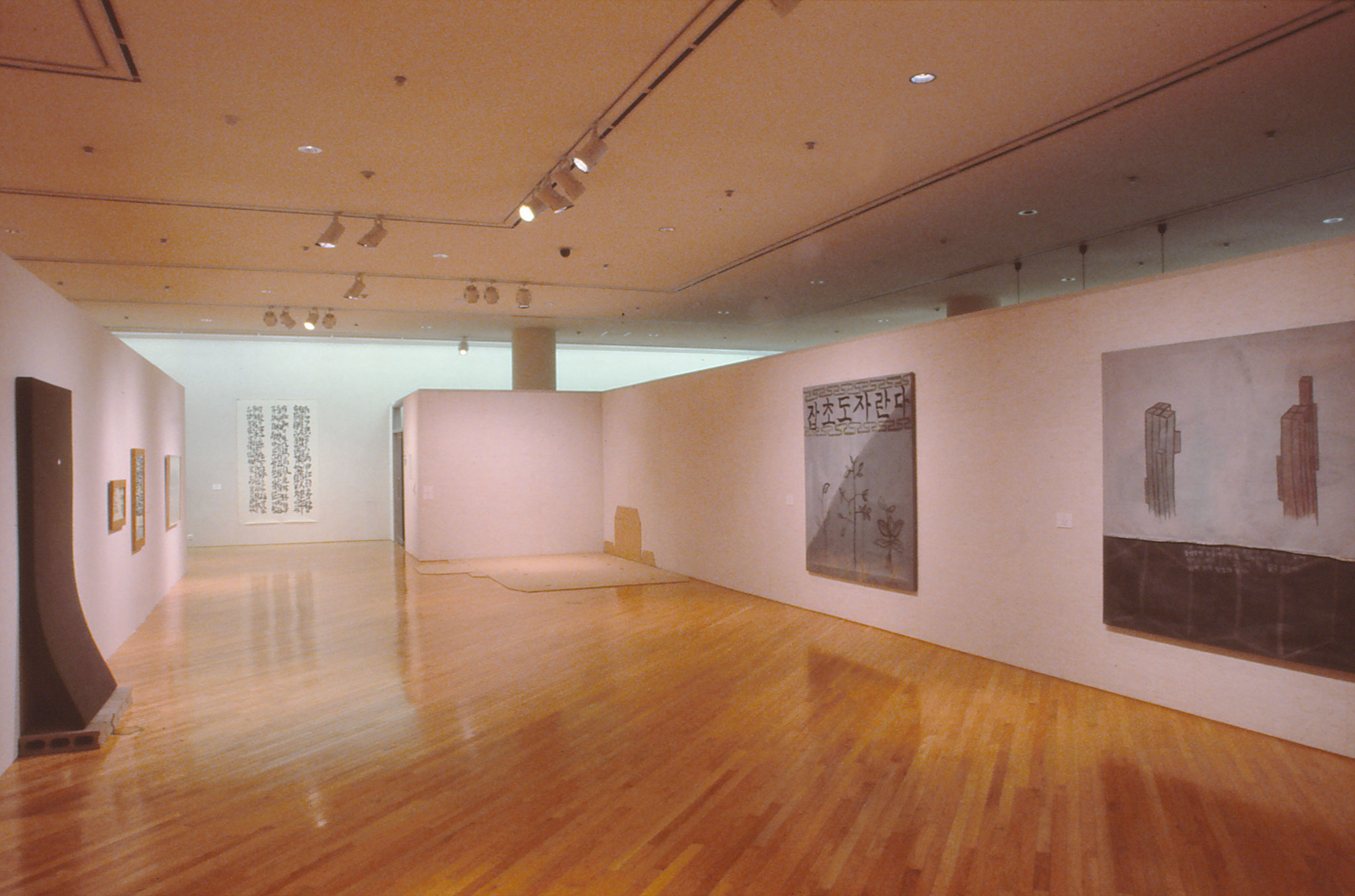
After returning to Korea in 1995, he established his practice
in Seoul with the solo exhibition 《Mo Bahc》 at the Kumho Museum of Art and Samtoh Gallery. He subsequently
presented solo exhibitions at Alternative Space Pool (2001) and Gallery Hyundai
(2002), continuing his critical engagement with social realities and the art
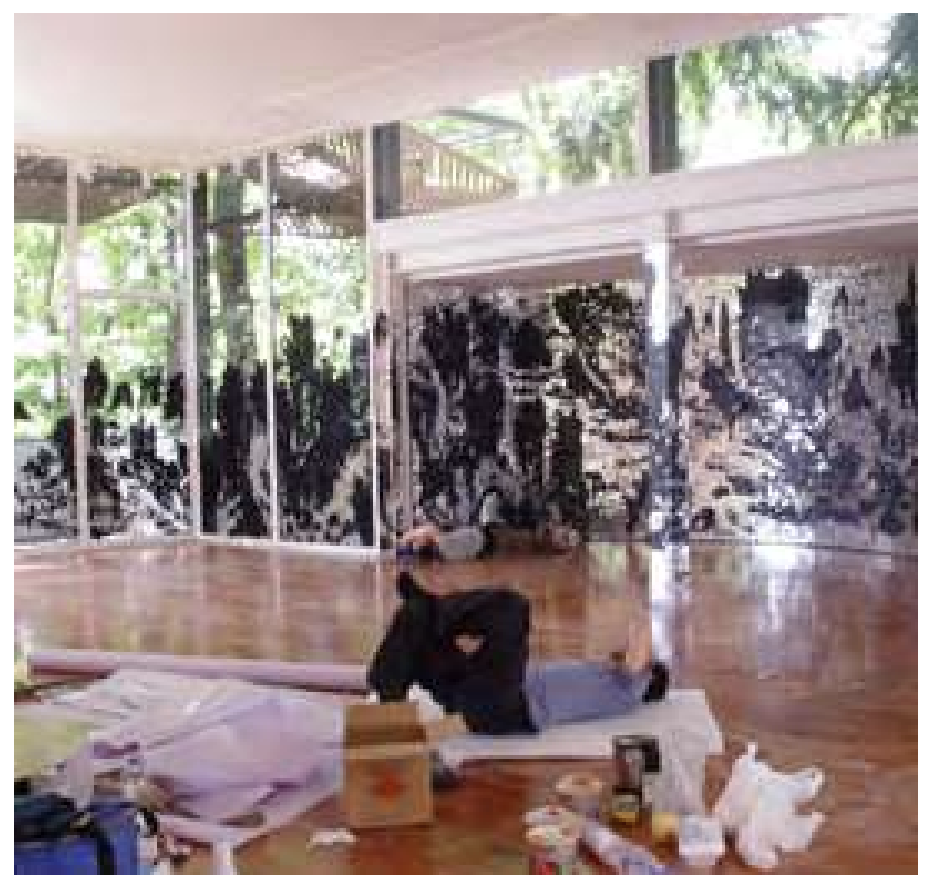
system in Korea. Following his death, a series of retrospective
exhibitions—beginning with 《Divine Comedy》 at the Rodin Gallery (2006), followed by exhibitions at Art Sonje
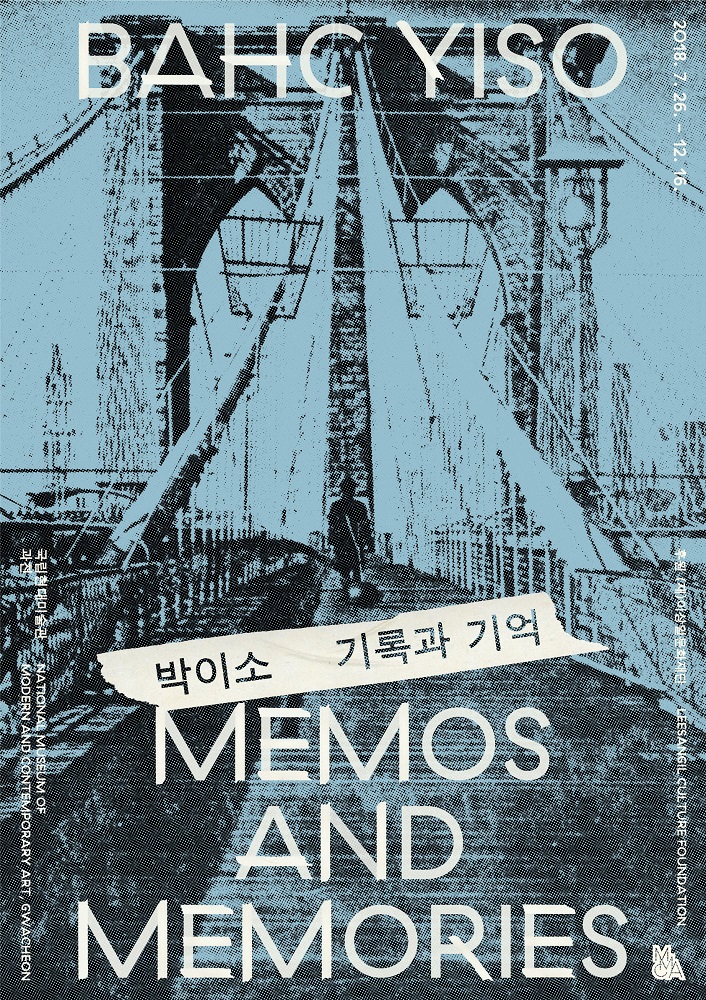
Center (2011, 2014) and the National Museum of Modern and Contemporary Art,
Gwacheon (2018)—have led to a sustained reassessment of his work within the
context of Korean contemporary art history.
Group Exhibitions (Brief)
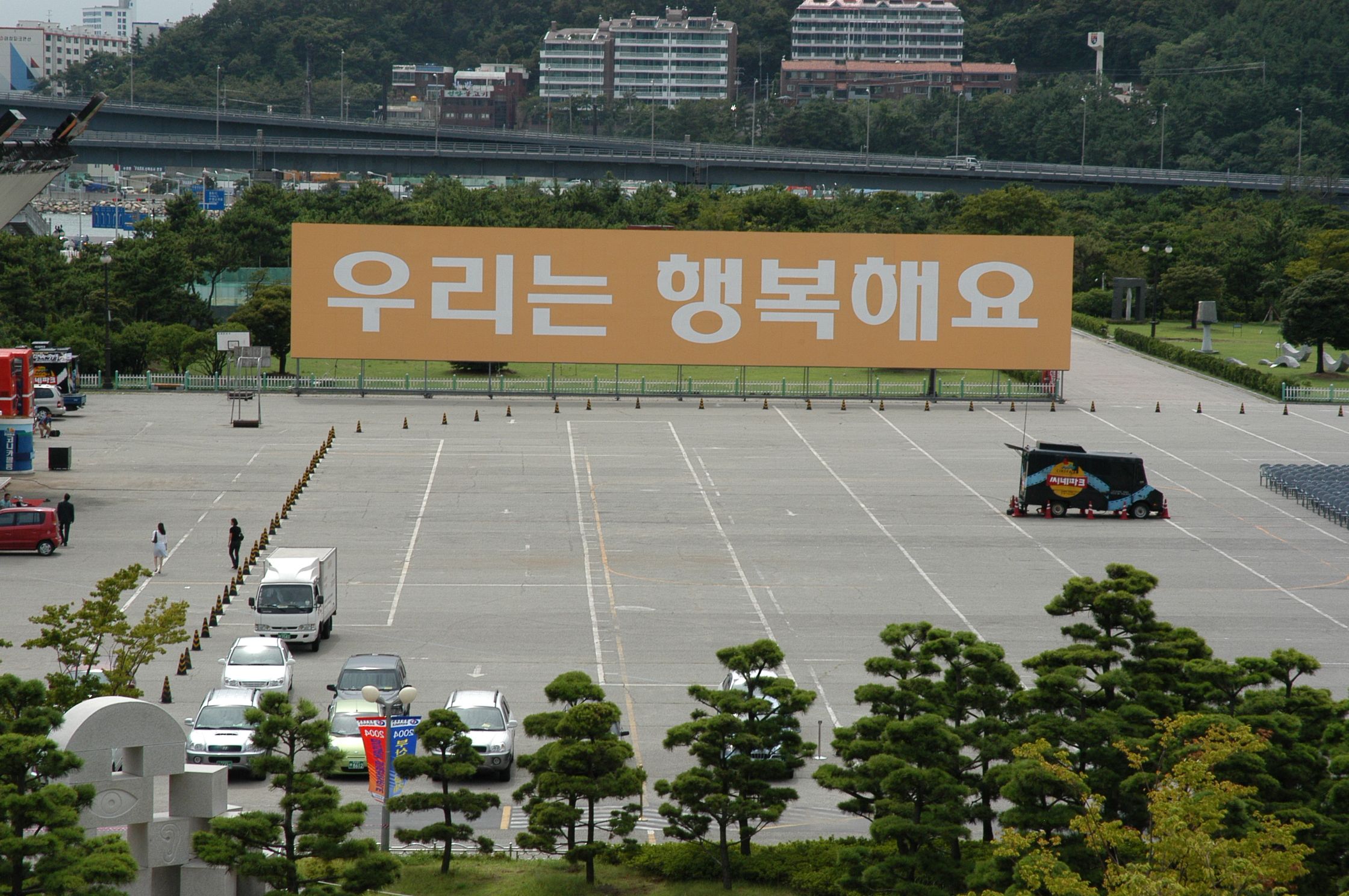
He was invited to major exhibitions such as the Gwangju
Biennale (1997, 2004), Havana Biennial (1994), Taipei Biennial (1998), and
Yokohama Triennale (2001). His participation as a representative artist of the
Korean Pavilion at the 50th Venice Biennale in 2003 firmly positioned his work
within an international context.
Awards (Selected)
Bahc Yiso was active in the United States throughout the 1980s
and 1990s, during which he received the Fellowship in Painting,from the New
York State Council on the Arts in 1989 and the Visual Artist Award in Painting
from the National Endowment for the Arts (NEA) in 1991. After returning to
Korea, he was awarded Hermès Foundation Missulsang in 2002. In 2006, following
the posthumous exhibition 《A Retrospective of Bahc
Yiso : Divine Comedy》 at Rodin Gallery, he received the
Arts Award from the Arts Council Korea, marking an institutional reassessment
of his artistic legacy.
Residencies (Selected)
Bahc Yiso participated in the residency programs at the Yaddo
Art Colony (New York, 1989) and the MacDowell Art Colony (New Hampshire, 1990),
and was selected for the Artpace International Artist Residency Program (Texas,
2000), where he presented an exhibition.
Collections (Selected)
Works by Bahc Yiso are held in the collections of the National
Museum of Modern and Contemporary Art, Korea; Leeum, Samsung Museum of Art; Art
Sonje Center; and the Kumho Museum of Art, as well as in the Washington State
Arts Commission and a permanent mural at Public School 69 in Queens,
commissioned by the New York City Department of Cultural Affairs.