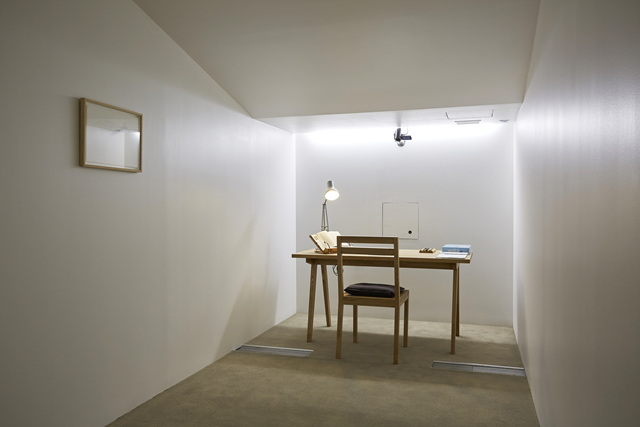
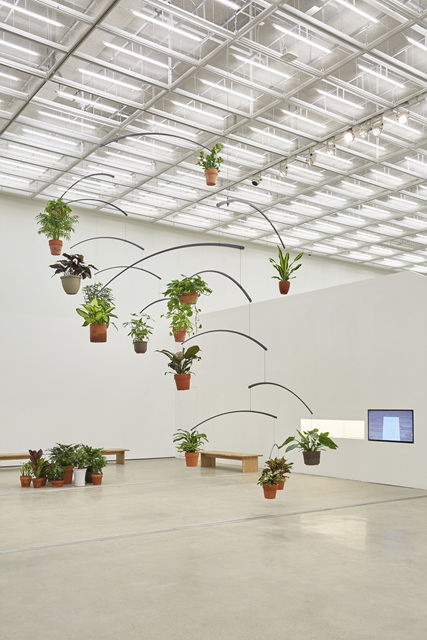
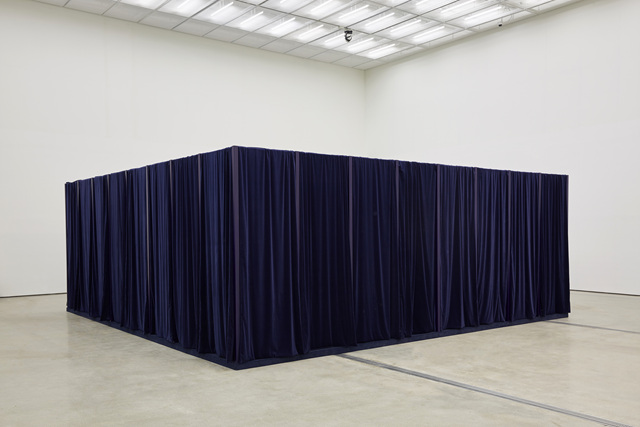
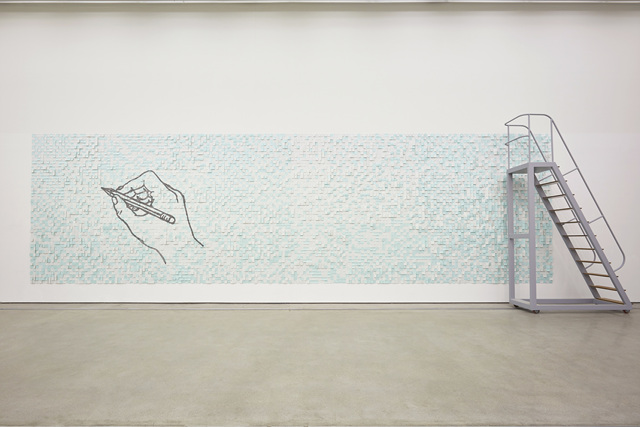
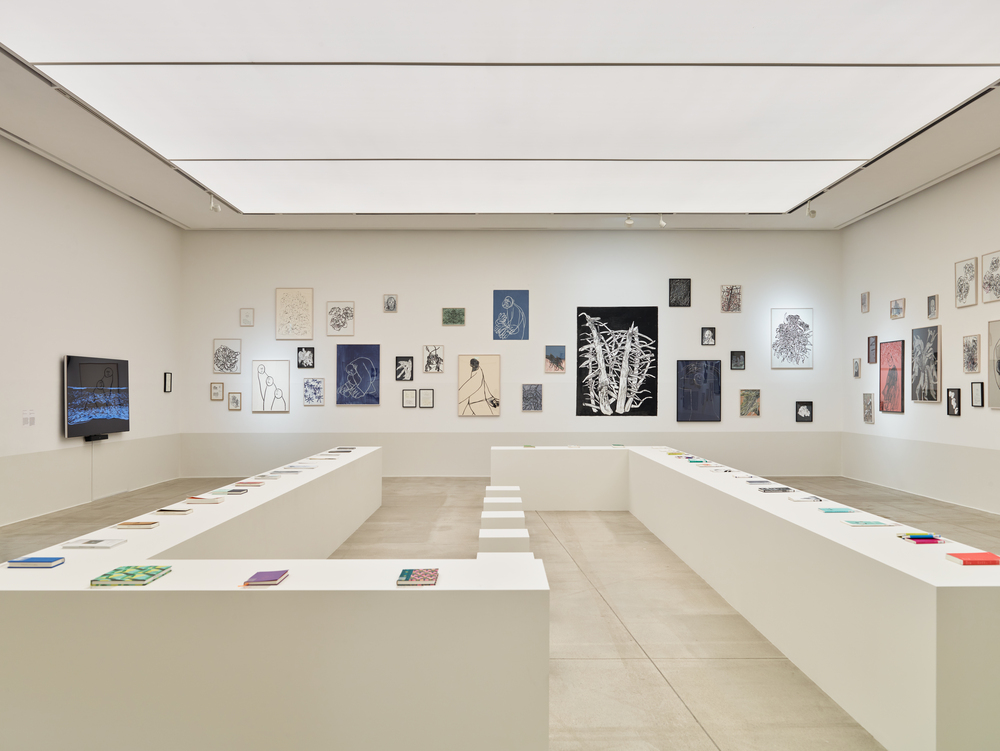
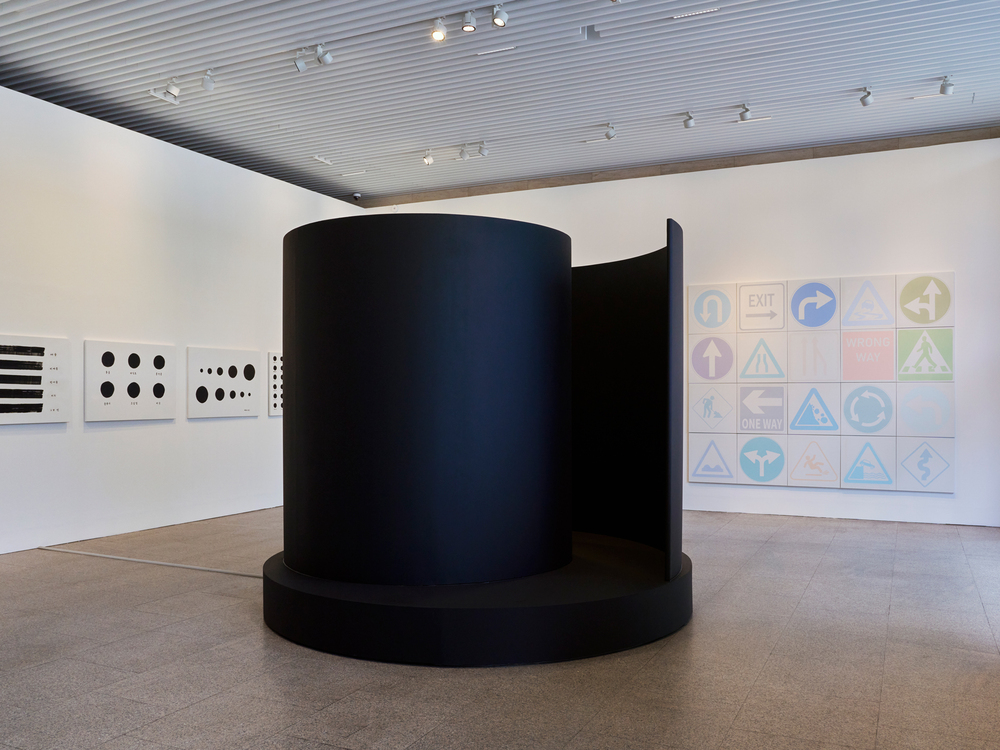
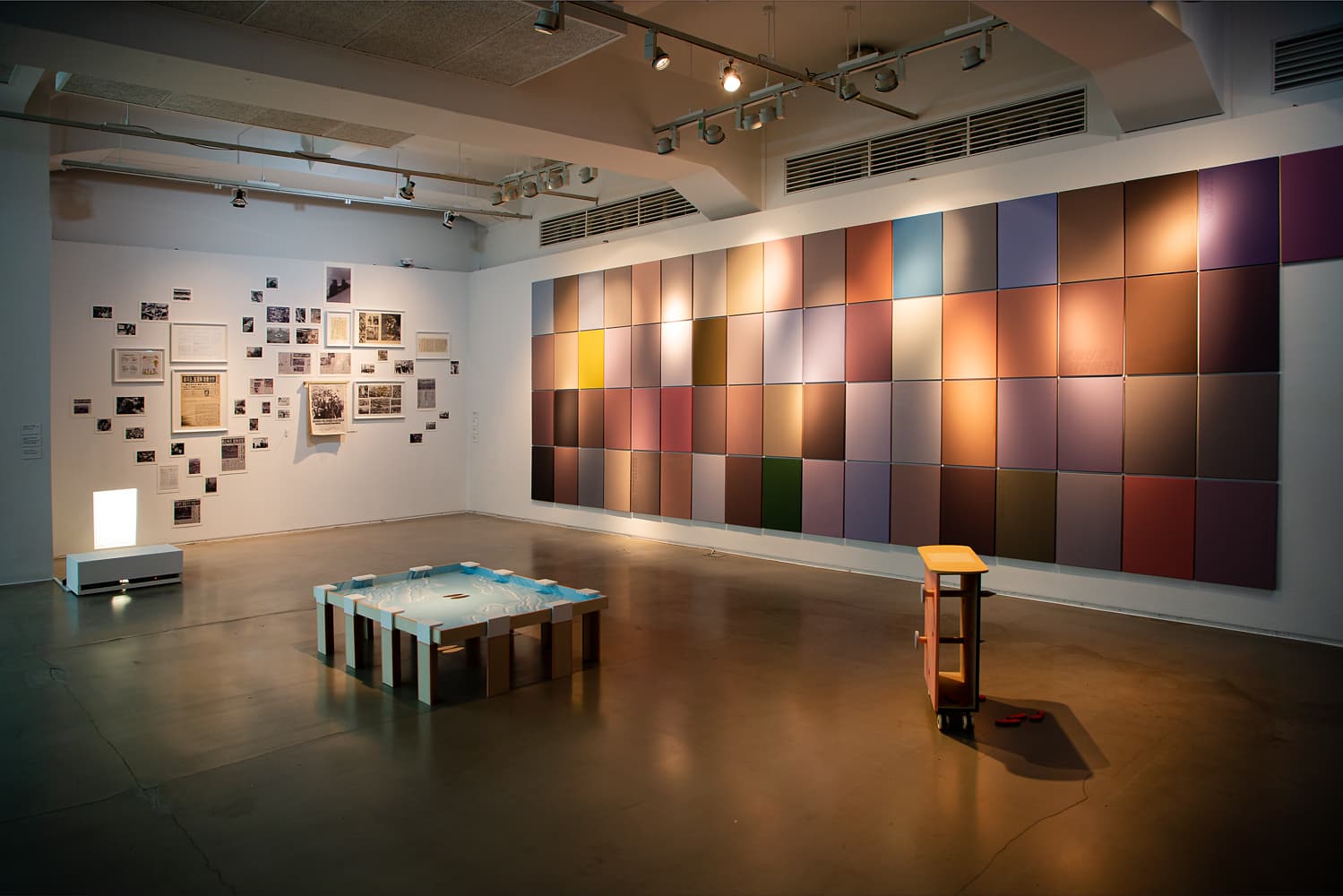
The eight works presented in this exhibition, including new pieces,
exemplify the artist’s longstanding tendency to infuse sculptural practice with
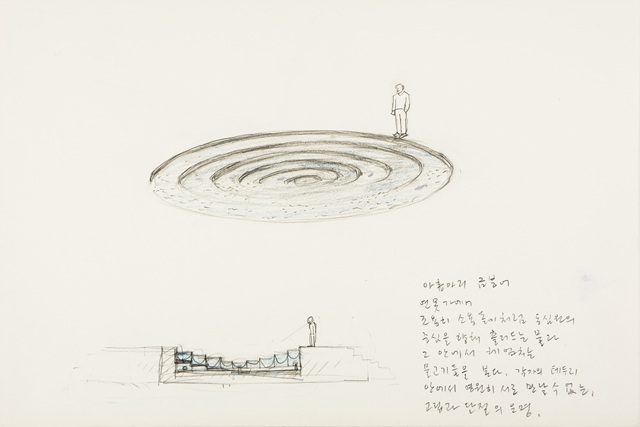
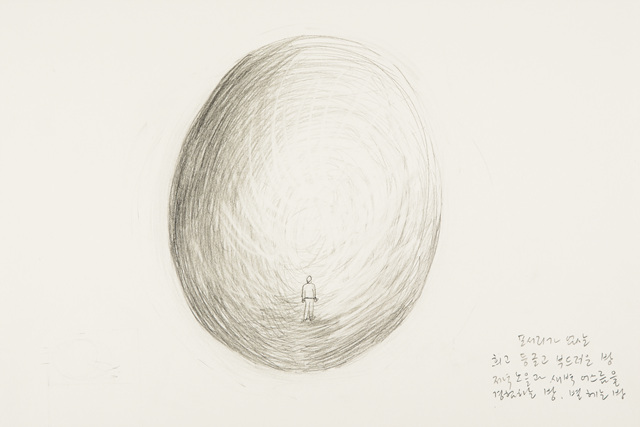
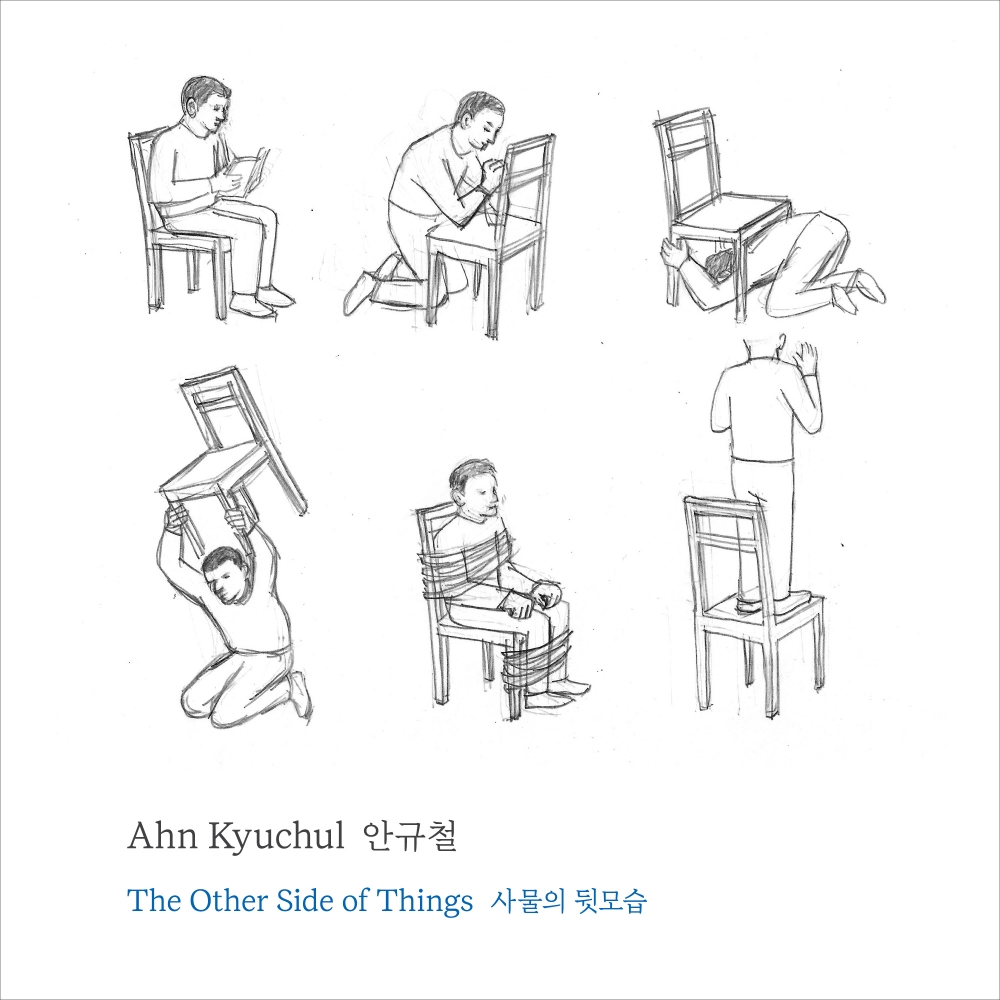
literary—particularly poetic—sensibility. His numerous drawings, often included
as supplementary exhibition materials, function as a vast reservoir from which
works can be realized at scales ranging from small objects to architectural
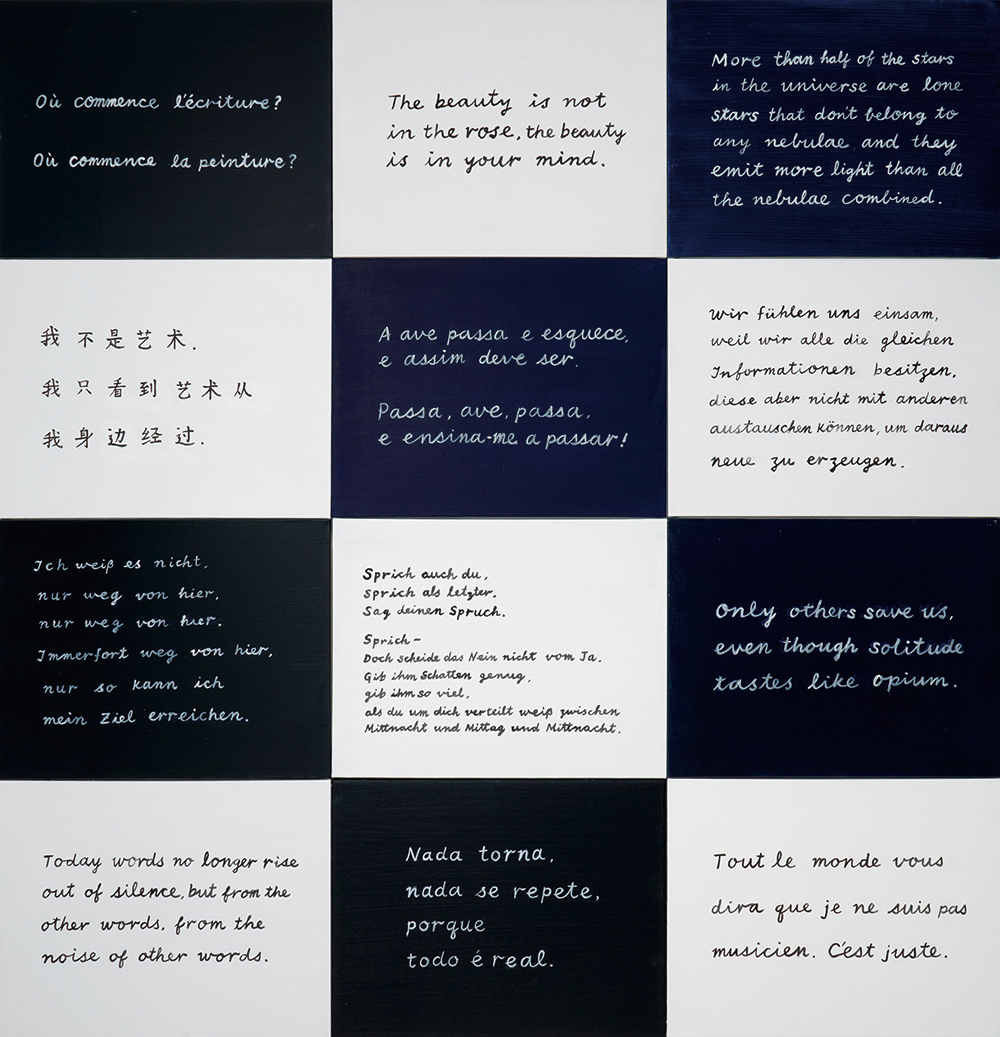
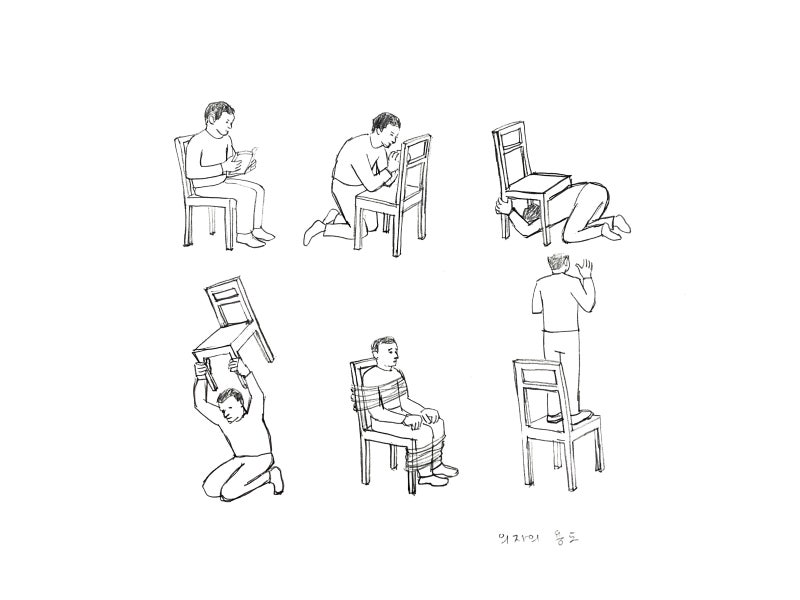
structures. These drawings—composed of text and image, or drawings that
themselves perform the role of text—span everything from ideas possible only in
imagination to meticulously detailed plans.
Many of them have likely never been
realized. In this exhibition, however, supported by corporate sponsorship,
several of these ideas have moved beyond paper, passing through processes of
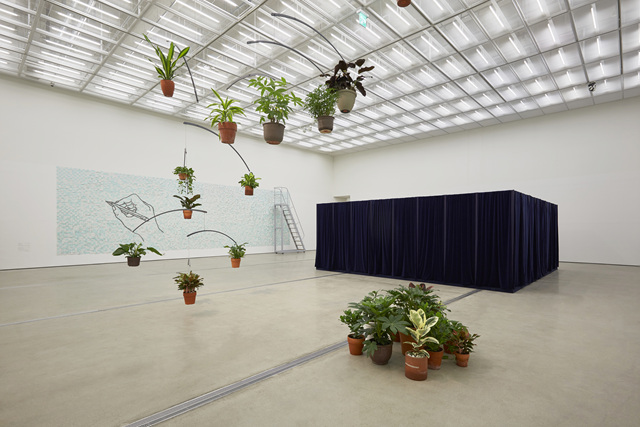
design and construction to be monumentalized within physical space. The
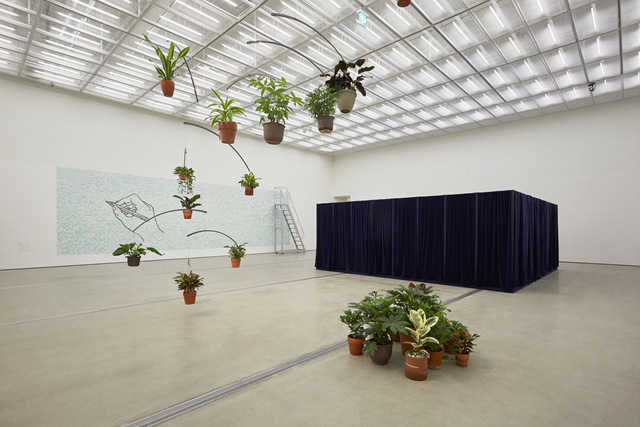
exhibition hall itself has been entirely reconfigured, from floor to ceiling,
with careful calculation of the viewer’s movement.
The condition of the floor,
the moment when stairs appear, and even the actions anticipated once the viewer
enters a staged space have all been precisely considered. Unlike much so-called
“conceptual art,” which prioritizes ideas while neglecting the concrete
processes needed to embody them—often resulting in the obscuring of the
original concept—Ahn Kyuchul’s exhibition is distinguished by the solidity and
rigor of its mechanisms.
A Bridge from Drawing and Literature to Plastic Arts
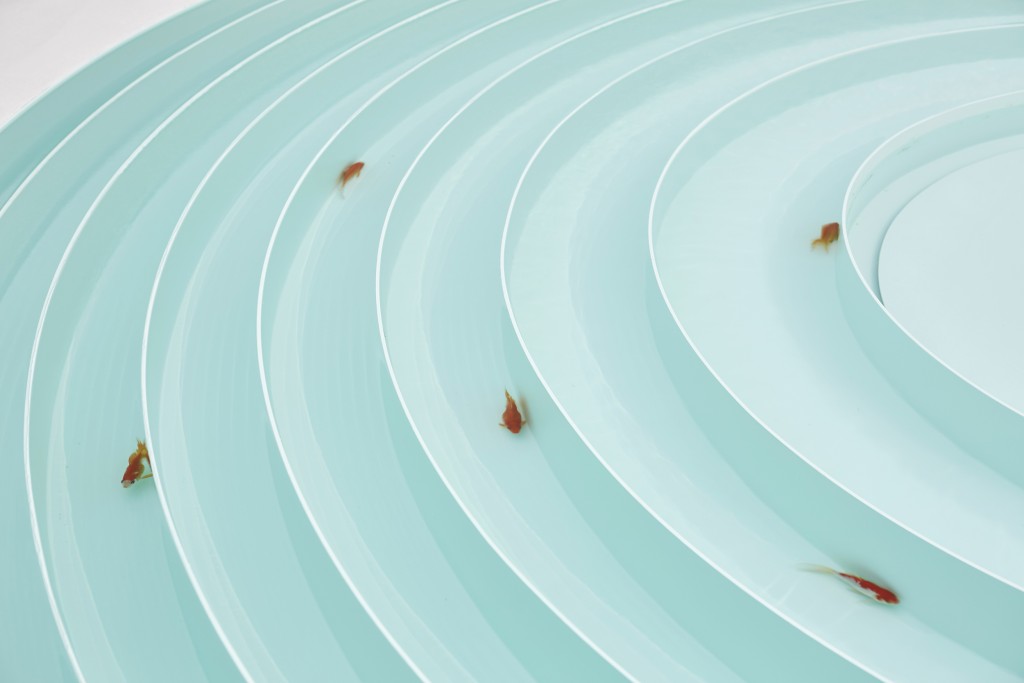
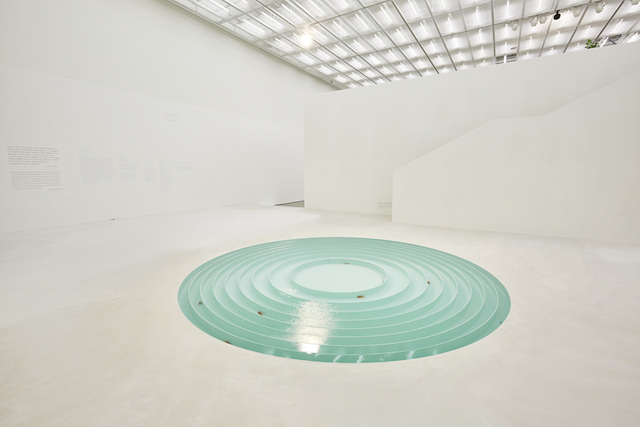
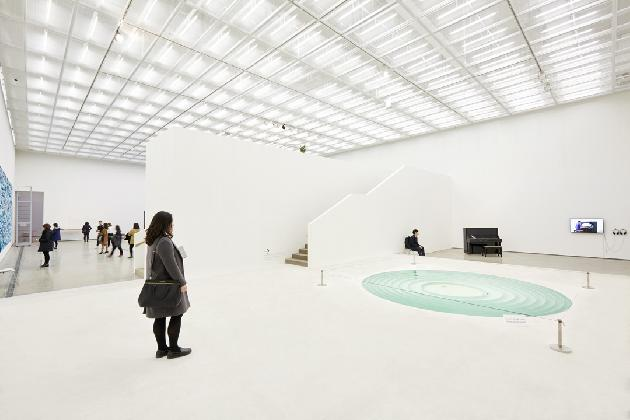
The first work encountered by visitors, Nine
Goldfish, consists of goldfish swimming within a tank divided into
nine concentric circular compartments. Though sharing a single center, this
stratified structure confines each fish to its own orbit, preventing free
movement or mingling. It serves as a metaphor for life in partitioned spaces—an
ambiguous condition that is neither fully communal nor fully individual, yet
uncannily similar to our everyday reality.
Under the vision that such a mode of
existence should be overcome, the work gestures—if only temporarily—toward the
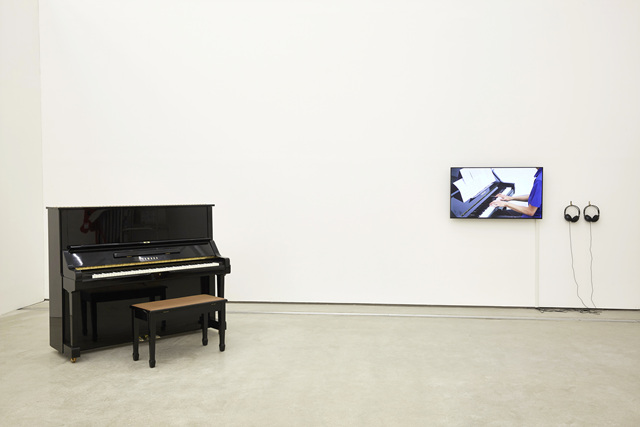
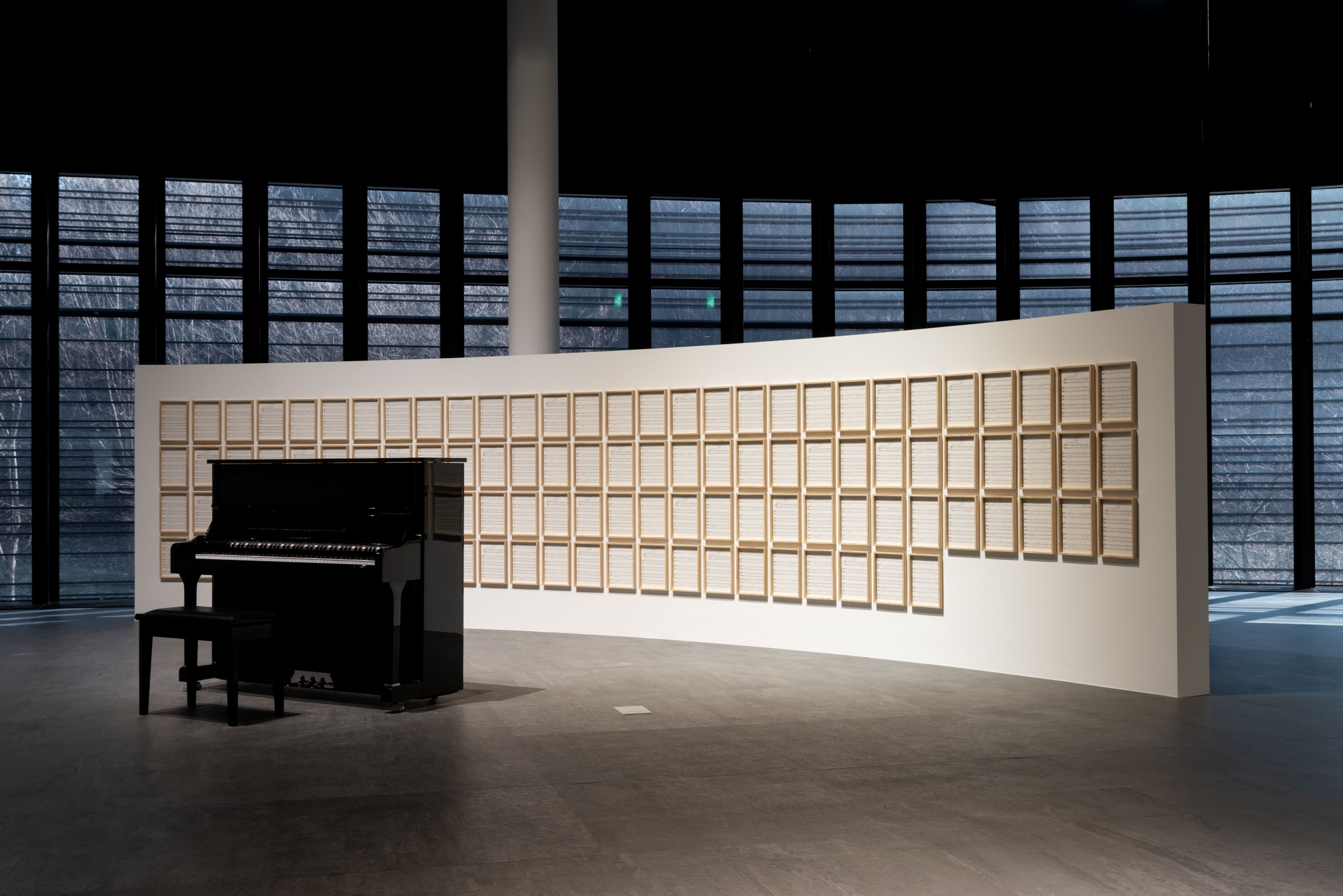
possibility of community. The subsequent work, The Pianist and the
Tuner, stages a peculiar performance. Over the course of the
exhibition’s 132 days, a pianist arrives each day at a fixed time to play the
same piece, while a tuner likewise arrives daily to remove a single component
from the piano.
Gradually, as the parts that constitute the whole disappear one
by one, the situation becomes bleak—perhaps even catastrophic—re-enacting, in a
somewhat mechanical fashion, a condition in which no action can ultimately
produce any effect. The performance does not end in silence so much as it ends
by performing silence.