Exhibitions
《SeMA Biennale Mediacity Seoul 2014: Ghosts, Spies, and Grandmothers》, 2014.09.02. - 2014.11.23, SeMA, Korean Film Archive
September 01, 2014
Seoul Museum of Art, Korean Film Archive
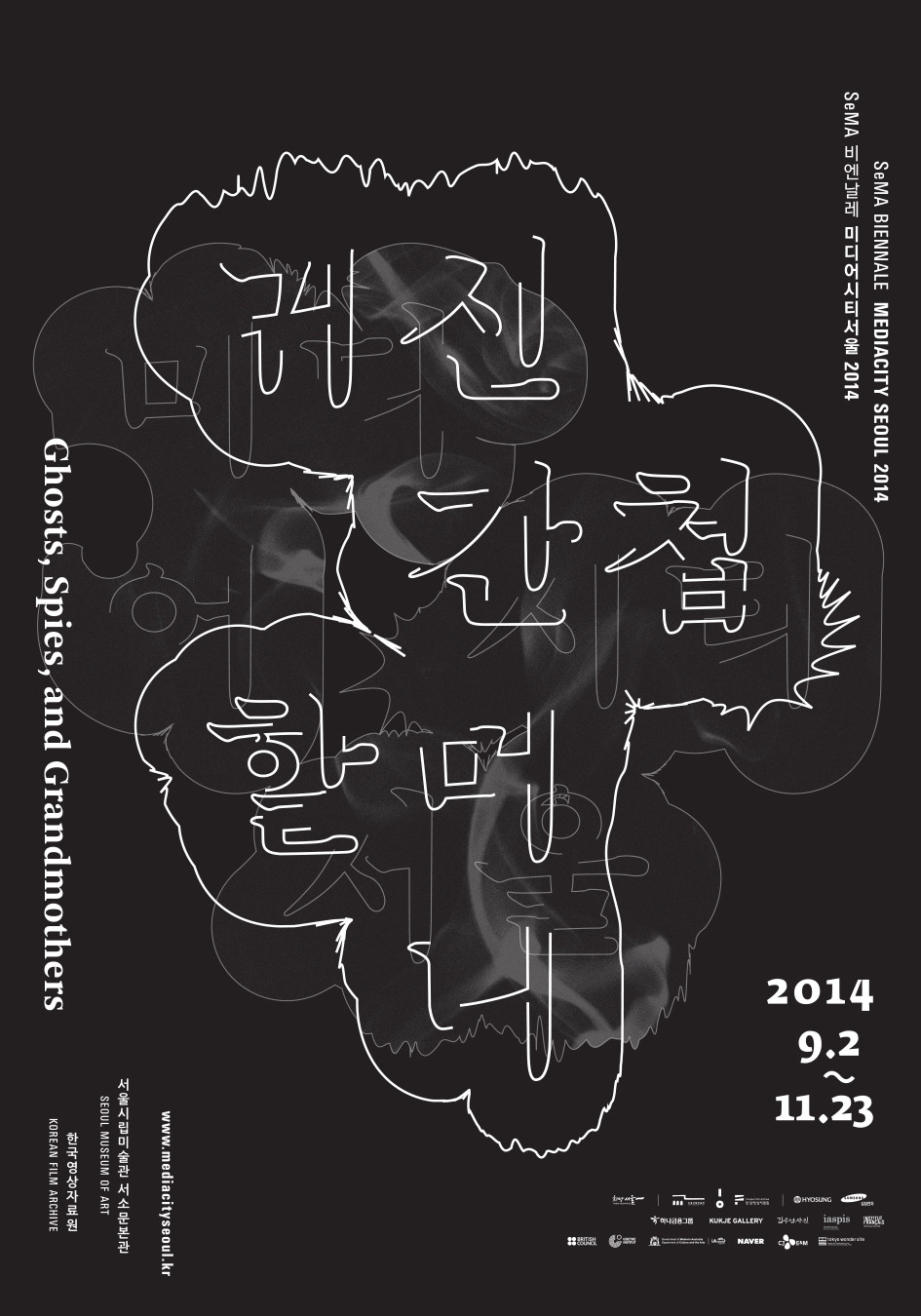
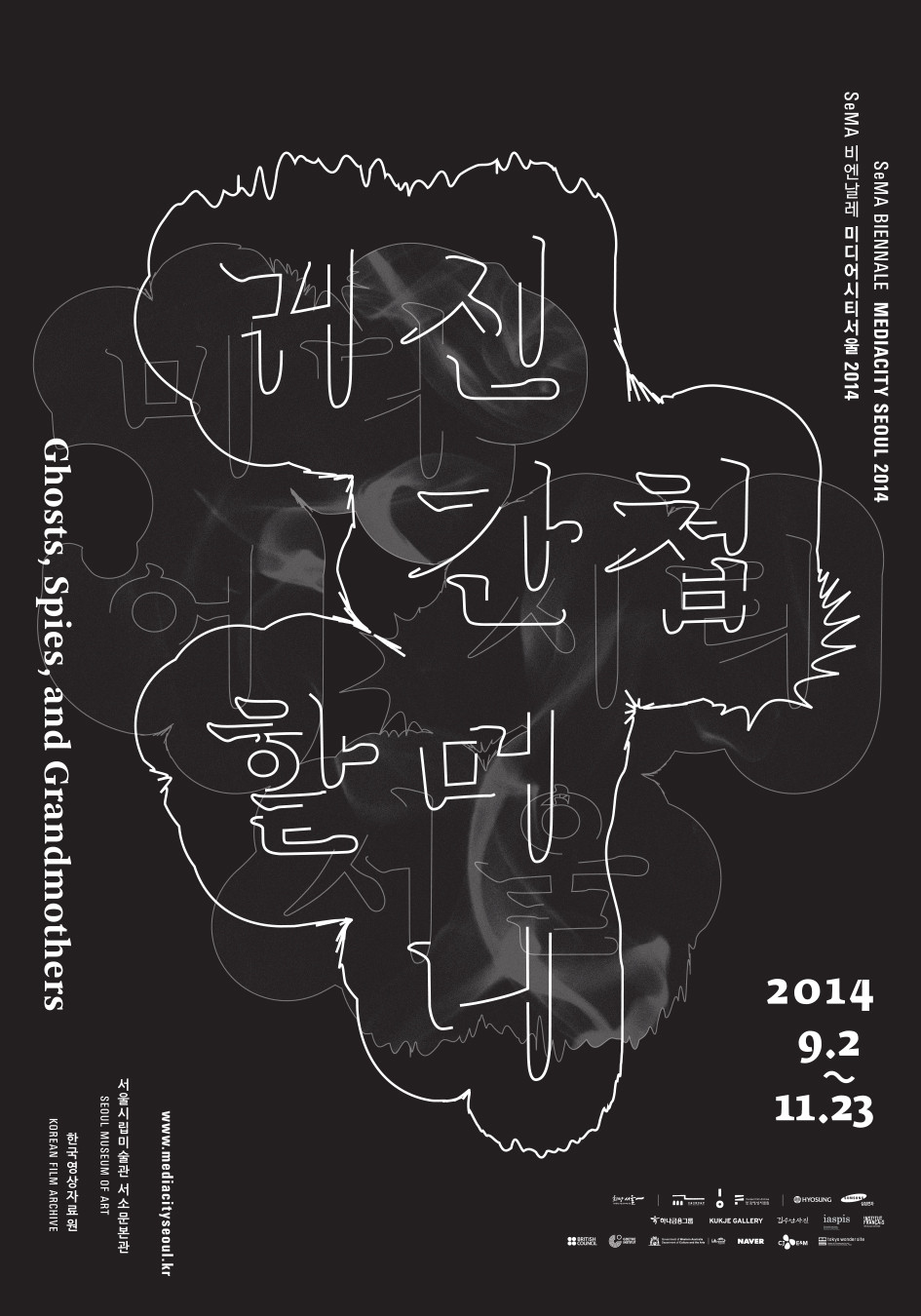
Poster image of 《SeMA Biennale
Mediacity Seoul 2014: Ghosts, Spies, and Grandmothers》 © SeMA
SeMA Biennale Mediacity Seoul 2014 《Ghosts, Spies,
and Grandmothers》, was held
from September 2 to November 23, 2014, at the Seoul Museum of Art Seosomun Main
Building and the Korean Film Archive. The focused of Ghosts, Spies, and
Grandmothers was looking back on contemporary ‘Asia’ where they shared
experiences of intense colonization, the Cold War, rapid economic growth and
social change in a short period of time. ‘Ghosts’ from the title stand for the
forgotten history and traditions of Asia, ‘spies’ symbolize the memories of the
Cold War, and the ‘grandmothers’ are metaphors of ‘women and time.’
The
Biennale looked upon the modern and contemporary history of Asia as the
birthplace of Buddhism, Confucianism, Shamanism, Taoism, Hinduism and examined
how contemporary artists discovered the traditions of such spiritual culture.
It also brought attention local diversity of the Cold War, which cannot be seen
as simply a competition between the USA and the Soviet Union and witnessed how
the creations of media artists are look similar to the vast range of subjects
related to ‘spy’ including taboo, asylum, the hacking of computer networks,
code interpretation and information and communication methods. On the other
hand, ‘grandmother’ here was a powerless being against authority, but also
represented endurance and compassion which can be reflected upon as an active
value surpassing such power in the moral sense.
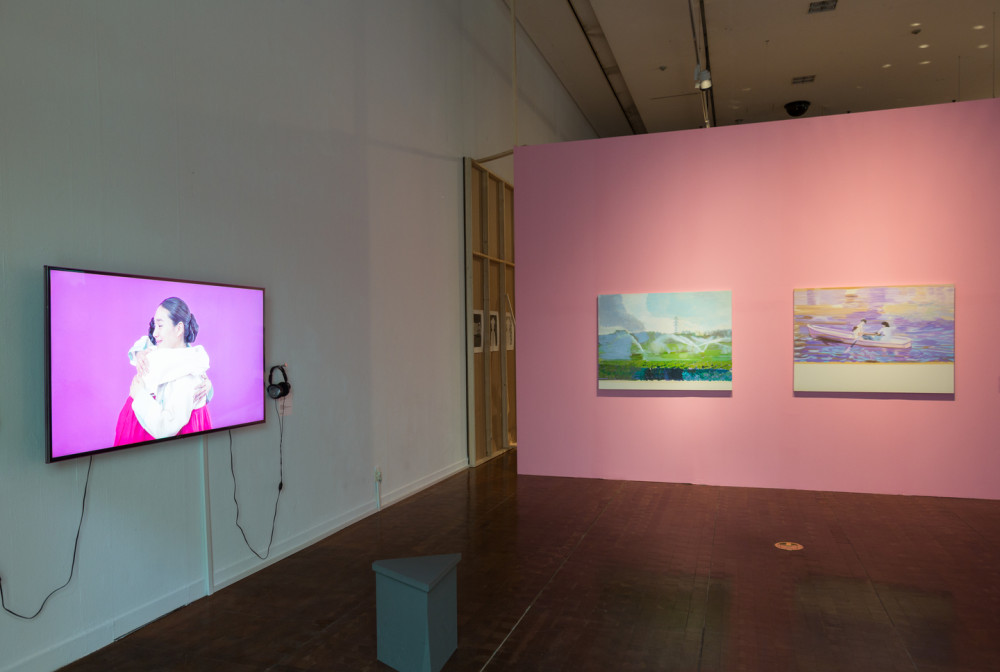
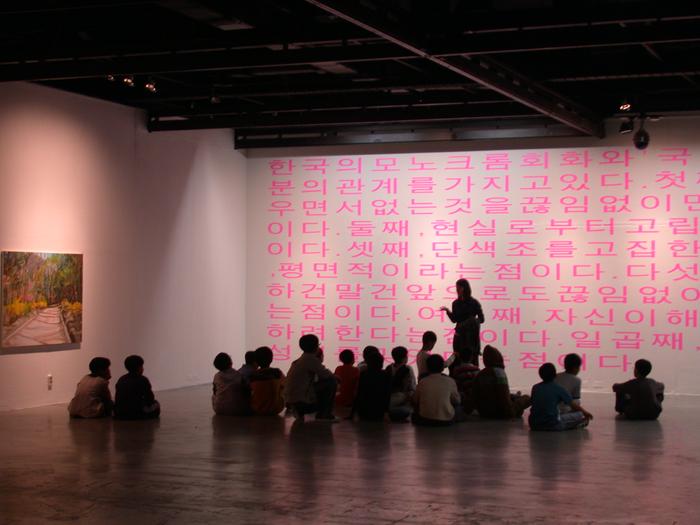
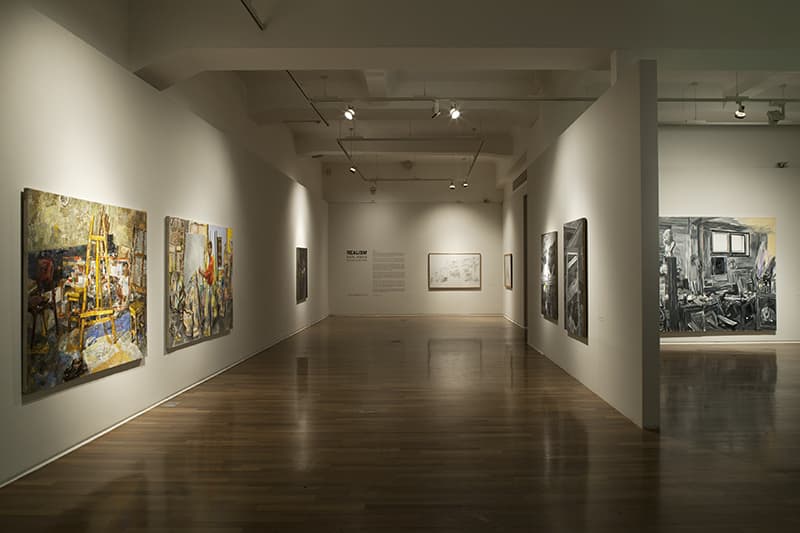
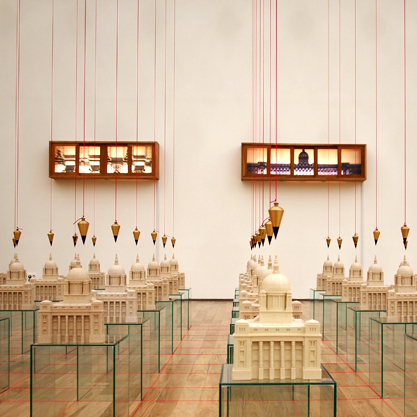
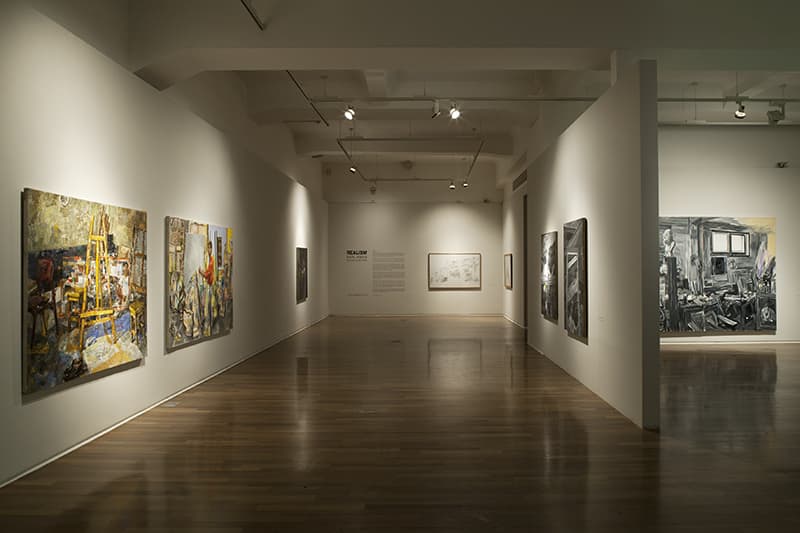
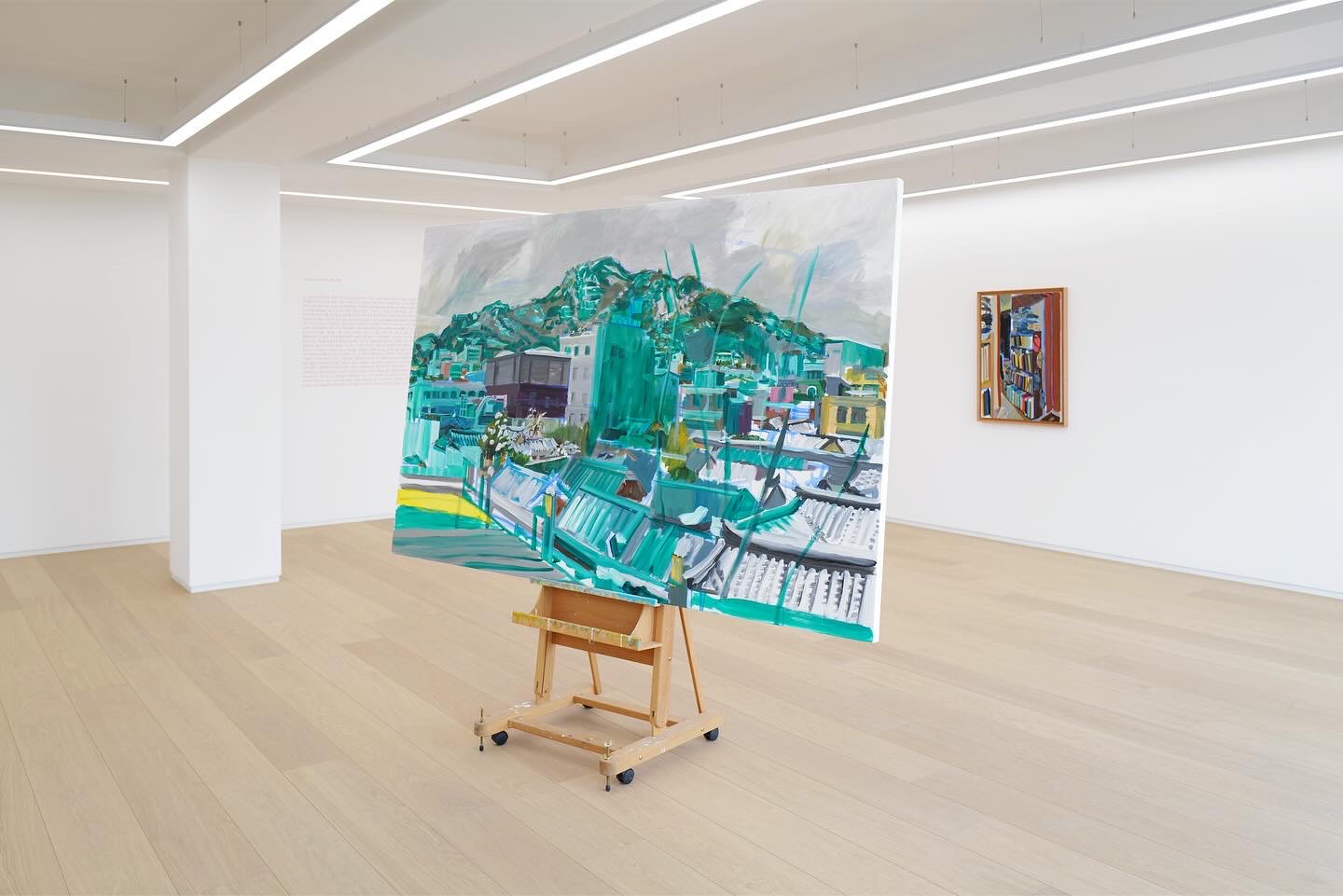
Installation view of 《SeMA Biennale Mediacity Seoul 2014: Ghosts, Spies, and
Grandmothers》 © SeMA
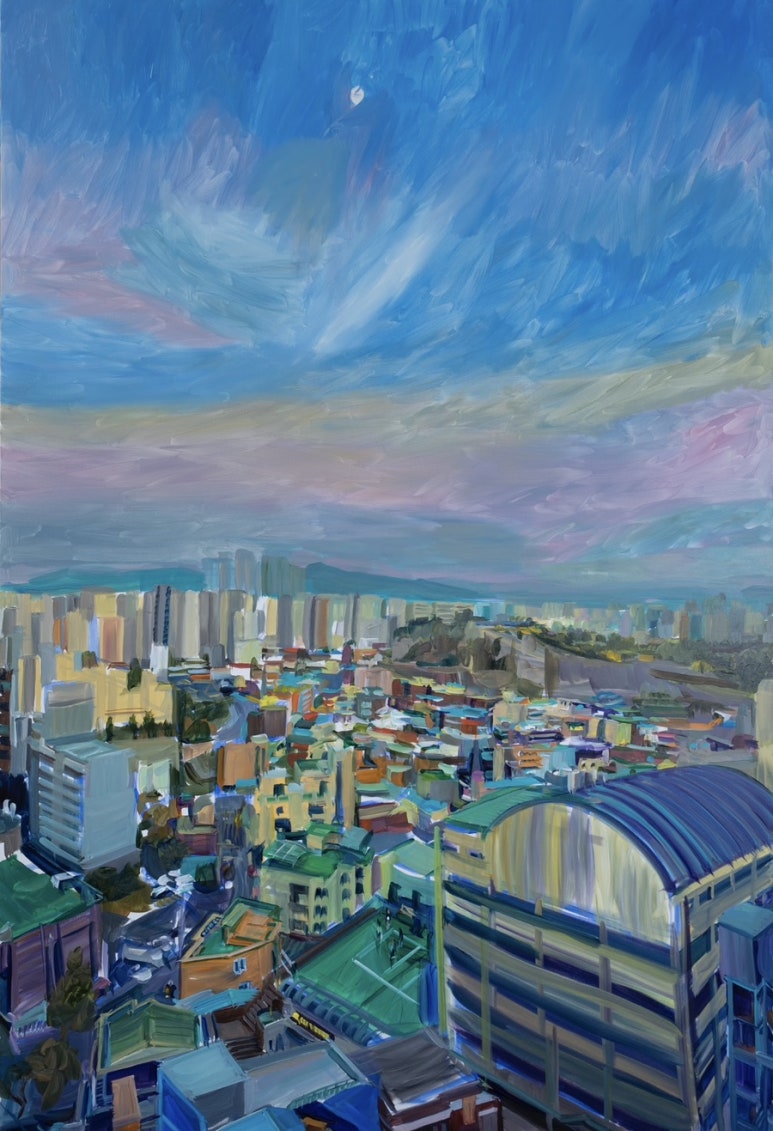
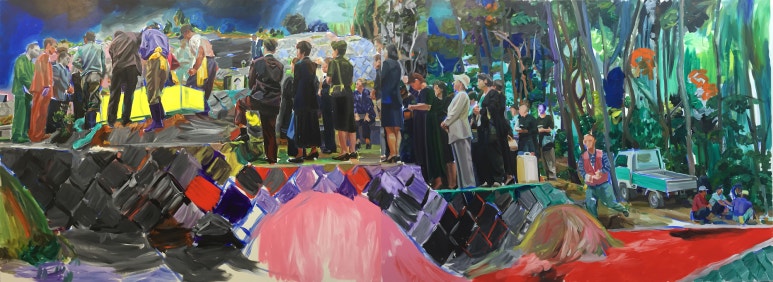
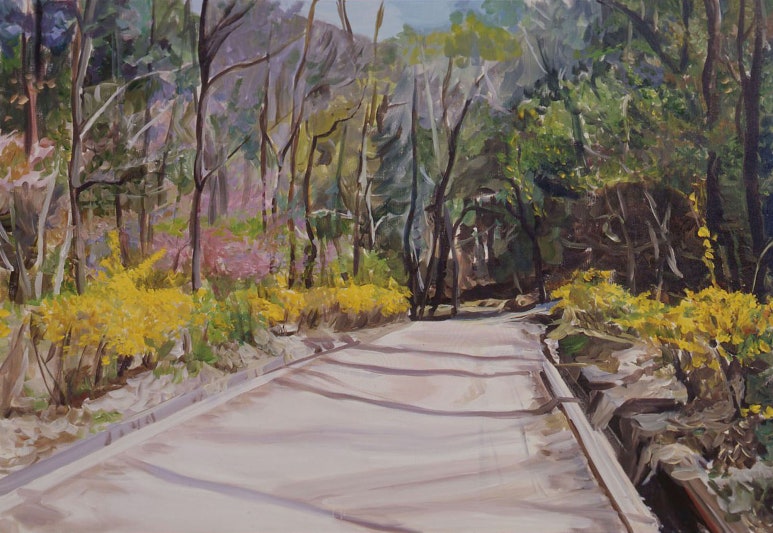
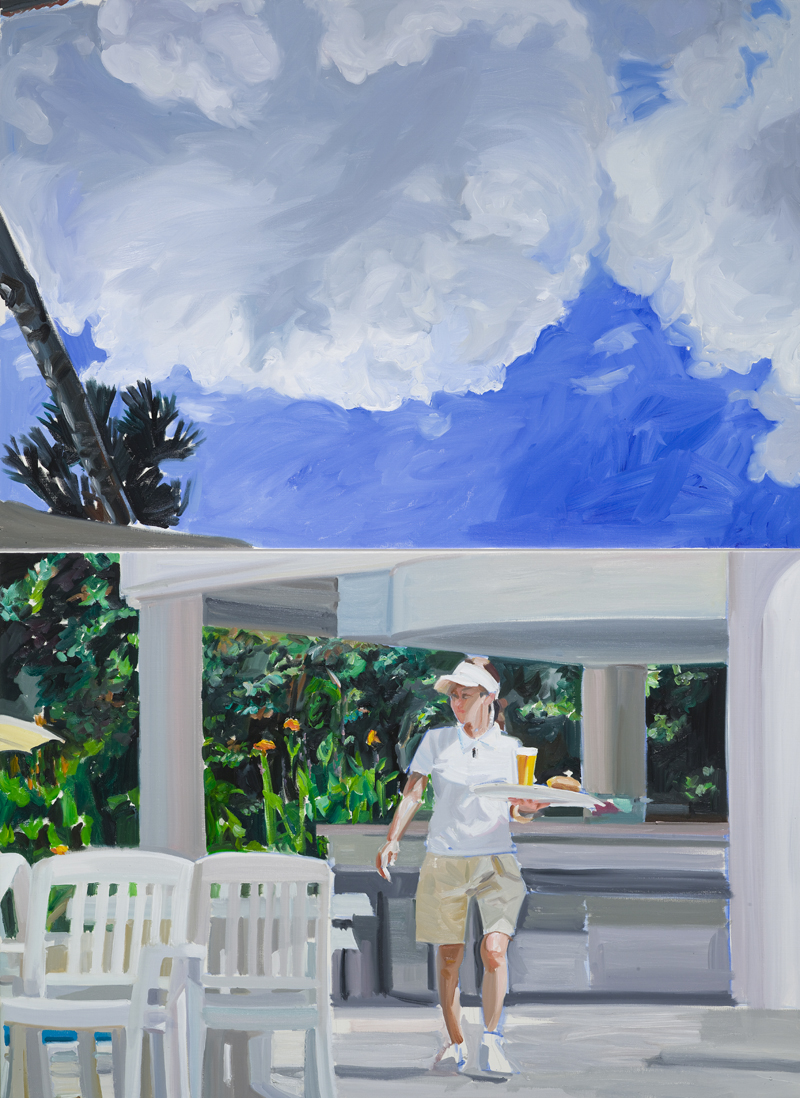
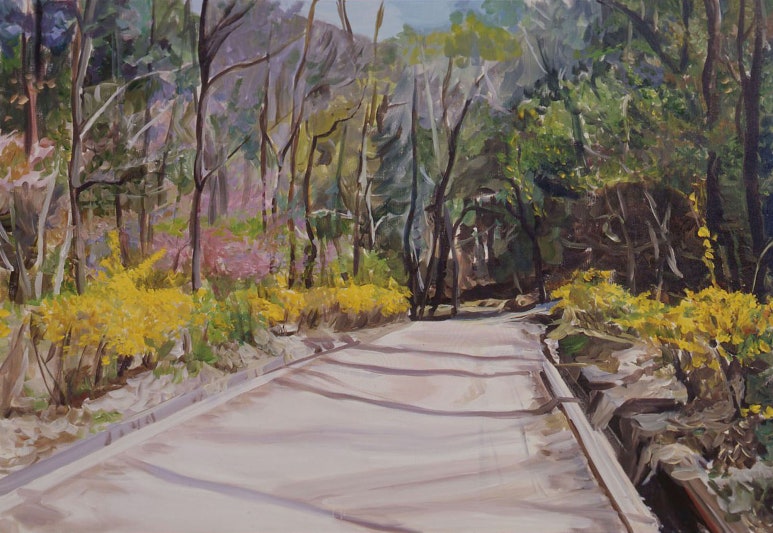
North Korea A is a painting created on the occasion
of an exhibition titled 《Seoul Moves
towards Pyongyang》 (2000). The
year 2000 was a time when the relationship between South Korea and North Korea
was at least in good shape thanks to the President Kim Dae-jung’s visit to the
North. Around the time of the Inter-Korean Summit, the kinds of ‘art’ presented
to the South Korean public were benign travel sketches by a few painters. The
painters depicted the people or landscape of North Korea as “peaceful scenery
of a foreign country” as if they were camels along the Silk Route.
North Korea A and North Korea B also
present peaceful scenery. But there is something “impure” in the paintings,
different from other ideologically “pure” paintings produced by other artists
around the time.
Choi’s paintings move beyond being peaceful scenery and construct a kind
of utopia that is immediately laden with a burden of ideology (moreover, we
know well that North Korea frequently uses ‘a socialist utopia’ as its
rhetoric). We surely know that it is far from a socialist utopia, and the dear
leader and his people in the country would no longer believe that ‘the North’
is a utopia. In this sense, the paintings are images of a distant dream that
cannot be perceived as realistic. Hence, North Korea A acquires a complex
system of meaning.
Although the North Korean painters are capable of producing highly
manipulative propaganda images, they cannot paint ‘the genuine paradise—an
authentic moment of pleasure by the people.’ What the dreamlike beauty of
Choi’s paintings expose is the fact that the North Korean painters cannot
depict such a moment. This is because of the excess of ideology for a communist
utopia excludes one’s interest in ‘blissful moments’ that would actually exist
in different moments in reality. Yet at the same time, Choi’s paintings depict
a dream of a beautiful paradise.
The paintings are an equivalent of certain
scenes of “the North Korea as a utopia,” which is not depicted or impossible to
be depicted in both countries of the Korean peninsula. Or, they are certain
scenes of a world that is (at least) lazy and unrestrained, which is completely
relaxed in its ideology. In this sense, North Korea A and
North Korea B appear to be an immense irony materialized in
the form of painting, existing between the ideal and the reality, the virtue
and the vice of the motivation and result, the rise of one’s will and its fall,
and the momentary phenomenological pleasure and the ideological dogma.