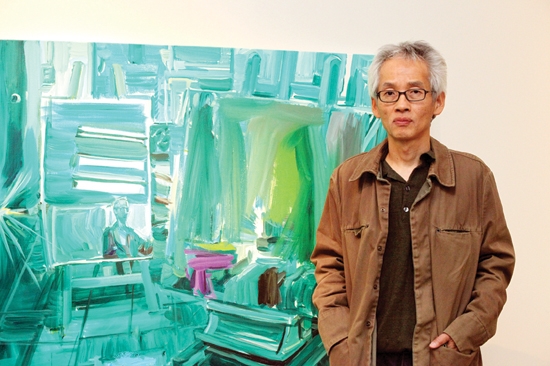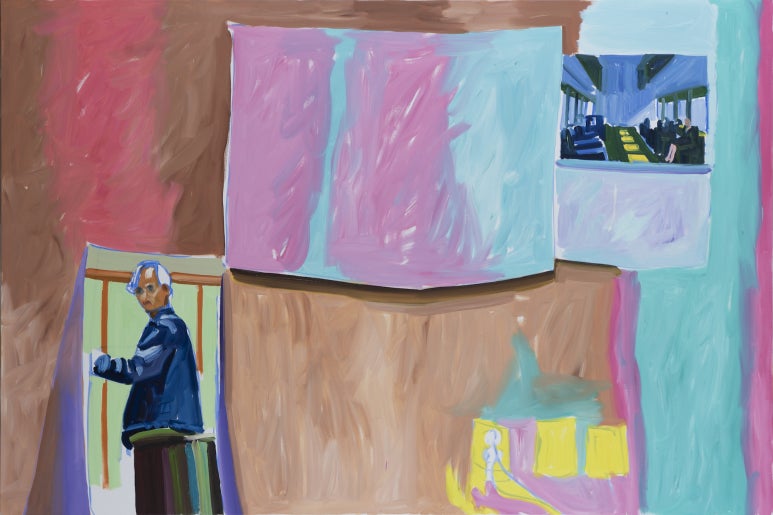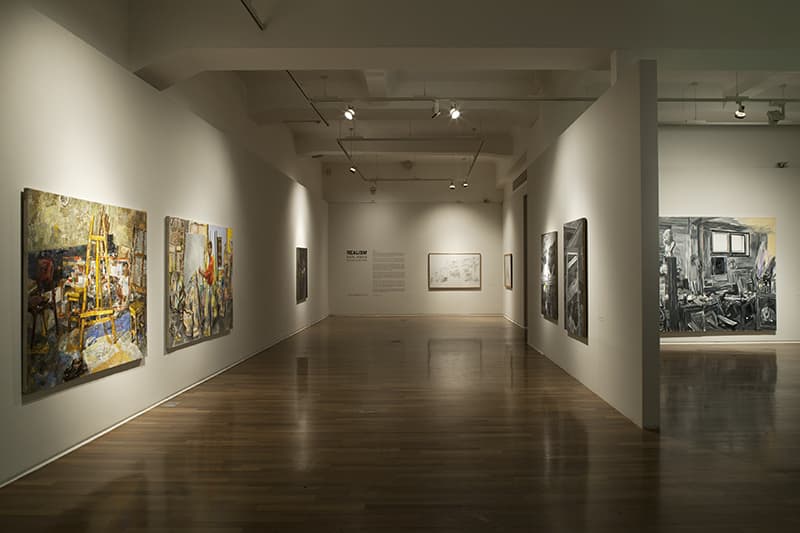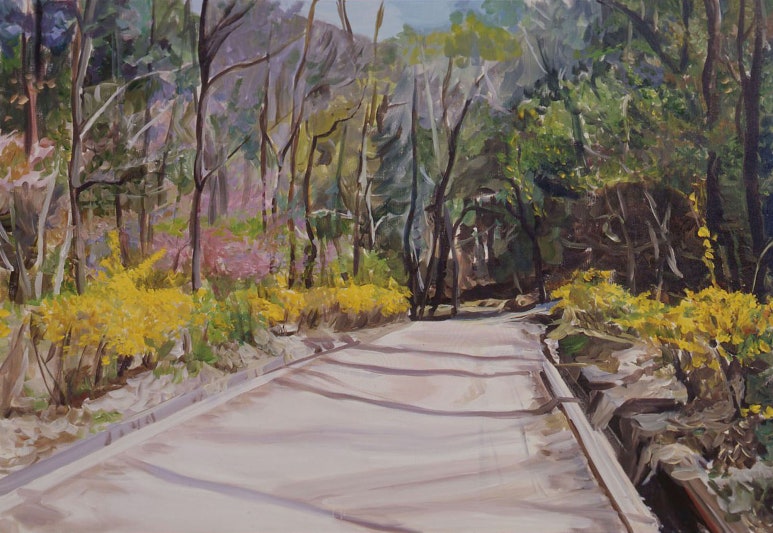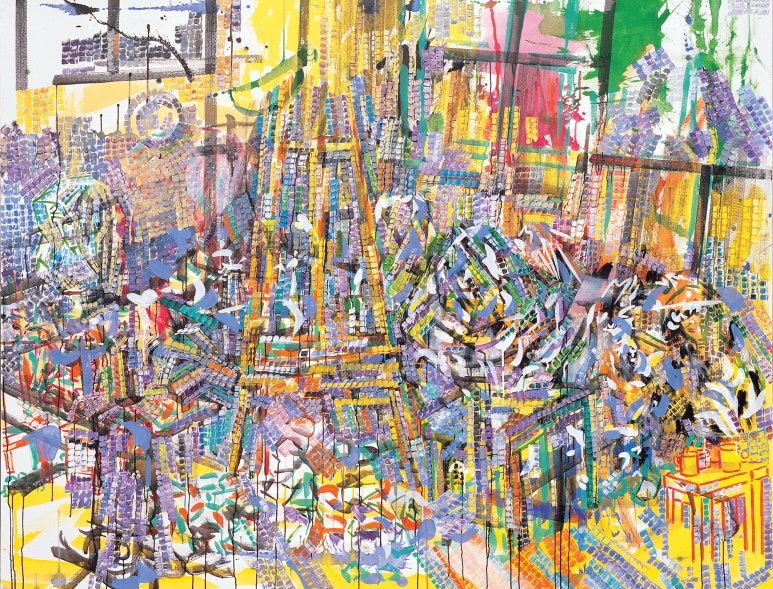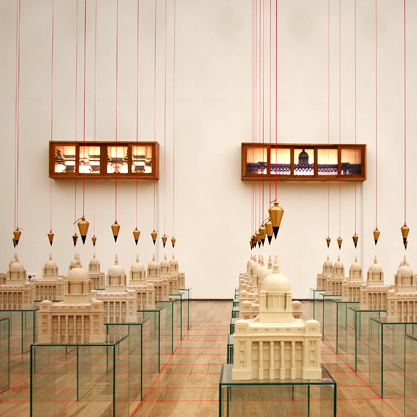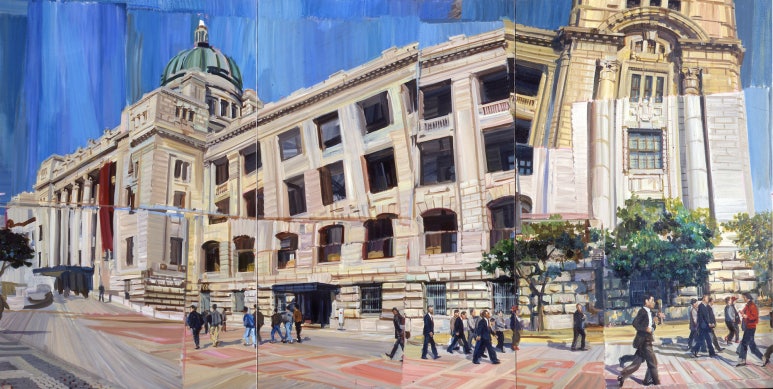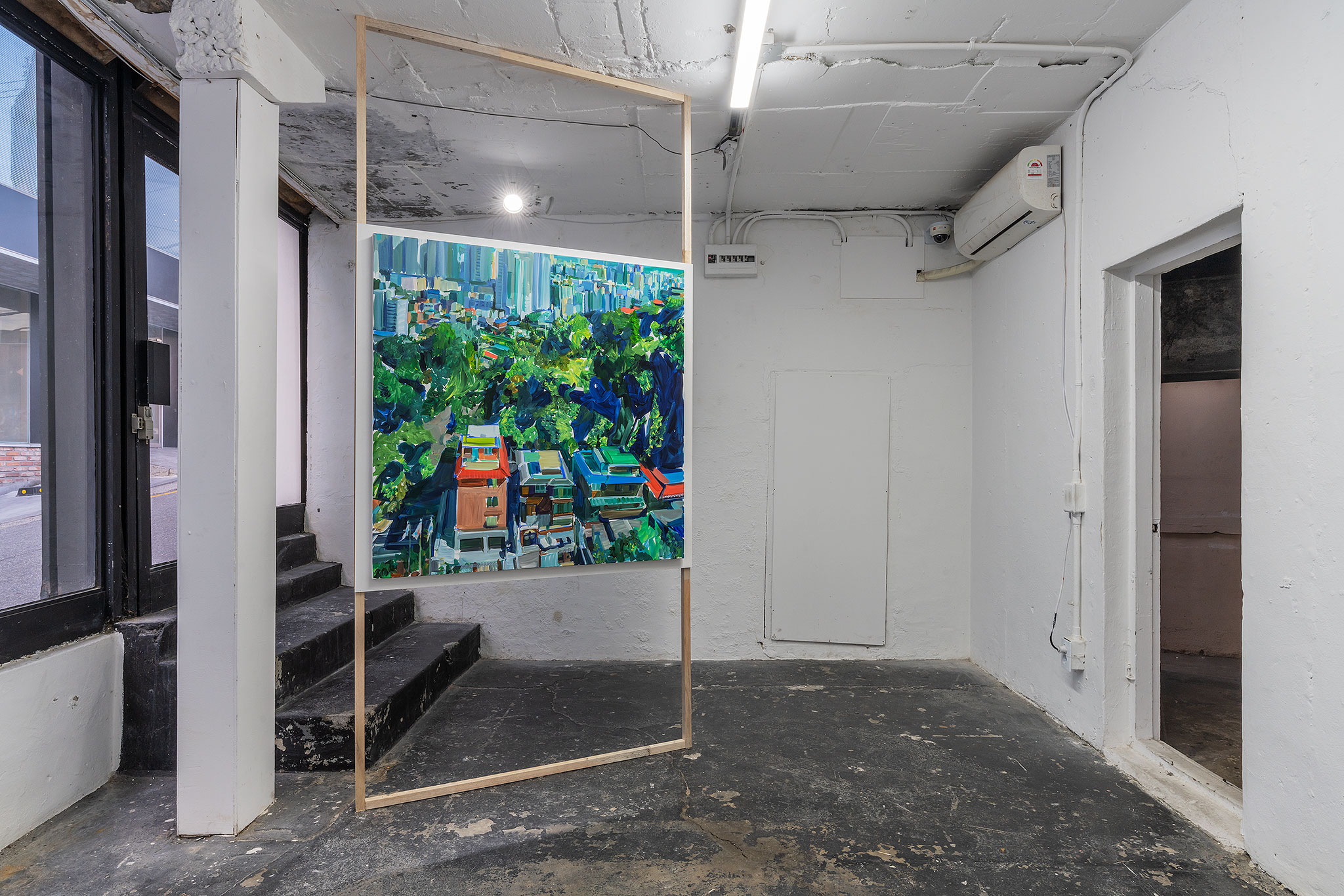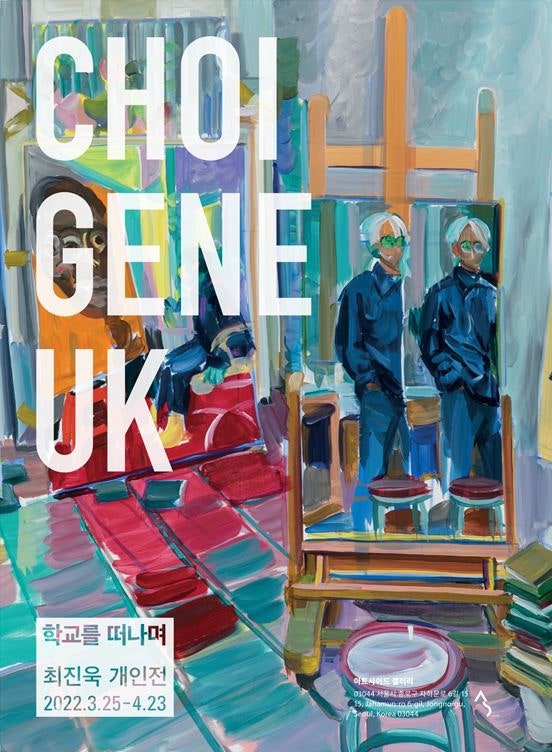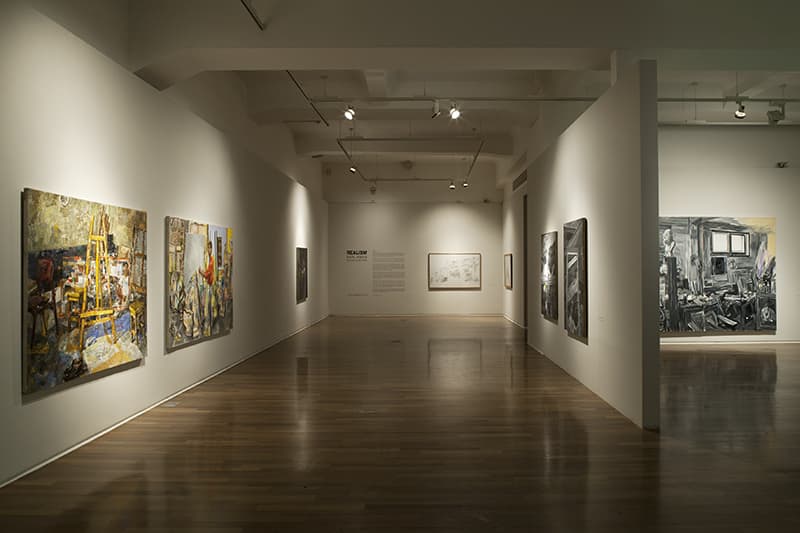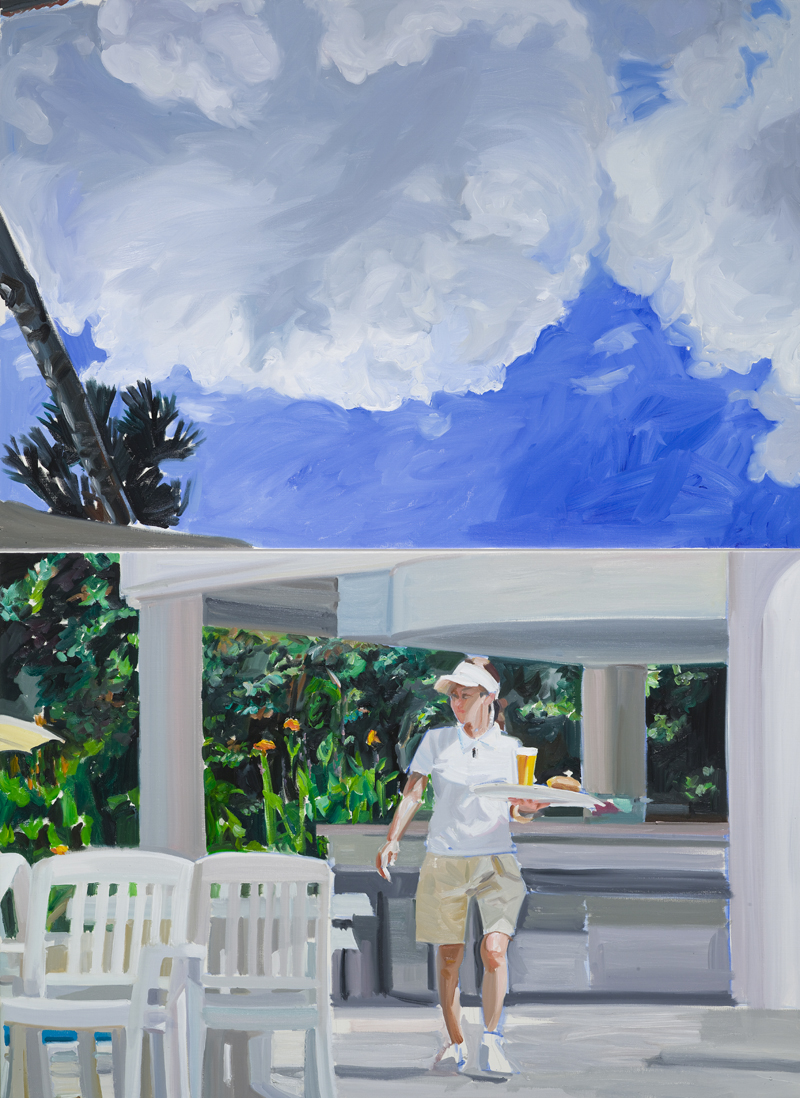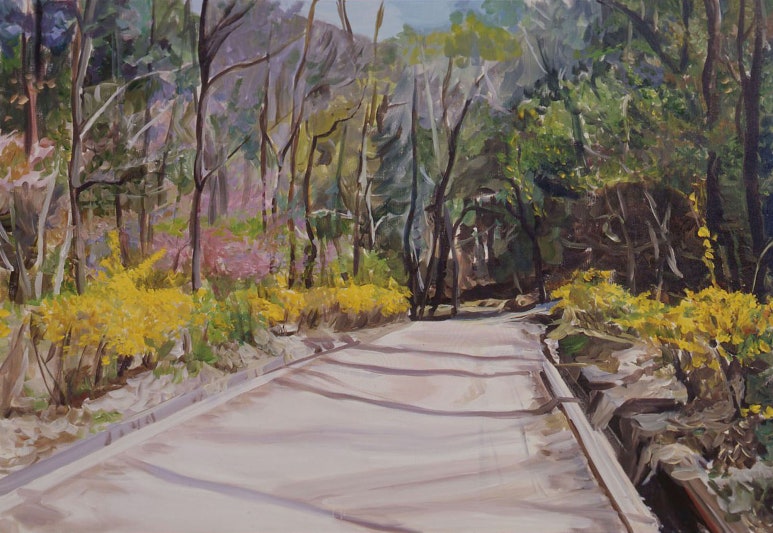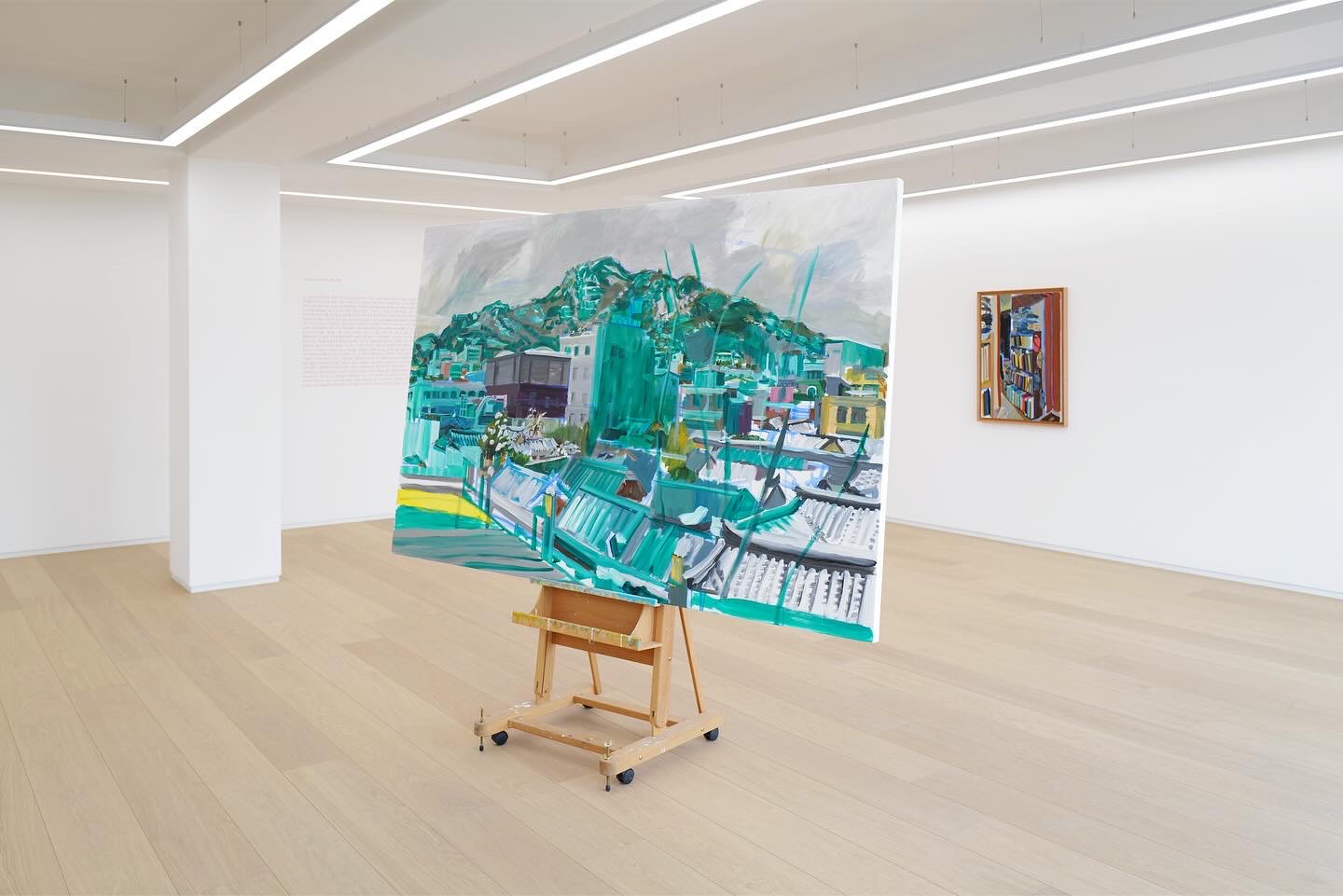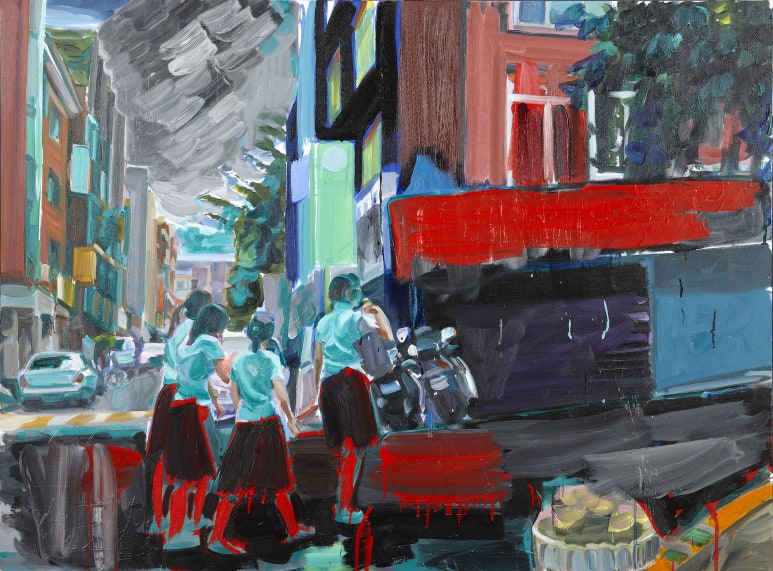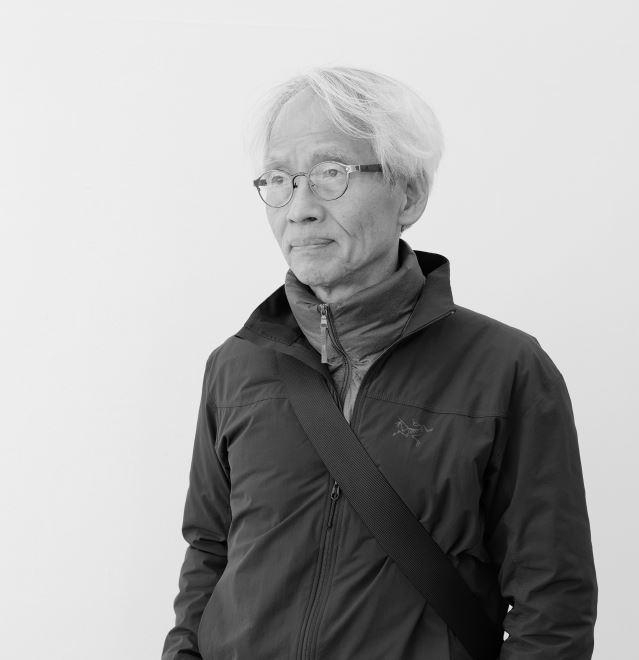



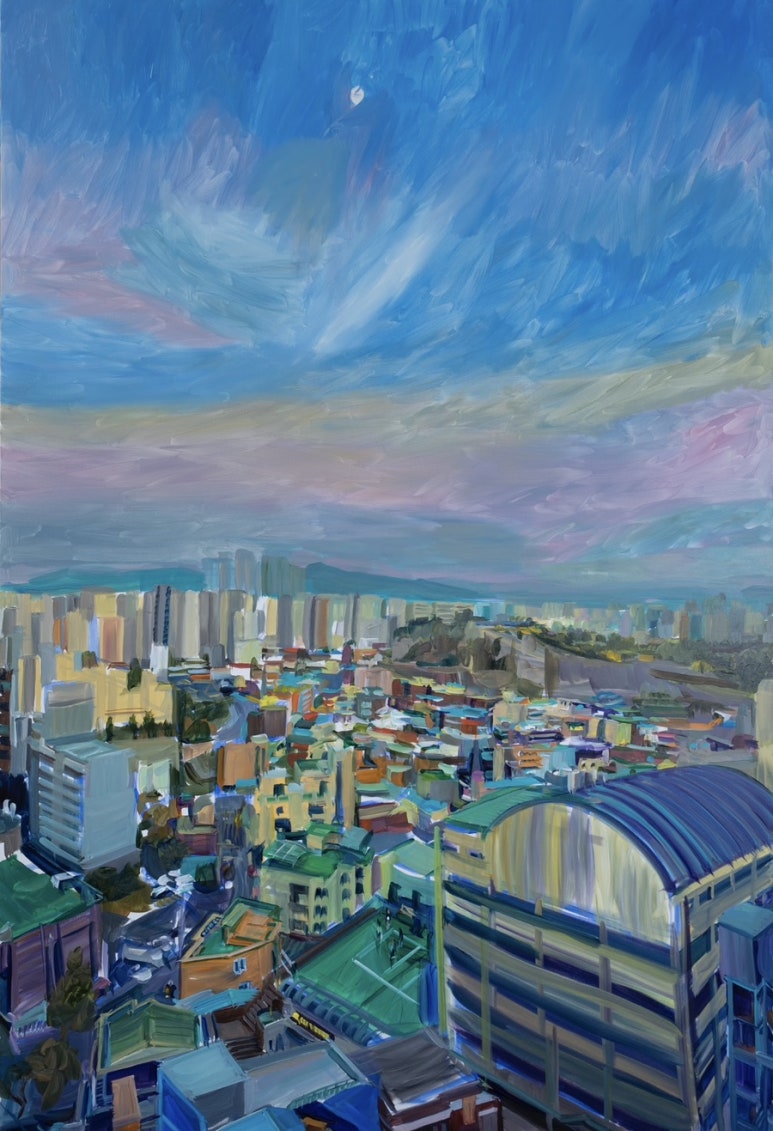
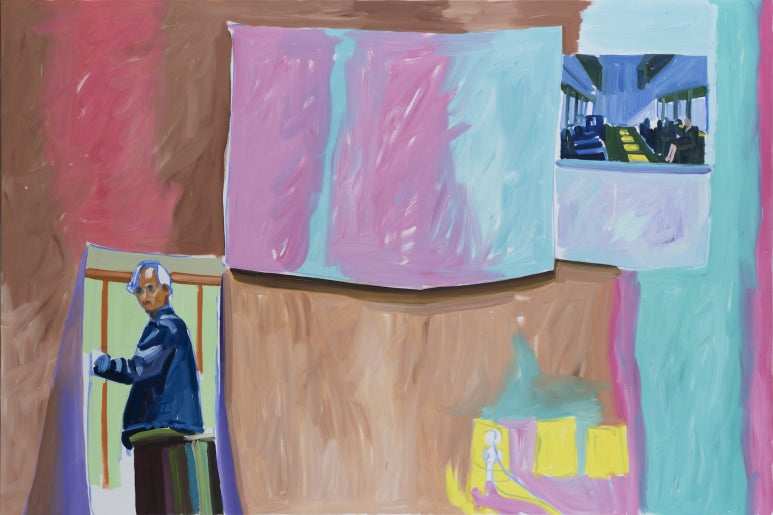
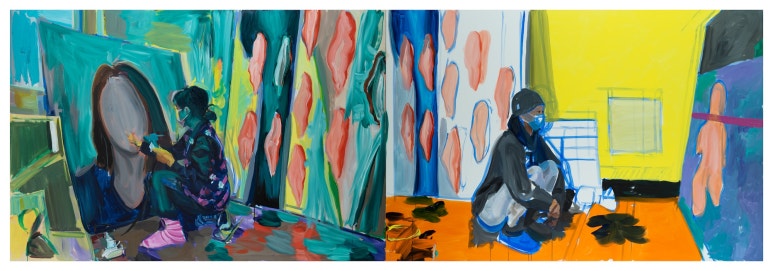
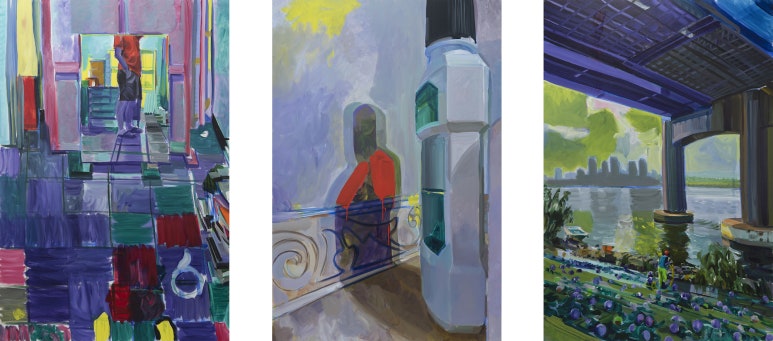
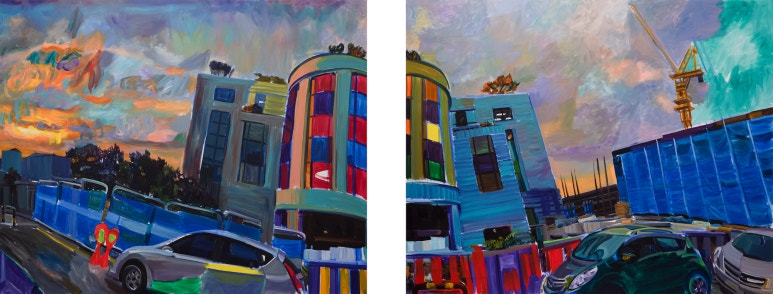
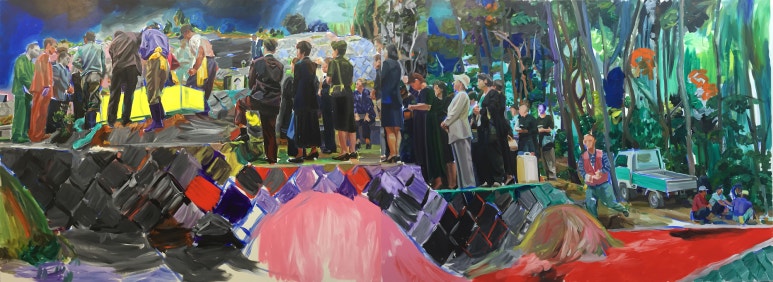

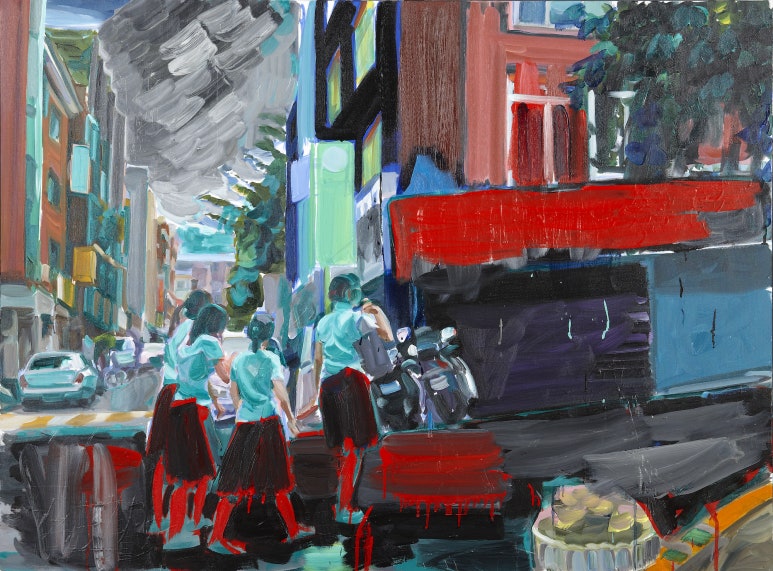
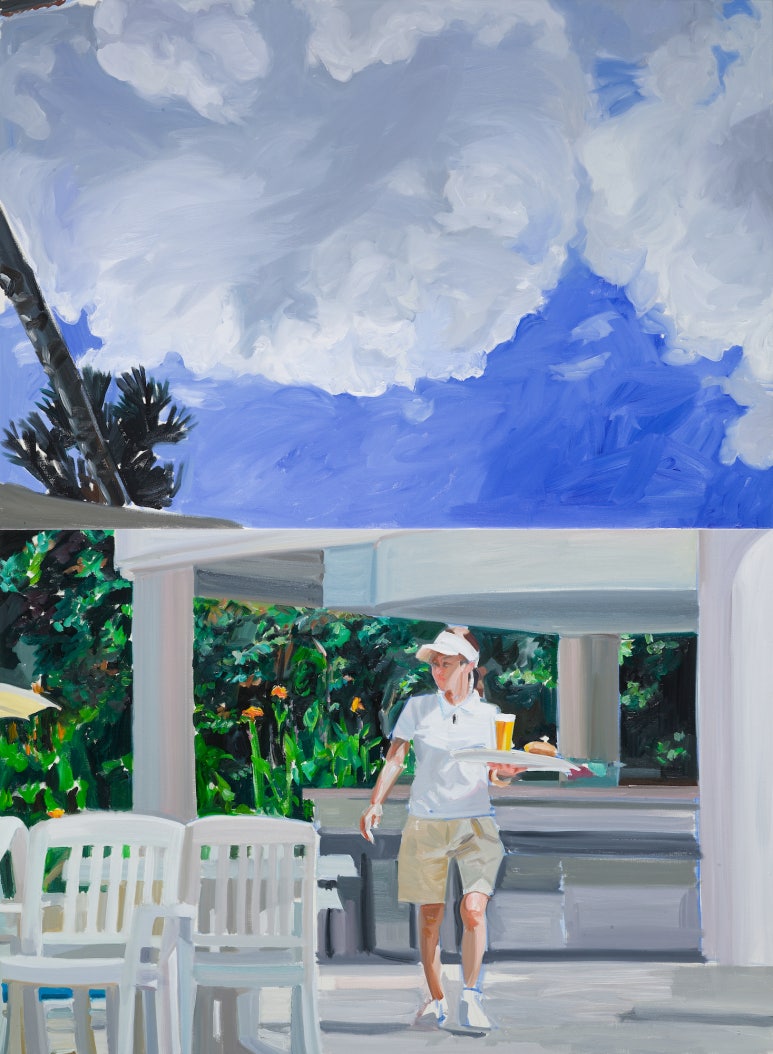
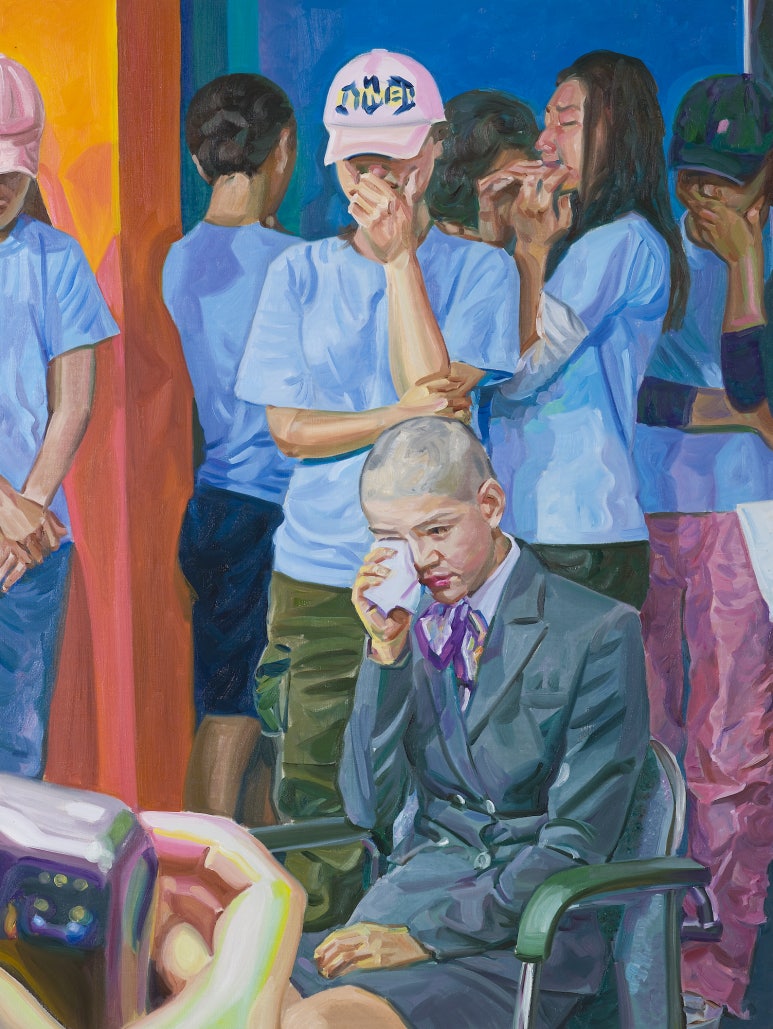
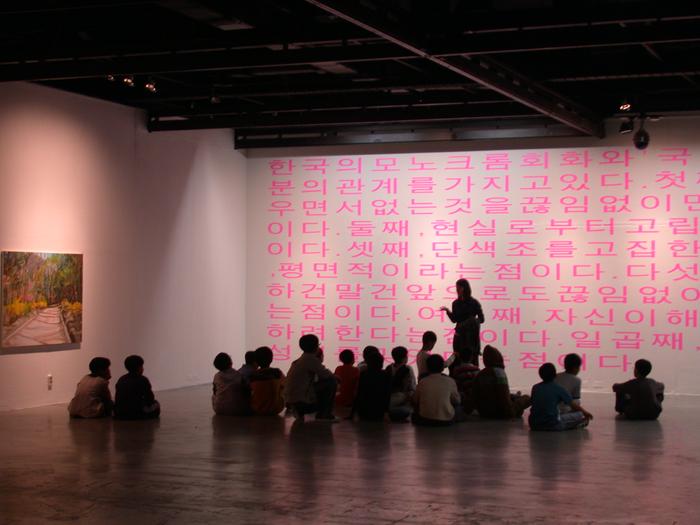
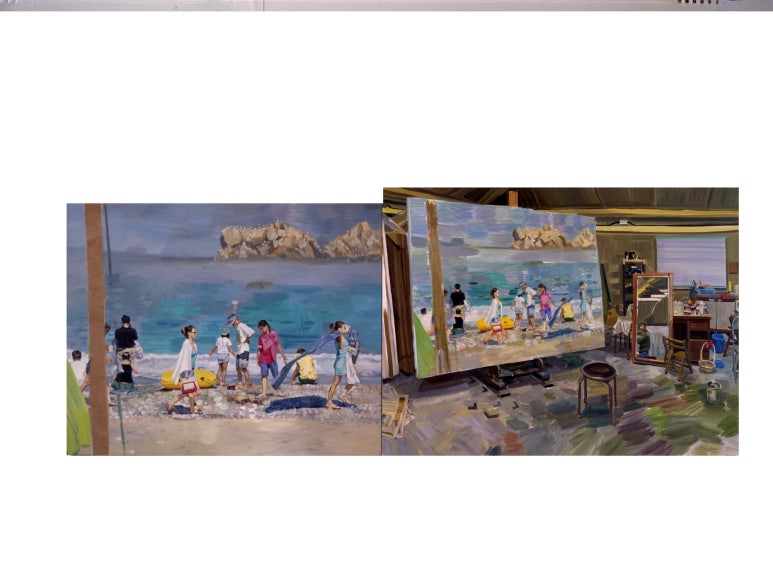
Choi Gene Uk was born in Seoul and earned his BFA in Painting from Seoul National University in 1981, followed by an MFA in Painting from The George Washington University in 1984. Since returning to Korea, he has worked primarily in painting, after serving as a professor in the Department of Western Painting at Chugye University for the Arts. He has since retired and continues his work as an artist with a primary focus on painting.

Among the special exhibitions to celebrate the opening of National
Museum of Modern and Contemporary Art, Seoul, the title of the exhibition
“Zeitgeist Korea” will determine the aspect of the Korean contemporary art. The
commissioner's intention to call it Zeitgeist Korea is as in the following.
First of all, I approached 'historically' to the aspect and direction of the
Korean contemporary art to a certain extent.
Particularly, the major streams
after the Korean War are comprehended periodically, instead of being recited.
Secondly, with the perspective of 'internationality' in mind, I tried to 'look
back on the past' based on the premise of national, international stature of
current 'Republic of Korea' regarding the art and the society. So, for that,
although the commissioner would like to attract the viewer's eyes using
direction, intention, effects, and etc, it's entirely the viewer's role to do
so; thus it cannot be discussed anymore here in this text.
Lastly, I chose the
artworks with a distinct 'identity' of 'zeitgeist'. Most of the works, of
course, were chosen among the Museum's collection by principle and even for
that reason, it shows that the works that do not appear often in the history of
Korean contemporary art are still of great importance.
In the early 1980s, the international exhibitions of
figurative/narrative paintings in Italy and the United States along with German
Neo-Expressionism became known as the 'Zeitgeist', and I, the commissioner
borrowed the term precisely for its art historical sense. In the aspect of
figurative and narrative, the artworks of the 'Zeitgeist' are very political
and descriptive. There are times when the artists confuse the viewer's
perspective by unhesitatingly revealing their historical 'identity' in their artworks.
Because the basic attitude of 'Zeitgeist' is to deny the dry climate of art in
the time of Conceptual or Abstract art like in the 1960s, and 70s' Minimalism,
the issues concerning identity could be an inevitable conclusion. However, from
a broad point of view, 'abstract' and 'conceptual' can also be 'zeitgeist' of
reasonable form and content in that time period.

So, the artworks in the exhibition can be categorized into three groups
based on my stance above:
① Virtual ②
Abstract/Conceptual ③ Material.
① 'Virtual' in represents the image of figurative, the works that
embodies 'zeitgeist' of pictorial 'reality'. It doesn't confine to only
paintings, but also sculptures, installations, and video arts.
② 'Abstract/Conceptual' in literally means the works of abstract or
conceptual art. It can be said that abstract art is a form of conceptual art.
The abstract characteristic of art is very 'ideal' in both the Eastern and
Western worlds; and also, humans have no choice but to think about 'ideals'
only in a 'conceptual' way. Either conceptually positive or negative,
contemporary abstract art in Korea is 'zeitgeist' which created a distinct
stream in the art history of this country.
③ 'Material' in stands for the works of 'zeitgeist' that frequently cross
the line between forms and medium, which shows a cross section of the Korean
contemporary art also reflecting most recent currents, especially through the
diversity and expansion of material in works, which are progressive compared to
conventional art.
These three contextual categories cannot tell everything about the
Korean contemporary art. However, a different dynamic of the Korean
contemporary art will be met, if the zeitgeist of the condition and
circumstance is added. And also, 《Zeitgeist
Korea》 is a
paradoxical exhibition that follows the root of that dynamic in counter
clockwise.