

Solo Exhibitions (Brief)
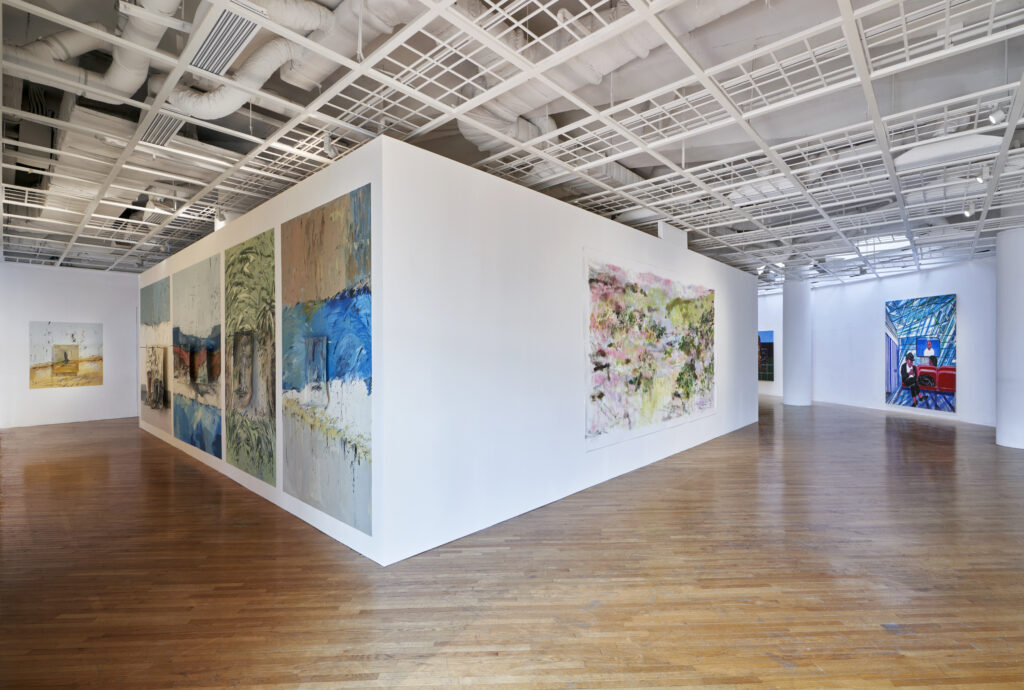
Beginning with his first solo exhibition at P&P Gallery
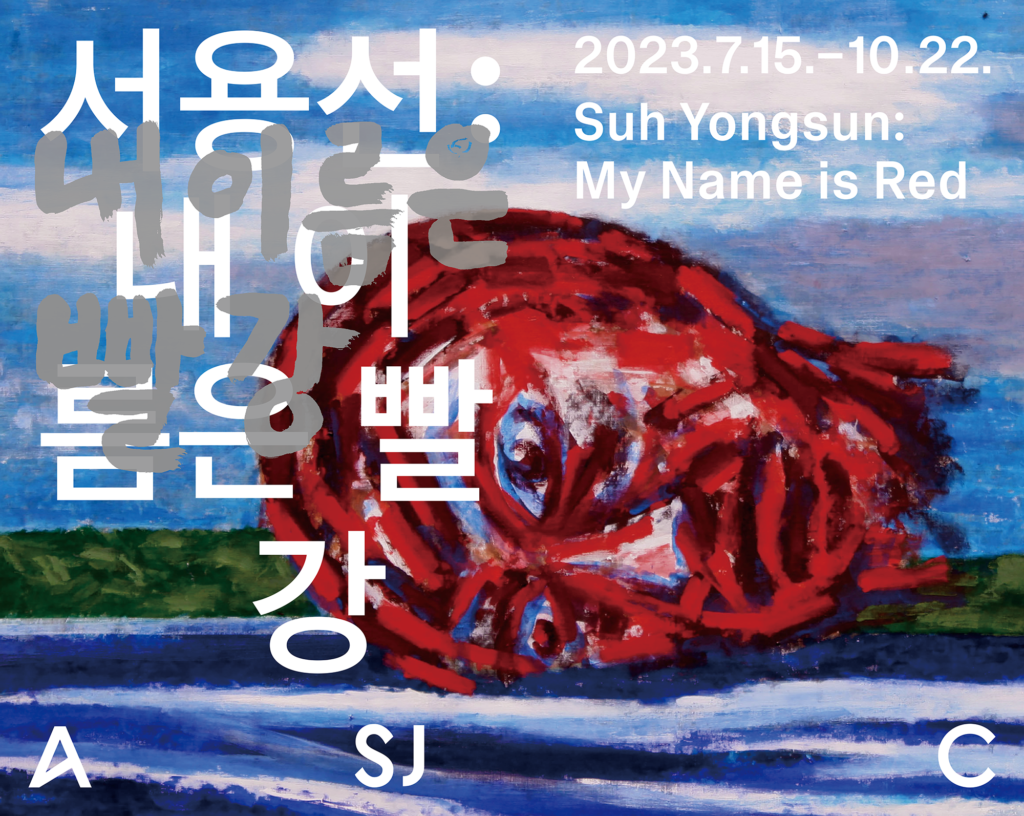
(Seoul) in 1988, Suh Yongsun has held solo exhibitions at major Korean
institutions including Ilmin Museum of Art (2004), the National Museum of
Modern and Contemporary Art’s Artist of the Year (2009), and Art Sonje Center
(2023), and has continued to present exhibitions in major international cities
such as New York, Berlin, Tokyo, Melbourne, and London.
Group Exhibitions (Brief)
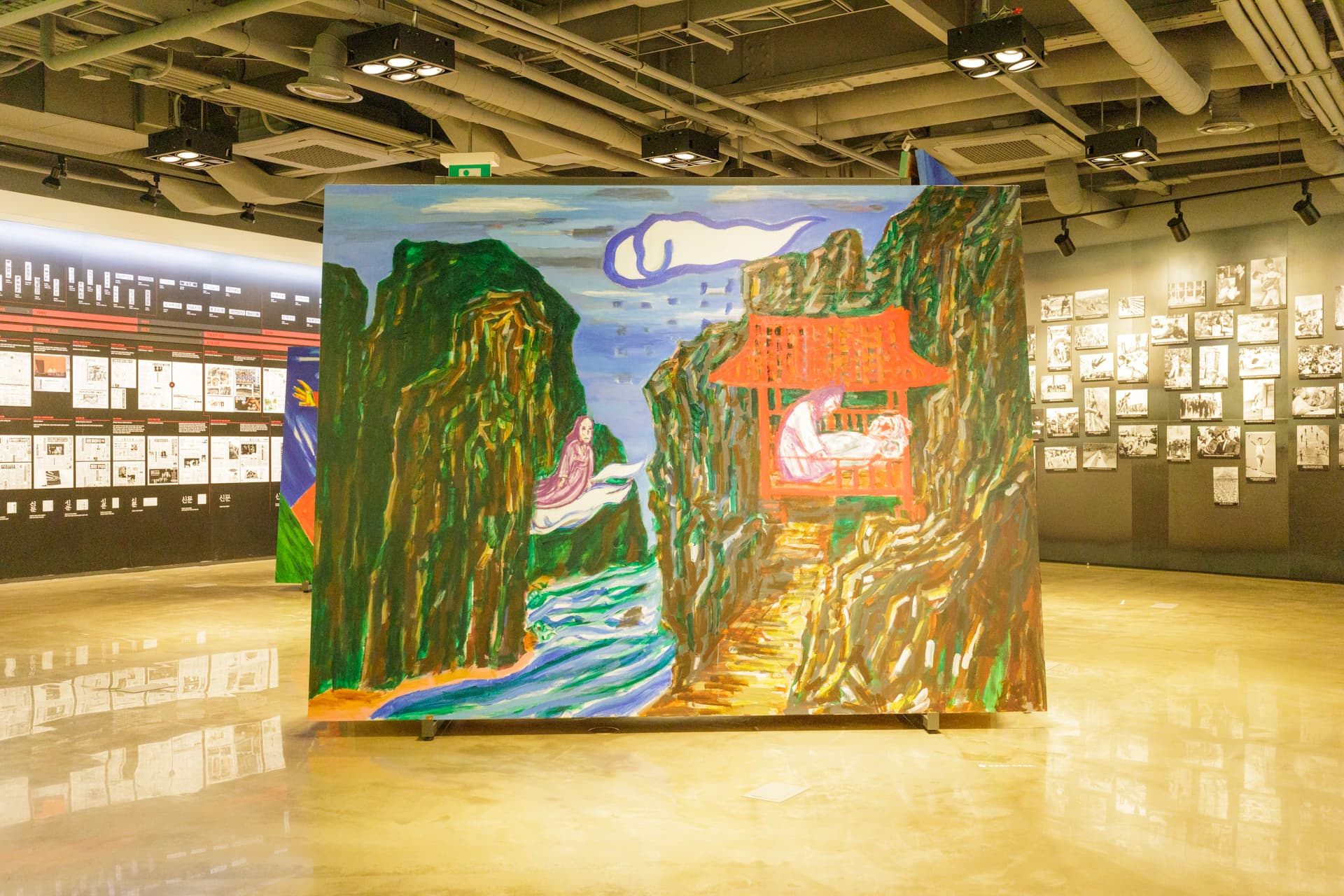
He has participated in major institutional and collection
exhibitions in Korea—including the National Museum of Modern and Contemporary
Art (1978– ), Seoul Museum of Art (1996– ), Art Sonje Center (2022), Museum SAN
(2014, 2020), and Gyeongnam Art Museum (2013, 2023)—while expanding his
practice through travel-based research and extended stays across cities such as
Berlin, New York, Tokyo, Sydney, and Taichung.
Awards (Selected)
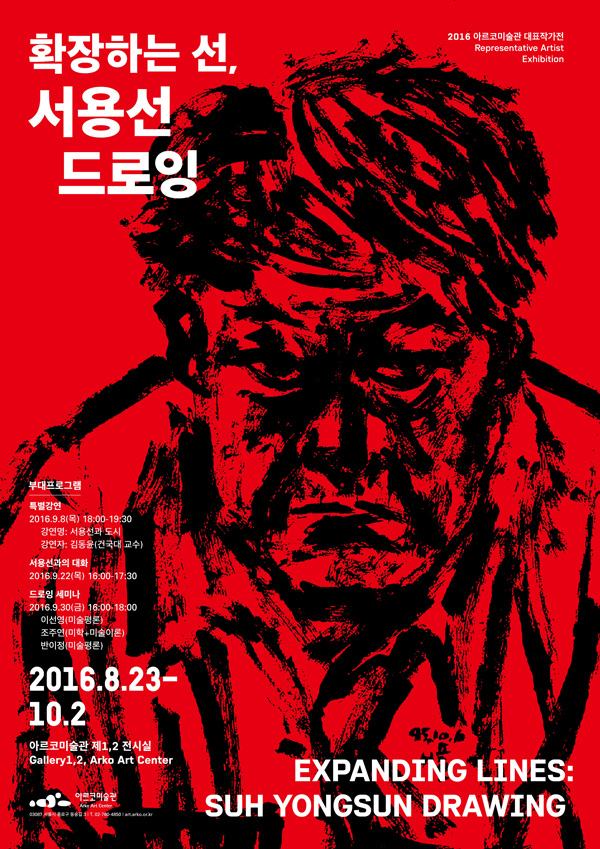
Since receiving a Special Prize at the 1st JoongAng Art Prize
in 1978, he has been awarded the Dong-A Art Prize (1982), another Special Prize
at the JoongAng Art Prize (1984), the National Museum of Modern and
Contemporary Art’s Artist of the Year (2009), the Lee Jung-seob Art Prize
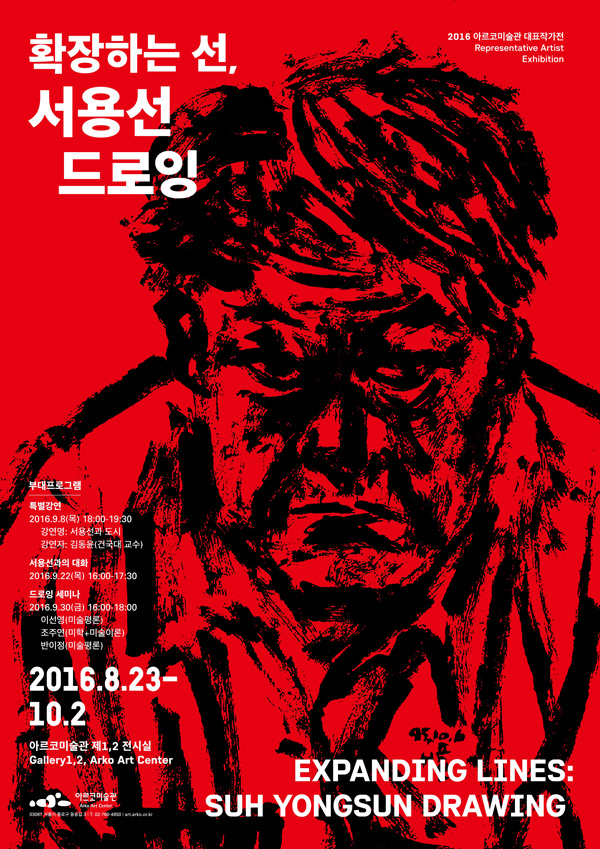
(2014), ARKO Art Center Featured Artist (2016), and the National Academy of
Arts, Republic of Korea (2024).
Residencies (Selected)
He participated in residencies at the Vermont Studio Center
(1995), RMIT University (2010, 2011), and the University of Sydney (2012).
Collections (Selected)
His works are held in the collections of major institutions
including the National Museum of Modern and Contemporary Art, Seoul Museum of
Art, Busan Museum of Art, Daegu Art Museum, Seoul National University Museum of
Art, Korea University Museum, OCI Museum of Art, Yangpyeong Art Museum, Moran
Museum of Art, as well as Monash University (Australia) and the Wu Guanzhong
Art Museum (Singapore).