Not long ago, Korean Colored
Painting—The World of Court Painting and Minhwa, a
comprehensive study of Korean folk painting, was published after more than ten
years of planning. According to media reports, about thirty specialists in folk
painting were involved in the publication. It is truly a remarkable
achievement. One television broadcast reported that “the title used ‘colored
painting’ instead of ‘minhwa’ to reflect researchers’ view that minhwa should
be called traditional colored painting.”
My concern here is not the legitimacy of
renaming minhwa as colored painting, but rather the fact that minhwa has
finally been comprehensively compiled. The debate over terminology will likely
continue through academic events. More important is that minhwa itself has
emerged to the forefront of the art world through this publication, and that
discussions—especially about the core concept of the five directional colors
(obangsaek)—may now be widely undertaken. Although minhwa, one of the essences
of Korean traditional art, has been continuously transmitted into the present,
it has received insufficient attention within the art world. I therefore hope
this publication will encourage sustained interest through exhibitions and
further publications.
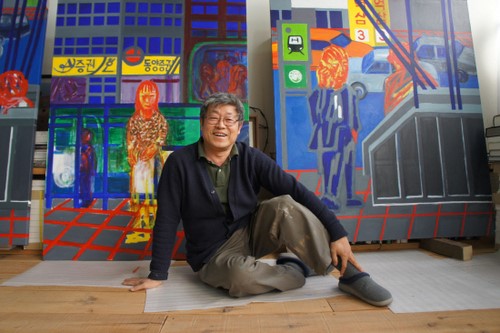
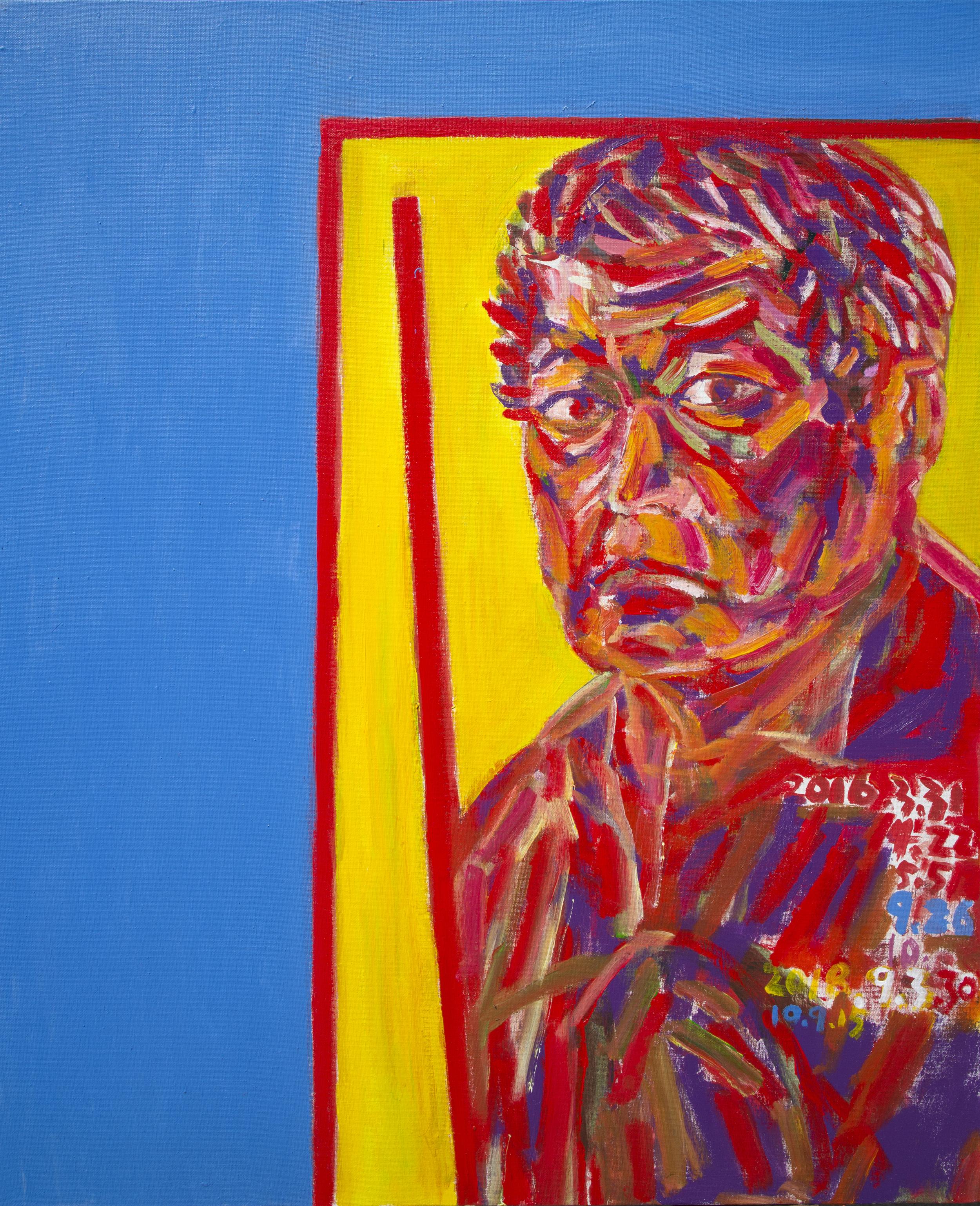
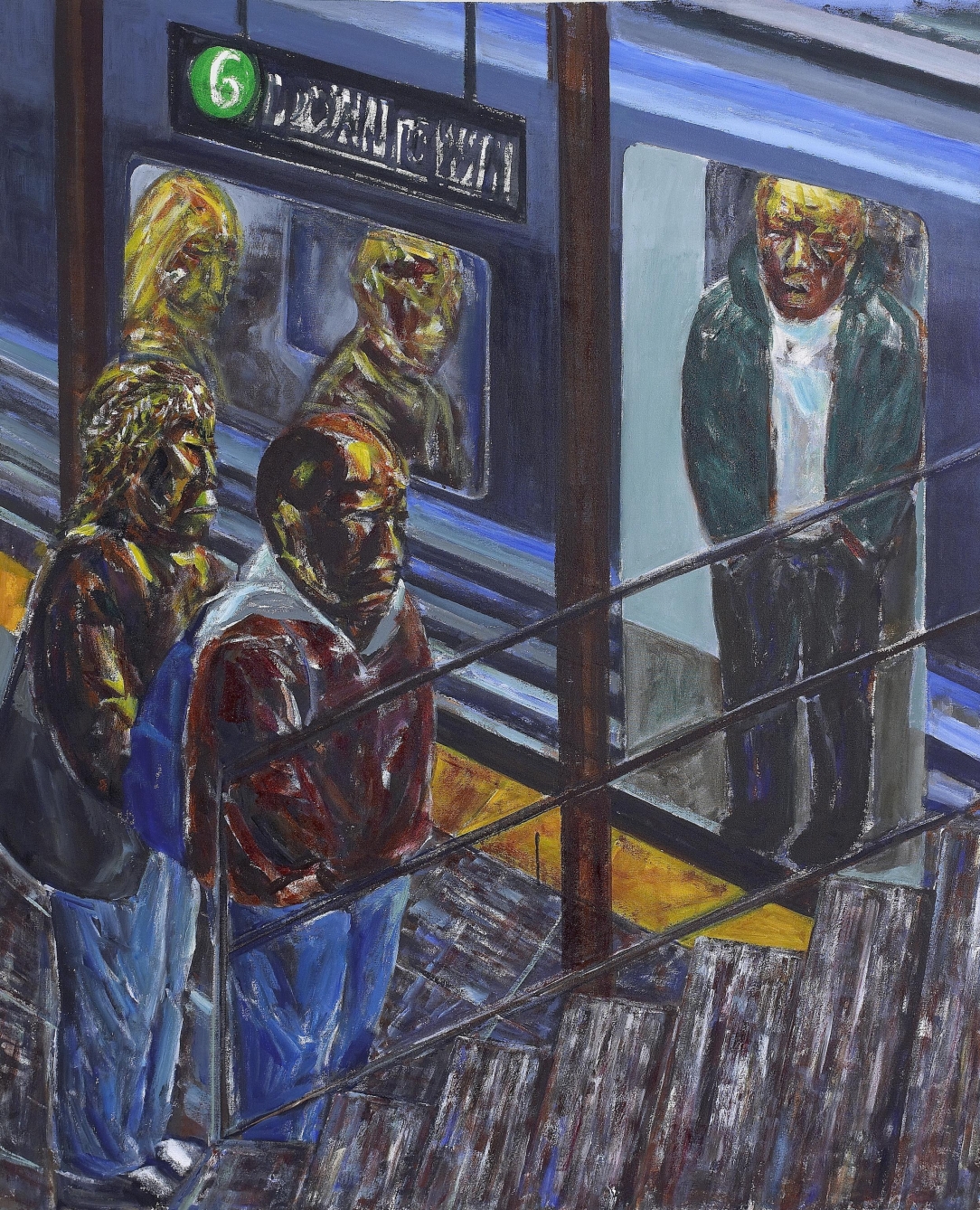
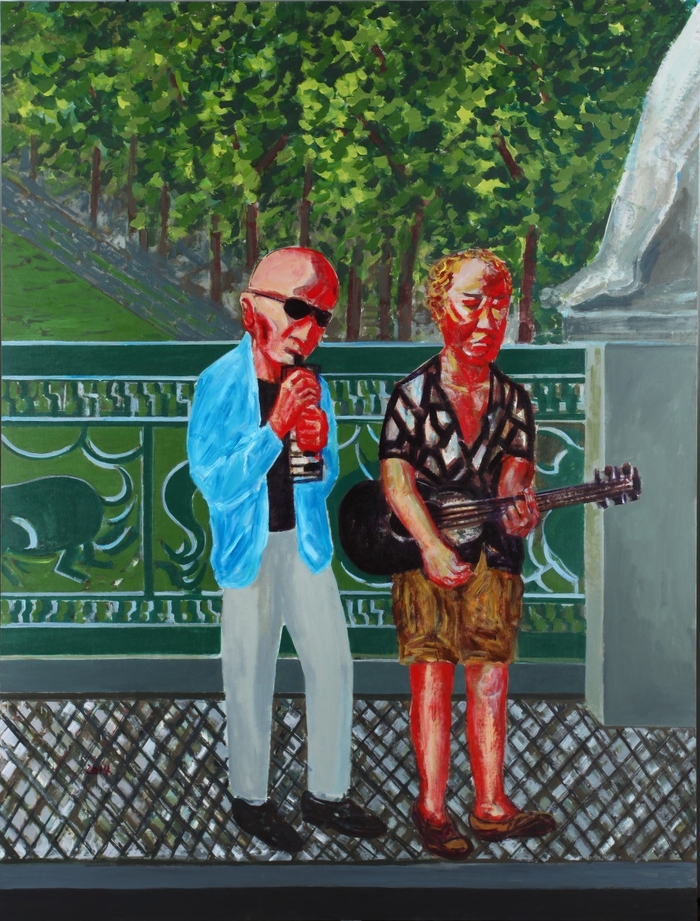
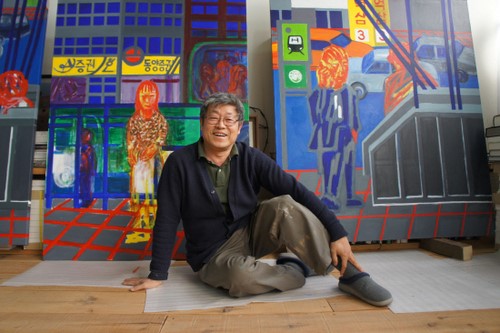
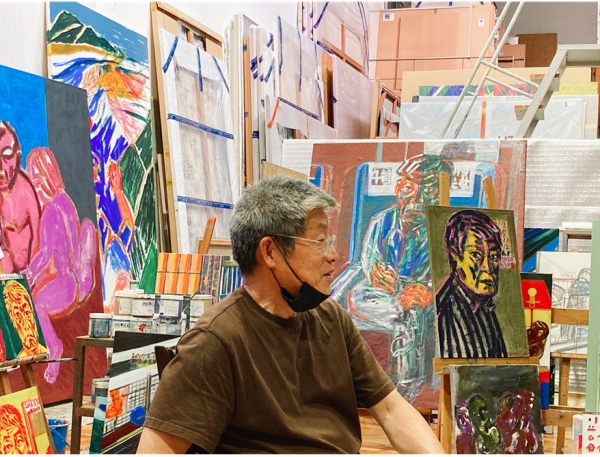
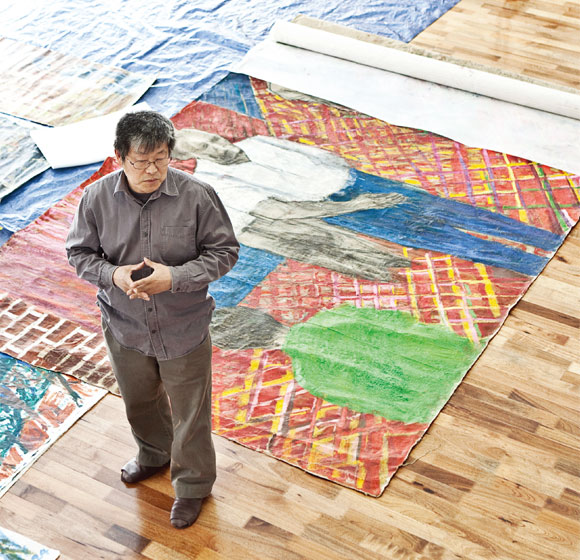
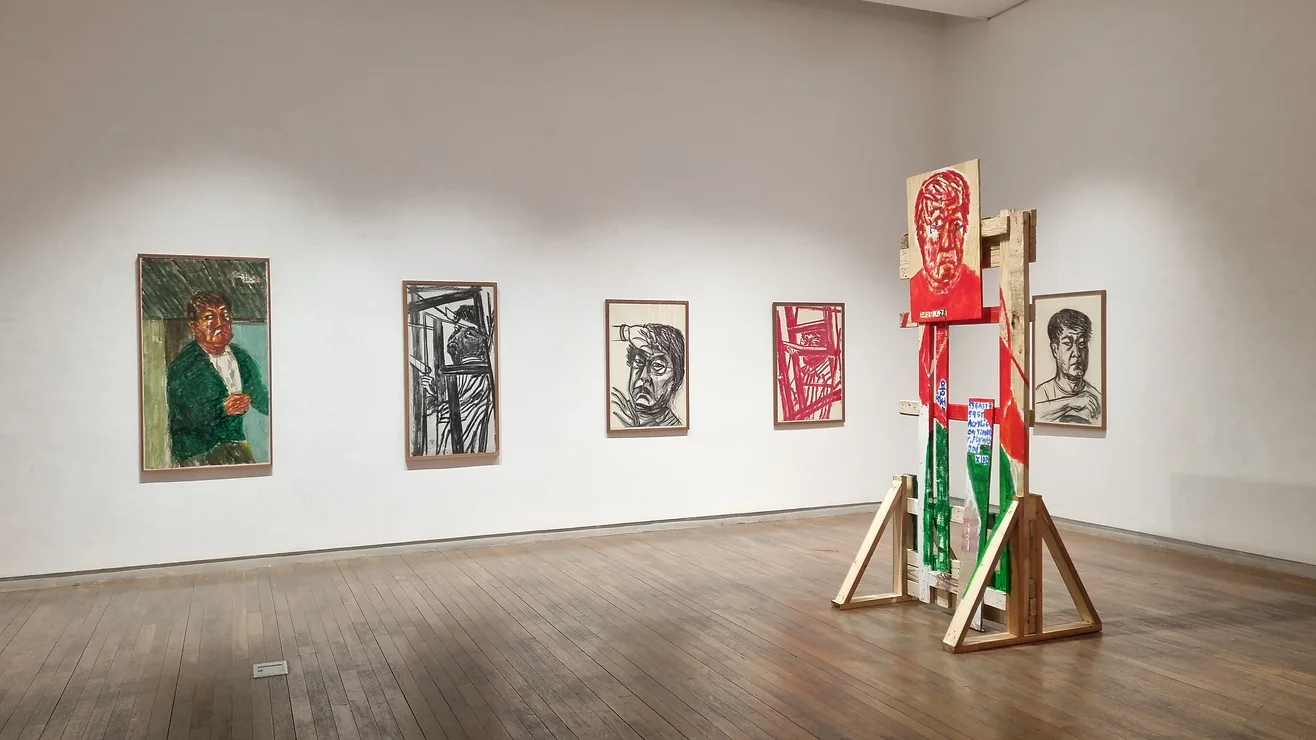
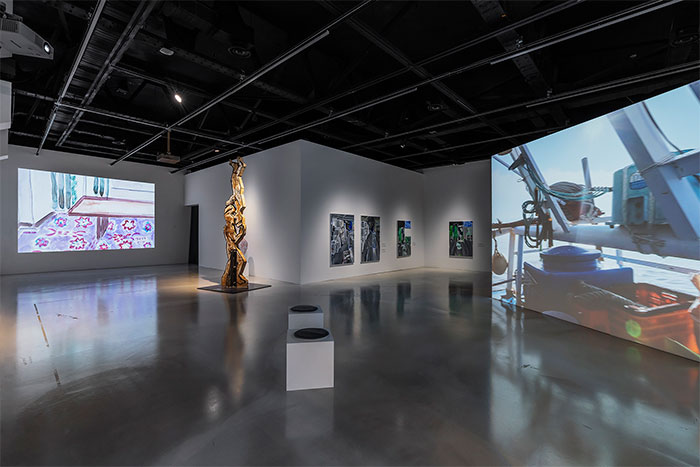
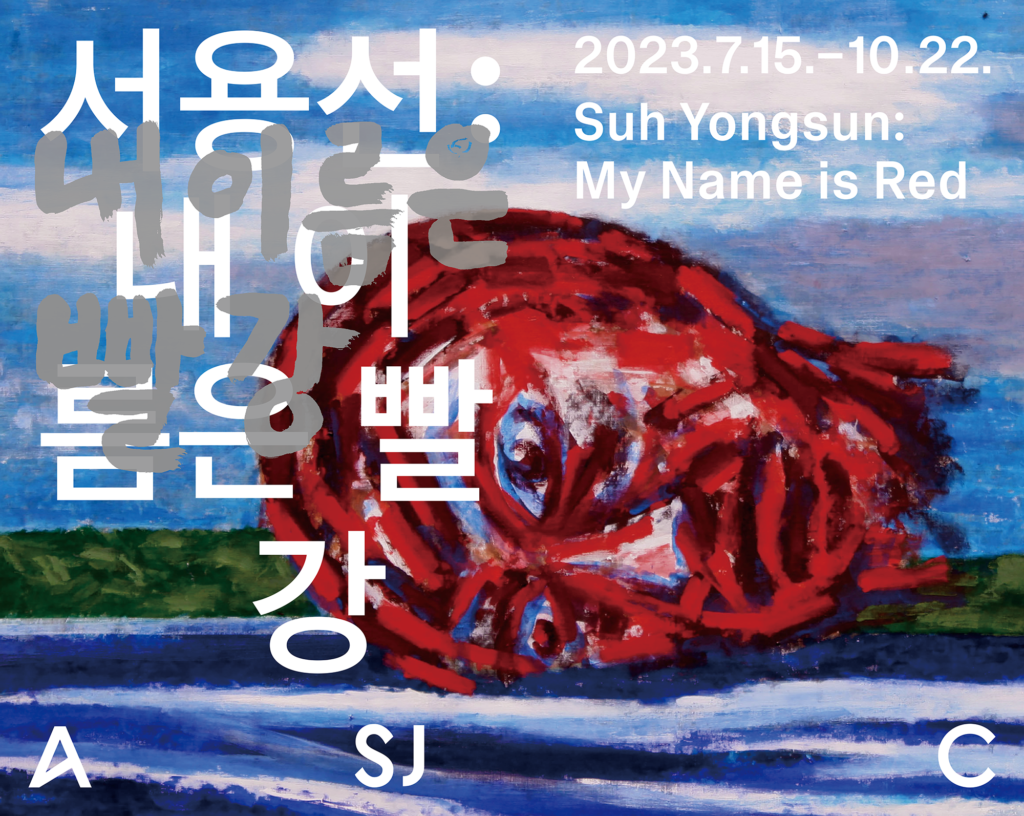
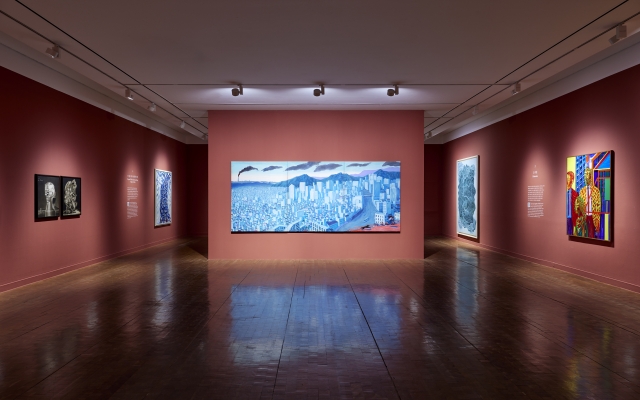
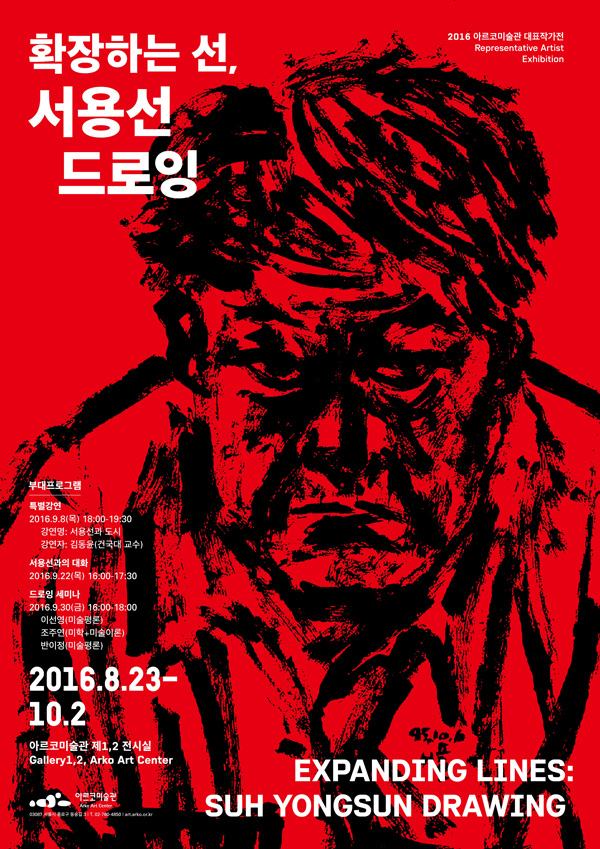
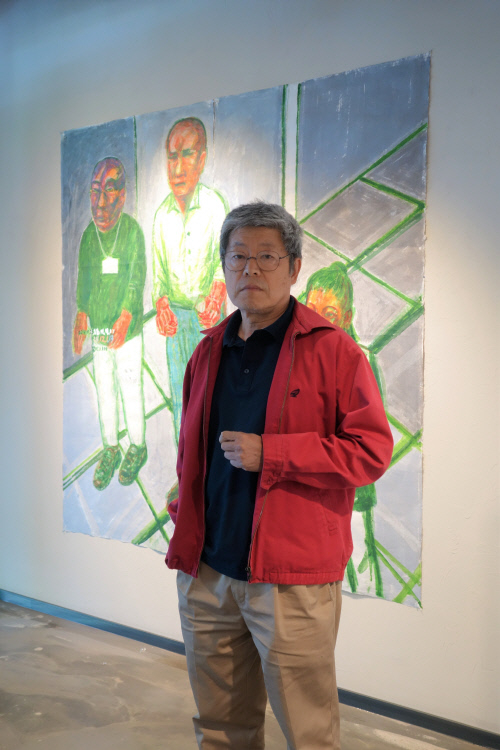
Recently, the exhibition 《Suh Yongsun’s Drawing of the City: Between Utopianism and Its Reality》, held at both Kumho Museum of Art and Hakgojae Gallery, strongly
captured my attention. The main reason is that Suh Yongsun, without overtly
proclaiming it, has consistently worked with the core of minhwa—the five
directional colors—as a principal tonal foundation. Even without mentioning the
National Museum of Modern and Contemporary Art’s 《Artist
of the Year》 exhibition (2009) or the 《Lee Jung-seob Art Prize Laureate Exhibition》
(2014), Suh is one of the few major artists capable of representing Korea.
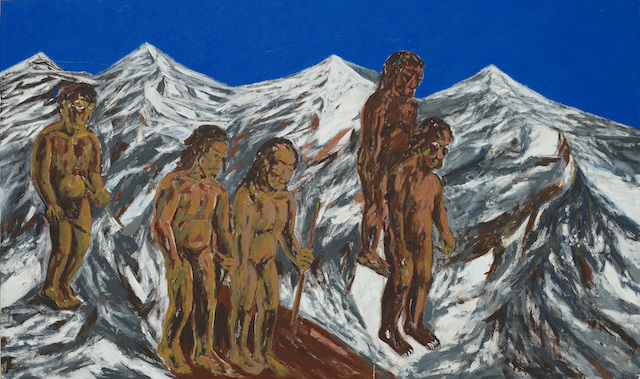
This
view is based on my observation that over more than forty years his career has
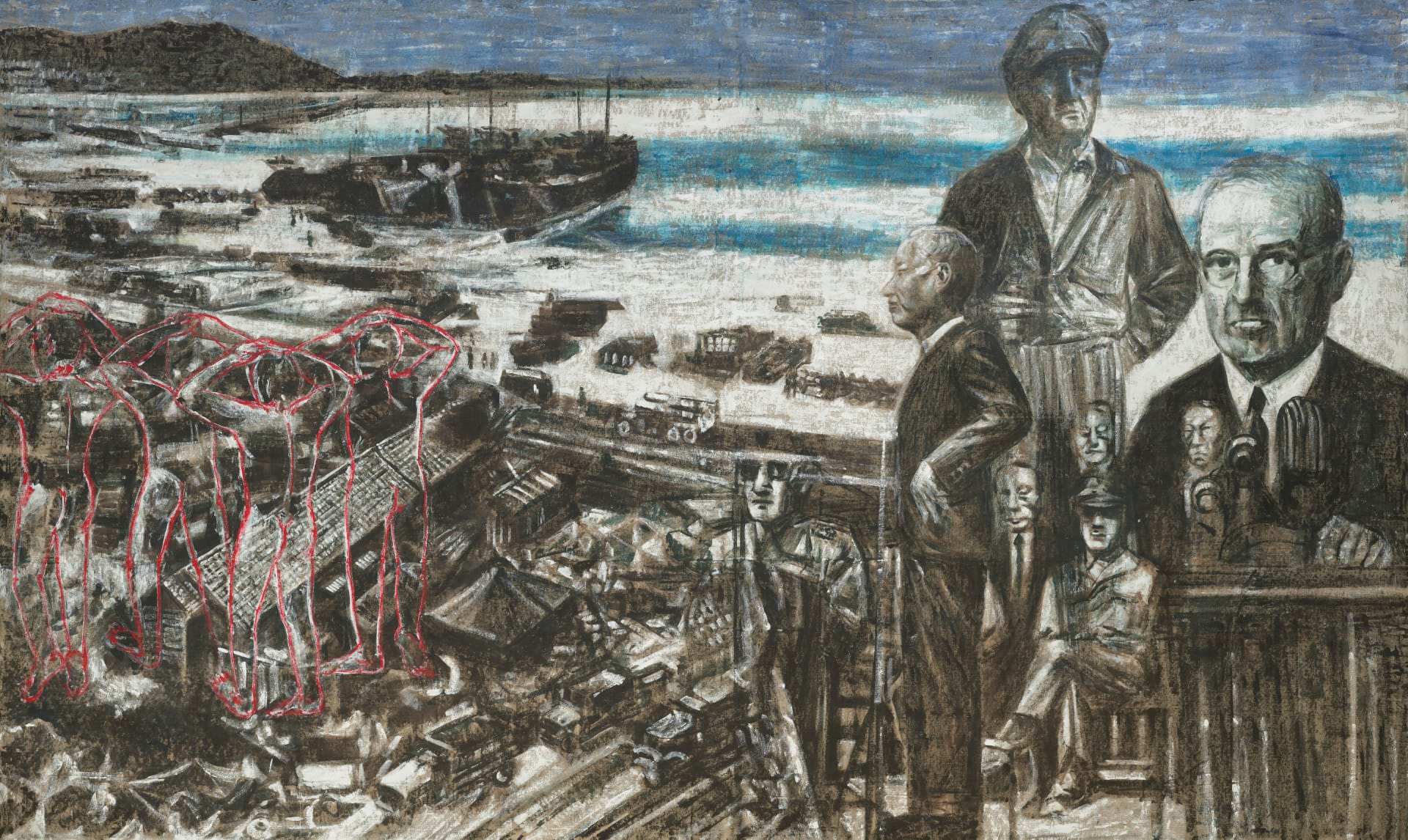
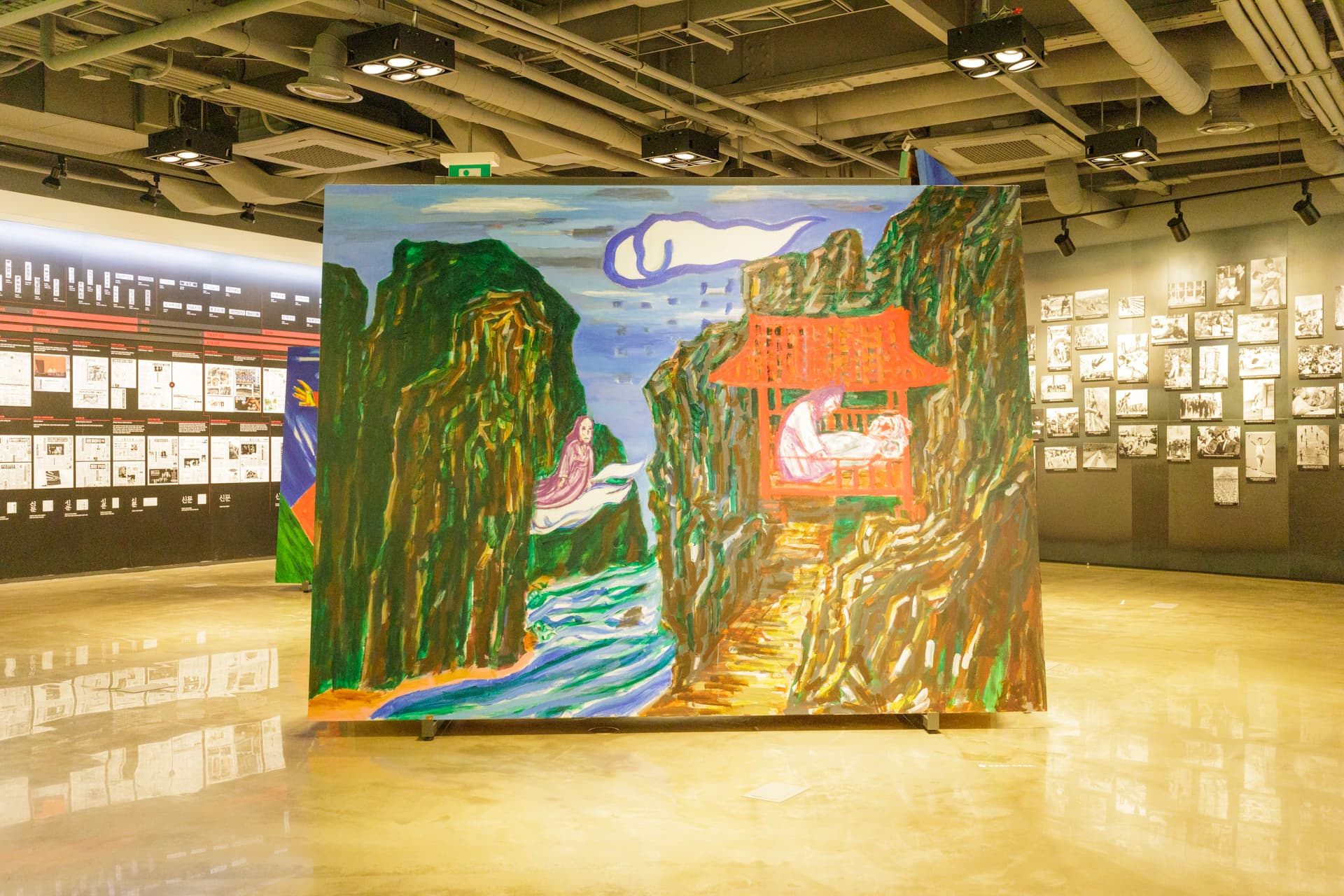
been marked by historical paintings centered on figures such as King Danjong,
and that his artistic world has expanded over time into cities across the
globe, broadening into a universal humanistic horizon through the theme of
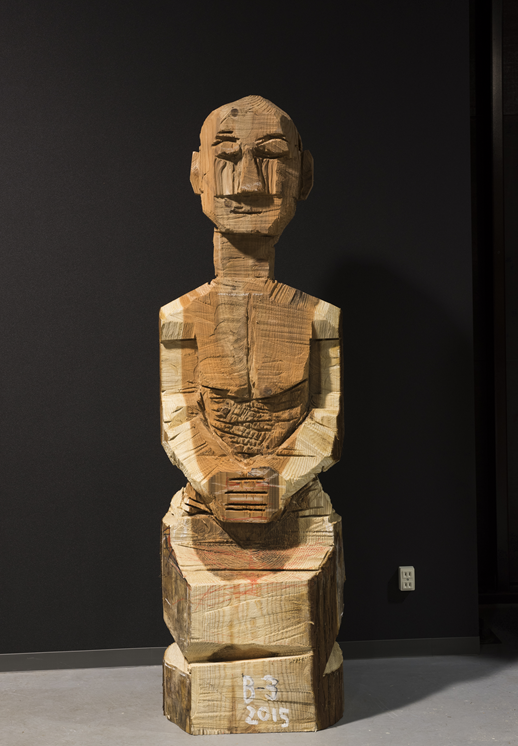
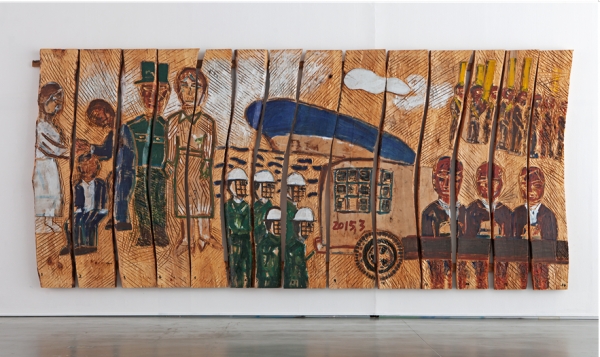
humanity. This exhibition, presented across the two venues, was a rare occasion
in which his artistic capacity was fully consolidated through both painting and
sculpture.
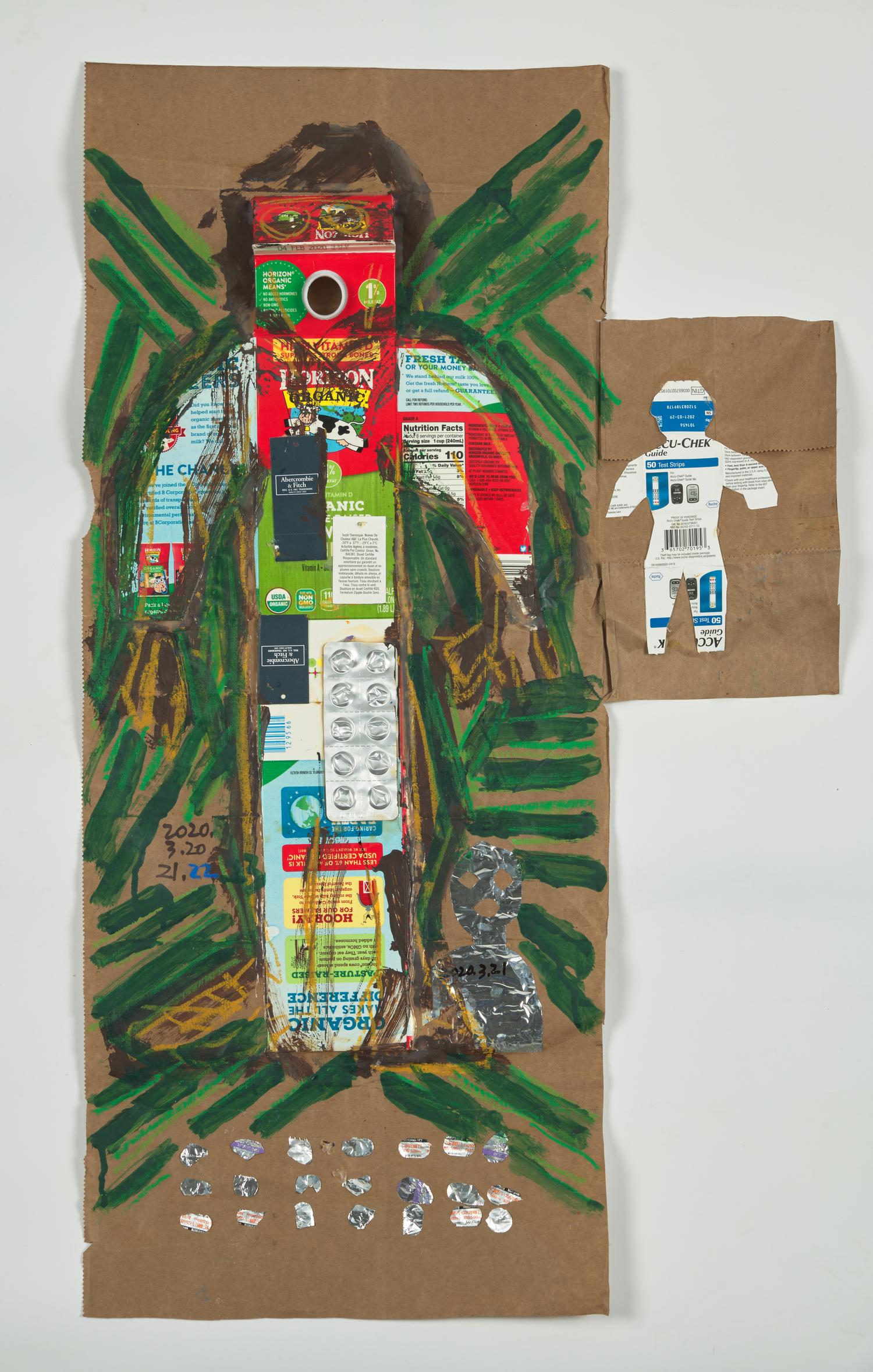
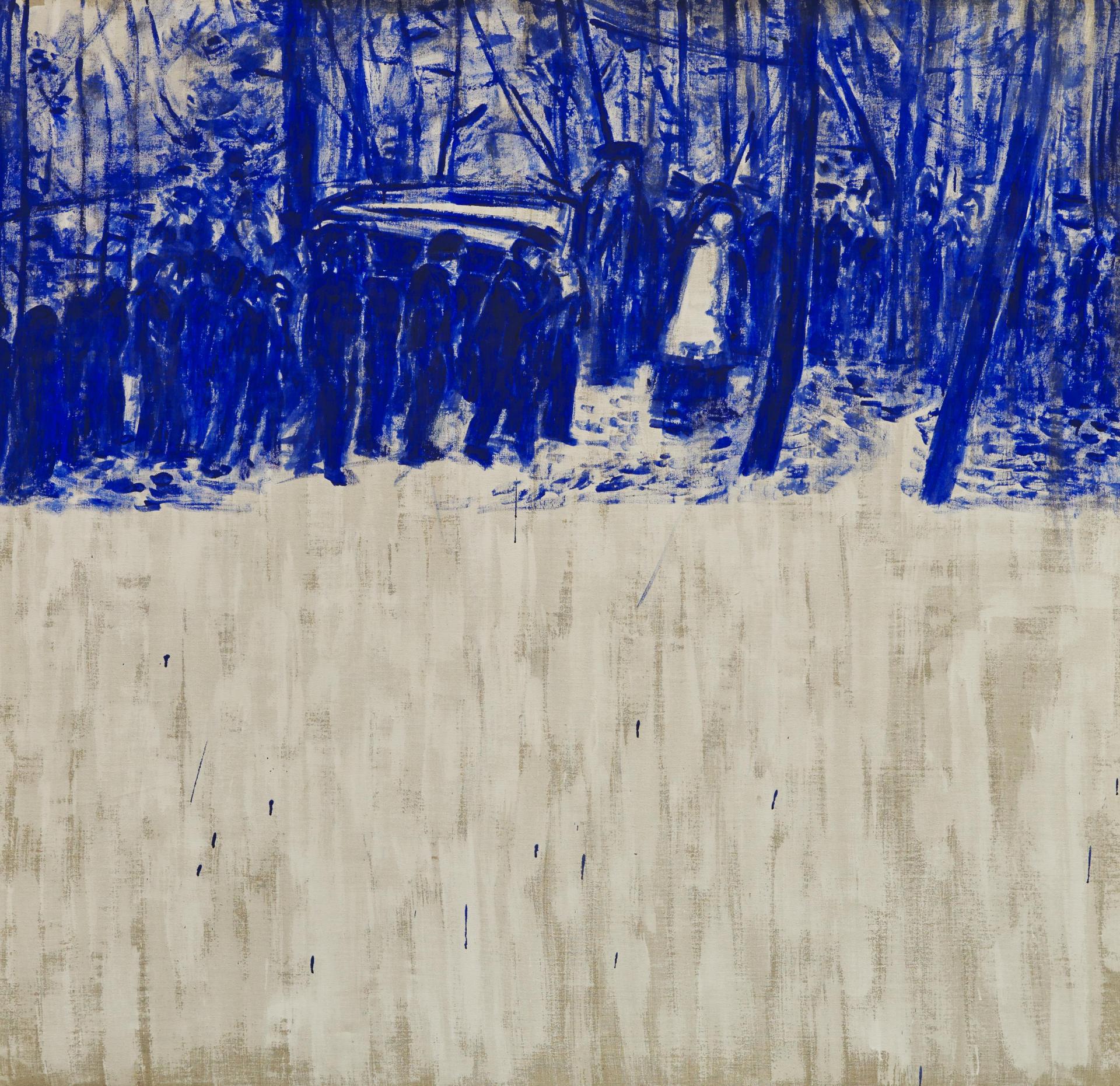
What Suh persistently addresses through
painting and sculpture is ultimately the question of the human being. Through
his works, humanity unfolds panoramically against the backgrounds of history
and the city. Beneath it all lies the tonal base of the five directional
colors. For him, these colors are not merely a means of expressing his inner
world—as they functioned in Joseon folk painting—but closer to an essence. This
derives from his long-standing attention to the lives and sorrows of royal
figures such as Danjong, the literati, and countless common people who lived
and disappeared on this land. His interest has now expanded further to cities
across the world where humans live. This exhibition functions as an interim
summation, clearly revealing how his concern with humanity manifests itself.
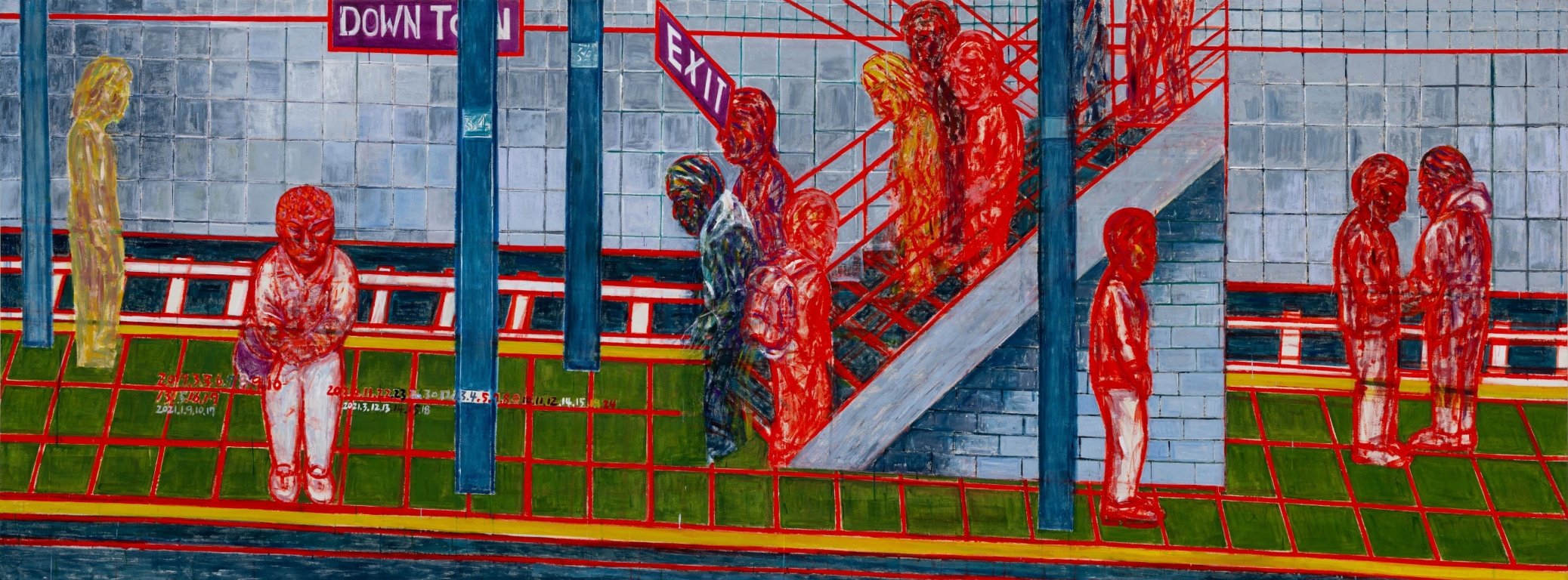
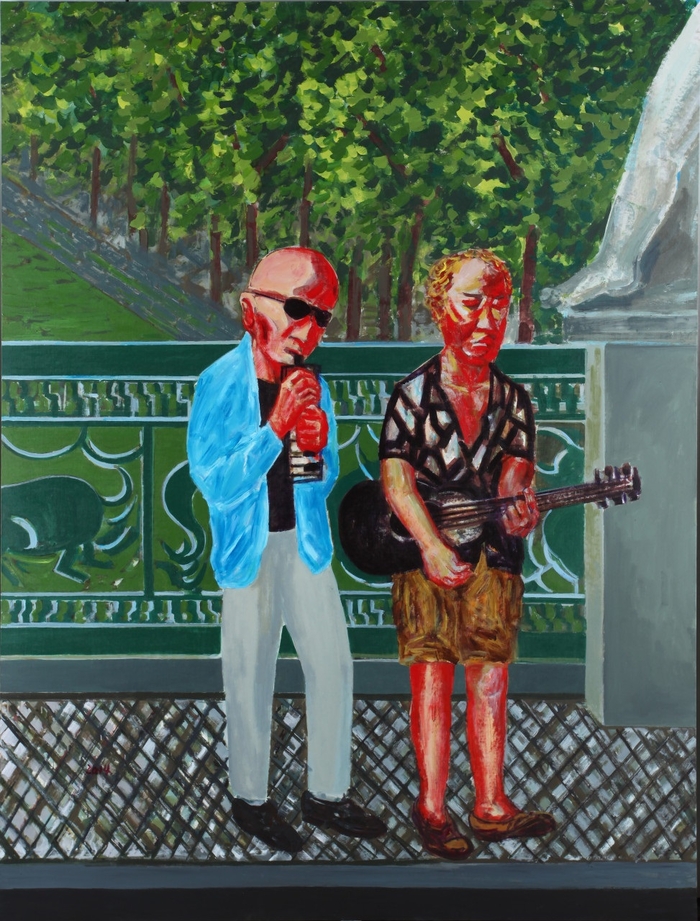
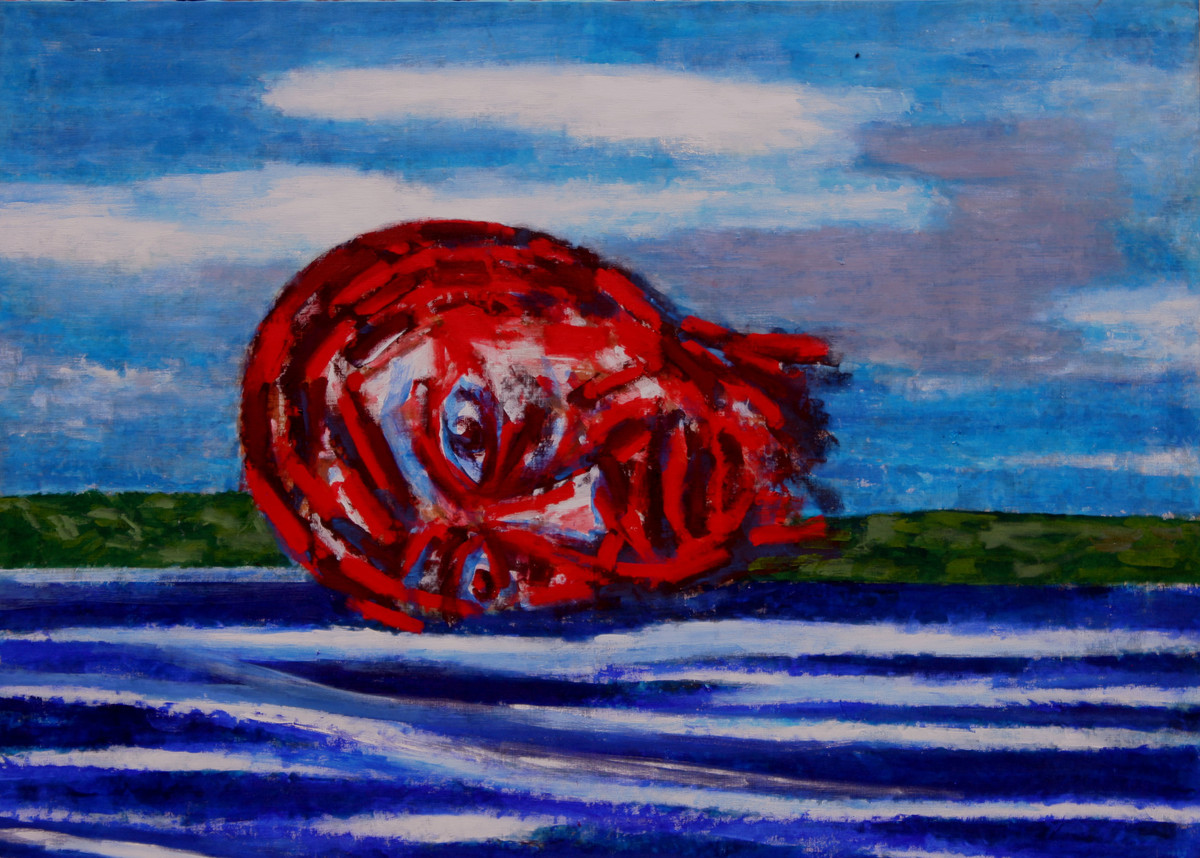
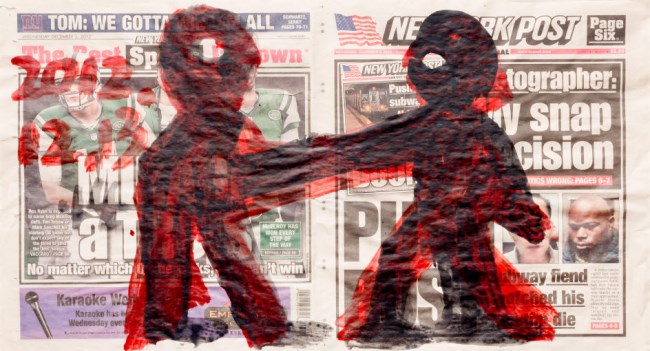
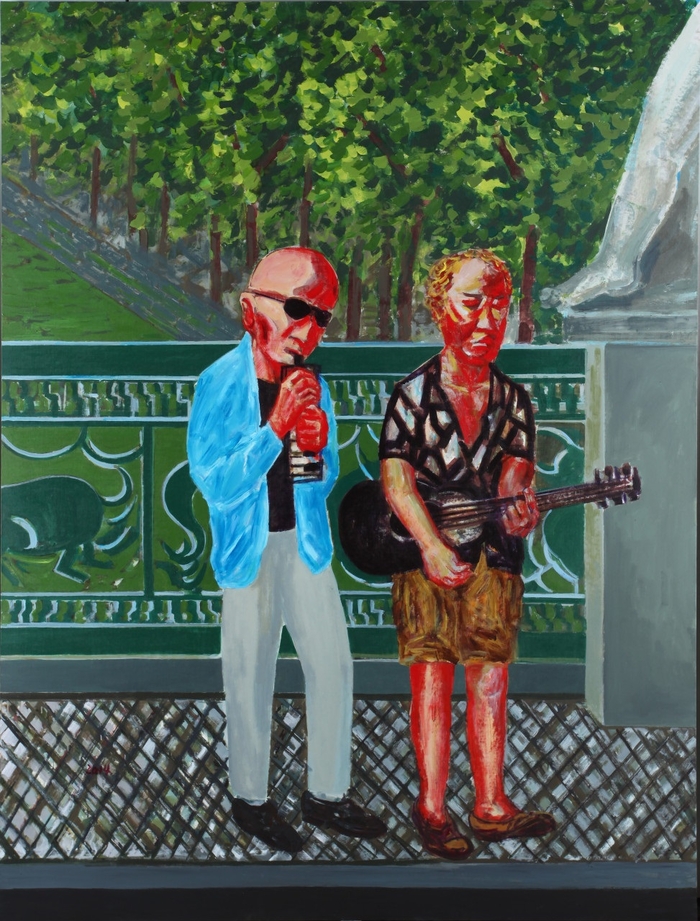
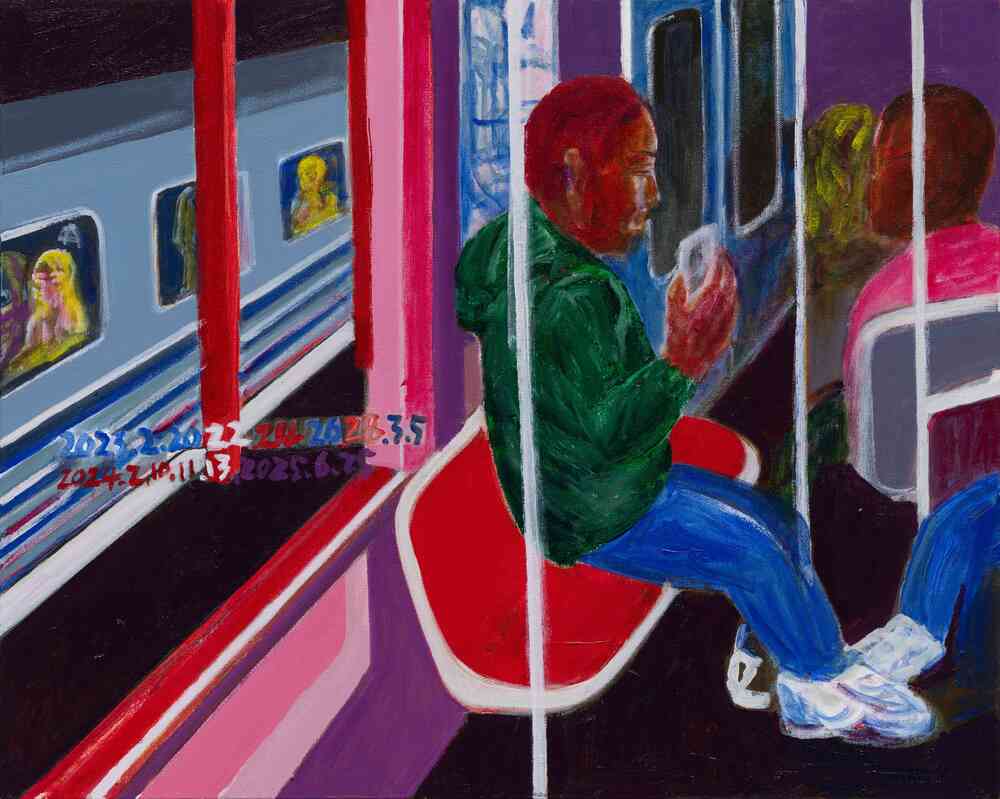
Suh paints scenes from the daily lives of
people living in major global cities such as Seoul, Beijing, New York, Berlin,
and Melbourne—places where he stayed for extended periods. These works are not
fleeting impressions; they are internalized through objective observation after
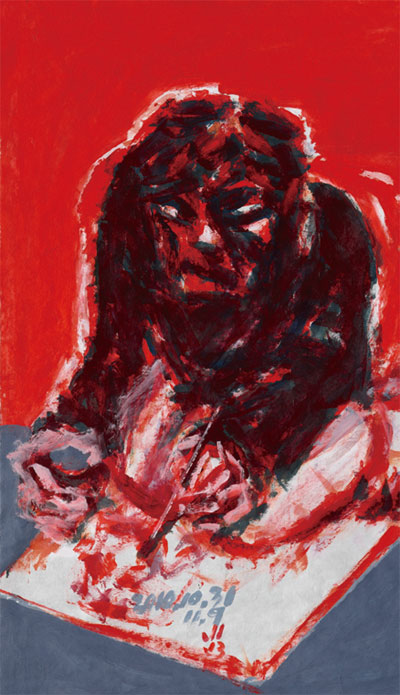
long residence and study of urban life. The deep pathos felt in the faces of
his numerous figures stems from his persistent attention to humanity. This had
already been evident in his historical paintings and also explains his reason
for being as an artist. Among many types of people, he has especially shown
deep affection toward the wounded and marginalized; notably, his continuous
interest in those outside the establishment is expressed through the dominant
use of the five directional colors.