

About 40 artists from diverse genres participate
A communal ‘festival ground’ restoring community in a harsh world

 
A generous mountain embracing some 120 villages within its wide and deep ranges; a mountain that comforts countless people weary of daily life along its trails, offering mental and physical rest; a mountain bearing many wounds and pains of modern history yet continually conveying the preciousness of life and peace—this is Jirisan.
 
As Jirisan encounters artists, it is being reborn as a home for alternative ways of living and thinking—one that elevates the values of life and peace while overcoming and healing the contradictions of modern civilization. It becomes a shared ground that pursues spiritual richness over material wealth, values coexistence over competition, emphasizes community restoration through care and sharing rather than exclusion, and practices the principles of living in harmony with nature.
 
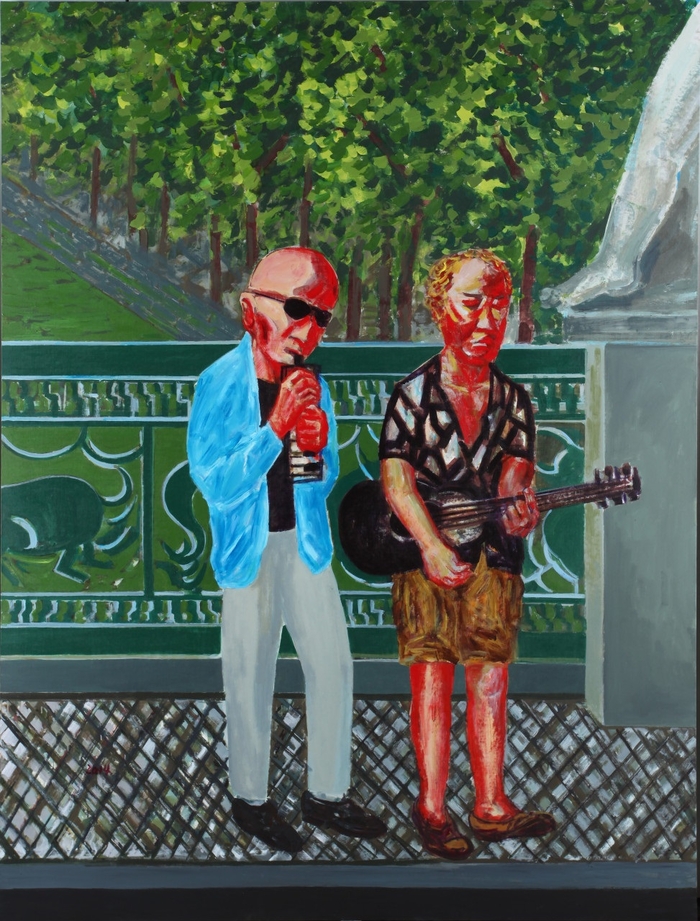
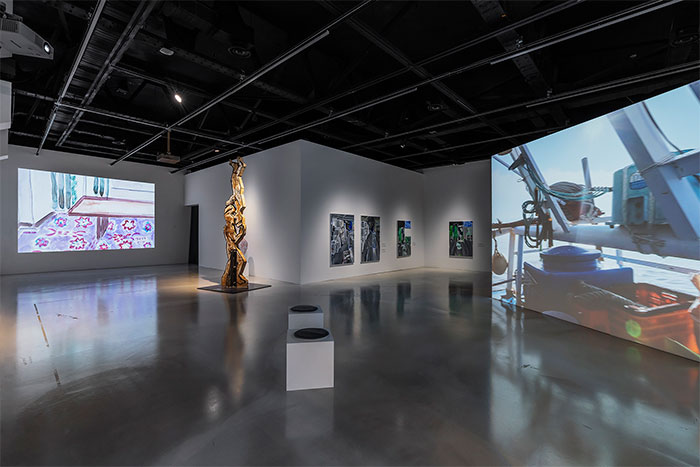
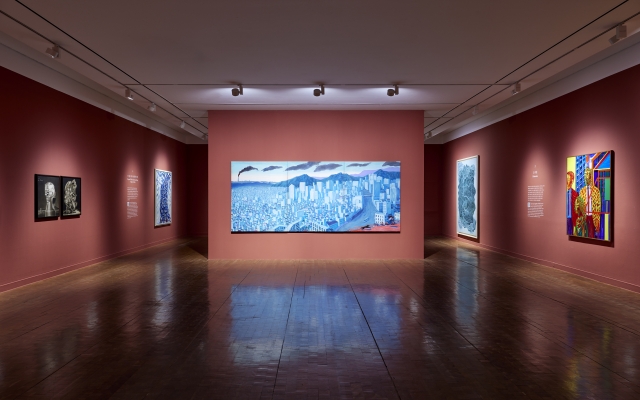
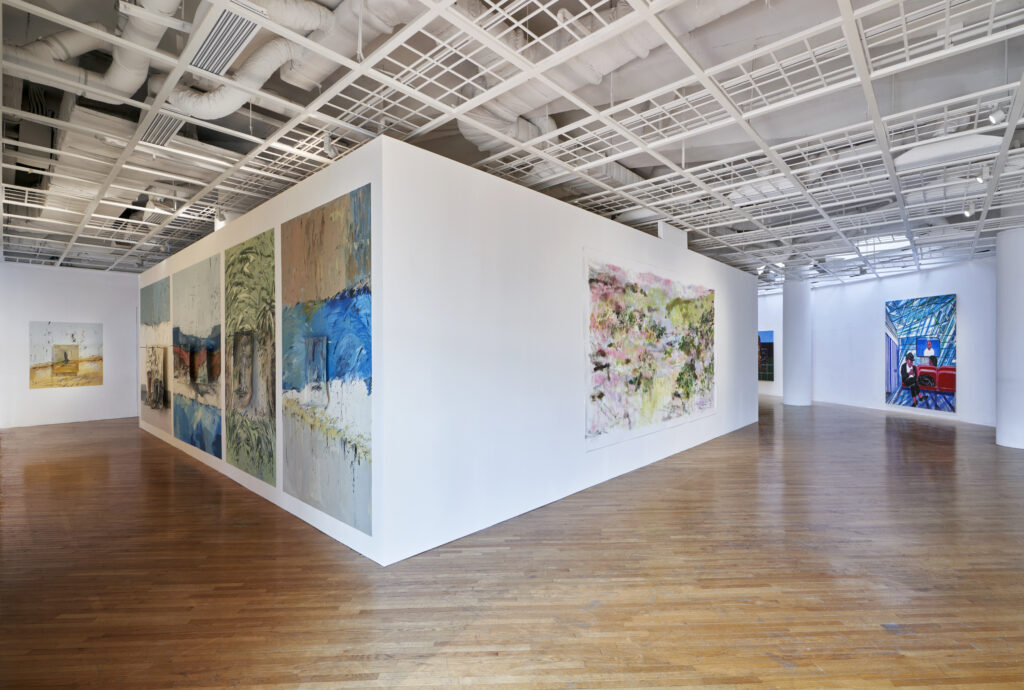
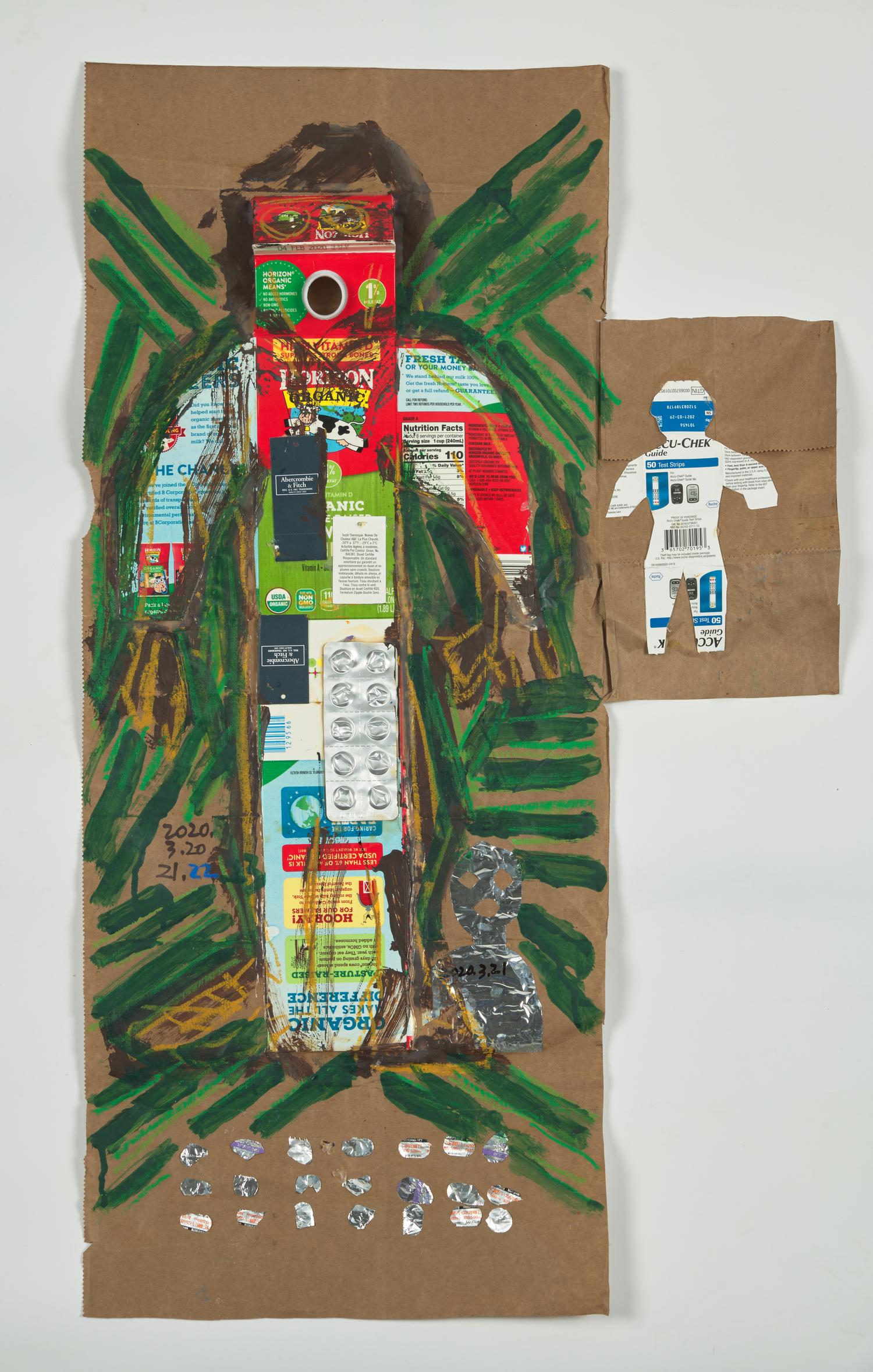
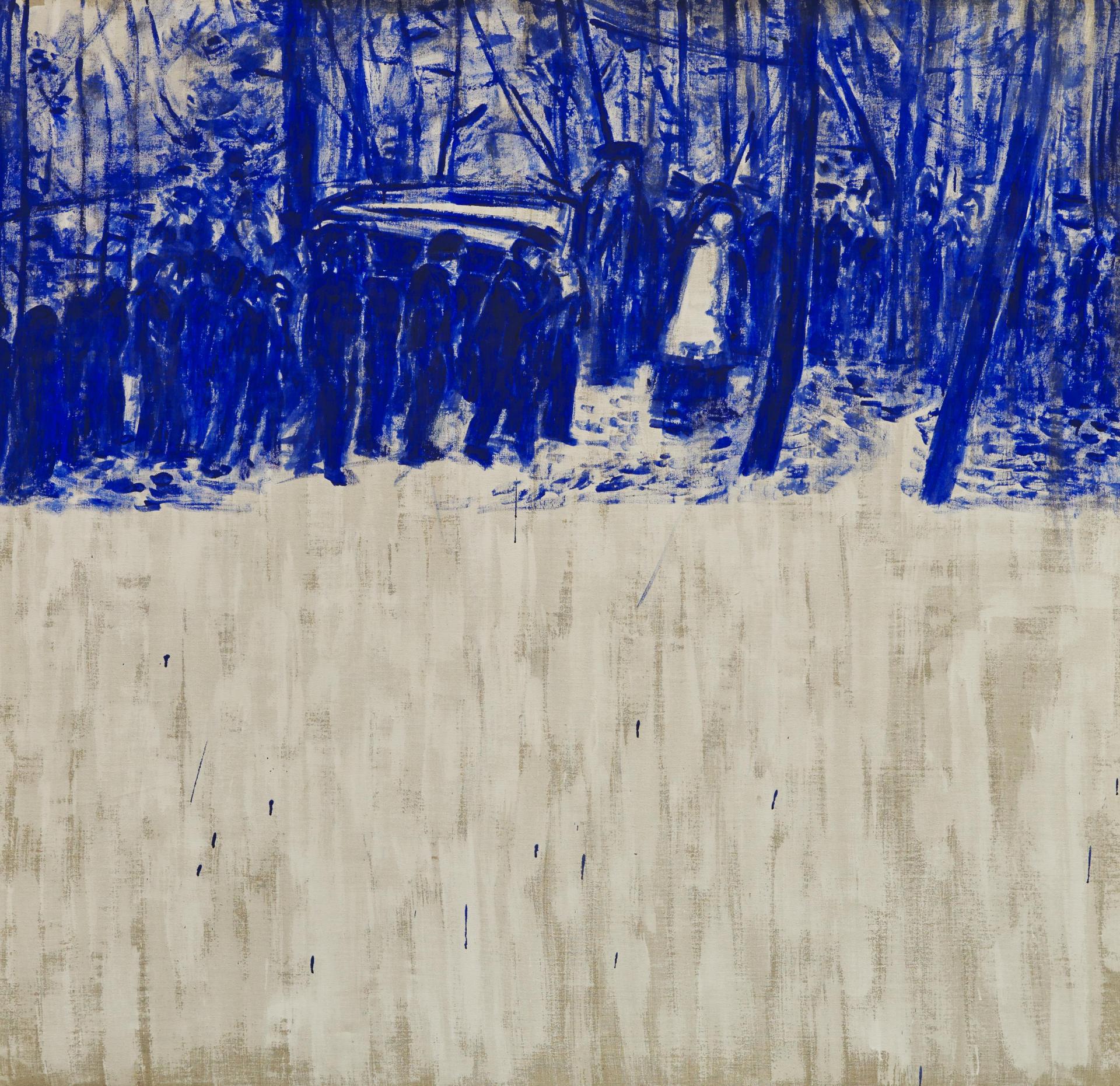
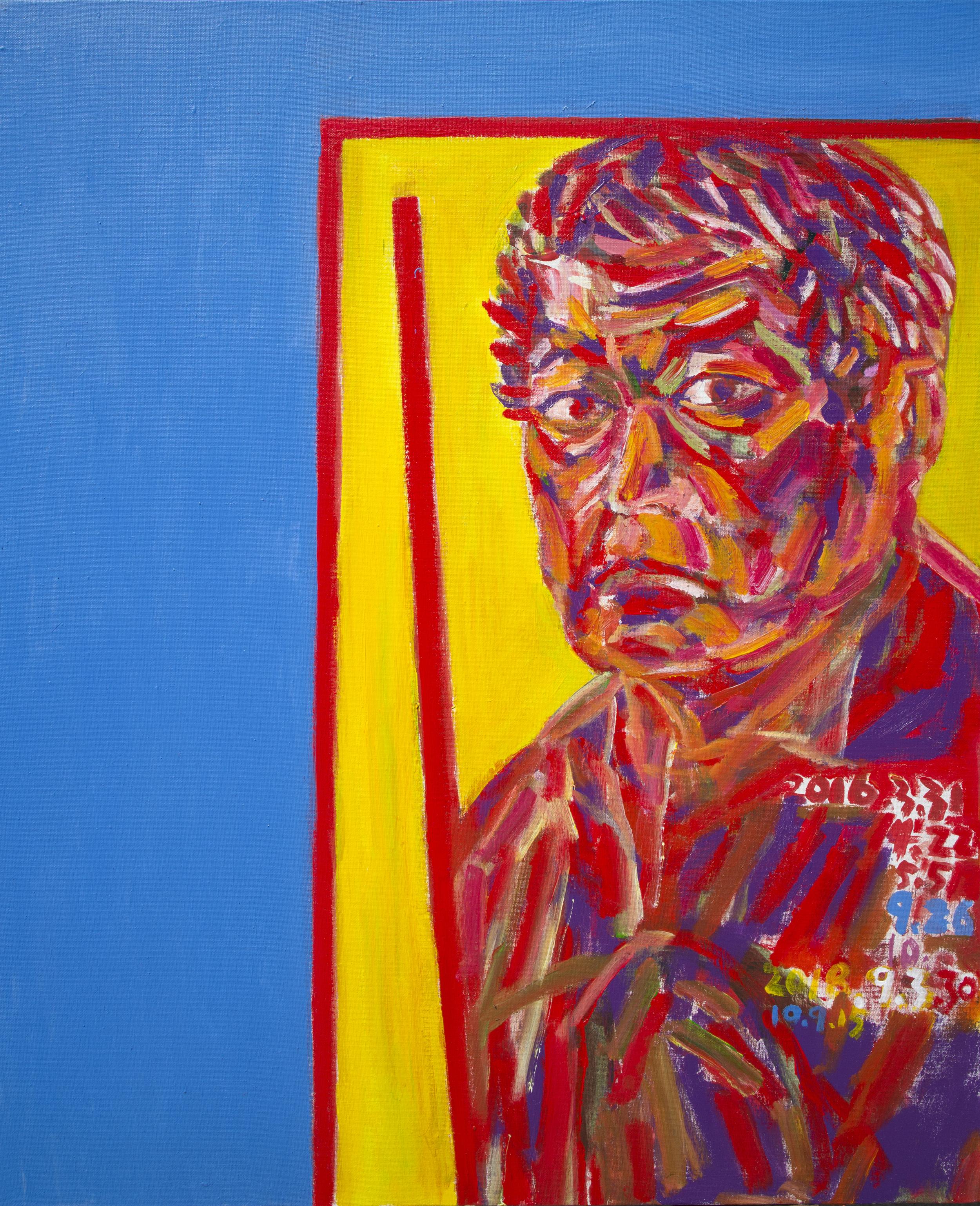
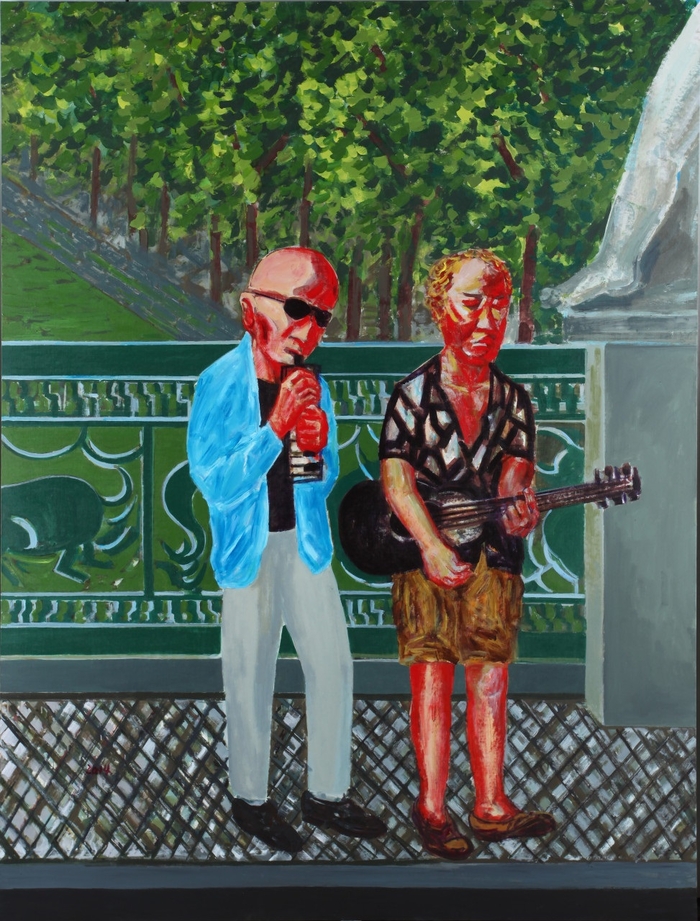
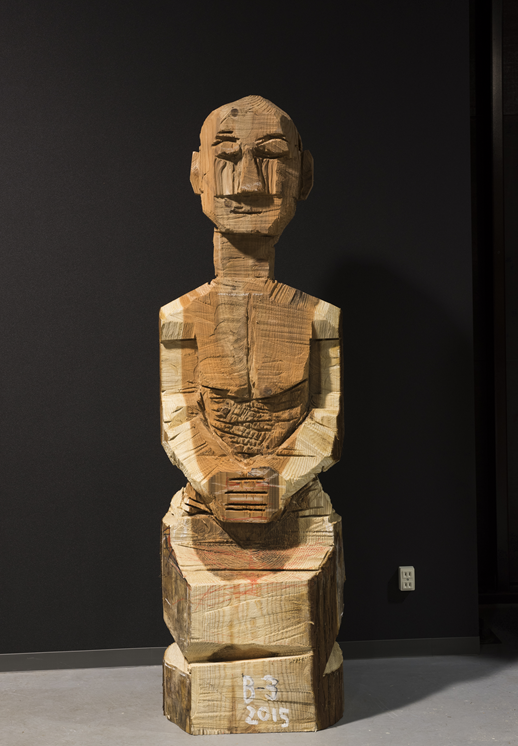
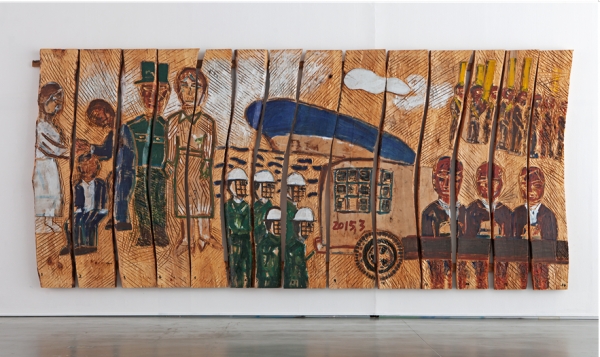
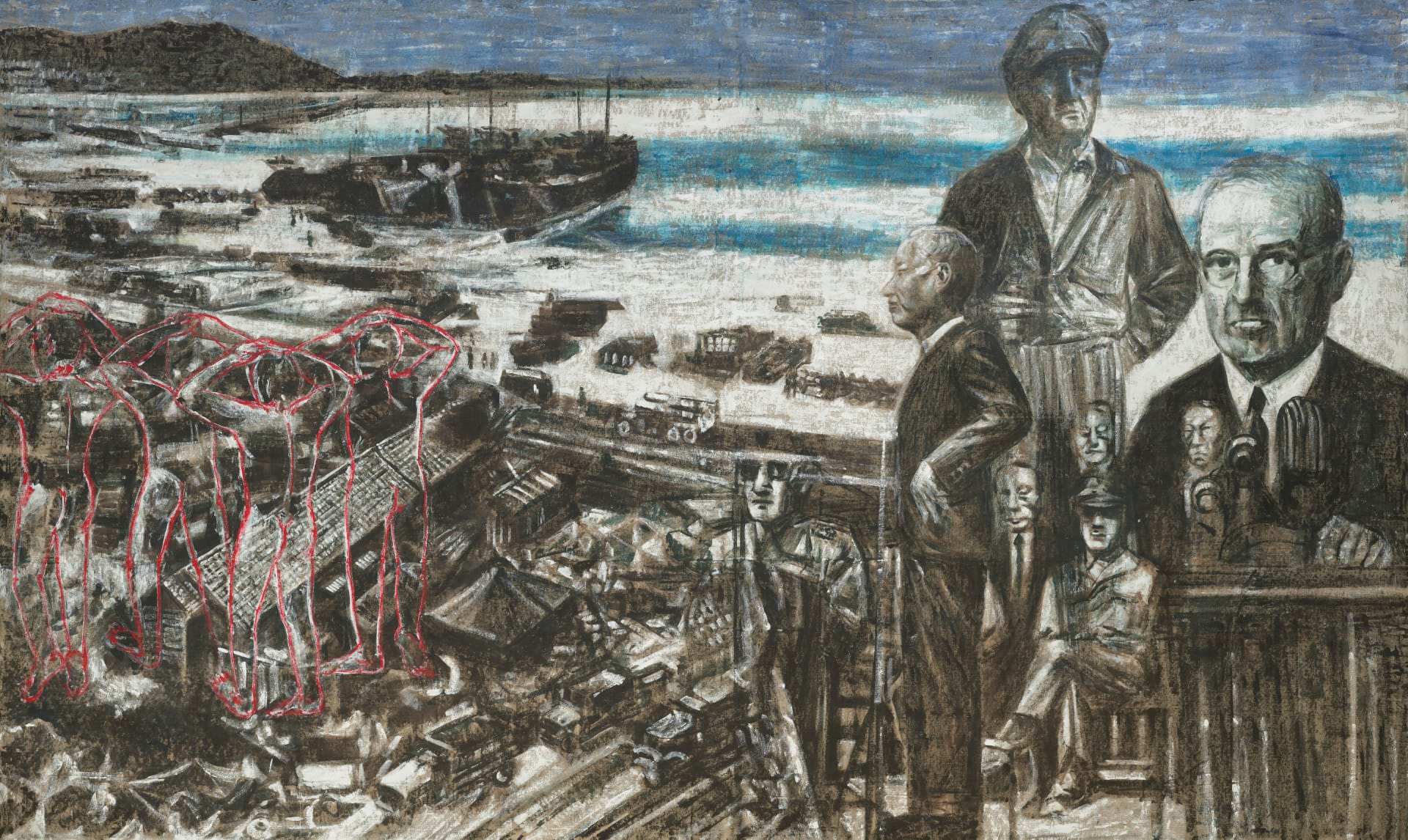
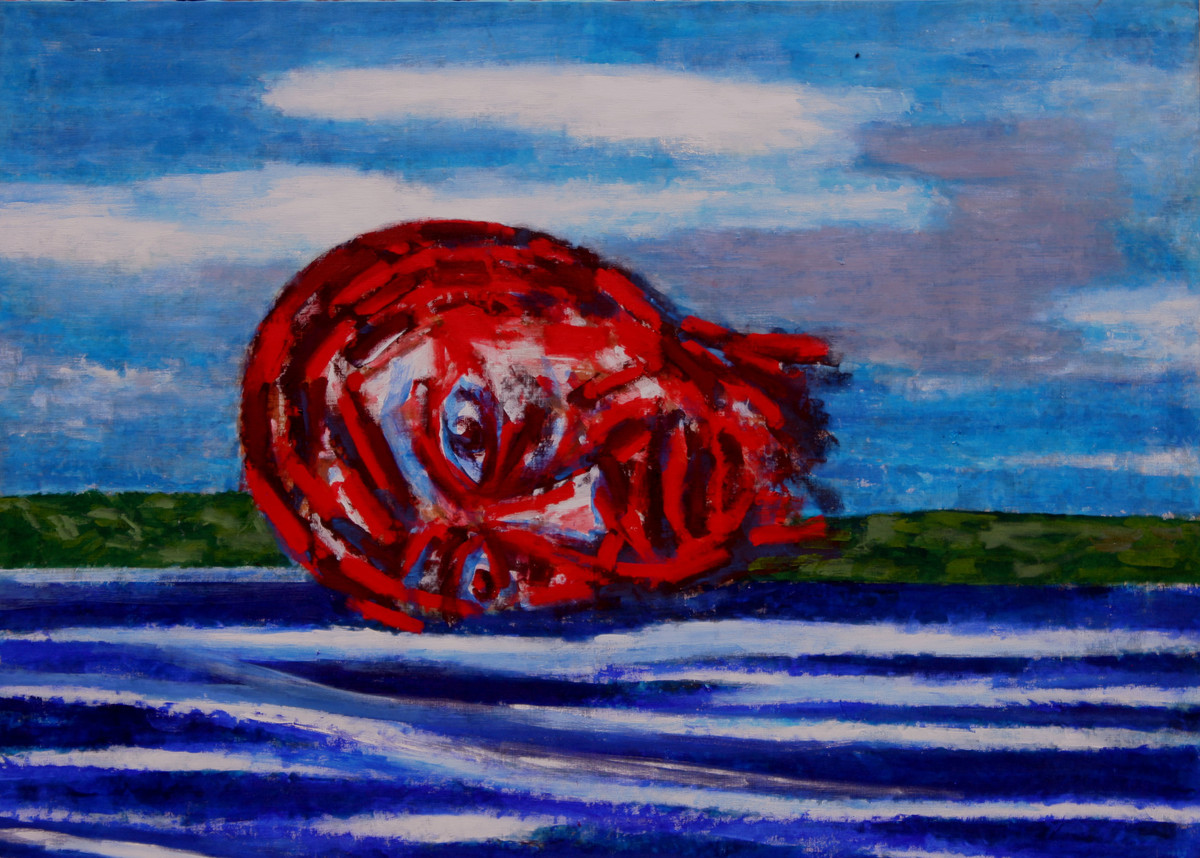
Opened on the 3rd, ‘Jirisan Project 2014: Universe-Art-Zip’ is an artistic festival that promotes, proposes, and directly practices the values of life and peace through exhibitions, academic conferences, and performances. Installations, video works, paintings, and sculptures created by around 40 artists from various fields reflect the idea that a grain of rice and a grain of sand each contain the universe, and that everything forming the world is precious.


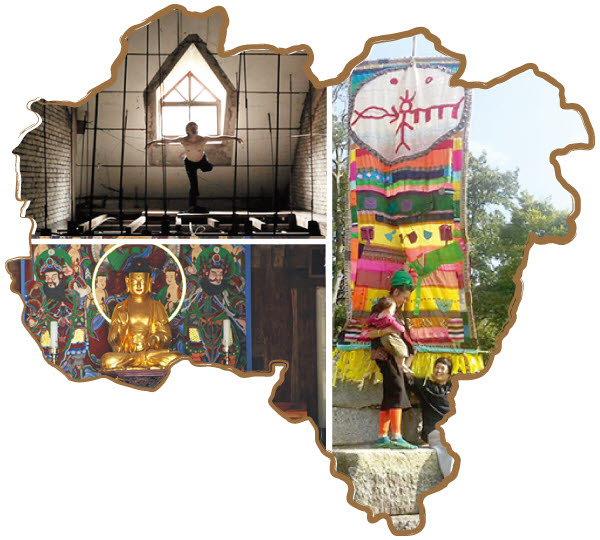
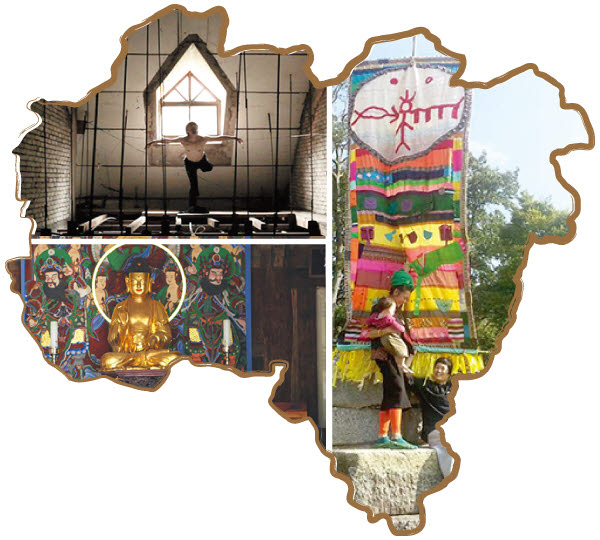
(Clockwise from upper left) Junghun Lee’s mime performance Coexistence, Ahn Sang-soo’s installation Life and Peace Flagpole, and Kim Kira’s Halo Project © Jirisan Project Steering Committee

Launched for the first time this year, the Jirisan Project combines the mountain’s symbolism with artworks to encourage visitors to reflect on the values of life and peace. The program centers on Silsangsa Temple in Namwon, a thousand-year-old temple in the Jirisan foothills; Seongsimwon in Sancheong, once a Hansen’s disease welfare facility and community; and Samhwa Eco House in Hadong, a former school reborn as a community space and travelers’ rest area.

Hosted by the Forest Trail Association, the project is jointly chaired by Venerable Dobup of Silsangsa (Chair of the Jogye Order’s Reconciliation Committee), Father Paul Oh Sang-seon of Seongsimwon, and Ahn Sang-soo, principal of PaTI, with Jun-ki Kim, chief curator of the Daejeon Museum of Art, serving as artistic director and four curators participating.
 
Director Kim Jun-ki explained: “We pursue ‘site-specific art’ that draws on the unique characteristics of Jirisan, its trails, and villages; ‘convergent art’ that binds humans, society, and nature into one; and ‘inter-art’ communication across regions such as Yeongnam and Honam and across genres including visual art, literature, and music. Through this, we aim to build a Jirisan art-ecology network and practice community art grounded in residents’ participation.”
 
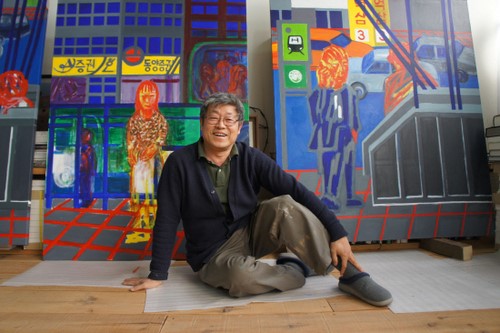
At Silsangsa Temple, the stone sculptor group ‘Sungshin Sculpture Research Association’, including sculptor and Sungshin Women’s University professor Kim Seong-bok, presents stone sculptures throughout the temple grounds, including in front of the Geungnakjeon Hall. Artist Kim Kira reinterprets the halo of Buddhist iconography into contemporary art through the light-emitting installation Halo Project and is also conducting the Sasimdang Project, planting 100 trees in a circular formation over ten years. Ahn Sang-soo’s team created Hangul calligraphic banners and illuminated the pagoda site at night with a life-and-peace flag and 304 lights symbolizing the Sewol ferry victims. Artist Jung Man Young transformed the former temple toilet building into the ‘Restroom Gallery’ and installed a sound work.
 
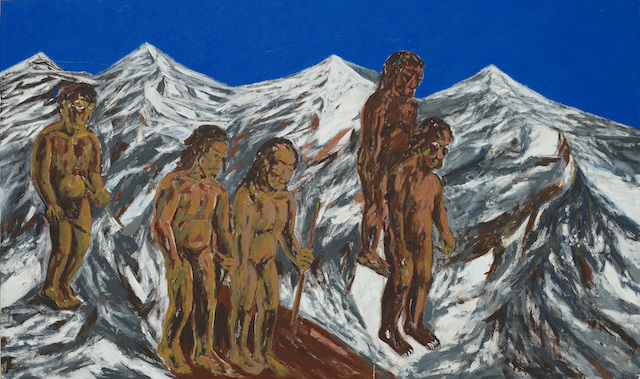
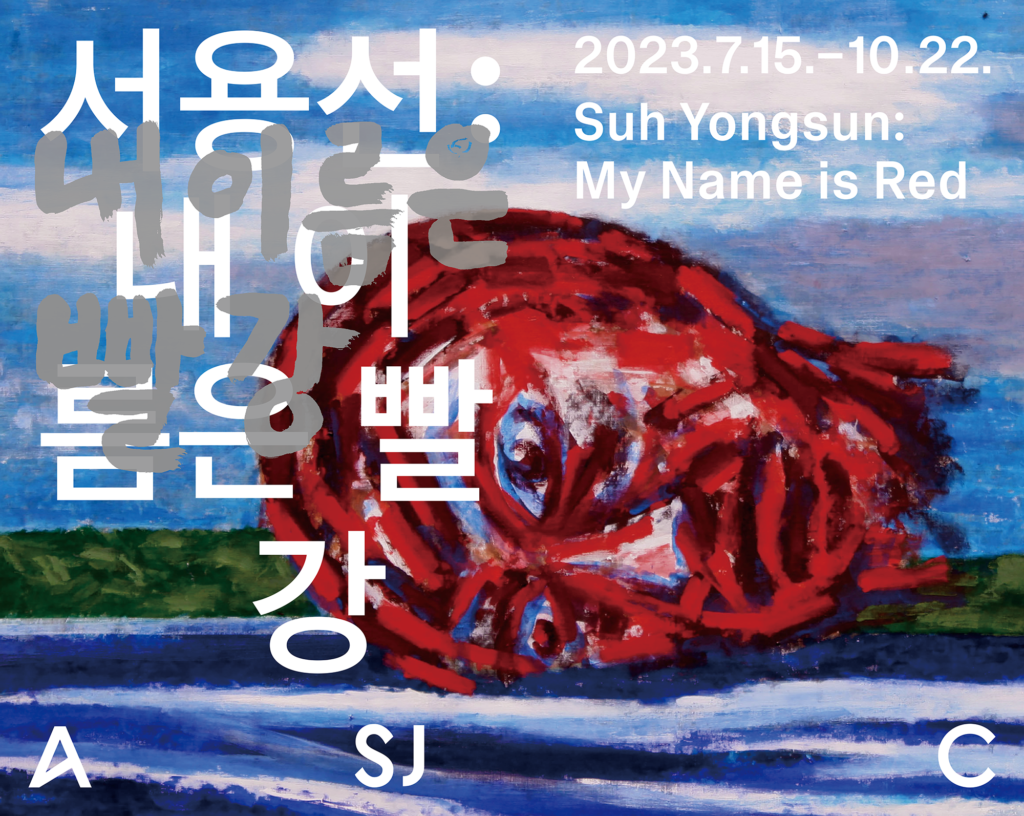
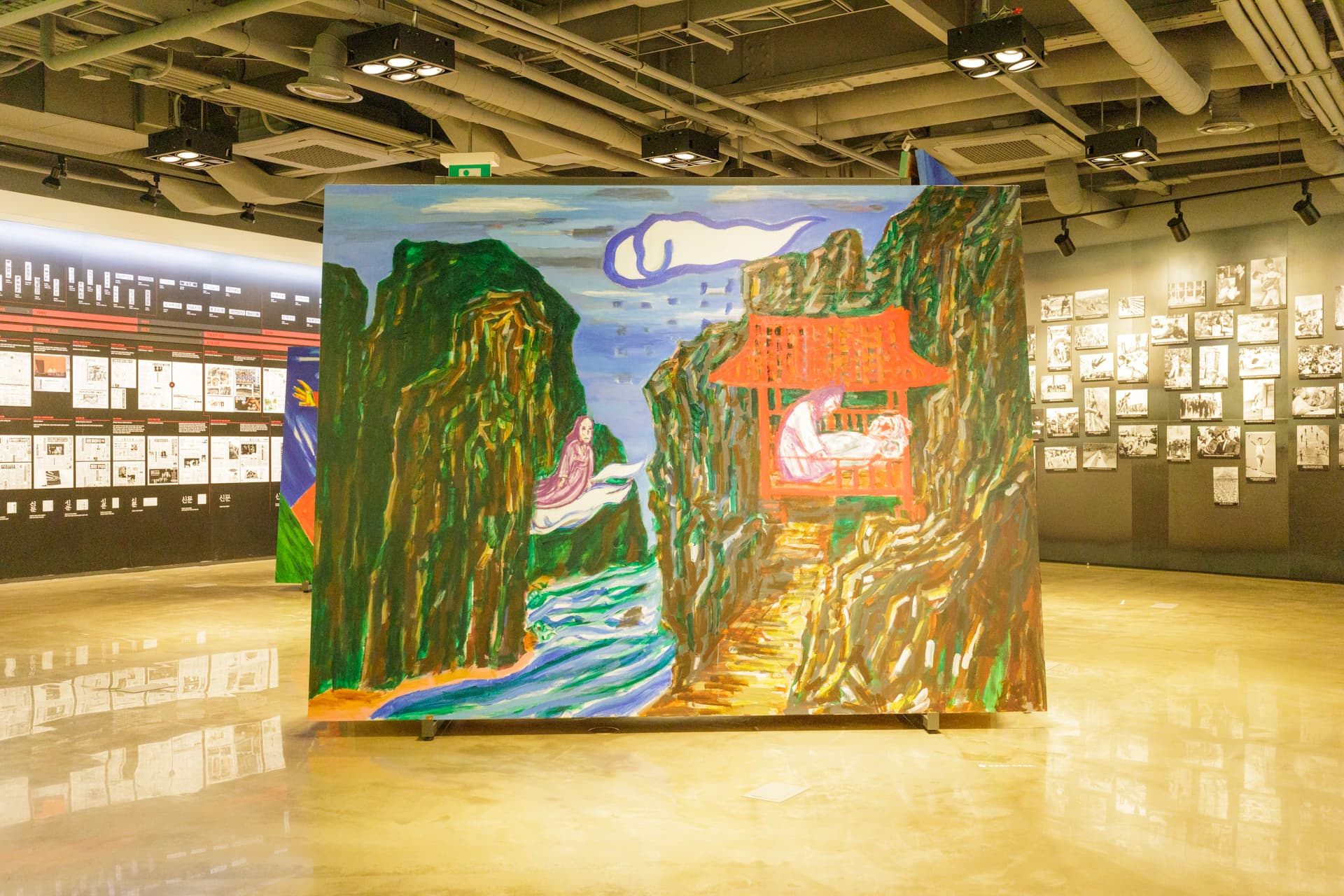
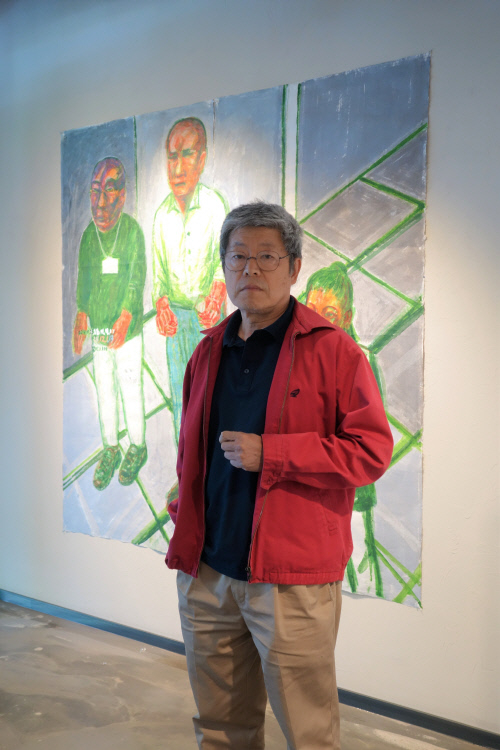
Meanwhile, Seongsimwon—once isolated both by neighboring villages and by its own closed nature—has buried its painful past and been reborn as an open space. A residency has been established for artists, and its auditorium has been converted into an exhibition hall. Alongside the Jirisan Project, Seongsimwon is pursuing transformation into the “Jirisan Museum of Art.” Painter Suh Yongsun, known for historical landscape painting, presents landscape paintings of Jirisan and sculptural works based on the Jirisan Mago myth; artist Lee Ho-shin, who lives in the region, exhibits ink paintings reflecting on human life and history through the grandeur of Jirisan and the Seomjin River; and artist Moha Ahn shows media works using light and glass beads.
 
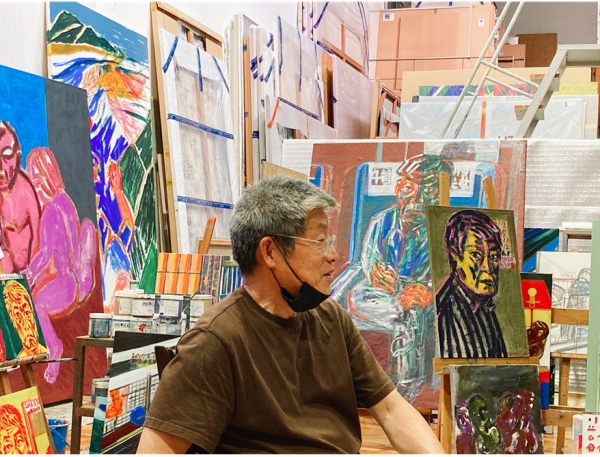
At Samhwa Eco House, artist Oh Chi-geun’s exhibition is accompanied by activities such as persimmon harvesting volunteer work, village mural painting, planting hibiscus trees, and artist discussions.
 
Venerable Dobup stated: “The Jirisan Project is not a one-time event but will continue for 10 or 20 years, expanding from Hadong, Sancheong, and Namwon to areas such as Gurye. We hope to offer wisdom, courage, and strength to all contemporary people interested in alternative values and ways of coexistence that move beyond the contradictions of modern civilization, which wounds one another.”
On view until November 2.

References