The
Seongbuk Museum of Art will present artist Choi Jeonghwa’s ‘Forest’ project for
one year beginning Tuesday, April 10, 2018, following the creation of the
‘Street Gallery’ space in the Ssangdari district of Seongbuk-dong.
Seongbuk-dong,
where history, culture, and art coexist, has long been a place where numerous
artists gathered, lived, and exchanged ideas. In particular, the village
naturally formed along the waterway of Seongbukcheon (present-day Seongbuk-ro),
extending from Samseongyo Bridge, contains cultural landmarks at every step —
including Kansong Art Museum, Choi Sunu House, Suyunsanbang, and Simujang —
where one can sense the history and lives of the past.
In the
Ssangdari district, the geographical and cultural center of Seongbuk-dong, a
new complex cultural space called ‘Street Gallery’ was established earlier this
year. Intended to become both a representative base of Seongbuk-dong — where
history and culture coexist — and a community space for residents, the site was
directly designed by architect Cho Sung-ryong, reflecting the topographical and
architectural characteristics of the neighborhood.
The old stone retaining
walls forming the space, the traces of former waterways remaining along the
path, and even the marks of shops and houses that have occupied the area for
decades — landscapes unfolding while preserving the spatial and geographical
traces of the past create Seongbuk-dong’s unique scenery upon a continuity of
time and space and function as the Street Gallery. Choi Jeonghwa is the first
artist to communicate with this space.
Installation
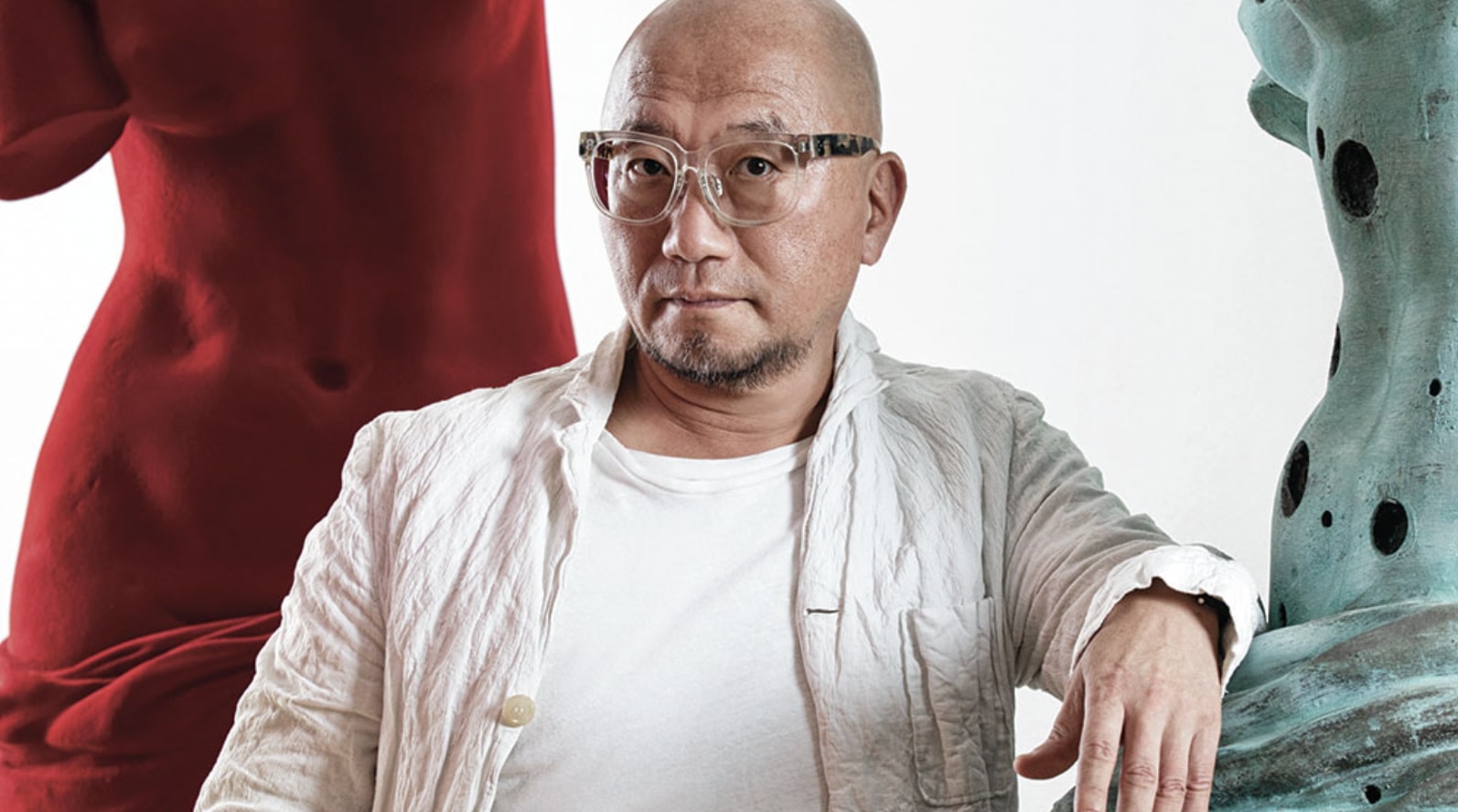
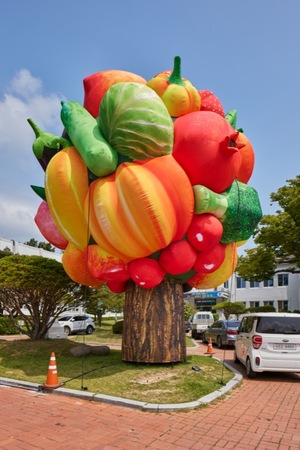
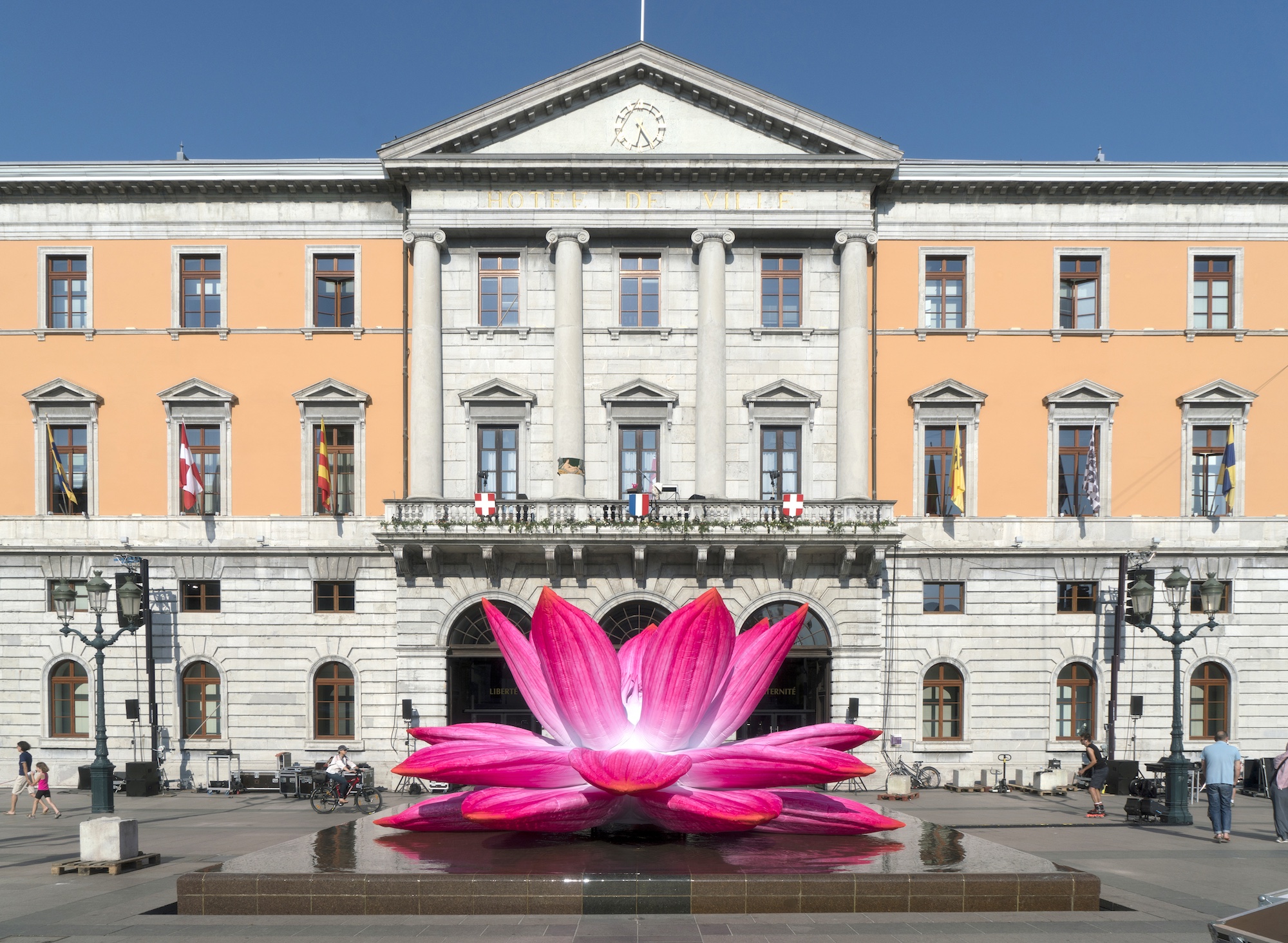
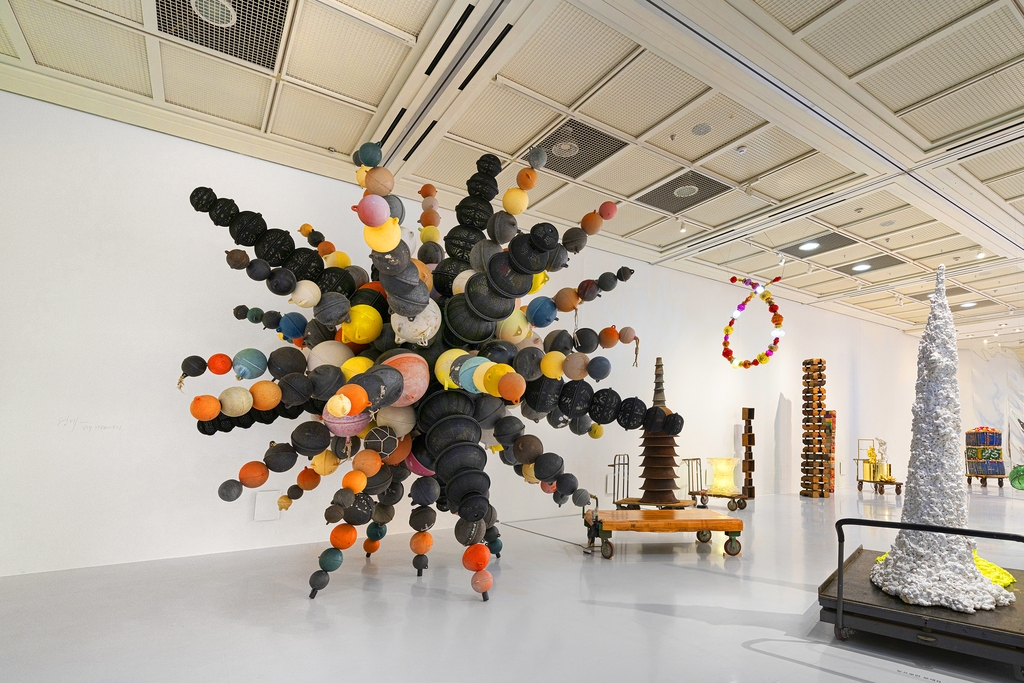
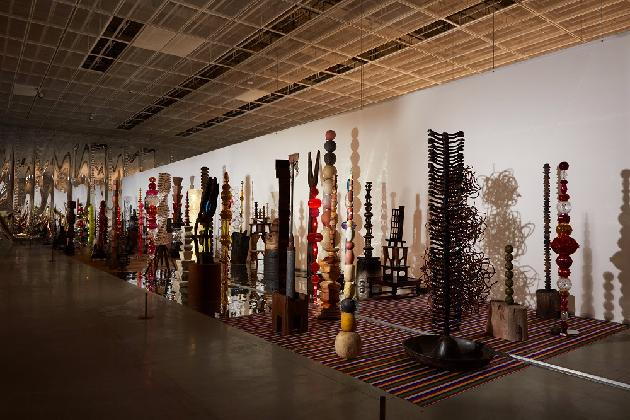
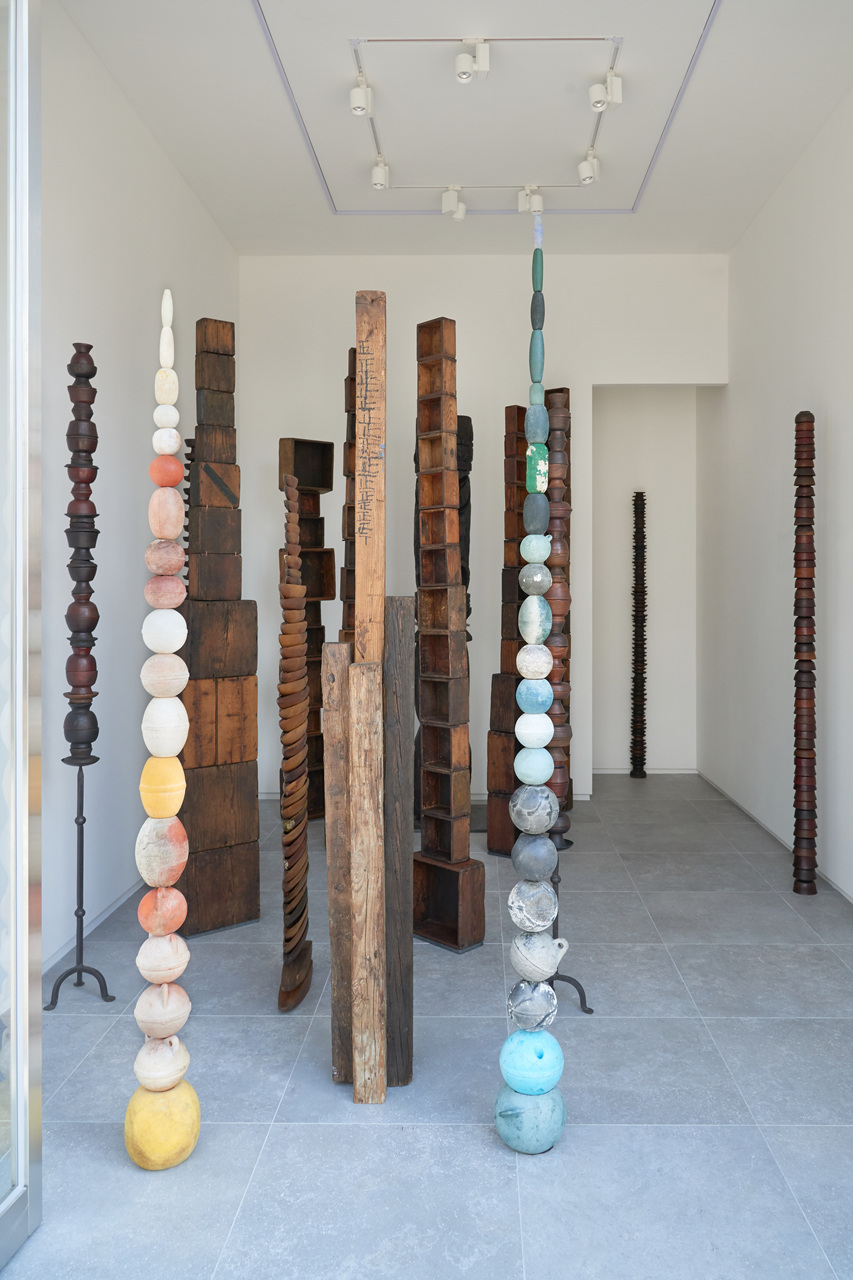
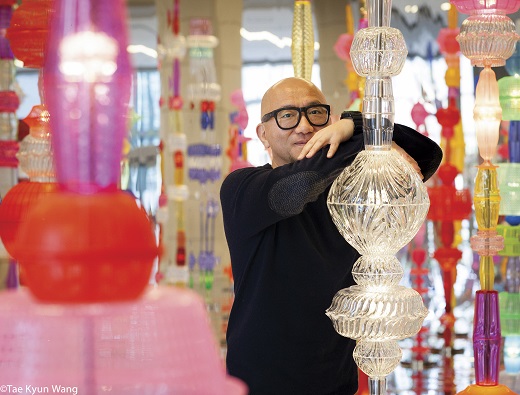
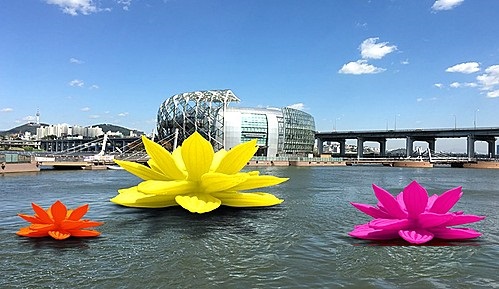
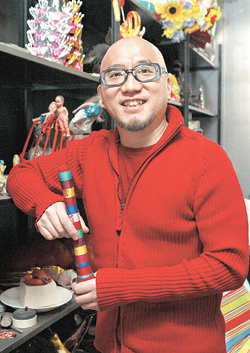
artist Choi Jeonghwa has realized visual artworks using elements discovered in
our ordinary daily life and scenery. As both an artist and a resident who
actually lived near the Ssangdari district of Seongbuk-dong for about thirteen
years, he understands the changes of the area and its context, and thus became
the first exhibiting artist commemorating the creation and opening of the
Street Gallery.
In this
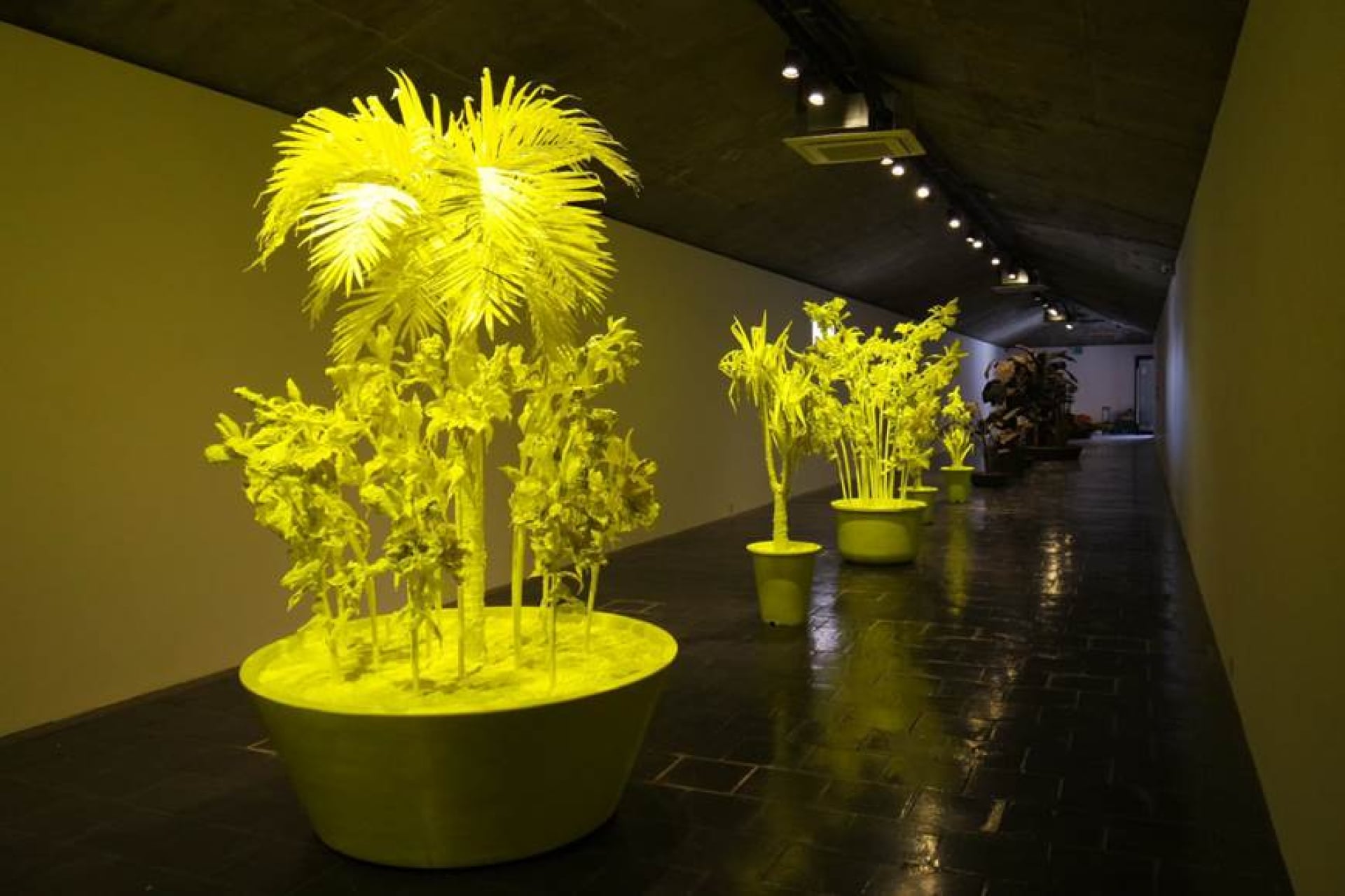
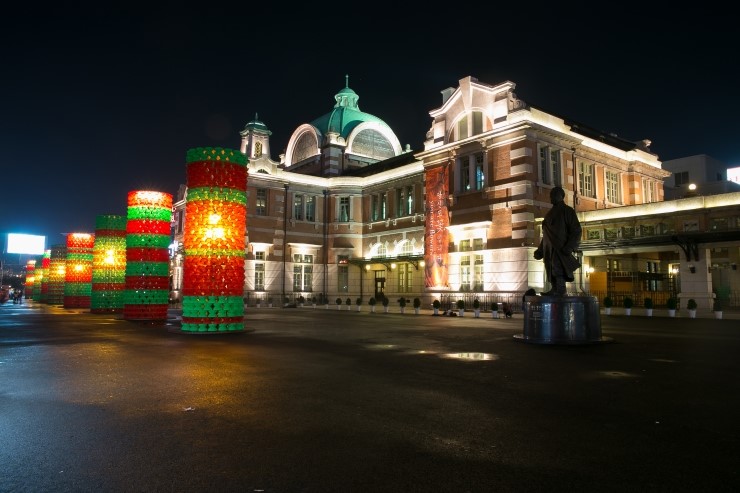
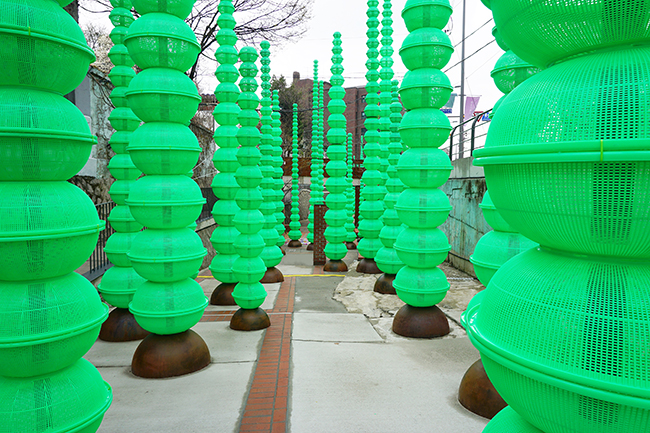
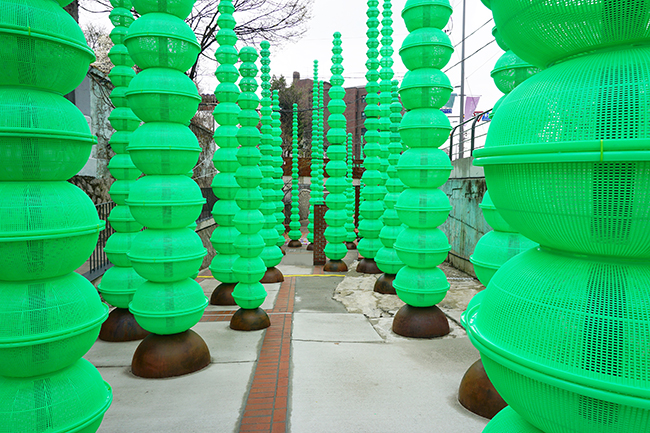
exhibition 《Forest》, the artist presents an installation composed of plastic baskets
stacked like towers. Within the artificiality of synthetic materials
represented by plastic, he visually expresses the fundamental principles and
beauty of nature through his distinctive formative aesthetics and reversal of
perspective.
The basket towers, stacked from a minimum of 3 meters to a maximum
of 9 meters in height, resemble a gigantic form of nature — an artificial
forest unfolding in the middle of the city — ultimately demonstrating the
artist’s philosophy of dissolving the boundaries between everyday life and art,
nature and the artificial.
The artist also seeks to contain the ordinary daily
lives of Seongbuk-dong residents within a round microcosmic world so they may
coexist as one. The inexpensive plastic baskets he deliberately selected
symbolically reveal the beauty and value hidden within our humble everyday
objects and daily life.
Meanwhile,
along with this opening commemorative exhibition, works from the ‘Resident
Participation Public Art Project’ created by Choi Jeonghwa together with
Seongbuk-dong residents will be installed in brick exhibition spaces throughout
the Street Gallery. During the past month of March, approximately 200
participants from groups of various ages and characteristics — including
Seongbuk Elementary School, Hongik University Middle School Attached to the
College of Education, Deoksu Church Evergreen Academy, and the Seongbuk-2-dong
Senior Center — took part in the project.
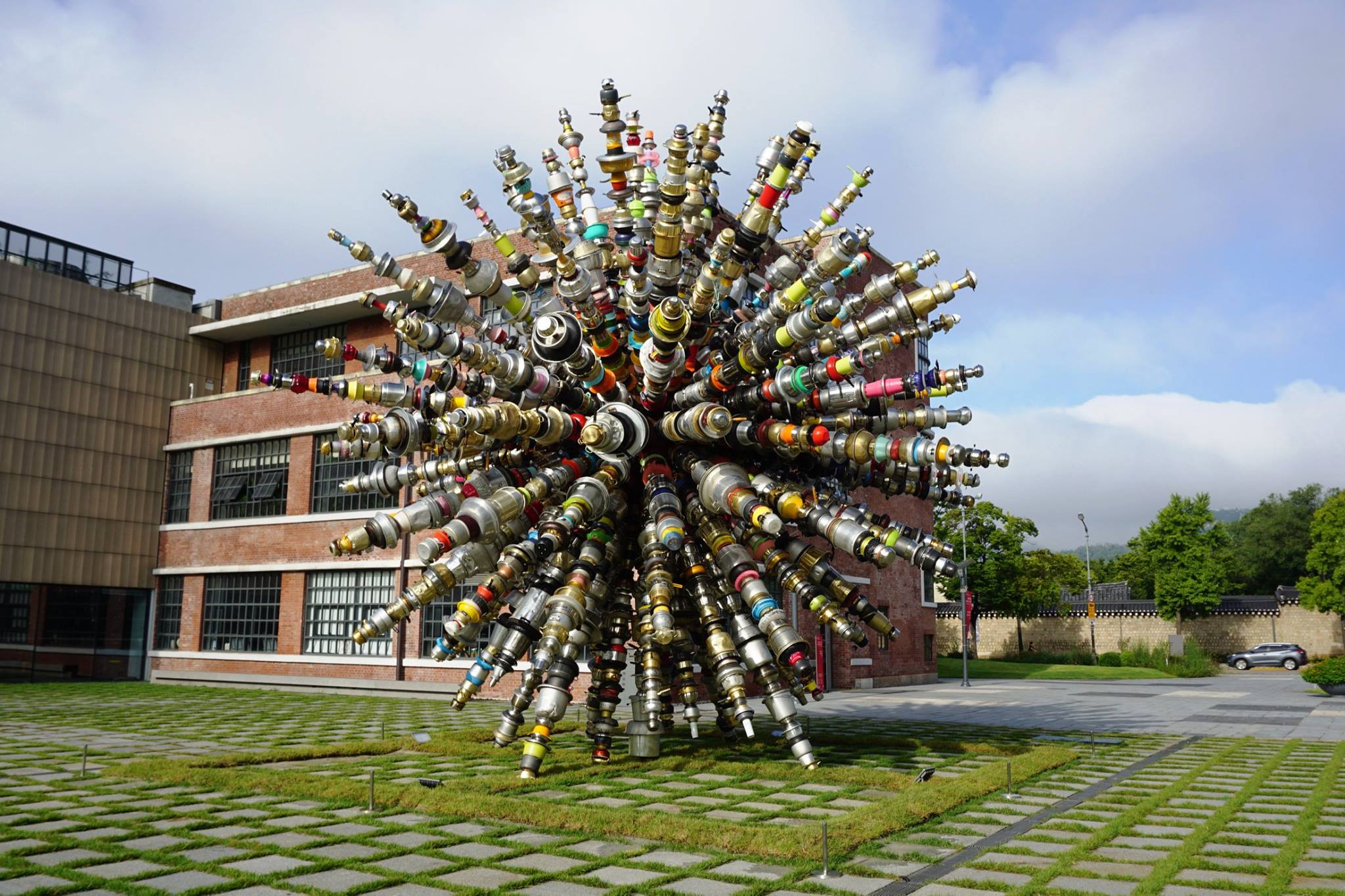
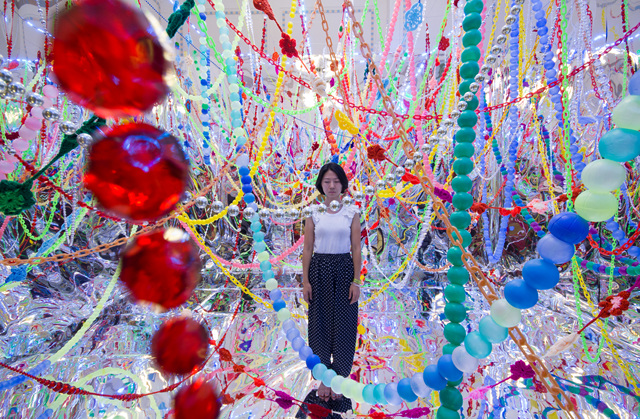
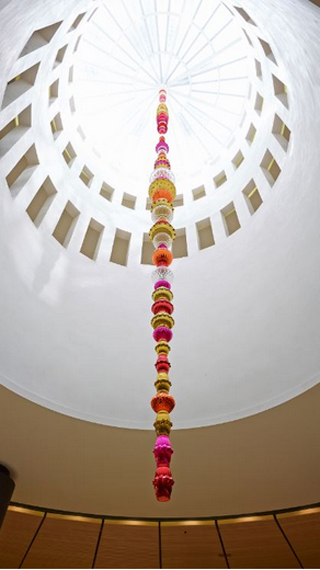
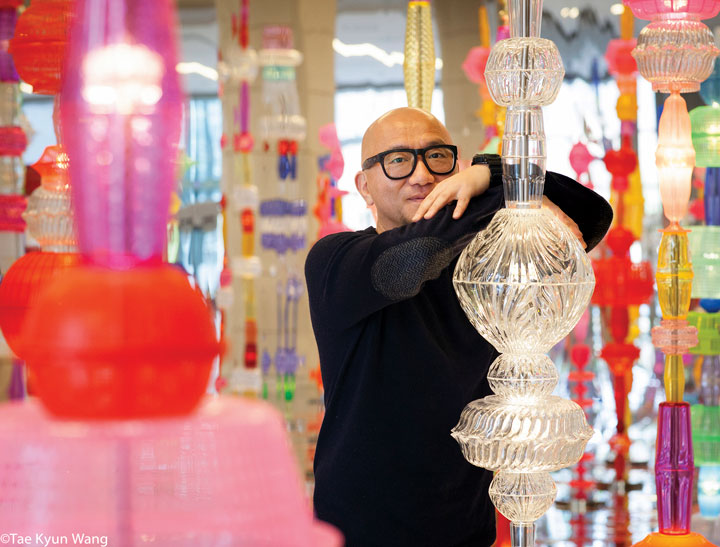
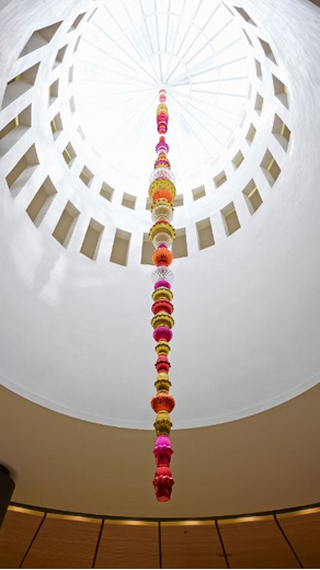
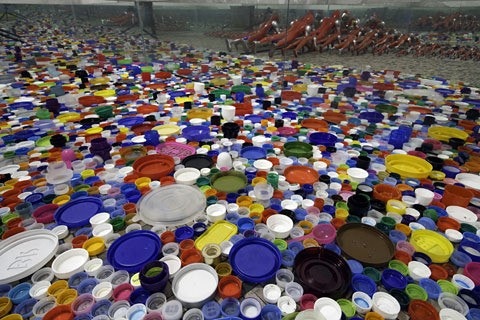
Each group produced works in which
brightly colored plastic cups, bowls, and small beads were strung together with
wire, similar to the artist’s representative work 〈Alchemy〉. Through this continuing resident participation project, the Street
Gallery aims to form its identity and meaning as a public cultural art space
created and shared by both artists and residents of Seongbuk-gu.
The
‘artificial forest’ project created by the artist will ultimately conclude when
a ‘natural forest’ is formed. A natural forest here includes both ecological
natural space and spaces formed naturally. During the project, we hope to
gather diverse thoughts and opinions from residents and visitors about this
space and, based on them, gradually establish it as a more friendly and
harmonious environment.
Through
this opening commemorative resident participation project, the Seongbuk Museum
of Art seeks to reflect upon the meaning of ‘publicness’ and ‘communication’
that the Street Gallery should embody as an open museum shared and enjoyed by
both artists and residents. Furthermore, by capturing the process of a new and
unfamiliar space becoming a familiar one, the museum aims to reconsider the
value of public art created together by artist and audience, and ultimately to
build a shared platform through exchange and harmony.