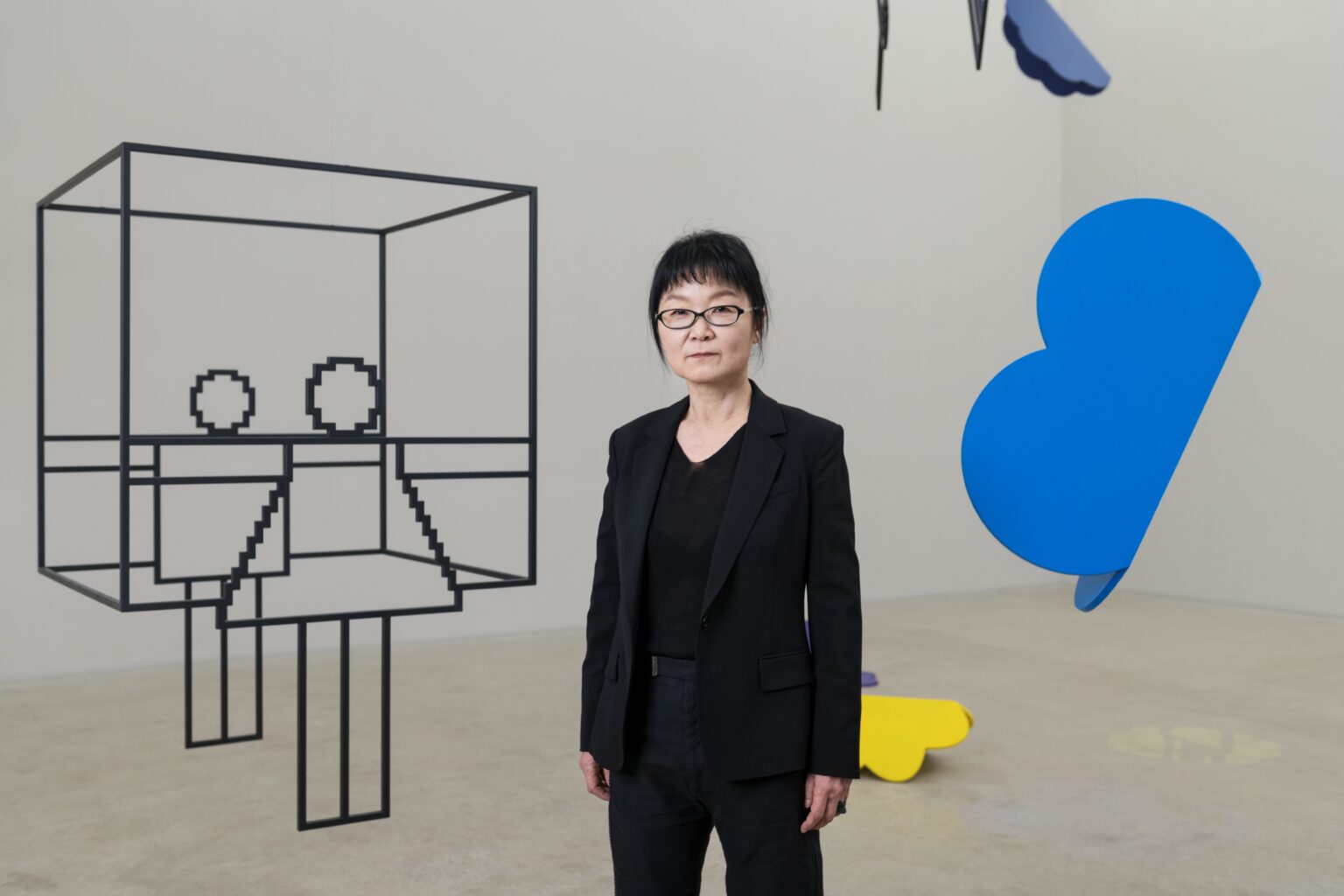
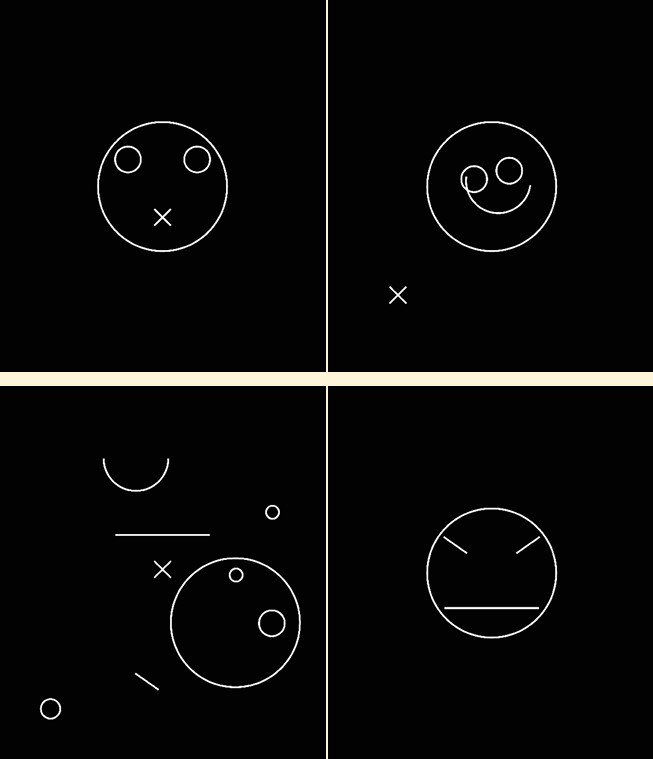
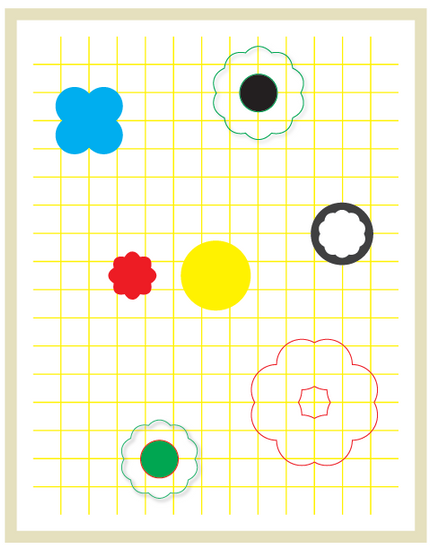
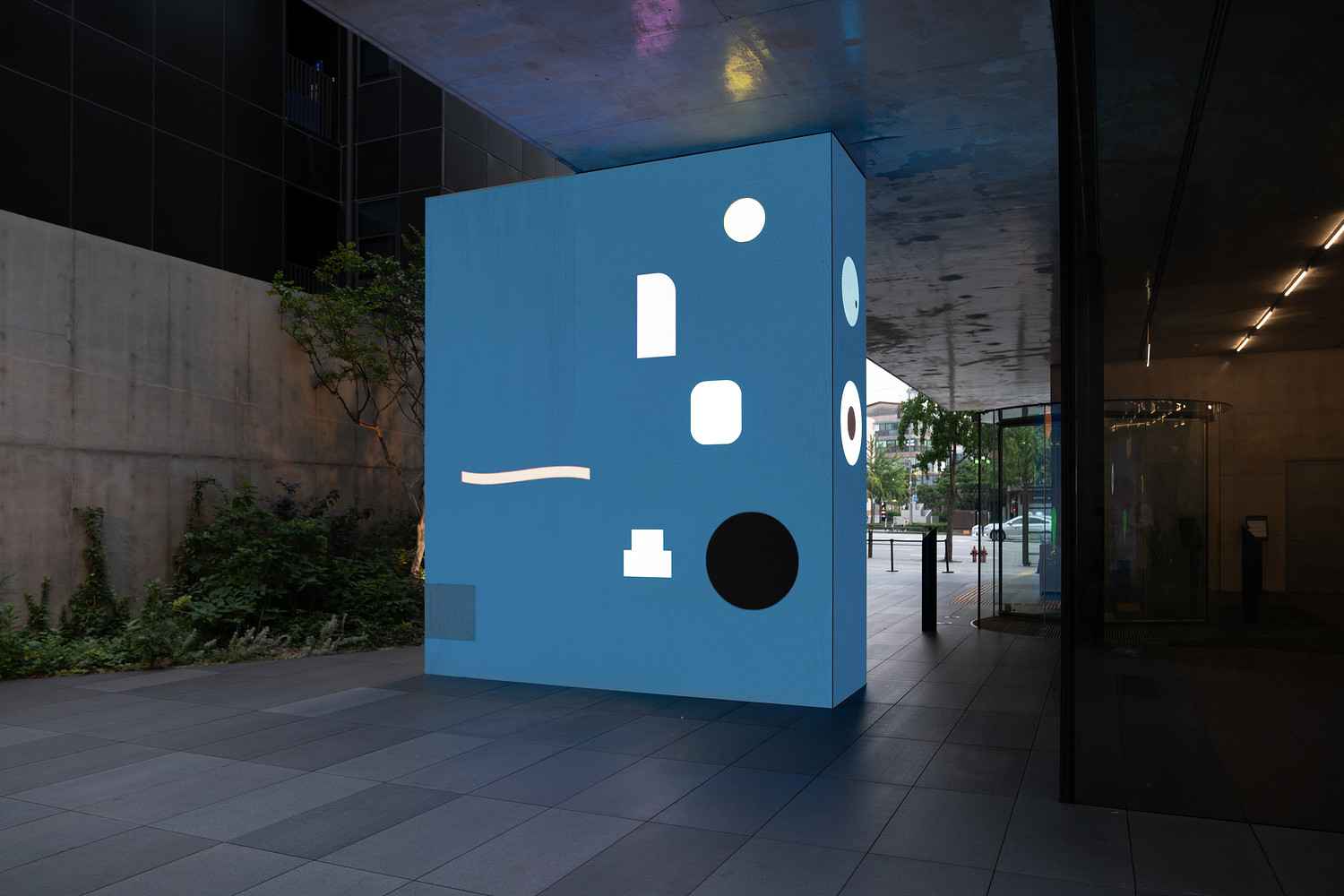
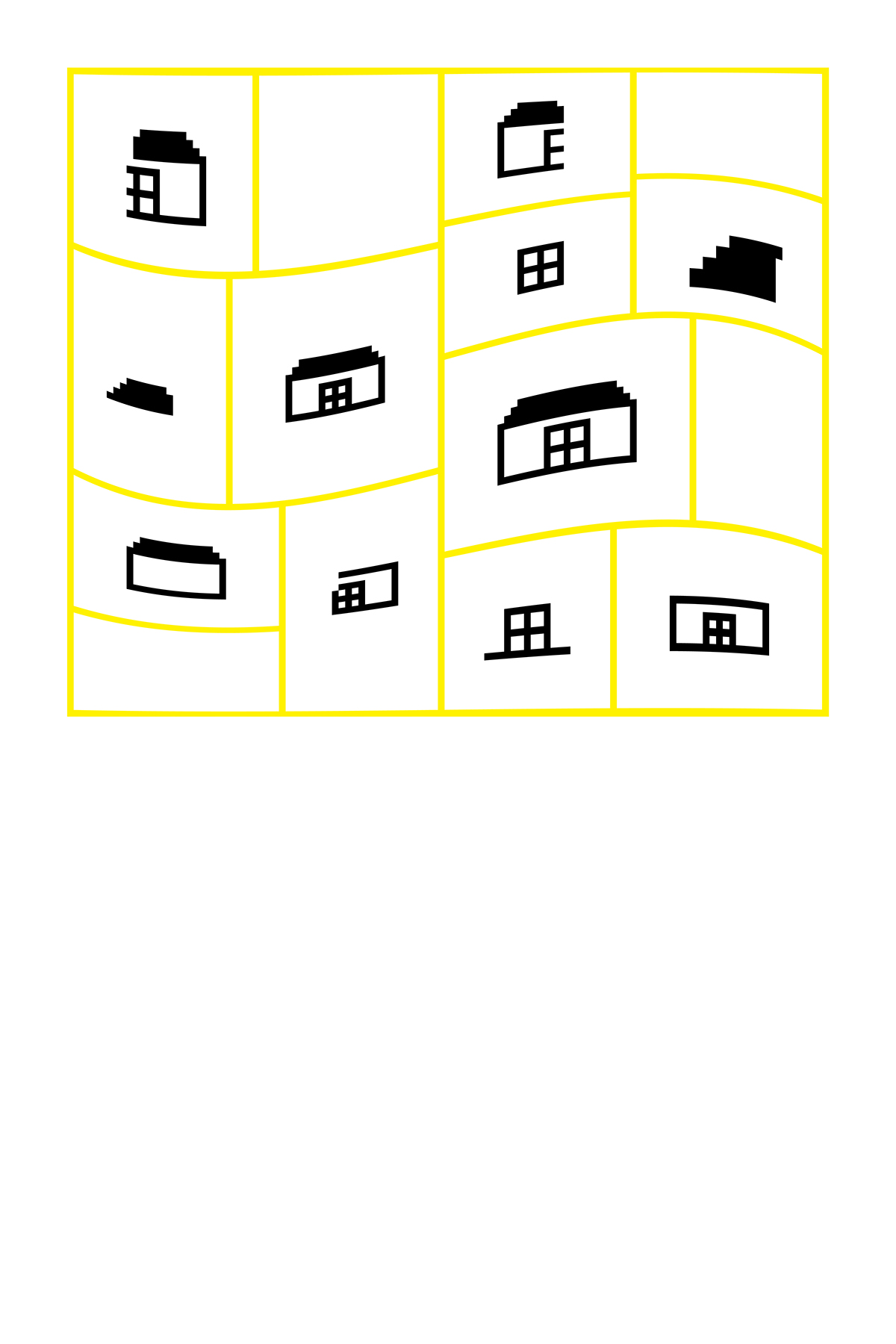
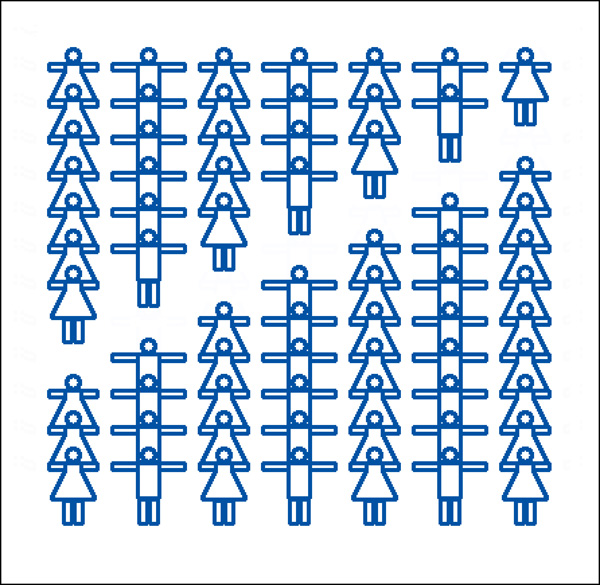
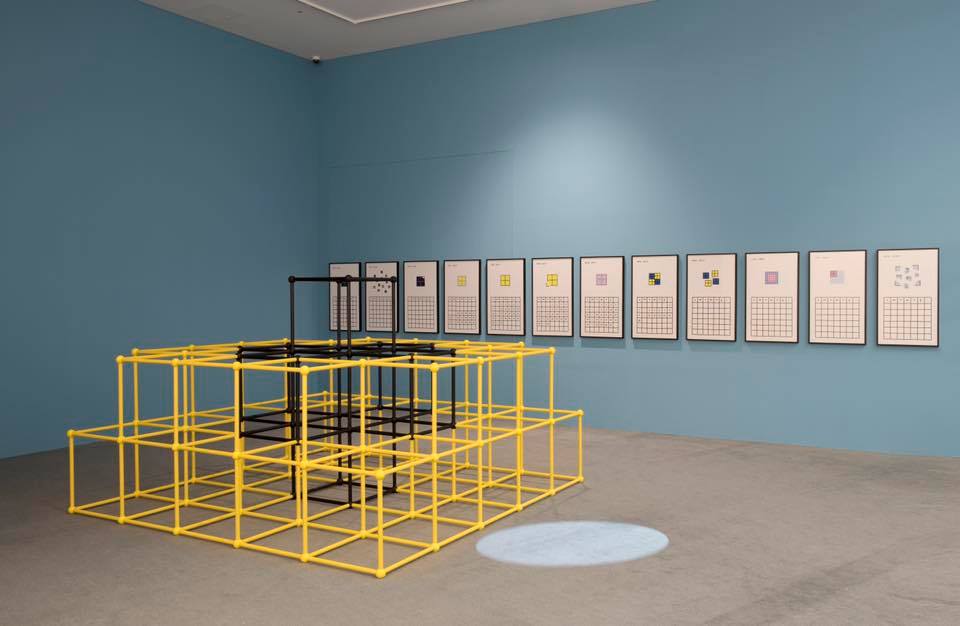
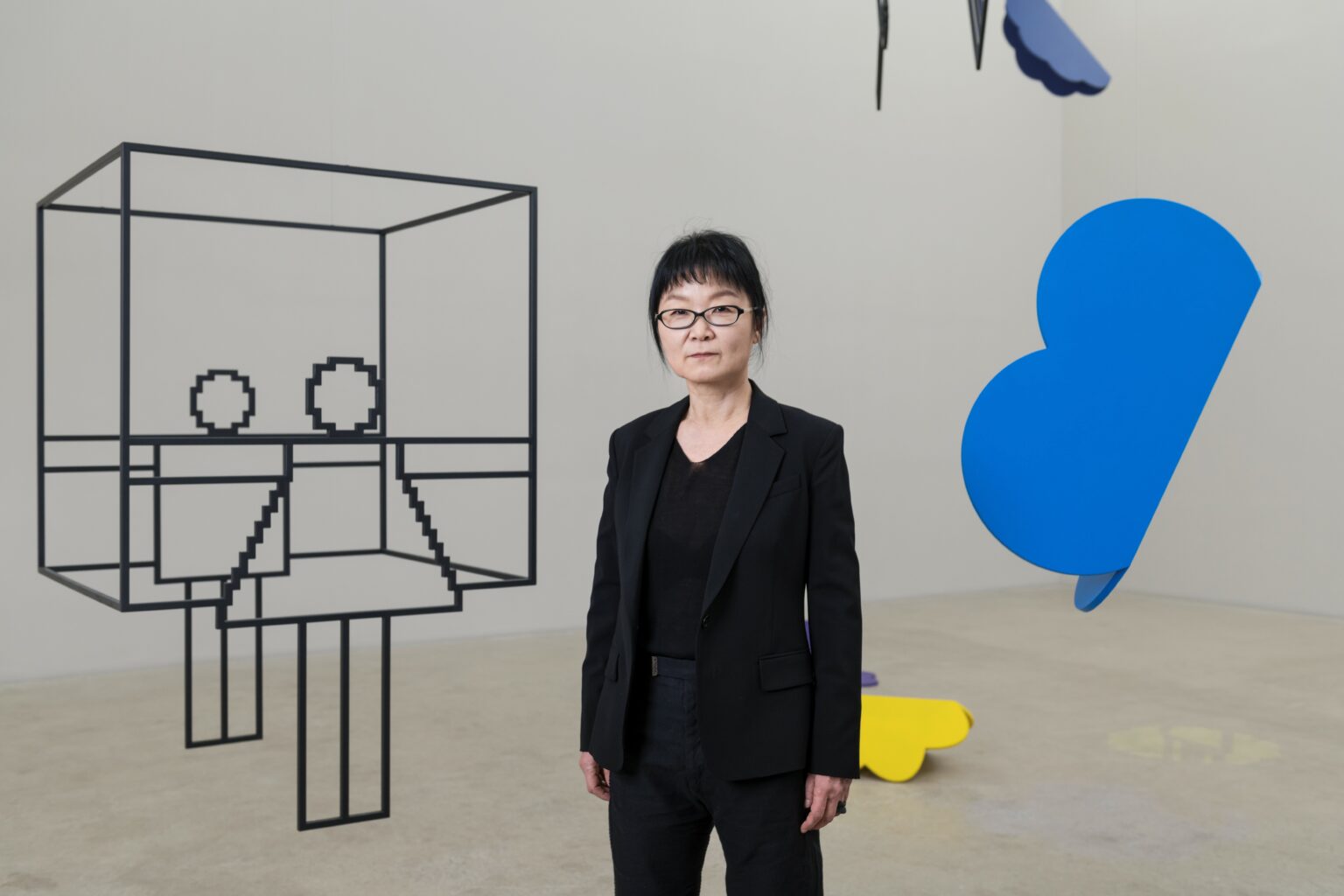
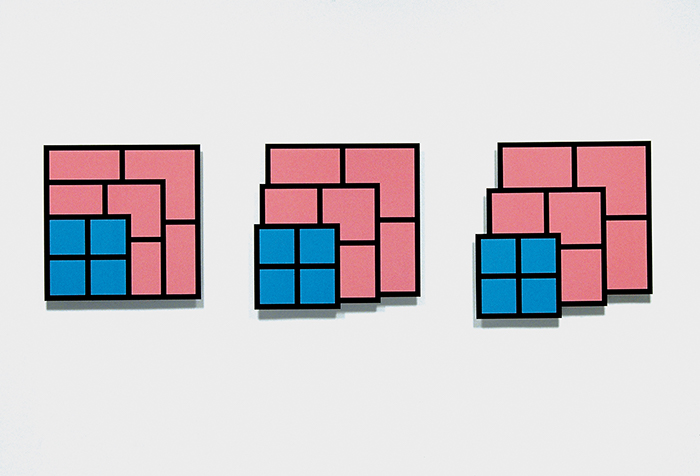
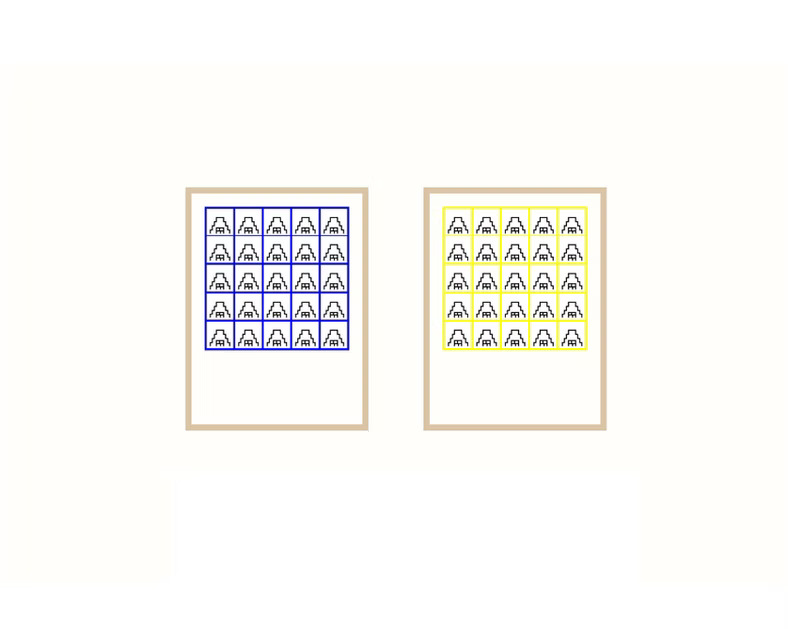
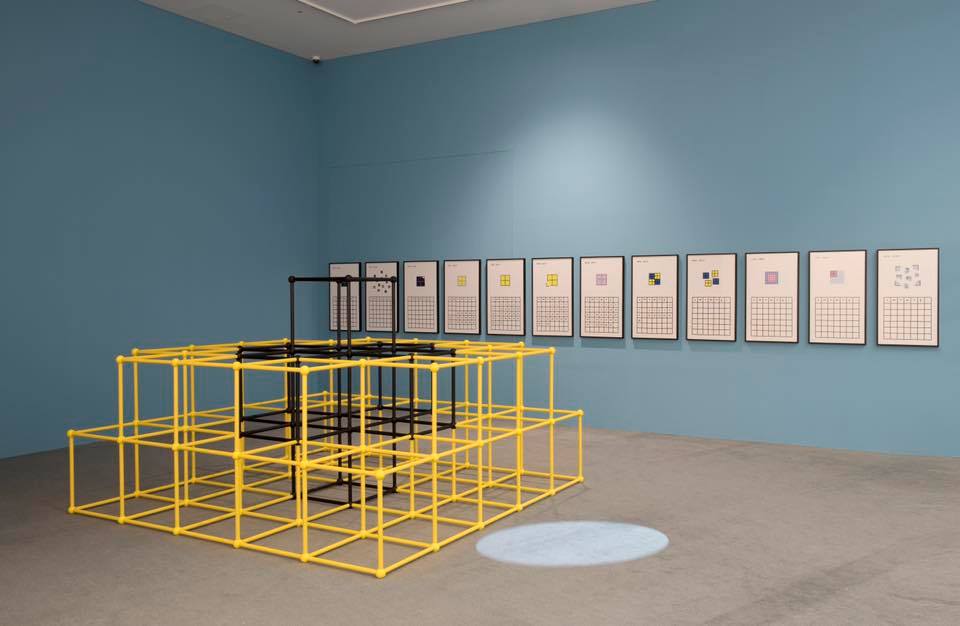
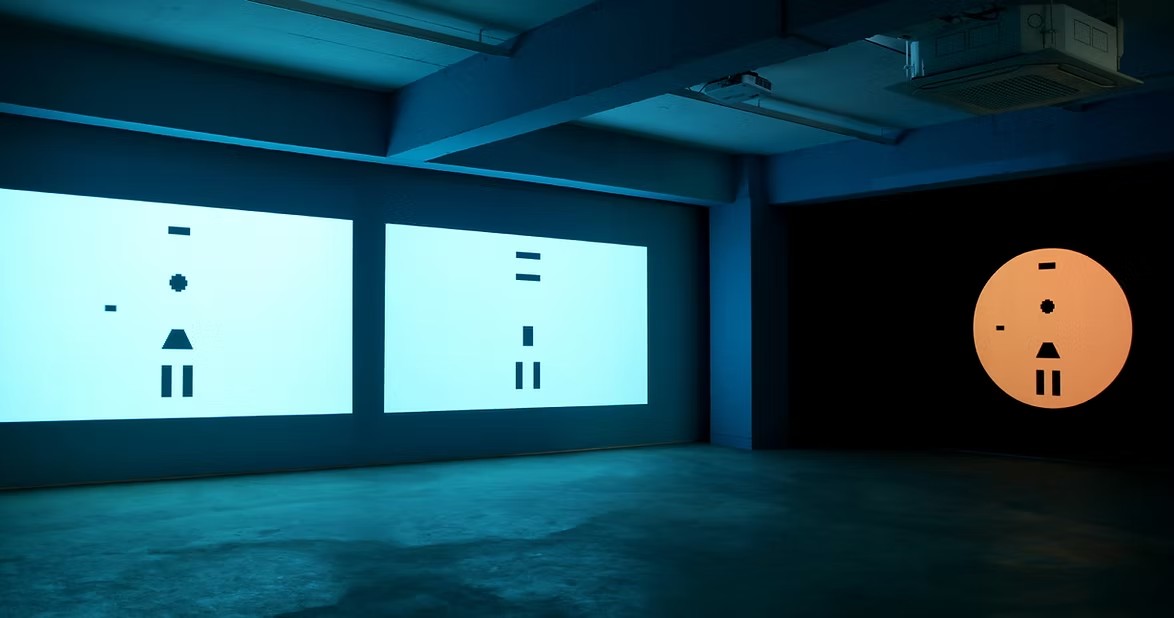
Since 1997, Hong Seung-Hye’s ‘Organic Geometry’ has taken the computer pixel as its basic unit, revealing not only the lives of forms that repeat birth and proliferation but also the relationships among them — a family resemblance in which they are both the same and different. Her organic geometry thus constitutes the weave of geometric forms, the grid. In fact, this grid can be extended to encompass her entire practice. While working on the grid, Hong continually lets it slip from its original place. Her grid remains anchored and drifting at once, moving among diverse meanings, across multiple domains, and even beyond the boundary between art and life.
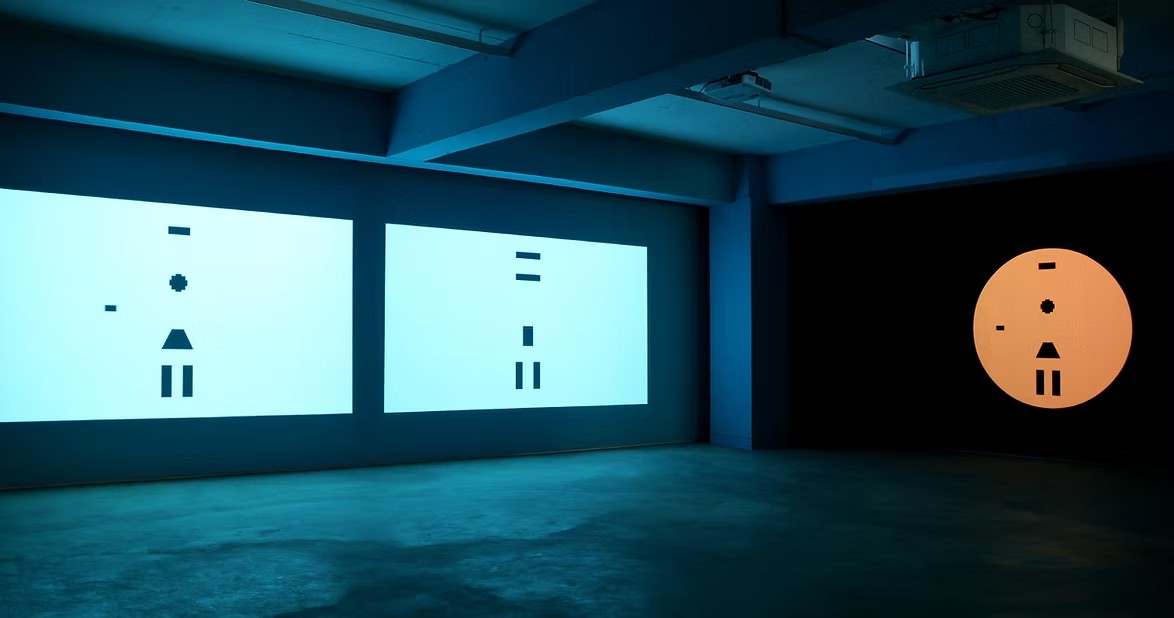
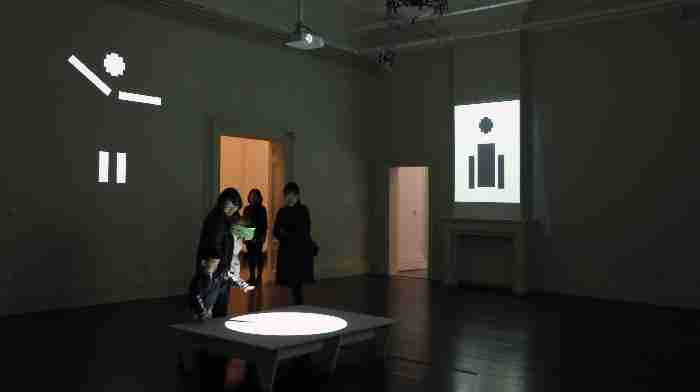
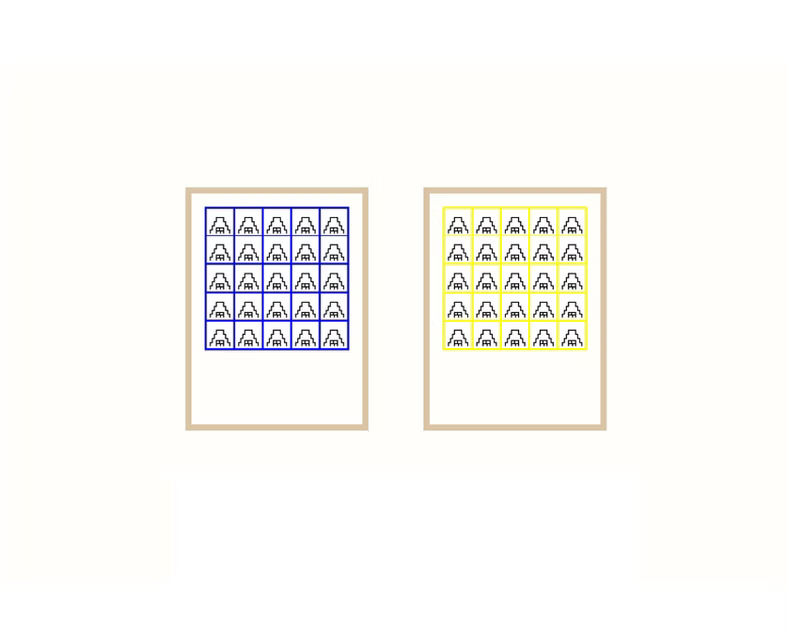
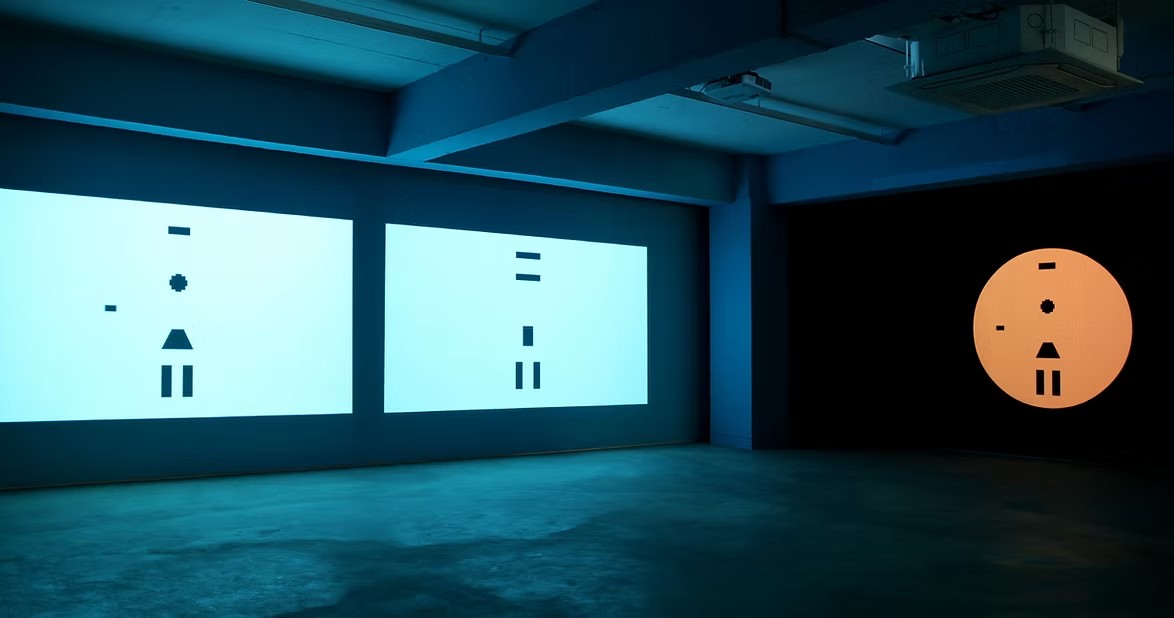
Her pixel works, which display the replication and multiplication of geometric cells, resemble artificial life forms — a kind of cyborg. As a product of cybernetics, they reveal the point where organism and machine intermingle. Through mechanical processes such as editing, duplication, and filtering, the computer makes possible rapid and infinite metamorphoses of images akin to life phenomena.
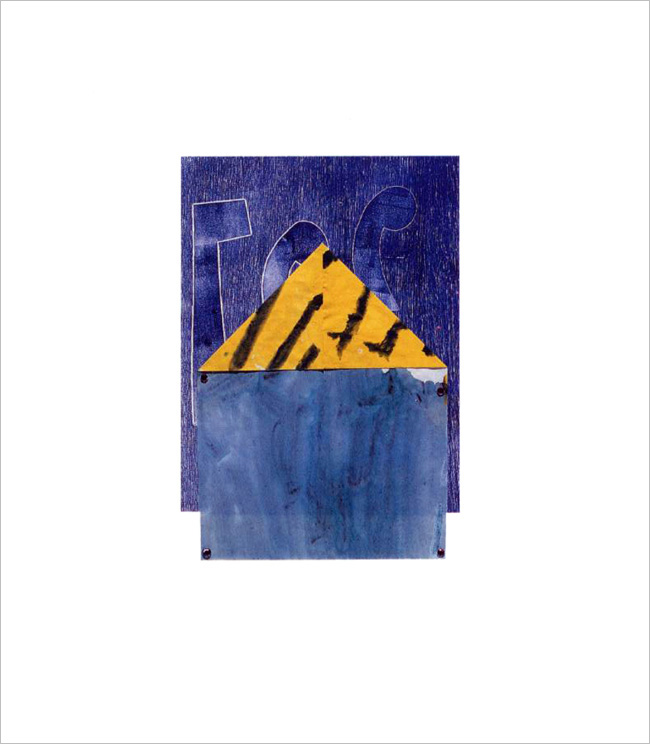
Here the square cells proliferate into bricks, windows, stairs, and houses. At once a formal construction composed of geometric units and an icon representing concrete living space, they traverse the boundary between abstraction and figuration. They also violate the boundary between creation and quotation, since the artist’s original work is composed through the combination of readymade forms borrowed from an existing computer environment.
At the same time, a distinctive sensibility emerges in her pixel works: geometry as a representation of logic contains poetic lyricism. In her hands, the grid becomes a flexible sign traveling between abstraction and figuration, creation and citation, logic and emotion — a departure from the modernist grid understood as a sign of pure abstraction, absolute creation, and strict rationality.
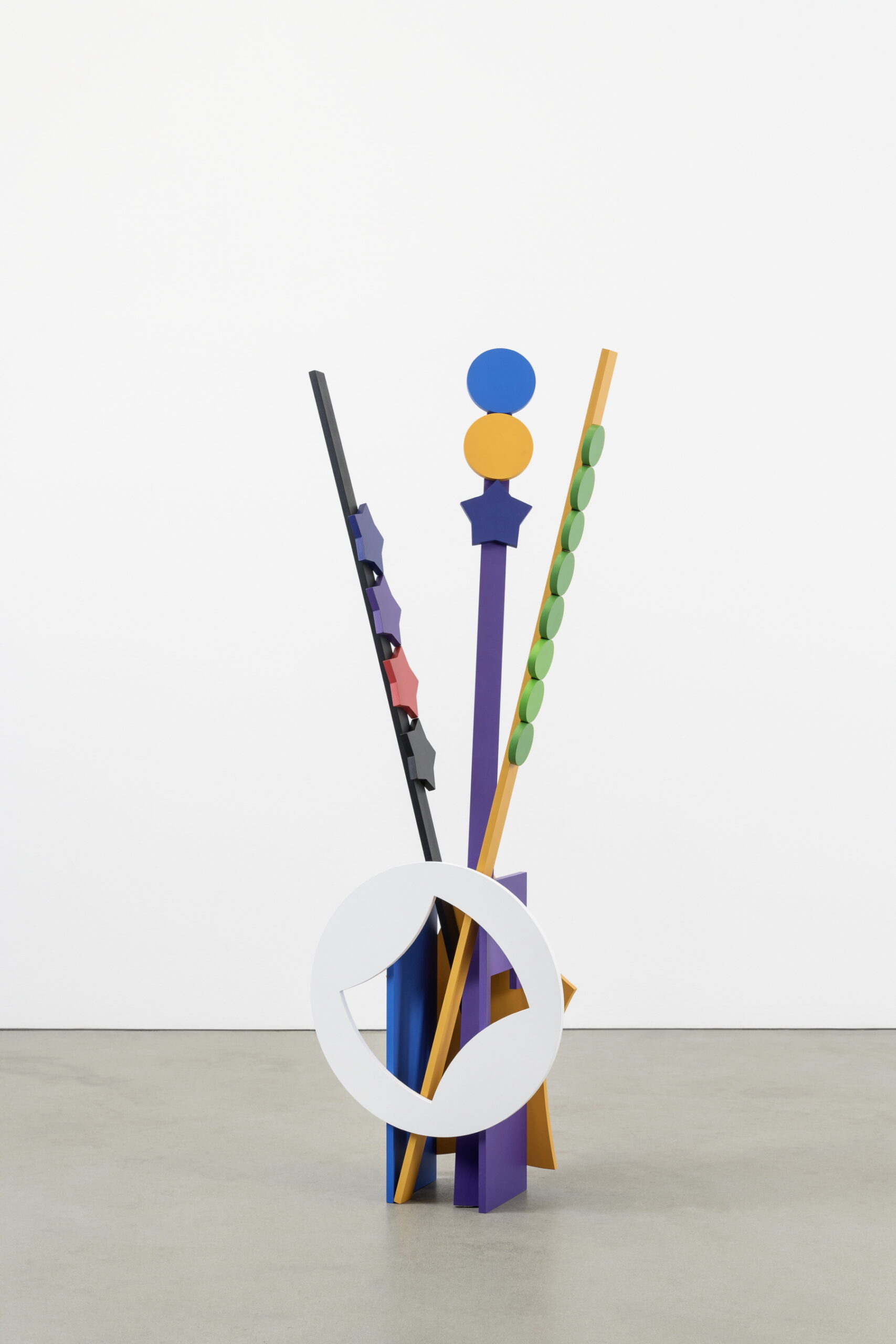
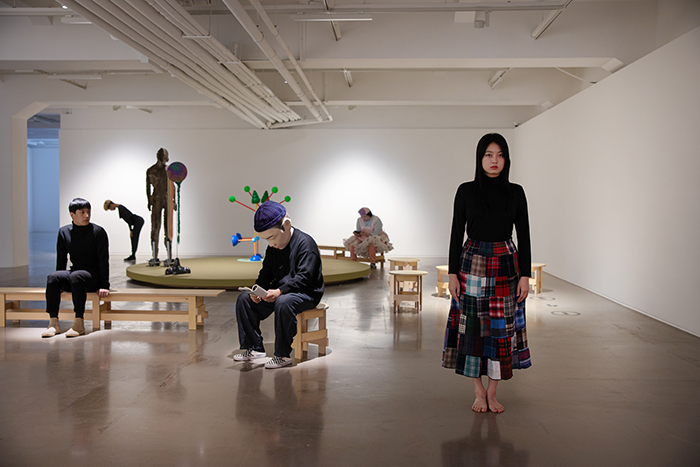
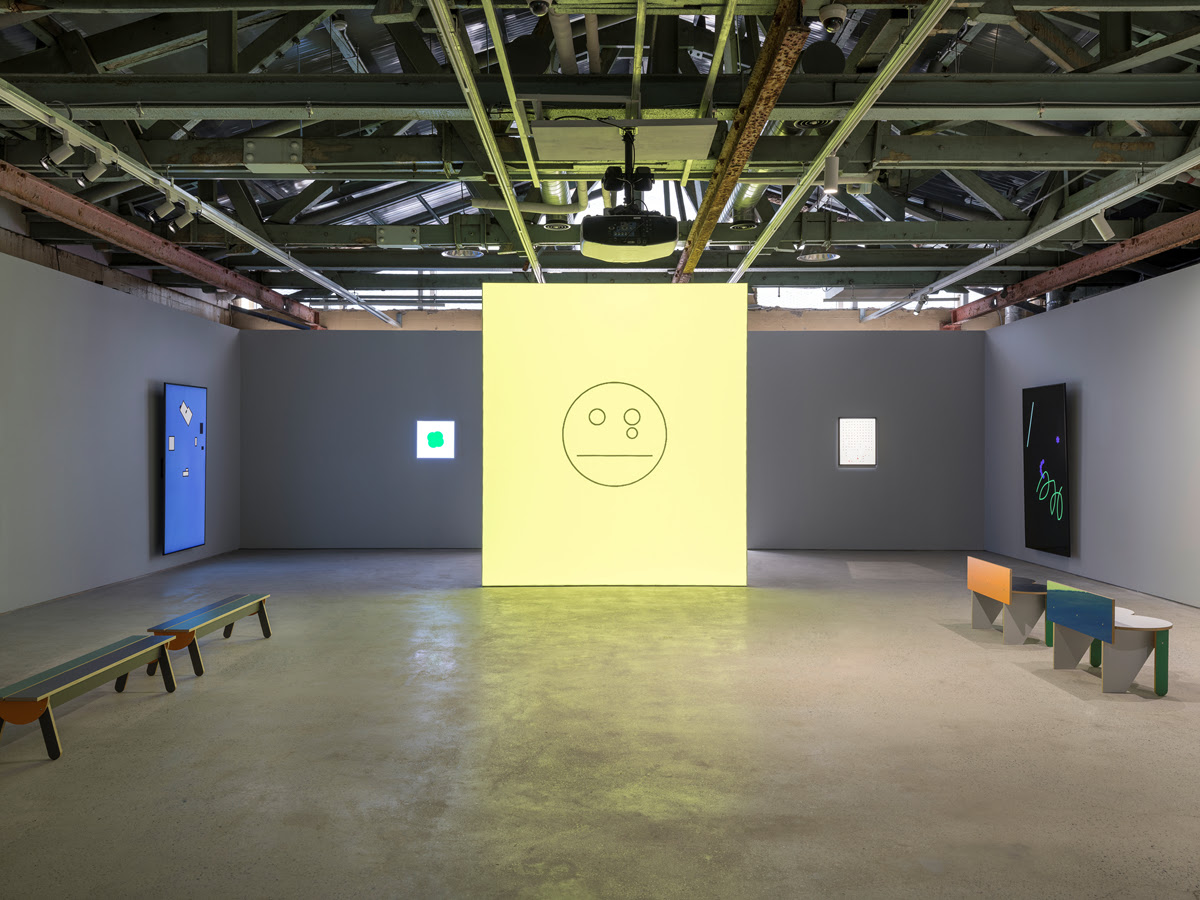
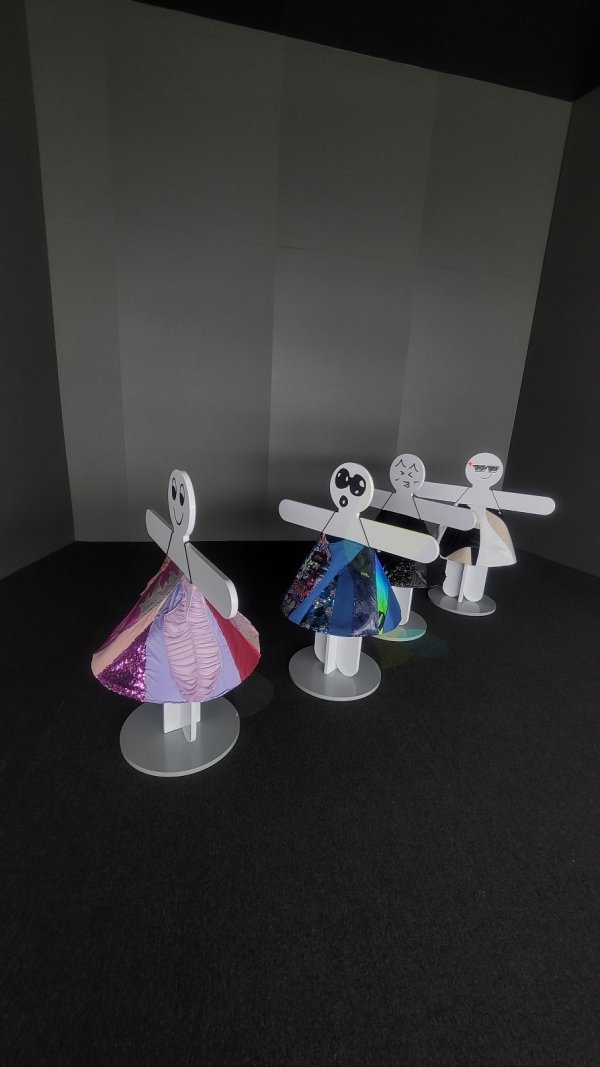
Hong’s organic geometry does not remain on the flat surface but moves across space and time, crossing genres. Her grid becomes an expansive sign encompassing painting, sculpture, architecture, as well as music and literature. She designs entire spaces, adds murals or partitions to architectural environments, or turns particular areas within buildings into works. Animation pieces incorporating movement and music, or exhibitions such as “Musical Offering” exploring synesthetic effects between sight and sound, present encounters between art and music. Her art books, meanwhile, bring together art and literature — pictures to be read and texts to be seen, where image and language interact.
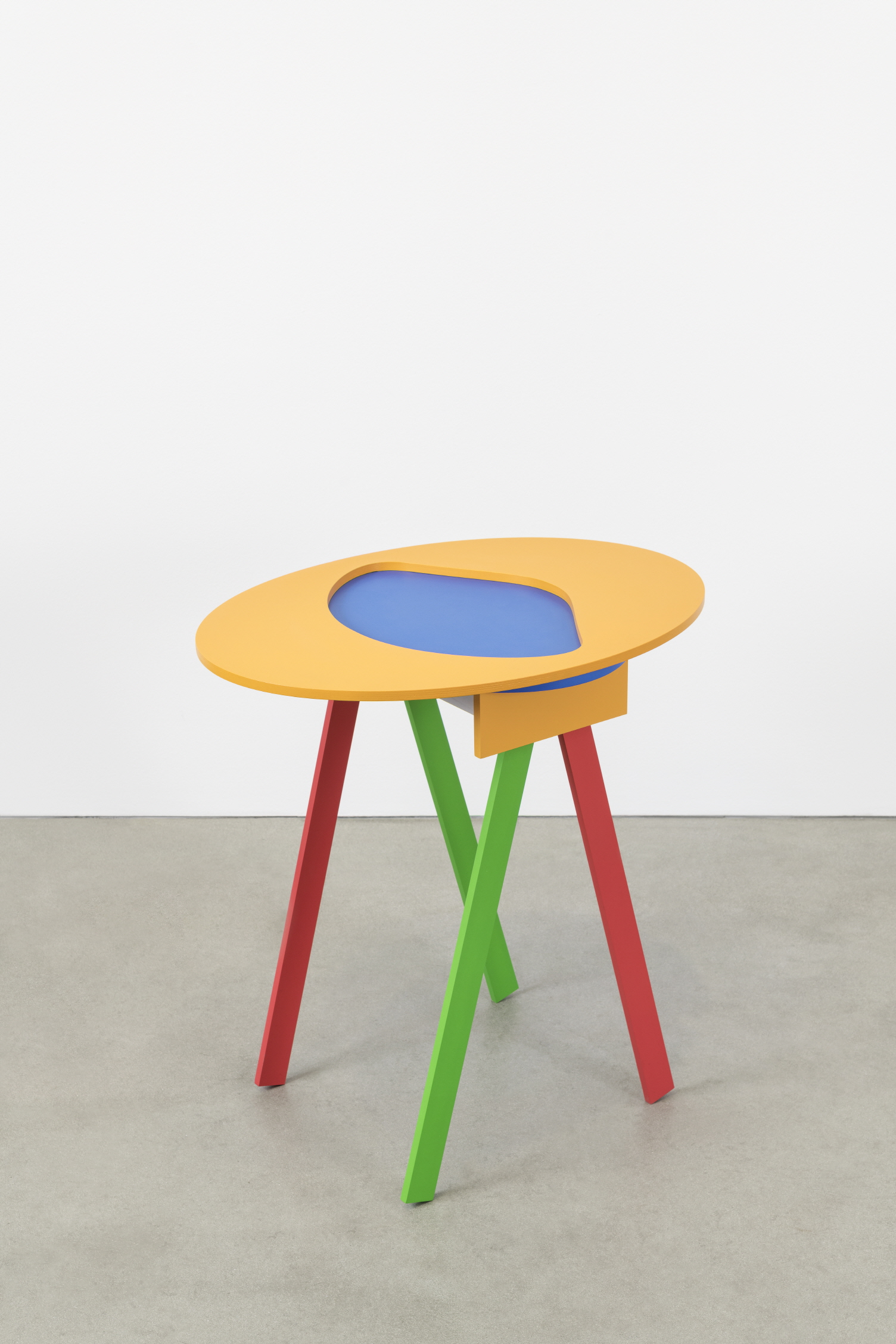
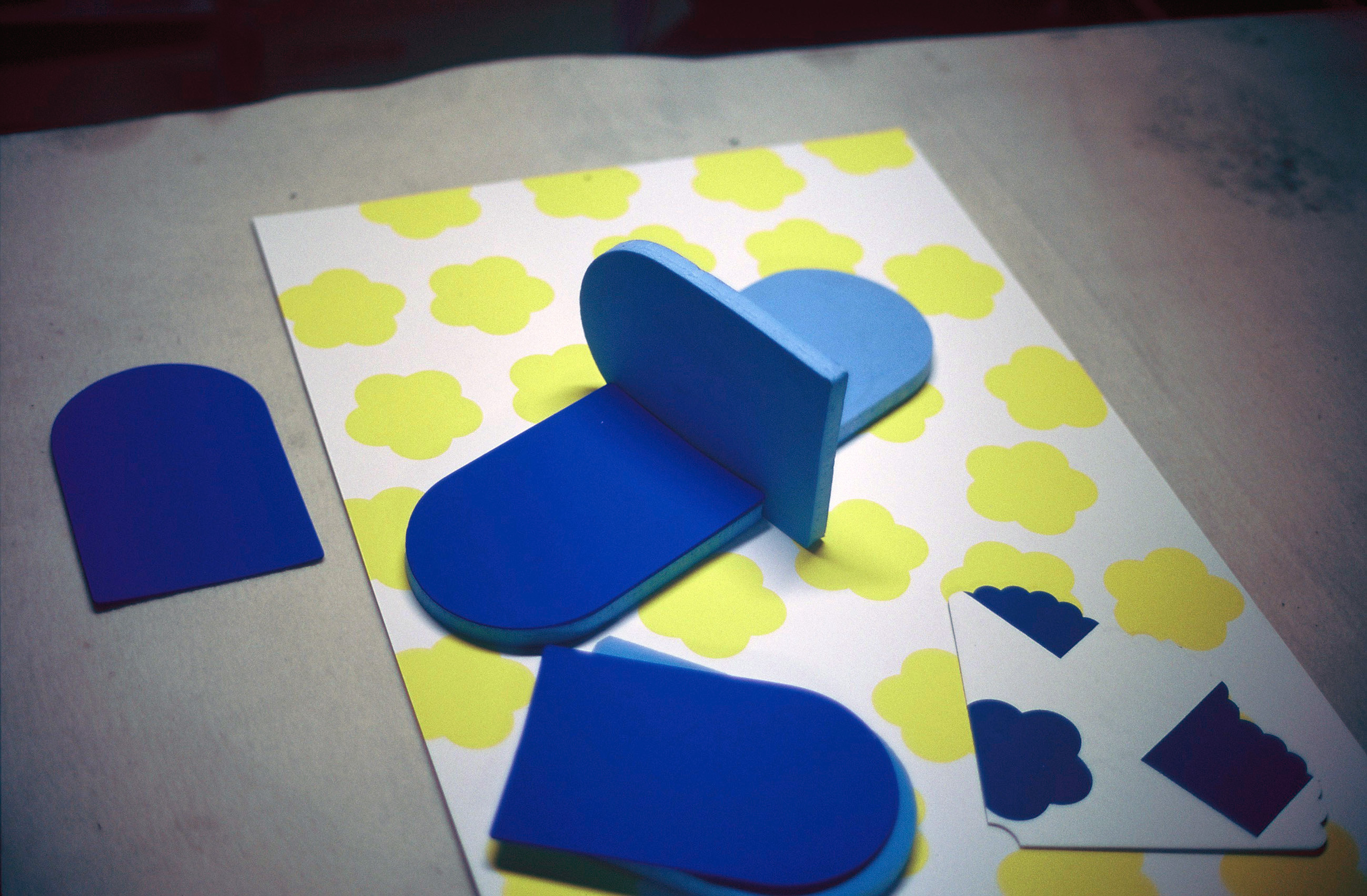
Quoting Robert Filliou’s statement that “art is what makes life more interesting than art,” Hong likewise crosses the boundary between art and life. The grid — a sign traditionally symbolizing the transcendence of art — penetrates concrete living environments in her work. Reappearing as desks, chairs, lamps, and even cookies, the grid becomes both pictorial form and a decorative element that designs living space. For her, art and craft are not different. Moving constantly between art and life, she injects art into life and summons life into art.
If Hong’s practice may be gendered as feminine, it lies in this infinite “acceptance,” a maternal inclusiveness. She accepts different values, goals, and domains as they are. This principle of inclusion bypasses the patriarchal logic of modernism’s exclusion — the lineage of purity called modern art. Her work exists not inside a pure category but outside it, in the spaces between multiple categories. This “in-between-ness” forms the identity of her art. Her grid is not the rhetoric of purity proclaiming art as form, but a hybrid network connecting what has been excluded. Continuously attending to and reviving marginalized realms, it proposes an alternative paradigm in response to the mainstream and its authority.