Activities
Kim Taek Sang, a 1.5-generation Dansaekhwa artist, speaks on Korean Dansaekhwa
February 03, 2016
Ham, Hye-Ri | The Seoul Shinmun Daily Reporter
“Not to control nature, but a tool for self-cultivation”
“The foundation of Dansaekhwa lies in an East Asian view of nature that does not seek to dominate it but to become one with it. The painting itself is not the ultimate goal; rather, it is endlessly repeated as a means of self-discipline—akin to the spirit of the Confucian scholar in the Joseon period, who practiced calligraphy or painting as a form of cultivation.”
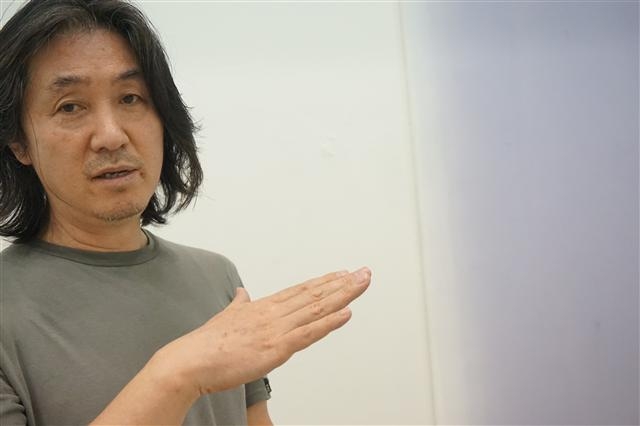
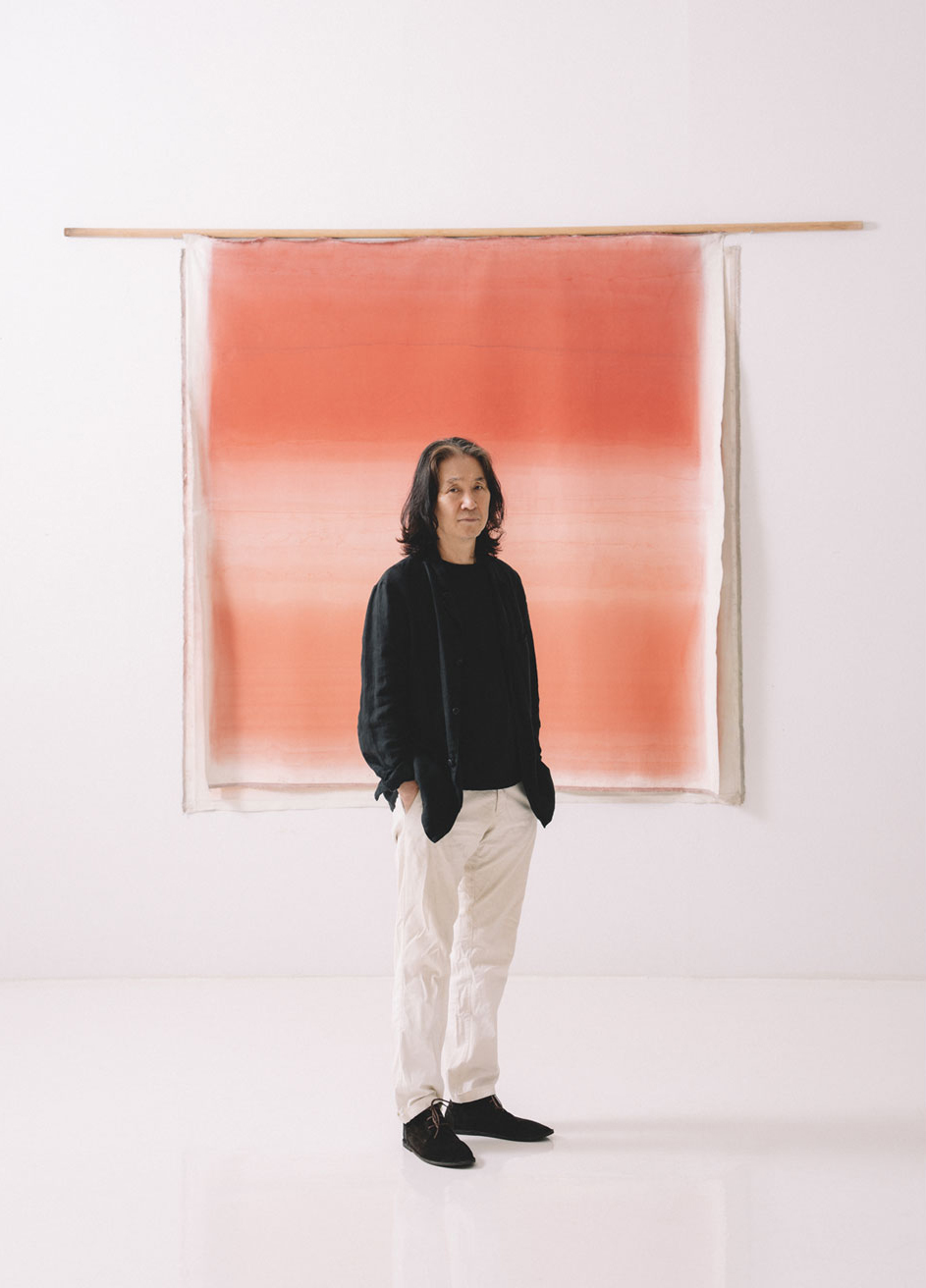
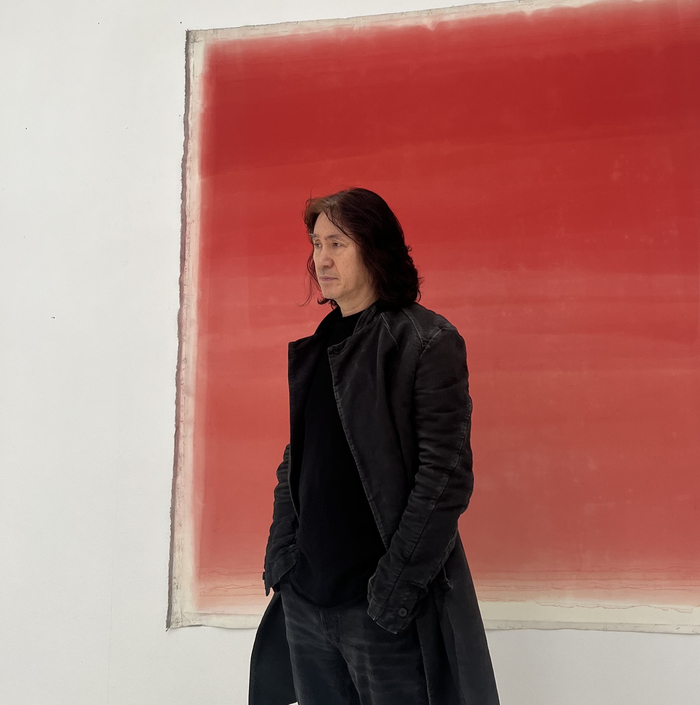
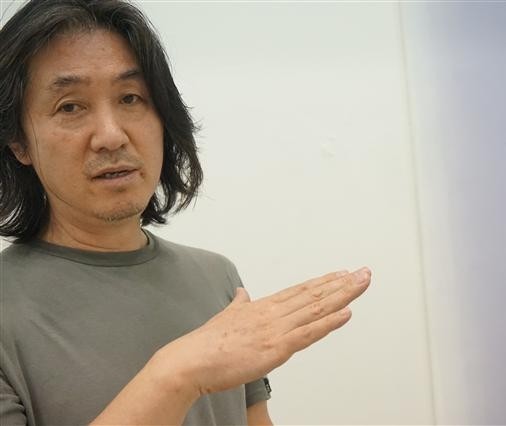
The Artist © Kim Taek Sang
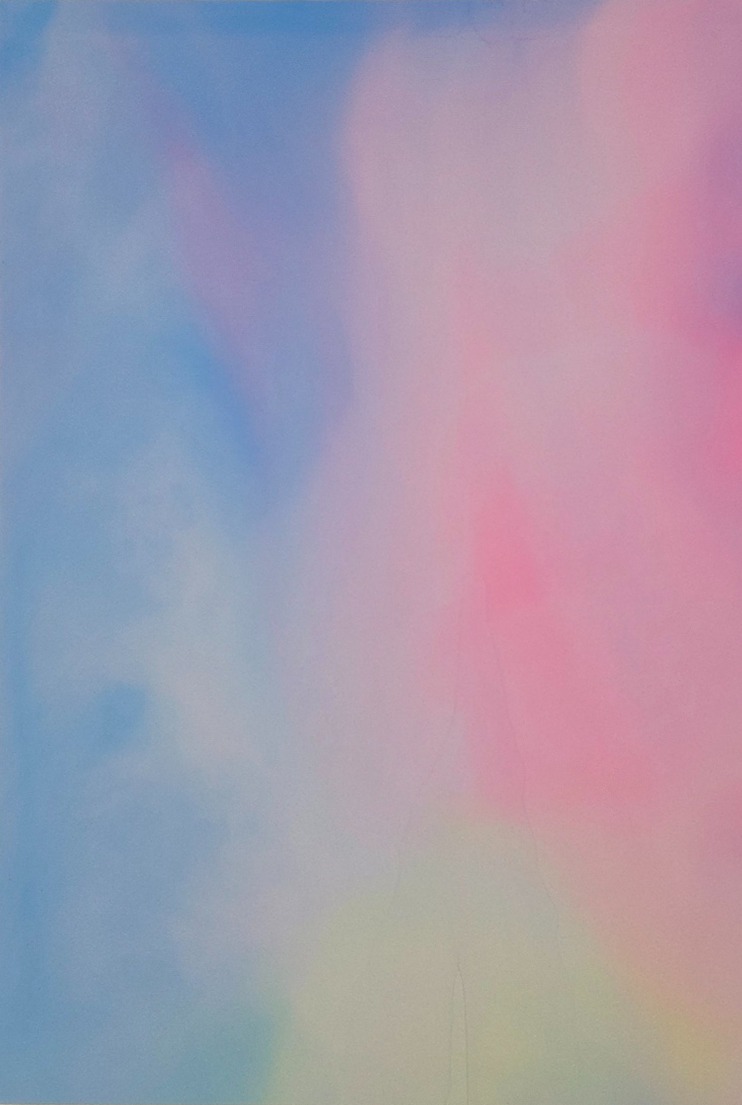
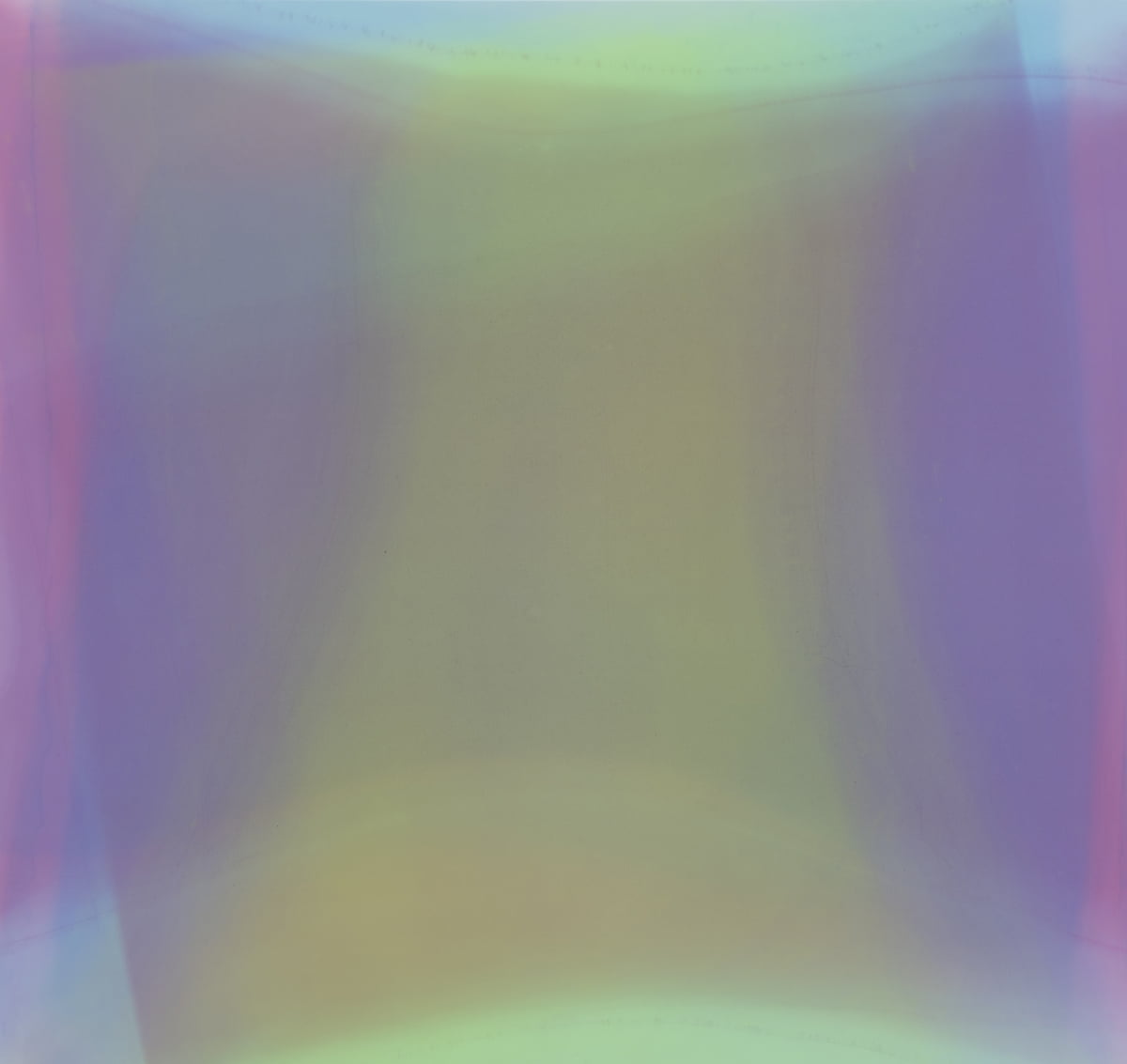
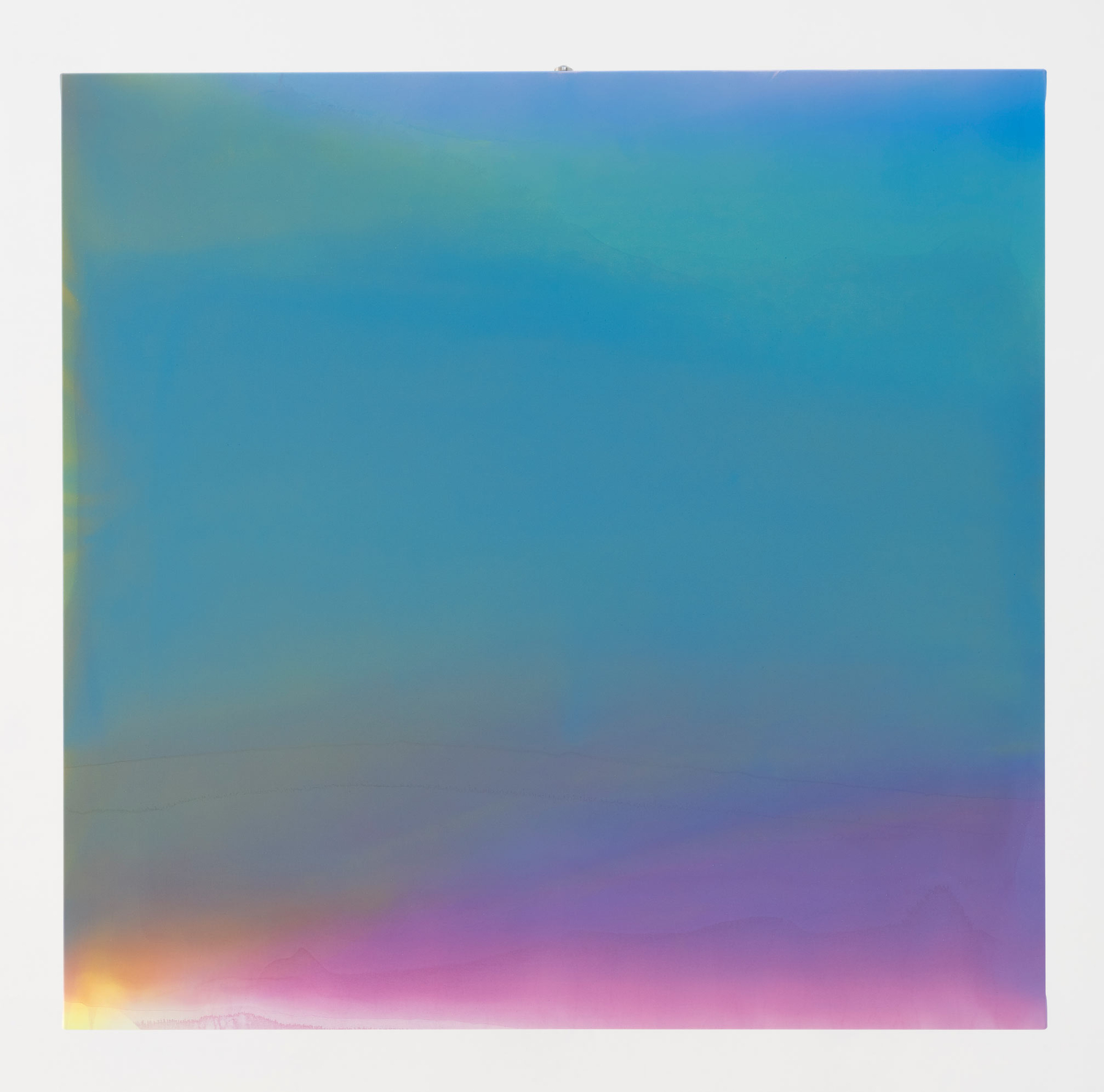
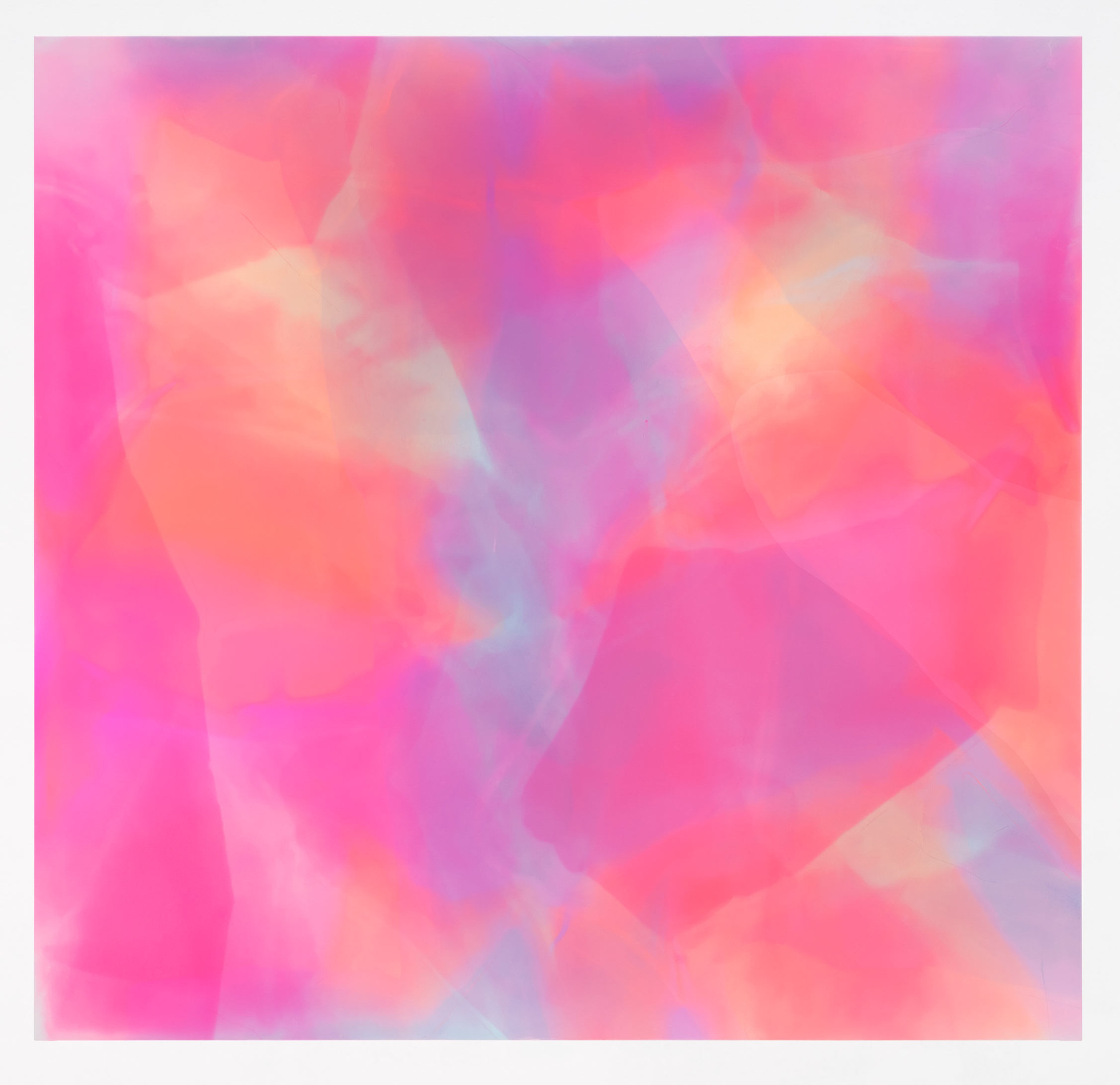
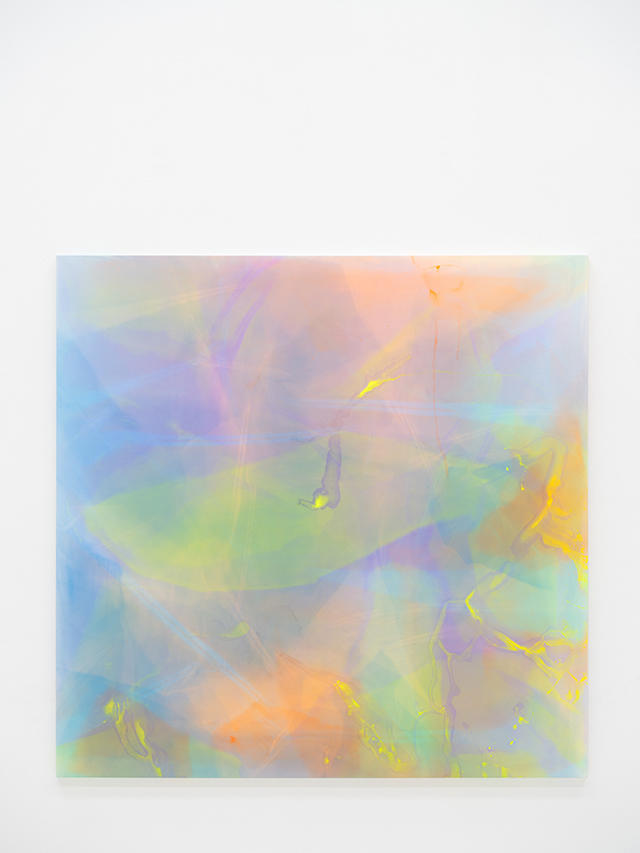
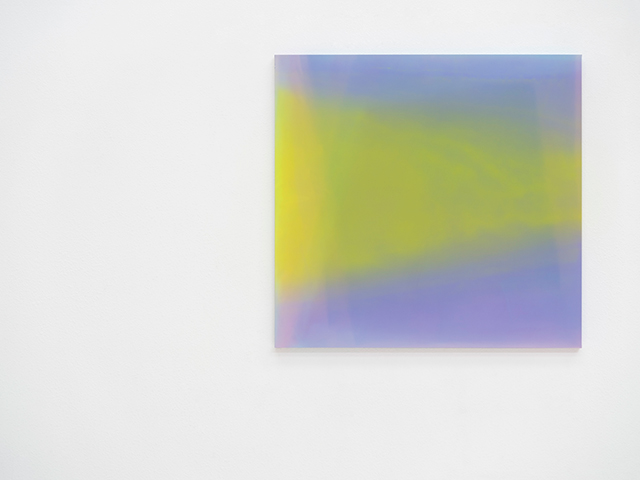
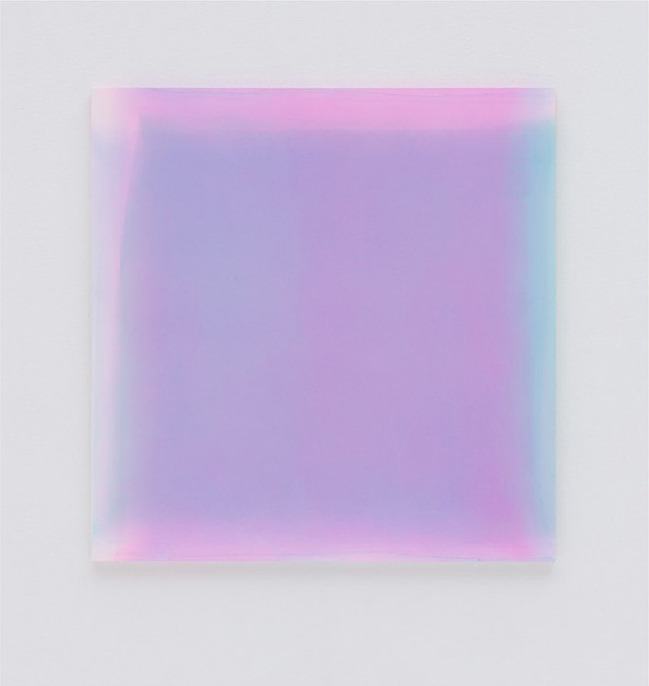
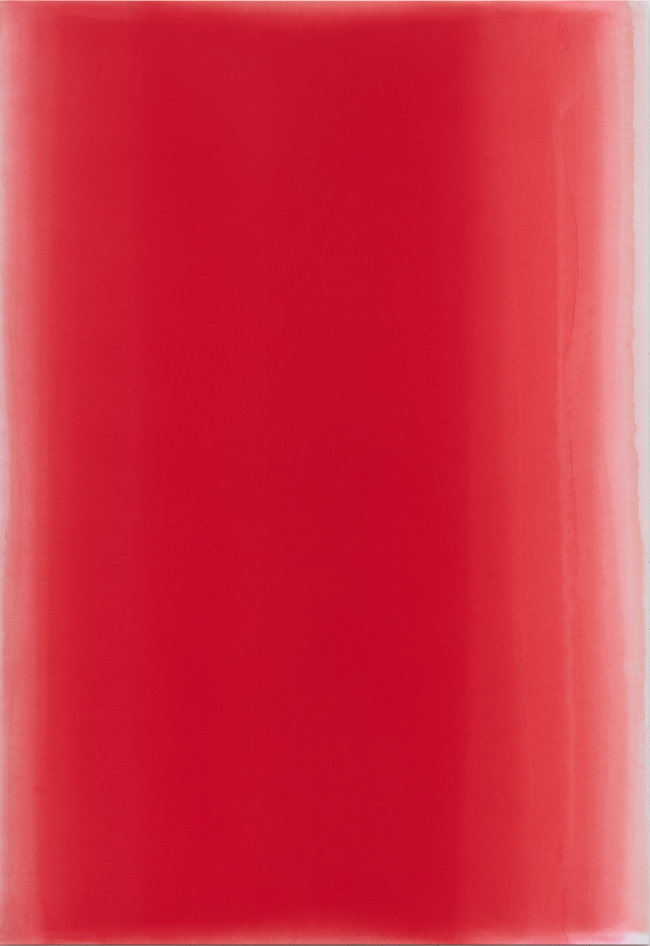
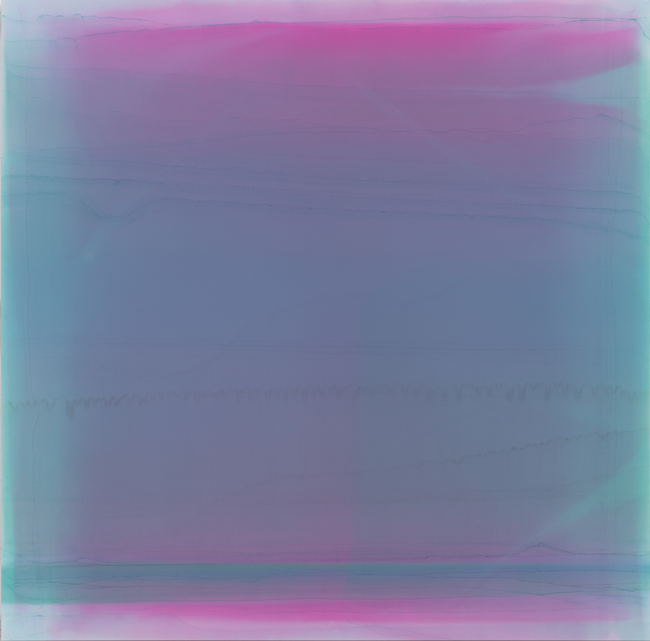
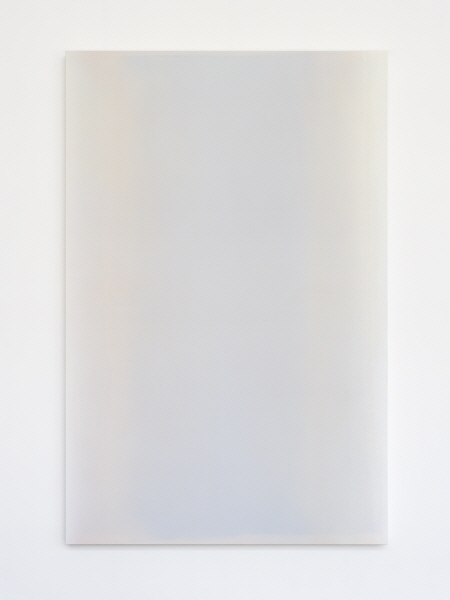
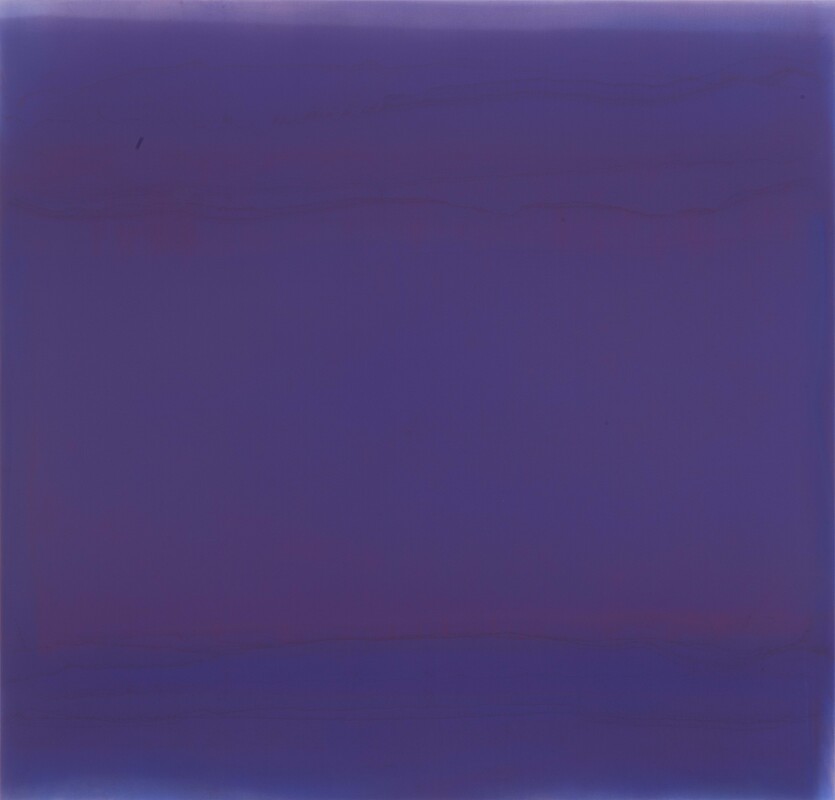
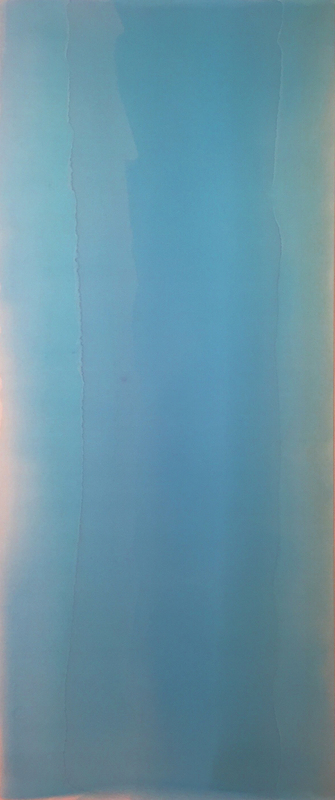
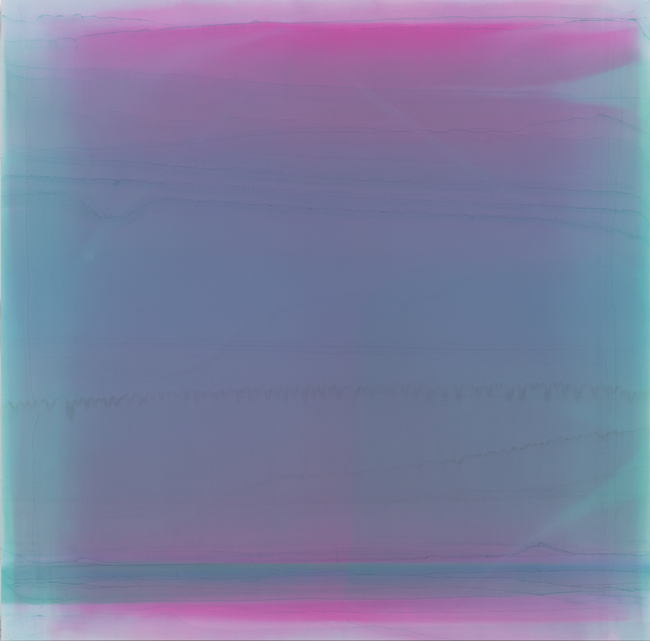
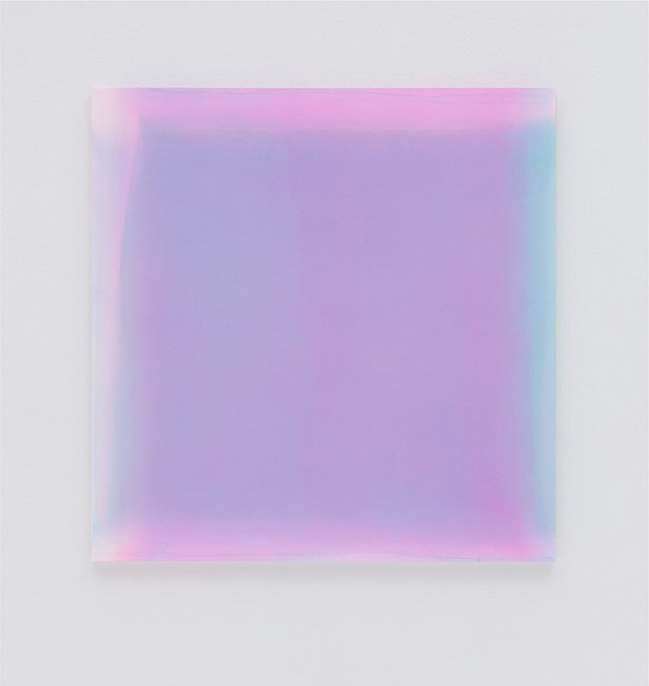
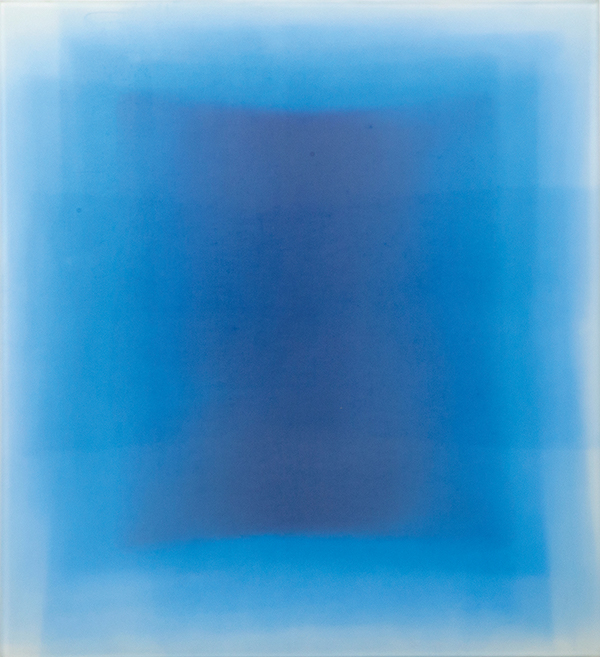
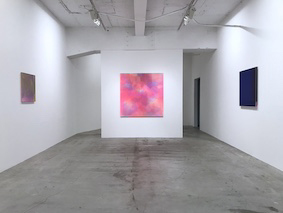
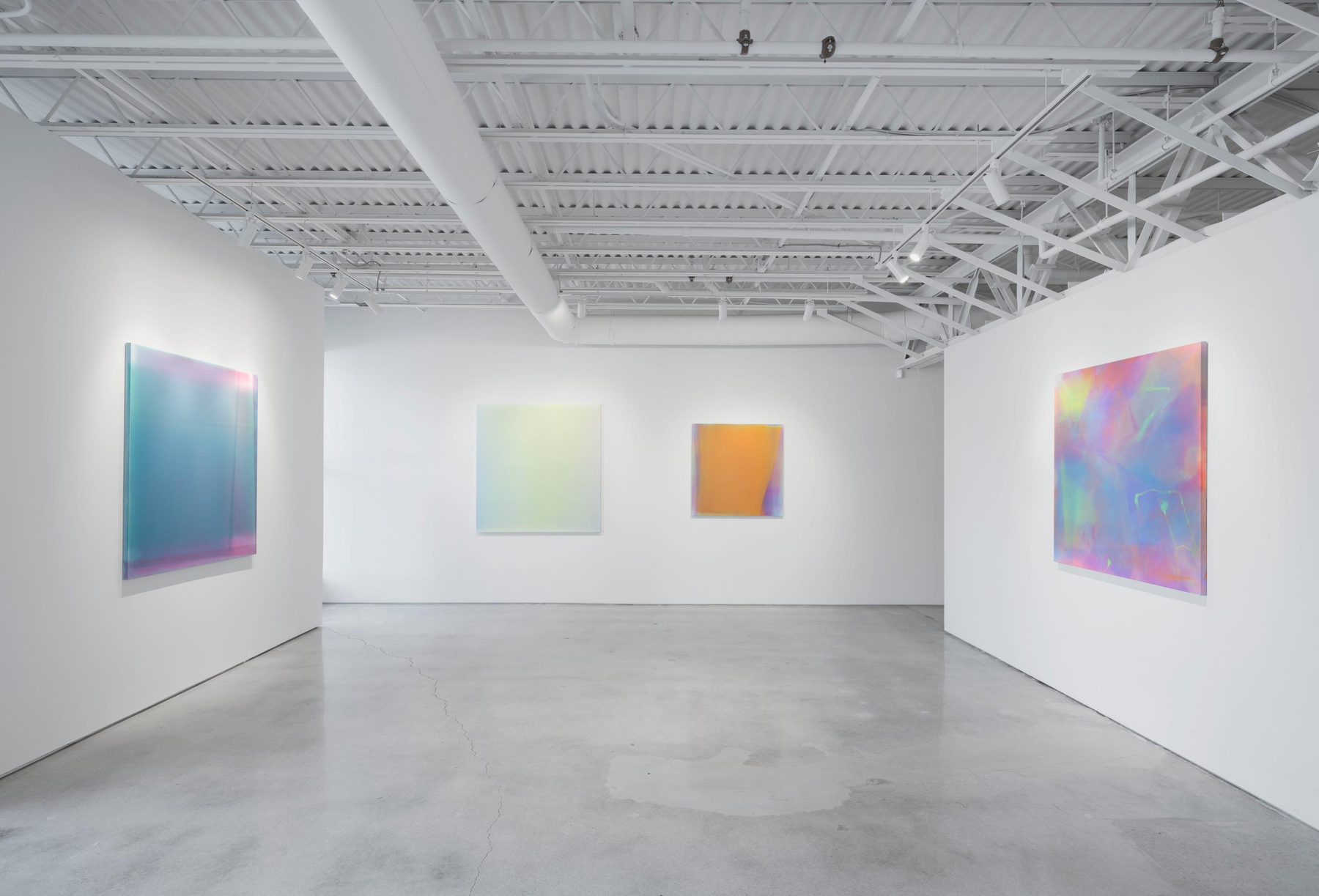
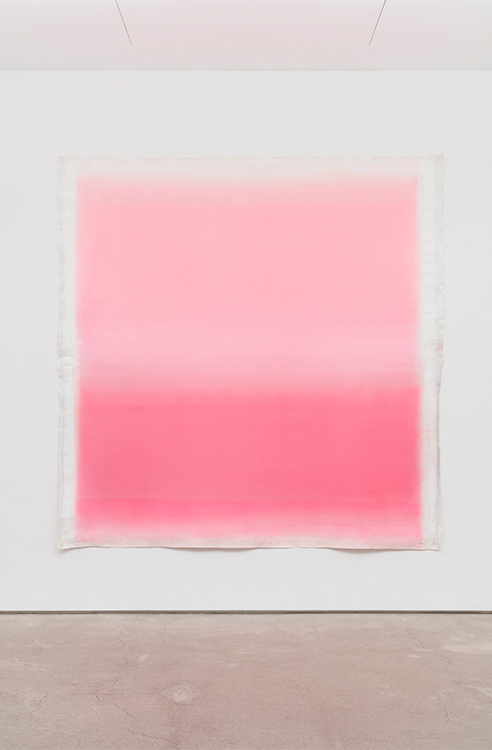
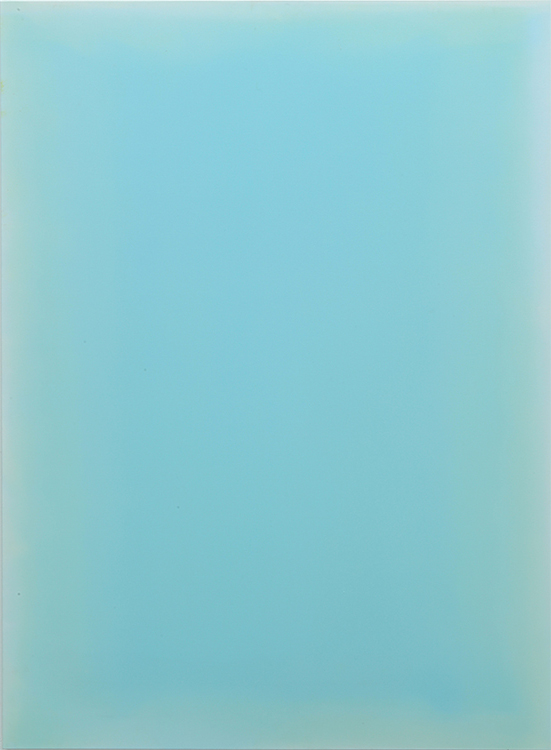
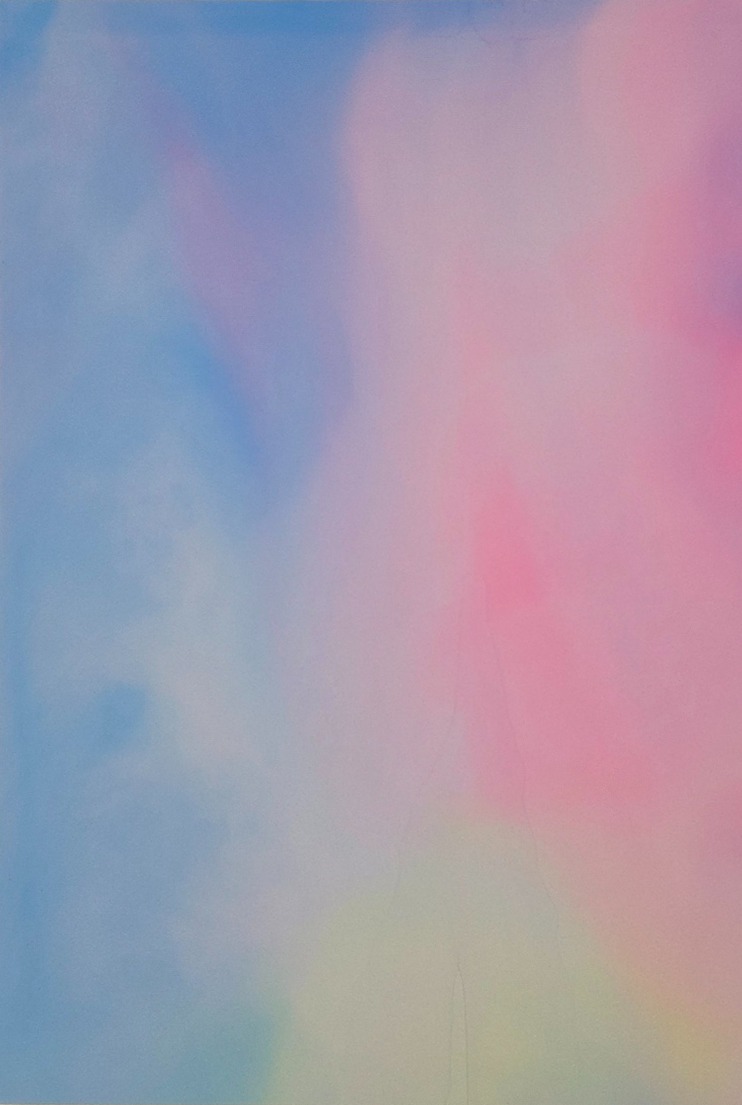
Kim Taek Sang (56, professor at Cheongju University), often categorized as part of the 1.5 generation of Dansaekhwa and currently presenting his Breathing Light series—works utilizing water, light, and the sedimentation of color—in the exhibition Empty Fullness, stated that “Dansaekhwa is not a matter of color, but of attitude toward the act of making.”
Explaining the difference between Western monochrome painting and Dansaekhwa, he said: “Living in the world means encountering what is outside oneself. The Western position tends toward exploiting nature to satisfy desire, whereas the Northeast Asian attitude is to exist together with nature, within it.” He added that this attitude is directly reflected in Dansaekhwa painting.
“Western monochrome painting is a color-field abstraction that uses color,” he continued, “but painters working with the sensibility of Dansaekhwa respect the materiality of their medium and consider how to sustain a relationship with it. Rather than using materials as tools, they draw out the inherent properties of the material so that it can speak for itself—this is the fundamental difference from Western minimalism or monochrome painting.”
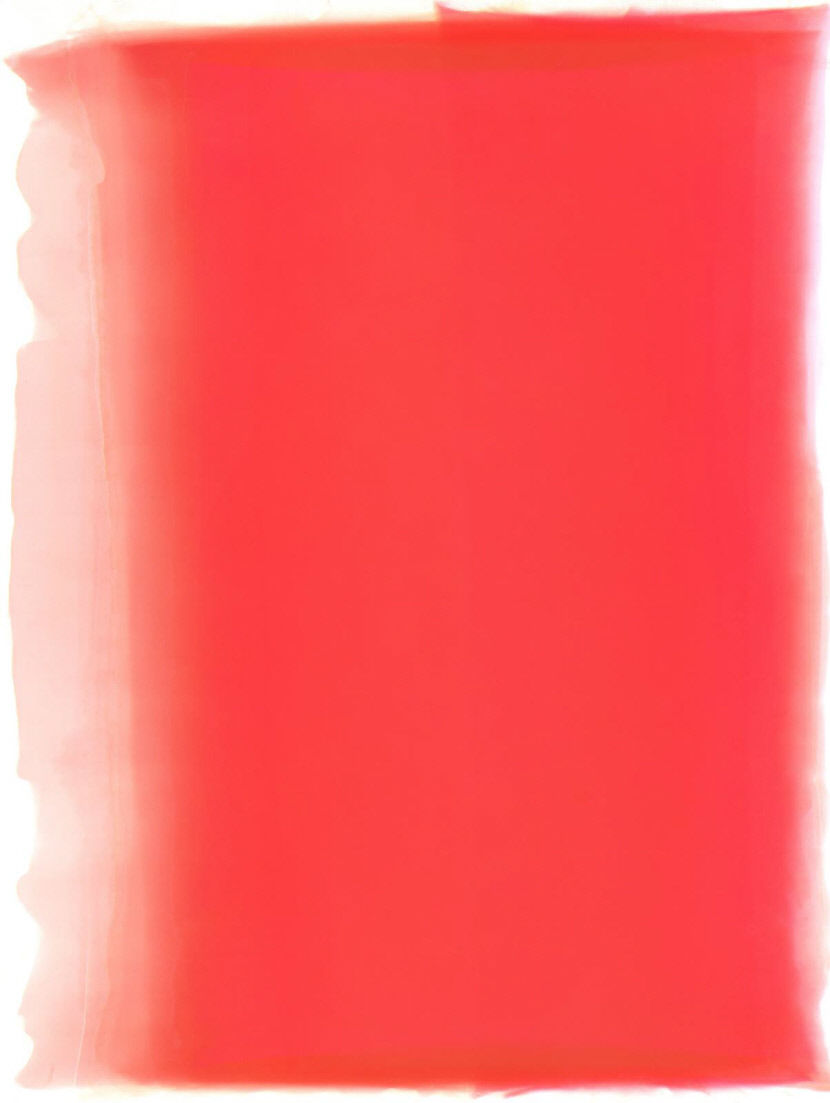
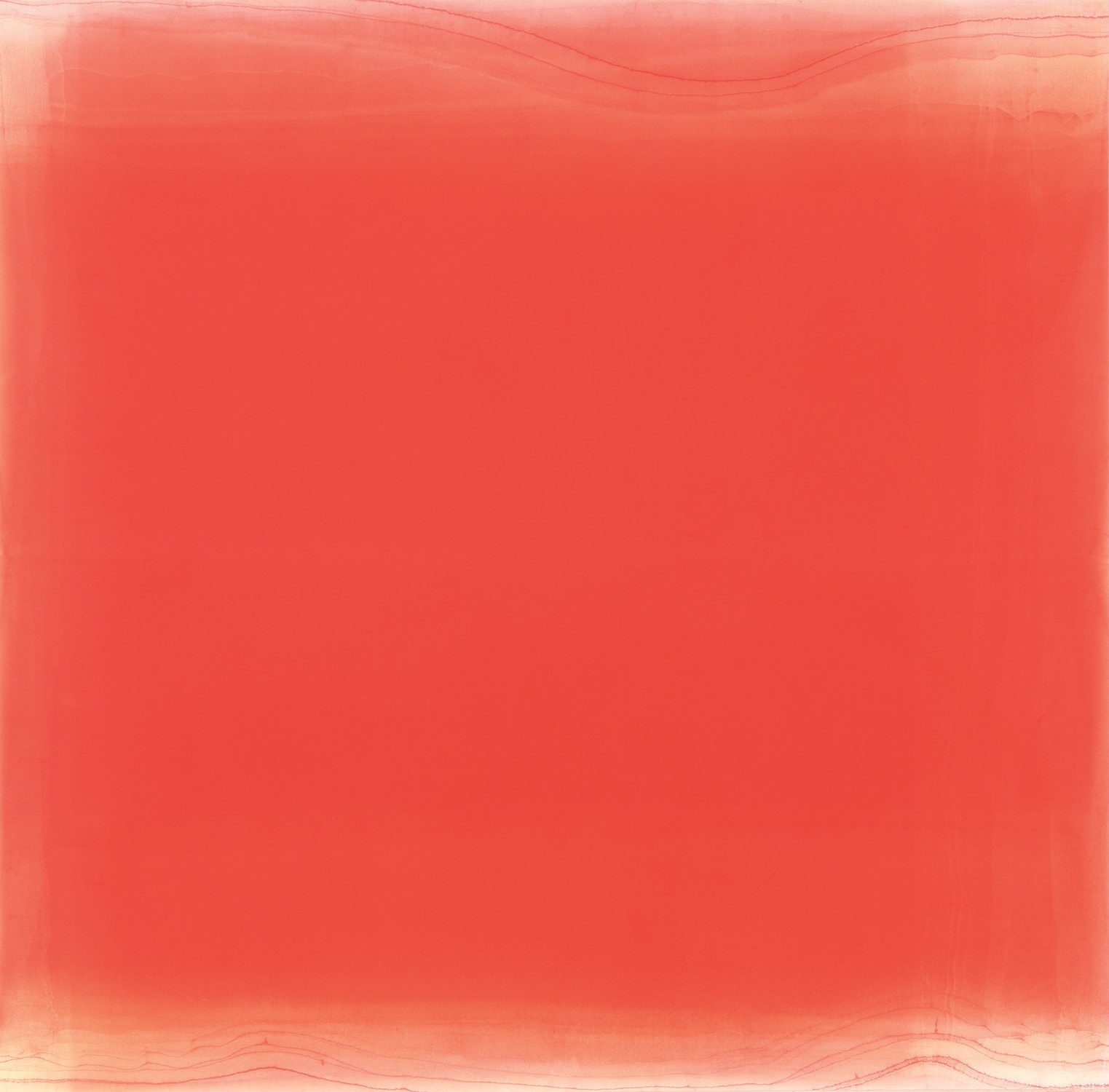
The works shown in the exhibition are produced through the repeated process of diluting pigment in large quantities of water and allowing it to settle into absorbent canvas. Because he works under natural light and does not resist gravity, a single piece takes on average four to seven months to complete, and sometimes up to two years.
A student of first-generation Dansaekhwa artists such as Park Seo-Bo, Yun Hyong-keun, and Choi Myoung Young, Kim emphasized that although interest in Dansaekhwa—one of the representative tendencies of Korean contemporary art—has recently surged both domestically and internationally, further efforts are needed to introduce it to the global stage. He stressed the need for systematic discourse and historical establishment surrounding Dansaekhwa.
“The first generation of Dansaekhwa artists asked the question ‘Who am I in art?’ studied Korean tradition to find the answer, and reflected the results in their work,” he said. “Only when proper evaluation of these first-generation artists—who occupy an absolute position in Korean modernism—is carried out will younger artists be able to understand their own identity within historical and spatial contexts, and only then can Dansaekhwa be properly evaluated in the international art world.”