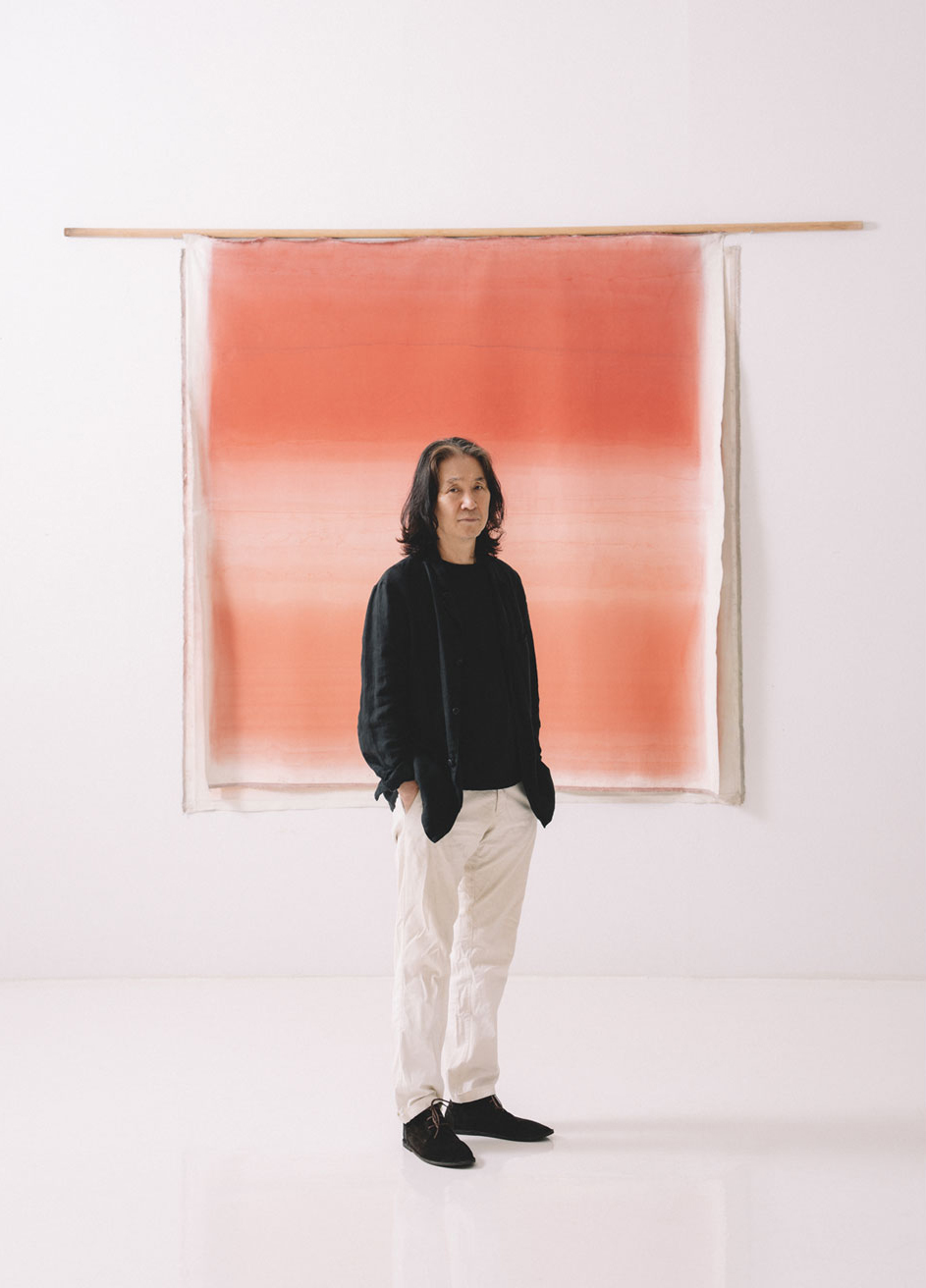
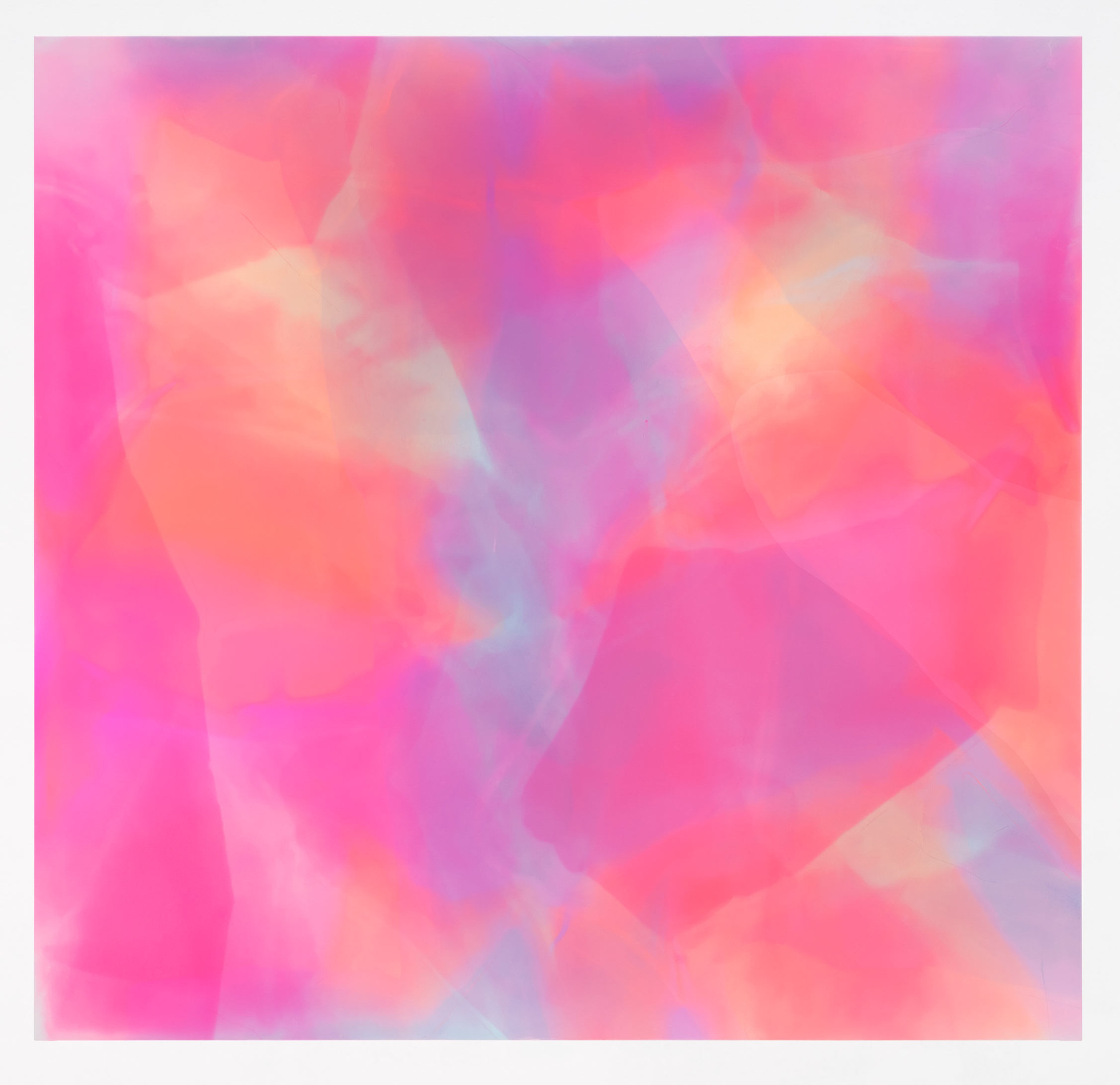
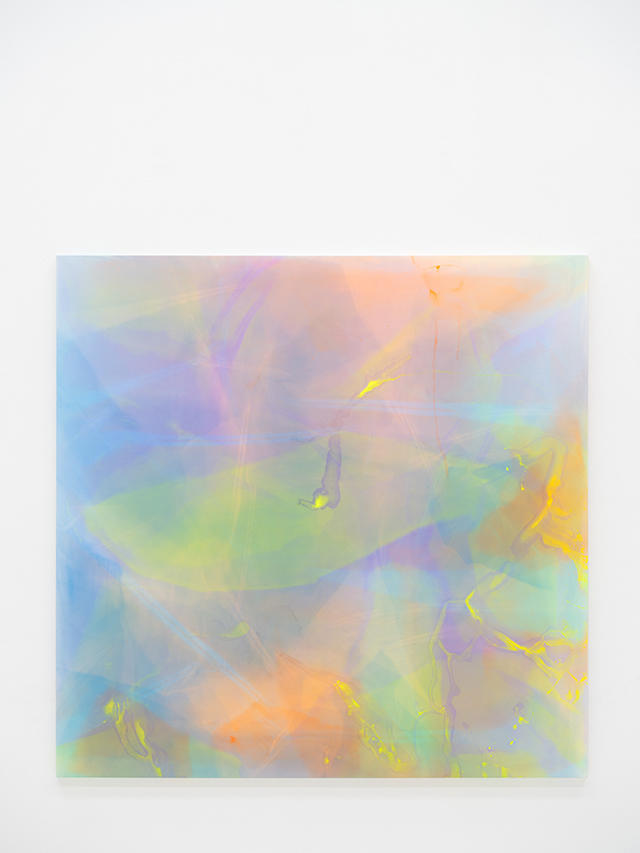
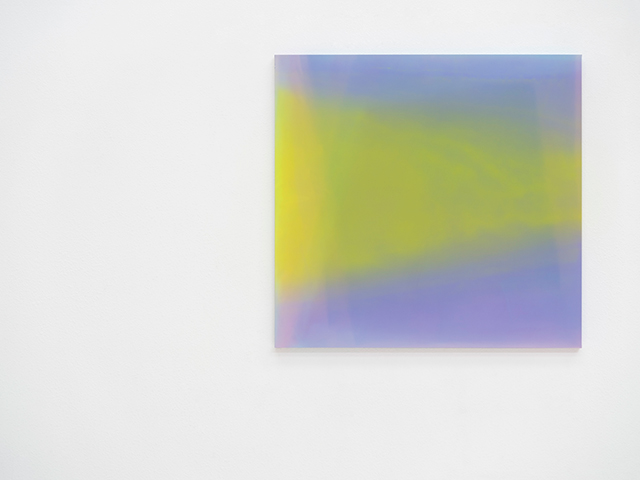
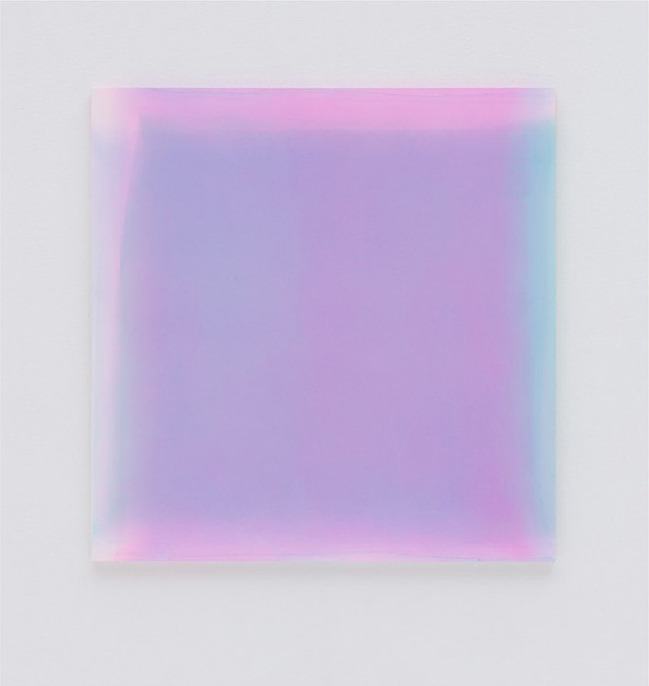
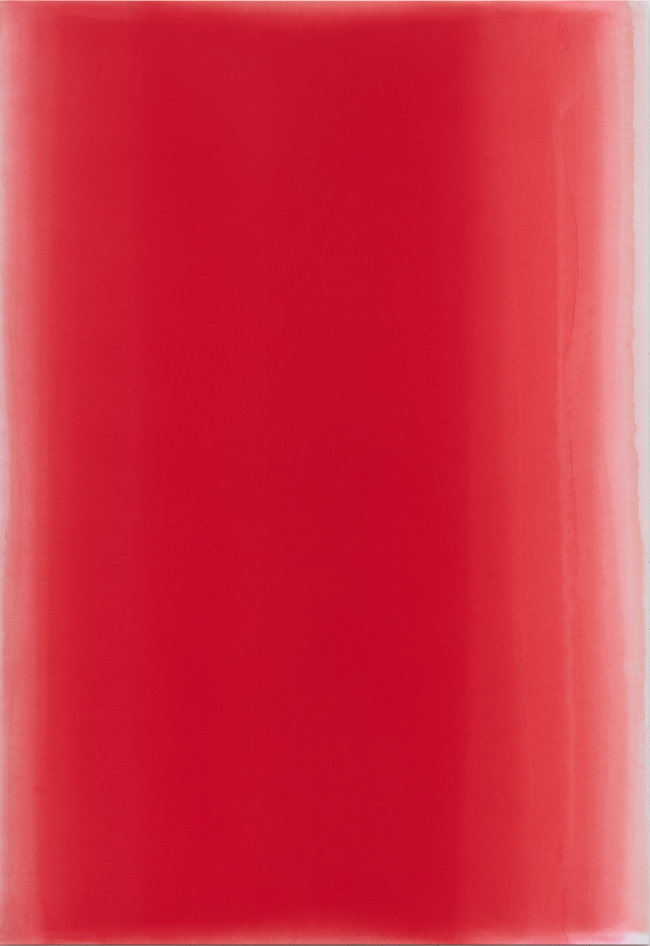
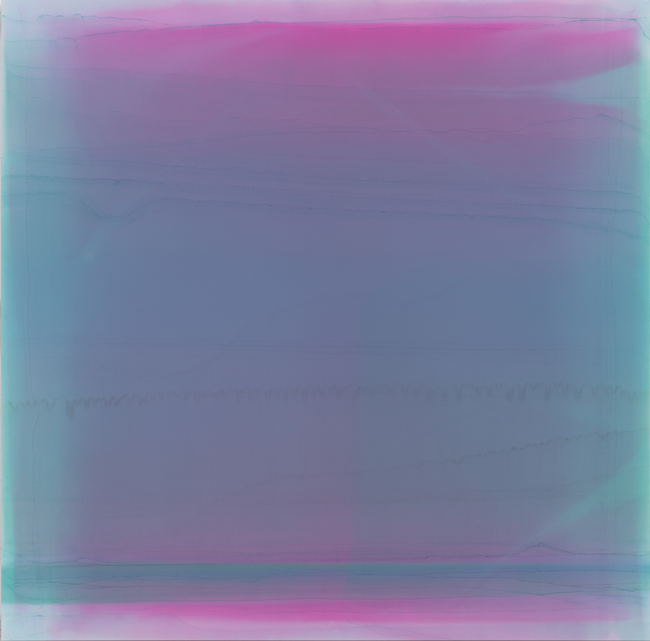
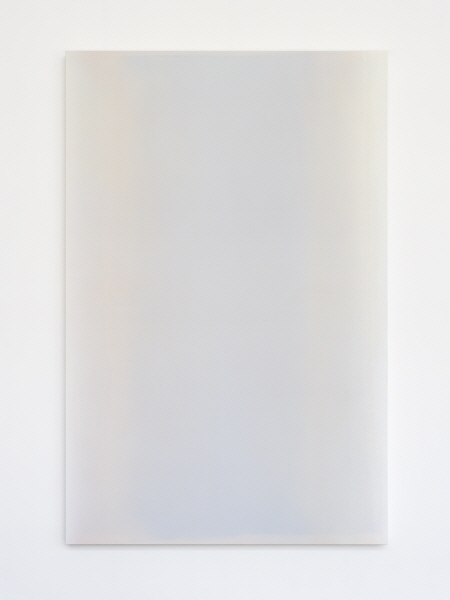
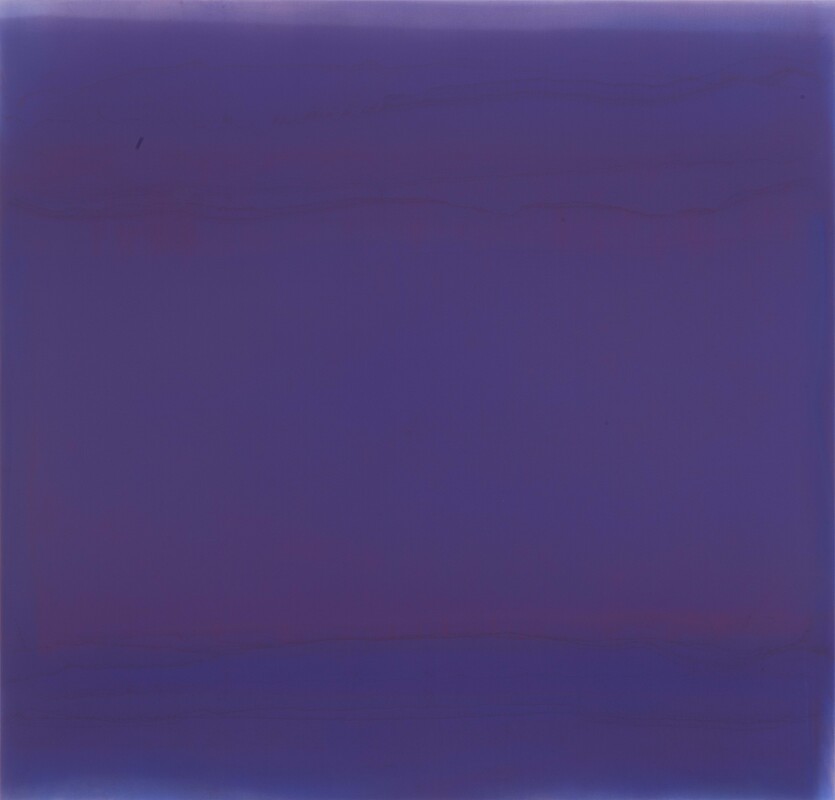
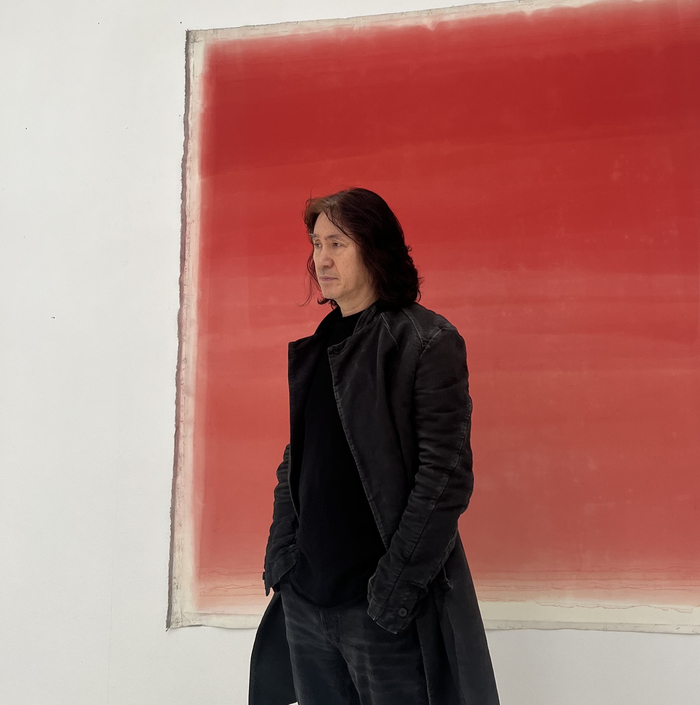
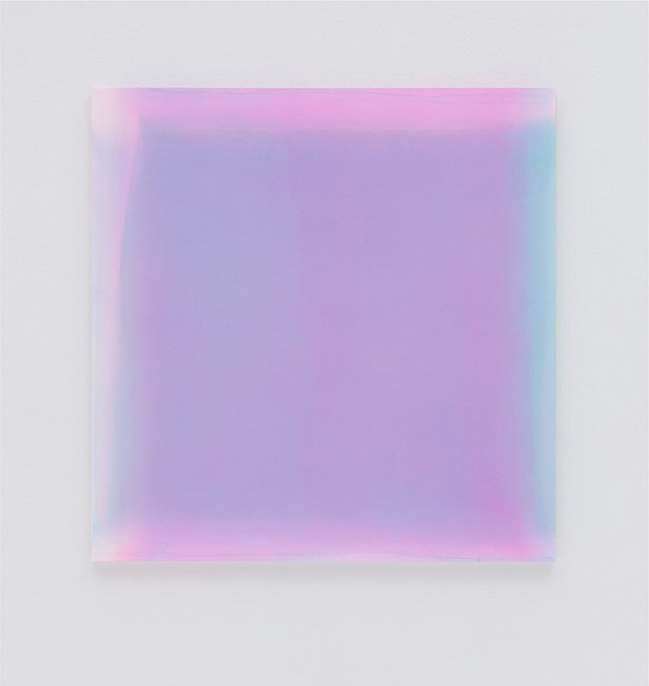
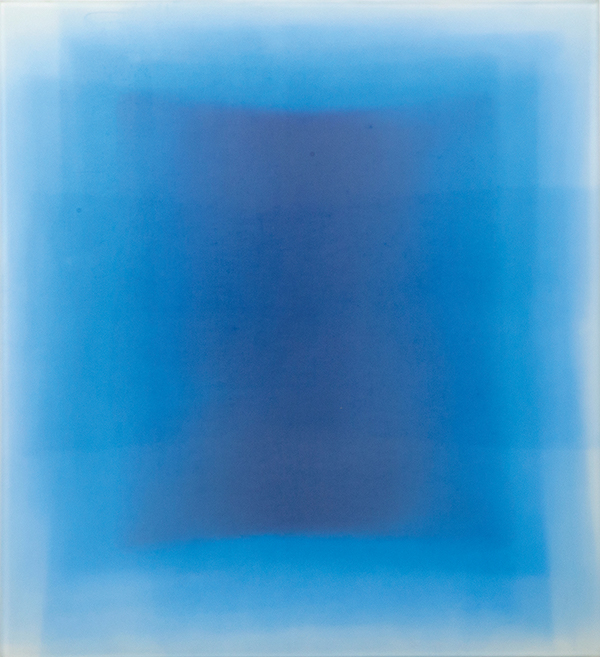
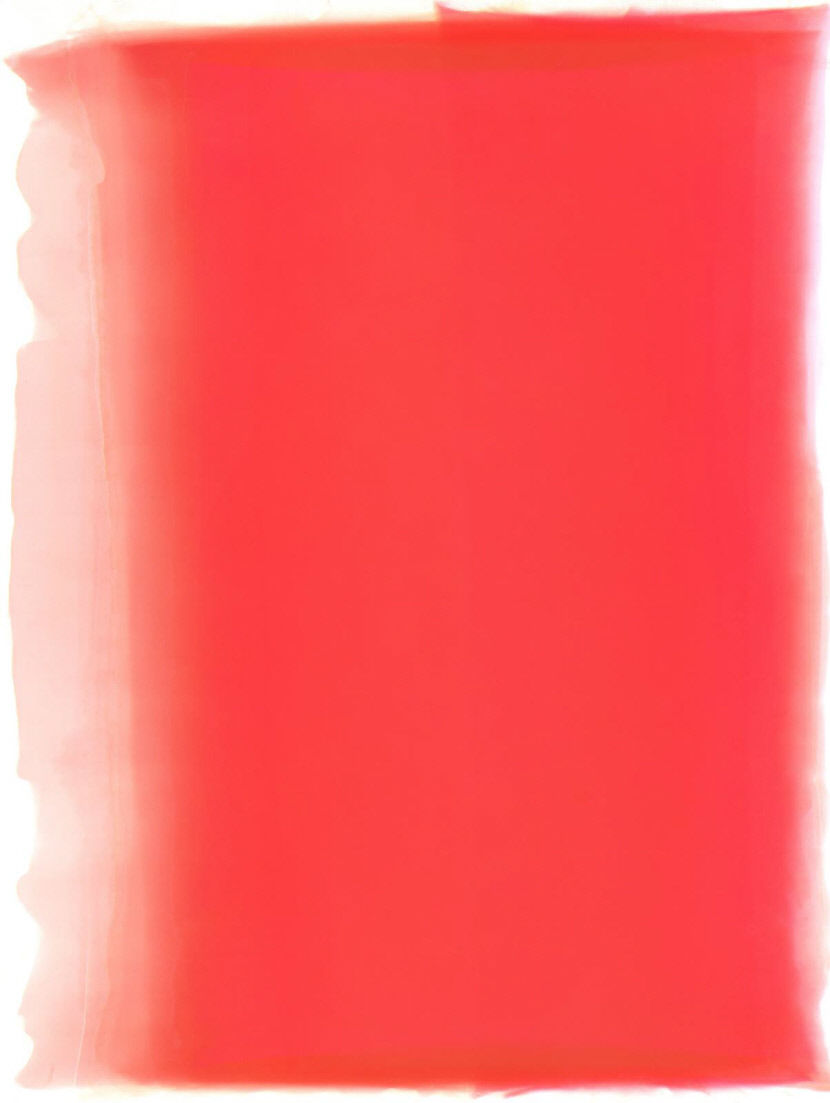
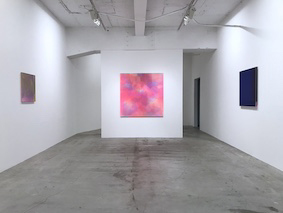
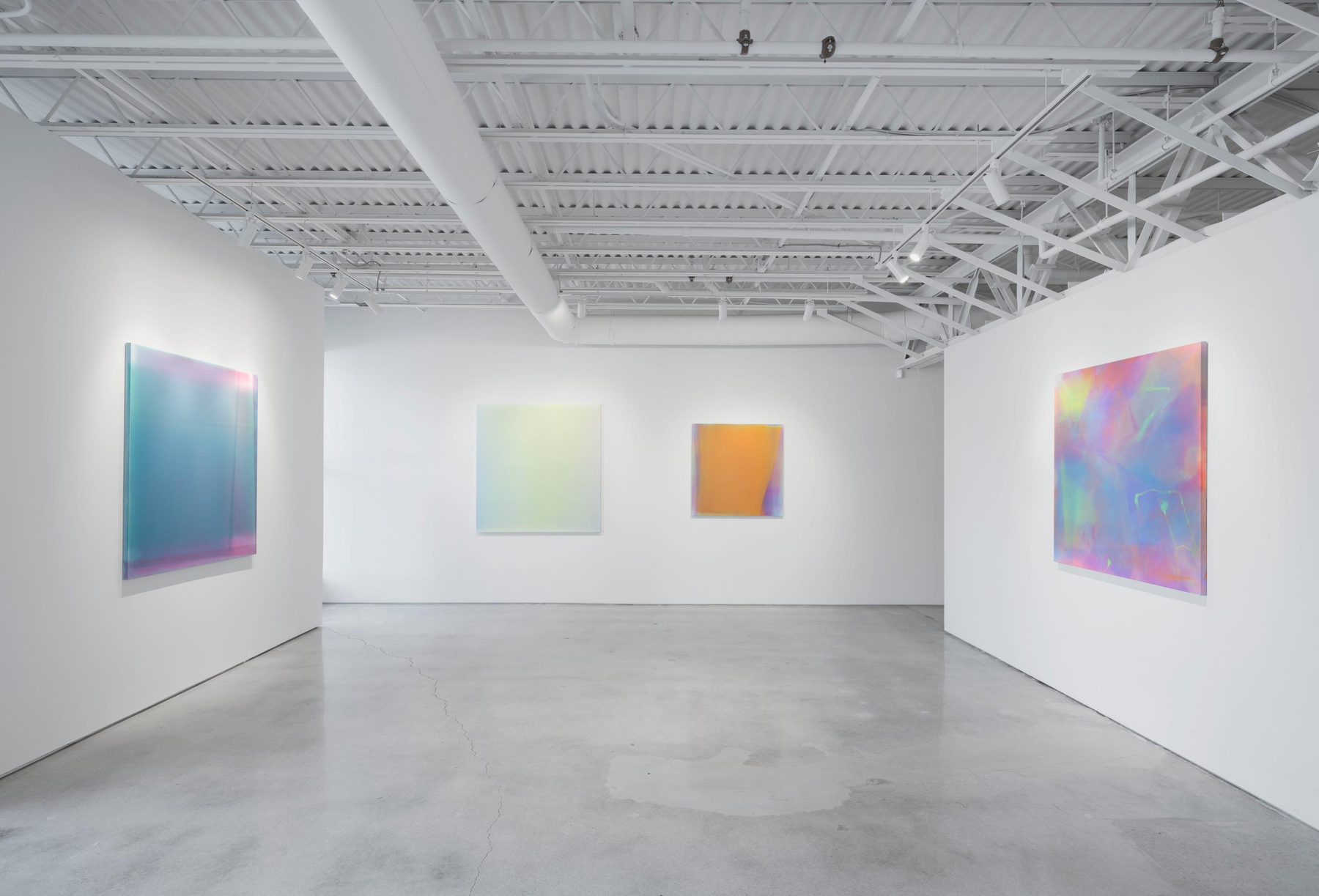
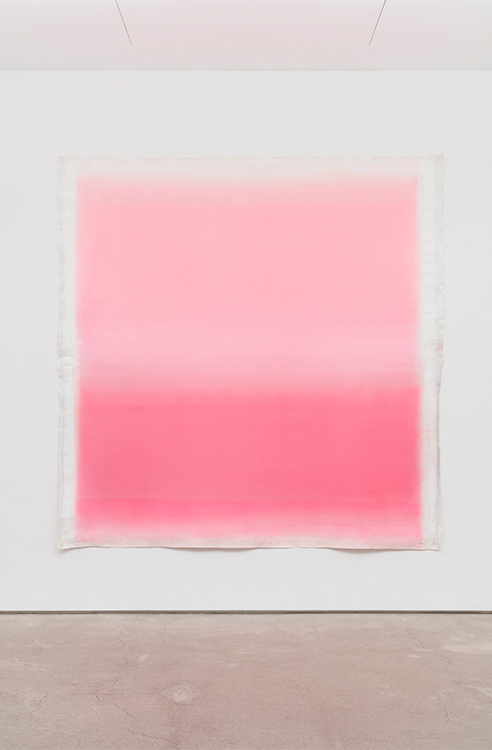
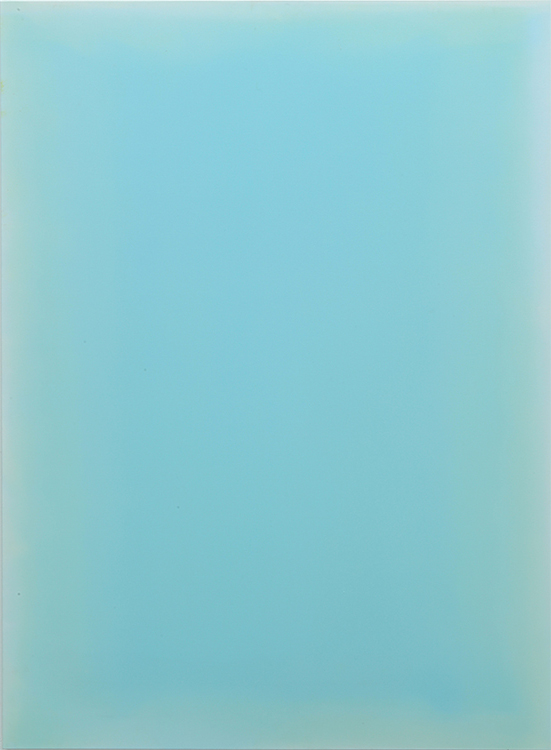
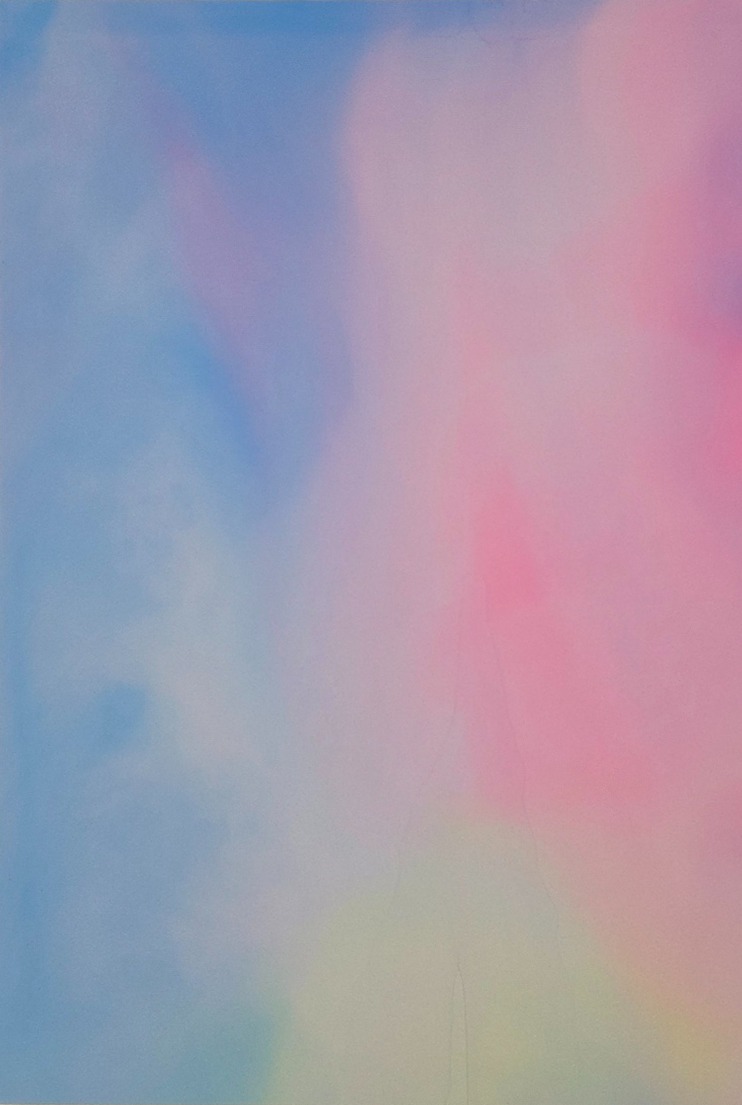
At first glance, Kim Taek Sang’s works may recall the Homage to the Square series by the great master of Optical Art, Joseph Albers, or the paintings of the German color painter Gotthard Graubner. Yet upon closer observation, one realizes that Kim’s works belong to an entirely different artistic world. While the works of the two Western masters mentioned above possess beauty tinged with a bittersweet sense of decline, Kim’s paintings open a future-oriented horizon filled with vitality.
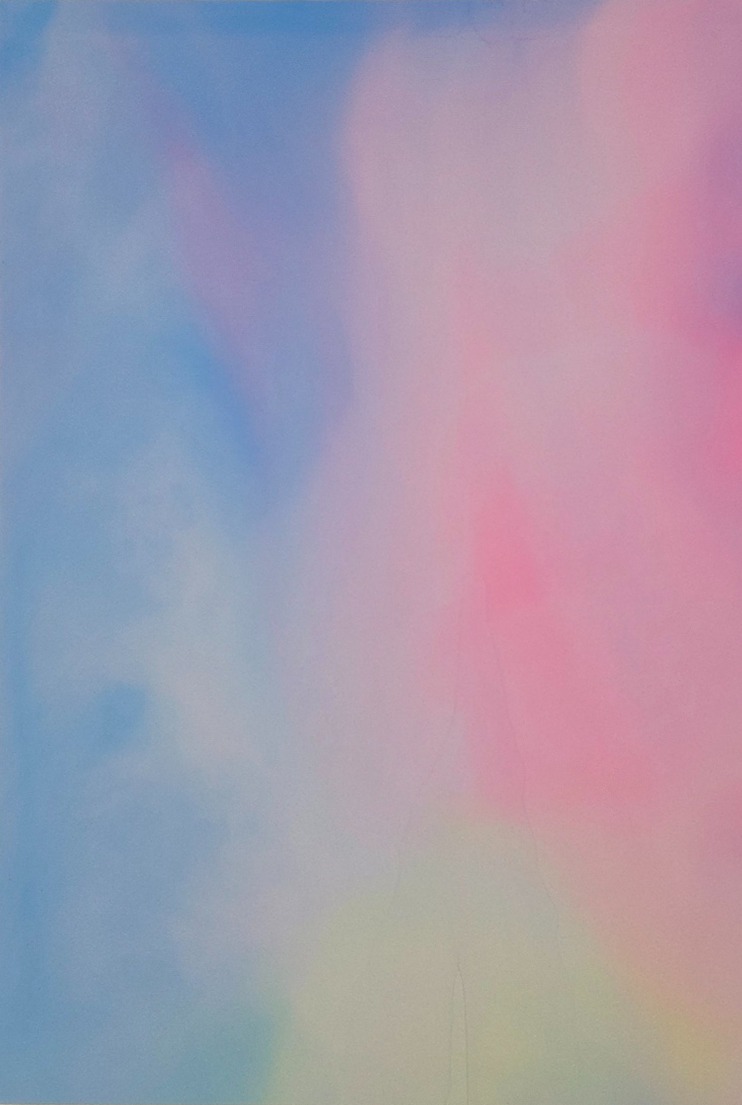
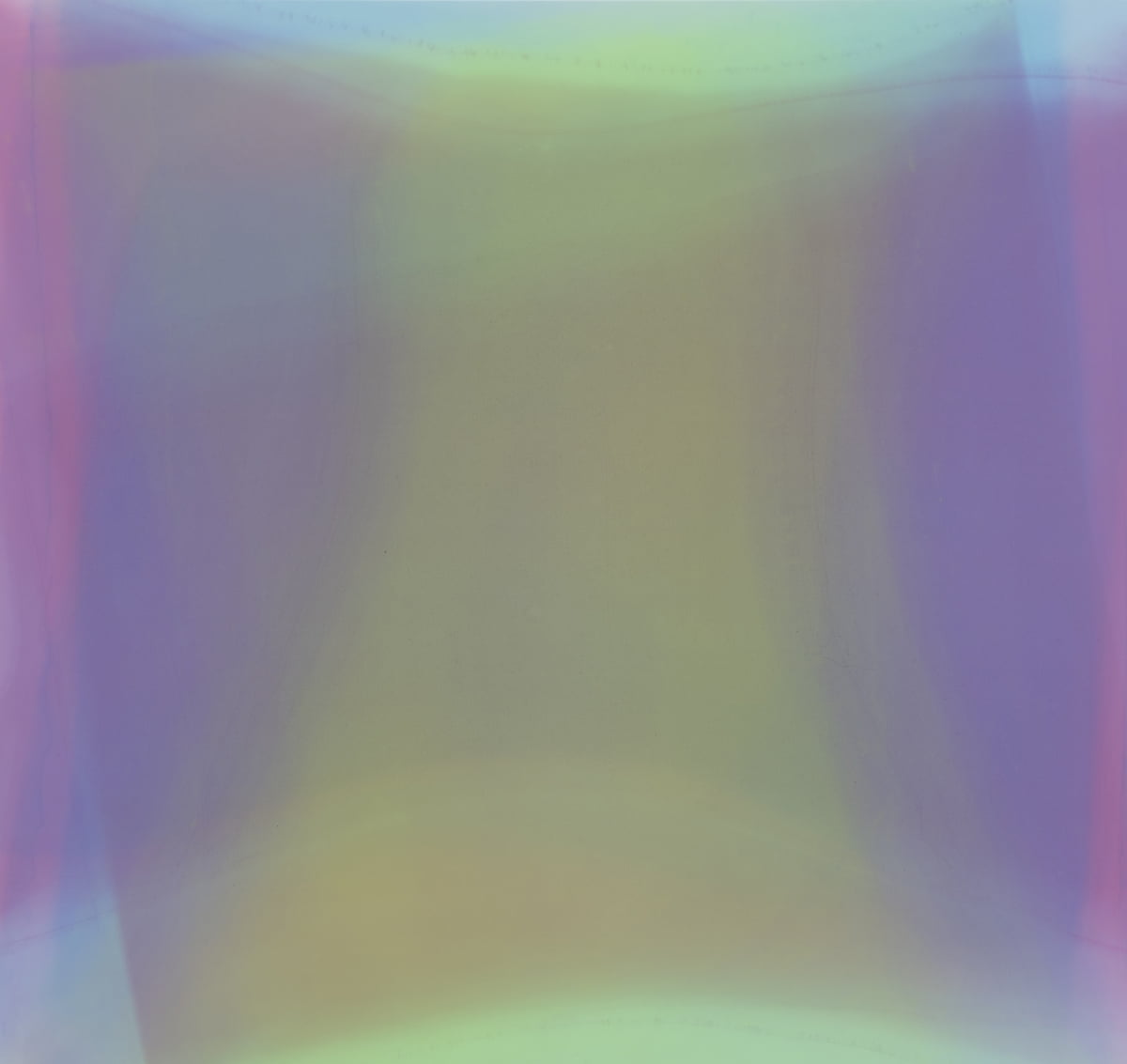
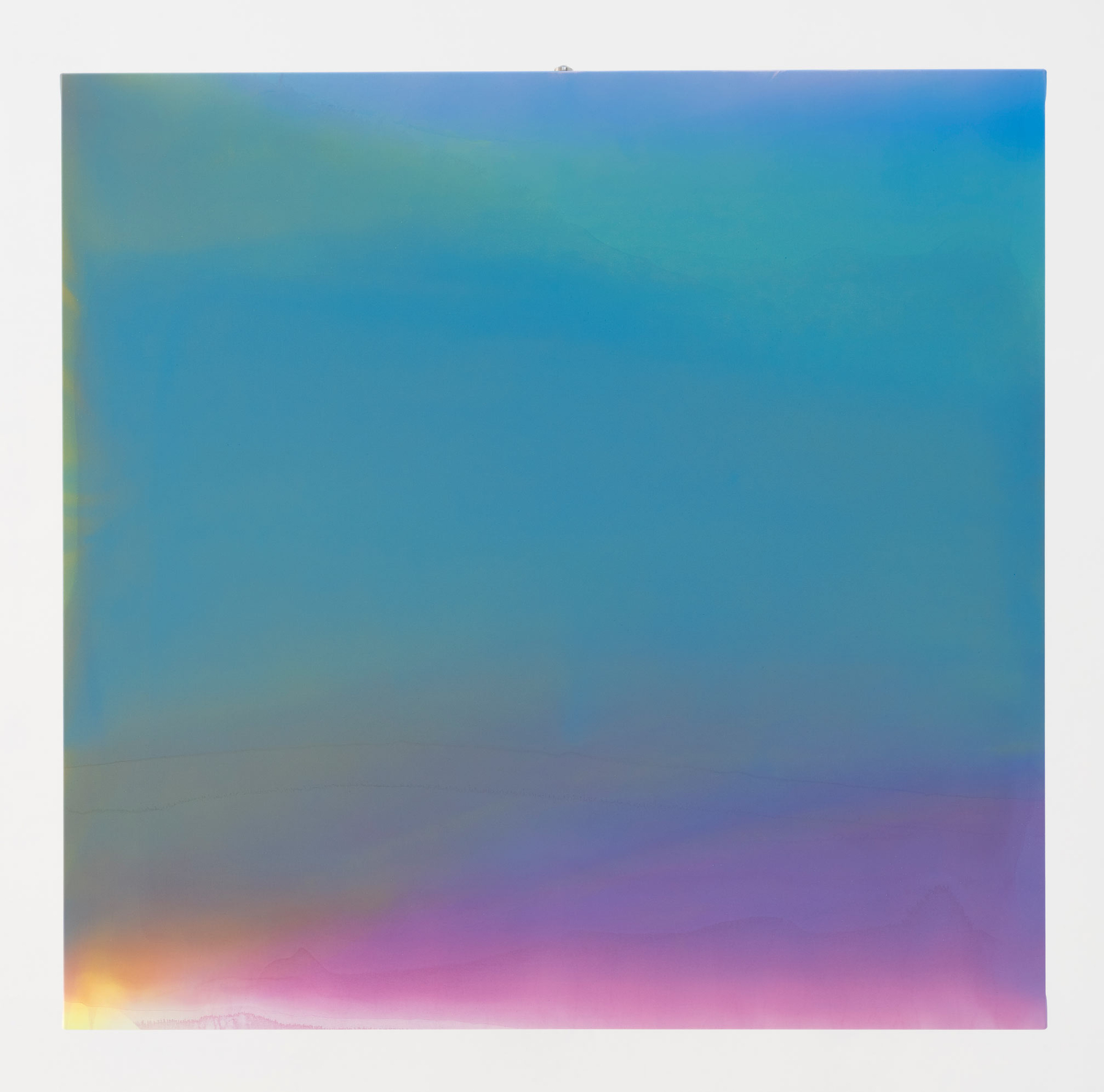
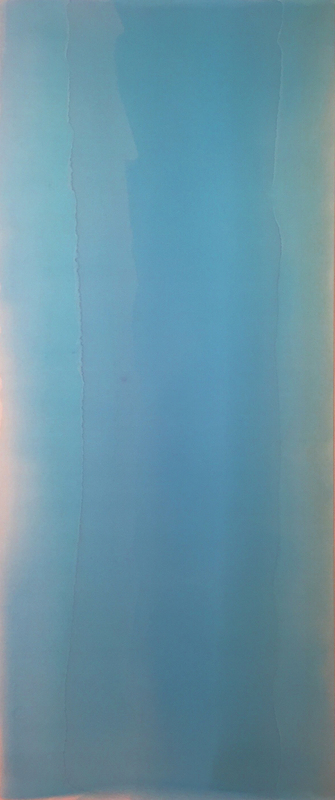
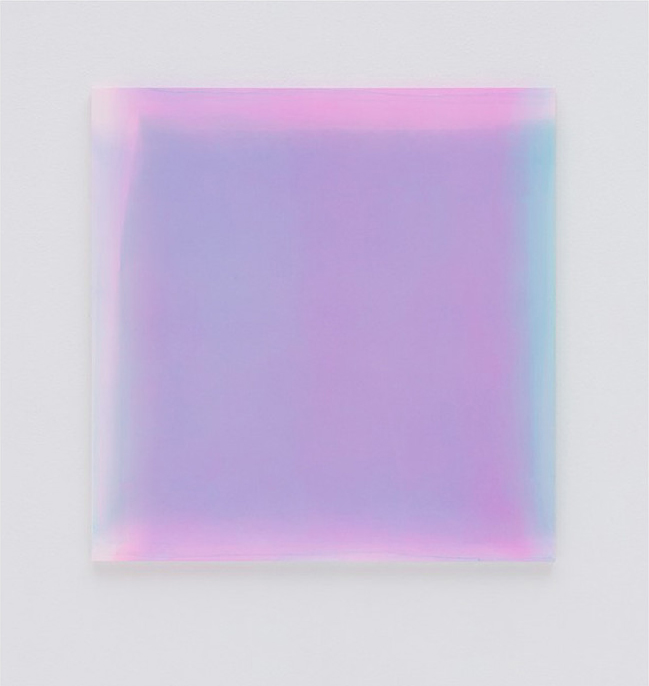
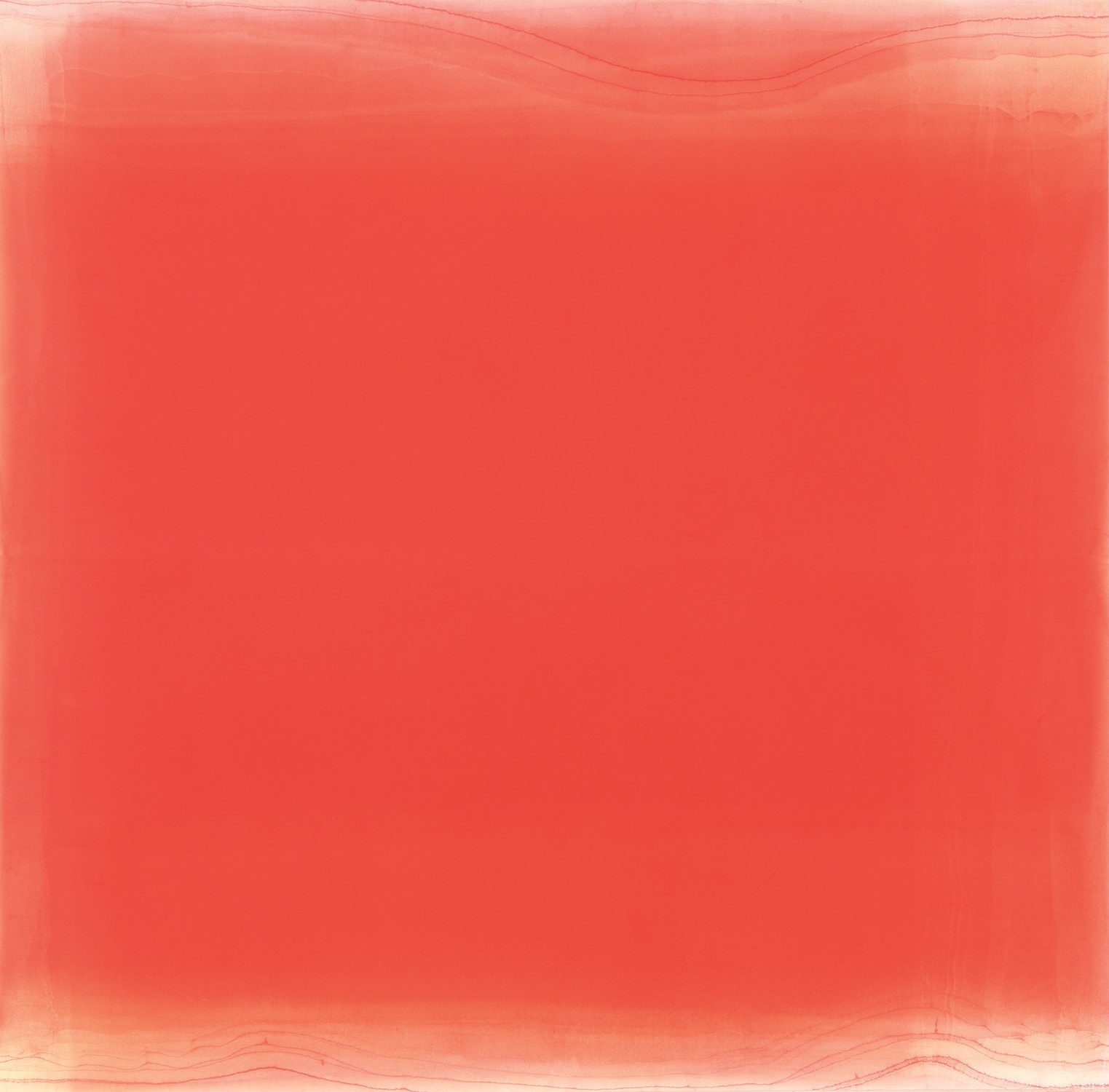
Look closely at each piece in Kim’s series titled Breathing Light. One soon recognizes that these works are not paintings of color, like Graubner’s, but paintings of light. Color is the wavelength of light reflected from an object as perceived by our eyes—paint, colored paper, and similar materials are surface color. By contrast, the color of light—its luminosity—is the rhythmic movement of transparent light in motion.
When viewing Kim’s paintings, one senses a subtle luminosity emanating from the canvas, as if light itself were breathing. In some works, the materiality of the support (the canvas) seems dematerialized. Although the work is clearly hung on a wall, it feels as if bundles of light gently radiate from behind or within the painting—from its interior—into the rectangular field of the canvas. This quiet glow evokes a sense of mystery. Imagine entering a small mountain church in Italy late in the afternoon: in the silence, light pours soundlessly through stained-glass windows high on the wall, creating a sacred atmosphere.
Kim’s Breathing Light works delicately orchestrate precisely such breathing textures of light on the canvas. At this point, however, something must be remembered: Joseph Albers painted similar illusions on canvas through technical visual deception, and Graubner constructed colored volumes, but the “breathing light” Kim produces is a living radiance—real light resonating from within. Rather than representing light through color, the works generate an effect in which actual light seems to emanate and resonate within the painting. How is this possible?
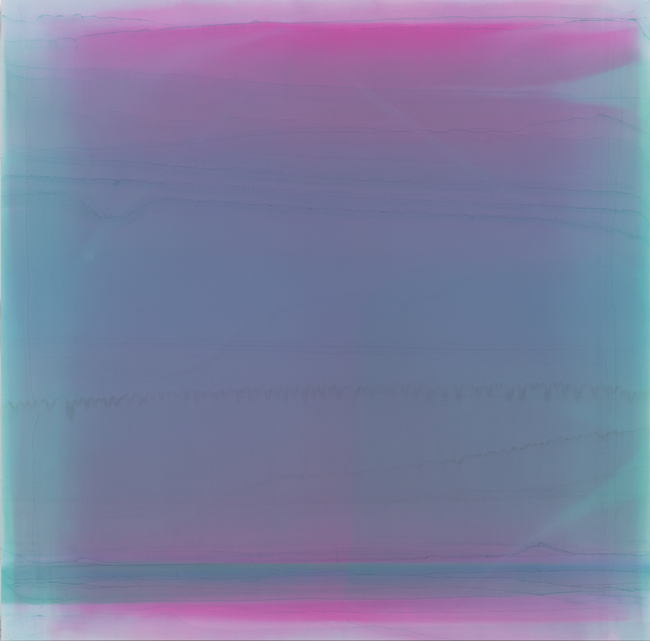
Kim absolutely respects the material properties of the materials he encounters. He follows the relationships formed by materials over time: water, wind, gravity, and duration. As the site where these relations unfold, he selected a permeable canvas—capable of absorption like hwaseonji paper used in East Asian ink painting. He mainly uses water in painting, diluting only the smallest trace of pigment into it. He pours this lightly pigmented water into a specially devised frame and allows it to slowly settle and permeate the canvas surface over long periods. After sedimentation, the water is drained and the canvas hung to dry—one cycle of relation completed. Repeating this countless times, thin layers accumulate and permeate the surface.
With each added layer, new intervals—tiny gaps—form. As these minute spaces continually emerge, unexpected light naturally appears. These complex, multilayered gaps establish both planar and vertical configurations among themselves, and the geometry of these relations produces a unique luminous effect in each work. (If oil pigment had been used instead, the layers would simply thicken and the color would grow darker.)
When countless repetitions accumulate with small variations each time, unpredictable results emerge—this is what is known as fractal geometry, discovered less than fifty years ago. Kim’s painting of light can thus be properly explained within the theory of this new geometry.
The important question, then, is how Kim achieved this spatial orchestration of “breathing luminosity” through a method and artistic philosophy fundamentally distinct from those of Albers or Graubner. His achievement arises precisely from this difference from Western artistic philosophy and painterly methodology—this is what makes Kim Taek Sang’s Breathing Light works appear more vital and future-oriented than those of Western masters.