

Solo Exhibitions (Brief)
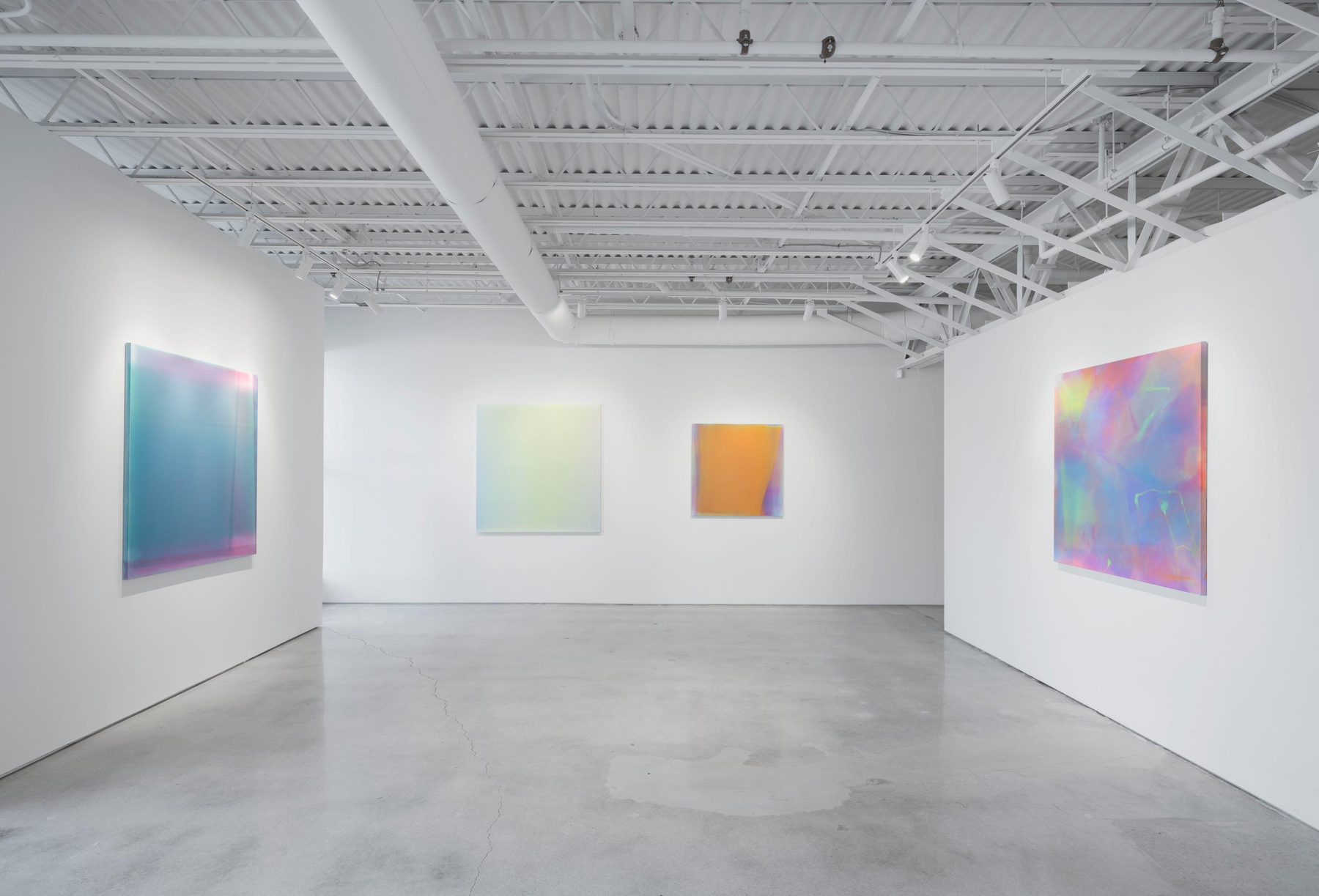
Since his first
solo exhibition at the Total Museum of Contemporary Art in 1994, Kim Taek Sang
has continued to present solo exhibitions at major venues in Korea and abroad,
including CAIS Gallery (2001, 2004, Seoul), Taguchi Fine Art (2006, 2008, 2010,
2014, 2023, Tokyo), Gallery Aso (2010-2024, Daegu), Leeahn Gallery (2019-2024,
Seoul and Daegu), Lehmann Maupin (2022, Palm Beach), and Johyun Gallery (2026,
upcoming, Busan).
Group Exhibitions (Brief)
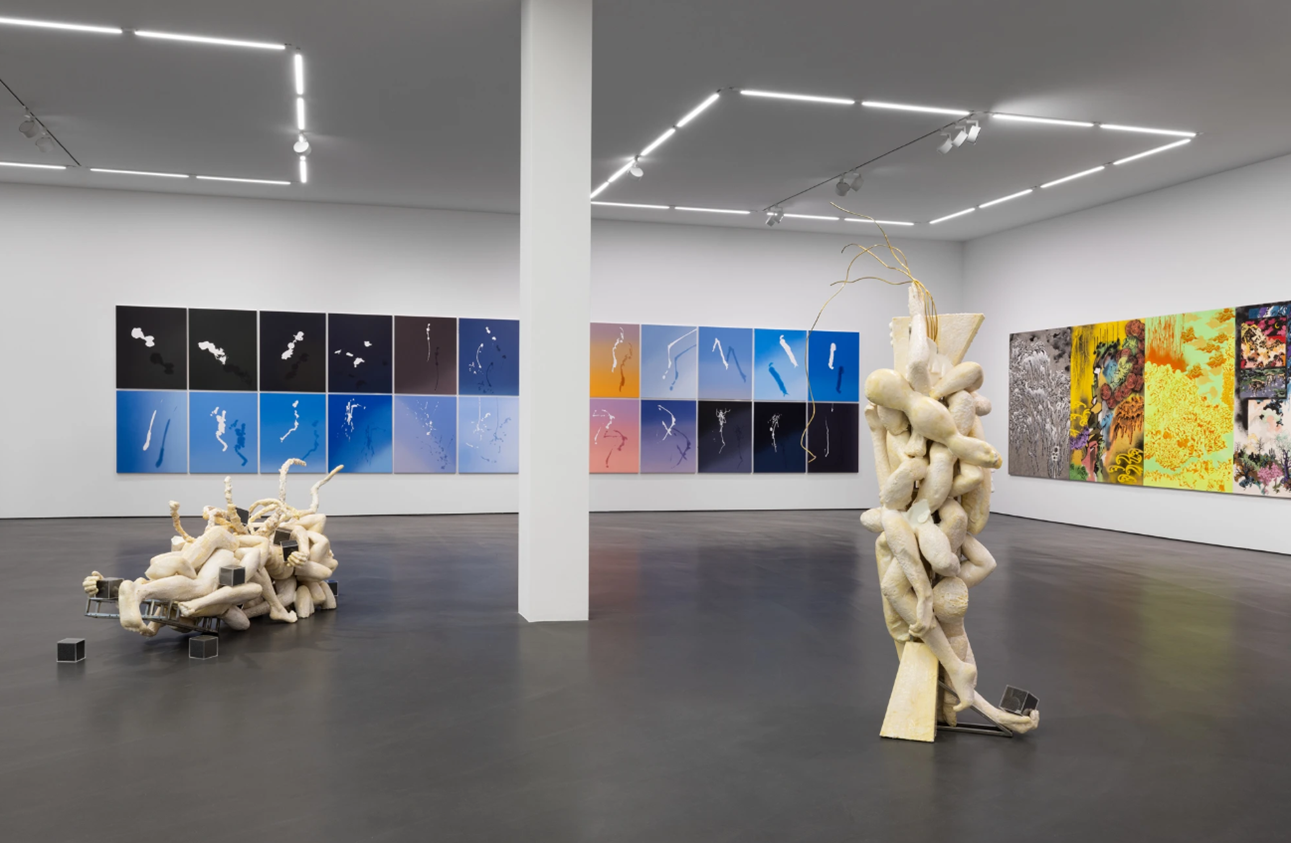
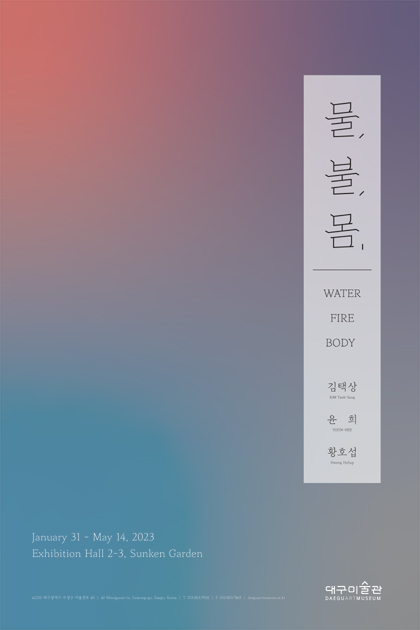
He has also
participated in group exhibitions at leading museums and galleries, including
the National Museum of Modern and Contemporary Art (2001, 2012), Seoul Museum
of Art (2004), Daegu Art Museum (2023), Kawamura Memorial DIC Museum of Art
(2009, Chiba), Tsinghua University Art Museum (2018, Beijing), Centre Pasquart
(2006, Switzerland), Lehmann Maupin (2023, Seoul), and Esther Schipper (2023,
Seoul and Berlin), further expanding the institutional context of his practice.
Collections (Selected)
His works are held
in the collections of the National Museum of Modern and Contemporary Art,
Korea; Kumho Museum of Art; Leeum Museum of Art; Total Museum of Contemporary
Art; Suwon I’Park Museum of Art; and Cheongju Museum of Art, as well as in
corporate collections including Yokogawa Electric, Walkerhill Hotel, and Four
Seasons Hotel.