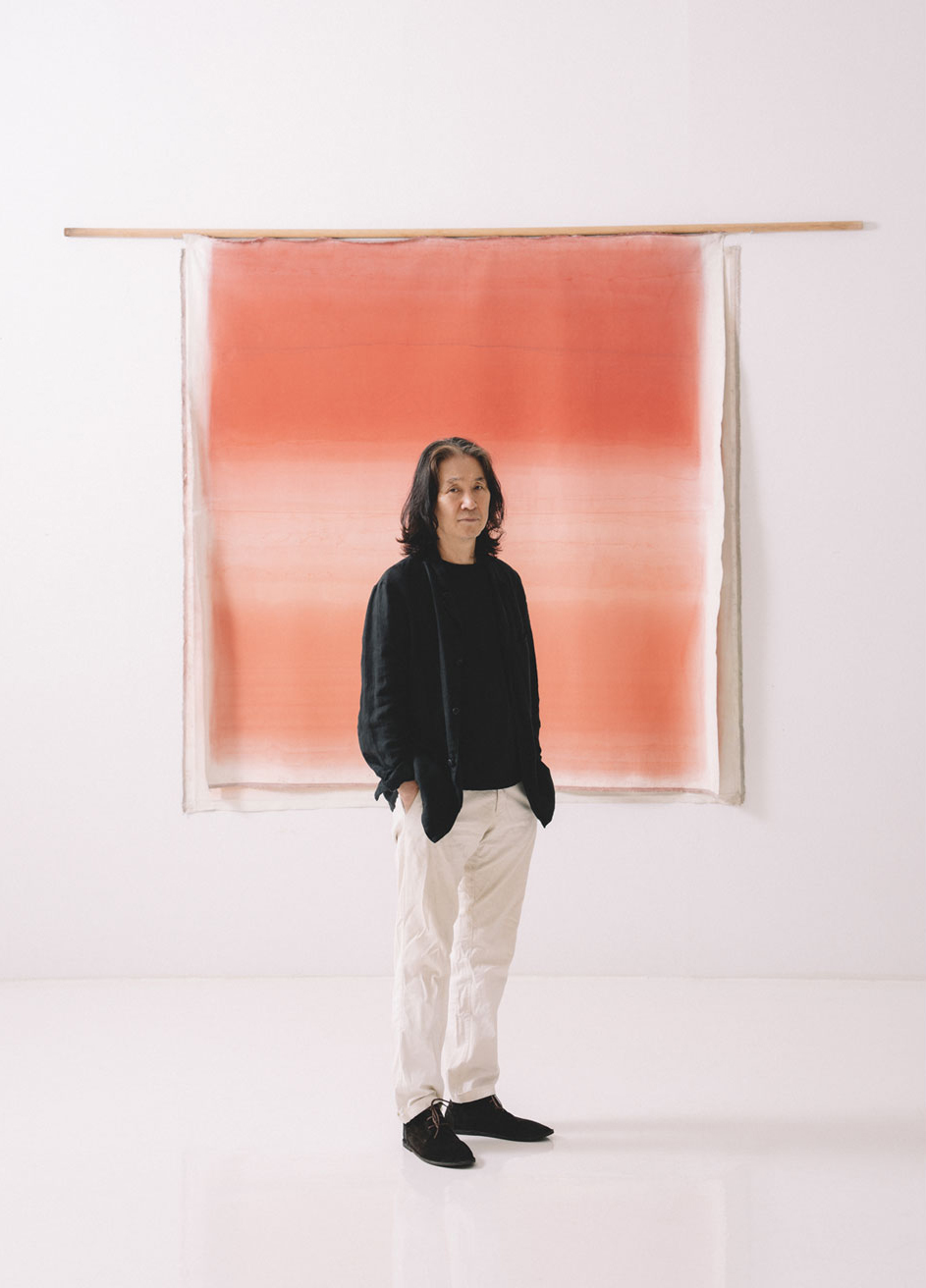
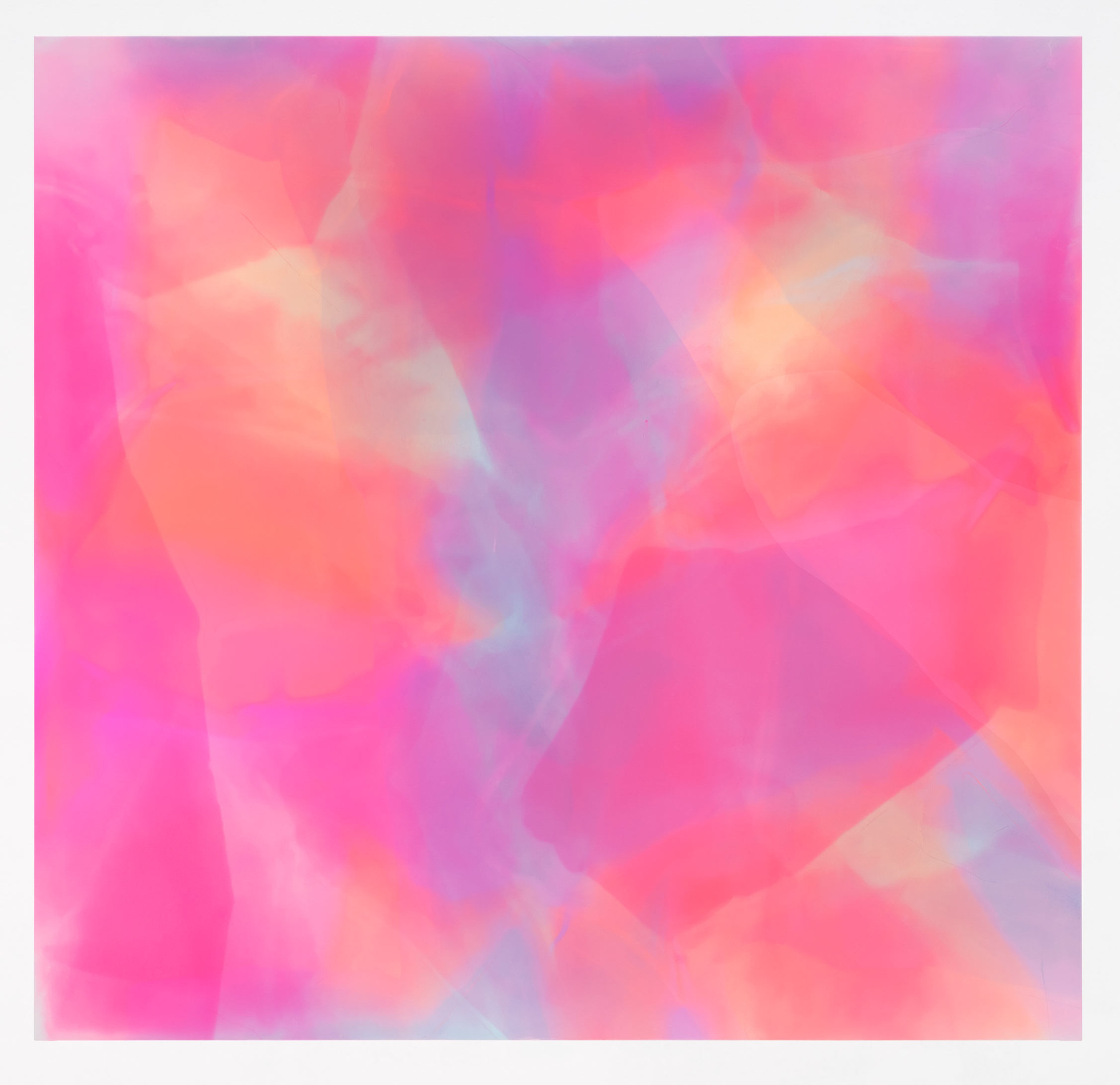
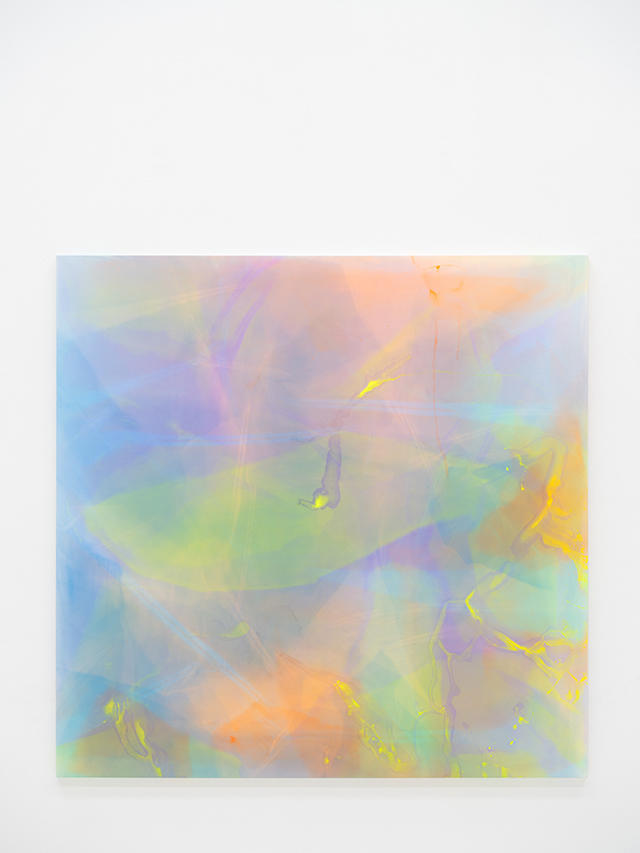
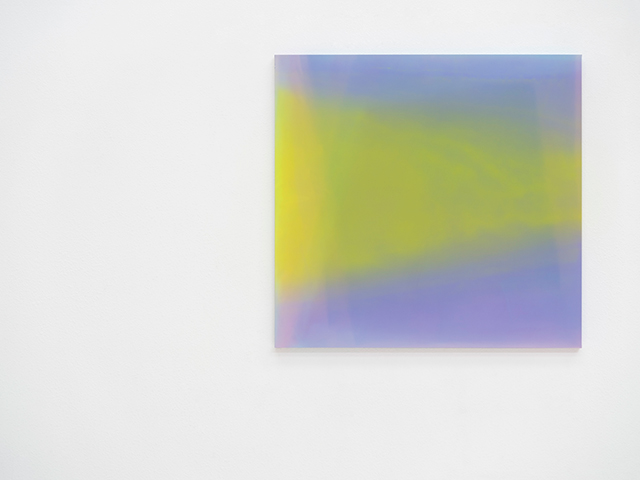
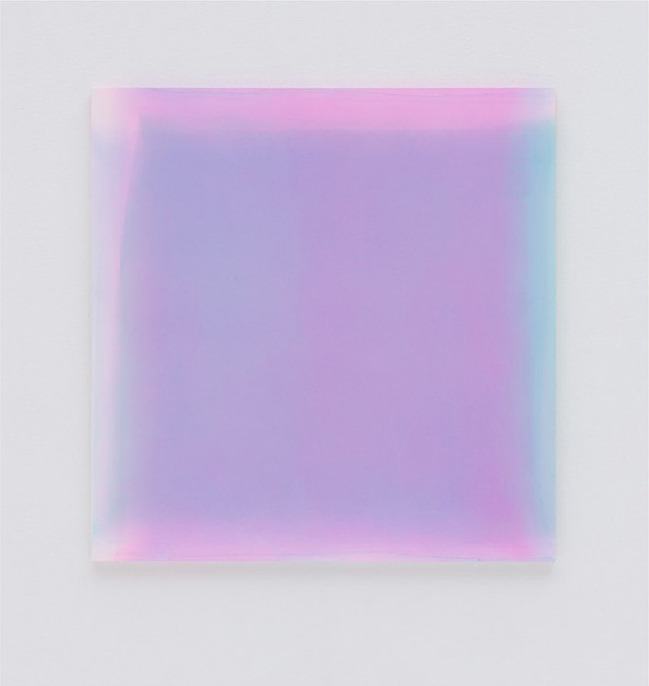
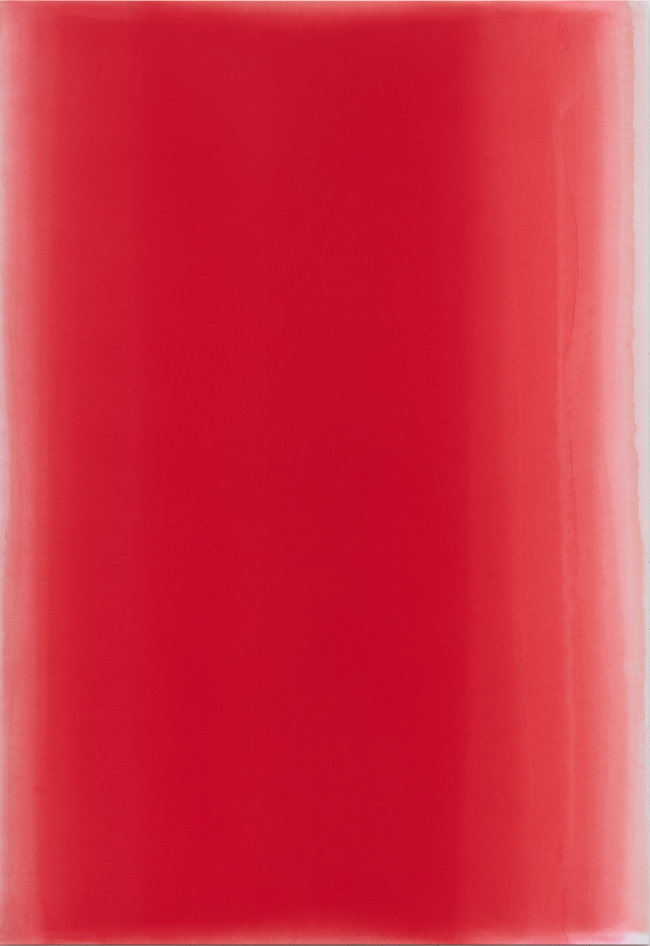
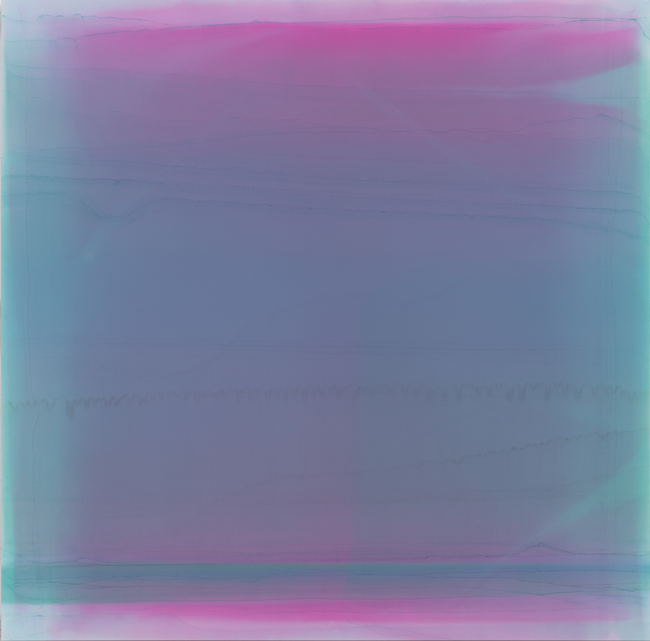
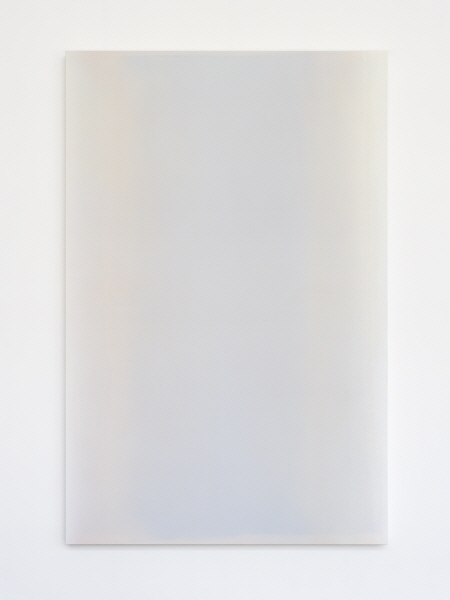
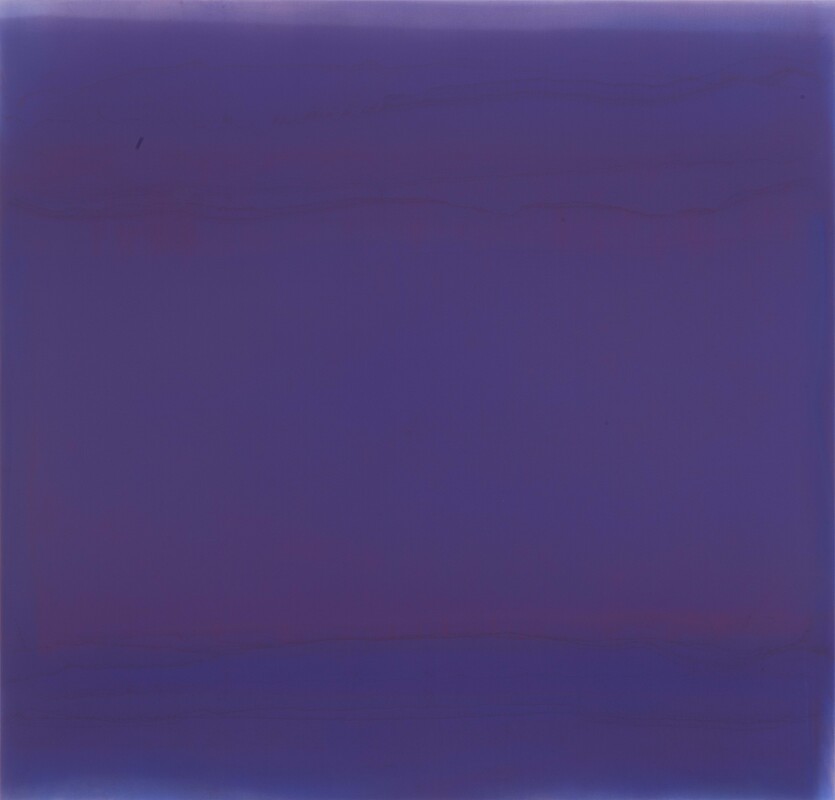
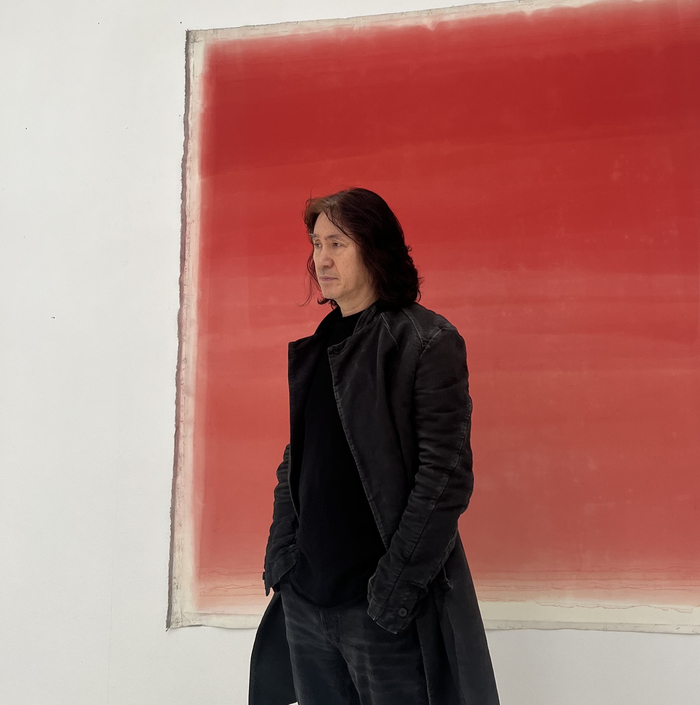
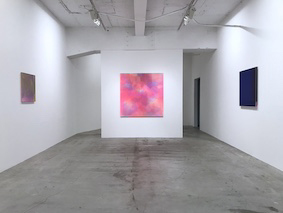
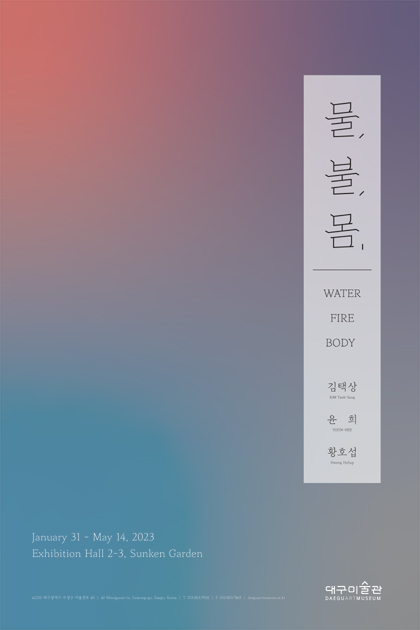
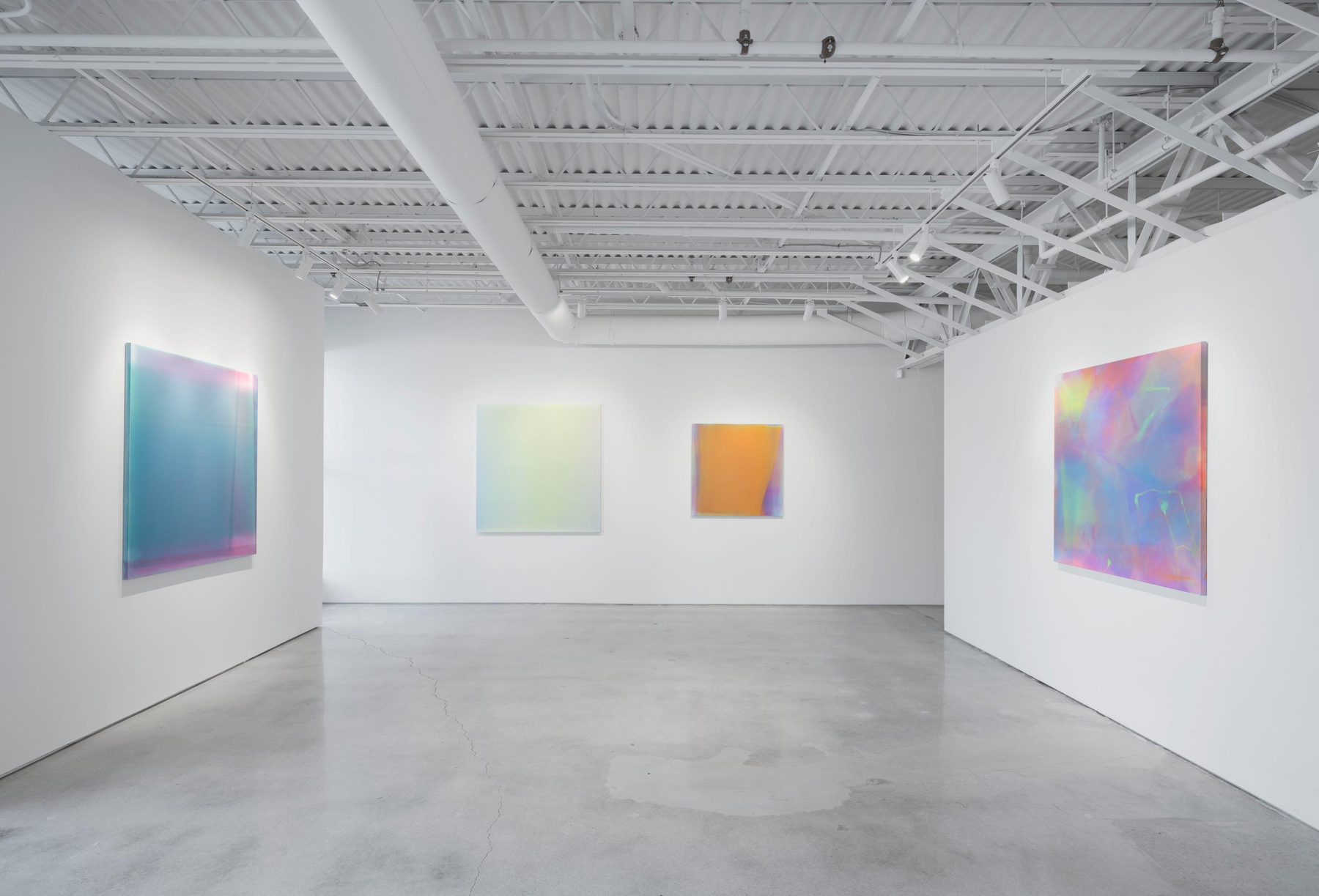
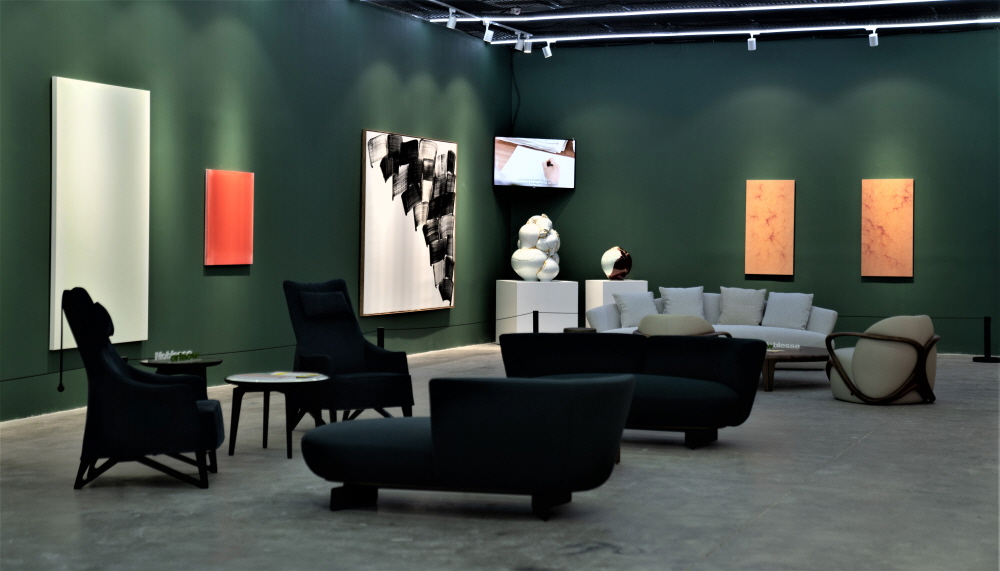
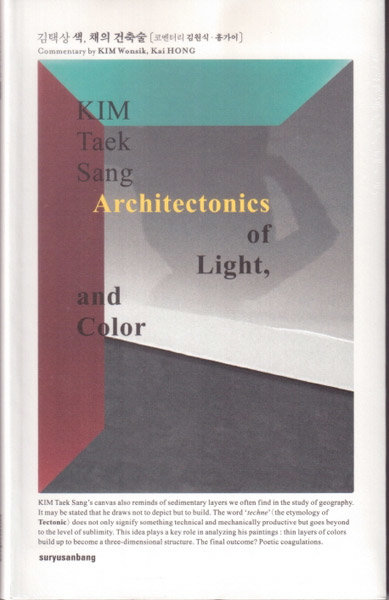
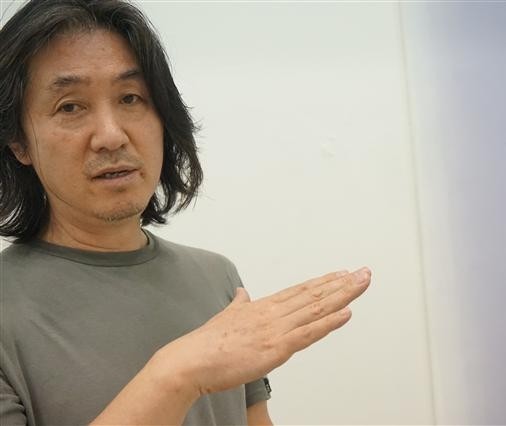
Leeahn Gallery is pleased to announce 《Between Color and Light》, Taek-Sang Kim’s solo exhibition that will be on view at the Seoul location. Taek is one of the representative artists of Post-Dansaekhwa, who has constructed a unique painting style of “breathing light” based on his intrinsic realization form and aesthetic theory.
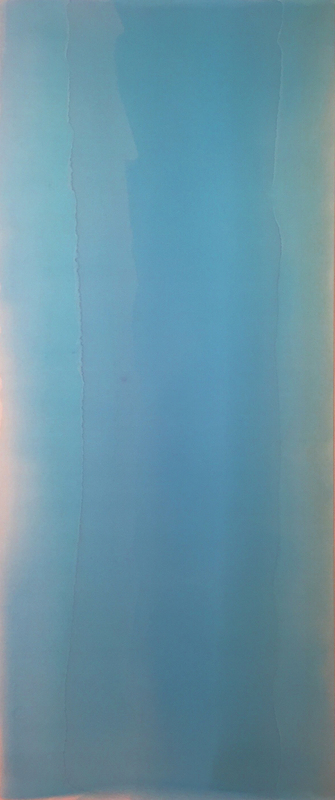
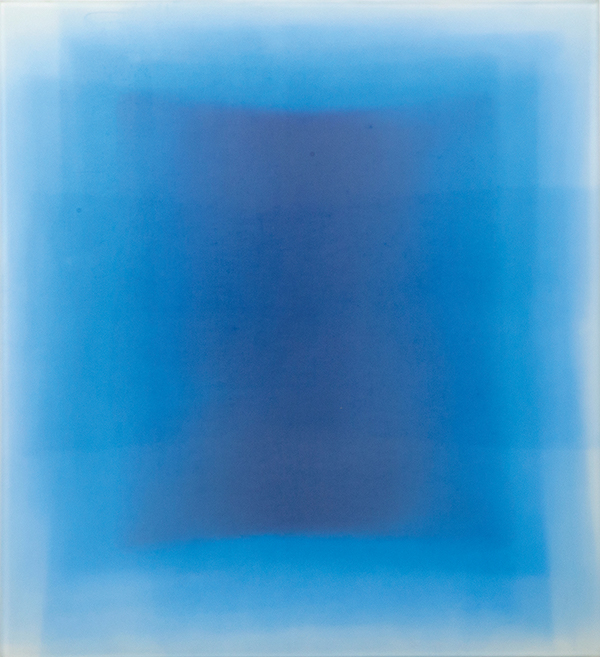
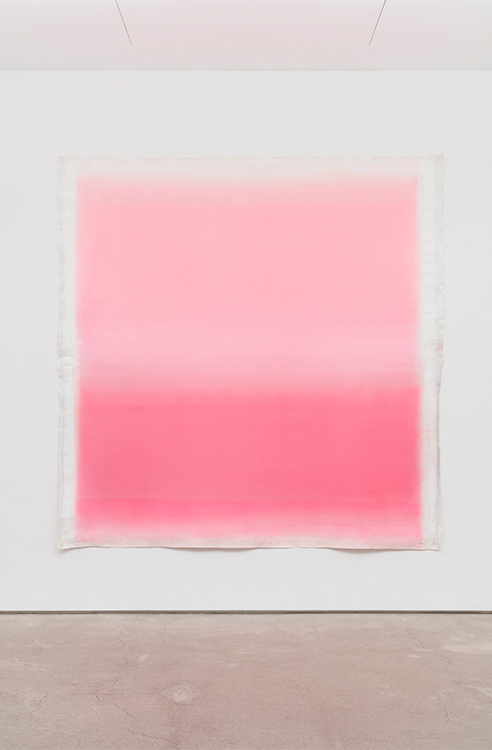
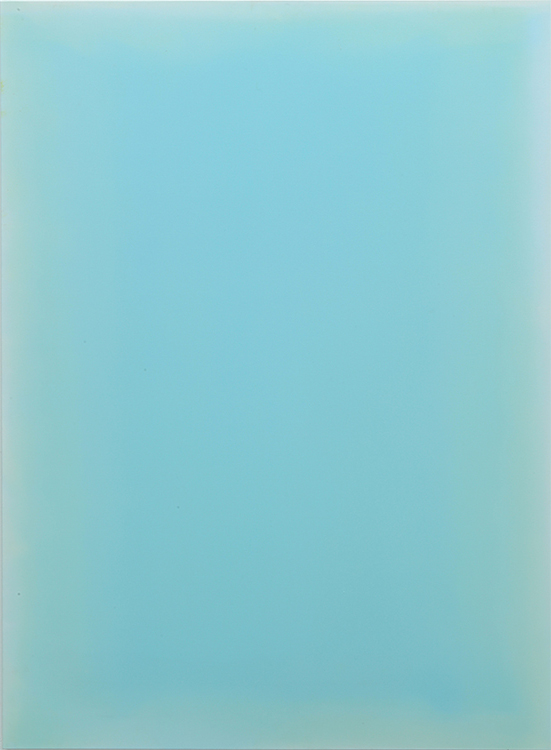
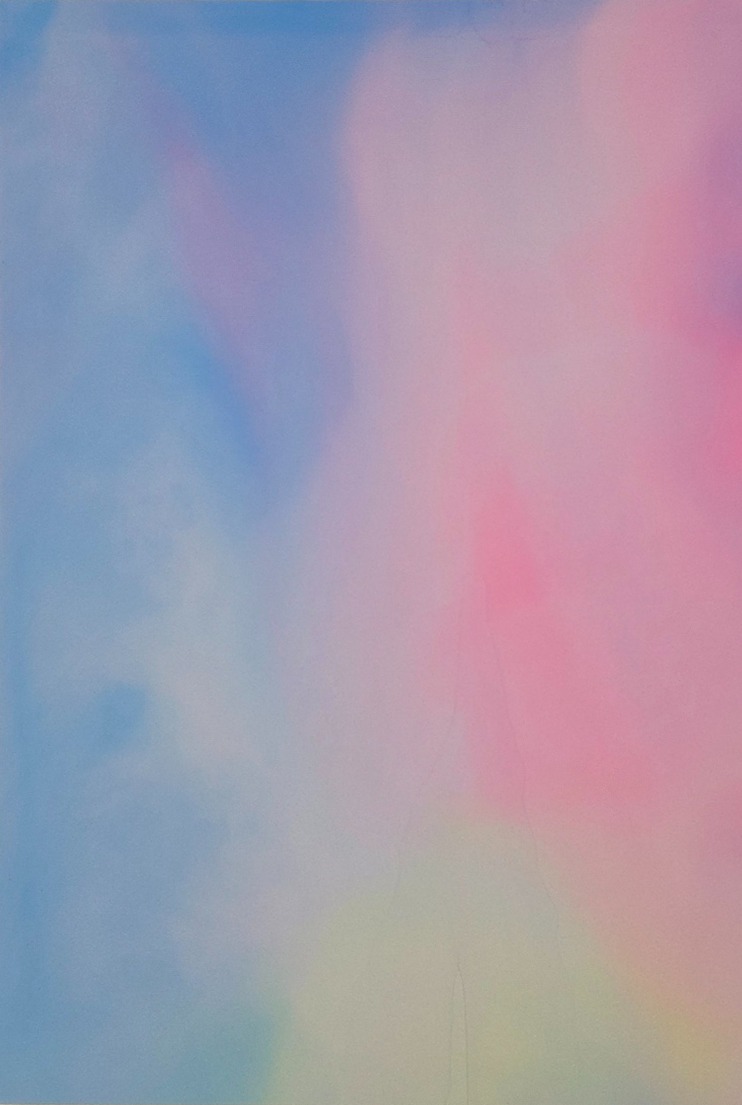
As evident in the title, this exhibition consists of Taek’s ‘Breathing Light’ series, which embodies light and color on the canvas. The artist aims to portray light as it naturally is, breathing alive on the canvas. His visit to Yellowstone National Park in the early 1990s was crucial to the creation of the series, as he was deeply inspired by the water reflection of the volcanic crater. Ever since this eye-opening experience, Kim began experimenting to incarnate the color of light that seems to hold water.
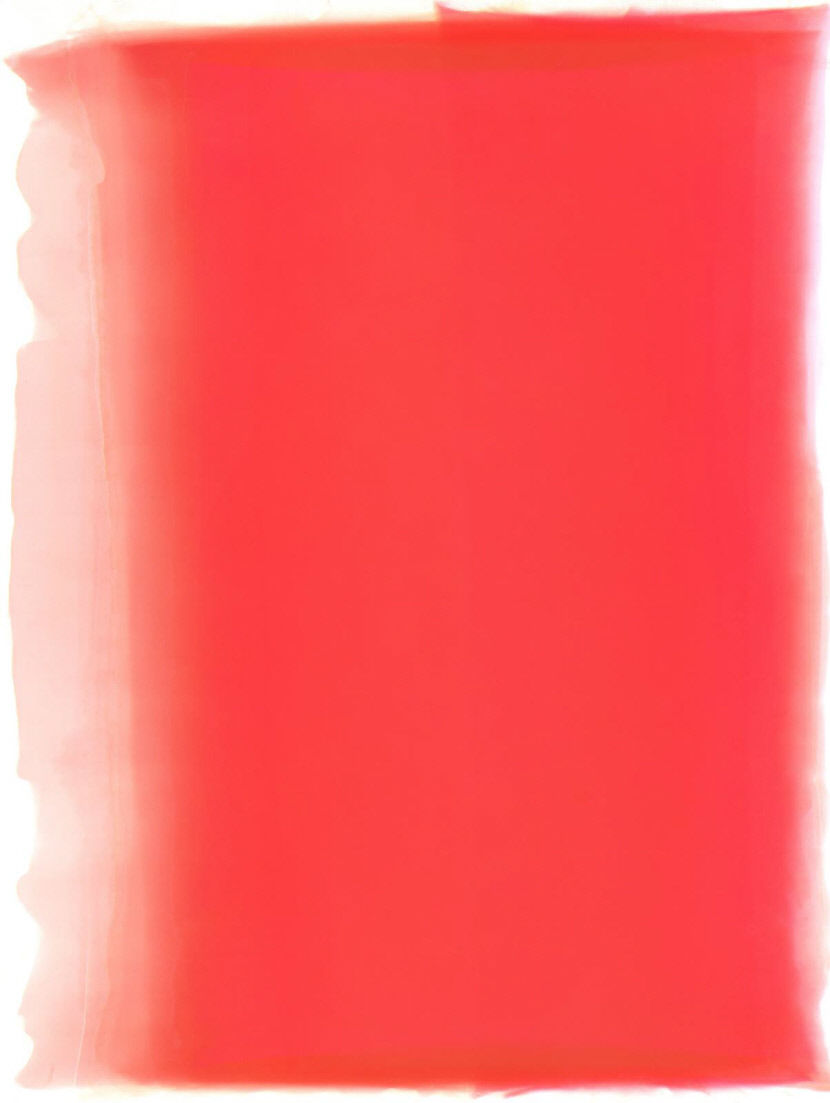
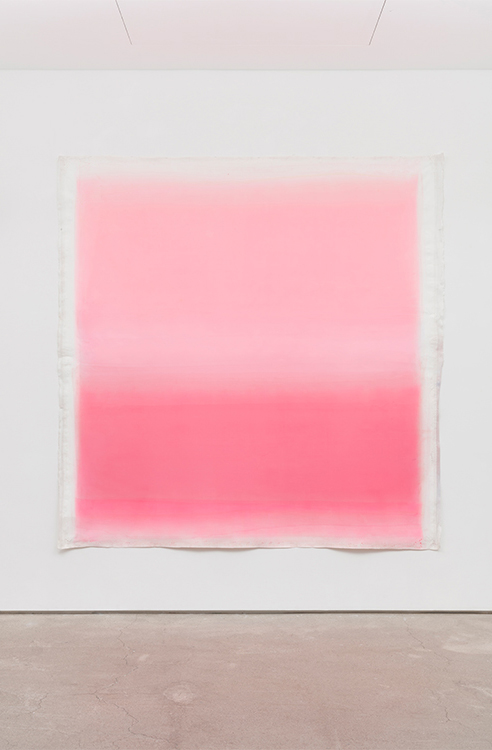
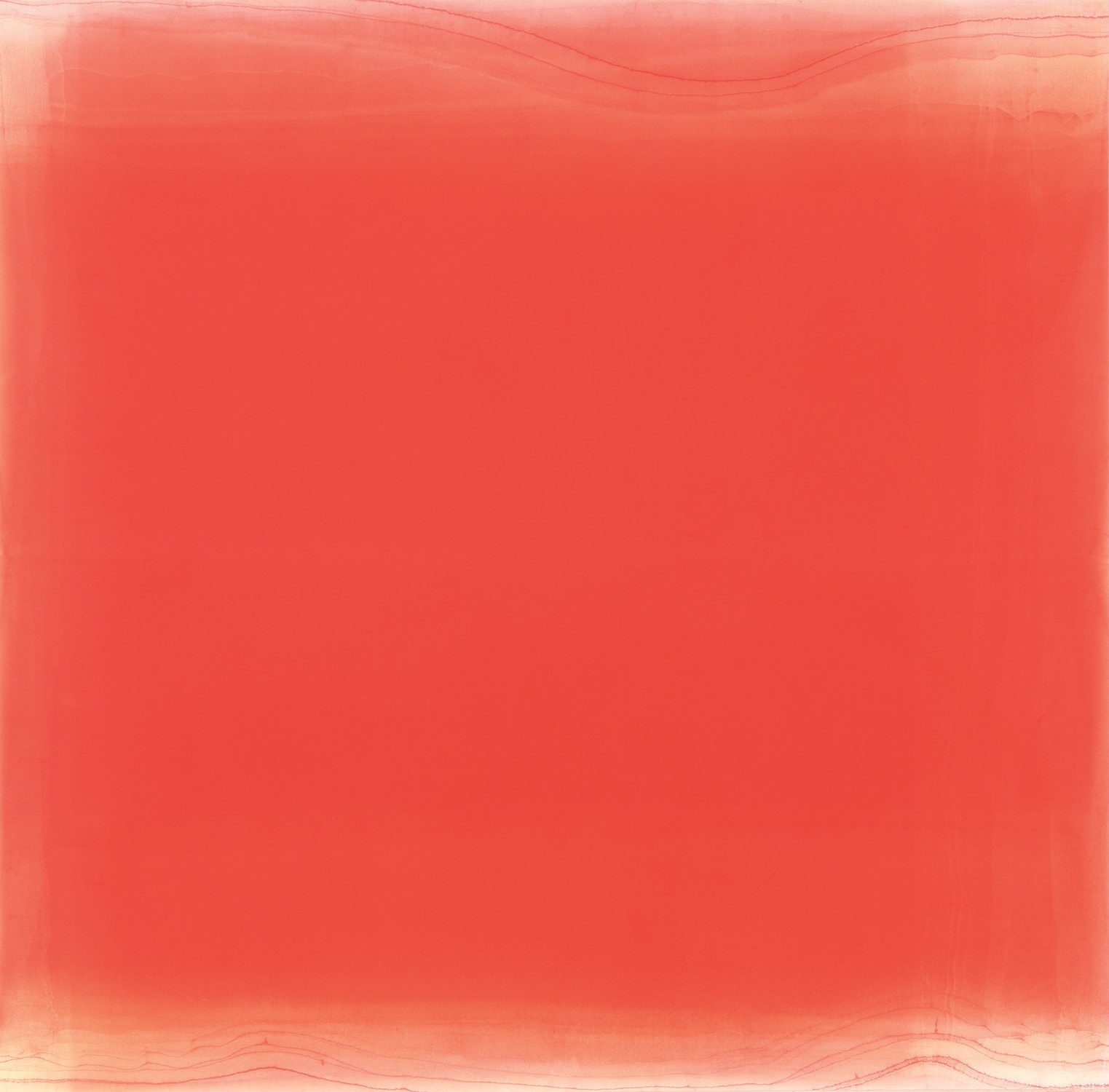
In order to do so, Kim first fastens a gradually concave block to a mold, pours slightly acrylic-diluted water onto the frame, then lets the water-based canvas sit, drenched in water. Diluted paint particles precipitate down to the canvas that is submerged under water, in the deep, gentle hue like that of strained particles. Taek countlessly repeats the process of drying the canvas as he controls the surface area under water and the precipitation time, creating the “breathing light” painting of delicate, monochrome color layers.
Taek’s unique creation technique can be seen as inheriting the executive attitude of repetitive act and spirit of 1970s Korean Dansaekhwa; the process of water-dipping and drying is beyond time-consuming, taking up to 10 years for some works. In the meantime, he has to wait for the accidental outcome of nature’s response, interacting with the altering weather condition, amount of sunshine, and the reciprocal action of water, air, sun and gravity that changes on a daily basis.
Taek actually considers his work as a form of meditation- an attitude in which he empties out his mind and immerses himself in the aforementioned process, patiently embracing the natural result rather than a religious one. Hence, the artist asserts that his work is intimately related to cure and healing. Art critic Hong Ga Yi defines Taek’s work that embodies breathing light as a ‘담화(淡畵)’, in the same sense that murky water after the rain becomes clear once time passes by and the floating particles settle down. Likewise, our emotion-contaminated soul restores to its initial state of clarity and composure, as if cured.
Moreover, Taek’s work is a process of ascetic craftsmanship considering that he obsessively repeats the identical act over and over again. He is able to wholly become the process itself by gaining the product of nature, adjusting to the environmental condition of nature with sincerity and patience. Such twofold process of asceticism is both a physical and mental contact with the painting’s matter. The artist views the body and mind monistically rather than dividing them; both the body and mind contributes to the artwork in a purified state, not only materializing the clear color and light but also visualizing spirituality.
As the title suggests, Taek’s paintings aspire to portray the actual breathing light and color on canvas. He suggests that East Asia’s concept of color consists of pigmental color, which is the primary color within the material itself, and structural color, while the western concept of color is the reflection of light on the surface. The artist adds on that he pursues the former, and that he attempts to depict the water color that scatters light by using colorless water.
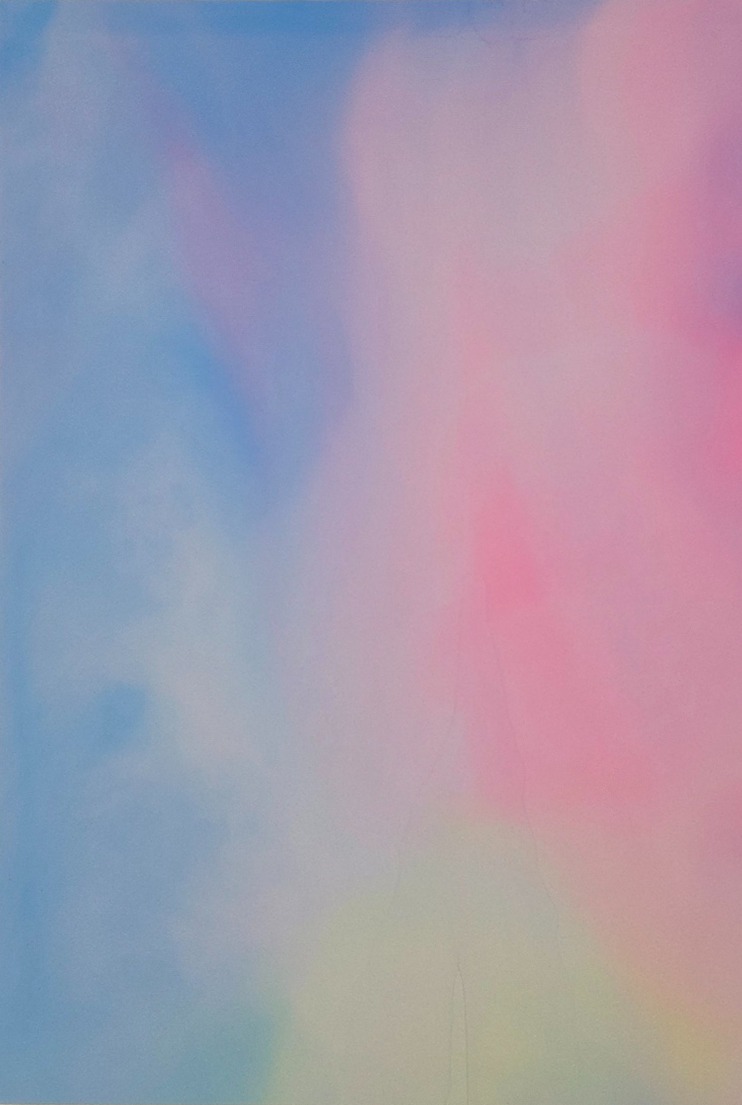
Taek bestows life on the lifeless canvas by creating the color of nature, and this painting of light spreads beyond its physical boundaries as it shines with natural light. Therefore, the audience’s visual sensitive experience is the interaction with various environmental factors surrounding the artwork and breathing together with its vitality, instead of simply remaining on the surface of painting.
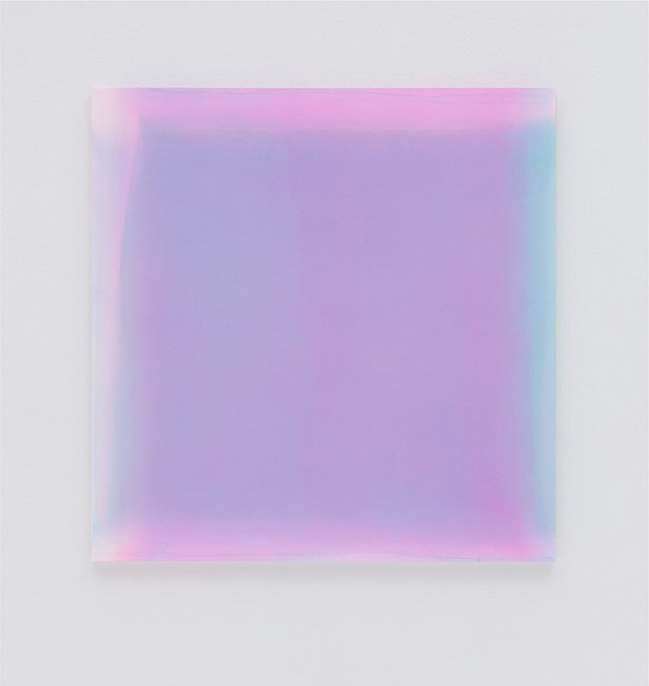
The artist incessantly explores the physical character of paint and choice of color, along with the advanced cause of the fundamental principle and characteristic of color and light. Taek asserts that the first thing he considers when choosing color is how moving it is- it has to be an emotional color rather than a rational one. To illustrate, the artist gains a peace of mind when he uses the color purple, but that does not mean that he can fully use the color.
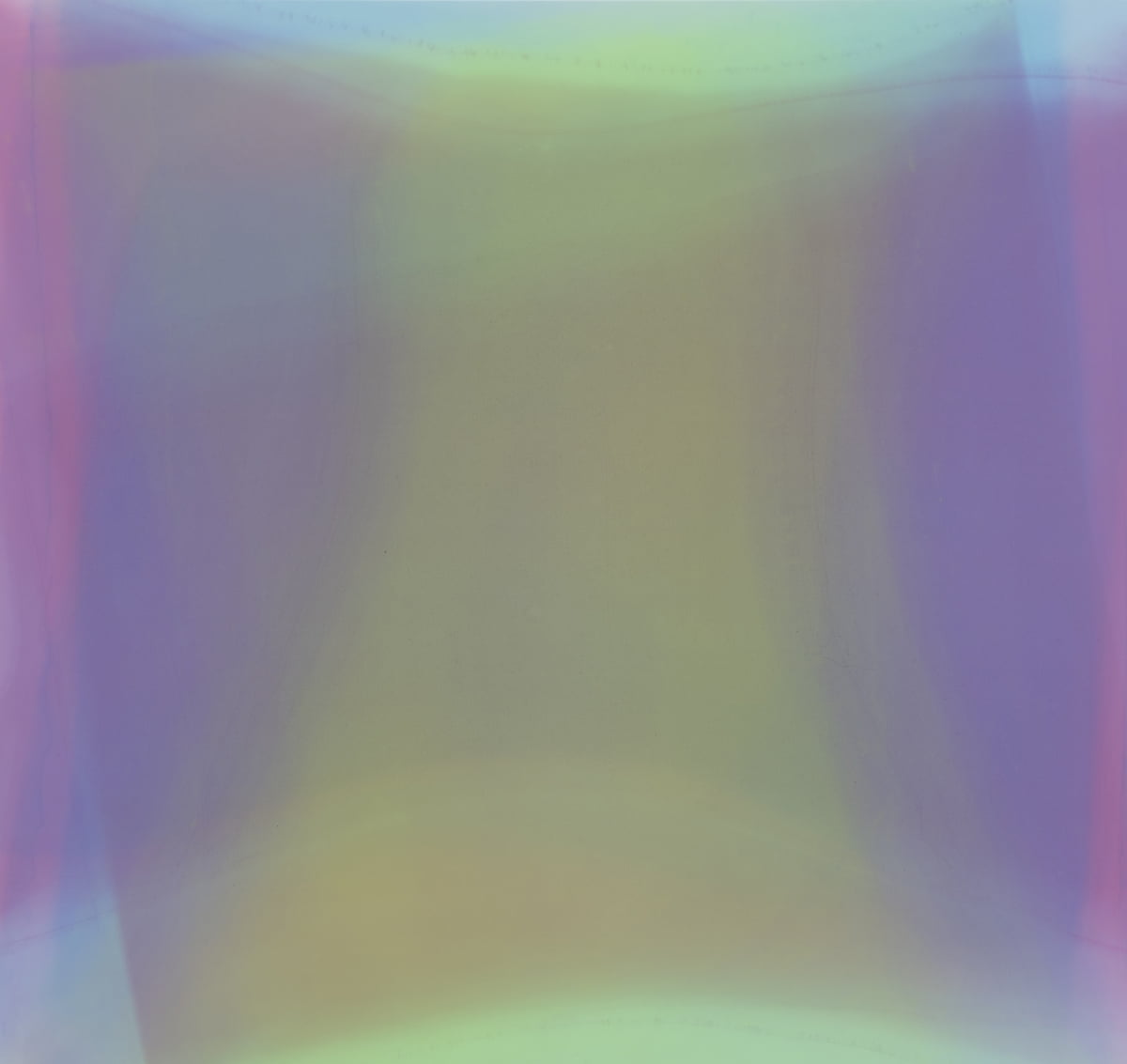
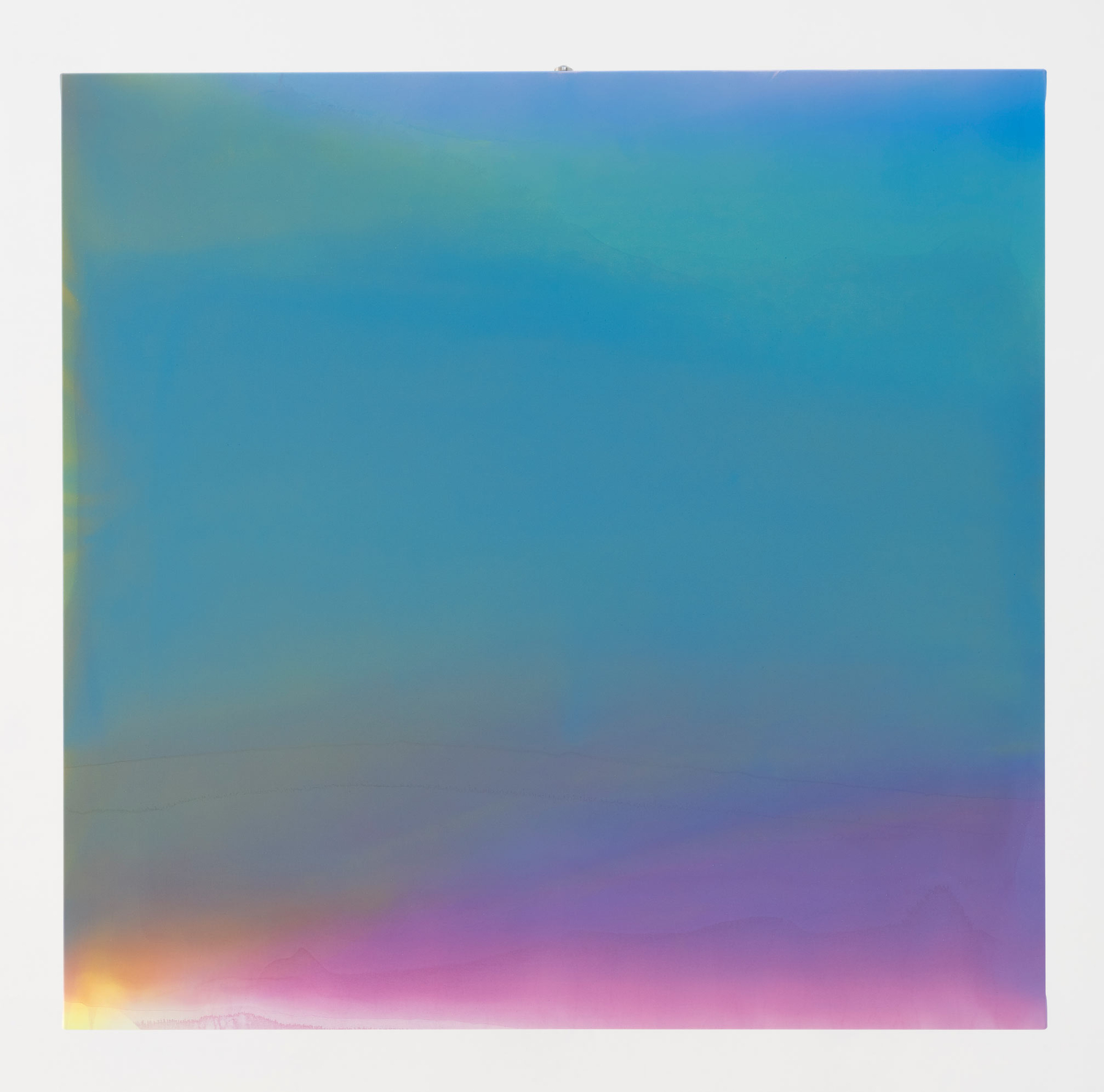
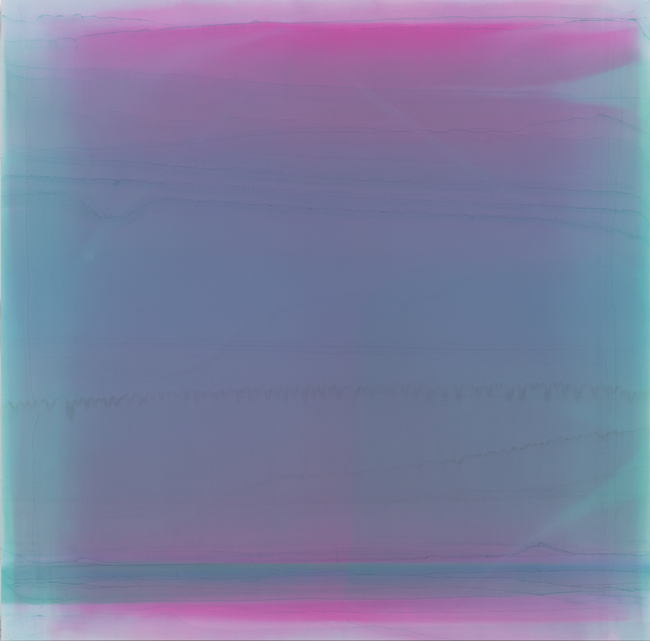
The reason is that depending on the color, some paint particles sink while some don’t, making Taek’s color palette the result of ceaseless experimentation and investigation. Despite the fact that his paintings are considered monochromatic, they actually consist of more than one color- the repetitive process of precipitating various colors eventually lead to a single color. Especially for the piece that uses emerald and grey, it seems like a wave of light that reflects on the jade-green lake or a scatter of light that permeates through small leaves, rather than a monochromatic painting.
Repetitious color layers leave a mark that resembles a tree growth ring on the edge of the painting. This trace is a record of Taek’s devoted work process, as well as a temporal record of the past throughout countless seasons and years. As a matter of fact, two dimensions of parallel temporality exist within his work; past’s accumulated temporality and the present temporality that interacts with actual space coexist. This shows that Taek’s painting includes not only two-dimensionality but also three-dimensionality and four-dimensionality, that can be seen through layer’s sense of space.
In other words, such painting allows for the momentary layered light and time to become present and seeking perpetuity at the same time. This aligns with Jean François Lyotard’s concept of sublimity in that consciousness of past moments continually return to that of present moment by visualizing temporality that is not representable. The process of completing an artwork enables the audience to become aware of the present aspect of previous time periods.
While Taek’s works seem to remind that of Mark Rothko or Barnett Newman in that they pursue flatness of a painting, in fact various dimensions exist together at the same time. His painting that not only integrate but also transcend material and spirit shows Taek’s firm artistic belief that differentiates from the aesthetic sense of the West.