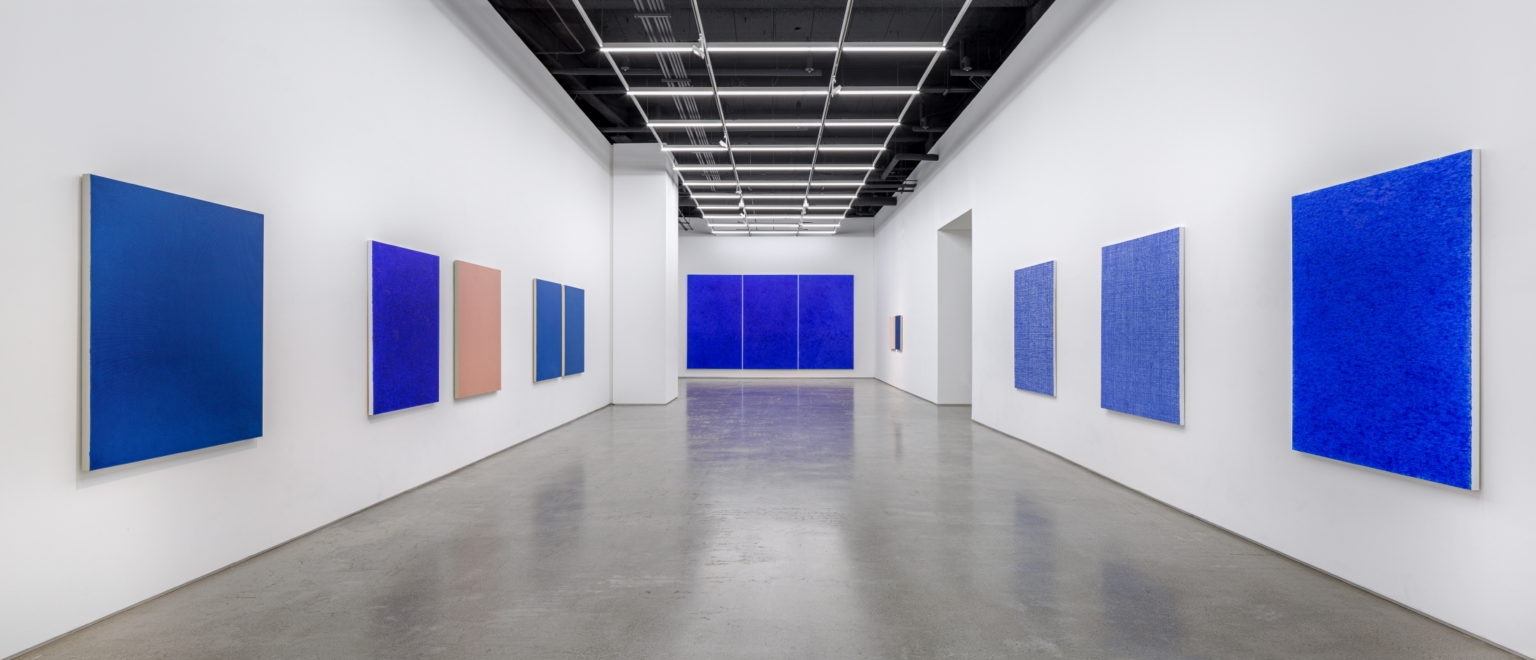
Monochrome painting, constructed upon the distinctive material sensibility and profound spirituality of the Korean ethos, has become a contemporary branding of Korean art that illuminates the depth of “Korean abstract painting.” Art Project CO (Director: Lim Eunhye) presents its third exhibition following 《Layer_Tranquility & Depth》 and 《Void_Imprint Unveiled》. Titled 《Toward Emptiness》, this exhibition introduces the concept of “accumulation” (積) as an aesthetic of heosil sangsaeng (虛實相生, the mutual generation of emptiness and fullness), experimenting with “self-transcendence” through the works of three artists—Kim Keun Tai, Kim Tschoon Su, and Shin Soohyeok—who pursue the ultimate pictorial surface.
The Chinese character 積 (to accumulate) combines 禾 (grain) and 責 (to burden or owe), originally referring to stacked sheaves of rice, thus signifying “to pile up” or “to accumulate.” Yet accumulation here is understood as a meditative act aimed at emptiness. It alludes to heosil sangsaeng, where emptiness and fullness coexist. The notion of heosil derives from Laozi’s Daoist philosophy, wherein the union of void and plenitude touches the origin of all existence.
The German philosopher and mathematician Gottfried Wilhelm Leibniz, who systematized the binary logic underlying modern computing, once addressed the dualistic opposition between atom and bit—“reality” and “virtuality,” “material world” and “virtual world”—within what may be called the immaterial age shaped by computer and information technologies. In an era defined by artificial intelligence, the Internet of Things, and big data, what we must recover is the rediscovery of spirit—the restoration of humanity.
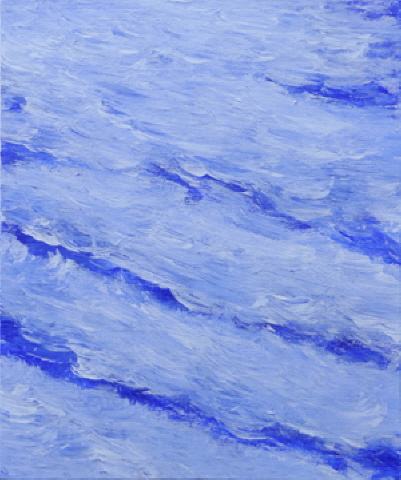
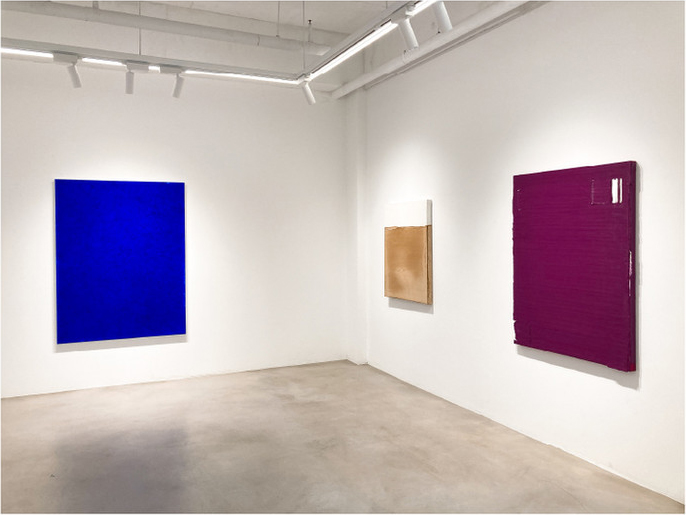
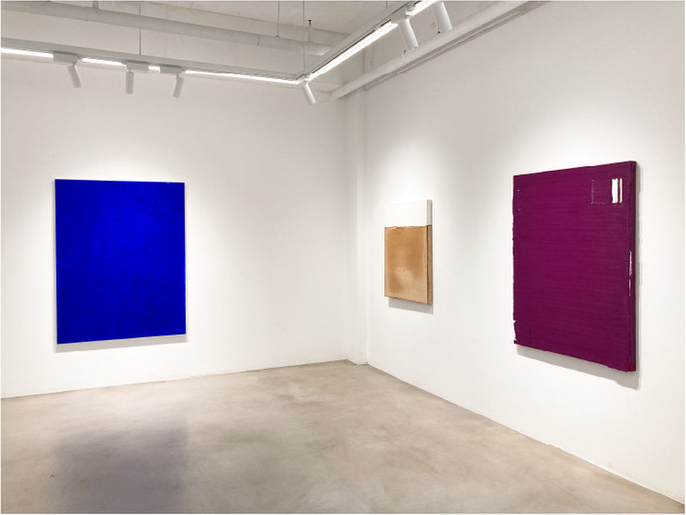
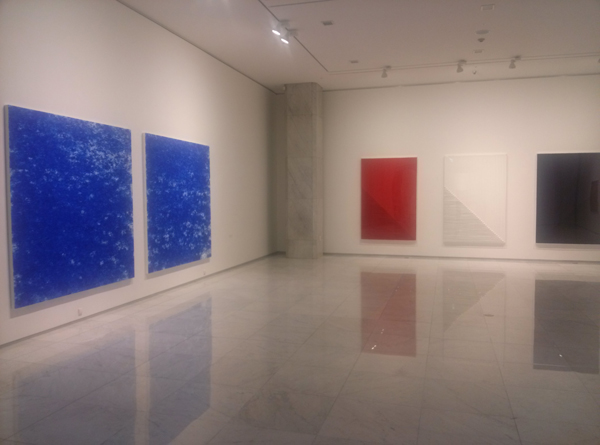
Amid the proliferation of digital technologies, the act of aligning artistic thought with the artwork itself recurs in the practices of these three artists: Kim Keun Tai, who layers stone powder and oil paint repeatedly in pursuit of wu wei (non-action); Kim Tschoon Su, whose Ultra-Marine evokes the freedom beyond blue-and-white porcelain and the aesthetic of deep blue; and Shin Soohyeok, who fills space-time with infinite experience through vertical and horizontal strokes. 《積_Journey of Emptiness》 thus revisits the expanded boundaries of post-Dansaekhwa while seeking ways to realize the Eastern philosophical ideal of the unity of heaven and humanity (cheonin hapil) within contemporary art.
Kim Keun Tai traces the humanistic virtue of in (仁) embedded in Buncheong ware—the sentiment rising from below. Within the process of objectification (mulhwa), the horizon that defines his imagery becomes a shared space-time in which multiple strata converge. Like the visual field of the “dumbung” technique, the apex of Buncheong ware’s two-hundred-year history, his works embody a balance described as “perfection within non-regularity.” For the artist, what matters most is the “wavelength of space-time.” These intervals accumulate to form the entirety of the work, and the horizontal gaze sublimates spatial and temporal absence into art.
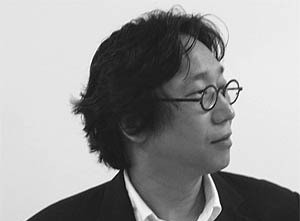
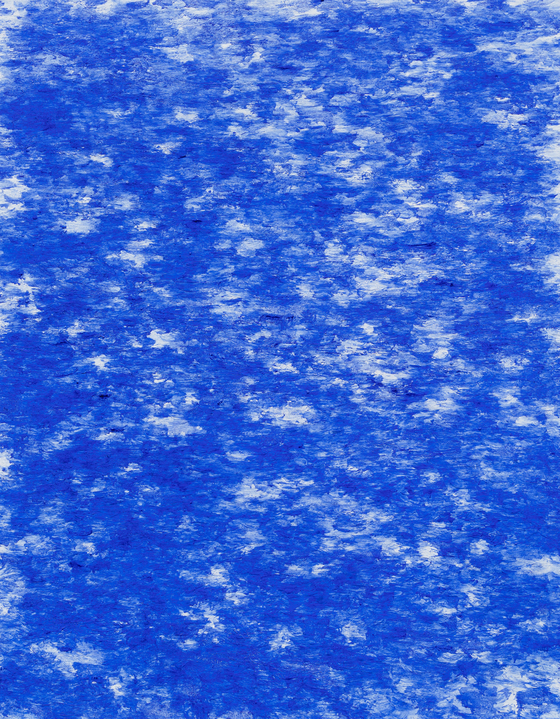
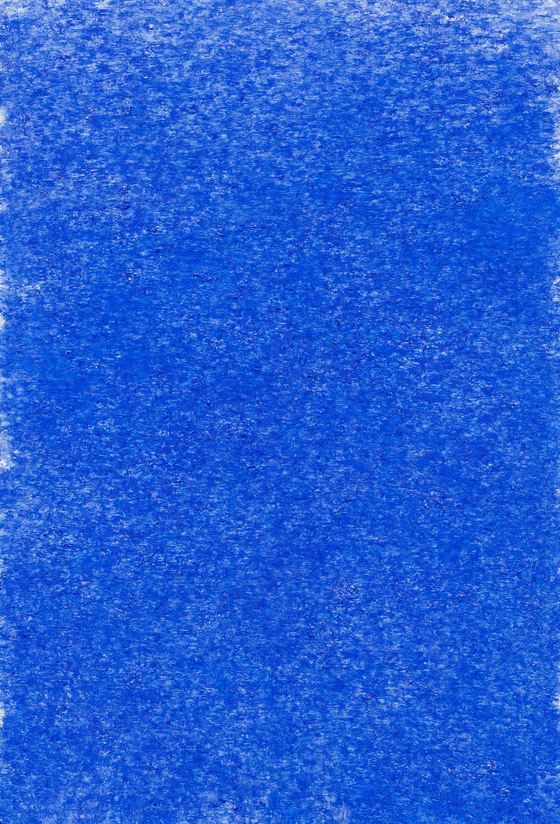
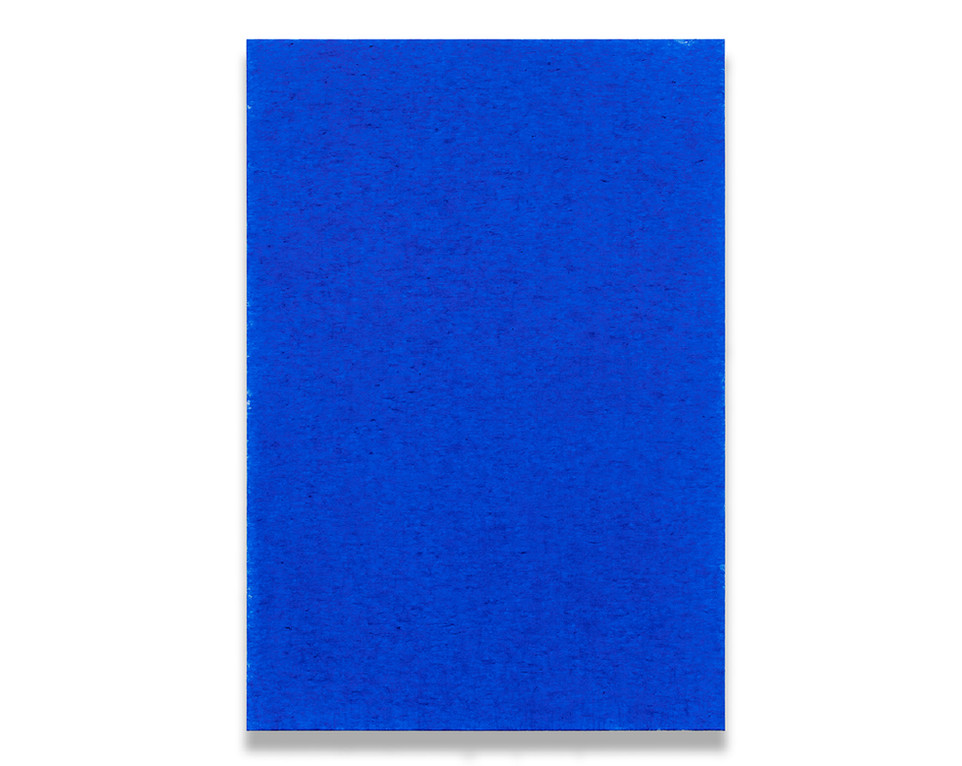
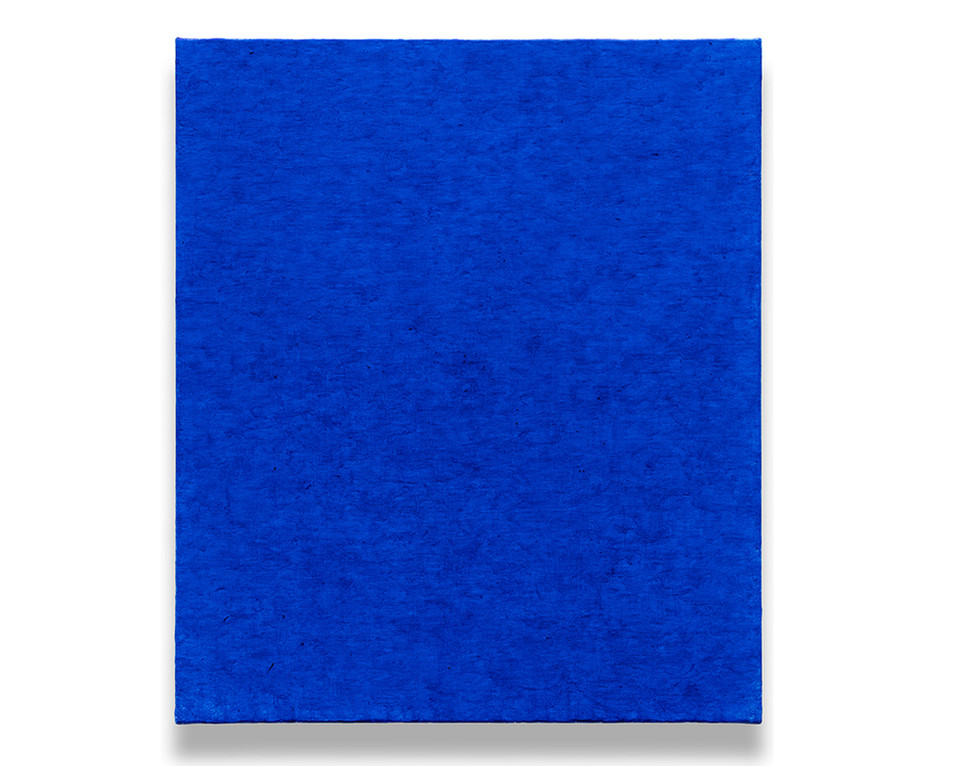
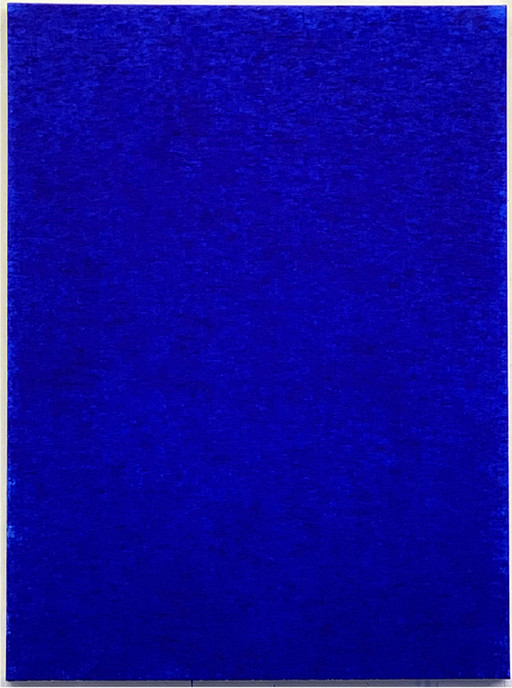
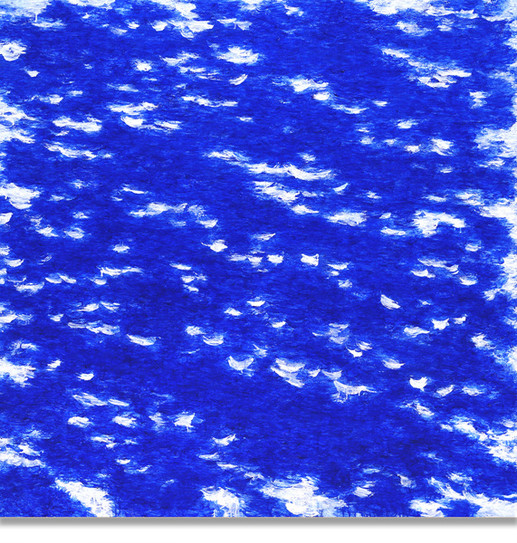
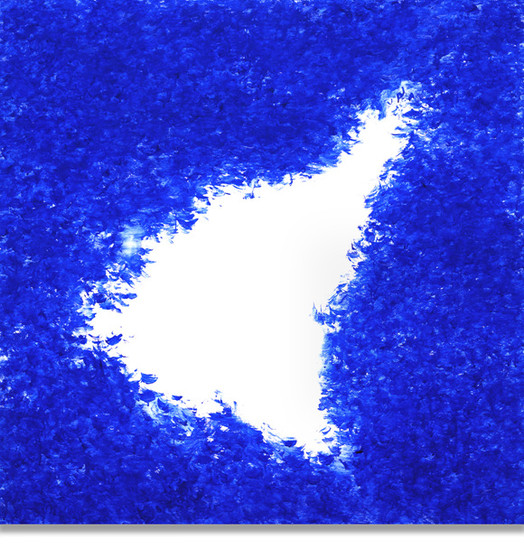
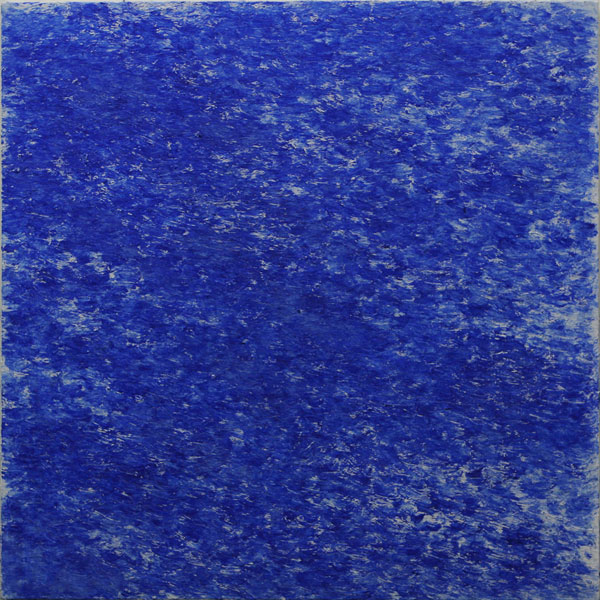
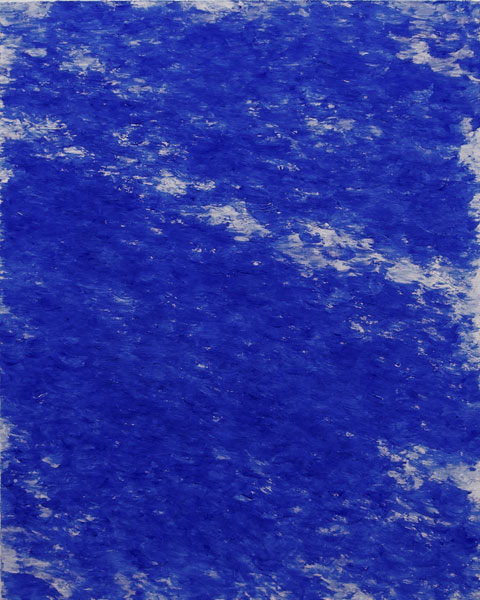
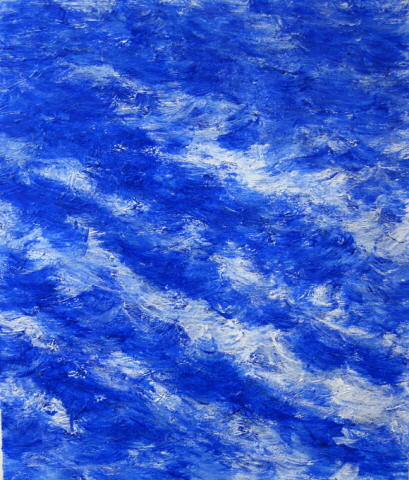
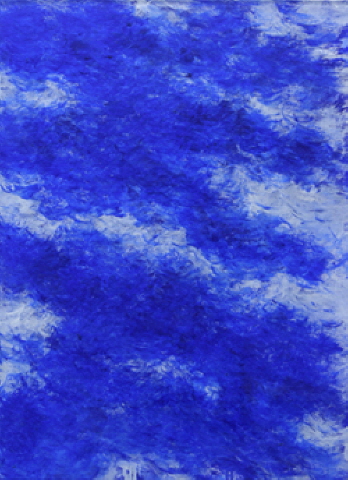
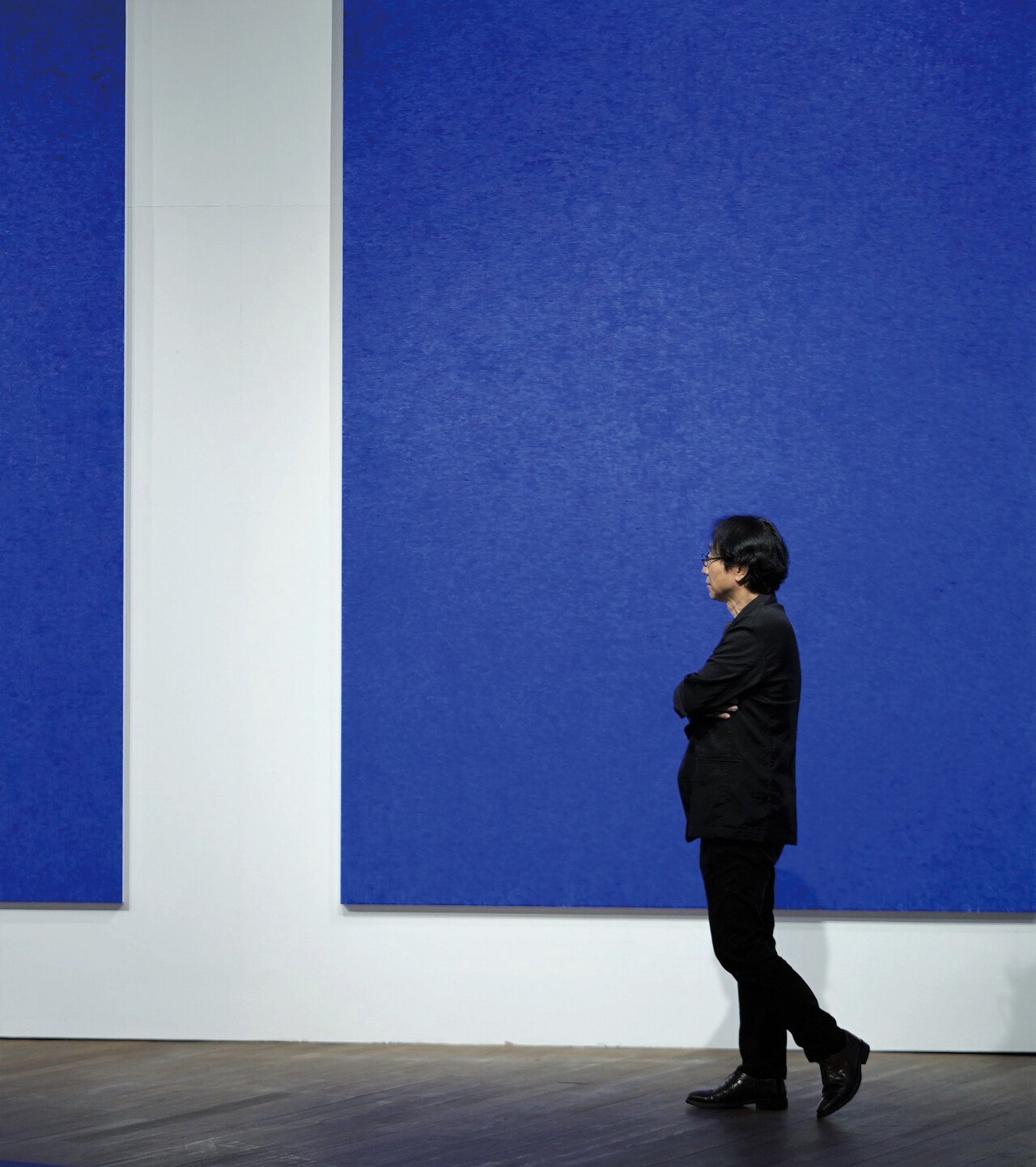
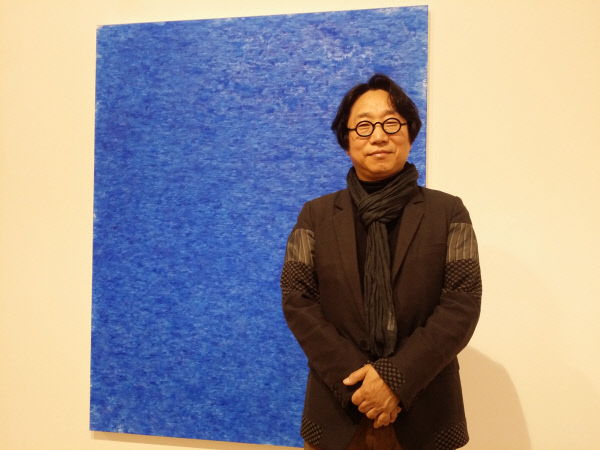
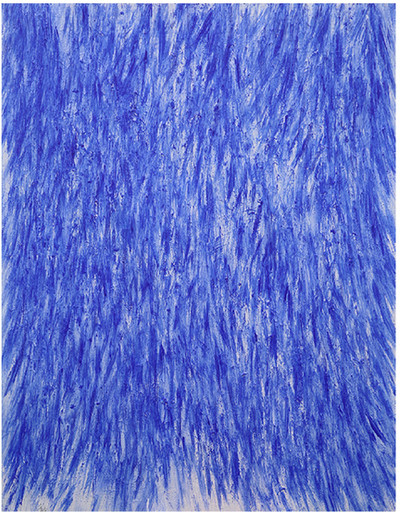
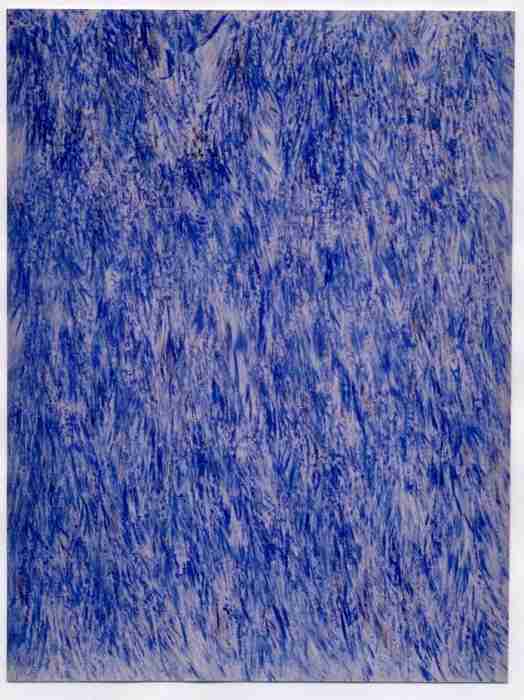
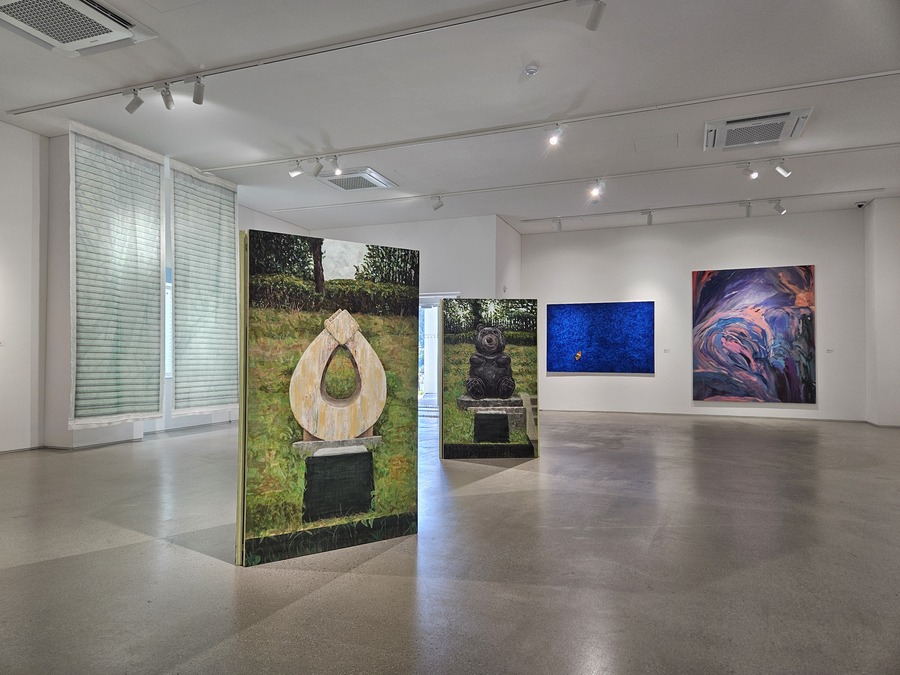
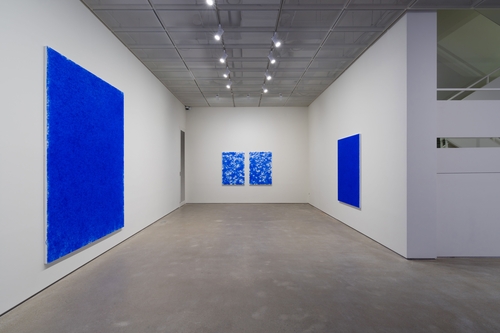
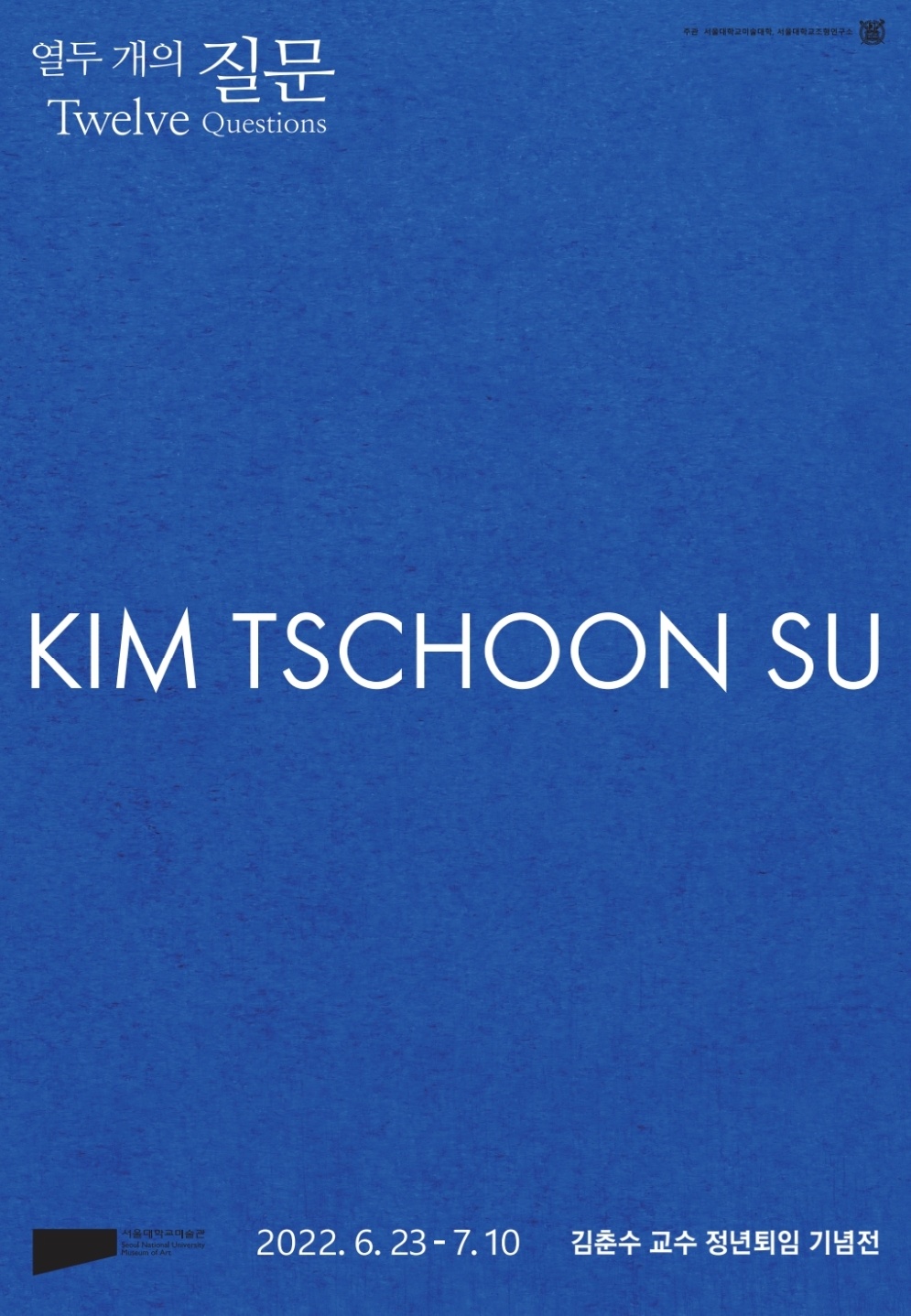
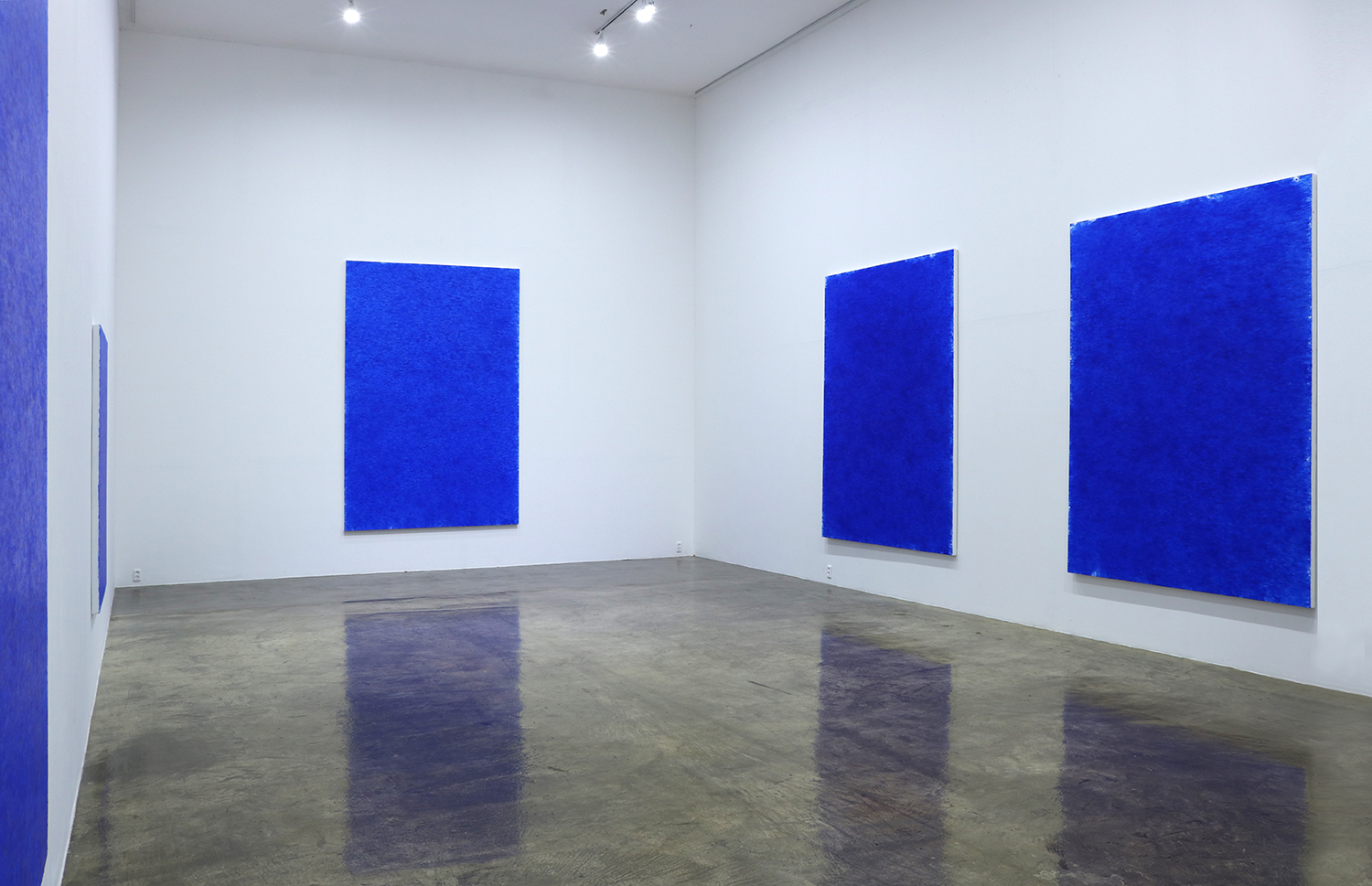
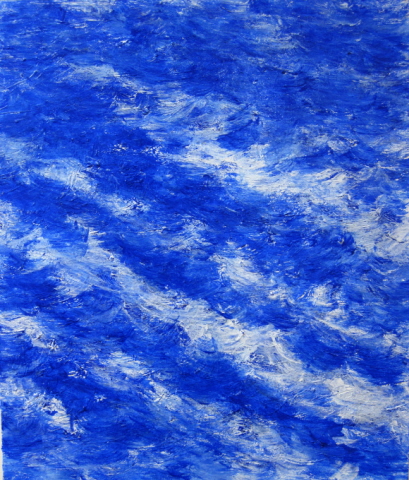
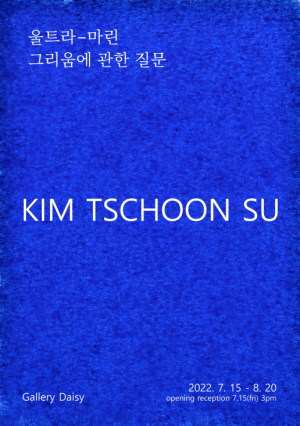
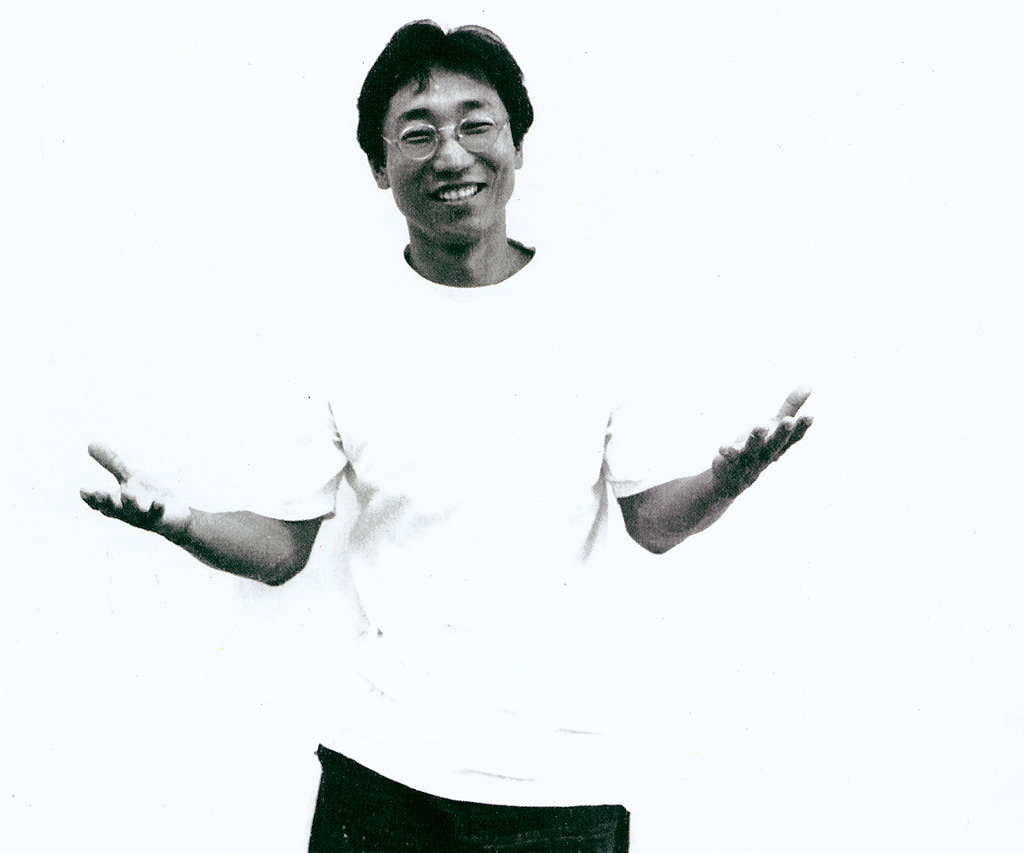
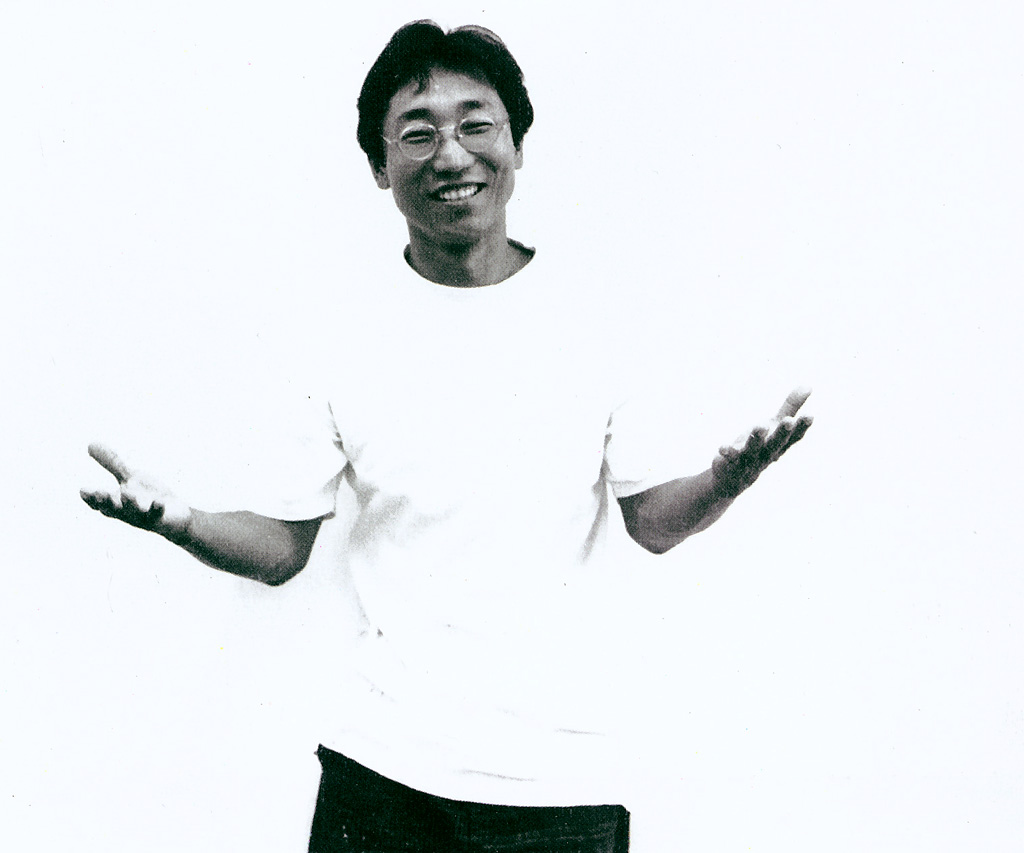
Kim Tschoon Su translates the expansive and profound energy of nature embedded in “ULTRA MARINE” onto the canvas. Between the subtle nuances that oscillate between shallowness and depth resides a precious “color of the mind,” recalling the cobalt pigment (hoehwa-cheong) used in blue-and-white porcelain. Like the ink-washed blue of a scholar’s water dropper, the densely saturated blue surface bears the gradual traces of paint rising and encroaching upon depth. For the artist, blue is a window to the world; like a black hole linking cosmos and existence, this “deep blue” accumulates abyssal layers and opens pathways to new possibility.
Though rendered in oil, its gradations evoke ink painting and the centuries-old tradition of blue ink in East Asian painting. Within this blue—reminiscent of Joseon scholar-painters’ poetry and painting—is inscribed a fullness of energy that connects interior and exterior, surpassing the material limitations of Western plane-centered painting.
Shin Soohyeok pursues life and humanity through vertical and horizontal strokes—rhythmic acts of inscription. The seemingly regular serial and parallel structures subtly deviate, creating “irregularity within order” that gently touches the fissures of human life. Through intersection and repetition, he fills the supple balances within rigid structures, achieving a unification of emotion and resonance (jeonggam). His absorption of human “noise” into the work becomes a storytelling of thesis–antithesis–synthesis manifested through the breath embedded in vertical and horizontal strokes.
The works of these three artists represent both the highest aesthetic shaped by human action and a humble practice formed through repetition and meditation. Through the paradoxical contemplation of accumulating in order to empty, the exhibition invites viewers to encounter the distinct zeitgeist of the Korean spirit embedded beyond Dansaekhwa.