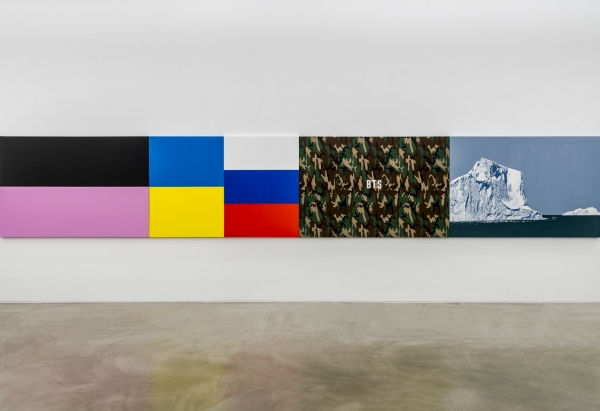
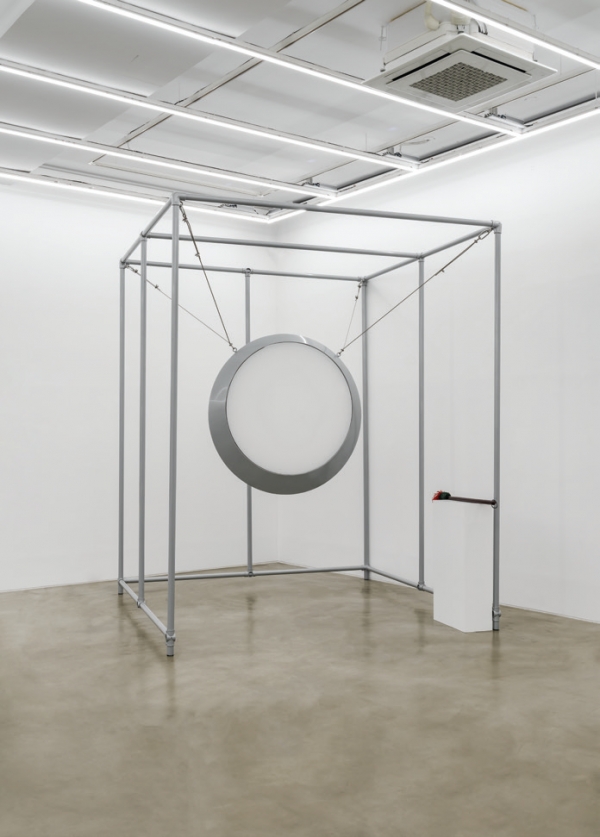
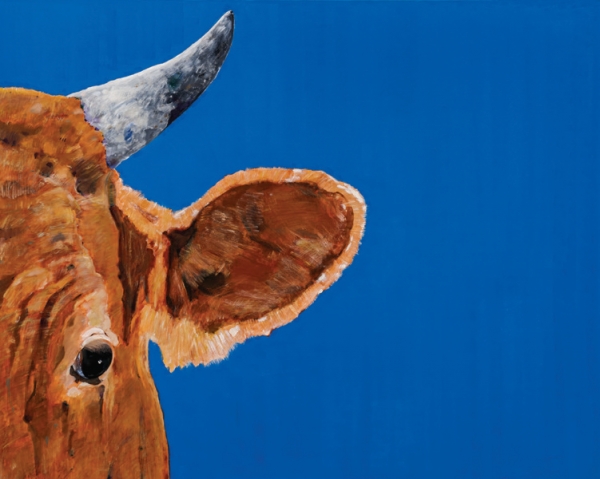
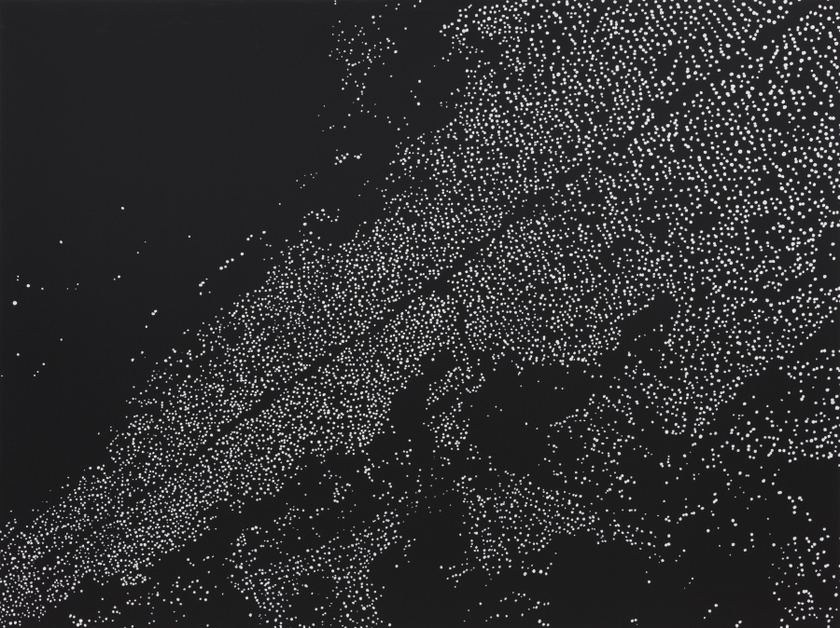
Solo Exhibitions (Brief)
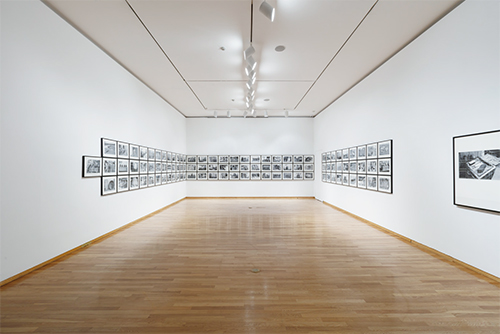
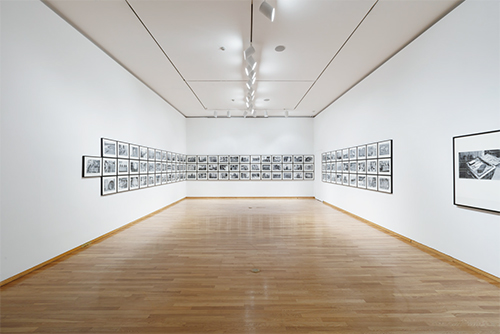
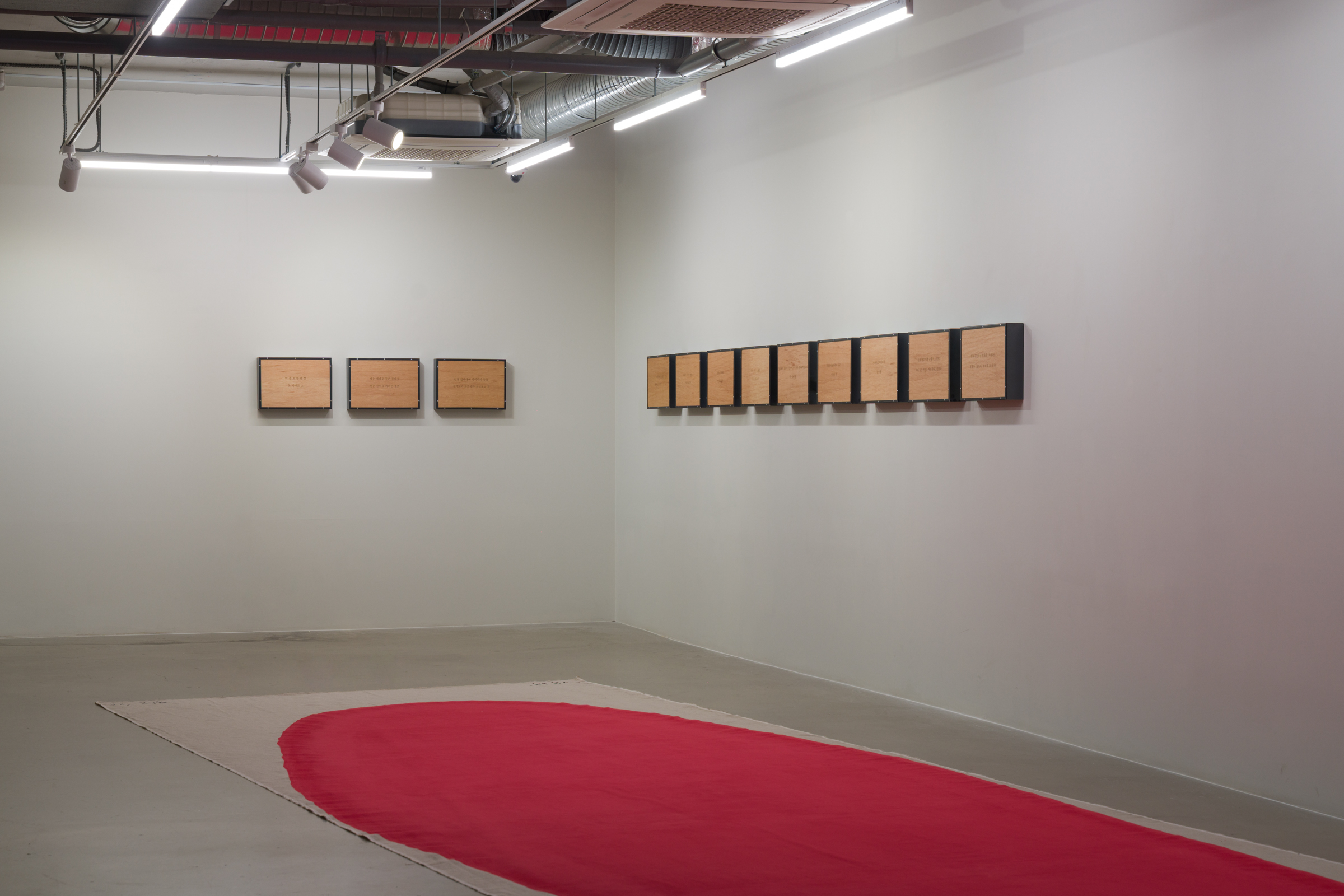
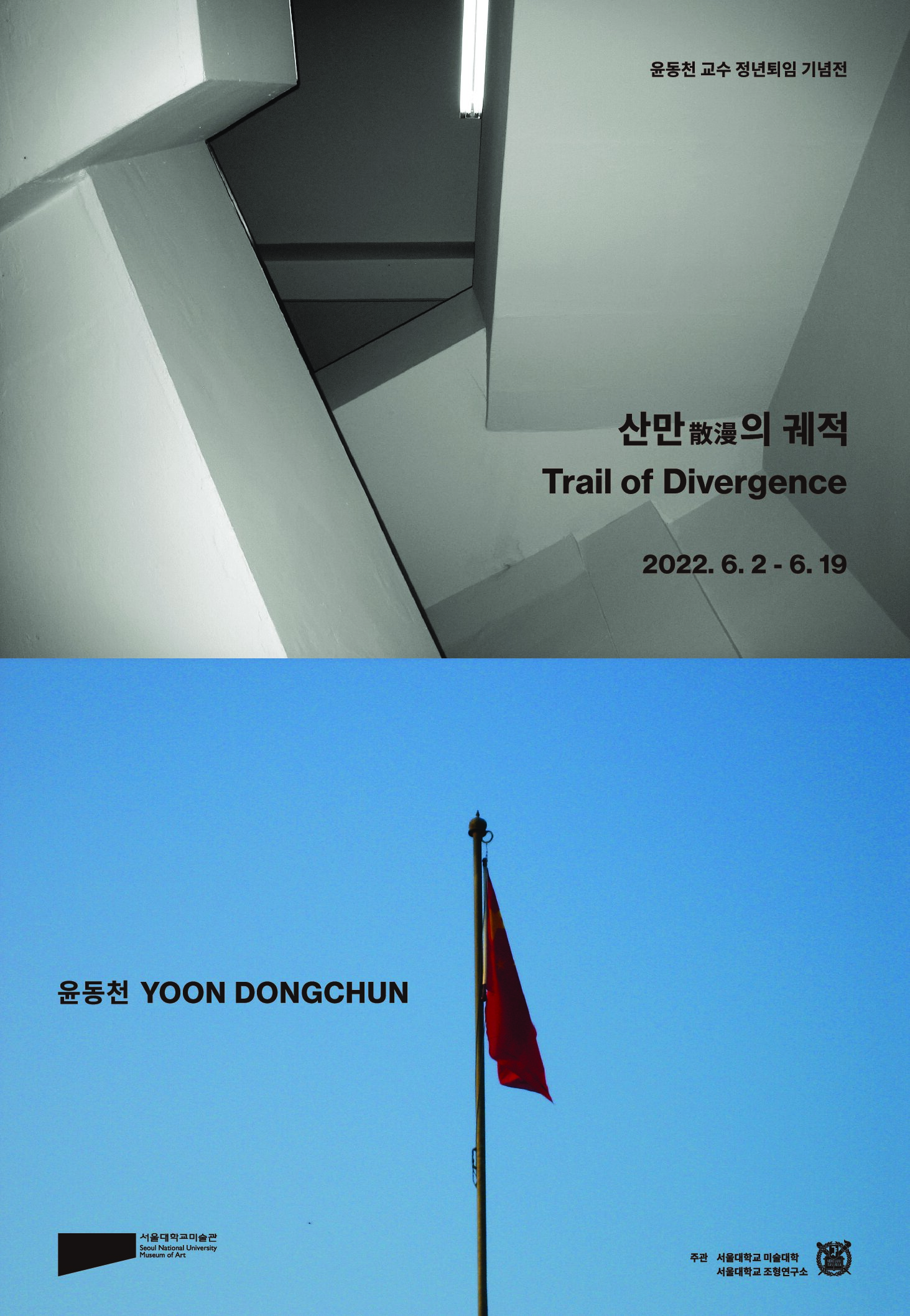
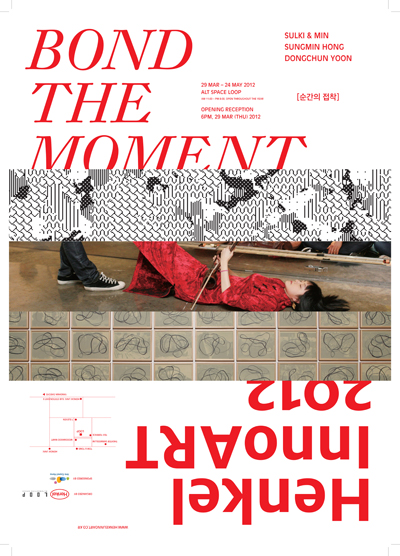
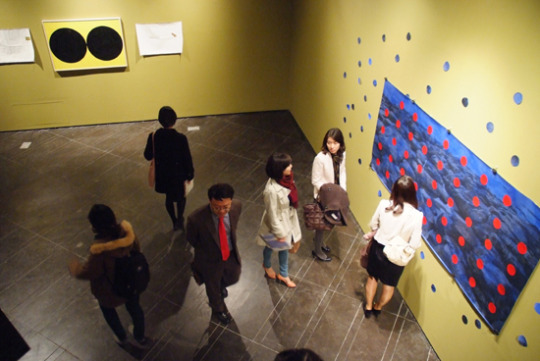
Since Yoon Dongchun’s first solo
exhibition at Gallery Hyundai in 1988, Yoon Dongchun has presented major solo
exhibitions at leading Korean institutions including Kukje Gallery (1995),
Ilmin Museum of Art (1998), Sungkok Art Museum (1999), Kumho Museum of Art
(2007, 2017), and Seoul National University Museum of Art (2022). He has also
held solo exhibitions internationally in Nagano and Sapporo, Japan, and in
Chapel Hill, United States, expanding his presence beyond Korea.
Group Exhibitions (Brief)
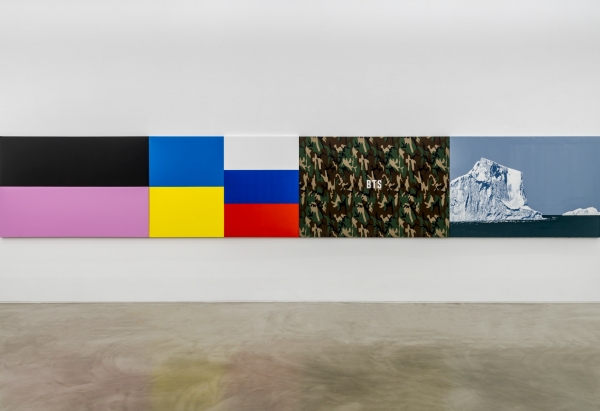
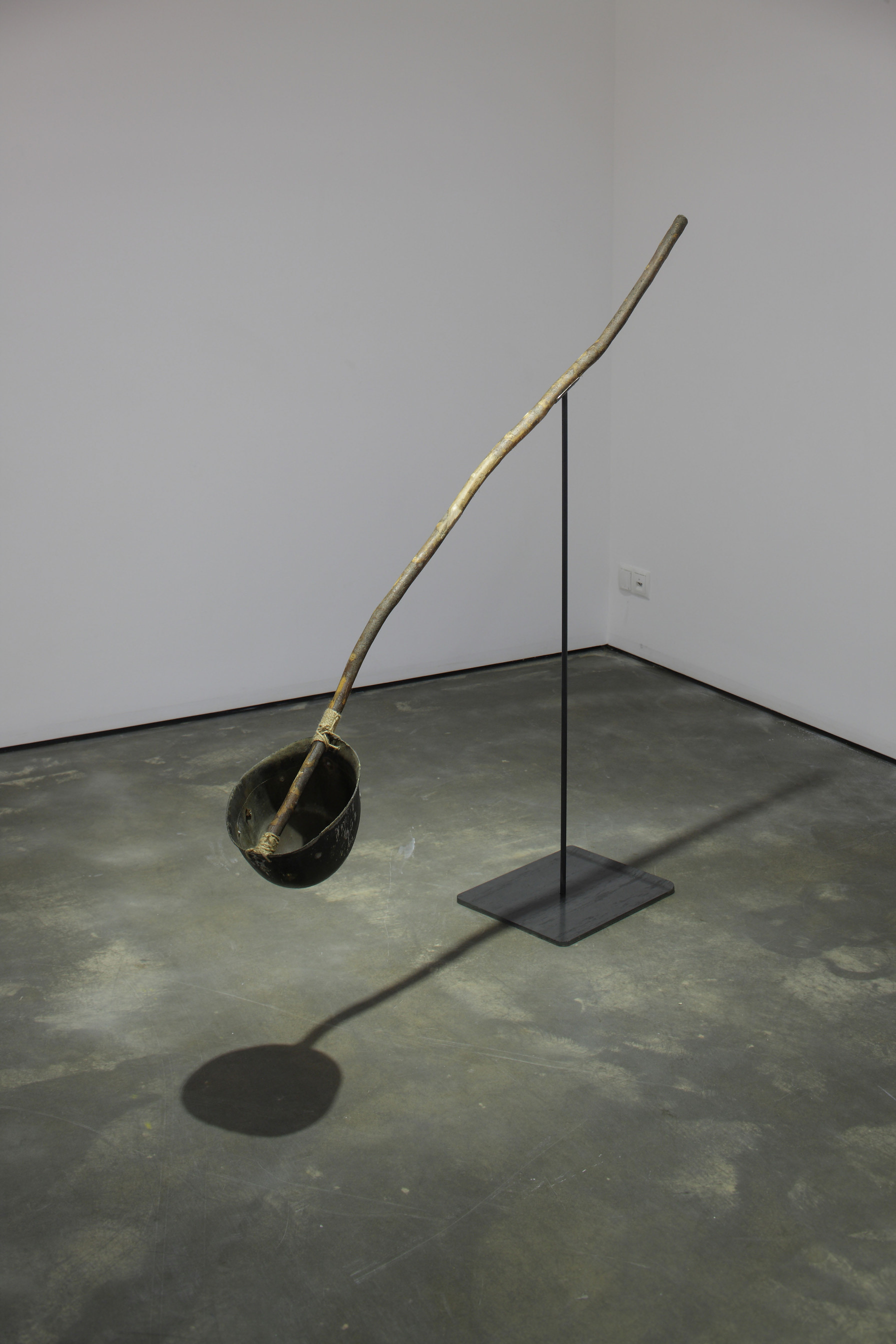
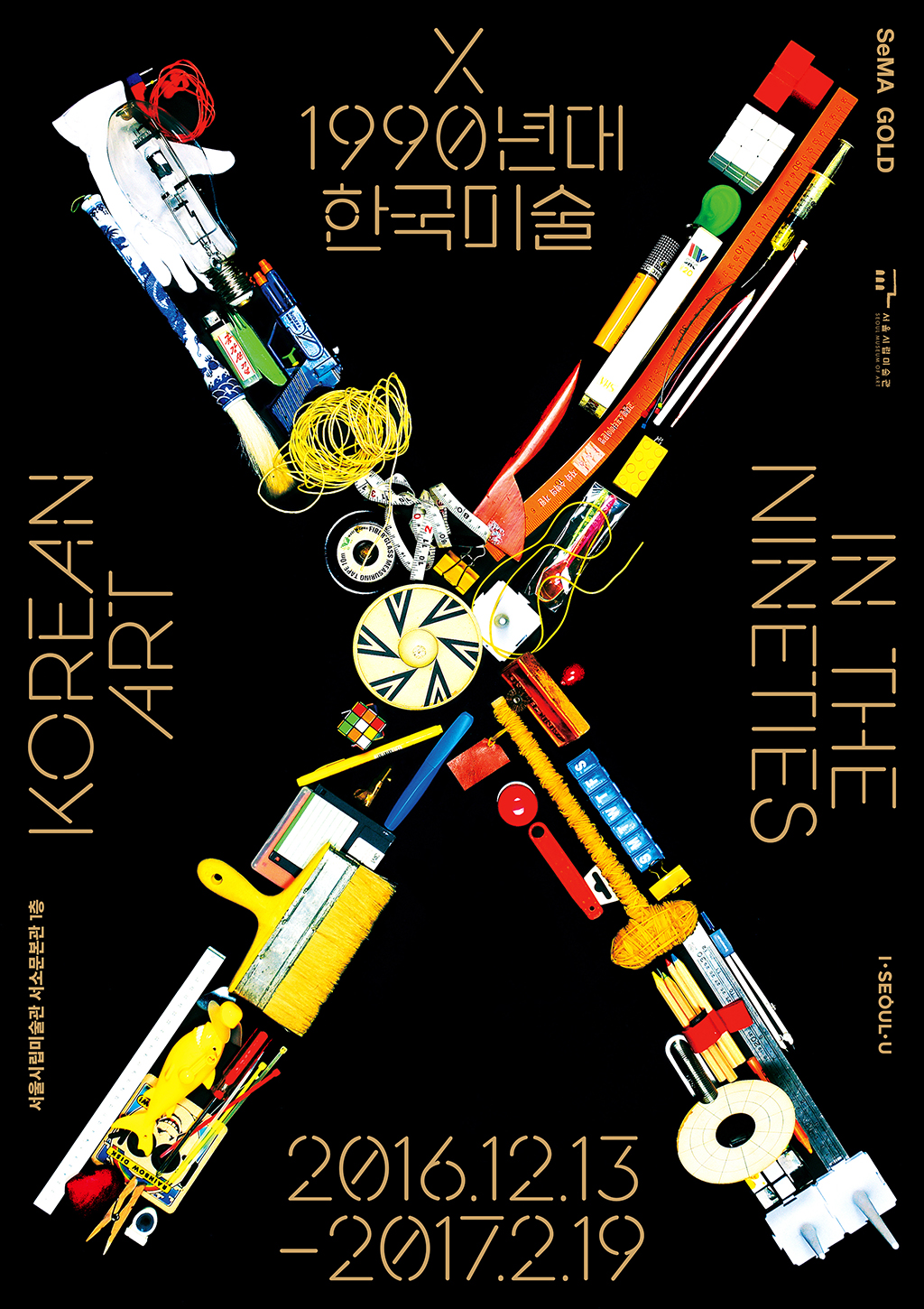
Since the late 1980s, Yoon Dongchun has
participated in over 300 group exhibitions both in Korea and internationally.
His works have been presented at major Korean institutions including the
National Museum of Modern and Contemporary Art, Seoul Museum of Art, Kumho
Museum of Art, Seoul National University Museum of Art, and Gyeonggi Museum of
Modern Art, as well as in large-scale biennials and curated exhibitions such as
the Gwangju Biennale projects and Busan Biennale. Internationally, he has
exhibited in Japan, China, Russia, the United States, Germany, Australia, and
other countries, maintaining a sustained global presence.
Awards (Selected)
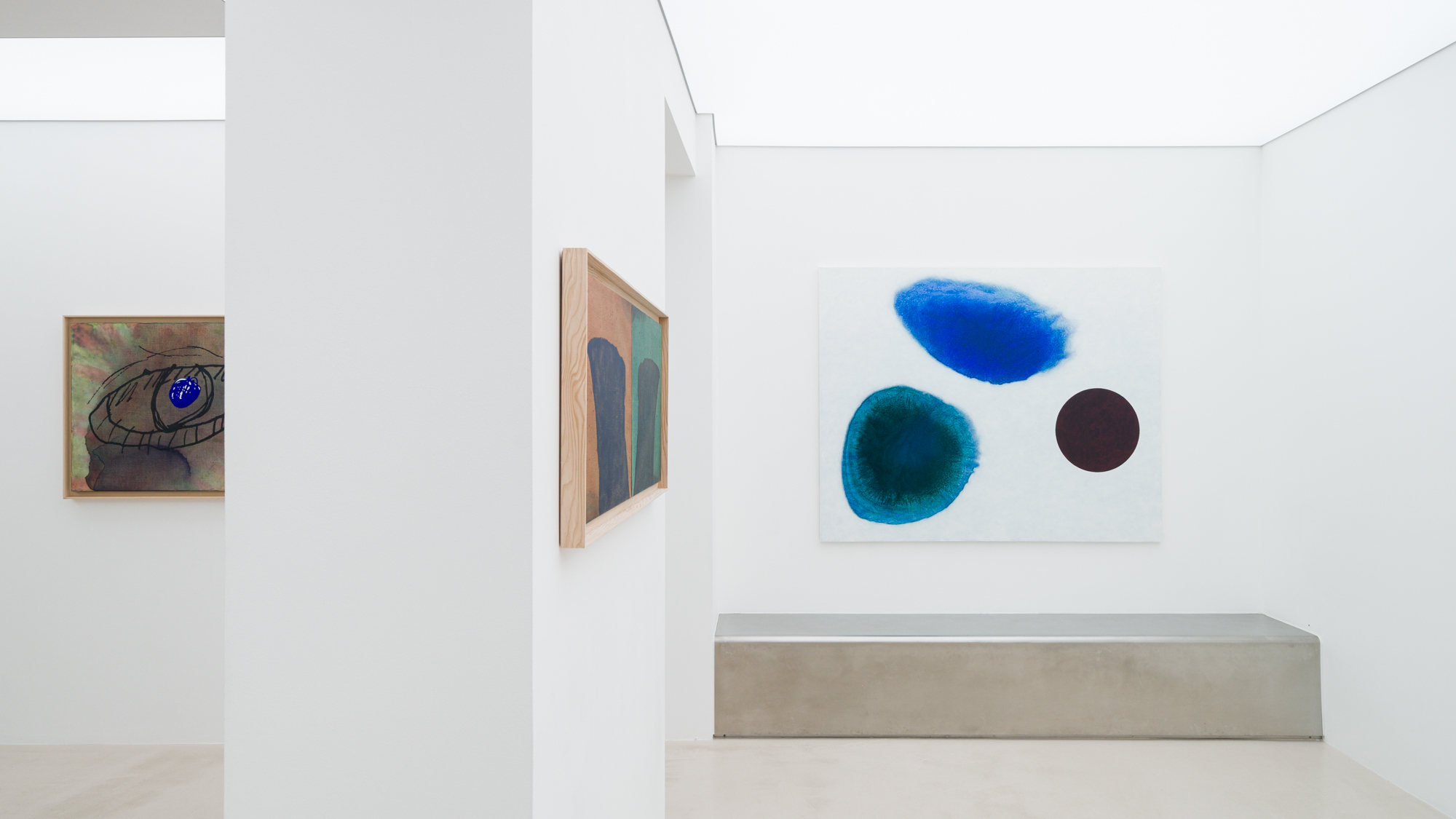
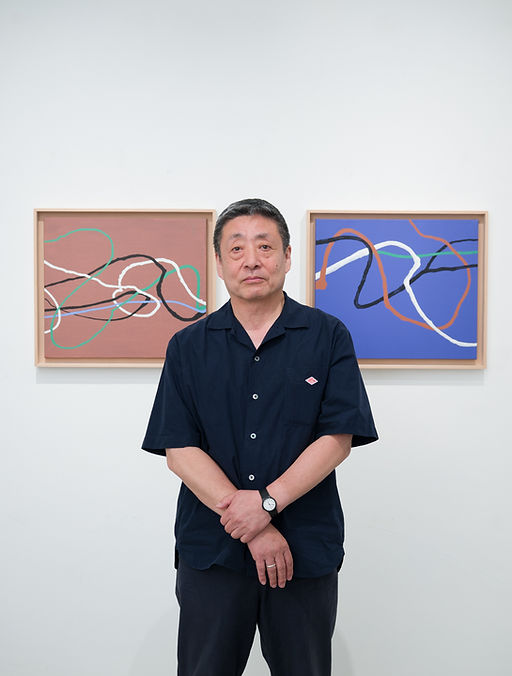
He received the 35th Lee Jung-seob Art
Prize (2023), the Gold Prize at the 4th International Asia–Europe Biennale
(1992), the 11th Seoknam Art Prize (1992), and the President Award at the 1st
Total Art Award (1991).
Collections (Selected)
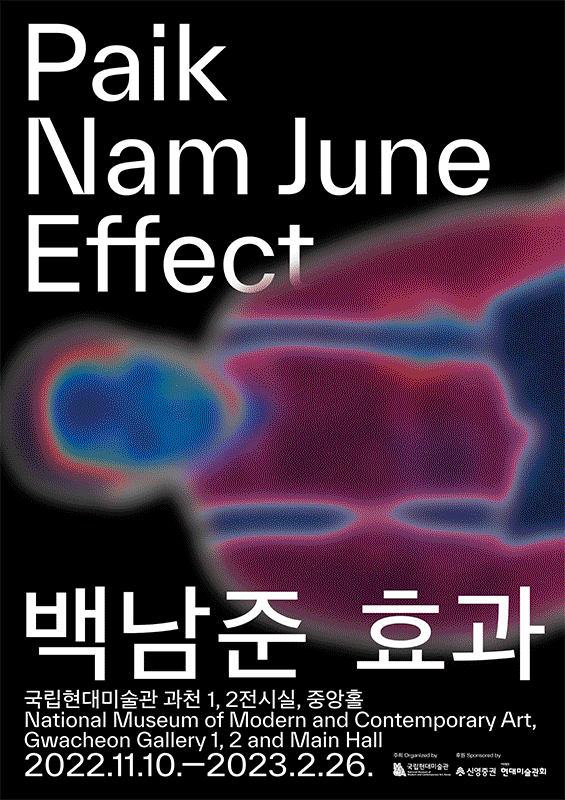
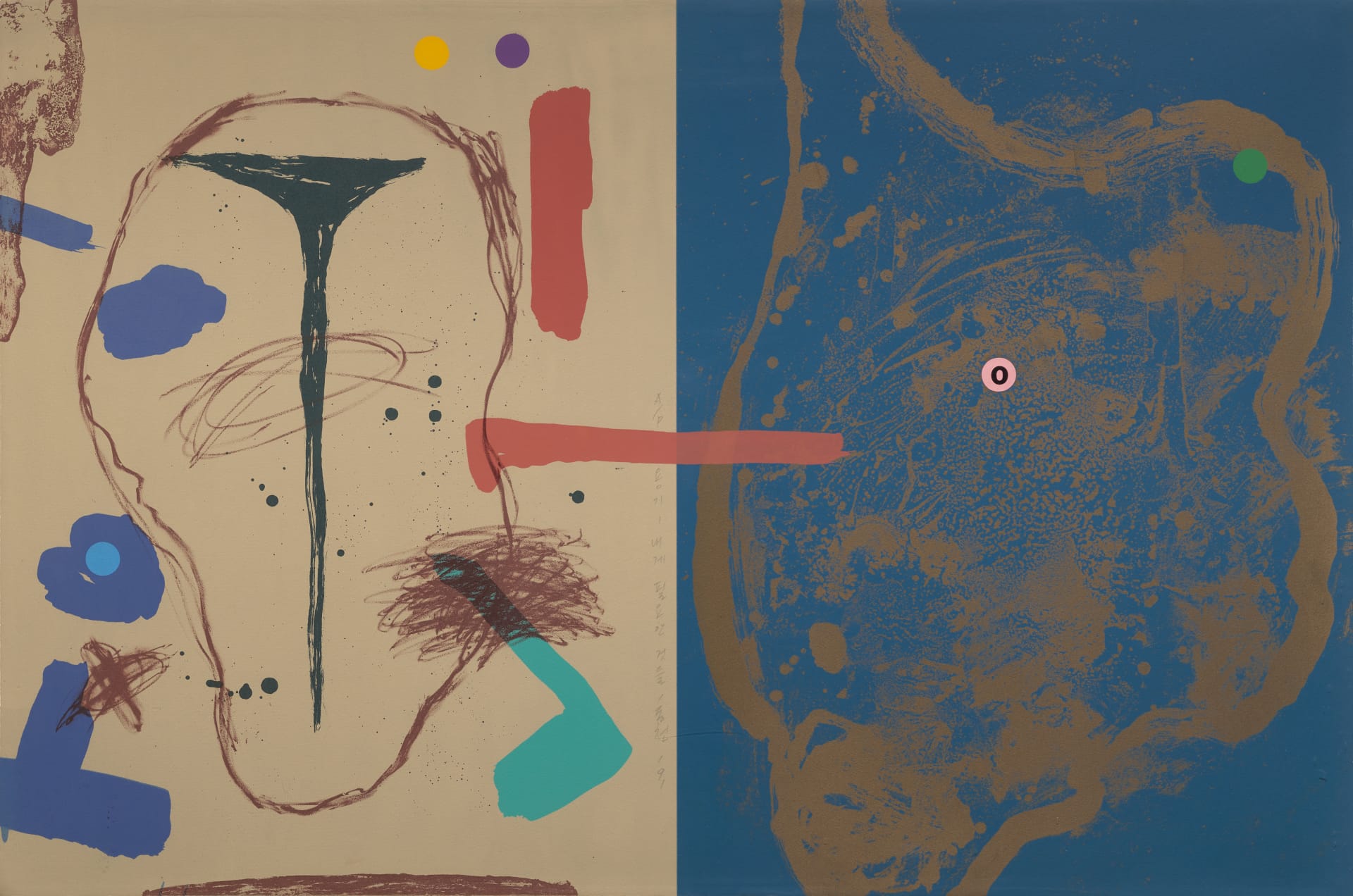
His works are included in the collections
of major Korean institutions such as the National Museum of Modern and
Contemporary Art, Seoul Museum of Art, Kumho Museum of Art, Ilmin Museum of
Art, Sungkok Art Museum, and Seoul National University Museum of Art.
Internationally, his works are held by prominent institutions including the
British Museum, The New York Public Library, and the New Orleans Museum of Art.