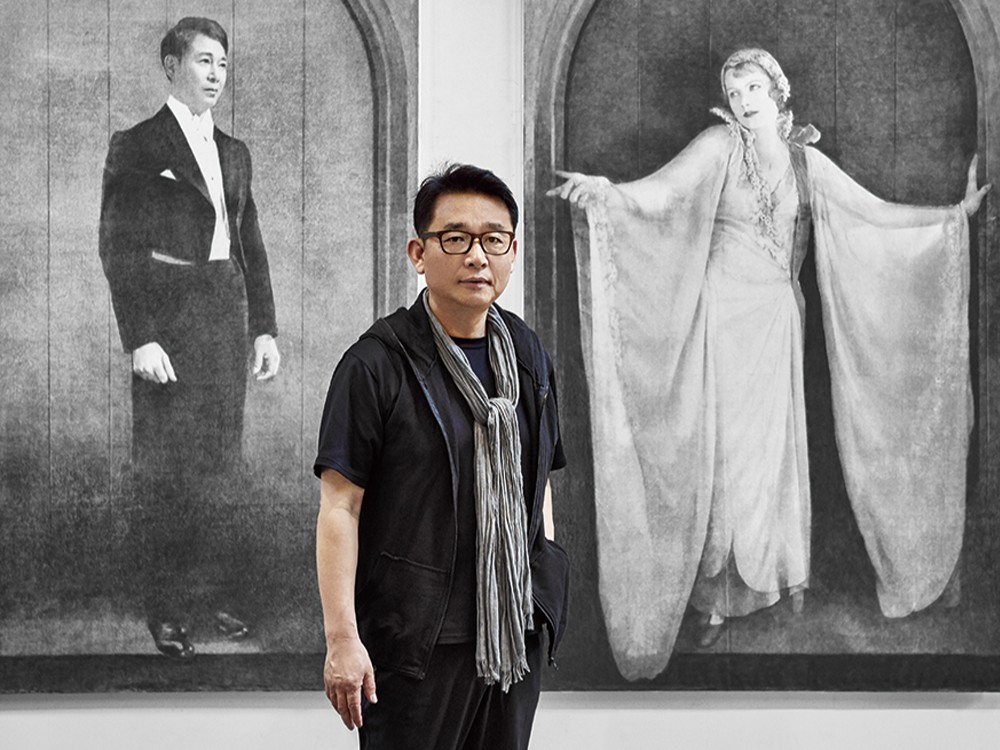
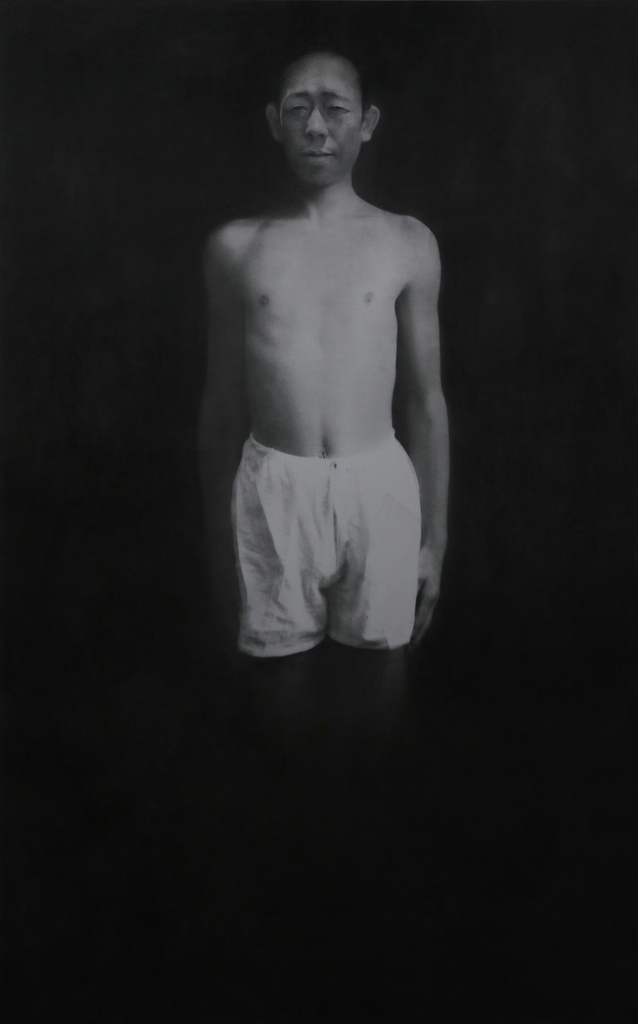
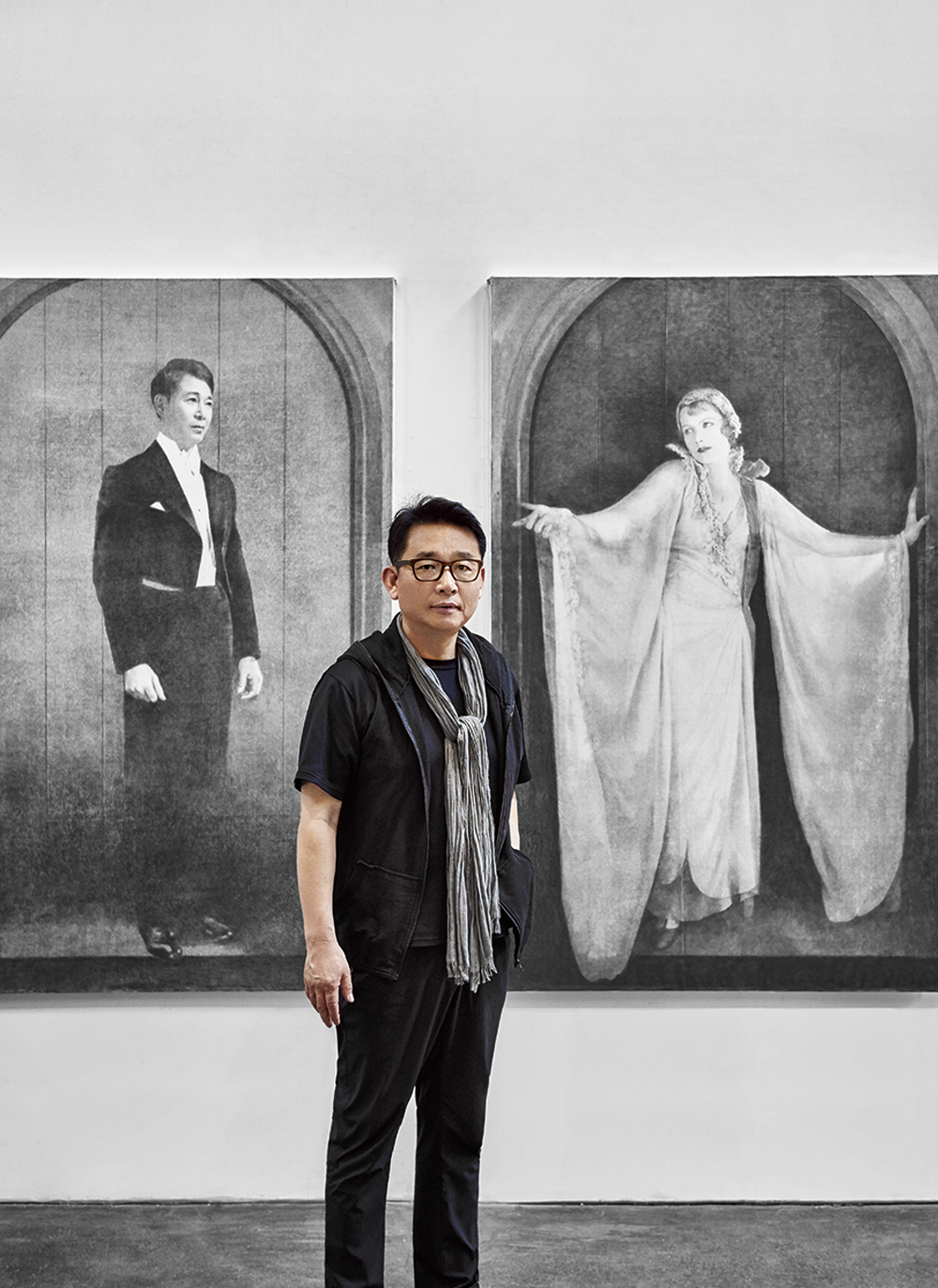
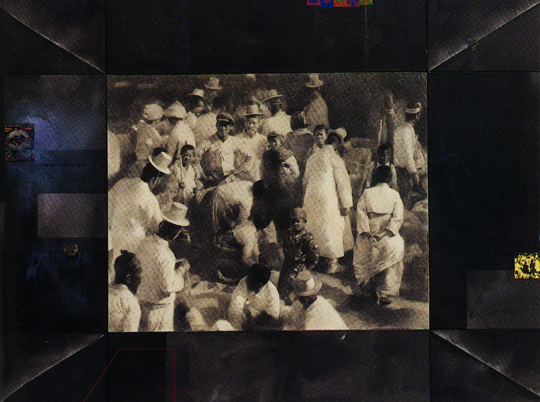
Cho Duck Hyun is also an exceptional director of visual situations. Although his work begins with “photo painting,” it has never remained confined to the realm of painting alone. With seemingly modest materials and techniques, he demonstrates a remarkable ability to produce the aura of something extraordinary.
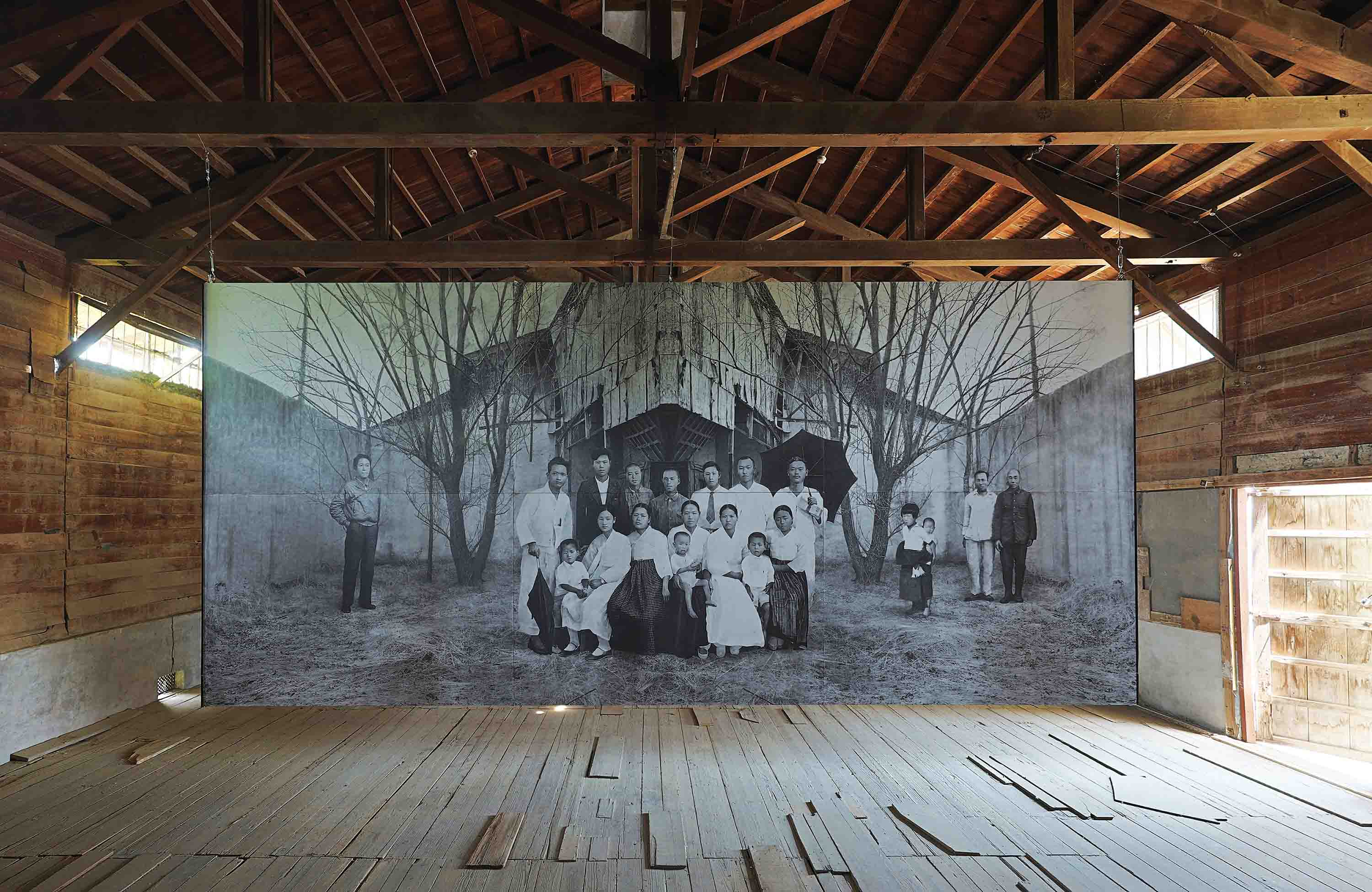
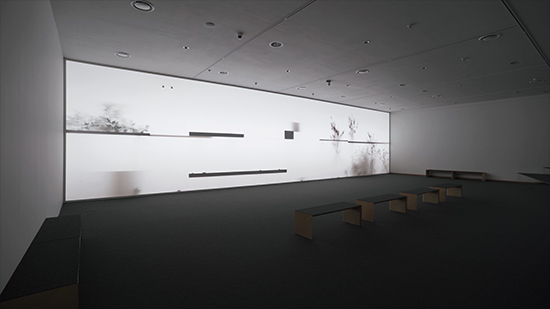
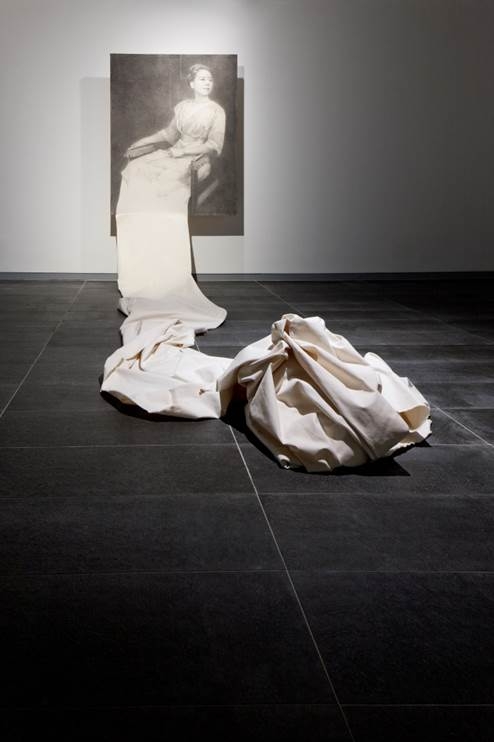
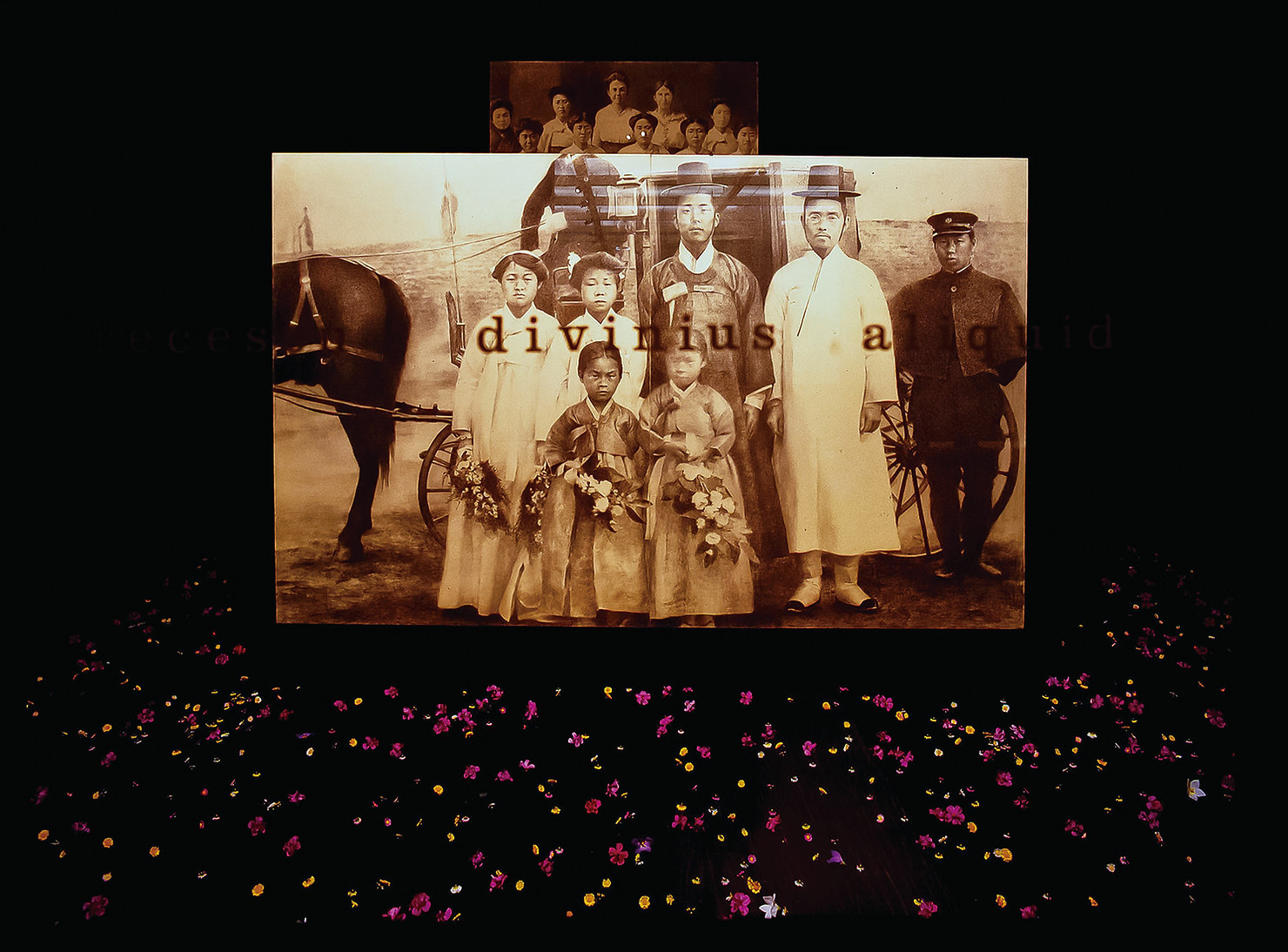
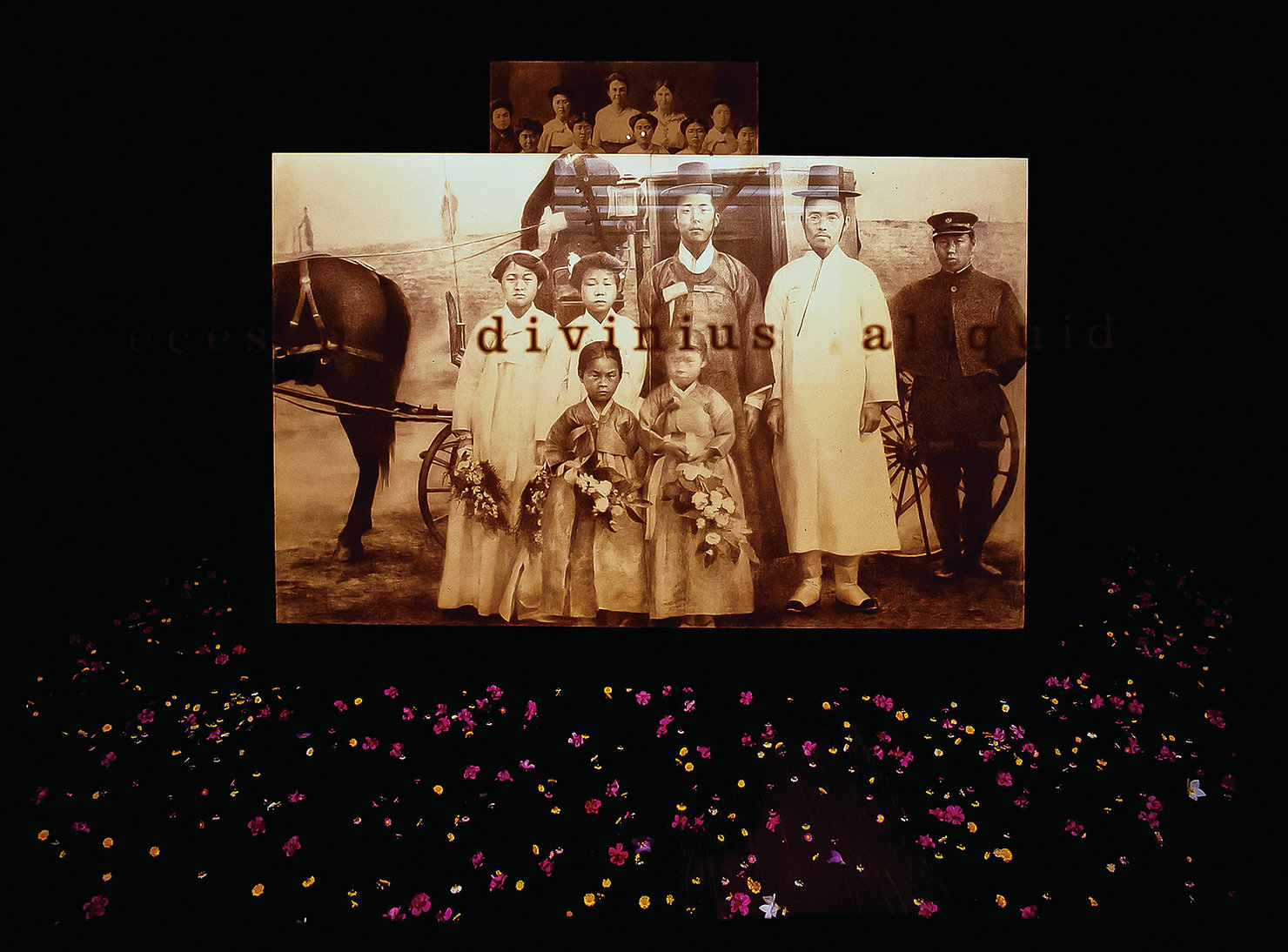
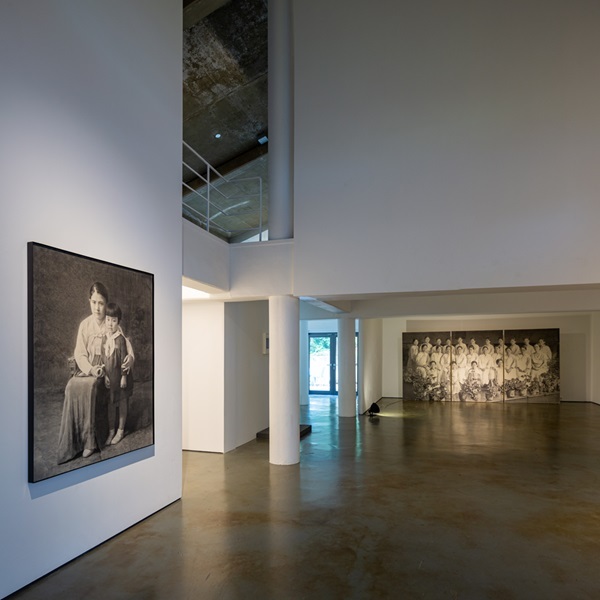
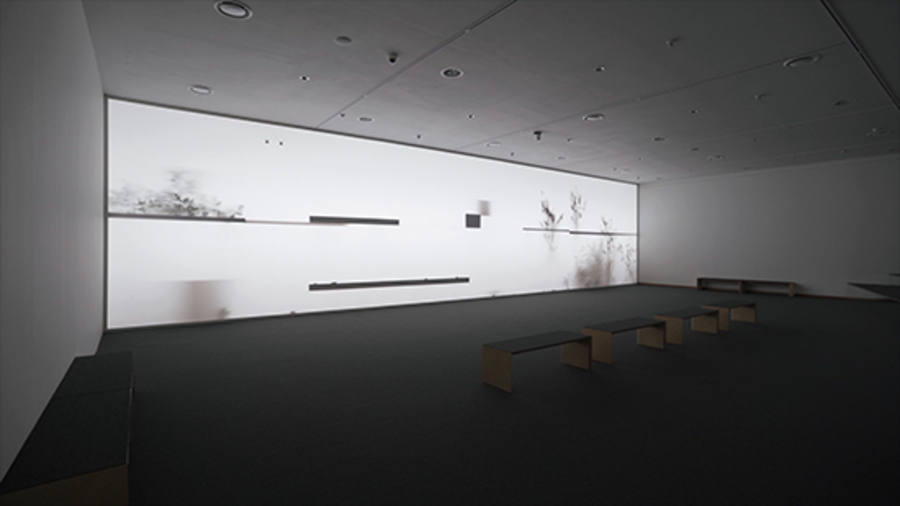
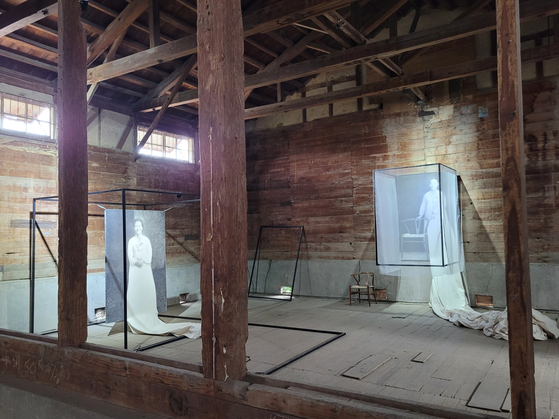
The exhibition space always resembles a stage. Dim shadows fall across the space while dazzling spotlights flare up. It feels like a photography studio, a theatre stage, or perhaps a film set—or even the atmosphere of a camera obscura, the original dark room of photography. No matter how he combines his paintings with other formal elements, regardless of scale or location, he essentially constructs the conditions of a “black box.” Without this originality of staging, his work would remain little more than conventional figurative painting.
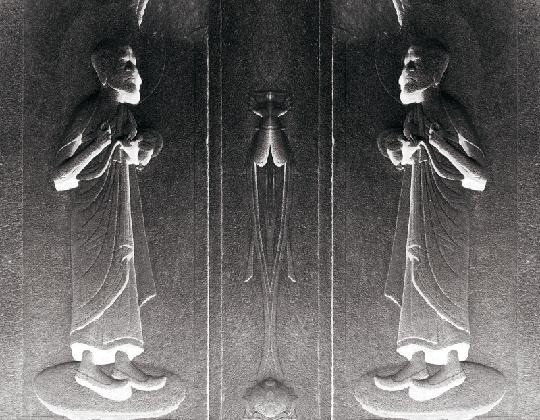
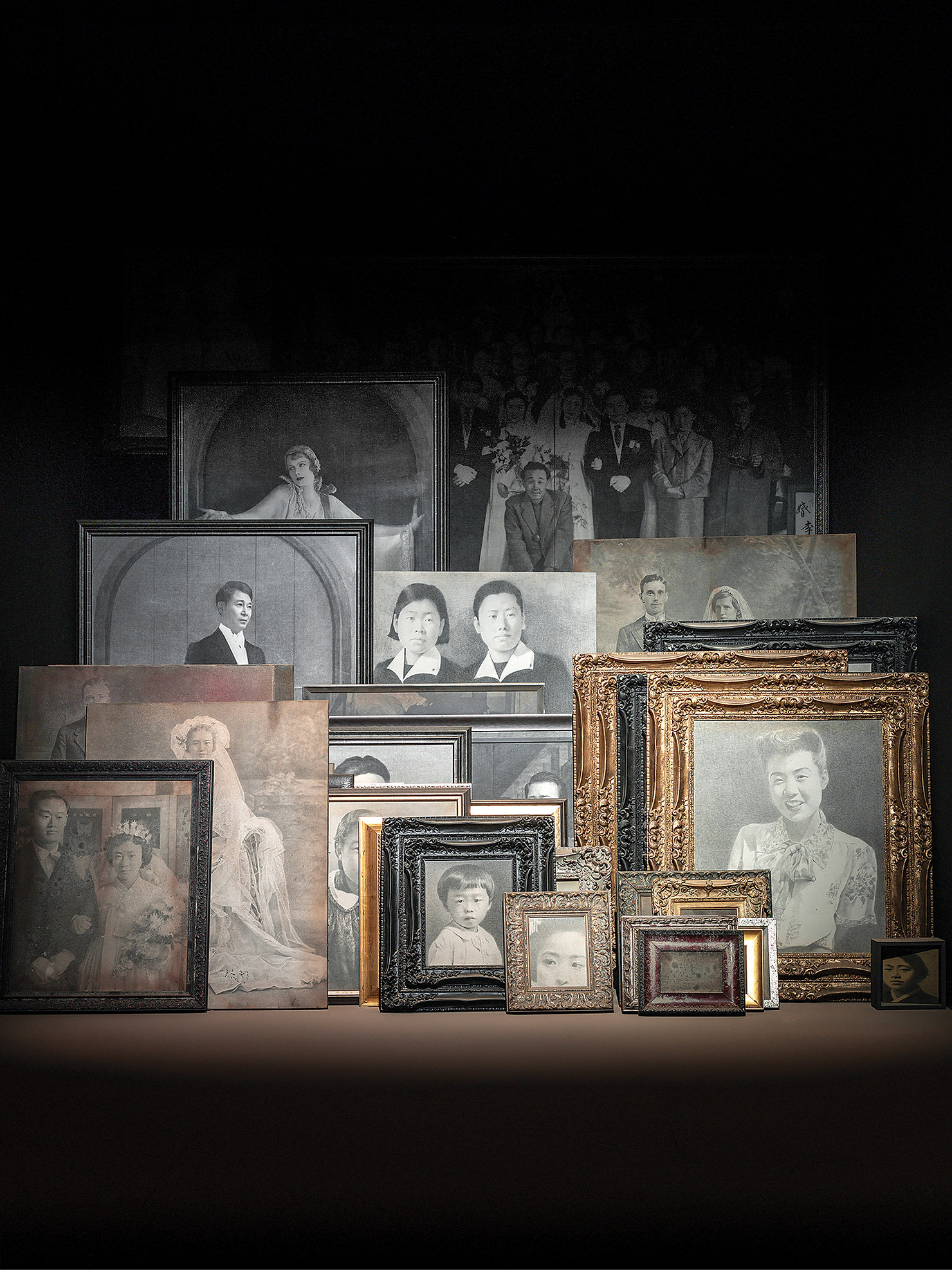
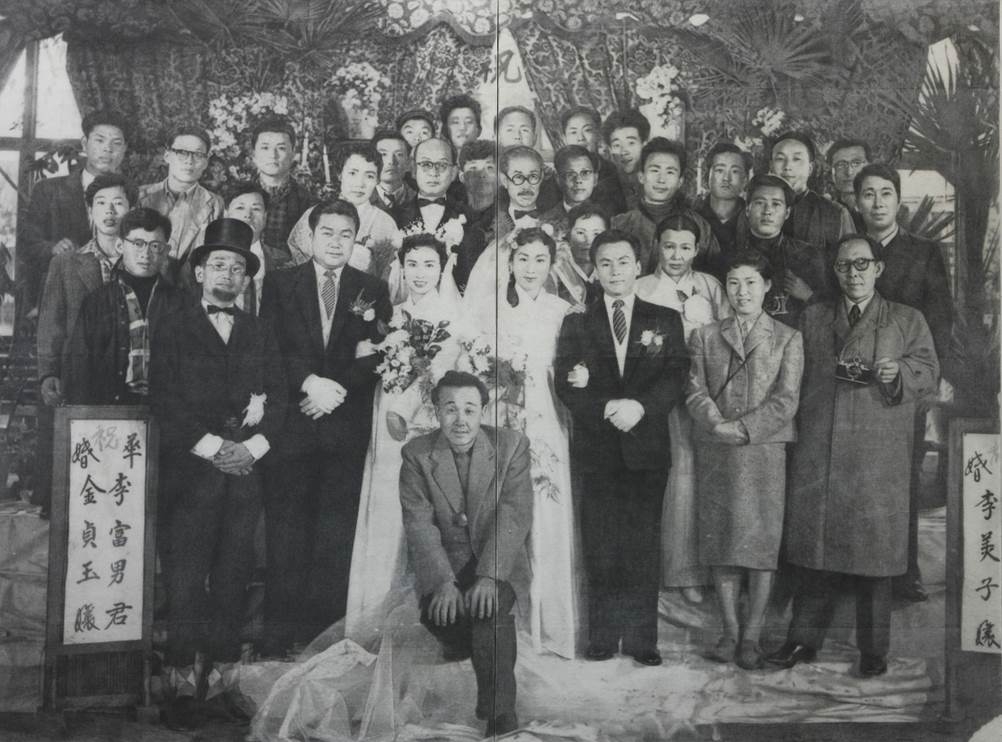
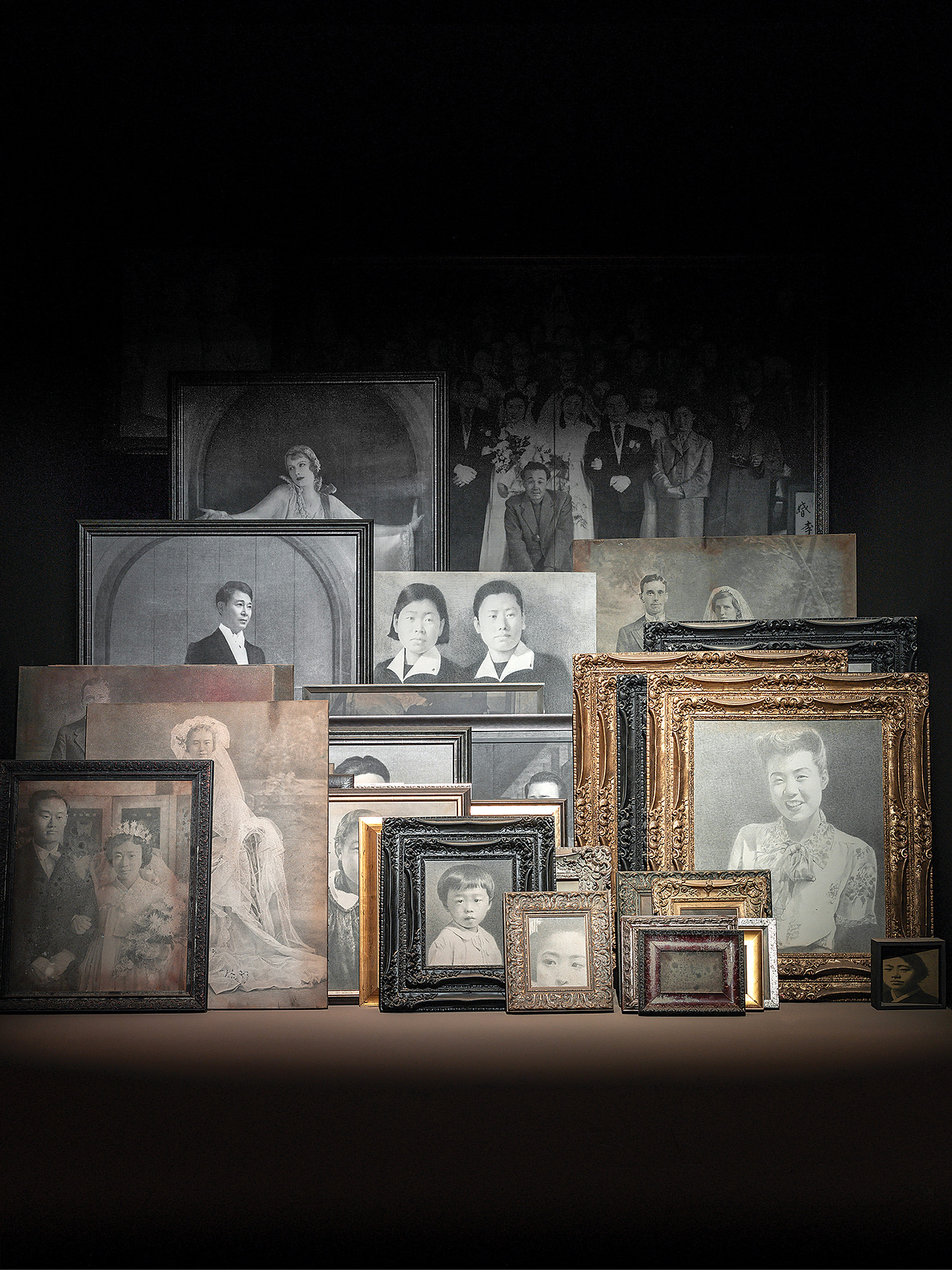
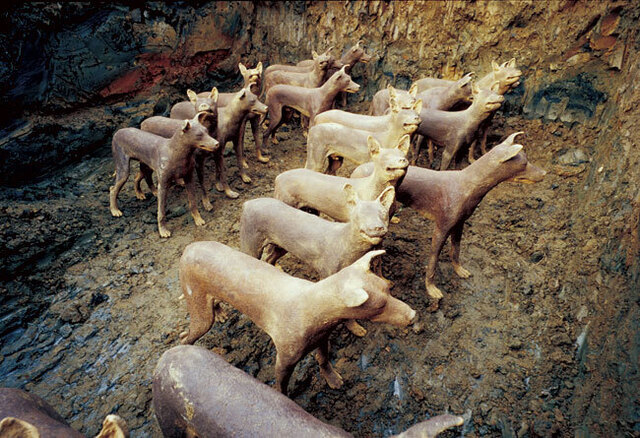
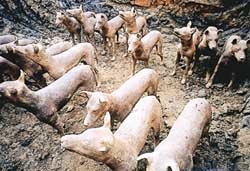
Cho Duck Hyun’s “photo painting” has organically expanded into sculpture, installation, photography, video, text, sound, and site-specific projects. He does not hesitate to carry out fictional burial and excavation processes. Moreover, he mobilizes the full range of contemporary art production methods—research, interviews, oral testimony, field investigations, and collaboration. In short, it is a vast act of “archiving memory.” Every stage and method of the work is directed toward restoring and reconstructing memories that have fallen into the black hole of history, manifesting their vivid reality and imaginative potential.
Thus Cho Duck Hyun’s work does not simply remain an act of drawing. The scope of thought and action through which he approaches a single event or subject expands in every direction. Like an investigative journalist conducting in-depth reporting, like a detective tracking a suspect, like an explorer undertaking fieldwork, or like an archaeologist excavating buried remains, he relentlessly traces the facts surrounding his subjects.
At the same time, he mobilizes artistic imagination—like a novelist constructing a plot or a film director orchestrating a scene—to summon the past, which can no longer be reached, into the present. Perhaps this is why, although many artists today reproduce photographs—such as Gerhard Richter or Luc Tuymans—it is difficult to encounter the same existential impact woven from such a dense network of memory as in Cho Duck Hyun’s work.
As Jean-François Lyotard pointed out, the contemporary world is one in which “grand narratives” have collapsed. The era in which a single absolute principle or truth governs the world has passed. The objectivity of history is relative, and the idea of a universal memory of humanity is little more than a fiction. True history may instead be the sum of countless small narratives of memory—the vast sea formed by scattered fragments of remembrance. Memory is not the same as history.
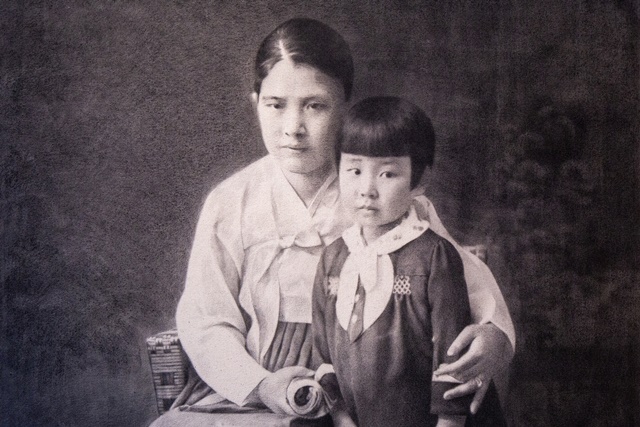
Memory is always activated from the standpoint of the present and is adjusted through the experience of an eternal present. Cho Duck Hyun does not paint “history,” which simply reproduces the past, but “memory,” which projects the present. His art penetrates precisely the tension between these two poles: the reality of past history and the subjectivity of present memory, the excavation of history and the reconstruction of memory. Thus he moves freely across the boundary between reality and fiction.
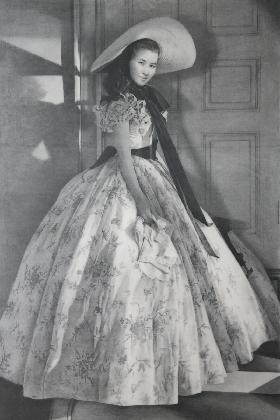
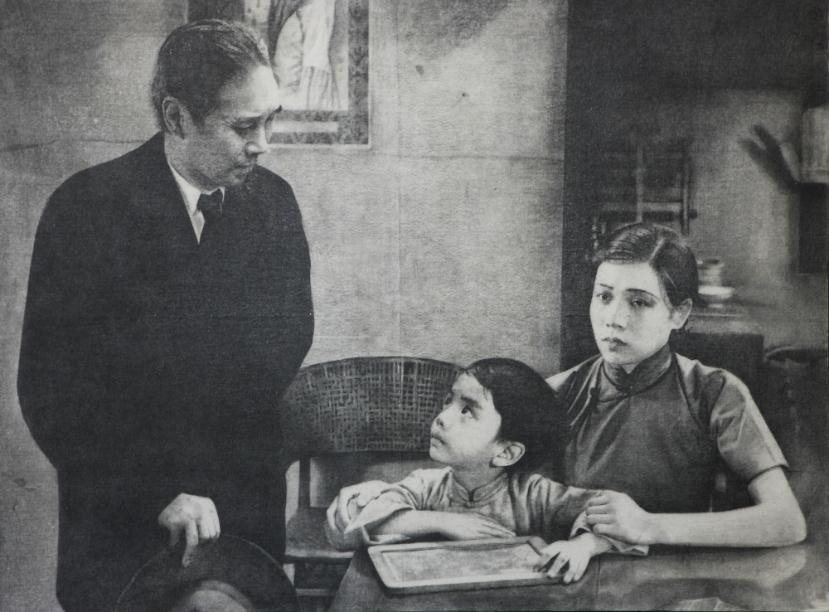
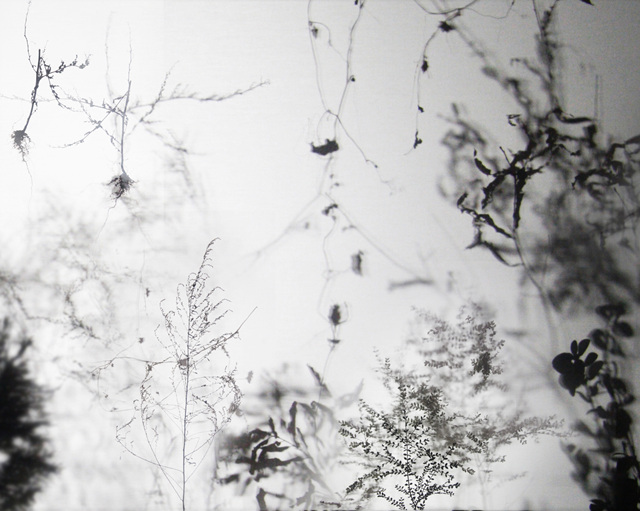
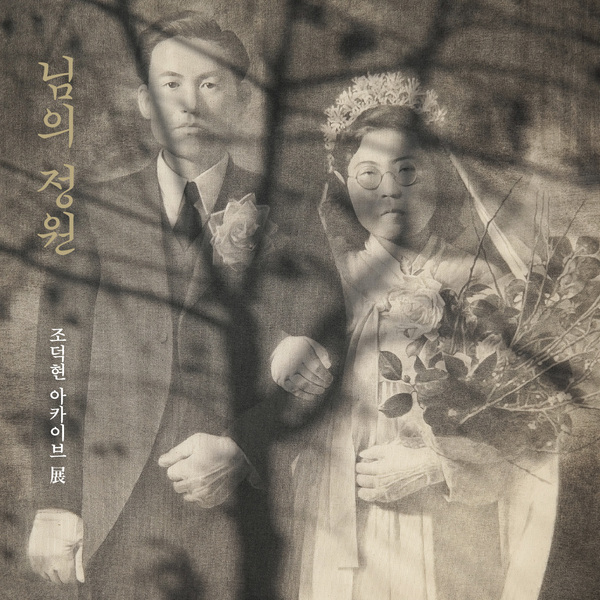
Cho Duck Hyun’s works do not present a single answer to history—even if that history is intensely personal. Instead, they shake the amnesia of history and pursue new possibilities of memory through his distinctive modes of representation. In doing so, he invites us into a “garden of memory,” where the light and shadow of history fall across the landscape. In that interplay of light and shadow, the justification of the old black-and-white “photo painting” emerges clearly once again. Black-and-white photography contains far less information than color photography, yet it leaves room for human longing and imagination to fill in the hidden information.
This is the allure of black-and-white photography and of “photo painting.” Yes—within that faint landscape of memory lie the cold recollections of frustration that pierce through a history of distortions, while at the same time the vibrant dreams of hope continue to breathe. In that vision, the subject of the photograph, the artist Cho Duck Hyun, and the viewer meet together across time and space. Memory—and the memory of memory—swirls like a Möbius strip.
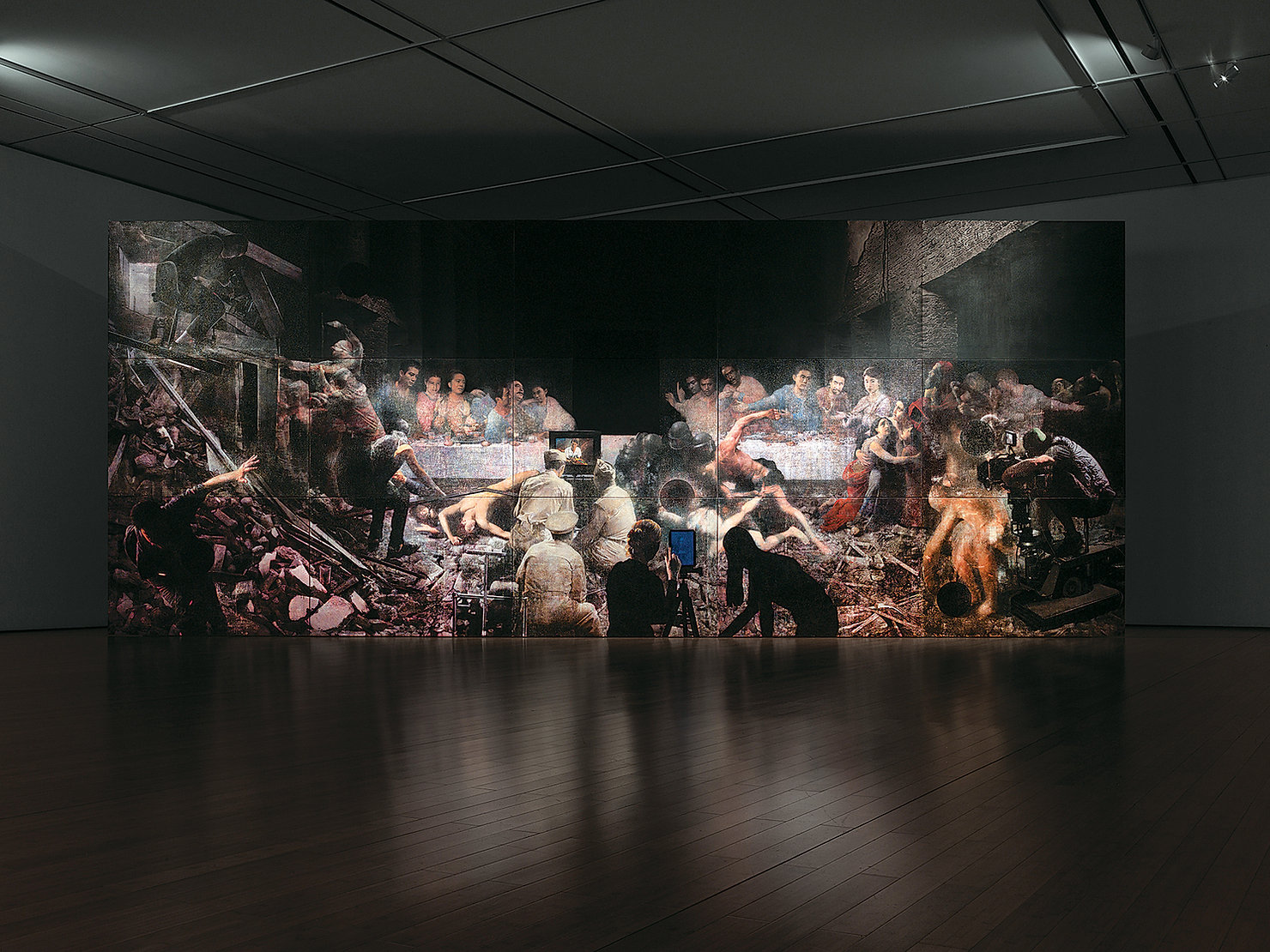
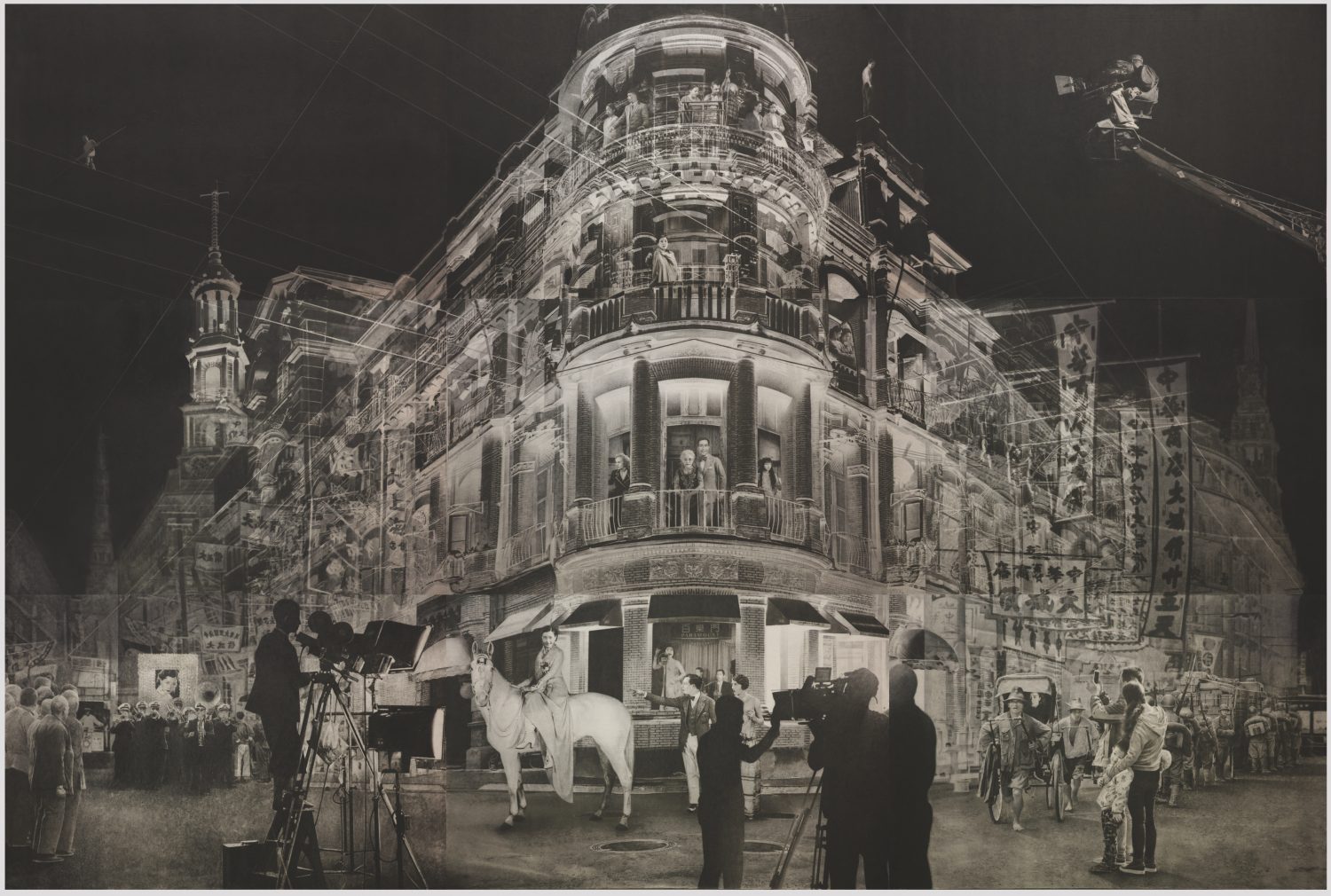
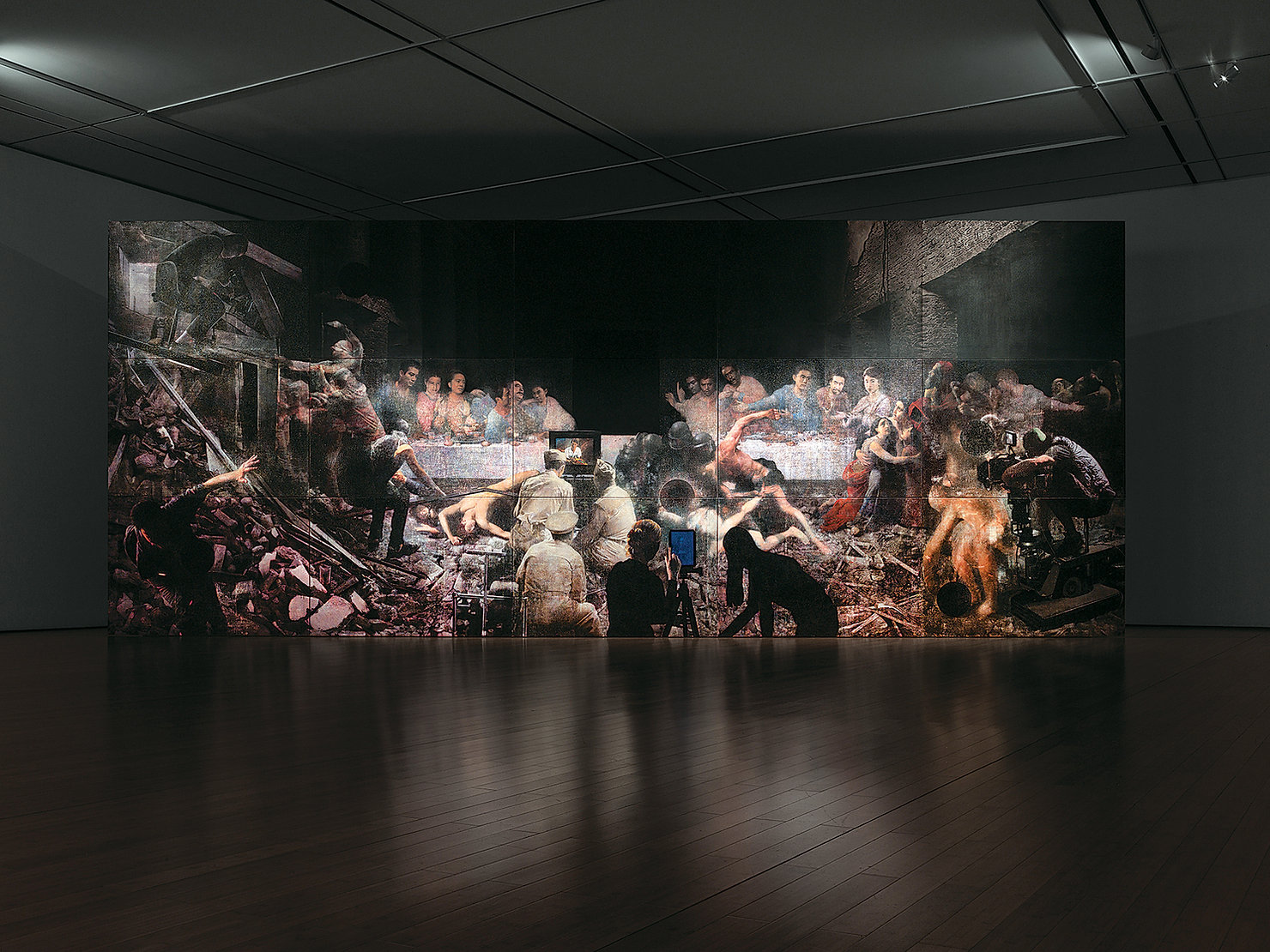
Recently, Cho Duck Hyun has produced large-scale compositions of multiple figures. While maintaining the rhetoric of memory, he has altered the sources and compositional methods of his images. Drawing upon images gathered through internet surfing, he incorporates photomontage techniques that combine real and virtual imagery. The scale and density of these works are astonishing. Formally, they resemble the tradition of Western composition painting, in which groups of figures drawn from mythological, religious, or historical themes are arranged to express ideas or ideologies.
Whereas Cho Duck Hyun previously practiced an alchemy of memory by juxtaposing separate scenes one by one, in these large-scale works he explosively pours all those scenes into a single image. Within them unfolds a panoramic “same-image-of-different-times” (異時同圖), where individuals and narratives, reality and fiction, past and present, East and West coexist. It is a sea of hybrid images in which the great events that have shaped human history clash through forces of attraction and repulsion. Is it not an apocalyptic form that awakens our dormant consciousness?
Here, one must ask: has there ever truly been historical painting in the modern and contemporary history of Korean art? And can historical painting still exist today? At this very moment, we witness the return of monumental historical painting—the “new historical painting of the twenty-first century” that Cho Duck Hyun has created through the alchemy of memory.