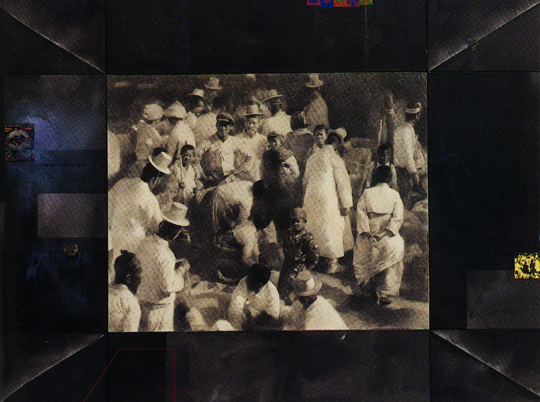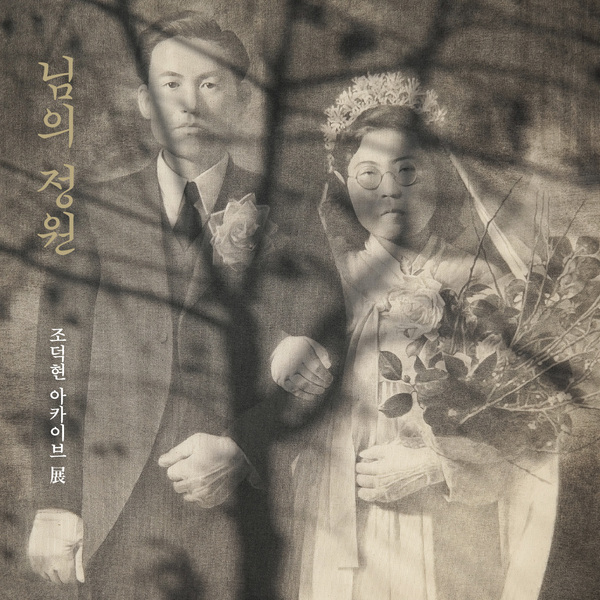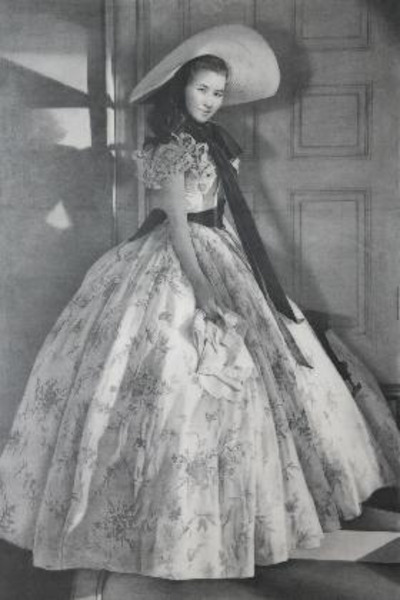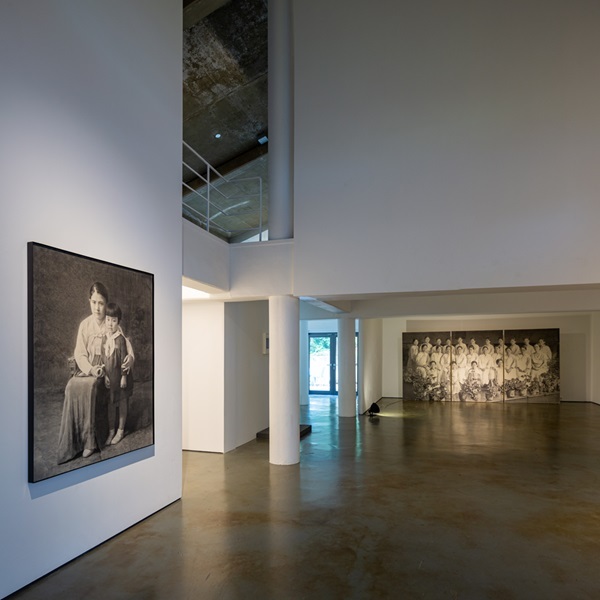
Solo Exhibitions (Brief)
Cho Duck Hyun has held solo exhibitions at major museums and
institutions in Korea and abroad, including the Institute of Contemporary Art,
University of Pennsylvania (1995), the National Museum of Modern and
Contemporary Art, Seoul (2015), Art Sonje Center (2002), Daegu Art Museum
(2020), Ilmin Museum of Art (2015), Museum Hanmi (2021), and Kukje Gallery
(1996, 2000, 2008). He has also realized site-specific projects at venues such
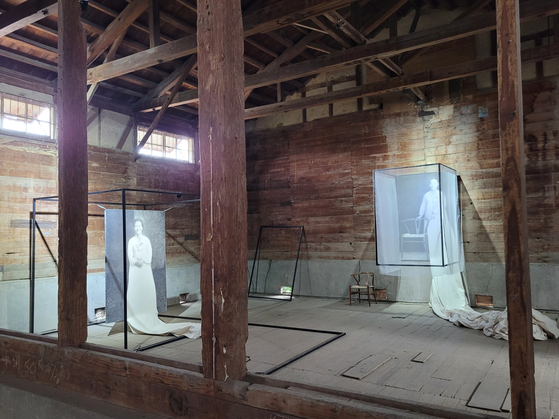
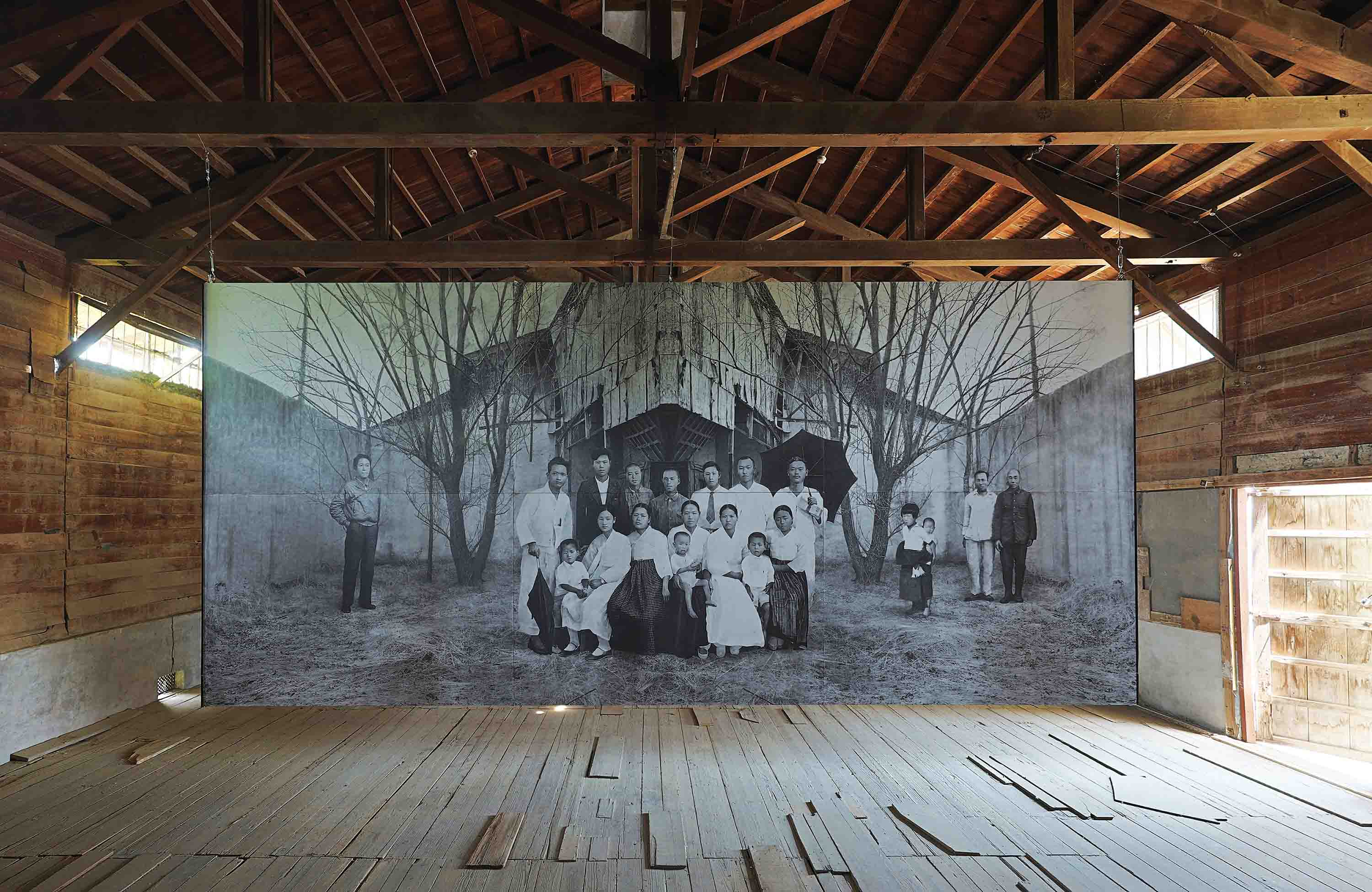
as Jeu de Paume, Paris (2000–2001) and Old Mill Chunpo, Iksan (2022–2024).
Group Exhibitions (Brief)
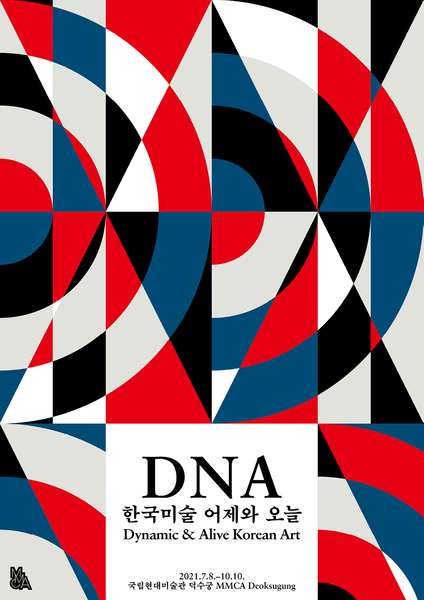
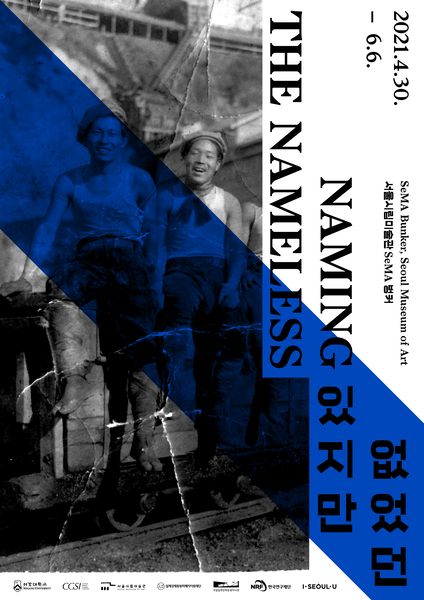
Cho Duck Hyun has participated in exhibitions at major museums
in Korea and abroad, including the National Museum of Modern and Contemporary
Art (2021), Seoul National University Museum of Art (2023), SeMA Bunker, Seoul
Museum of Art (2021), Museum of Contemporary Art Busan (2020), Gyeongnam Art
Museum (2021), Total Museum of Contemporary Art (2023), Park Soo Keun Museum
(2015), Leeum Museum of Art (2011), Mori Art Museum, Tokyo (2005), Asian Art
Museum, San Francisco (2003), and the New Museum, New York (1999). He has also
been invited to international biennales including the São Paulo Biennial
(1994), Istanbul Biennial (1995), Johannesburg Biennale (1997), Gwangju
Biennale (2002), Seoul International Media Art Biennale (2010), and Gangwon
International Biennale (2018).
Awards (Selected)
Cho Duck Hyun received the Grand Prize at the Dong-A Art
Festival (1990), the Young Artist of the Year Award from the Ministry of
Culture (1995), the Artist of the Month Award from MBC and the Samsung Cultural
Foundation (1996), and the 2nd Korea–France Culture Award (2001).
Collections
(Selected)
Works by Cho Duck Hyun are held in the collections of the
National Museum of Modern and Contemporary Art, the Seoul Museum of Art, Hoam
Museum of Art, Leeum, Samsung Museum of Art, Wooyang Museum of Contemporary
Art, Gyeonggi Museum of Modern Art, The Dong-A Ilbo, Total Museum of
Contemporary Art, Sungkok Art Museum, Arario Museum, Suwon Ipark Museum of Art,
Fukuoka Art Museum (Japan), Hiroshima City Museum of Contemporary Art (Japan),
Gorinchem City Hall (Netherlands), and the Hirshhorn Museum and Sculpture
Garden (USA).