
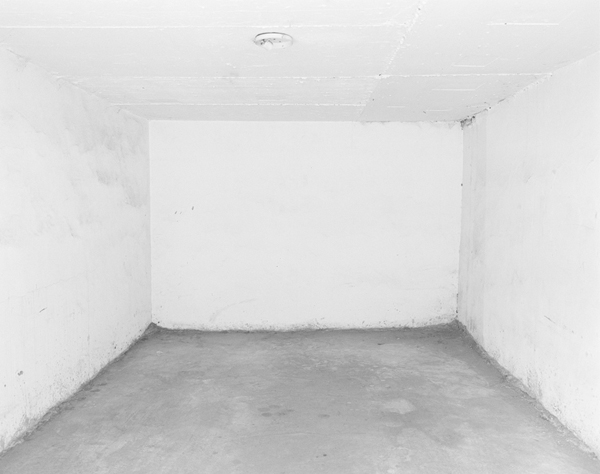
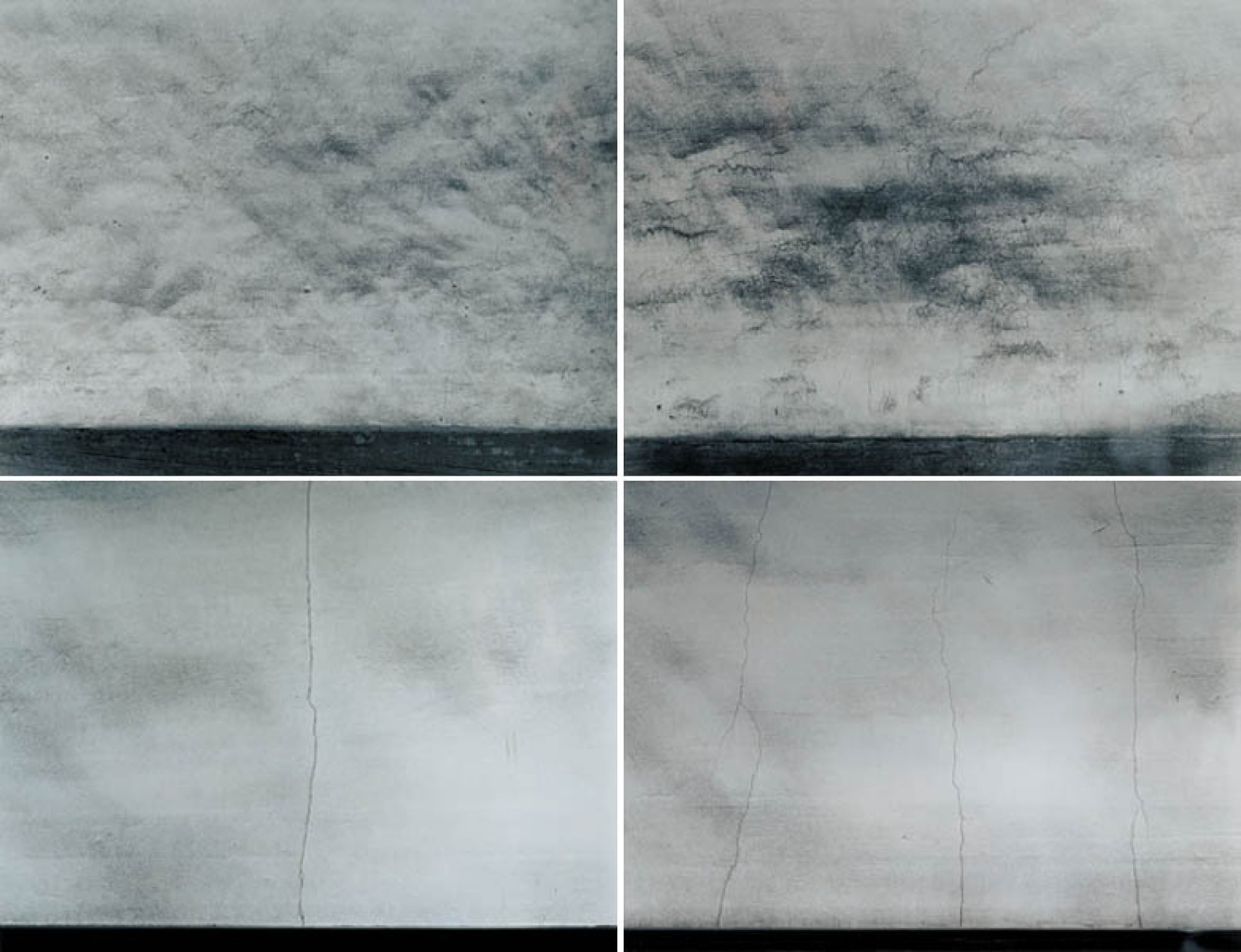
Koo Bohnchang, Interiors 40, 2007 © Koo Bohnchang

Narratives of Being and Time

Koo Bohnchang’s photographs constitute a narrative of being that contains the accumulation of time—time that is often imperceptible to human senses. Every existing object or living body carries within it the time it has experienced. Time permeates both the body and the interior of being without leaving visible traces.

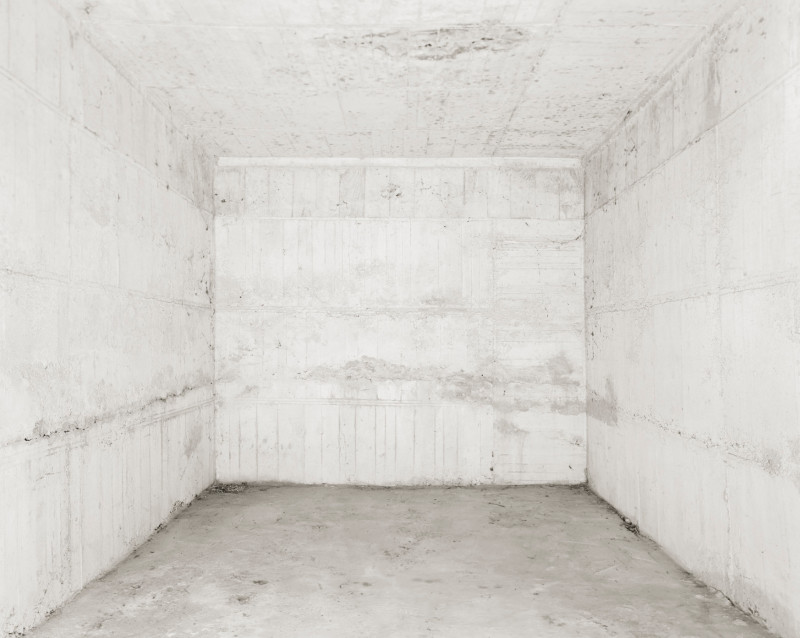
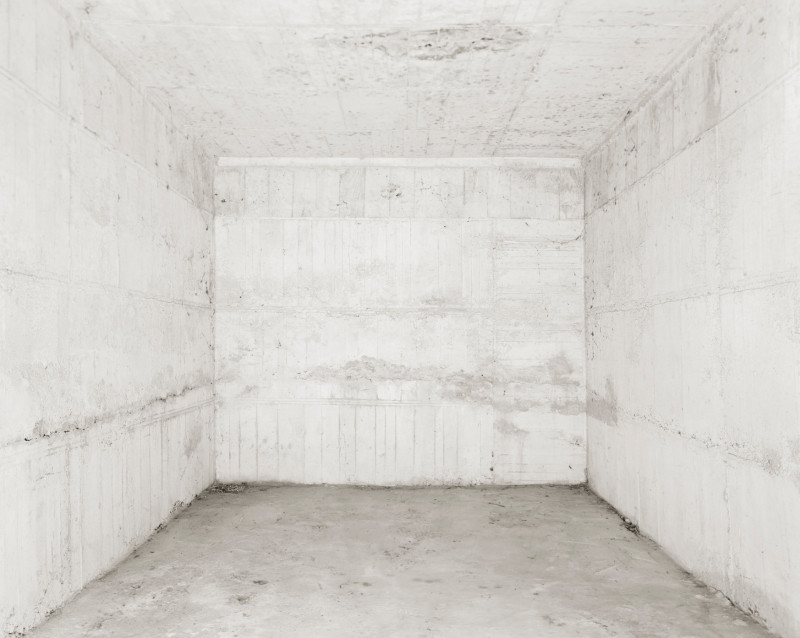
Gradually accumulated time eventually becomes existence itself. His series ‘Interiors’ (1998–2015) reconstructs empty garages and boxes from which objects have already disappeared. Yet within these seemingly austere, monochromatic photographs, the spaces feel filled with unknown energies and minute presences. Dust settled in corners after both objects and people have departed, and stains on walls and floors, testify to the time that has accumulated within them.

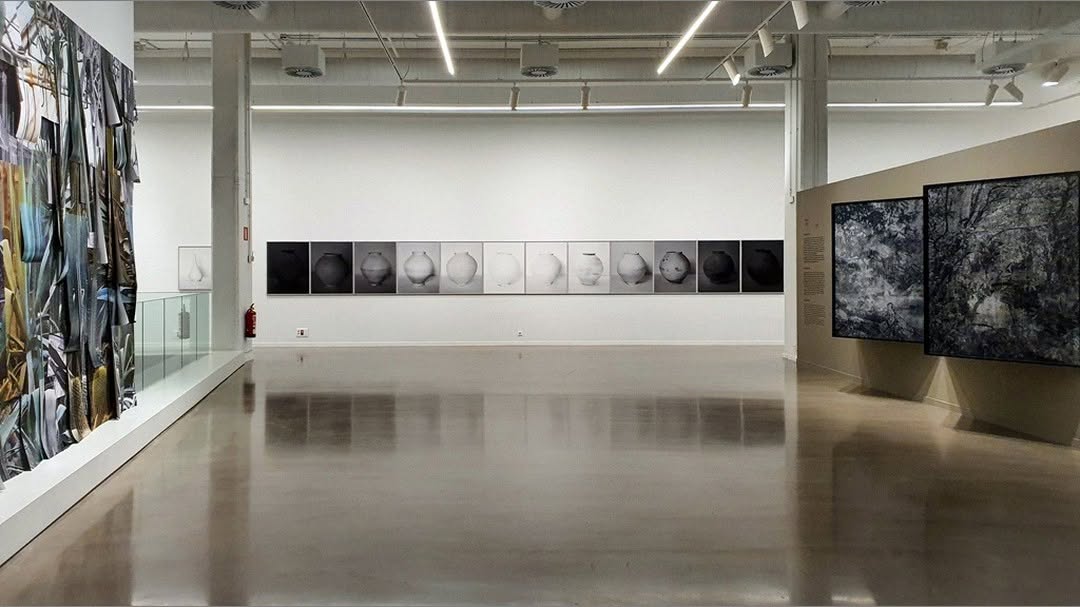
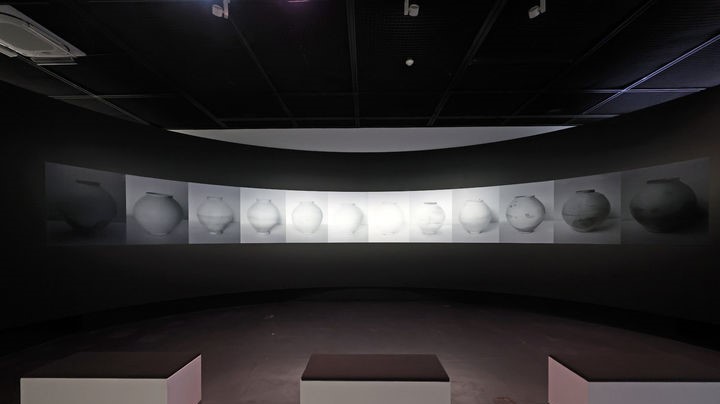
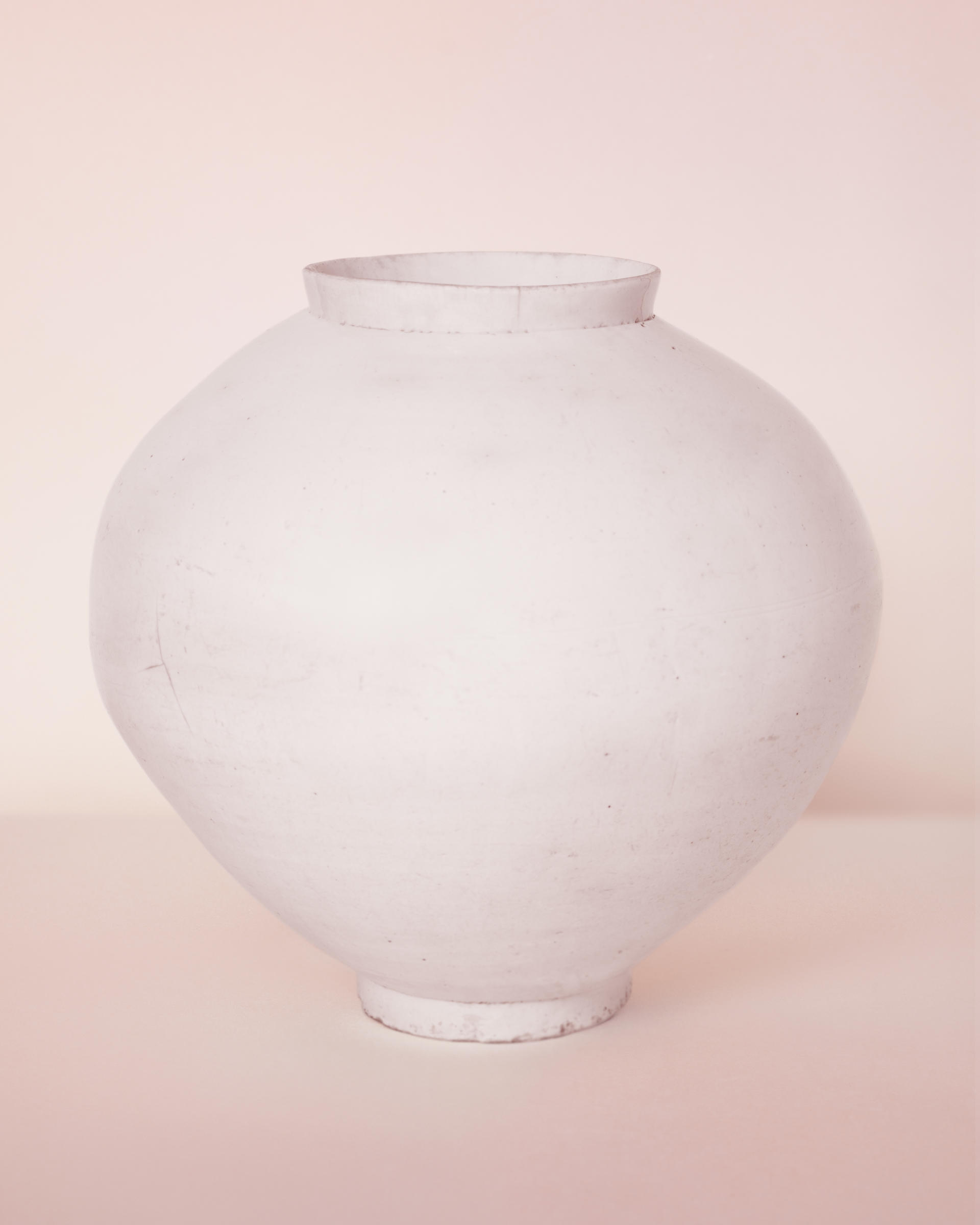
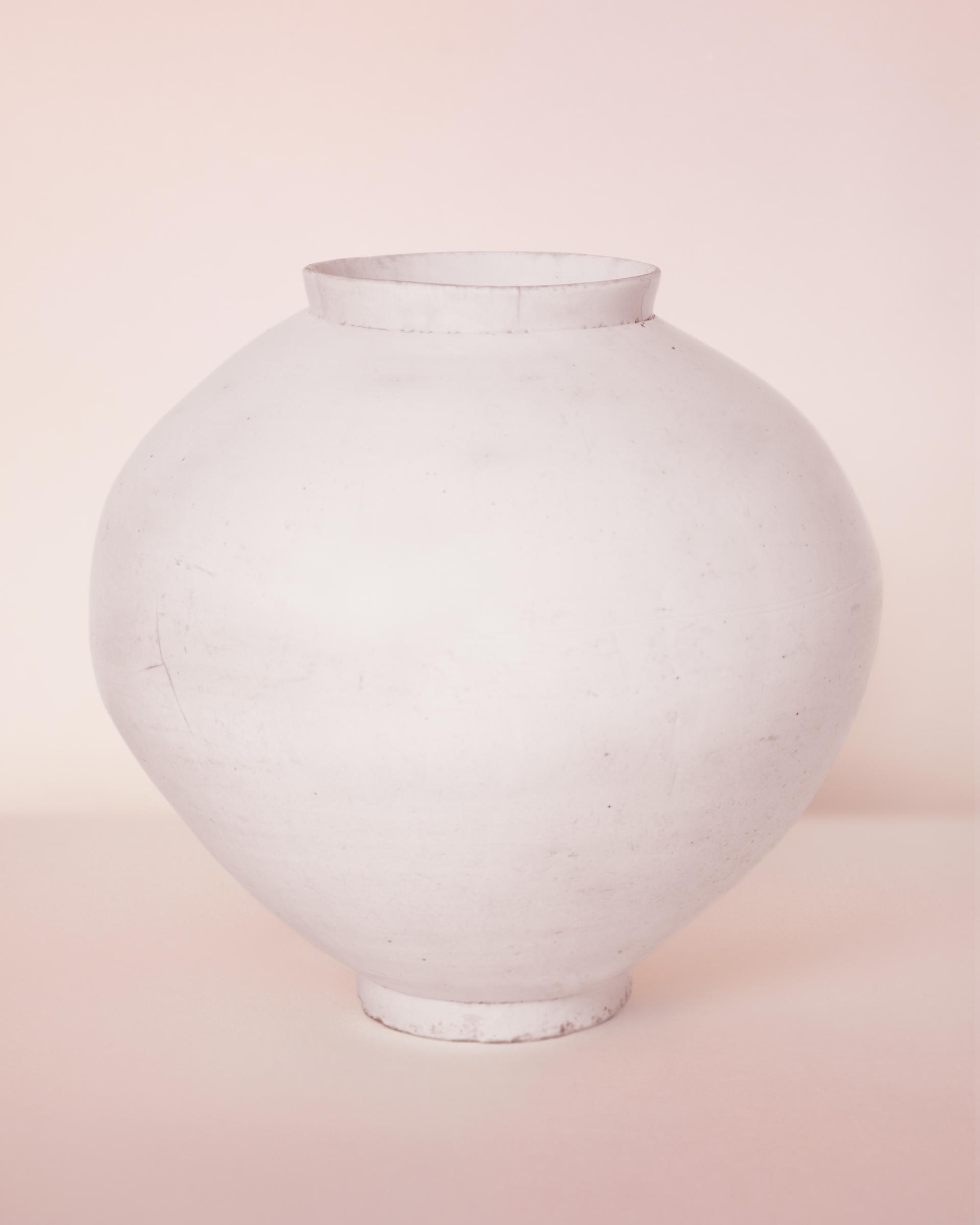
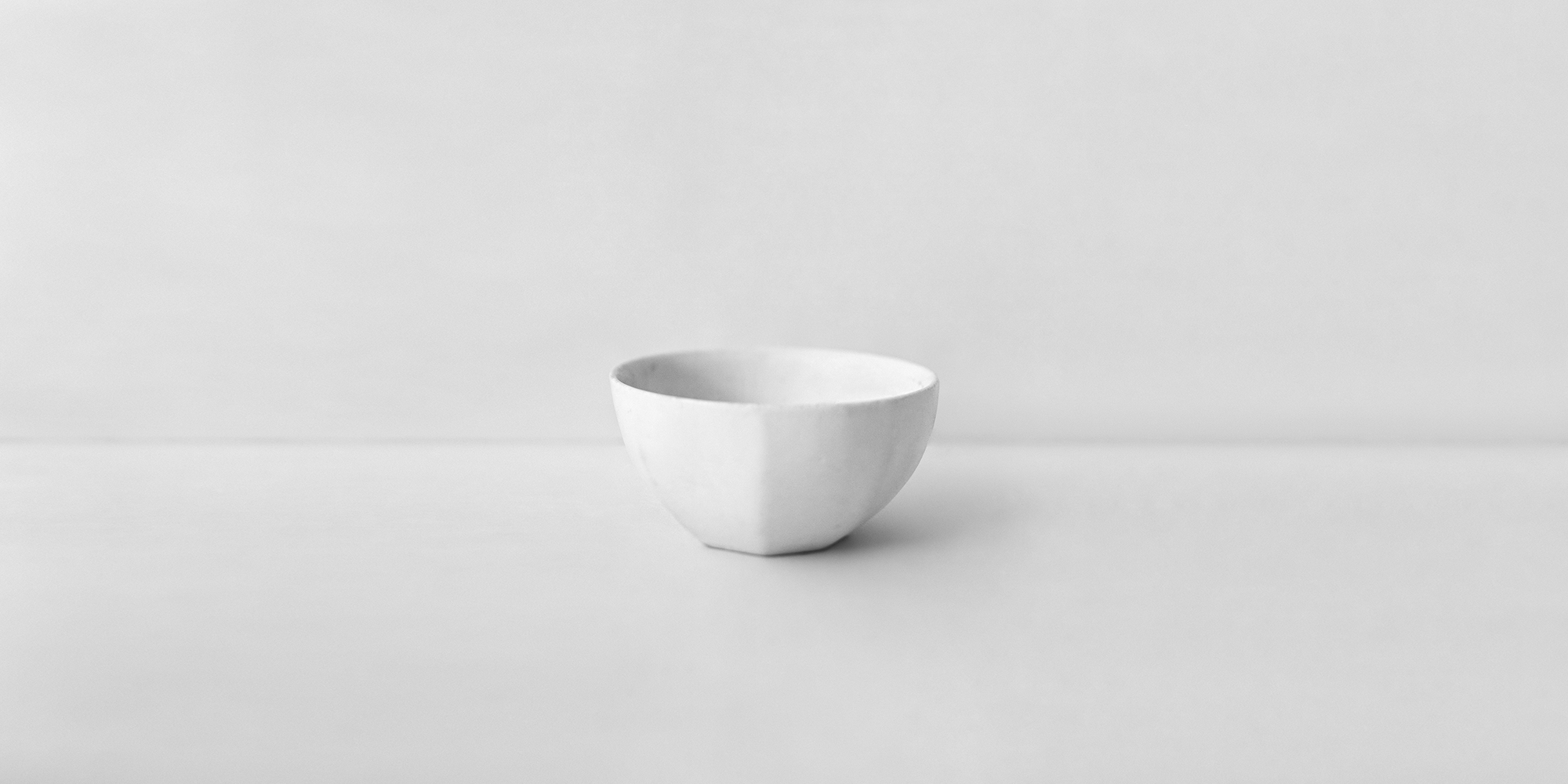
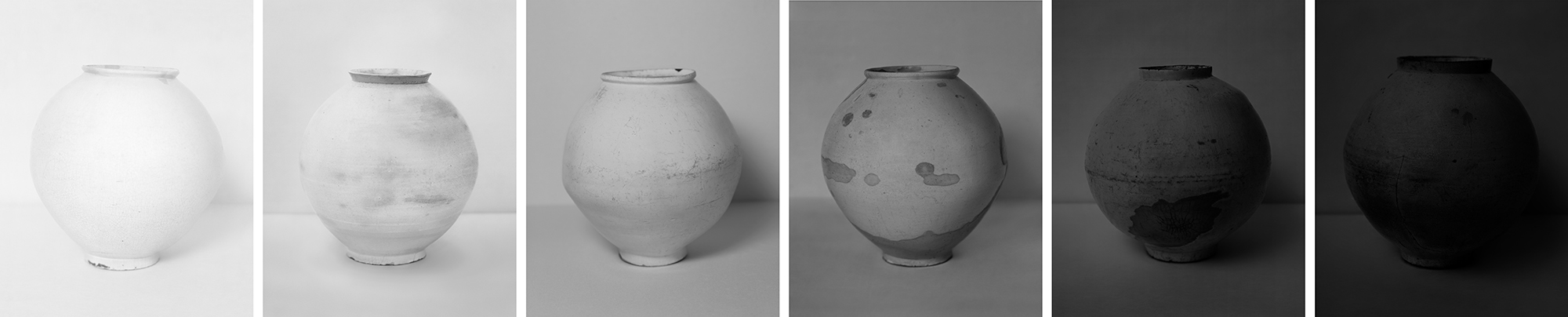
This work clearly reveals the photographic medium’s ability to condense and represent the flow of time. Koo’s ‘White Porcelain’ (2004–present) similarly awakens us to the fact that time continues to flow at a pace beyond human perception, condensed within the image. In exhibition spaces filled with photographs of empty white spaces and empty vessels, condensed time unfolds like the faint ticking of a second hand and quietly addresses the viewer.

Photography is often said to arrest time and preserve its subject like a specimen. Yet Koo’s photographs layer multiple temporalities in the very process of preservation, drawing the viewer into that temporal web. Within his images, the time of the subject and the time of the photographer overlap. The ability of a single photograph to reveal the duet of two different temporalities experienced by two different beings is a defining characteristic of Koo’s work. In none of his photographs does the subject exist independently of the photographer.

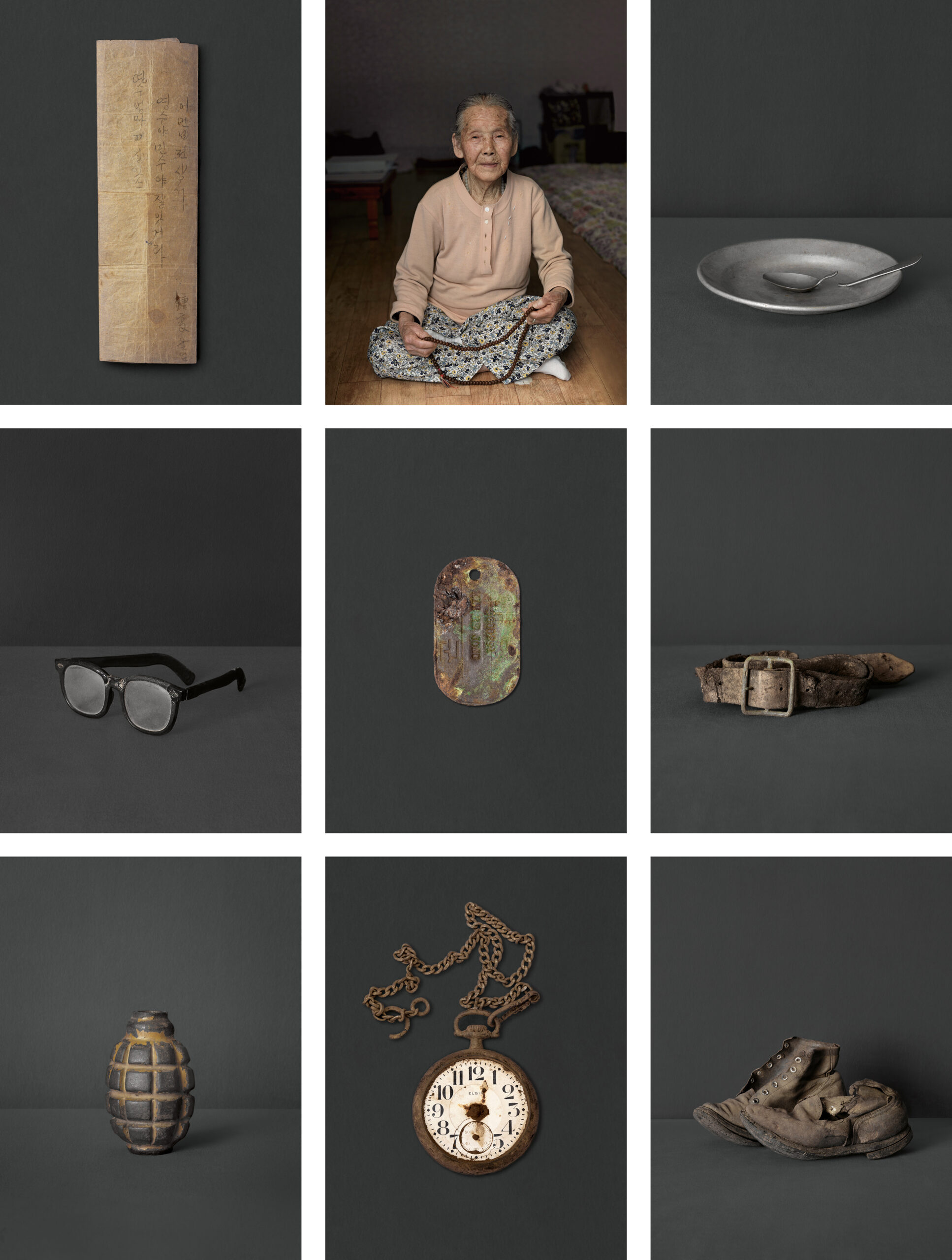
Rather, there is a shared time in which the existence of the subject and that of the photographer coexist, producing a subtle tension generated by the push and pull enacted through the camera. Added to this is the time of the viewer. This triple interplay of time—subject, photographer, and viewer—appears vividly in ‘DMZ’ (2010–2019). In this series, Koo photographs the belongings of a deceased soldier preserved by his elderly mother.

A bullet hole piercing a helmet, clouded lenses of glasses, worn belts and shoes, a watch with a broken strap, military identification tags, and a grenade that may once have hung from his body—everything has aged and rusted with time. Koo’s photographs, which miss none of the details embedded in these objects, reconstruct the desperate time endured by the soldier driven into mortal danger and the painful time carried by the mother who preserved his belongings.

Yet he intentionally neutralizes the emotional charge of these relics by placing each object at the exact center of a gray background and gray frame. His photographic practice resembles the act of placing even tattered shoes into a display case as immaculate objects that cannot be touched.

Employing striking realism so as not to overlook even the traces left by the soldier’s touch, he simultaneously embalms the moment of death—transforming these relics not into evidence but into ritual objects and suspending time itself. Before these meticulously composed traces of desperate time, arranged as if in a state of weightlessness, the viewer floats in silence between the emotions of tragedy and beauty.


Koo Bohnchang, Ah! My Fatherland 01, 1992 © Koo Bohnchang

The Photographic and the Aesthetic

Photography is a medium capable of reproduction, and according to Walter Benjamin, the aura of art dissipates when it becomes reproducible in multiples. Yet even if Koo Bohnchang’s photographs of objects were reproduced and widely circulated, would the experience of each individual image truly diminish? The aura of a work of art exists alongside the concept of art inherited through tradition.

This aura collapses when a single work is physically multiplied. Benjamin explains this through the concept of “distance.” Aura is the simultaneously spiritual and material distance created by the singular existence of a unique artwork. Because photography can be reproduced, it becomes a medium that circulates widely and erases that physical distance.

Yet the photographs produced through this reproducible medium by Koo Bohnchang rarely narrow their distance from the viewer. Even if his porcelain photographs were reproduced ten times, each one would maintain its distance within its own space, radiating its own aura. If this could be called a third aura—one that photography alone can produce—then the source of that aura lies in the presence of the artist.

The fundamental reason that the distance between Koo’s photographs and the viewer does not easily diminish lies in his distinctive method of objectification, which preserves the distance between photographer and subject. His photographs immerse themselves in the subject while simultaneously maintaining a certain distance from it. What generates this distance is Koo’s uniquely refined sense of aesthetics. This aesthetic emerges from the artist’s attitude—one that prevents photographs of objects from being perceived merely as objects.

The duet between the photographic and the aesthetic is precisely the defining feature of Koo Bohnchang’s art. Jacques Rancière, who discussed the politics of art, often cited works that provoke thought. He argued that political thought ultimately emerges through the aesthetic. Because all thought takes place within an aesthetic regime, artworks that create spaces for reflection form the premise of Rancière’s theory of art.

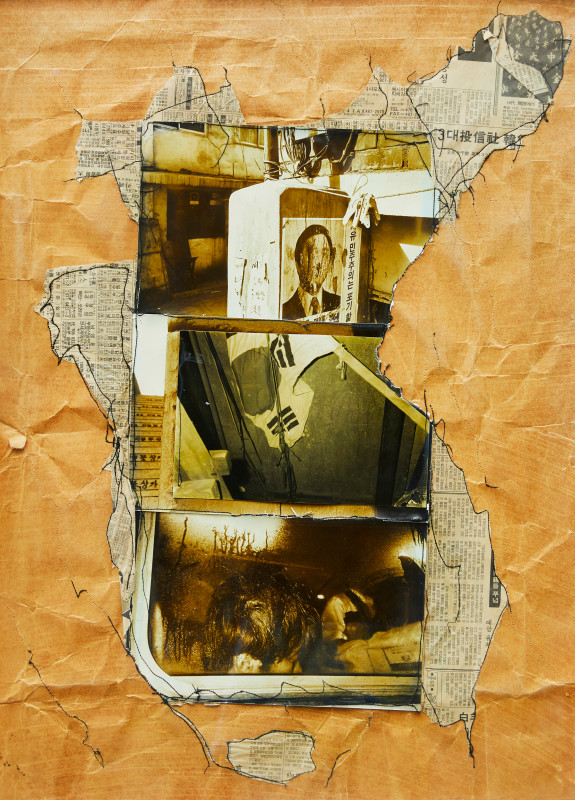
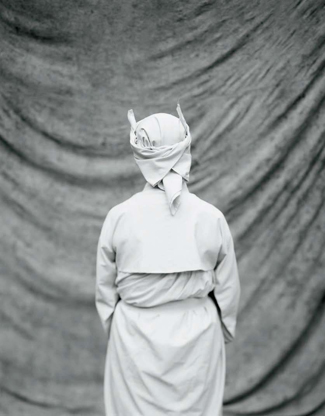
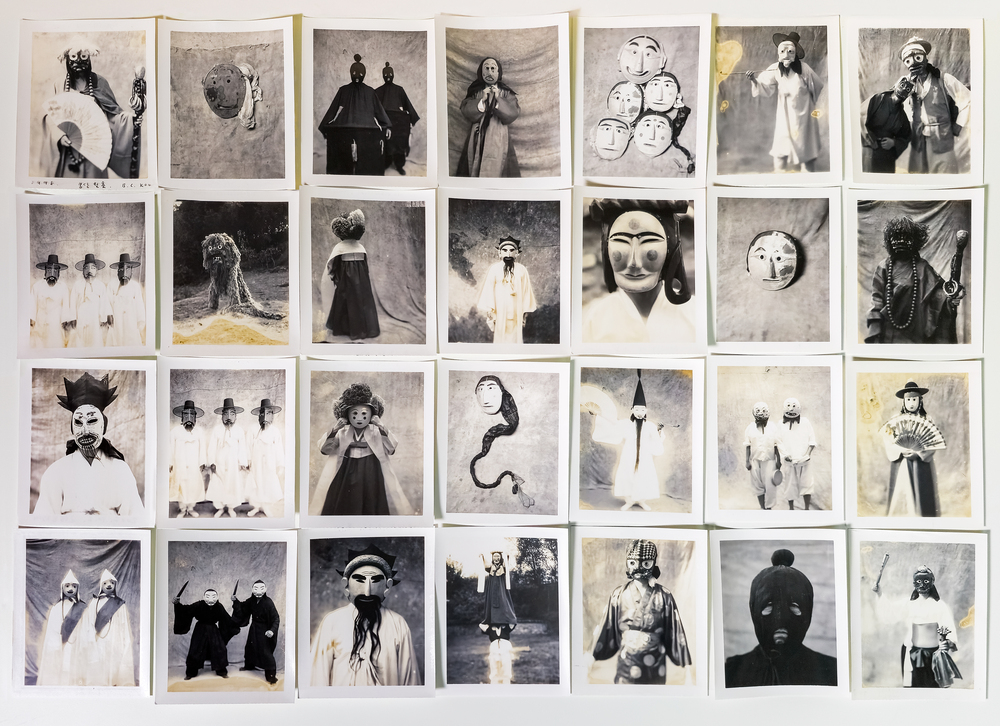
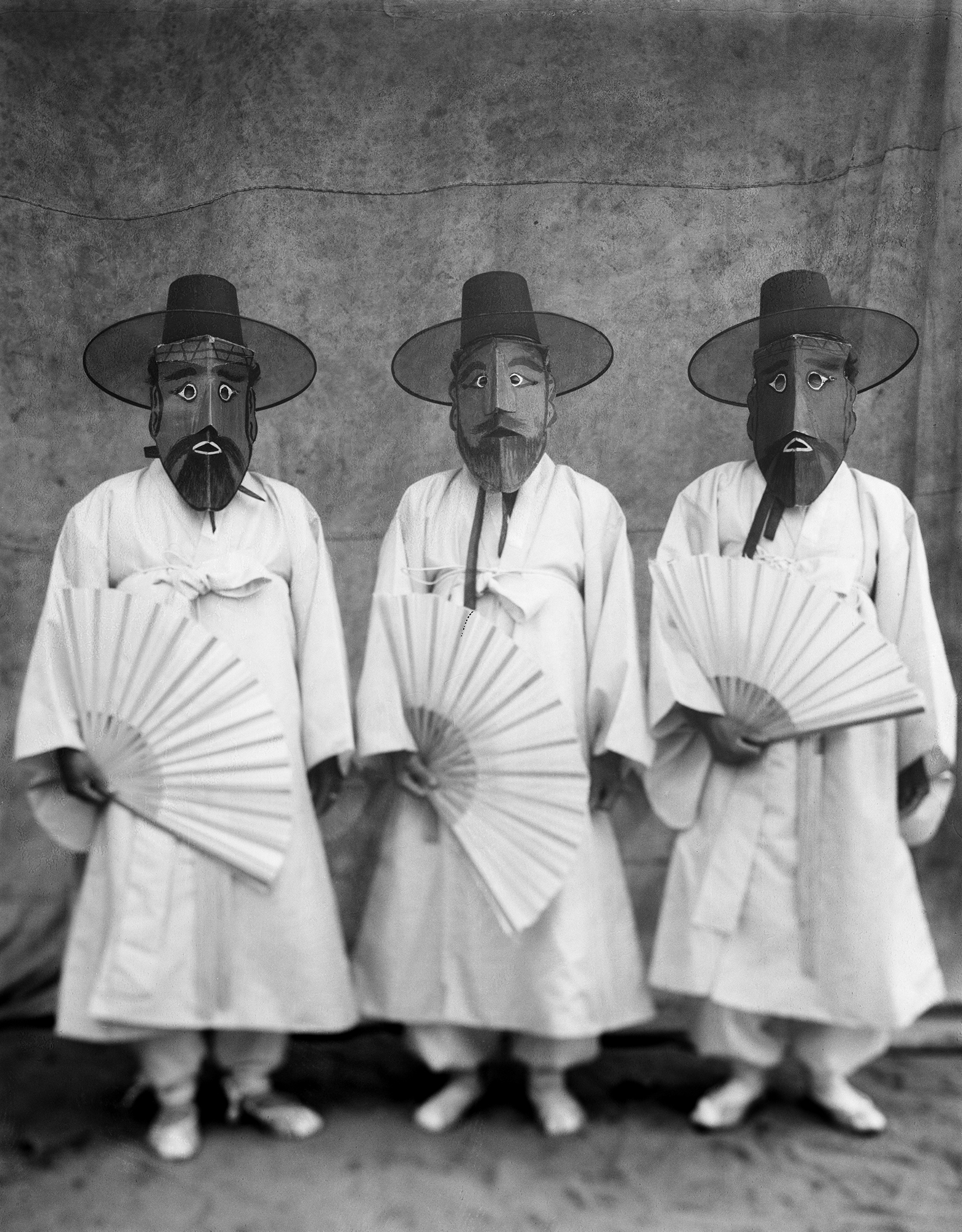
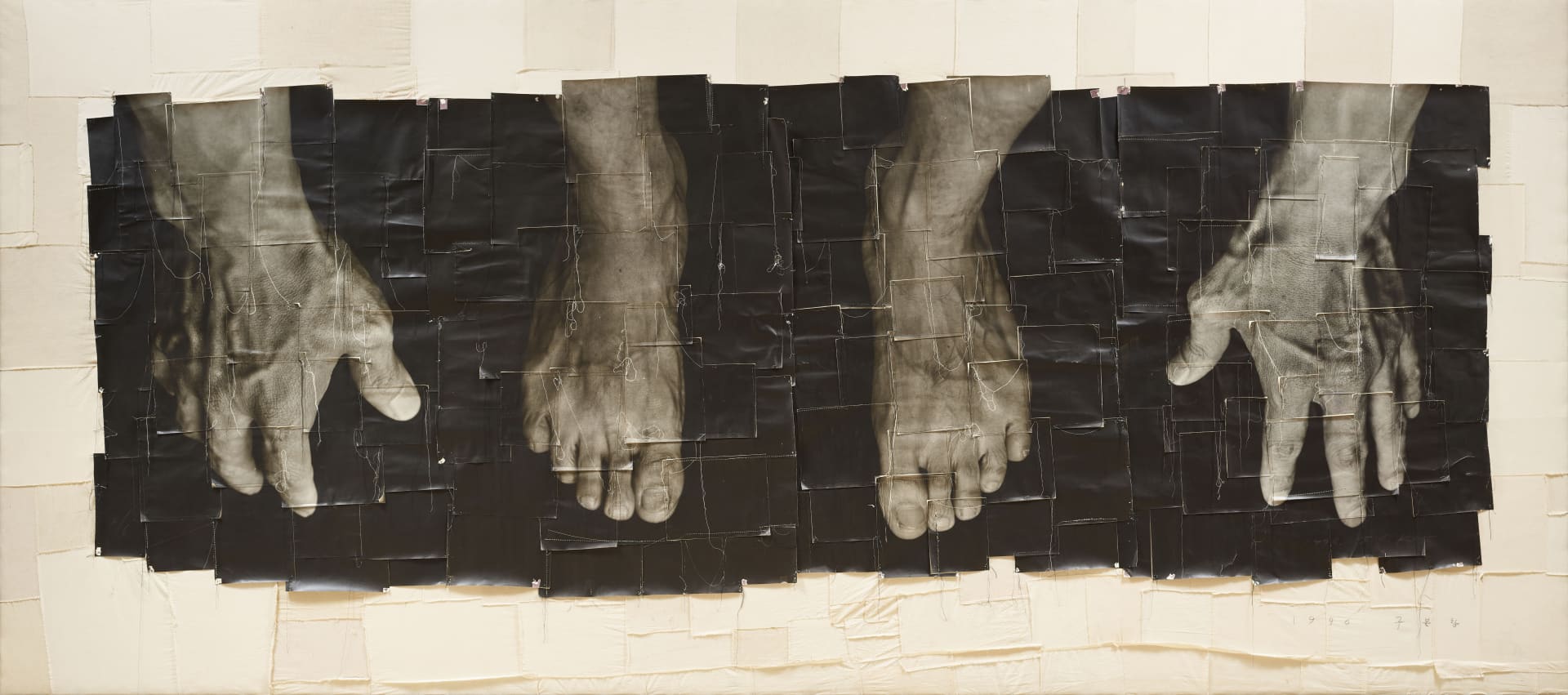
Koo has consistently expressed his interest in Korean society through several series, including ‘Ah! My Fatherland’ (1992–1993), yet he has never resorted to overtly political expression. ‘Ah! My Fatherland’ is notable for Koo’s experimental use of photomontage and collage. Photomontage was actively used by the Berlin Dadaists as a means of expressing political critique, and Martha Rosler later employed it to convey explicit anti-war messages.

Rancière considered photomontage, which juxtaposes heterogeneous elements, an important form capable of creating a space for political reflection. Within this interpretive framework—an aesthetic regime—the experience between creator and viewer becomes discontinuous, opening a conceptual space that invites the viewer’s reflection. Koo’s ‘Ah! My Fatherland’ is an experimental photomontage combining symbolic signs representing Korean society and tradition with snapshot photographs.

The most politically suggestive work in this series forms the shape of the Korean Peninsula cut from newspaper and inserts three snapshot images reflecting the political situation of the time. Yet even in this work, where the national flag of the Republic of Korea appears at the center, Koo employs aesthetic devices that resist direct interpretation. The snapshots depicting events within the peninsula remain blurred and ambiguous, confined to the level of suggestion.

Through this aesthetic strategy, Koo expands the viewer’s space for imagining and reflecting upon Korean society. The space of aesthetic reflection in Koo’s work has changed in both form and intensity over time. Although the concept of art remains constant throughout his career, his ideas about art and the characteristics of his expression have undergone significant transformation.

In his early works, created when he began his journey with admiration and longing for art, concise compositions and emotionally charged colors and lines stand out. During his studies in Germany, influenced by various foundational design courses, his innate sense of form and color emerged in his photographs, often forming narratives through serial compositions. With his return to Korea in 1985, he appears to have engaged in a determined struggle to practice contemporary art within the Korean context.

Given the significant gap between the art scenes of Germany and Korea, he must have reflected deeply on what it meant to create contemporary art through photography. In pursuit of this question, he undertook bold and experimental challenges: photograms, photomontages, bodily performances, cutting, assembling, stitching, pouring, applying intense colors, incorporating found objects, installing works on the floor beyond the flat surface, and experimenting with diverse media that extended beyond photography. During this period, he approached photography with the attitude of a thoroughly committed artist.


Koo Bohnchang, Soap 13, 2006 © Koo Bohnchang

The Rebirth of the Object

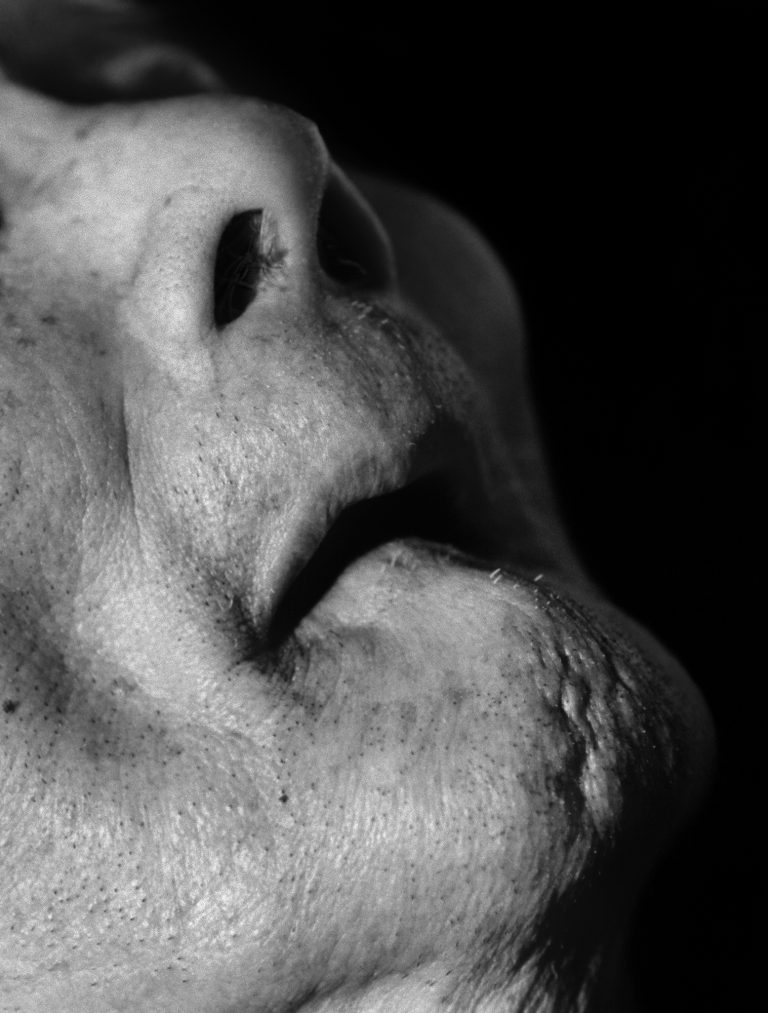
After passing through a turbulent period of experimental practice in which art was performed through the body, Koo experienced the death of his father, and beginning with Breath (1995) his work gradually moved toward an aesthetic of contemplation. Previously, even while maintaining distance from the subject, he eventually engaged with it intimately, infusing it with aesthetic elements focused on artistic expression.

In this later phase, however, a calm and measured distance from the subject becomes evident. At the same time, the concept of time within his work expands, becoming deeper and more intricate. In one interview, Koo remarked that photographic work is a process of “reconfirming the images experienced in childhood.” His childhood memories of conversing with small objects appear in his photographs of objects as delicate sensibility and resonance.

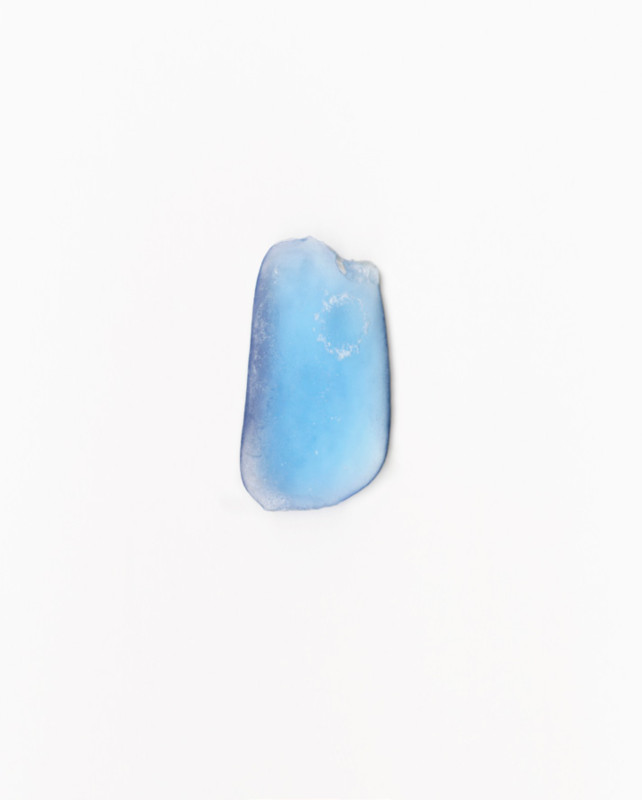
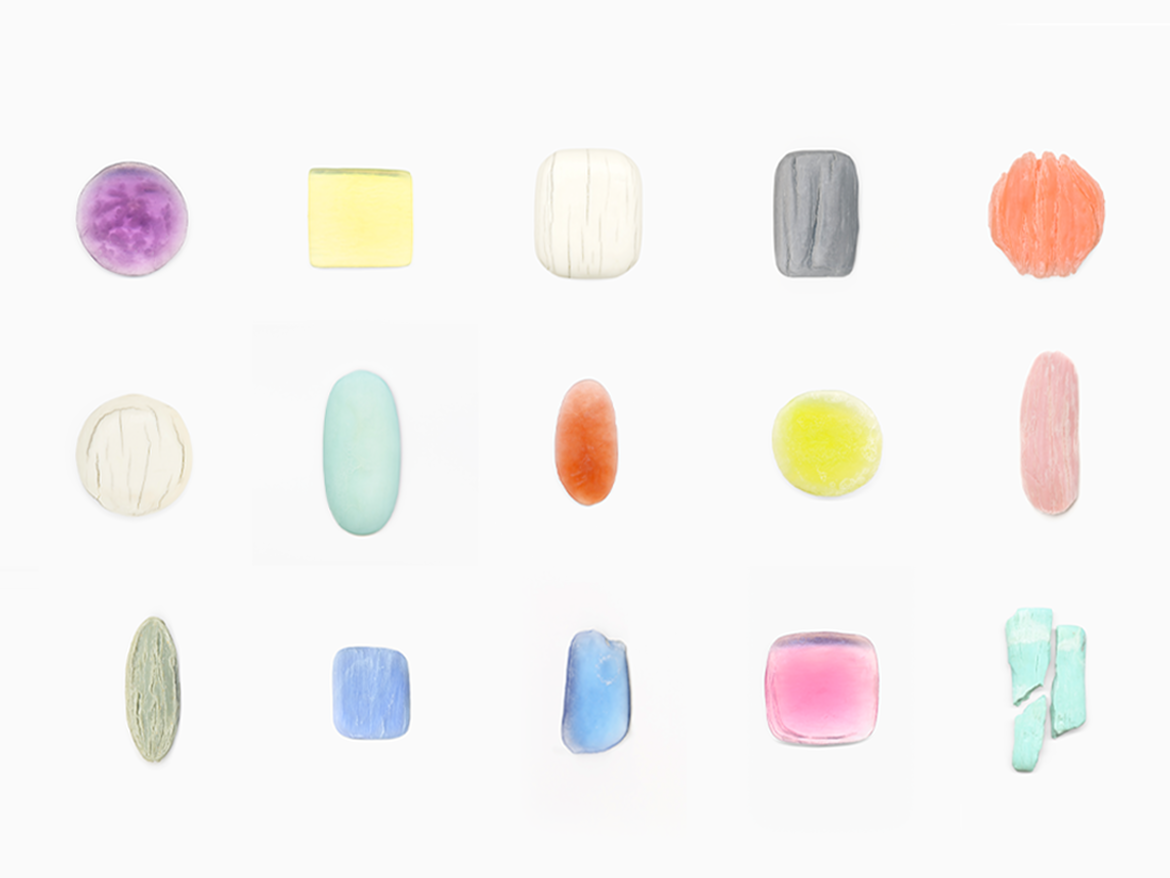
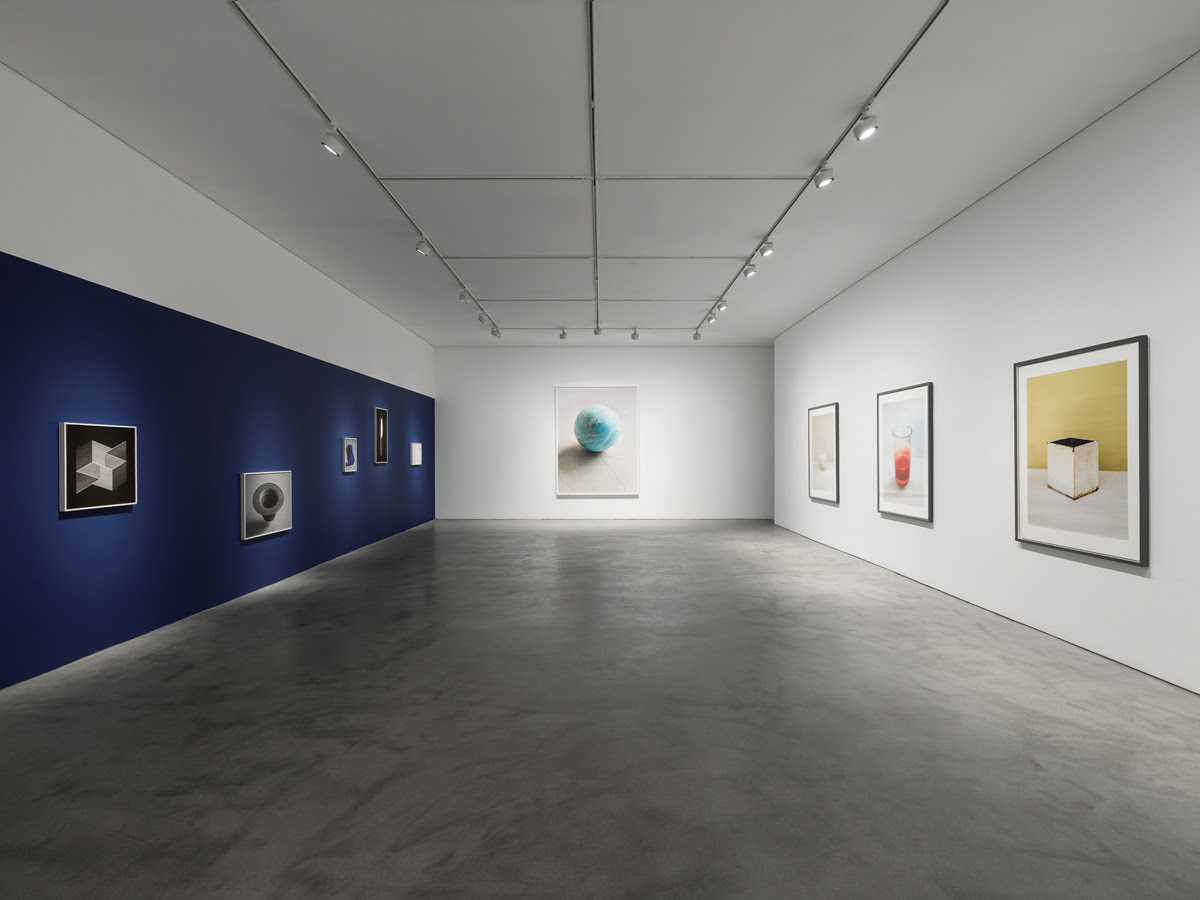
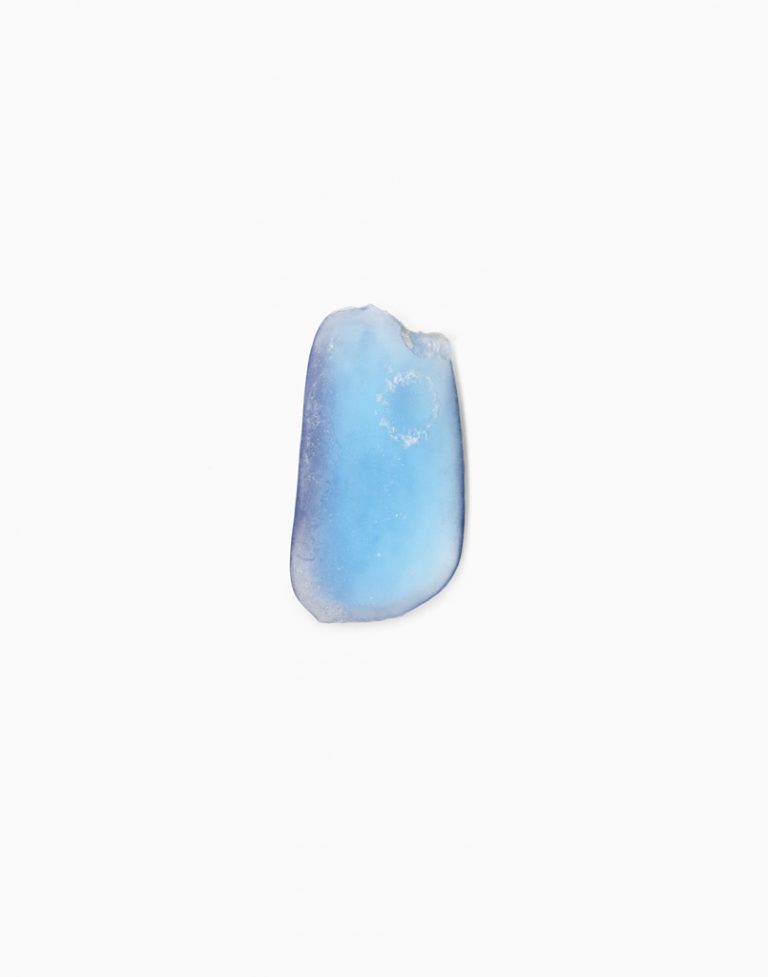
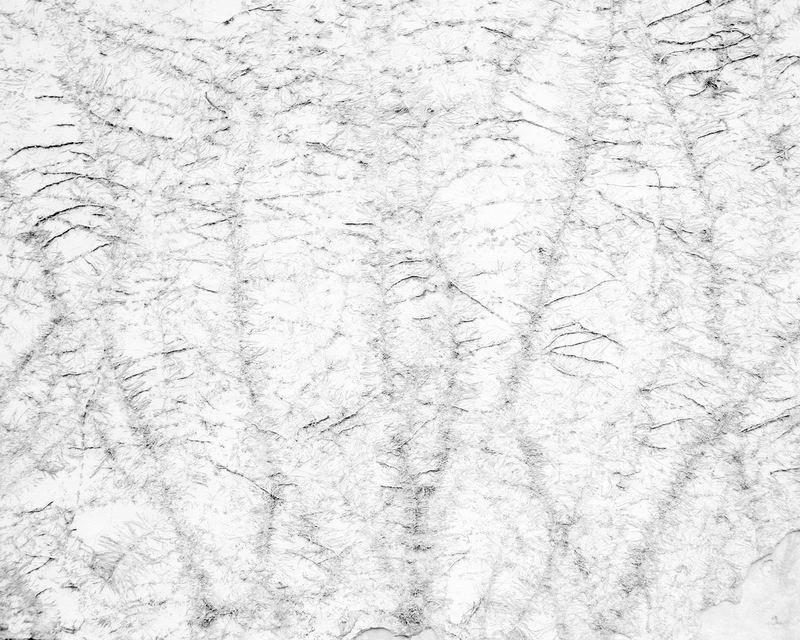
In his images that focus on the subject, the attitudes of photographer and artist remain in equilibrium, while contemplative stillness is expressed through a rigorous photographic aesthetic. Koo directs his attention to fragments of soap that, destined to disappear through human use, are captured at the moment just before their final dissolution. His tender affection for such objects—reminiscent of a child’s pure sensitivity—appears in ‘Soap’ (2004–present), where soap is illuminated and placed upon a stage. Here, an ordinary bar of soap transforms through the photographer’s penetrating gaze into an object sculpted by time itself—its form, color, and even its drying and cracking textures becoming part of that transformation.

The work becomes a tactile photograph that invites viewers to imagine, almost as if watching a moving image, the countless hands that once passed over the soap. His ongoing series ‘Vessel’ and ‘Gold’ further reveal the artist’s archival impulse. ‘Vessel’ functions as an archival project in that it records cultural artifacts dispersed across the world that ought to remain in their original place. Yet photographic documentation of displaced cultural objects already exists as information; there would be no need for an artist to record them merely for archival purposes.

In Koo’s work, porcelain is reborn through the artist’s interpretive archival method. The porcelain, originally created through the restrained craftsmanship of potters, carries the time it has breathed through both homeland and foreign lands. When it finally reveals to the waiting photographer the cracks and scratches accumulated through that journey, these marks become layered upon the porcelain itself, transforming it into an aesthetic object. The moment Koo breathes artistic life into the porcelain he has encountered after long waiting, the singular porcelain vessel returns to us as multiple porcelain images, each radiating its own aura.

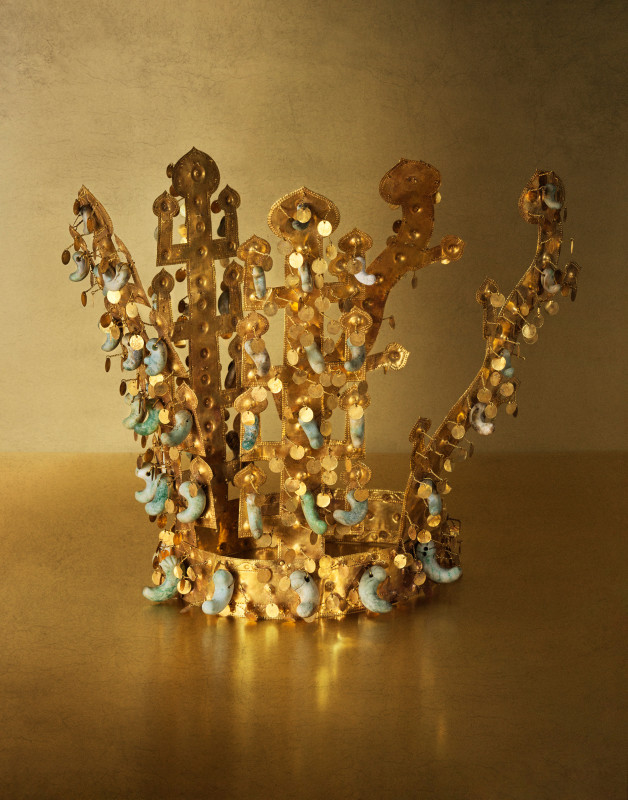
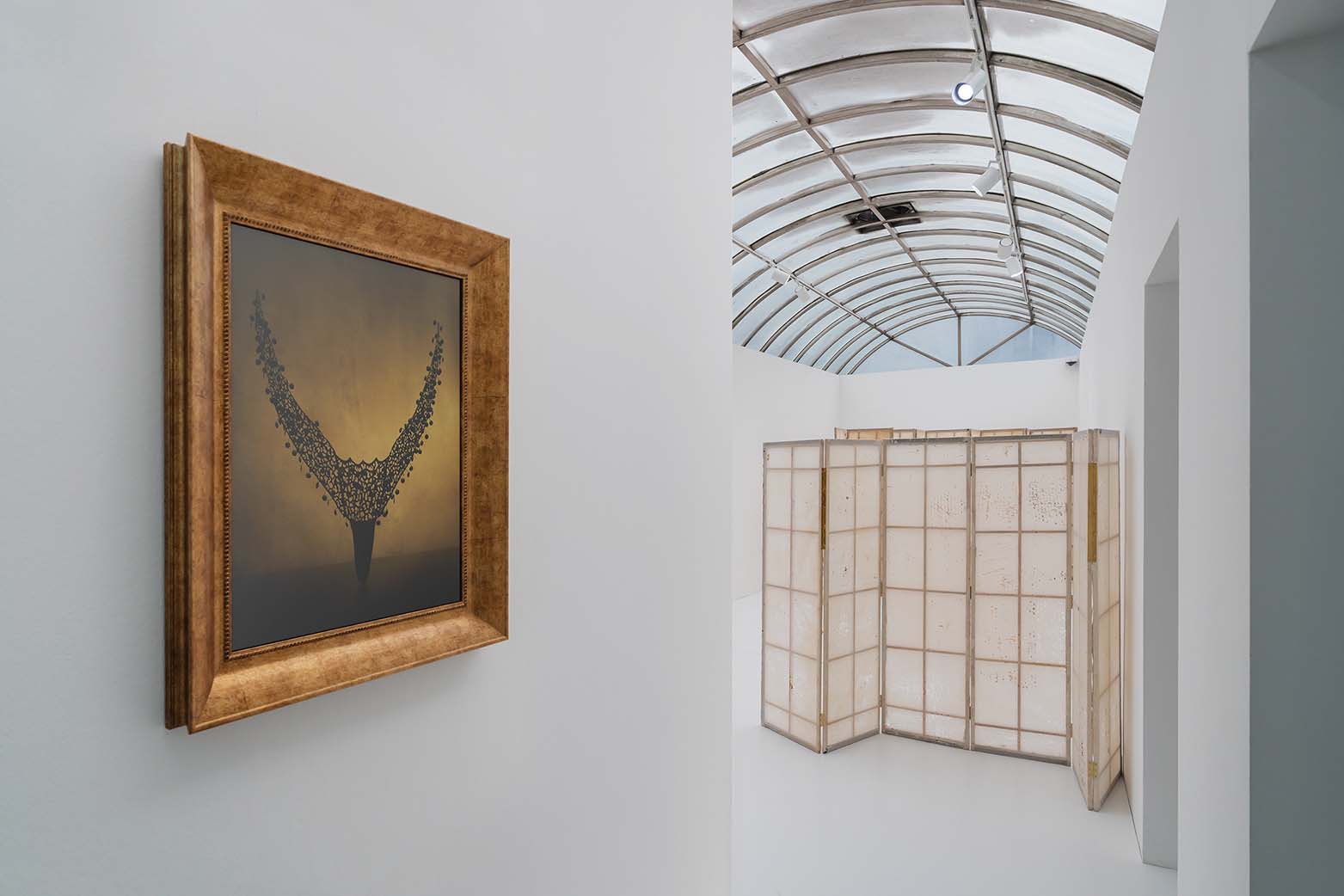
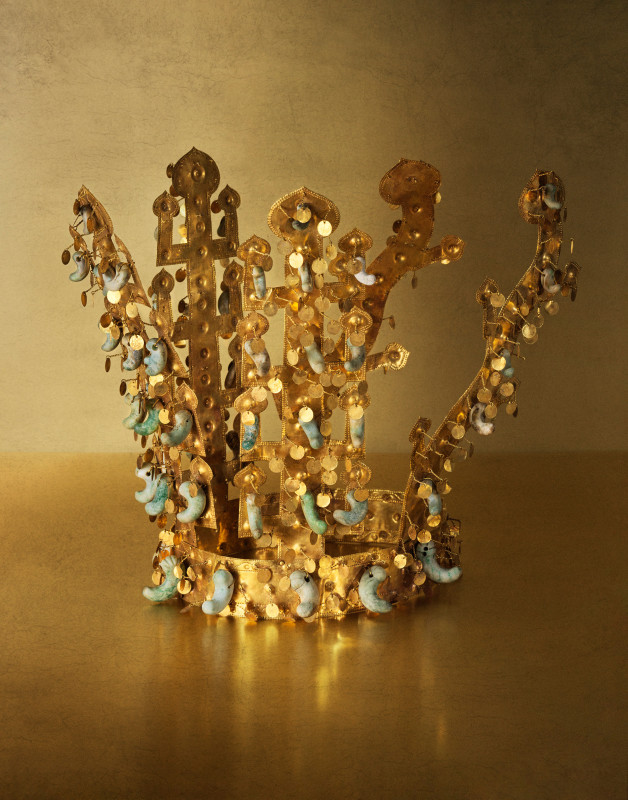
The gold ornaments preserved in museums in Gyeongju will likewise enter another form of immortal life through Koo’s photographs. Among his object-based works—meticulously objectified and aestheticized—it is precisely ‘Gold’ (2016–present) that most seductively addresses the viewer. While Koo’s photographs of objects generally possess a stillness and unwavering stability, these golden relics shimmer and writhe with light. His remark that he wishes to convey the allure these objects once possessed fifteen hundred years ago sounds almost like the words of a magician.

Through his artistic intention, the gold ornaments become irresistibly seductive, stimulating our fetishistic fascination with power and material desire. By employing strong contrast, dynamic backgrounds, and dramatic lighting, Koo invites us to contemplate the ultimate destination of human desire—desire that plunges toward death despite knowing the vanity and futility of its pursuit. As viewers become captivated by these alluring images, they experience a tense struggle between the lure of worldly wealth and authority and the vanitas lesson that all things are ultimately fleeting.

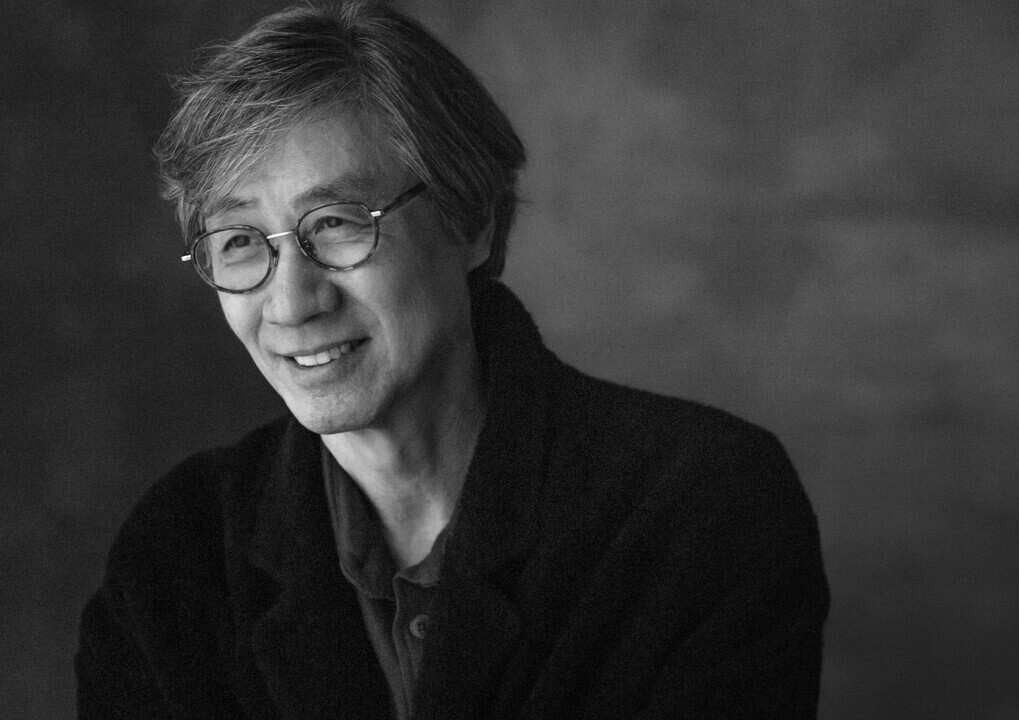
Koo Bohnchang’s work consistently reflects the life of a photographer who has maintained the attitude of an artist throughout his career. It shows what it means to devote one’s life entirely to a single path in pursuit of becoming an artist, revealed through the natural flow of time he has lived. Known as a meticulous orchestrator of images, Koo has clearly enjoyed a generous freedom within art. Through art he expresses his own reflections, invites viewers into a space of contemplation, and approaches the essence of life itself.


Koo Bohnchang, Gold KR 047, 2023 © Koo Bohnchang
References