
Solo Exhibitions (Brief)
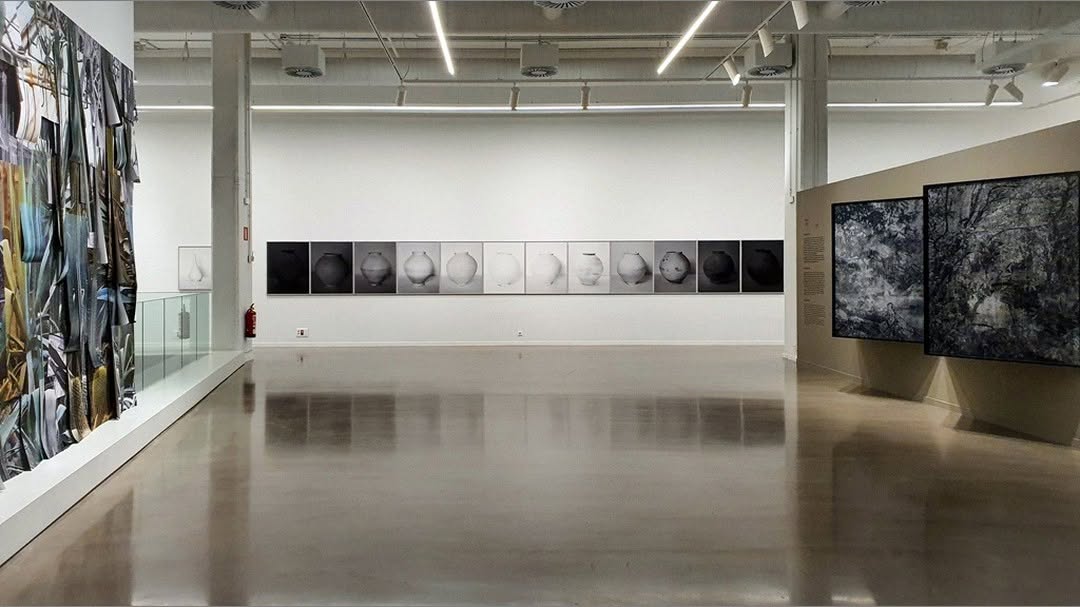
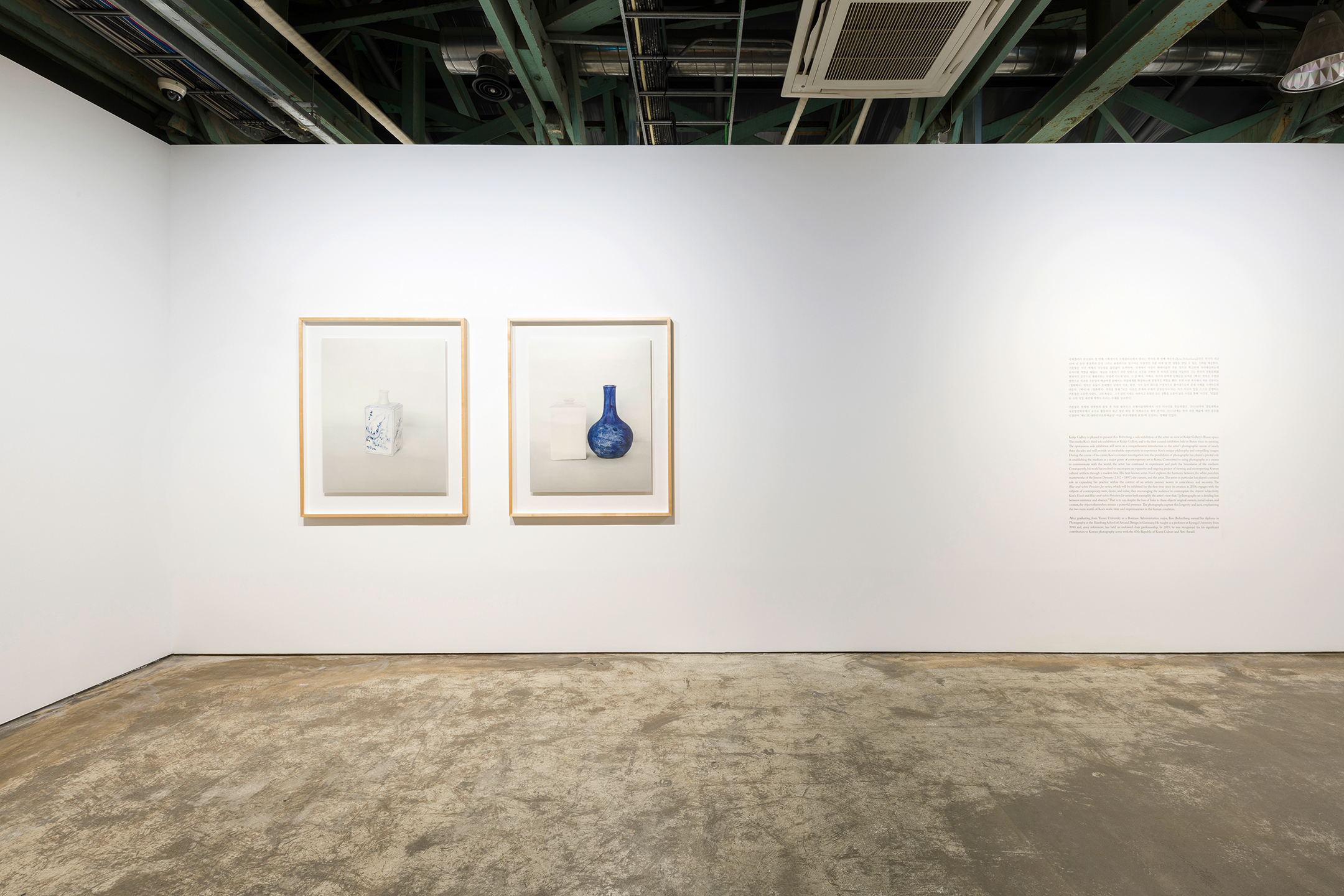
Koo Bohnchang has held solo exhibitions at major museums and
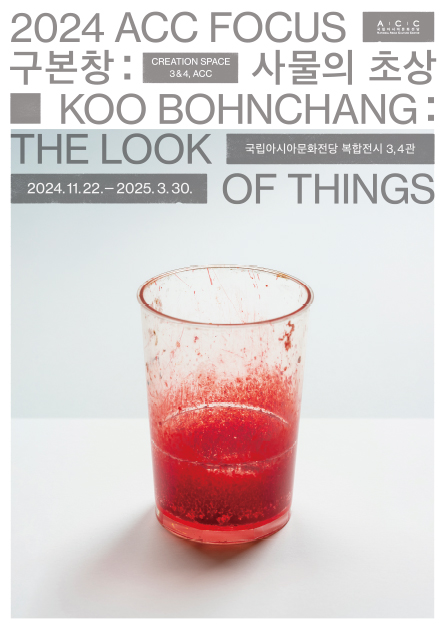
institutions in Korea and internationally, including the National Asian Culture
Center (2024), Seoul Museum of Art (2023), National Museum of Modern and
Contemporary Art, Korea (2014), Philadelphia Museum of Art (2010), Museum of
Photographic Arts, San Diego (2002), Peabody Essex Museum (2002), Kahitsukan
Kyoto Museum of Contemporary Art (2006), Goeun Museum of Photography (2007),
The Museum of Photography, Seoul (2003), Gangneung Museum of Art (2022), the
Consulate General of the Republic of Korea in Guangzhou (2023), and Three
Shadows Photography Art Centre (Beijing, 2021; Xiamen, 2022).
Group Exhibitions (Brief)
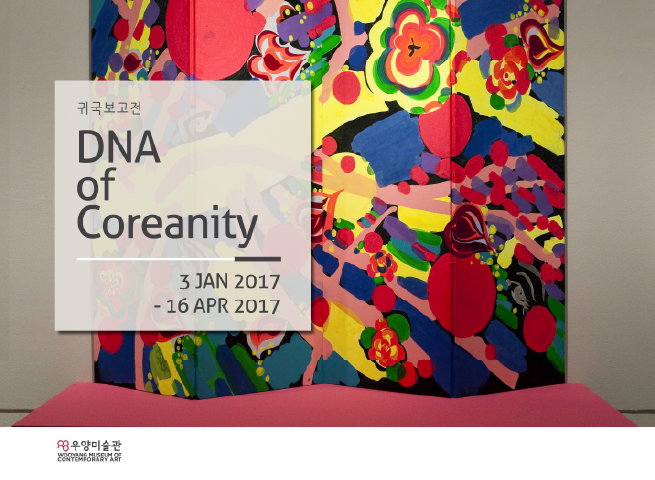
Koo Bohnchang has participated in exhibitions at major museums
and institutions in Korea and internationally, including the National Museum of
Modern and Contemporary Art, Korea (2008, 2014, 2016, 2024), Seoul Museum of
Art (2018), Seoul National University Museum of Art (2019), Ulsan Art Museum
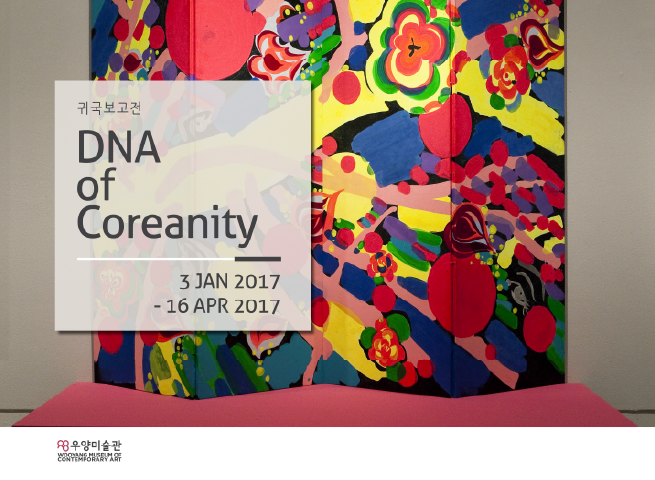
(2024), National Folk Museum of Korea (2016, 2017), Leeum, Samsung Museum of
Art (2007, 2015), Mori Art Museum (2005, 2015), Seattle Art Museum (2008,
2024), Philadelphia Museum of Art (2025), Museum of Fine Arts, Houston (2009),
Santa Barbara Museum of Art (2010), the British Museum (2007), Queensland Art
Gallery (1993), and Sharjah Art Museum (2014). He has also been invited to
international exhibitions and photography festivals including the Gwangju
Biennale (1995), Tokyo International Photo Biennale (1999), FotoFest Biennial
(2000, 2004), and the DongGang International Photo Festival (2025).
Awards
(Selected)
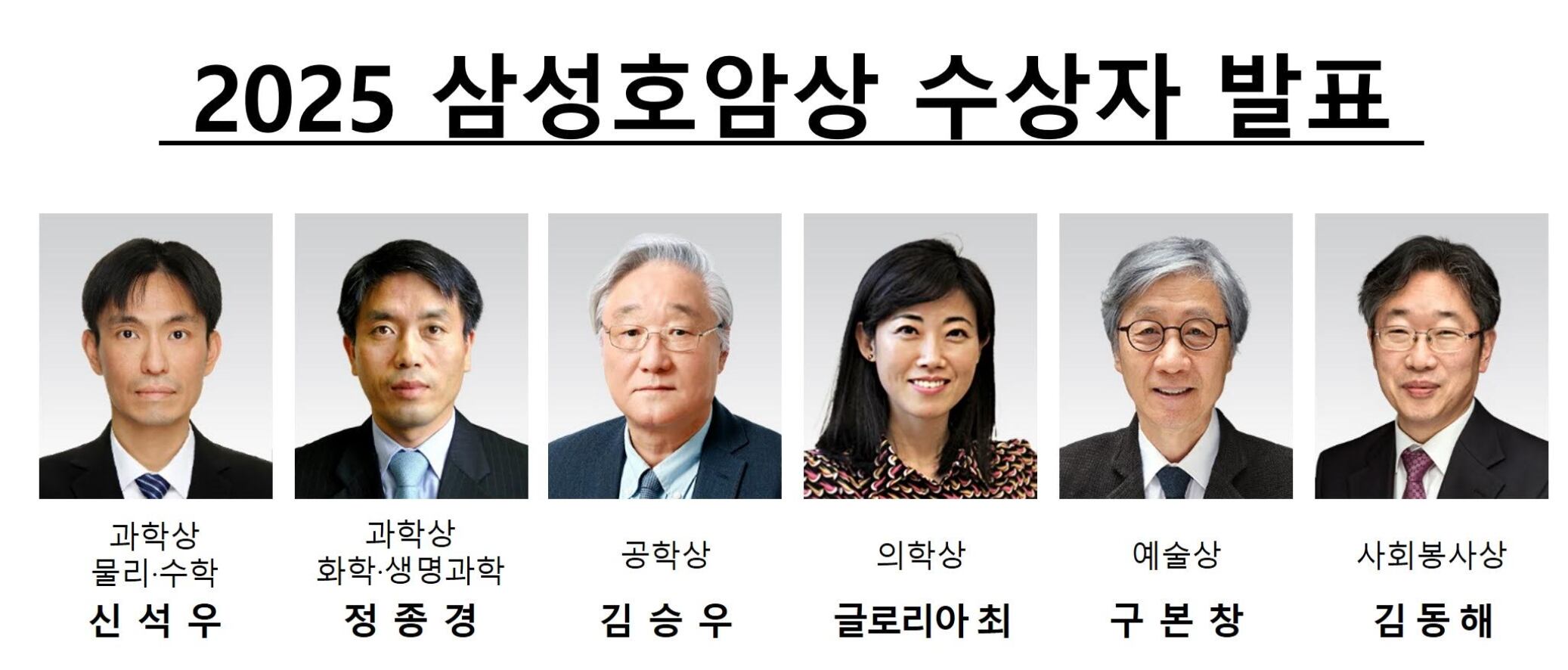
Koo Bohnchang has received the Samsung Ho-Am Prize (2025), the
Seoul Culture Today Cultural Awards Special Grand Prize (2024), the 3.1 Culture
Award (2022), the Republic of Korea Culture and Arts Award (2015), the DongGang
Photography Award (2014), the Gangwon Documentary Prize (2003), and the Lee
Myoungdong Prize (2000).
Collections
(Selected)
Koo Bohnchang’s works are included in the collections of major
museums and institutions worldwide, including the British Museum, the Victoria
and Albert Museum, the Museum of Fine Arts, Boston, the Museum of Fine Arts,
Houston, the San Francisco Museum of Modern Art, the Philadelphia Museum of
Art, the Denver Art Museum, the Museum of Art and Craft Hamburg, the Musée
Guimet, the Art Gallery of New South Wales, the Queensland Art Gallery, the
National Museum of Modern and Contemporary Art, Korea, the Seoul Museum of Art,
the Busan Museum of Art, Leeum, Samsung Museum of Art, the National Folk Museum
of Korea, and Museum Hanmi.