“Anyone who quotes a passage from Shakespeare is William Shakespeare.”
— Jorge Luis Borges
We tend to believe that the development and unfolding of events occur according to a very logical order. In reality, however, almost all events consist of accidents, the absurd probabilities those accidents produce, and the contradictions that arise from them. Faith in causality is little more than belief in a modern myth, yet for those of us living in the so-called Third World it has been an indispensable purpose—one that has been structured and enforced both internally and externally.
In that sense, what we imagine as the modern subject may in fact be an imaginary subject. The problem, however, is that within the contemporary socio-cultural condition in which the entire globe is becoming a kind of Third World, rather than recognizing such beliefs and principles of practice as fictions, we tend to produce yet another belief—that some clearer, truer truth must exist beyond them. In doing so, we may easily lose what might have been our own particular privilege.
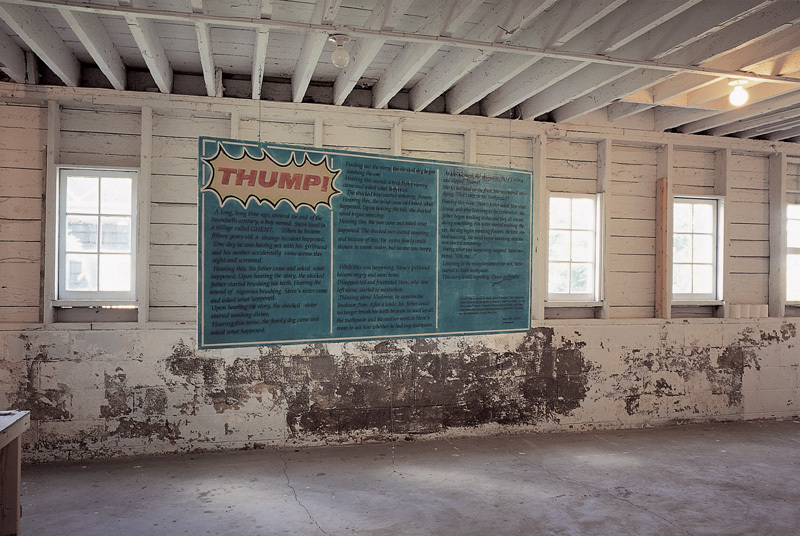
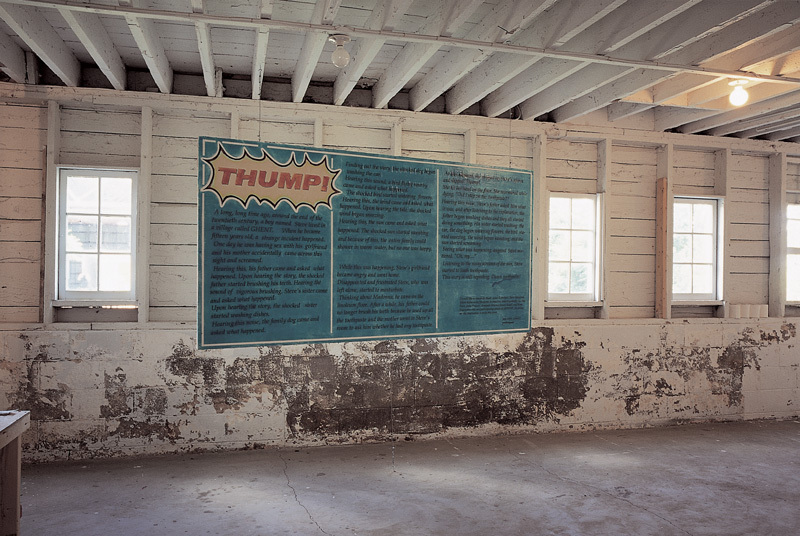
If one enjoys Gimhongsok’s work from within a structuralist framework, it can be read as a fascinating encounter between semiotics and aesthetics. In his work Thump!, Gimhongsok presents the process through which a certain subject called “Gimhongsok” is transformed into a series of variations: “Kim Hongseok Hongseok Kim gimhongsok GIMHONGSOK 김홍속.” At first glance this transformation seems to focus on questions of subjectivity and translation arising from the diffusion and contact of cultures.
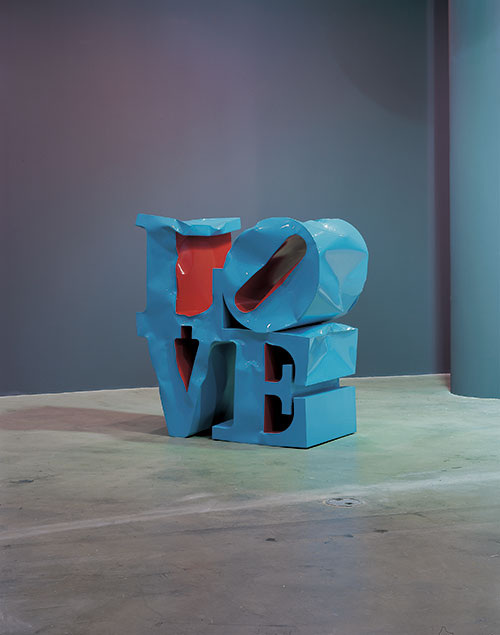
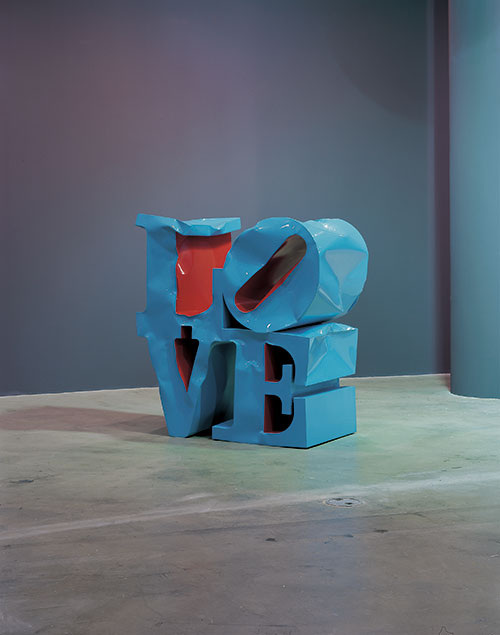
Yet when one examines the narrative structure of love, semen, and toothpaste created by the author called “Gimhongsok,” it appears that he is not particularly interested in the postcolonial context of translation. Rather, like a semiotician, he seems to be curiously experimenting with the phenomenon itself—how non-linear narrative structures circulate through translation. This is because even the author himself becomes a sign that undergoes genetic transmission.
The narrative structures that frequently appear in Gimhongsok’s work traverse concrete historical facts and social phenomena while creating an unfamiliar world of fiction. In other words, although his narratives deal with specific historical figures, times, and places, they do not move toward a particular coordinate that guarantees uniqueness or certainty of existence. The anecdote of Steve in Ghent clearly demonstrates this. Such chain-like, cyclical narrative structures might be described, in Barthesian terms, as a “compulsion toward regression.”
Writing becomes akin to the endless process of genetic transmission within an interconnected “world of codes.” In order to explain one message we move to another code; that code then leads us to yet another, drawing us into an endlessly repeated structure of infinite regression. This narrative structure rejects the Western perspectival system of cognition outright, revealing that the very foundation of the life we inhabit is a kind of magical reality. These narrative forms are clearly evident in Marat’s Red and Mao met Nixon.
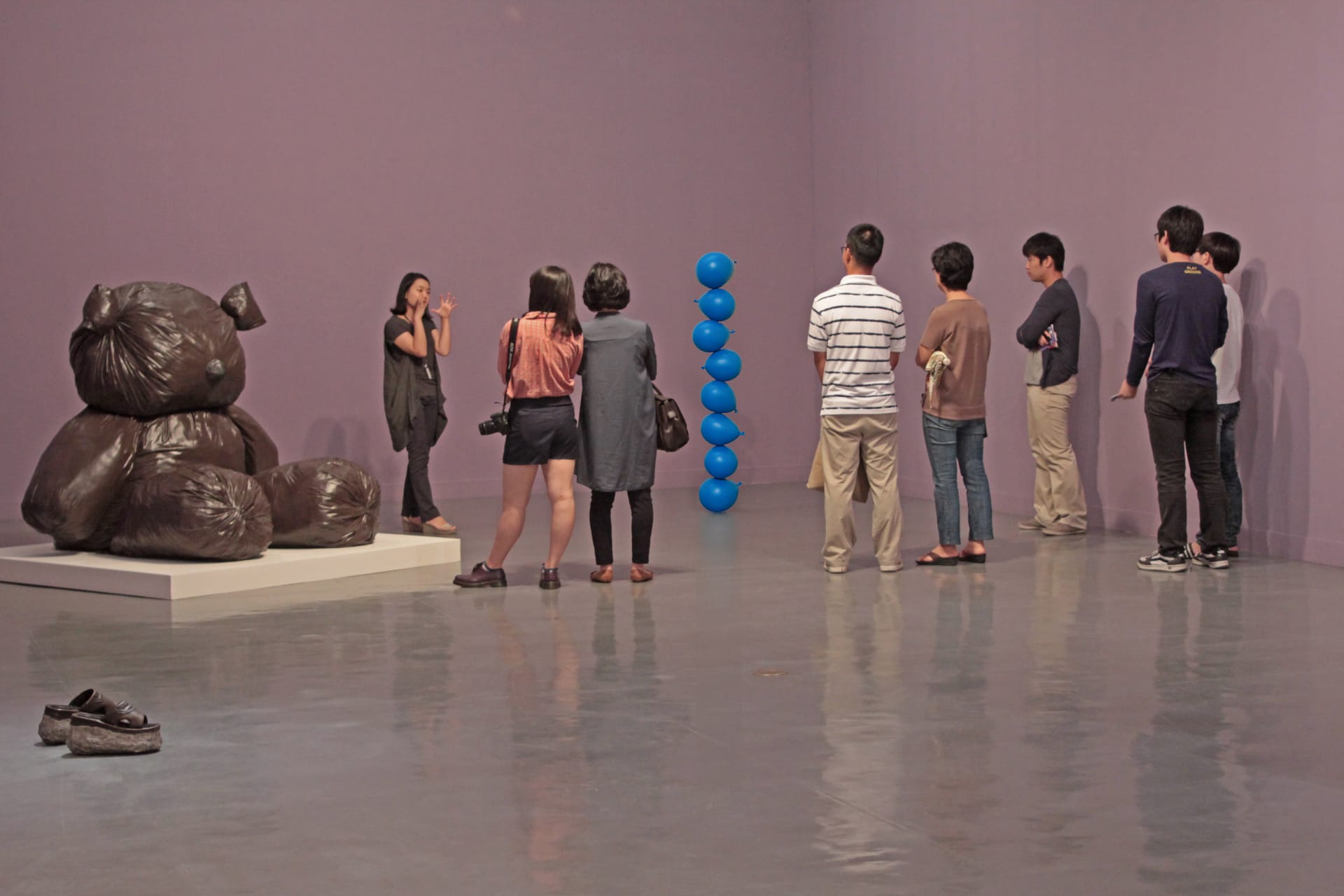
What is particularly intriguing, however, is that Gimhongsok visualizes such narrative structures as aesthetic objects and presents them in the exhibition space. Moreover, he possesses a remarkable ability to render these aesthetic objects visible. Yet the aesthetic objects he creates appear as value-neutral signs that fall outside the conventional criteria by which society or the art world recognizes aesthetic objects. Thus even when he employs every possible formal language dramatically, the result is not easily recognized as an aesthetic object.
A narrative structure generated through the genetic transmission of signs stands before us as an aesthetic object. Here the aesthetic object seems to refer to all visual-image devices—sculptural, typographic, or graphic apparatus alike. Within the genre structure of art, or within social structures more broadly, he allows his narrative structures to operate in the form of aesthetic objects.
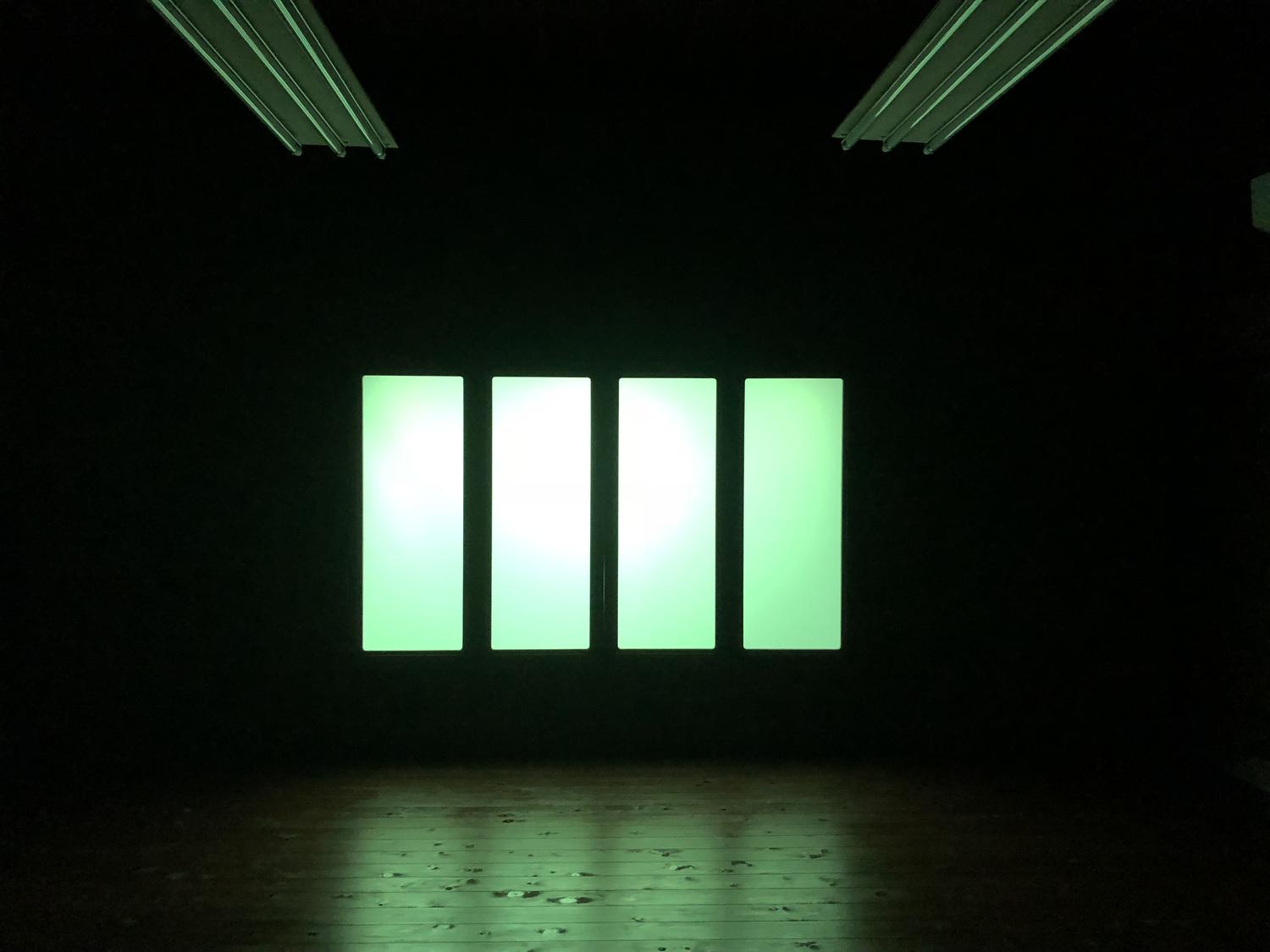
In other words, the narrative structures produced through the genetic transmission of signs are transformed into aesthetic objects—into artworks—and those artworks, within the structures of the art world or society, function not as artworks but as signs. In C.H.I.S – Chronic Historical Interpretation Syndrome, the narrative structure and the aesthetic object create yet another structure without a linear causal relationship between them, and this structure once again encounters viewers within the exhibition space. The glass box from which Marat’s blood radiates functions similarly.
Strangely enough, we—viewers—still conventionally recognize even this sign, the aesthetic object (which is no longer a conventional aesthetic object, indeed something almost immaterial), and immediately pass judgment on its aesthetic value. It is the moment when the arbitrary relationship between an arbitrary narrative structure and an arbitrary aesthetic object is arbitrarily stripped away by the viewer.
O Brother, Where Art Thou? seems to suggest a somewhat different context, yet it appears as if the process of the genetic transmission of signs mentioned earlier has been reversed. A visual narrative structure from cinema is arbitrarily excerpted, transformed into the sign of text, and simultaneously transformed into an aesthetic object itself. The genetic transmission of signs spreads arbitrarily and hybridizes arbitrarily. All objects thus become not targets of contextual value judgment but elements within a semiotic structure.
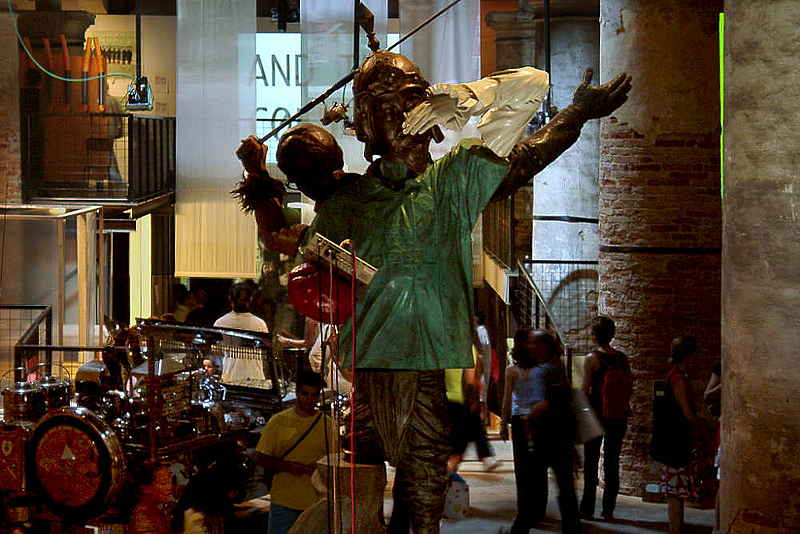
Could all the components of this world be signs existing within some structure? The question may in fact be what that structure itself is. In Making a Star—as in many collaborative performances—Gimhongsok provides signs with the minimal conditions necessary for their existence. These conditions do not depart significantly from socially agreed frameworks; they guarantee minimal autonomy within a highly rational structure, allowing the signs to function. The sign of the “aspiring star” faithfully performs its role within the field of signs proposed by Gimhongsok.
Yet the artist does not seem to expect such fidelity from the sign. Similar behavioral patterns of signs appear in Interpreters and The Seoul Massacre. G5 certainly opens the possibility for discussion within another context, but when powerful nations are translated into the Third World language of Korean and then sung aloud, we experience the peculiar illusion that—although we can clearly hear the names of powerful nations—it visually resembles the singing of the South Korean national anthem. Are signs unable to escape the structures within which they exist? Is it impossible for signs to break structures and generate new ones?
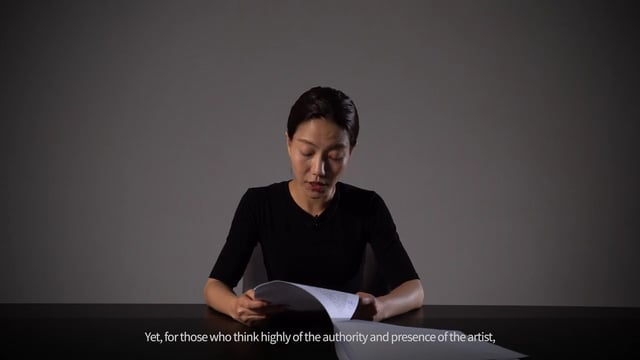
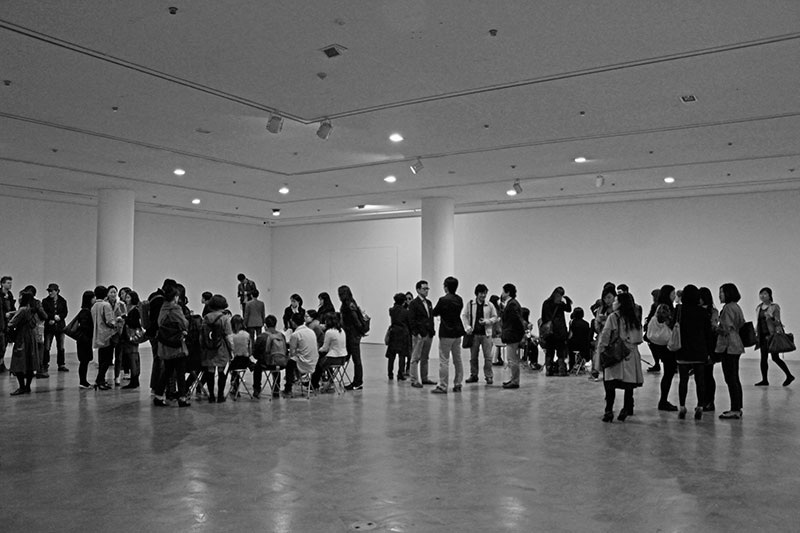
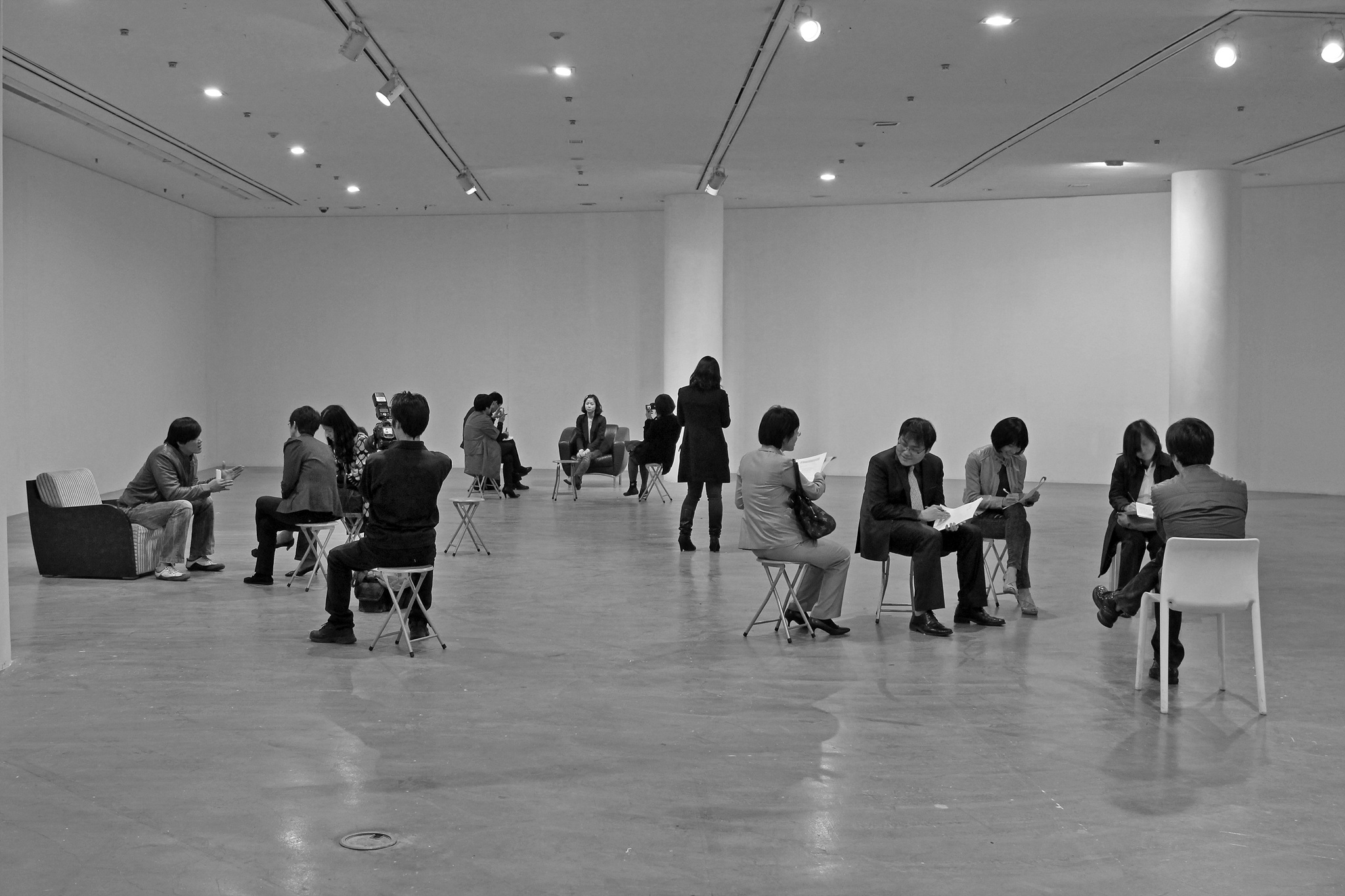
The Talk functions as a kind of laboratory of signs composed of highly complex semiotic structures. Indeed, many of Gimhongsok’s works are constructed from chains of signs that exist both inside and outside the work itself; these signs drift across the work, the institution, and society. In this piece as well, various contexts of signs intersect, granting only limited possibilities of communication within the framework of a game. Yet the more striking point is that four realities manipulated by the artist exist as real realities within actual life. Fictions operate like rogues within real life.