Solo Exhibitions (Brief)
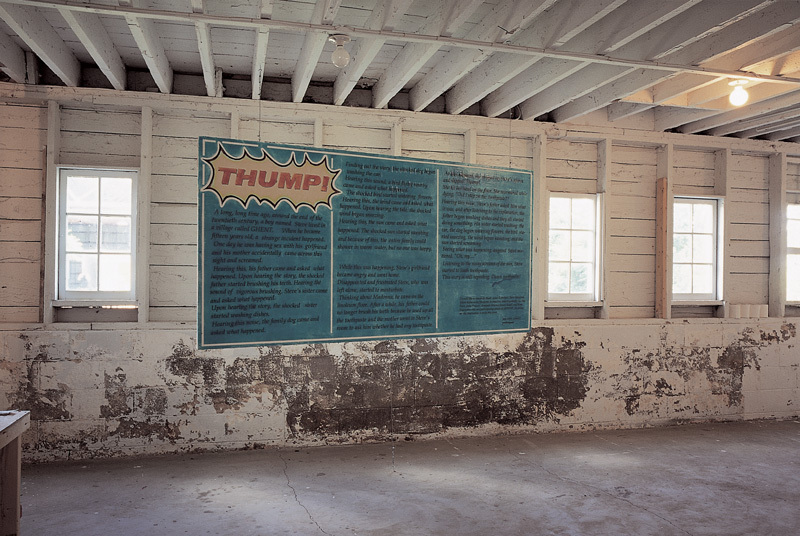
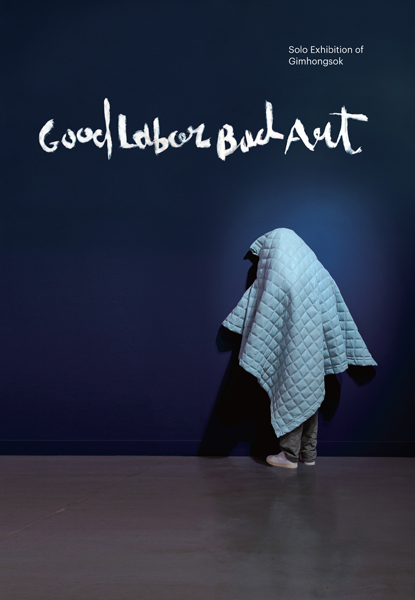
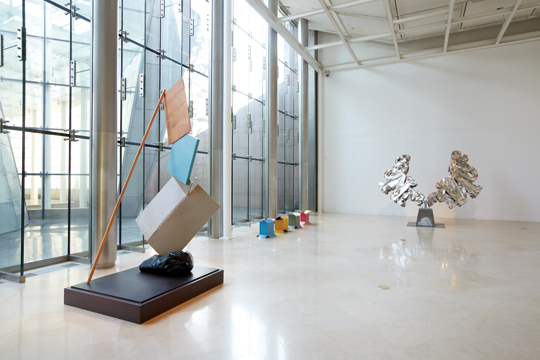
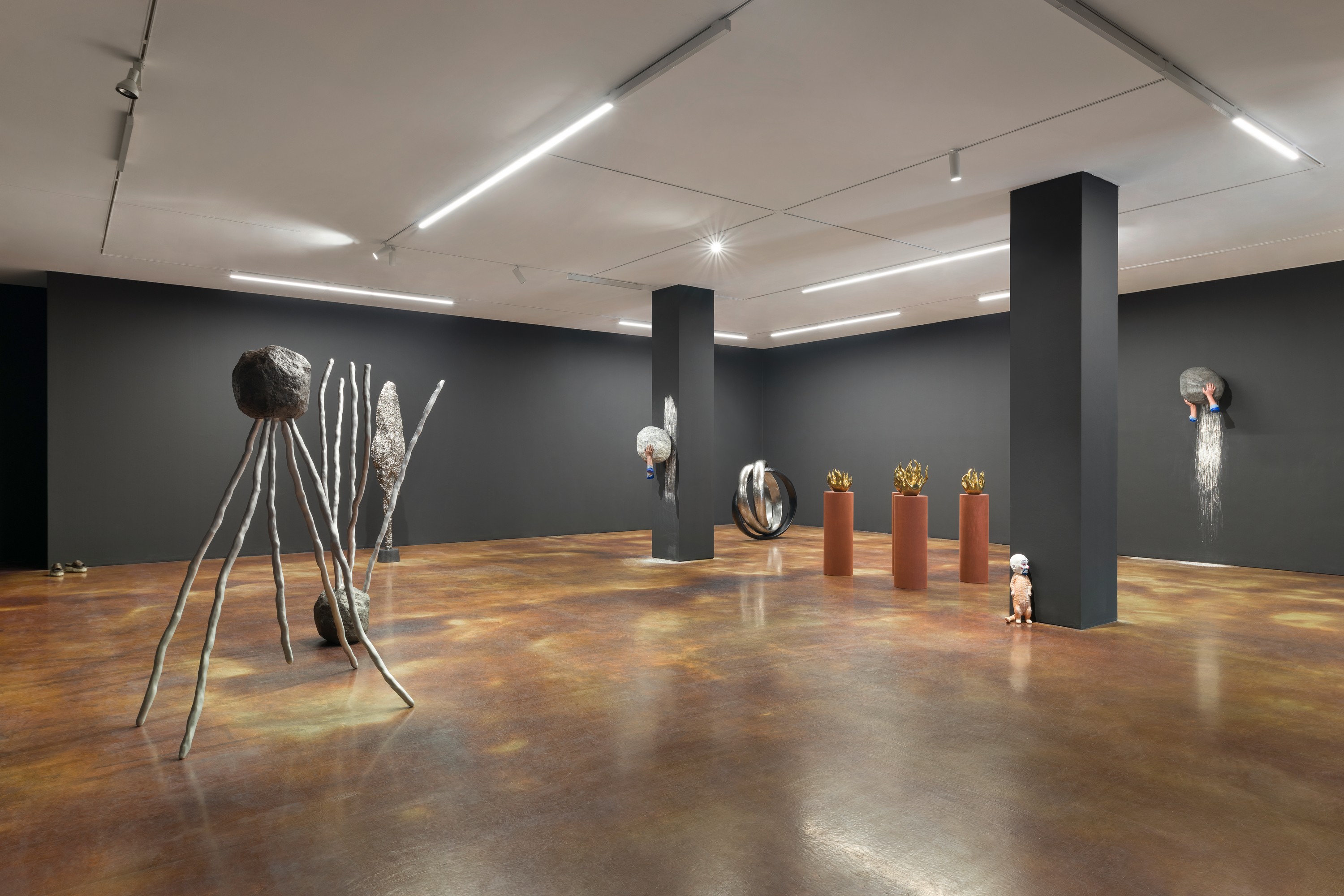
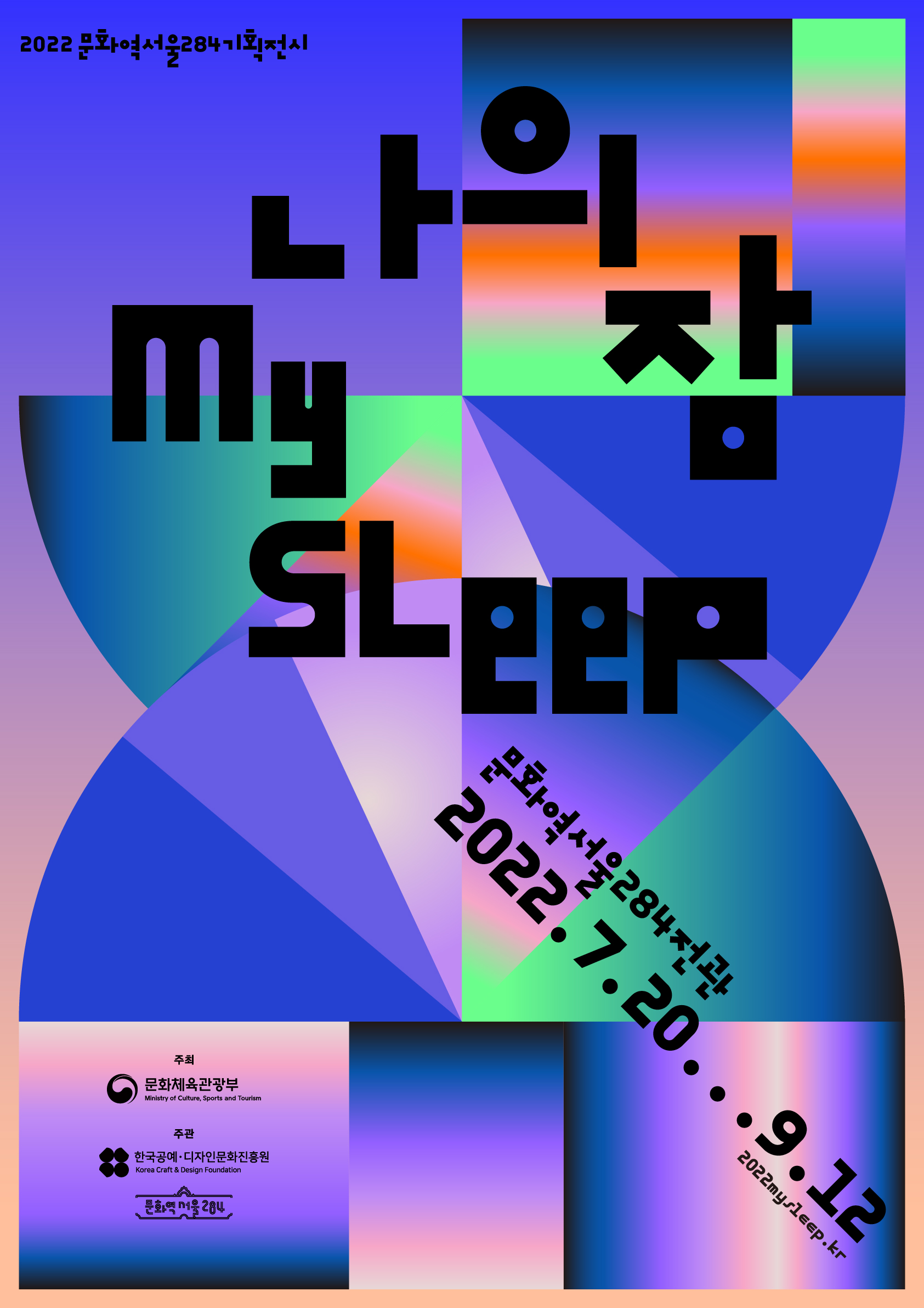
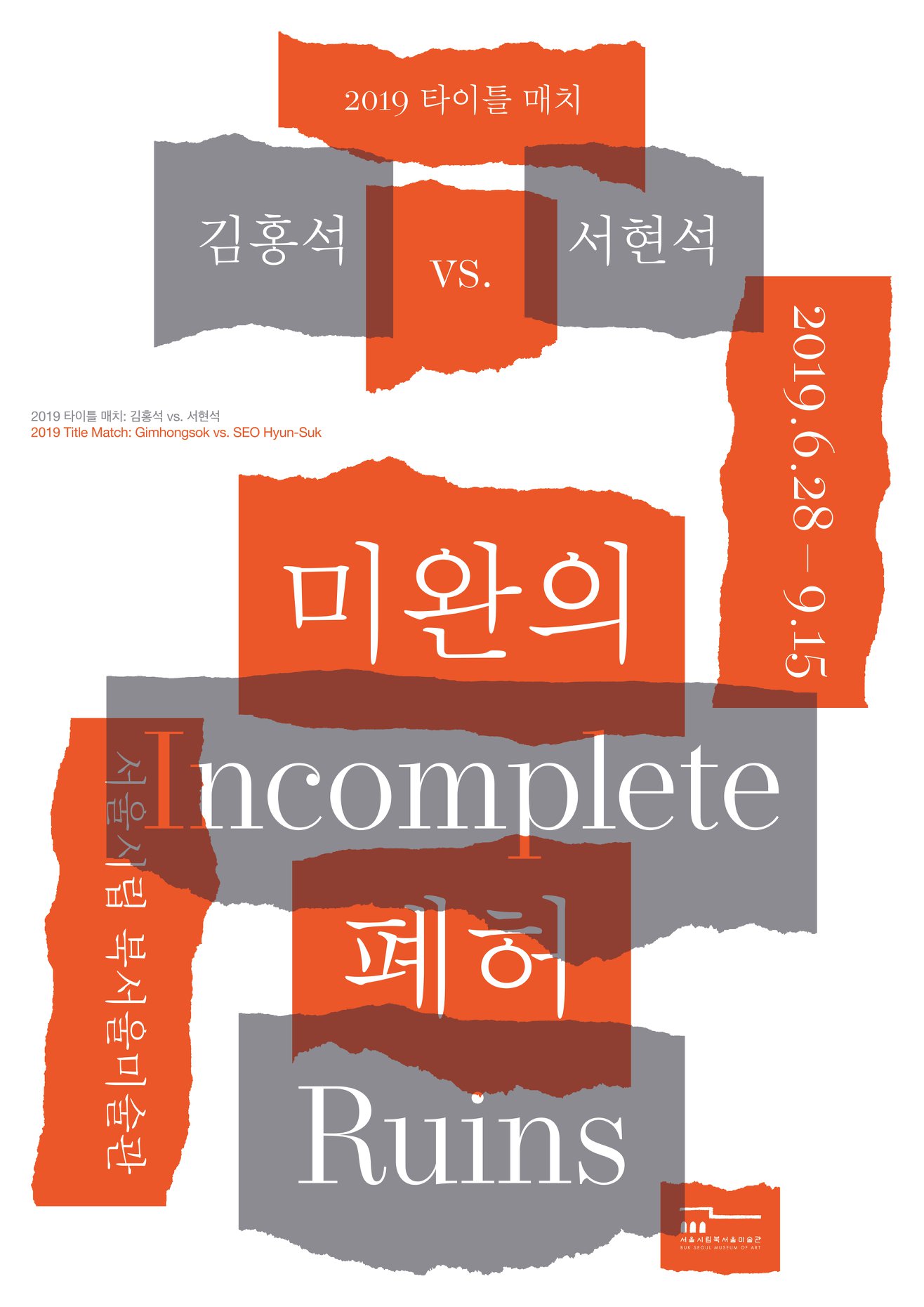
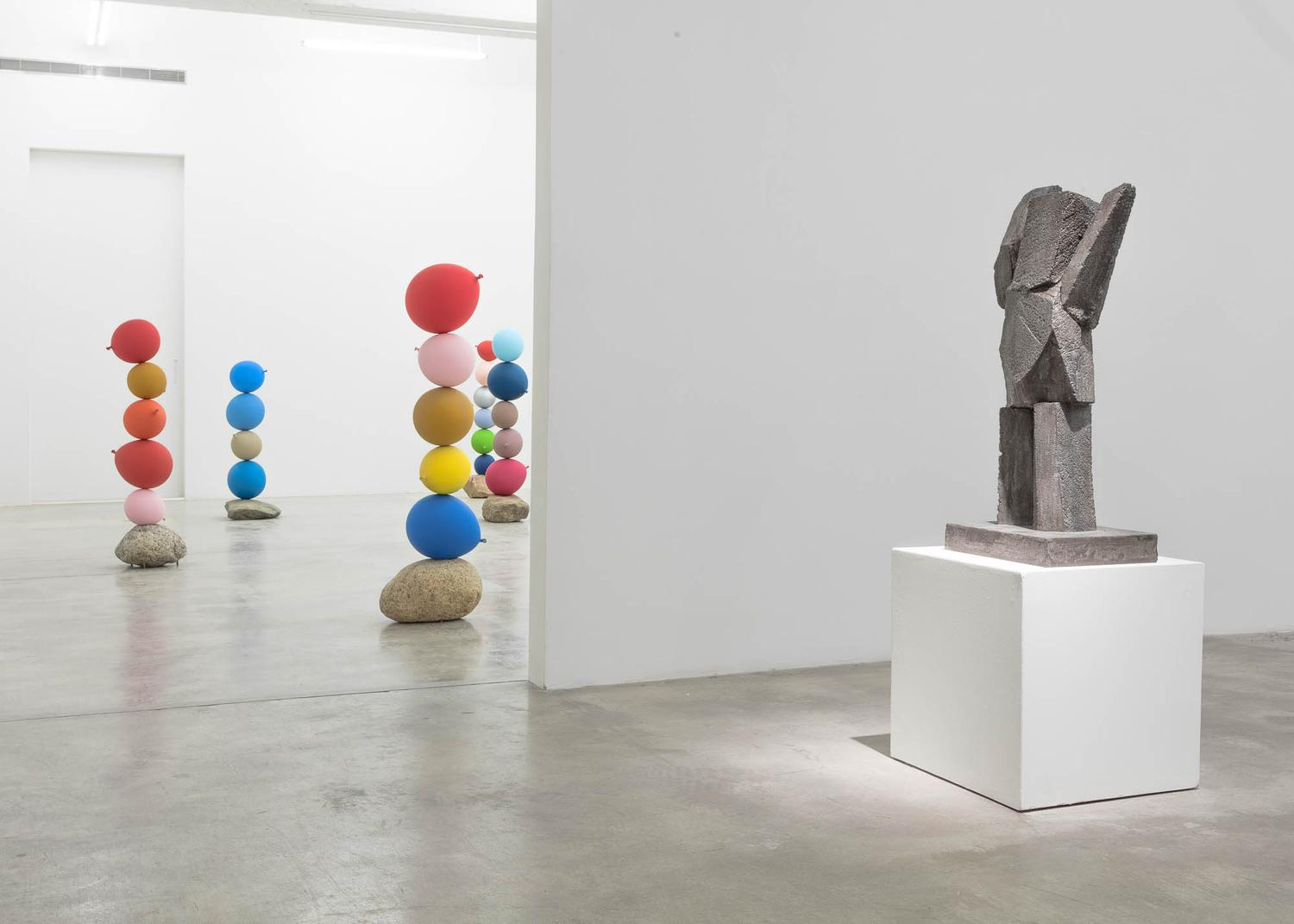
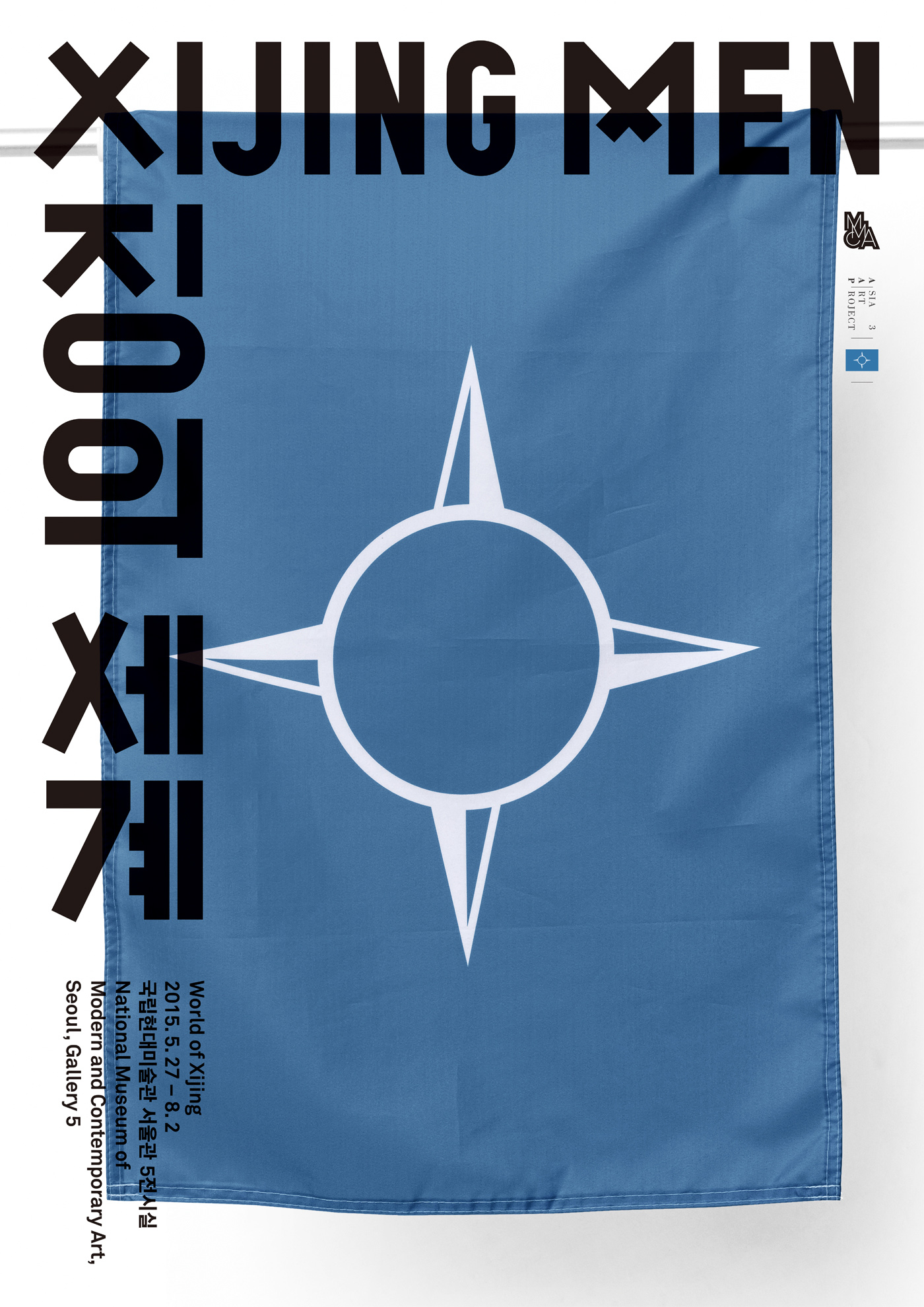
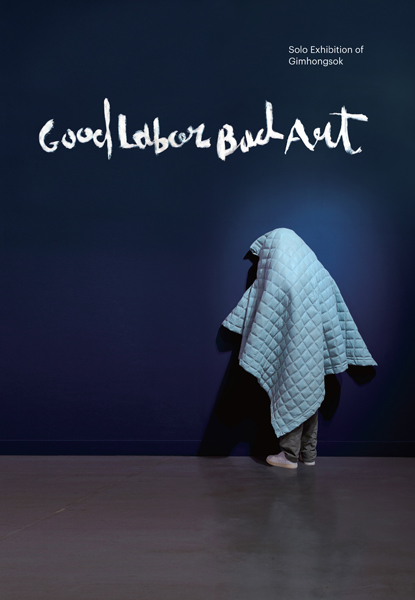
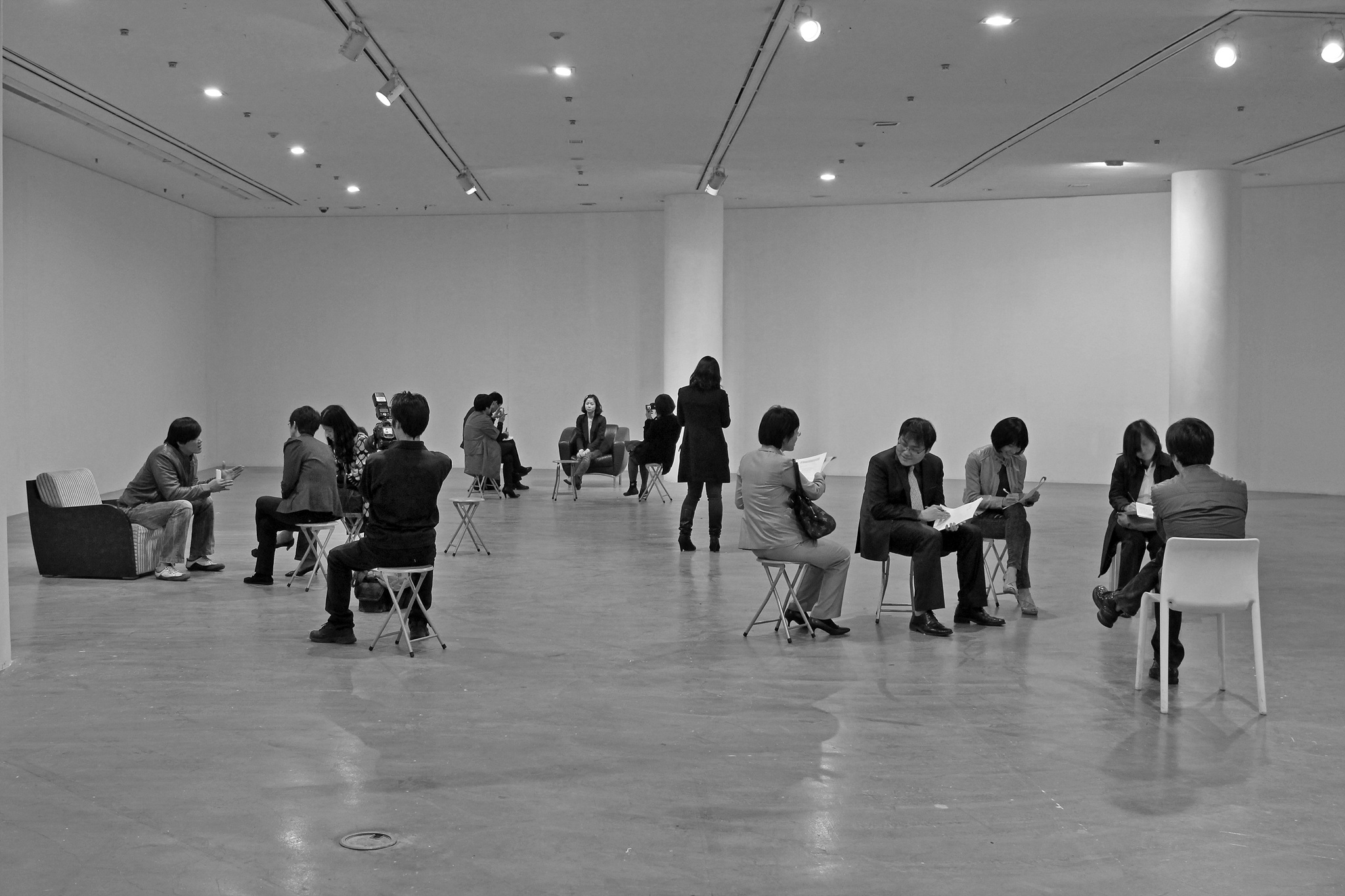
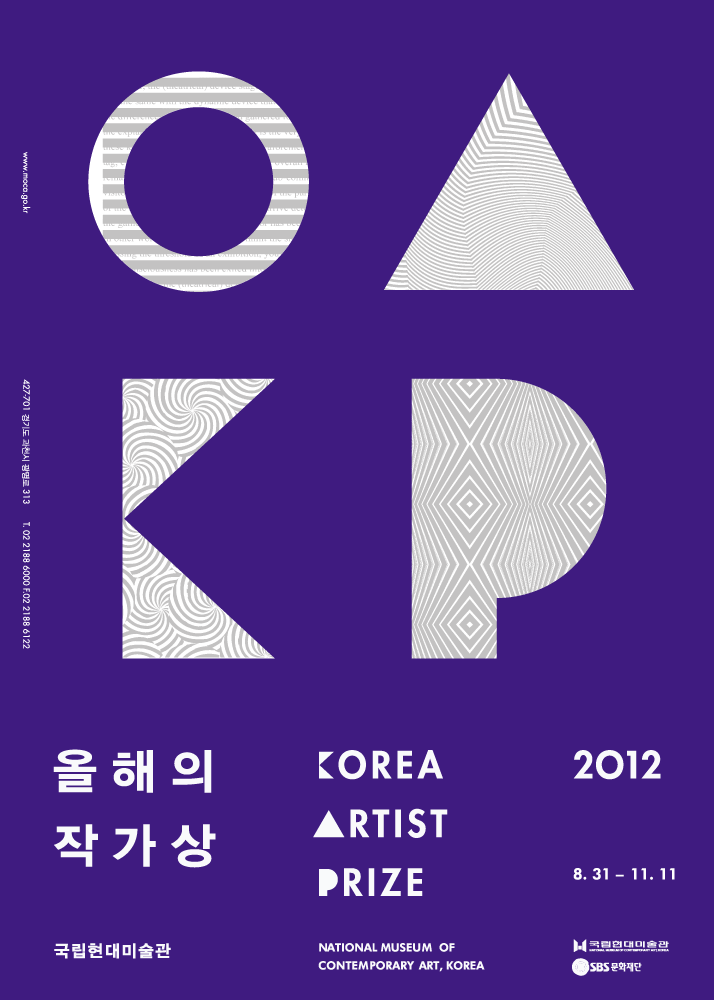
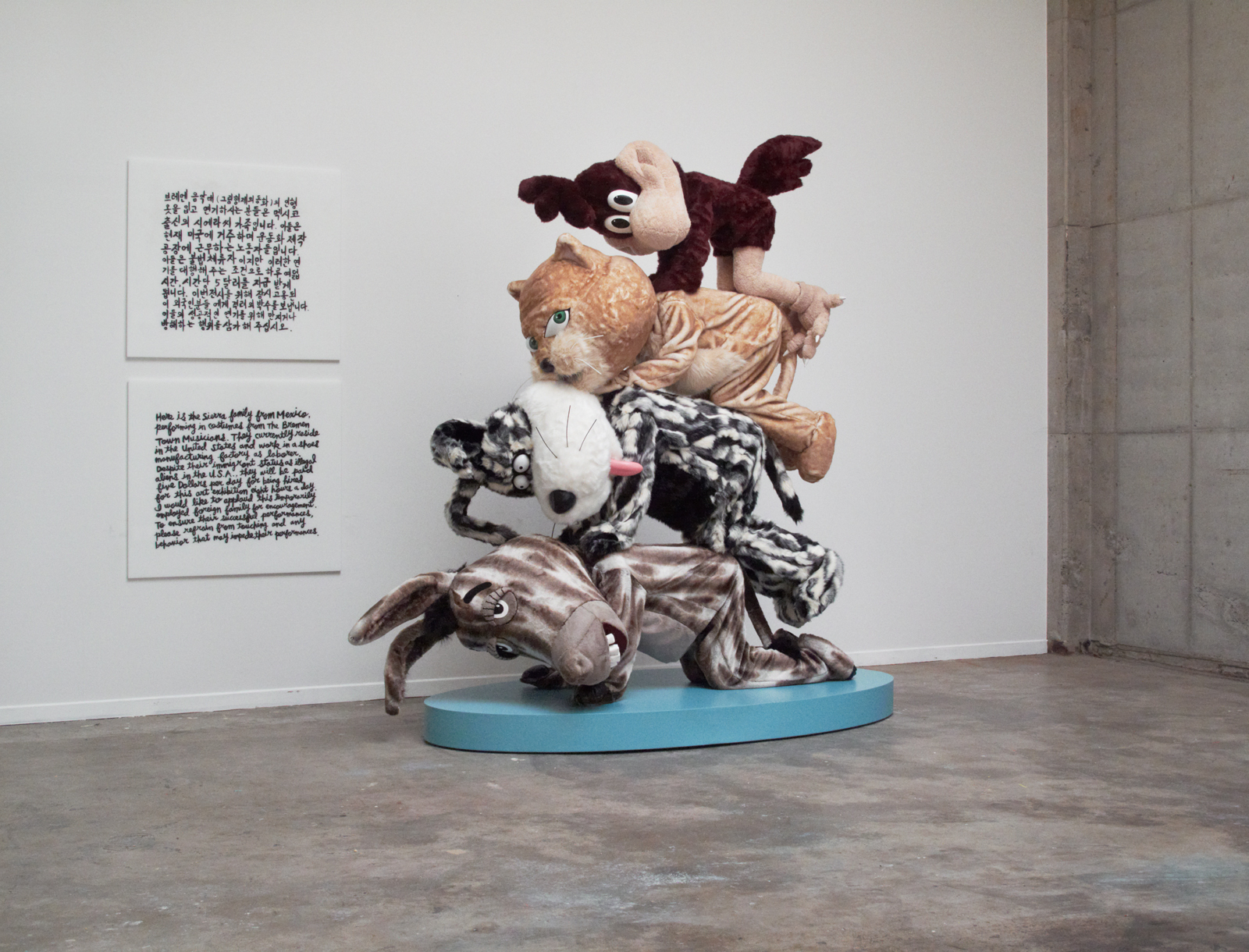
Since his first solo exhibition 《Heromaniac》 at Gallery Hyundai in 2000, Gimhongsok has presented solo exhibitions
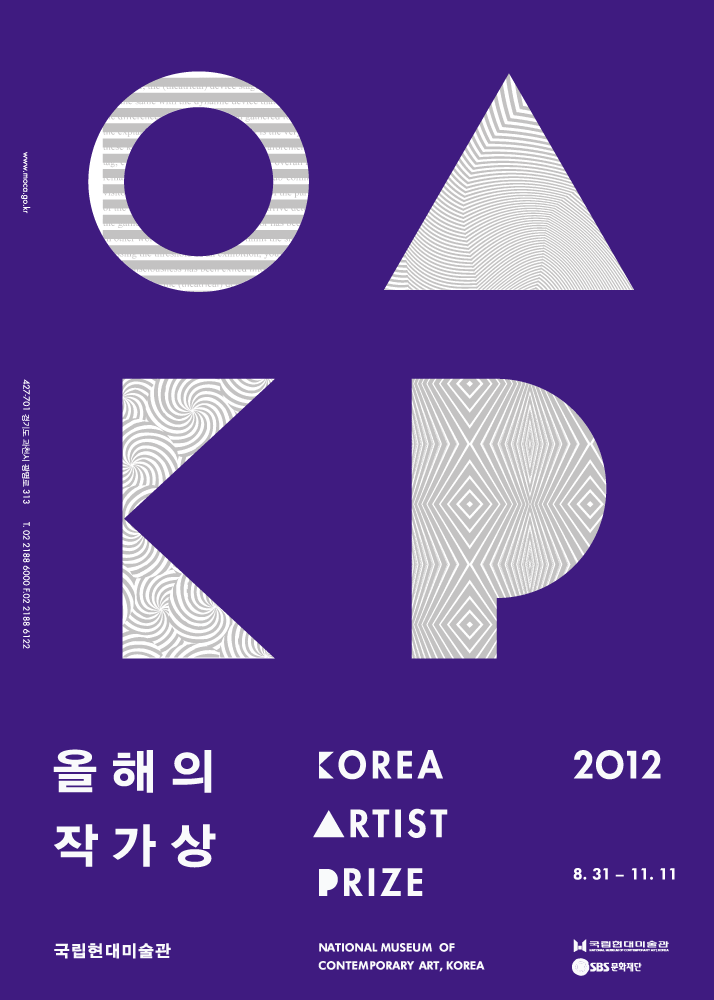
at major institutions including the National Museum of Modern and Contemporary
Art, Korea (Seoul, 2015), Busan Museum of Art (Busan, 2023), and Art Sonje
Center (Seoul, 2004, 2011), as well as galleries such as Kukje Gallery (Seoul
2008, 2014, 2024; Busan 2020), Tina Kim Gallery (New York 2010, 2018), and
Perrotin (Tokyo 2018; Hong Kong 2017). He has also held exhibitions
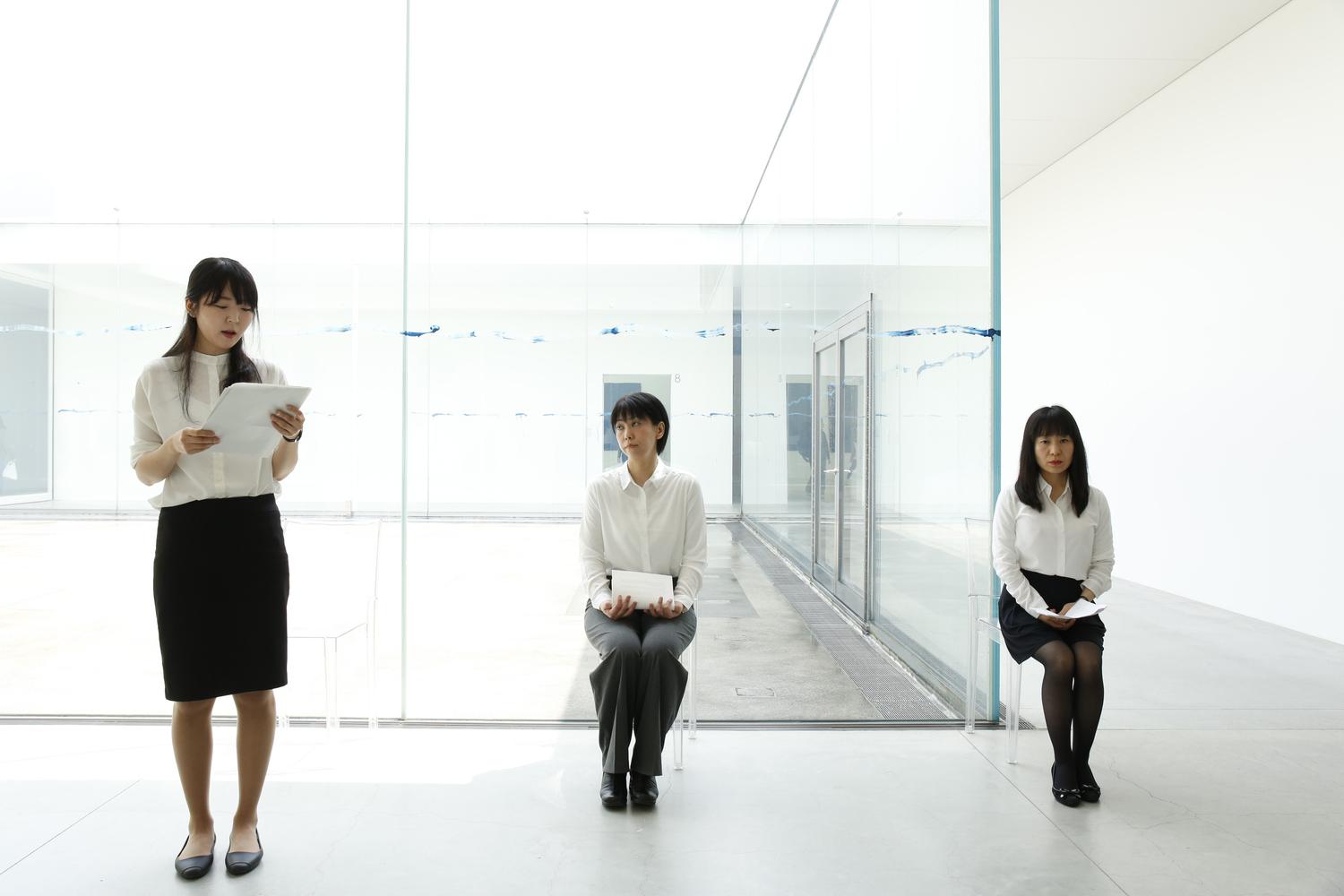
internationally at institutions including the 21st Century Museum of
Contemporary Art, Kanazawa (Kanazawa, 2016).
Group Exhibitions (Brief)
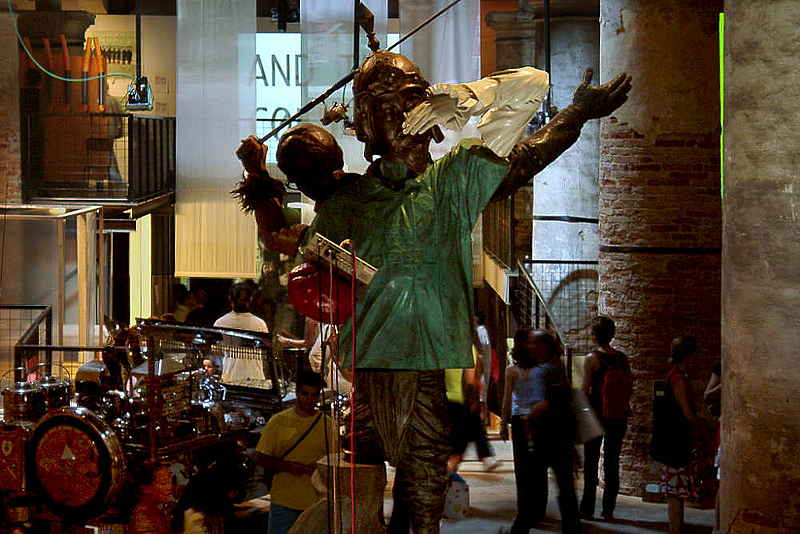
Gimhongsok has participated in major international exhibitions
including the Venice Biennale (2003, 2005), Gwangju Biennale (2002, 2006,
2012), Taipei Biennial (2000), Lyon Biennale (2009), and Aichi Triennale
(2010). His work has also been presented in group exhibitions at major
international institutions such as the Guggenheim Museum (New York 2017; Bilbao
2018), the San Francisco Museum of Modern Art (2018), MAXXI – National Museum
of 21st Century Arts (Rome, 2018, 2021), the Walker Art Center (Minneapolis,
2007), and ZKM Center for Art and Media (Karlsruhe, 2011). In Korea, his work
has been exhibited at institutions including the National Museum of Modern and
Contemporary Art, Korea (Gwacheon 2000, 2016, 2019; Seoul 2014), Seoul Museum
of Art (2008, 2010, 2012, 2019, 2020, 2024), Busan Museum of Art (2013), and
Leeum Museum of Art (2010).
Collections
(Selected)
Gimhongsok’s works are included in the collections of major
institutions including the National Museum of Modern and Contemporary Art,
Korea, Seoul Museum of Art, Busan Museum of Art, Leeum Museum of Art, Gyeonggi
Museum of Modern Art, and Art Sonje Center in Korea. Internationally, his works
are held in collections such as the Los Angeles County Museum of Art, Museum of
Fine Arts, Houston, National Gallery of Canada, 21st Century Museum of
Contemporary Art, Kanazawa, Queensland Art Gallery, Van Abbemuseum, and Le
Consortium.