
Solo Exhibitions (Brief)
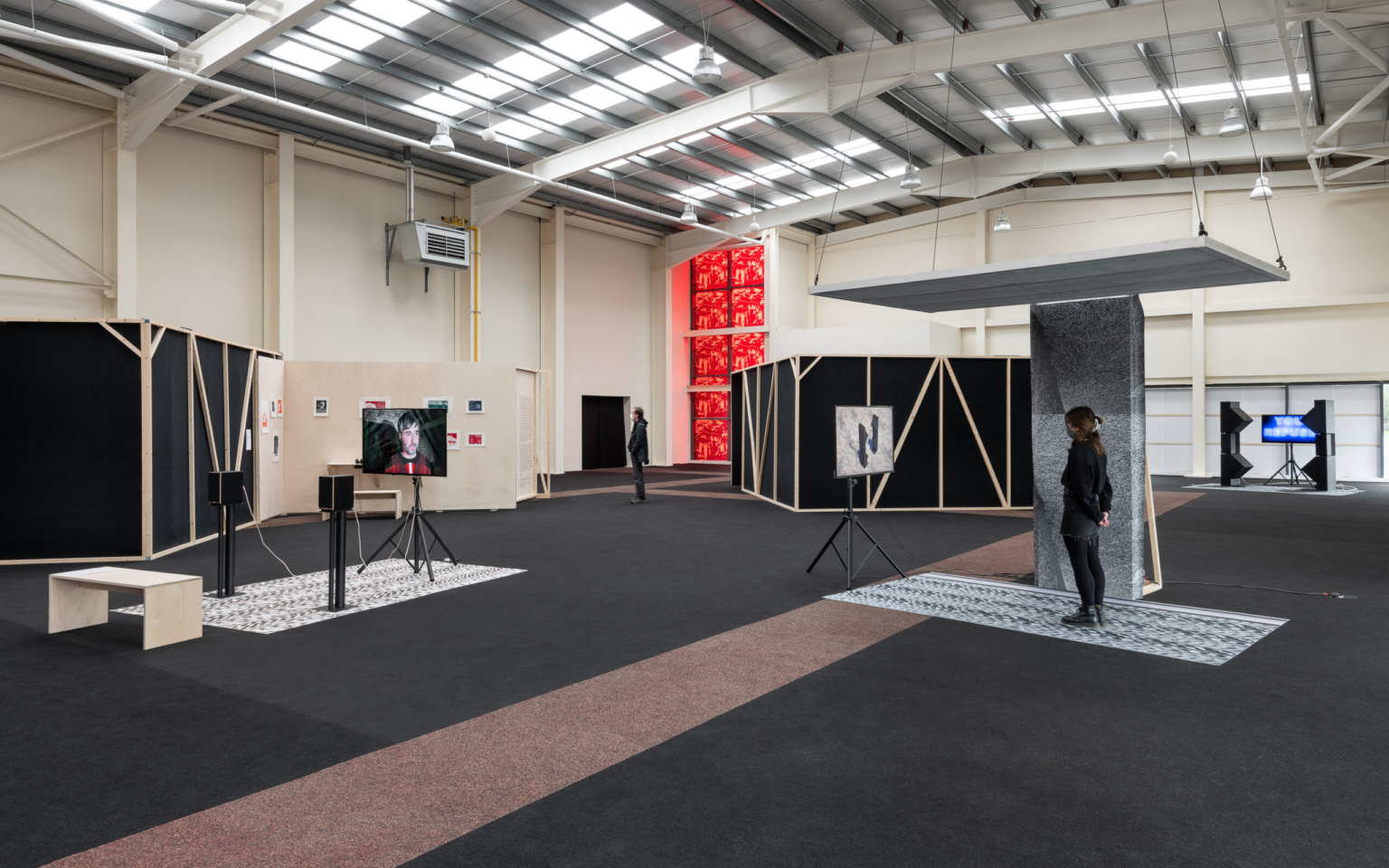
Kim Beom has held solo exhibitions at the
Leeum Museum of Art (2023, Seoul), STPI (2017, Singapore), Tina Kim Gallery
(2016, New York), Nam June Paik Art Center (2013, Yongin), Hayward Gallery
(2012, London), Cleveland Museum of Art (2010, Cleveland), Stedelijk Museum
Amsterdam (2009, Amsterdam), and Arnolfini (2008, Bristol).
Group Exhibitions (Brief)
Kim Beom has participated in numerous
international group exhibitions, including the Taipei Biennial (2023, Taipei)
and the Korean Pavilion of the Venice Biennale (2005, Venice), as well as
exhibitions at the National Museum of Modern and Contemporary Art (Seoul and
Gwacheon), Seoul Museum of Art (Seoul), Seoul National University Museum of Art
(Seoul), Daejeon Museum of Art (Daejeon), and Ho-Am Art Museum (Seoul).
Awards (Selected)
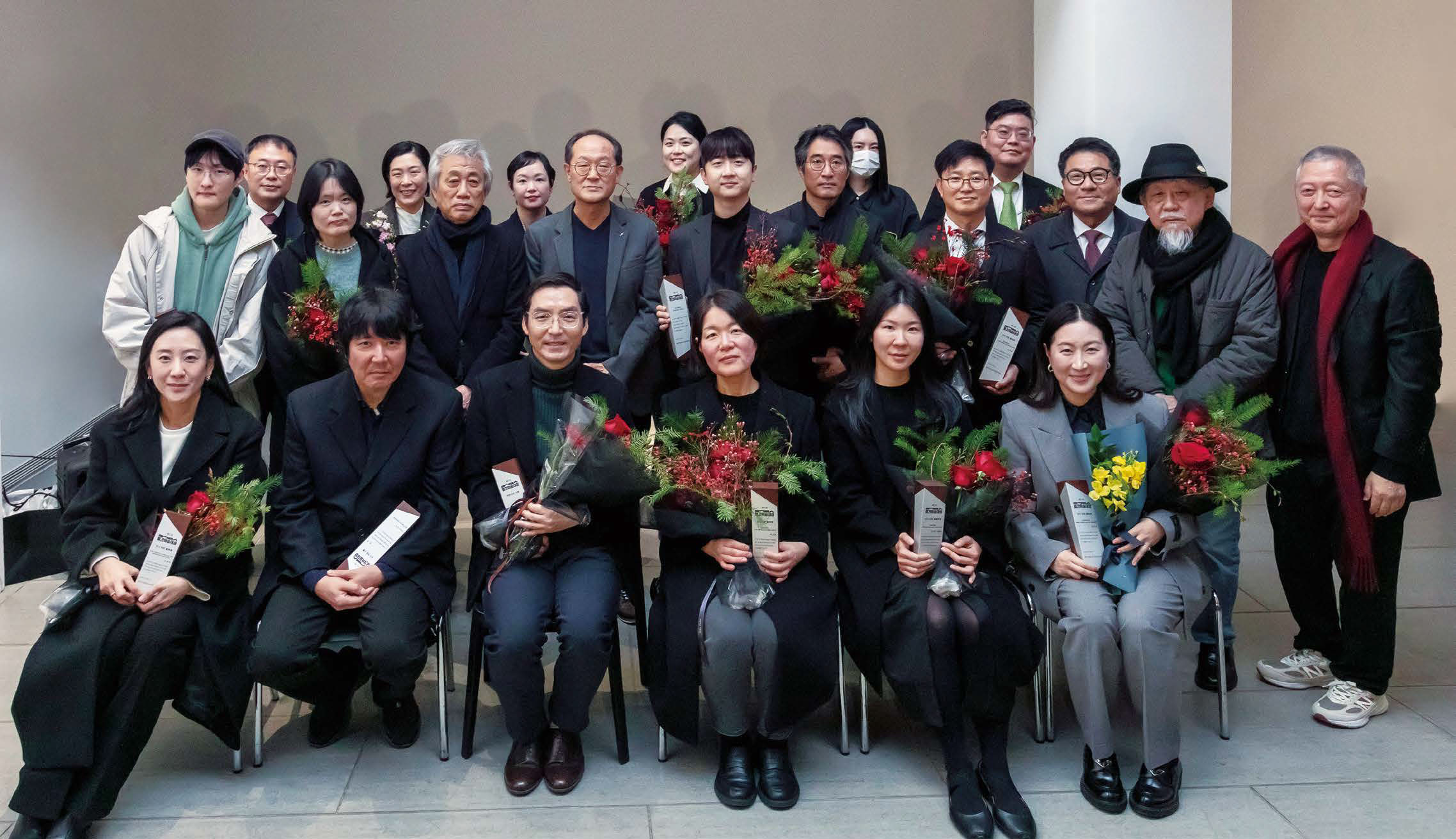
Kim Beom received the Hermès Korea
Missulsang (2001) and the Suknam Art Prize (1996).
Residencies (Selected)
Kim Beom participated in the STPI
residency program (2023, 2016, Singapore).
Collections (Selected)
Kim Beom’s works are held in the
collections of the Museum of Modern Art (MoMA), New York; the Cleveland Museum
of Art; the Museum of Fine Arts, Houston; M+, Hong Kong; the National Museum of
Modern and Contemporary Art, Korea; and the Seoul Museum of Art.