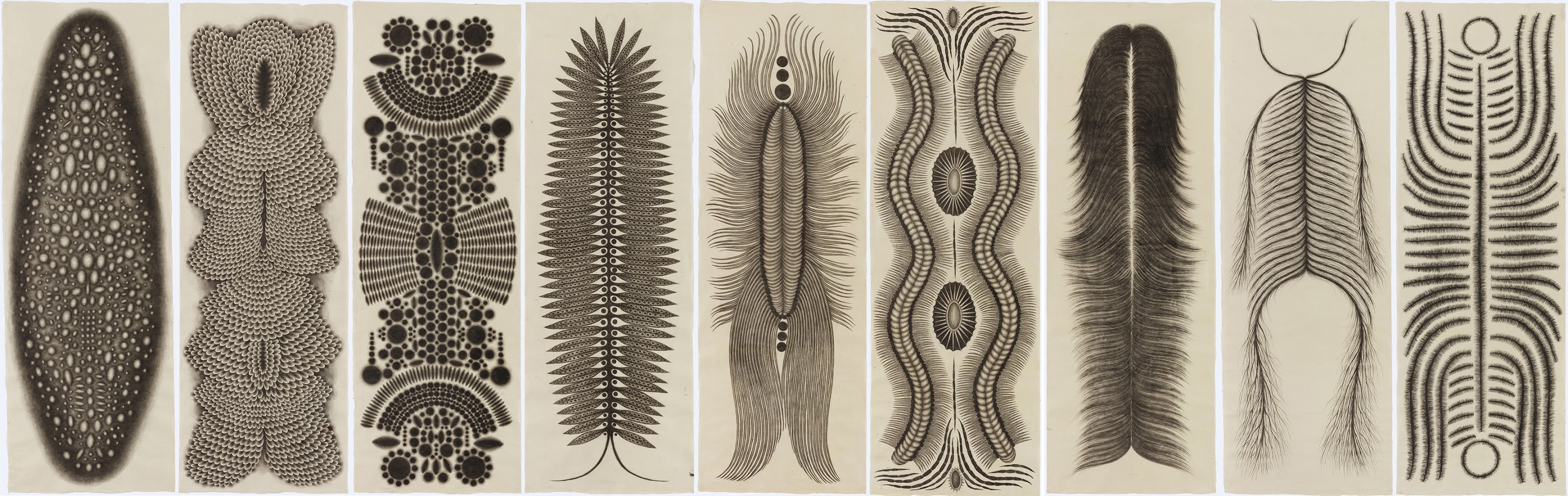
Comprising
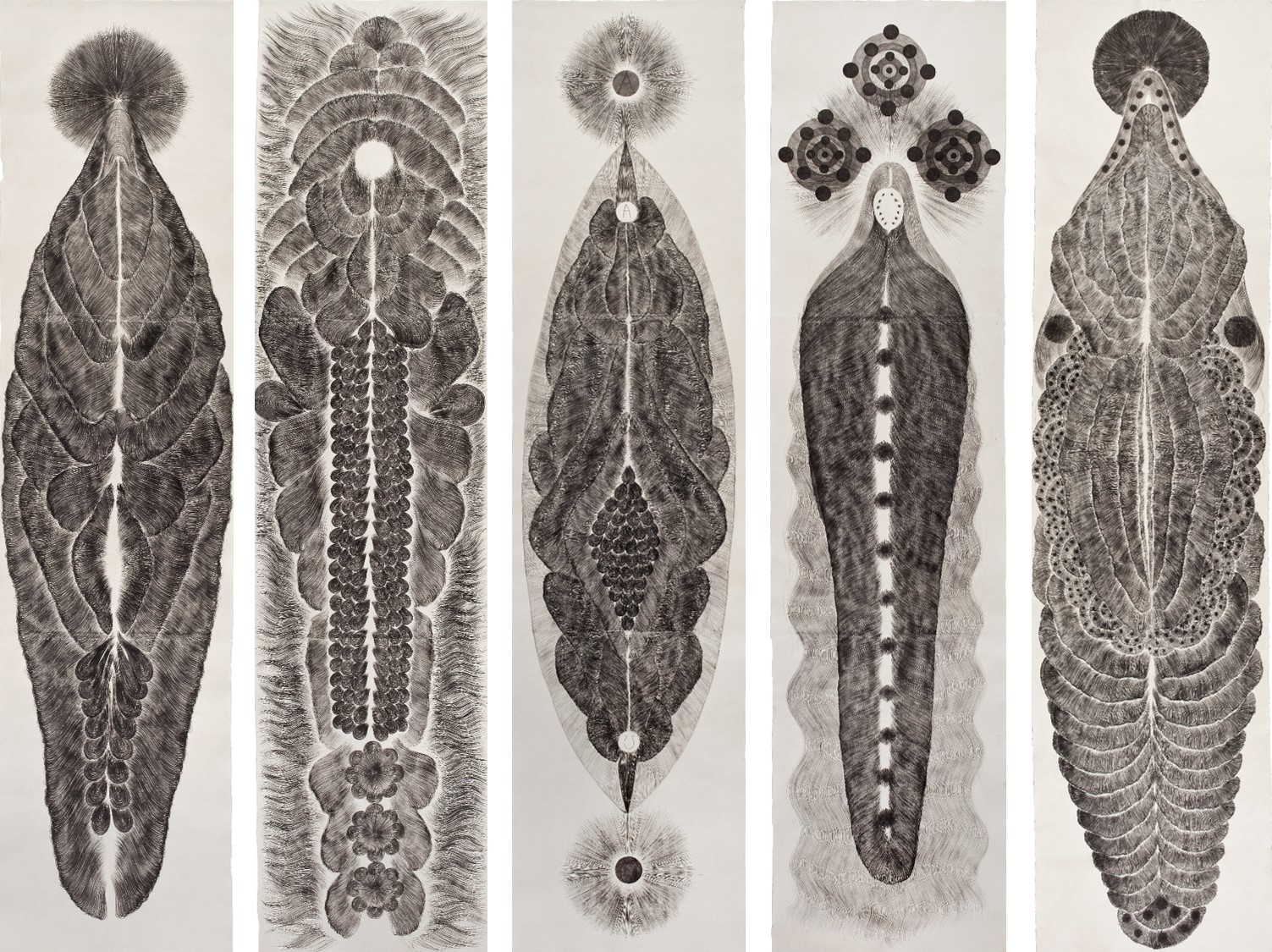
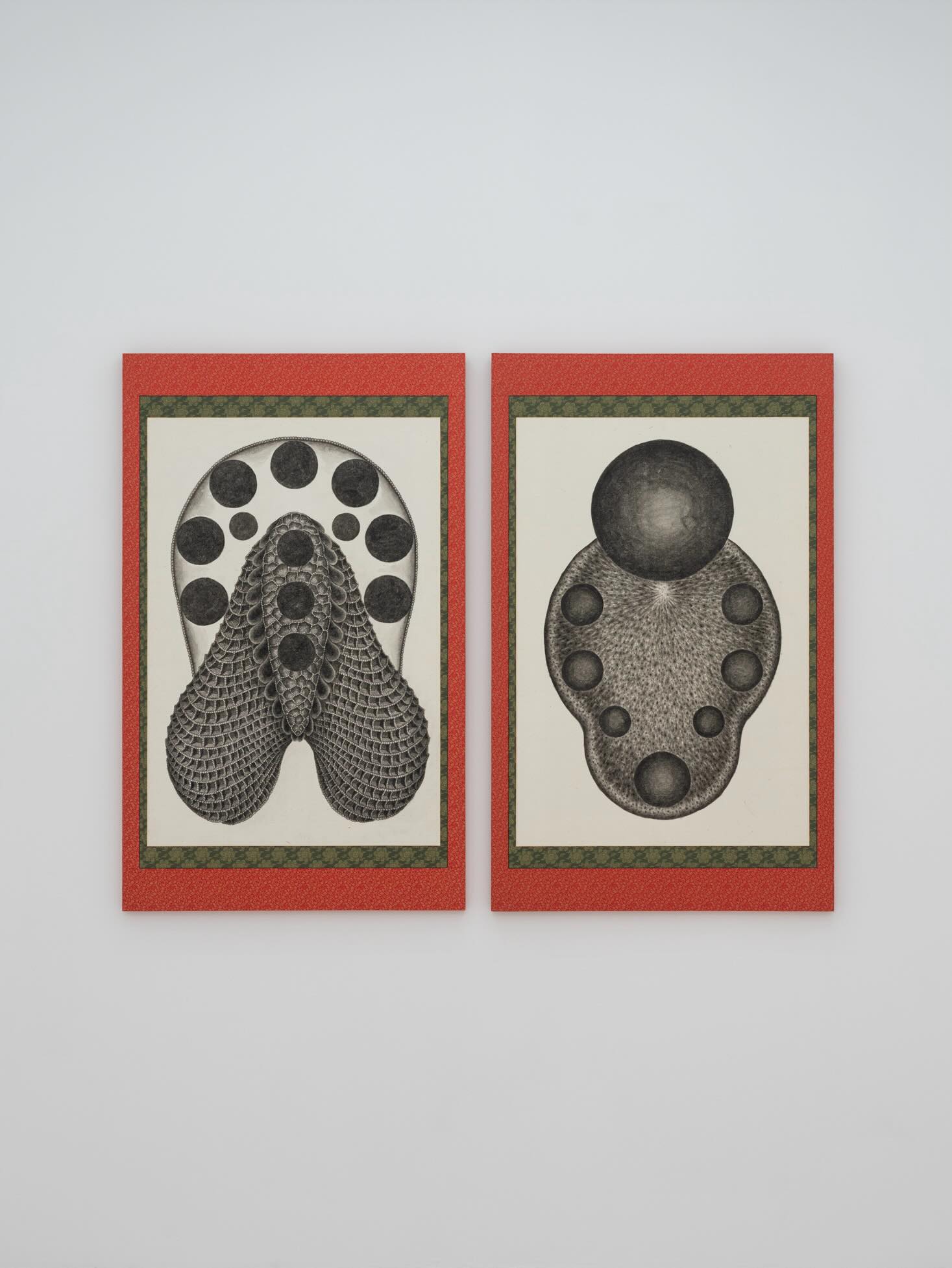
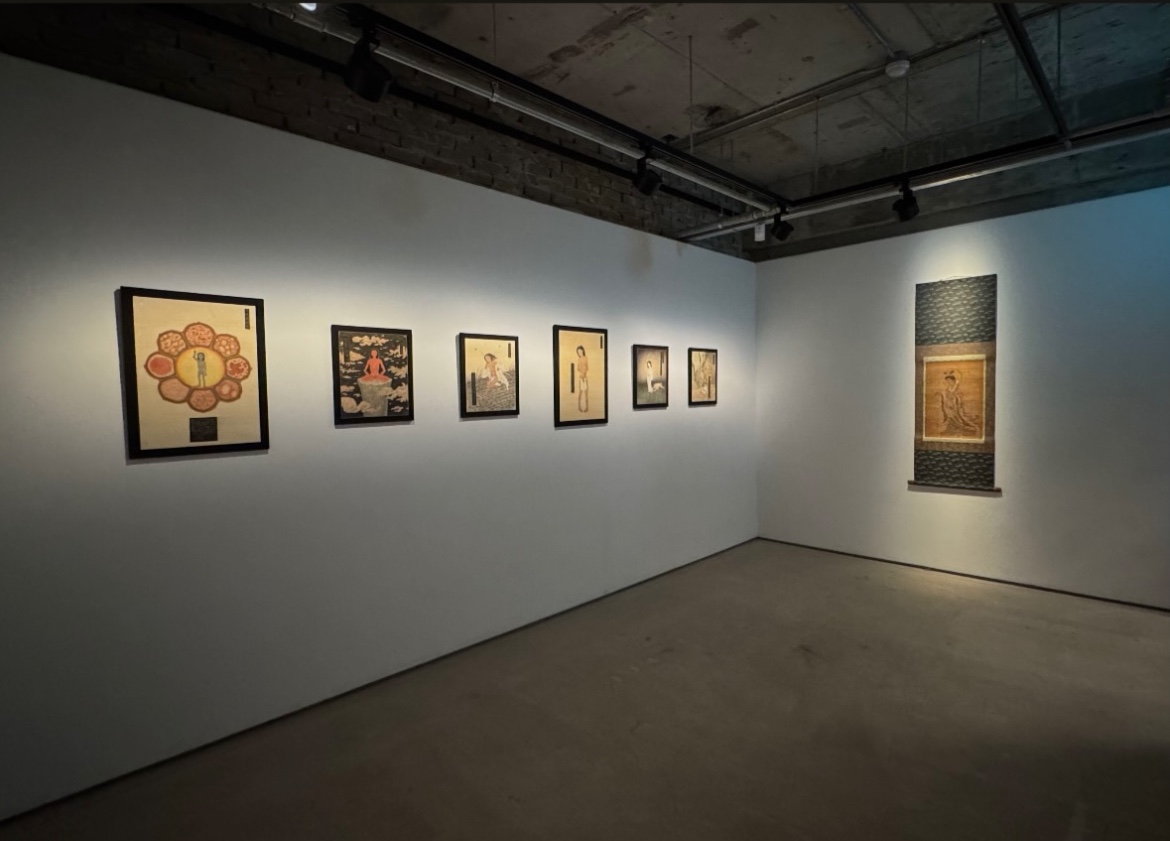
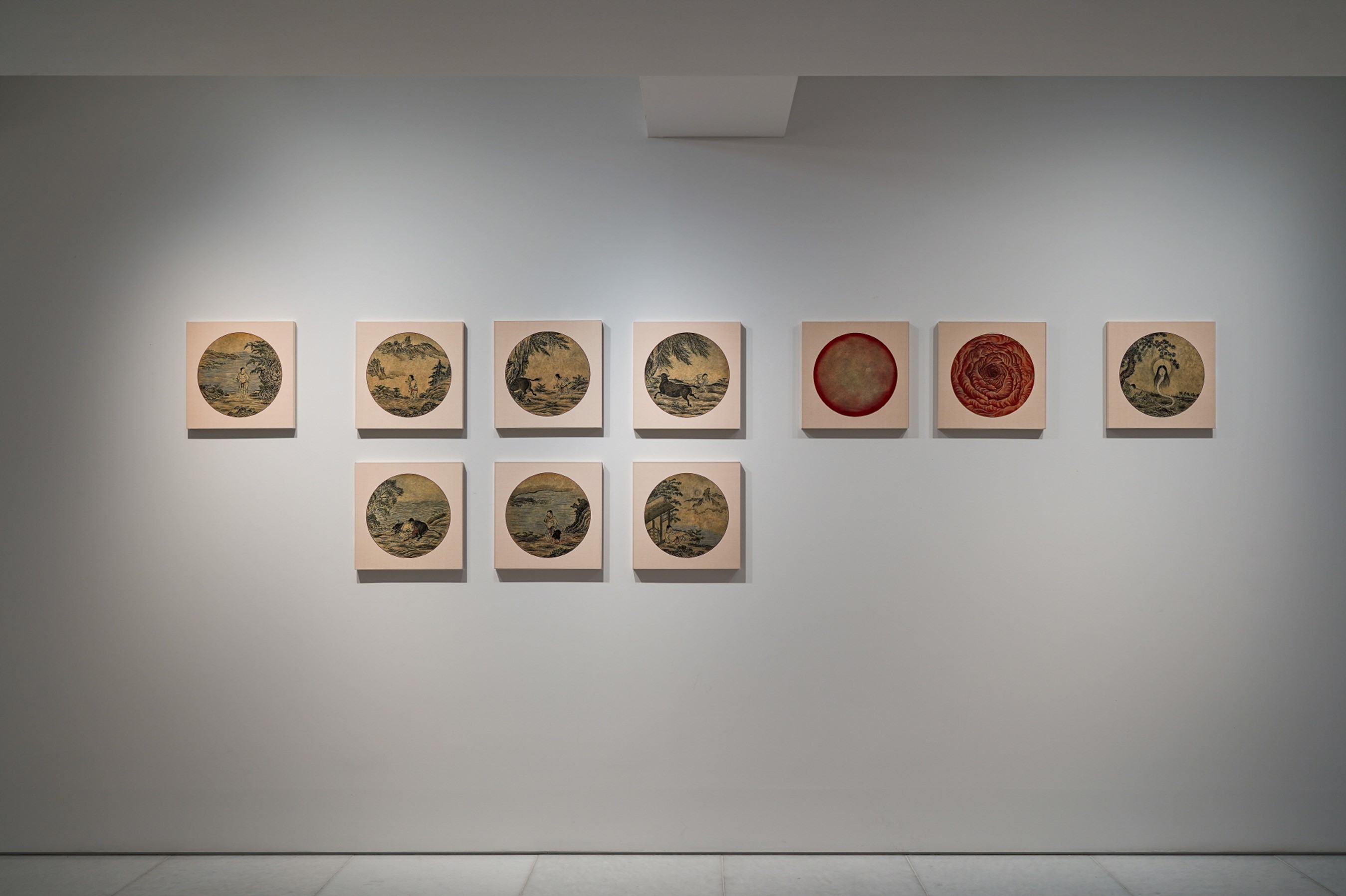
a total of nine pieces, the series ‘Dummy’ originated from the Buddhist
painting known as Nine Pieces of the Dummy (Nine Stages of a
Decaying Corpse). This traditional painting illustrates the process of a human
body decaying into dust in nine distinct stages, encapsulating the essence of
Buddhist philosophy—namely, the transience of desire. However, what Park Wunggyu
focused on in Nine Pieces of the Dummy was not its
philosophical content per se. Rather, he delved into the formality inherent in
the act of dividing the body’s transformation into religiously symbolic stages
and imbuing them with meaning. It is this formal structure itself that
fascinated him and fueled his practice. In Buddhism, the number nine carries
profound symbolic significance; even those unfamiliar with doctrine are often
intuitively aware of its symbolic power. Park immersed himself in this symbolic
underpinning, probing the Buddhist logic behind dividing the body’s dissolution
into nine parts and tracing its dialectical resistance to reach his own work.
The
title Dummy, meaning “shell” or “husk,” encapsulates the
artist’s tendency to borrow and repurpose various formal constructs established
by religion, presenting them in entirely new contexts. This series is
especially meaningful in that it reflects Park’s deeper inquiry into how the
formal aspects—such as structure, shape, and composition—he consistently works
with might intersect with the act of drawing. In Nine Pieces of the
Dummy, the bodily transformation is largely expressed through shifts
in form and texture. To Park, this resembled the expressive possibilities of
painting itself. The gradual crumbling and drying of the human body, as
depicted in Nine Pieces of the Dummy, paralleled the
artist’s own handling of paper, ink, and water—media central to his practice.
Human
beings are, in truth, inscrutable creatures. They are capable of killing
because of the sun, or feeling no sorrow over their own mother’s death. Through
Meursault in The Stranger, Camus had already pointed out
that humans are not inherently noble beings simply because they attach grand
meanings to their own actions. The human figure (or once-human figure) that
Park Wunggyu extracted from Nine Pieces of the Dummy
strongly resembles Camus’ Meursault. In his works, people are not necessarily
subjects of unconditional reverence; rather, they exist simply and plainly as
objects. In Park’s paintings, subjects, images, and voids each simply “exist,”
seemingly wrapped in a barricade that resists interpretation, suggesting that
art—his art, in particular—need not be as profoundly significant as the
meanings people impose upon it.
First
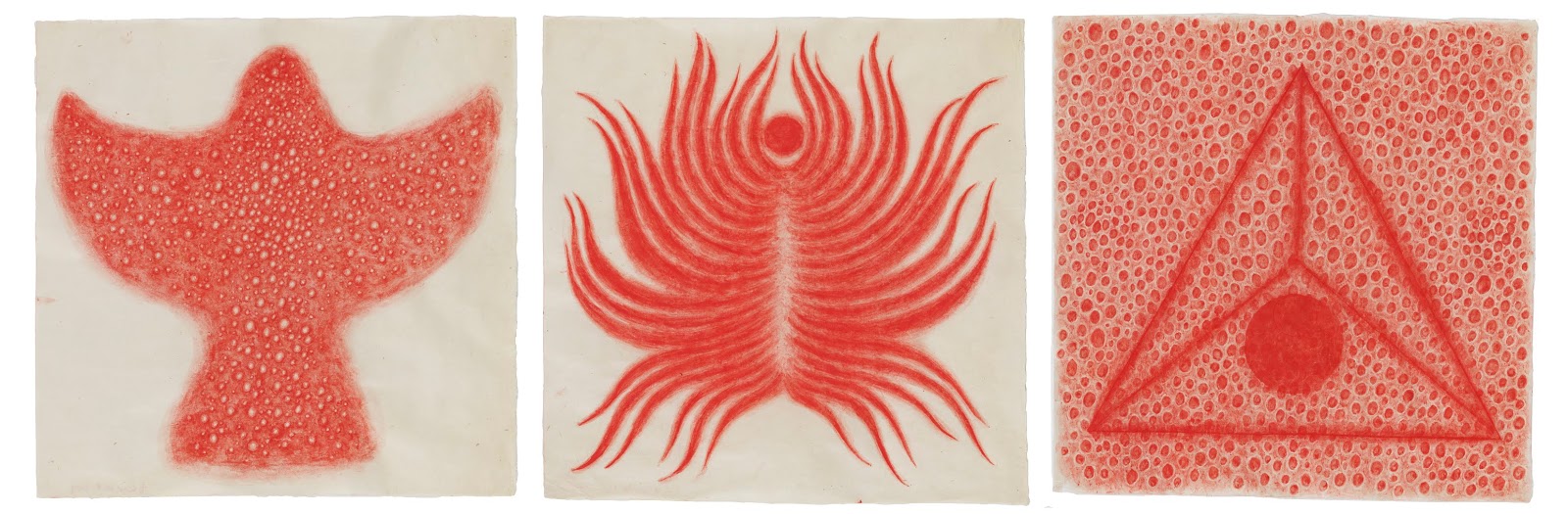
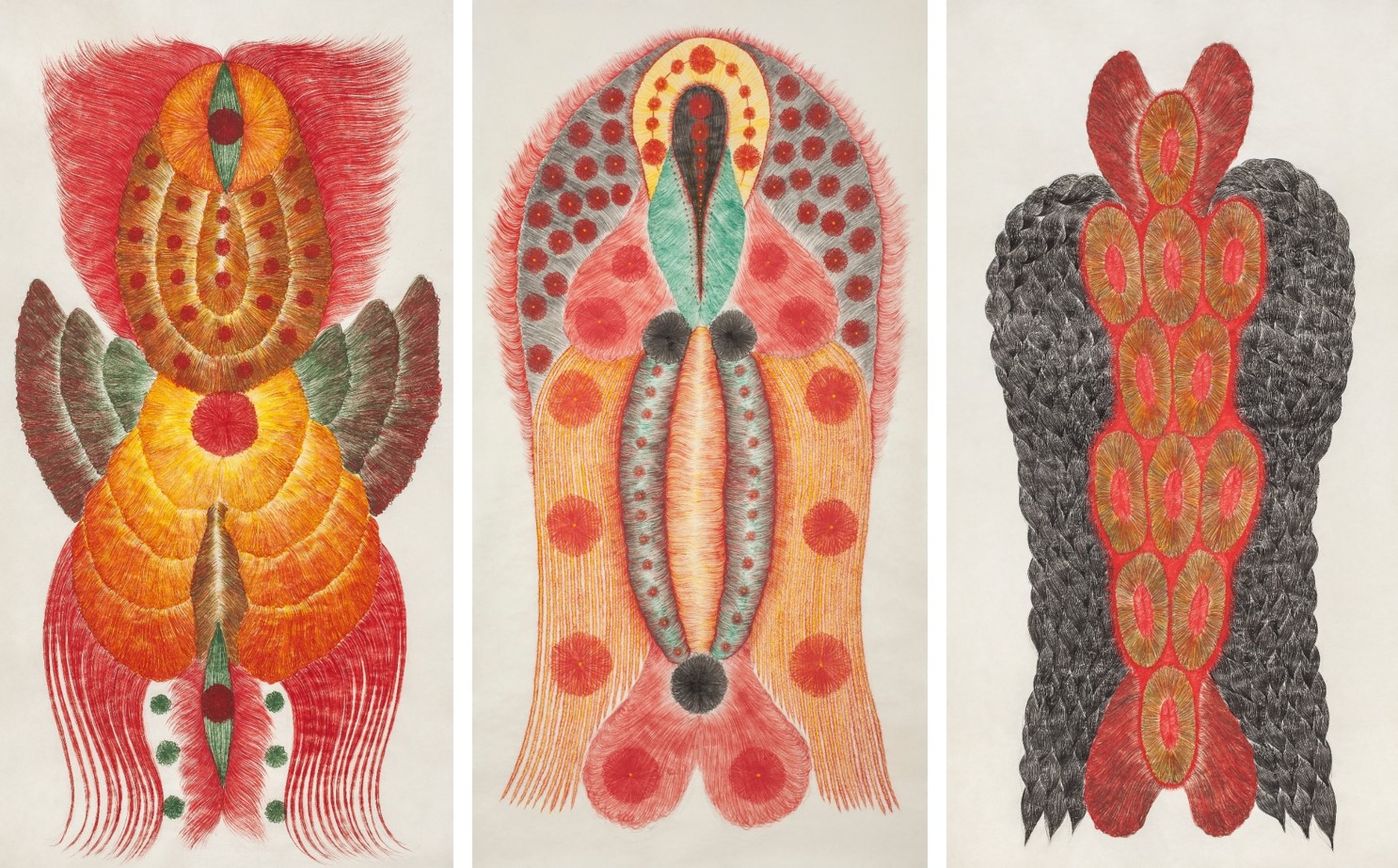
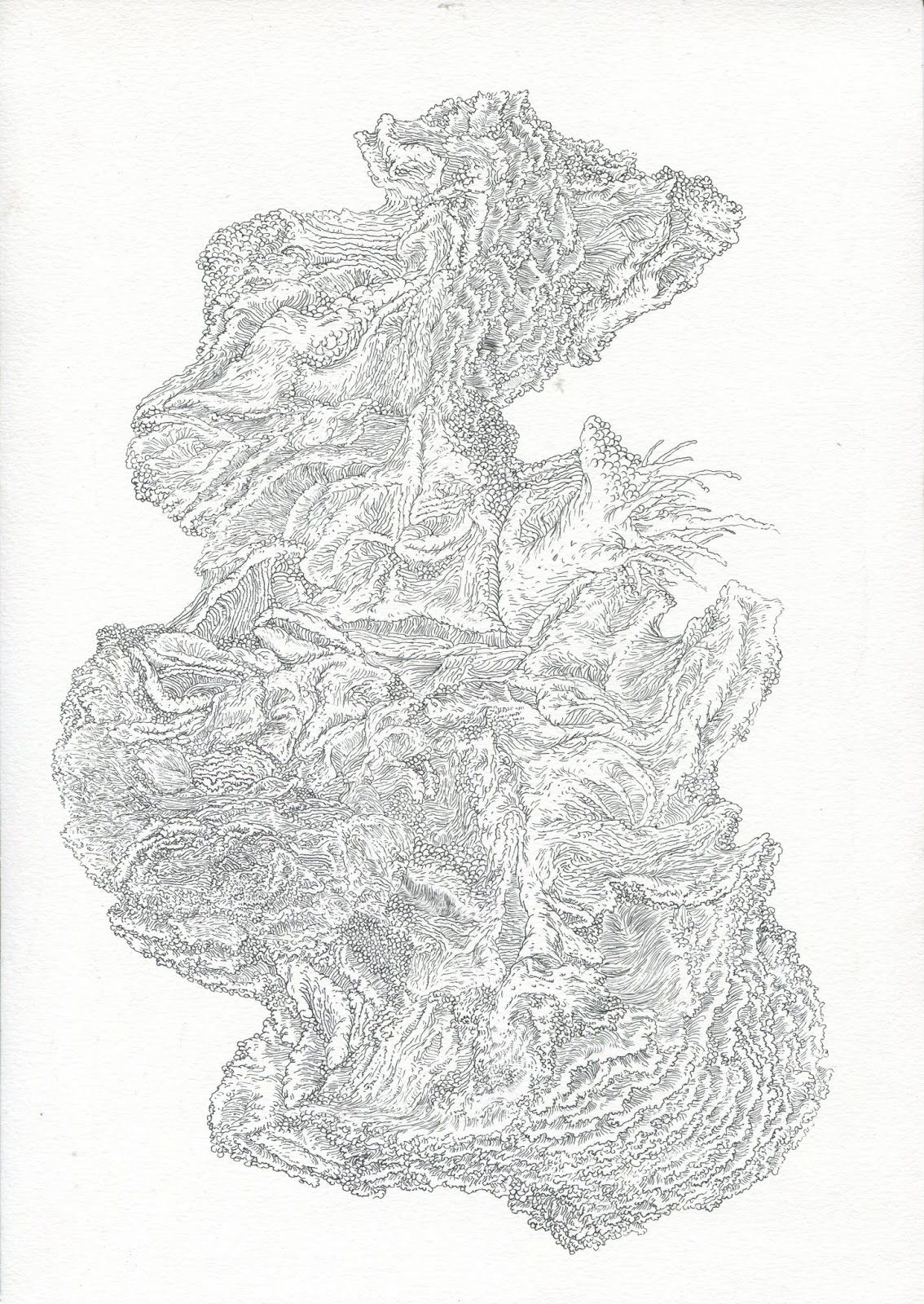
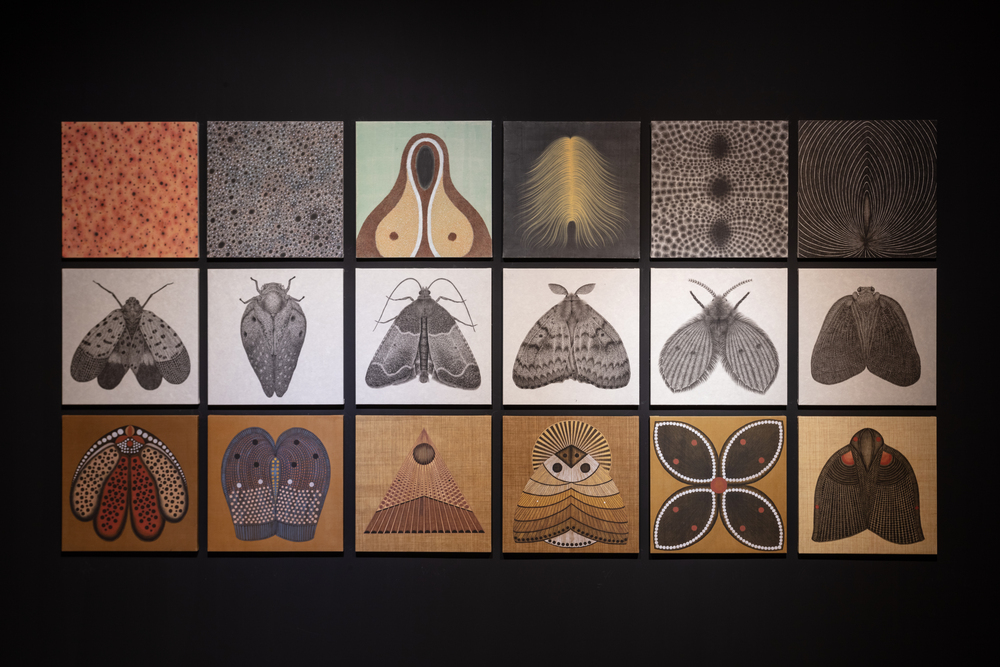
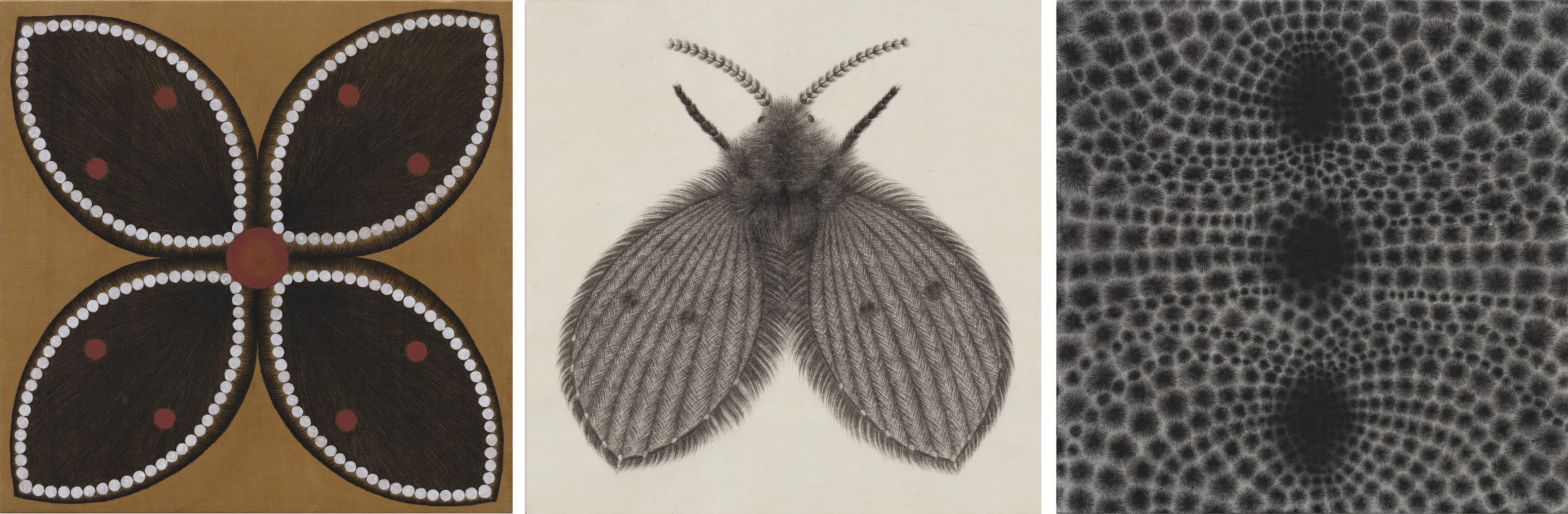
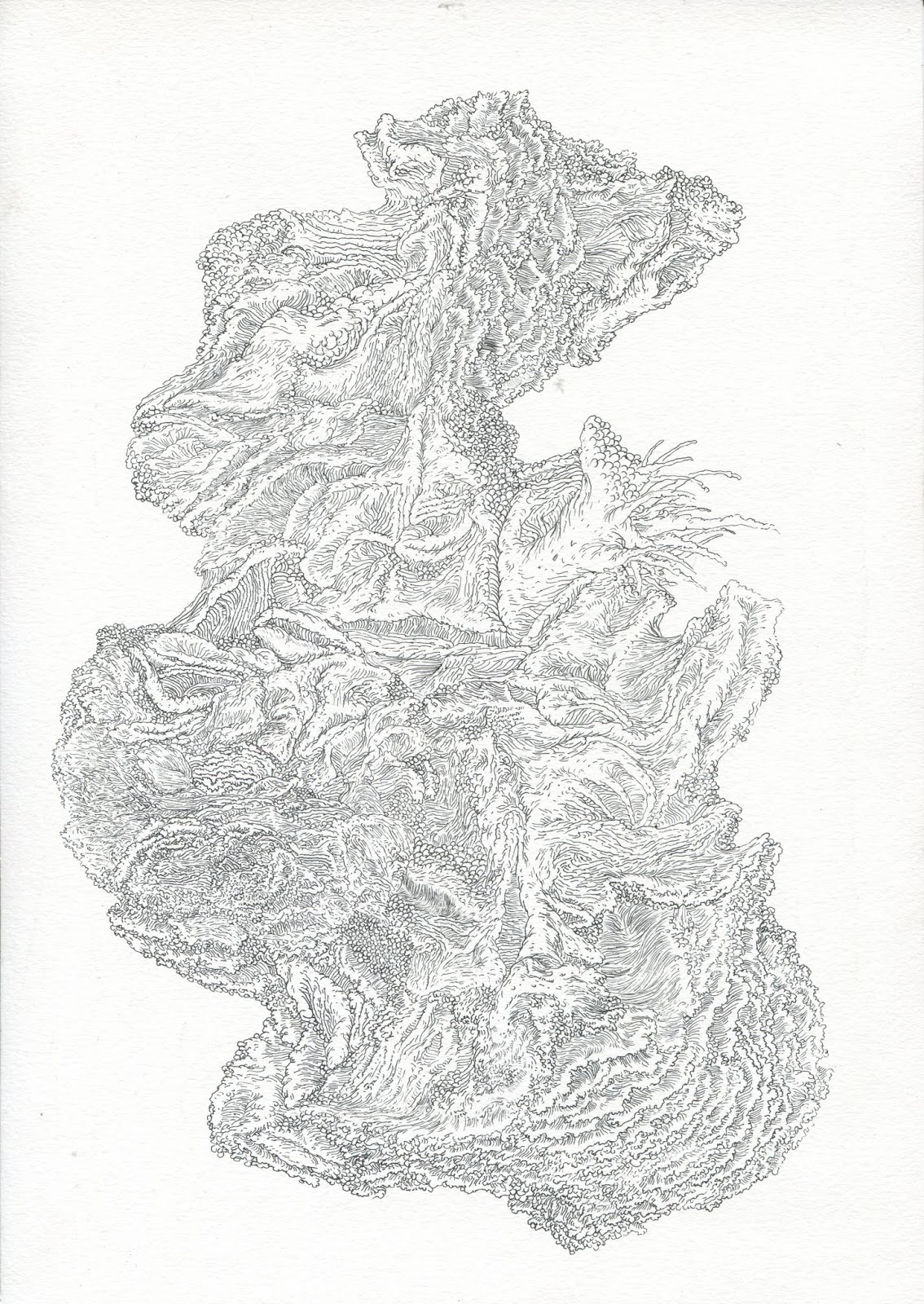
launched in 2015, the ‘Dummy’ series began somewhat incidentally. Depicting
grotesque forms of insects or plants, and revulsive imagery such as skin
diseases in the manner of religious iconography, the series stemmed from a
childhood memory. Growing up in a house filled with Catholic objects, Park did
not find comfort in them; rather, they seemed repetitive, compulsive, and even
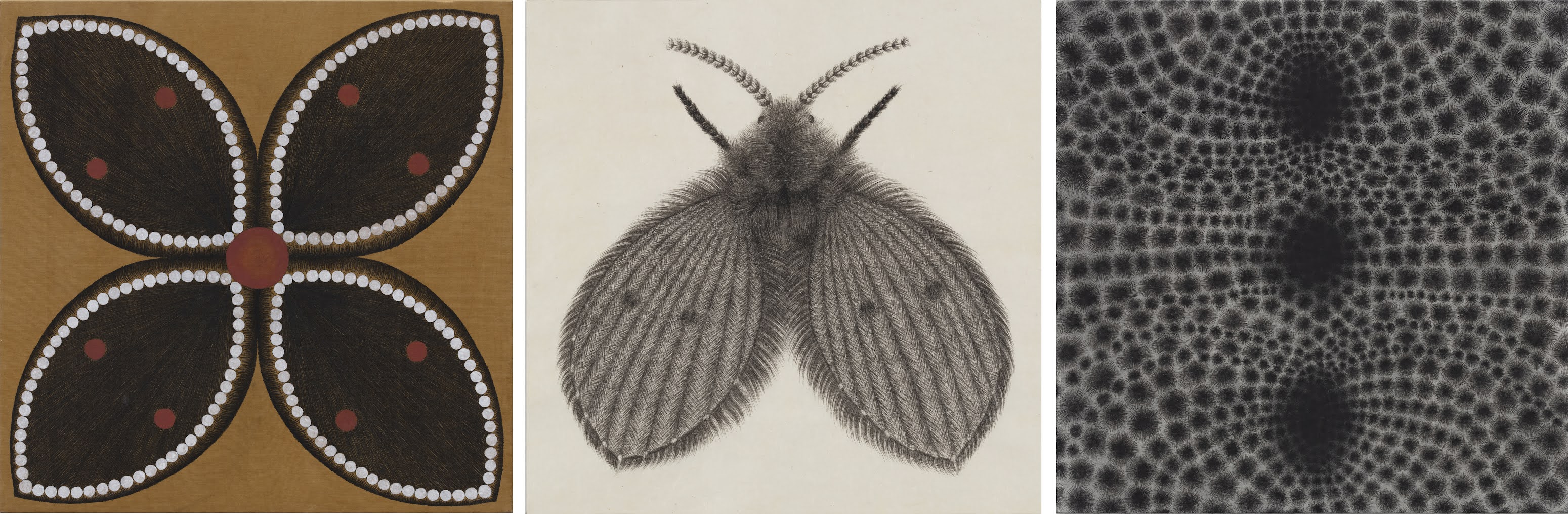
frightening. One day, upon encountering the corpse of a dead insect, he was
struck by the symmetrical, intricately segmented structure of its body. Though
repulsed, the form also reminded him of religious iconography. From then on, he
began to depict peculiar structures and forms discovered in insects using
mythological or religious visual languages. While he had previously worked with
themes of disgust, filth, and negation, it was with this series that he felt,
for the first time, a desire to continue creating a sustained body of work.
Through
his ongoing exploration of Dummy, Park came to realize that
the framework of his expressions had become somewhat codified. With his recent
works, he has begun to concretize his drawing methodology. His aim, however, is
not merely to perfect a mechanical technique, but rather to develop a painterly
style. In this endeavor, Park builds upon the classic painterly notion that the
texture of a medium determines the character of a form, and that content gives
rise to form—setting a foundation on which to mature his practice.
Park’s
practice is closely intertwined with religion. While it is not directly tied to
the doctrine of any particular faith—nor is it meant to imitate one—his work
often employs religious language and form. At times, he even adapts and
critiques religion through altered content, making it impossible to claim that
his work is entirely unrelated. He overlays the image of the “sacred” onto the
skeleton of the “impure,” and, conversely, cloaks the “sacred” in the skin of
the “impure.” Constantly weighing the two within his work, Park paints with a
meticulous and obsessive hand, as though performing a devotional rite. This
attitude functions as both a mechanism for neutralizing the uneasy pleasure of
depicting the impure and as a stylistic approach that is itself rooted in
impurity.
In
many religious practices, pain and hardship are endured repeatedly—often
voluntarily—as acts of penance, eventually leading to spiritual salvation or
catharsis. Park sees this mode of religious self-discipline as deeply
unhealthy, even perverse. This sensibility extends not only to the imagery of
his work but also to its textures. The materials he uses—hanji (traditional
Korean paper) and ink—respond differently depending on repetition, transforming
into completely distinct substances. With each brushstroke, the surface retains
a mark. Unlike canvas, where material remains intact, the paper wears down with
each stroke. The ink, soaking into the damaged fibers, produces a texture that
no other surface can replicate. Paradoxically, the more the paper deteriorates,
the deeper and richer the ink appears—a contradiction the artist deliberately
embraces.
Just
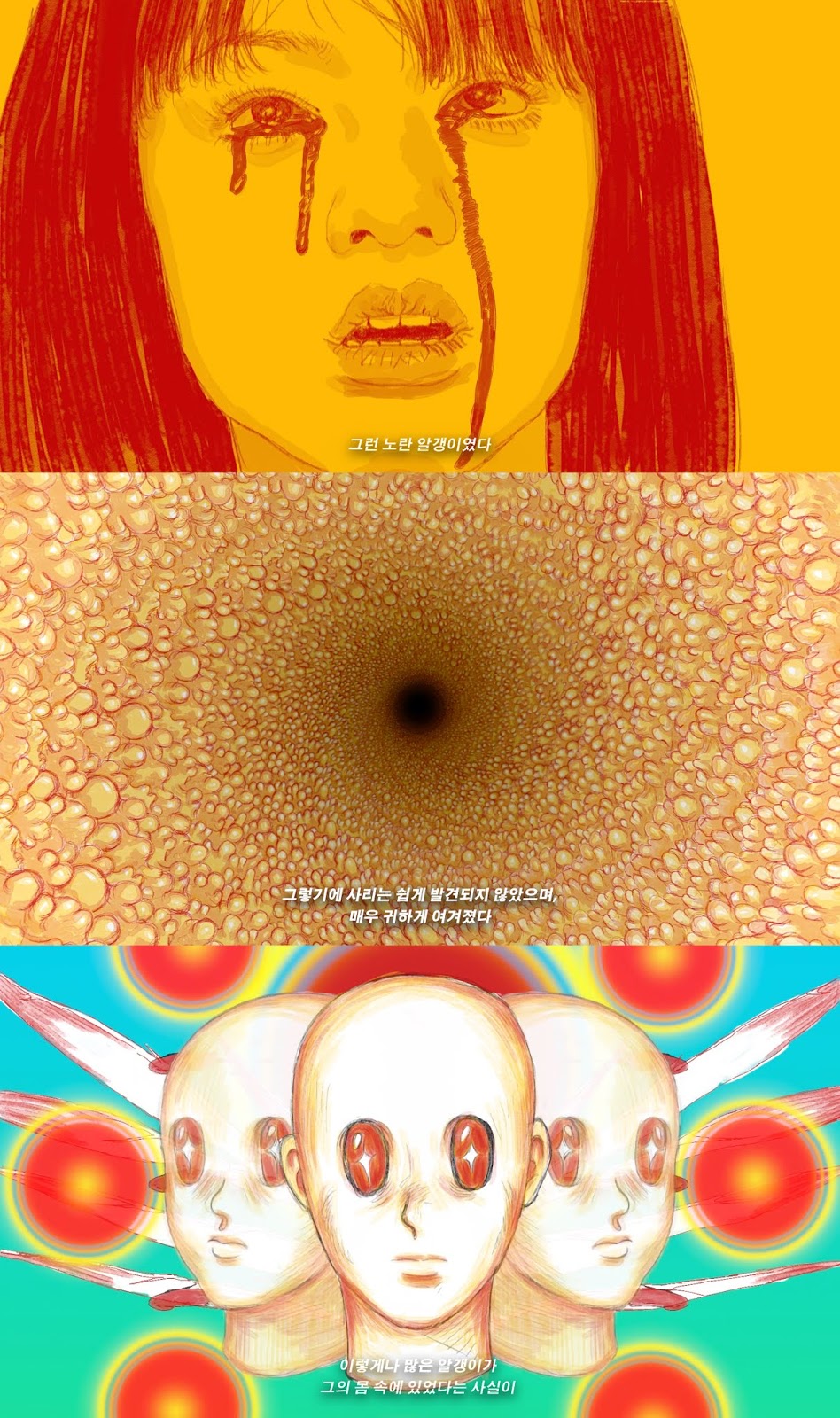
as he once condensed primal, filthy, and erotic instincts into his 2016 video
work Sputum Creed, Park Wunggyu constructs his narratives
with either extreme precision or hazy concealment. Whether it’s the ongoing 〈Dummy〉 series, the Sputum series, or
entirely unpublished works, they are all rooted in a single consistent
framework. Though differing in medium and subject matter, each is a struggle
born from the same source—a set of allegories to which the artist has been hyper-attuned
since childhood. Sputum Creed also reveals how the artist
views images from popular culture as part of a dual attitude toward
“negativity,” further affirming the consistency and urgency of his artistic
perspective.
Rather
than engaging in broad, superficial discourse or issuing overt social
commentary, Park Wunggyu’s work speaks to the emotional core that lies deep
within the individual—a bullseye of private sensibilities. His practice is
solemn, like that of a warrior sharpening the tip of an arrow. Still, he
constantly overturns and questions how the themes in his work reflect or speak
to contemporary society. He insists that what his work ultimately handles is no
more than a shell, and that we are far from free of the illusions cast by such
shells.
Even
those who seem cold-blooded and emotionally numb likely harbor a utopia deep
within. Art plays the role of channeling this inner utopia into the real world,
allowing it to be shared with others. Viewers wander among the imagined
constructions Park has reassembled, encountering radiant fragments of thought
shaped in the depths of human interiority. For those trudging through dull,
mechanical daily lives, art becomes an oasis. Park Wunggyu’s work, too, offers
such respite. His pieces, which poignantly and sublimely depict what was once
too impure to reveal, serve as elegant surrogates for our hidden thoughts.
So
perhaps it’s best to simply enjoy the strange harmonies he has created and
leave the arduous task of decoding his intricate intentions for another time.
After all, we’re not obliged to be responsible for everything.