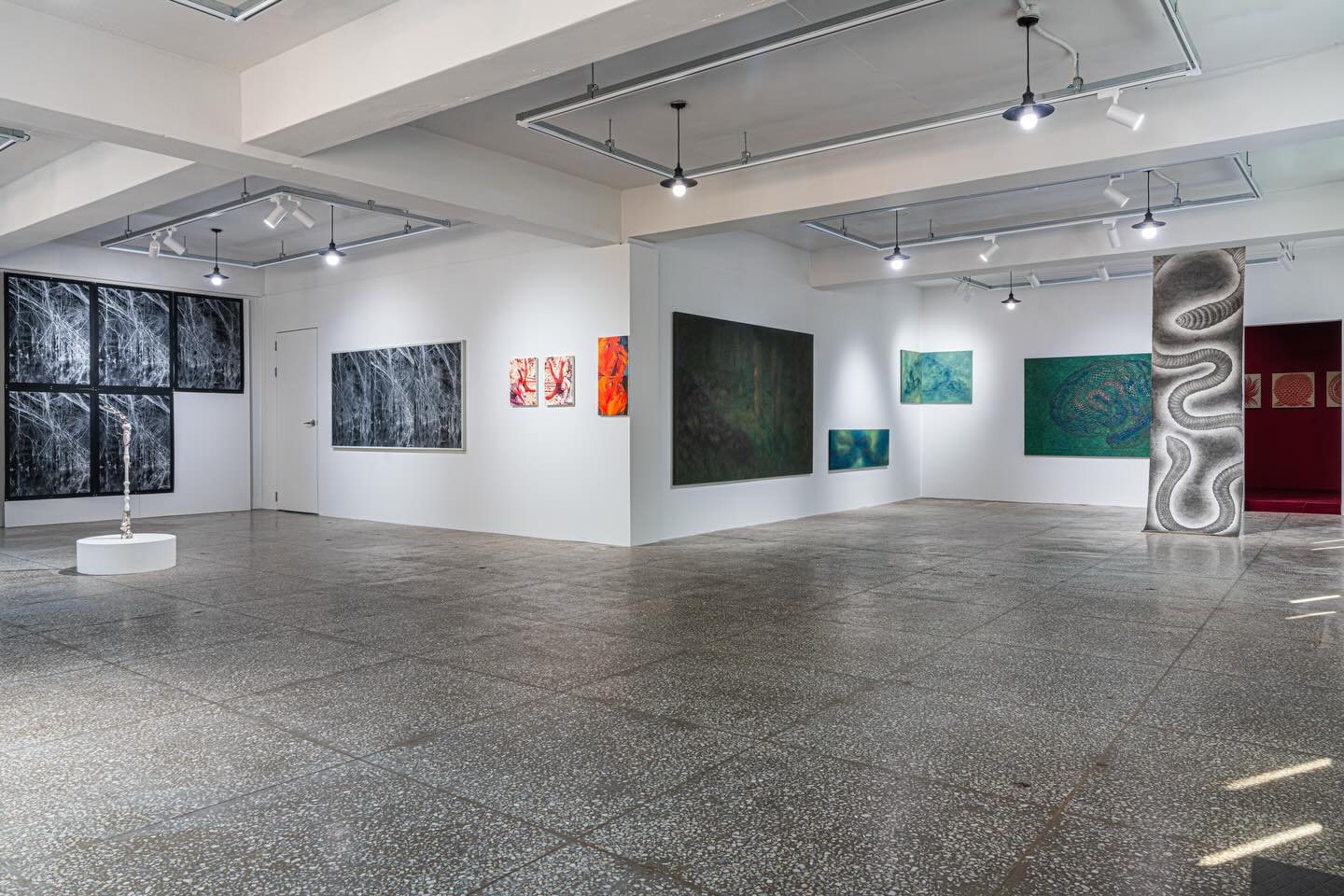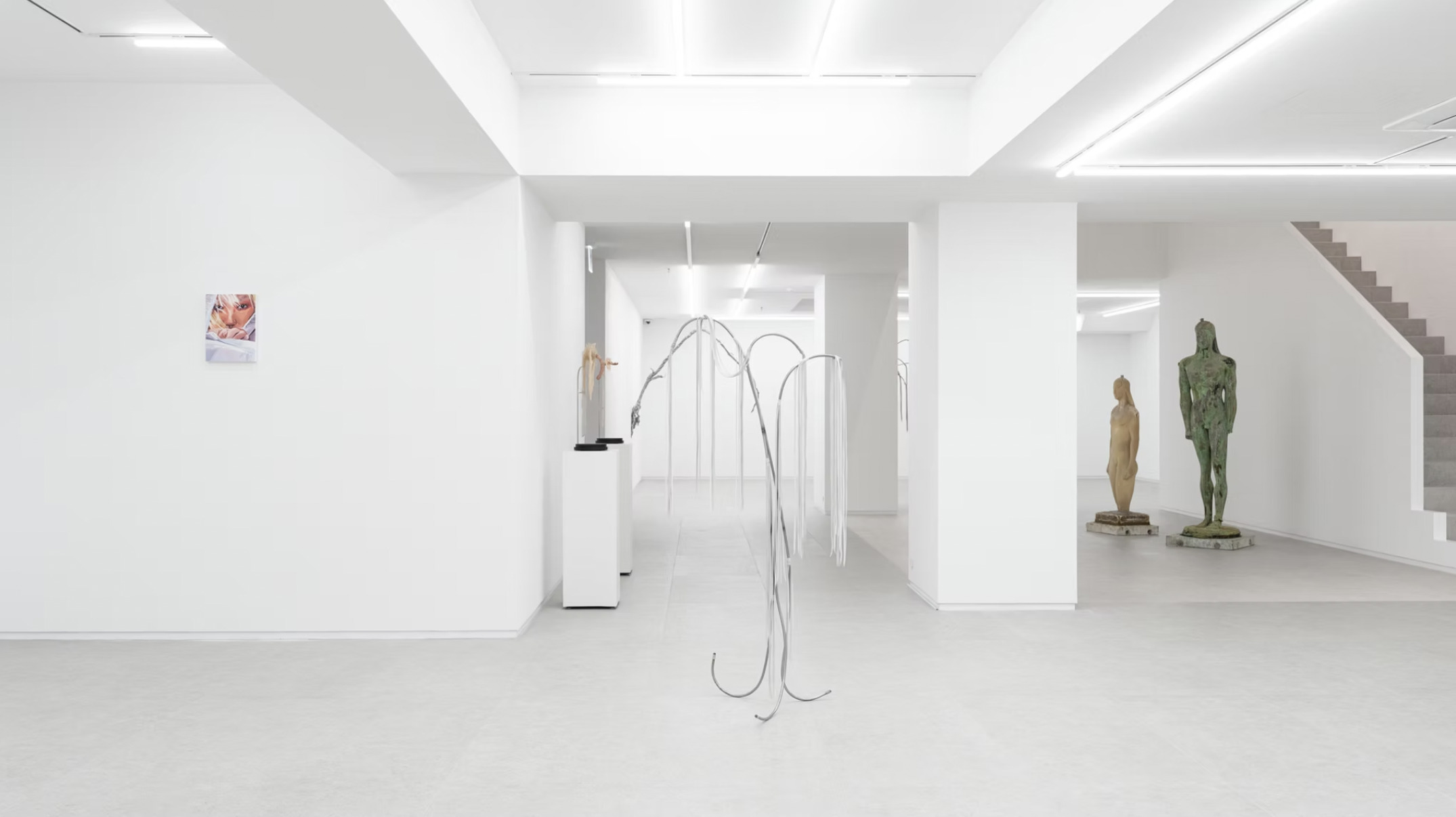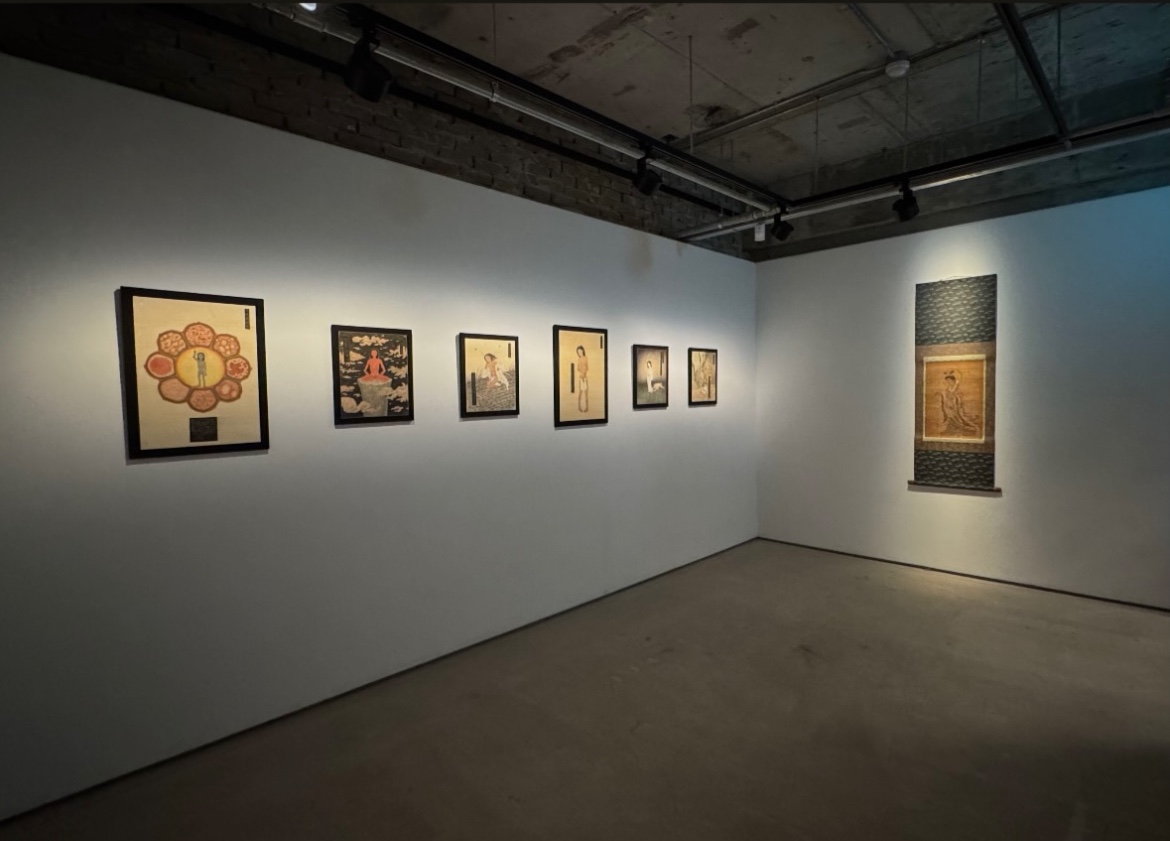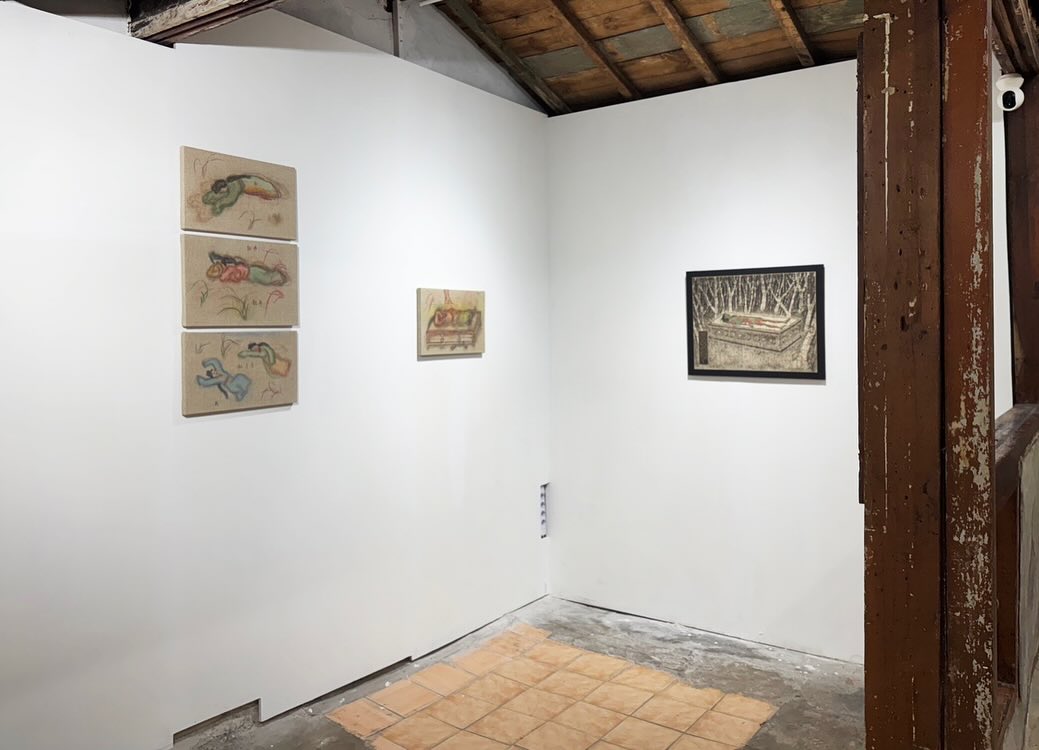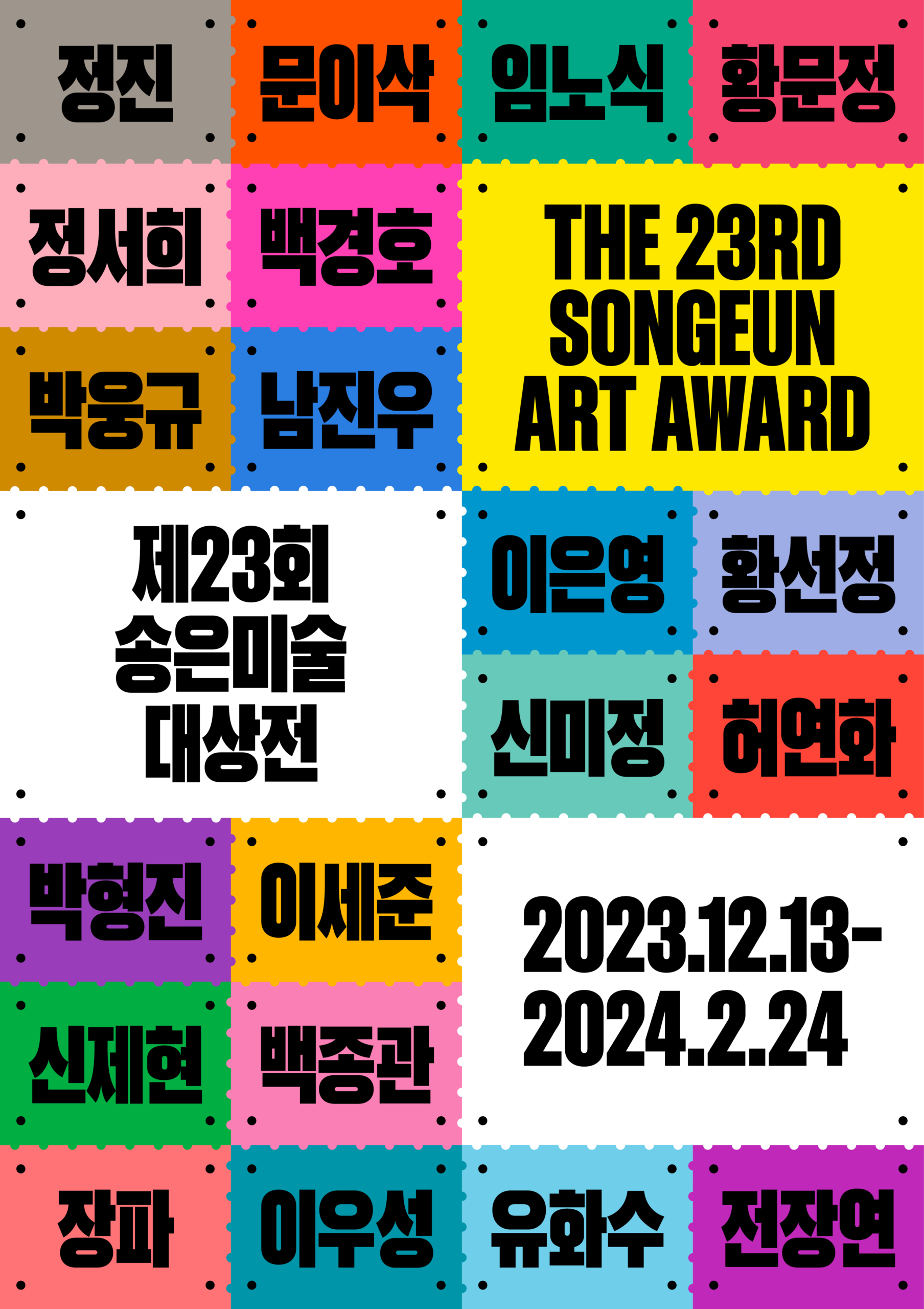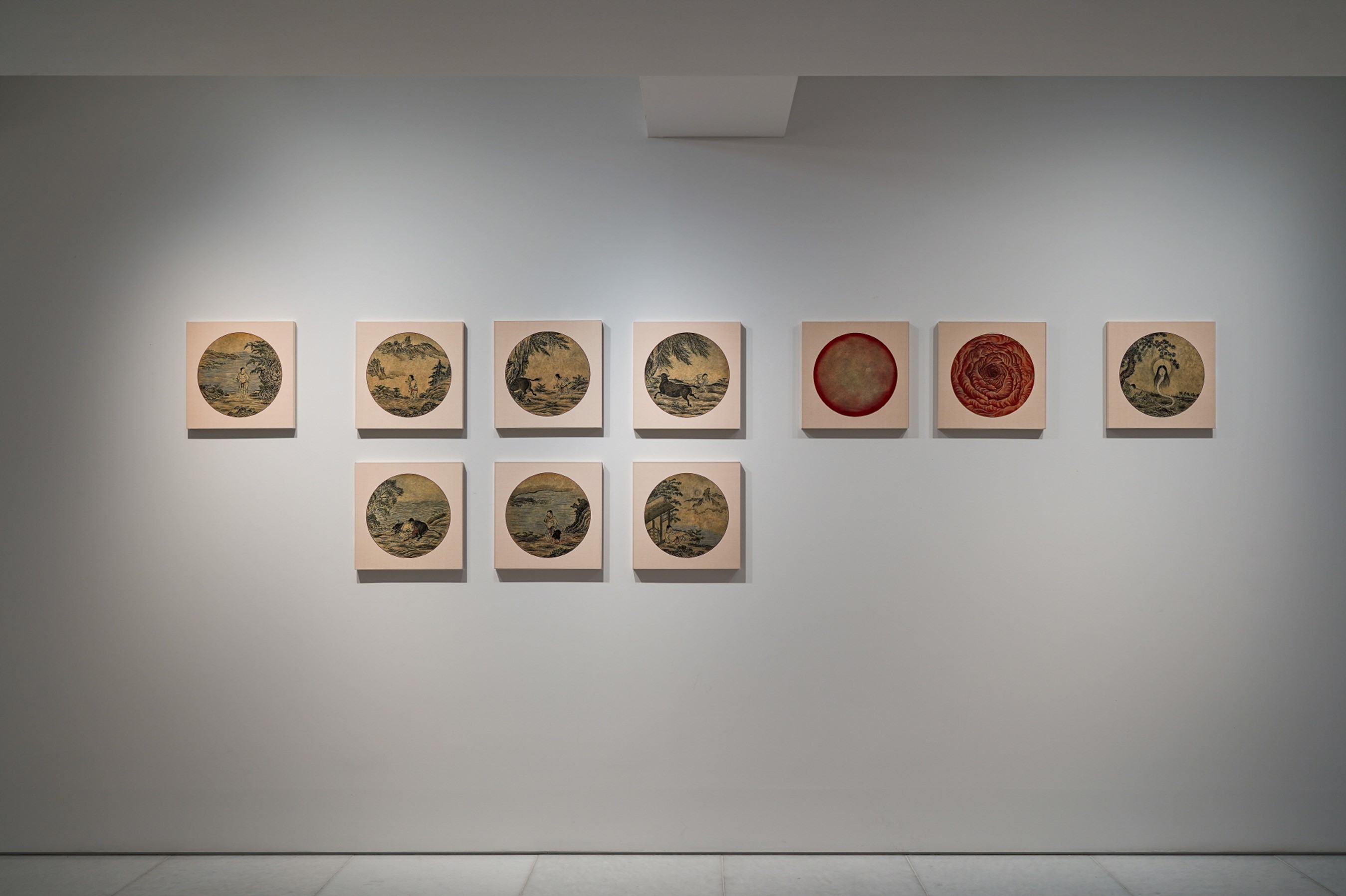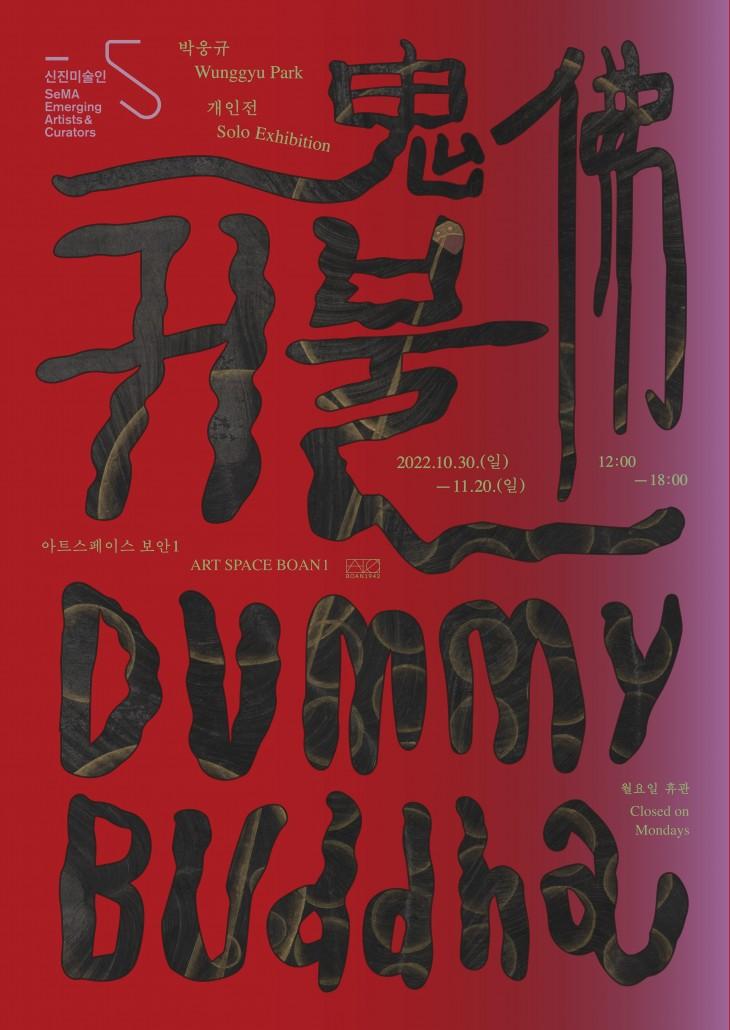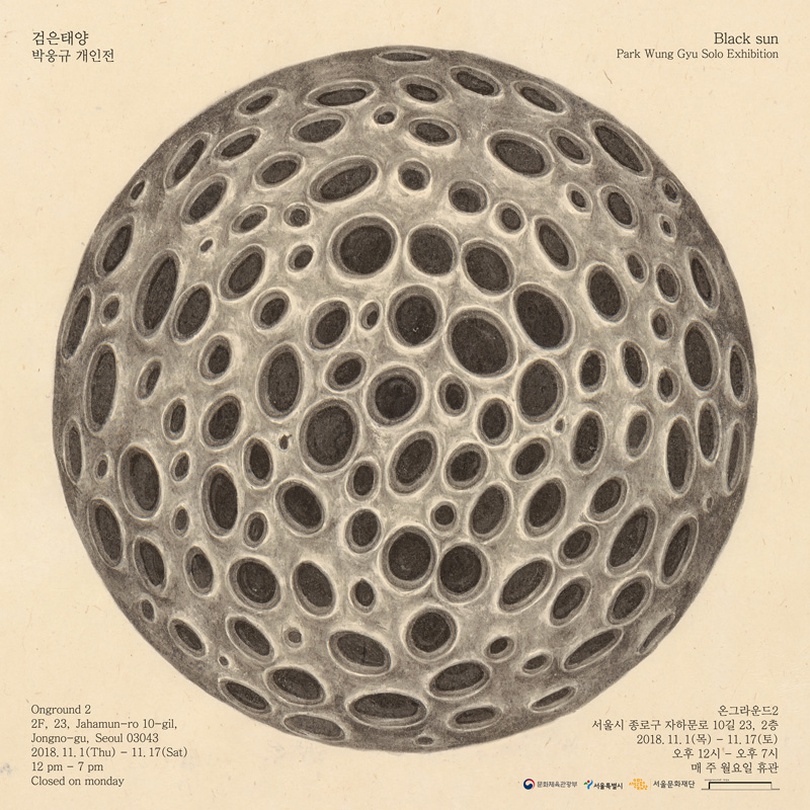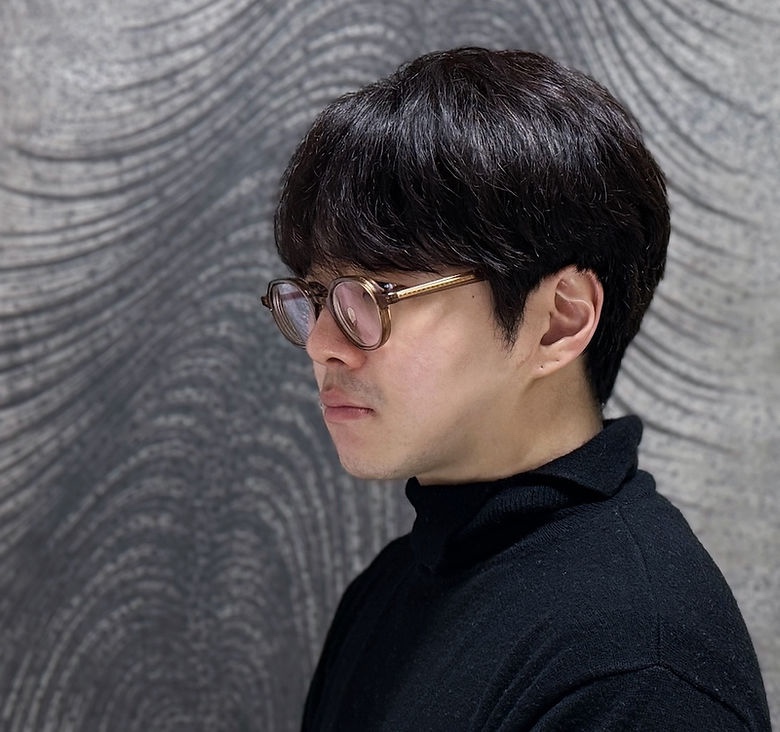


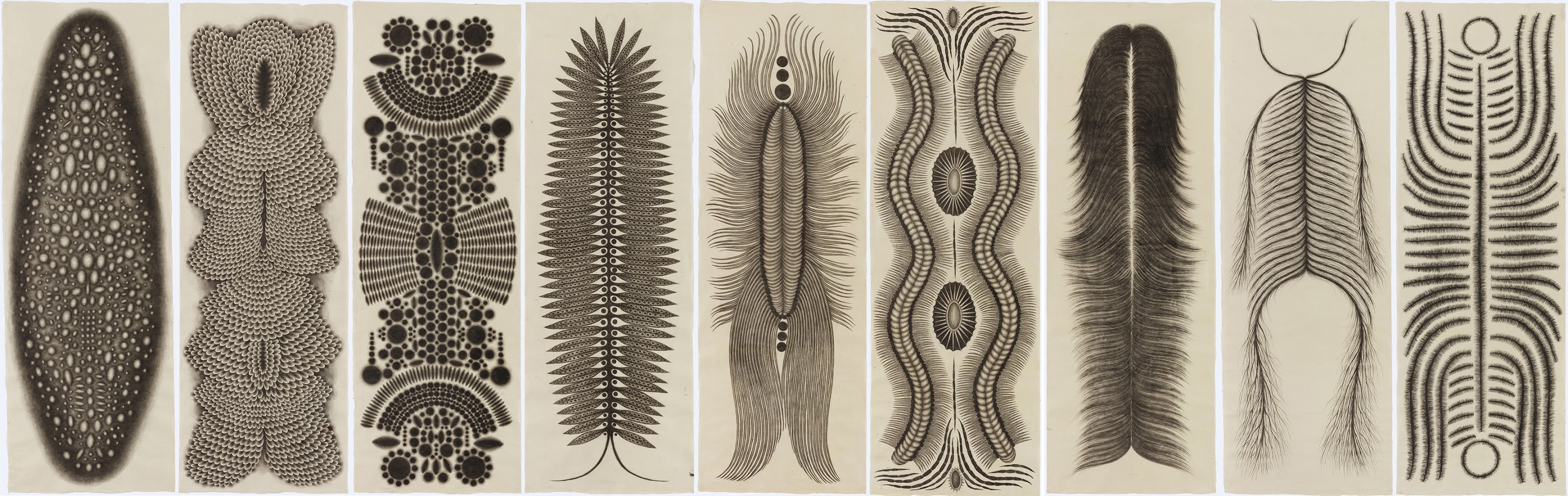
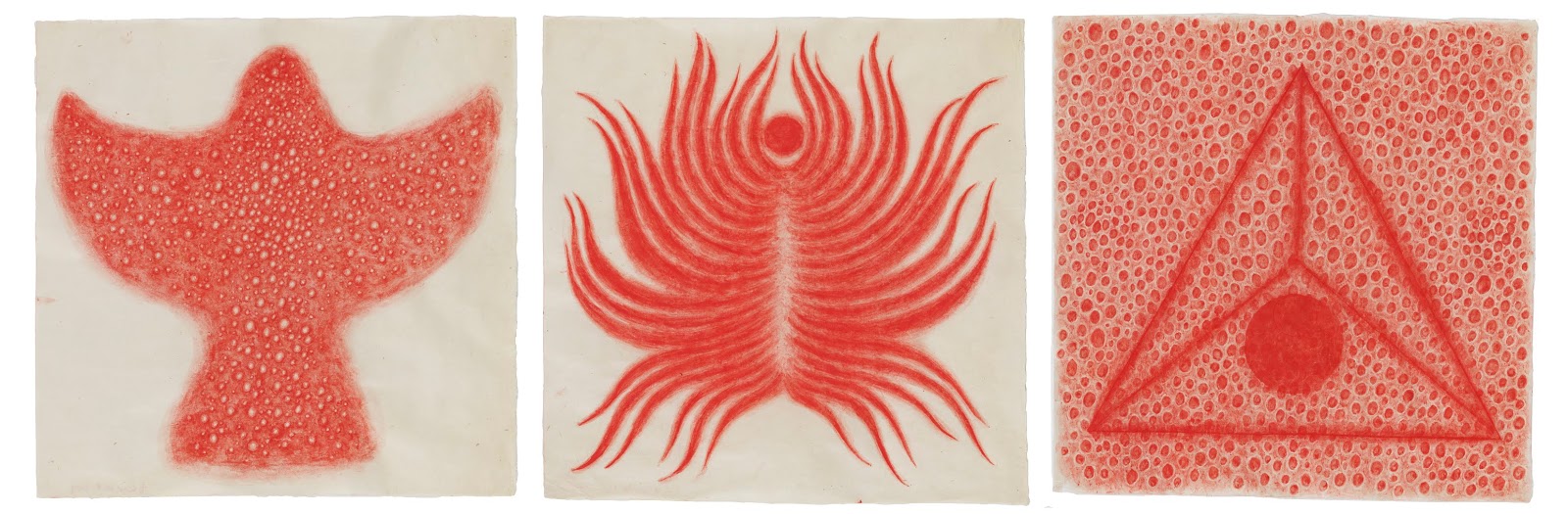
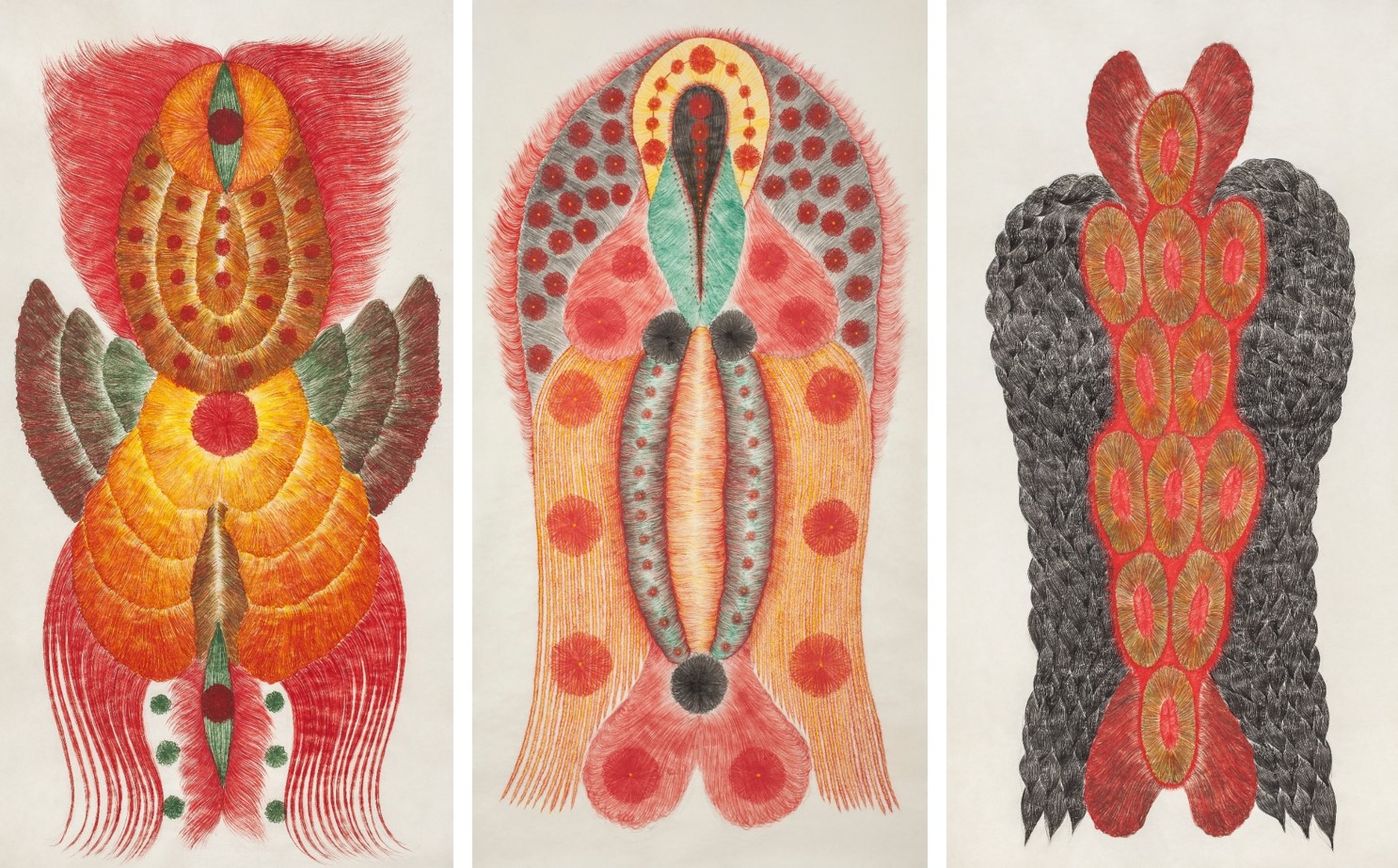
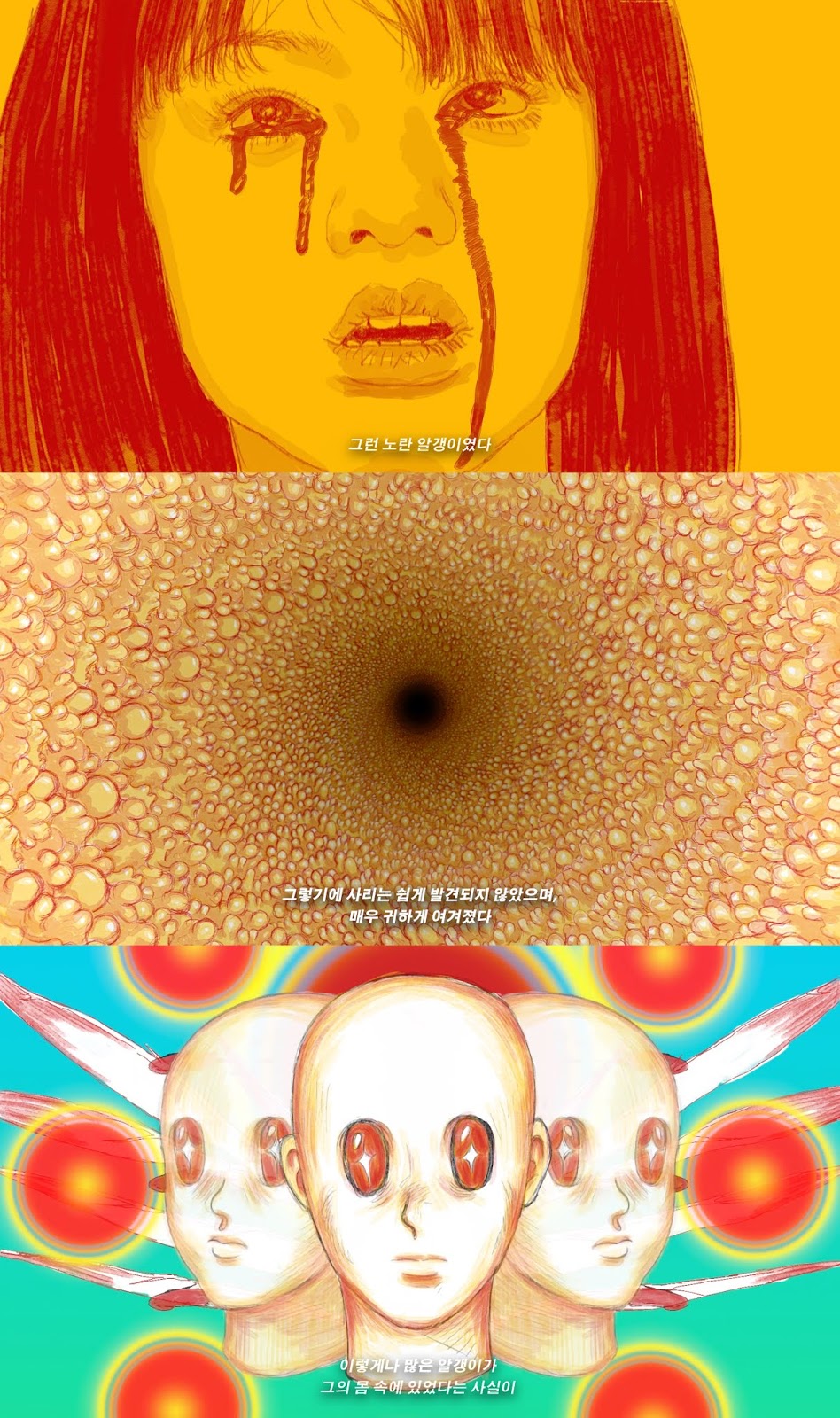
Exhibition Poster ©Onground2

Artist Note

I’m at a museum in Kyoto, Japan. Currently, it is hosting an exhibition of Japan’s national treasures. I find myself unable to leave the Buddhist art section. Despite their age, the large-scale Buddhist paintings possess a solemnity and sanctity that is deeply moving.

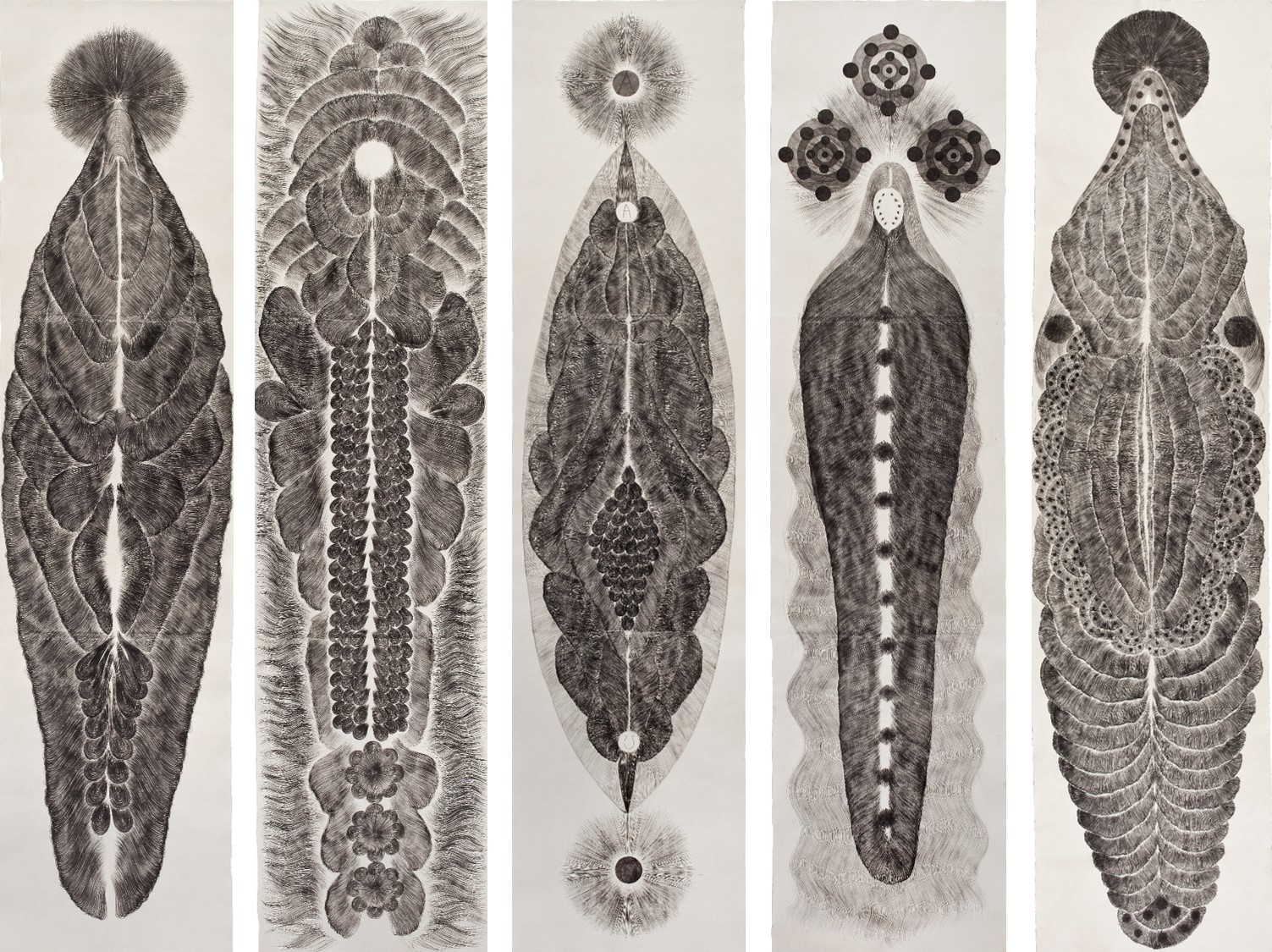
After the overwhelming first impression subsides, smaller details begin to emerge—perfectly symmetrical compositions, the myriad gestures formed by countless hands, the ornate decorations adorning the figures, and the omnipresent haloes often seen in religious imagery. I may not fully understand the meaning behind each iconographic element, but I can sense that these details are what make the paintings feel special. The vast exhibition hall is filled with enormous scrolls and statues. No matter which way I turn, I’m met with dense, symbolic forms staring back at me.

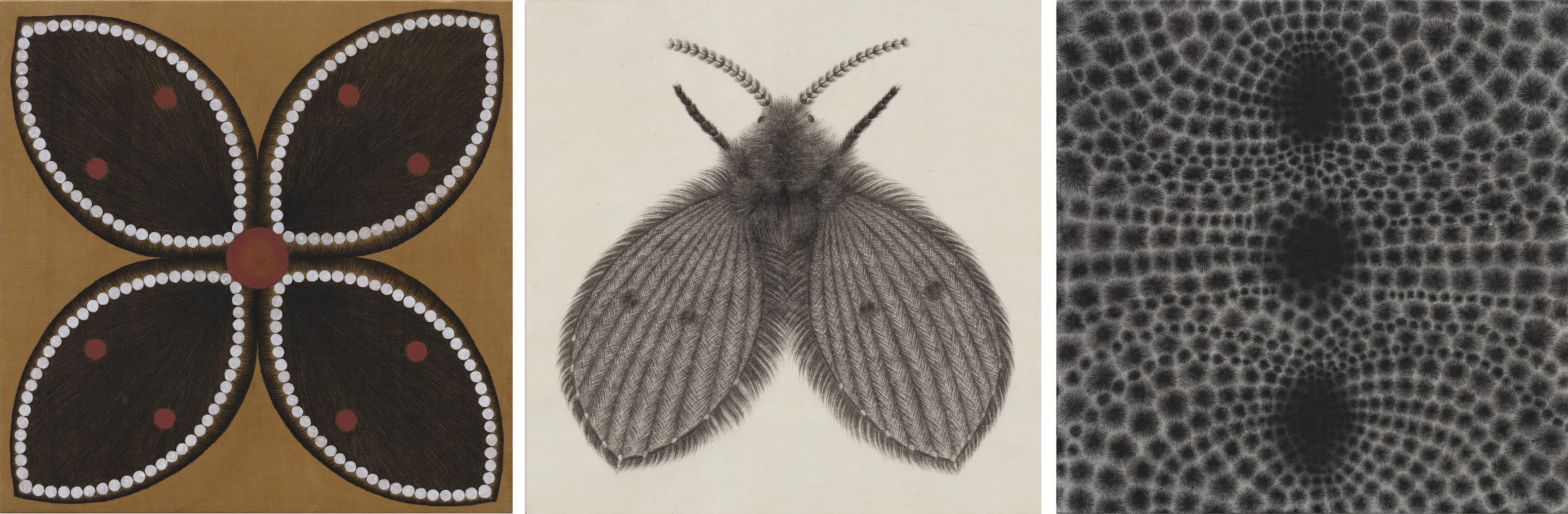
With a slight shift in perspective, this immense tomb of imagery starts to feel somewhat terrifying. When the solemnity begins to blur into unease, sanctity transforms into fear. Standing before another piece, what once appeared sacred now begins to seem grotesque. The orderly, symmetrical decorations come across as compulsive, even triggering a sense of trypophobia. Each hair, drawn with painstaking precision, brings to mind the clumps of hair caught in a drain. The cracked, aged surface of the painting resembles dry, winter-stricken skin. The once-beautiful image of the bodhisattva now looks more like a ghost.

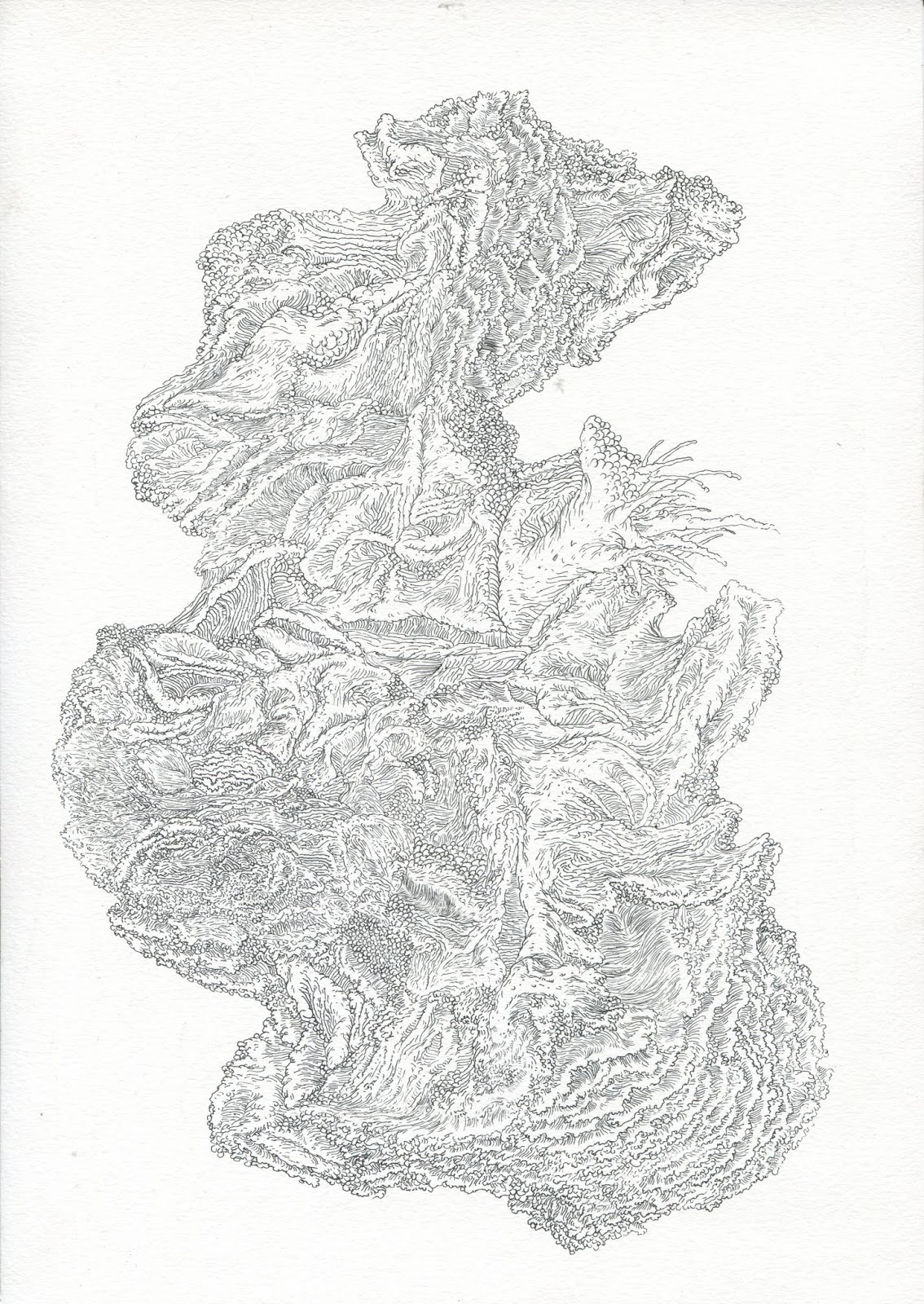
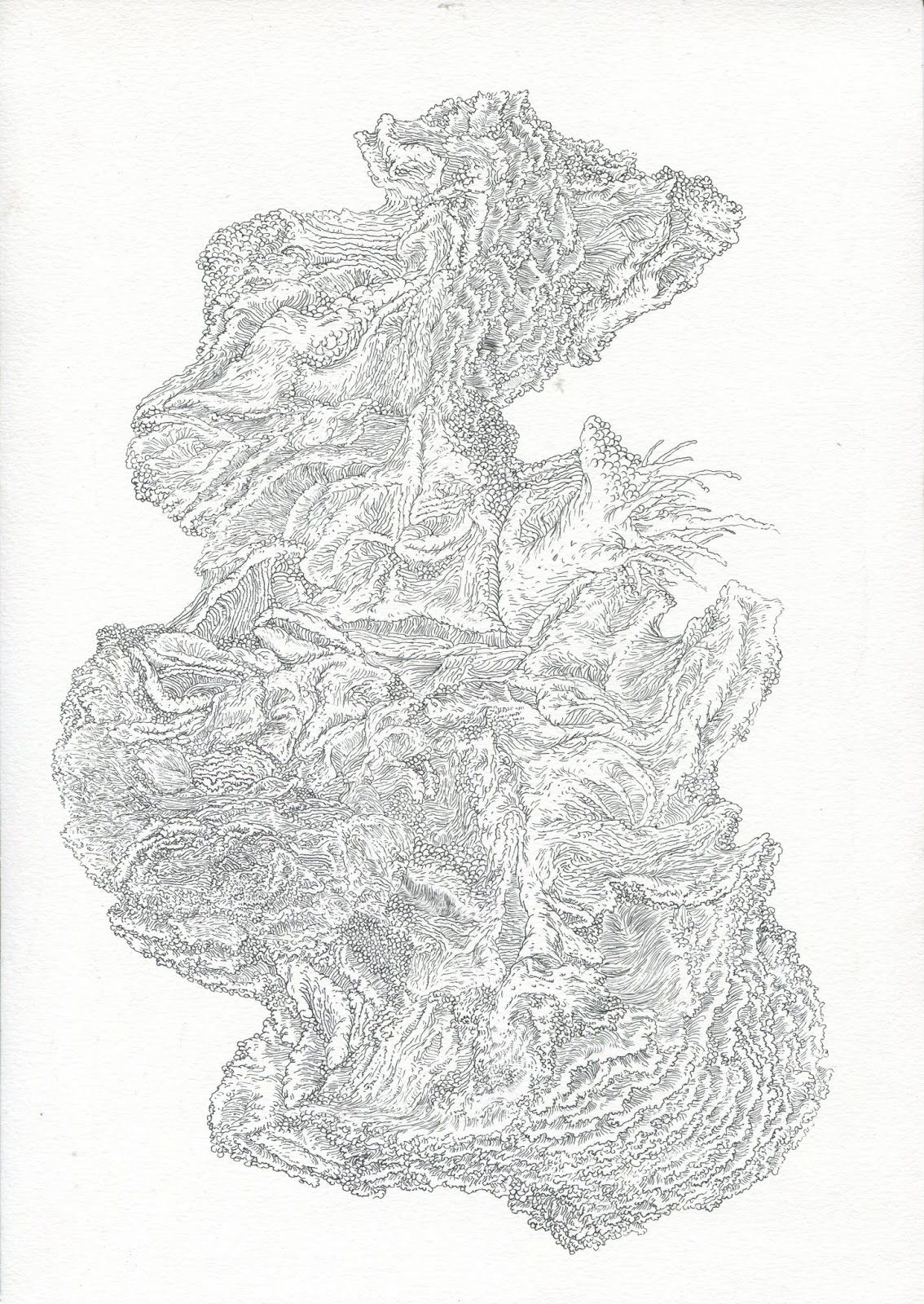
Park Wunggyu, Dummy No.31, 2018, ink on paper, 50x75cm ©Onground2

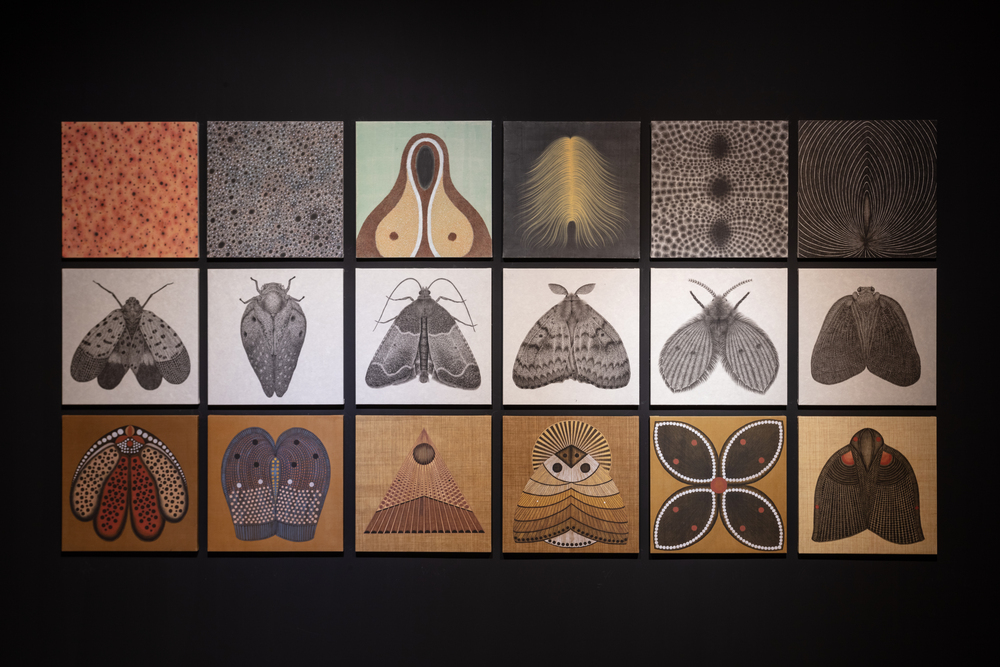
Such drastic shifts in perception are not unfamiliar to me. My museum experience brings back memories of my childhood, when I was terrified of the Catholic relics that filled every corner of my home. The 〈Dummy〉 series was born from this emotional foundation. Over time, the religious iconography that had been constructed over centuries began to wither—the essence within slowly forgotten or aged—until all that remained was a shell. These hollow shells, having lost their original bodies, now appear like ghosts: in films, cartoons, video games, or even in filthy, abject things. A moth stuck to a window, the cross-section of a fruit split open and filled with seeds, an unnamed plant blooming across the soft fuzz of a stem, or the mold that grows on damp summer walls—all evoke religious imagery for me.

In moments of reflection, I always return to the same place. It’s like a balance scale, with pendulums hung at either end of a long horizon. As I paint, I imagine myself adjusting those pendulums, trying to keep the horizon from tipping to one side. Sometimes I intentionally fix it to one end, other times I fold the line in half and superimpose the two ends. Yesterday, today—I pick up my brush and draw a fine line, smirking to myself. I piece together images found through Google, imagining an insect deity of my own making, then add a halo of symbolic elements, forging a lie that it is sacred.

Stepping out of the dark museum, I look up at the sky. The blazing sun is too bright to look at directly. I strain my aching eyes to stare at it a little longer, and suddenly, I see the halo behind the Buddha’s head. Rubbing my stinging eyes, I find the afterimage of the sun still lingering between my eyelids. Blink. Blink. With every blink, the afterimage fades into a black dot, slowly dissolving from view.

— Park Wunggyu

References