[This essay is based on a review the author wrote for the October
2012 issue of Art in Culture, a monthly art magazine in Korea]
“What can art actually do?” This is probably a question that artists repeatedly
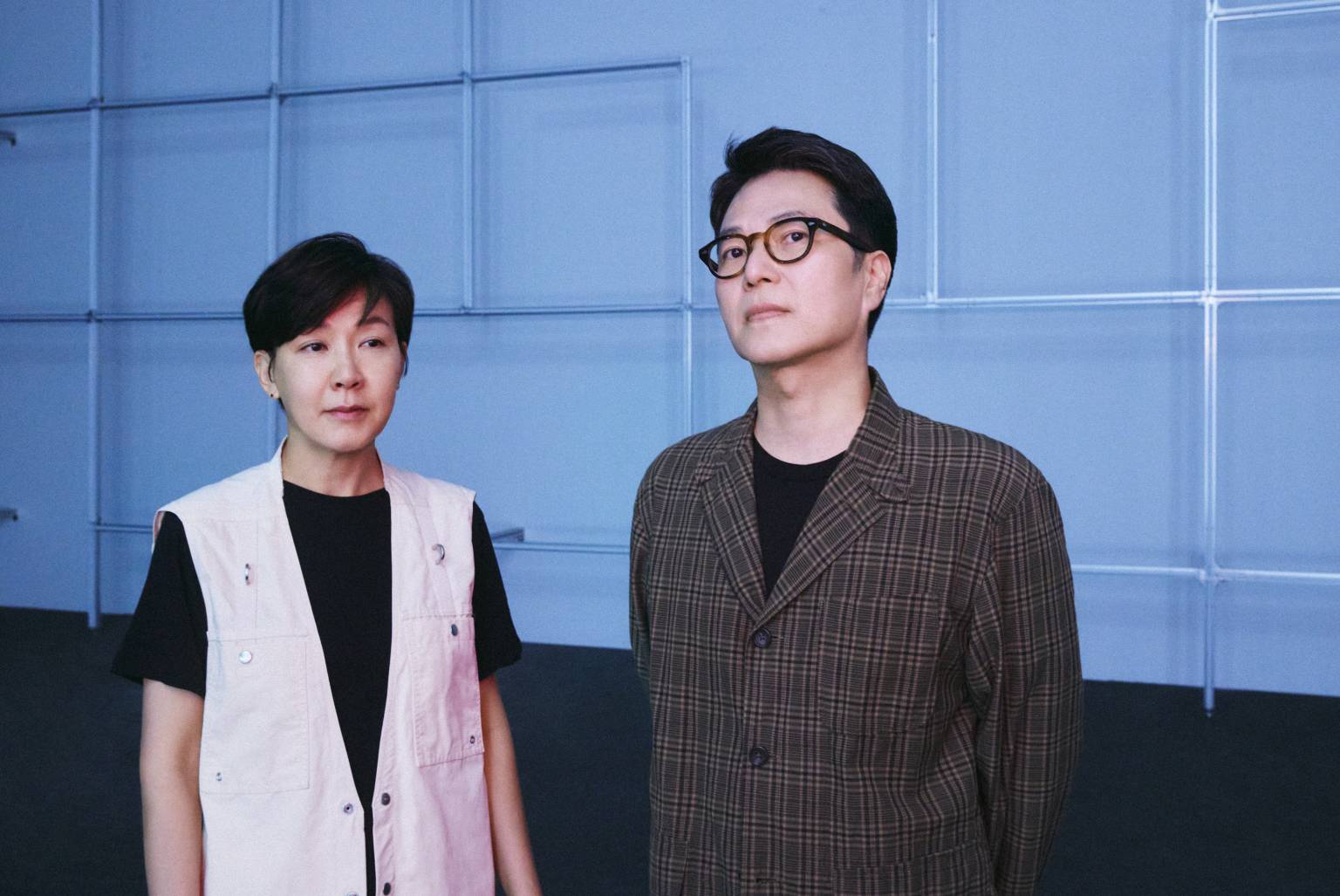
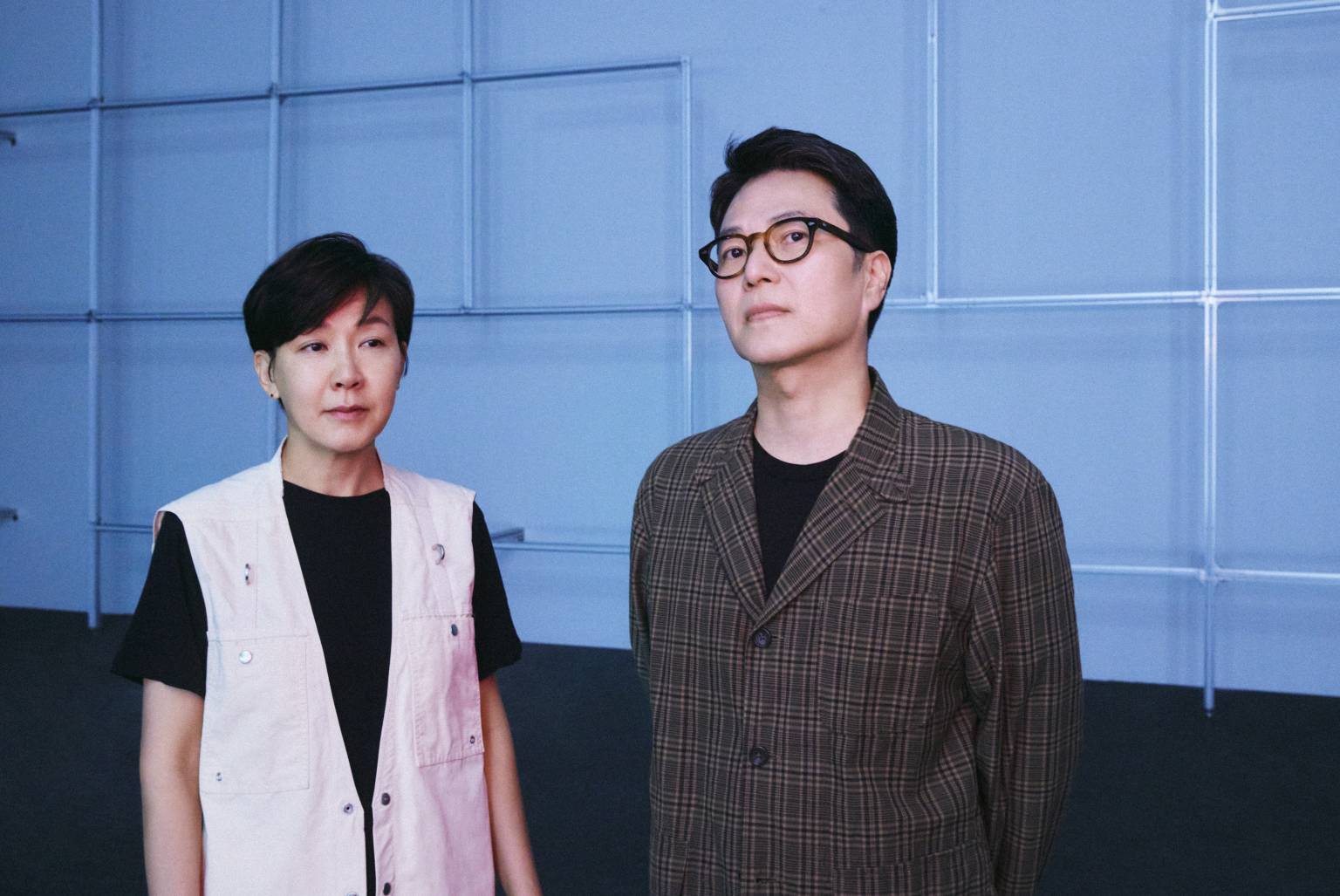
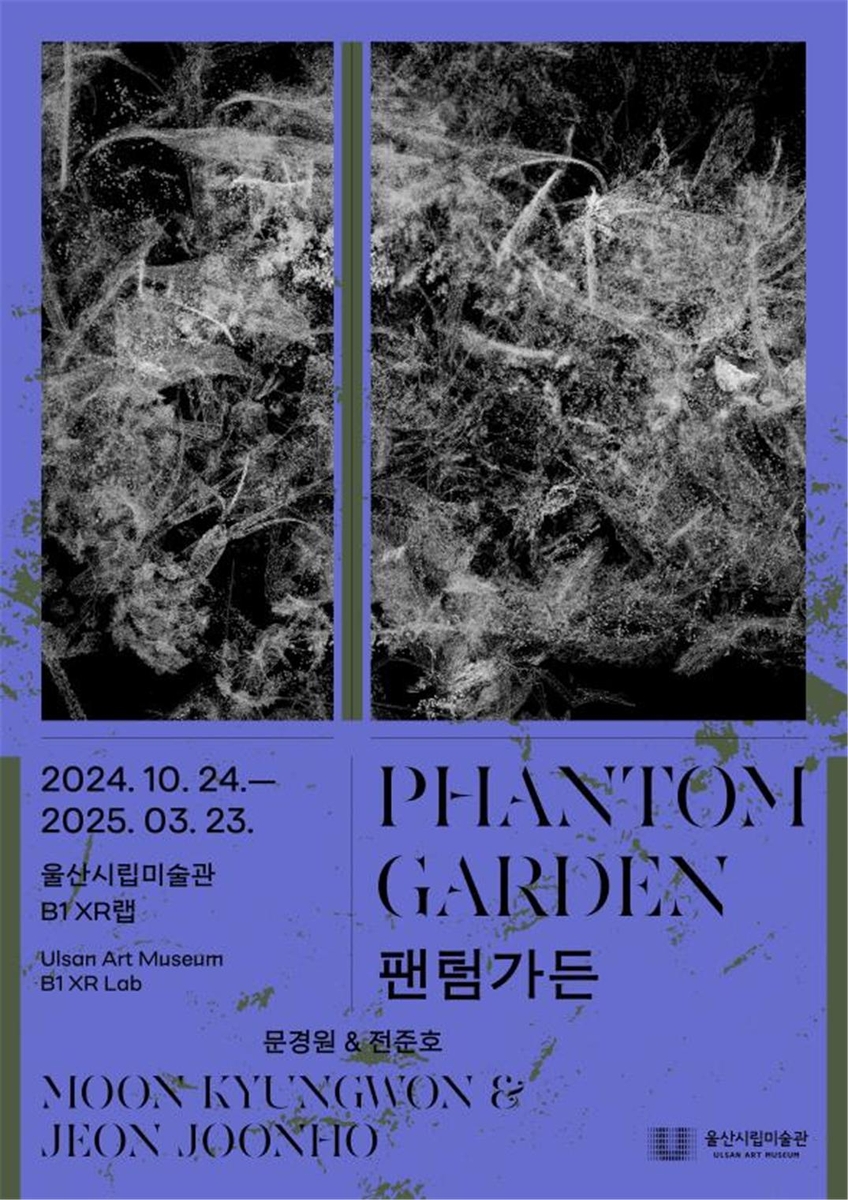
ask themselves, and it is precisely this question that MOON Kyungwon and JEON
Joonho’s reflective project, News from Nowhere, was
initiated from. Although to answer this question requires a significant amount
of introspection, MOON and JEON have persistently expanded the boundaries of
its answers through careful coordination of the structure of the question.
They
selected experts from various fields, both art and non-art, as their
‘advisers,’ had in-depth conversations with them, and introduced parts of this
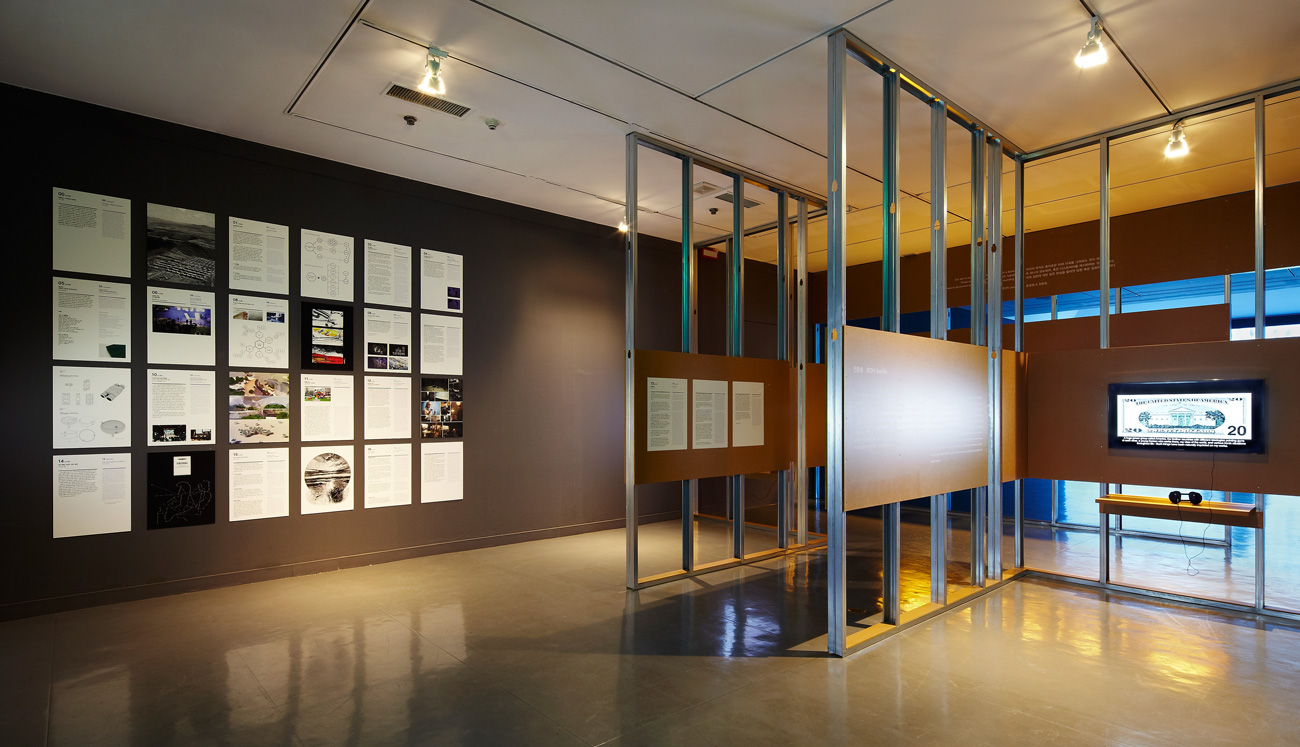
process on their project website (www.newsfromnowhere.kr) in the form of ‘newsletters.’ For example ‘Newsletter 07’
depicts the conversation MOON and JEON had with film director LEE Changdong in
Seoul in April 2011, and ‘Newsletter 15’ depicts the one they had with composer
Toshi Ichiyanagi on his concept of experimental music.
Through conversations like these, we are naturally involved in the various
perspectives on art. In other words, we are able to measure the distance
between our own principles and others’ power of argumentation within their
questions and answers. In addition, by critically tracing the origin of such
power, we are able to contextualize the differences in values.
In this current
era, in which I can easily feel that art is caught up in nihilism and
esotericism and thus alienating from the realities of society, I believe that
the endeavors of MOON and JEON to search for the various echoes of thoughts
that exist in relation to art are not based on poverty consciousness that seeks
to manifest the authority of art, but rather a philosophical attempt that seeks
to show the multidimensional social relationships that have accumulated in the
layers of art.
The creative process of MOON and JEON, which communicates with the audience
linguistically rather than figuratively, does not aim to create ‘artworks’ that
are neither entirely harmonized nor complete. ‘Newsletter 01’ outlines the two
main pillars of their project – ‘Platform’ and ‘EXPO.’ ‘Platform’ represents
MOON and JEON’s will to provide direction towards the flow of art and its
tributaries, and ‘EXPO’ represents their efforts to recognize and actualize the
possibilities of participation-based aesthetic production.
This is a rather
dangerous setting that may get caught up in the typical potents of description
and understanding, therefore following predominant non-visible factors.
However, the standards and norms that the contemporary art world has
established have come to display collective binding force, and MOON and JEON
use only arguments that justify the approval method of those standards and norms.
In this light, the conversational method of MOON and JEON is characterized by
aesthetic criticism. Normally, a theorist bringing into question the method in
which art is discussed in an authoritative manner would morally reject existing
hierarchical standards or rush to reach a new moral consensus. However, what I
believe needs to come first is to present possible grounds to transform the
perspectives in which the discussion can be carried out and search for ways to
expand the sentimental and perceptional boundaries of the viewers. This is
especially important when the question is posed not by a theorist but by
figurative artists (like MOON and JEON).
MOON and JEON structuralize the voice of the person who they have a
conversation with and substitute their private linguistic experience in an
intellectual territory open to the public. By doing so, the materiality of the
newsletter texts stir up the need for an honest explanation and correction of
the collective elements that had constituted the art world up until today. In
this way, MOON and JEON are their own curators. Their method has much
possibility to expand into critical intervention on the pathological factors of
the art field, both in the art community in Korea as well as the global art world.
MOON and JEON have selected this method to overcome the reality of false
discussions and subordinative agreements. I would like to affirm the method of
self-curating, which does not give into resignation but rather discusses and
questions the current overwhelming situation of humanity and the world, as an
opportunity for self-denial and self-dissolution as an artist. Of course, the
suspicion that selective reproduction of knowledge power is utilized as a
method to achieve universal aesthetics is unavoidable, and the discordance
between desire and authority may come as pain. Thus, they must accept the
risk that the method may be seen as dumb sincerity in our current society.
MOON and JEON, together with 6 ‘collaborators’ (or team) imagine the
progression of history and carry out diverse experiments on aesthetic criticism
to envision the future. Rather than arriving at an explicit expression, the
artist duo reflects on today’s society and explores the future in a calm tone.
Such a method, like the previously mentioned conversational method, takes on a
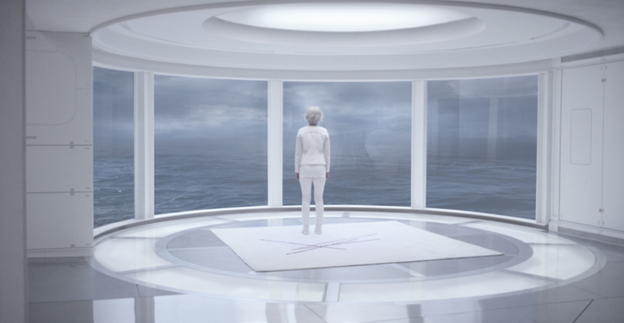
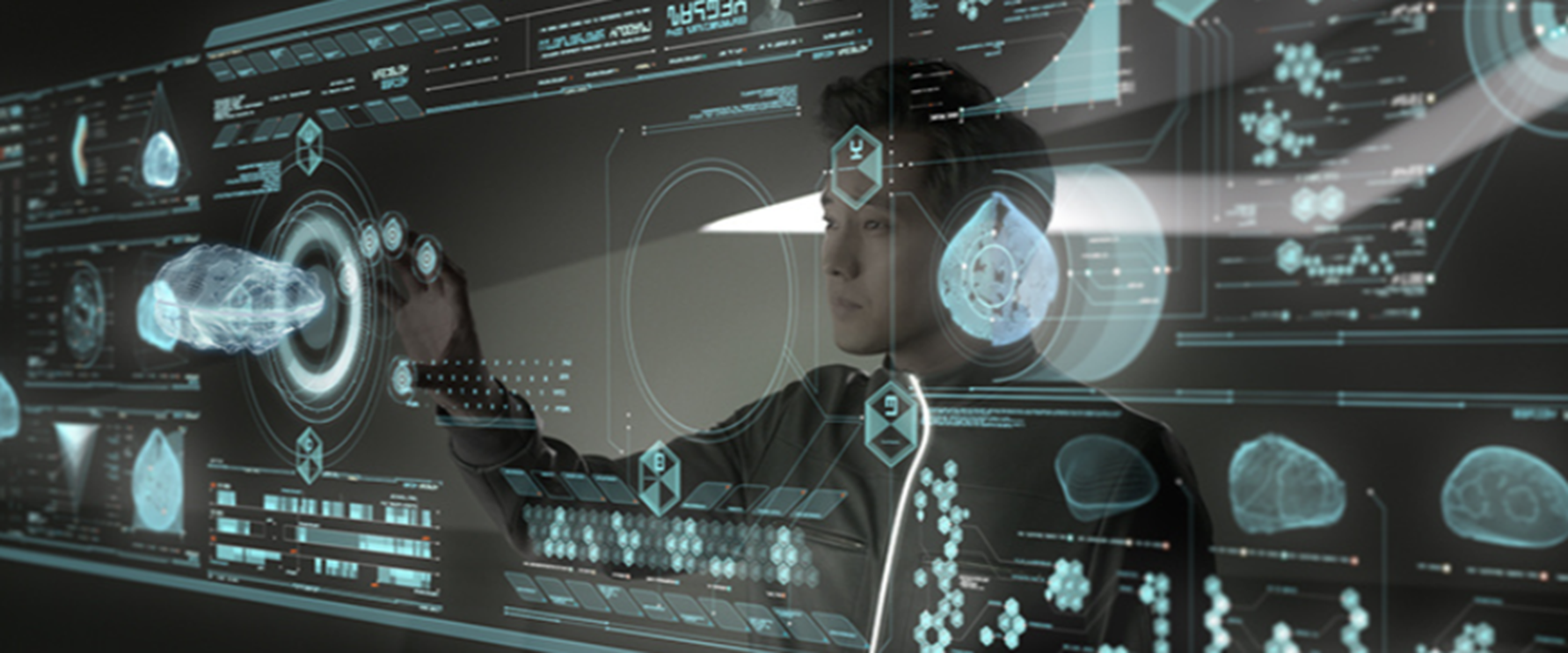
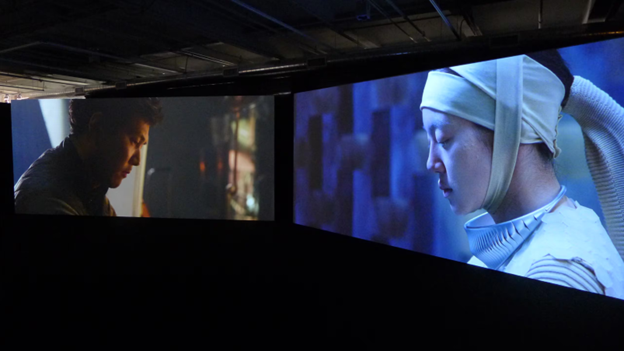
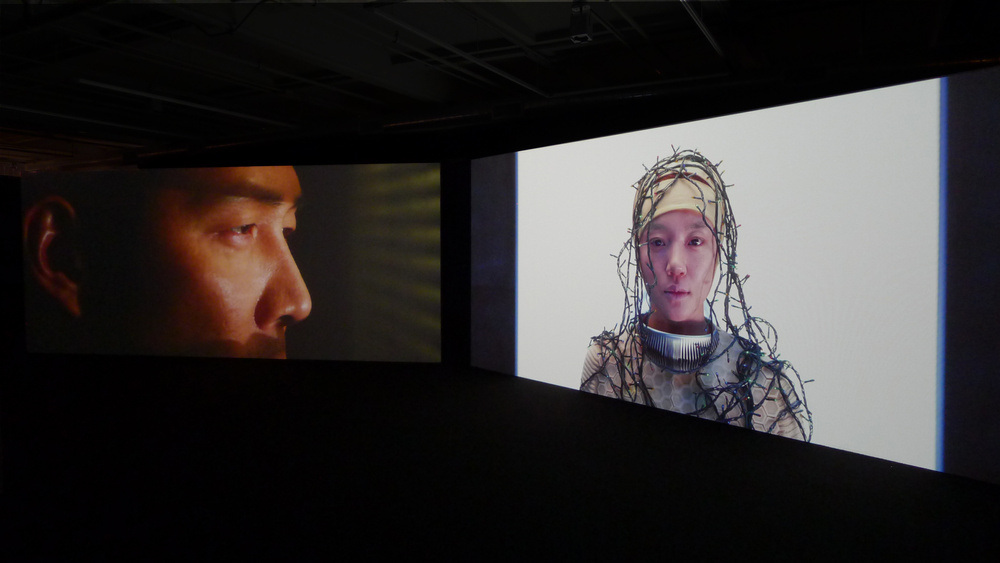
similar experimental attitude. In ‘Newsletter 04,’ the creation process of
fashion designer Kosuke Tsumura’s uniform was introduced as follows:
“Designing the prototype uniform does not simply aim at providing sci-fi video
images or dealing with the future; it also seeks to establish a setting that
enables viewers to discuss the differences between the past and the future.
Designing this uniform was an approach in examining what visions of the future
we need to have today. However, it was also a conversation to share different
philosophies and opinions from a number of different fields.
This symbolic
uniform will be worn by the main character in the promotional film and have
experts from a wide range of different fields talk about the future.”
‘Newsletter 10,’ which contains information on the workshop TAKRAM, a Japanese
design group, held about the design and creation of a portable water bottle for
the post-apocalyptic world, also illustrates MOON and JEON’s artistic
direction: “This future-oriented item is not just aimed at addressing the
future and raising issues about it, but about discussing various things about
the present. There is also a goal to examine the practical role of art and to
reflect on what vision we should have in today’s world concerning art.” Some
may question if TAKRAM’s design has its purpose in providing a material to
replace human incompetence, in terms of dealing with reality. Others may view
it as an attempt for the social sublimation of art in that it reflects human
rationality that seeks to achieve self-realization though infinite
productivity.
Then how can we discuss the meaning of the artist duo and collaborators’
experimentation?
Perhaps the process in which we search for the answer to this question will be
one way to find out why the continuously developing human world needs art. Or
it may be an opportunity to raise the issue on the long-standing expectation of
humanity to undefinedly depend on the reality of art and recall humanity from
art. An artist - who envisions the art of the future - selecting science as the
background is a natural manifestation of human desire to view nature as
something to be conquered.
On the other hand, the meaning of art itself is
social, thus society is what imposes what kind of role art should take and
forces its practice. Like this, MOON and JEON’s project allows the viewers to
comprehensively grasp the multidimensional tasks of art – the task assigned
from the social consciousness and experience of the artist, as well as the task
assigned from the world environment as a whole - for the sake of perception of
the social function and role of art. This is probably because they seek the
original duty of art in the creativity of humans, within the process of
transforming reality and envisioning the future.
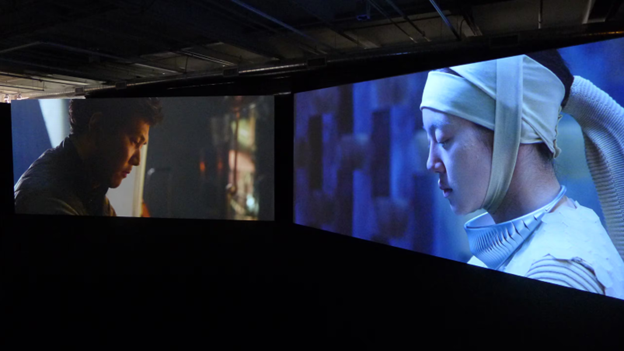
Like this, we were able to hear about the method MOON and JEON took for “Voice
of Metanoia – Two Perspectives”. Both MOON and JEON are far from implying
inevitability or emphasizing the undeniable wonders of art. Rather than denying
reality or concentrating on reality to predict the future, they seek full
consciousness that allows them to envision the future. Thus, they suggest the
audience a reflective homogenization based on language and science. When the
attempt to voice out against art, though weak, is visualized as a reflective
testimony, thought in an indeterminate situation requires a series of active
and operational exploration. What is interesting is that indeterminate
situations obviously carry confusion. This ‘confusion’ was not able to
establish its existence in the modern world, but within the creative practice
of MOON and JEON, it becomes a conceptual ground for the future.
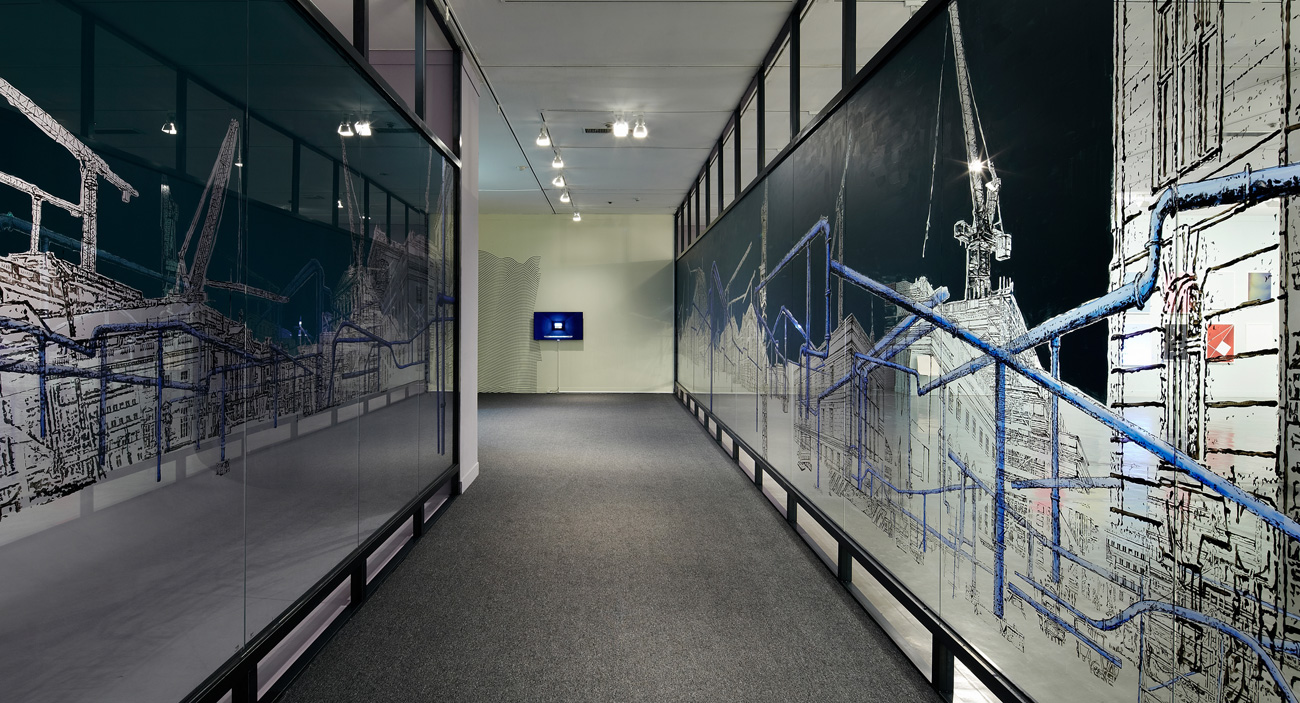
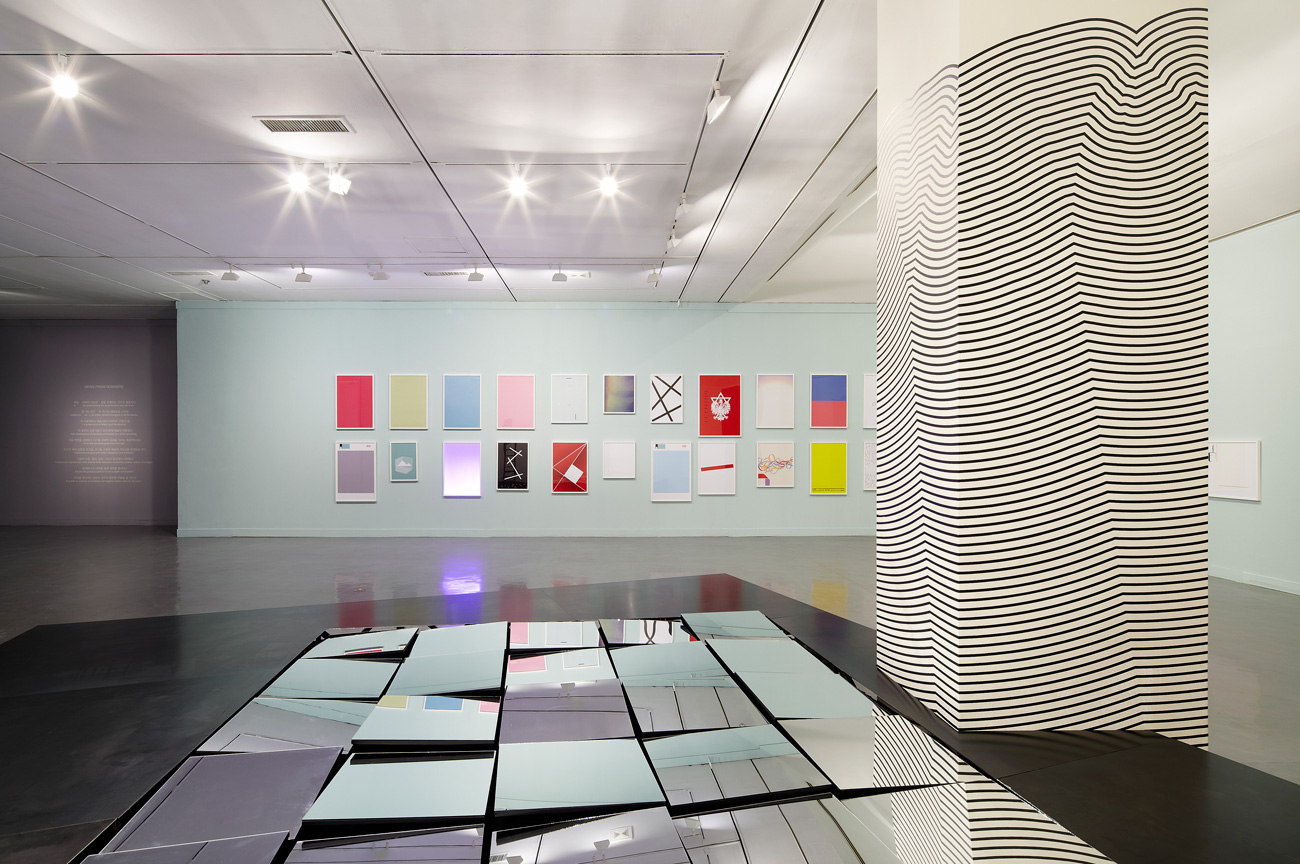
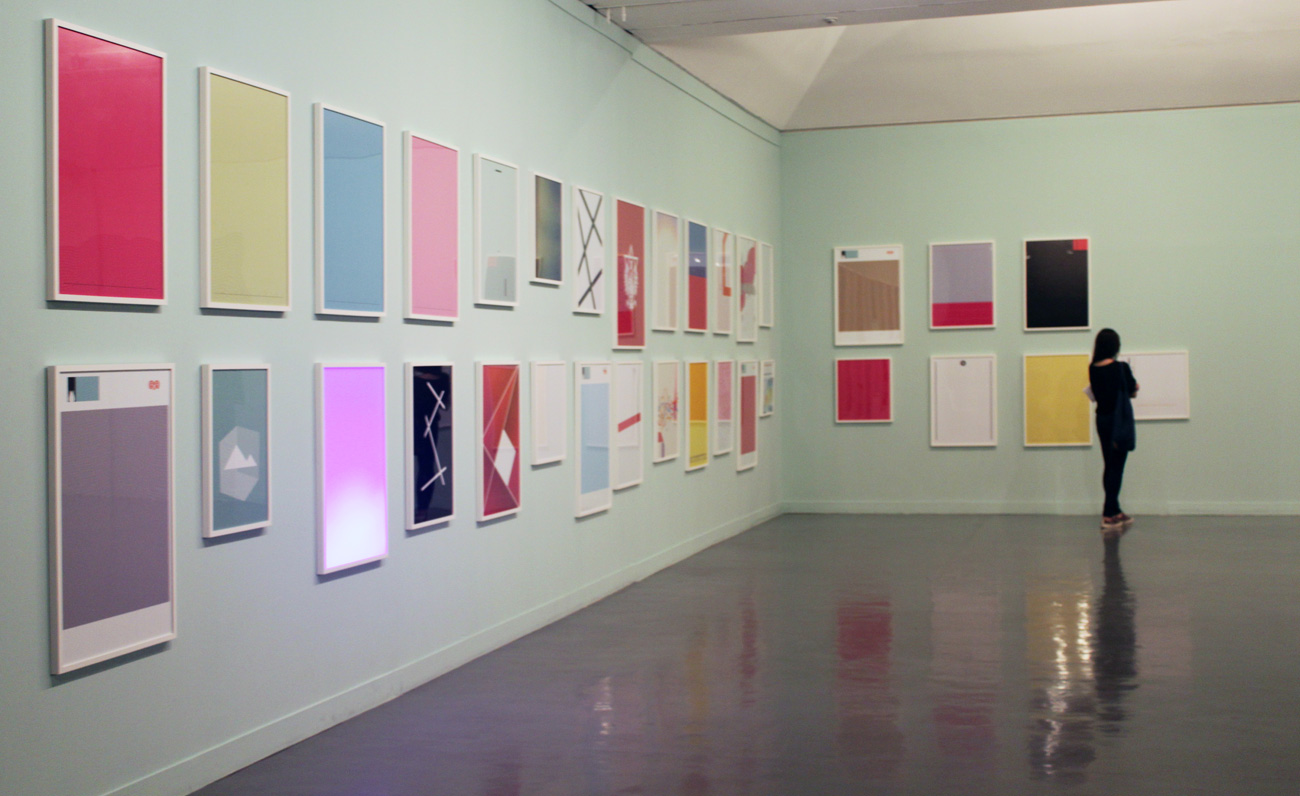
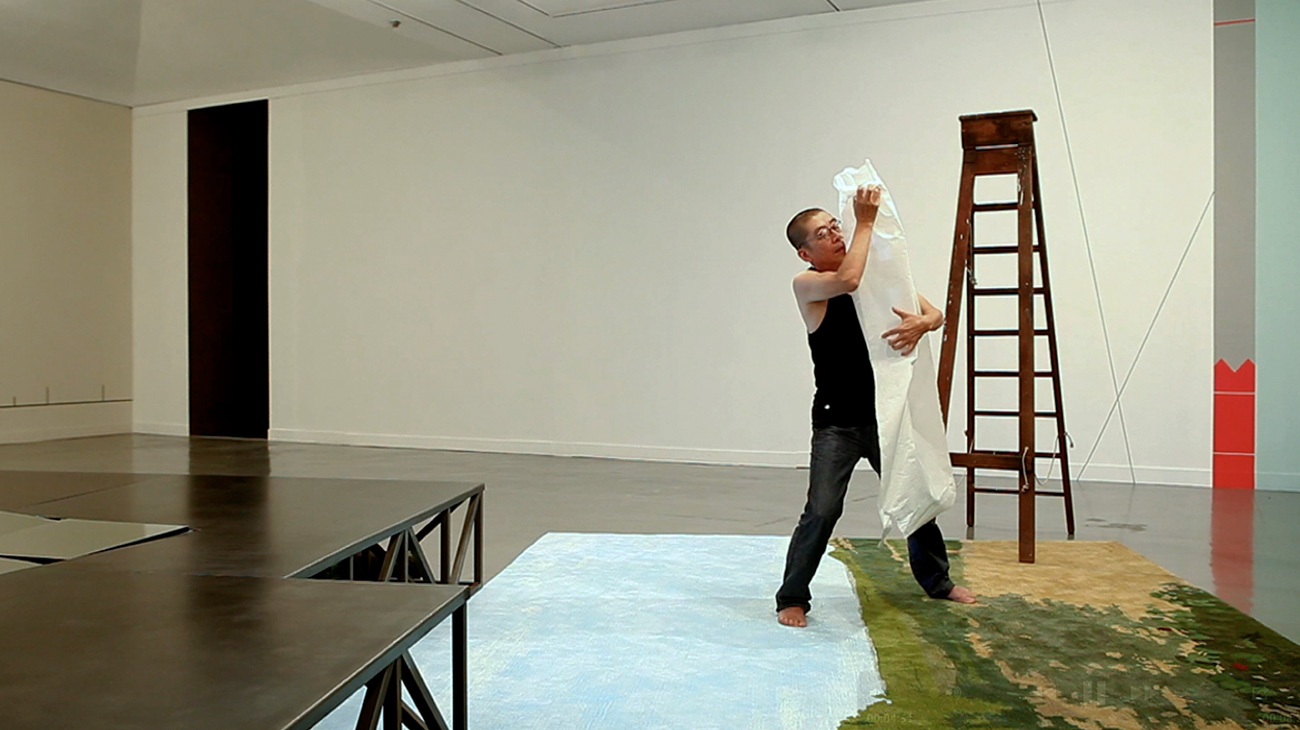
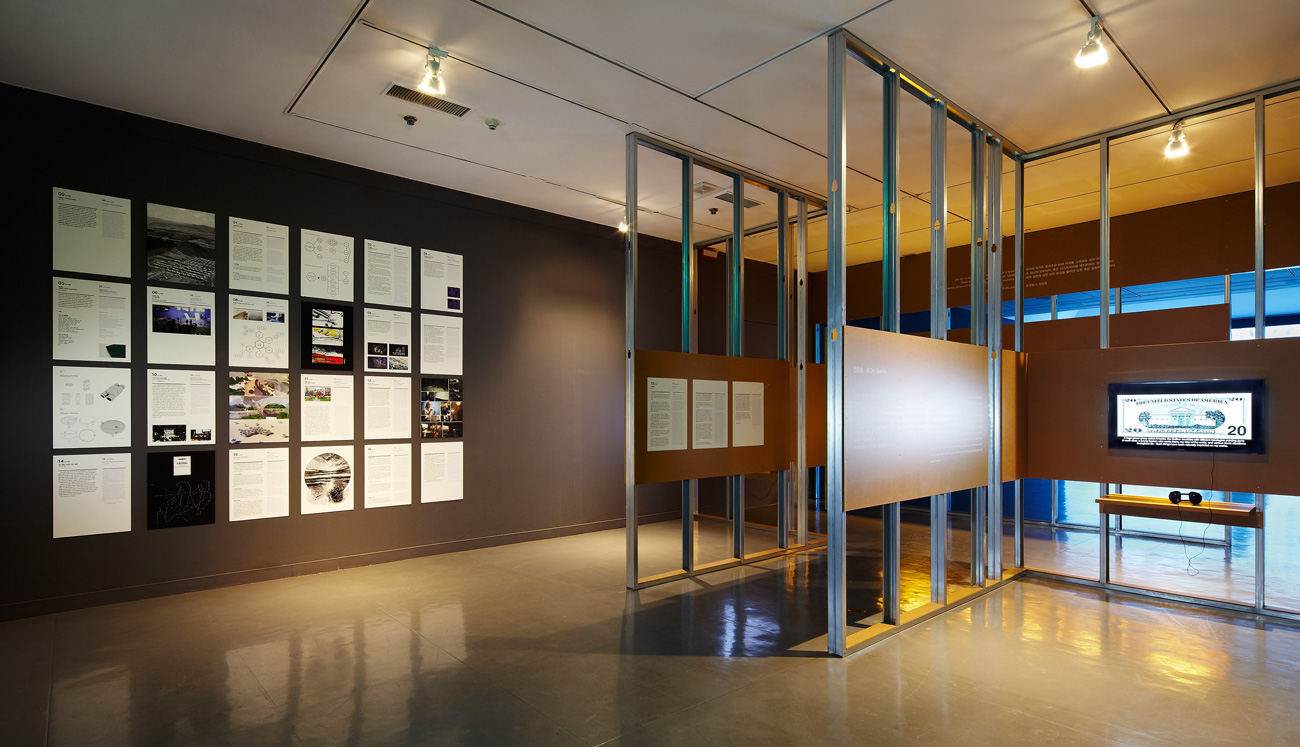
MOON and JEON propose a practical argument of their own by presenting visual
formations that may be either hypotheses or solutions to the question on the
social nature of art, which they had posed in the beginning of the project. At
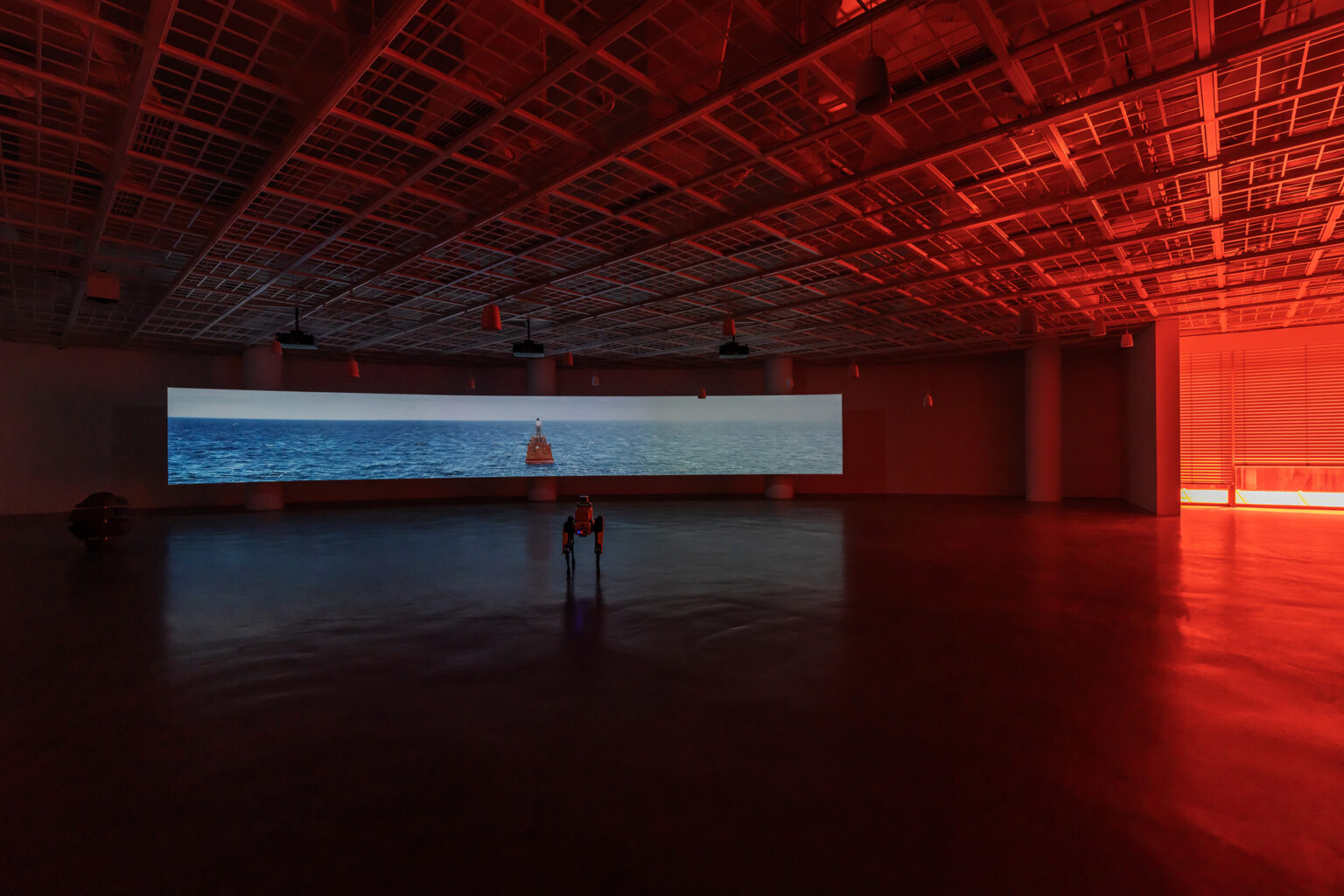
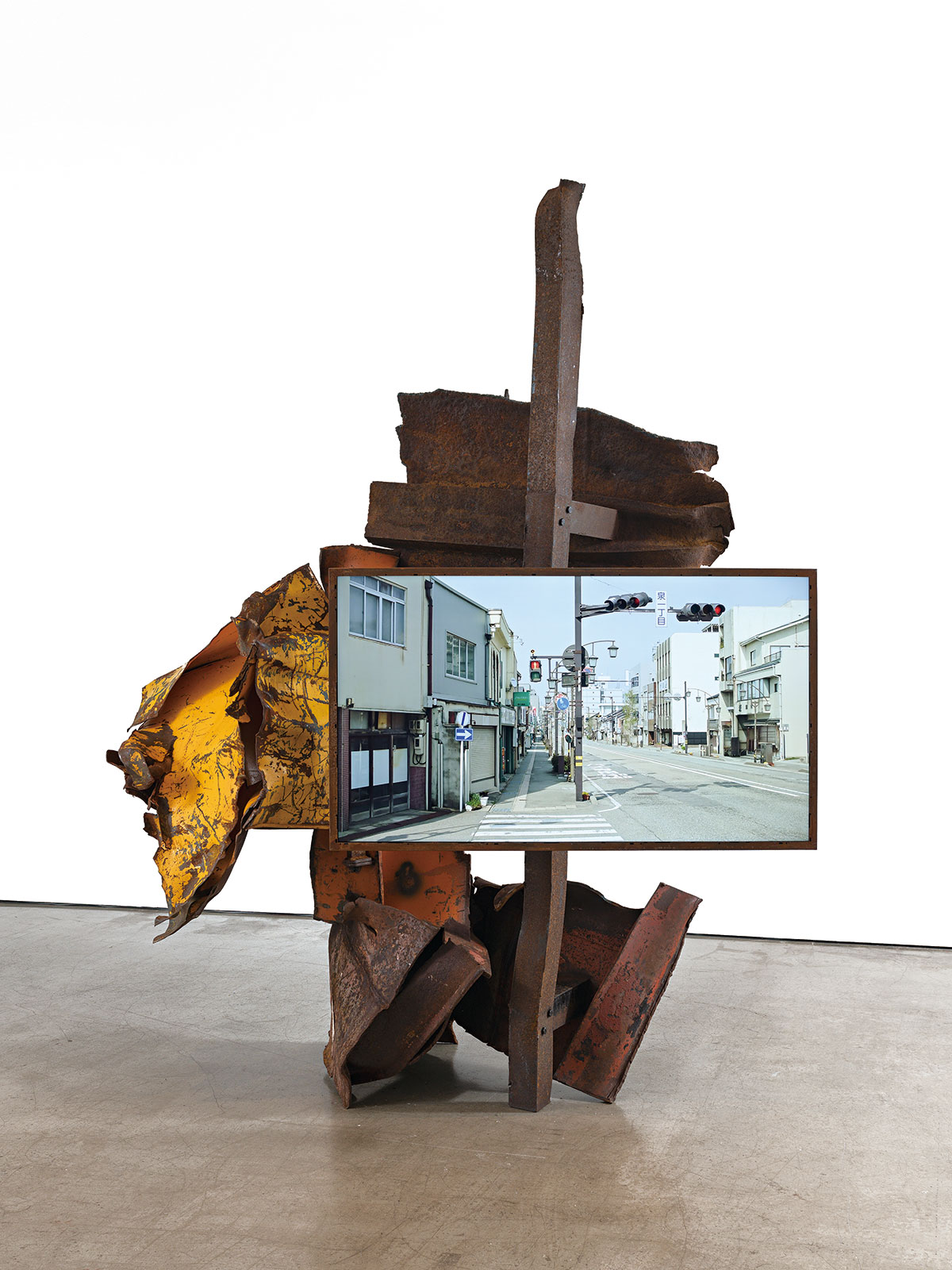
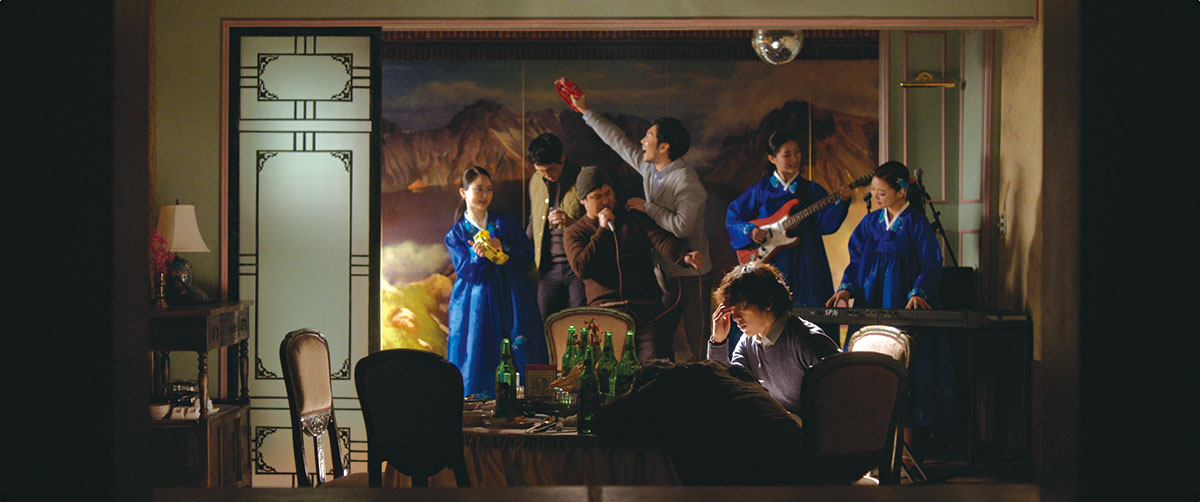
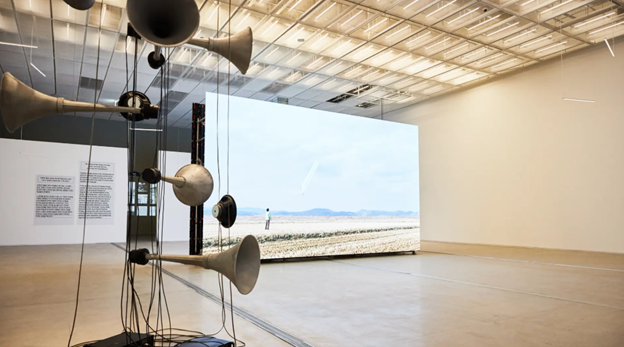
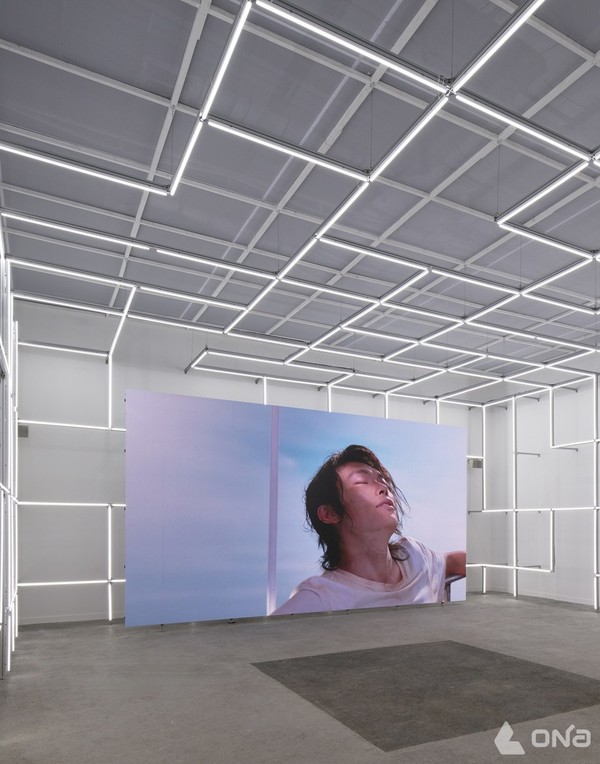
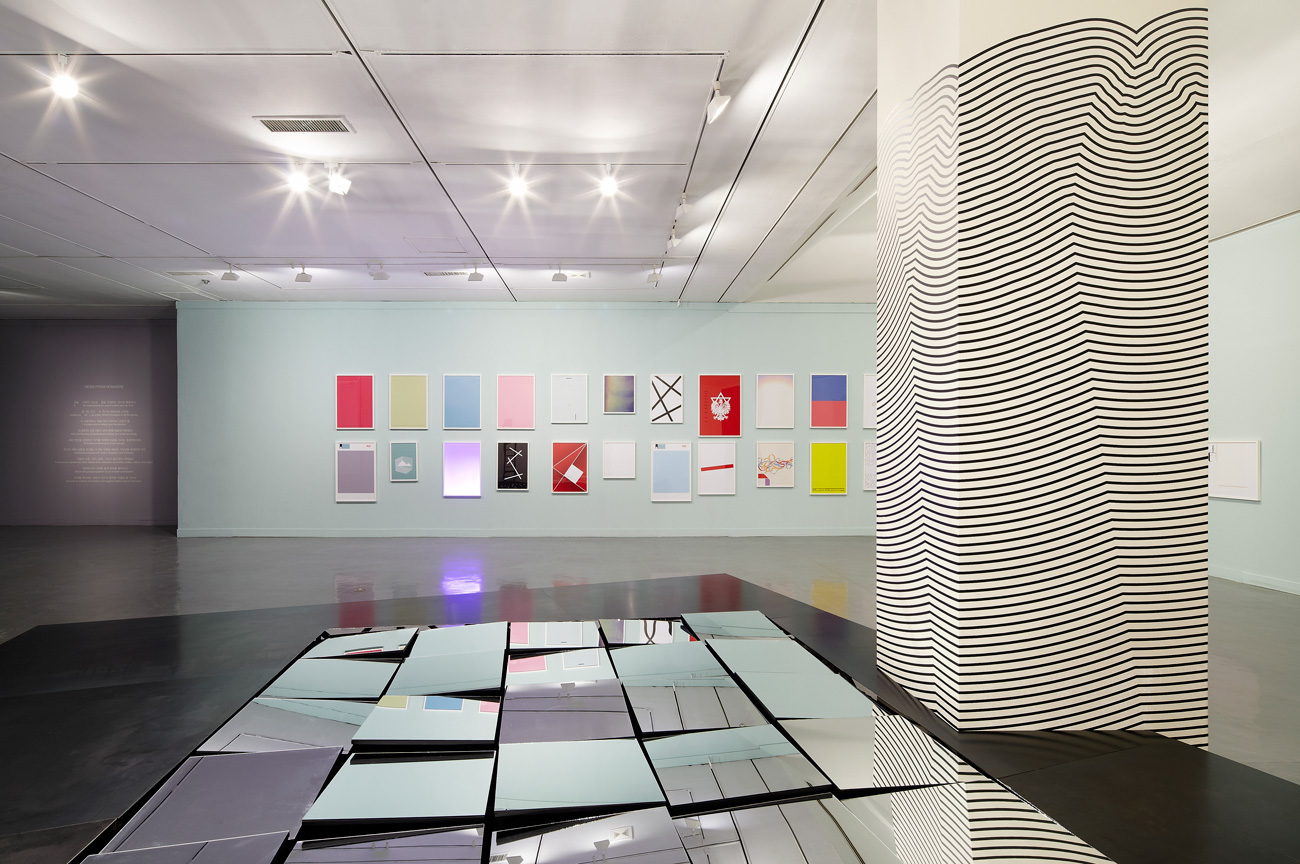
the exhibition that they had at the National Museum of Contemporary Art, Korea
in 2012, MOON and JEON presented the fruits of their collaborative work
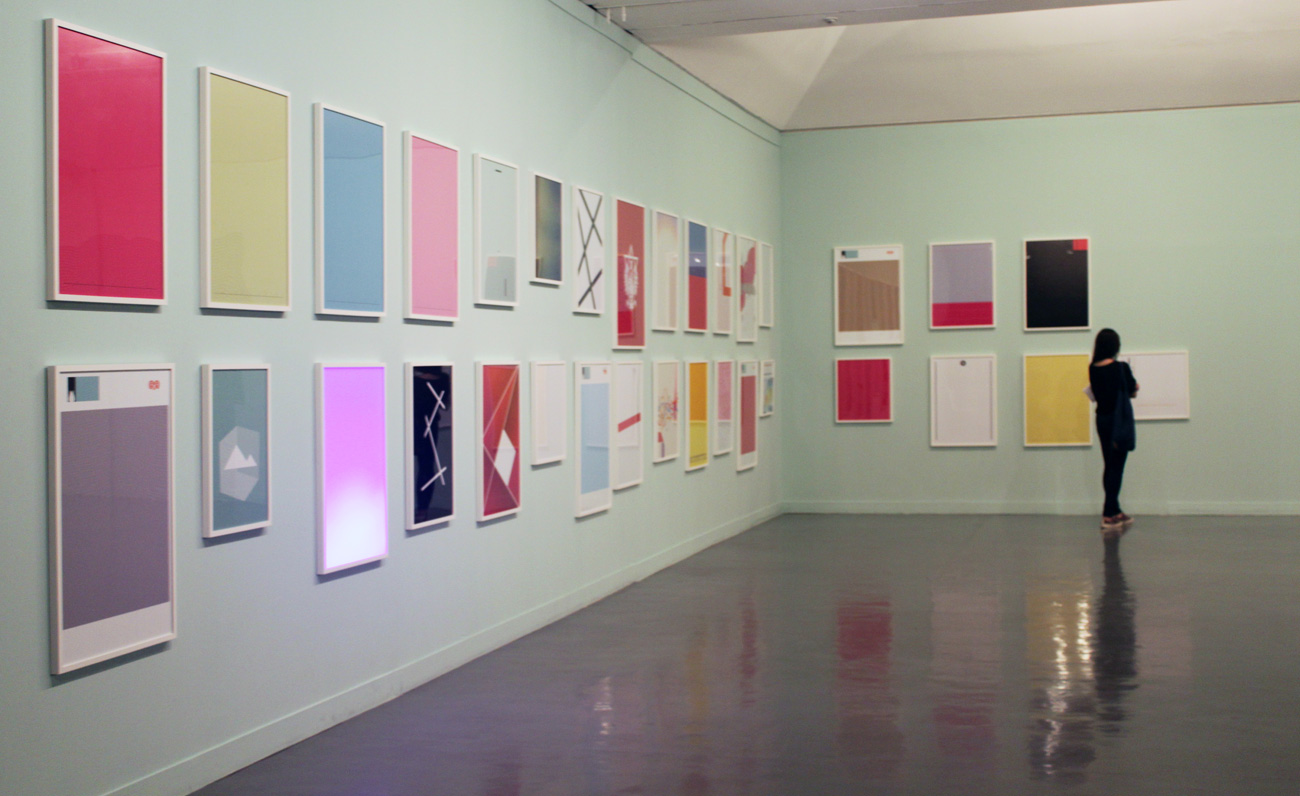
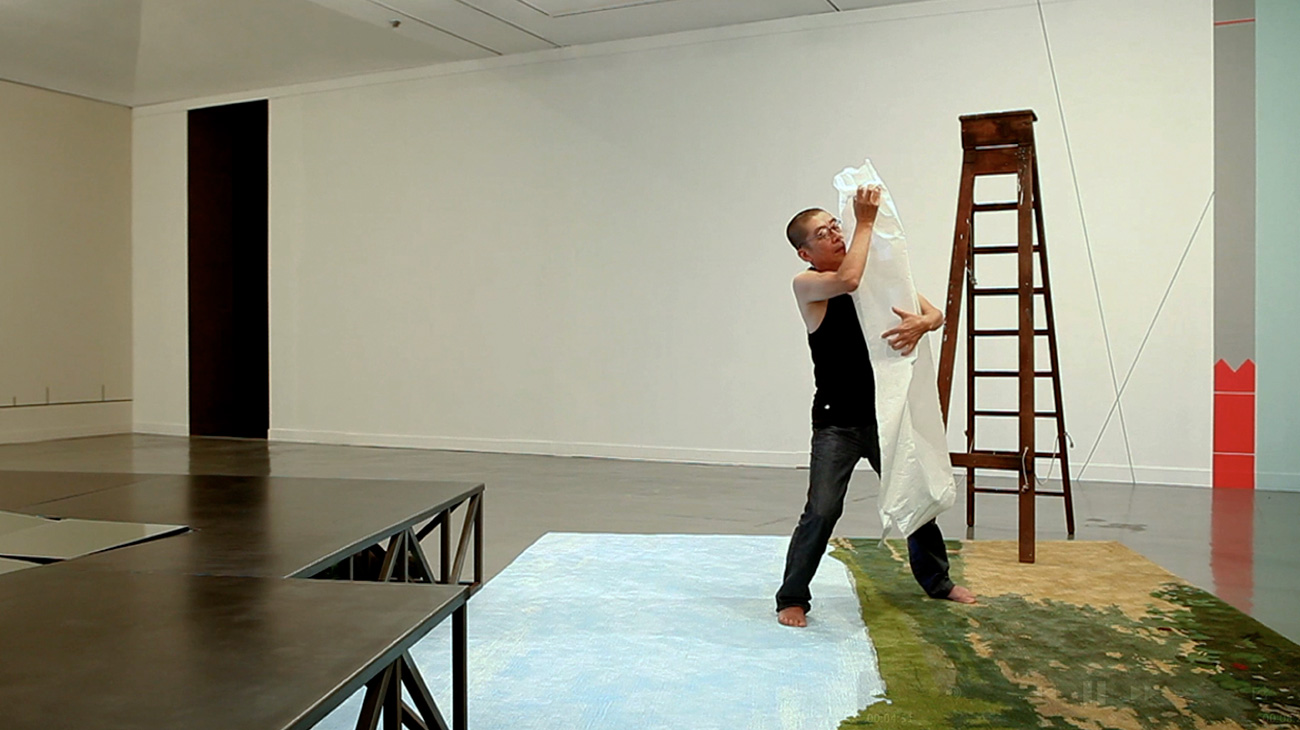
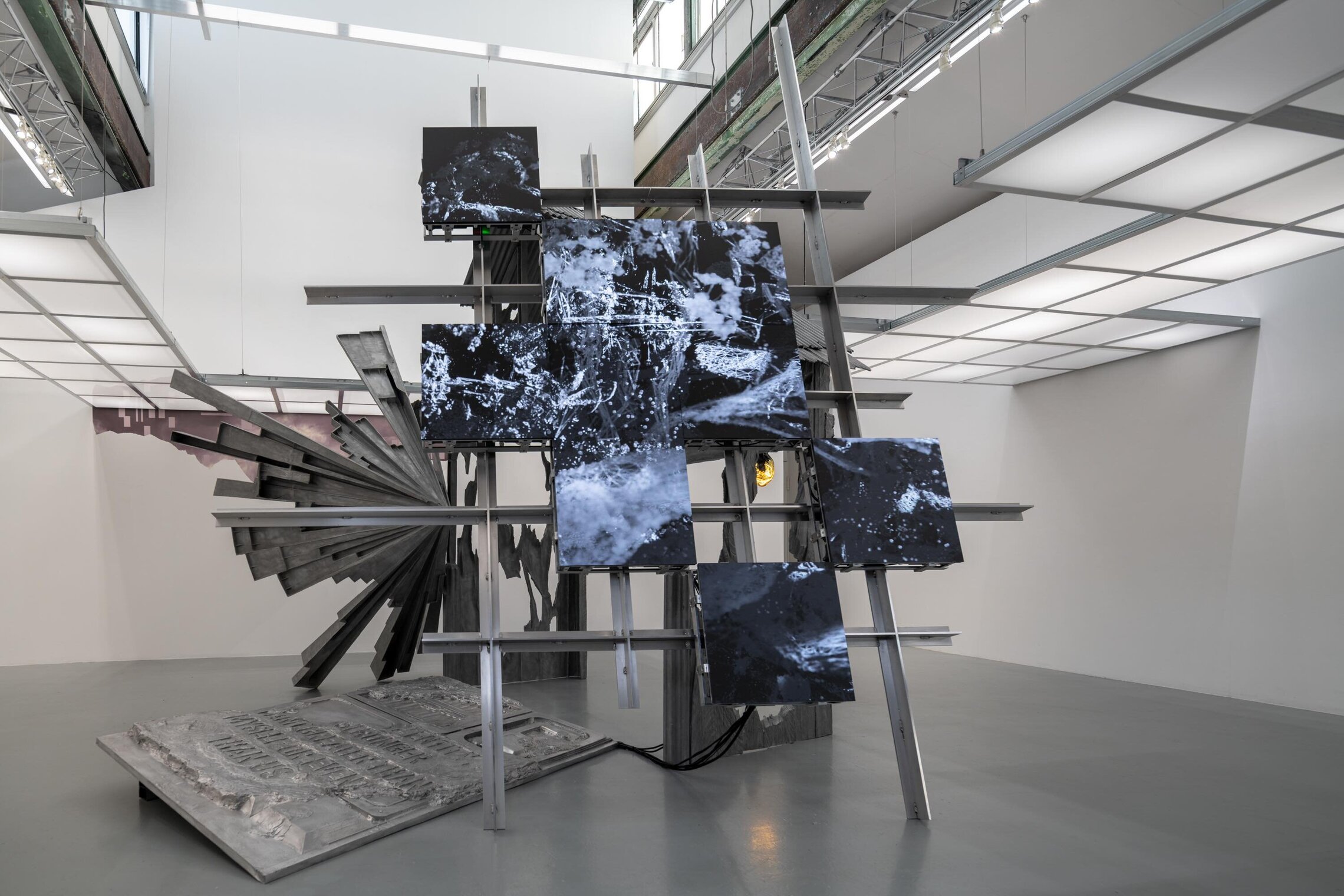
including wall drawings, poster graphics, film, automatic control machine
system and carpet quilt. These works of art allow contemplation on the creative
values of an artist that can be attained as working consciousness,
simultaneously, they converge the dialectic relationship of man-made substances
that pass through the productive nature of art.
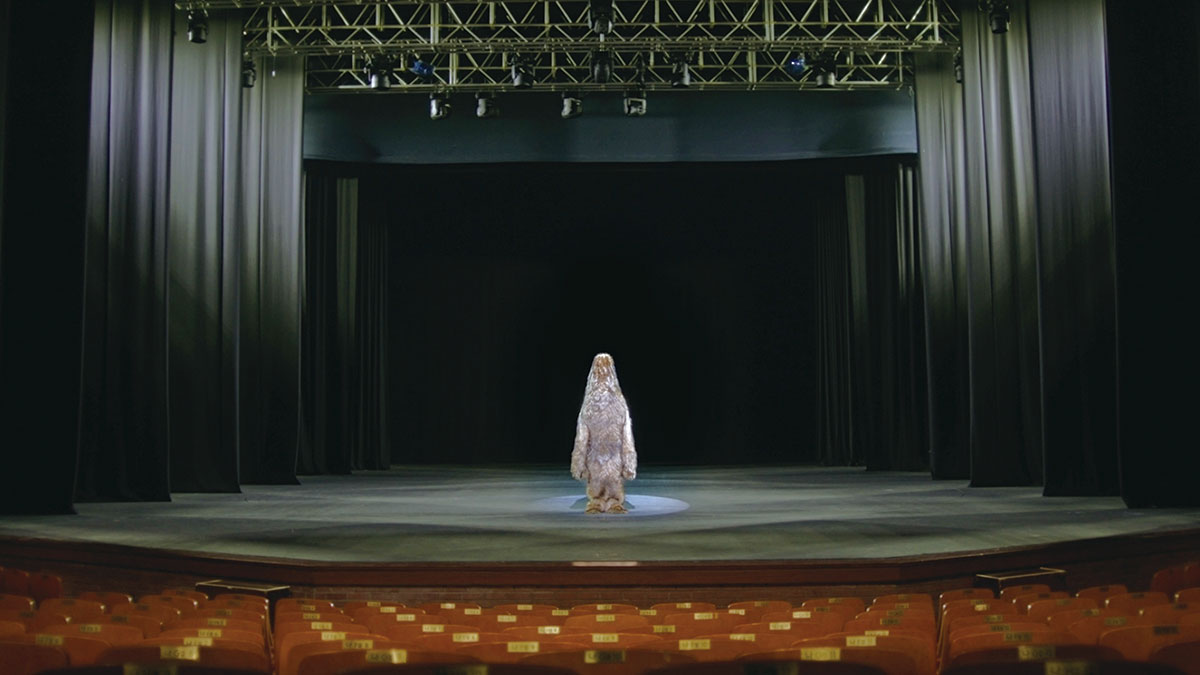
For example, like Angelus
Novus was a histo-philosophical object of contemplation for
Walter Benjamin, Bonjour Monsieur Courbet was
reborn into Welcome Mr. Courbet! to symbolize the
battle of the artists against social aporia for MOON Kyungwon and JEON
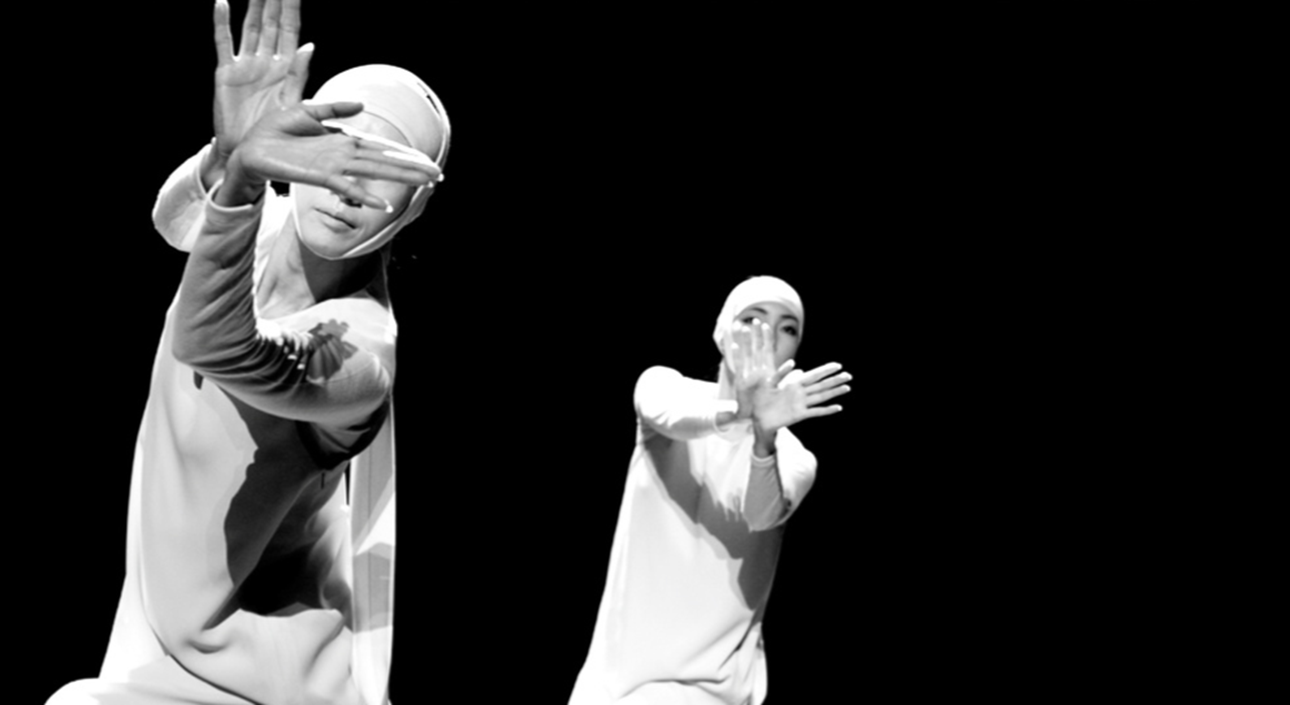
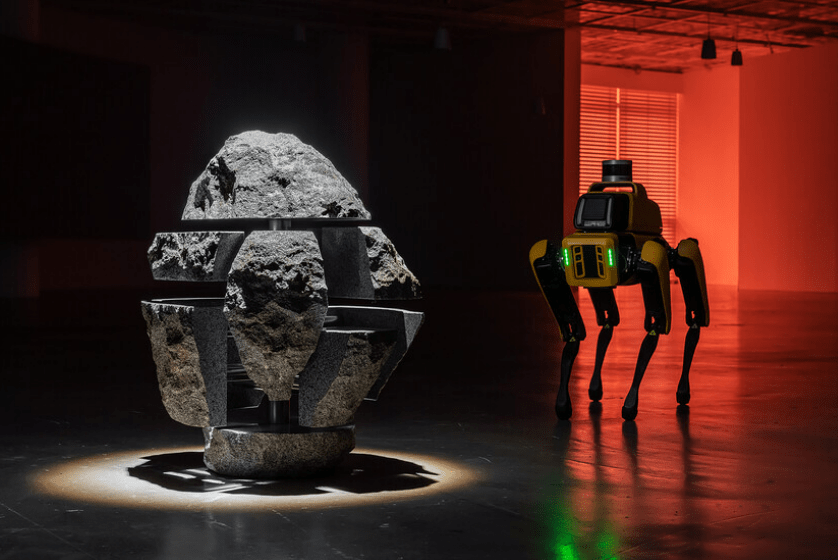
Joonho. El Fin del Mundo, too, allows contemplation on
the artistic attitudes of humans who cannot but face the destined relationships
of nature and technology as well as extinction and birth. It may be
questionable whether there exists a mental space, for us humans, for art in facing
an apocalypse, but if there is one ‘humane’ thing that can calm fear regarding
the issue of existence, then that would art. And this hope that is only
possible with art can be viewed in El Fin del Mundo.
MOON Kyungwon and JEON Joonho seek to reveal the details of the troubles of the
contemporary art world order and overcome such troubles through creative
energy. This is precisely the strategy that they take on Voice of Metanoia
– Two Perspectives. Thus, the basic logic leading their art form, which can be
compared to osmotic phenomenon between self-reflection and practice, does not
settle on any coercive answer. Such strong artistic will of the two
artists is observable in the exhibition hall. Their unfamiliar yet conceptual
orderliness captivate the viewers.
The viewers are able to realize why the work
of the artist duo who thematizes the social function and role of art, a concept
that is not new in the age of capital, are not confined to artistic
avant-gardism or artistic fetishism. We must remember that the moment the
content is substantialized as an artistic form, the social concept
paradoxically may not be able to display its natural activeness. Some viewers,
who had expected breath-taking, resistant art forms, are suspicious that the
artists are rather concealing the triumph of authority or ambiguously delaying
its exposure. However, thanks to such a unique method, the sincerity of MOON
and JEON proposing art as “a design to transform human consciousness” was able
to avoid the simplicity that is only felt in terms of sensual stimulus.
I am curious to know how MOON Kyungwon and JEON Joonho’s project will unfold in
the future and what kind of new questions they will pose. The landscapes of
time that were observed in their work are not simply the outcome of art.
Through their delicate and polished conversational language, restraint on
direct representation, discovery of new representation, and structural space
filled with various events and description, MOON and JEON were somewhat
successful in creating a meaningful relationship between the social role of art
and aesthetic quality.
At the same time, their project also played an
appropriate role as a historical montage allowing the realization of
irrationality of the rationality of artistic discussions since the modern era.
The topic that MOON and JEON brought up in the very beginning, precisely
“contemplation on the social function and role of art,” boils down to an
important responsibility for art and artists in the current era dominated by
lifeless art. The creative attempt of MOON and JEON will not only reveal the
internal constituting principle of artworks but also the social content that
are buried inside, therefore strengthening the responsibility of art and
artists and specifying the existence of art. Let’s see where their persistent
explorations and bursting collaboration takes them. Thus, art continues.