

Solo Exhibitions (Brief)
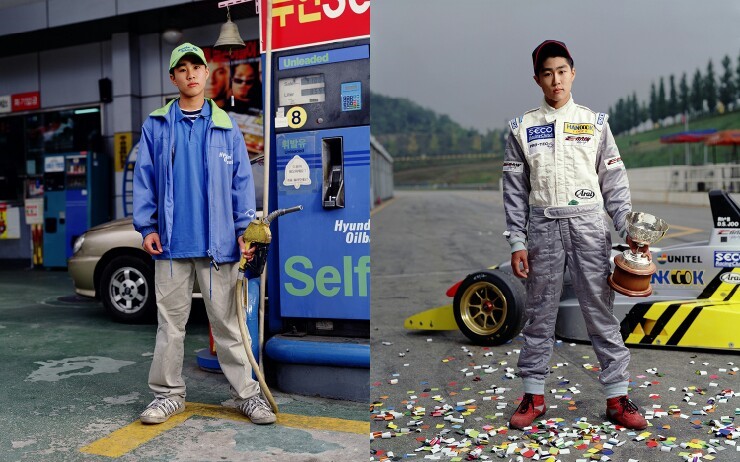
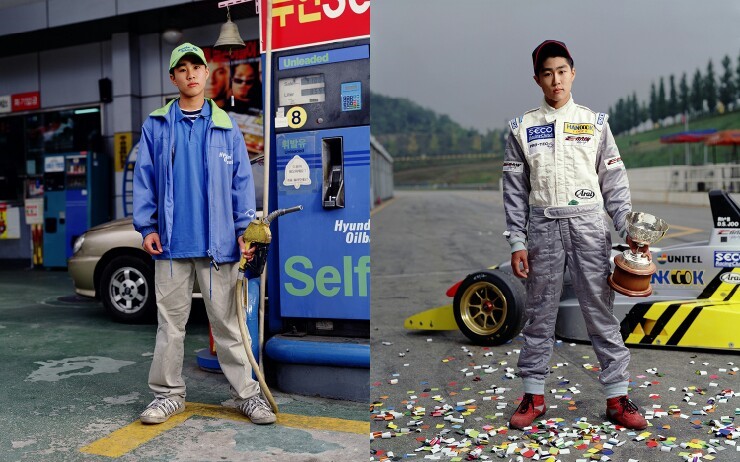
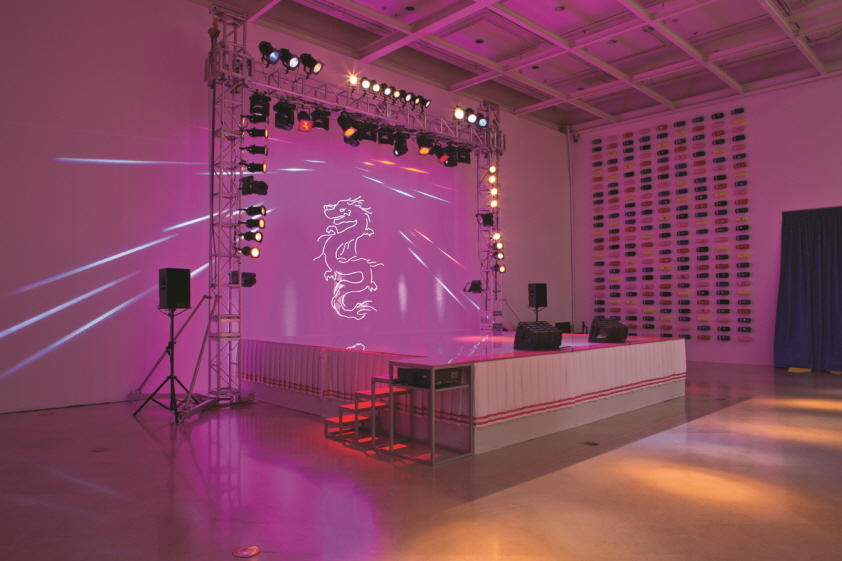
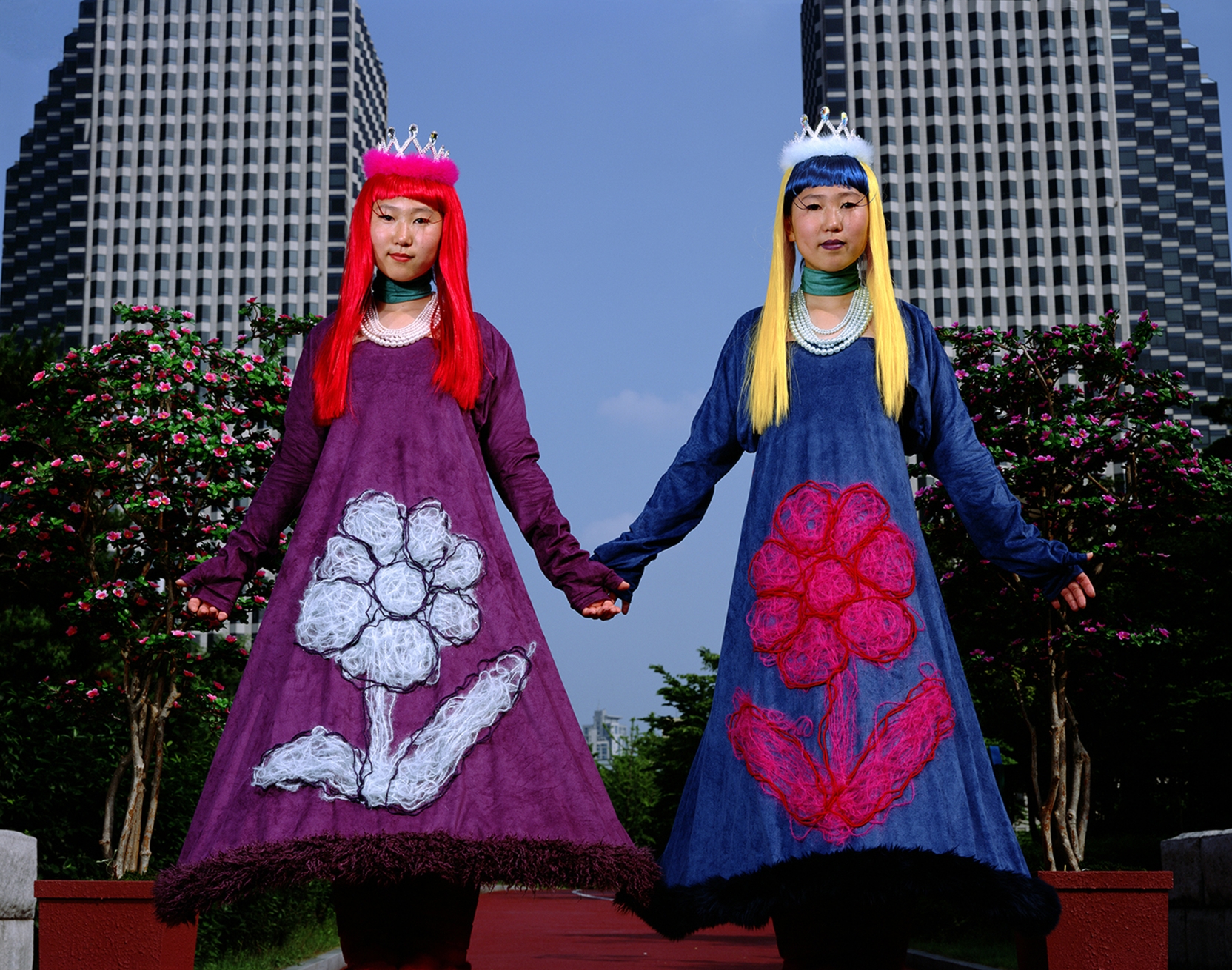
Yeondoo Jung held his first solo exhibition 《Borame Dance Hall》 at Gallery Loop, Seoul in 2001, marking his early exploration of
ordinary people's dreams and sentiments through staged photography. In 2007, he
was named "Artist of the Year" by the National Museum of Modern and
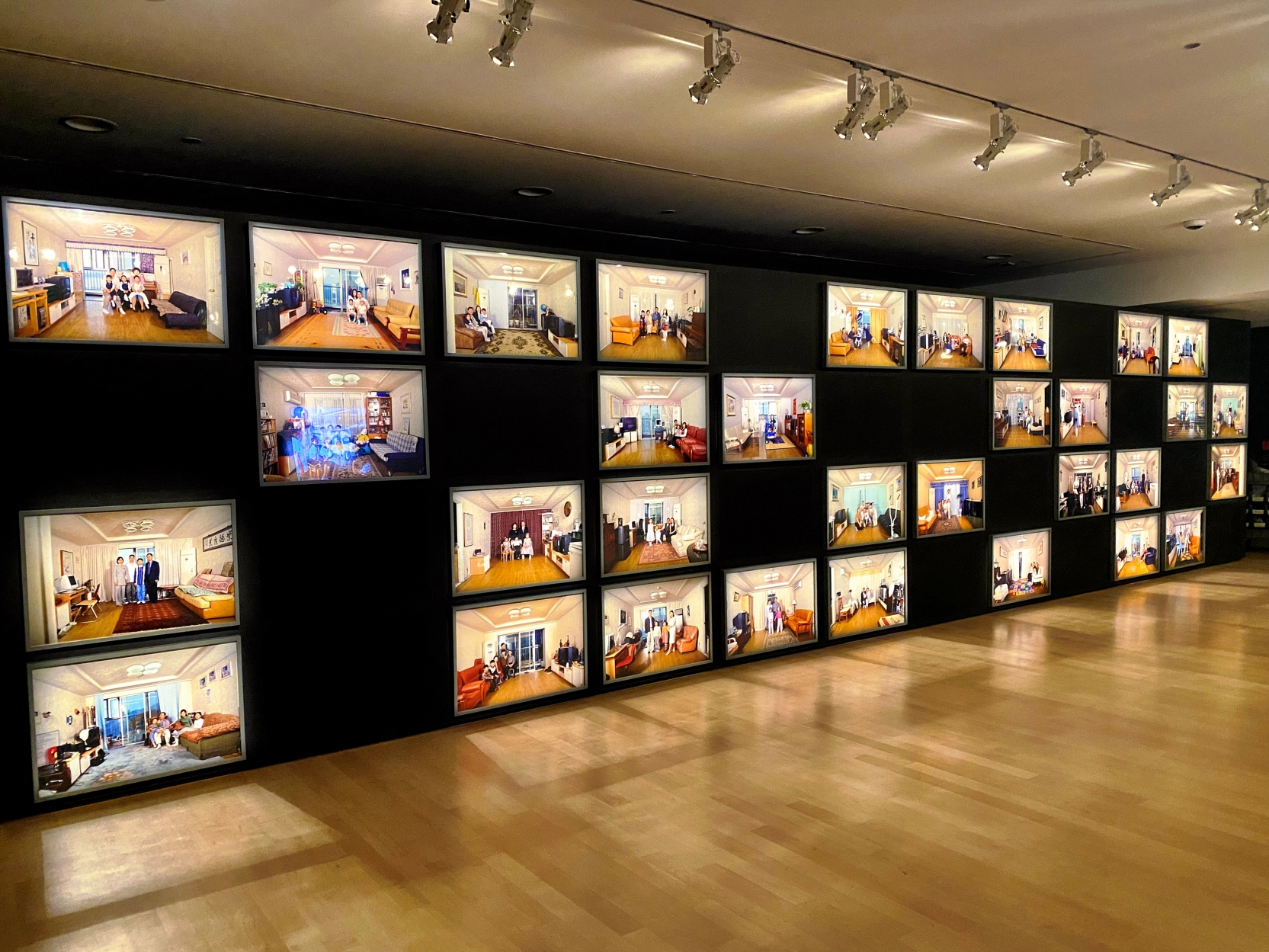
Contemporary Art (MMCA), where he presented 《Documentary
Nostalgia》. This work was later acquired by The Museum
of Modern Art (MoMA) in New York in 2008, significantly elevating his
international profile. Since then, he has continued to produce work that
traverses the boundaries of photography, video, and installation.
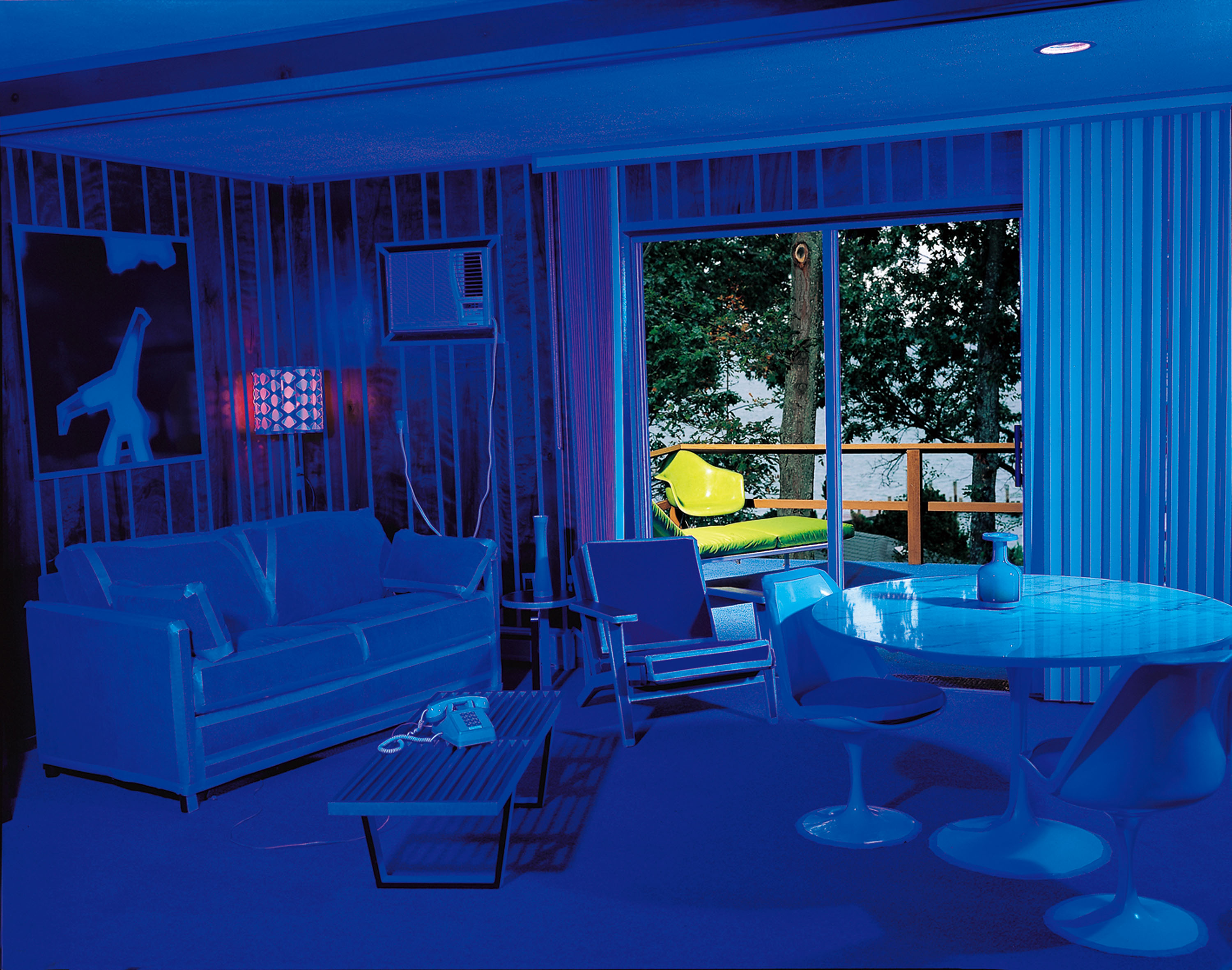
In 2010, Jung staged 《Innerscape》 at Galerie Emmanuel Perrotin in Paris, signaling his presence in
the European art scene. In 2012, he presented 《Inside
Out at Tina Kim Gallery in New York, engaging directly with American audiences.
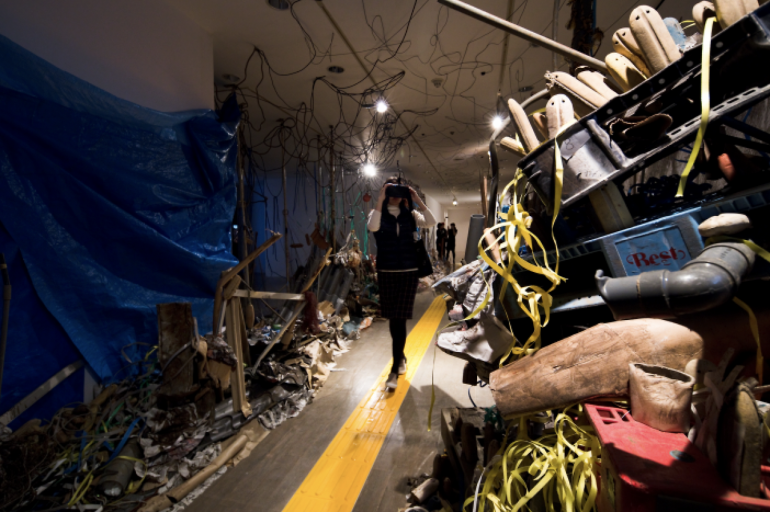
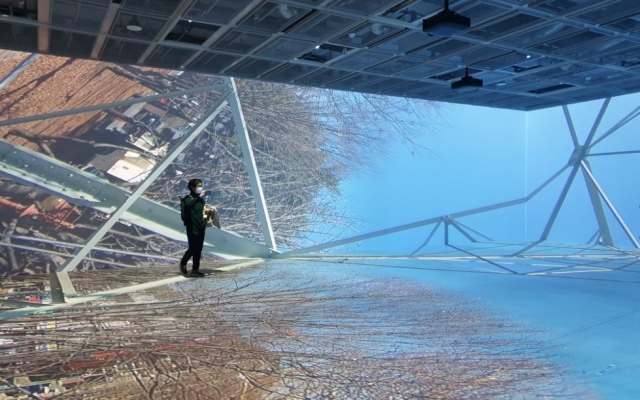
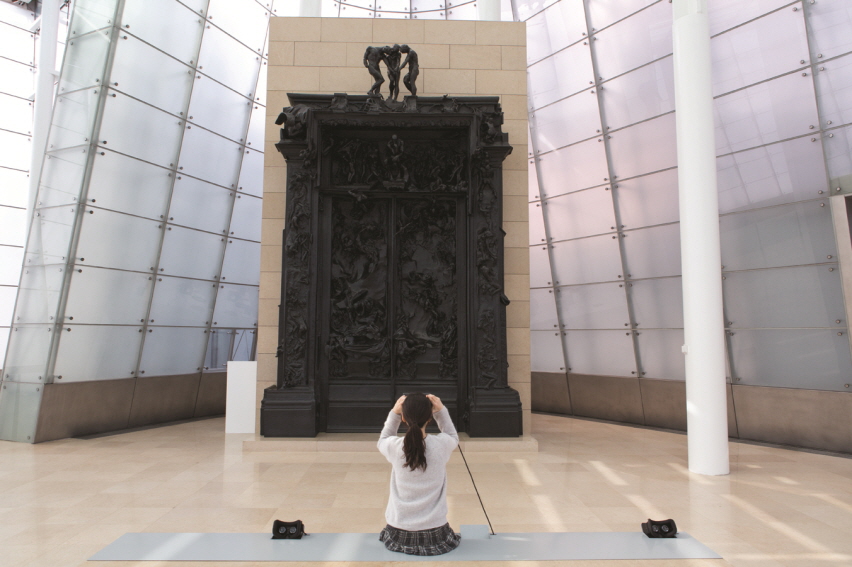
His 2014 solo exhibition 《Just Like the Road across the
Earth》 at Art Tower Mito in Japan featured VR and
installation work in response to the aftermath of the Great East Japan
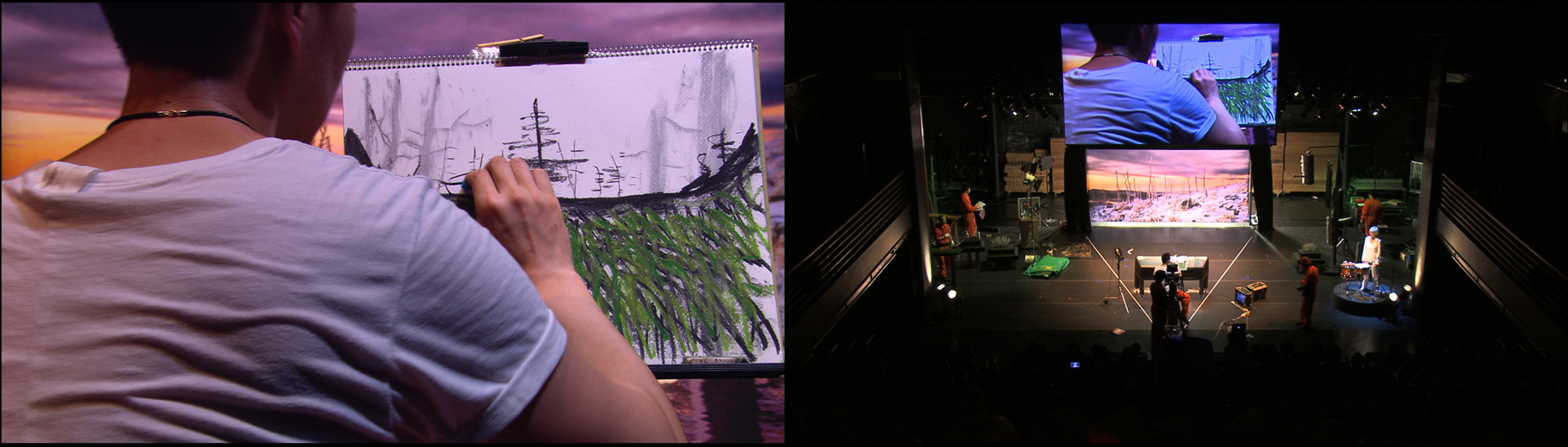
Earthquake. In 2017, his exhibition 《Behind the Scenes》 at the Norton Museum of Art in Florida received acclaim for
navigating the tension between theatricality and reality.
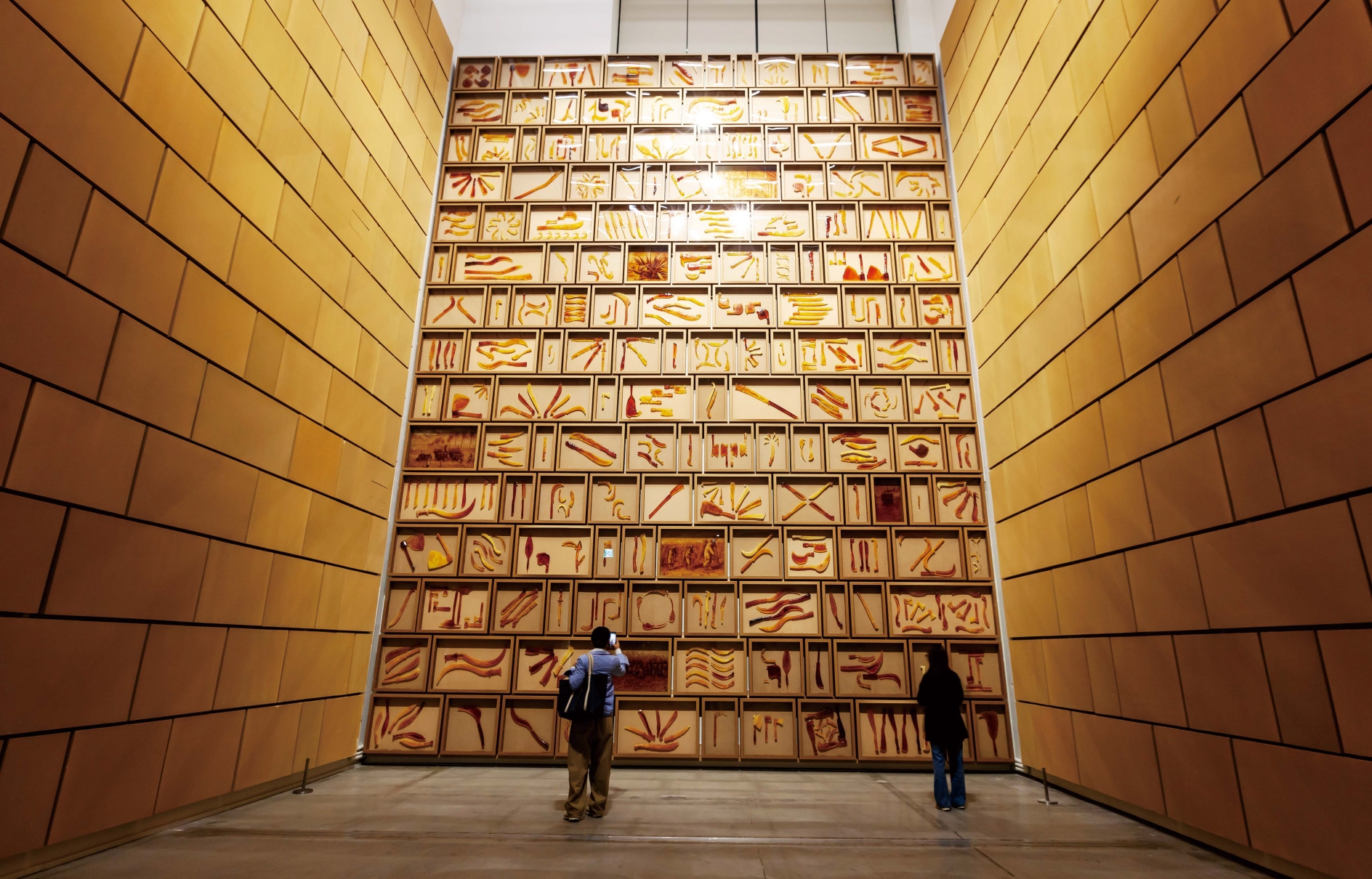
More recently, 《Crow’s Eye View》 (2022) at
Ulsan Art Museum explored themes of vision, surveillance, and spatial power
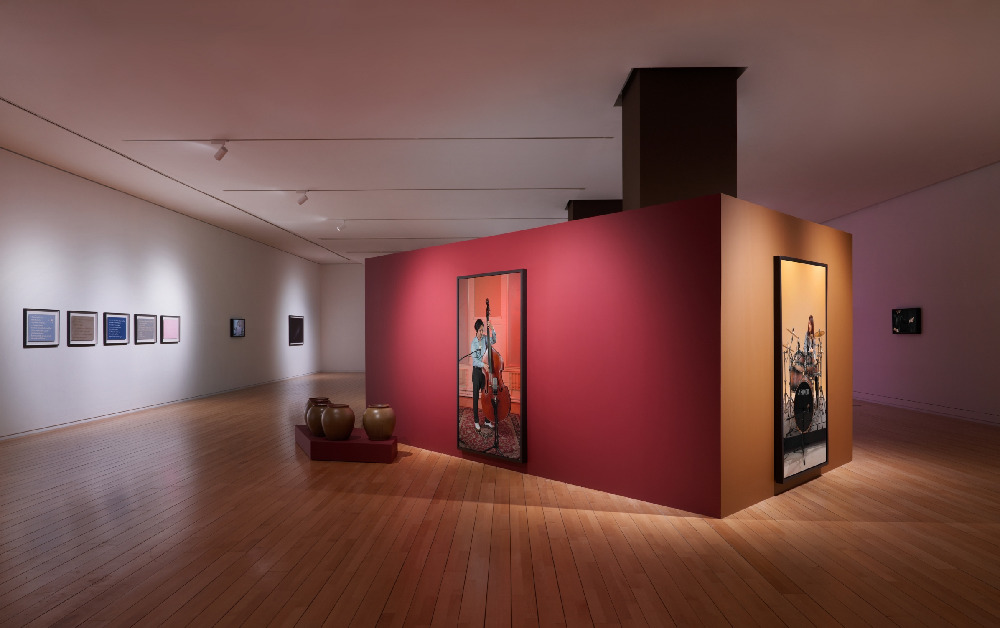
structures. In 2023, he was selected for the prestigious MMCA Hyundai Motor
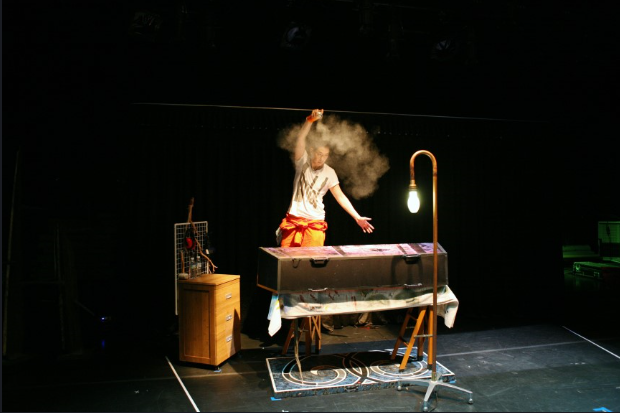
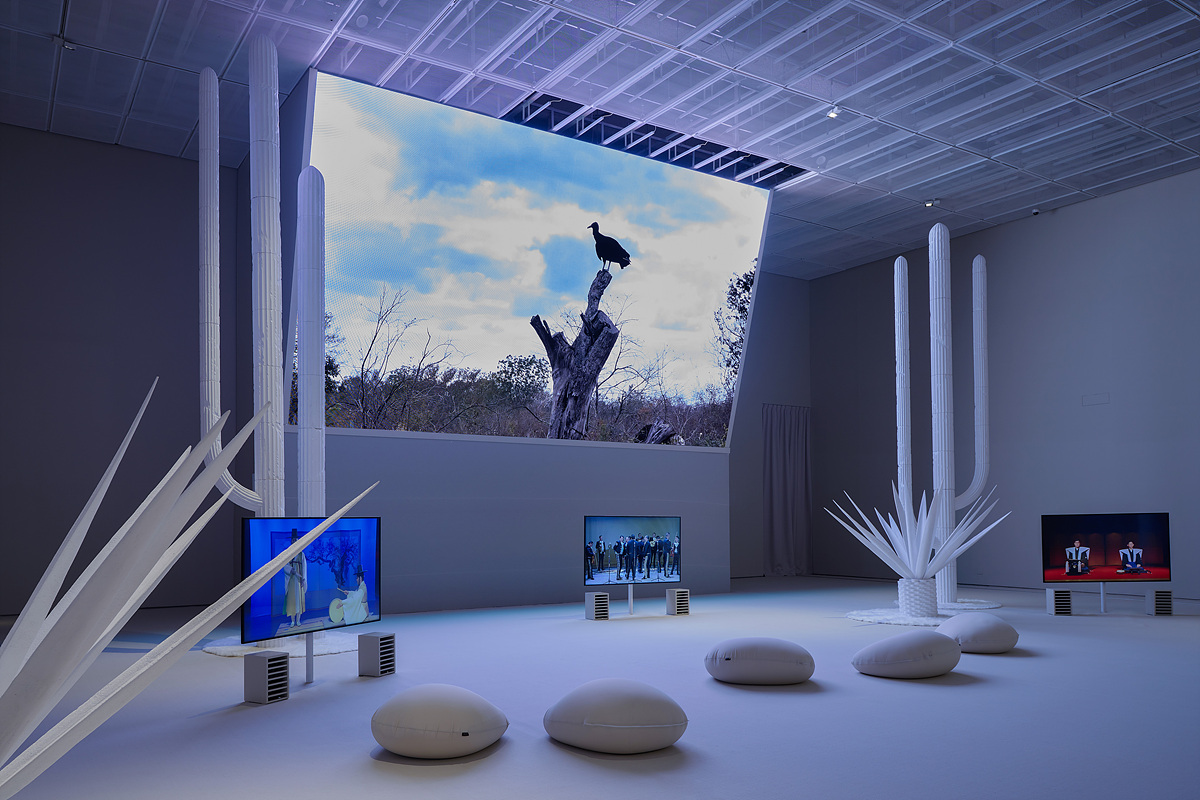
Series and presented 《One Hundred Years of Travels》, a multimedia work incorporating Korean diaspora narratives in
Mexico. Through the convergence of pansori, bunraku, mariachi music, and video,
he constructed a complex cultural topography of hybrid identities.
Group Exhibitions (Brief)
Jung made his debut on the international
biennale stage in 2002, participating in both the Gwangju Biennale 《Pause》 and the Shanghai Biennale. In 2003, he was invited to the Istanbul
Biennale 《Poetic Justice》, and
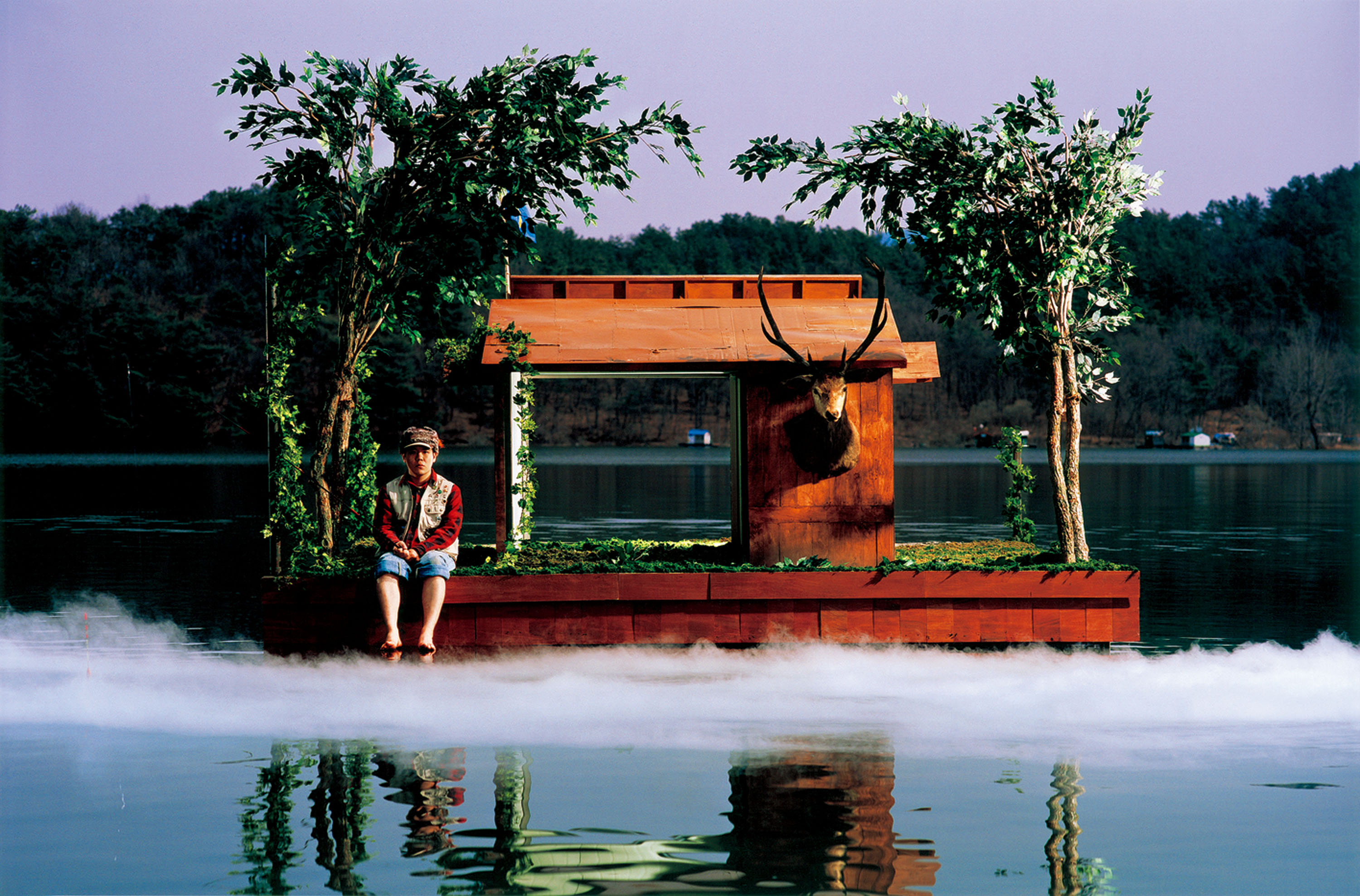
in 2005 he represented Korea in the Korean Pavilion at the 51st Venice
Biennale, presenting 《Secret Beyond the Door—a project
that marked the beginning of his international trajectory as a contemporary
Korean artist.
He continued to exhibit in major curated
exhibitions around the world. In 2007, he participated in 《Thermocline of Art – New
Asian Waves》 at ZKM, Karlsruhe, where he was recognized
for constructing personal narratives within broader Asian contexts. In 2011, he
was featured in 《Korean Rhapsody at the Leeum Samsung
Museum of Art, where his work was interpreted as a reflection on modern Korean
historical memory.
His inclusion in exhibitions such as 《Paradox of Place》 (Seattle Art Museum, 2015), 《Civilization:
The Way We Live Now》 (MMCA, 2018), and 《True Fictions》 (Fondazione Palazzo Magnani,
Italy, 2020) further solidified his status as a leading figure in experimental
video art exploring the intersection of documentary, fiction, and illusion.
In 2023, he participated in 《The Shape of Time》 at the Philadelphia Museum of Art, and in 2024, he was featured in 《Decoding Korea》 at Grand Palais Immersif in
Paris, reaffirming his role as an artist who both documents and deconstructs
Korean contemporary history and its global resonances.
Awards (Selected)
Jung received his first major international
recognition in 2002 when he was awarded the Asia-Europe Culture Foundation
Award at the Shanghai Biennale. In 2007, he won the “Artist of the Year” award
from the National Museum of Modern and Contemporary Art, a milestone in his
domestic career. In 2008, he was awarded the “Today’s Young Artist Award” by
the Korean Ministry of Culture, Sports and Tourism, acknowledging his
commitment to both socially engaged and experimental practices.
In addition to these accolades, he has been
invited to numerous international programs and artist commissions, including
the MAC/VAL Museum of Contemporary Art in France (2015) and the MILL6 Center
for Heritage, Arts and Textile in Hong Kong (2017).
Residencies (Selected)
Jung has maintained a global perspective
through an active residency practice. In 2002, he completed residencies at both
Fukuoka Asian Art Museum and 1A Space in Hong Kong. This was followed by a
residency at Art Omi in New York (2003), Villa Arson in Nice, France (2004),
and the International Studio & Curatorial Program (ISCP) in New York
(2006). He continued this trajectory with a residency at Art Tower Mito in
Japan (2013), MAC/VAL in France (2015), and MILL6 CHAT in Hong Kong (2017).
These residencies played a critical role in
shaping Jung’s practice, allowing him to respond to specific regional,
historical, and social contexts, and integrate local narratives into broader
transnational discourses.
Collections (Selected)
Yeondoo Jung’s works are held in numerous
major public collections worldwide. His landmark video work Documentary
Nostalgia(2007) was acquired by The Museum of Modern Art (MoMA), New
York in 2008. Other institutions that house his works include the Museum of
Contemporary Art Tokyo (MOT), the Philadelphia Museum of Art, the Seattle Art
Museum, the Leeum Samsung Museum of Art, and the National Museum of Modern and
Contemporary Art in both Seoul and Gwacheon.
Additionally, his works are part of the
collections of the Ulsan Art Museum and the PODO Museum in Korea. His ability
to merge artistic experimentation with socio-political reflection has led to
his works being recognized as key holdings in contemporary art collections
across the globe.