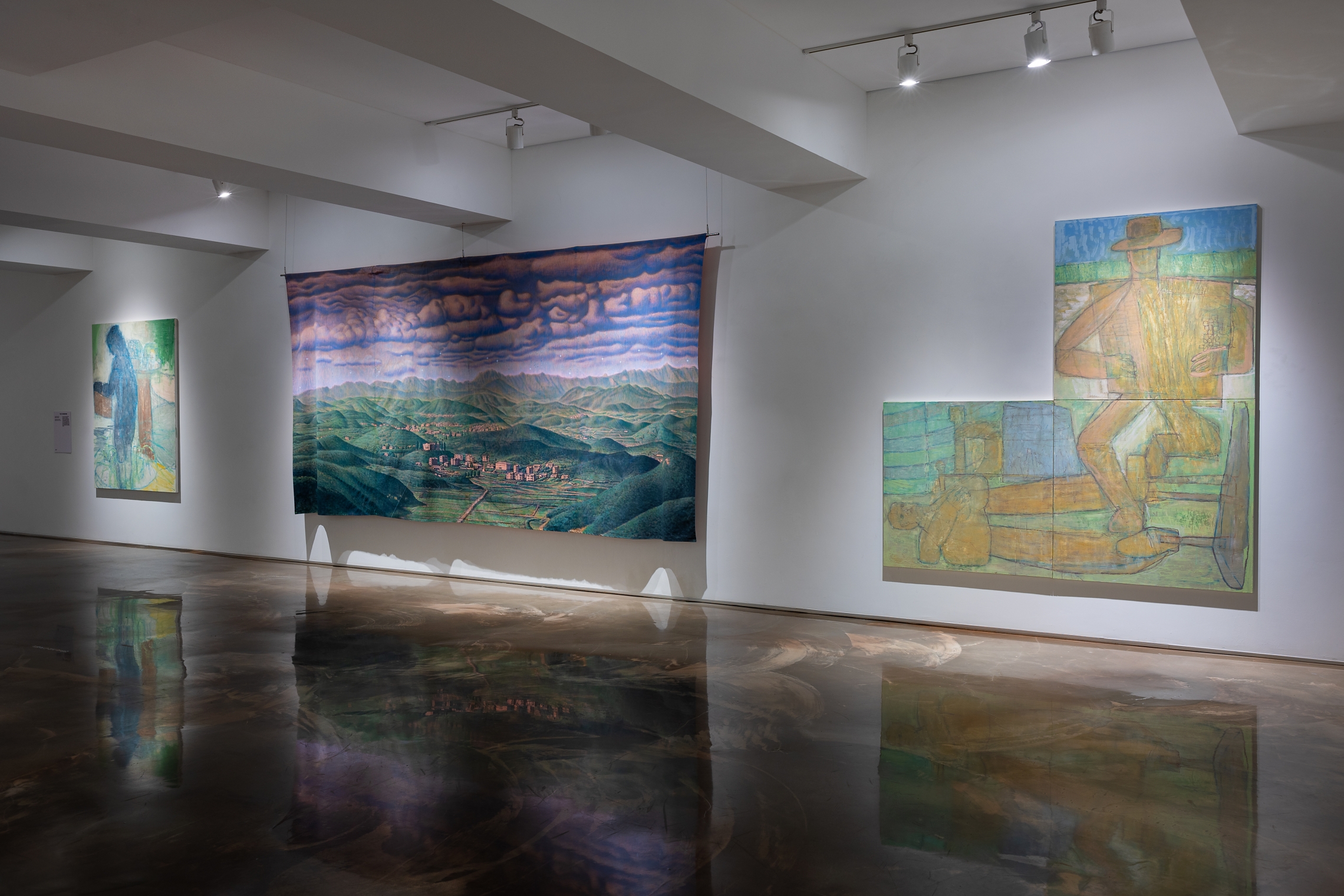
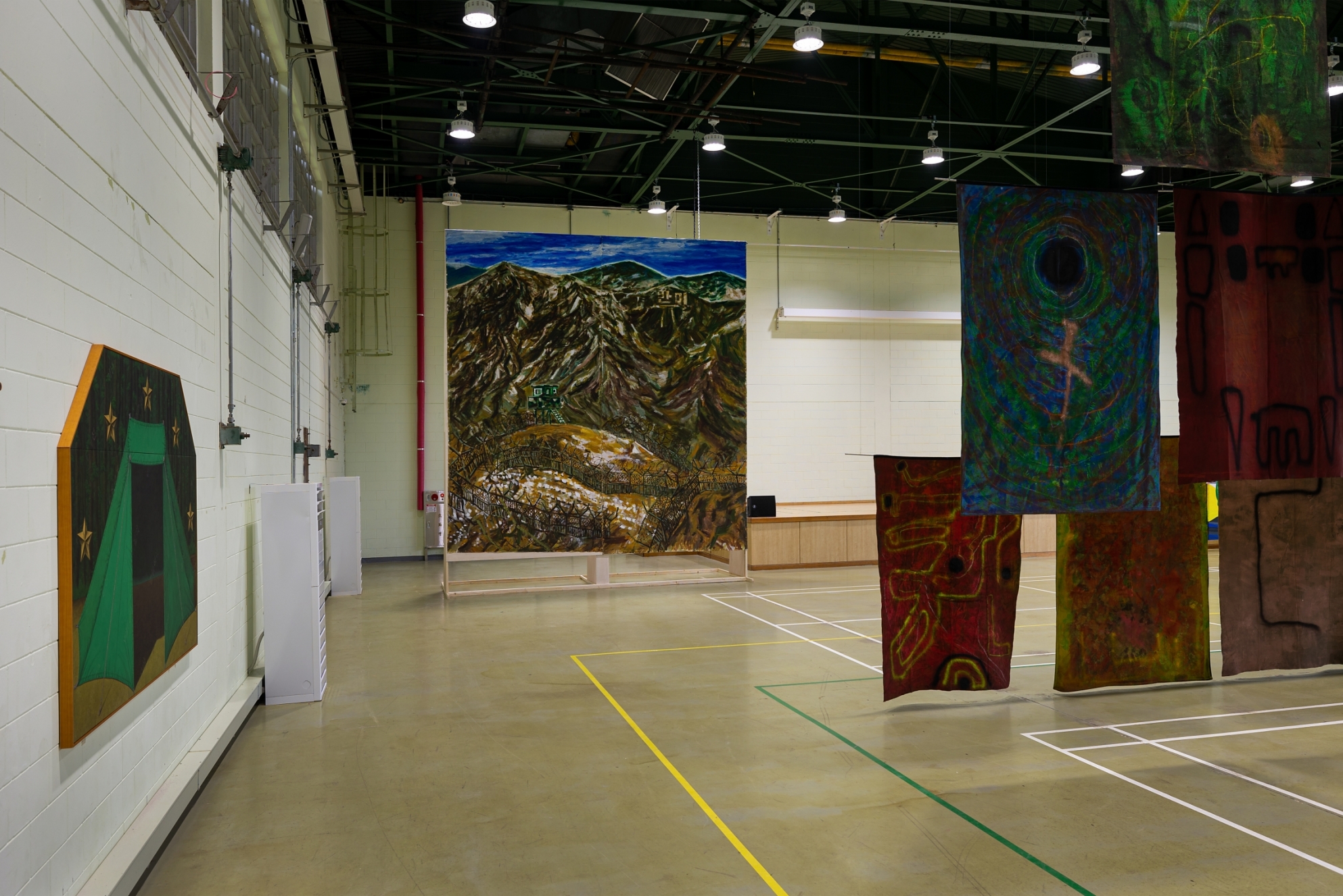
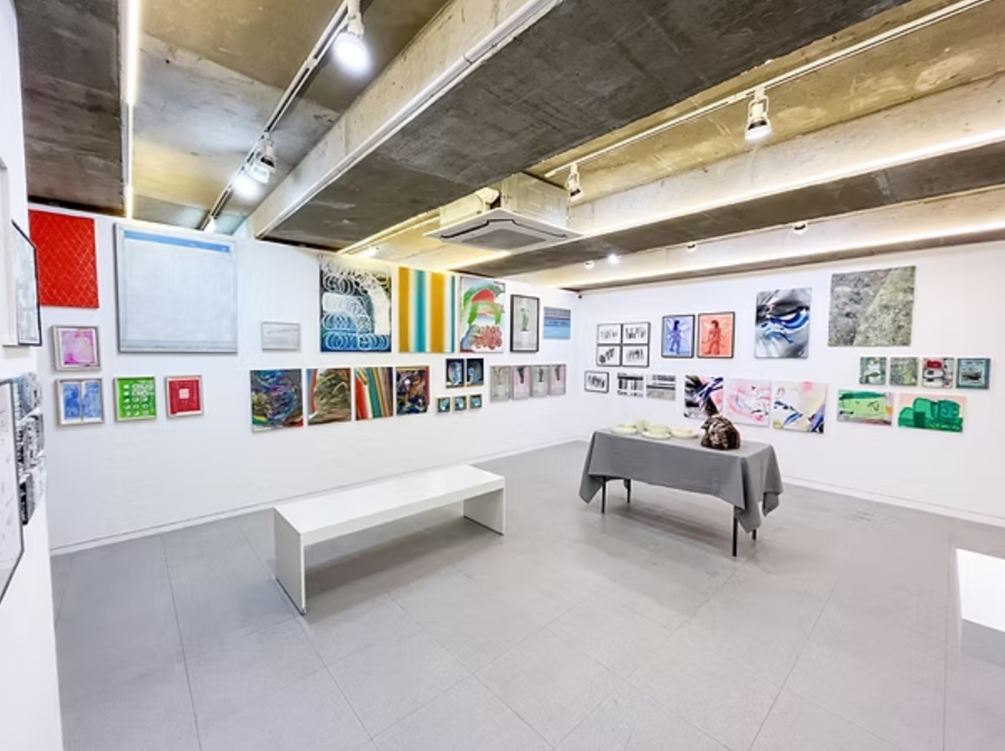
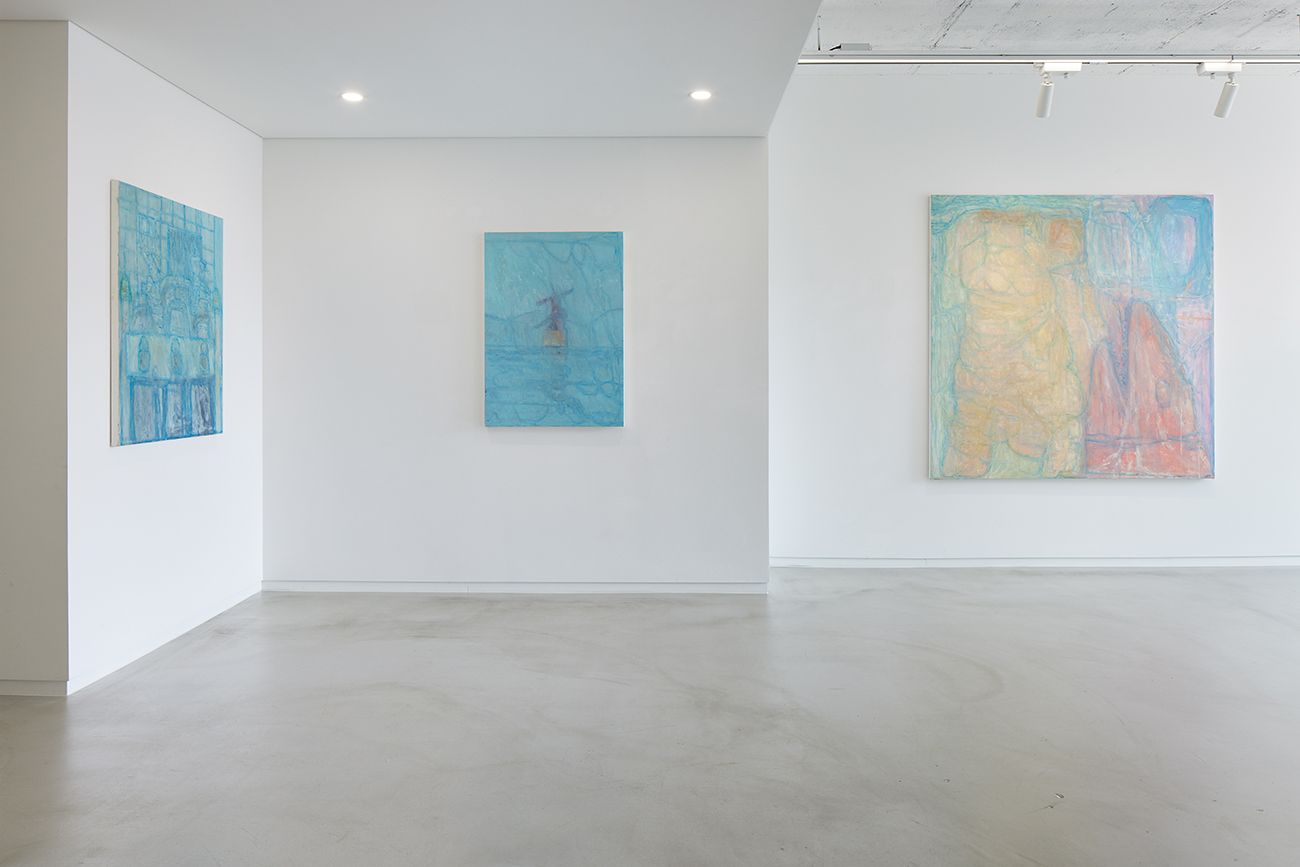
Between
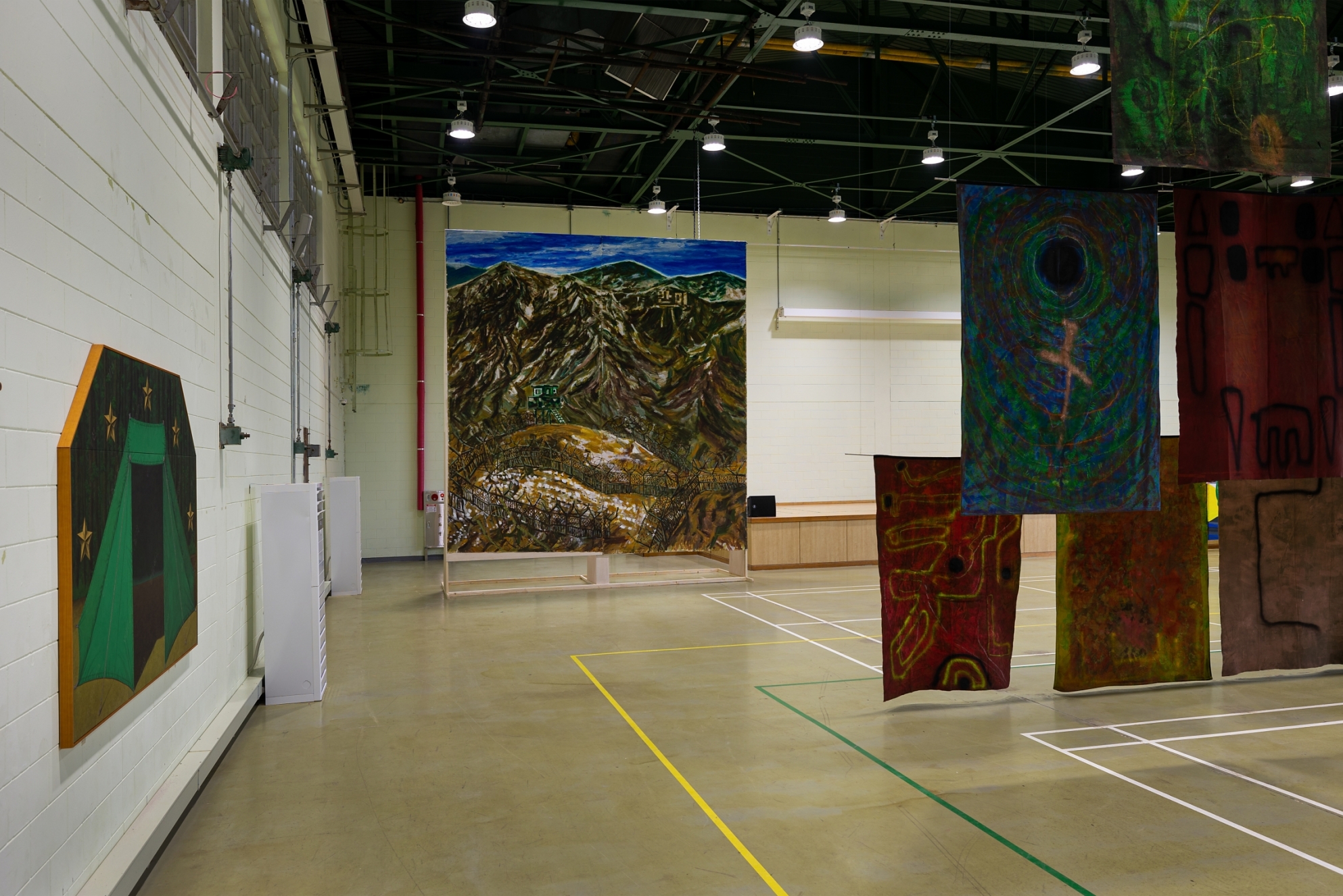
August 31 and September 23, 2023, 《DMZ Exhibition: Checkpoint》 is being staged
at Dora Observatory and Camp Greaves, a former US military base within the
Civilian Control Zone (CCZ) in Paju, Gyeonggi Province; and Pyeonghoa-Nuri in
Imjingak, a setting that North Koreans displaced by the war would visit and
yearn for their lost homeland.
After that, it will be taking place from October
6 to November 5, 2023 at Yeongang Gallery (an exhibition space located in a CCZ
village in Yeoncheon, Gyeonggi Province); at the Imjingang Peace Wetland Park;
at the railway station of Sinmang-ri, which was constructed by US troops in a
refugee settlement village; and at the Daegwang-ri, and Sintan-ri stations,
which were whistle stops on the journey north during the Japanese occupation.
In this way, the exhibition links together the places that have been created or
connected by 70 years of Korean division, from the train stations that once
carried passengers northward before North and South Korea were divided to an
observatory that offers a view of the North, a camp where US soldiers were
stationed after the war, and the entrance to a village in the CCZ.
Taking
place in an exhibition setting that links various locations created by the
seven-decade political division of Korea, 《DMZ Exhibition: Checkpoint》 is an
opportunity for viewers to rediscover the historical meanings associated with
those places as they visit them individually to view the artistic creations.
Much like a video game where users visit different places to collect special
items, this can be an invaluable experience of reflecting on 70 years of
inter-Korean division as visitors stop in the places created by division to
view the eclectic works of art presented there.
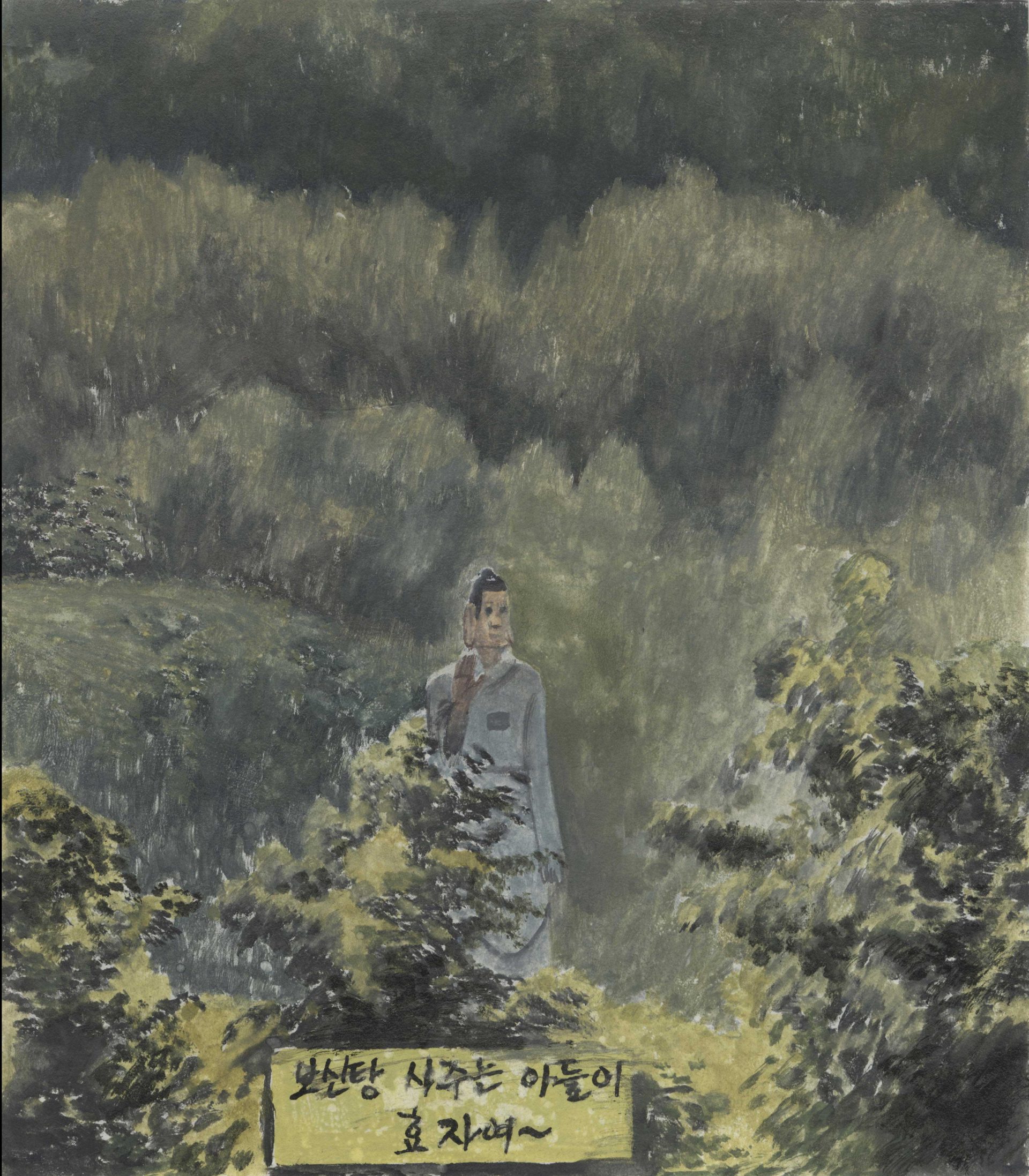
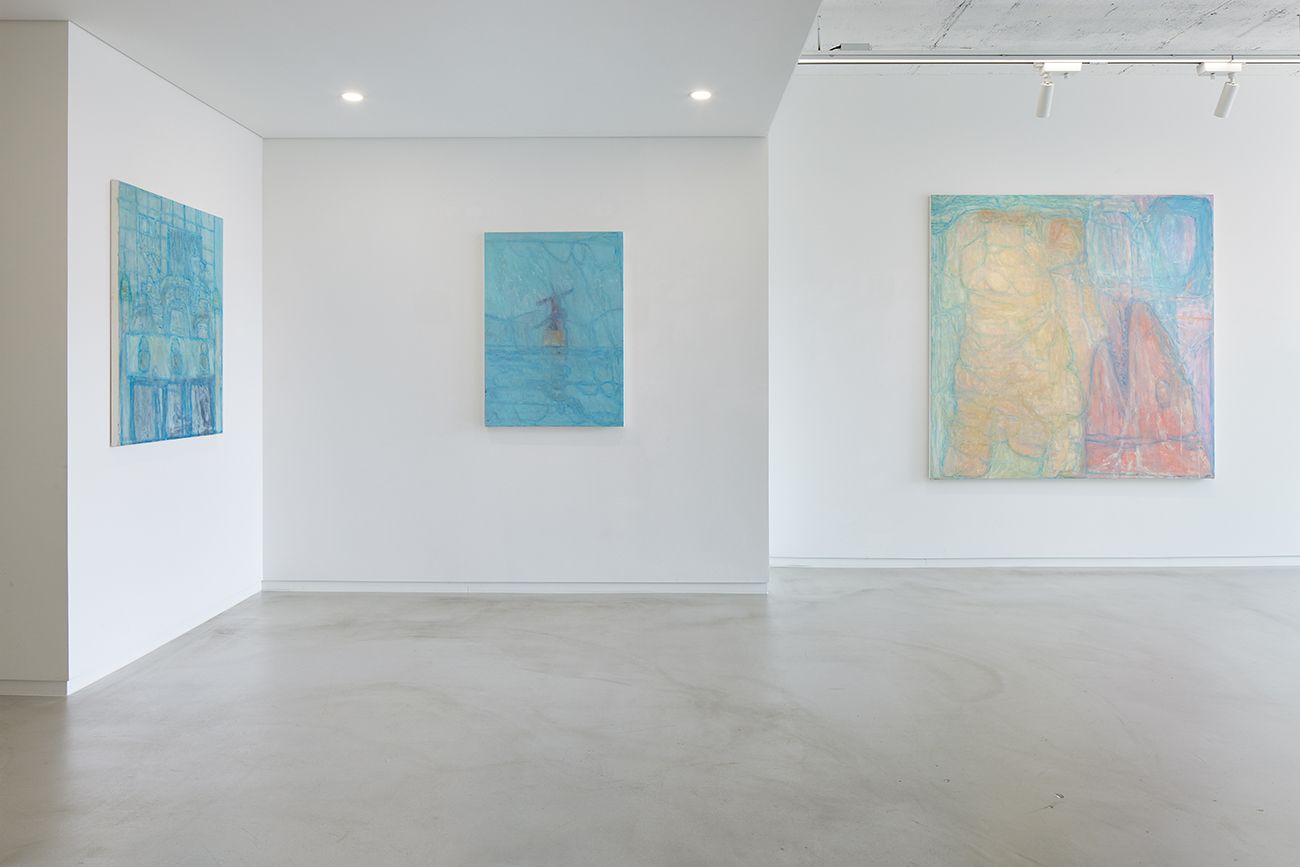
As 《DMZ Exhibition: Checkpoint》 looks at the
historical/political space of the DMZ through the differing perspectives of
artists, it calls to mind a forgotten setting that exists right in our midst—a
“demilitarized” setting that is ironically one of the most militarized in
existence—and the events that have taken place there. These artists’
perspectives may appear somewhat sentimental or light next to the weight of
history and politics, but that lightness contains multiple layers of ideas and
imagination that are like seeds waiting to be carried off somewhere to blossom
with new stories.
Participating
Artists
Che Onejoon, Soyoung Chung, Gimhongsok, HaeAhn Paul Kwon Kajander, Kyungah Ham,
IkkibawiKrrr, Su-Mi Jang, Sunny Kim, Makiko Kudo, Hyeseong Kwon, Jaeseok Lee,
Jung-hoon Lee, Woosung Lee, Mikael Levin, Minouk Lim, Moon Kyungwon & Jeon
Joonho, Na Mira, Ok Seungcheol, Boma Pak, Hyungjin Park, Noh-wan Park,
Seonglib, Suh Youngsun, Sikyung Sung, Kim Westfall, Tomoko Yoneda, Zoh Kyung
Jin/Cho Hye Ryeong