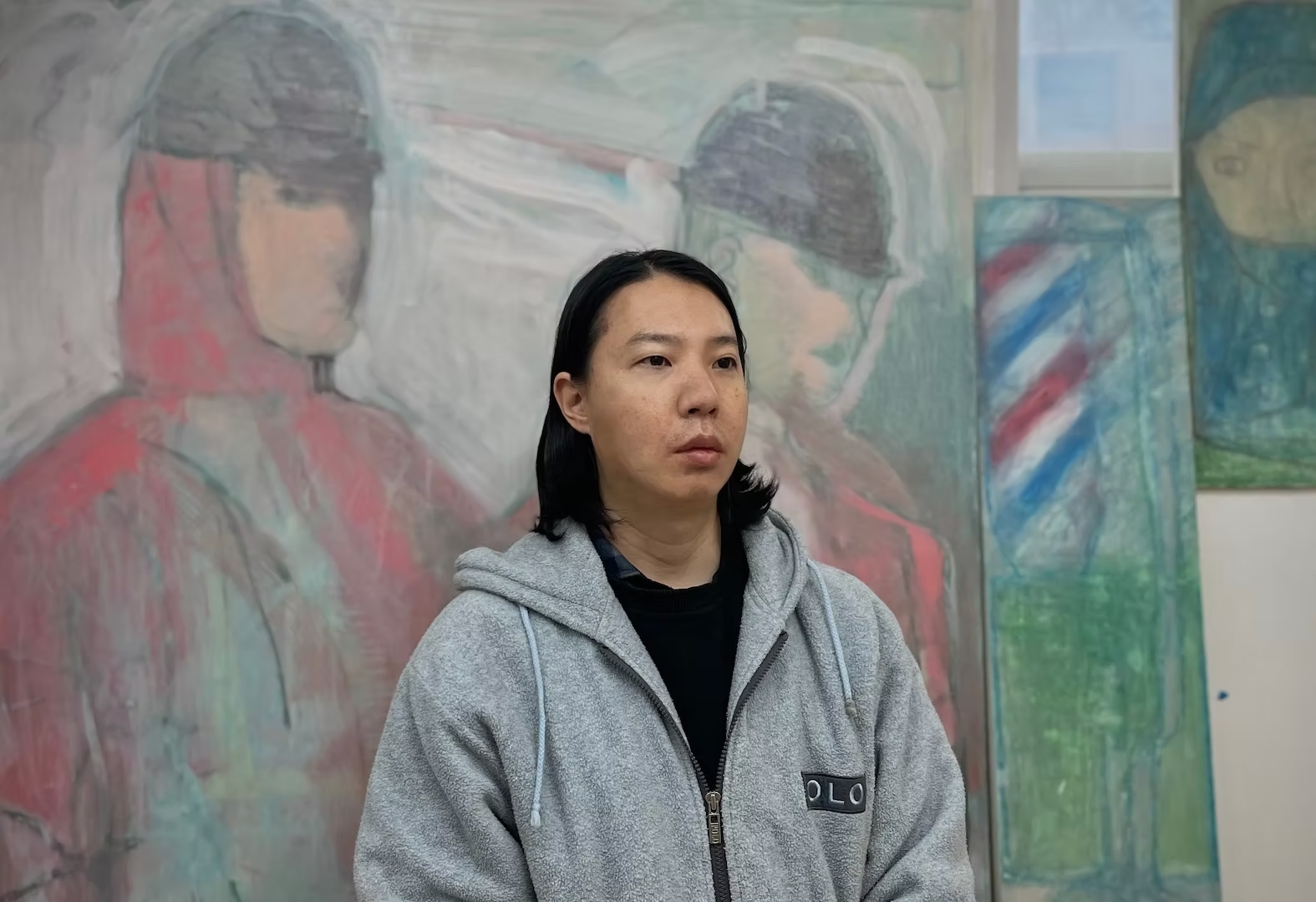
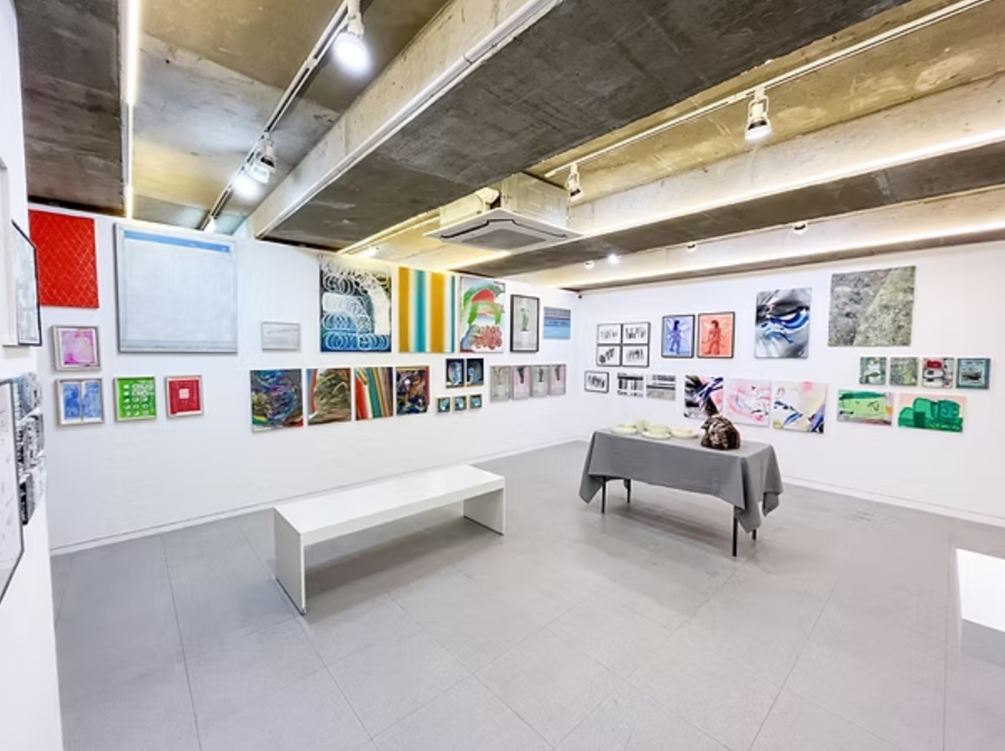
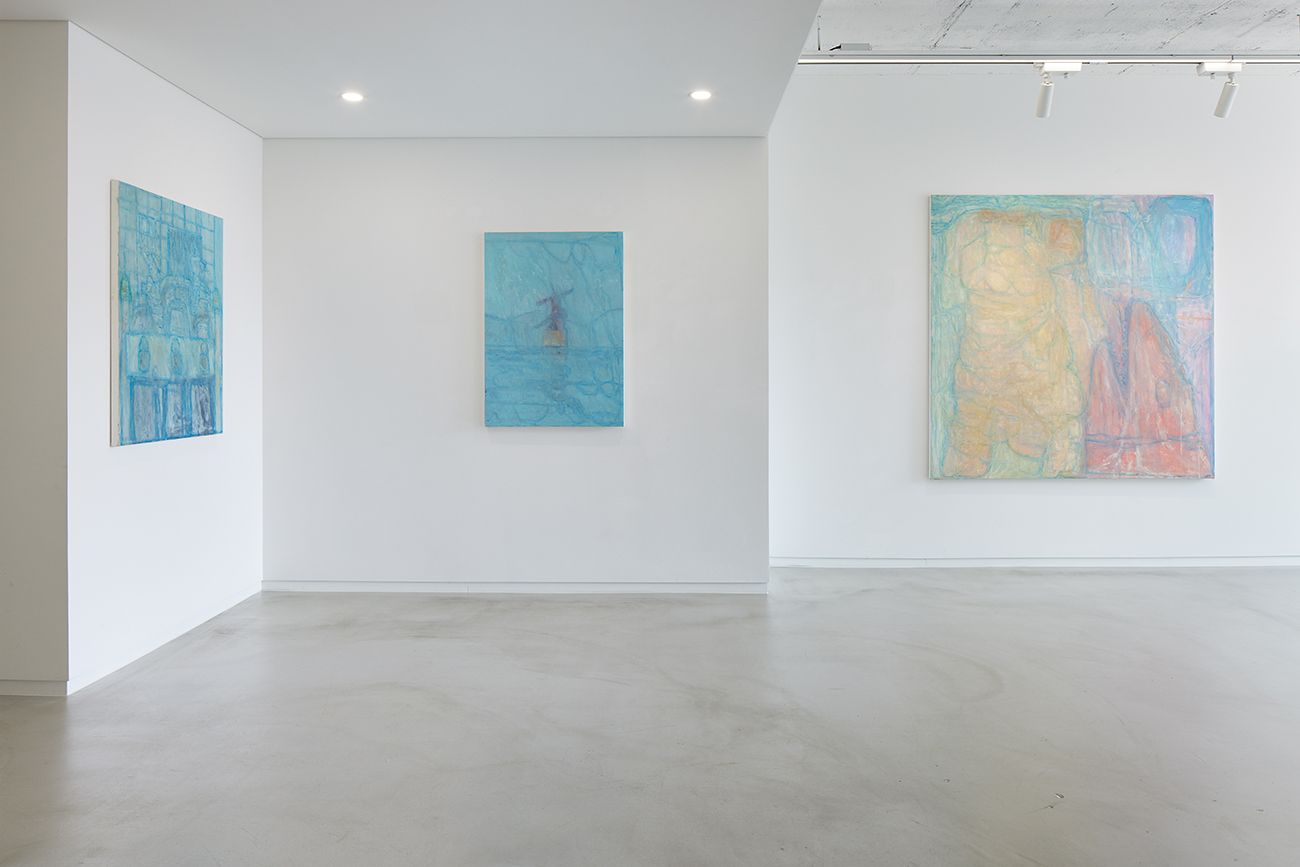
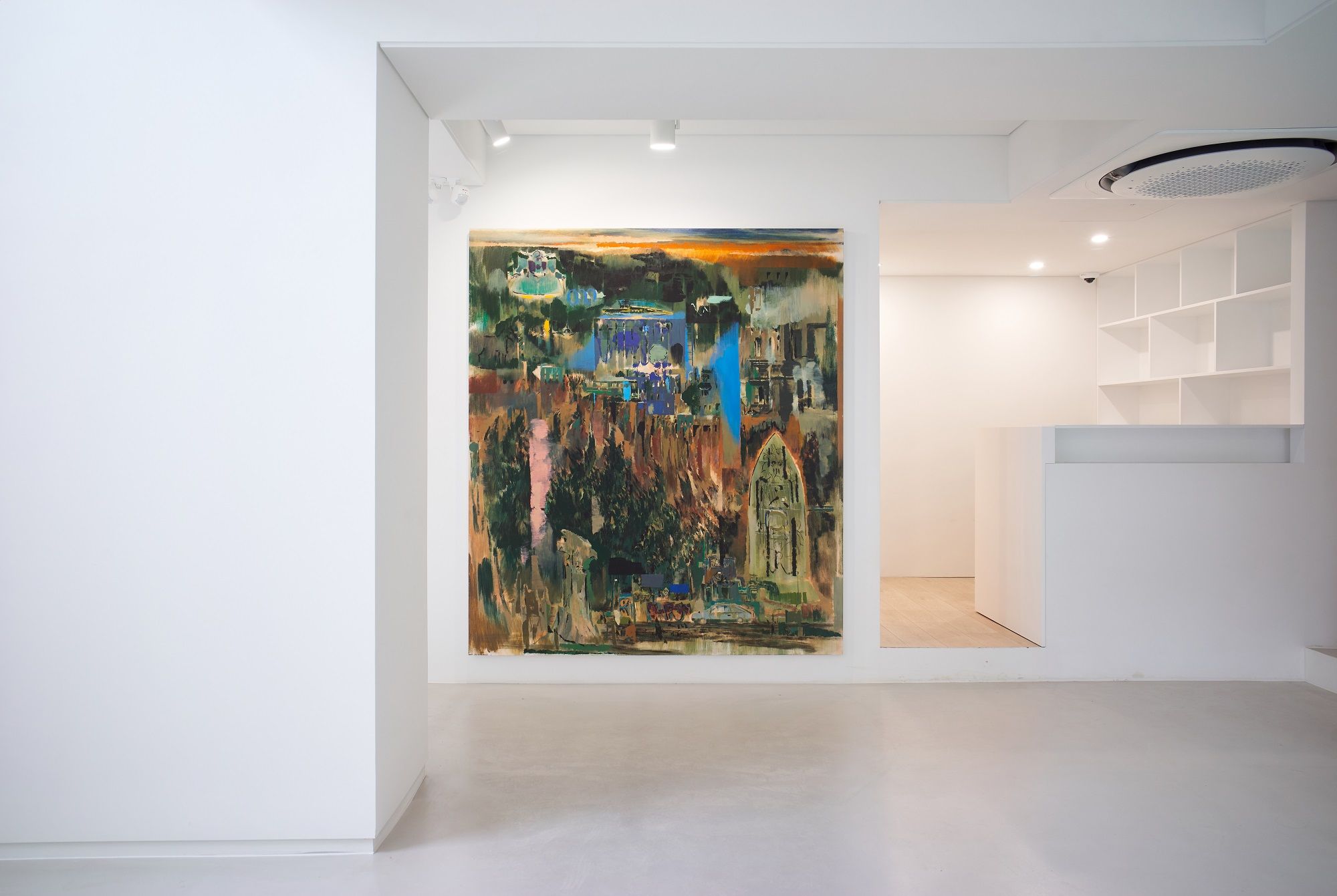
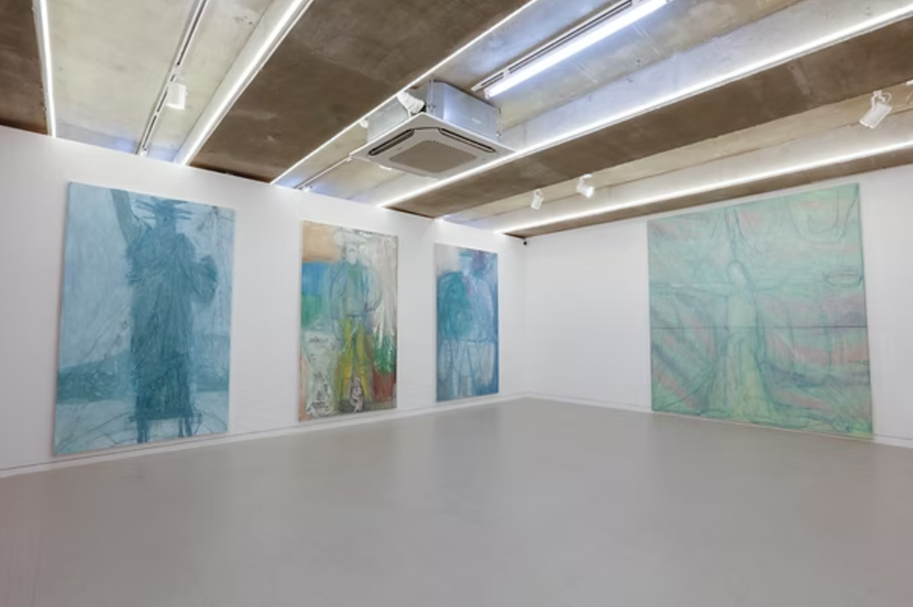
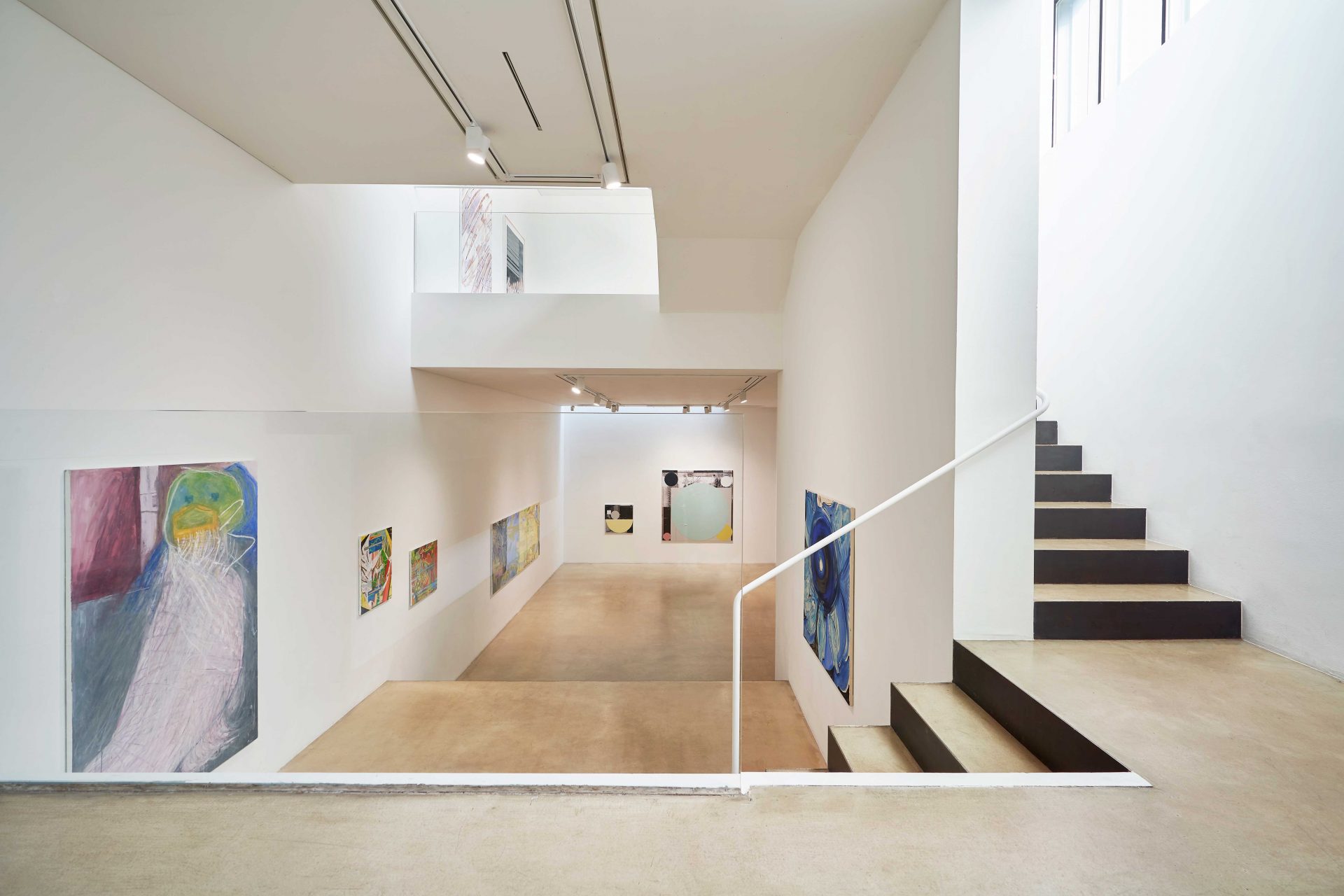
Park Noh-wan’s solo exhibition, 《Bland Gestures》, is on view at Space
Dimension Variable through November 28.
Park Noh-wan observes the dull, clumsy landscapes shaped by human
hands. He is drawn not to things that appear beautiful or harmonious, but to
the opposite—to scenes where objects are crudely made, appear depleted and
slumped, or are so awkward and ridiculous that one might instinctively want to
look away. He photographs such moments. He describes them as being like the
stench of sweaty feet: repulsive and yet oddly compelling, something one wishes
to avoid but can’t help catching a whiff of. His selective documentation tends
to focus on cheap character images, exaggerated advertisement slogans, or
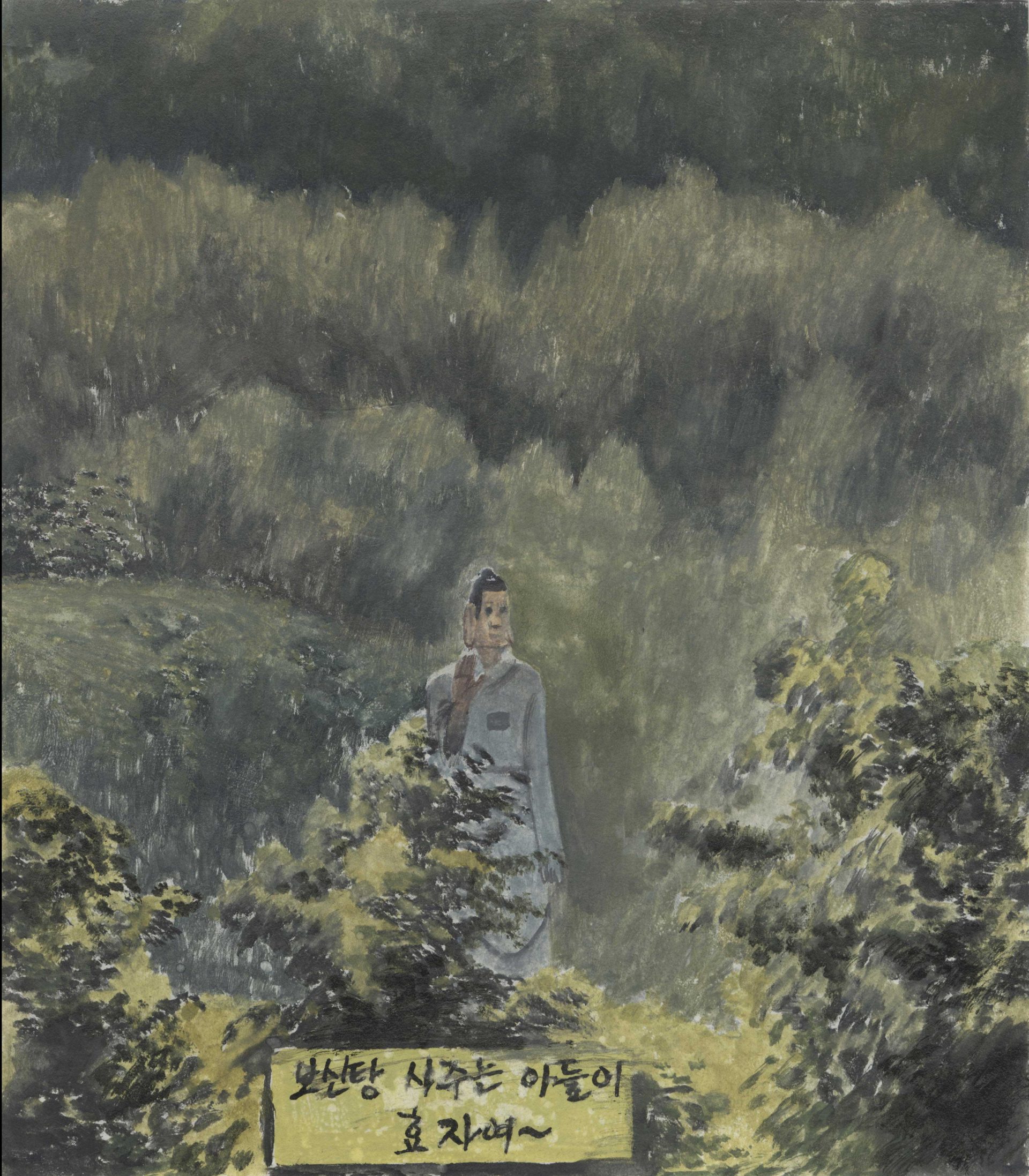
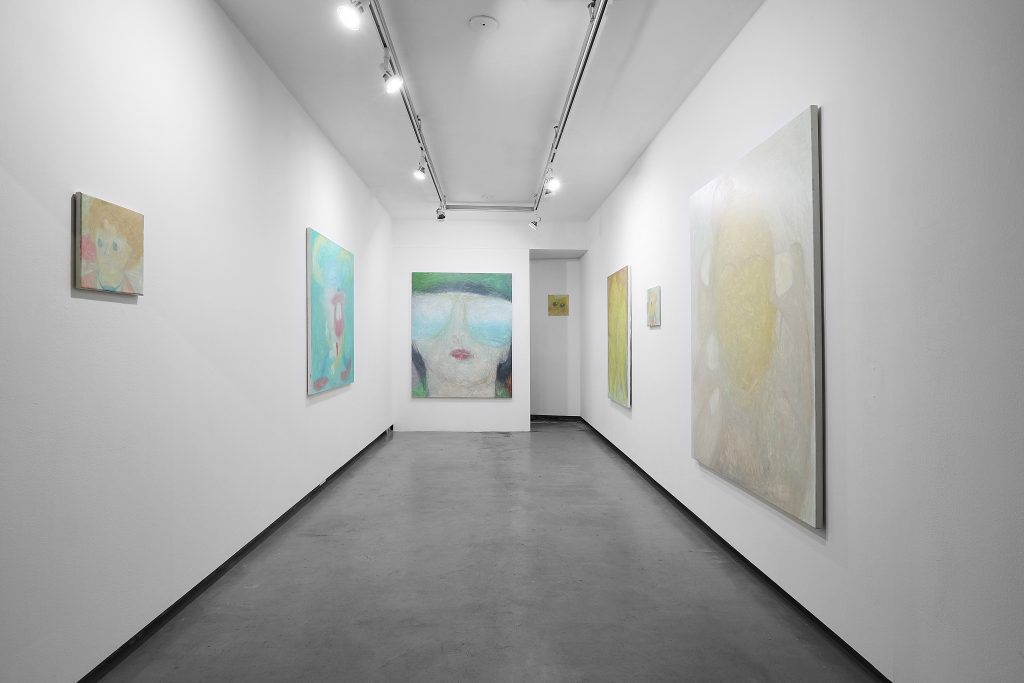
discarded items on the street. The works in 《Bland Gestures》 follow suit—depicting, for
example, the face of a mannequin awkwardly placed outside a restaurant, a
cross-eyed Mickey Mouse resembling a curry mascot, or an image of a boiled egg
spotted on a PC café monitor menu.
The impulse to document such imagery lies somewhere between
aversion and amusement—between disgust and the moment of smirking surprise that
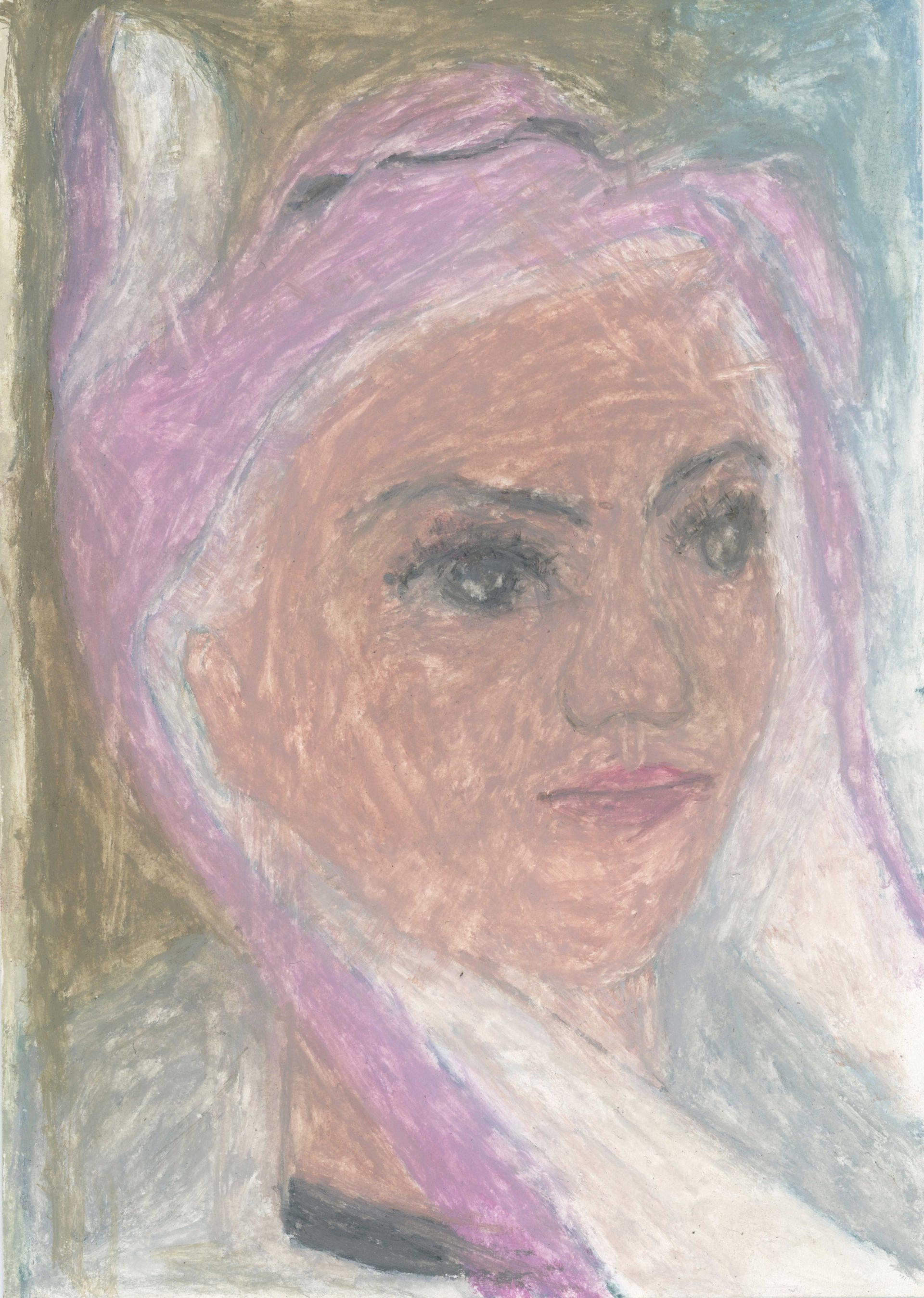
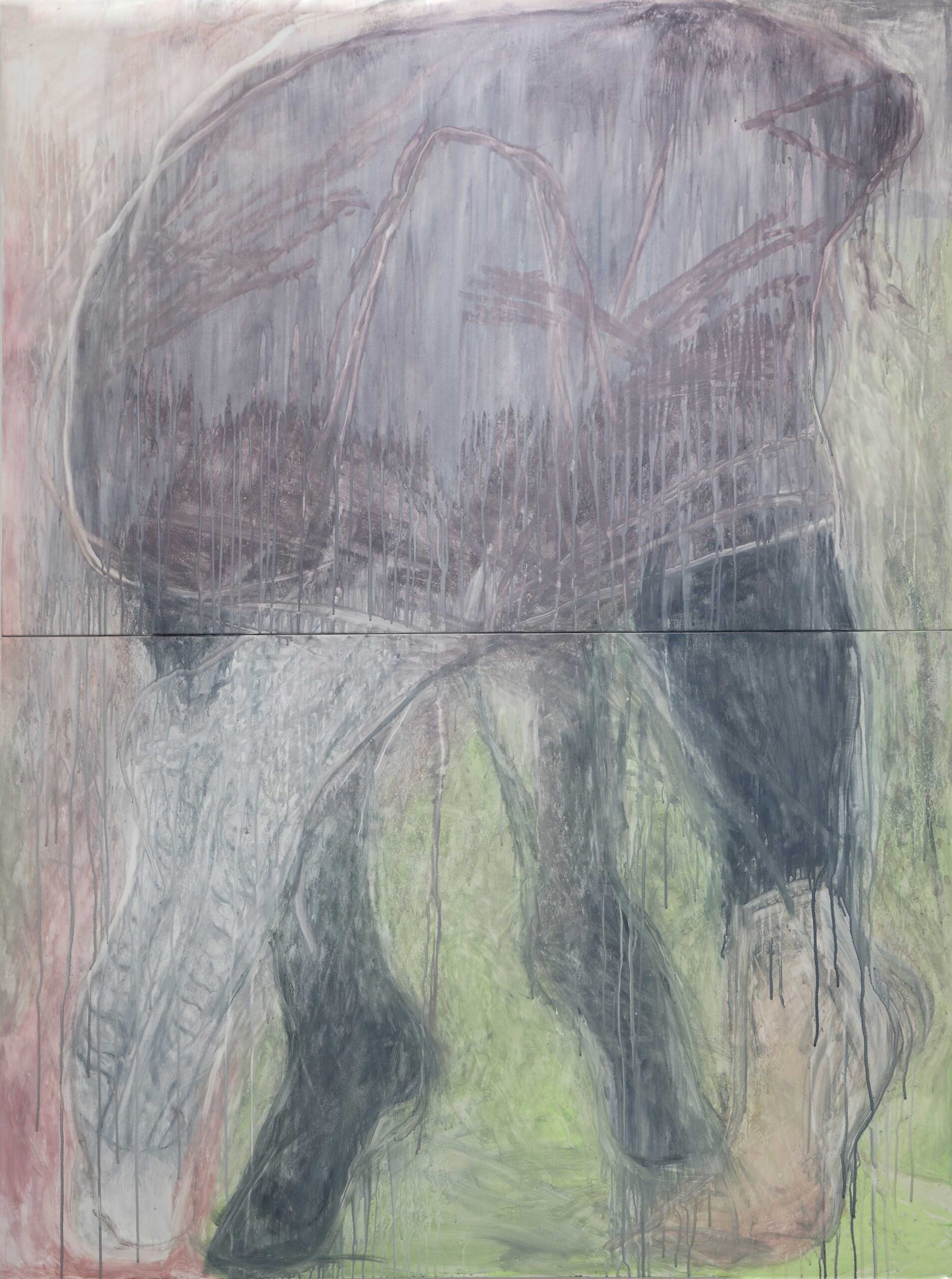
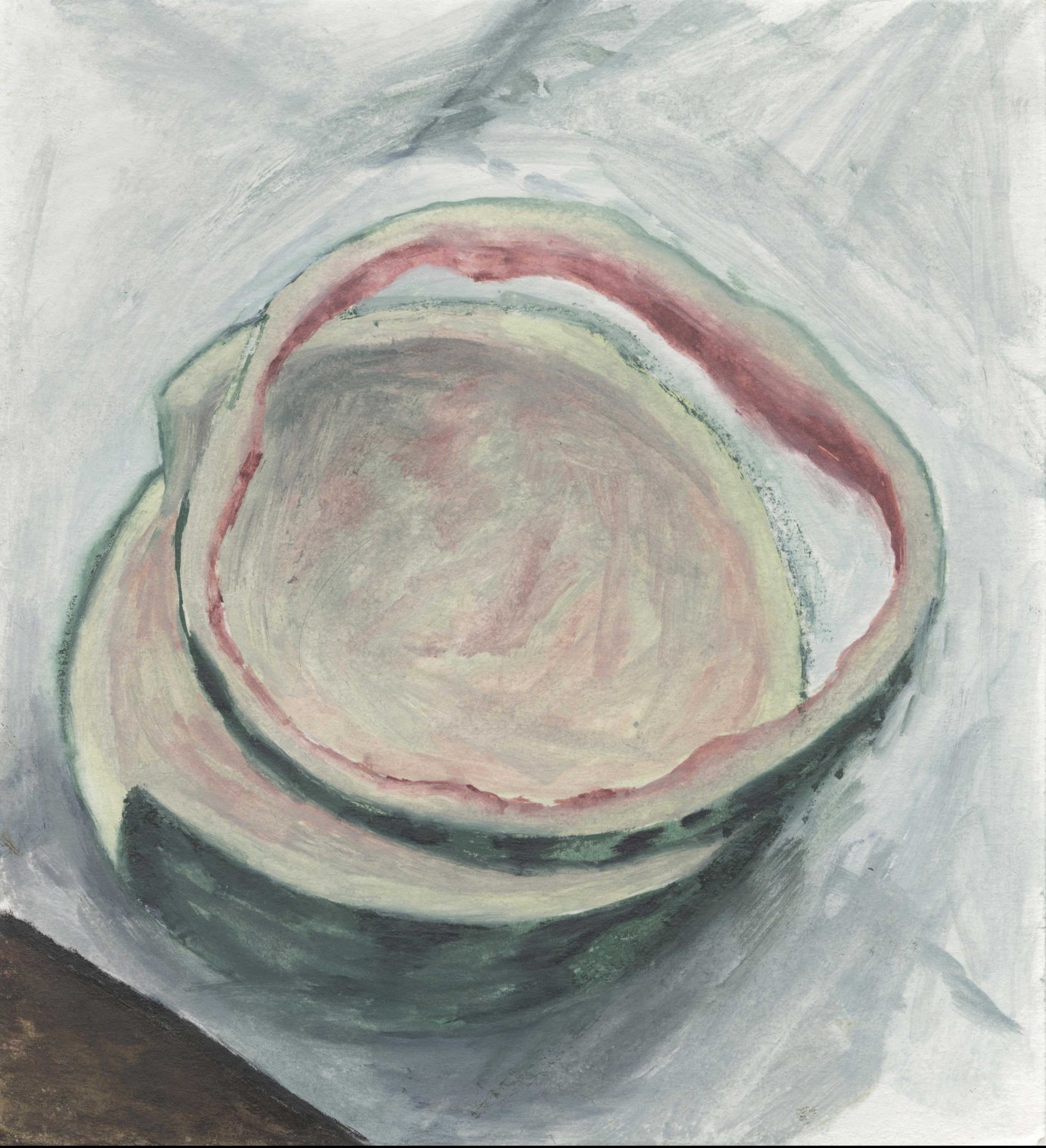
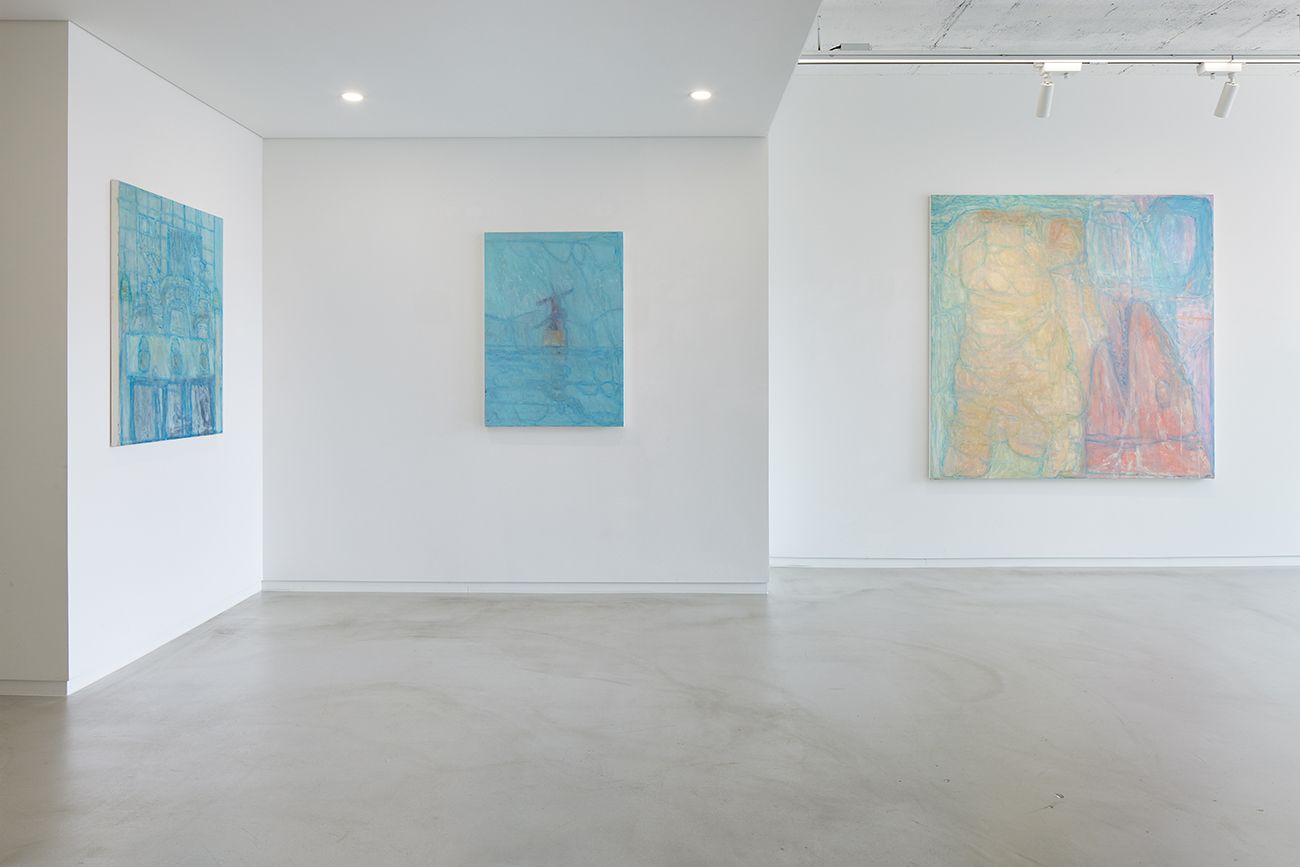
these banal spectacles provoke. On canvas, these collected scenes do not emerge
as sharp or vibrant depictions. Instead, they appear blurred and muted,
stripped of their fine details. Park tends to stuff a single object or
situation tightly into the frame without any particular compositional strategy,
then repeatedly rubs the painted surface or dissolves the dried pigments using
a latex solution. As a result, the tonal contrast is ambiguous, and the
distinction between foreground and background becomes irrelevant—the depicted
form dissolves into the emptiness of the surrounding space.
This method reflects the artist’s discomfort with attaching
decorative language to his paintings—terms like "harmonious
composition," "balanced form," or "vivid color." He
instead aims to complete each painting with an unembellished, minimally
contrived language. Paradoxically, in order to achieve this uncontrived
aesthetic, he consciously operates within a set of self-imposed constraints.
For instance, he might establish a provisional rule to reduce color saturation
by layering white paint or obscure the clarity of forms with smudges. Through
such procedures, he attempts to arrive at an image that feels, to him, like a
more natural state of visual representation.
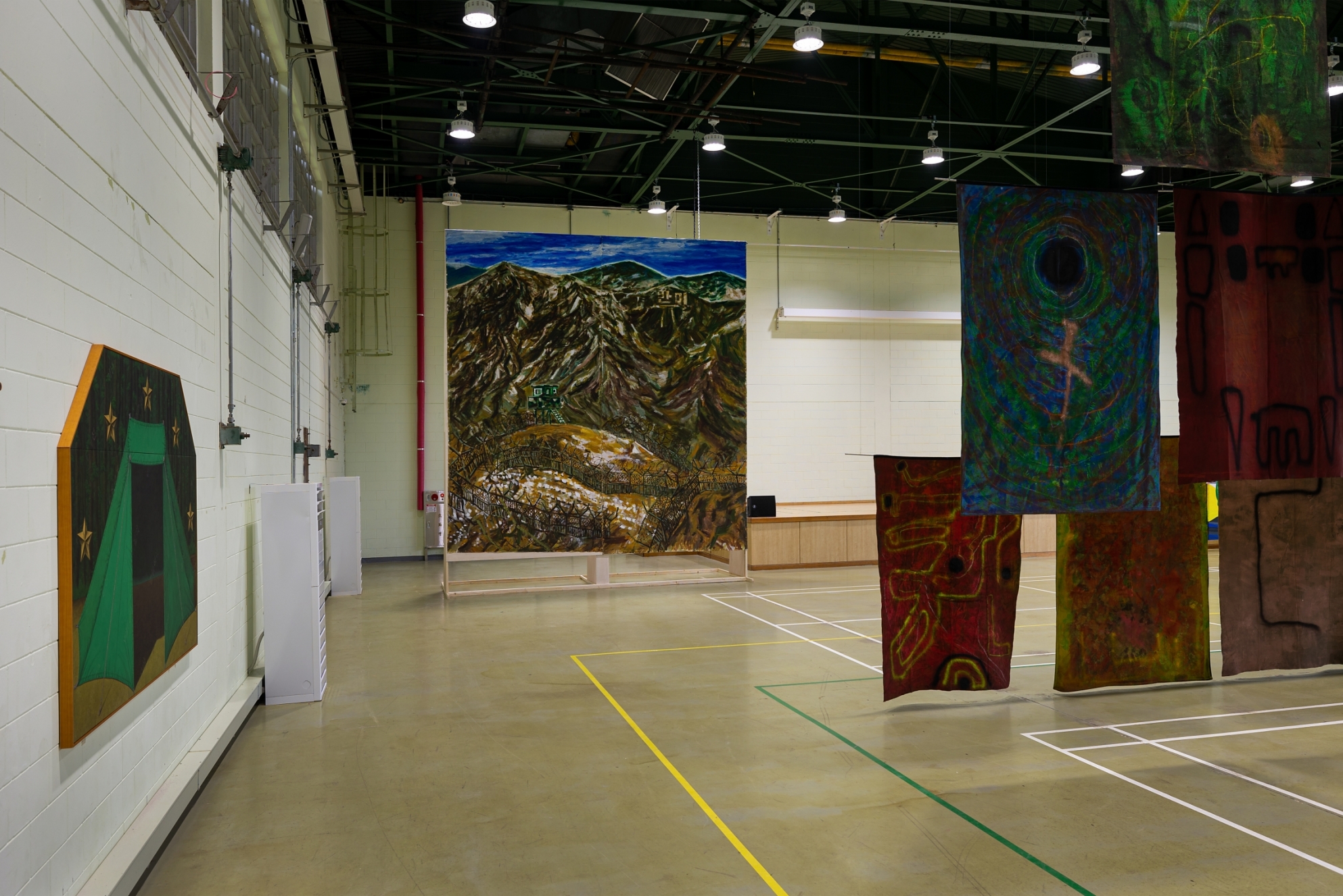
At the same time, Park wants his paintings to carry a kind of
physical solidity. The scratches and abrasions left by his brush are integral
to this effort. Countless brushstrokes accumulate across the canvas, densely
filling its murky voids. These marks cling firmly to the surface, testifying to
the extended duration of the artist’s confrontation with the canvas. The
ambivalent tension between the urge to depict and the desire to erase becomes
entangled on the surface—ultimately contributing to the painting’s external
sense of completion.