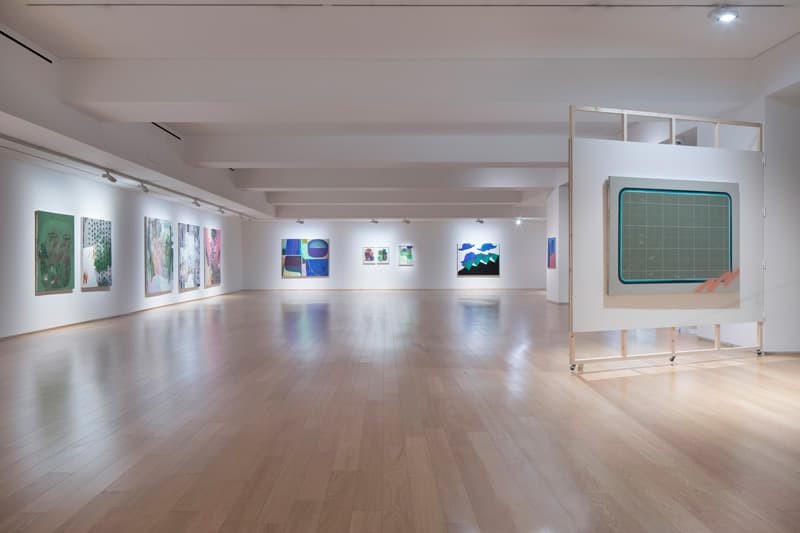
Form refers to the formality of
recognition or consciousness, in addition to the formative meaning of shape and
configuration. Artist’s attempts to reason and break through the existing
structure and present a new direction in form have continued from the past to
the present. Cognizing can not be completely free from past experiences, and
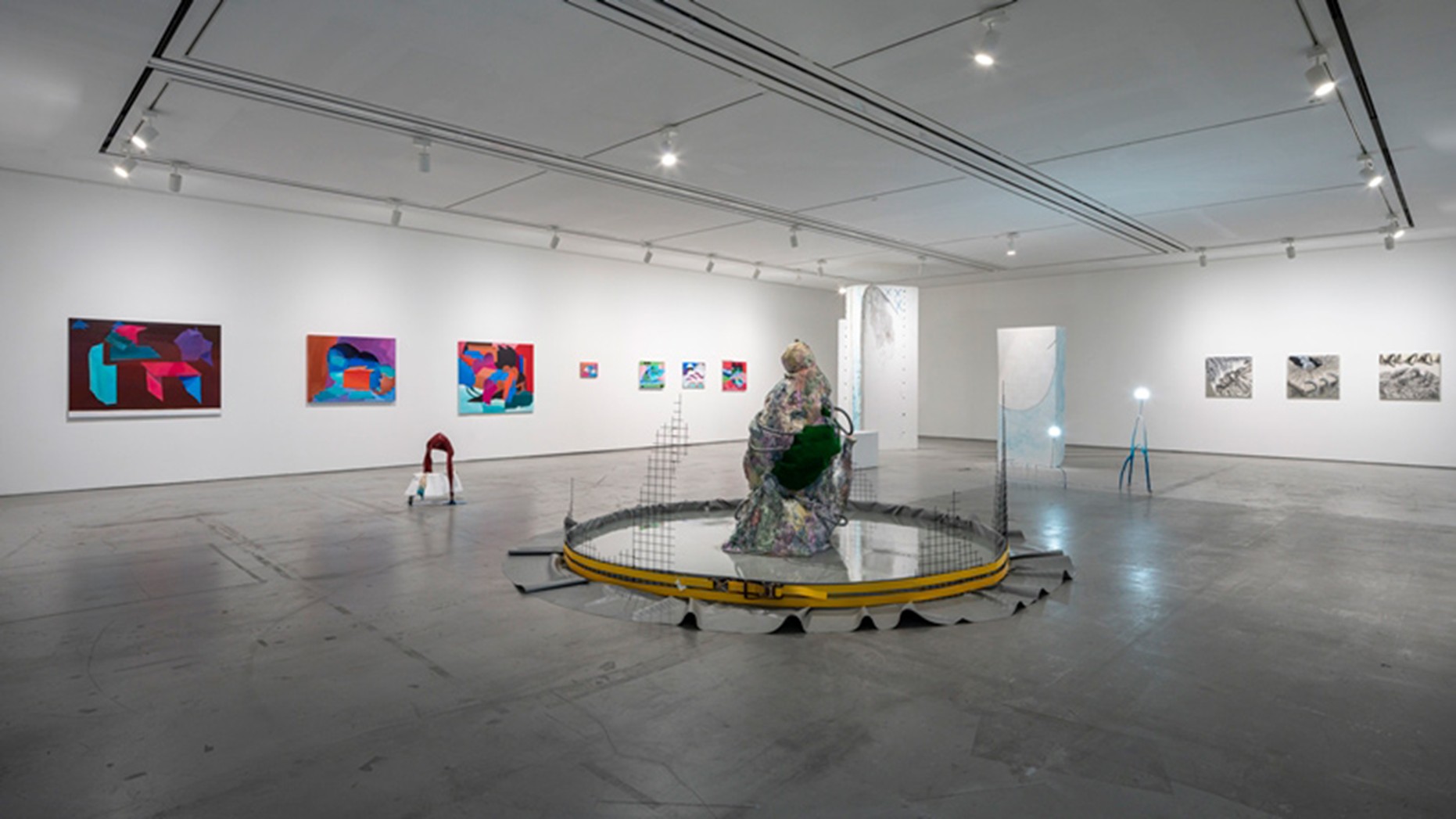
the embracing of the process is also fluid. 《Form/less》 speculates the transformation
process, and the path of the work through observation of form revealed in the
works of Hejum Bä and Sascha Pohle.
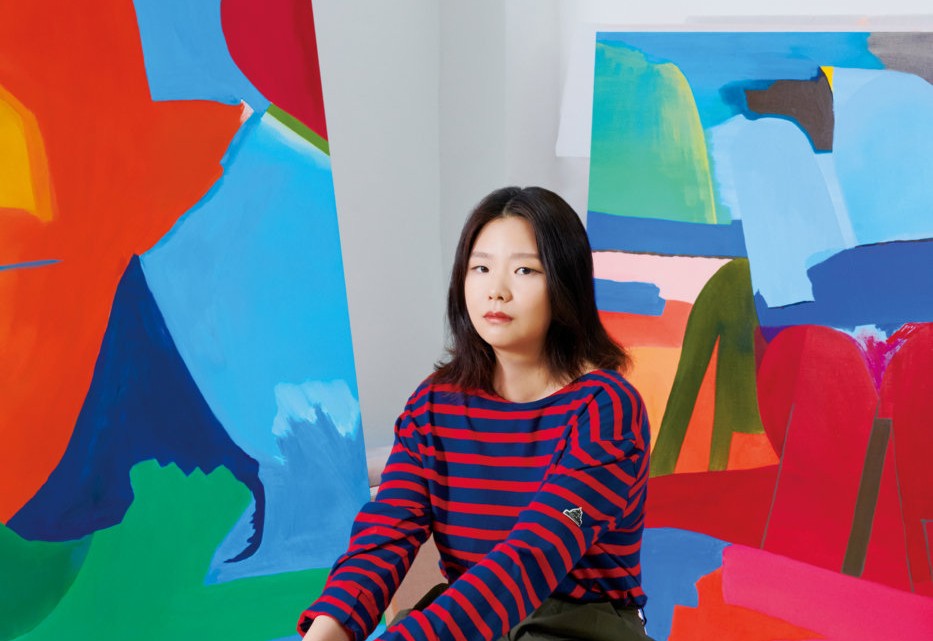
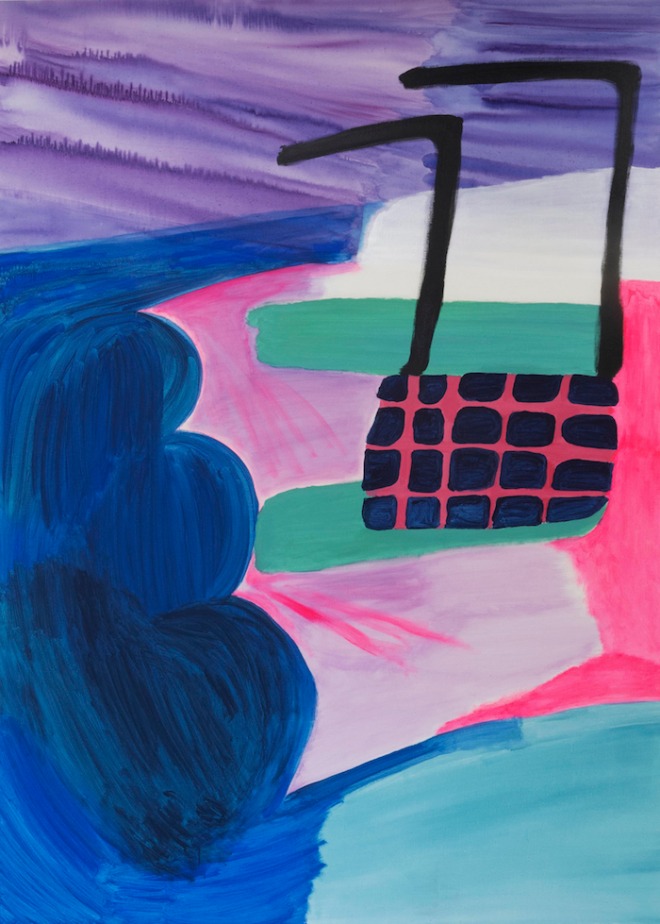
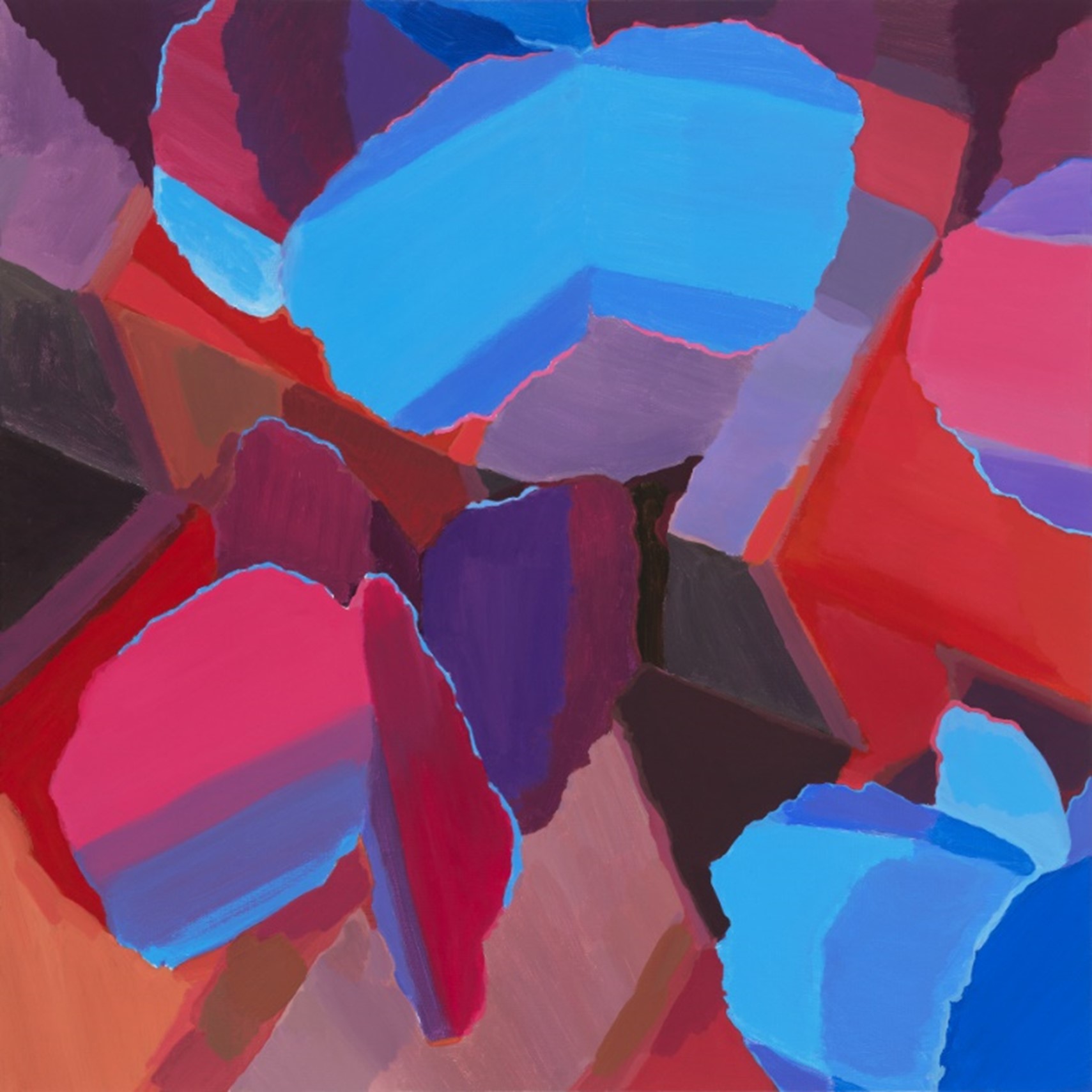
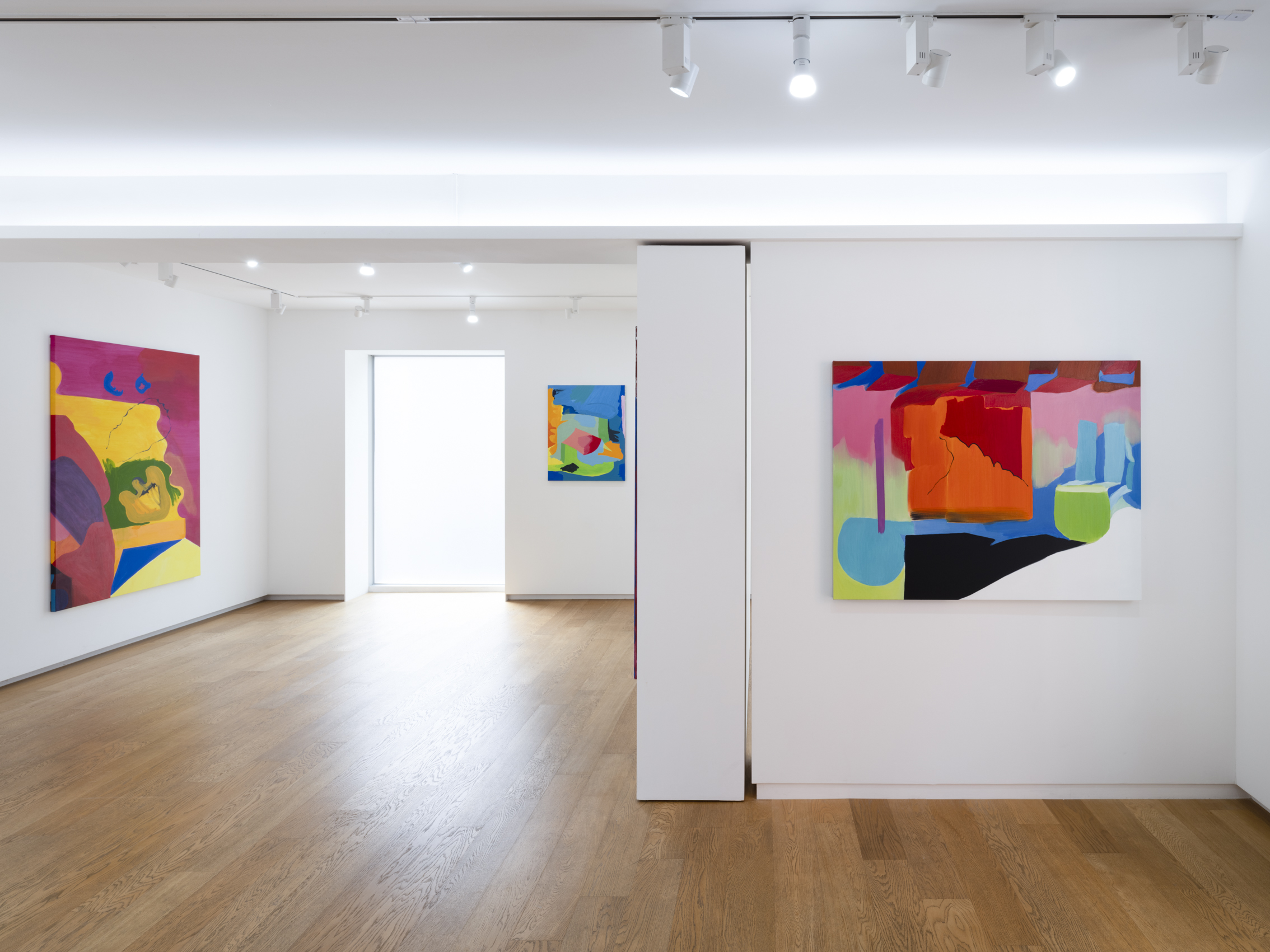
Hejum Bä approaches the
traditional concept and medium of abstract painting with an alternative system
of reflection. The artist combines motility, strong color relationships, and
elements of language with abstract behavior in her work. In order to reveal
‘mobile image’ in painting, the artist starts by deconstructing scenes from her
self-produced videos and reorganizing them as paintings, then transforming into
observing motility with properties and elements within the canvas. In the
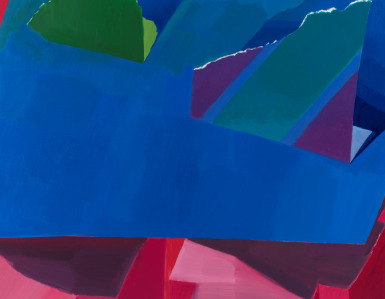
painter’s solo show 《Teeth on Tail》 (2018, OCI Museum, Seoul), an abstract landscape appeared in which
torn and folded colored paper moved. Rather than the substance of paper, the
artist focused on the allegorical implication of how the colored surfaces can
move structurally and be mobile through the confrontation of color.
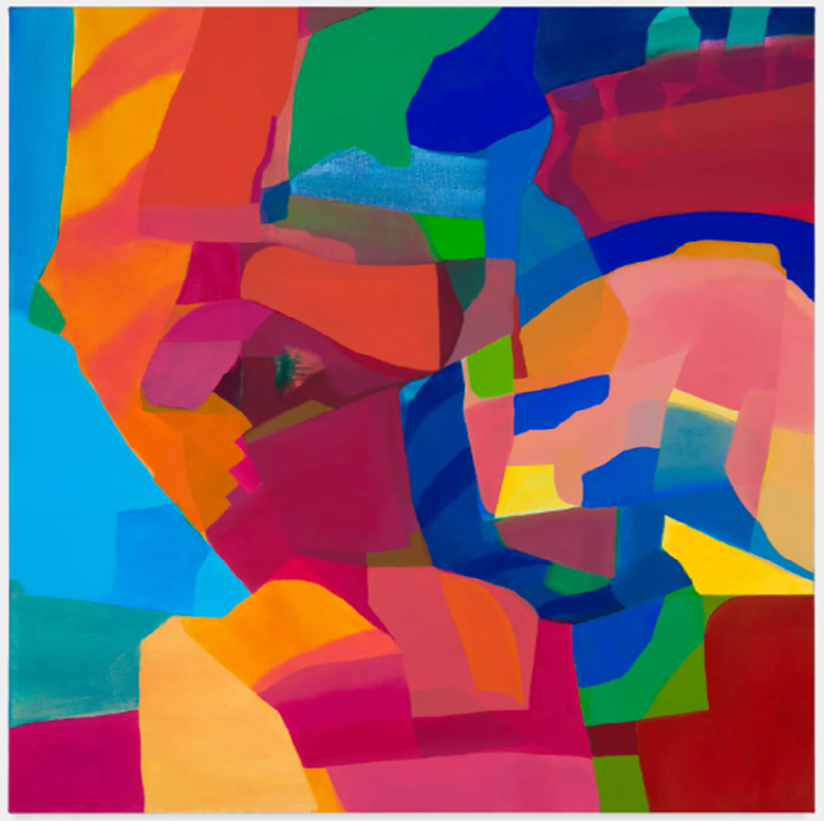
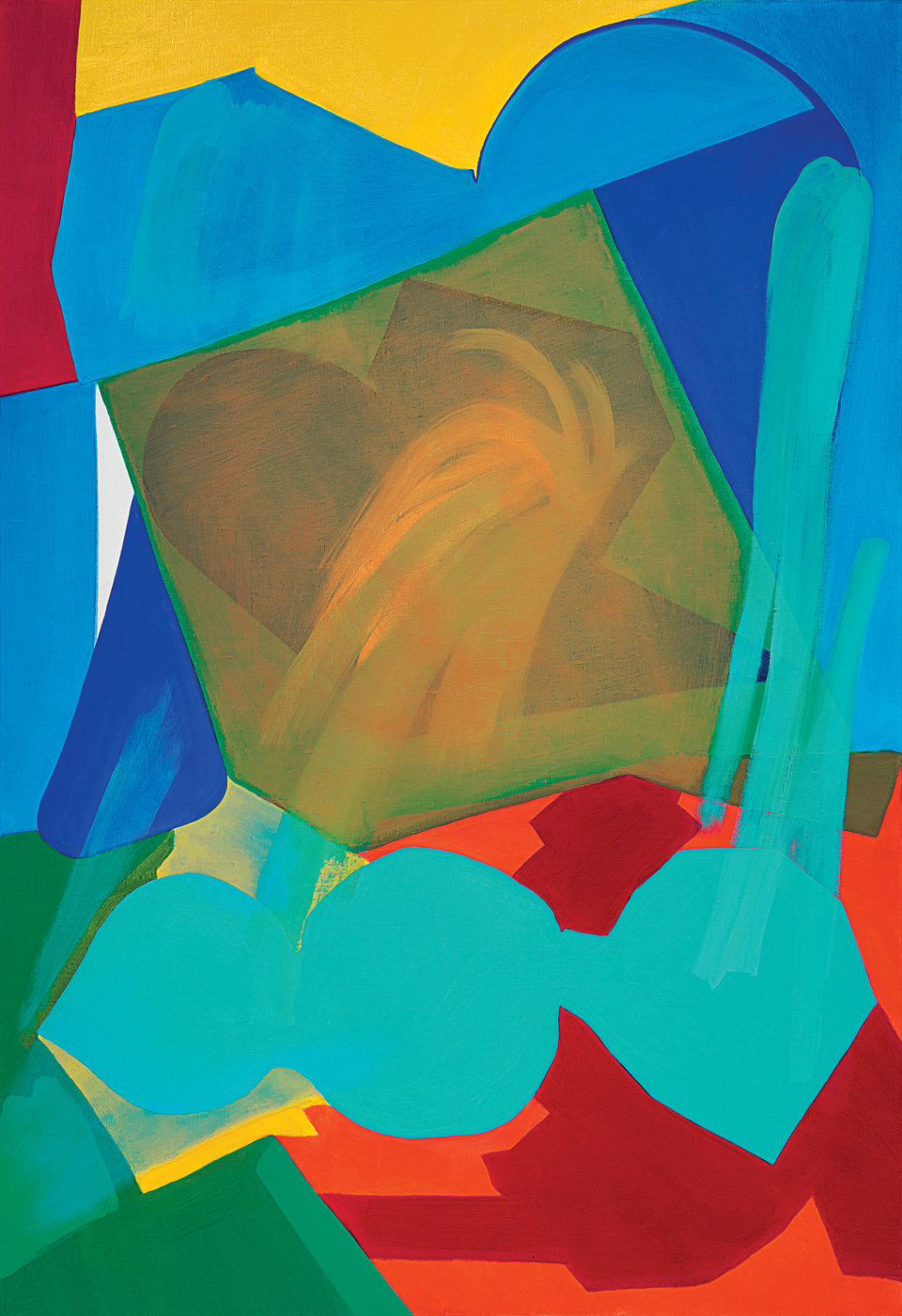
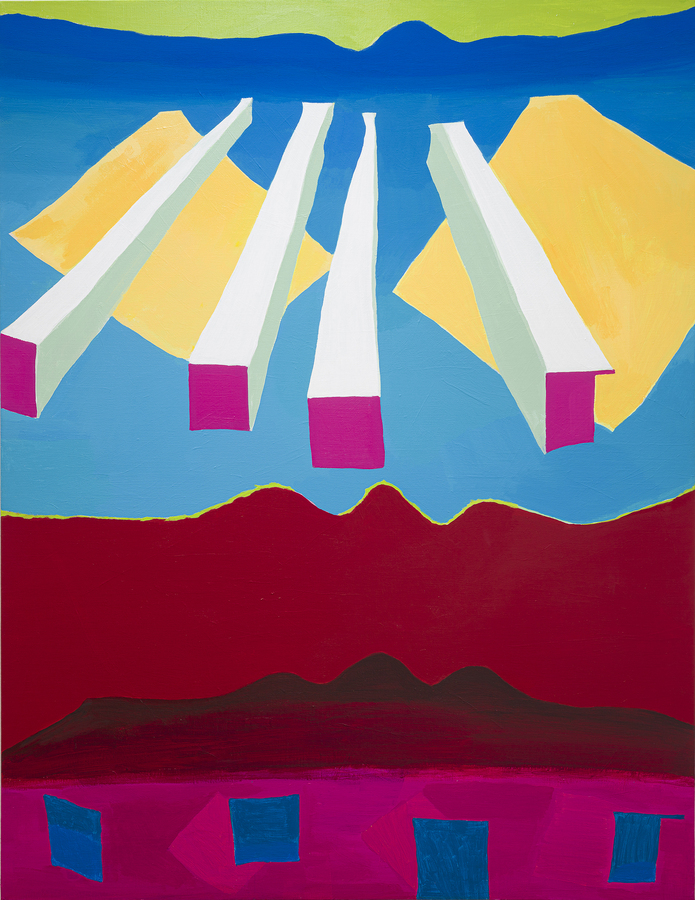
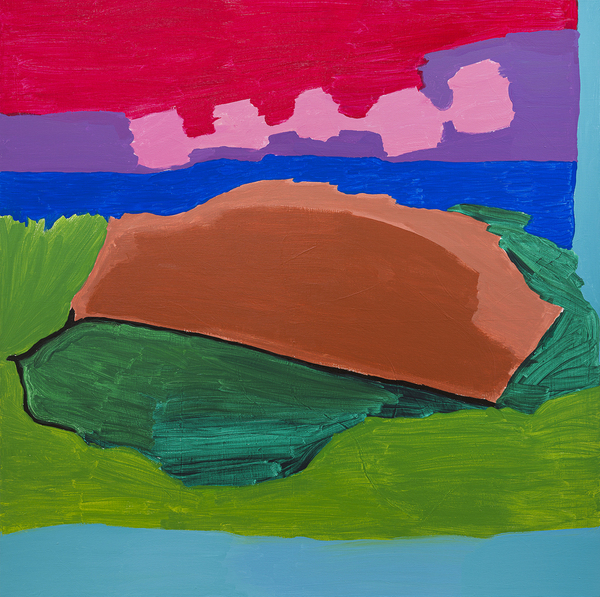
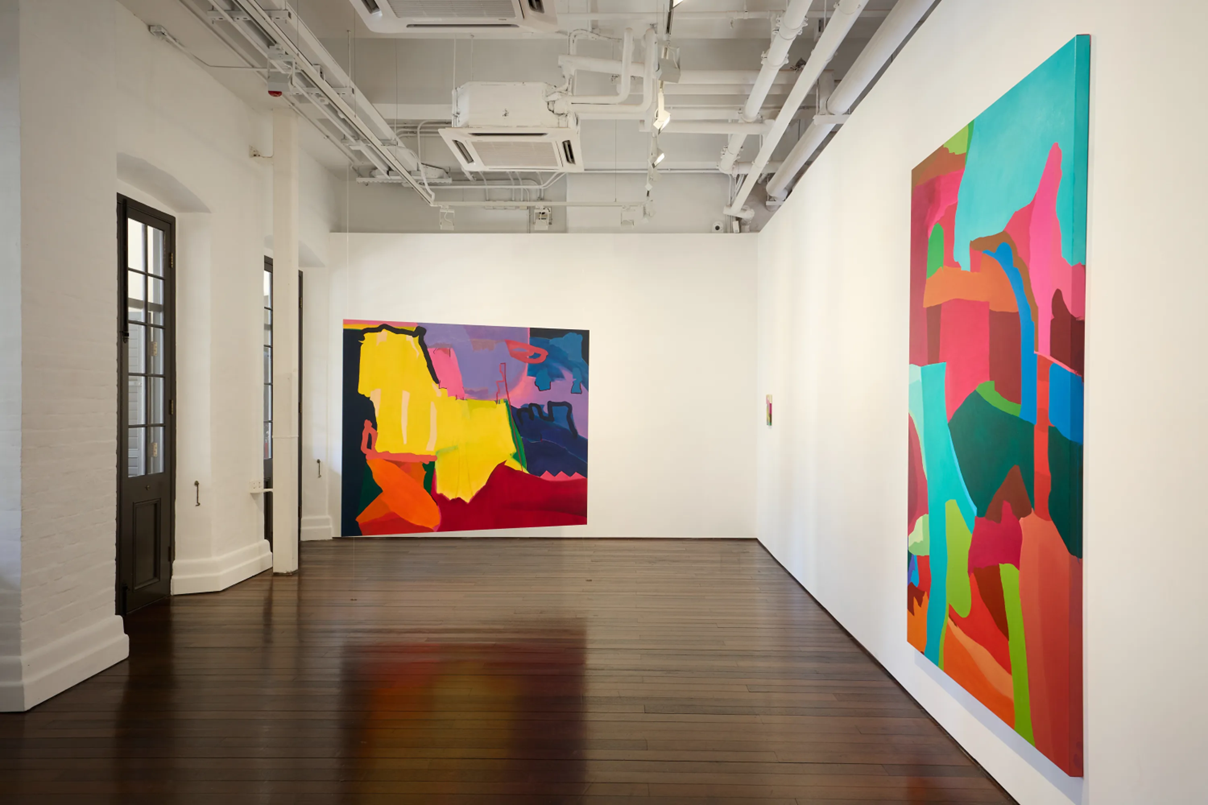
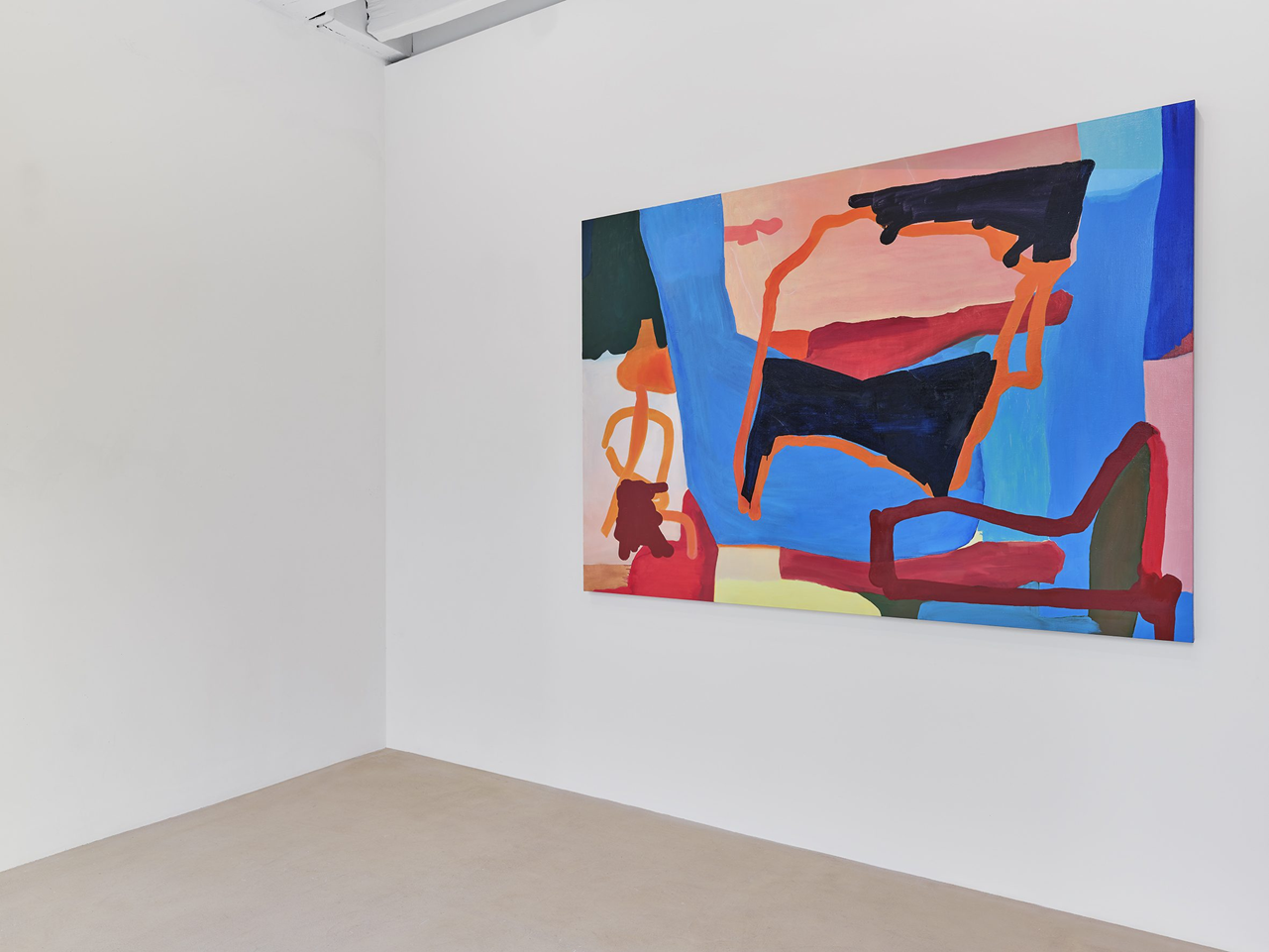
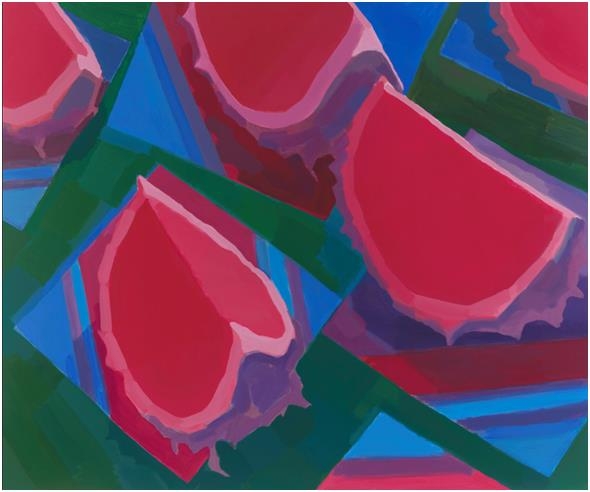
In recent works in the
exhibition, Bä reflected on the enigmatic elements of abstract painting
comparing it to language. She associated the sounds that humans make to refer
to the objects we see for the first time before learning a language with
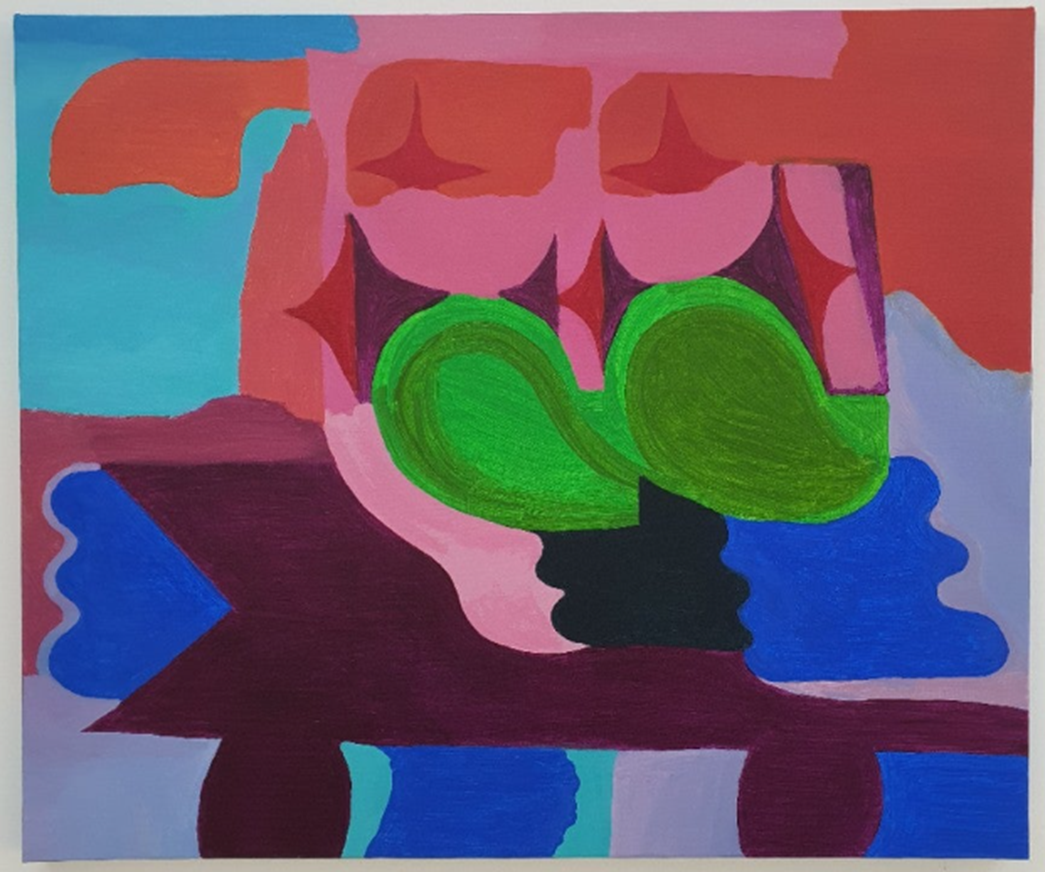
abstract reasoning. Self duplicating act of her work is evident in Innerside
Terro, Saga of the Unwritten. Through this
process, the artist questions if unexplicit images can correlate or partake
mobility through only brushstrokes and clashes of color. After all, if the
concept of abstraction is a result of a continuous thought process, the
artist’s contemplation could be inferred with clues placed within the work.
Sascha Pohle speculates on the
process of modification and transformation of context as technology and culture
migrate. His work is mostly site-specific and includes performance in
composition. Recently, Pohle takes an interest in how the plants, and objects
that have traveled through regions and countries, interact with the local
people.
After The Gift
began with the artist’s project from a residency in Beijing, 2016. It
contemplates the consequential after the definition of a “gift” as a story
about a relationship in which human, object, plant, and visual forms intertwine
due to cultural transitions. In his residency exhibition, 《Given Time》 presented bamboo craftwork, fans
collected from all over china, video, and photographs, in response to the 『The Gift』(1925), Marcel Mauss‘s theory on
gifts and reciprocality, and the Chinese tradition of gifting flowers at
business openings. The word “after” is associated with the performance that
gifts fans to the viewers. Fan acts as a transcendent concept of relation
entangled with plants, wind, and gift, while bamboo baskets existed as a result
of the transfer of technology and culture.
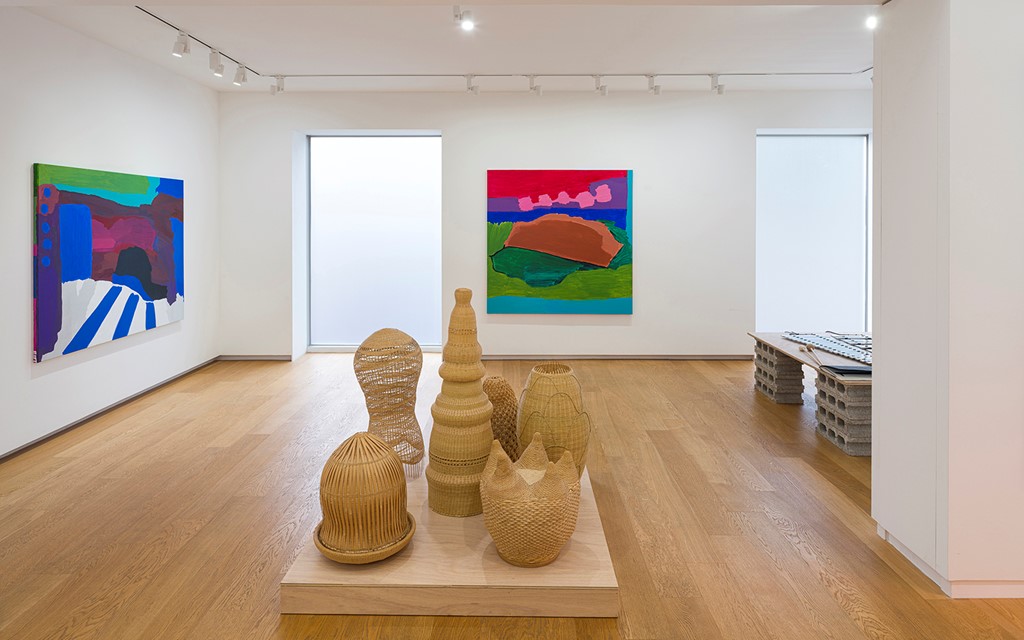
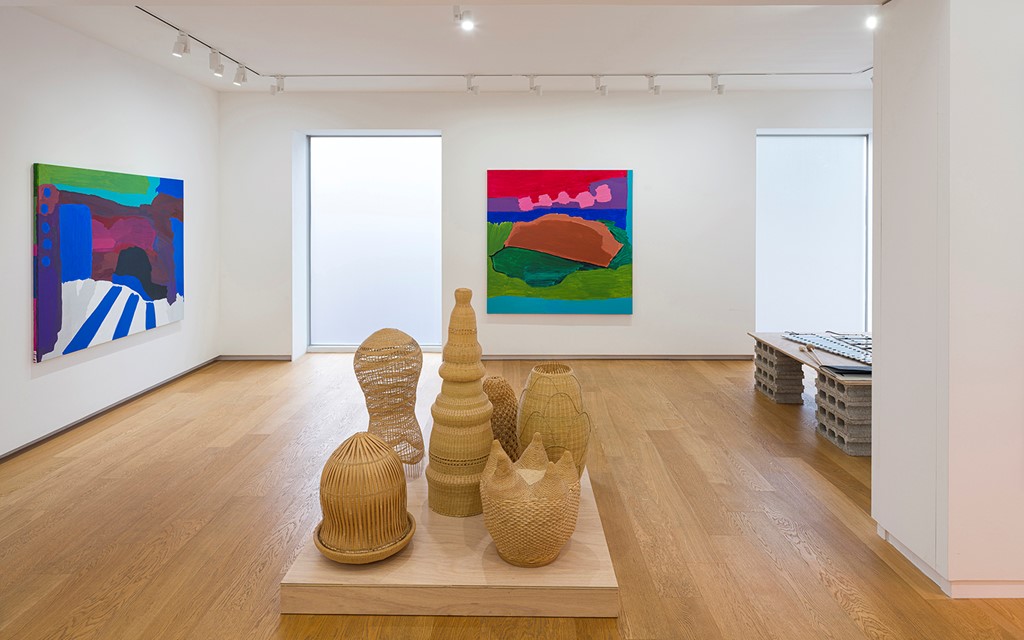
The bamboo crafts installed in
the exhibition refer to photographs from Karl Blossfeldt’s 『Urformen der Kunst』(1928), 『Wundergarten der Natur』(1932), which
discovers patterns and structures in nature. Pohle showed Blossfeldt’s
photographs to bamboo artisans in China and requested its production. These
bamboo artifacts are newly installed with the latest works produced in the same
way. He also set up a vibraphone and artist book with various information,
including the complete source of the work, the date of the photograph’s
publication, the year of its production, artisans, artists, and countries.
Through his work, Pohle’s implies that cultural heritage, which appears to be
academically classified, is redefined continuously under the context of each
era.
Looking at exotic species that
have rooted as if they were indigenous plants that surround us, one wonders
what local identity means in a time of frequent migration between countries.
Furthermore, how unintentionally displacing origin and genealogy through
traveling and accepting mutated cultural forms will affect us in the future.
The audience will look at Sascha Pohle’s work as tracking the path of relics in
a museum to conceive its signification.