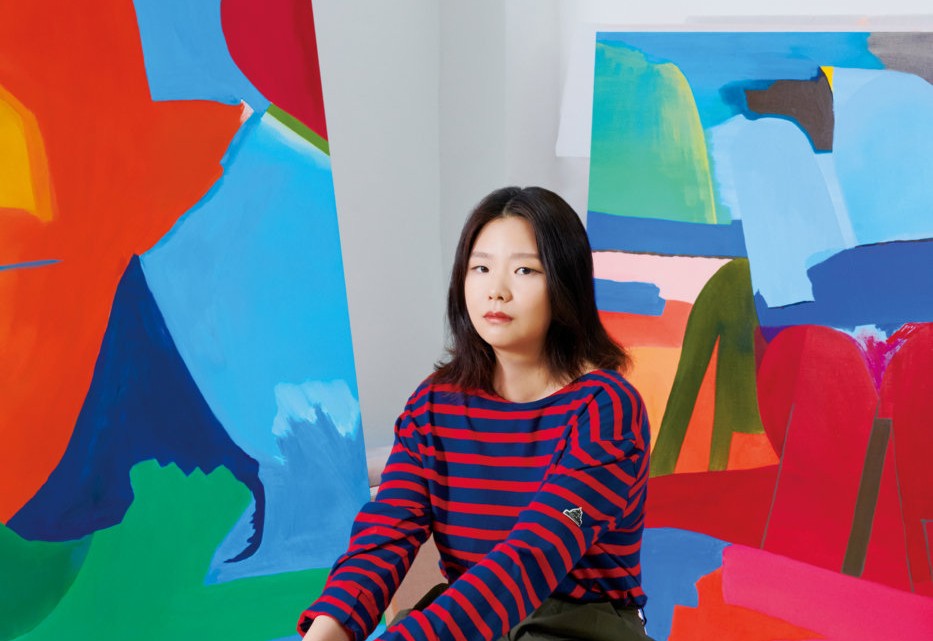
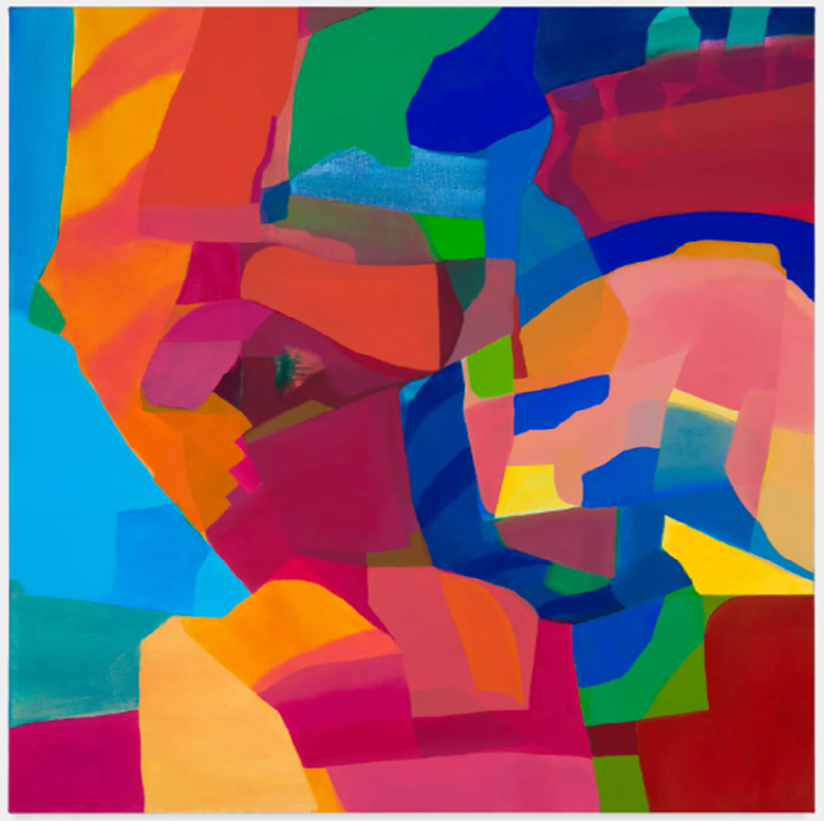
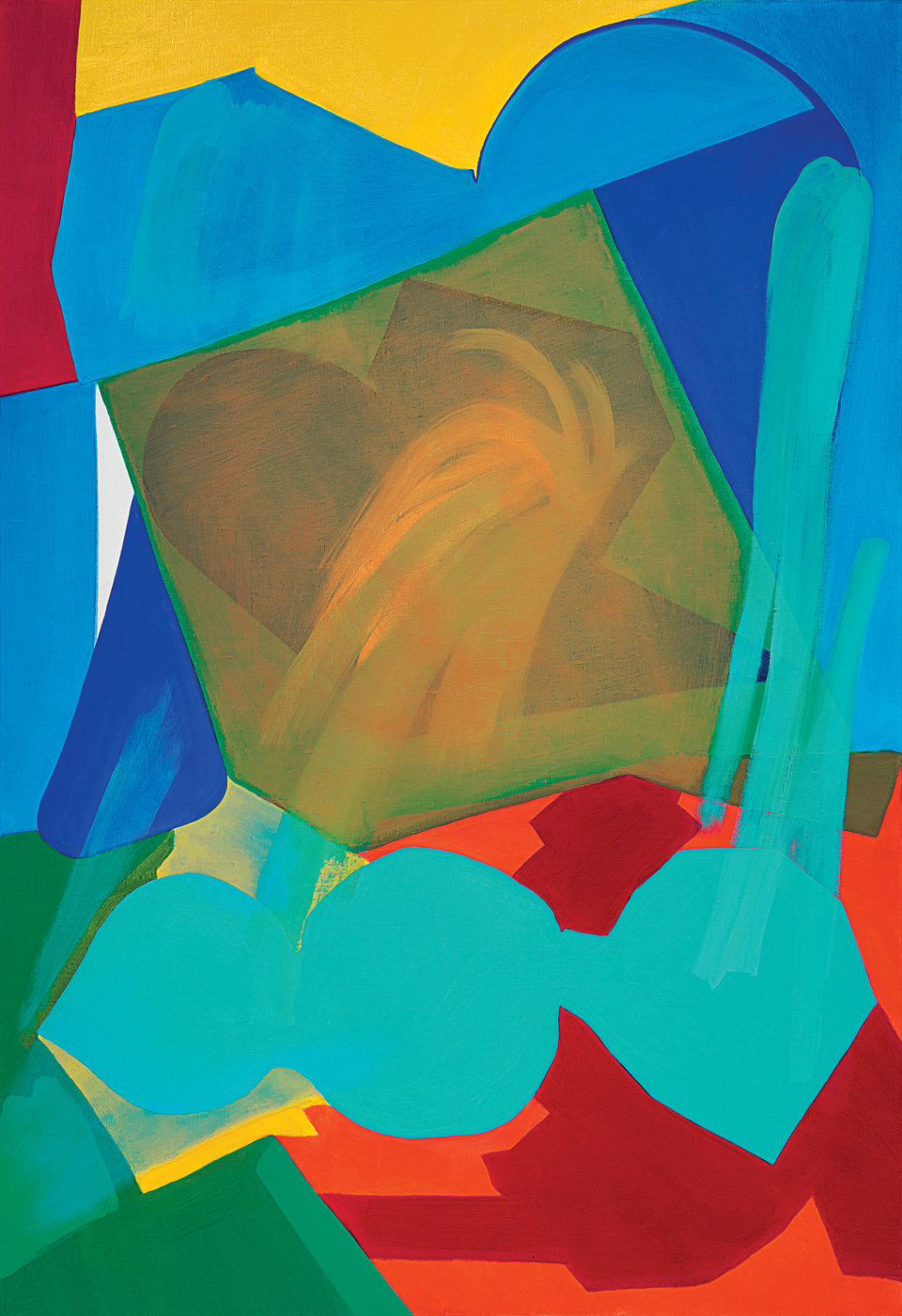
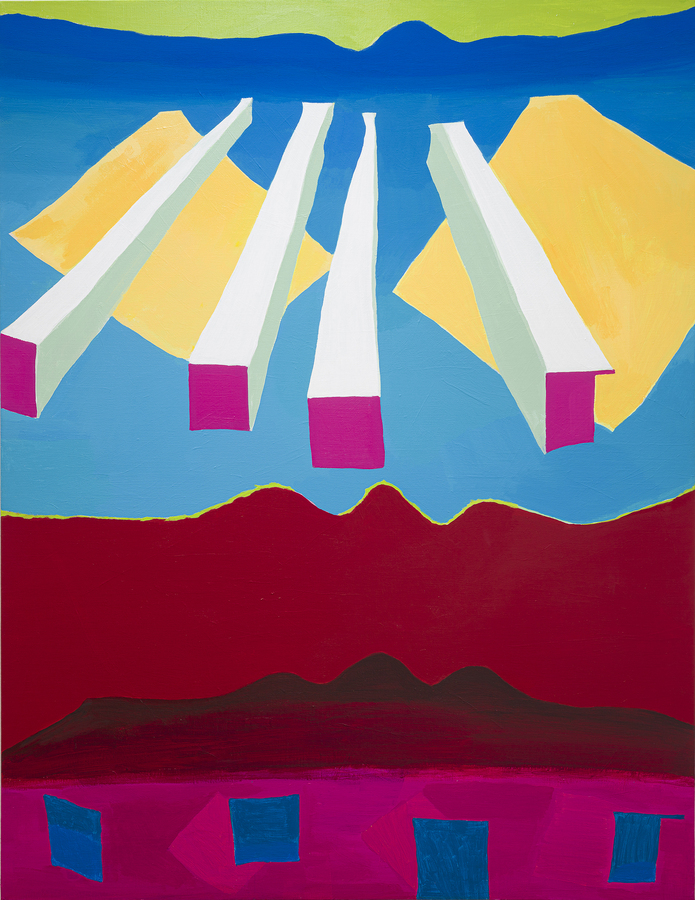
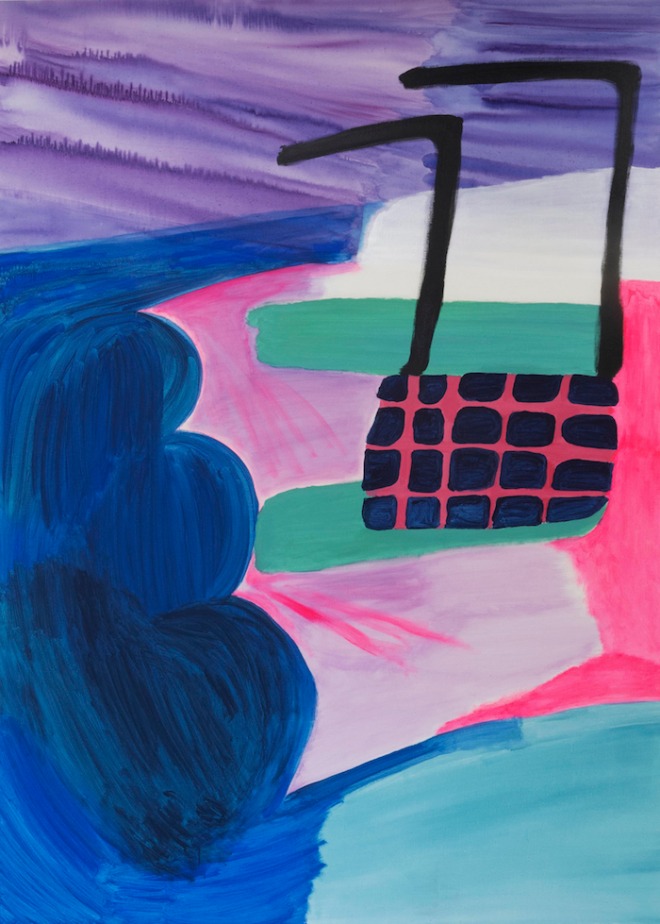
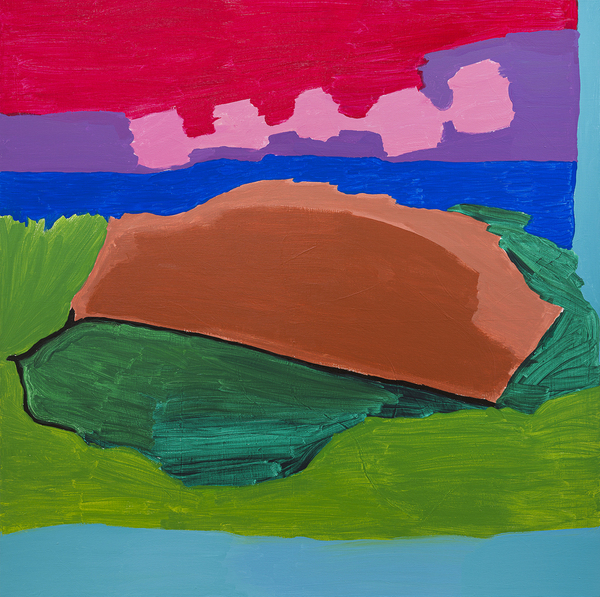
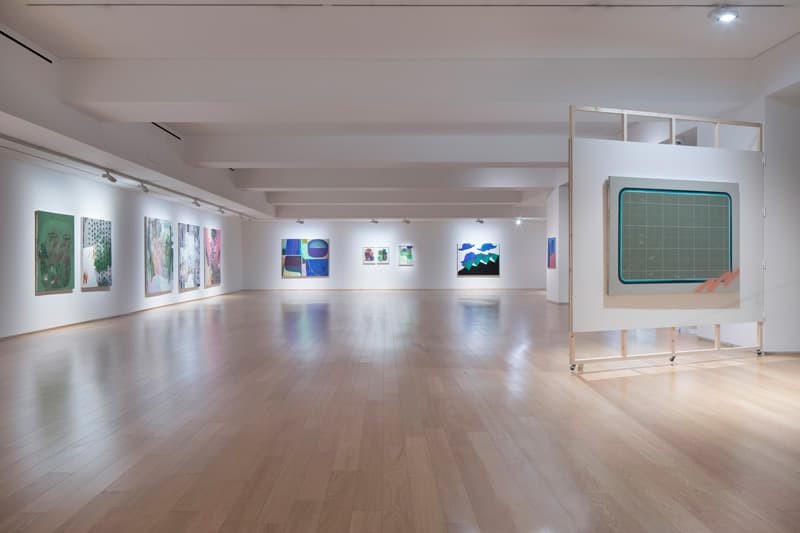
Hejum Bä’s paintings, as
paintings that make us reconsider painting itself, induce hesitation—and
validate that hesitation. What she discovers through her work compels us to
listen closely to what the history of painting has long tried to proclaim,
while simultaneously prompting thought on the conditions in which painting
becomes impossible. Her forms elevate objects in the world into states of
purity, permeating consciousness with light and transforming painting into a
plane of self-aware life. Thus, when painting—which refuses any assignation of
reality—becomes one with the painter, it paradoxically reveals that the
material qualities of painting can be a way to acquire a sense of reality for
an otherwise immaterial consciousness. In this way, we are drawn to a moment of
hesitation—between the inwardness of pure thought and the act of objectifying
that very essence.
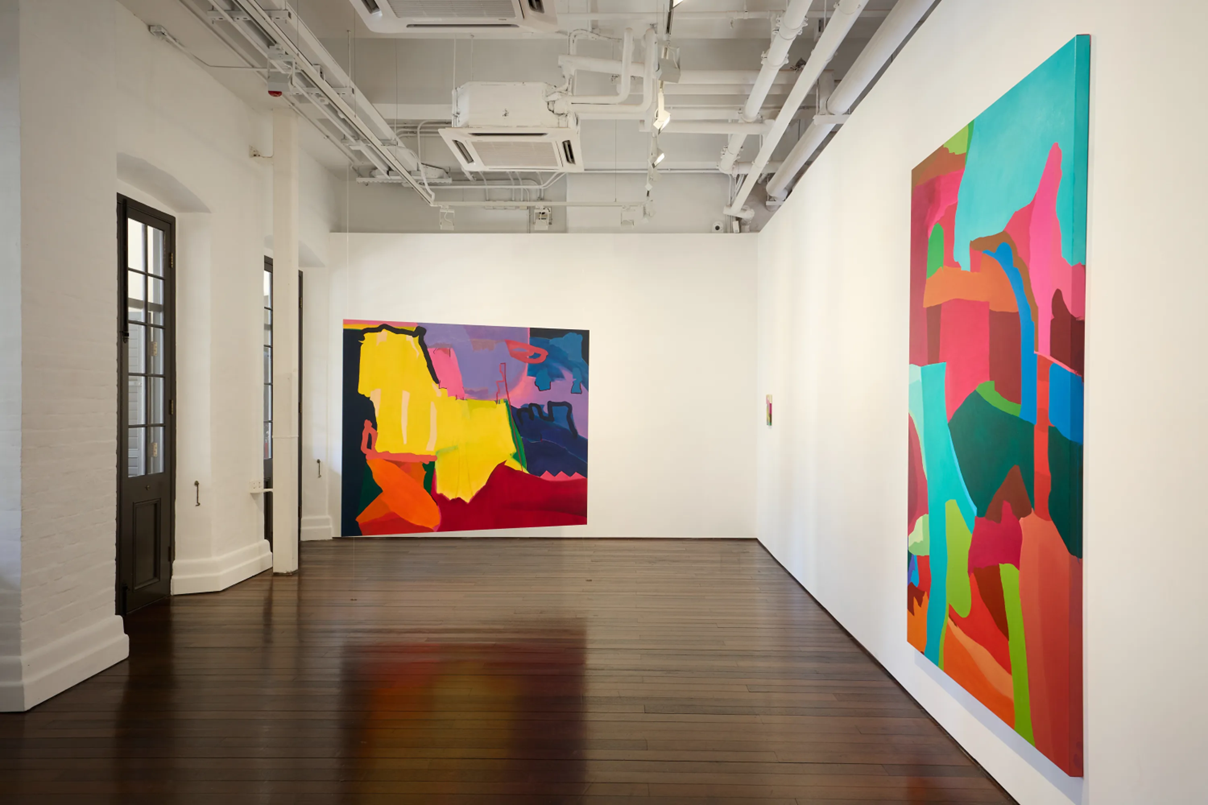
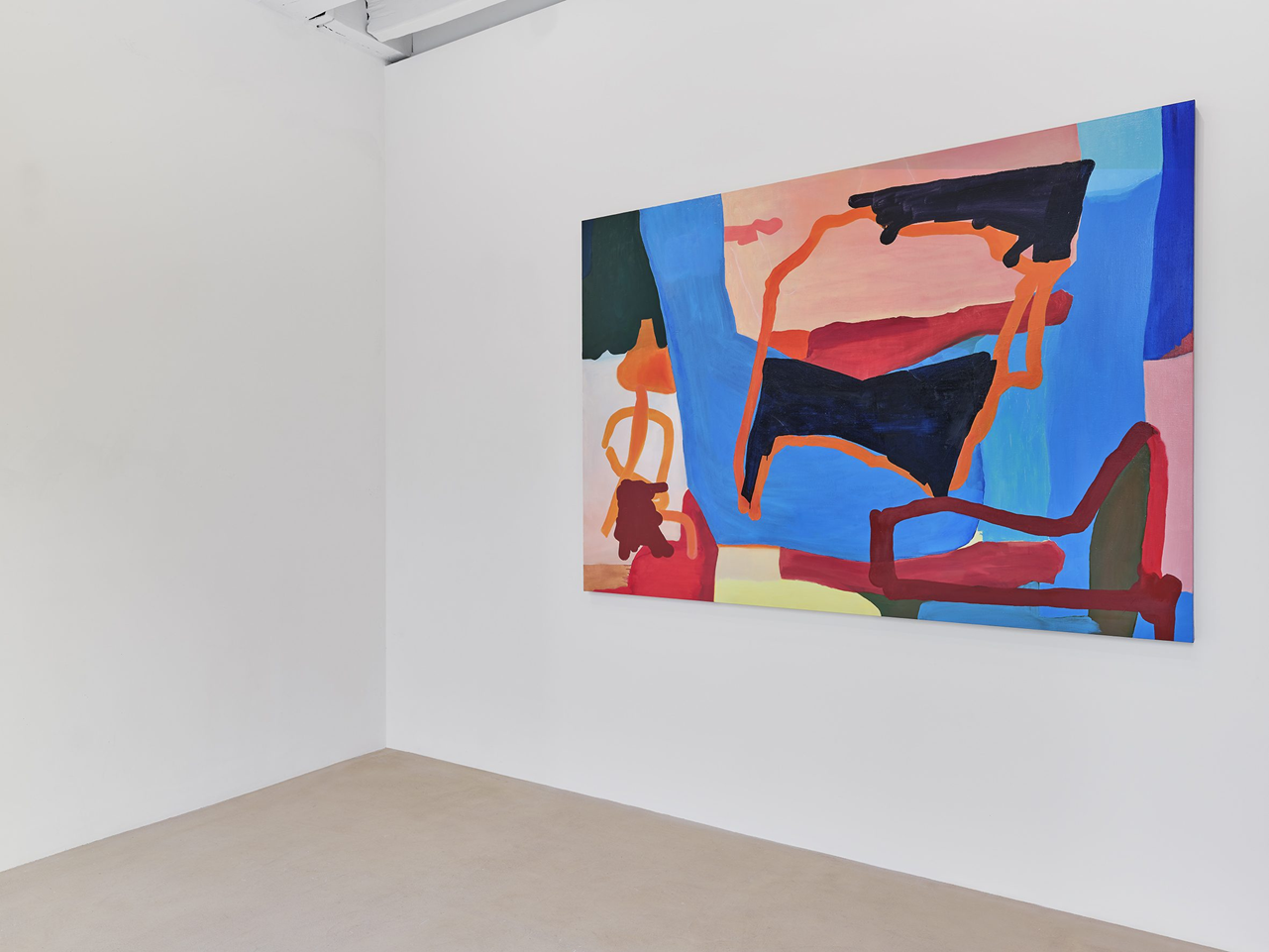
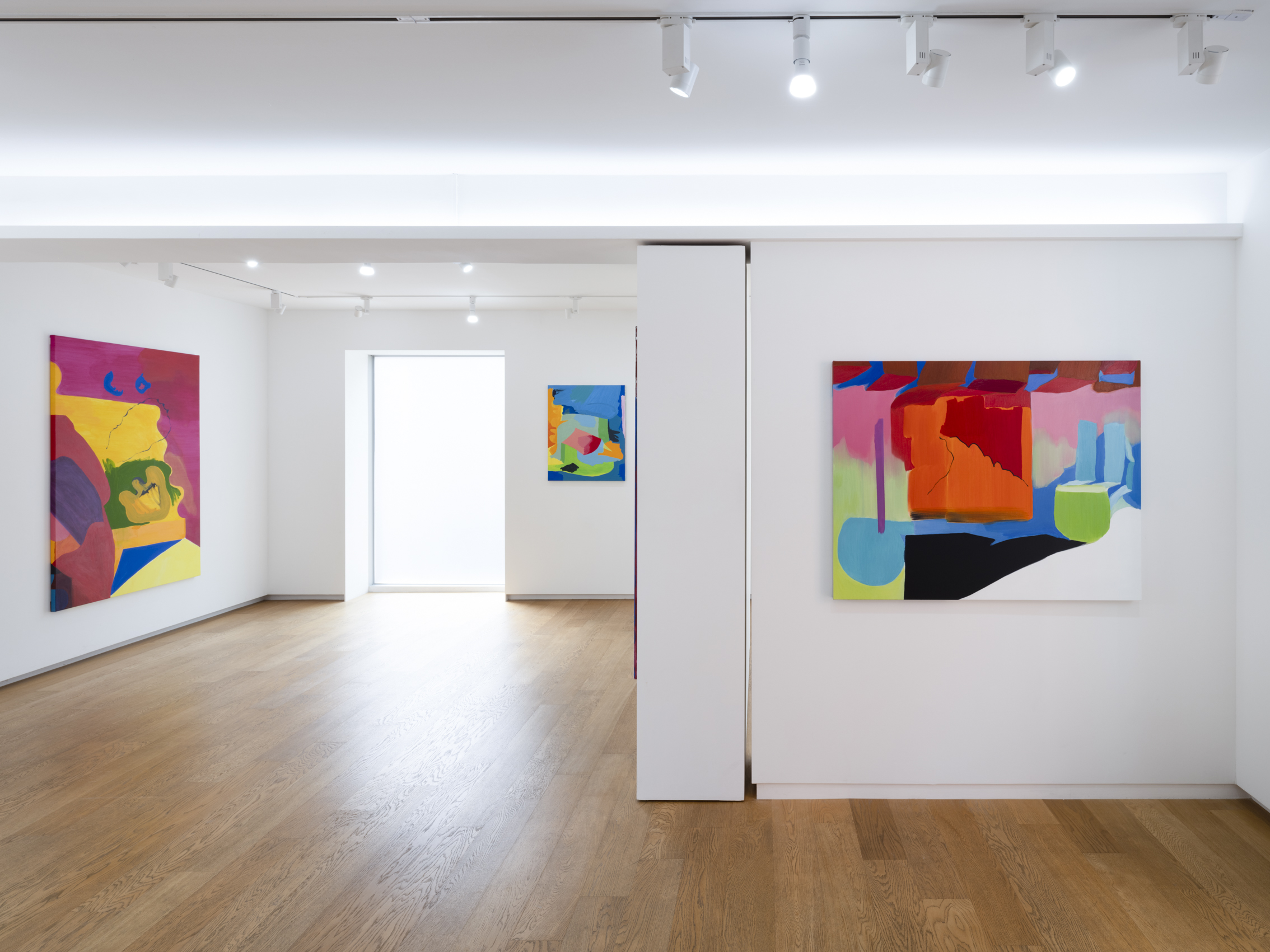
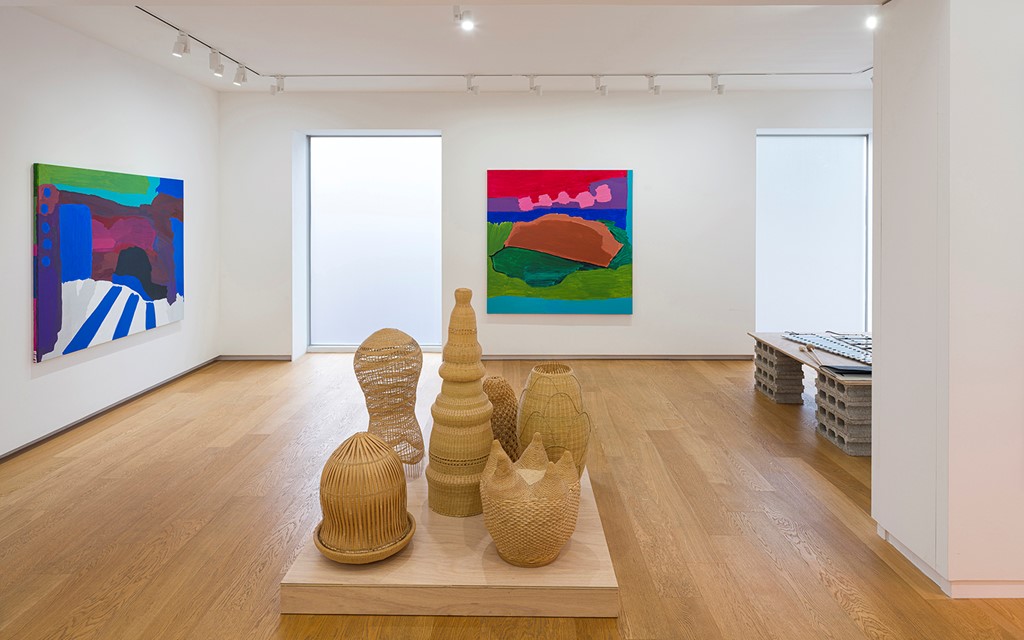
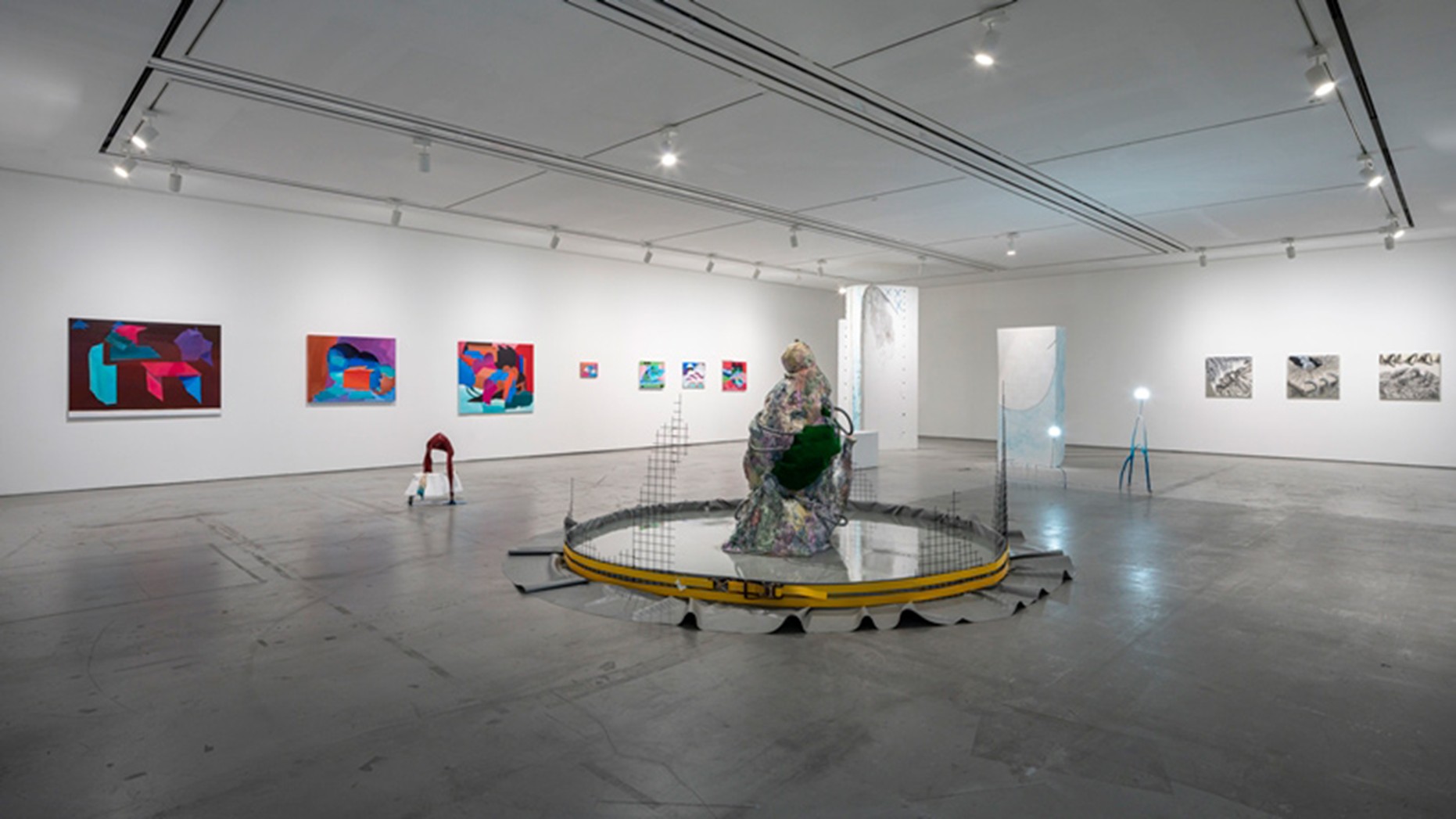
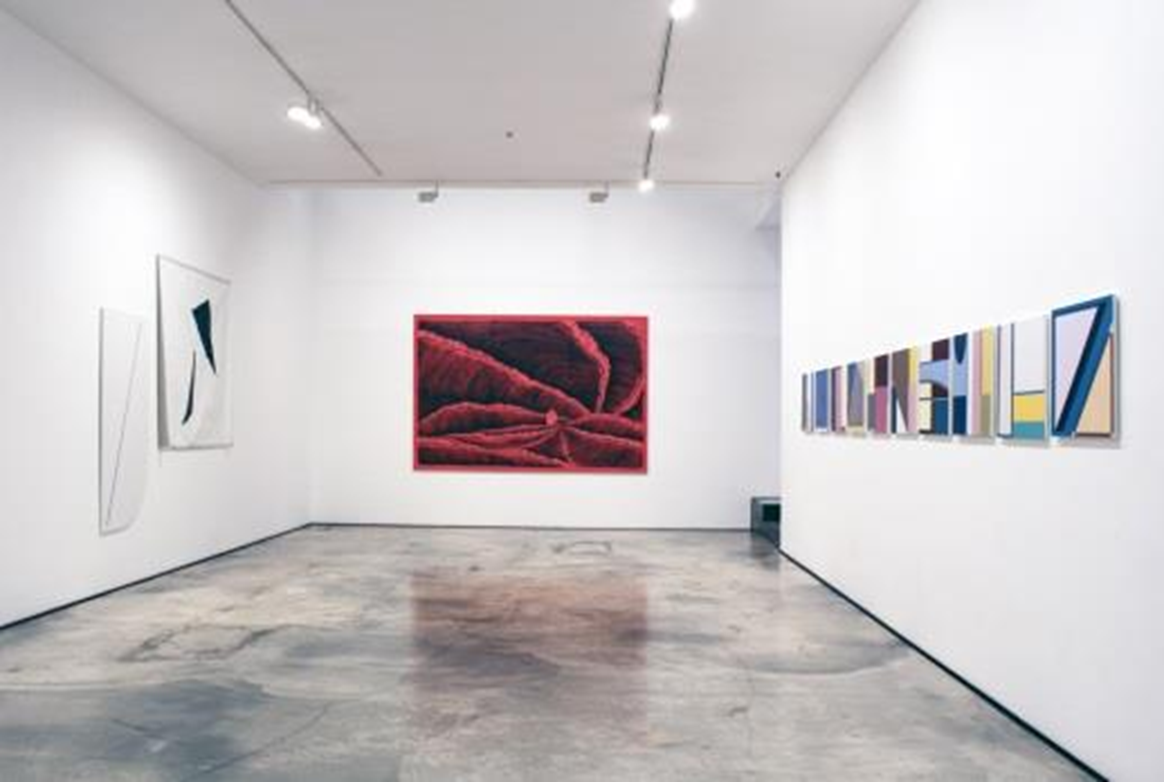
In this exhibition, Hejum Bä
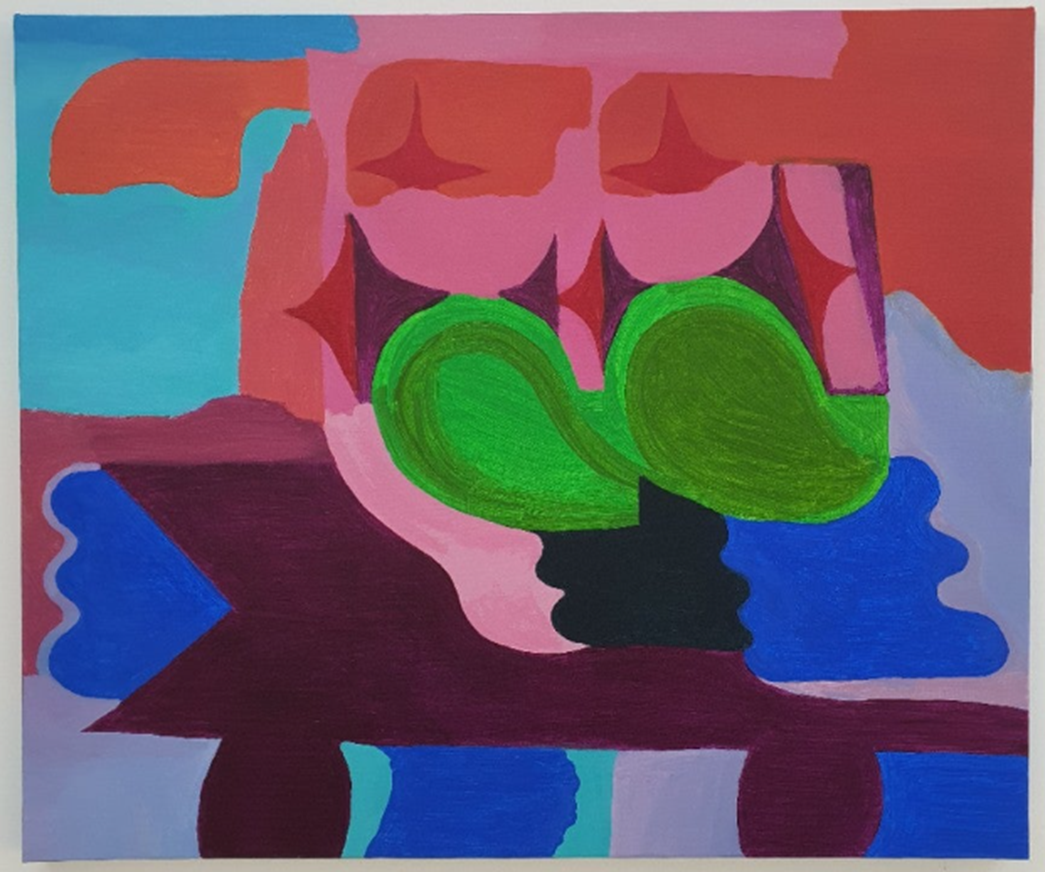
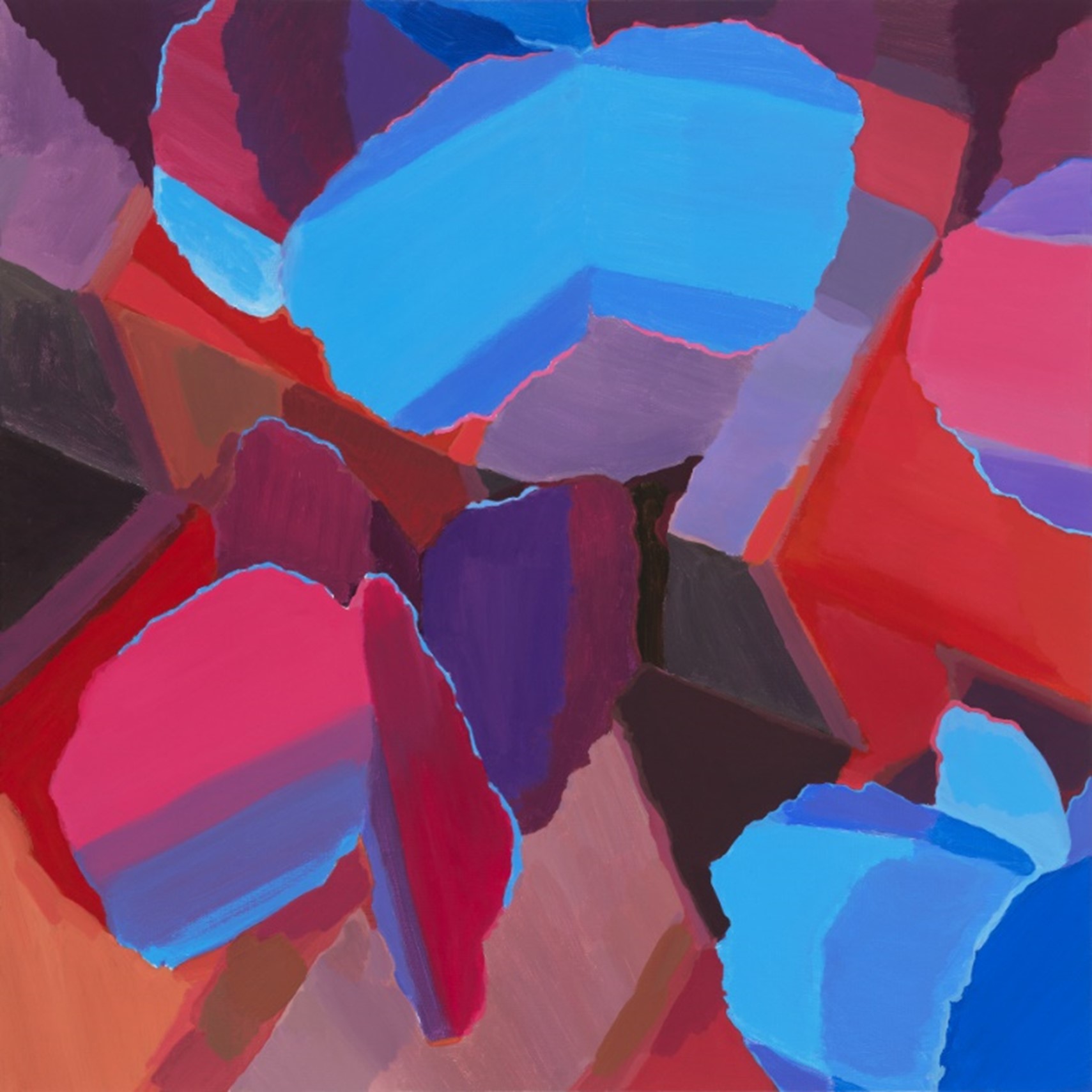
expresses her interest in colored paper (saekjongi) through painting. One could
say she reconstructs her concept of painting through an experiential analogy
with colored paper. As the artist puts it, “Colored paper is a material form of
light, regulated and quantified.” Once it passes through the detour of the
human body (the hand), the light inherent in colored paper reveals a unique
vitality. Within the folding and unfolding relationships of the paper, the
material uniformity of color coalesces into a fullness of spirit. The hand,
through its indeterminate—and at times intentional—encounters with the colored
paper, guides the direction of thought. In such moments, planes of the same
color hold a rhythm of sameness, while simultaneously birthing variations of
difference that construct the artist’s distinctive visual language.
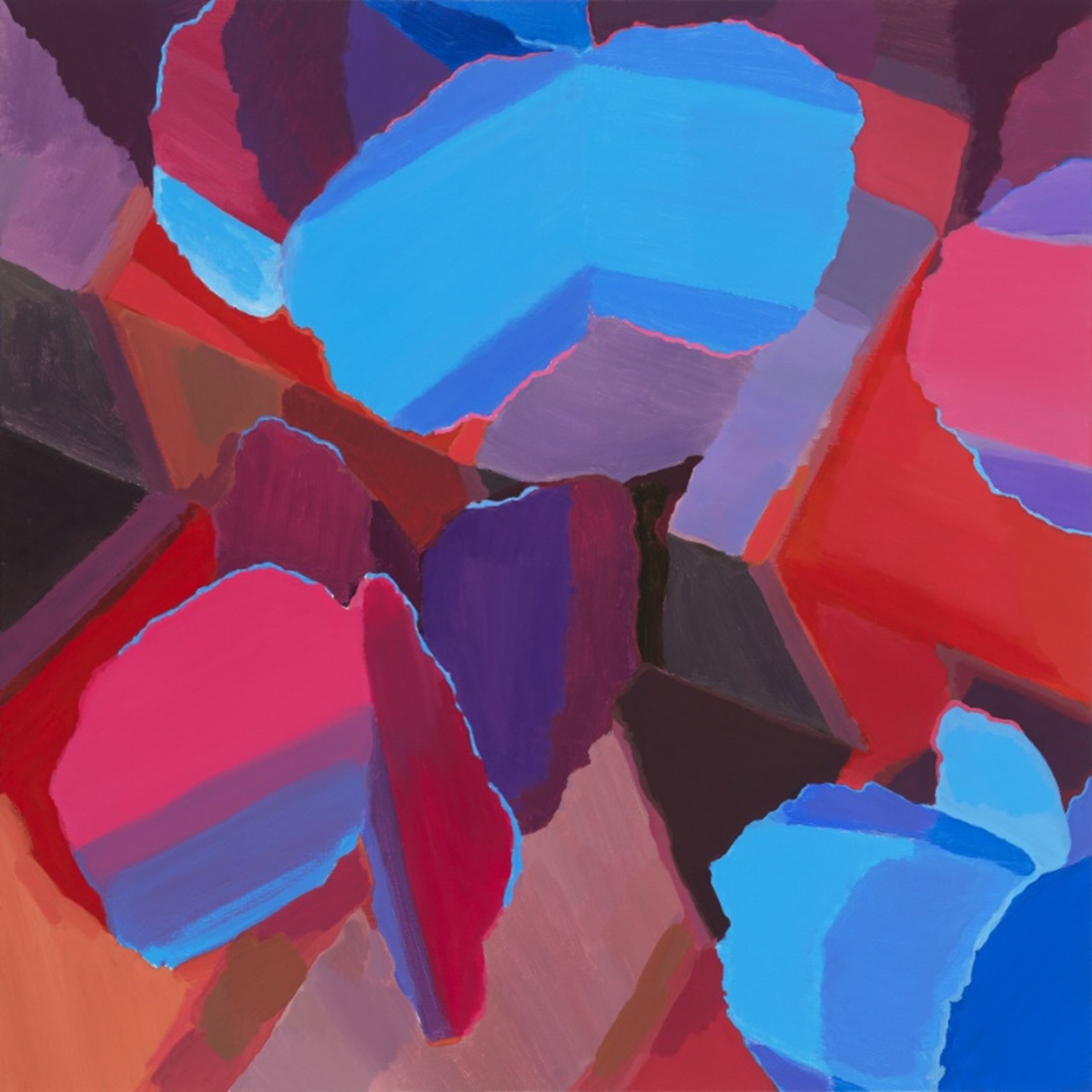
At times, the white traces
revealed through tearing—a process that breaks through the heavy opacity of the
color planes—dismantle the authority of repetition and replication. These
traces also help recalibrate the ontological balance of the entire compositional
arrangement. In this way, colored paper as a material exerts aesthetic
gravitational force not only within the realm of conscious cognition but also
within the peripheral categories of value beyond the conscious mind.
Like the ouroboros—the mythical
snake from Greek mythology that swallows its own tail—the bodily memory and
conscious flow evoked through colored paper elude the outer skin of sameness,
breaking down boundaries and returning to a state of purity. As a result,
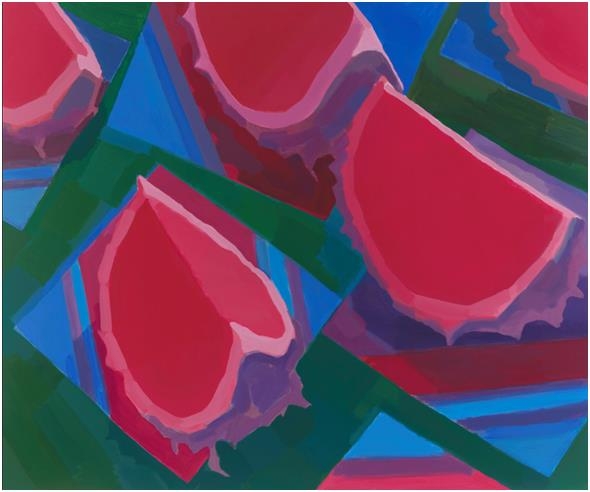
abstraction in Bä’s paintings nullifies the architectural occupation of
pictorial forms, presenting a strange world made up of the repetitive sameness
of everyday life—a kind of wandering through a maze. The similar objects often
found in her work are not simple arrangements of kinship, nor are they examples
of barbaric decalcomania. Instead, the exterior of life is distilled into the
clarity of uniform color planes, while the complex conditions of material and
time return to reality through the subtle variations in pigment and layered
overlaps.
This moment of purely abstract
perception does not remain trapped in the vague perspective of the painted
plane; rather, it recirculates in the movement of the surface, continually
triggering the will to thought. In this regard, Hejum Bä’s abstraction functions
as a tool for aesthetic attainment—while retaining the artist’s own memories,
it also transcends them. In other words, without negating the conditions of
reality, her work leaves space for the viewer’s poetic intuition to perceive
the accumulated intricacies of her prolonged thought process.
Therefore, the artistic effects
of her work are empirically grounded, yet they resonate with a sense of
metaphysical elevation. Her abstraction—capturing the coexistence of object,
body, and consciousness—creates a shadow far greater than the visible shadow of
pigment laid on the surface. The artist’s way of engaging the world, through
this very process, guarantees an imaginative space to contemplate the
specificity of aesthetic ecology, presenting a distinct and original dimension
of abstraction.