Confronting the heat
It may be an oversimplification to say that Keem’s works make
visible as art the invisible or things hiding in the shadows of our society and
daily lives. By choosing to circumvent the subjects rather than directly
representing them, the artist invites the viewers to sense the meaning of the
works for themselves.² One example would be Wind Beyond the
Closed Windows (2017–2018), a compilation of newspaper articles
on the 32 social disasters that occurred from the 1950s to the 2010s including
fires, collapses, and sinkings, re–edited from the present point of view. On
the top left of each article are the date of the incident and a line of the
weather forecast. Stated to the right are the extent of the crisis and the
number of casualties according to the Six W’s. The indifference of the weather
forecast as usual, next to the calm and collected voice of the article
narrating the horrific incident, creates a momentary discrepancy in emotional
temperature to act as psychological pressure on the reader.³
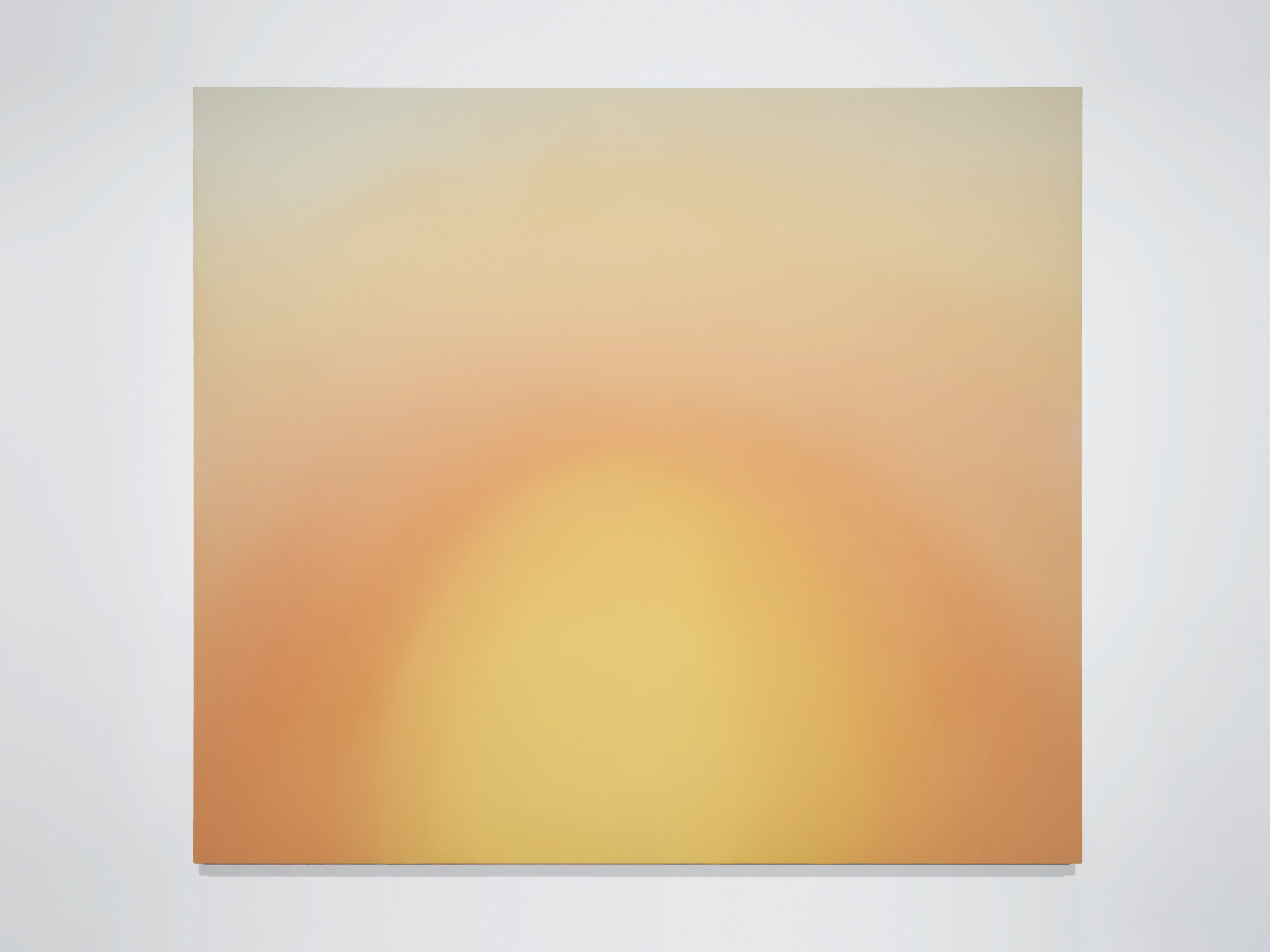
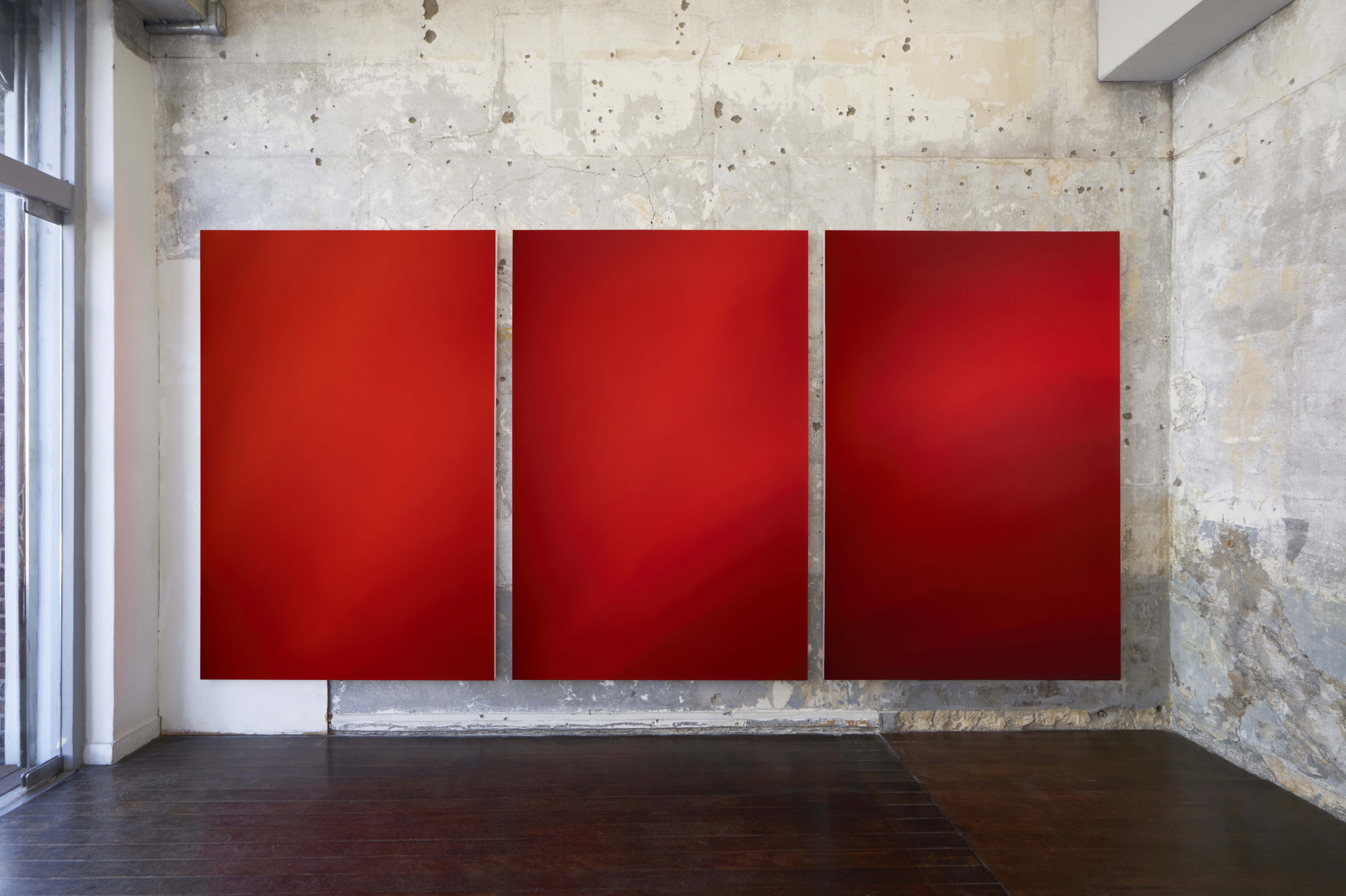
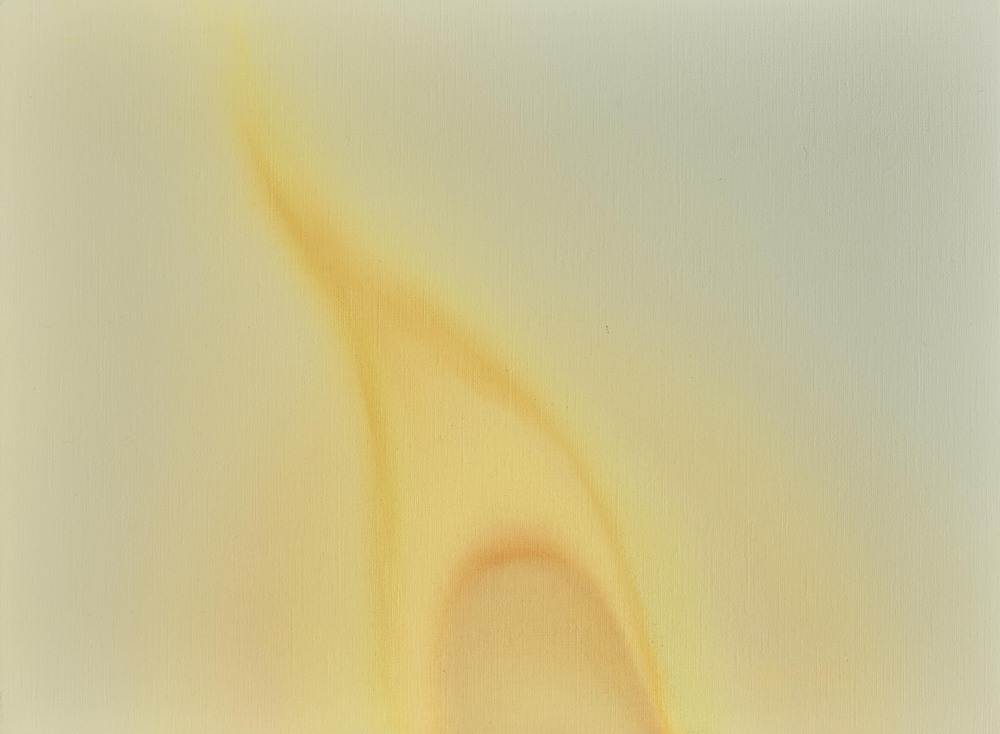
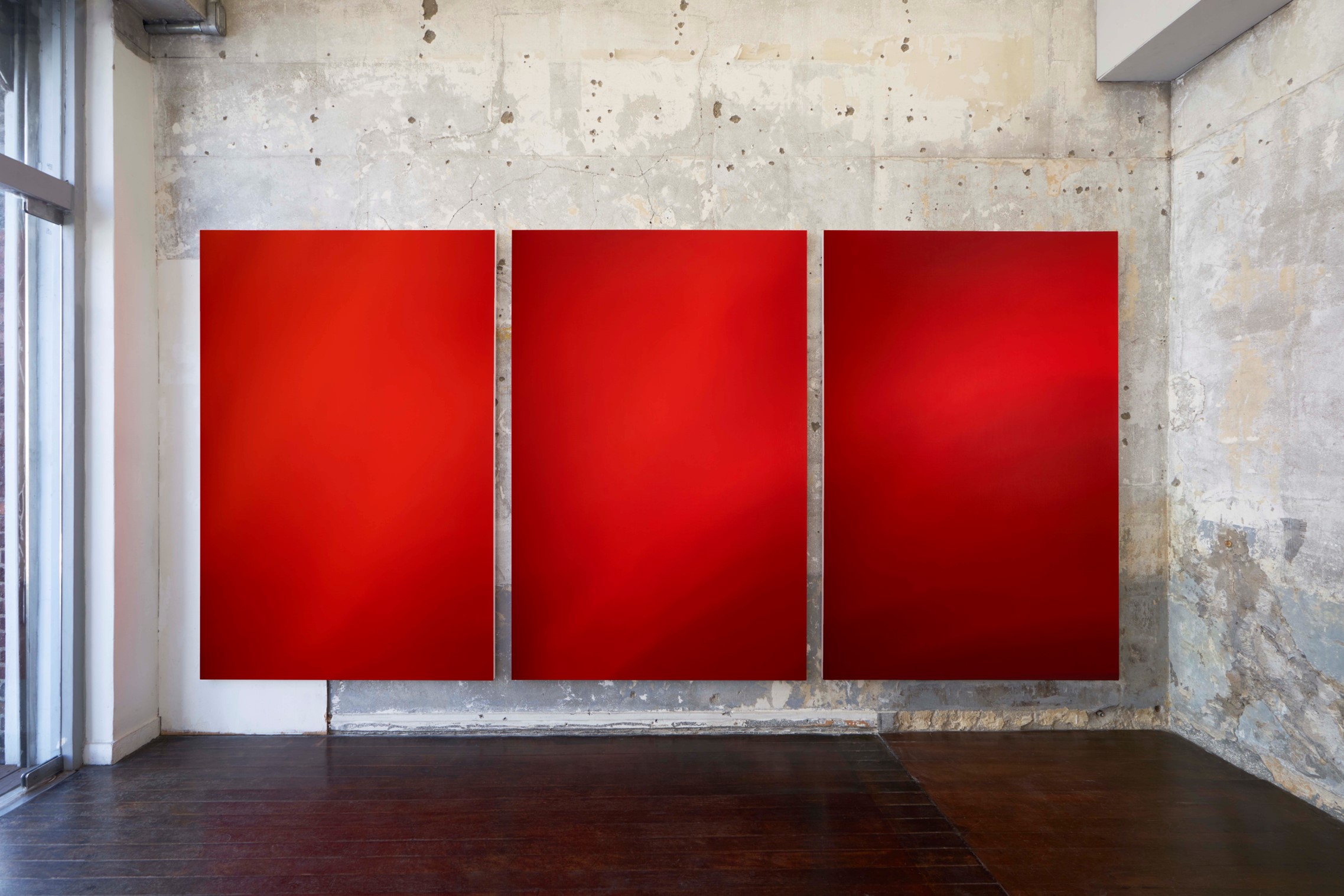
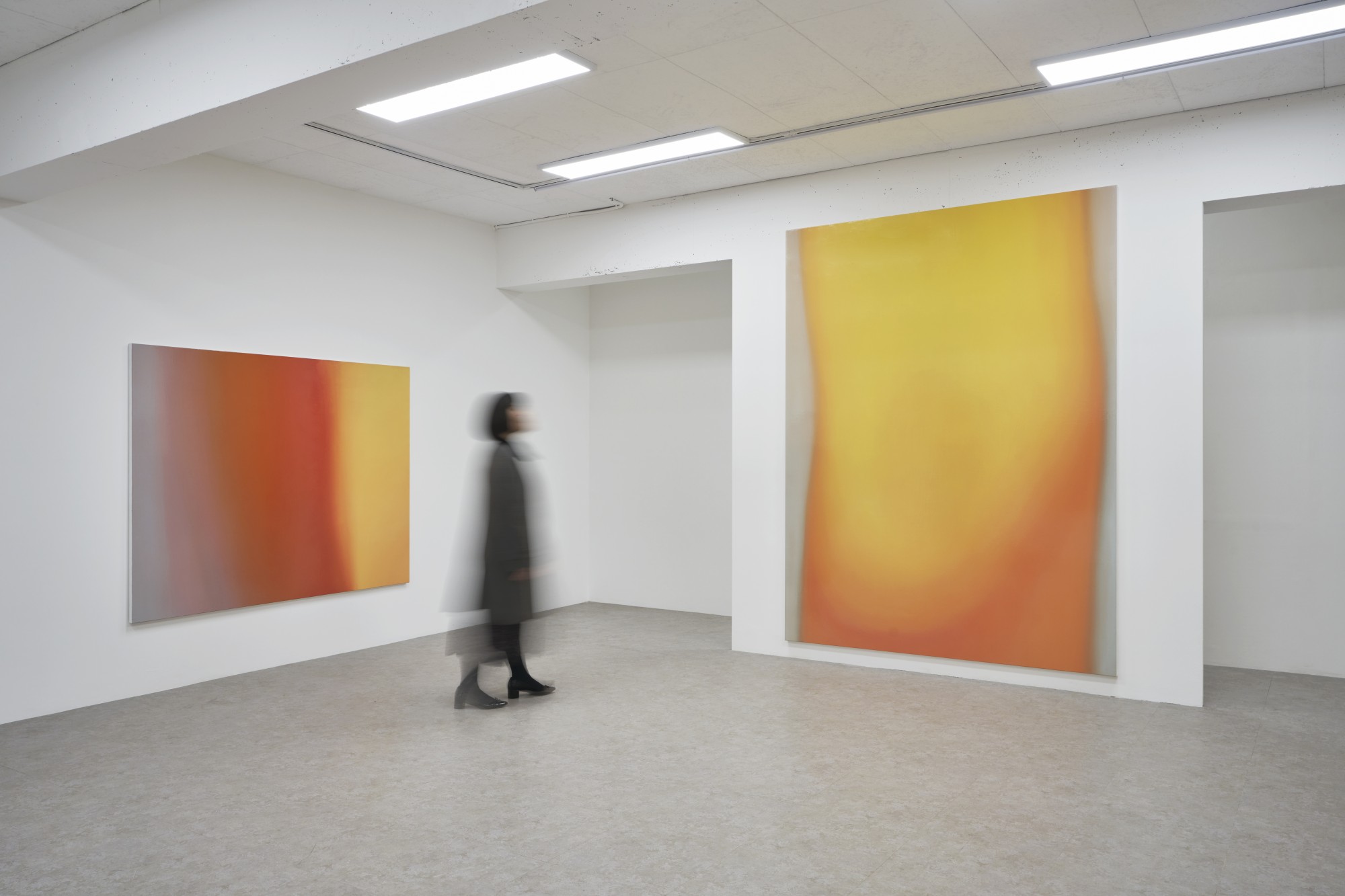
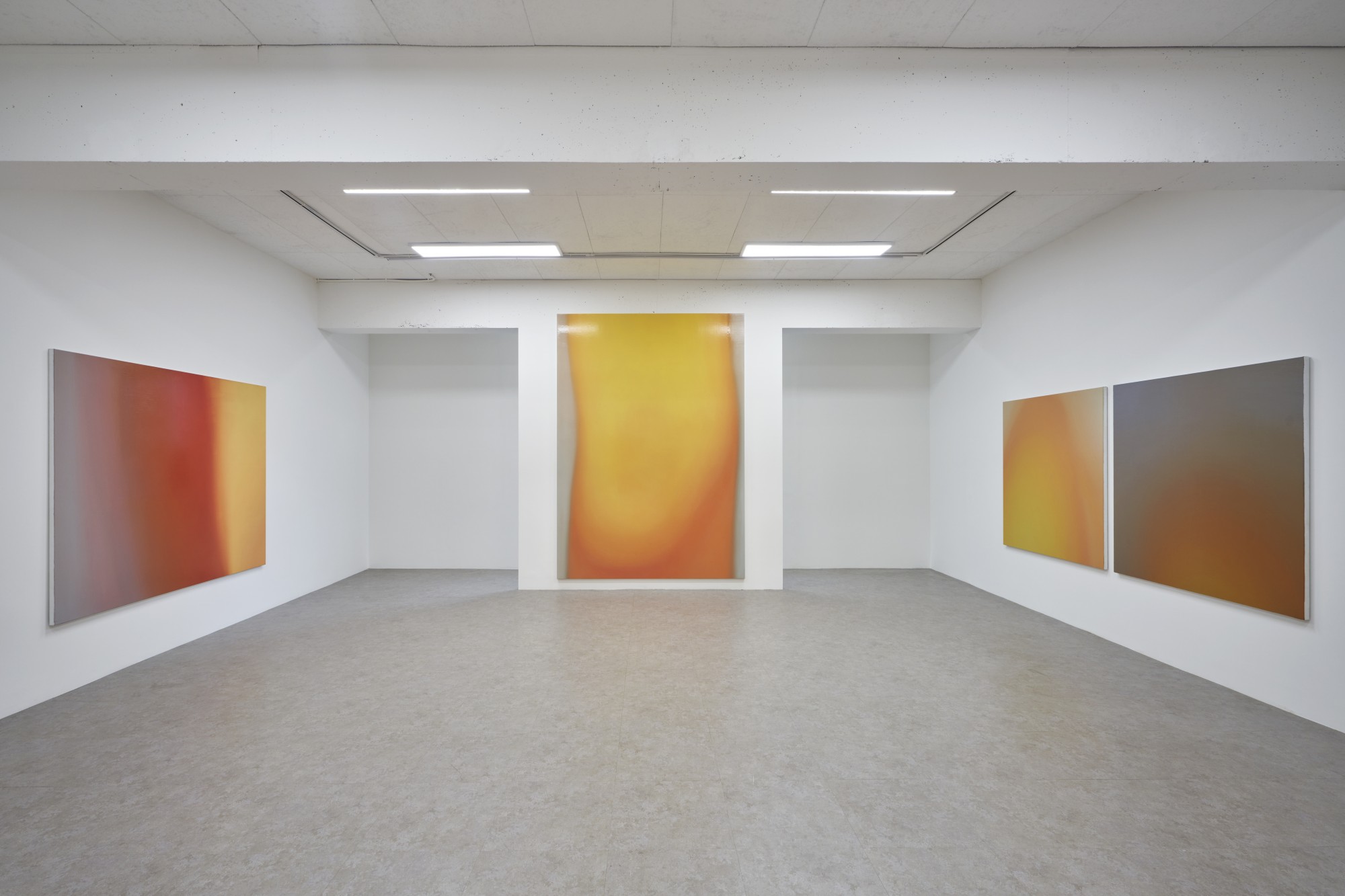
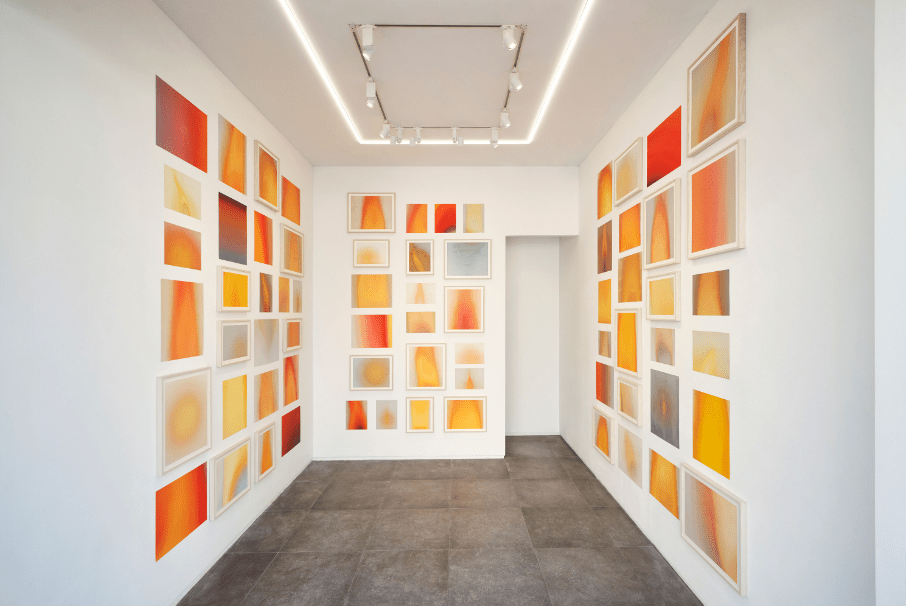
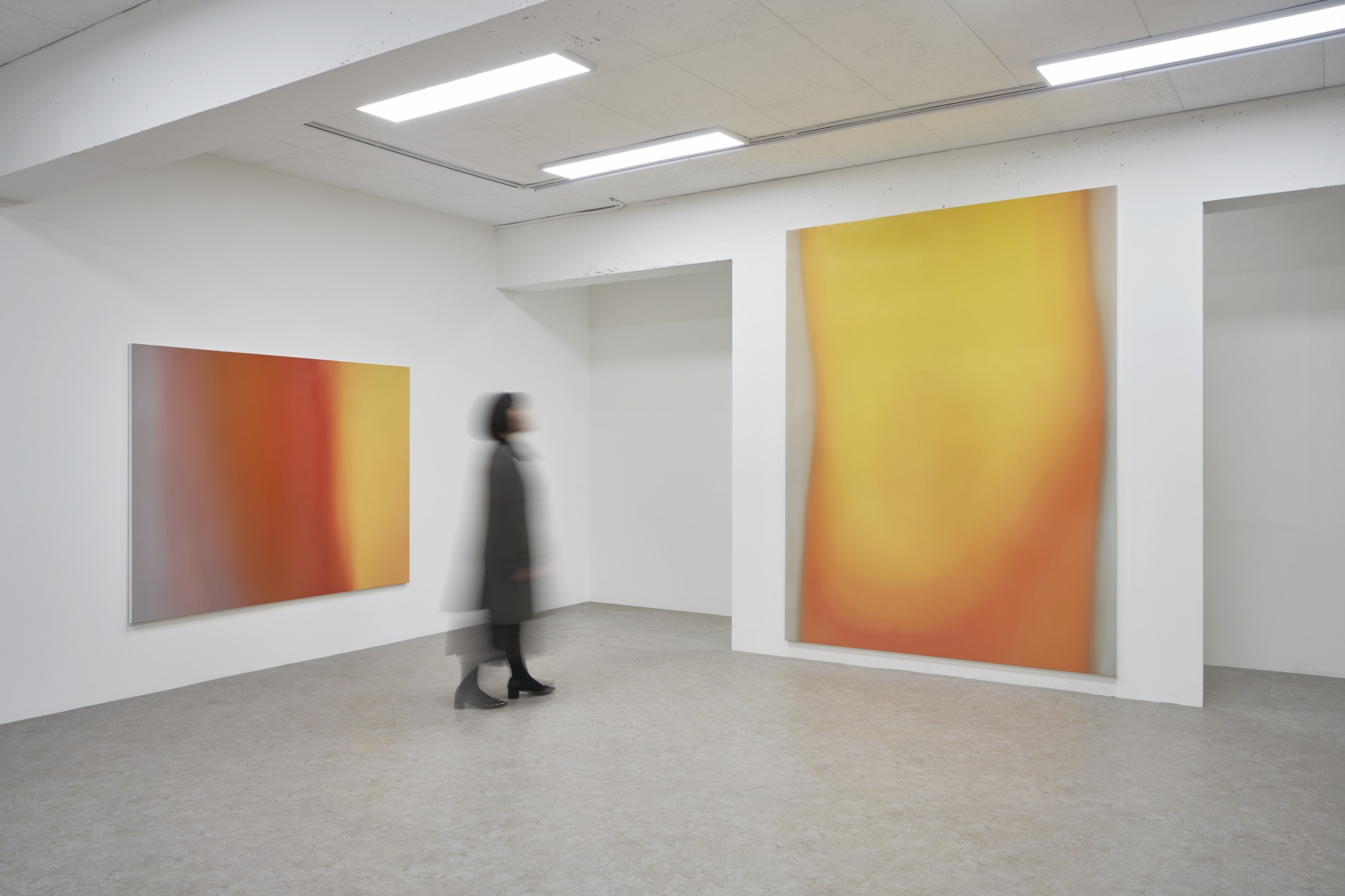
Keem’s new work, Glowing Hour (2020),
offers an idea of the artist’s changed attitude in many ways. Consisting of 12
oil paintings, this series captures glowing candlelight in different moments on
various–size canvases from size 80 (approx. 145 x 100 cm) to 200 (approx. 260 x
180 cm). Each frame depicts the wick portion of the candle, enlarged to the
point where the form can’t be detected at a glance, but the shades of red
filling up the canvas reminiscent of the sky at dawn or dusk and the gradation
of the shades created by the countless brushstrokes emit a sense of heat.
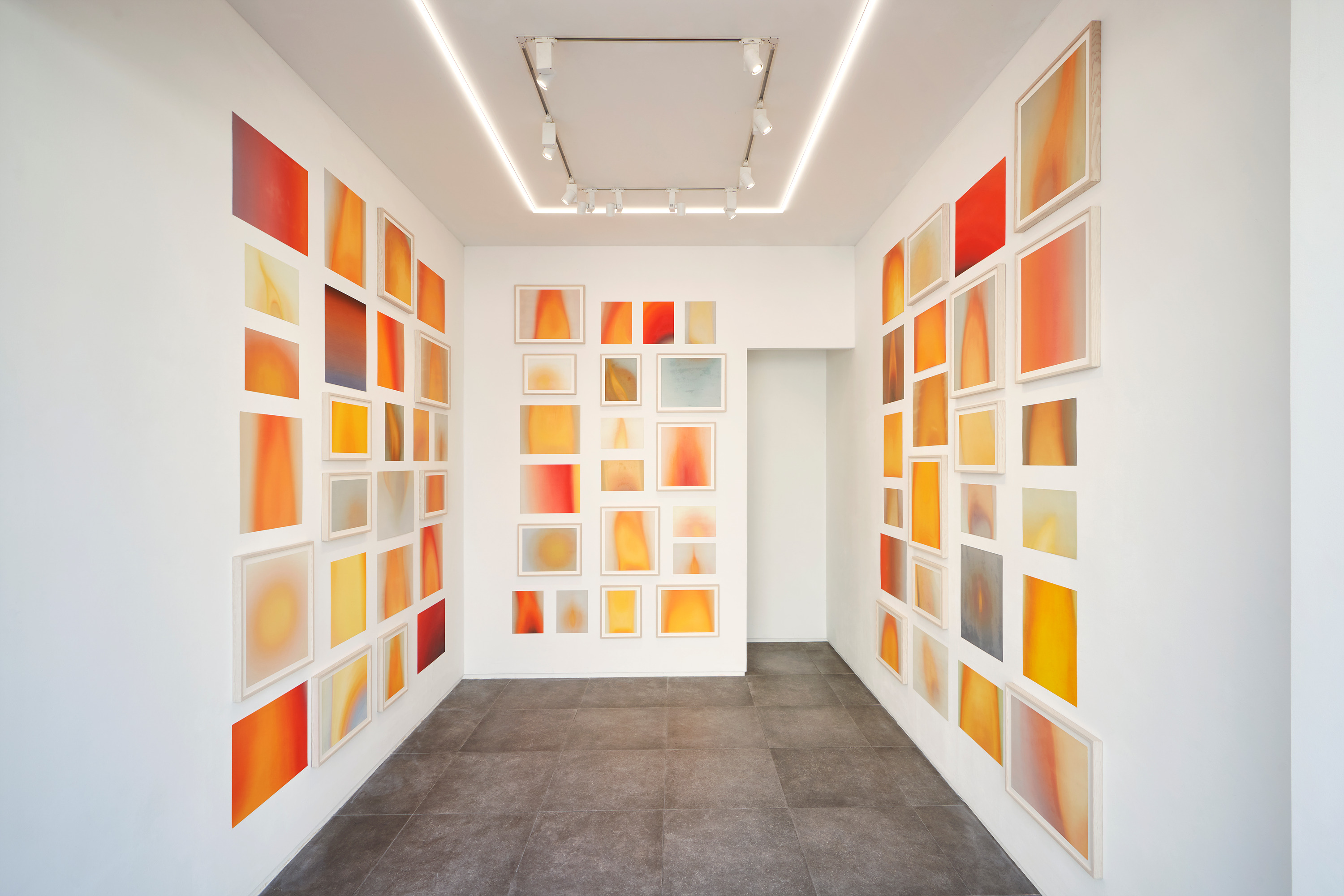
Seeing these direct representations of a candle, the same subject of fire
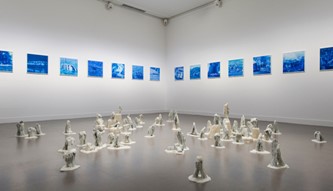
implied by the wicks of the candle sculptures Look at This
Unbearable Darkness, it’s almost as if the artist has forgotten how
to make an indirect statement.
What’s notable is the fact that Keem, who has mentioned the deep
sense of responsibility and weight she feels in dealing with social calamities
even in the form of circumventive representation, is now confronting the candle
head–on. In the initial stage of this new project, she showed reservations even
about the joy of expression that the act of painting itself might bring her in
painting these subjects. Nevertheless, Glowing Hour feels
like a dash connecting the catastrophes Keem has dealt with including
the Sewol ferry disaster, an act equivalent to reiterating the
incidents to herself, or an artistic resolution not to dodge interpretation of
the incidents on a broader level. And within the context of this intention, a
candle no longer serves as a political or social emblem but a mere object for
depiction, that is, a material subject characterized by qualities such as light
and warmth.
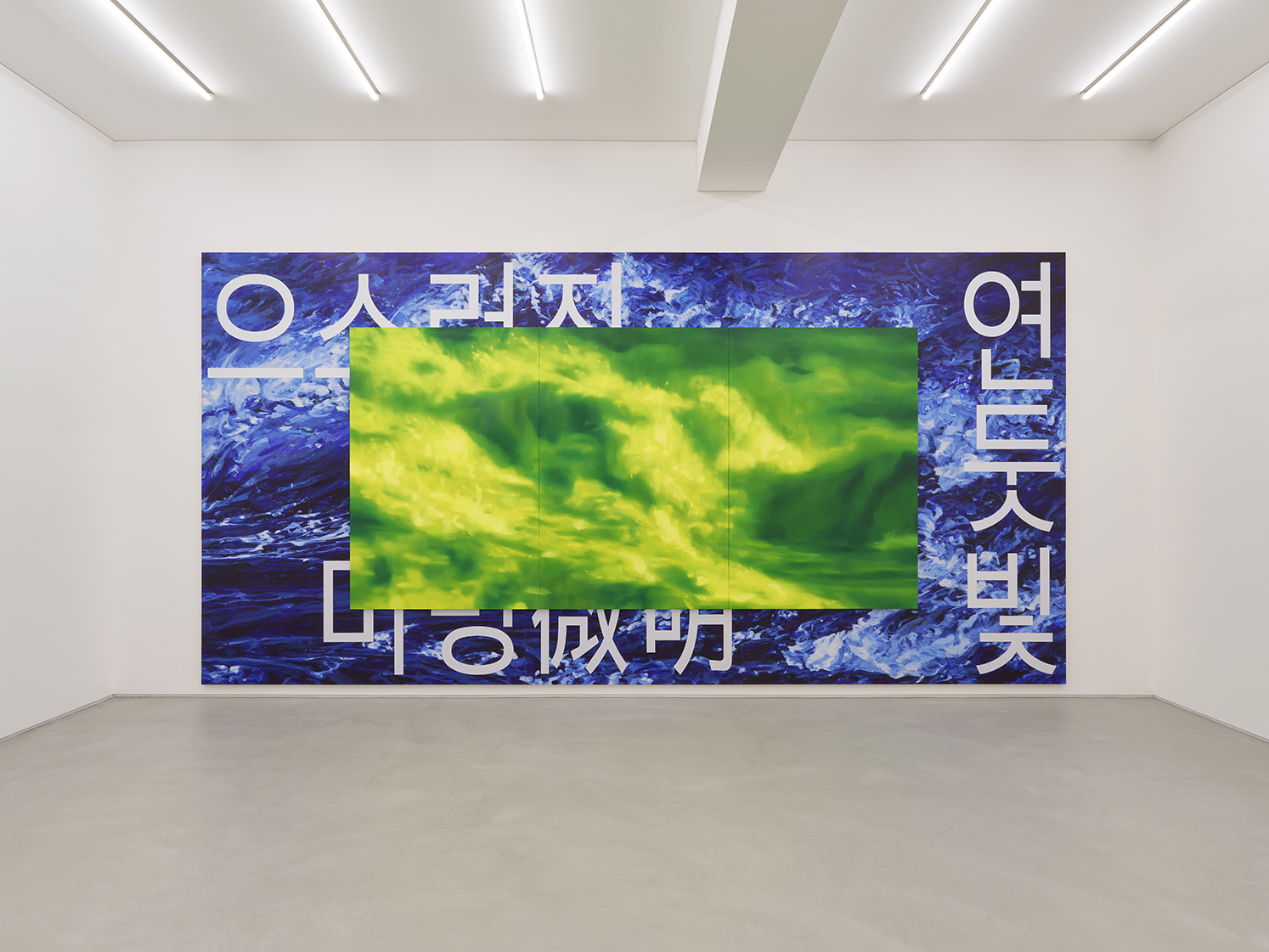
Glow Breath Warmth is a video work which captures the sea,
taken along the western coastline of Korea as the artist moved from Incheon to
Paengmok Port. Keem recorded the sea from 7 different ports, then superimposed
over the video sounds of human breathing, and the video footage and sounds of
the waves and the ocean from Paengmok Port the artist recorded in the last 5
years. The gaze in the video, as if it’s that of someone standing and looking
at the sea vacantly, reflects honor and dignity while the rhythmic movement of
the waves seems to signify the state of human breathing. The reds and blues
created by the light that opens and closes each day reminds us of the state of
“being alive”, which is so priceless yet often taken for granted. In this
exhibition, the artist hopes for the work to intimately near the audience’s own
breathing, through earphones and smartphones.
Working with light, Keem sometimes chases after a dim version of
it, sometimes imagines it to be brighter than in reality, and sometimes stares
straight into the reality of it. Keem believes that even though the deed may
never “be good” (as in innocent or innocuous), there are things that need to be
said in the language of art.⁴ Her works are reminders of how art is a practice
of visualizing the invisible light. Glowing Hour feels
more desperate in that the artist voluntarily rid herself of the sanctuary she
had secured by taking roundabout approaches in her previous works. Hence, it is
encouraged that the viewers also look straight into the heat embodied by the
red in the work, even if it takes a little toll on their eyes.
¹MMCA, Young Korean Artists 2019: Liquid Glass Sea, 2019,
p.178.
²Mok Jungweon, “Representations that Circumvent the
Unrepresentable: Beyond Lyotard and Rancière”, The Korean Journal of Art
and Media 18, no.2 (2019), pp.121–136.
³For example, the weather forecast on the left side of page 10 of
the compilation reads, “January 9, 1953, nipping cold, possible strong wind”,
and on the right side, the article begins with “At around 10:30 p.m. on the
9th, Changgyeong ferry foundered into the sea near Dadaepo Beach,
Dadae–dong, Saha–gu, Busan…This disaster took the lives of more than 300 people
excluding the captain, three sailors, two middle schoolers, and a soldier”.
-----
⁴Referring to the phrase “unable to be good” from the title of
Keem’s previous project Song Unable to Be Good (March 6–27, 2015,
Samuso Chago). The introductory statement for the exhibition written by the
artist at the time states, “Perhaps what we need to stop the series of todays
from just pooling around us is not innocent tears of impotence but the best of
selfish courage”.