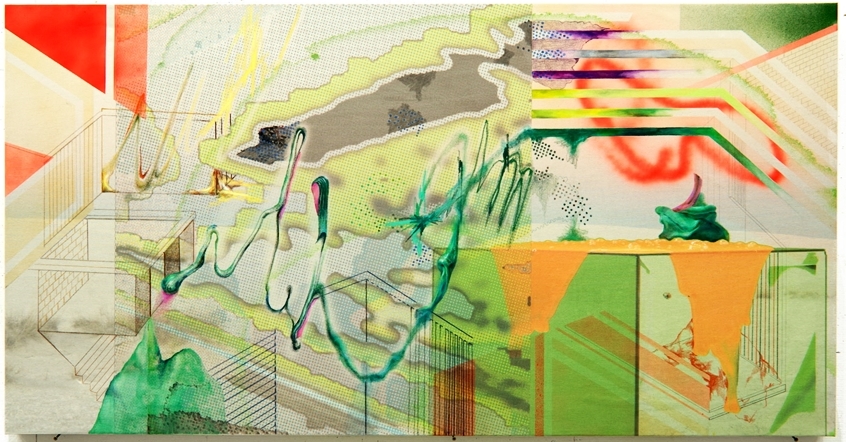
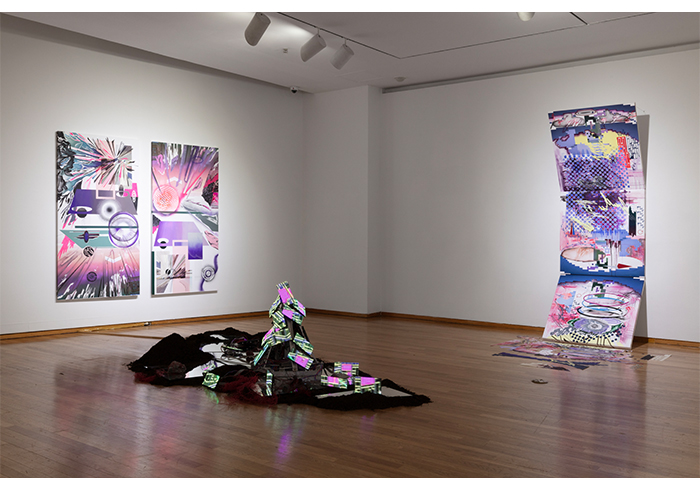
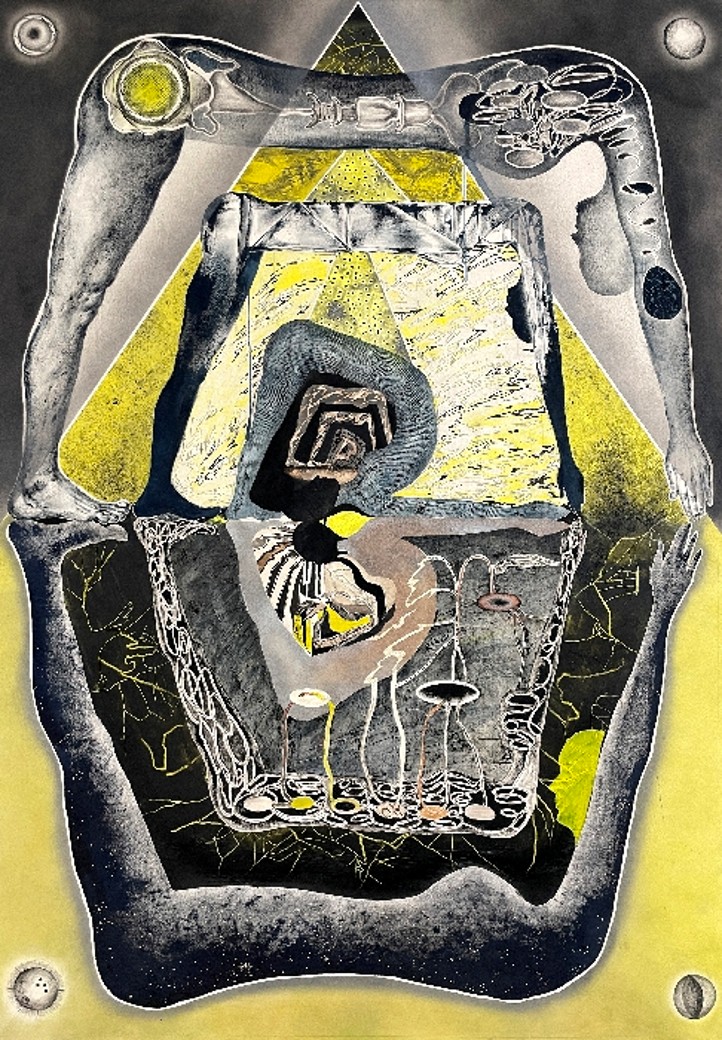
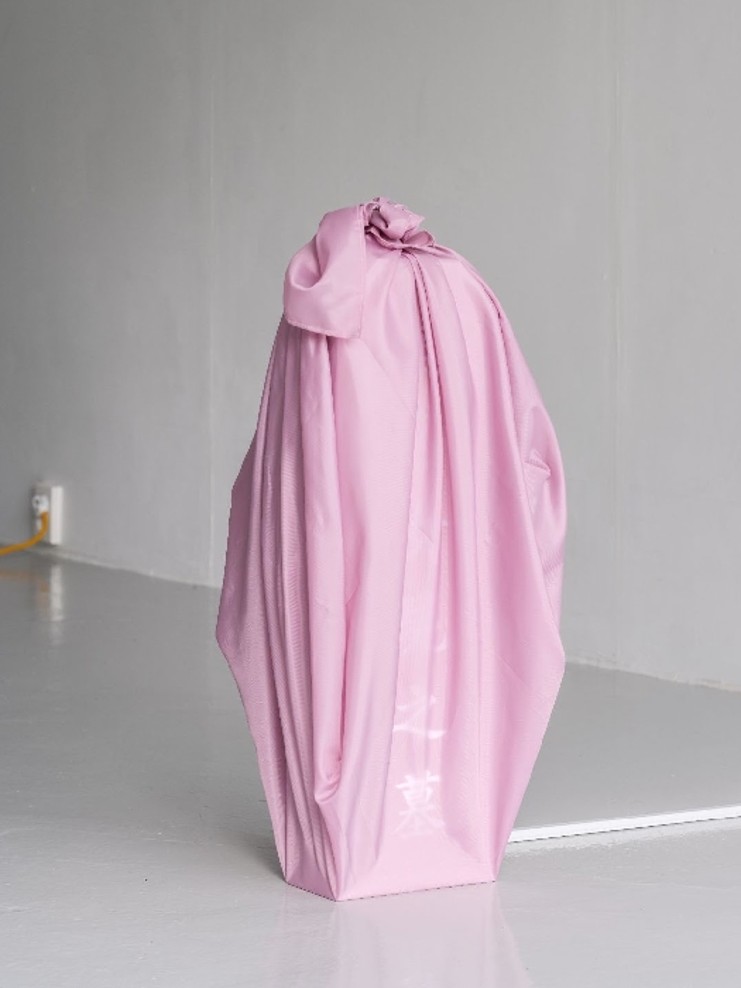
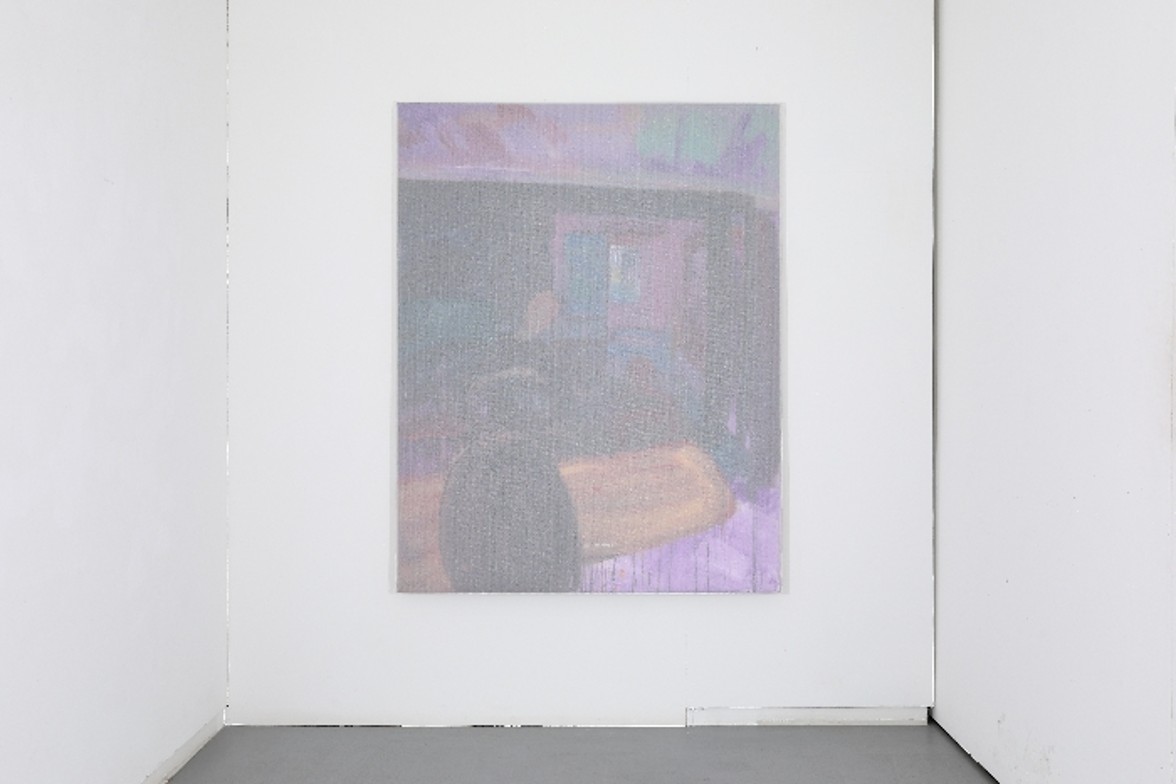
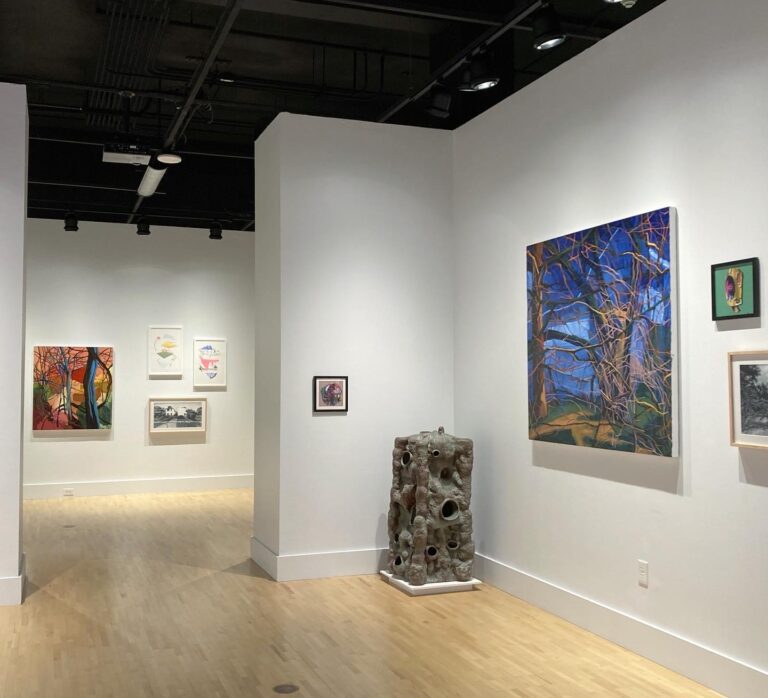
Taesung Kim extends painting beyond the image on a flat surface to address the
material conditions through which a painting is produced, transported, and
displayed. In Beijing, multiple paintings are stacked together, while their
frames are accentuated with vivid colors, directing attention away from the
painted surface toward the physical structure surrounding it. His work draws
attention to the frames, packaging, production, and transportation that
condition how paintings exist and circulate.
Although the eight artists employ different
subjects and formal strategies, their practices intersect through an engagement
with image and material, space and body, memory and environment as conditions
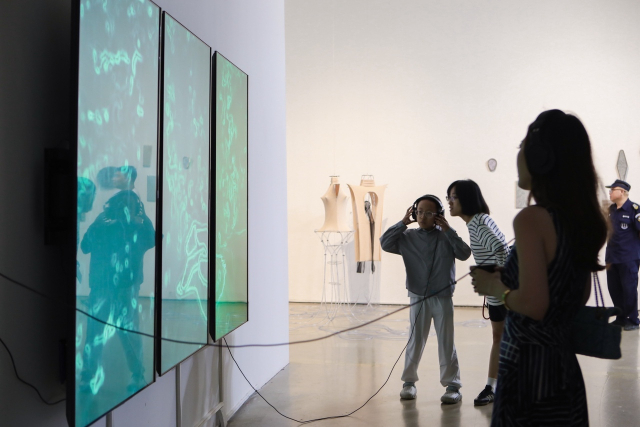
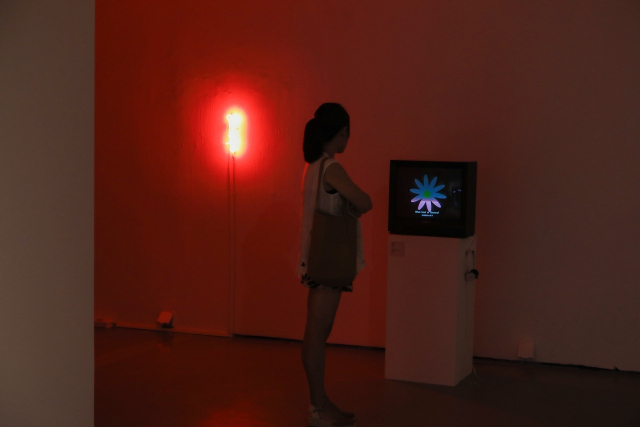
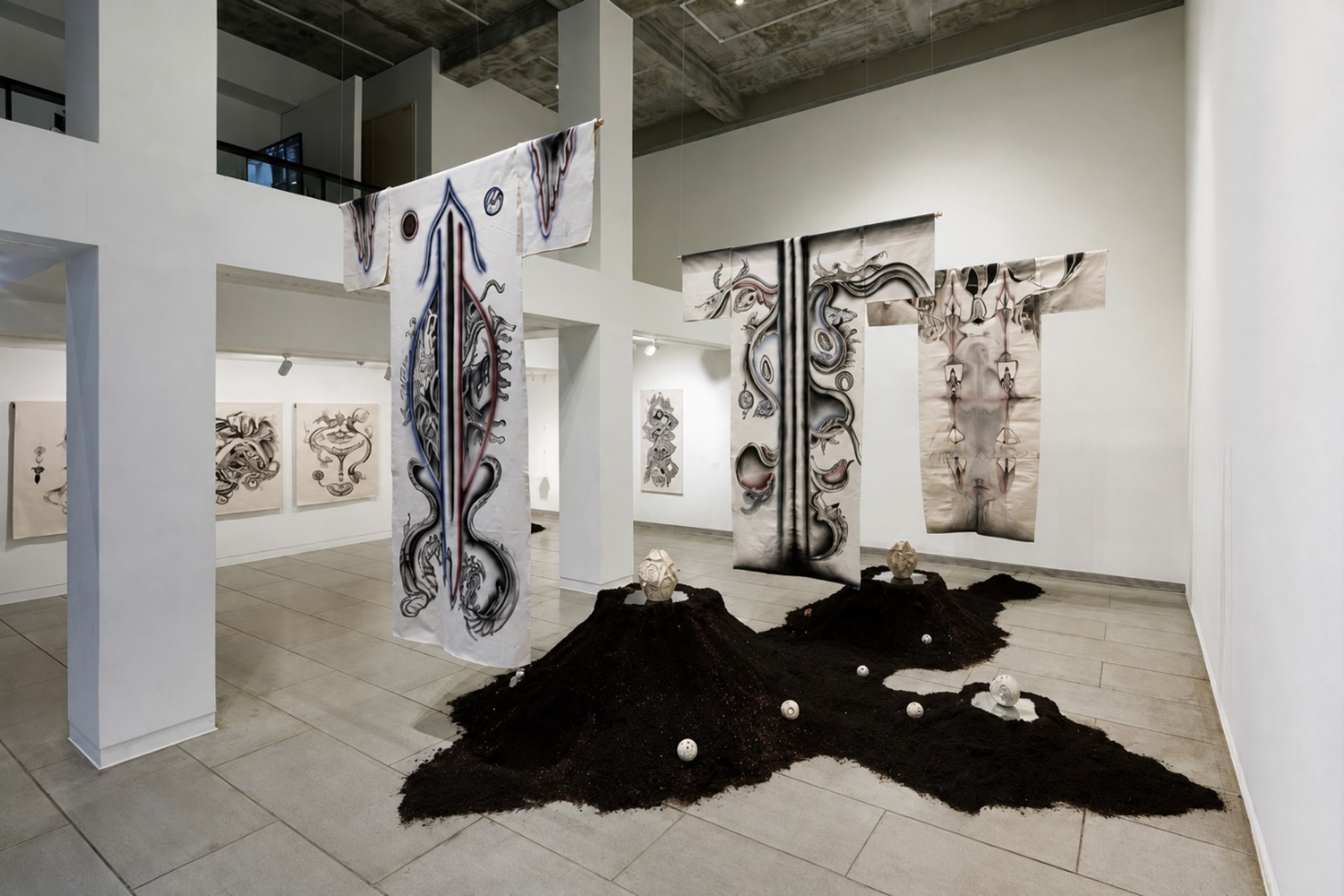
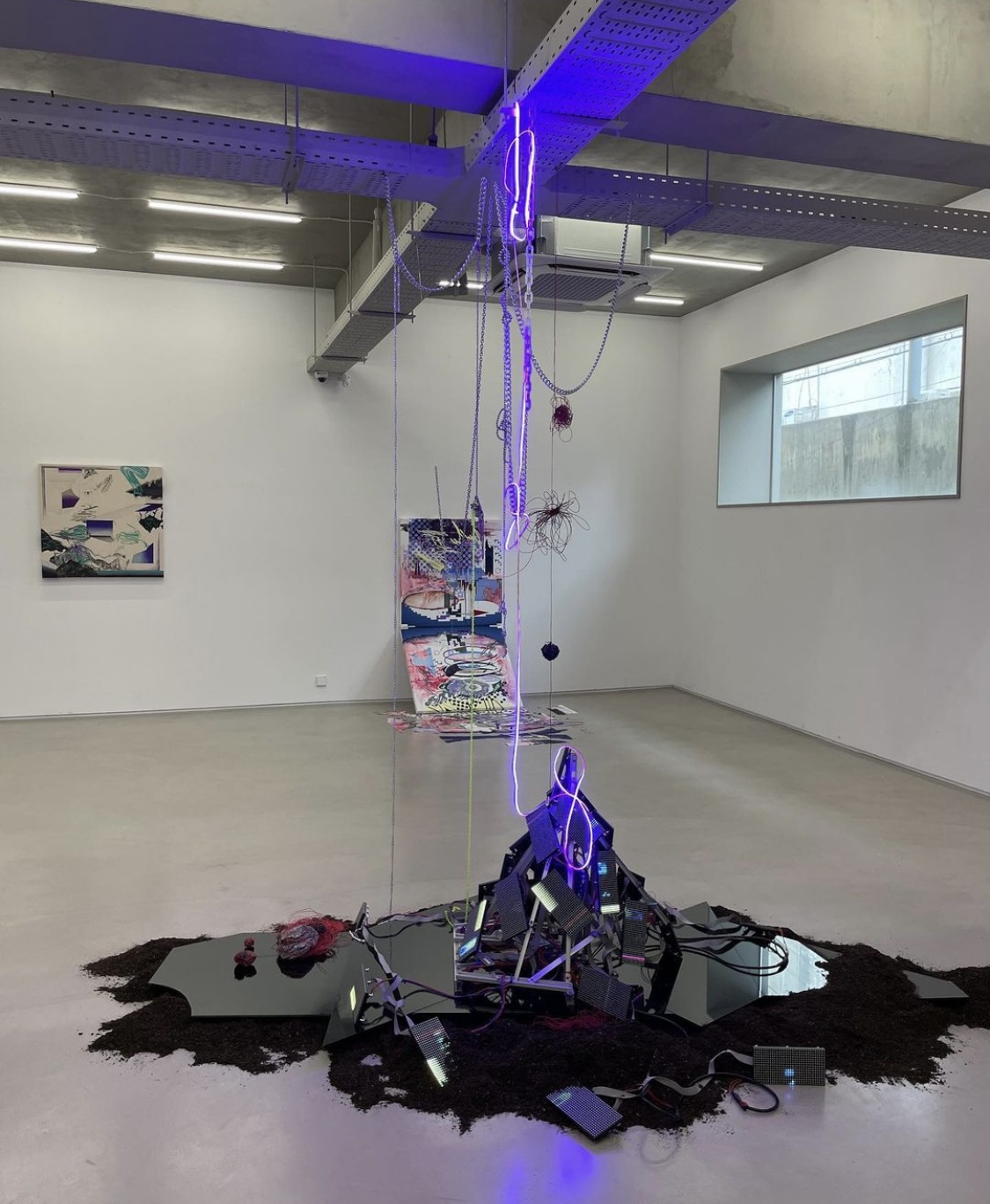
of rapidly changing contemporary life. Repeated moving images, installations
that engage architectural structures and ruptures, and experiments that
reconsider the materiality of painting evoke, in different ways, the traces of
the “compressed modernity” experienced by both Busan and Beijing through rapid
industrialization and urbanization.
The physical movement of artworks creates
new conditions for interpretation. Works produced and previously understood in
Busan encounter different audiences and historical and cultural contexts in
Beijing, allowing new relationships and meanings to emerge.
In this sense, the exhibition provides an
opportunity to reconsider practices formed in Busan through another East Asian
city’s distinct temporality and perspective.
The Internationalization of a
Regional Museum
Busan Museum of Art intends to develop the
Beijing exhibition beyond a one-off overseas presentation and toward sustained
international collaboration.
This direction reflects the recent
restructuring of 《Vision and Perspective》. Rather than selecting artists for a single exhibition, the program
seeks to create opportunities for them to engage with museums, curators,
critics, and other art professionals in Korea and abroad, extending
institutional support beyond their initial selection.
The Beijing exhibition represents the first
international extension of nearly 27 years of accumulated experience in
discovering, presenting, and documenting artists from the region.
This approach is particularly relevant
within an art ecosystem in which major institutions, galleries, and
international networks remain concentrated in Seoul. By connecting artistic
practices developed in Busan directly with institutions and audiences in other
cities, a regional museum can extend its role from discovering and presenting
artists to creating the conditions for their longer-term development and
international exchange.
If these connections continue to generate
new critical evaluations, institutional relationships, and opportunities for
participating artists, 《Vision and Perspective》 could develop into a long-term model through which a
regional museum connects artist discovery and development with sustained
international exchange.