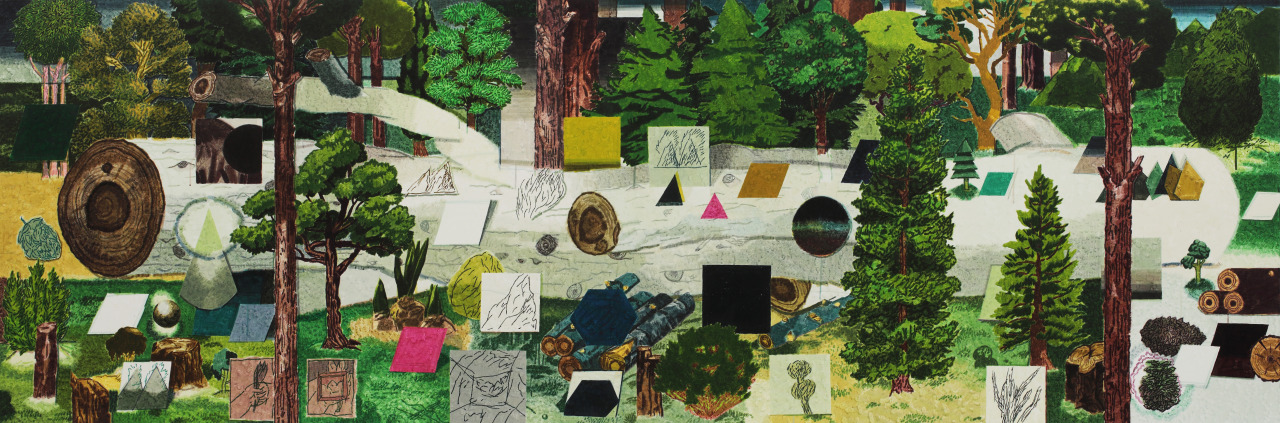
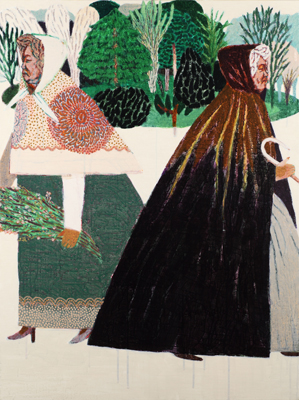
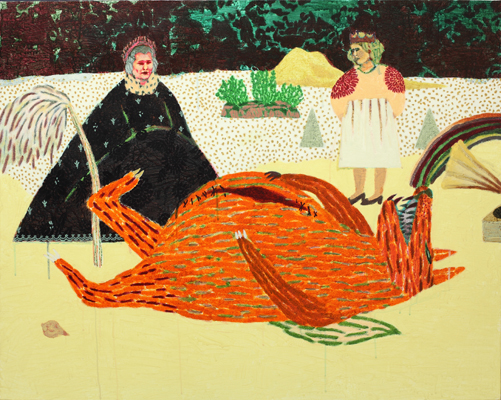
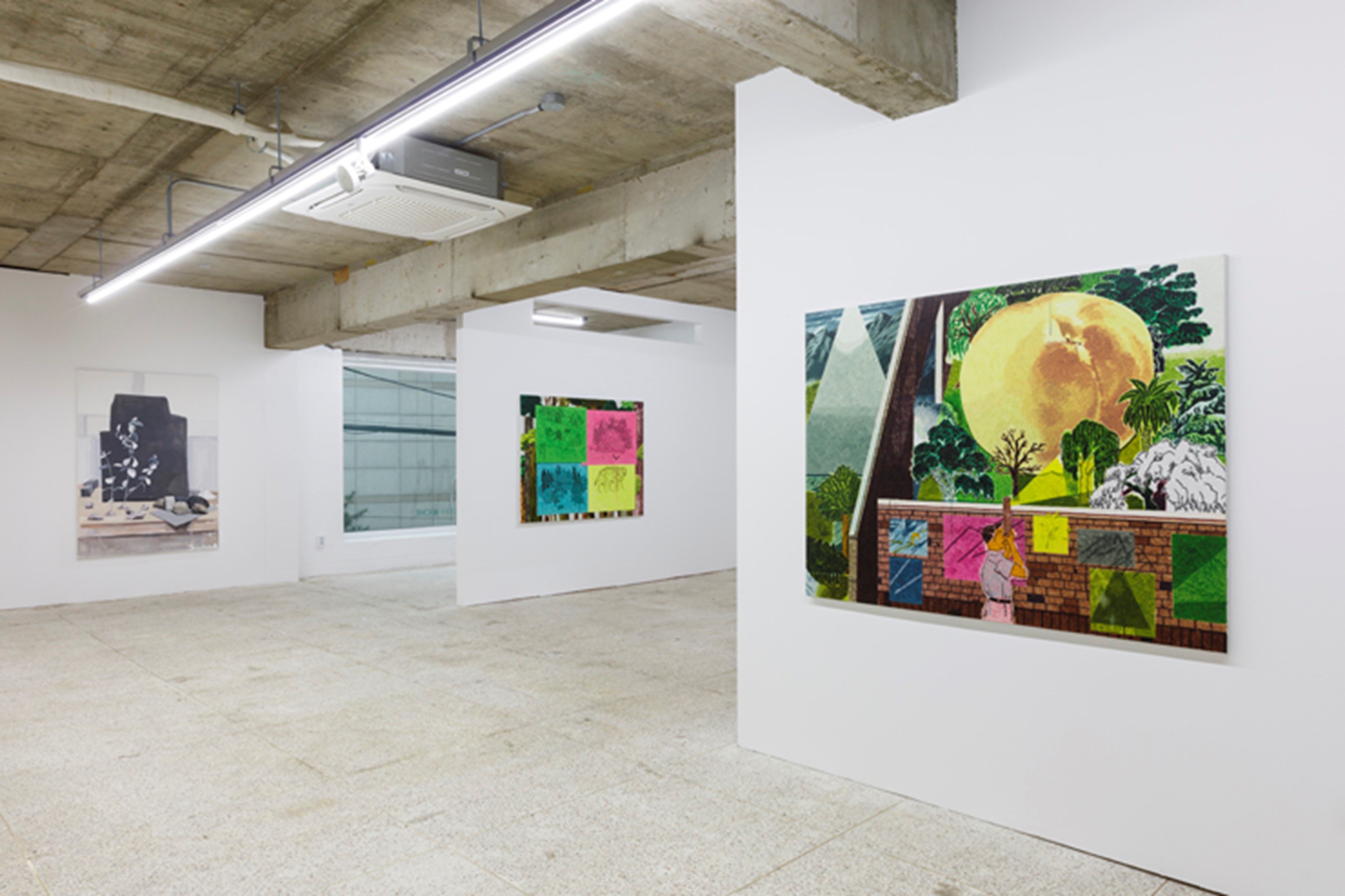
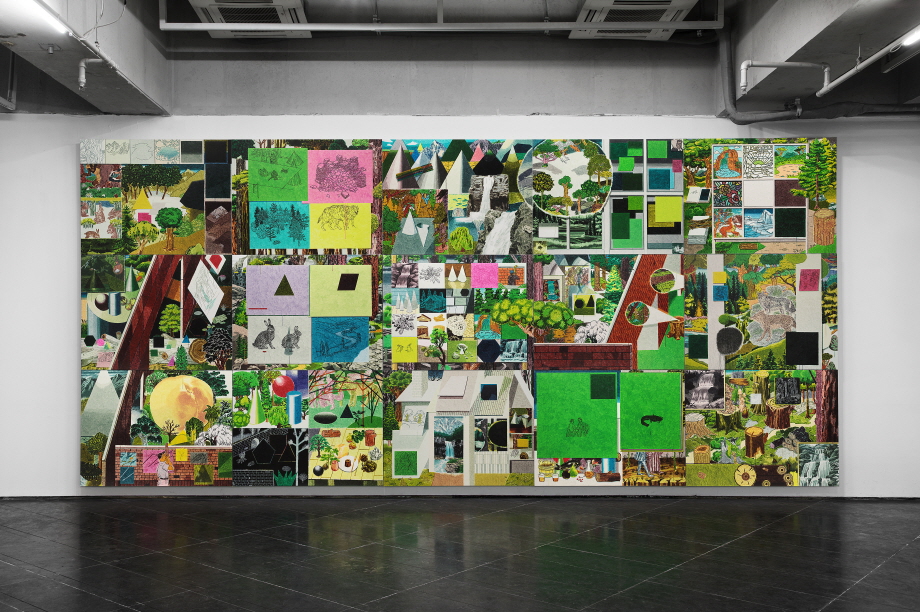
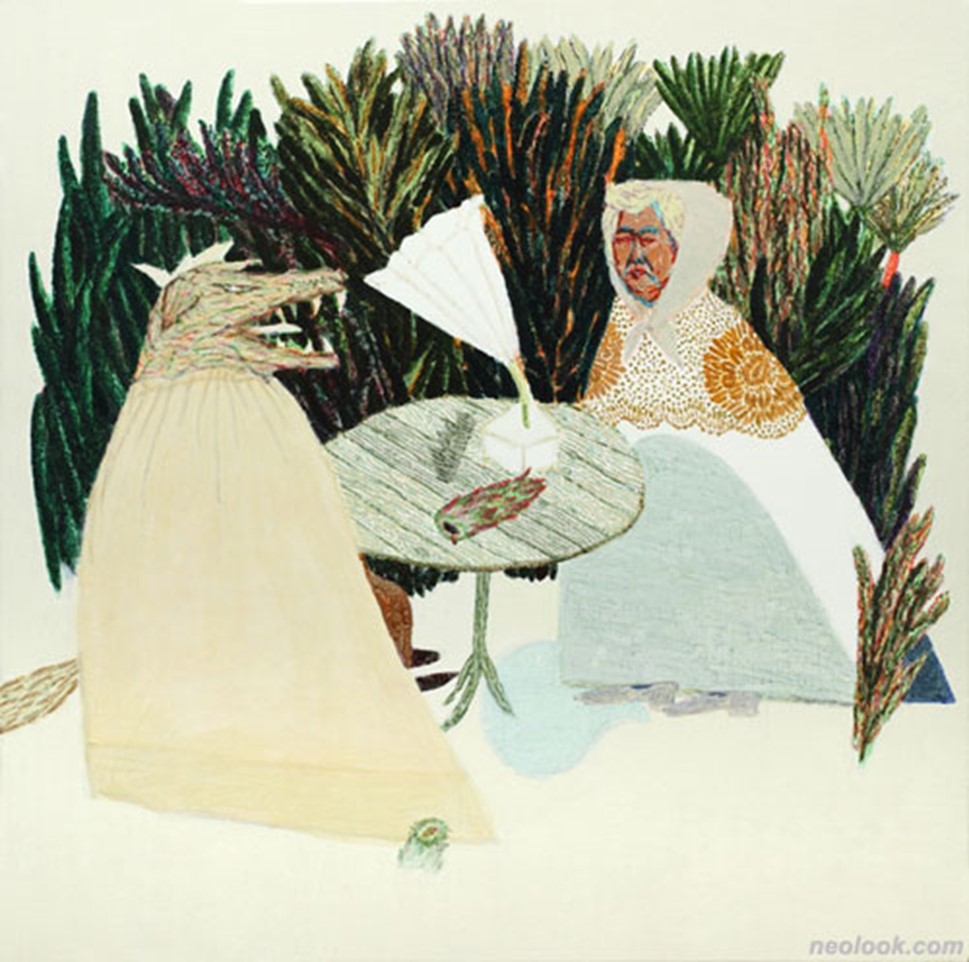
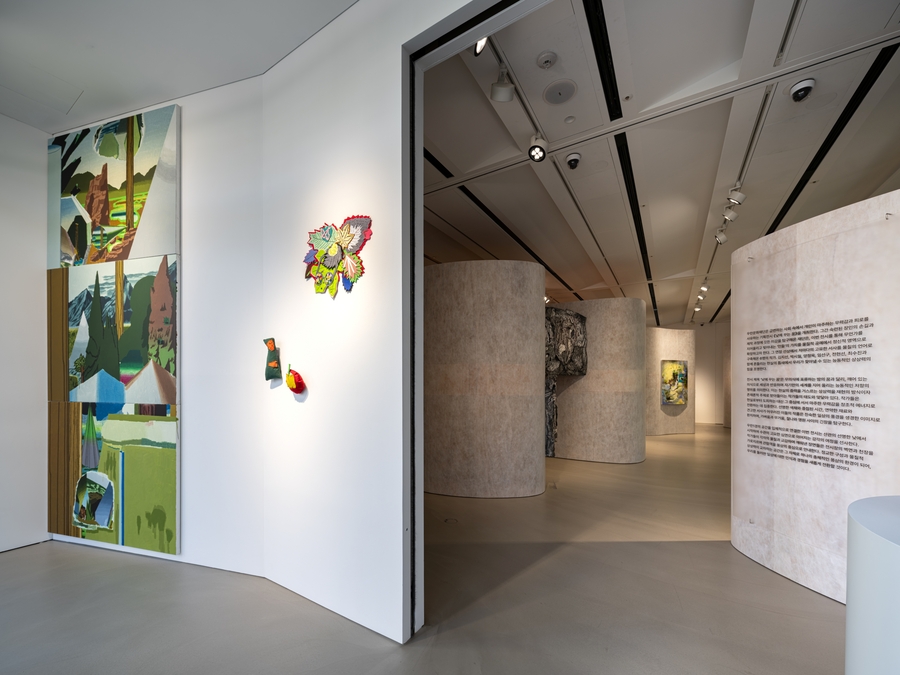
May 10th, Johyun Gallery Haeundae is pleased to present Hyunsun
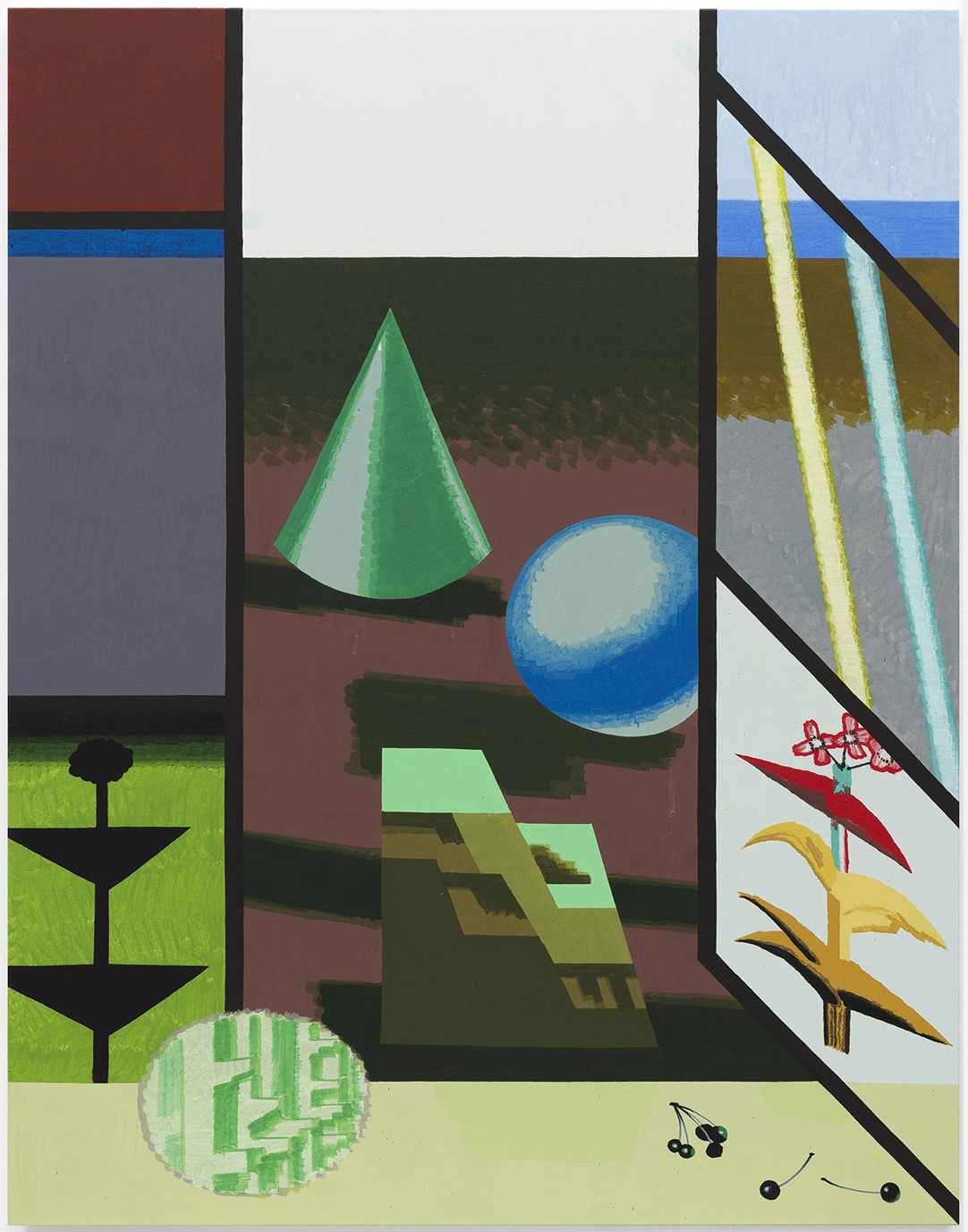
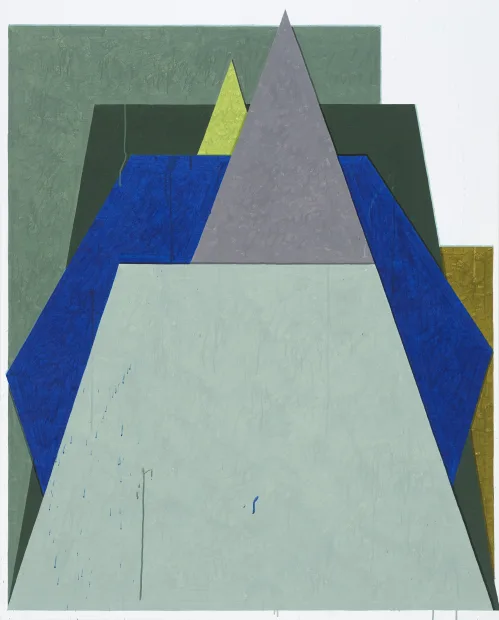
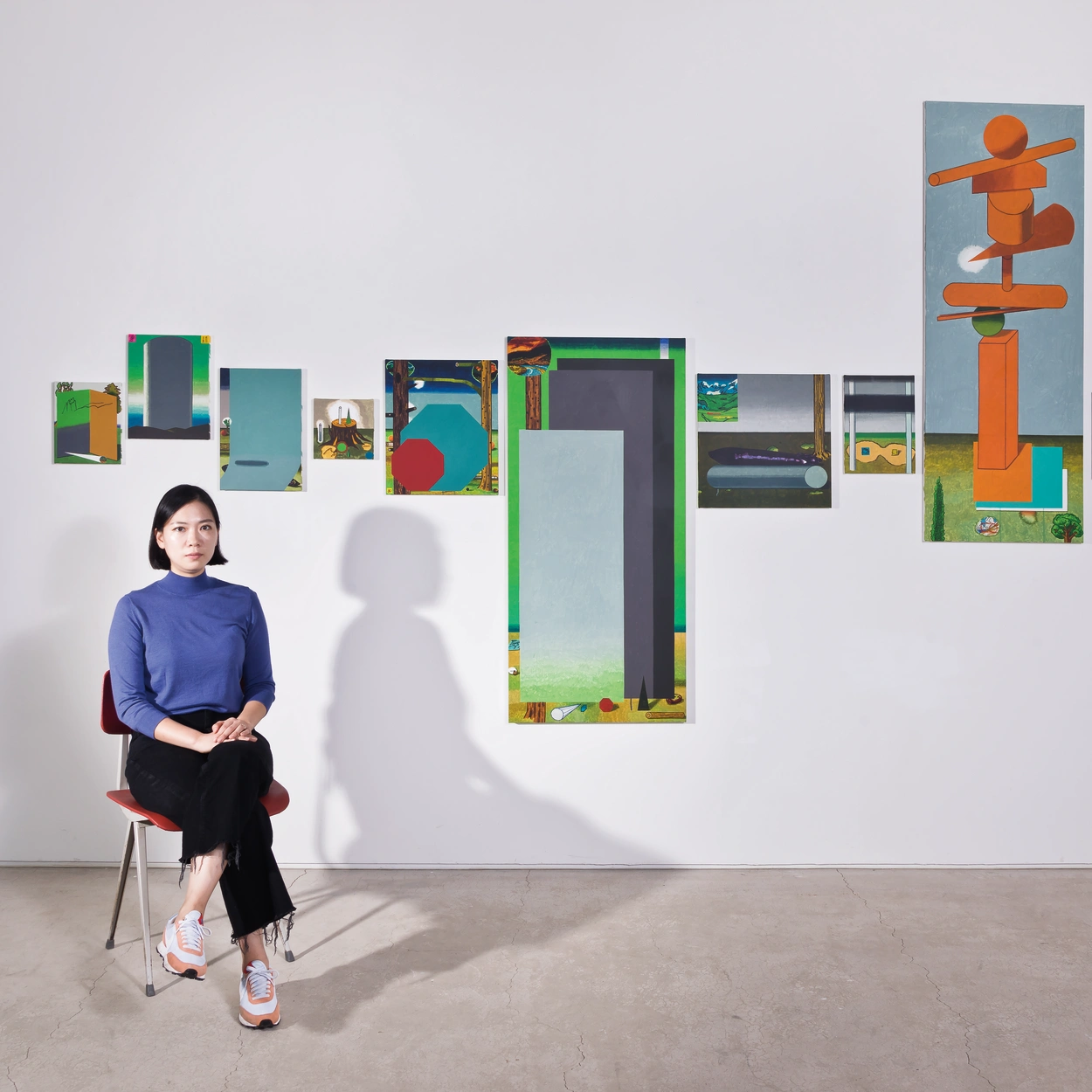
Jeon’s 17 new paintings for her latest exhibition, 《Two, Lying Down, Exposed Roots》. Jeon’s
latest -seen-before works come from the streams and cascades of cogitation the
artist has waded through, collected, and crystallized on the relationship
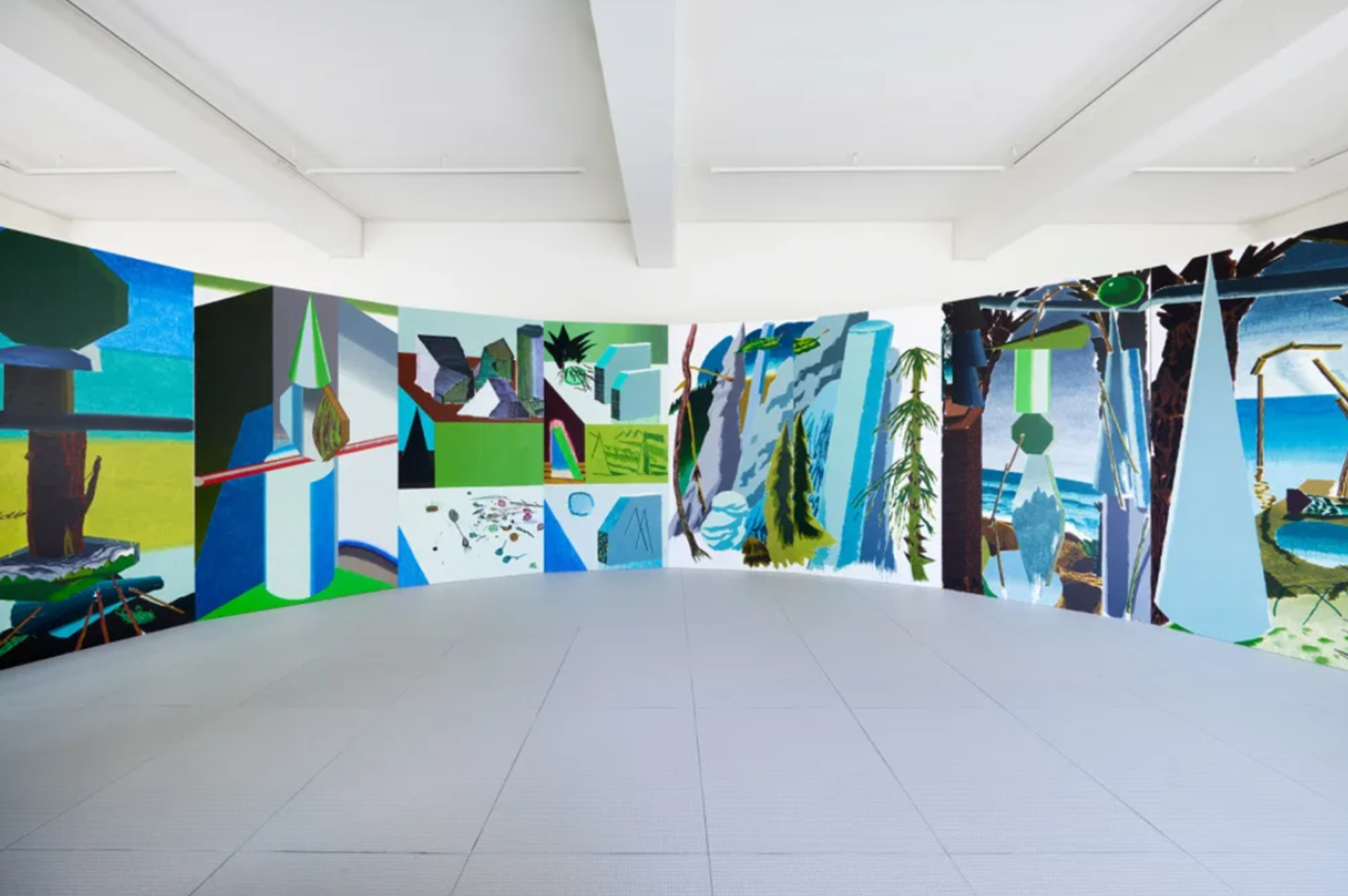
between two things and the hidden nature of what is essential. Installed in the
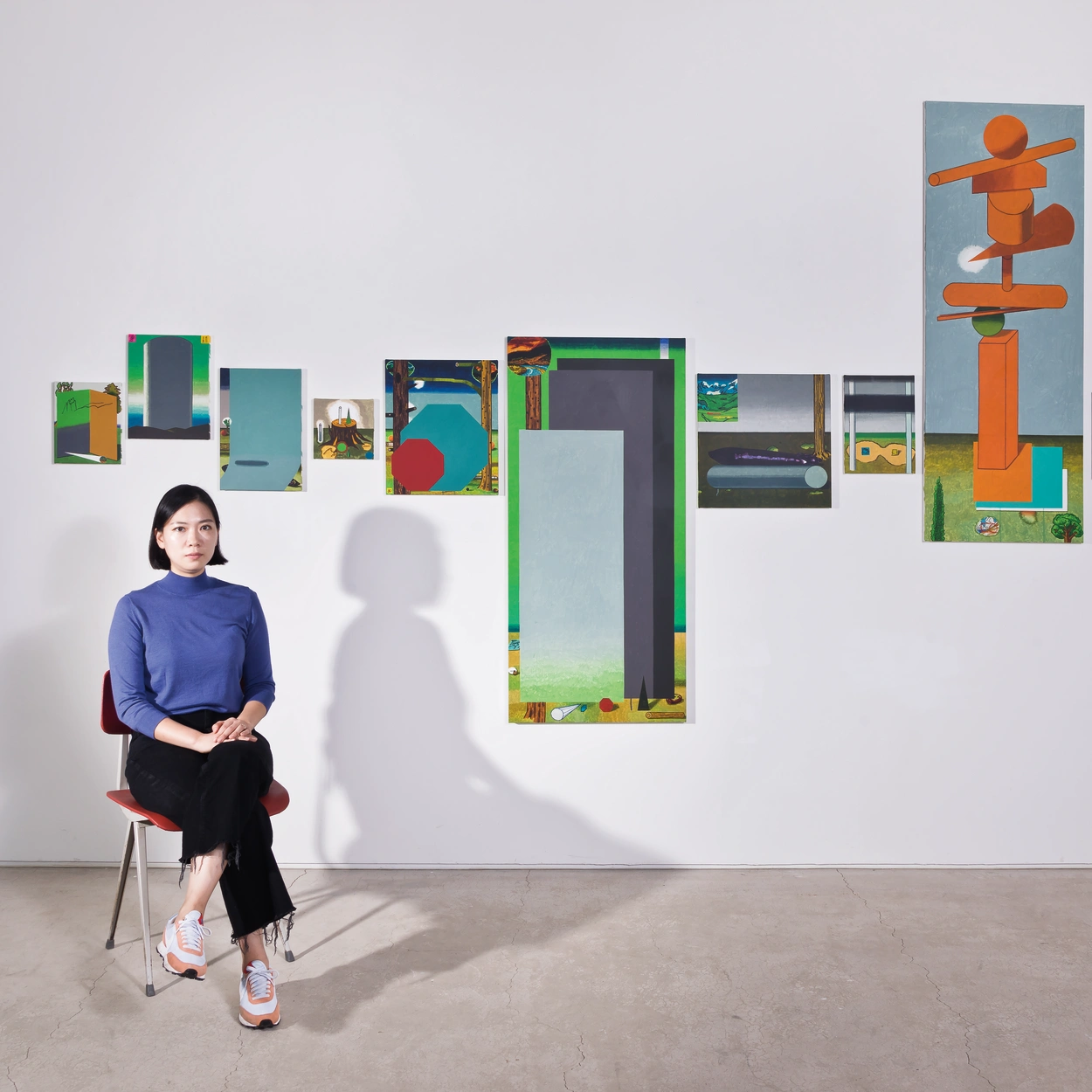
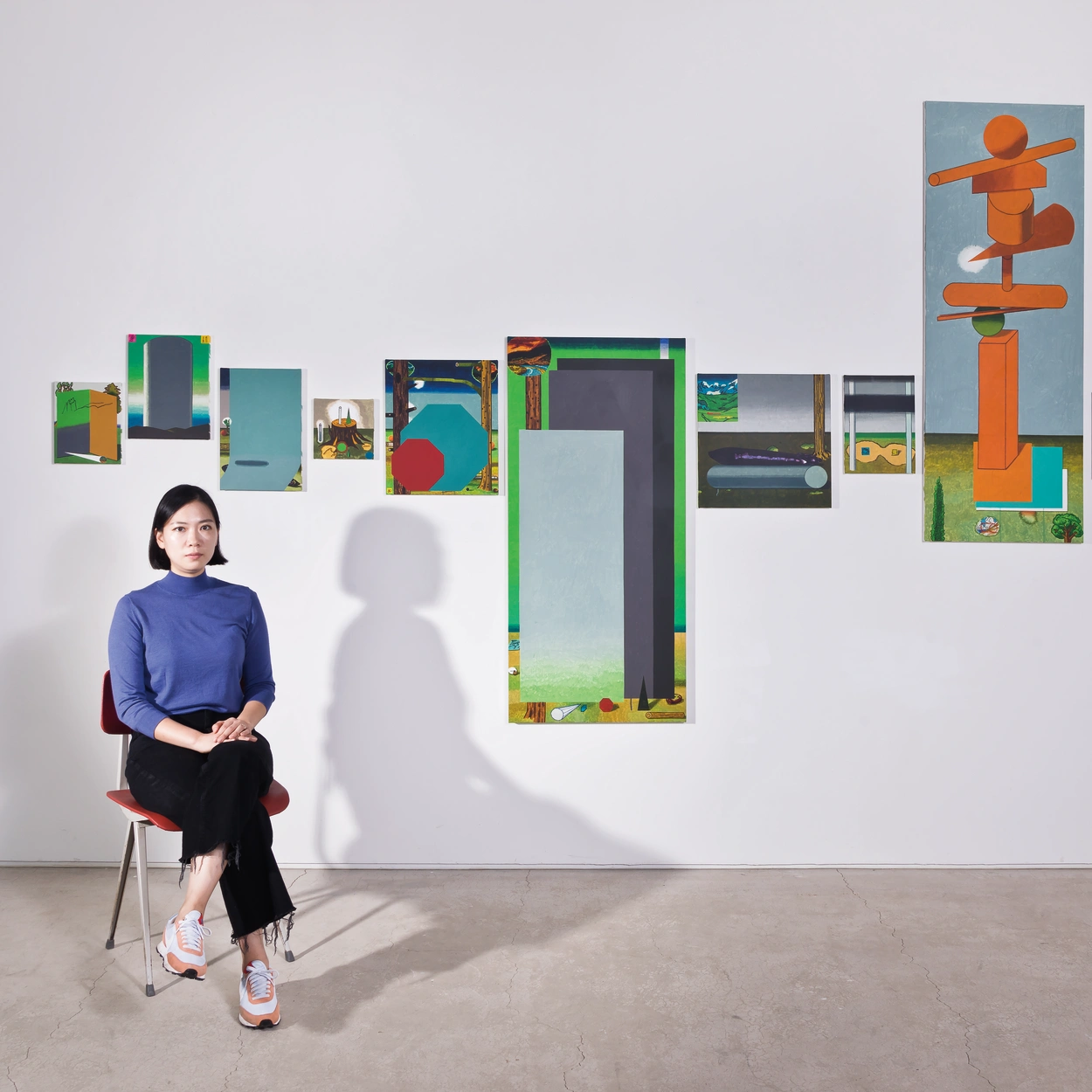
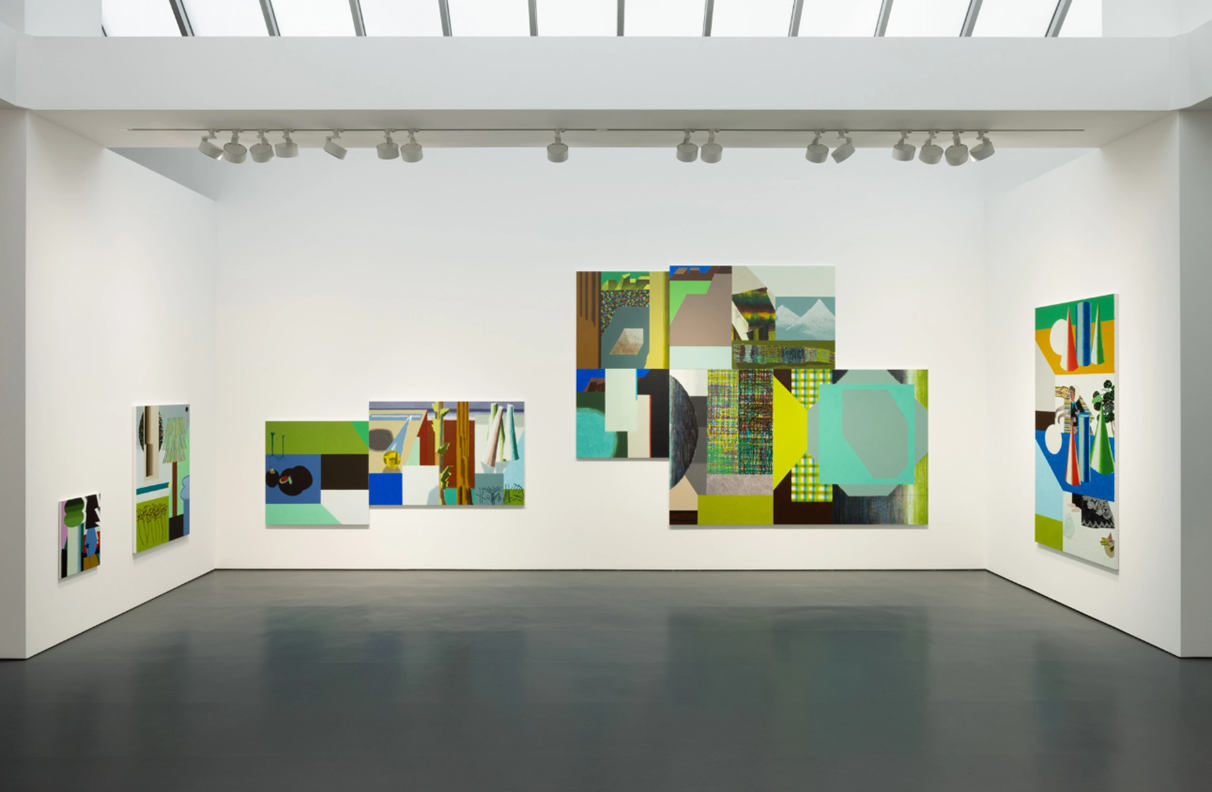
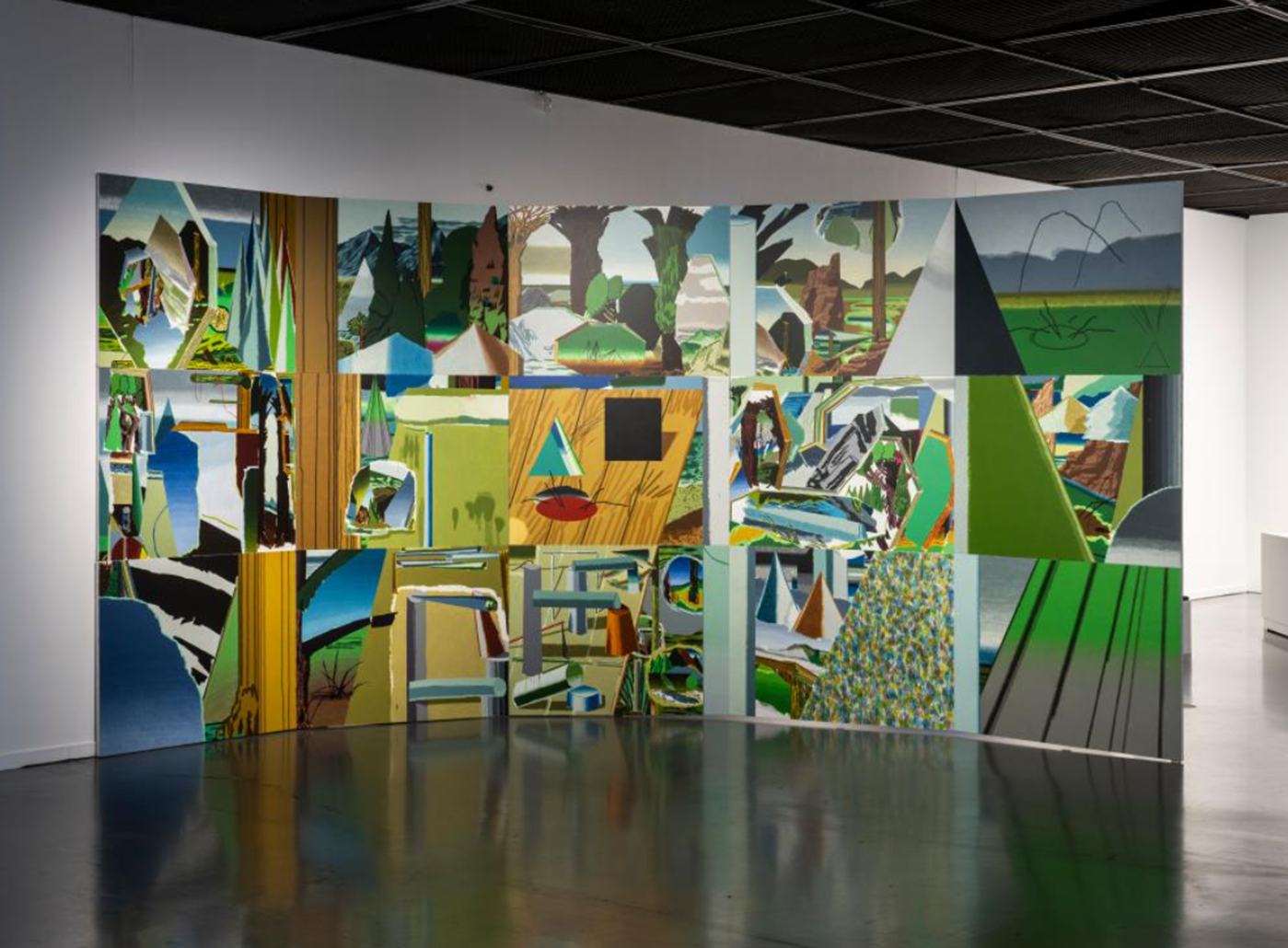
center of the exhibition space is a polyptych of ten paintings, each canvas
panel one meter wide and two meters tall, interconnected both as paintings and
as objects in space.
Everything shifts constantly, affected by the setting, the
situation, and who is involved. Standing upon such variable footing, Hyunsun
Jeon speaks of herself in no fixed terms. Because of this, she trusts stories
of the peri-self to be more effective than any self-certain stories of herself.
As such, she is slow to judge, predicate opinions, or finalize decisions.
Rather, she considers her relative position in physical and relational settings
with great care and caution. Such considerations are certainly beyond passing
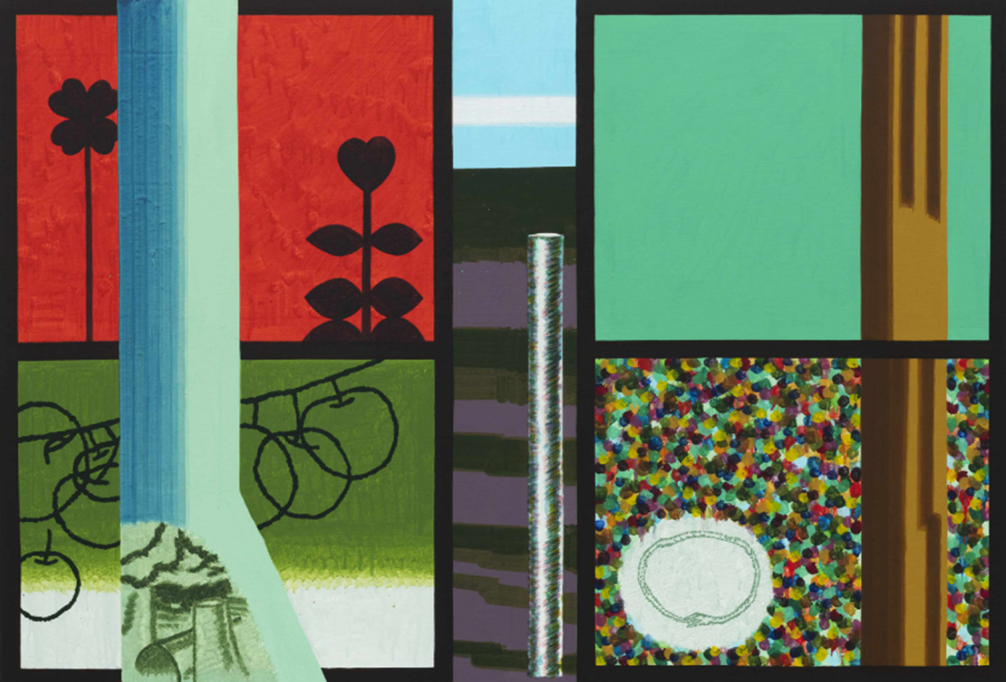
experiences, thoughts, and feelings, for they are all journaled on canvas with
painterly grammar. These painted journals form a connected story that Jeon
describes as “narrativity,” although it does not come from a place of intention
or purpose. Narrativity, in the sense that Jeon uses, is the relationship
between things, paintings, and images—relationships that connect and form
spontaneously, expand, and become revealed. However, she did not want the
objects to appear with any hierarchy of importance in this relationship and
mediated this with a flatness of composition throughout the painting.
The ten canvas paintings, two meters tall and interconnected in
the shape of a partial arc, are situated in the exhibition space as both a
painting and an installation work. The painting is no longer a static
presentation on a white wall to be gazed upon but a spatially relevant and
significant work that actively interacts with the space and the visitors. The
interconnected canvases draw an arc of ten meters, establishing a relationship
with the exhibition space as a spatial component affecting movement patterns
and as a signifier of the negative space it has created. As ten canvases
conjoin into a continuum, appreciating the whole and the individual both become
a strange endeavor, where the viewer must consider a position and method of
viewing somewhere within the space. Take it in from afar, walk alongside, or
stand close to carefully examine each of the ten canvases.
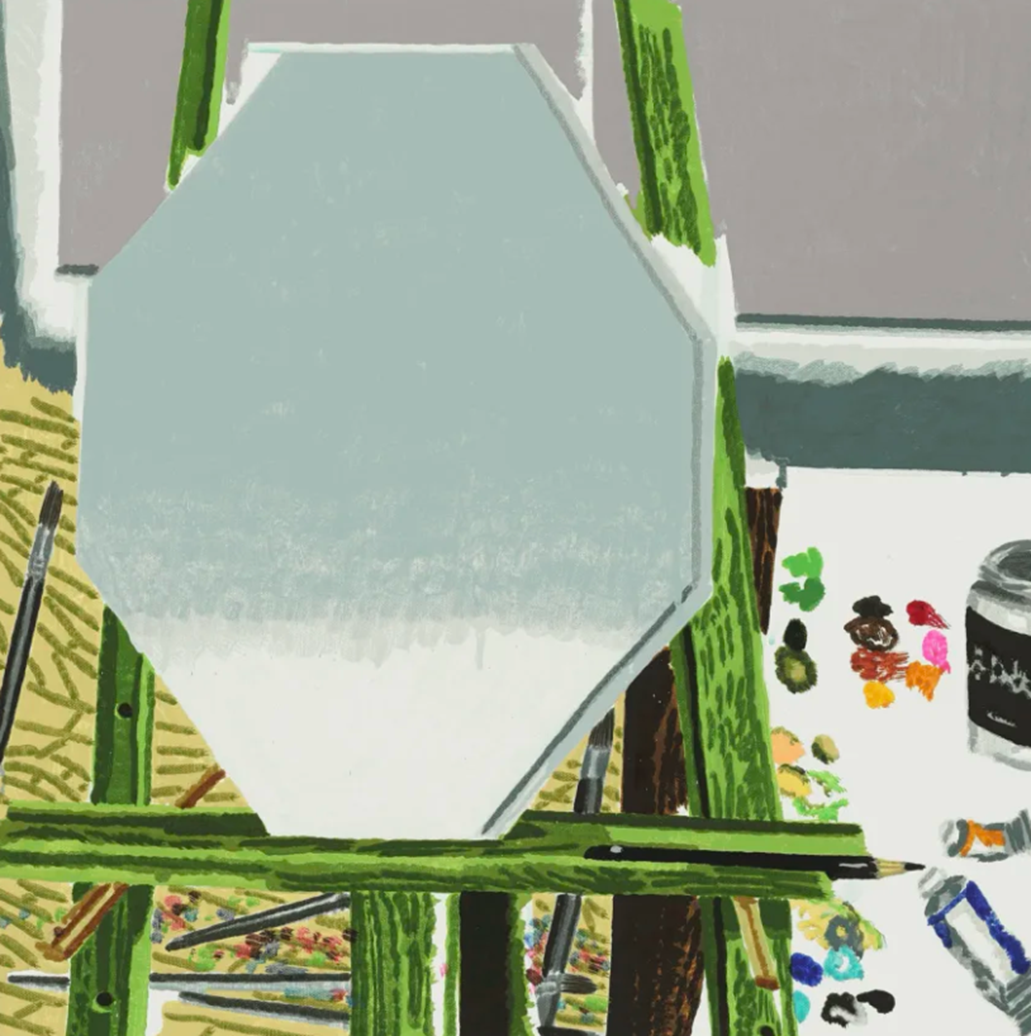
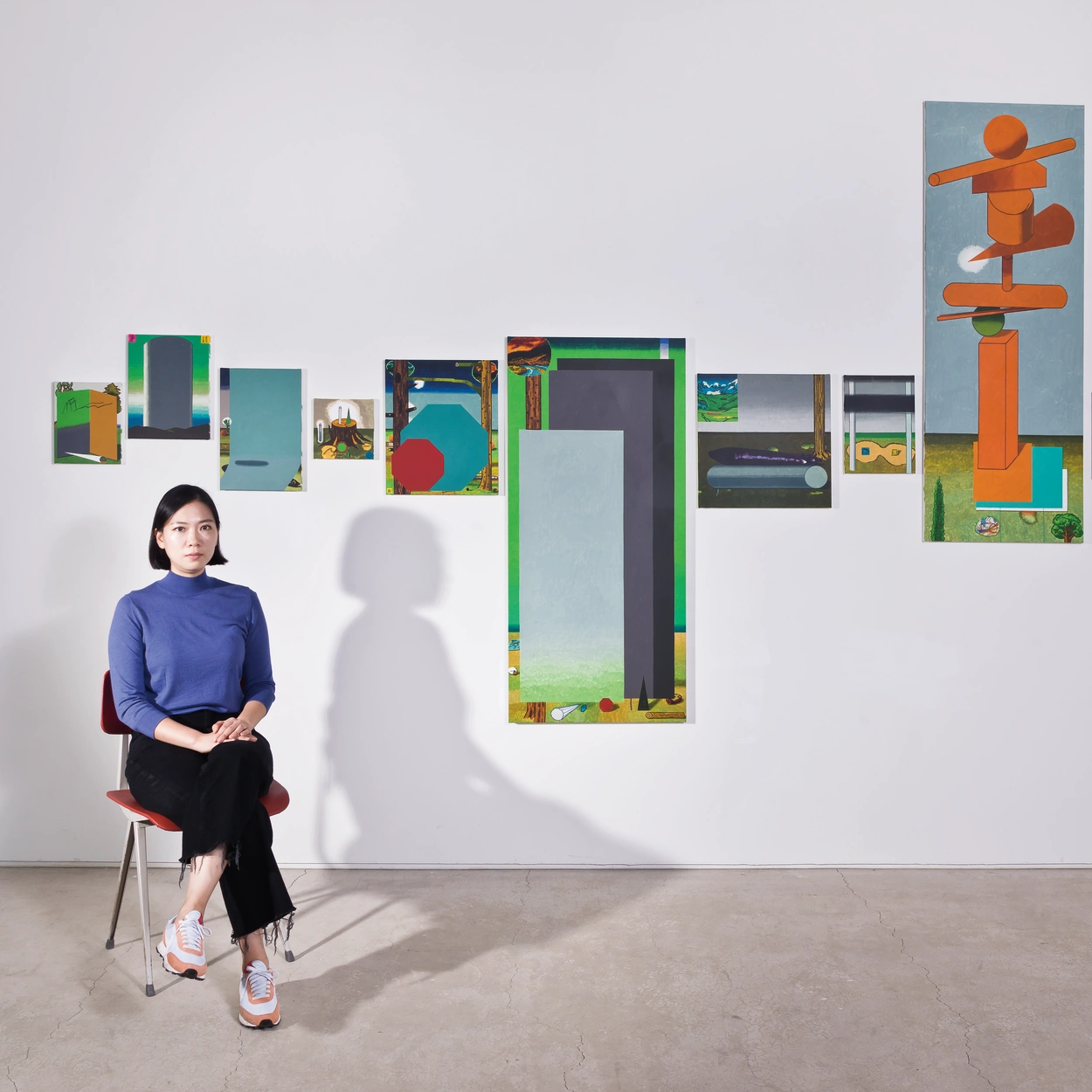
While the larger canvas comes from the artist’s diligent
journaling, the smaller canvas on the wall depicting her studio is about
the place of those thought-encounters. Jeon previously wished for
subjects and things to meet at a point and move toward a shared ground of
mutual understanding, but now her hope is for subjects and things to simply,
yet wholly, abide in their differences together across time and
space. If we can recognize all our differences, we may also recognize that some
of those differences are extremely minute. And if we could simply abide with
that understanding, our time together may last longer. The painted roots sink
into fundamental things not revealed on the surface. The paintings on the wall
show what the artist sees as she pours her thoughts onto the canvas. Those
smaller paintings are her mundane routines shared—incomplete and blank
canvases, paints and brushes, and all.
The ten-piece polyptych paintings are interconnected both
physically and narratively, in relevance and in relation to the space and the
exhibition. Jeon has not prescribed any answers or drawn lines between the
space and the paintings, between the paintings themselves, or between objects.
There are things, objects, and subjects, but there are no fixed terms.
Definitions of terms, lines, narratives, or otherwise, are entirely up to the
one who pays attention.