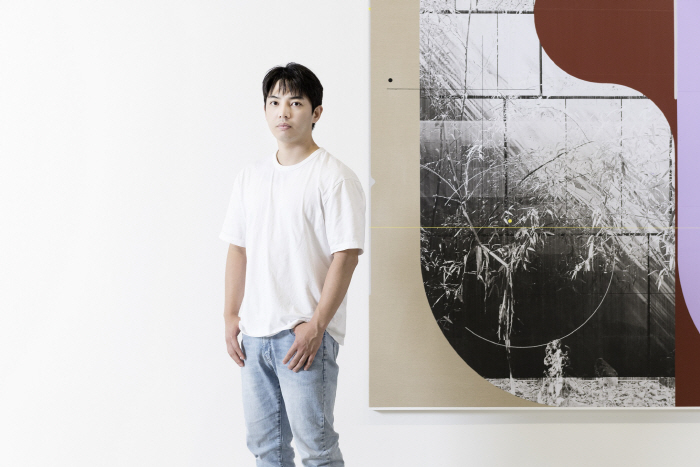
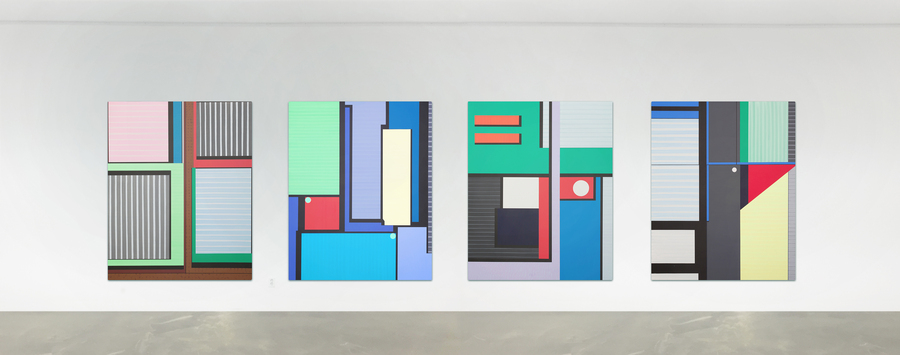
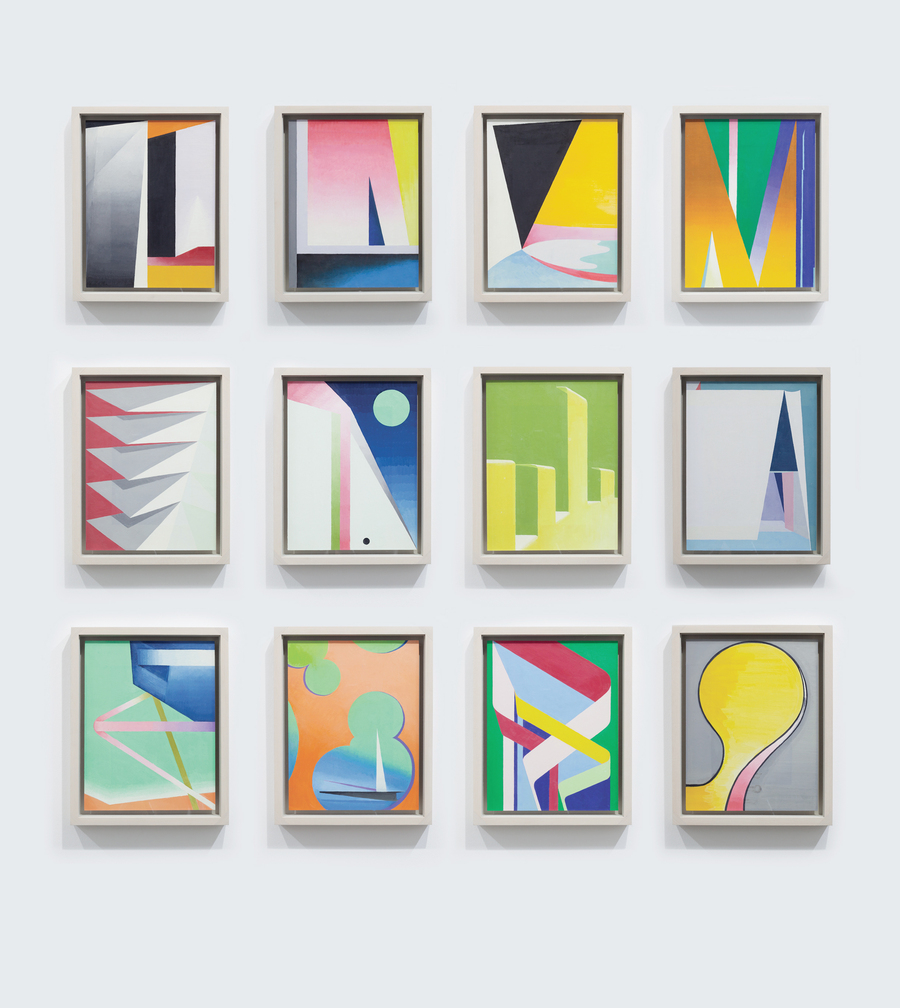
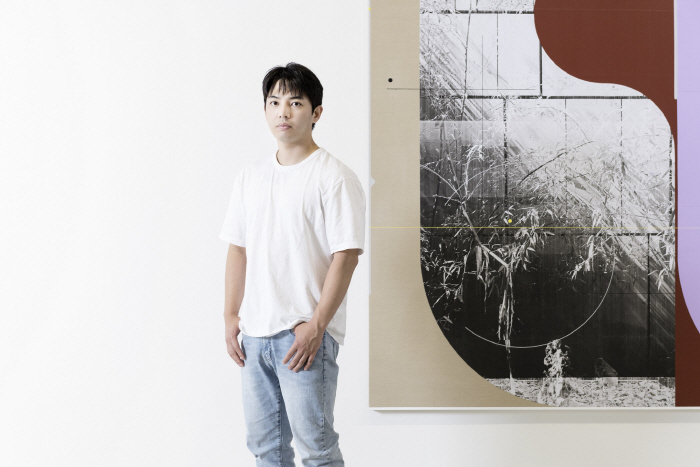
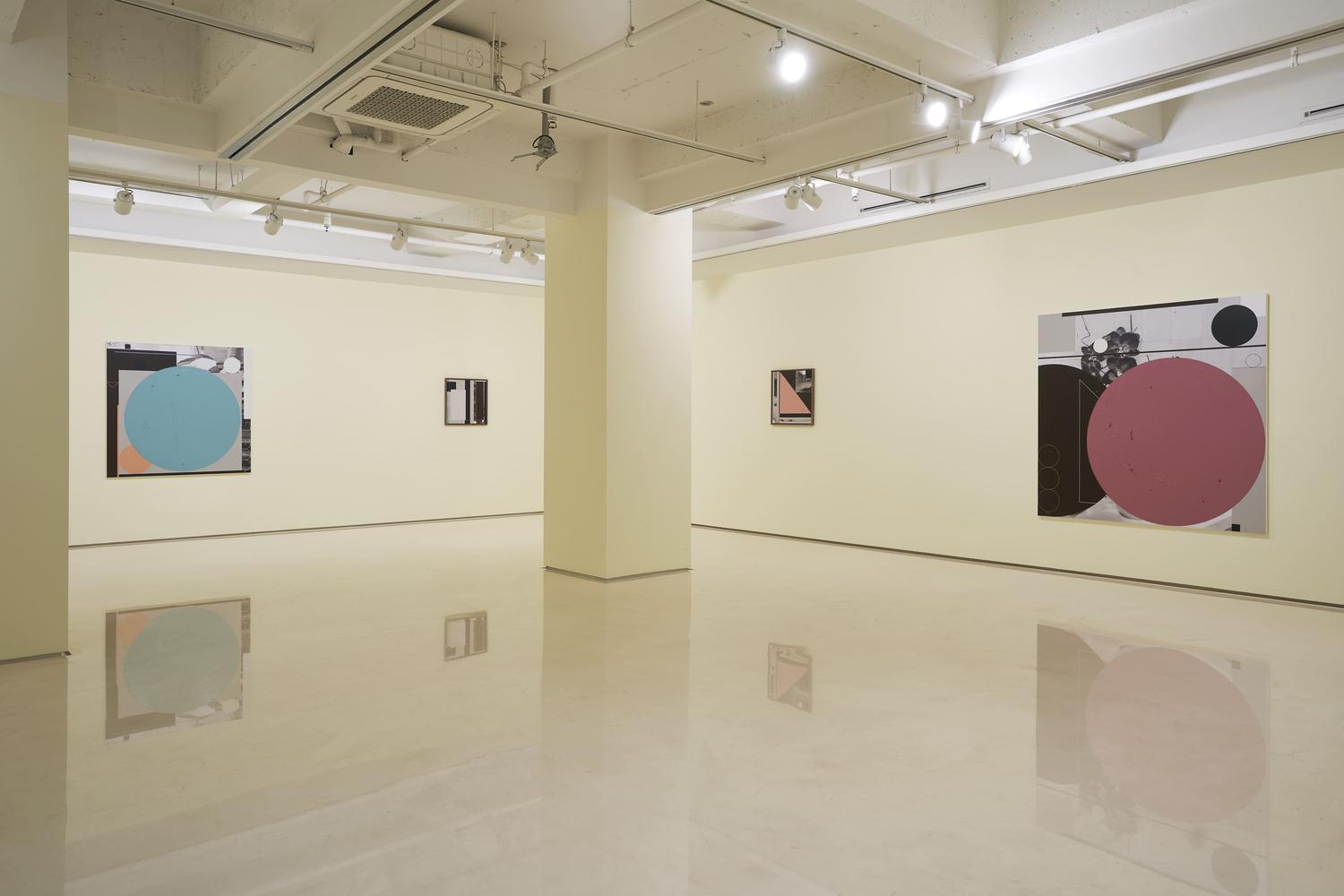
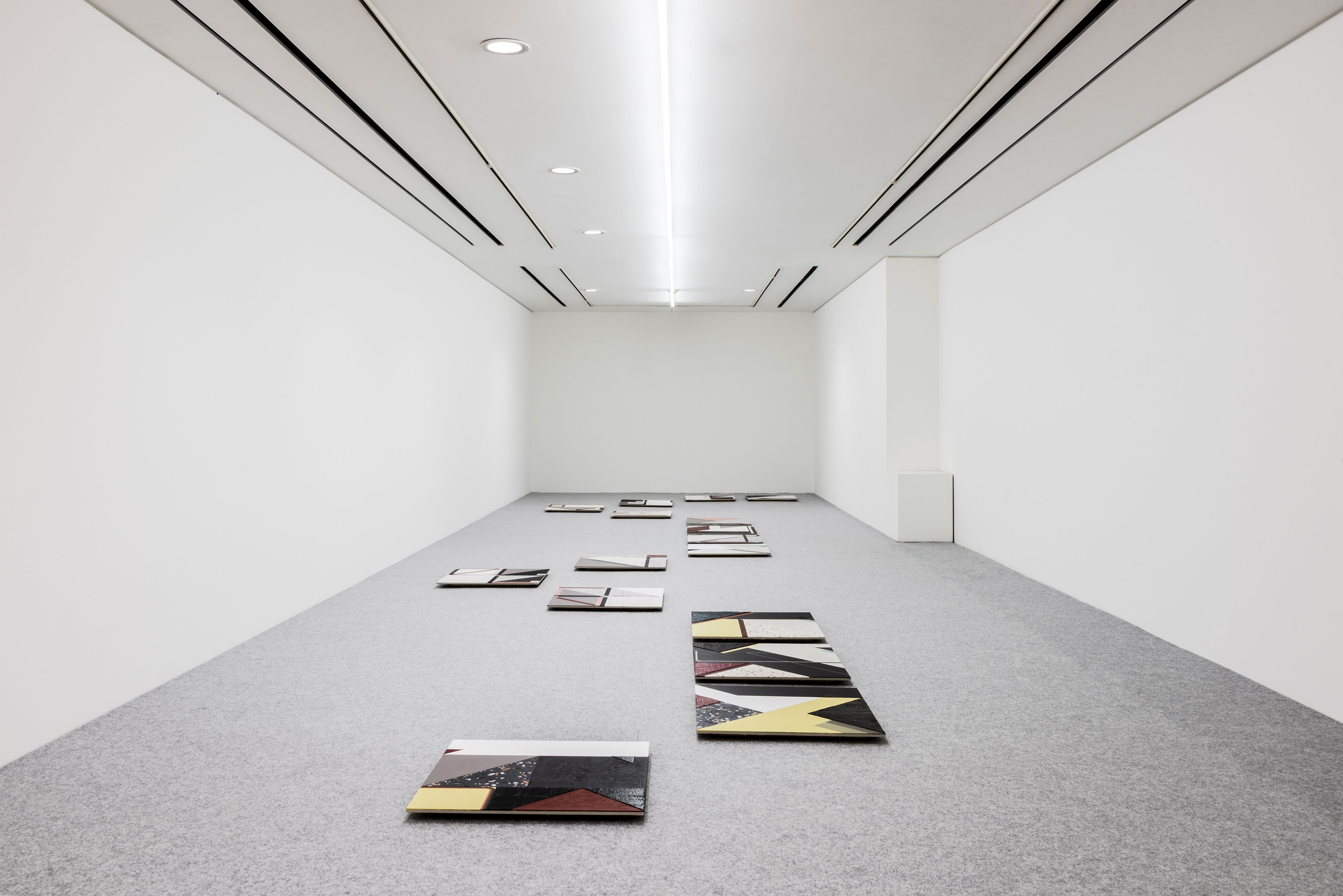
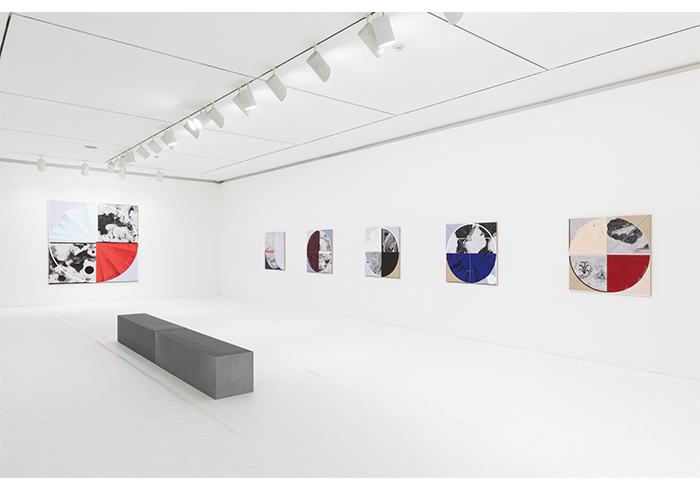
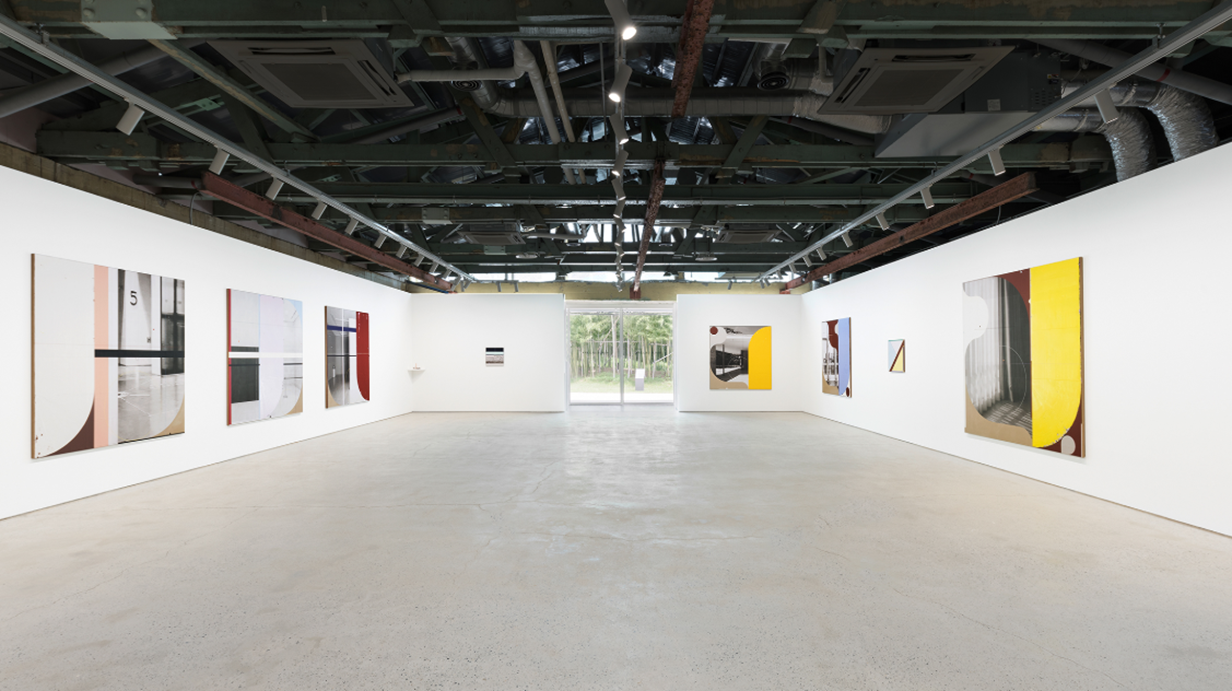
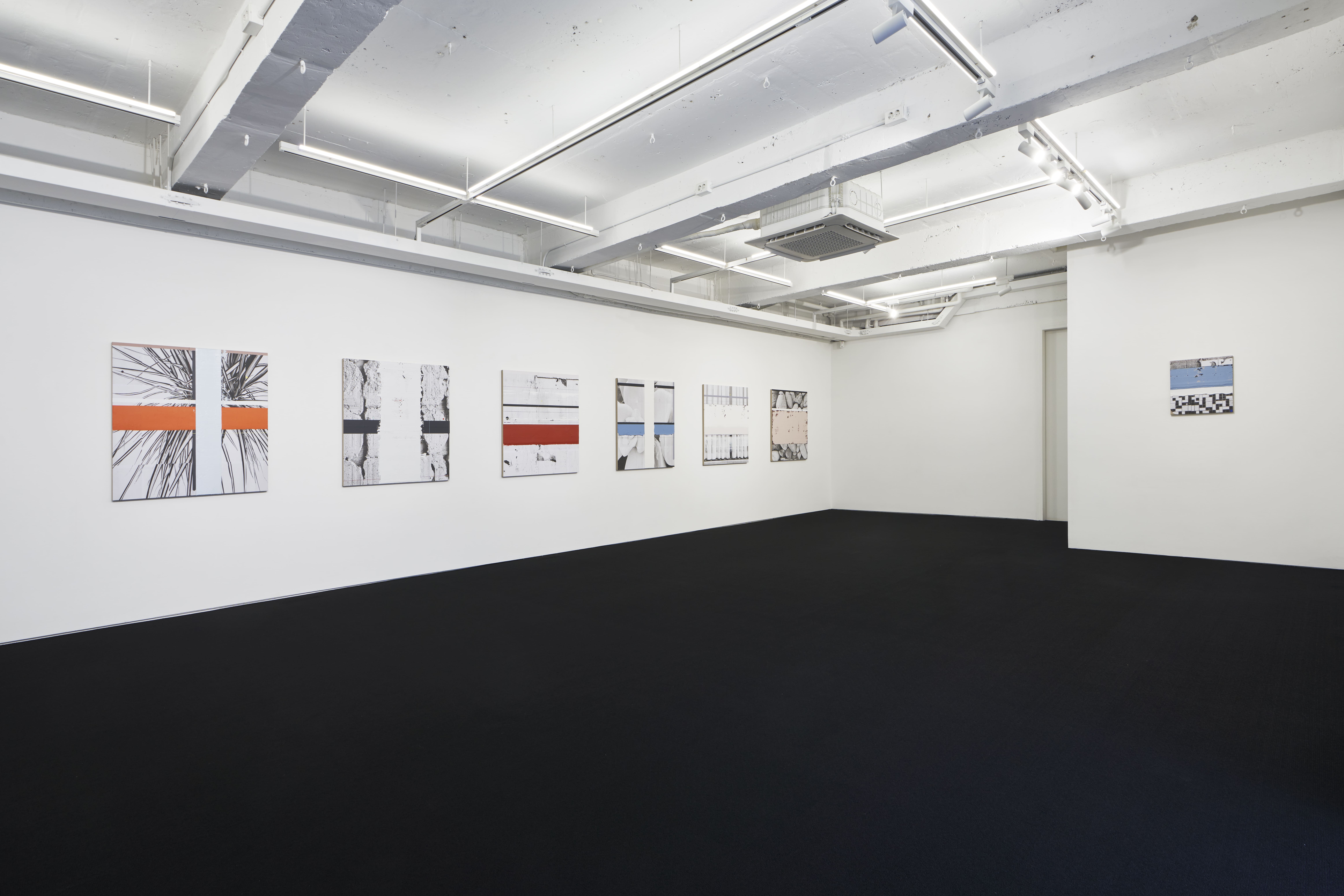
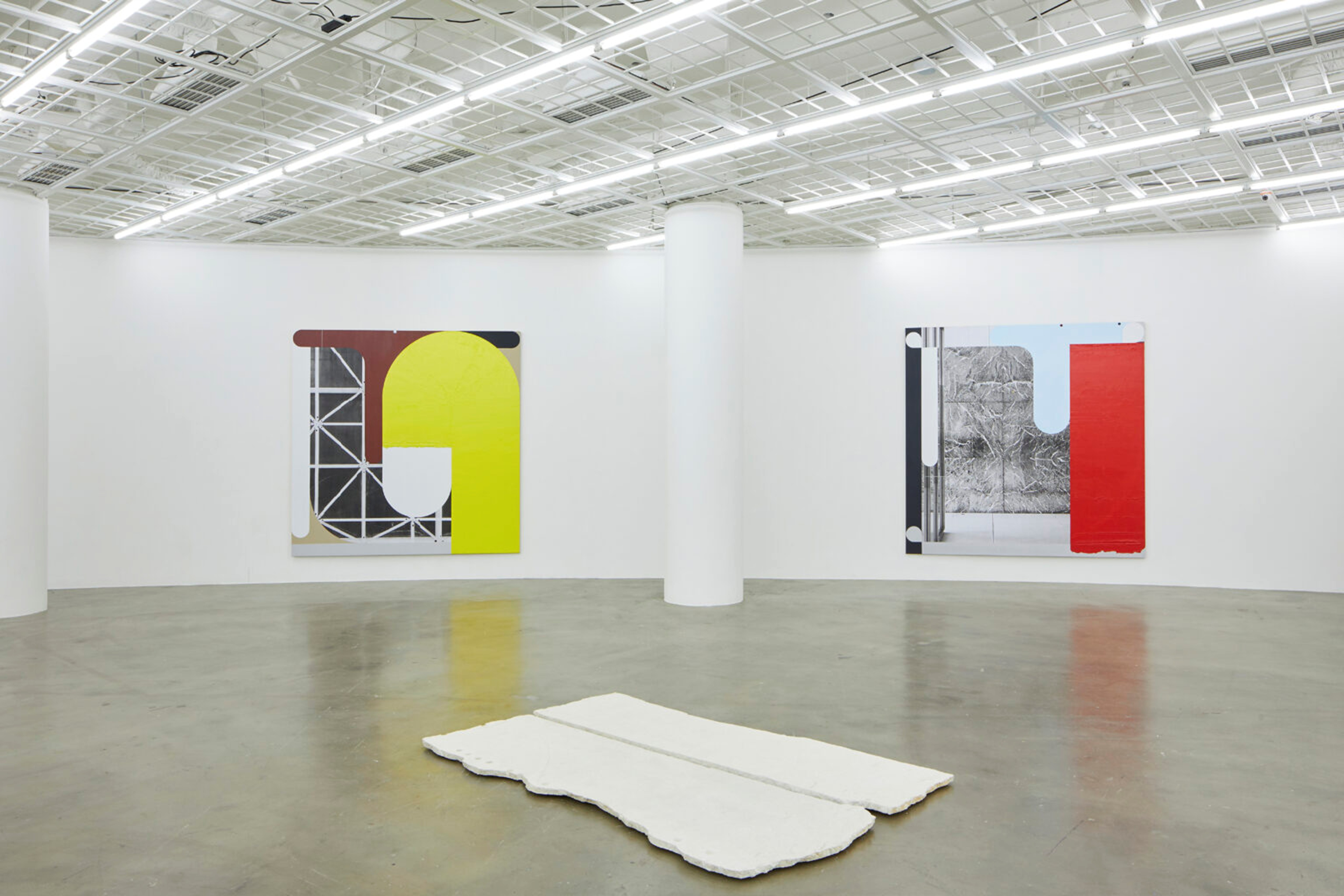
L’espace 71 presents 《The Tourist》, a solo exhibition by Heejoon
Lee, from March 13 to April 12. This marks Lee’s first solo exhibition at
L’espace 71, where approximately 15 new works will be on view. These works
explore the specificity of contemporary experience through the artist’s
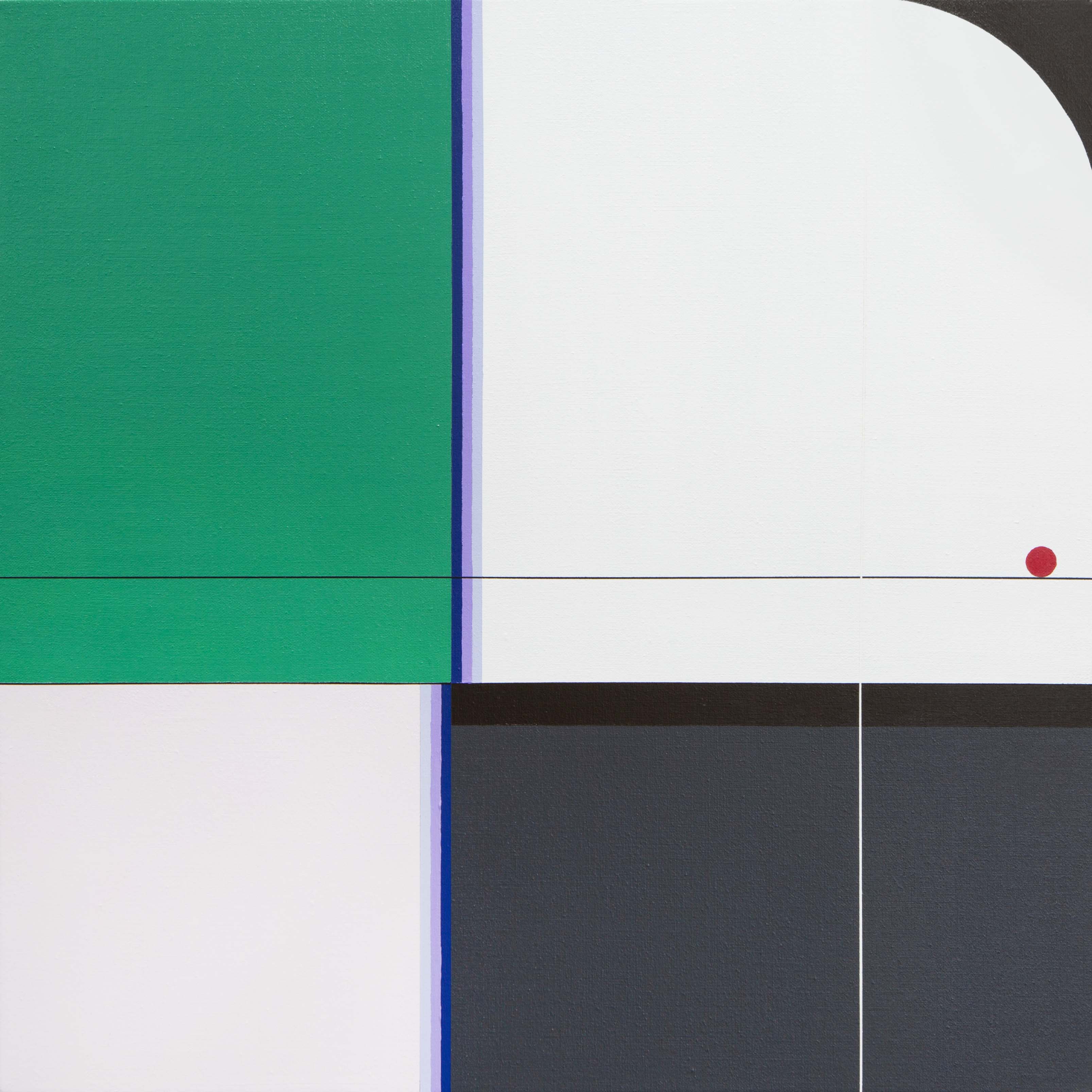
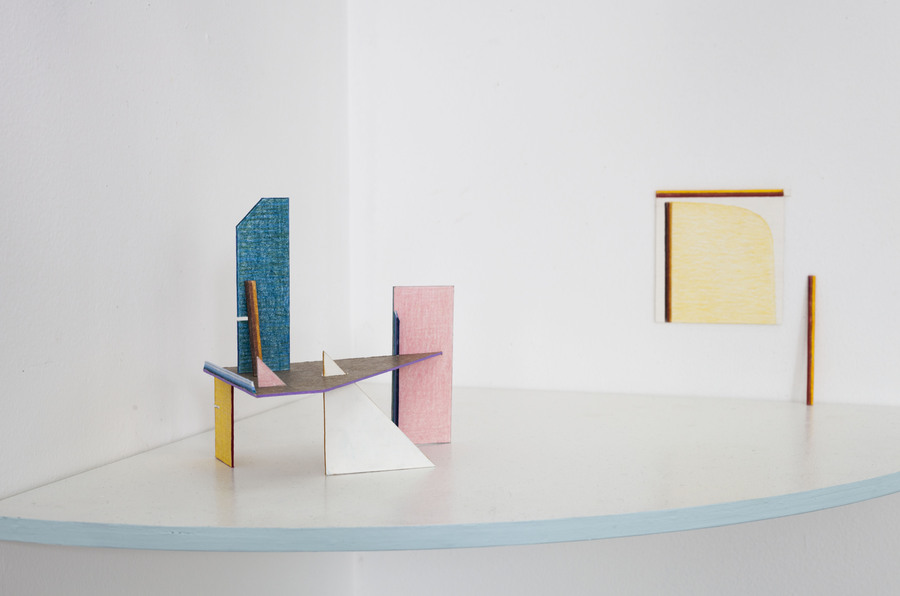
distinctive painterly language. Heejoon Lee has long collected and restructured
visual elements from urban architecture and interior spaces to construct
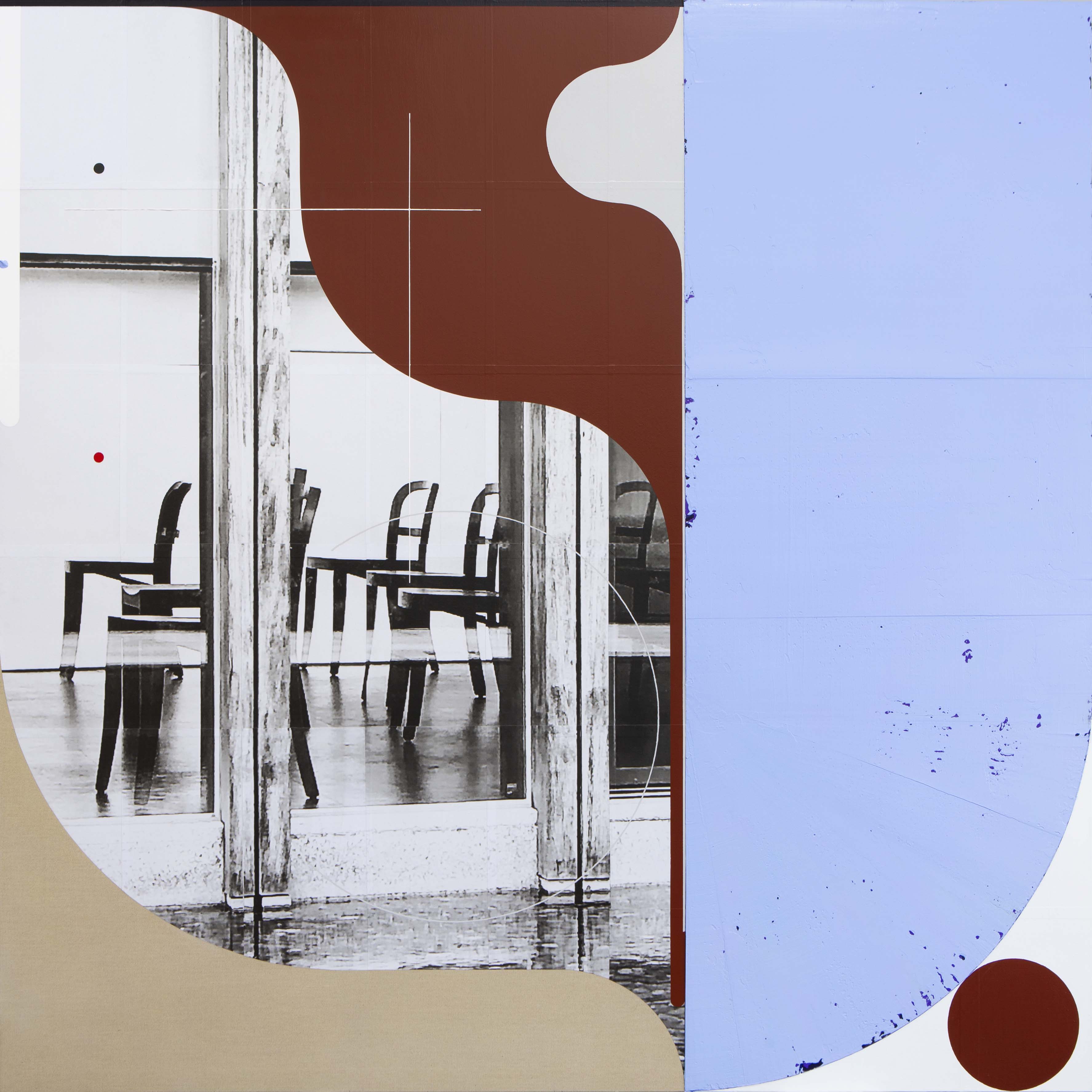
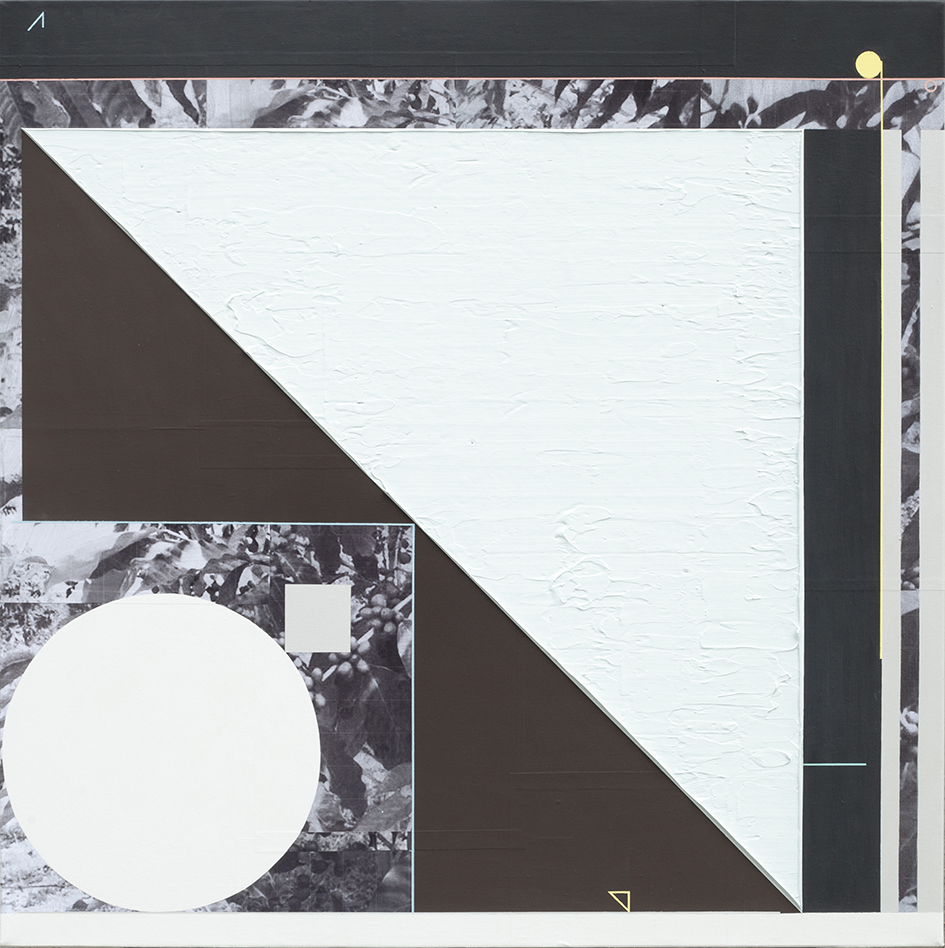
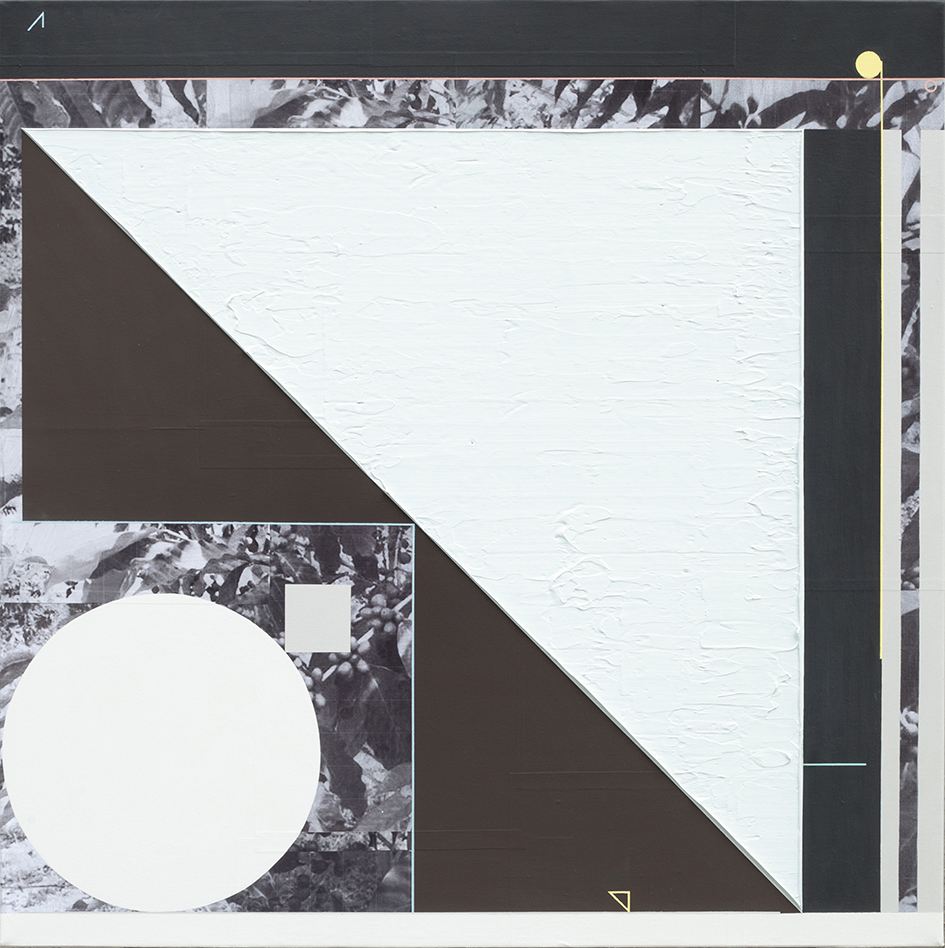
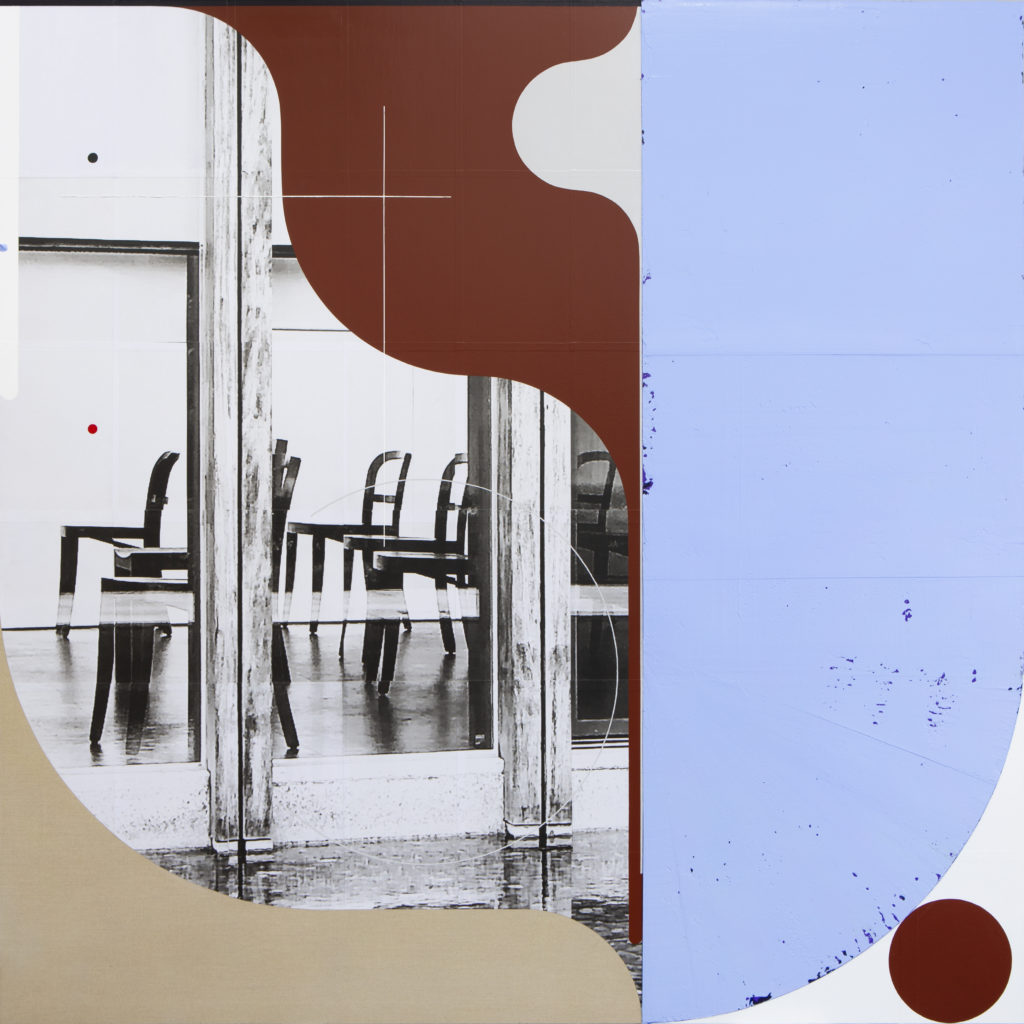
painterly surfaces. In ‘The Tourist’, his most recent series, Lee adopts
photo-collage techniques to layer photographic and painted images, articulating
the shifting dimension of experience produced by the entanglement of digital
environments and perceptual cognition. L’espace 71 hopes that viewers will
encounter a vivid, reflective experience by confronting the painterly surfaces
of ‘The Tourist’ with their own sensory memories.
A key theme in Lee’s work is “perceptual experience.” Since
returning from his studies abroad in 2015, Lee has pursued a kind of “travel”
through the city—an attempt to defamiliarize the everyday urban landscape and
expose the raw face of experience that typically goes unnoticed. In his 2016
series ‘Interior nor Exterior’, he encouraged viewers to uncover latent
meanings embedded in the surfaces of daily urban life. Through ongoing
painterly experiments centered on perception and experience, his 2019 series ‘A
Shape of Taste’ explored how digital experiences in contemporary society shape
perception, using processes of cropping and editing images found in the city.
In this context, Lee’s current exhibition furthers his exploration by
sharpening his sensory engagement with how digital imagery occupies much of our
experiential realm today.
Heejoon Lee began ‘The Tourist’ series out of an interest in how
the digital consumption of images during travel affects our lived experience.
In our society, it has become commonplace to photograph travel destinations
with a smartphone and post them on social media. Lee, whose work is based on
images experienced through present, perceptual encounters, was drawn to this
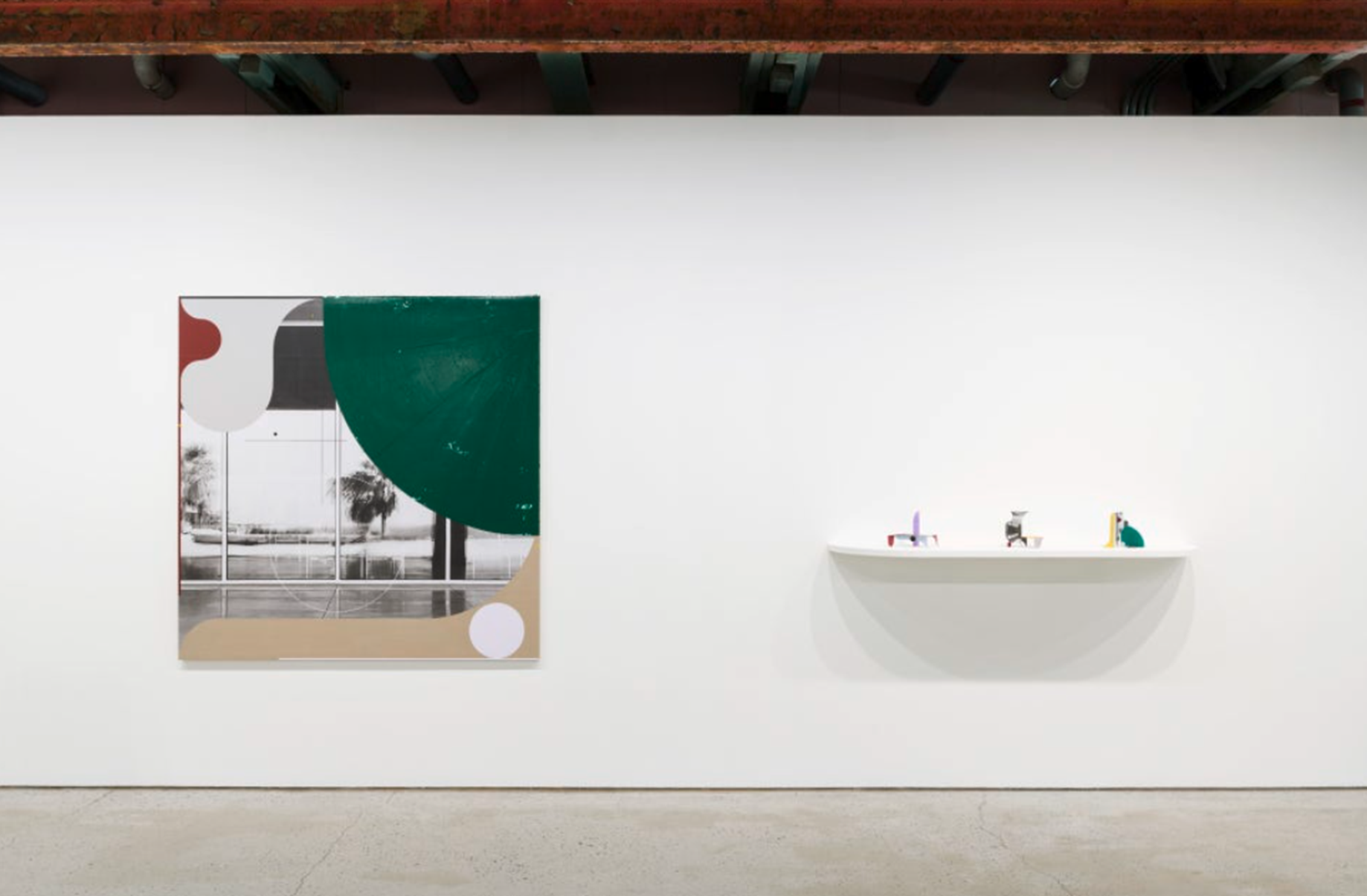
cultural behavior. His process—printing smartphone images taken while traveling
and arranging them as photo collages on canvas—reveals the gap between
technological traces and lived experience, and how each retains different
textures of memory. By incorporating geometric and abstract elements, Lee
reactivates past experiences on the surface of the canvas, generating layers of
meaning in the process.
Lee questions whether the expansion of social communication
through smartphones, cameras, and social media compresses the depth of our
experience or facilitates its transformation into another dimension.
Conventionally, “experience” implies a cognitive layer achieved through
perception. However, in today’s image-saturated context, digital imagery
permeates much of our experiential sphere, prompting new questions about what
kind of experience remains possible. According to philosopher Gilbert Simondon,
human beings and technological objects are not necessarily caught in
relationships of domination and subordination but can coexist through dynamic
interrelations. Seen in this light, the operation of digital images in our
daily lives reveals an ever-shifting landscape of experience. These images,
embedded in our perceptual field, become part of the environment that enables
the emergence of new experiential worlds. Through this ambivalence about
contemporary experience, Heejoon Lee seeks to locate an emotional and painterly
resonance within the rapid transformations shaping our time.