Exhibitions
《Raw, Polished, Coated》, 2021.09.09 – 2021.10.17, Space So
September 09, 2021
Space So
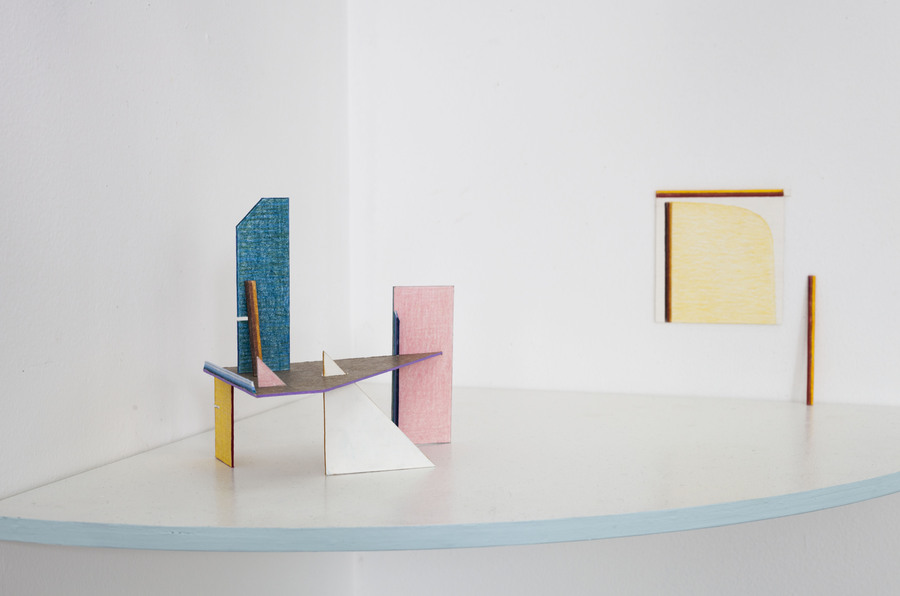
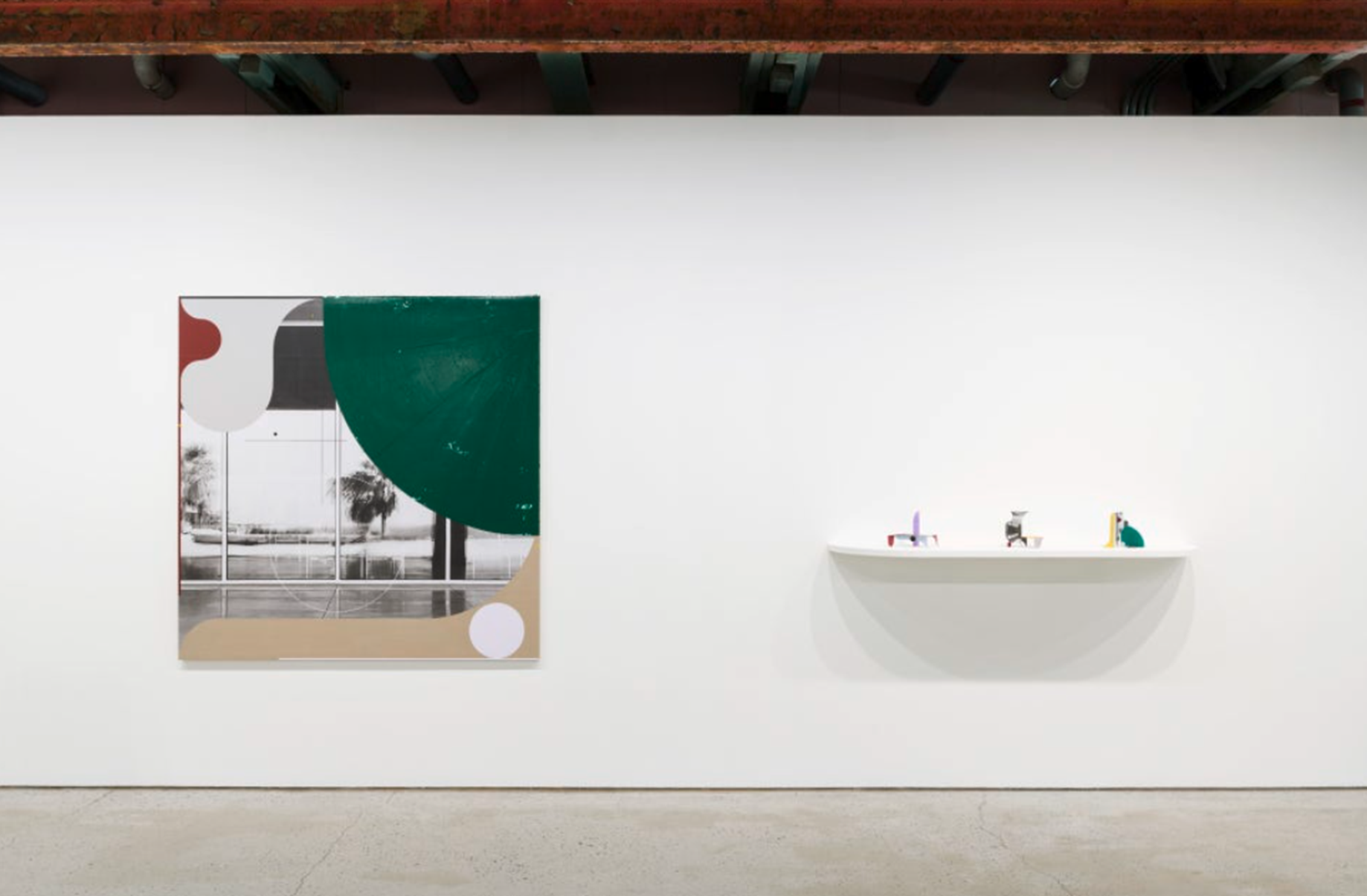
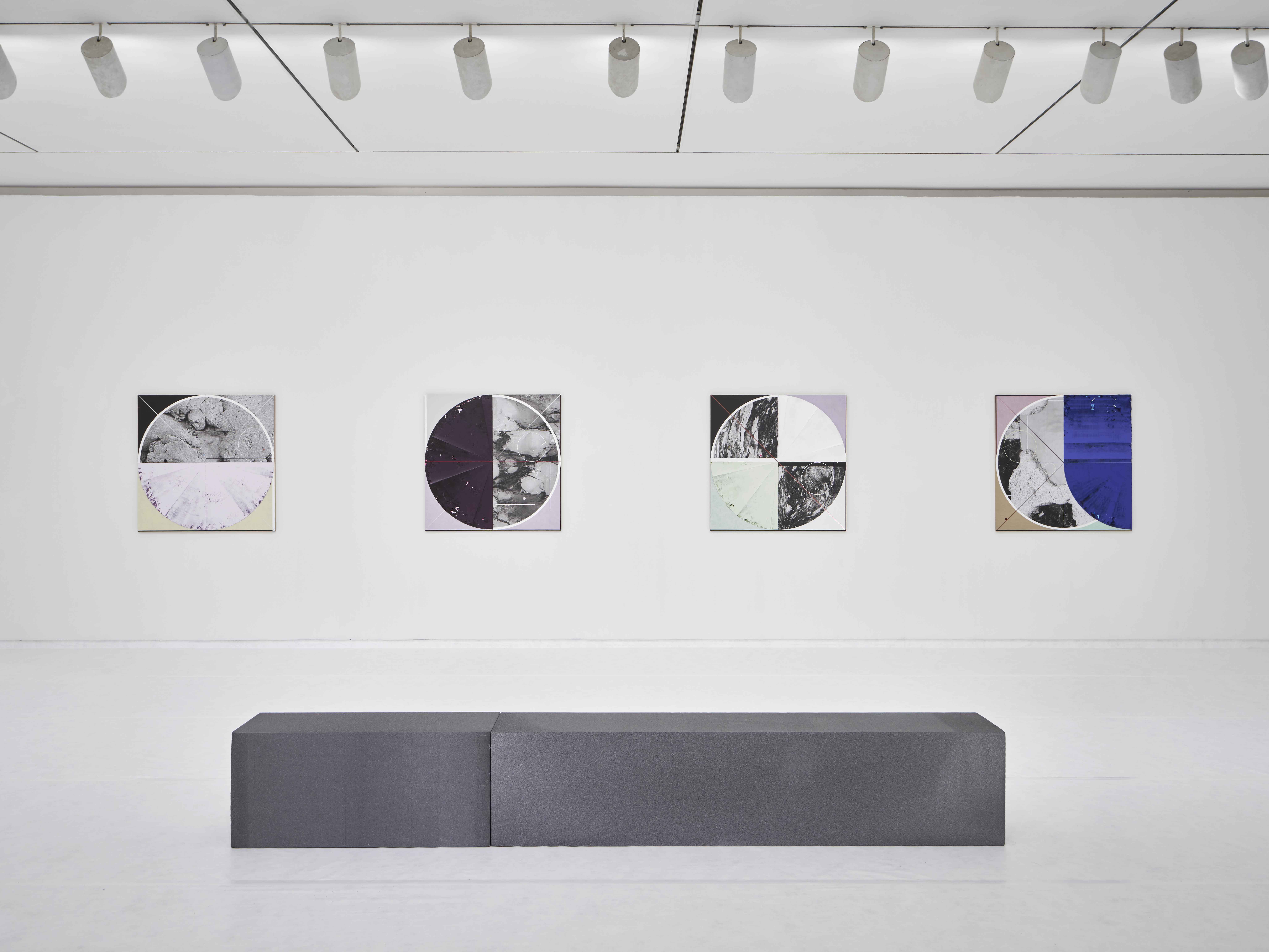
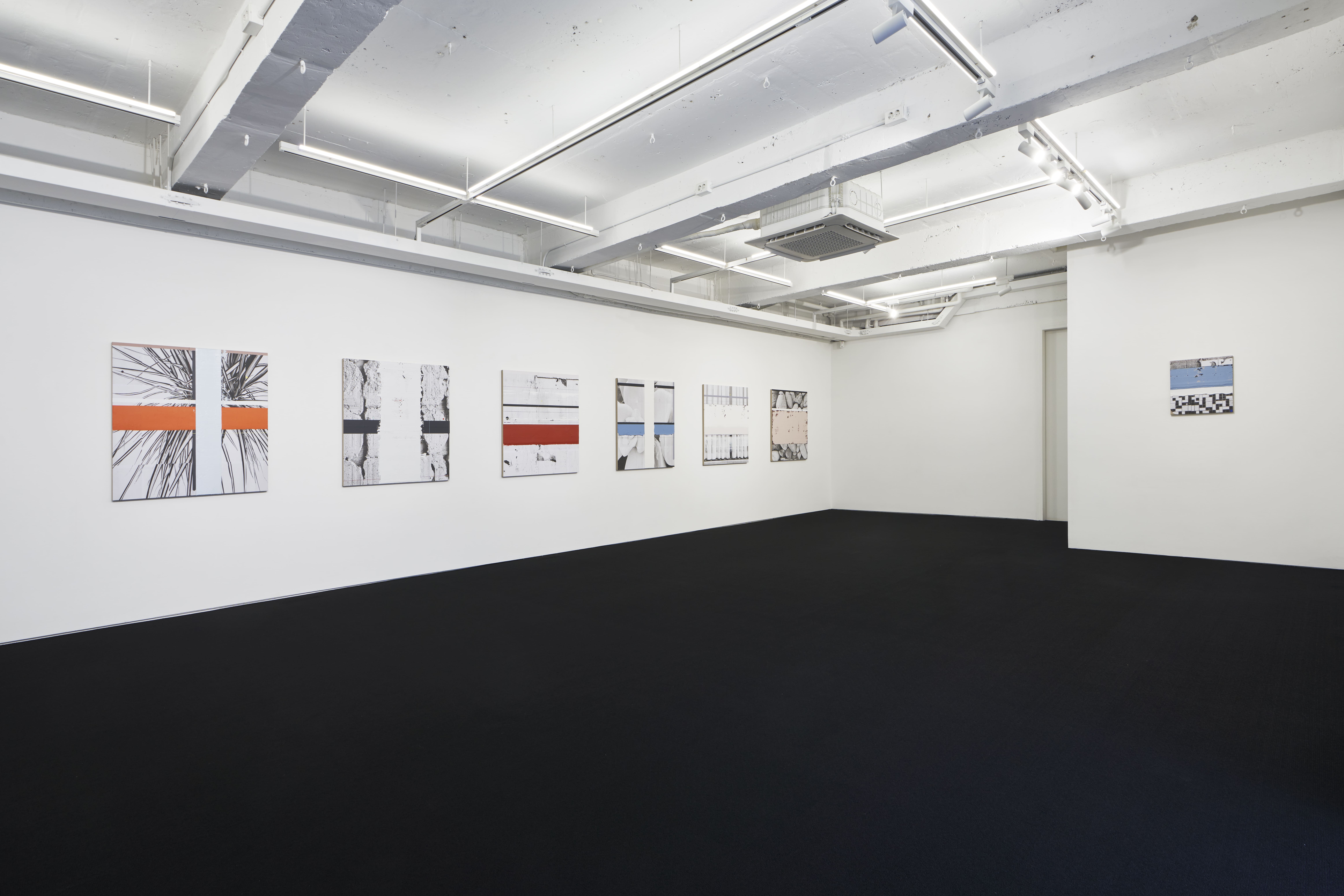
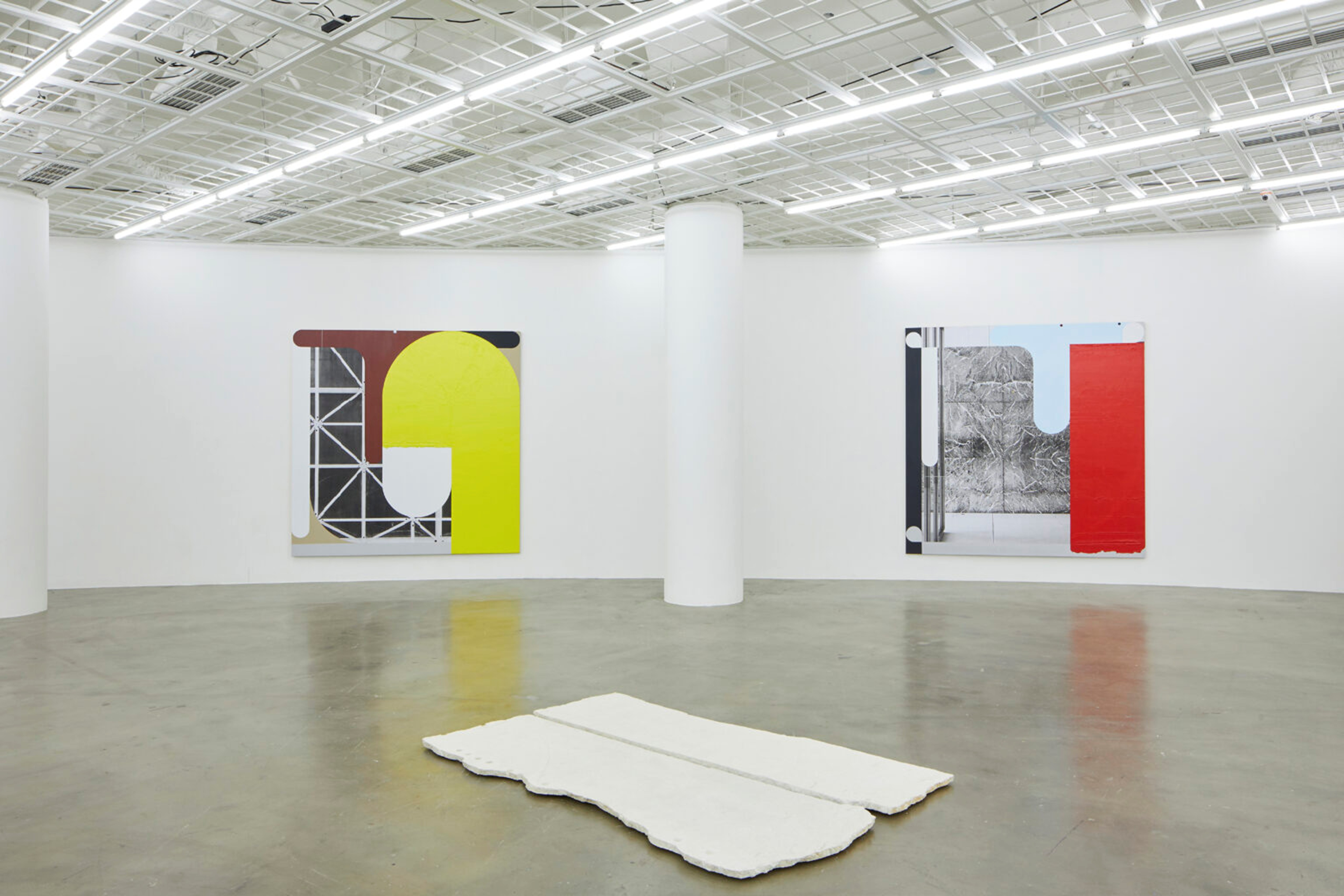
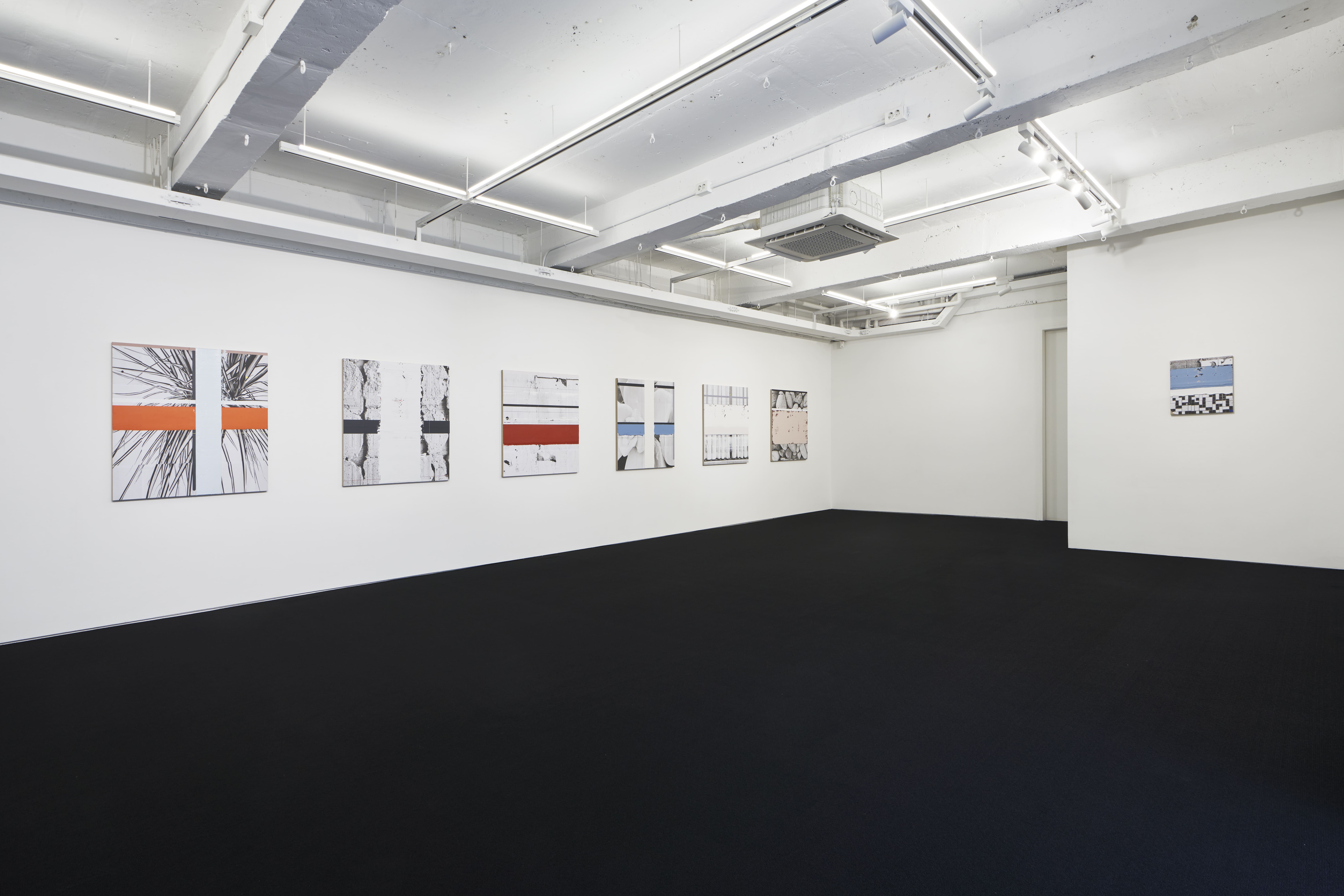 Exhibition view of 《Raw, Polished,
Coated》 at Space So (2021) ©Heejoon Lee
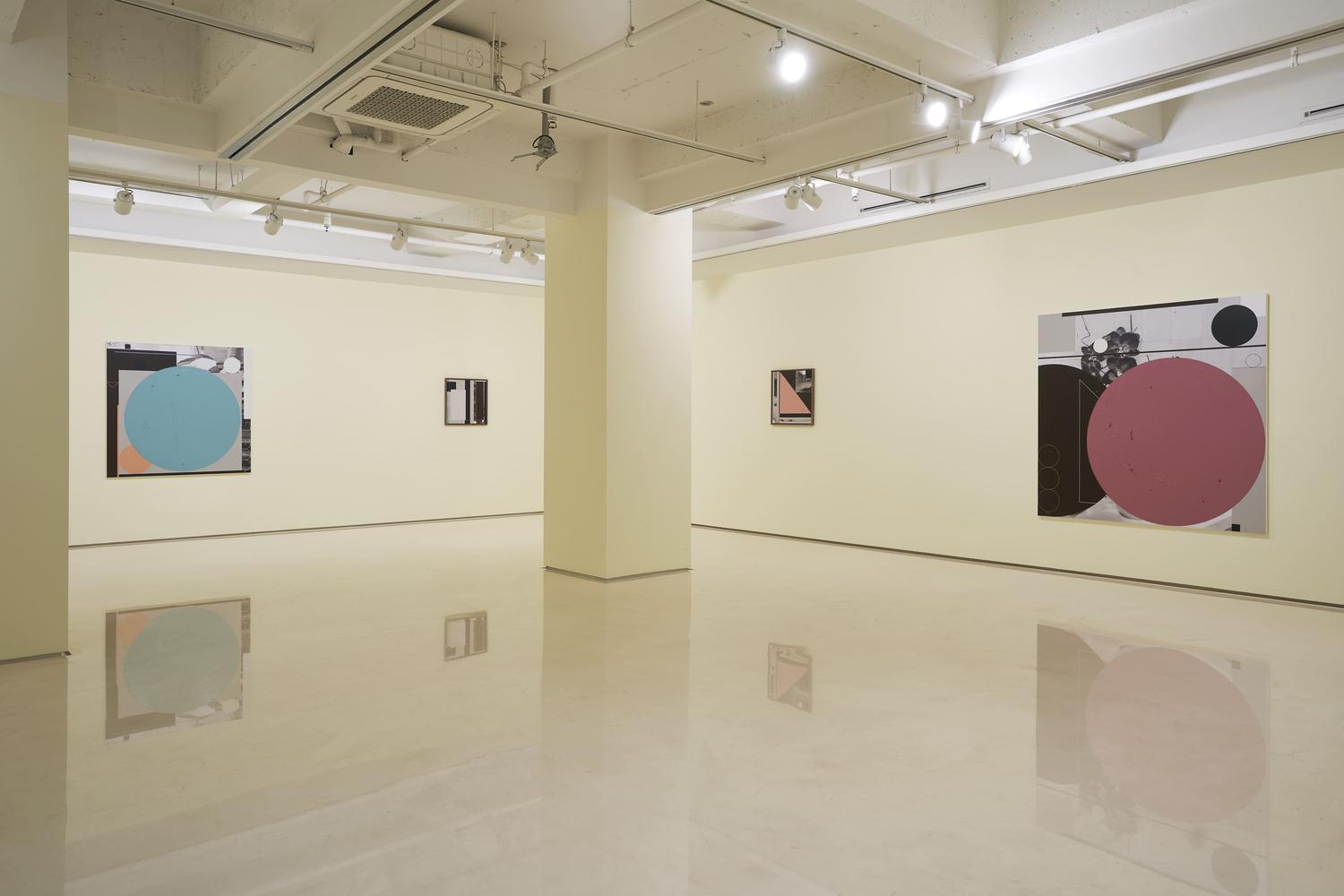
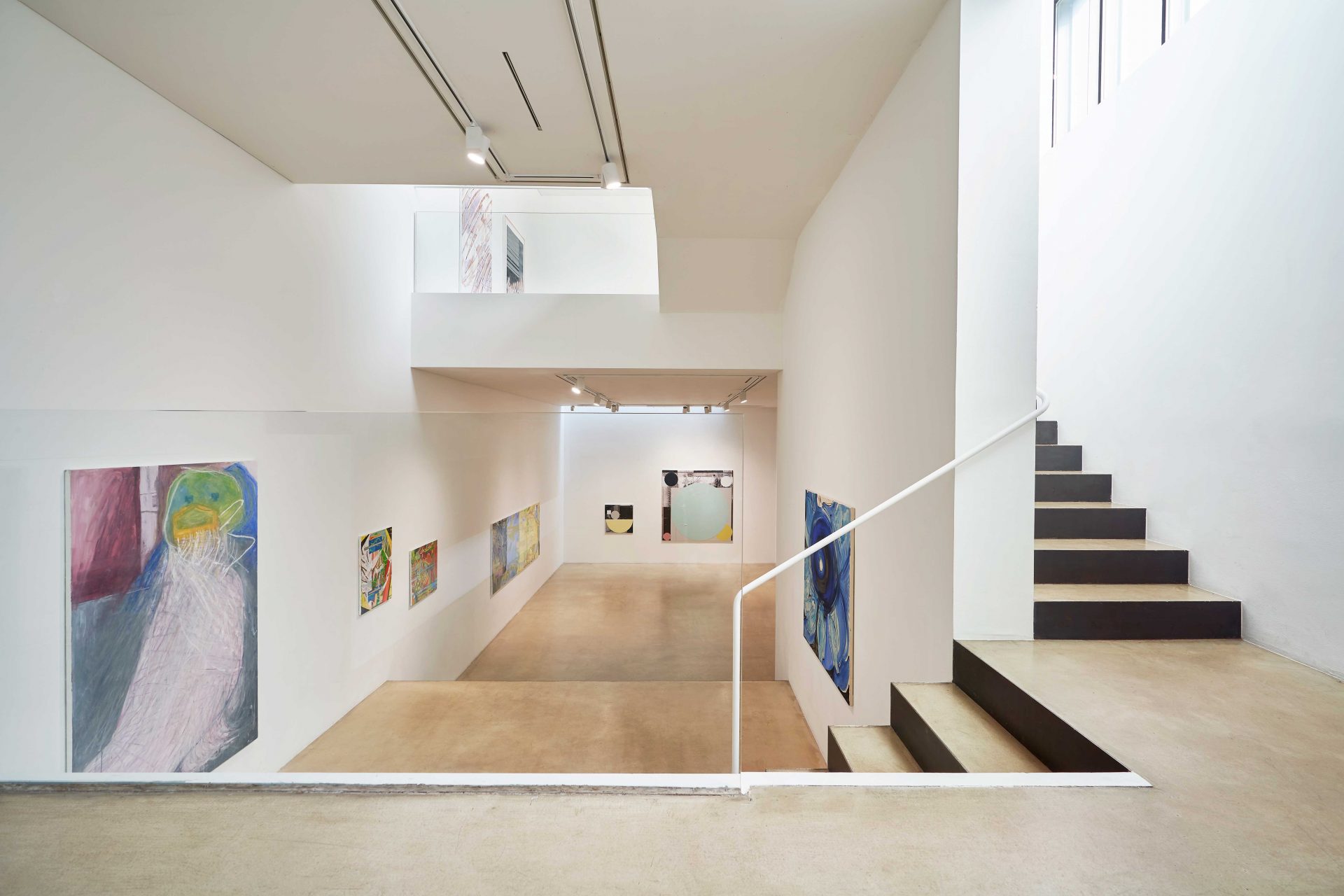
Exhibition view of 《Raw, Polished,
Coated》 at Space So (2021) ©Heejoon Lee
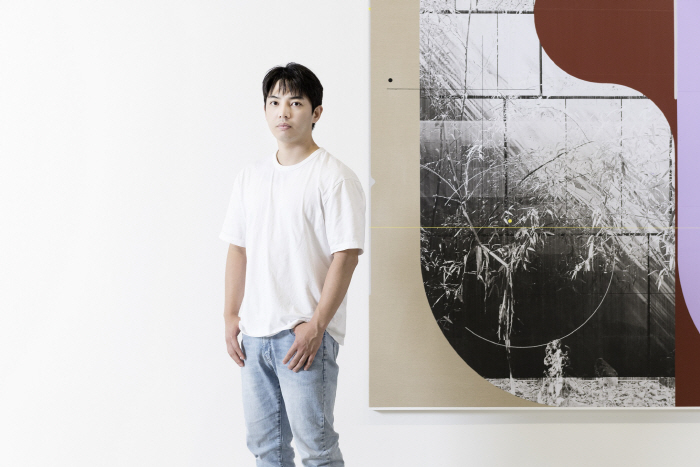
Space SO is presenting Heejoon
Lee’s solo exhibition from September 9 to October 17. Titled 《Raw, Polished, Coated》, the exhibition
encapsulates the artist’s working process. “Raw” refers to unprocessed
materials, landscapes, or surfaces—those that serve as the source or subject of
his work. “Polished” represents the editing and refining process, in which raw
images are manipulated and transformed, shifting from photograph to painting.
“Coated” refers to the final stage, where painterly elements are layered onto
the canvas, completing the surface.
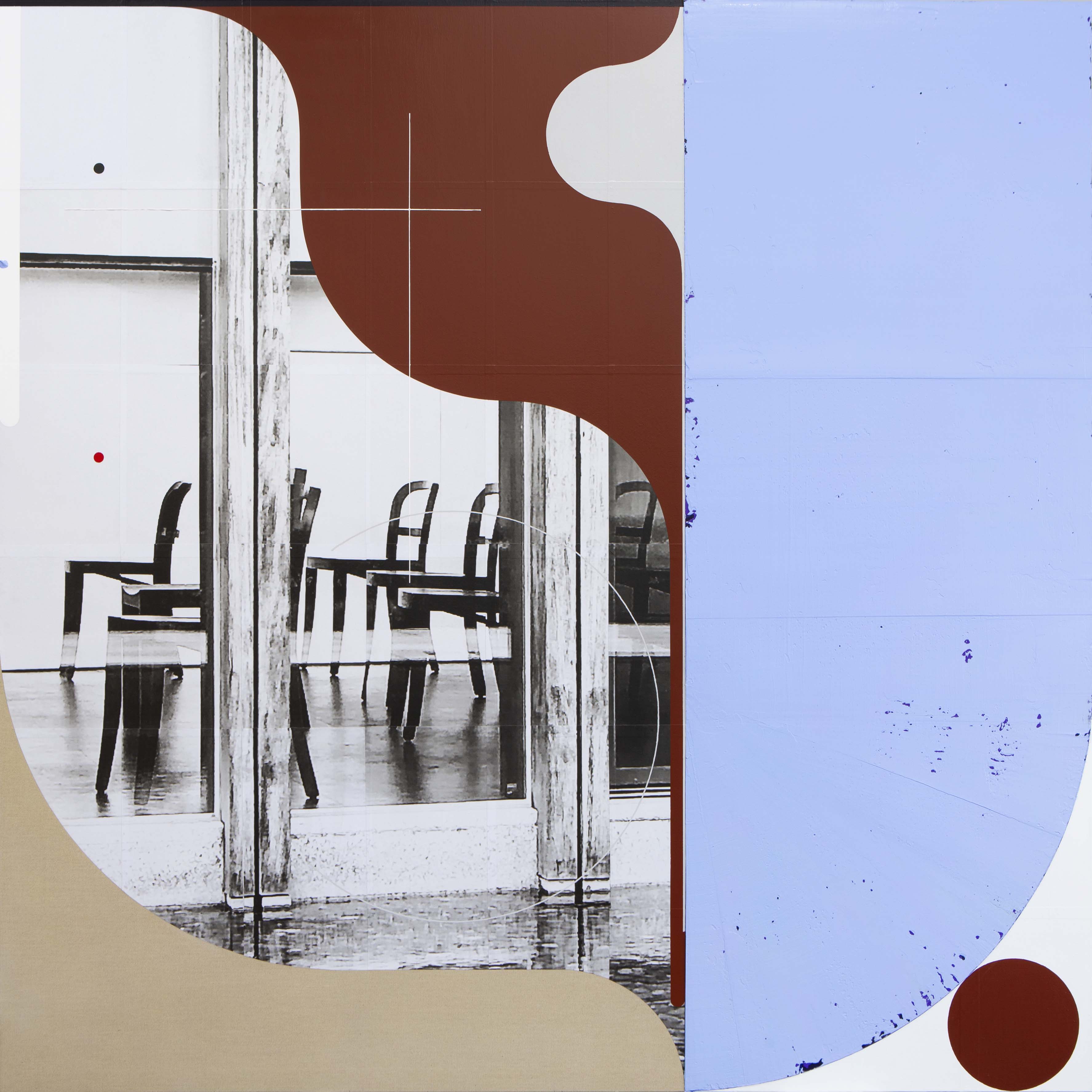
Since his 2020 solo exhibition,
Heejoon Lee has been focusing on painting series using photo-collage
techniques, including ‘The Tourist’, ‘Still Life’, and ‘Image Architecture’.
This exhibition presents new works from 2021.
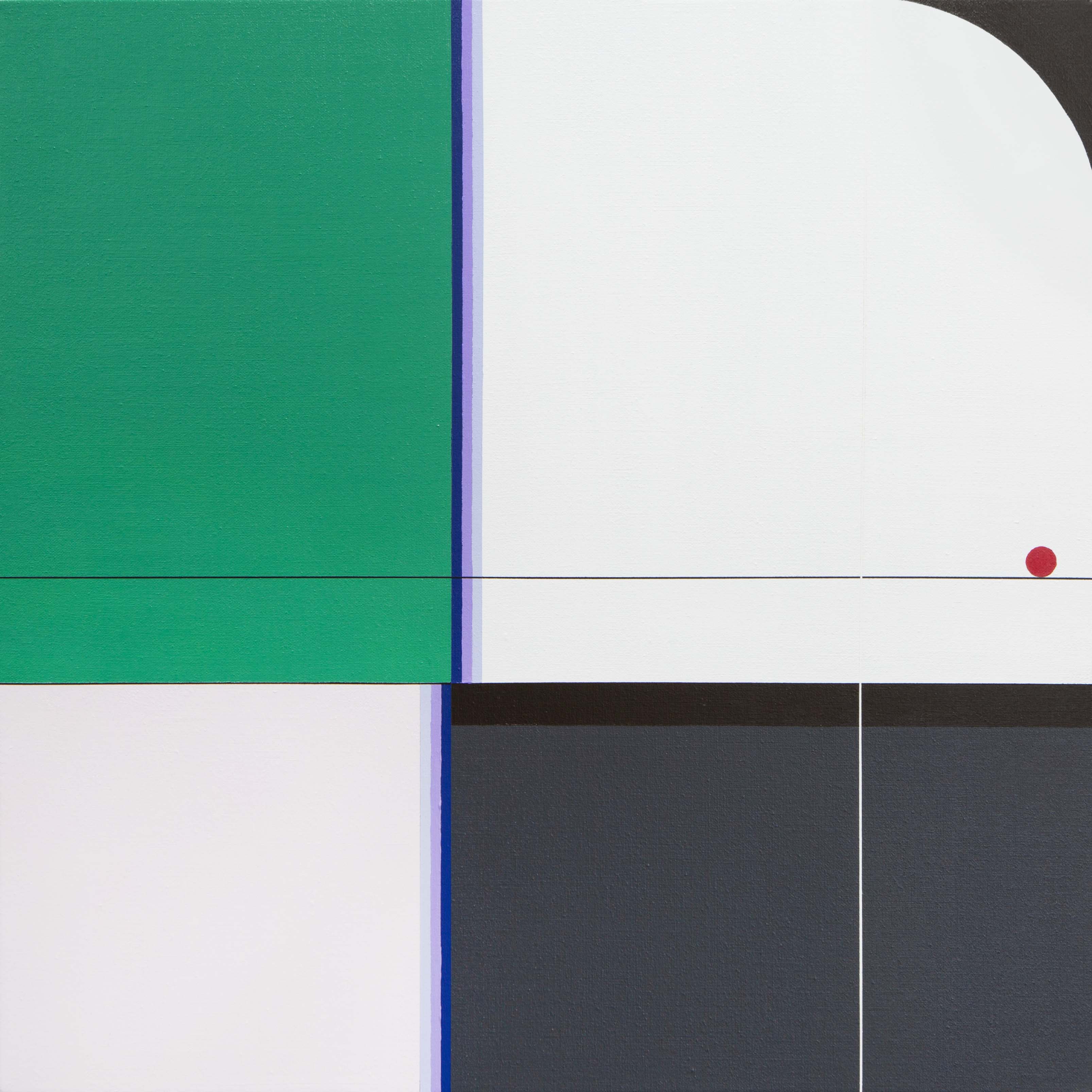
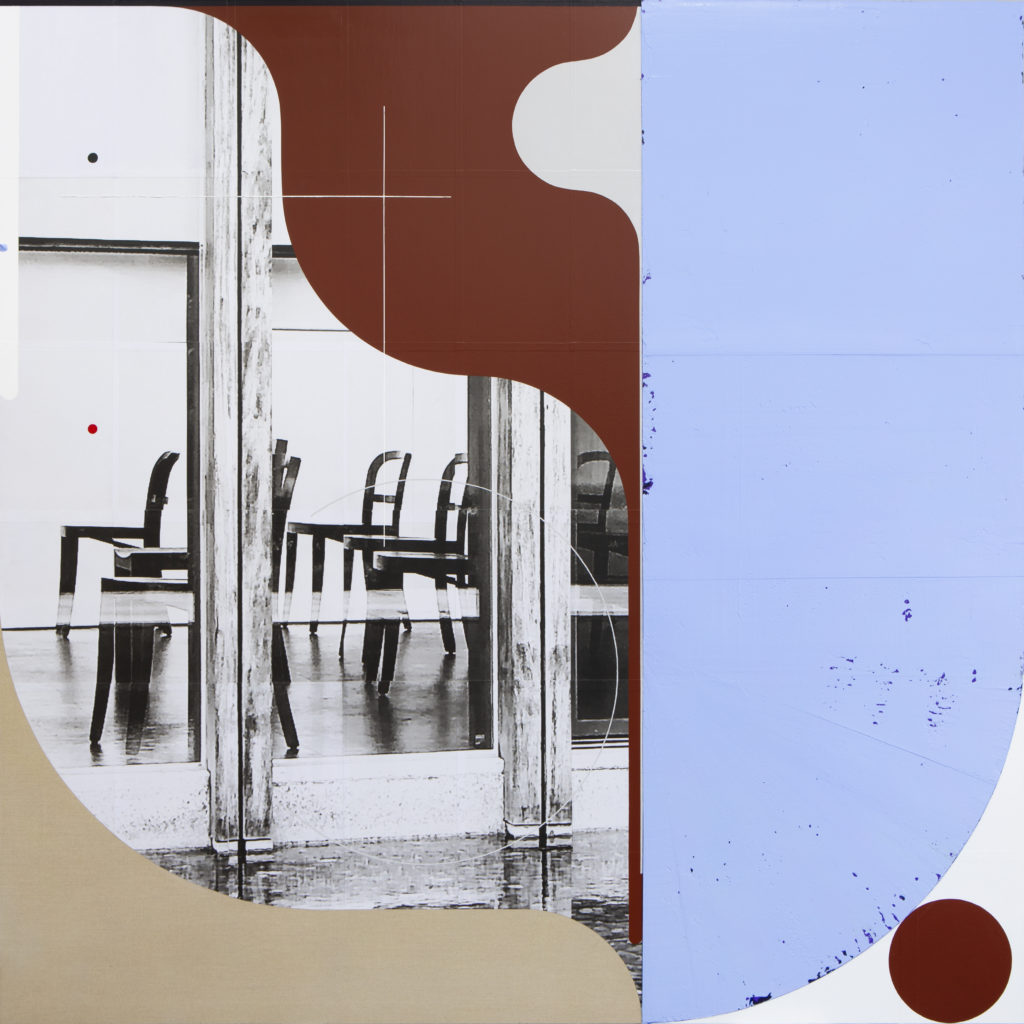
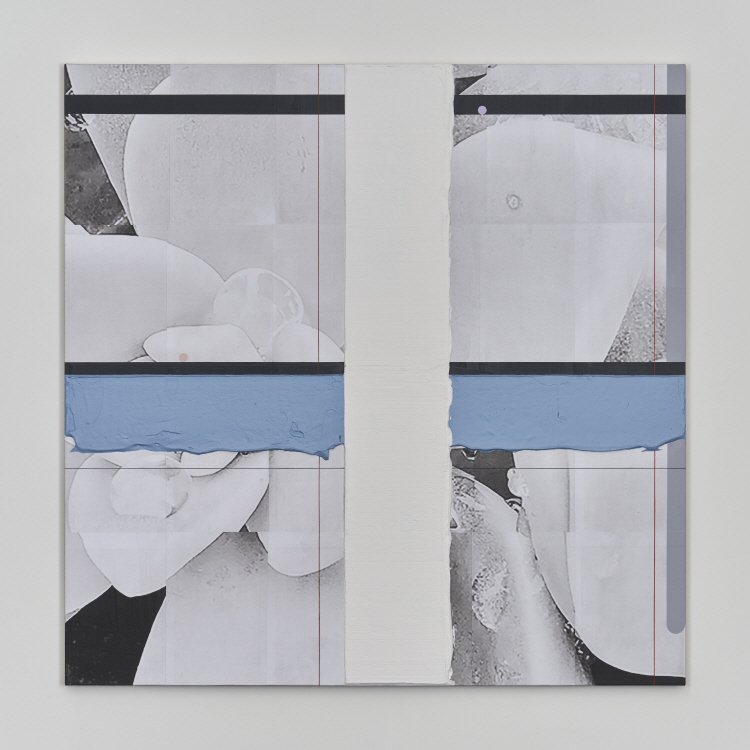 Heejoon Lee, Ceramic
Flower, 2021, acrylic and photo-collage on canvas, 100 x 100cm ©Heejoon
Lee
Heejoon Lee, Ceramic
Flower, 2021, acrylic and photo-collage on canvas, 100 x 100cm ©Heejoon
Lee
Though similar in that he begins by photographing his surroundings
to extract geometric, design-like, or abstract painterly forms, his recent work
places greater emphasis on the act of observing surfaces and expressing
texture. The tactile quality of raw objects is stripped away in the editing and
printing process, only to be reintroduced through the application of paint and
matière, resulting in a visual and tactile presence that offers viewers a
renewed sensation of texture.
Lee employs photo-collage techniques using photography and acrylic
paint to develop a distinct abstract language. In the interplay between
photographic surfaces and textures, thick layers of matière applied on top, and
brush-rendered geometric or abstract elements, he finds a delicate balance
between painting and photography.
The artist also draws attention to the texture of the canvas
itself. By leaving the sides of the canvas untouched and exposing certain parts
of the surface, he reveals the physicality of the support material. In doing
so, the canvas texture becomes part of the work, allowing viewers to sense its
surface, thickness, and weight.
Upon entering the exhibition, the stark contrast of black floors
and white walls sets the tone. This minimalist spatial design, stripped of
color, enhances the viewer’s focus on the textures within the paintings. In
this pared-down, black-and-white environment, Lee’s works act as ruptures,
mirroring his practice of layering paint on photographs to create complex,
textured surfaces. The exhibition invites the viewer to fully engage in the
pure visual pleasure of surface and texture as discovered and rendered by the
artist.