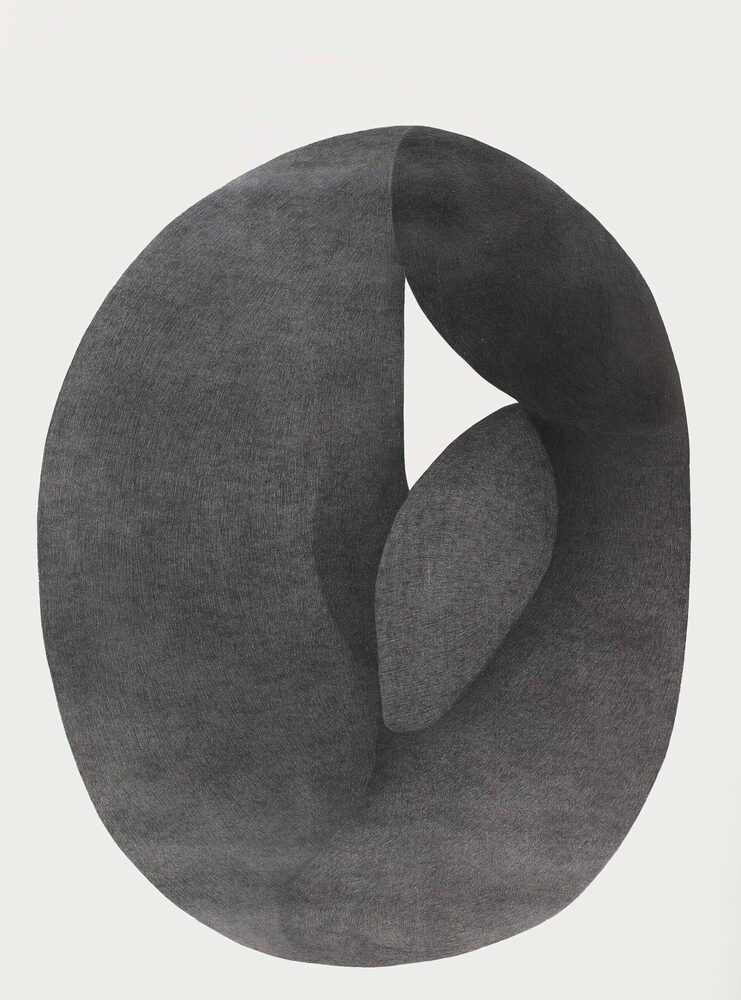
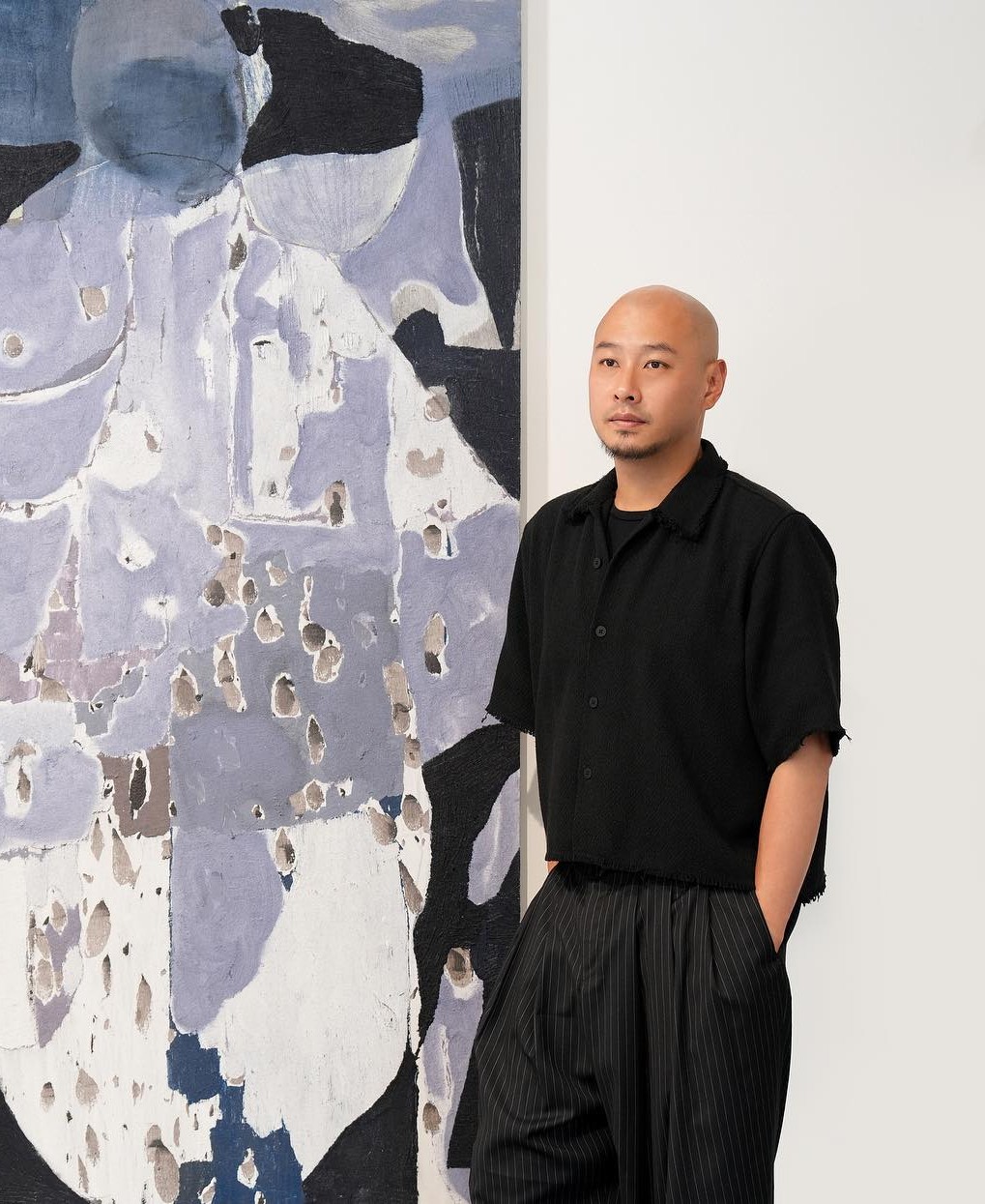
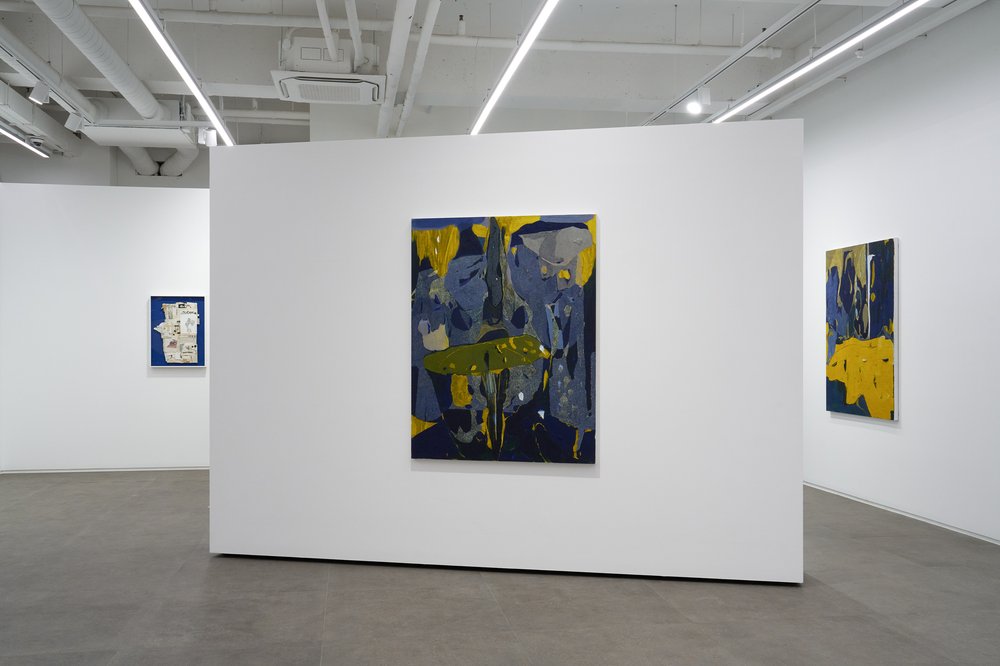
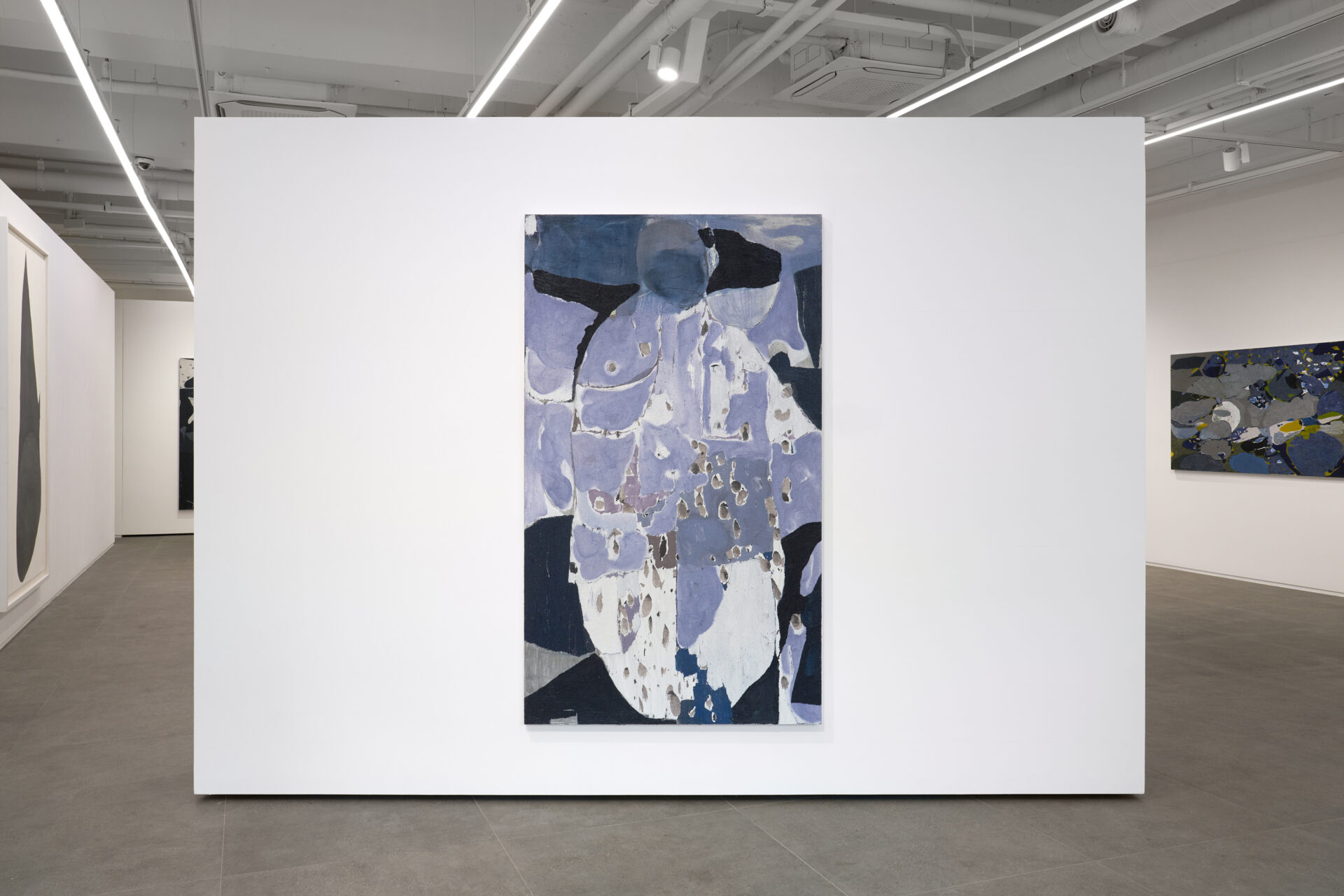
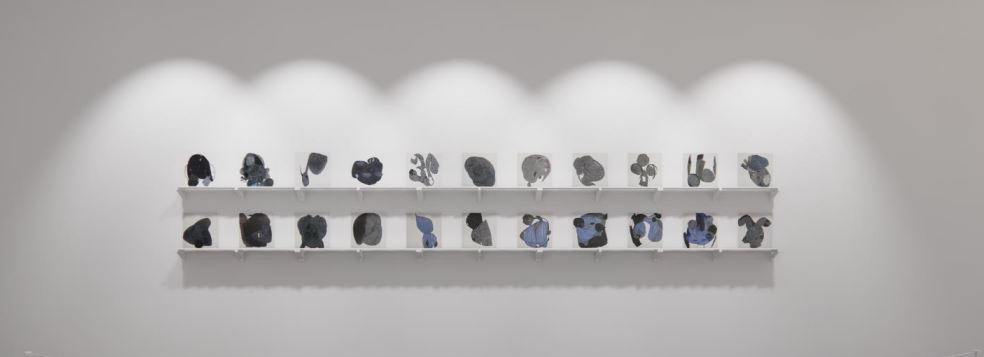
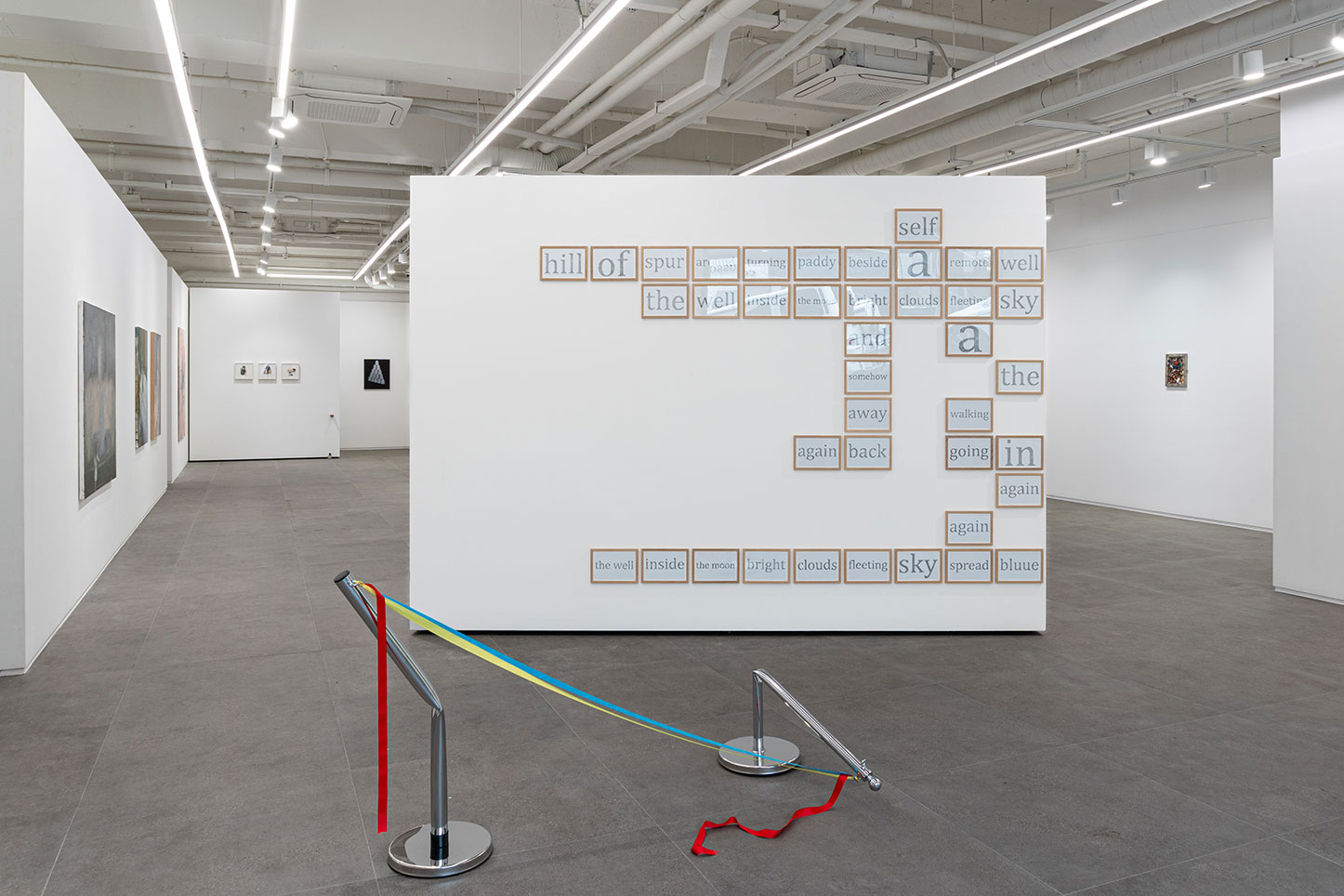
《Tinkering with the Objects》 explores the
creative process in art through the lens of objects and gestures. It begins by
asking how the world of objects reveals human senses and curiosity, and how our
sensory perceptions interact with—or clash against—objects. In the exhibition
title, “objects” refer to concrete, individual entities within the material
world, while “gestures” are physical movements grounded in intention and
agency. Artistic creation, then, becomes a sophisticated and precise language
of gestures.
We
live in a world surrounded by objects. Life without objects is difficult to
imagine, and our sensory practices are mediated through various material
things. Sensation is not limited to the body; it is material and intimately
tied to daily life. We are deeply connected to objects and spaces. From this
perspective, the creative act is not a process in which an artist extracts
stored ideas from within and imposes them onto objects.
Rather, artistic
expression may emerge from interaction with objects—where sensations and ideas
are sparked and guide the trajectory of the work. This exhibition thus focuses
on the ways in which concepts, ideas, and sensations are materialized in art
through the agency of objects and gestures. It considers how everyday objects shed
their functional, formal, or symbolic conventions and become reimagined in the
realm of art through the artist’s gestures.
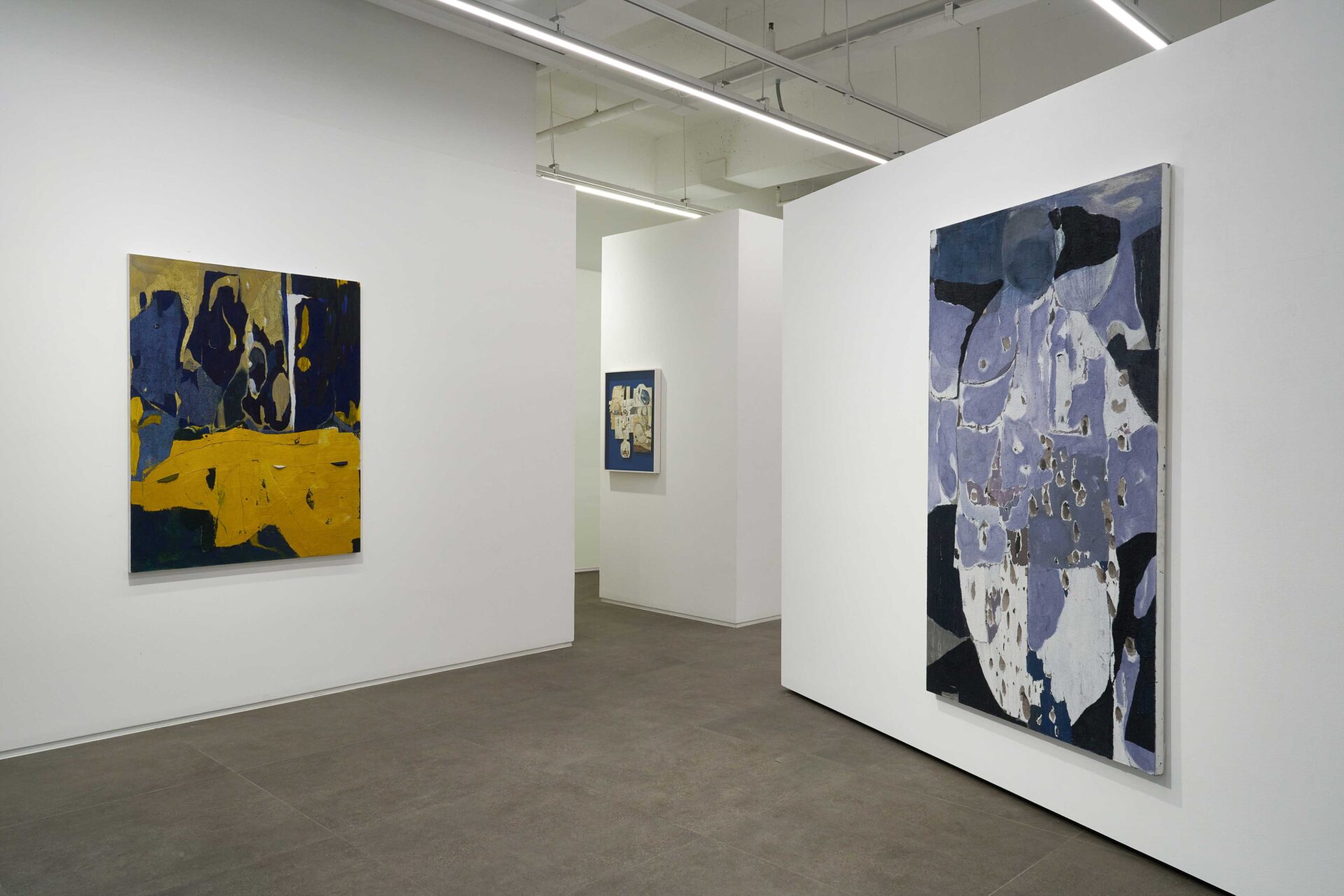
Kim Suyeon
contemplates what and how to paint. She questions the act of painting mental
images without material intermediaries. After envisioning a scene, landscape,
or object she wishes to depict, she gathers photographs to construct a
reference image. Based on this image, she creates a three-dimensional object,
which then serves as a model for her paintings. Her subjects—strange anecdotes
from encyclopedias, withering flowers, or fleeting weather patterns—exist on
the border between fiction and truth. They are perceptible or imaginable but
often cannot be captured in solid material form. In turning intangible feelings
and thoughts into material form, Kim subverts the ephemeral and elusive nature
of her subjects through the tangible process of creation. As she swiftly
constructs paper models, her hand’s sensations and internal imagination unfold
in tandem—guiding her towards what and how to paint.
Sunho Park is
curious about assembling bundles of personal memories, information, and images.
He intertwines oral histories with micro and macro narratives—personal and
collective—framing them within socio-political and economic contexts. In his
work, objects like micro recorders or glass fragments act as narrative agents,
each evoking different stories. The recorder’s physical capacity to capture and
reverse audio on either side metaphorically holds the layered dimensions of an
era. Meanwhile, the artist’s gestures—mixing various patterns, colors, and
shapes of glass—echo the interpretive complexity of engaging with others’
memories, generating unique narratives.
Parkyunjoo focuses
on the ‘vitality of objects’ as a central theme. Drawing from a literary mood,
he instills philosophical and physical motion into objects. Through processes
of transformation and state change, these objects gain a sense of life.
Recently, Park has been working in virtual environments, rendering
non-material, data-based objects within the digital realm. In this exhibition,
he presents a performance video that captures a physical object’s final
presence and death before its complete departure into the immaterial. The work
relies on chance and conceptual thinking to reflect the object’s impact in the
real world before its disappearance.
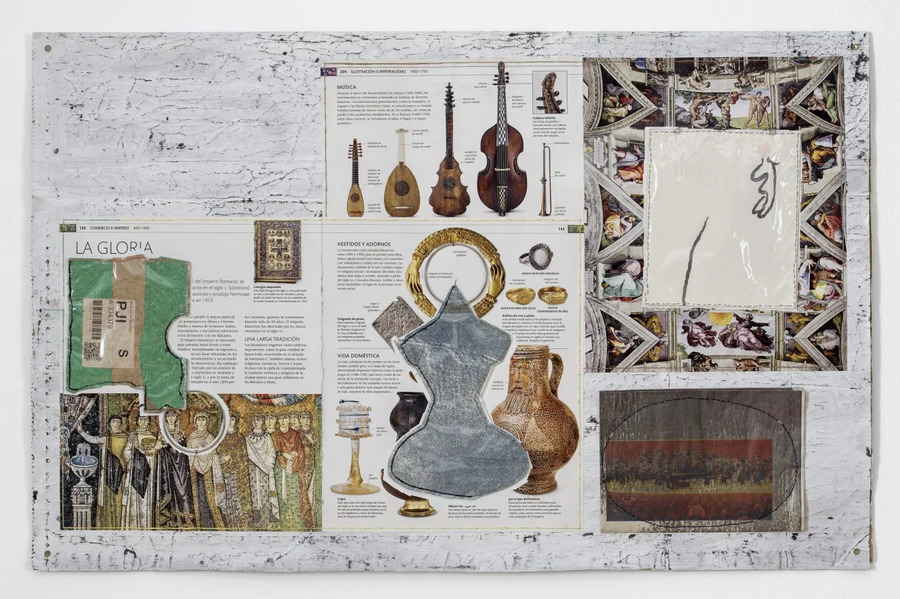
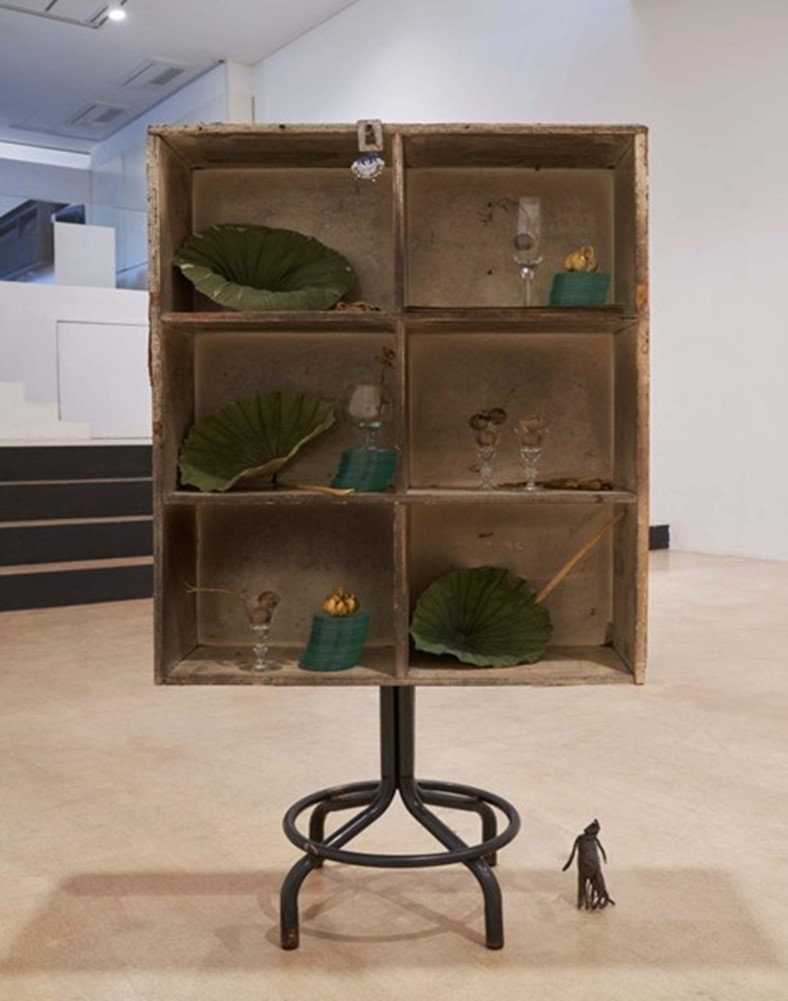
Ahnnlee Lee links and
recombines objects to generate new visual forms and meanings. His studio
resembles a cabinet of curiosity, filled with collected objects arranged in a
unique order. He observes everyday objects with fresh eyes and forms emotional
connections with them. Through crafting gestures—binding, stitching, and
assembling—he transforms “found objects” into “objects of my world.” Lee’s work
is a process of infusing objects with his experiences, emotions, and identity.
It is a formation of a microcosm where the physical fusion of self and world is
manifested.
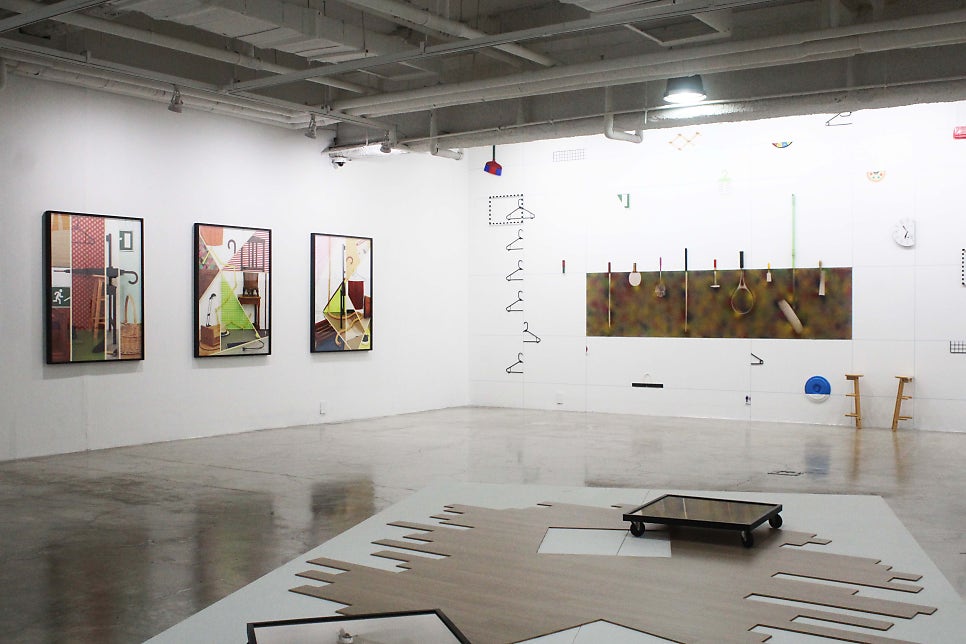
Ipkyu Jang
investigates the nature of digital media and the aesthetics of editing within
the digital age. He employs digital editing techniques—cut, paste, copy—to
manipulate real objects and spaces, which he then expresses through
installation or sculpture. Sometimes, these arrangements are photographed and
transformed into images that resemble digitally composited collages. By
applying digital logic to analog forms, Jang reveals the gap between how we
perceive digital images and physical objects, while also suggesting a
dialectical synthesis. His work raises questions about how rapidly advancing
digital technologies reshape our modes of perception.
Goen Choi explores
the existential value of objects and how contemporary systems of material
production shape our relationship with things. In an age where nearly
everything is mass-produced, Choi avoids elevating ready-mades into 'special'
artworks. Instead, she investigates how objects can take sculptural form and
exist within space. By removing function and social symbolism from everyday
manufactured goods such as home appliances, she emphasizes the raw materiality
and color of objects to explore aesthetic points of departure. She focuses on
how materials, when replicated and consumed by anonymous users, become
abstracted as both products and images—blurring their identities as
commodities.
This
exhibition explores how the artist’s concepts, ideas, and sensations unfold and
materialize through objects. Artists may begin by discovering, sensing, or
touching objects, or they may clarify their artistic direction through handling
objects during the creative process. Whether by defying or building upon the
conventional existence of objects, or by imbuing them with new gestures,
artists construct new visual systems, sensations, movement, and meanings.
Through such gestures, the object becomes a narrative agent—a subject, medium,
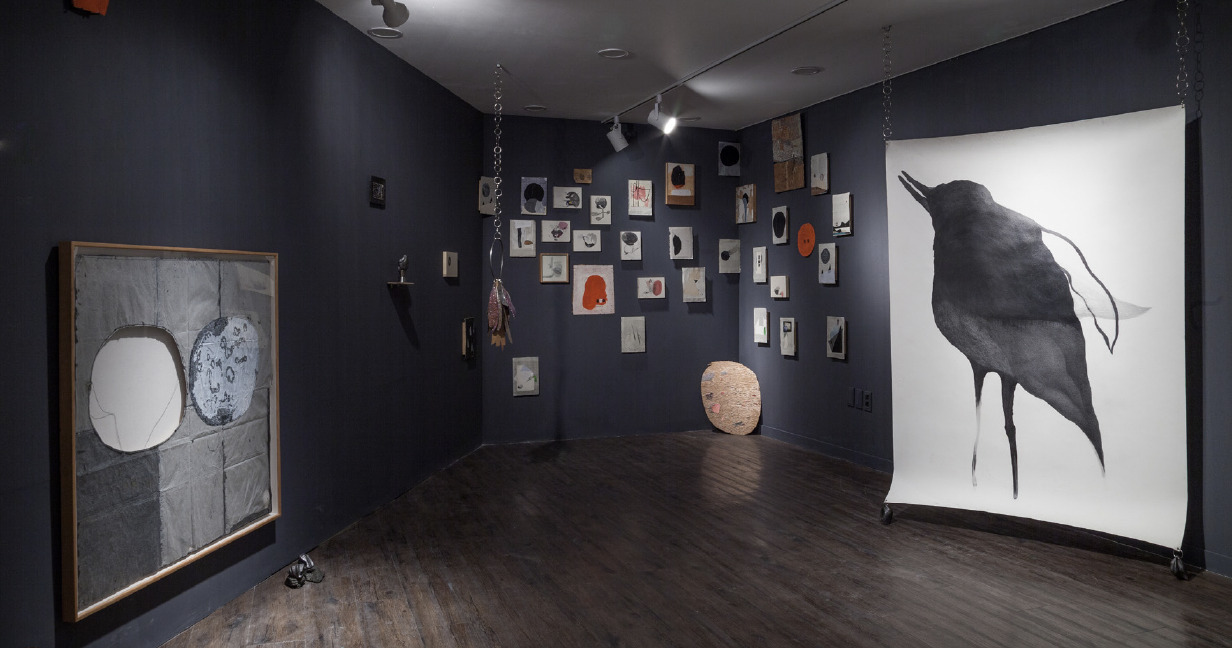
or voice. The exhibition space is filled with gestures: gazing, cutting,
attaching, placing, tossing, and carving. Viewers are invited to imagine the
role of each object and how the artist manipulates it. In this way, viewers
reverse time, returning to the moment when the artist first encountered and
began tinkering with the object.
Technology
advances rapidly, and virtual domains composed of immaterial data increasingly
expand into everyday life. Yet this exhibition reminds us of the enduring
emotional resonance of objects around us. Even as the world changes, the
sensations, meanings, and inspirations that certain objects provide remain
significant and irreplaceable.
1. The
exhibition title “tinkering with the objects” refers to the mental and physical
process of thoughtfully handling objects to give form to ideas.
2. The
definition of “gesture” is informed by Vilém Flusser, Gestures: Toward a
Phenomenology of Gesture (Workroom Press, 2021).
3. The
relationship between objects and perception draws on the research of
sociologist Kim Eunsung, who interprets Korean society through material culture
and sensory experience. His book Senses and Objects: A New Code for Reading
Korean Society (Galmuri Press, 2022) challenges conventional binaries that
separate emotion from spirit and sensation from body. This exhibition began as
an attempt to read artistic practice from a similar material and sensorial
perspective.
Participating Artists:
Kim Suyeon, Sunho Park, Parkyunjoo, Ahnnlee Lee, Ipkyu Jang, Goen Choi