Youngjoo Cho mainly creates live
performance and video, focusing on the manner in which human body engages in
the world such as housework, caretaking labor. For the exhibition, Cho invites
‘sleep’ as the keyword to put our body to sleep. Her exhibits are 2
installation works made of wool thread, some related photography, and 3
drawings. These seem to be different from her recent performances which display
emphasis on the body, but actually the exhibits are talking about the
physicality of human beings more than ever. The works imply traces left by the
female body such as menstrual blood, vaginal discharges. In the middle of the
venue, you can find the work titled True Stories 1: Cold(2022).
The image resembling a small flame is the expression of the trace of matter
discharged from the cold female body. Body secretion is a sort of symptom of
reacting to outer stimulus. When a certain symptom is considered as an
indicator diagnosing our current state and understanding the conflict between
the outside and the body, Cho discovers resistance from the substance that is
easily dismissed as impure and dirty. The fluids activated by bodily activities
are the symbol of struggle against the stimulus that the body had to endure.
Rather than following the cause of this outer stimulus which displays itself as
a sort of symptom, Cho shows the image itself. The artist places her own body
on this image to create the photography True Stories 2: Warm(2022)
and expose the female body of various age groups. Including Cho, 3 female
bodies convey the skin-to-skin warmth without a speck of sexuality. Exposed
body on the traces on the floor, the artist’s glance toward the camera and her
upright pose collide with the cold air to confer tension. The work installed on
the wall titled Full Time-Double: 9 Oct.(2022) is a graph
displaying dates and time; a single day of 24 hours among months and months of
parenting journal keeping has been transformed into symbols. It was first
created in 2019, then printed on wool thread that documents the baby’s
breast-feeding, bowel movements, sleep patterns. Hence the work visualizes the
curve of working and resting body, of repeated sleepless days and nights.
Object which repeatedly appear in
our everyday routine, bodily labor which is practised daily. The artists have
summoned a common object and boring movements into a single scene. Cho’s
installation of a white structured work called Humangarten
(2021) was set as the background of the body in the live performance Human
beings don't spring up like mushrooms(2021), video work Com
pani(2021), live performance Cohabitating with Yellow
Benjamin(2022), and video work Colere(2022). Lee
makes use of Humangarten, which was set as a site of body in
various manners, as his working material. If Humangarten
worked as the stage for human movement until now, Ahnnlee Lee confers new
status of independent sculpture from his perspective for this show, to be used
as the stage of objects. Youngjoo Cho’s white structure, which finds its usage
with new character in different places each time, is an incomplete object for
Lee, a temporary sculpture which has not settled with its final shape. The
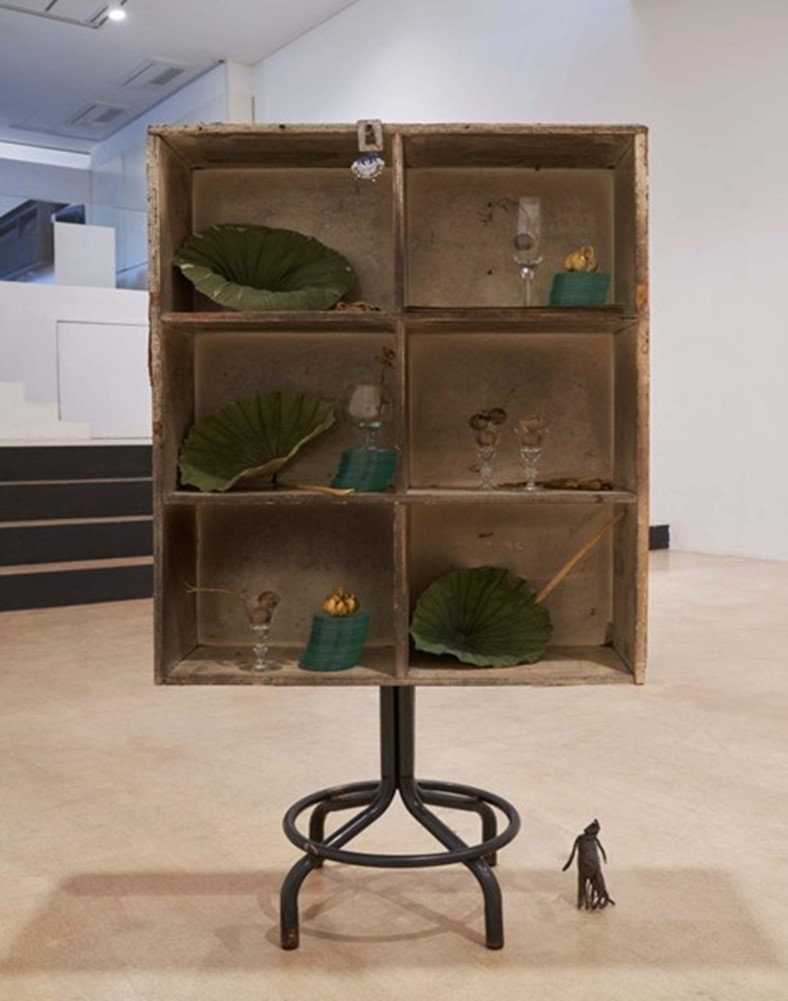
notable feature of Lee’s Clockwork Orange I, II, III(2023)
is the inside-out cover of the structure. A part of the structure made of faux
leather cover revealed its inner skin under objects such as dry coral, dried
orange and lemon. Blue sponge, hidden stitch marks, a label indicating it was
an industrial product are all exposed between the gap between the outer skin
which is not zipped up. The material of faux leather shows its inside as
textile, the different side which was hidden. Even the cover’s usage of
protecting and hiding an object is overturned. As inside and outside are both
flipped, the object becomes weak against outer force and becomes dirty-white.
Now is the time to bring back the
word ‘sleep’ which the show had put forward. The act of sleeping guided to the
mental state of dreaming becomes a condition which guarantees a distance
between the outer world and oneself. The dream as an unconscious activity is a
process of making one’s own symbolic structure, projecting how a person
understands the world. Rather than reflecting conscious activities, the dream
brings scenes which the consciousness had omitted, as the manifestation of
memory embedded in our body. Ahnnlee Lee and Youngjoo Cho search for dream
scenes from places in reality which we are aware of, instead of projecting
reality onto the form of dream. The lost aspects of things which were
impossible to grasp their substance or original form in the first place,
volatile body movements. It is about imagining the image without identity,
which had been already lost, not to be found anywhere. The artists both display
a sort of archaeological attitude of following traces of life and objects. They
search for the origin of imagination from the object of reality as the dream
considers awareness in reality as its source. In this world today where
everything transforms into a virtual space, one carefully observes objects and
phenomena that the skin can sense, documenting traces of disappearing matter
into images. Yesterday solidified like a fossil, today dead like a relic,
tomorrow disappearing like a soap. In the circulation of production and
consumption, the artists dream of scenes preserving today while polishing the
fruit which the current time swooshing away could not bear.
Ahnnlee Lee(b.1985, Korea)
received DNAP and DNSAP degrees from École Nationale Supérieure des
Beaux-Arts de Paris, France. He has held solo exhibitions at Drawing Space
SAALGOO, Seoul (2018); Drawing Space SAALGOO, Seoul (2016). Participated in
group exhibitions at ONE AND J. Gallery, Seoul (2022); Space So, Seoul (2021);
HITE Collection, Seoul (2020); Jeju Museum of Contemporary Art, Jeju (2018);
SEONGBUK Creation Center, Seoul (2017) and others.
Youngjoo Cho(b. 1978, Korea)
received her B.F.A in Departments of Art Education from Sungkyunkwan
University, studied in Master of Fine Arts, University Paris8. Also she
received her DNAP and DNSEP from Ecole nationale supérieure d'arts de Paris
Cergy. She has held solo exhibitions at Seoullo Media Canvas, Seoul (2020);
Alternative Space Loop, Seoul (2020); Place Mak Laser, Seoul (2019);
Corner Art Space, Seoul (2013) and others. Participated in numerous group
exhibitions including those held at the National Museum of Modern and
Contemporary Art Gwacheon, Gyeonggi (2022); Gyeonggi Museum of Modern Art,
Gyeonggi (2022); Busan Museum of Art, Busan (2022); Gyeongnam Art Museum,
Gyeongnam (2021); Seoul Museum of Art, Seoul (2021); MMCA Residency Changdong
(2022, 2021, 2021); Song Eun Art Space, Seoul (2020); National Museum of Modern
And Contemporary Art Deoksugung, Seoul (2018) and many more. She was awarded
the 20th Song Eun ArtAward, Grand Prize in 2020 and participated in the
artist-in-residence program of MMCA Residency Changdong, Seoul Art Space
Geumcheon, Incheon Art Platform and others. Her works are in the collections of
the MMCA Art Bank, Korea; Song Eun Art and Cultural Foundation, Korea; SeMA
Seo-Seoul, Korea; Museum of Contemporary Art Busan, Korea and more.









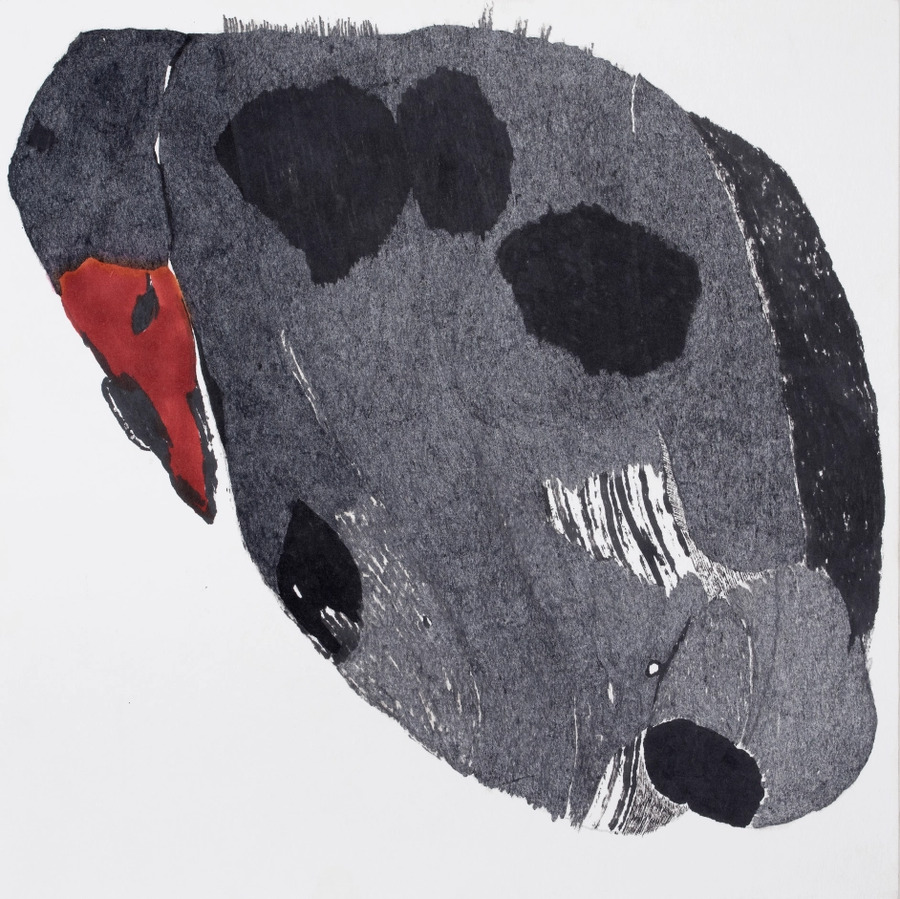
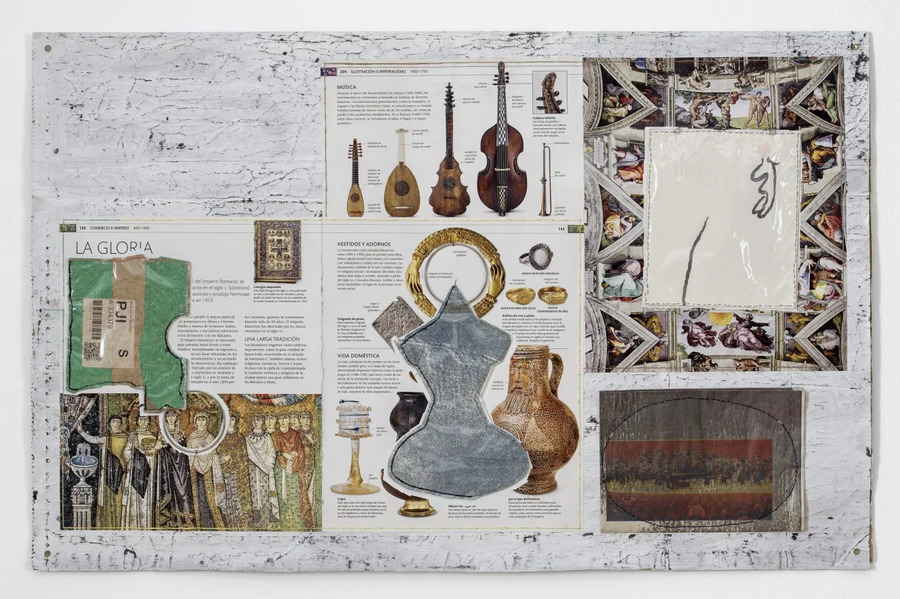
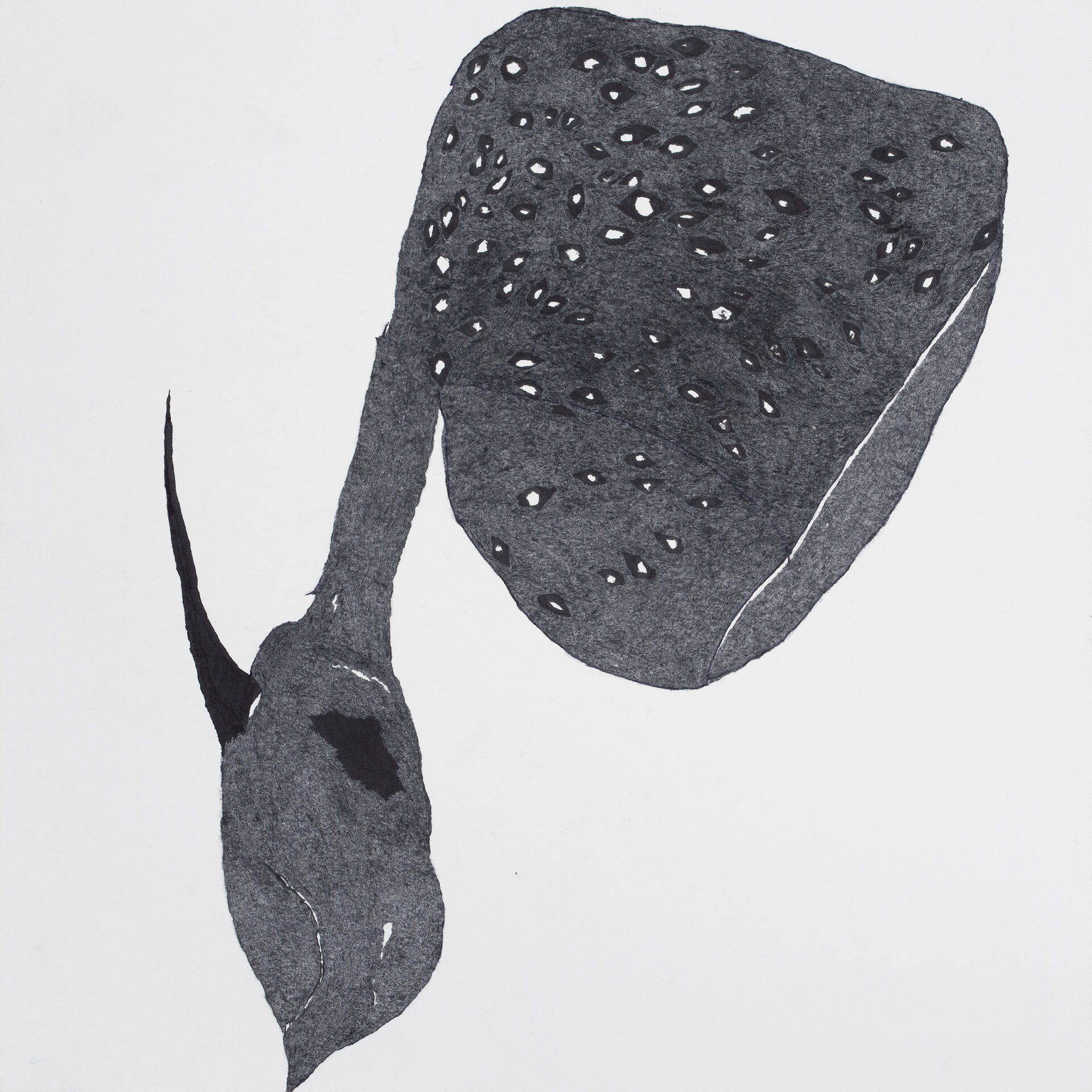
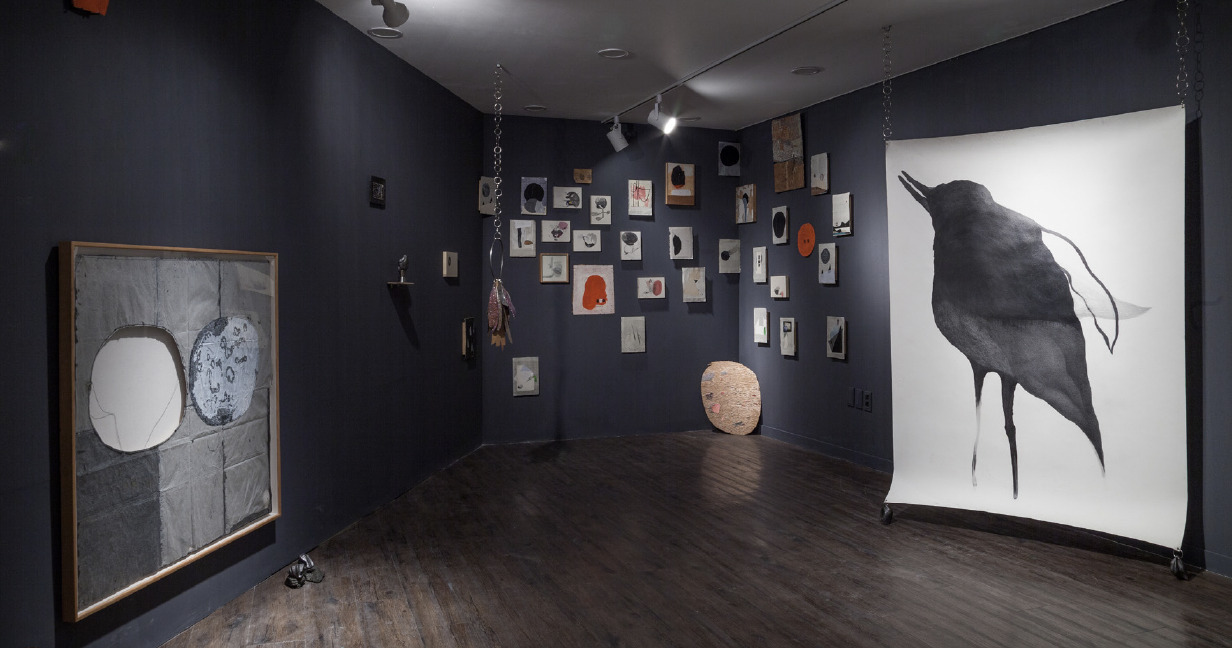
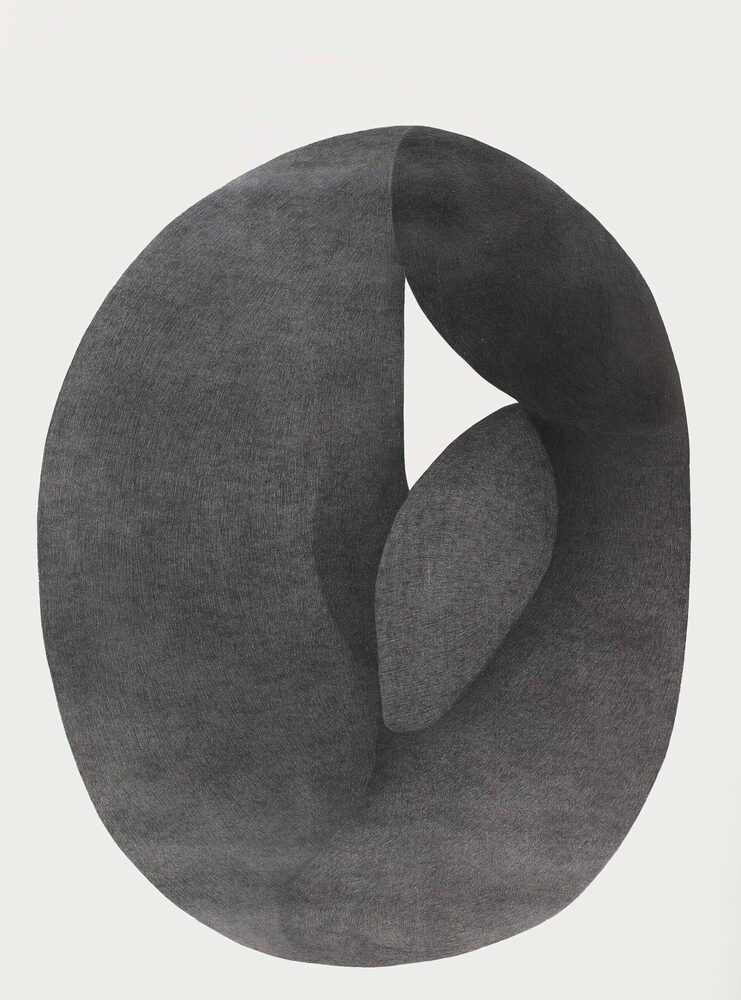


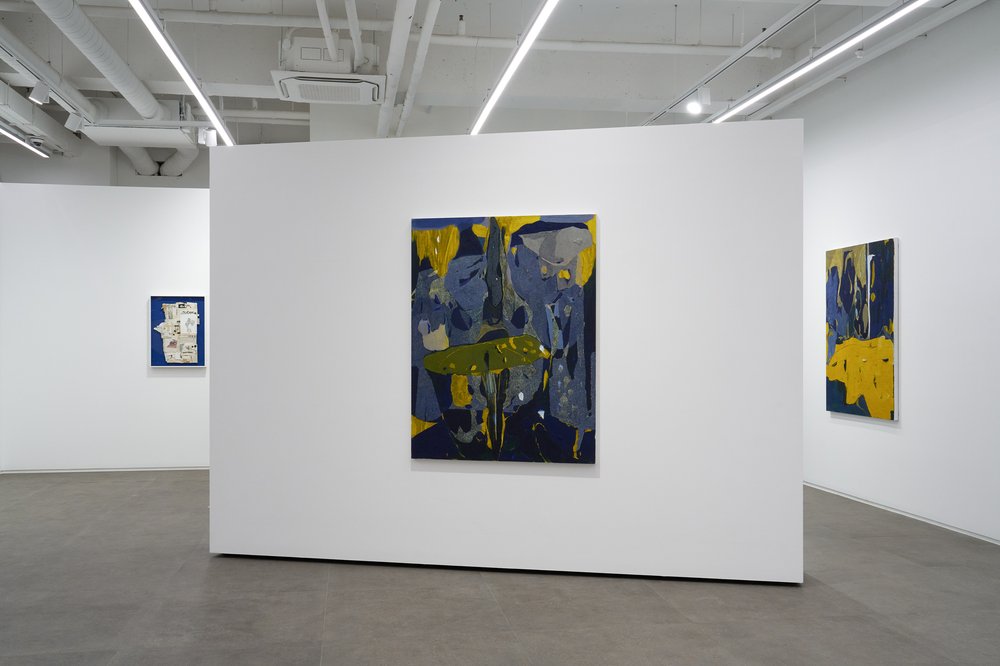
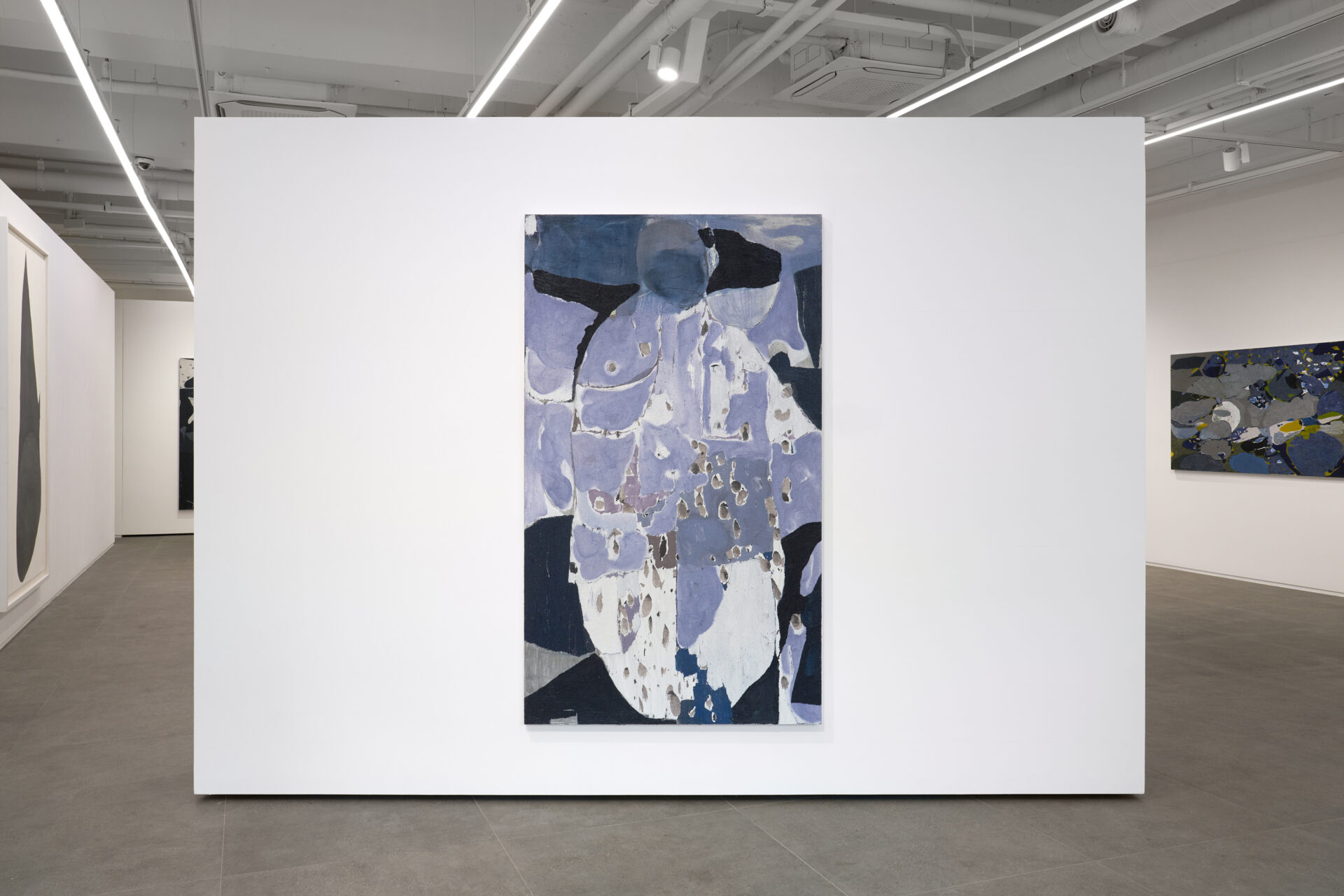





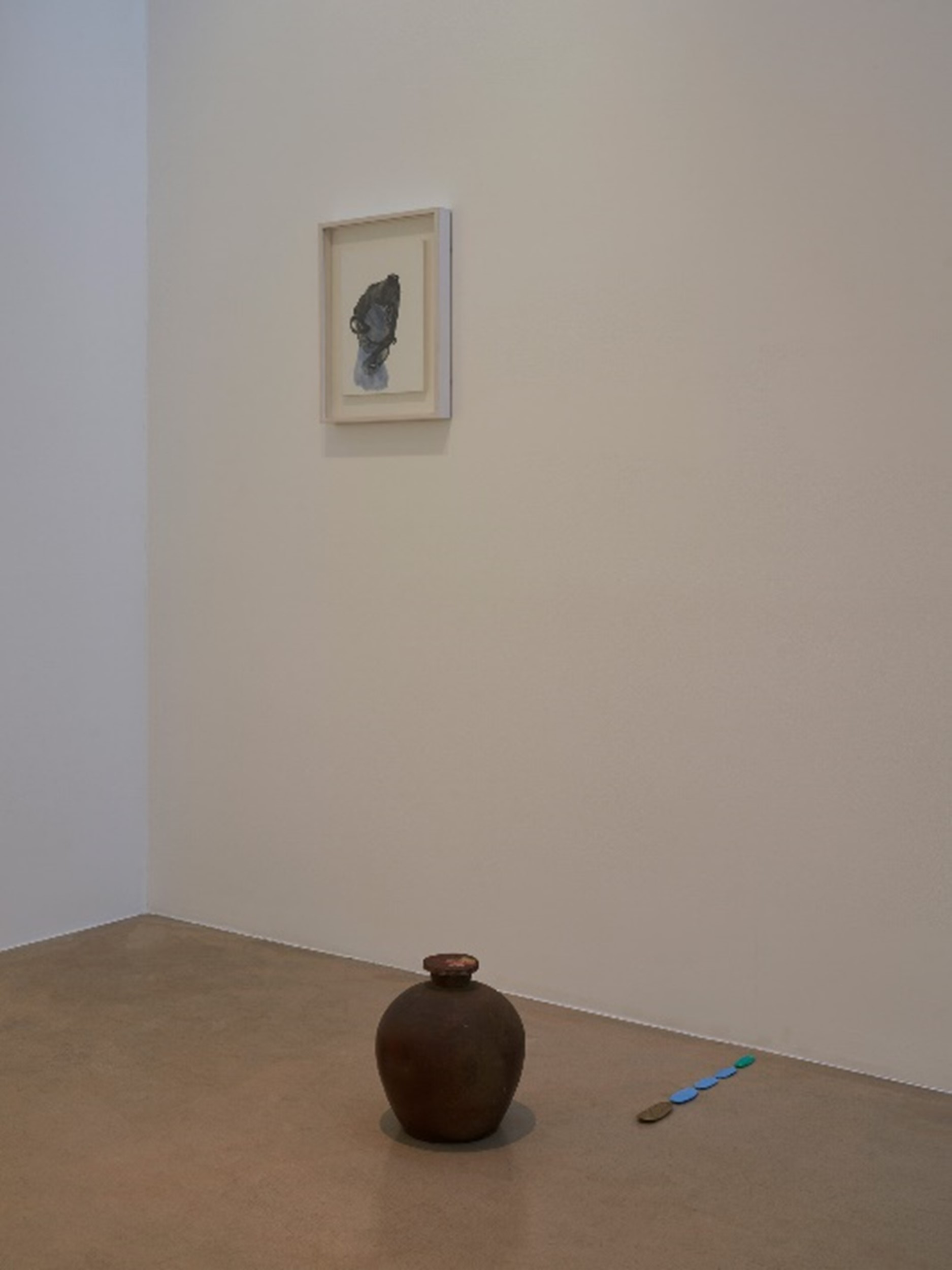 Ahnnlee
Lee, Terraqué, 2023. Mixed media, Variable installation ©
ONE AND J. Gallery
Ahnnlee
Lee, Terraqué, 2023. Mixed media, Variable installation ©
ONE AND J. Gallery