Exhibitions
《Pictures for Use and Pleasure》, 2020.07.12 – 2020.07.30, Incheon Art Platform Window Gallery
July 10, 2020
Incheon Art Platform Window Gallery
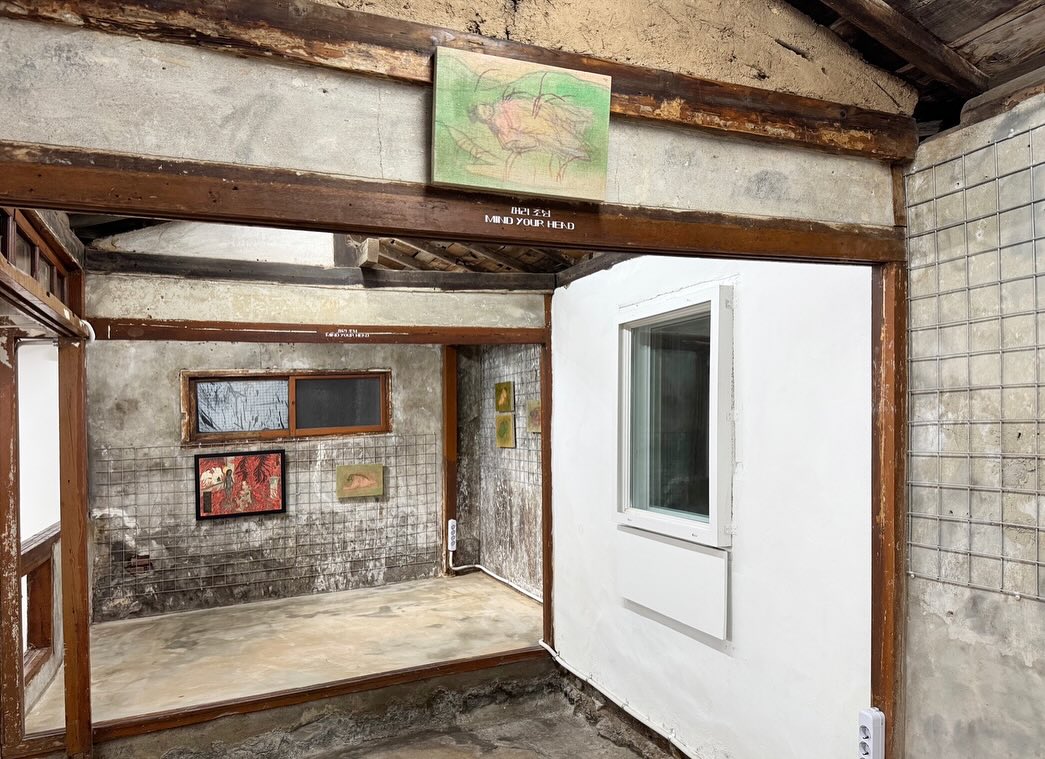
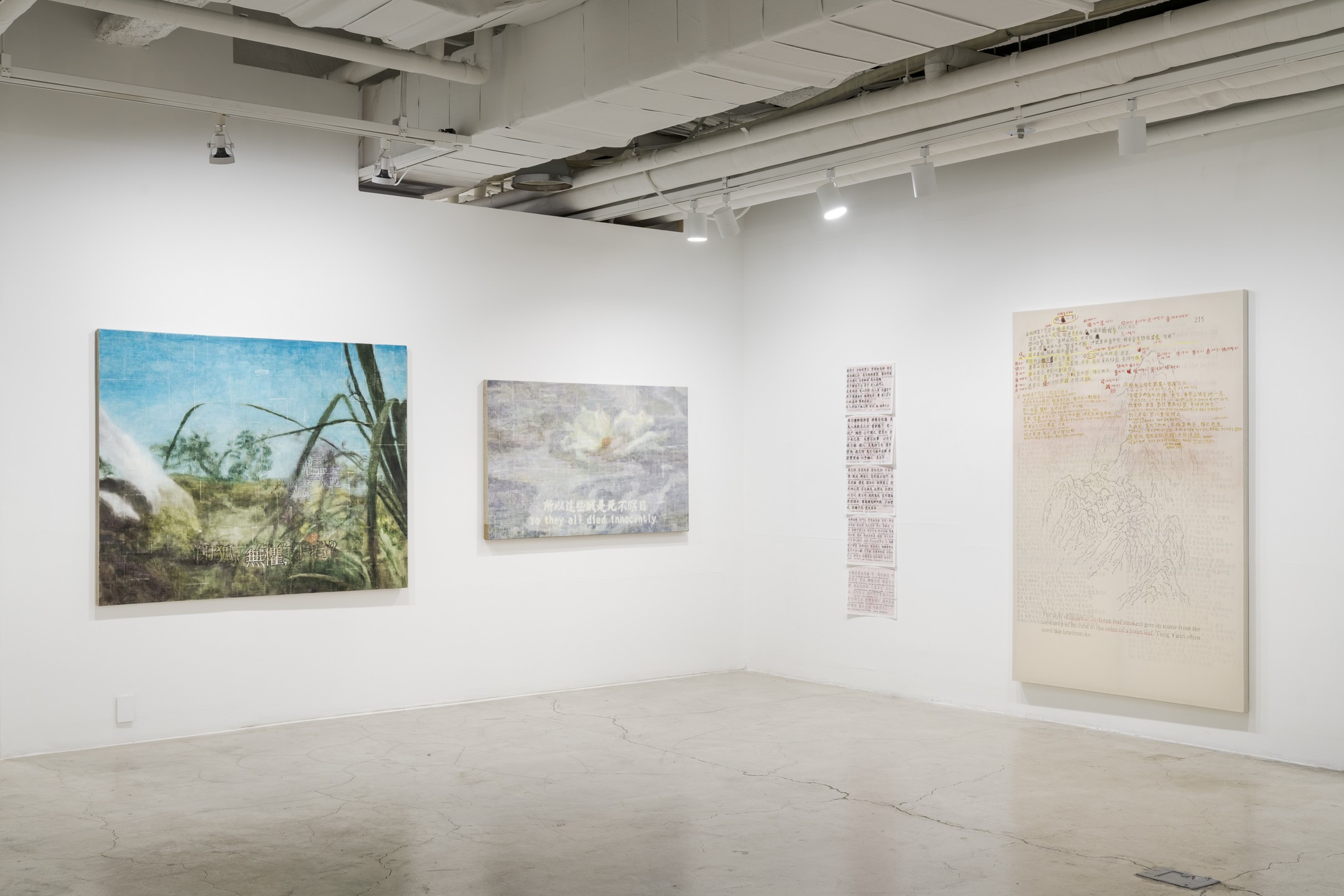
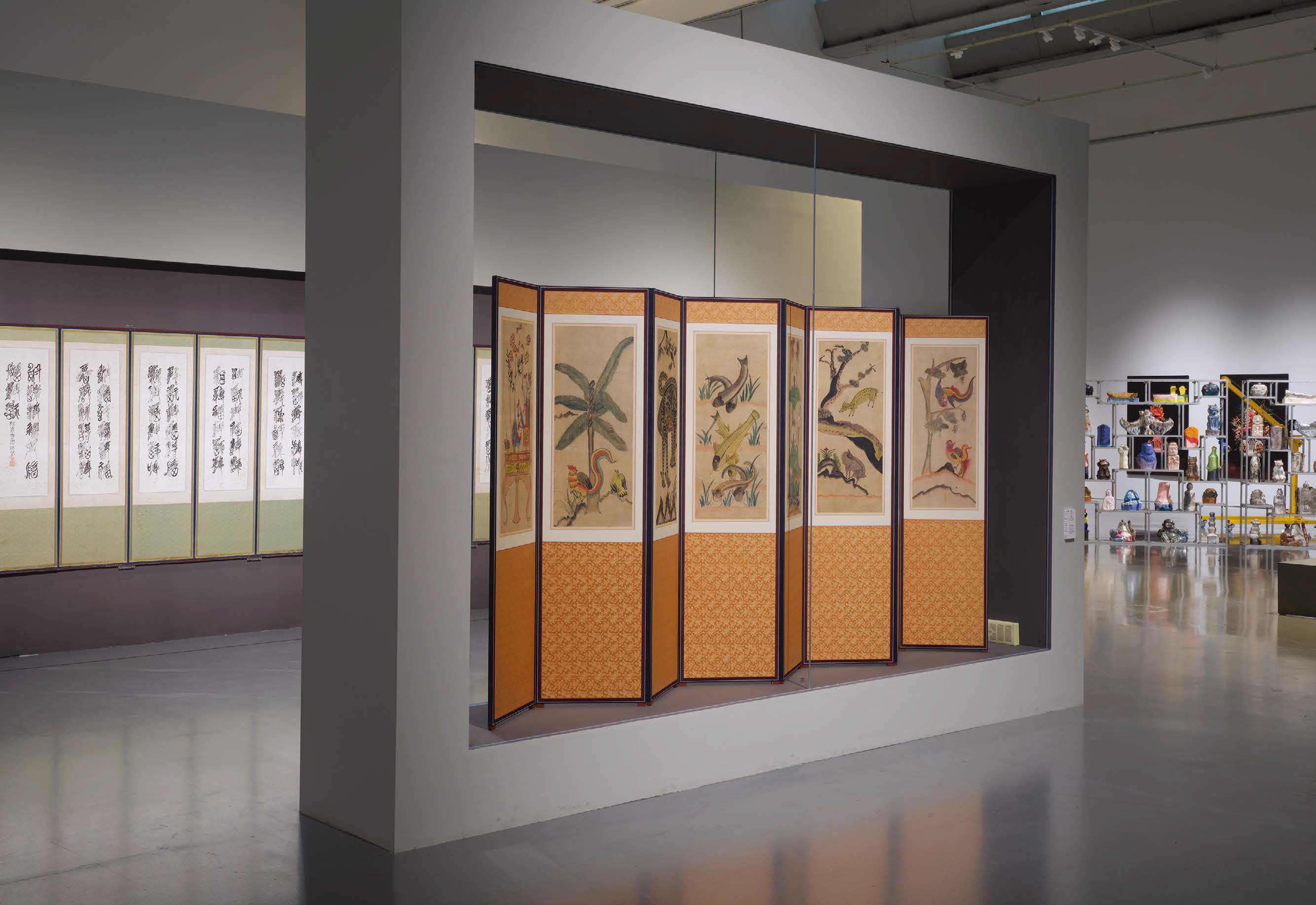
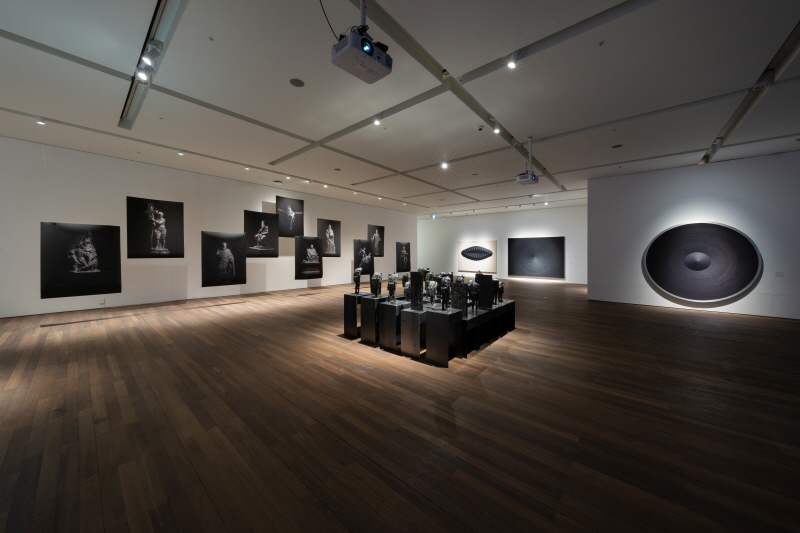
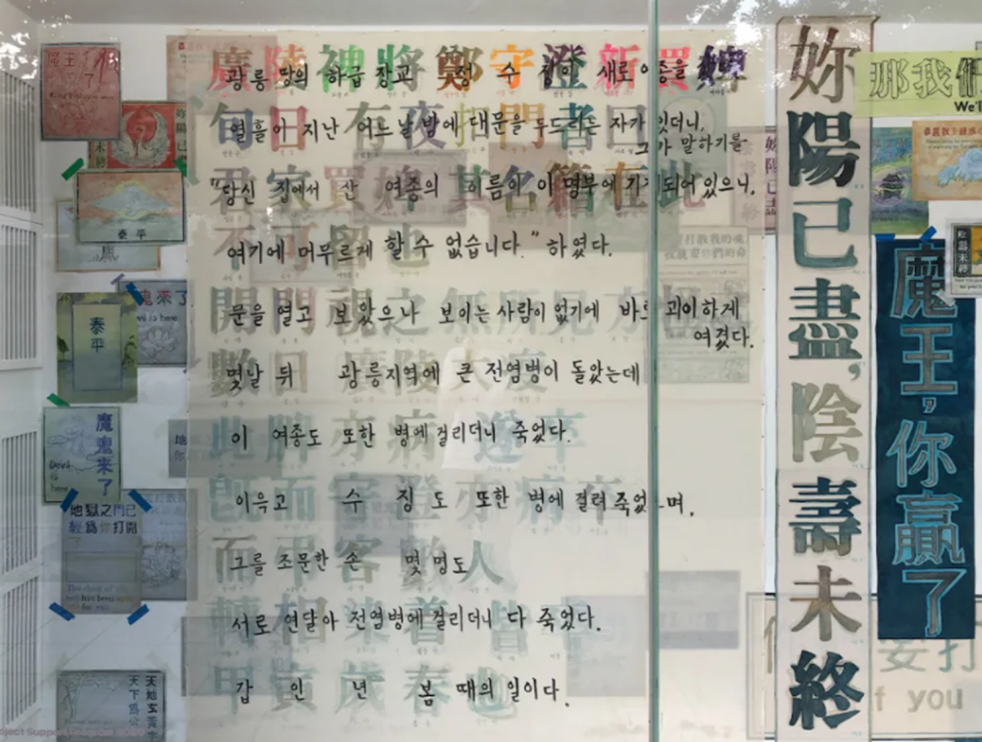 Installation view ©Incheon Art
Platform
Installation view ©Incheon Art
Platform
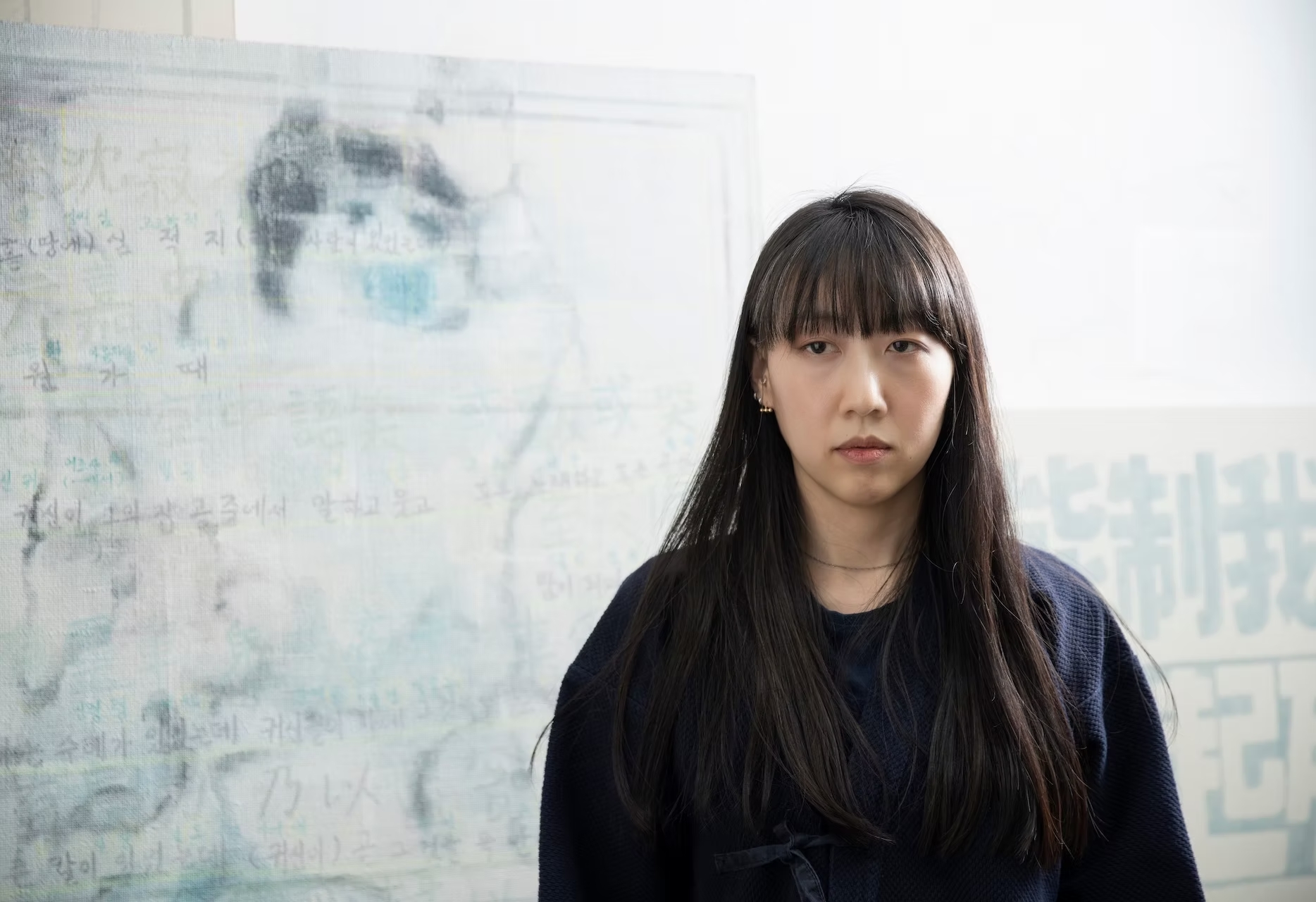
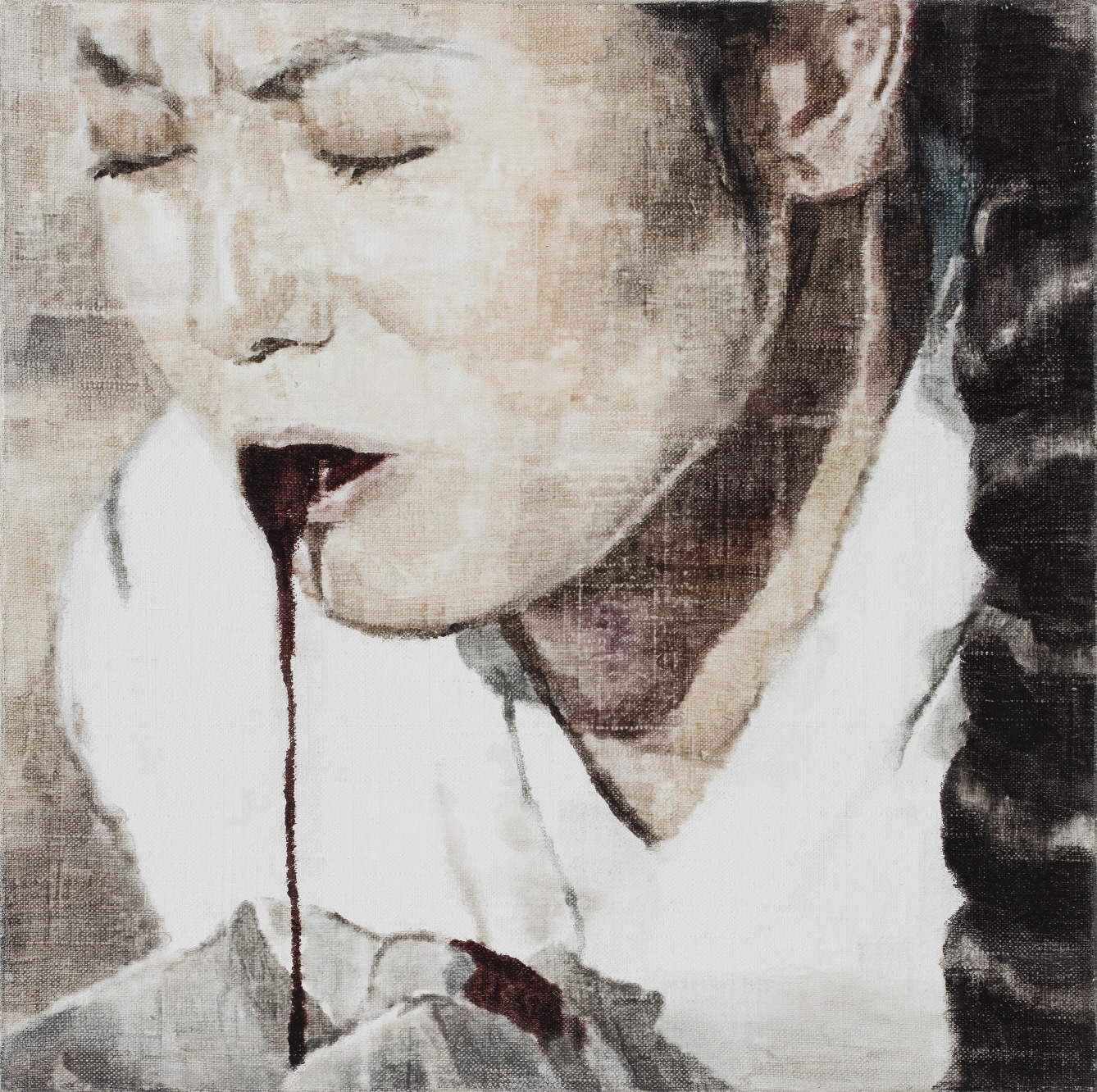
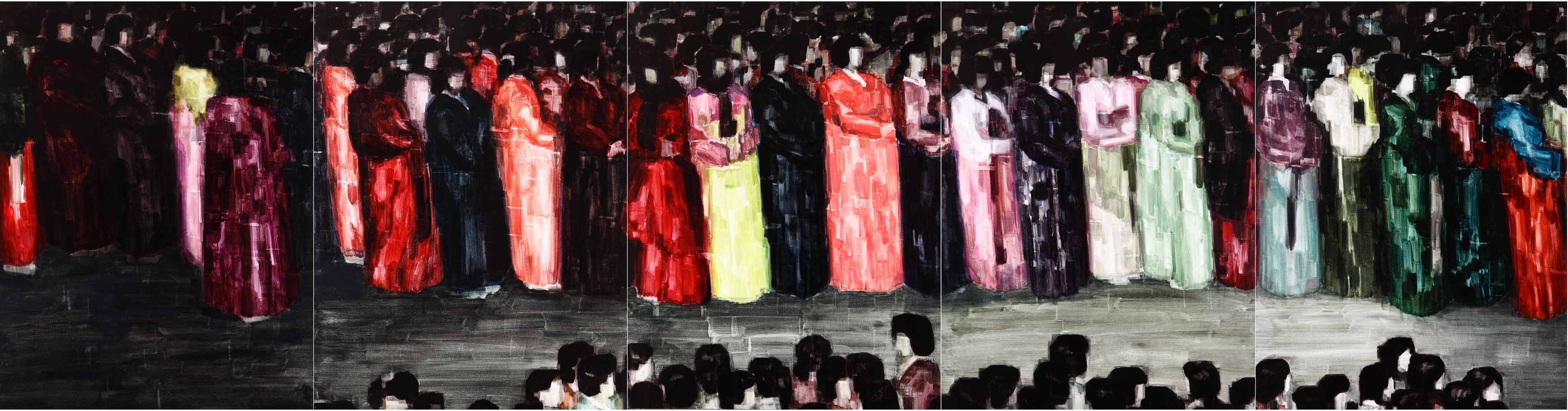
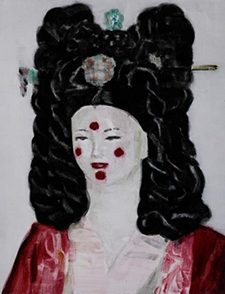
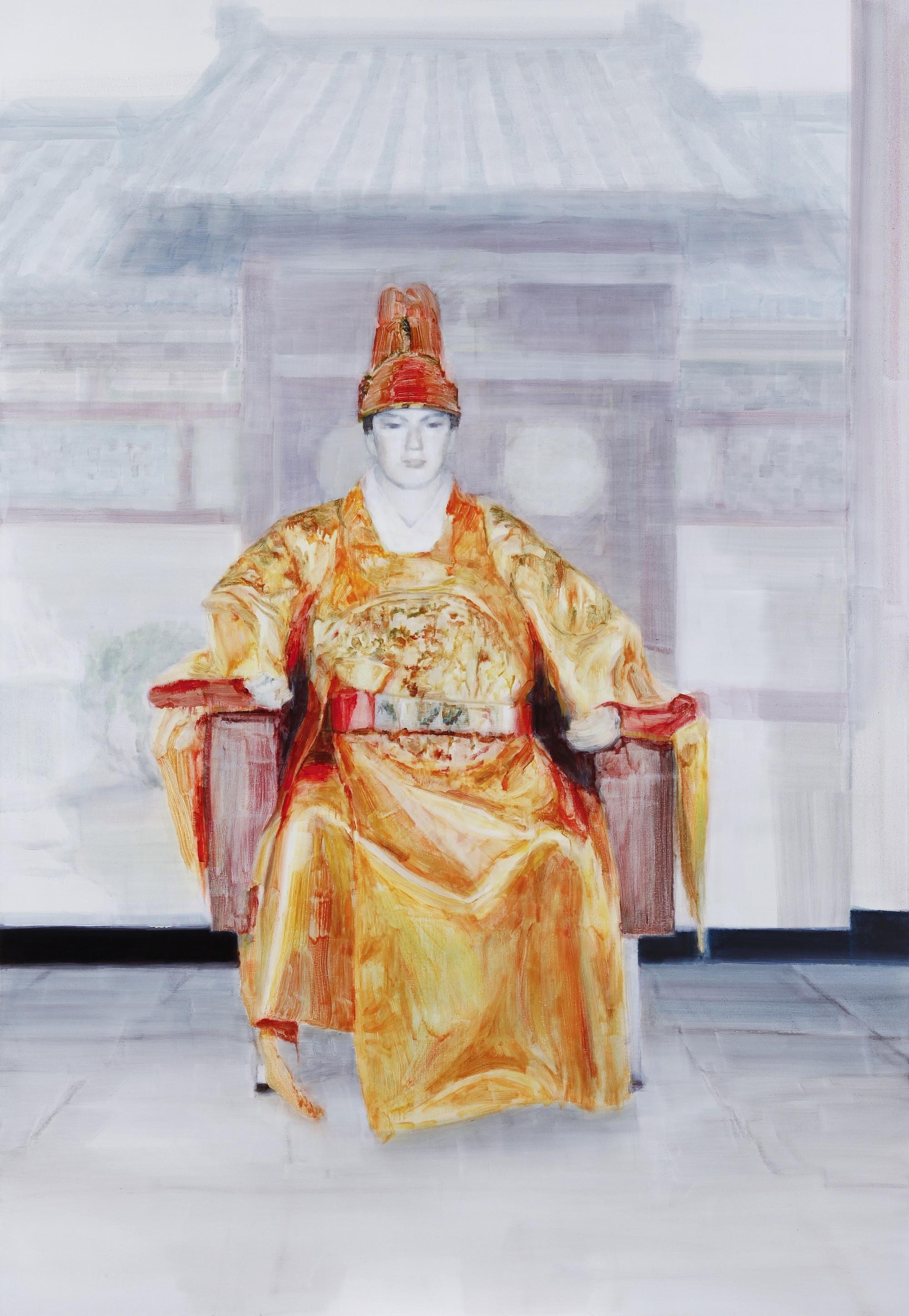
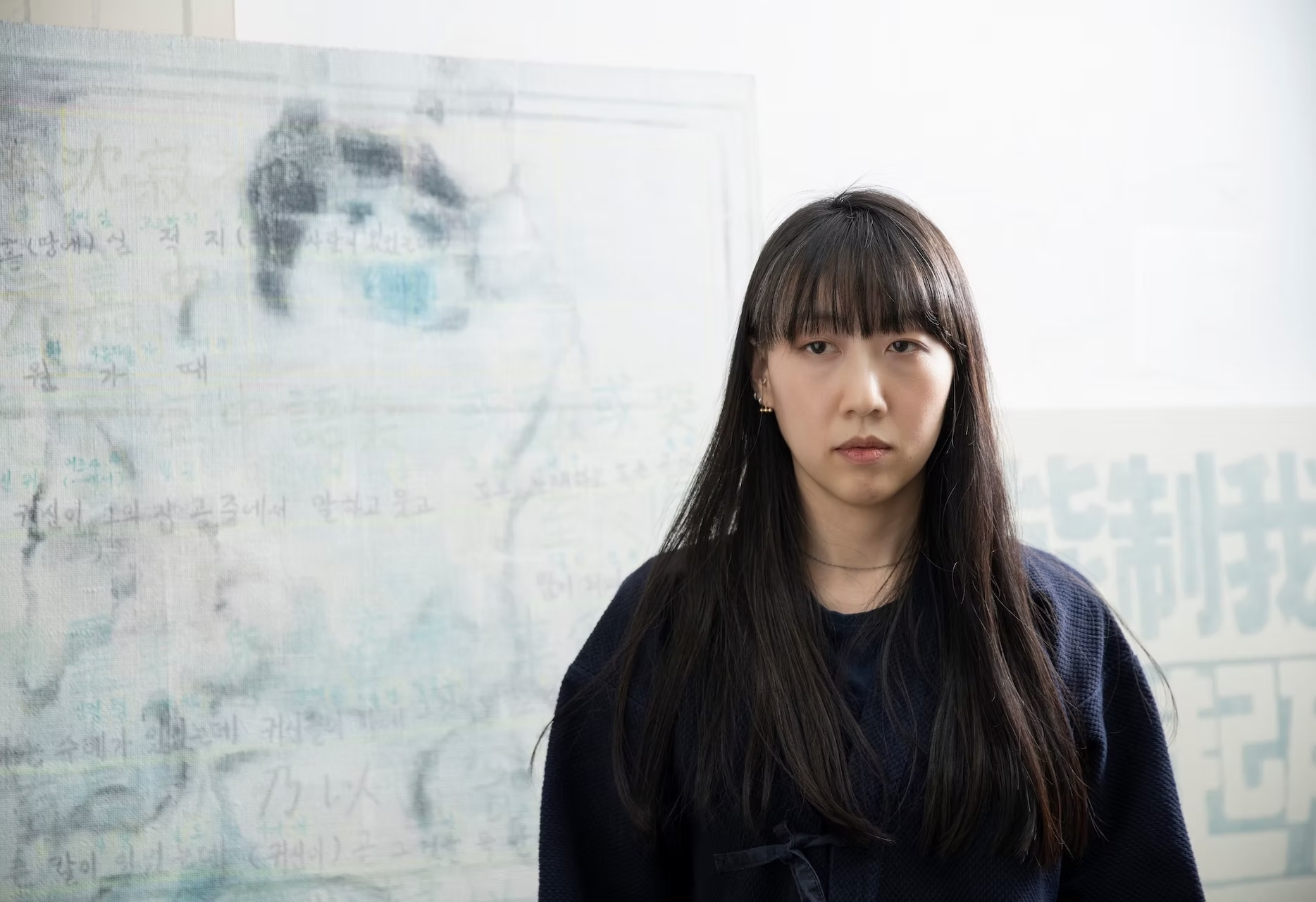
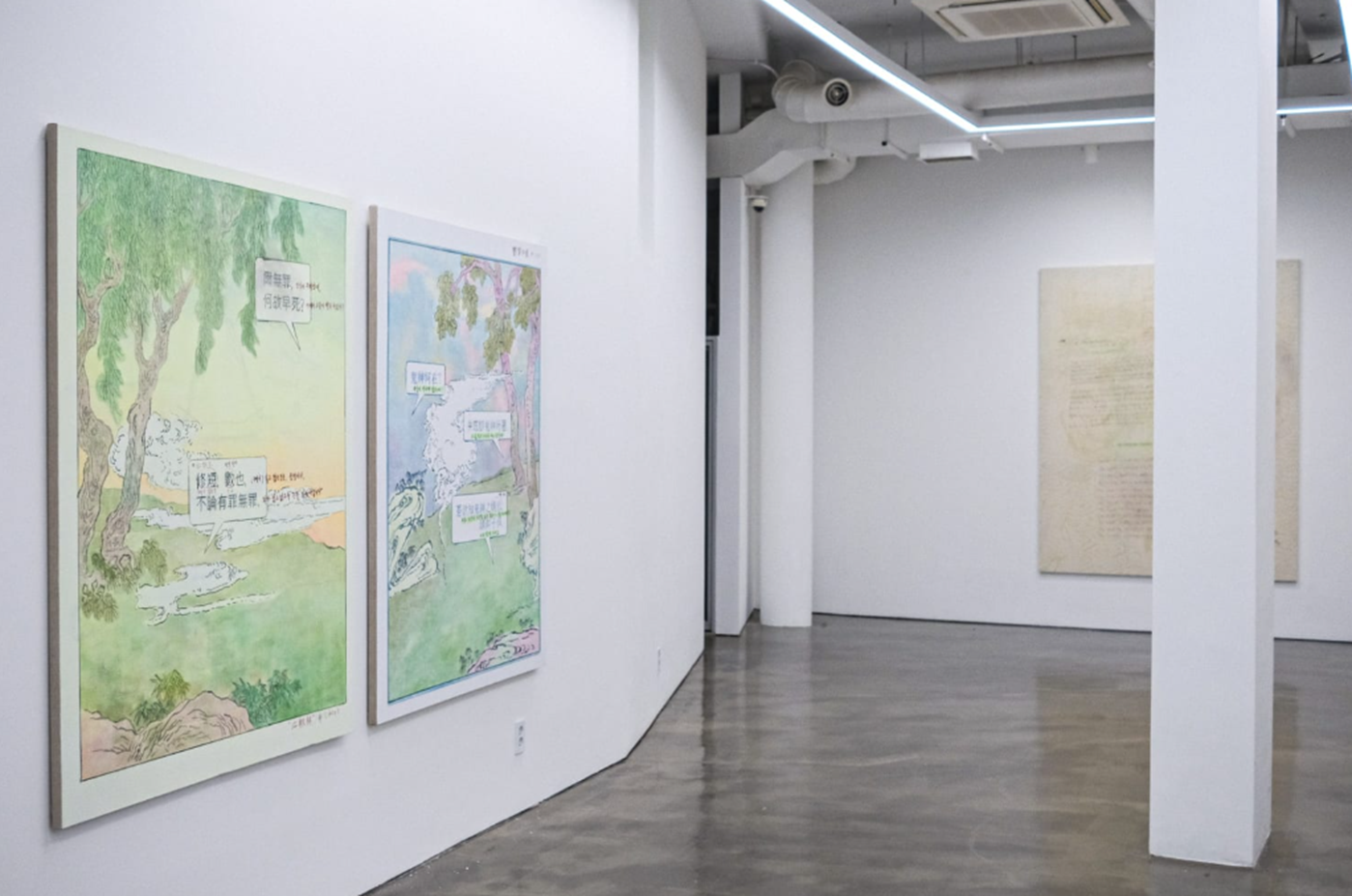
Incheon Art Platform presents 《Pictures for Use and Pleasure (Tai Ping Xuan Zhan)》, the third exhibition in its visual arts creation and production
project, featuring a solo exhibition by resident artist Choe Sooryeon. Choe has
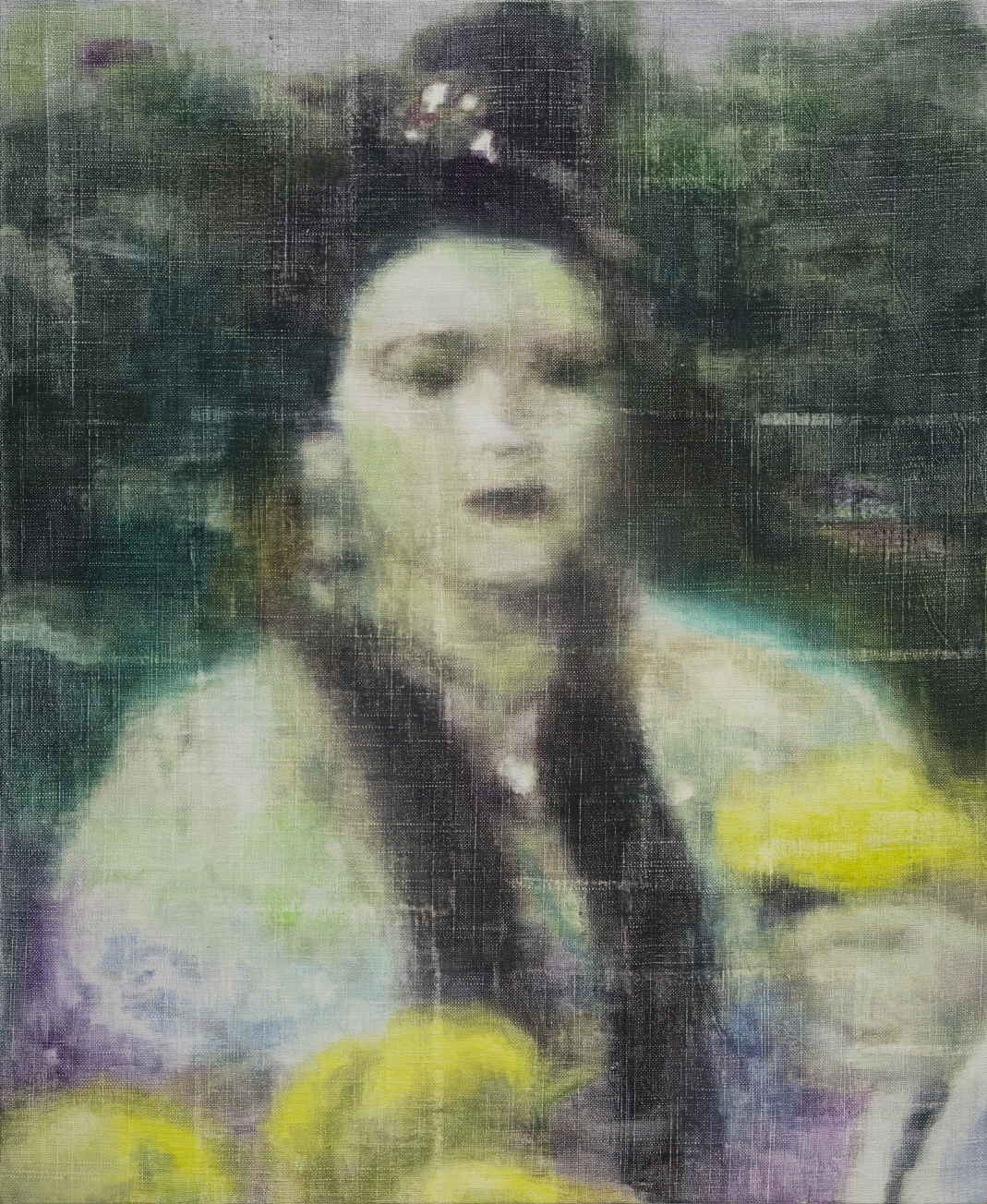
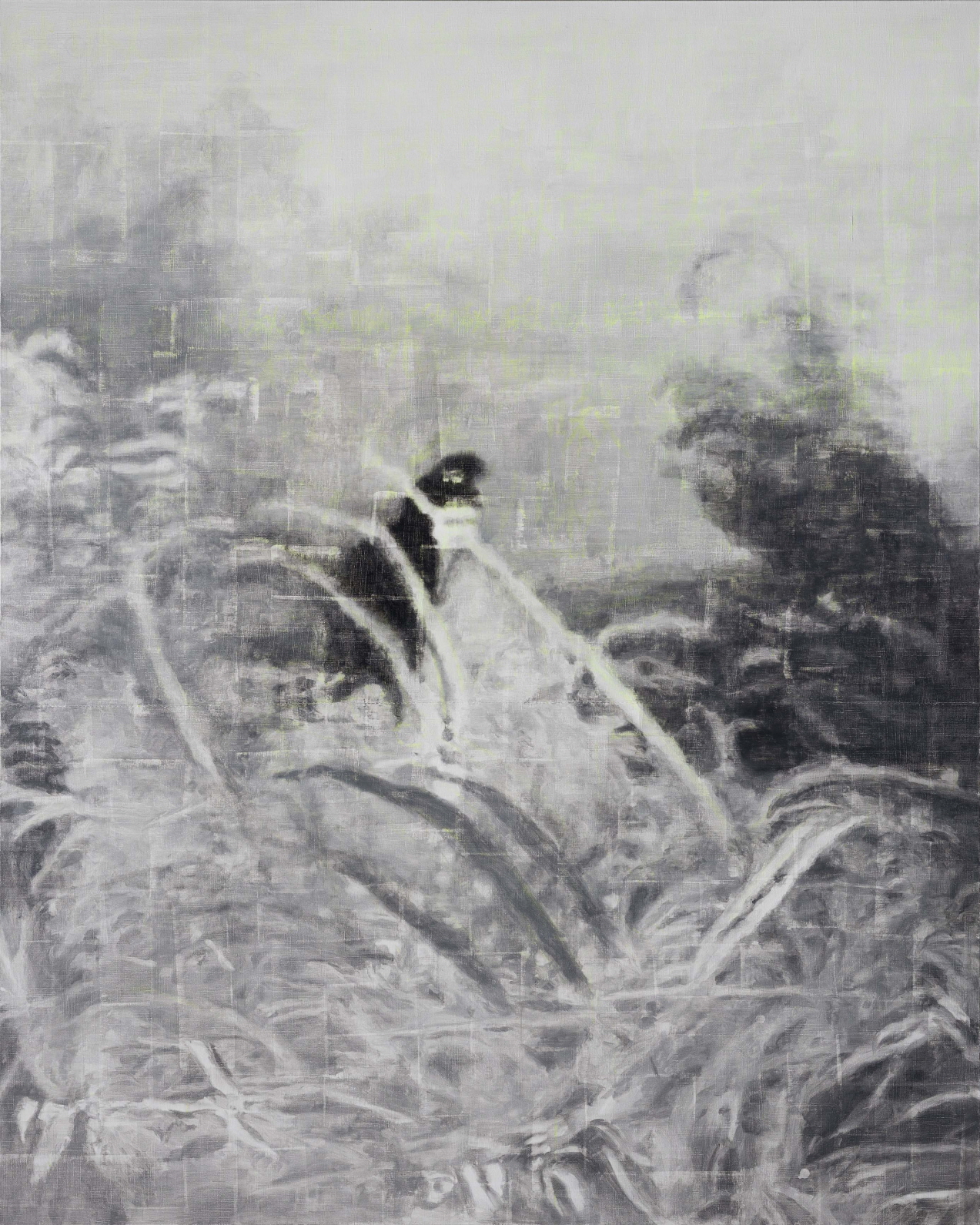
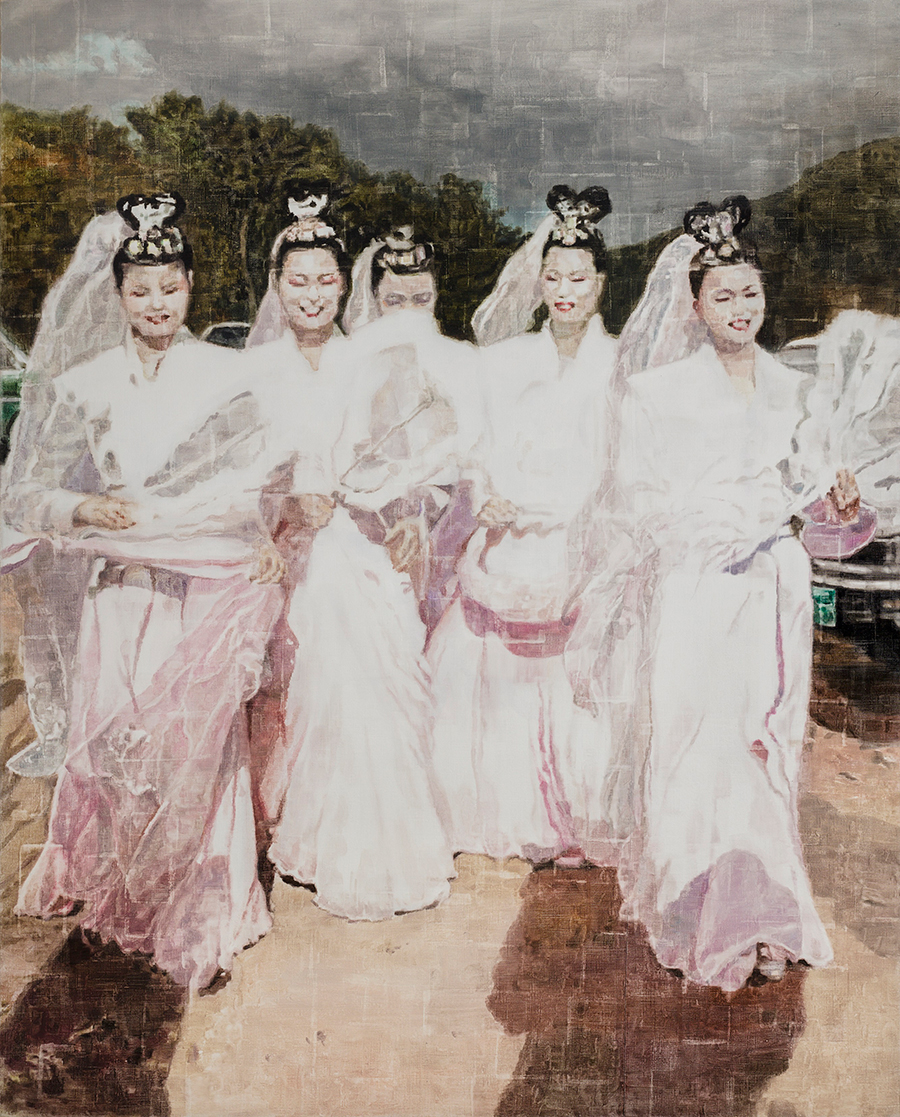
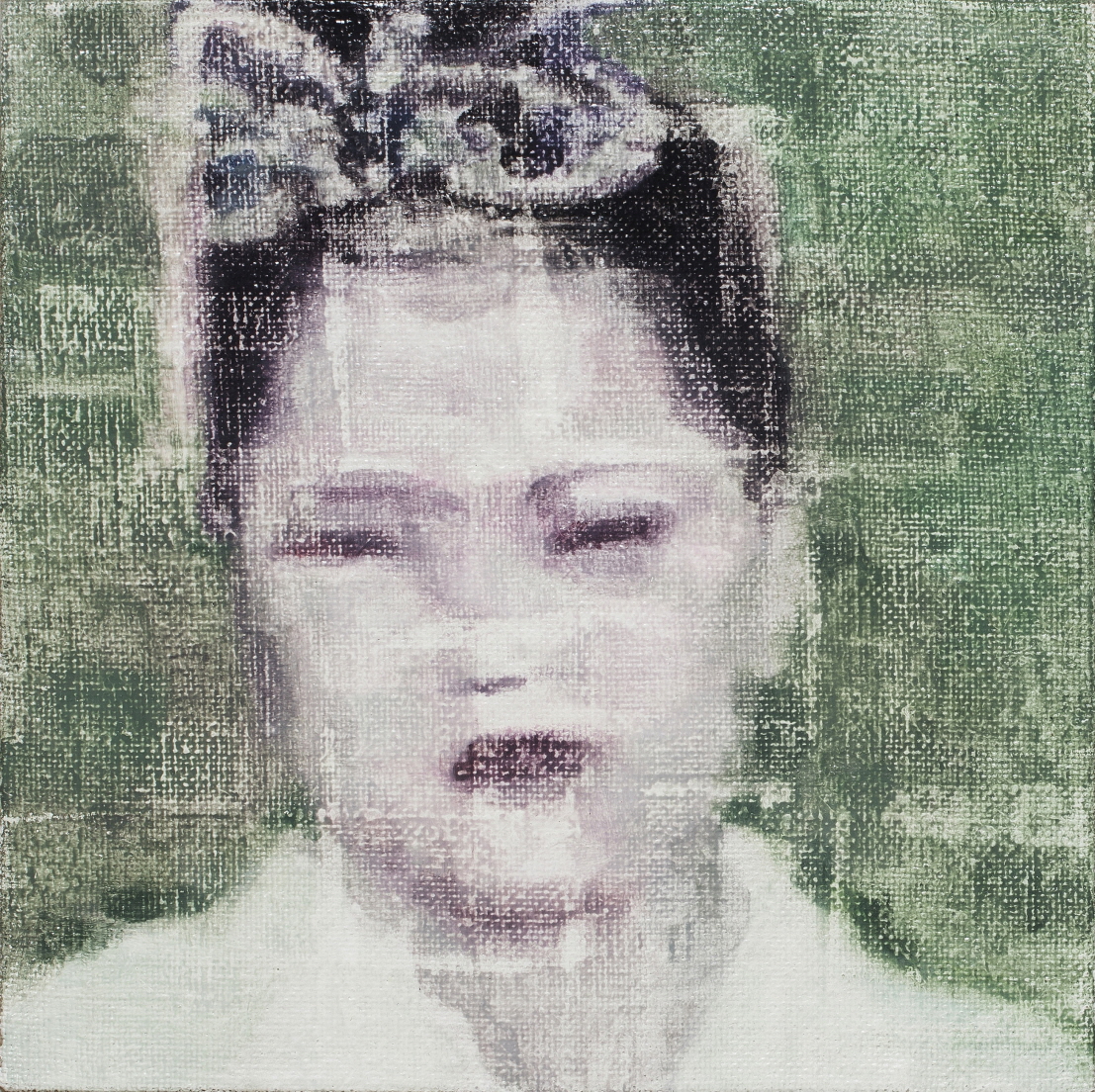
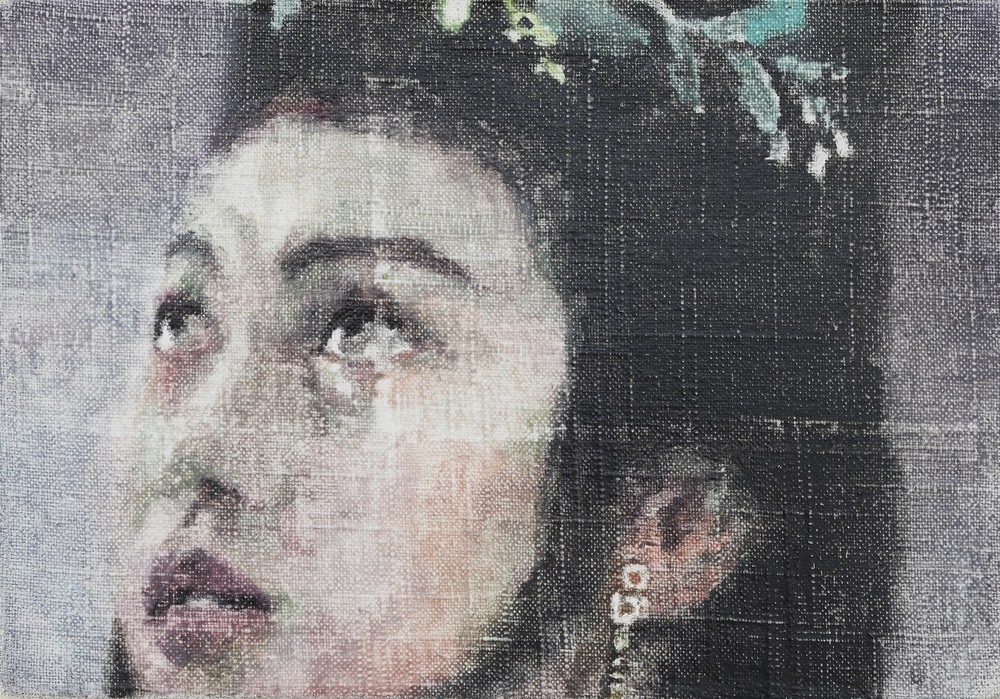
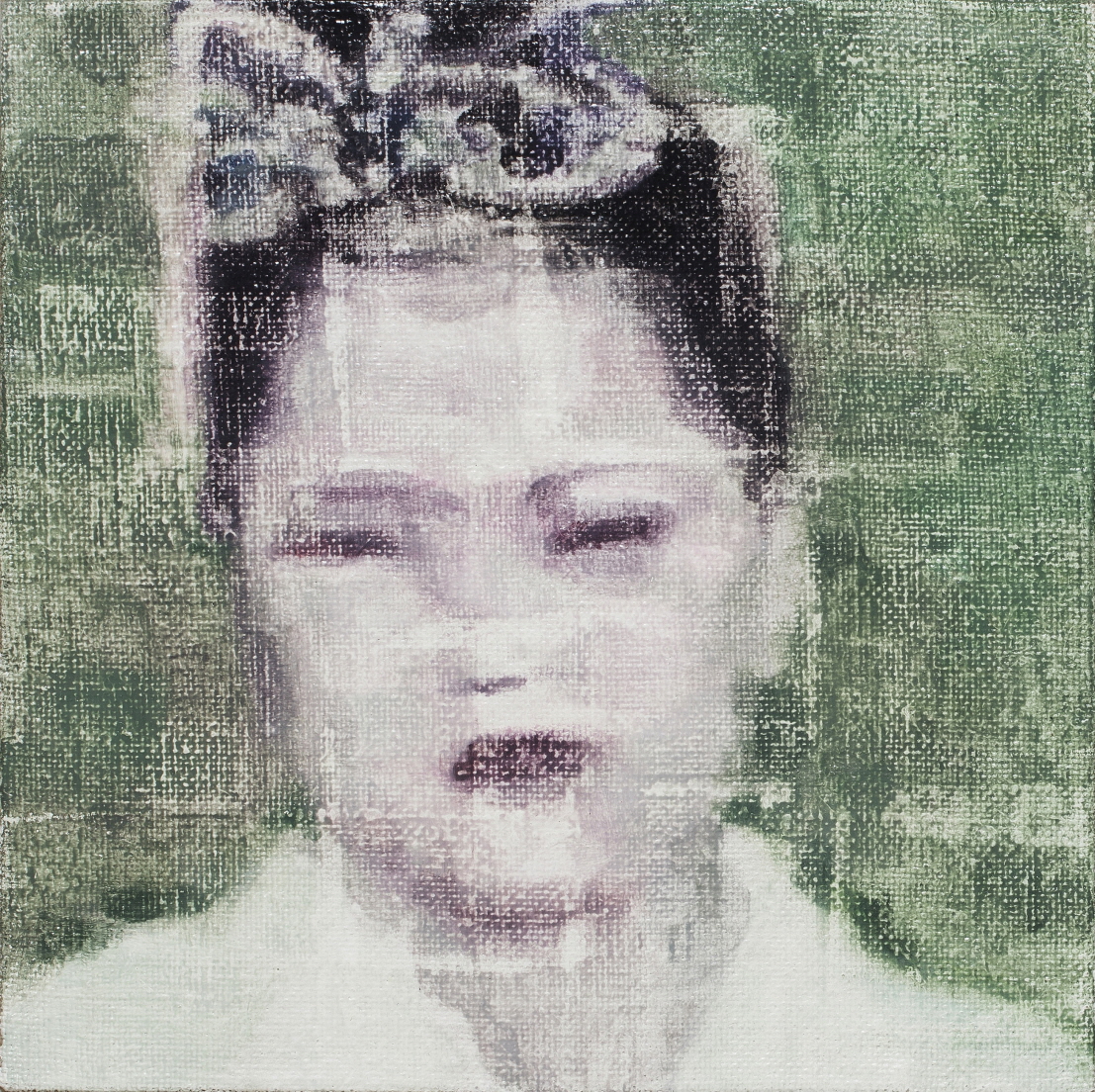
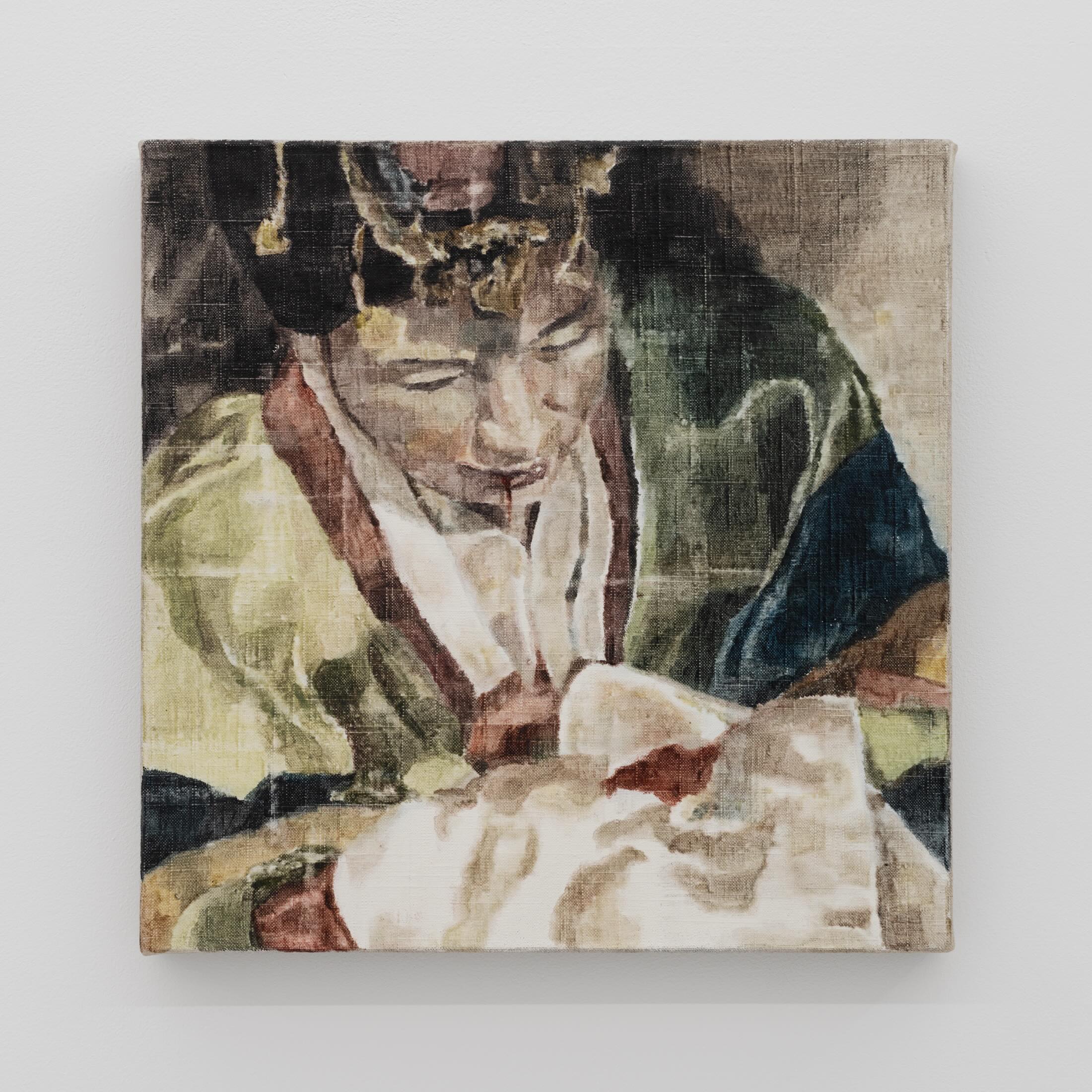
been closely observing the ways in which classical imagery from Northeast Asia
is reproduced in contemporary contexts, translating these observations into
painting. Her work particularly focuses on collecting and reinterpreting
conventional scenes from classic Korean and Chinese films, exploring the
usefulness of so-called "Oriental-style" imagery, which is often
dismissed as obsolete in reality.
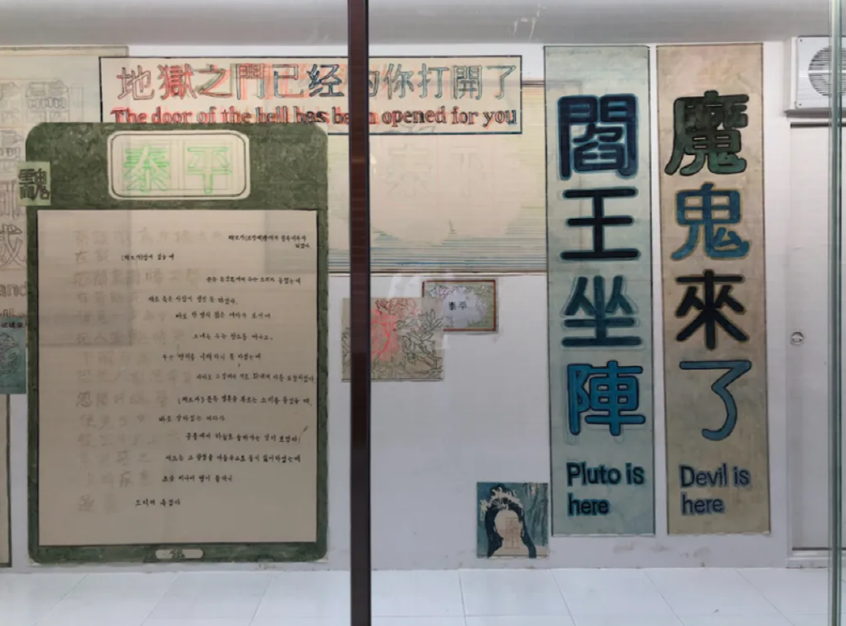
Installation view ©Incheon Art
Platform
The exhibition title, 《Pictures for Use and Pleasure》, is borrowed
from James Cahill’s book Pictures for Use and Pleasure: Vernacular
Painting in High Qing China. By stripping away the original context
related to Qing dynasty genre painting, the phrase can be literally understood
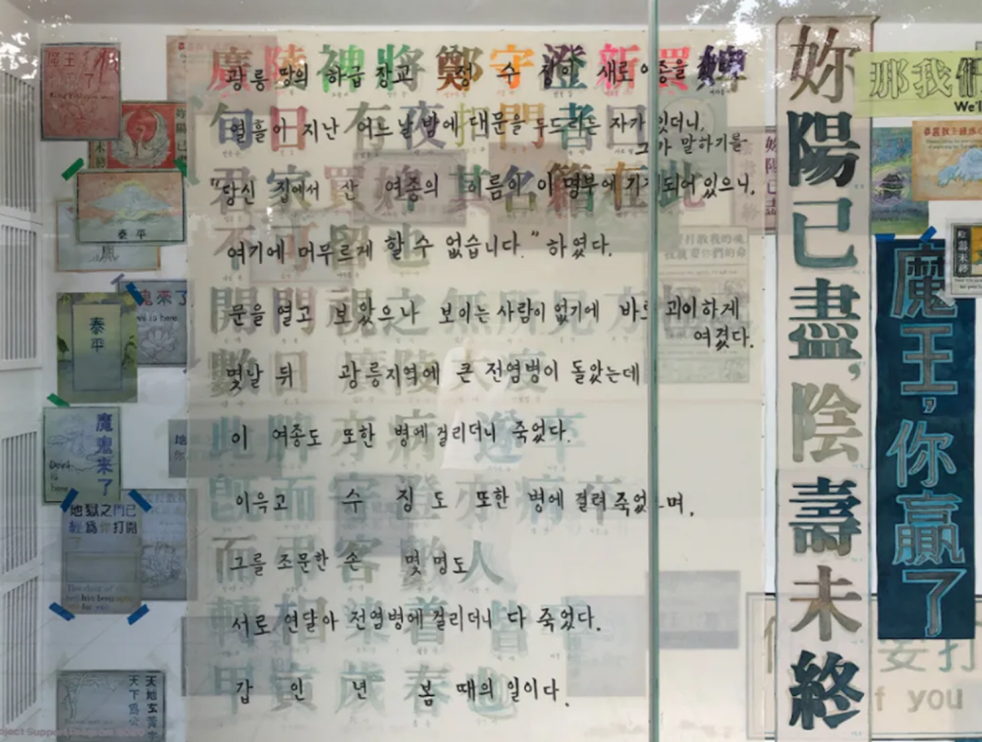
as "paintings for utility and enjoyment." This exhibition showcases
Choe’s reflections on paintings that serve both practical and aesthetic
purposes through a series of poster-like or banner-style propaganda works that
cover the windows of the gallery.
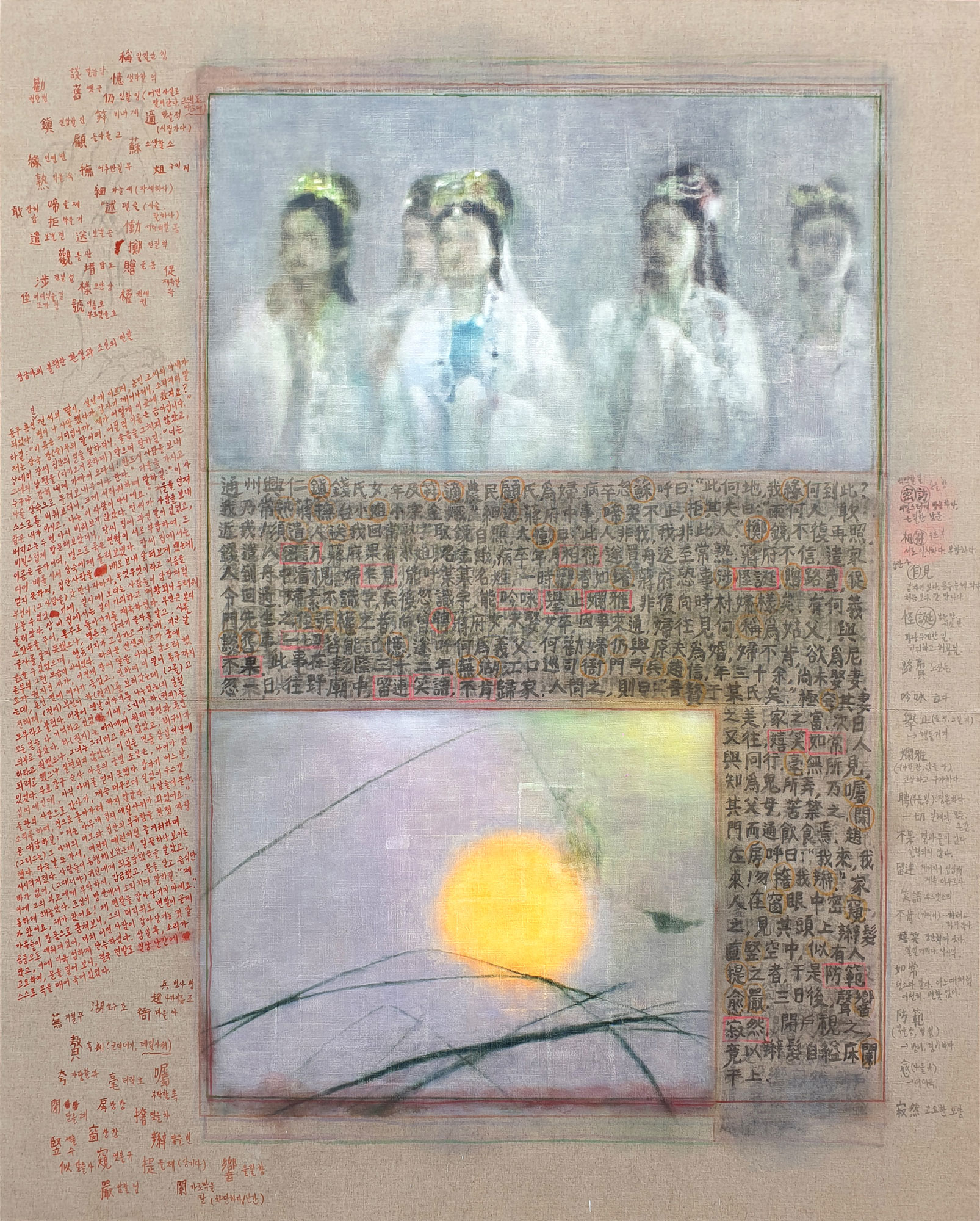
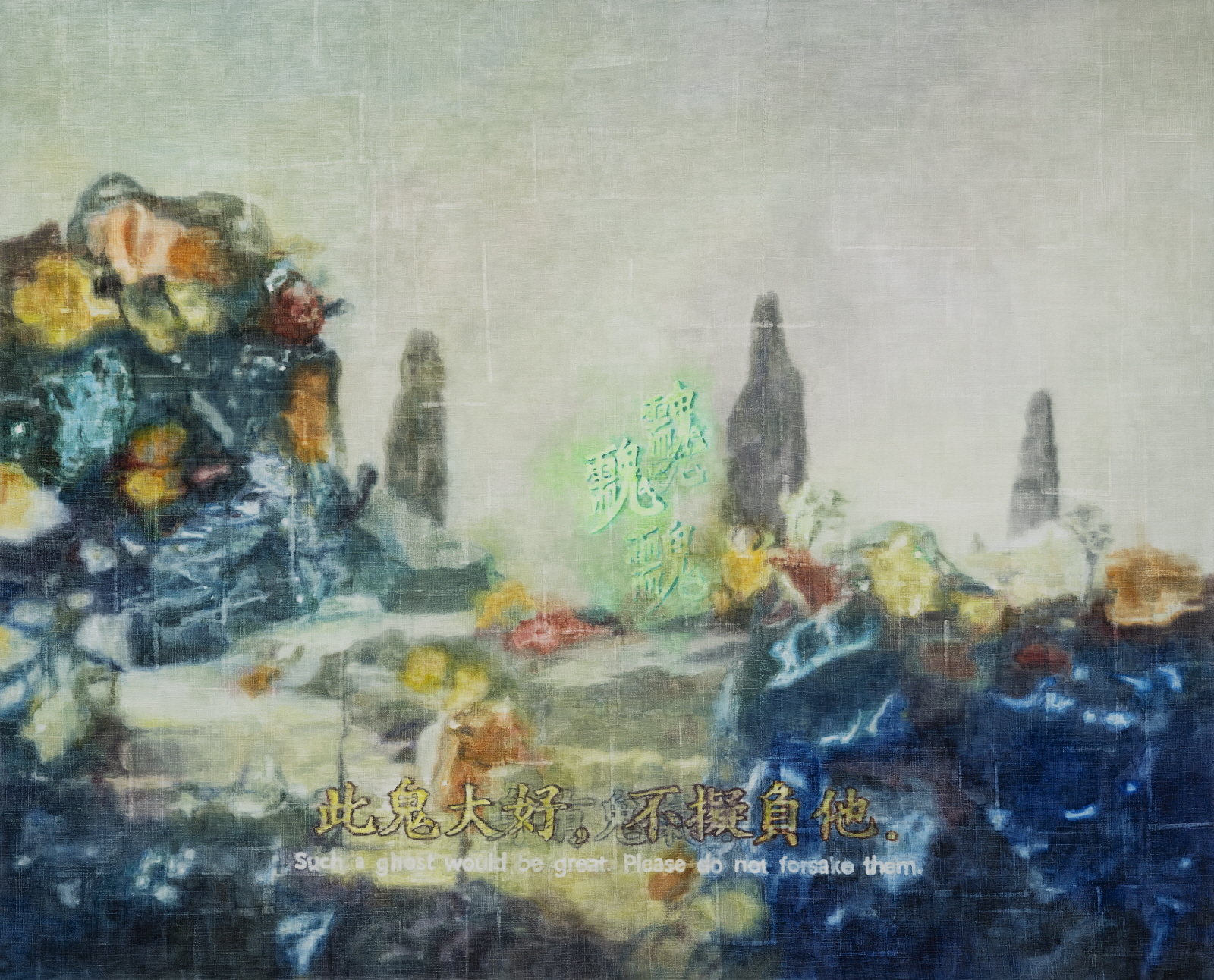
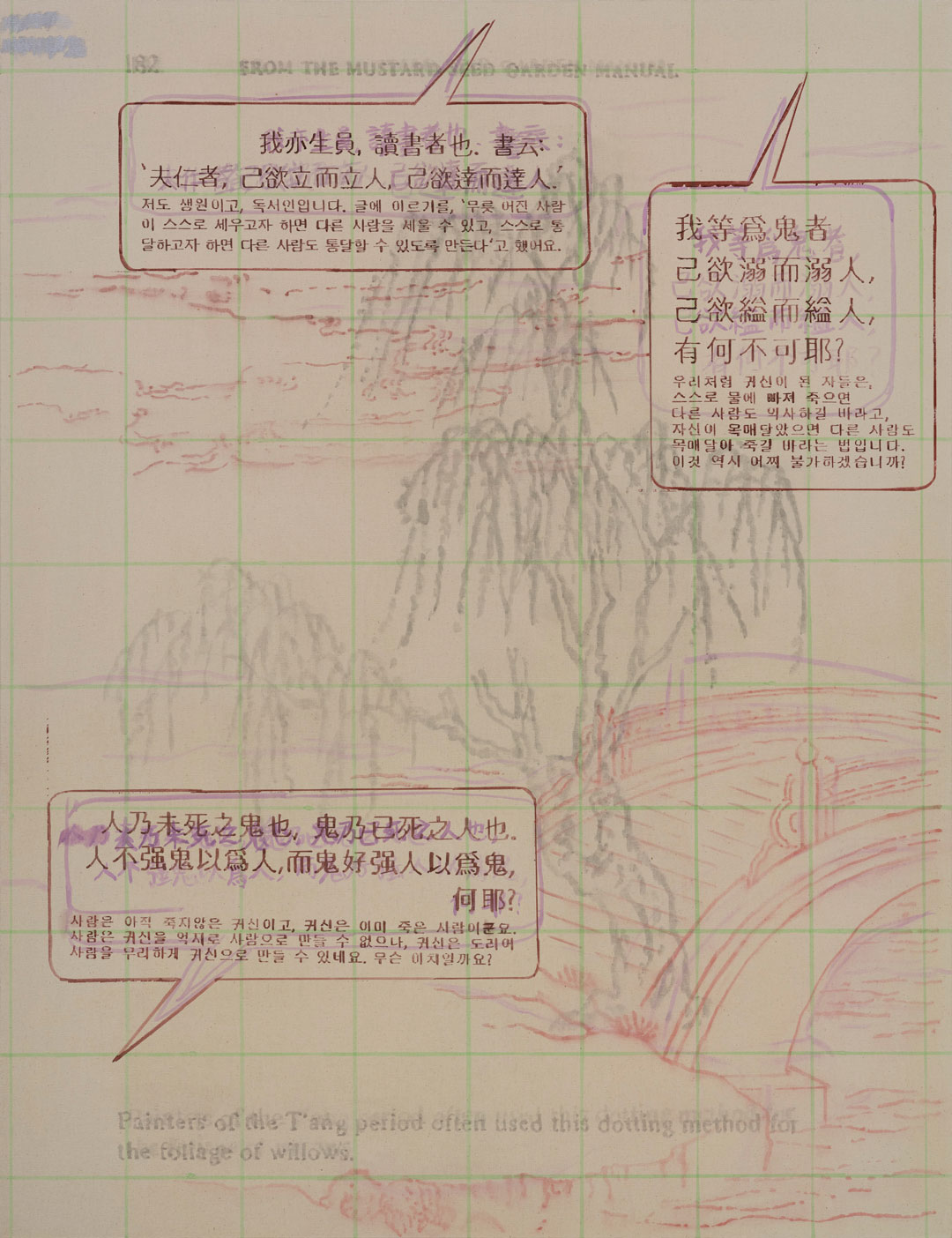
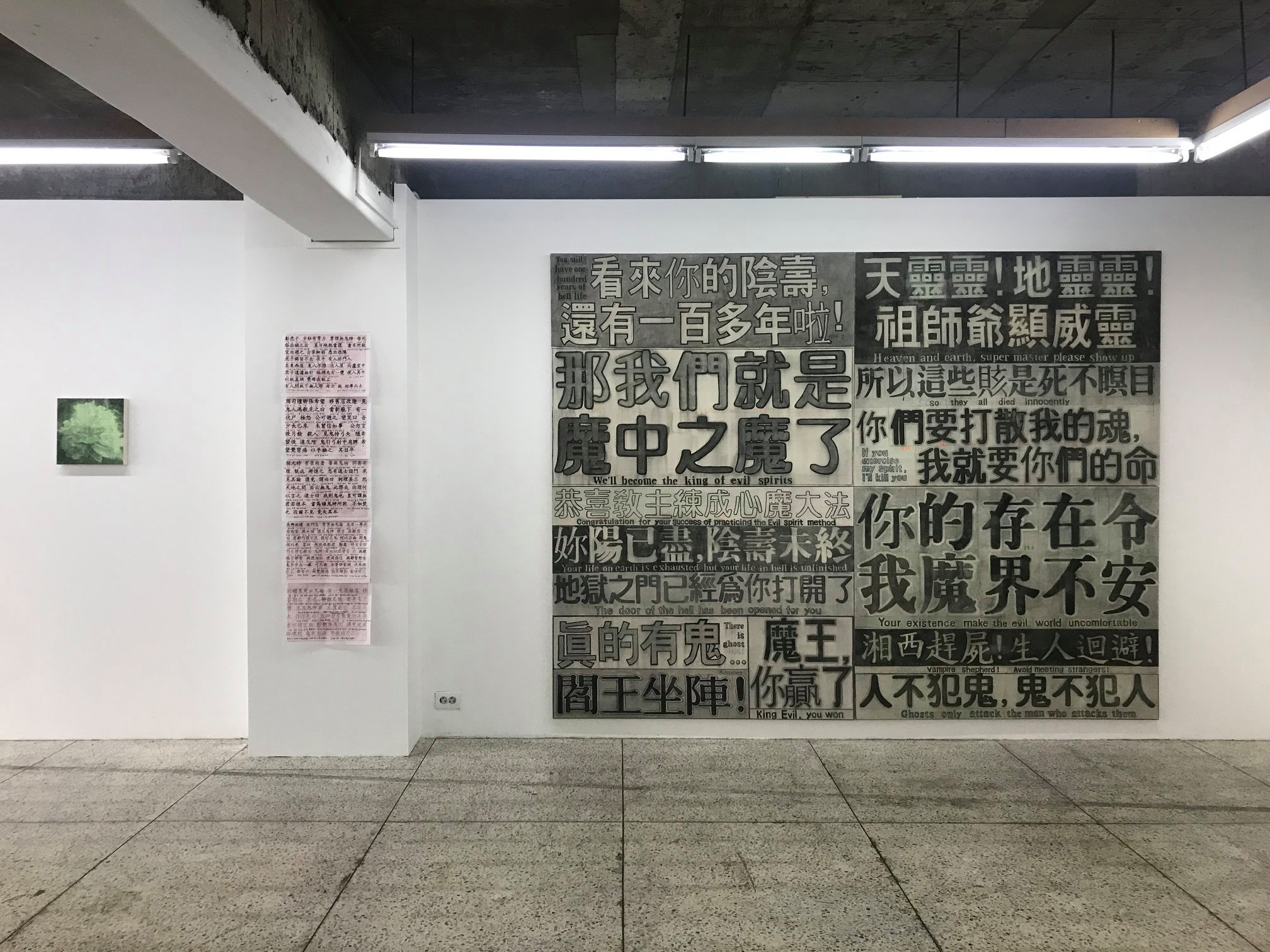
The text appearing in the works includes phrases such as “Tai Ping
(泰平)” or “妳陽已盡,
陰壽未終 (Your Yang is exhausted, but your Yin
lifespan is not over yet),” commonly found in 1980s–90s Chinese and Hong Kong
fantasy films. These lines embody both a worldview of karmic justice and a
tragic or pessimistic perspective on fate, subtly or directly linking to the
absurdities of contemporary reality.
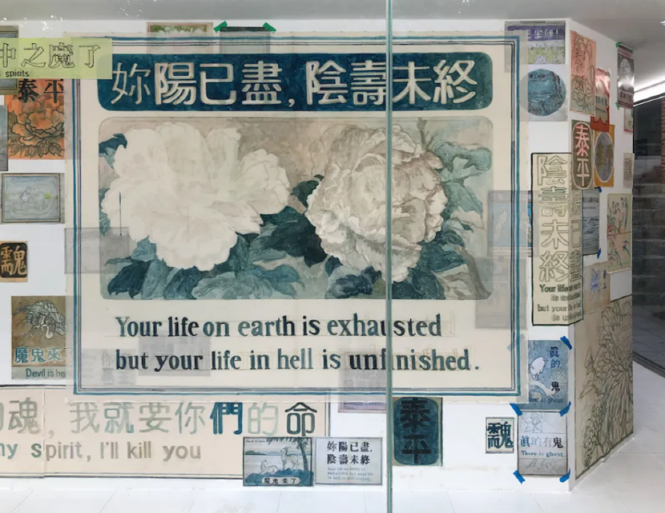
Installation view ©Incheon Art
Platform
Artist Note
The exhibition title, 《Pictures for Use and Pleasure》, is taken
from James Cahill’s book Pictures for Use and Pleasure: Vernacular
Painting in High Qing China. Stripping away its historical context
related to Qing dynasty genre painting, I began this series with the simple
thought that paintings that are both functional and visually enjoyable are
inherently good. I sought to create works that blend the practical aspect of
propaganda-style images conveying clear messages and narratives with the familiar
aesthetic pleasure of Oriental clichés. To reflect the inherent lightness of
such imagery, I chose formats that can be easily torn down—flyers, retro-style
slogans, advertising banners, or preparatory drawings for such designs.
The phrases inserted in the images, except for the ironically used
“Tai Ping (泰平),” are all lines taken
from 1980s–90s Chinese and Hong Kong Taoist fantasy films. These are words
spoken either directly by ghosts or addressed to them, often subverting the
conventional karmic justice worldview. These old-fashioned phrases, which would
never be spoken in real life, still resonate with contemporary absurdities,
either loosely or closely connected. Due to my unfamiliarity with Chinese
characters, I selected only phrases where English subtitles were provided in
the films, even when the translations were awkward. In some works, I have also
added phonetic annotations to certain characters, reflecting the linguistic
environment of my generation.
The open nature of the window gallery makes it an especially
suitable space for displaying propaganda-style works. Taking into account the
bright sunlight that fills the space throughout the day, I intentionally
created a faded effect on the lower sections of the walls, which are more
exposed to sunlight.