The
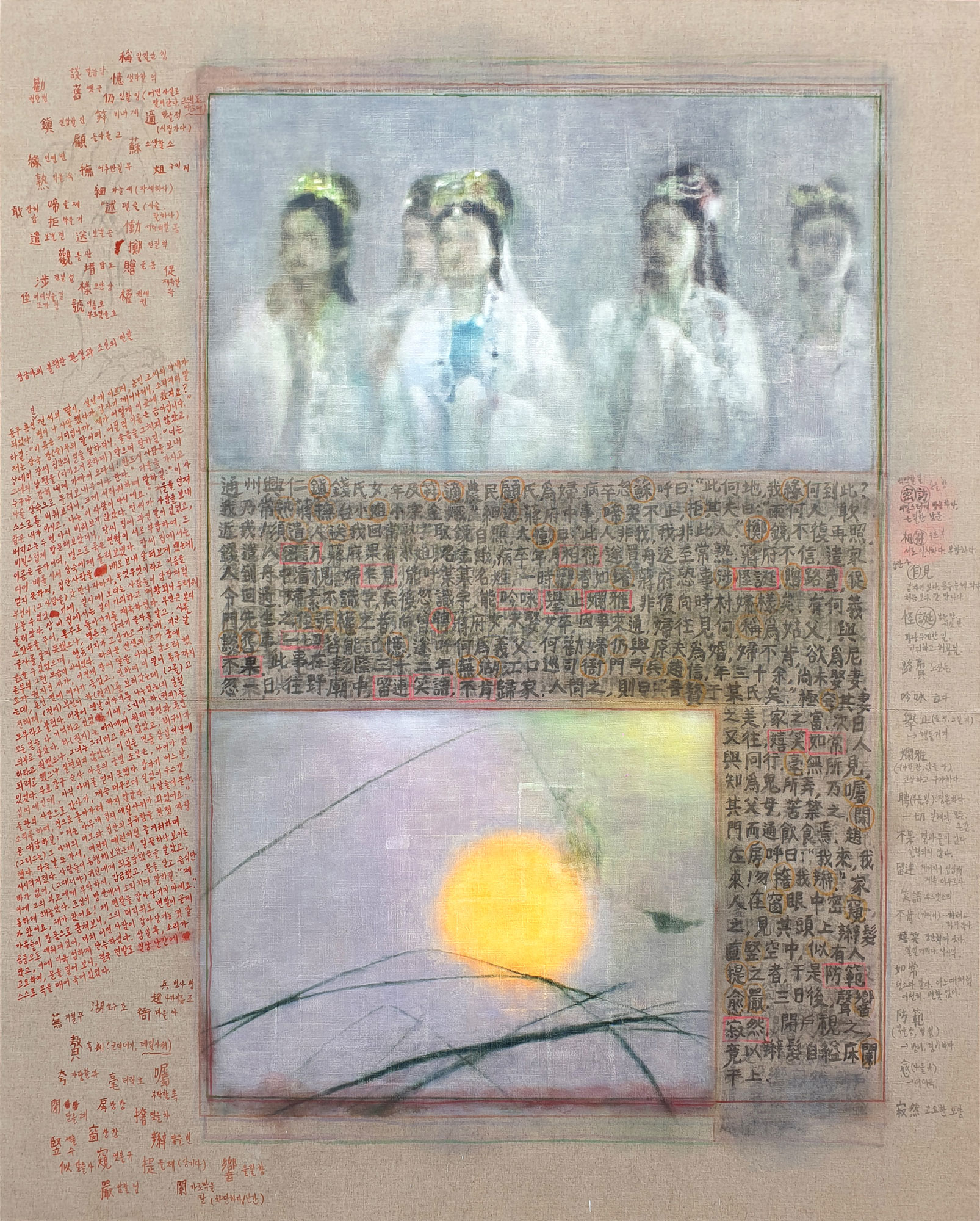
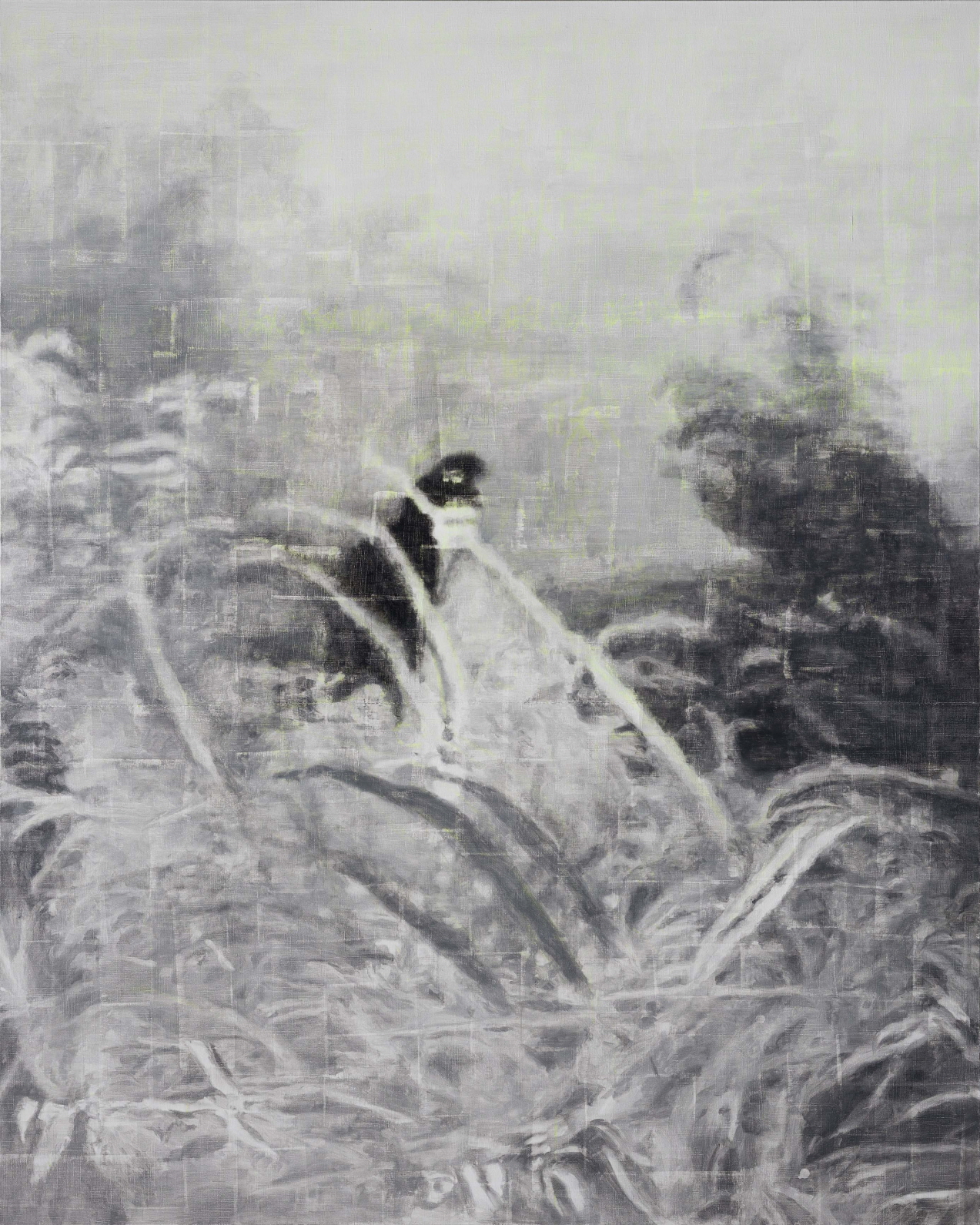
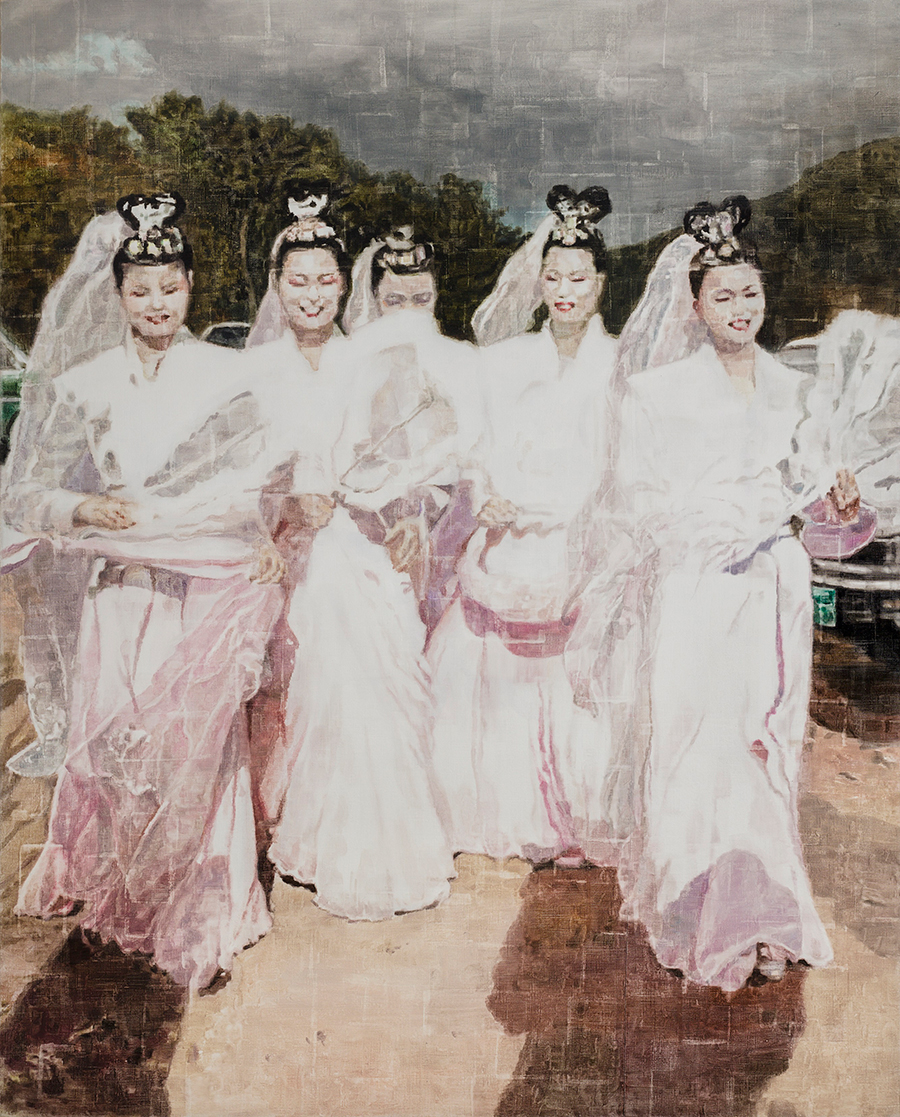
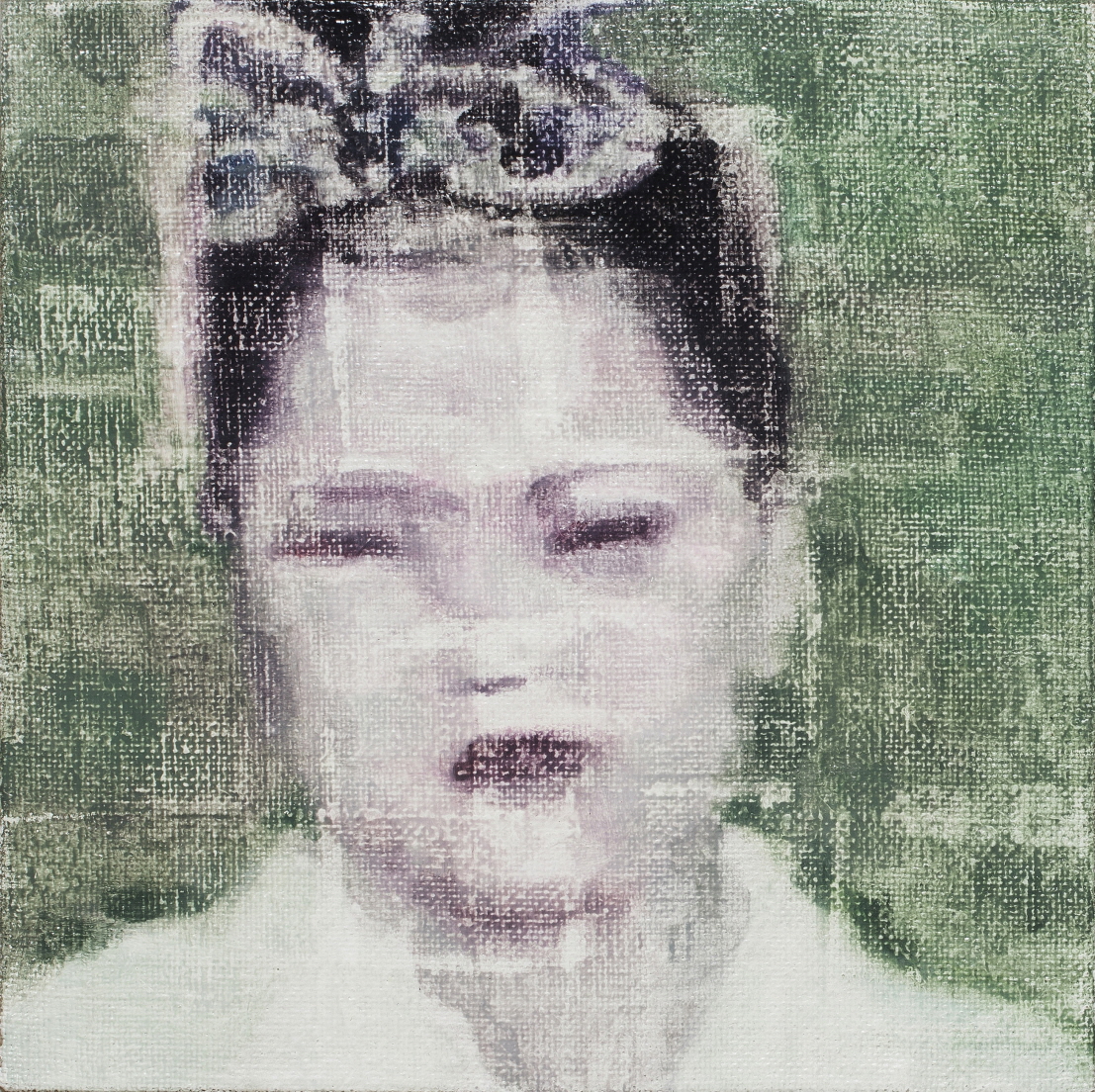
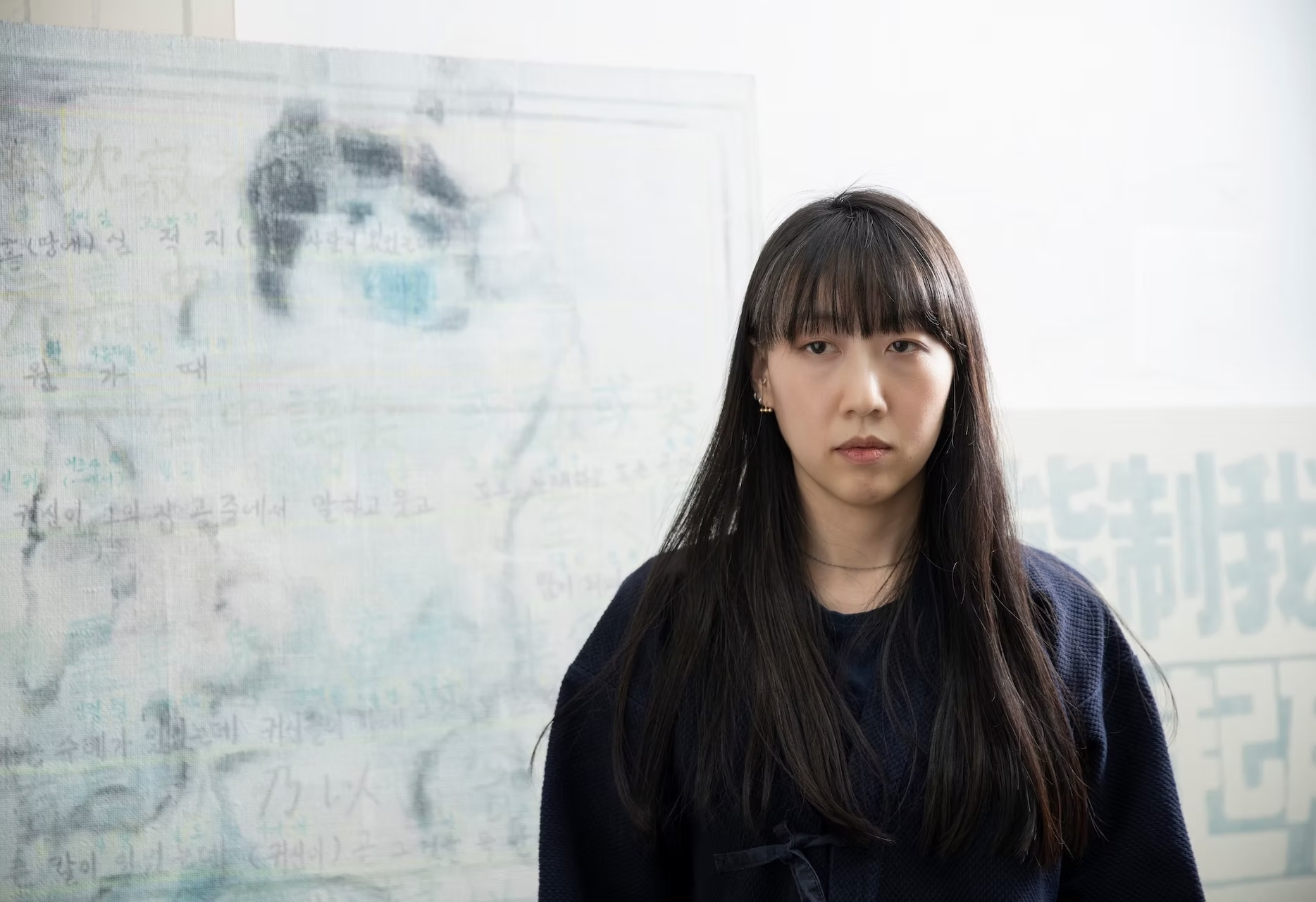
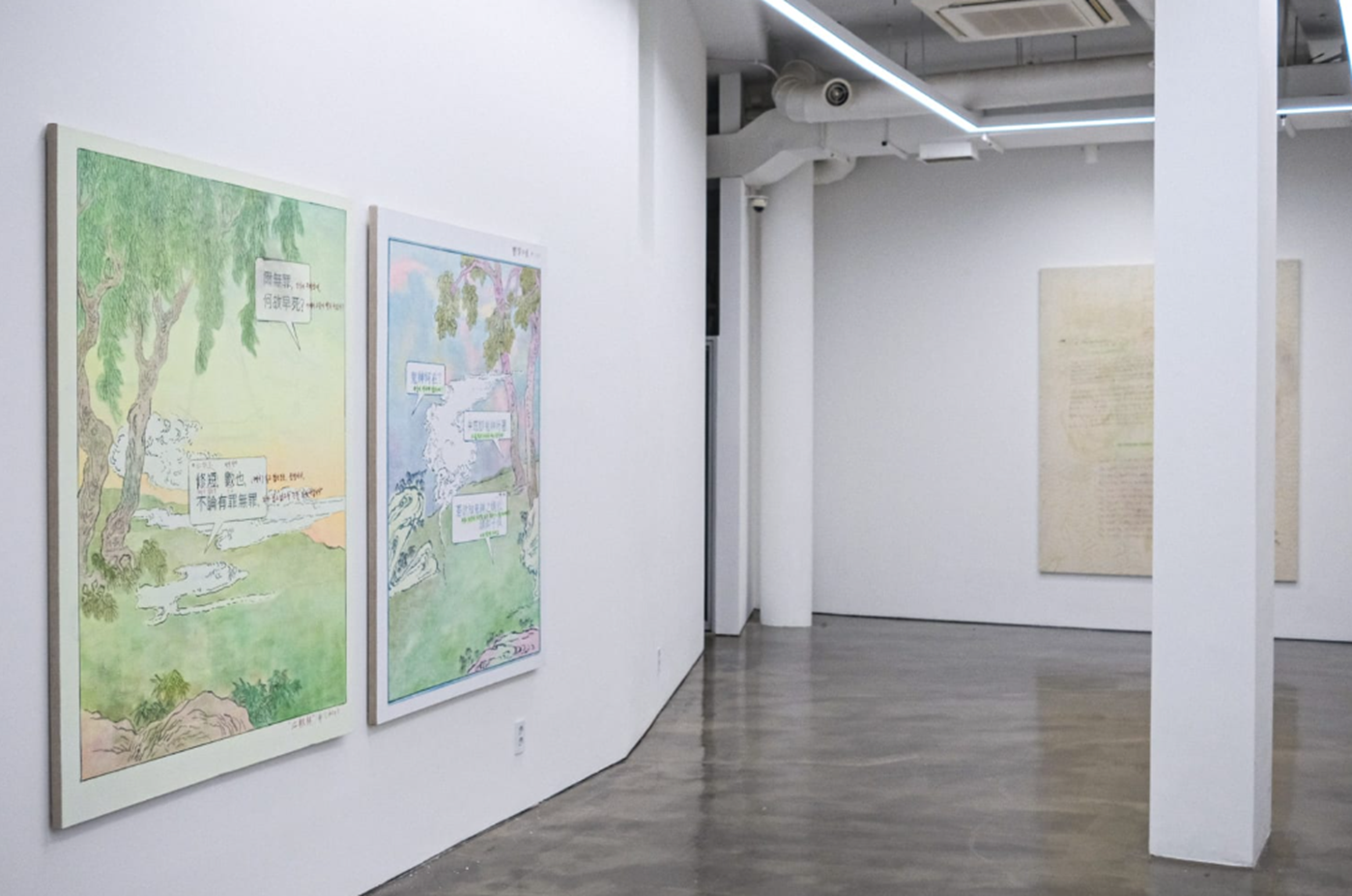
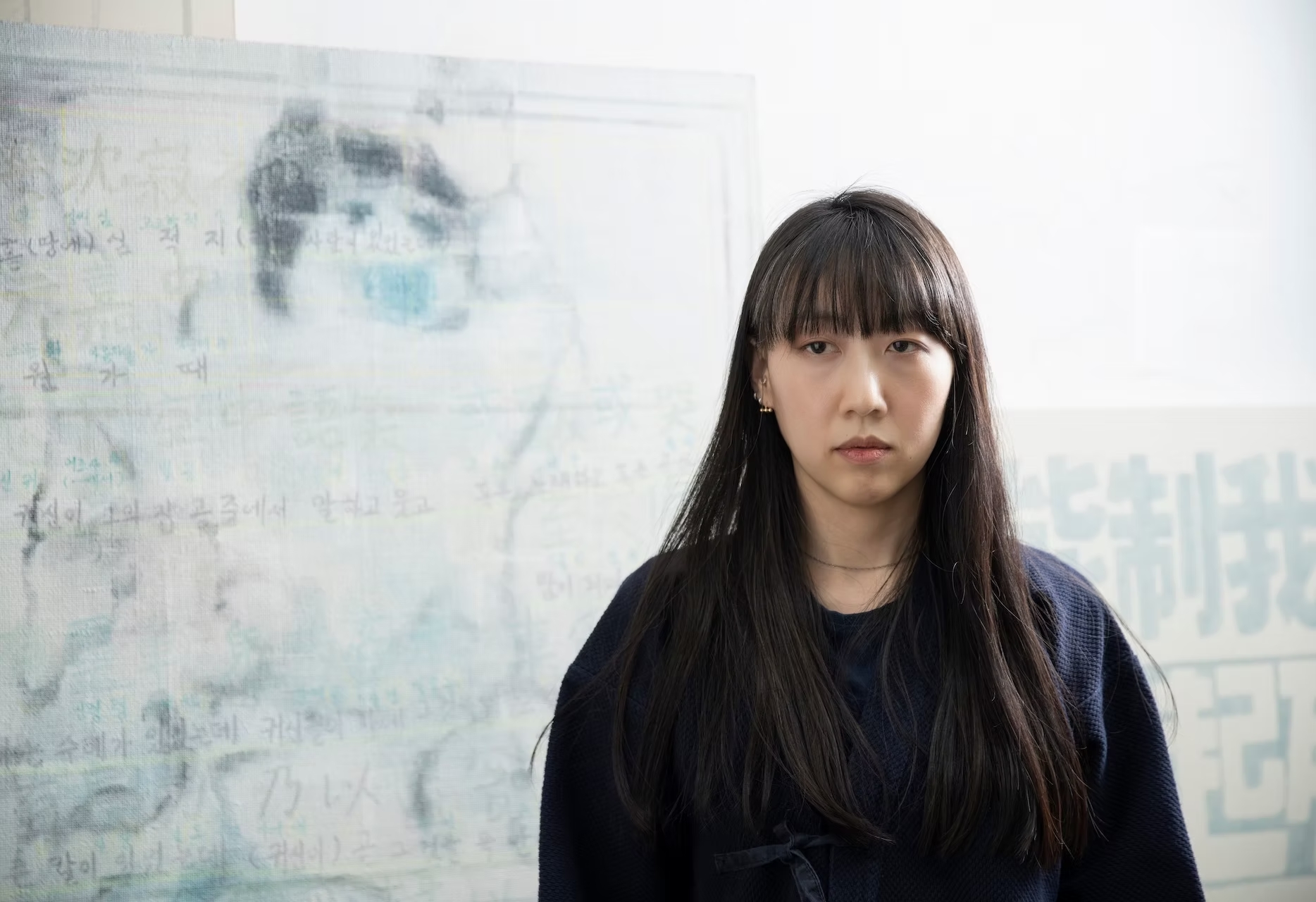
title of the exhibition, 《Paint hoe繪, Paint huà畫》 implies Choe Sooryeon’s method
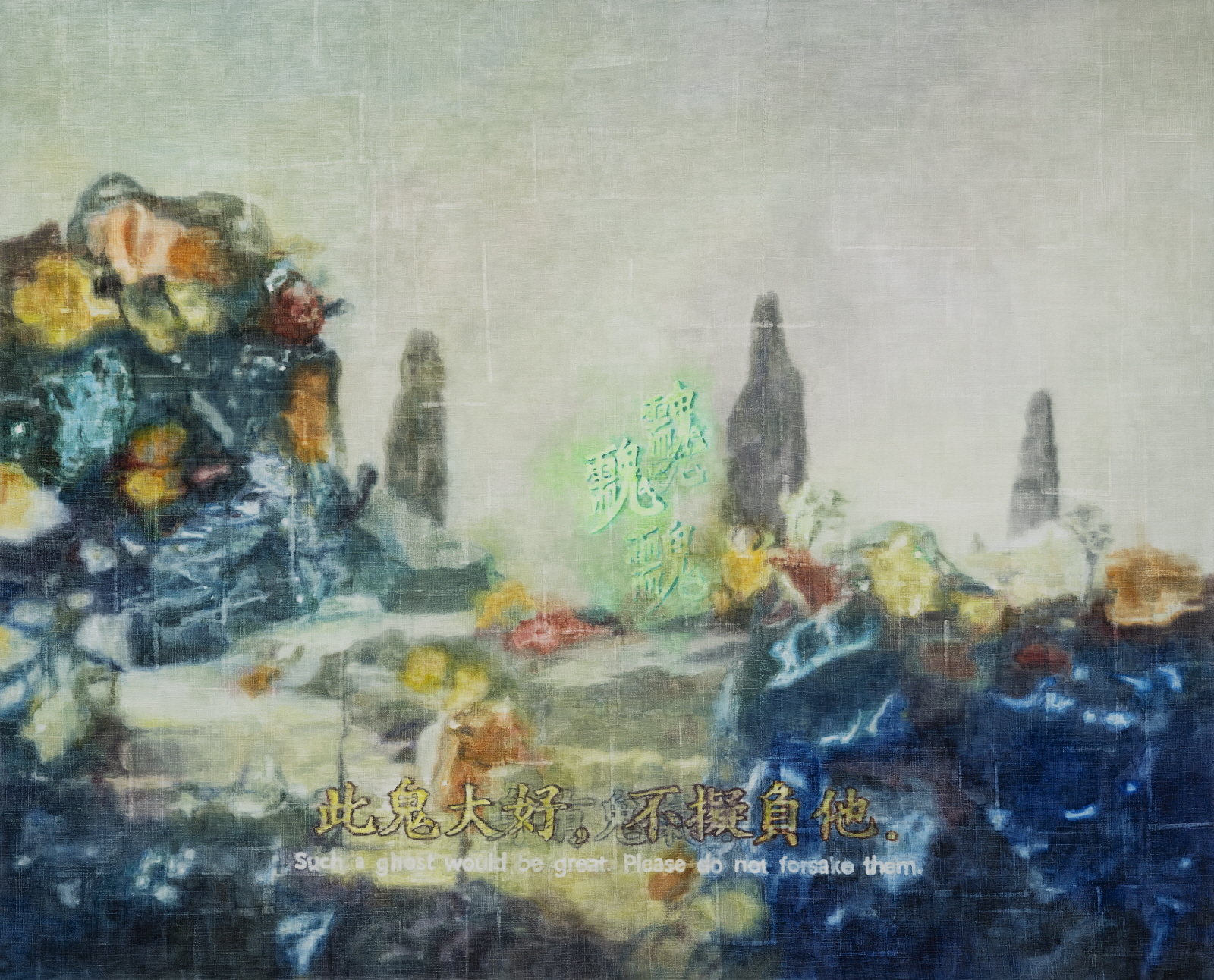
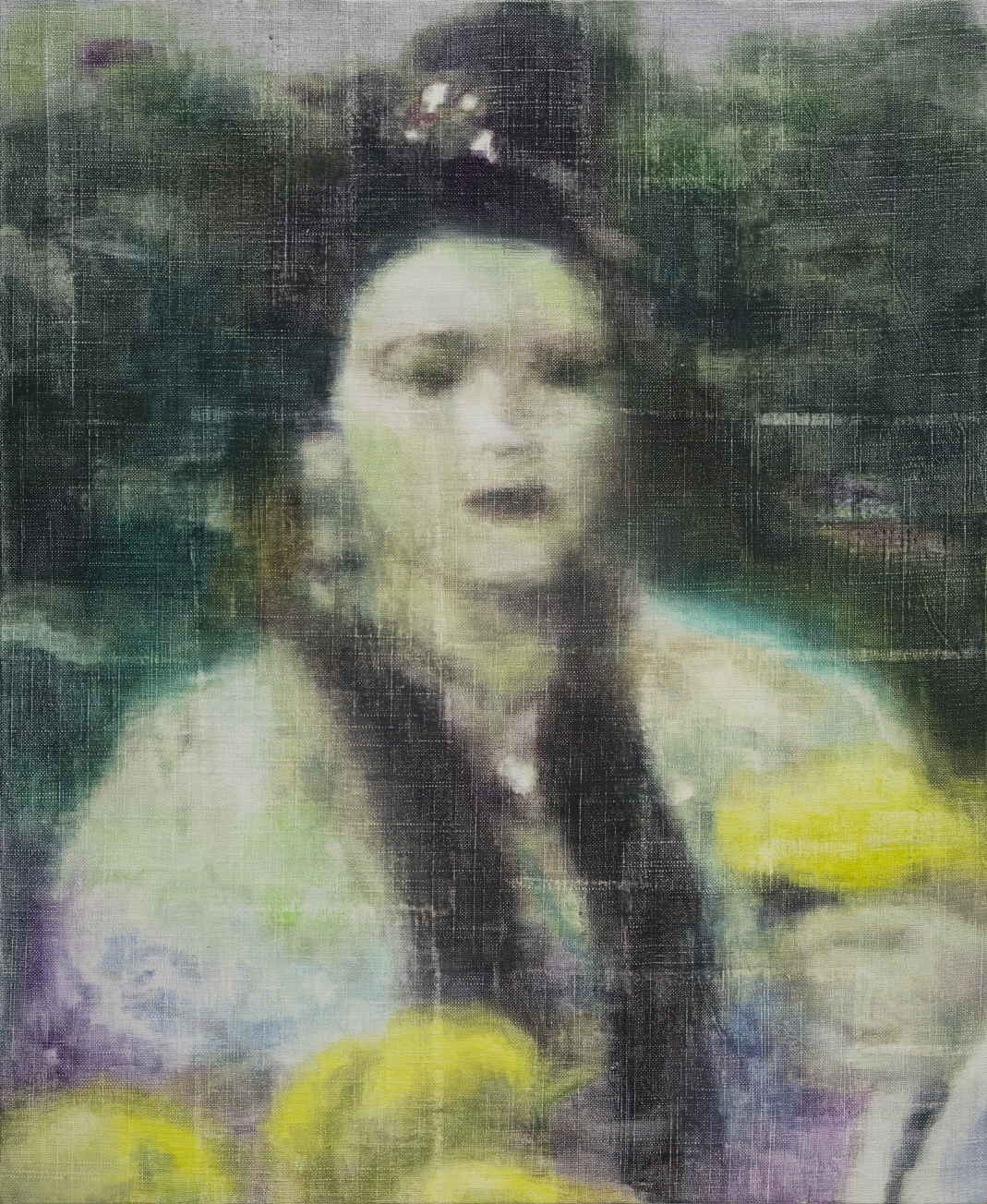
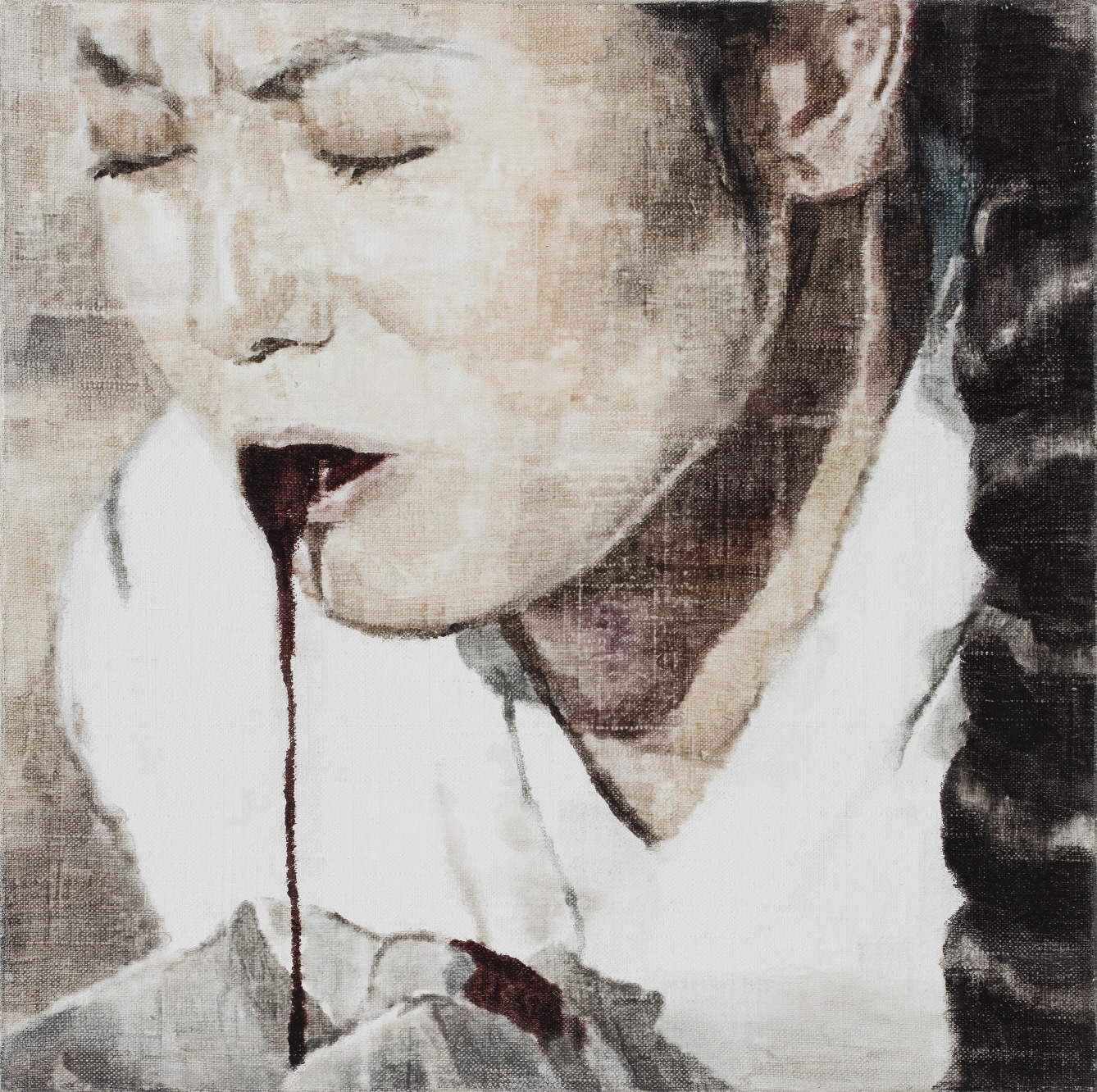
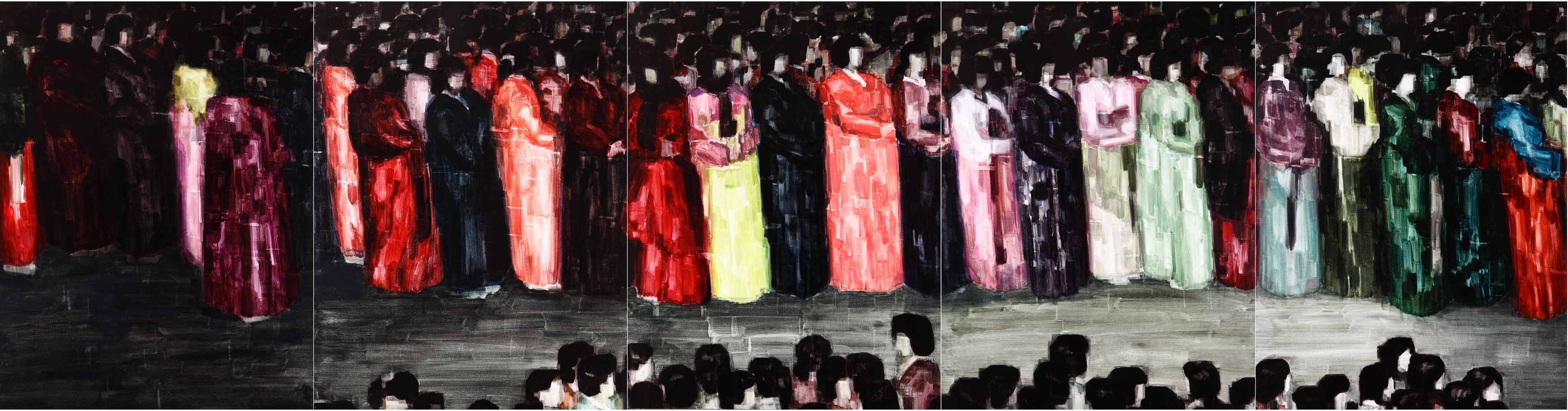
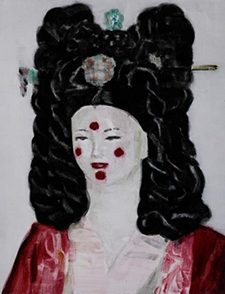
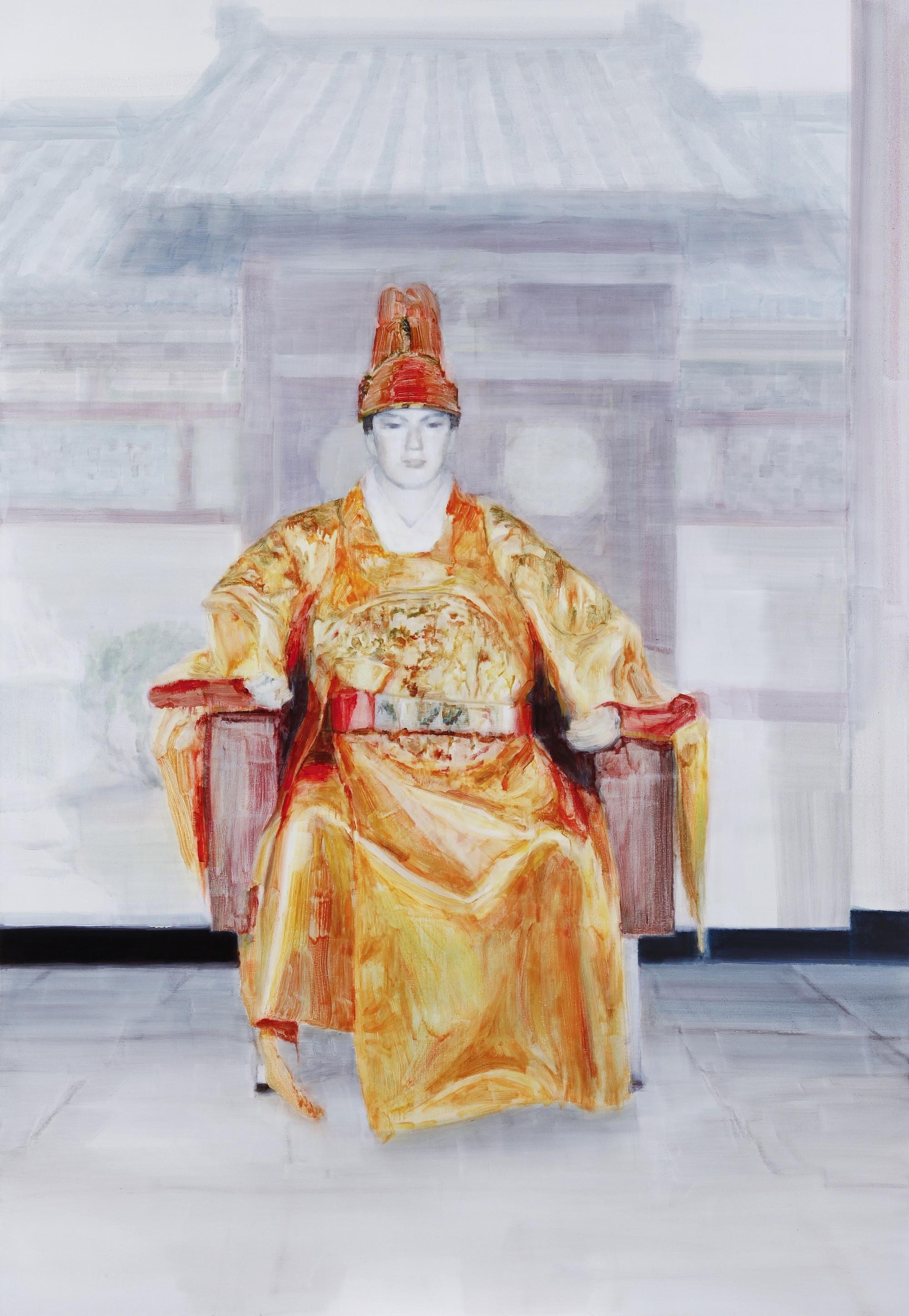
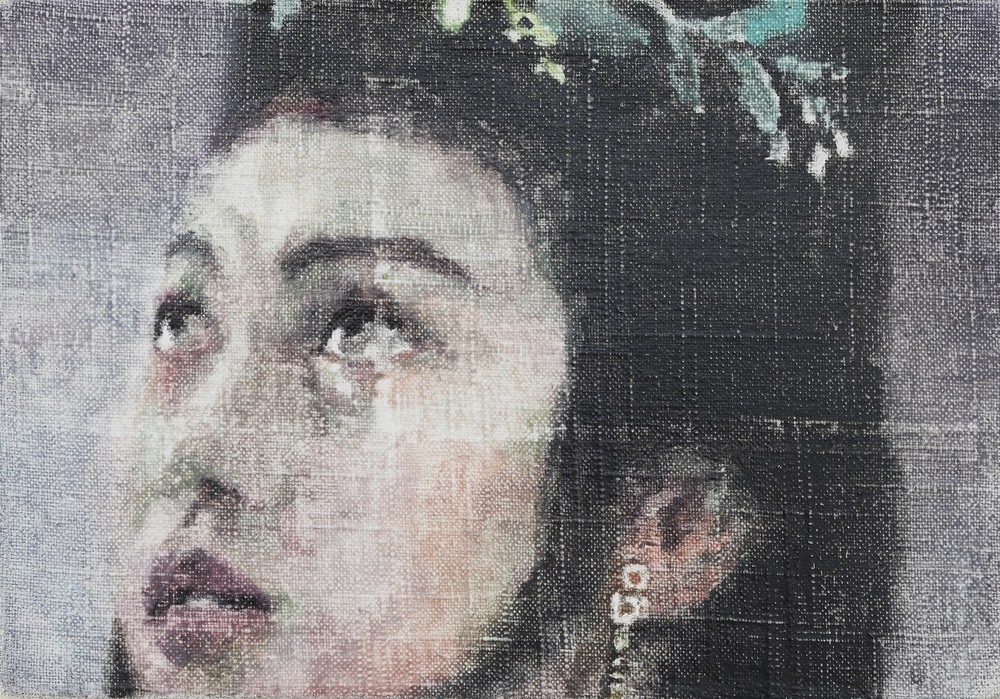
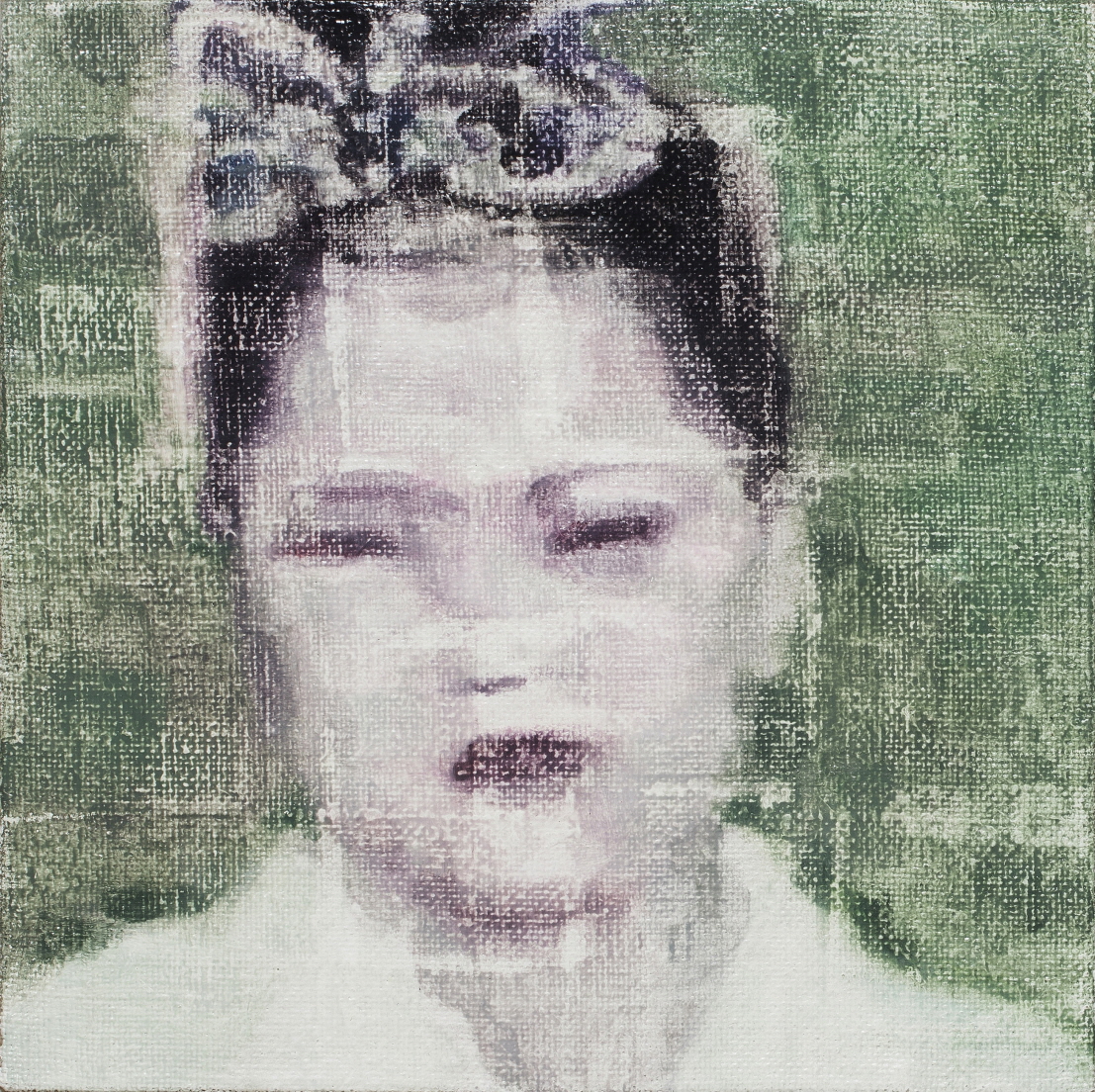
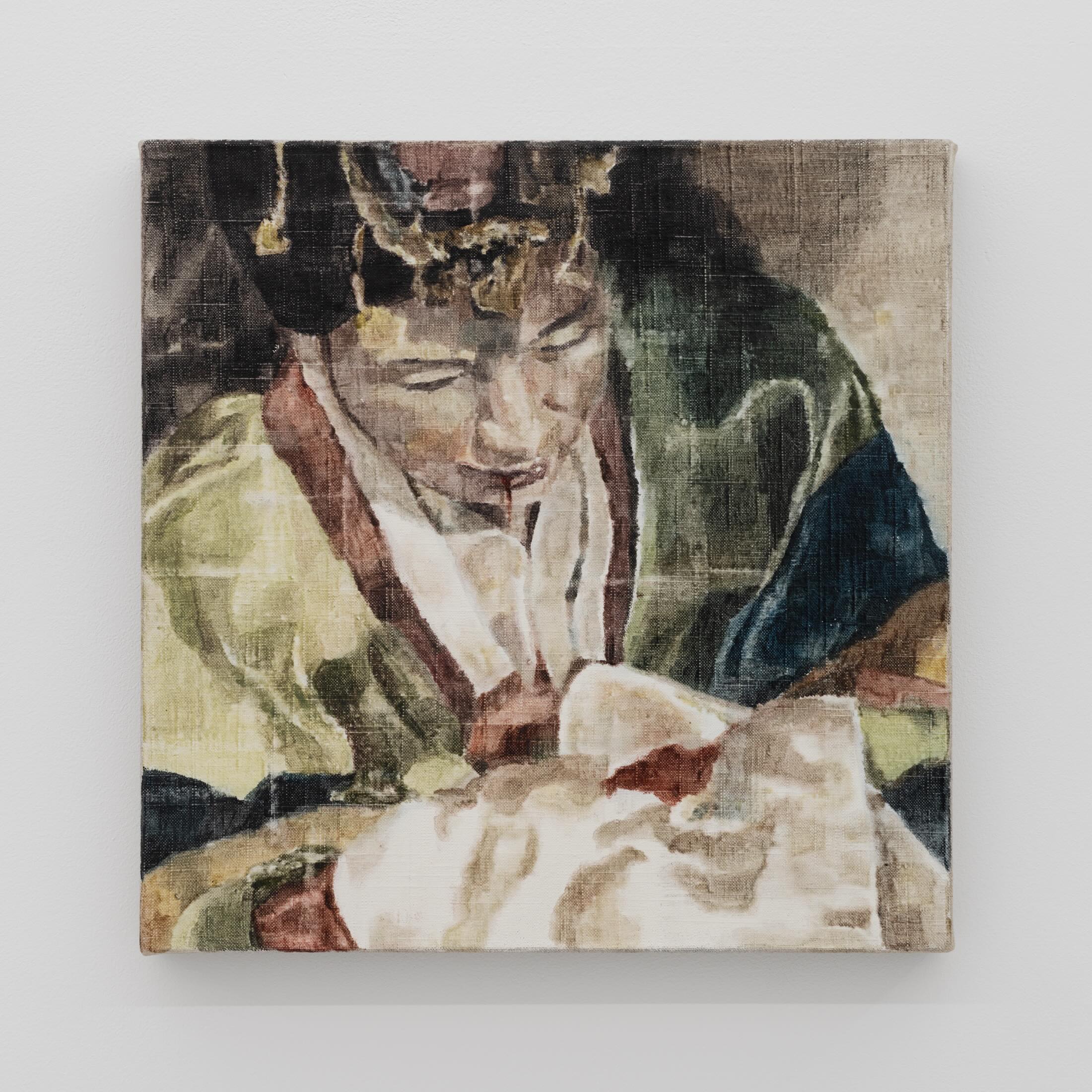
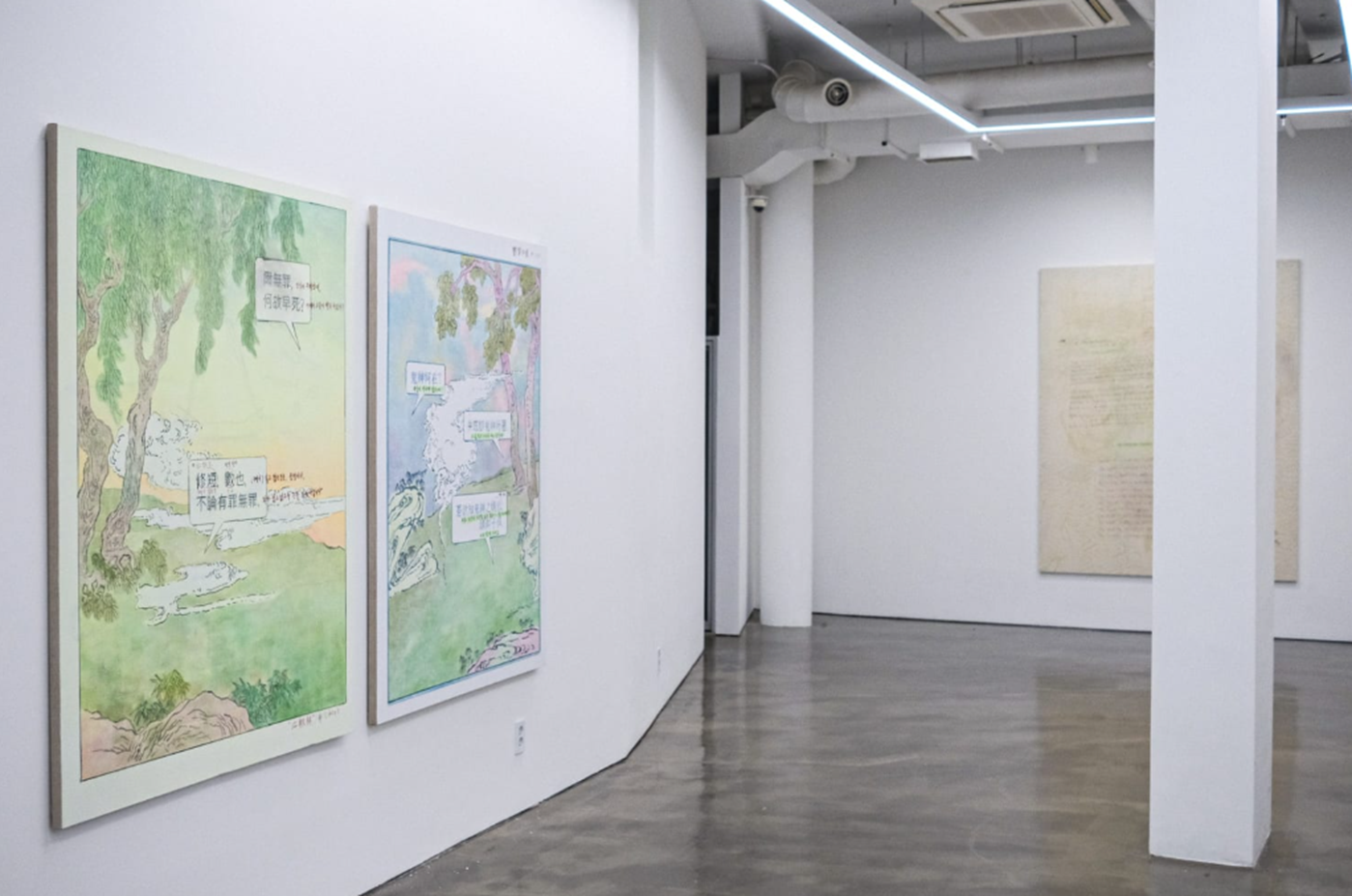
of painting. Her oil paintings portray traditional and classical images of
Northeast Asia, reimagined in a modern context; tracing classic ghost stories,
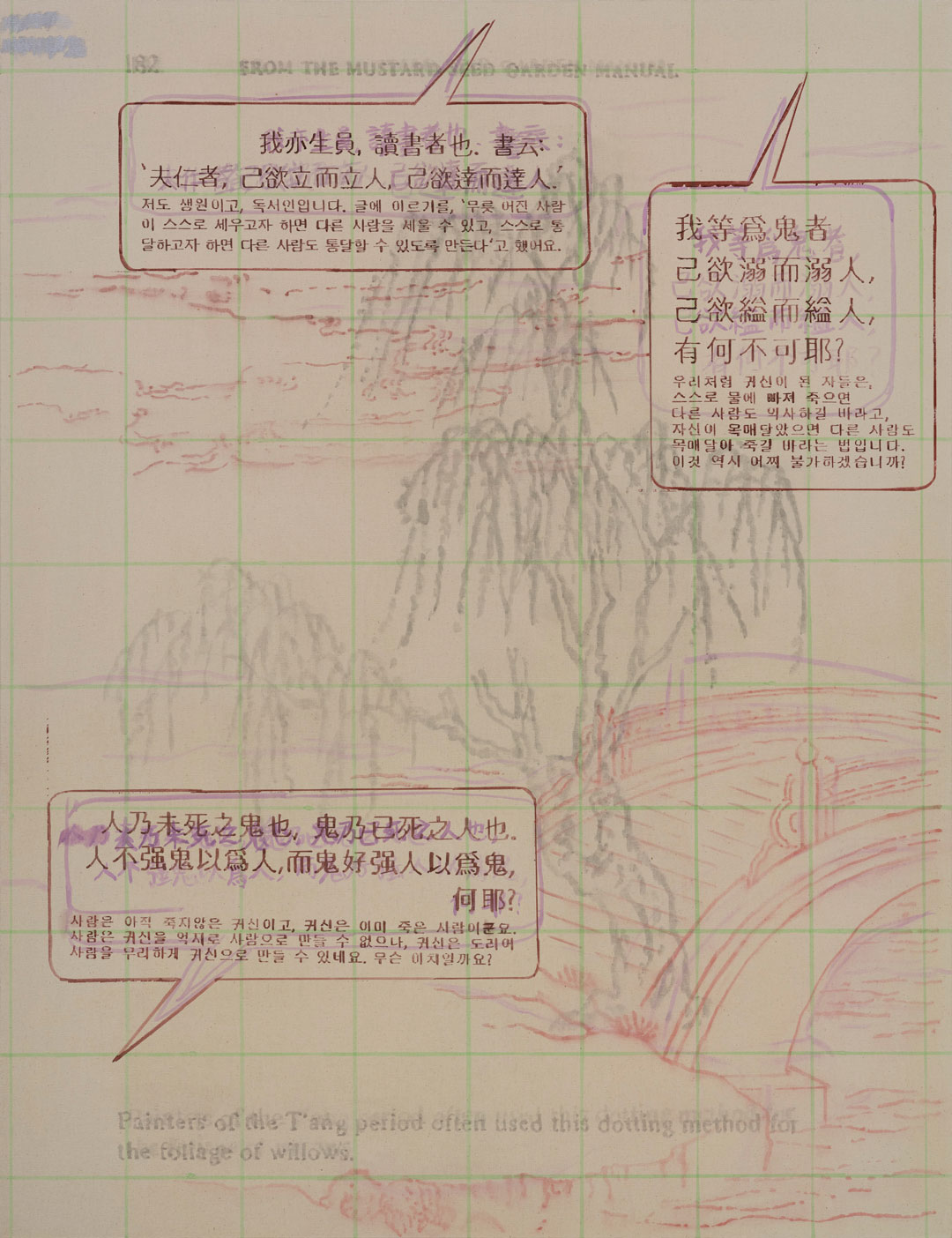
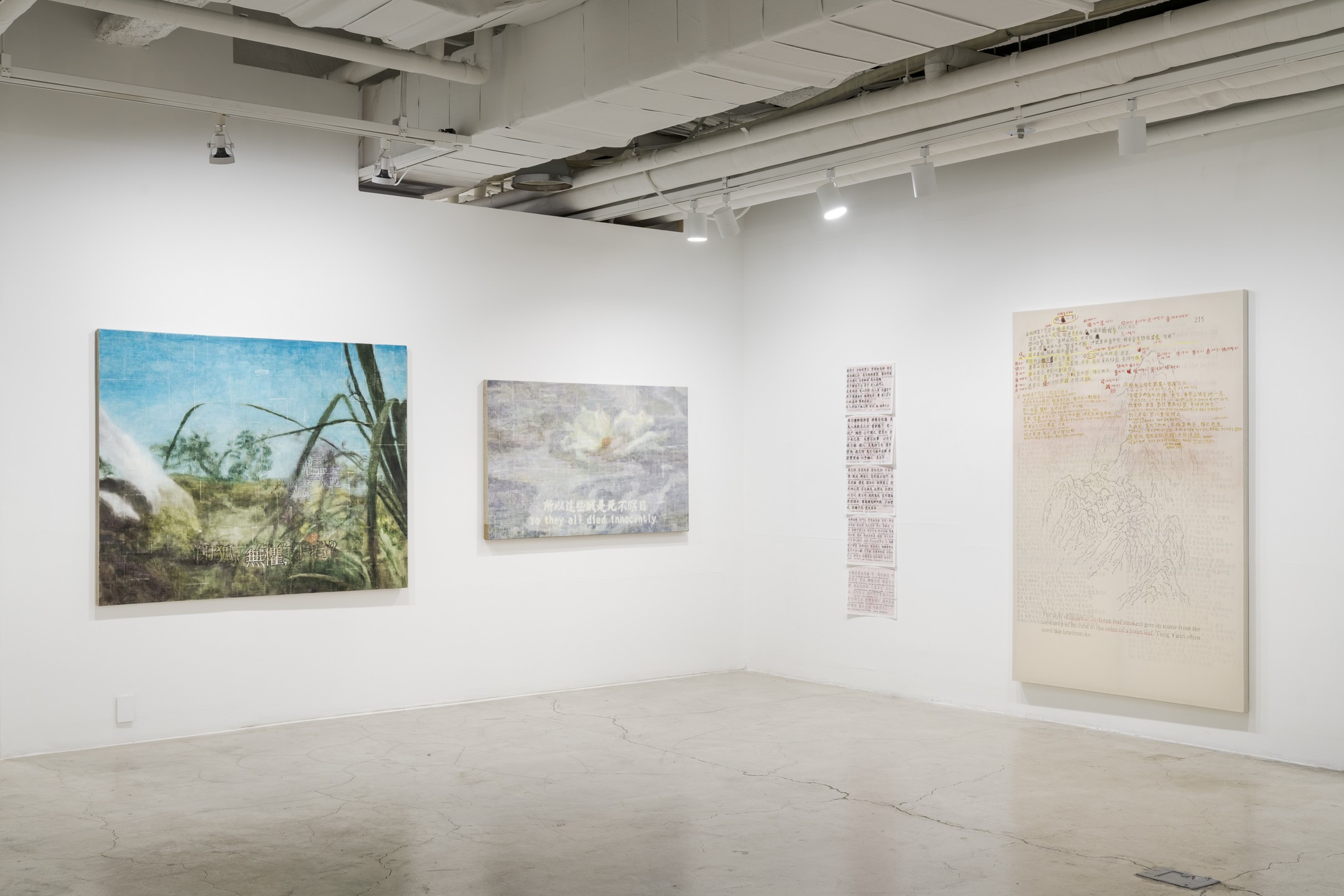
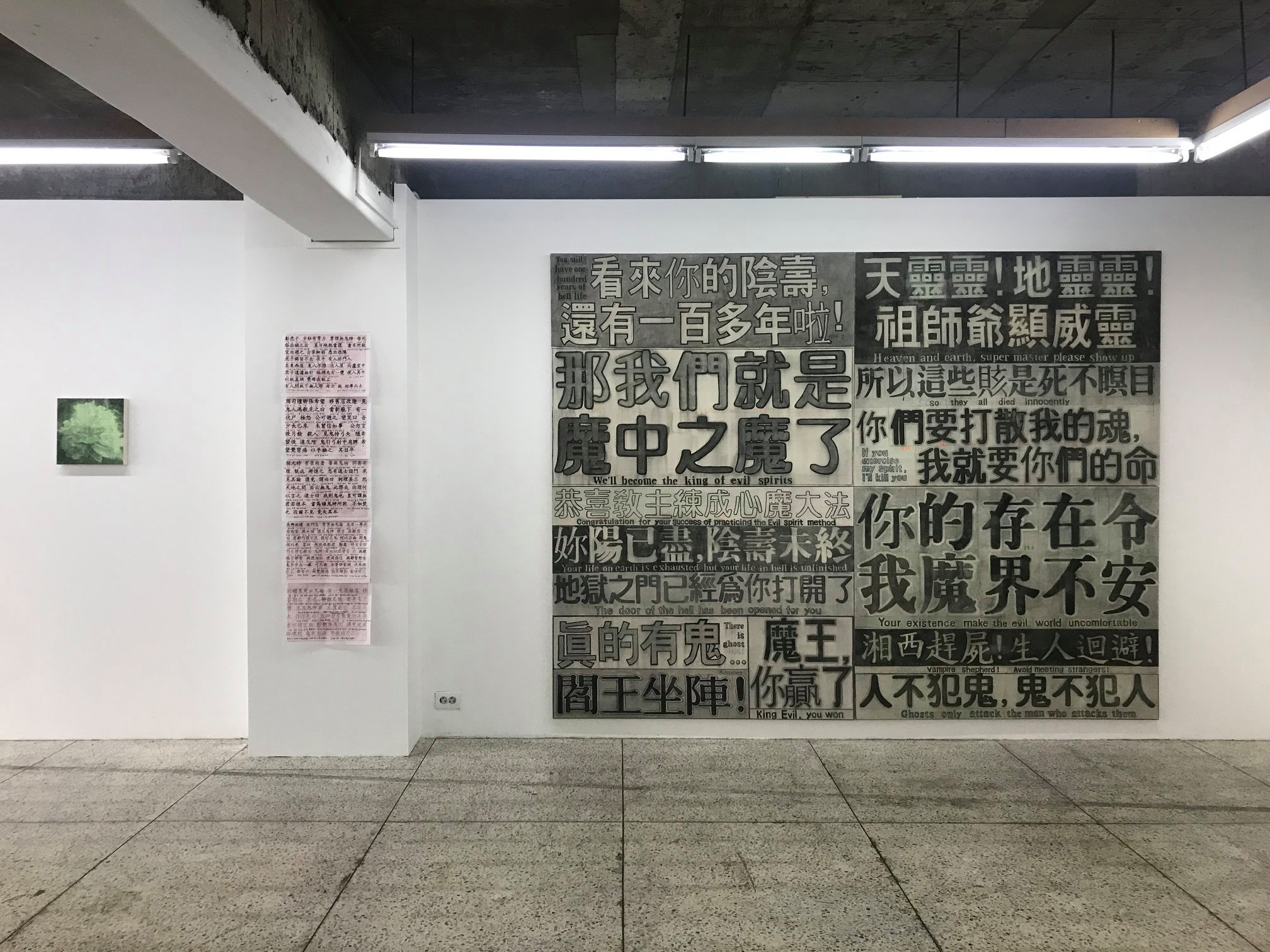
oriental painting books, and prophets. The series ‘Transcriptions for the
Hangeul Generation’ paints Chinese characters from original texts collected by
the artist, and adds reading sounds and interpretation. For this revelation,
Choe has created a work that utilizes the pages of ,
1956, by Mai Mai Sze, shows how to paint flowers, trees, stones, people, and
objects in Oriental painting, as the basis for her work.
Her
paintings look familiar, like handwritten notes, but they are a mixture of
disparate and ambivalent things that cannot be clearly defined. As you read the
pictures and look at the writing, the repetition of "death and dying"
in her paintings is both funny and frightening, like a joke in a dull twist, or
like a bitter reminder of the transience of life. In old Chinese texts, the
seriousness of the font coexists with humor that comes from its verbosity and
seriousness. The familiarity, unfamiliarity, and sometimes ridiculousness of
Chinese texts reflects our dual attitudes towards 'Oriental' things.
Meanwhile,
the artist is holding the question of painting. From her solo exhibition at
Incheon Art Platform in 2020, a series based on ‘Pictures for Use and
Pleasure,’ and to 《Paint hoe繪, Paint huà畫》. However, the artist is unable to put her sincere conviction about
'good painting' in front, as the classical discourse quoted in the painting
does. Perhaps her sincere confession can only be made in a joking manner, as a
tautology, just as the Chinese character hoe huà means 'picture picture'.
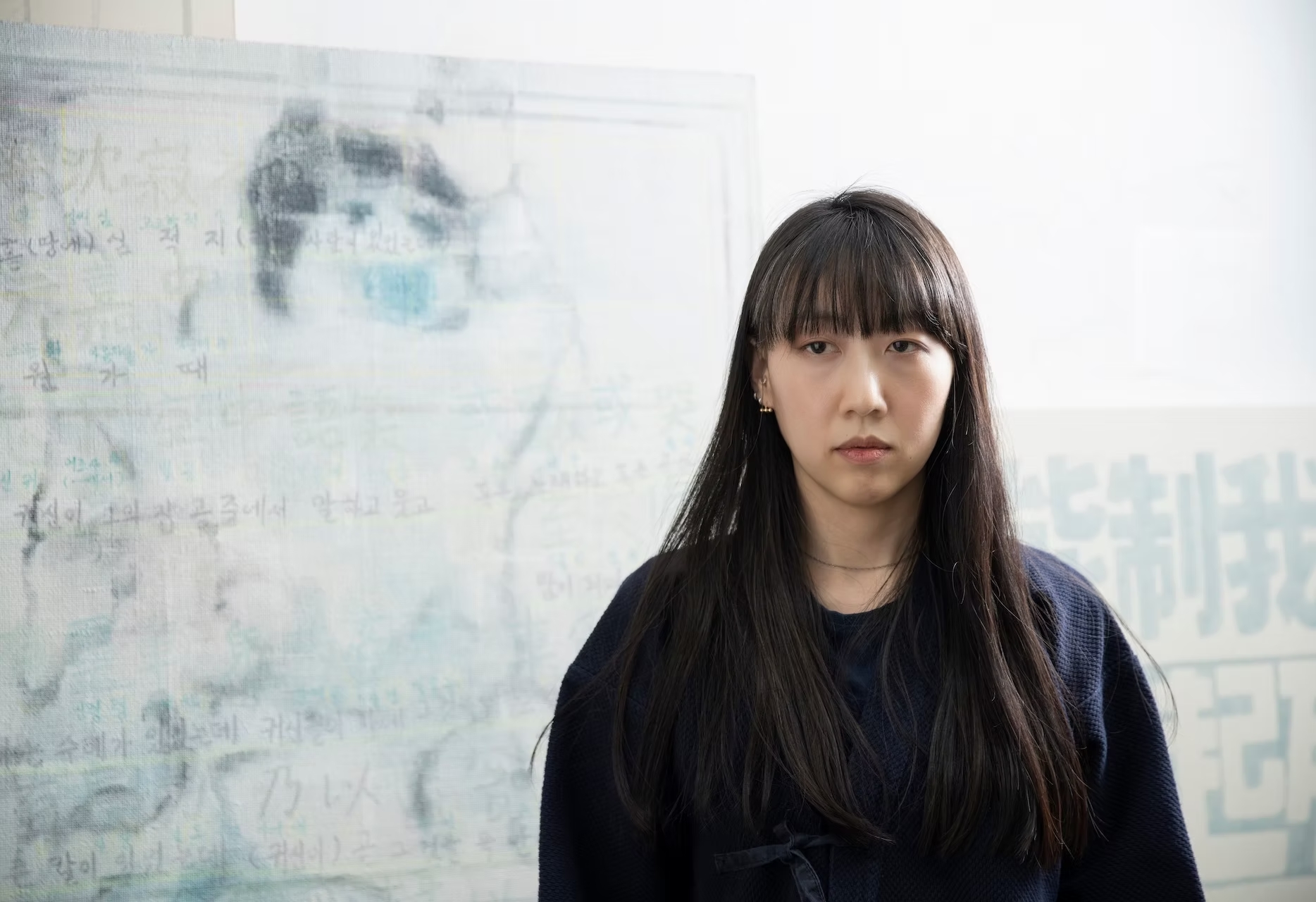
Artist’s Statement
Depicting
with interest the way oriental images are reproduced and consumed in
contemporary times. Oriental things, considered old and strange in post-modern
Korean society are half-suspiciously covered up, be liked, and rethought in
their utility. Based on the traditional clichéd images shared by Northeast
Asia, she tries to catch sorrow, women, the gap between reality, inner
orientalism, doubt, ignorance, and absurdity.
She
graduated from the Department of Painting at Hongik University and earned her
master's degree in Western Painting from Seoul National University. She has
held solo exhibitions such as 《Moojung Pilsa》, 2020, 《Taepyeong Sunjeon》 2020, and 《Music of a Lost Country》, 2019, Cheongju Art Studio, 2018.