


Love at first sight—how likely is it, really? The probability is close to zero. But people constantly try to increase their chances, putting in effort to make a good first impression. Now, what if this concept extended beyond personal relationships to cities? While the moment of falling in love with a new city or country varies from traveler to traveler, one thing remains constant: the first impression. And that, inevitably, is the airport.

Airports are the object of desire for political, administrative, economic, and cultural entities. They are the first space that foreigners encounter upon arrival and the last stop for departing nationals. What place could be more important than one that serves as both the beginning and the end of a journey? This is why astronomical budgets are poured into creating airports that are safe, clean, equipped with cutting-edge technology, and, most importantly, unforgettable.

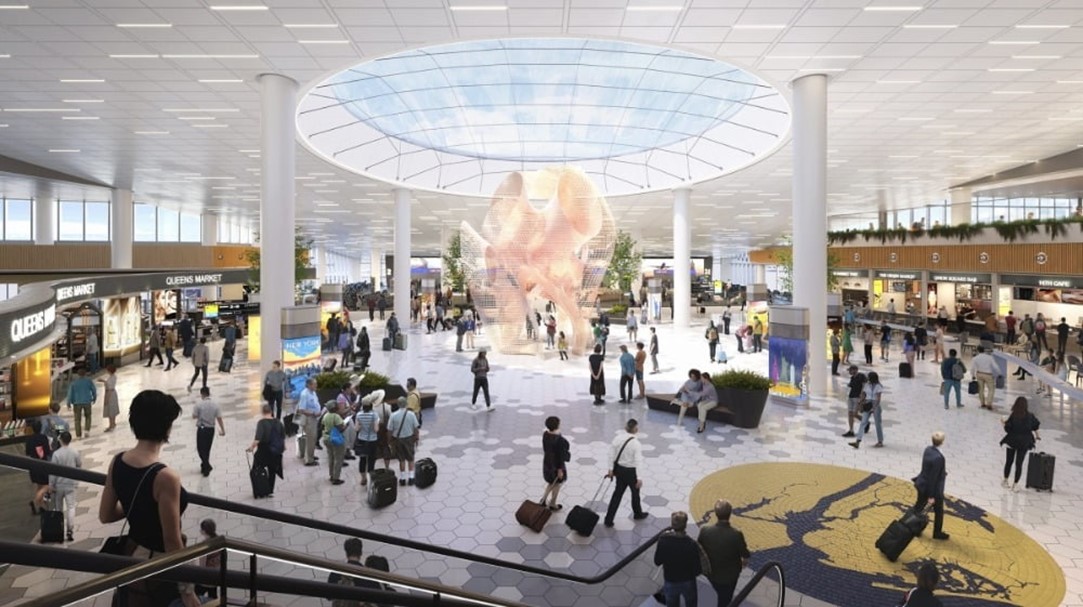
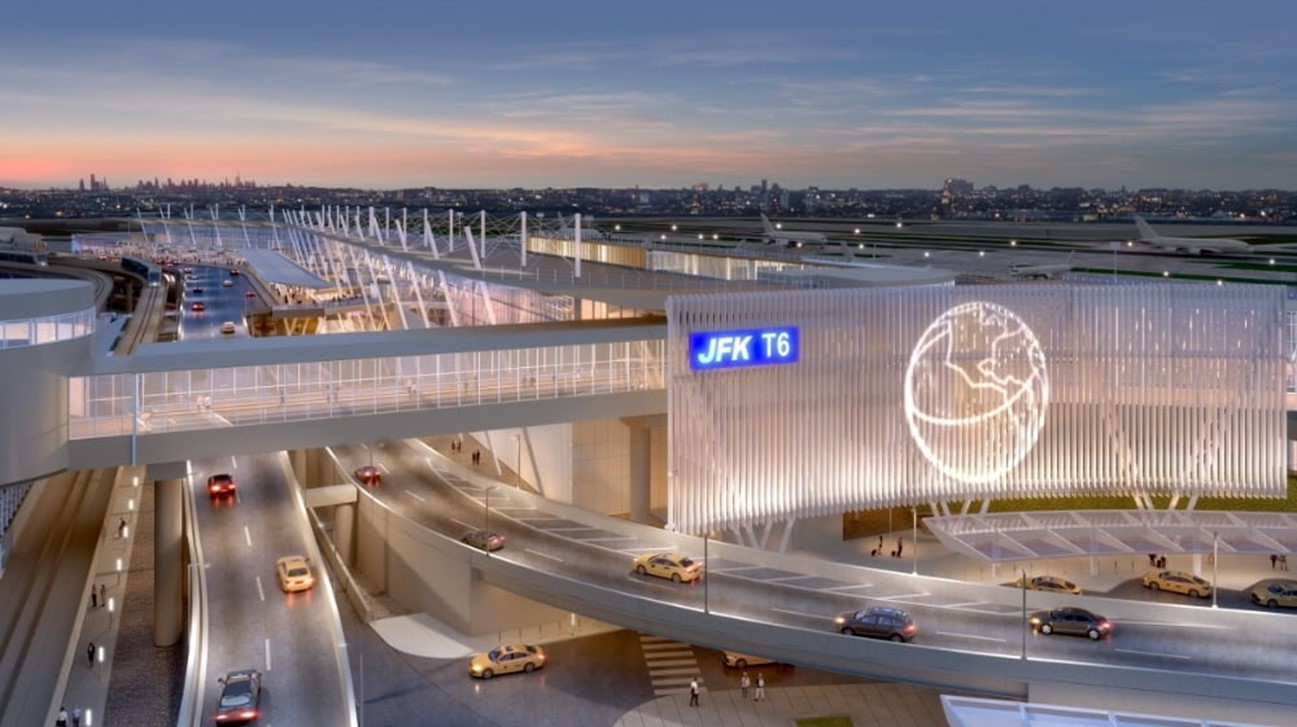
Rendering of the interior of JFK Terminal 6, set to open in 2026. On March 17, the Port Authority of New York and New Jersey announced the selection of 18 artists whose works will be permanently installed in the terminal, including two Korean artists. © The Port Authority of New York and New Jersey


A New JFK Terminal with a $4.2 Billion Budget—What About the Art?


The global financial hub of New York is no exception. The Port Authority of New York and New Jersey, which manages New York’s airports, is preparing to open Phase 1 of the new Terminal 6 at John F. Kennedy International Airport (JFK) in 2026, with full completion set for 2028. The budget for construction and operation of the new terminal stands at a staggering $4.2 billion (approximately 5.8 trillion KRW). With an annual passenger volume of 63 million (as of 2024), the demand for an upgraded terminal and additional facilities is clear. Even during the COVID-19 pandemic, when passenger numbers temporarily plummeted to 10 million, JFK's traffic rebounded, continuing its upward trend.

A recent announcement on March 19 provided a glimpse into the evolving Terminal 6. This wasn’t about advanced logistics or optimized traffic flow but rather about the artists selected to create permanent artworks for the space. A total of 18 artists have been chosen to install works at the terminal. The Port Authority emphasized, “Public art that evokes our region is a key part of our strategy to build a world-class airport. The works installed in JFK Terminal 6 will captivate travelers and help establish a sense of place unique to New York.” In other words, they want passengers to immediately feel, "This is New York."

Rendering of the interior of JFK Terminal 6. © The Port Authority of New York and New Jersey


New York Vibes for New York—Two Korean Artists Included

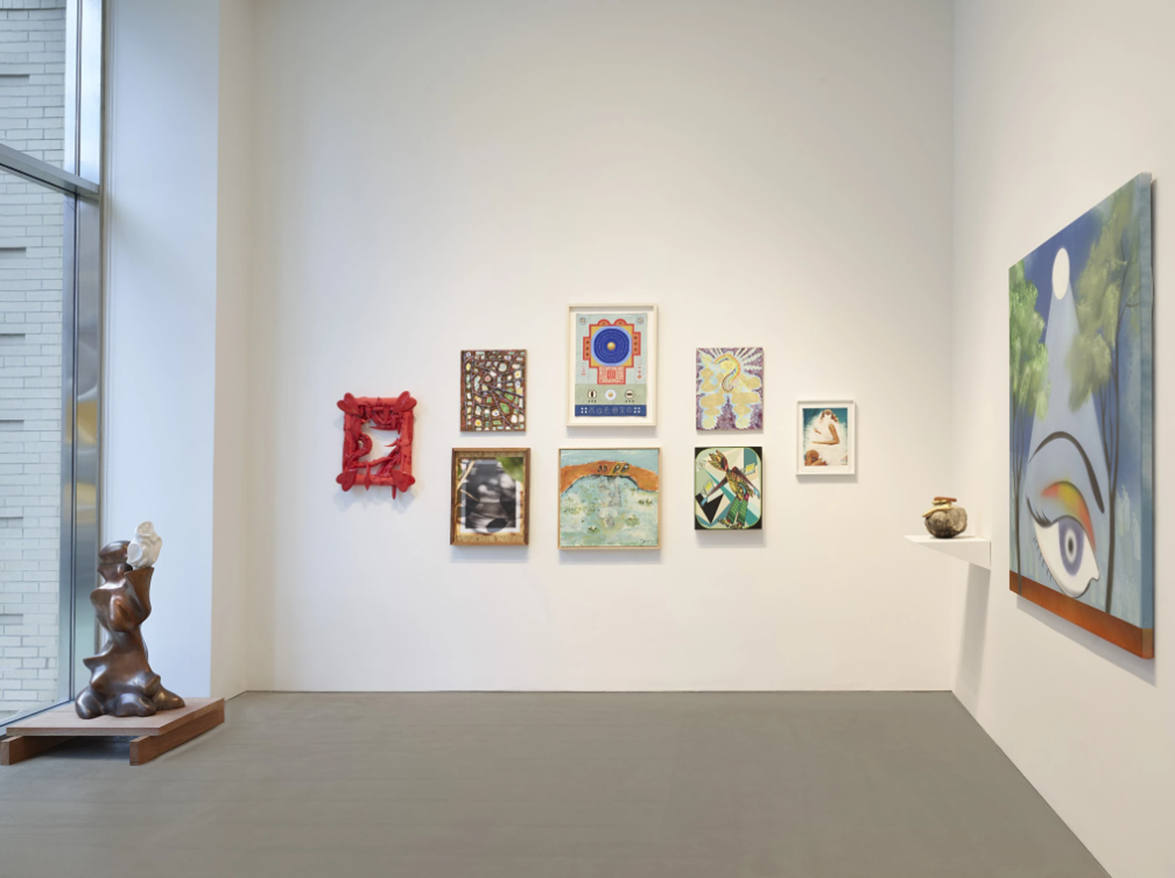
Looking at the list of selected artists, the dominance of American artists is clear. Was it to amplify the “New York vibe”? Ten of the 18 artists are based in or from New York. The roster includes blue-chip American artists such as Barbara Kruger, Charles Gaines, Nina Chanel Abney, and Teresita Fernández, as well as emerging talents like Mexico’s Felipe Baeza, Germany’s Kerstin Brätsch, and Somalia’s Uman. Among them, two Korean artists were selected: Haegue Yang and GaHee Park.

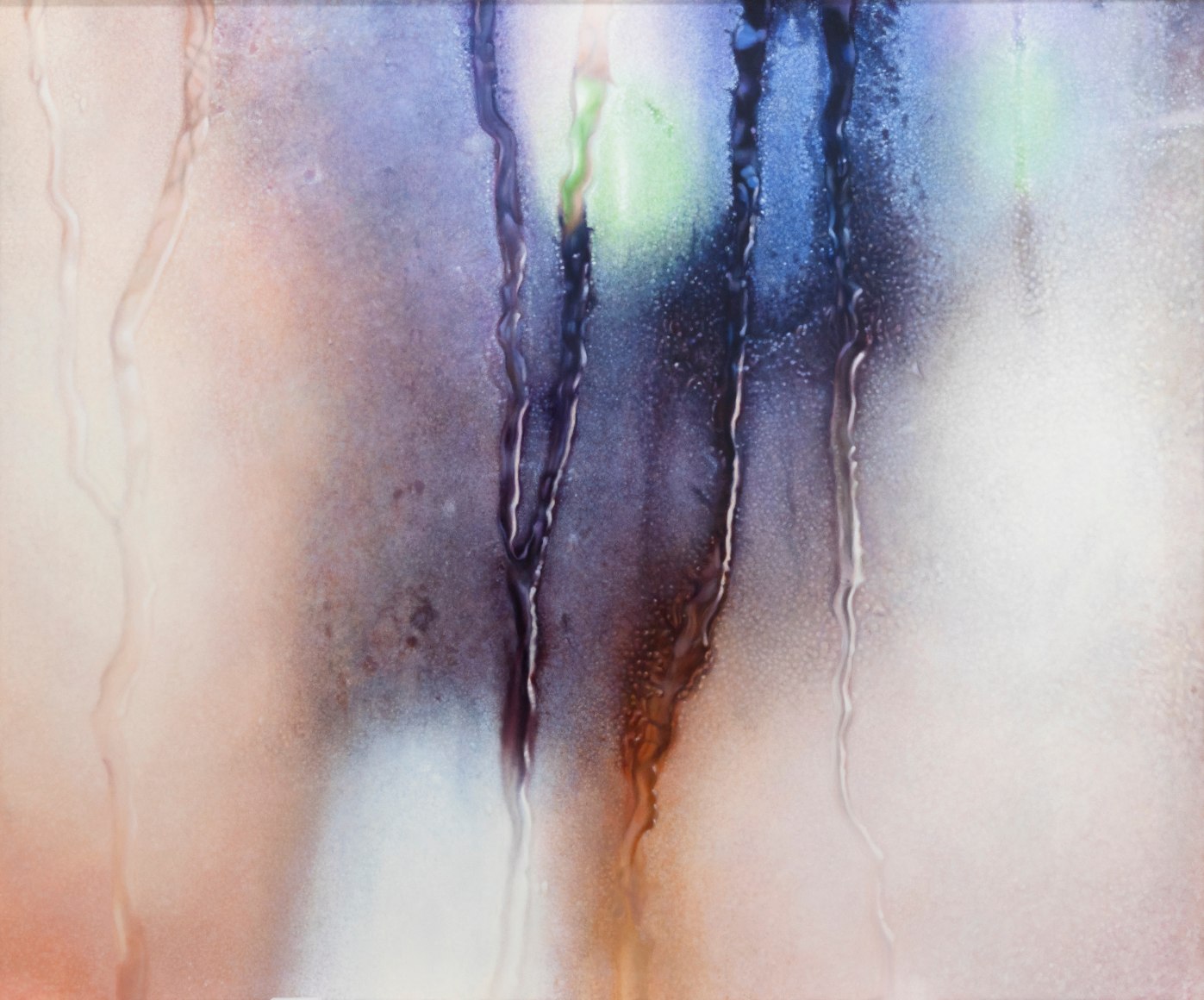
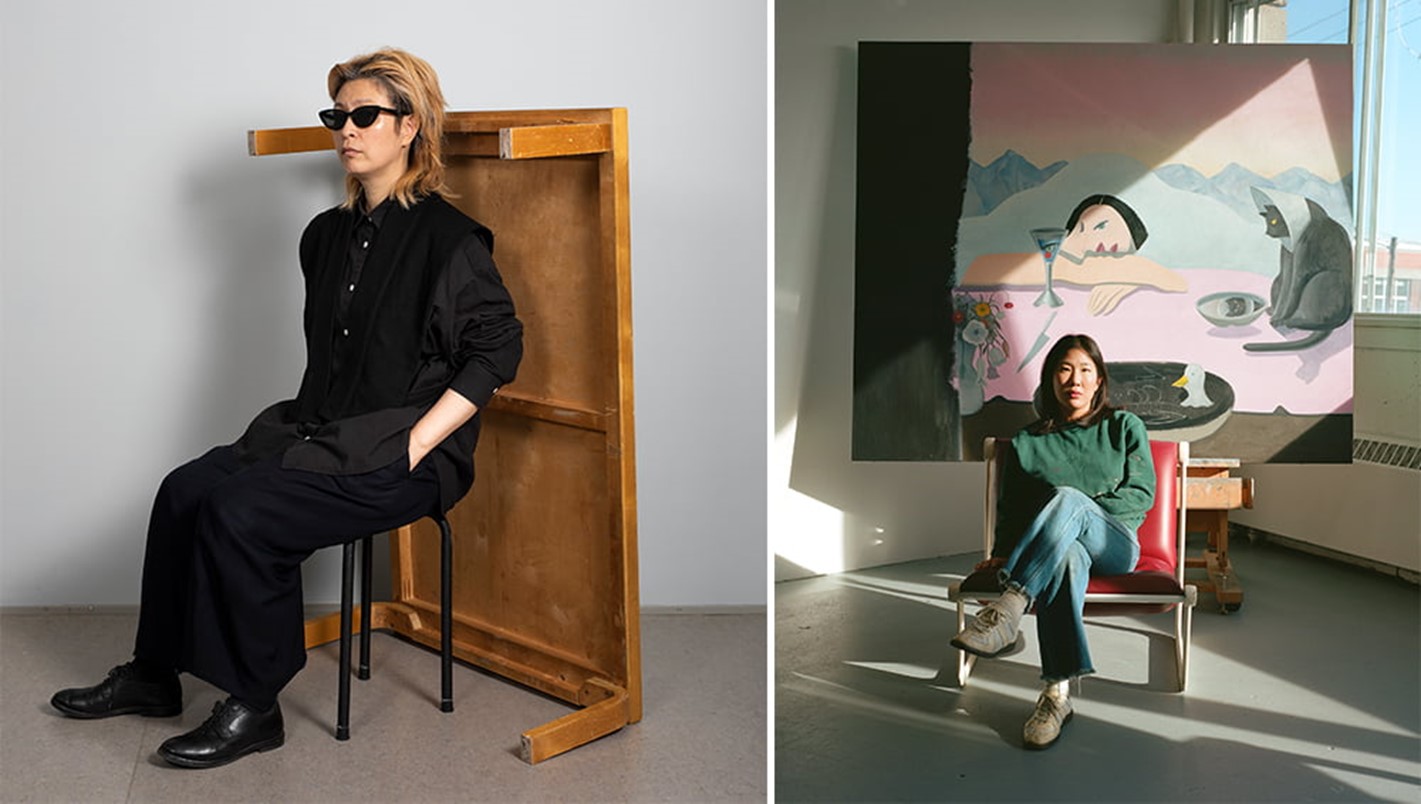
Haegue Yang, who divides her time between Seoul and Berlin, is known for her distinctive installations that create unique visual languages. She incorporates objects like bells, doorknobs, large-scale digital prints, and Venetian blinds suspended from ceilings. Stripped of their original functions and contexts, these elements generate a tension-filled yet unexpectedly harmonious spatial experience. Having left Seoul for Germany in her twenties, Yang's works are often interpreted as abstract expressions of migration and displacement.


Haegue Yang and GaHee Park, Now Meeting at JFK

While the exact nature of Haegue Yang’s upcoming installation at JFK Terminal 6 has not yet been disclosed, the art world speculates that it will be a suspended installation. Positioned along escalators or terminal corridors, it is expected to be a piece that travelers will naturally encounter by looking up. Given her lifelong engagement with themes of migration and movement, it will be intriguing to see how Yang's artistic language unfolds in an airport setting.

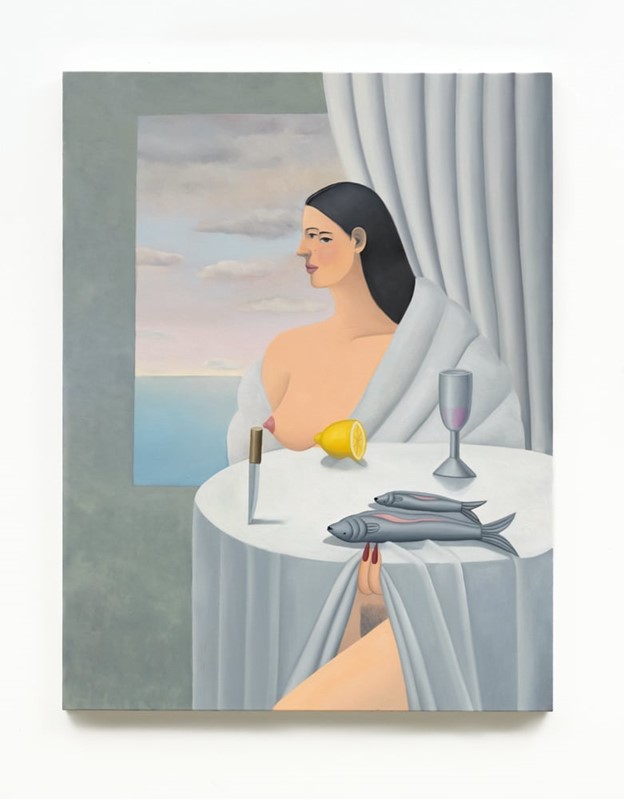
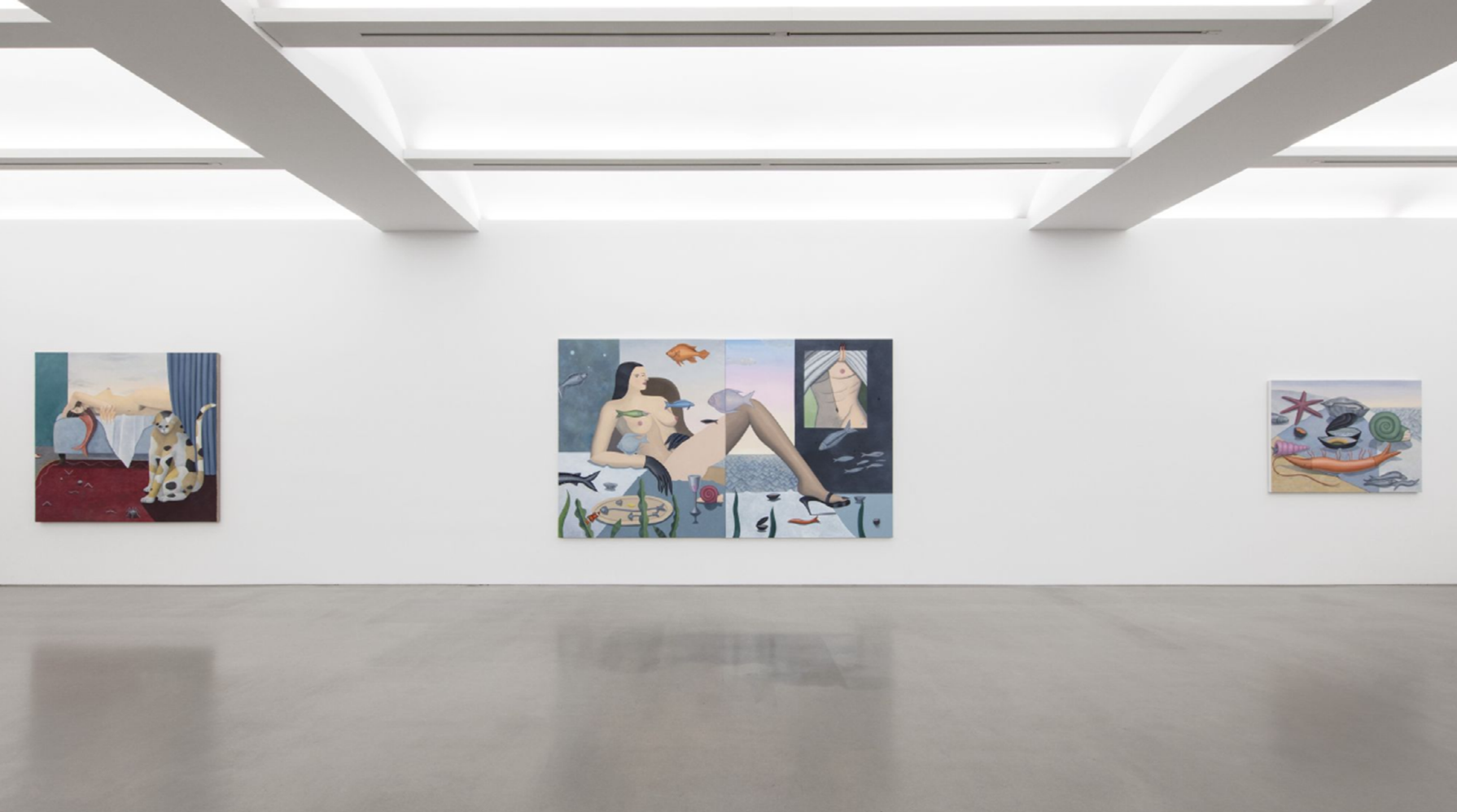
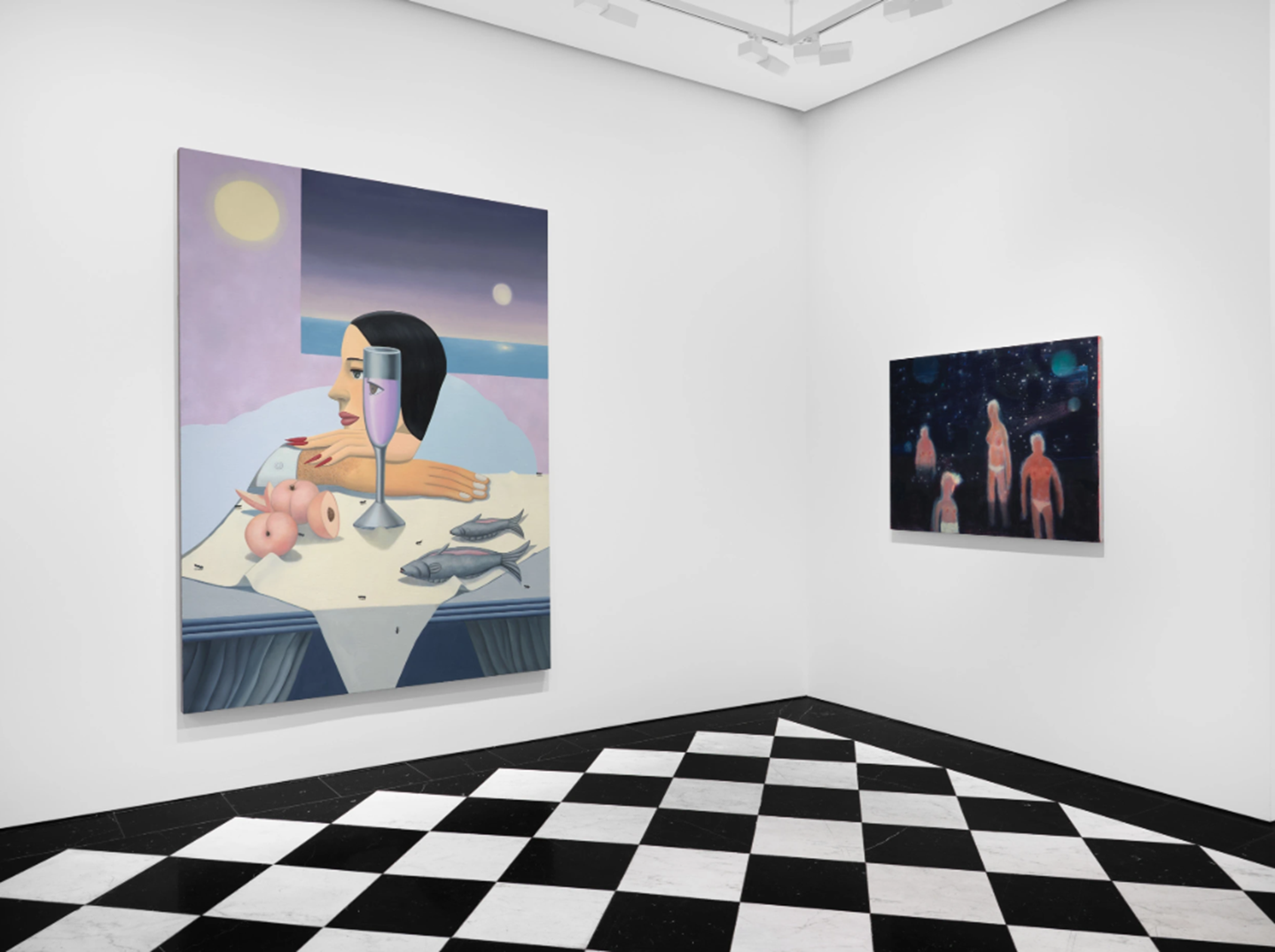
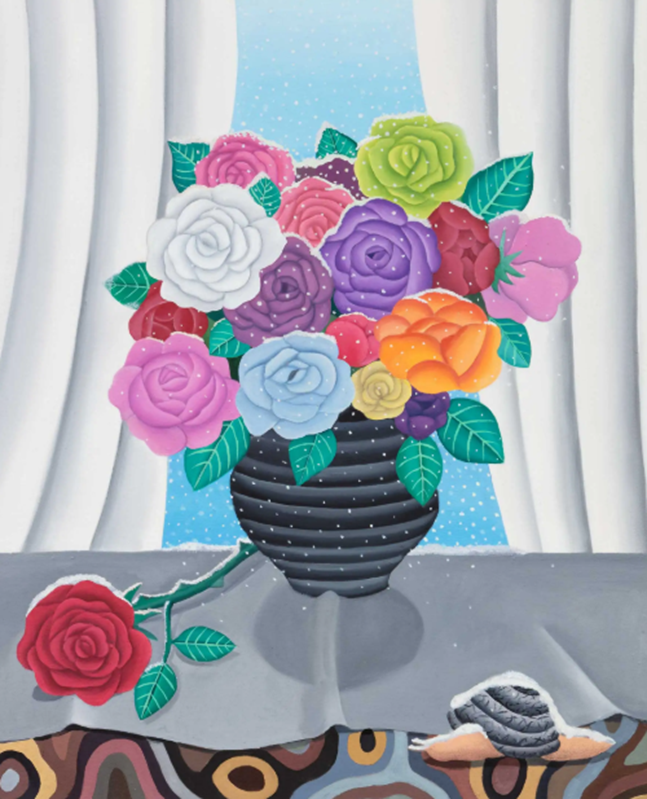
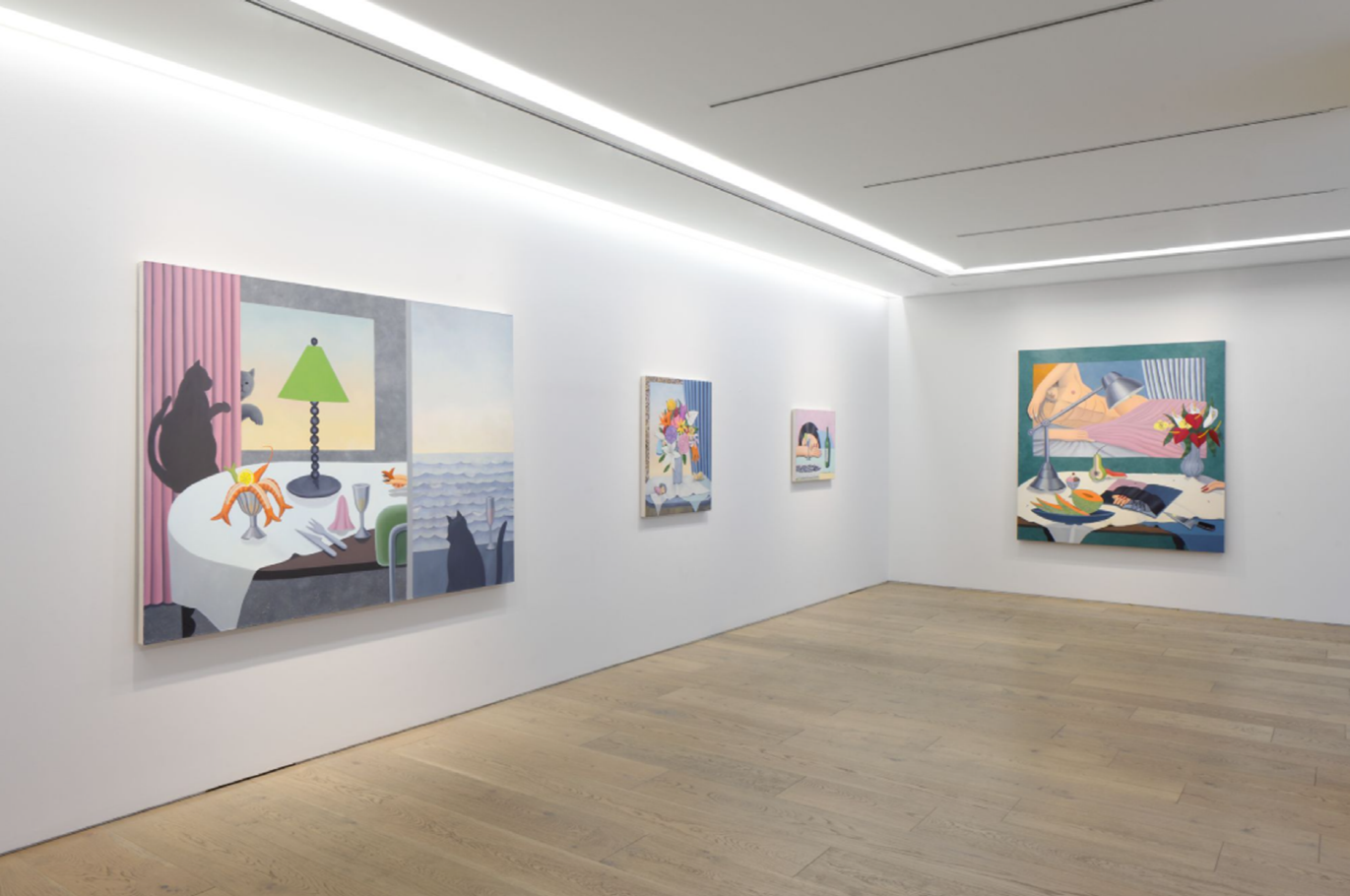
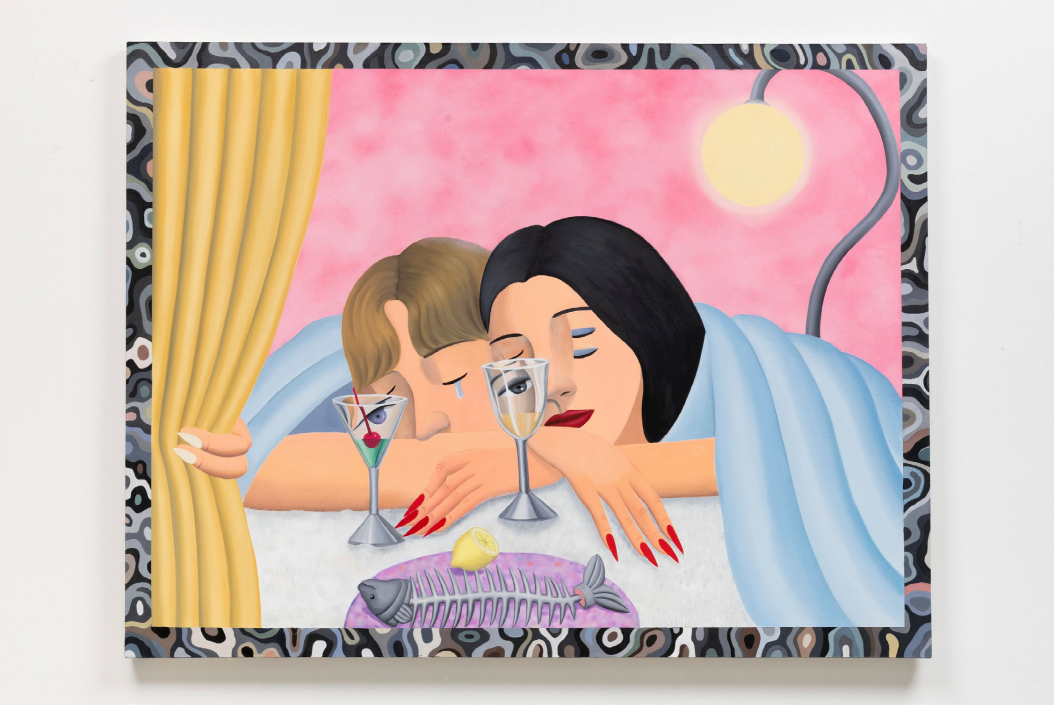
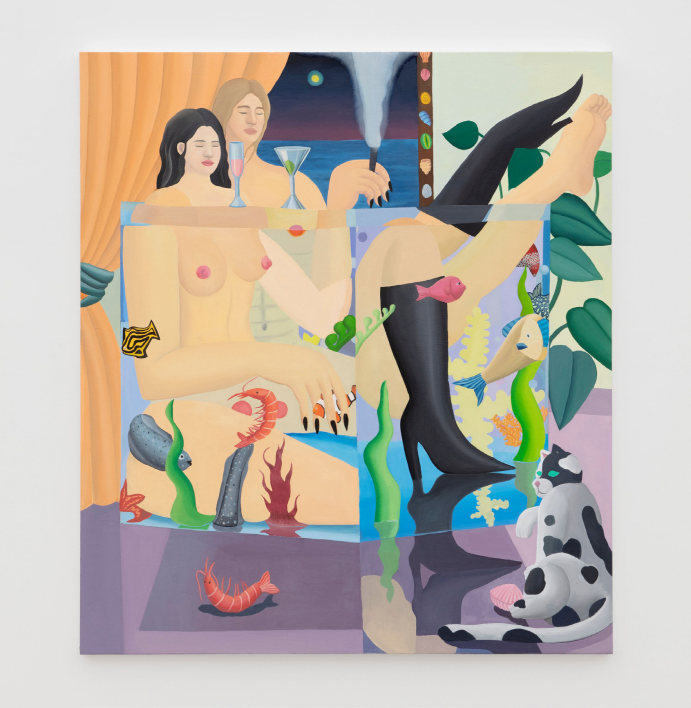
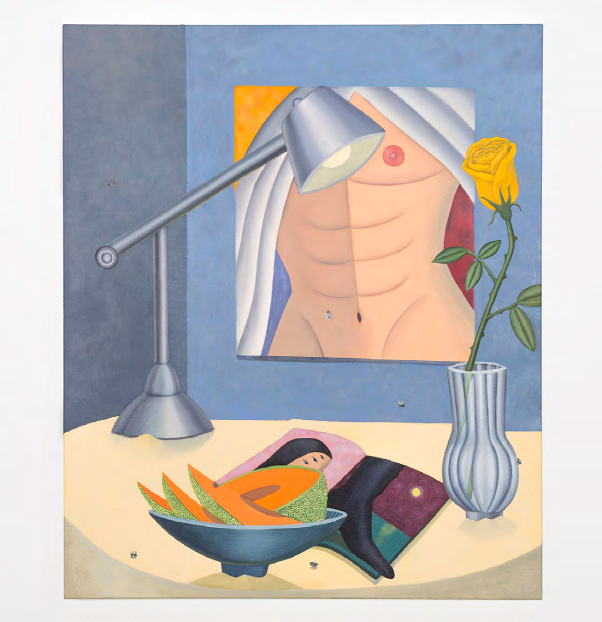
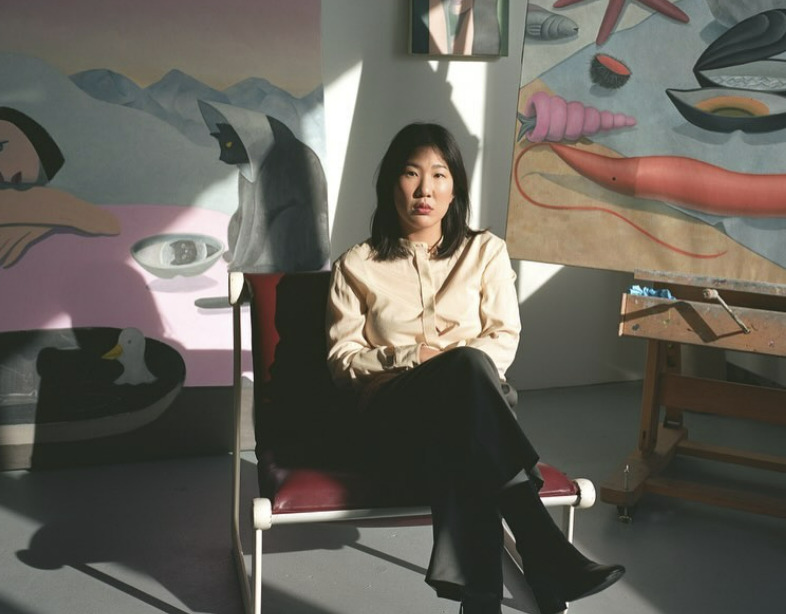
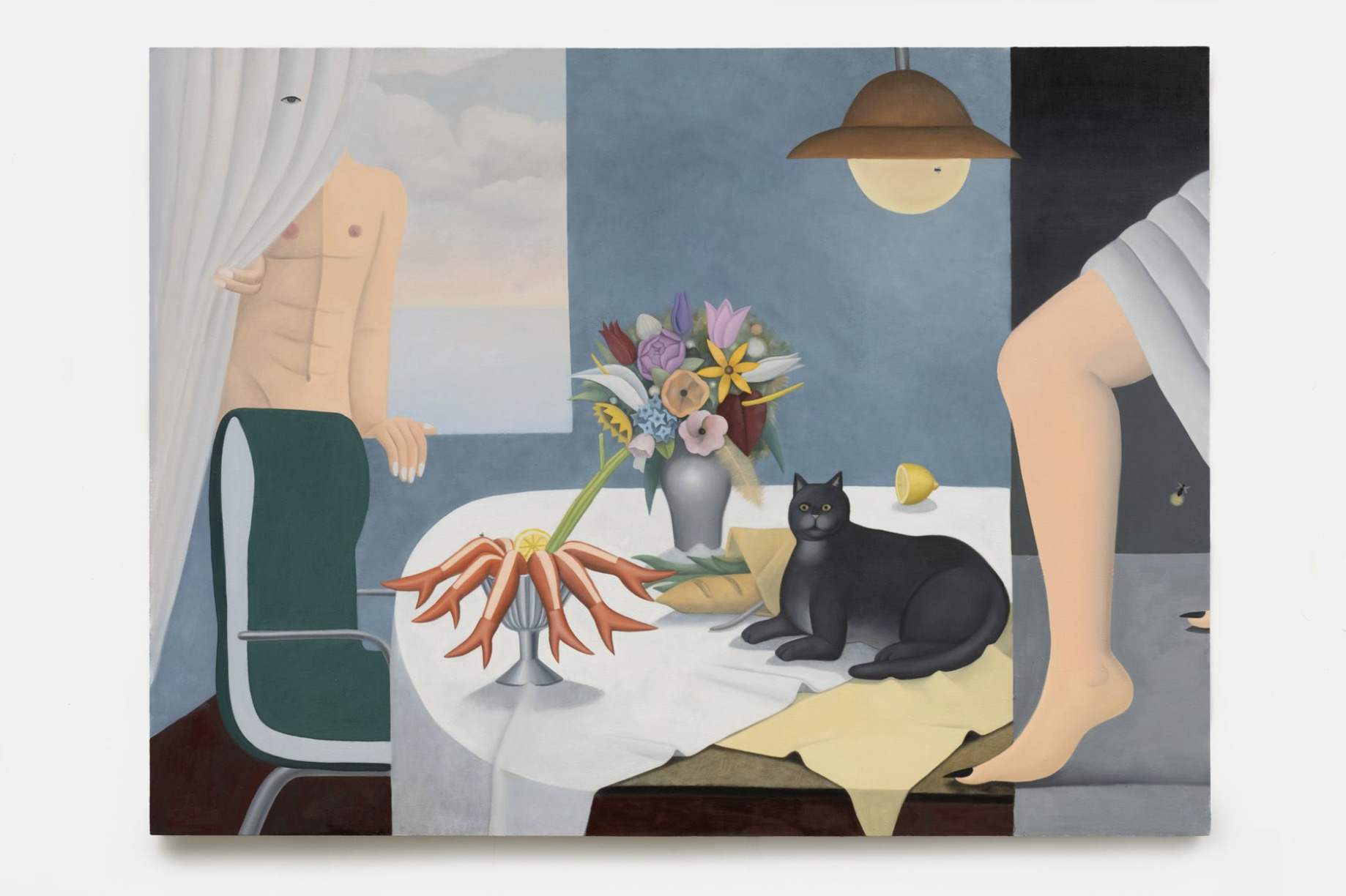
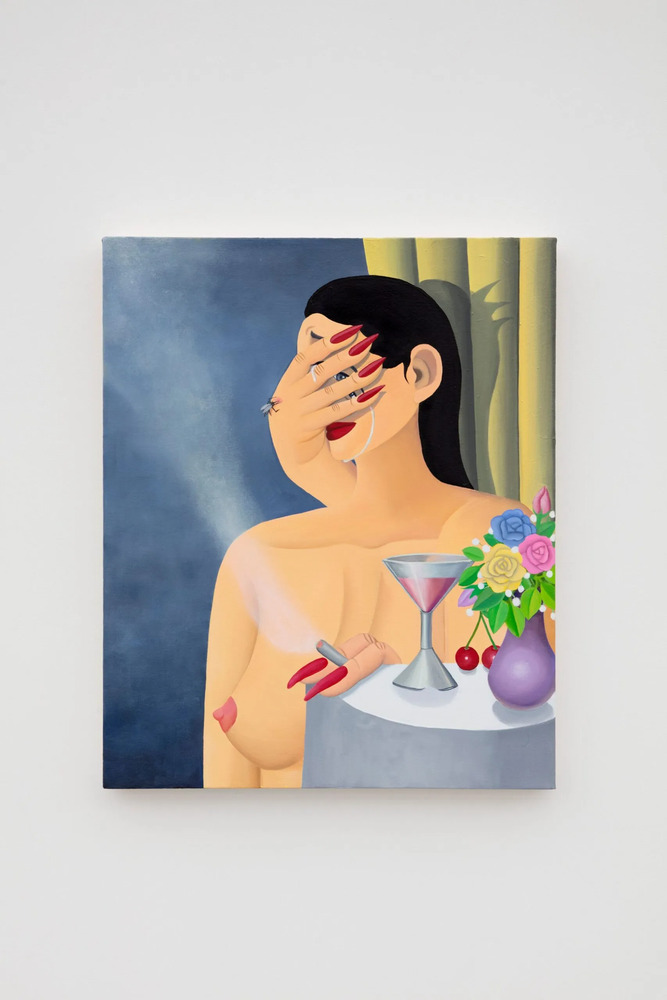
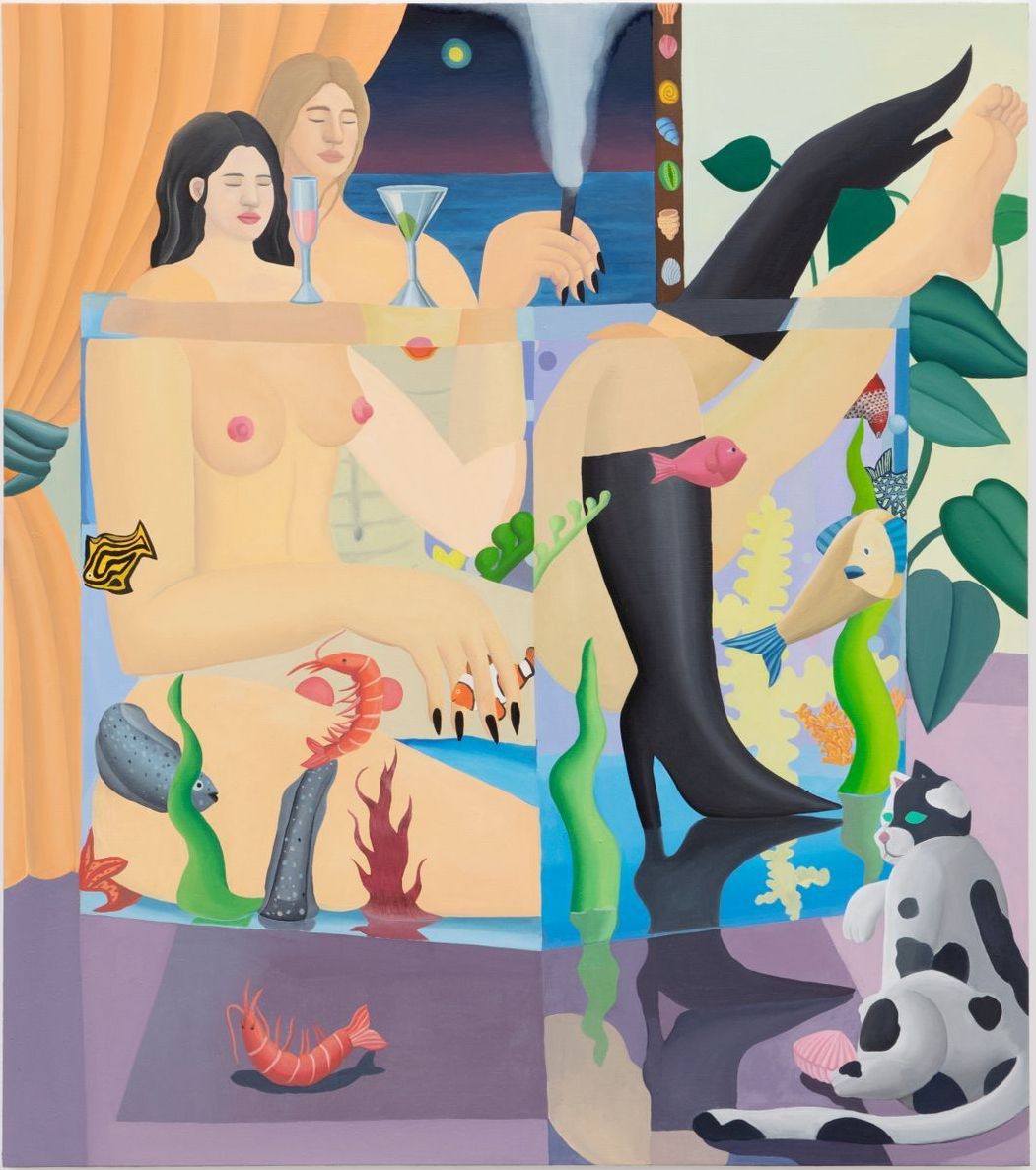
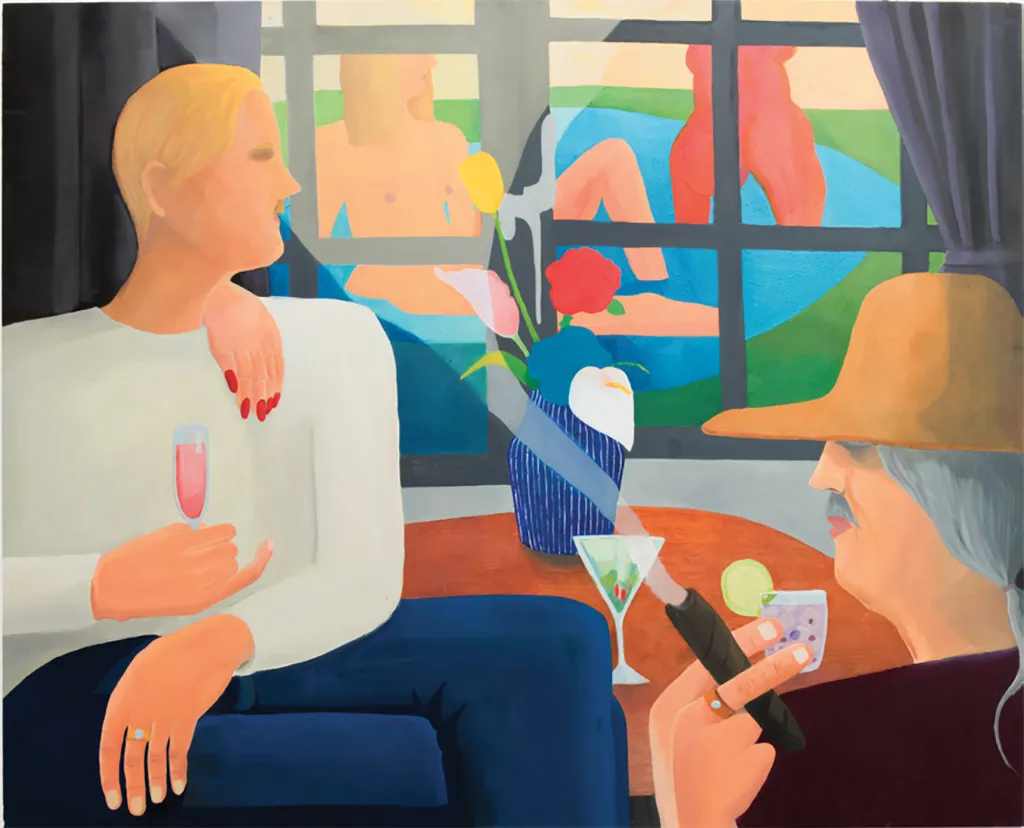
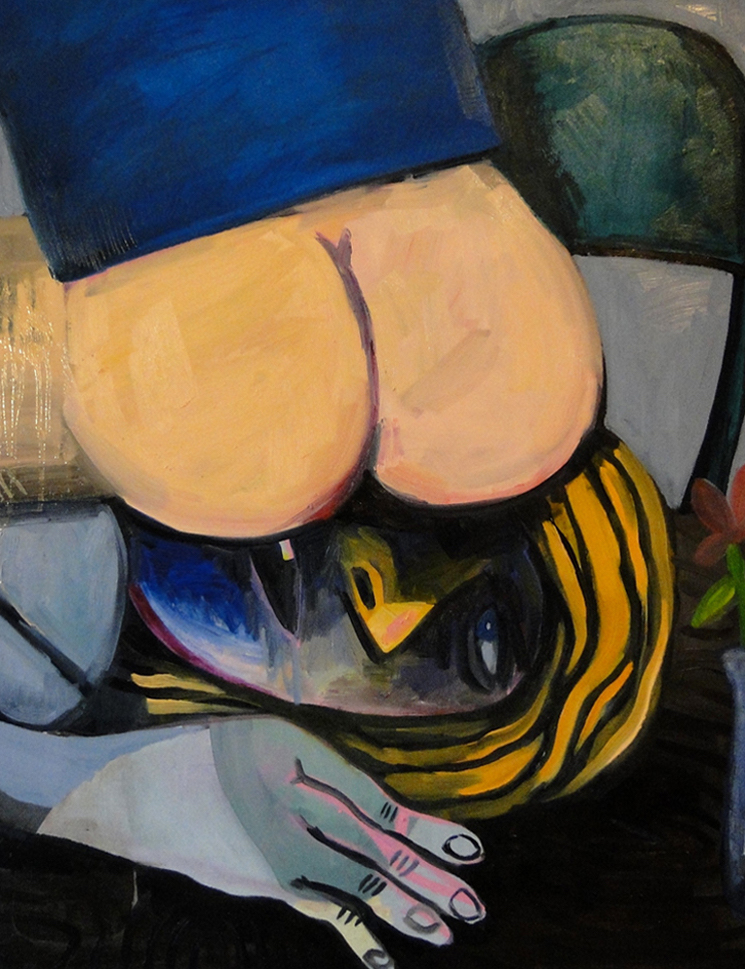
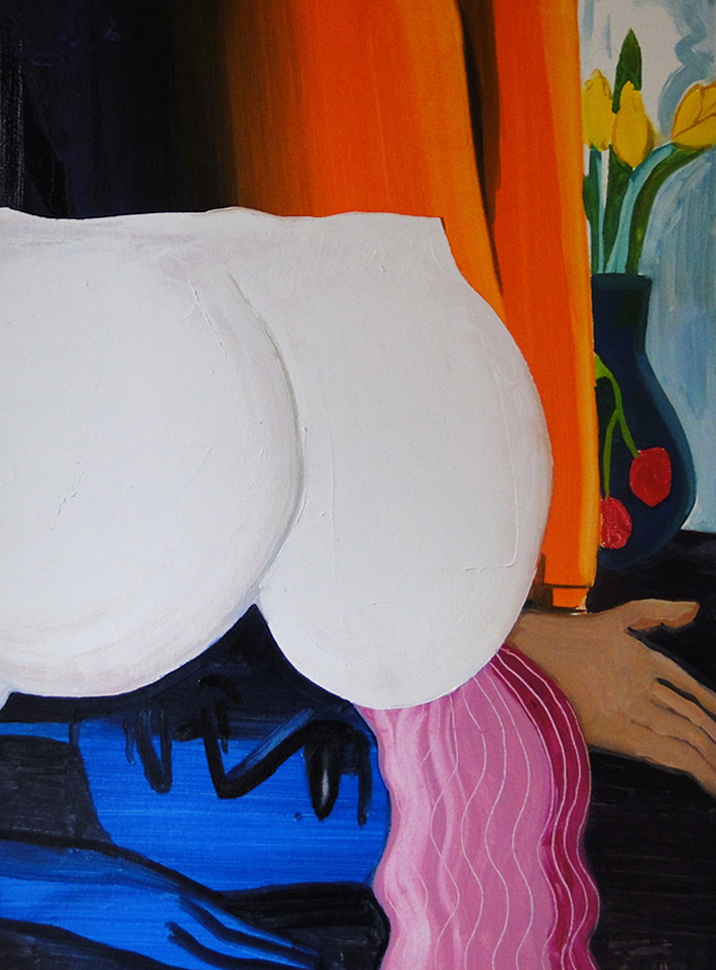
Montreal-based artist GaHee Park, on the other hand, tells her stories through painting. Her work, reminiscent of Henri Rousseau, features subdued colors and a seemingly naïve style, yet it exudes an underlying discomfort and dissonance. In her paintings, lovers embrace in the background while a table laden with objects—fruits, cheese, and bottles commonly found in Western art history—teeters on the verge of toppling over. Figures, contorted like those in Cubist paintings, appear too sharp, and perspectives are distorted. Perrotin Gallery describes Park’s approach as employing a “forced perspective.” With flattened spaces, the textures and patterns she uses to depict objects become strikingly prominent.

Naturally, there has been no official announcement yet regarding the form of Park’s installation at JFK. However, given that artworks will be incorporated throughout walls, floors, and ceilings, it is likely that she will present a large-scale painting that travelers can engage with.

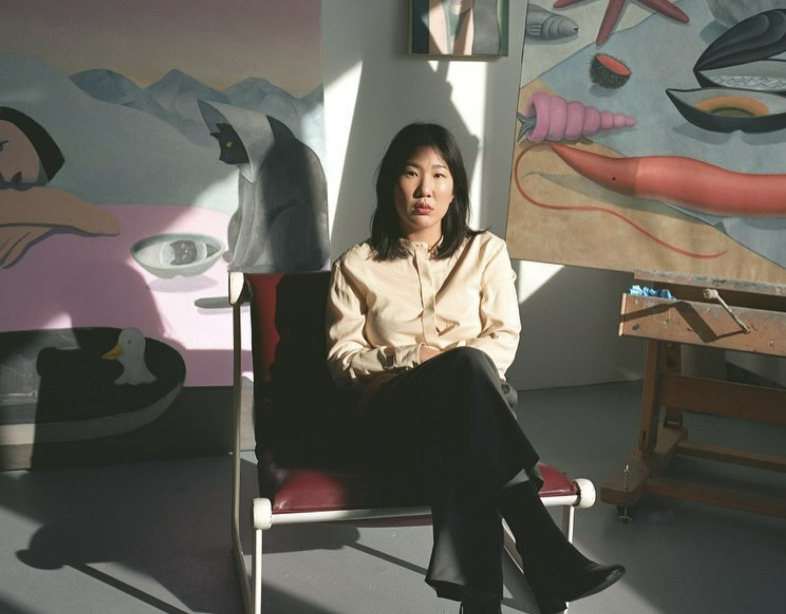
Two of the 18 artists selected for permanent installations at JFK Terminal 6 are Korean. [Left] Haegue Yang ©HAM Sonja Hyytiäinen, 2023 / [Right] GaHee Park


Airports as Battlegrounds for Contemporary Art

The art budget for JFK’s Terminal 6 is approximately $22 million (about 30.4 billion KRW). When commissioning the terminal’s construction, the Port Authority required developers to include permanent art installations. The selection and curation process was managed by New York’s nonprofit Public Art Fund, which reviewed hundreds of artists worldwide before choosing those who could reflect cultural, social, and geographic diversity.

Airports have become battlegrounds for contemporary art. Beyond their symbolic significance as entry points to a country, they serve as spaces where art complements architecture and acts as a cultural bridge. Their expansive ceilings and open layouts also make them ideal venues for large-scale installations.

For example, in October 2023, Chicago’s O’Hare International Airport remodeled Terminal 5 and launched a $3.5 million (about 4.85 billion KRW) art project featuring regional artists like Yvette Mayorga, Luftwerk, Bob Faust, and Edra Soto. The project aimed to establish a strong first impression of Chicago for travelers. The Chicago Department of Aviation noted, “With millions of passengers passing through Terminal 5 annually, it plays a crucial role in shaping not only the perception of Chicago but of the entire U.S. There is no better way to showcase the city’s essence, diversity, and beauty than through art.”

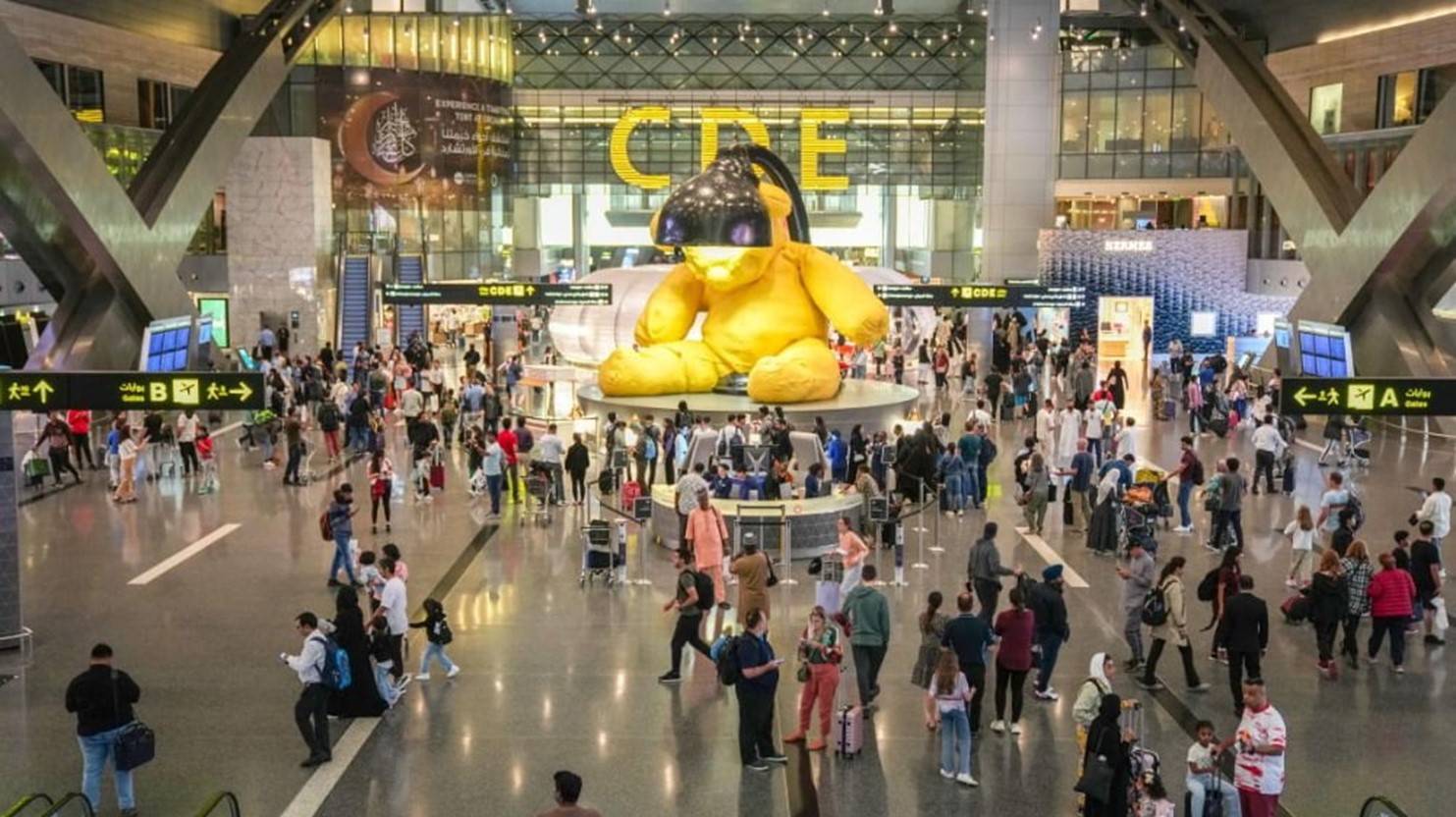
Other international airports also prioritize art. Doha’s Hamad International Airport in Qatar houses Small Lie, a large-scale wooden sculpture by KAWS, Lamp Bear, a yellow teddy bear with a lamp on its head by Urs Fischer, and Cosmos, a constellation-like glass sculpture by Jean-Michel Othoniel. Airports don’t exclusively collaborate with contemporary artists either—Amsterdam’s Schiphol Airport features a Rijksmuseum exhibition space showcasing rotating works by Dutch Golden Age painters like Rembrandt and Vermeer. London’s Heathrow Airport frequently hosts exhibitions curated by institutions like Tate Modern, featuring works by British artists such as Damien Hirst and Anish Kapoor.

Lamp Bear by Urs Fischer, installed at Hamad International Airport in Doha, Qatar. Airports have become prime spaces for contemporary art. © Hamad International Airport Official Website


What About Incheon International Airport?

What about South Korea? In 2018, Incheon International Airport declared its ambition to become an “artport” when opening Terminal 2. It made a grand announcement, inviting journalists and industry insiders to witness its commitment to public art. At the time, approximately 18.3 billion KRW (about $13.2 million) was allocated for 16 large-scale artworks, with French contemporary art star Xavier Veilhan and media artist Julius Popp among the featured artists.


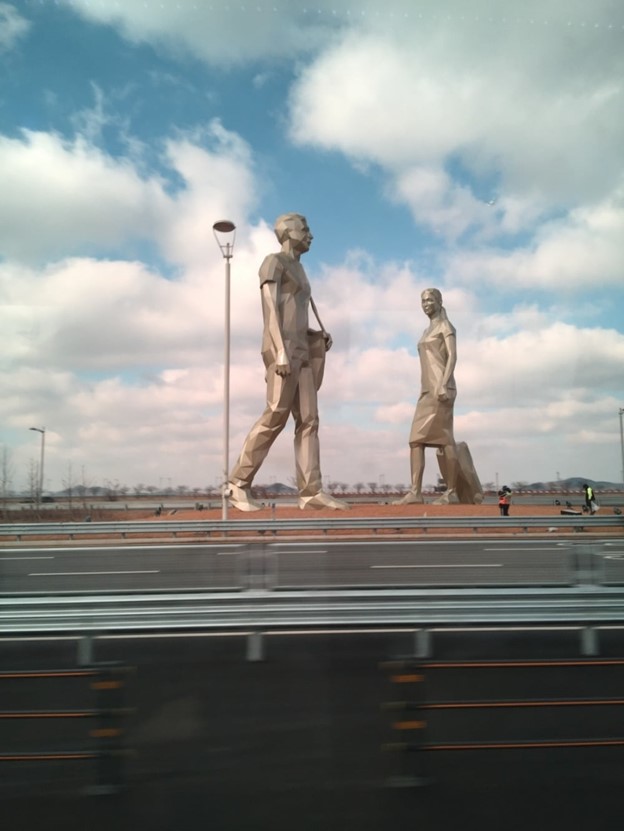
A sculpture in front of Incheon International Airport Terminal 2 ⓒLee Hanbit

However, just six years after its grand opening, some of the installations have stopped functioning, and artworks in the duty-free area were reportedly removed last year. Even Great Mobile, Veilhan’s signature large-scale kinetic sculpture at the terminal entrance, has been gathering dust. The selection and installation of artworks are important, but without proper maintenance, they lose their impact.

Great Mobile by Xavier Veilhan, installed at Incheon International Airport Terminal 2 ©313artproject

Ultimately, it is telling that one of Korea’s most internationally recognized contemporary artists, Haegue Yang, will have a major installation not at Incheon Airport, but at JFK. While this underscores the global recognition of Korean contemporary art, it also raises the question: why haven’t Korea’s leading artists secured a place in its own international airport? The answer, perhaps, is a matter of politics, administration, economics, and culture—better left unsaid.

References